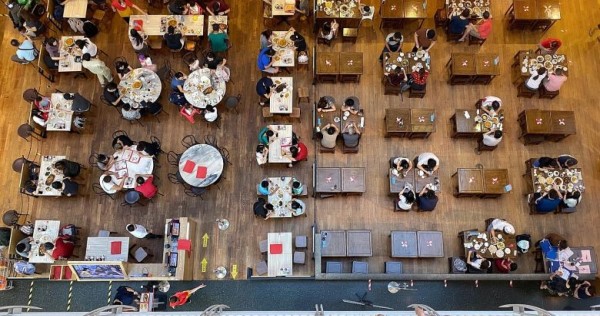
After a two-month ban on dining in at hawker centres and restaurants in Singapore, the government has finally announced that all eateries can welcome dine-in customers from Friday (June 19).
The news was met with excitement by takeout-weary residents, and it showed, with restaurants reporting a surge in reservations almost immediately.
But hold your horses if you’re planning to head out to celebrate Father’s Day this weekend, or for any other reason for that matter.
With the expectation that masses will descend on restaurants and dining establishments islandwide, safety measures have been put in place to prevent the possible spread of the coronavirus.
So don’t be surprised if some things are not the way they used to be (say bye to Haidilao’s communal condiments station, for one).
Stay in the know with a recap of our top stories today.
1. Father’s Day shopping guide: 13 gifts for the techie dad in your life
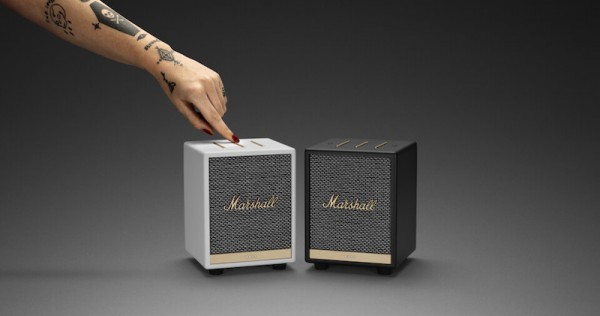
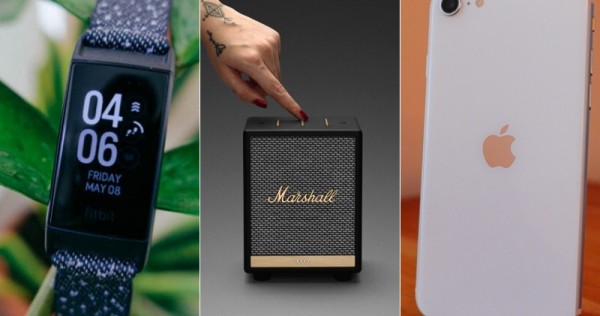
Got a rad dad/father figure in your life that deserves a bigger smile this weekend? Here are some gear recommendations that we think they’ll love… » READ MORE
2. Raffles Institution ‘disappointed’ in students who threw $50 notes down toilet and from building
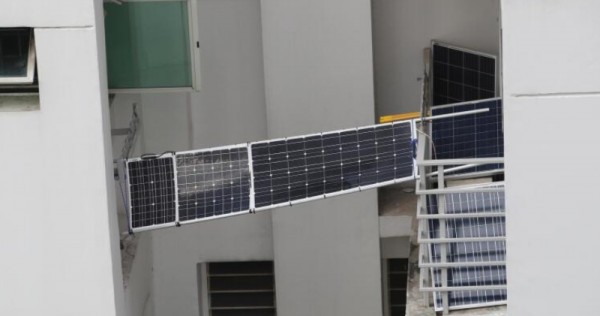
It is an alarming sight — a large solar panel hanging precariously outside an eighth-floor flat in Punggol.
The two-metre-long panel is secured on one end to the unit’s clothes-drying rack, and the other end to the air-con ledge of a room on the opposite side.
Residents living in the area told Lianhe Wanbao they are worried that the panel might fall and hit someone, and they also questioned whether the DIY project is allowed.
The solar panel is suspended floors above a common area where metal bins residents often use for burning paper offerings are located. PHOTO: Lianhe WanbaoA male resident, who declined to be named, told the Chinese evening daily: “I’m worried about strong winds dislodging them because I don’t know if they’re secured properly.”
SINGAPORE – There are 247 new coronavirus cases confirmed as of Wednesday noon (June 17), taking Singapore’s total to 41,216.
They include five community cases, comprising two Singaporeans or permanent residents and three work pass holders, said the Ministry of Health (MOH) on Wednesday.
Migrant workers living in dormitories make up the vast majority of the other cases on Wednesday, said MOH.
More details will be announced on Wednesday night.
On Tuesday, the number of new daily coronavirus patients here and the average number of new cases in the community each day have continued to fall, ahead of the further reopening of Singapore’s economy from Friday.
This comes as the Ministry of Manpower (MOM) said on Tuesday that 42 more dormitories housing about 4,000 migrant workers have been cleared of Covid-19.
While the daily number of new patients on Sunday was 407, it was 214 on Monday and 151 on Tuesday.
Tuesday’s figure was also the lowest number of new cases reported in over two months, after the 142 cases on April 8.
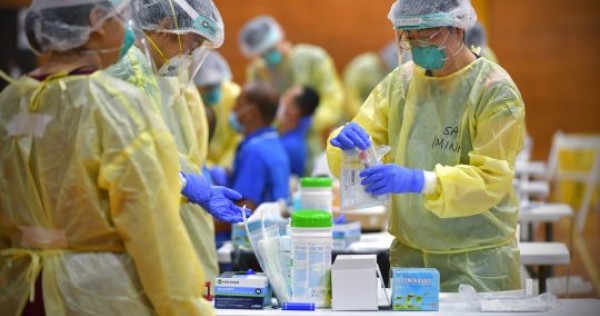
SINGAPORE: A team of Singapore scientists has discovered five antibodies that can block COVID-19 infection and protect against key mutations, Singapore’s defence research and development organisation said on Wednesday (Jun 17).
Human trials for the lead antibody, AOD01, will commence in the coming months, pending approval from the Health Sciences Authority, said DSO National Laboratories.
DSO said that its scientists have screened “hundreds of thousands” of B cells – the cells that produce antibodies to target pathogens – from the blood samples of recovered COVID-19 patients since March this year.
The scientists managed to isolate the first two antibodies for testing within a month of receiving the blood samples from the National Centre for Infectious Diseases and Singapore General Hospital. Two months later, it identified another three effective antibodies.
Validation of the antibody. (Photo: DSO National Laboratories)
This was done using a technique that screens B cells simultaneously with live virus, allowing antibodies with effective virus neutralising properties to be quickly identified.
This technique reduces both the time and manpower required, meaning more antibodies can be found and quickly translated into safe and effective treatments for COVID-19 patients in less time.
The tecnique was developed by DSO in collaboration with the National University of Singapore’s Yong Loo Lin School of Medicine and Life Sciences Institute over the last five years.
Results showed that the five antibodies “demonstrate neutralisation” against COVID-19, said DSO.
“They are all potent in blocking infection and effective against key mutations that have emerged in the virus during the pandemic,” said DSO.
With the research phase completed, the study is now transiting into the preclinical phase, where the team is preparing the lead antibody for production, said Dr Conrad Chan, principal research scientist and laboratory director (applied molecular technology).
This will allow clinical trials to be conducted, and manufacturing to be scaled up when human trials are successful, he added.
The DSO National Laboratories team working on the development of the COVID-19 antibody. (Photo: DSO National Laboratories)
If the clinical trial “goes well”, the antibodies could stop the virus from spreading to the lungs if administered before the illness becomes too severe, he said in response to questions about how the antibodies could help patients.
“When you give the injection of the antibody into a person, the antibody will then circulate throughout the whole of the body … The virus infects at the upper respiratory tract, which is in your nose and your throat. And it then spreads to the lungs where the serious illness occurs, that’s where the real damage occurs,” said Dr Chan.
“But by having the antibodies circulating in your body, you can prevent the virus from infecting your lungs,” he added.
(Graphic: DSO National Laboratories)
Ideally, the antibodies should be given to patients after they are diagnosed with COVID-19 and before they become seriously ill, Dr Chan said.
Additionally, as antibodies can remain in a person’s system for close to a month, it can also be administered to prevent infection, he said.
“By preventing people going into ICU you really prevent the overload of hospital resources that is the fear of all the healthcare administrators around the world,” he said.
Responding to questions on why antibodies from recovered COVID-19 patients were used, Dr Chan said this “improves the chances” of the antibody being safe and effective.
“Our approach has been to recover antibodies from people who have gotten better after falling sick from COVID-19, because these antibodies have been in somebody before and they have helped them to defeat the infection.”
On Jun 10, Singapore-based biotechnology company Tychan said it would start human trials this week for a treatment that could slow down the progression of COVID-19 in patients, help them recover faster and provide temporary protection against the coronavirus.
The firm has developed TY207, a monoclonal antibody that specifically targets the coronavirus that causes COVID-19, and has received approval from HSA. Monoclonal antibodies can be isolated and manufactured in large quantities to treat diseases.
The potential treatment was developed in partnership with the Ministry of Defence, Ministry of Health, the Economic Development Board and other Government agencies as part of a whole-of-Government effort.
Separately, antiviral drug remdesivir has been granted conditional approval by HSA to be administered to COVID-19 patients in Singapore who are severely ill. This means doctors can use remdesivir to treat adult COVID-19 patients who require supplemental oxygen or require more intensive breathing support, such as the use of ventilators or life support machines.
Sure, entering phase 2 of the post-circuit breaker period is nice and all for your dad (and everyone else’s) this weekend, but why stop there?
The easing of pandemic restrictions comes right on time for Father’s Day celebrations. Besides eating at a nice restaurant, dear old dad will surely appreciate something a little more indulgent — and that means toys.
Tech toys, to be exact. Are some of his equipment and gizmos already past due? Got a rad dad/father figure in your life that deserves a bigger smile this weekend? Here are some gear recommendations that we think they’ll love.
SINGAPORE: Schools will try to resume co-curricular activities (CCAs) gradually and ensure safe distancing measures are in place even during physical education (PE) classes, the Ministry of Education (MOE) said on Wednesday (Jun 17).
Primary, secondary and junior college students will return to school every day from Jun 29, while university, polytechnic and other institute of higher learning students will return progressively to their campuses.
Schools reopened on Jun 2 following the end of the “circuit breaker” period, with graduating students attending school every day and other students rotating between home-based learning and going to school every week.
On Monday, the COVID-19 multi-ministry taskforce announced that Singapore will move into Phase 2 of its reopening from Jun 19.
With students returning to school every day, the Education Ministry intends to “gradually bring back” CCAs, which are “essential elements of school experiences”, it said.
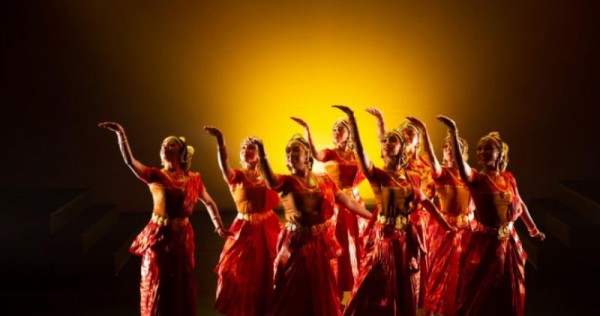
“Schools will try to restart CCAs that can be conducted by coaches, instructors or CCA teachers through digital means. Such activities include dance, art and robotics,” said MOE.
“For activities that are more suited to be conducted face-to-face, schools can implement them at the class level, to minimise intermingling. This means that students may not be participating in an activity that is their original CCA choice, but they will get to learn something new.”
For PE classes, schools will allow group activities and small-sided games that involve minimal physical contact, including badminton, table-tennis, volleyball and sepak takraw, with a limit of five students per group.
“This may require some creative change in game formats and rules,” said MOE.
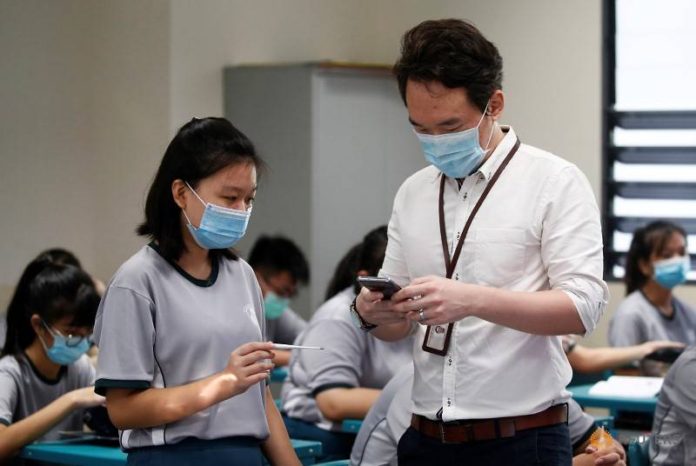
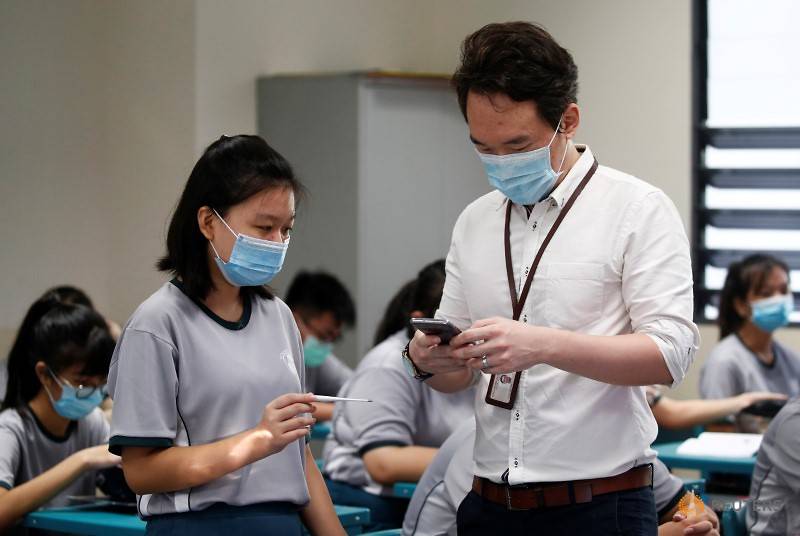
Schools will continue with their safe management measures, such as daily temperature-taking and visual screening for students and staff, the ministry added. Those who are unwell, or have household members on quarantine order, stay-home notices or who have flu-like symptoms, must not come to school, it said.
Students have their temperature checked in class at Yio Chu Kang Secondary School, as schools reopen amid the coronavirus disease (COVID-19) outbreak in Singapore June 2, 2020. REUTERS/Edgar Su
Students will continue to wipe down tables and shared equipment after use, and high-touch surfaces will be cleaned frequently. School premises will also be disinfected daily, said MOE.
Intermingling across classes and levels will be reduced, with fixed exam-style seating and staggered arrival, dismissal and recess timings. Students will sit in spaced seating arrangements in canteens where possible, and fixed groups of up to five students from the same class will also be allowed.
Students and staff are required to wear masks, but in situations where the wearing of masks “may not be practical”, they may wear face shields instead. For example, this would apply to students with health conditions, said MOE.
UNIVERSITIES, POLYTECHNICS TO GRADUALLY RESUME CLASSES
Universities, polytechnics and other institutes of higher learning will also progressively increase the number of students allowed back on campus at any one time for face-to-face learning, “while maintaining a significant amount of online learning”, the Education Ministry said.
Classes and consultations with no more than 50 people can now gradually resume on campus, said MOE, but all large-scale classes and lectures will continue to be held online.
Selected student activities, including project work discussions, fitness training and face-to-face counselling may resume gradually, and will be subject to the necessary safe management measures with at least 1m distance between individuals and with no more than 50 people in a venue.
“As of now, large-scale orientation activities will not be possible, but some smaller-scale activities can proceed, with safe management measures in place. These can include briefings, campus tours and non-contact ice-breaking activities,” said the ministry.
All students, staff, vendors and visitors will be required to check in and out using SafeEntry when entering or leaving the campus. Temperature and symptom screening will also be carried out at the entrances.
Students and staff will be required to wear masks at all times, but teaching staff “have the option” of wearing face shields “in specific teaching settings”.
To reduce intermingling between students on campus, the institutes of higher learning will stagger the start and end timings for lessons, with fixed seating and safe distancing in teaching venues where applicable.
“While our schools and institutes of higher learning will continue to implement safe management measures, it remains essential that each one of us exercises social responsibility through maintaining good personal hygiene and safe distancing measures – wash our hands regularly, wear a mask and see a doctor immediately when we are sick,” said MOE.
“As a reminder, staff and students should stay at home if you or a family member living in the same household is unwell. These collective actions are crucial in ensuring that our schools can remain open safely.”
Now here’s something that’s long overdue besides my library books.
The Red Bull Mobile Esports Open finally makes its way to the little red dot for the first time, with Singapore’s chosen game being the ever-popular PlayerUnknown’s Battlegrounds Mobile.
Indeed, the player base for numerous games have spiked over the course of the two month-odd circuit breaker, which also prompts the question of “Have our players’ skills gotten any better as a result of the increased playtime?”.
However, even if you can’t hit the broad side of a barn door (No offence, folks – I can’t, either!), that doesn’t mean you can’t enjoy the tournament at all. The National qualifiers, which are open to all players will be held online on July 18 and 19, while the finals will take place a week later on the 25th.
However, there are some basic requirements for participation, as follows:
Artists play an important role in society and their work cannot be disregarded, arts practitioners said, after a survey in The Sunday Times sparked discussion about the value society places on artists.
The survey, which asked 1,000 respondents what jobs are most crucial in keeping Singapore going, found “artist” topping the list of roles deemed non-essential.
The finding sparked anger and sadness online among members of the arts community, at a time when arts venues are closed as a result of the pandemic.
The survey, which also found that doctors and nurses (86 per cent) and cleaners (78 per cent) were deemed most essential, was part of a feature that looked at the discrepancy between the value to society of essential workers, such as cleaners, and what they earn.
An “essential worker” was defined in the survey as “someone who is engaged in work deemed necessary to meet the basic needs of human survival and well-being, such as food, health, safety and cleaning”.
It’s been five years since the last General Election.
This guide should be helpful to all 2.65 million people who’ll be heading to the polls soon, which could be as early as next month. Everything’s falling into place anyway, with Singapore entering phase 2 of reopening the economy this Friday (June 19).
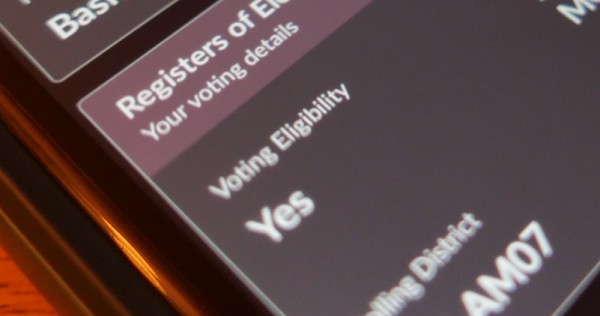
By now, you should already know if you’re eligible to vote and which electoral division you’re in.
If not, there are two ways to check your particulars. One way is to head over to the Elections Department Singapore website and click voter services. There you’ll need to log in using your SingPass account before doing things like checking your name in the registers or apply to be an overseas elector if you’re (still) abroad.