A couple was devastated when their beloved pet dog sustained serious injuries and had to be put down. But they soon found the culprit — their domestic worker.
The 28-year-old Indonesian woman, who allegedly threw her employers’ dog off the third floor of their house last month, was charged in court on June 10, media reports said.
The woman, who was not identified, had started working for the family in December last year.
Speaking to Lianhe Wanbao, the employers, a couple hailing from Hong Kong, said the incident happened on May 13 at their home in Yio Chu Kang.
“I was in the study working and my wife was resting in the room. Suddenly, the maid ran in, saying that [the dog] was lying on the front porch motionless,” the husband, 36, recounted. “We went to check and found it bleeding from its mouth.”
They rushed the dog to a veterinarian, who told them that it had sustained multiple fractures and internal injuries.
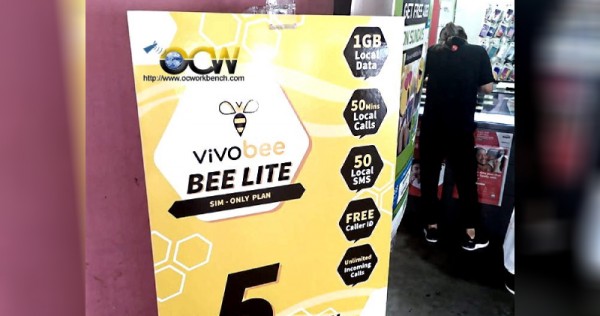
Virtual telco VivoBee Singapore will cease all its mobile services in Singapore by August 31, 2020, according to their latest Facebook post.
VivoBee is a telco service targeted at migrant workers based in Singapore and Malaysia, where its plans and services can be purchased via its in-app store using VivoBee credits banked within their app.
Some of their promotions included 25GB at $20 or 1-cents-per-minute local calls for its subscribers. VivoBee is a brand under VivoHub Mobile Pte Ltd, a subsidiary of Malaysian-based group, Green Packet.
According to the telco, existing subscribers can continue to use VivoBee’s SIM card and their app services (such as App IDD call, Overseas Mobile, Data top-up) until August 31, 2020.
However, services such as credit top-up (adding more credits to purchase those services), Buying Data, IDD, Local Minutes, Local SMS, and Super Combos & Add-Ons will no longer be available as of writing (June 11, 2020).
Subscribers with $5 or more worth of credit balance left in their VivoBee membership can request for a refund of credits starting this Saturday (June 13, 2020) until August 31, 2020.
SINGAPORE – Tackling the Covid-19 pandemic has been a major challenge despite Singapore’s experience with the Sars outbreak, said Senior Minister and Coordinating Minister for National Security Teo Chee Hean.
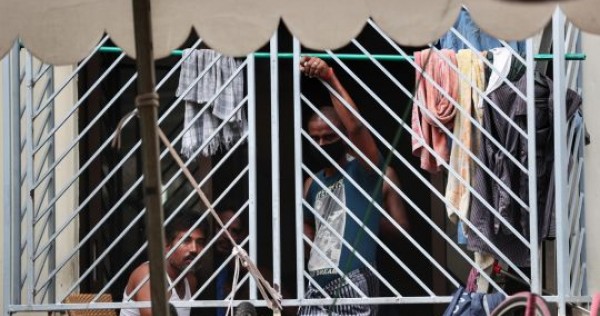
As the disease is far more infectious than the severe acute respiratory syndrome (Sars), heightened surveillance and tightened precautions in migrant worker dormitories early on proved to be insufficient, he added.
Even so, Singapore has managed to “orientate, adapt and act rapidly” to each wave of the virus, said Mr Teo, who is advising the multi-ministry task force on handling the Covid-19 outbreak in foreign worker dormitories.
Speaking in a national TV broadcast on Thursday, he said: “The crisis has stretched our resources and capacity… Each wave required us to develop and deploy novel measures to slow down the spread, and contain it.”
Sars in 2003 infected 238 people and killed 33 people in Singapore. Globally, there were 8,096 cases and 774 deaths.
Mr Teo’s speech – the third in an ongoing series of TV broadcasts by six ministers – focused on Singapore’s post-coronavirus future.
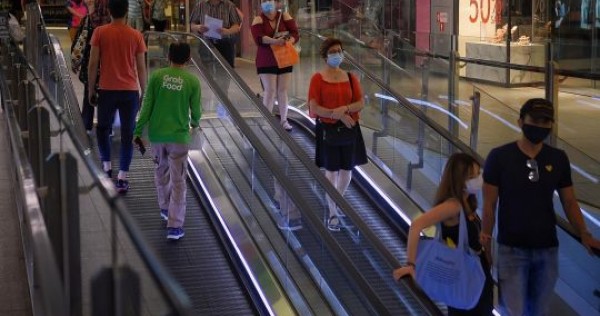
Although Covid-19 cases in the community have crept up since the country exited its circuit breaker last week, this is not cause for alarm, because the numbers reflect aggressive testing and “hidden reservoirs” of infection, rather than an increase in cases due to the easing of measures.
Ten days since Singapore began reopening schools, and some economic activities and services resumed, the situation remains in check, said Professor Teo Yik Ying, dean of the National University of Singapore’s Saw Swee Hock School of Public Health.
“I do not see anything that is out of the norm, and (the data) reflects a situation that remains under control,” he said.
At this rate, Singapore is well placed to move from phase one to phase two of its reopening, which would mean a further easing of restrictions to allow even more businesses and social activities to resume, said Prof Teo and other experts interviewed.
They stressed, though, that people should not let their guard down because the battle is far from over.
SINGAPORE: The owner of spa chain Healing Touch is anxious about reopening his business when Singapore enters Phase 2 of its recovery journey after COVID-19 “circuit breaker” restrictions.
On one hand, Mr Joshua Lung, who also owns Aesteem Aesthetic Clinic, is looking forward to receiving customers again after being closed since early April.
On the other, he is unsure what kind of safety measures health and wellness establishments will be required to implement, and if those restrictions will hinder the spa experience his customers are accustomed to.
All 10 of Mr Lung’s Healing Touch and Aesteem outlets have been closed since the beginning of April, as massage and spa services are not considered an essential service under COVID-19 restrictions and only specific aesthetic treatments are allowed.
With zero revenue, Mr Lung has been able to tide through only because of relief measures from the Government, including rental rebates and the Jobs Support Scheme (JSS), which has enabled him to retain and pay his 35 full-time employees for the past two months.
News that personal health and wellness services will be allowed to resume in Phase 2 of the post-circuit breaker opening have come as a relief.
But his worries have not fully disappeared.
“My main concern now is whether safety will be excessively restrictive until it discourages customers from returning as it significantly impacts the experience,” said Mr Lung.
For example, time limits on treatments, perhaps of an hour, would substantially reduce his revenue, he said.
Mr Lung also expects that tourists – who make up 15 per cent of his clientele – are likely to continue to avoid travelling, affecting his sales for the next 12 months.
With all the challenges ahead, said Mr Lung, he expects post-circuit breaker revenue to decline at least 20 per cent from pre-COVID-19 days – which is as optimistic an outlook as he can imagine.
Aesteem Aesthetic Clinic, which was allowed to provide only specific treatments, has not resumed operations because it would be more expensive to open up for limited services than to remain closed. (Photo: Joshua Lung).
DIPPING INTO SAVINGS
Small and medium enterprises (SME) have come under severe pressure during the coronavirus pandemic. Many were forced to close or restrict their services during the circuit breaker, seeing their bottomline hurt badly in the process.
And even as Singapore gradually eases restrictions, there are no certainties that business will recover to pre-COVID-19 levels in the near future, business owners and analysts told CNA.
Officially defined as enterprises with annual turnover of no more than S$100 million and up to 200 workers, SMEs are likely to bear the brunt of the economic downturn due to their liquidity constraints, said analysts.
With SMEs making up 99 per cent of all of Singapore’s companies, 72 per cent of its workers and 45 per cent of the nominal value added to the economy last year, the challenges they face could have implications for the wider economy.
There are two main reasons why small businesses will struggle more during this pandemic-induced fallout, said NUS Business School’s Associate Professor Nitin Pangarkar.
First, small businesses tend to have weaker balance sheets and second, they are typically not as diversified as larger firms.
“So if they are dependent on that one thing, and that one thing – one (type of) customer, one business or one geography like Singapore – gets affected, then they get badly affected,” he said.
In the case of a worldwide pandemic, SMEs with operations beyond Singapore are also suffering.
Pink Parlour’s president Derrick Seeto co-runs 15 waxing salons across the region, but all of them have had to close because of lockdowns in those countries.
With one stream of revenue cut off, Mr Seeto upgraded Pink Parlour’s e-commerce platform. Despite the efforts, online sales have managed to account only for one-tenth of pre-COVID-19 revenue, said Mr Seeto.
As a result, the company had to dip into reserves meant for acquisitions to stay afloat.
While business is slowing returning and customers make advanced bookings as countries ease their lockdowns, it will take at least six months for the business to recoup the money, Mr Seeto said.
“I wouldn’t say I’m in a happy position,” he said.
A screenshot of Pink Parlour’s online store.
WEAK SENTIMENT
Recent polls have highlighted weak sentiment among small business operators.
A study released in May by business data firm Experian showed that 47 per cent of SMEs expect sales to decline this year.
The study, which polled 200 local SMEs, also showed that only 10 per cent of SMEs expect to see at least a 0.5 per cent growth in sales compared to 2019.
Meanwhile, the remaining 43 per cent expect to see anything between 0 to 0.5 per cent growth in sales.
A separate survey by the Singapore Business Federation (SBF) and Experian in April that polled 3,000 SMEs showed that their business sentiment was at an all-time low.
The SBF-Experian SME Index for April to September 2020 registered an overall reading of 48.3, the lowest reading since the index was launched in 2009.
The survey was conducted in January and February this year. Given the escalating impact of COVID-19, sentiment is likely to have fallen further, SBF had said in its press release.
JOBS ON THE LINE
With COVID-19 causing an existential blow on small businesses in Singapore, jobs are likely to be lost.
Officials and market watchers have warned that Singapore’s resident unemployment rate, which stood at 3.3 per cent in the first quarter, will rise.
In the first quarter, 3,000 workers were retrenched, up from 2,670 in the previous three months.
Official data released by the Ministry of Manpower does not provide information on how many of the layoffs were from small businesses, but the US labour report could offer some insight, said Maybank’s senior economist Chua Hak Bin.
A paper released by the American National Bureau of Economic Research found that between February and April this year, US businesses with fewer than 50 employees saw employment declines of more than 25 per cent, while those with more than 100 employees saw declines of 15 to 20 per cent.
“We expect Singapore’s labour market to mirror some of these patterns,” said Dr Chua, noting that the majority of firms in the hardest-hit sectors such as food & beverage and entertainment are SMEs.
He predicts that Singapore could see between 150,000 to 200,000 job losses this year.
Restaurant group Dandy Collection, which runs Neon Pigeon, Fat Prince and Summerlong, has retrenched about 25 per cent of its staff strength, according to head of operations Michael Pekarsky.
The group could not afford to keep all its employees and had to let go of 15 people from its 60-strong team after sales took a nosedive, said Mr Pekarsky.
Since April, sales across its three restaurants have fallen by between 75 to 85 per cent.
The company tried to reduce its costs by negotiating for lower fees from its suppliers and tapping on government subsidies, but was still unable to avoid the retrenchments, said Mr Pekarsky.
Such layoffs are inevitable, said industry insiders.
“If you look at your typical business unit, if you know you are not going to get back to 50, 60 per cent of your old revenue, your employment may not come down by 50 per cent because there is JSS support but you still need to cut cost,” said Association of Small and Medium Enterprises president Kurt Wee.
“It’s not unrealistic to say they will look at cutting headcount by 20 per cent … which may or may not need to be in the form of employment numbers. It may mean wage cuts, cost reductions – (but) 20, 25 per cent (in) labour cost cuts is realistic to expect,” he added.
Earlier this month, Senior Minister and chair of the National Jobs Council Tharman Shanmugaratnam also said that many people are at risk of losing their jobs because of the pandemic.
“We have to be realistic. The sheer uncertainty facing the world – no one can tell how long COVID-19 will last – will mean that we will have far fewer new job openings than jobs being lost – over the next year, and beyond that if we are unlucky,” he wrote in a Facebook post ealier this month.
Alongside retrenchments, Singapore could see more businesses disappear.
Last week, Senior Minister of State for Trade and Industry Chee Hong Tat said in Parliament that while the number of companies that closed in April remained stable, business cessation could see an “uptick” in the coming months as the COVID-19 pandemic continues to put a severe strain on the Singapore economy.
About 3,800 companies closed down in April, comparable to the average of 3,700 recorded in the same month over the past five years.
The formation of new businesses will remain subdued for the same reason, Mr Chee added.
About 3,800 business entities were set up in April, nearly a third lower than the average of 5,500 seen in the same period between 2015 and 2019.
Pointing to the construction industry specifically, ASME’s Mr Wee said that customers might see prices go up in the short-term as firms consolidate.
Some of them may struggle to comply with the safe management requirements they have to fulfil before they can start work, even with the Government support to pay for the expenses, he said.
“When they can’t operate, means they can’t build. They can’t build means they carry cost,” said Mr Wee. “We expect quite a lot of players to fold. And when players fold it means there will be some price consolidation and prices will go up.”
File photo of a construction site in Singapore. (Photo: AFP/Roslan Rahman)
Companies related to the hospitality trade – aviation, tourism, nightlife – will also be “terribly affected” as well, said Mr Wee.
He expects more firms to close in the next three to four months, but said that it is not necessarily unhealthy, as the downturn weeds out unsustainable businesses.
And even if some businesses close, they may reappear in a different form or shape in the future.
“One of the good things of SMEs is they are really entrepreneurial and dynamic. So even if a lot of the current crop die … when things become normal then a new crop of SMEs will come up,” Assoc Prof Nitin said.
ADAPTING, BUT FUTURE REMAINS UNPREDICTABLE
For now, small businesses are learning to adjust to the “new normal” – a life of hygiene measures and social distancing requirements.
Healing Touch’s Mr Lung has prepared a set of safety protocols – such as staggered appointments and protective gear for employees – that will be put in place once the Government gives the green light for health and wellness services to resume.
At Pink Parlour, Mr Seeto has stocked his warehouse with UV disinfection lamps, air purifiers, masks, visors and sanitisers.
Restaurant operators have gotten more creative with their menus as well. Both Mr Pekarsky’s team and Restaurant Ibid’s chef-owner Woo Wai Leong have carved a menu that fits a delivery and takeaway mode that is more sandwiches and set meals than elaborate entrees. They have also changed their menus a few times since April to keep their offerings fresh.
A screenshot of Summerlong’s circuit breaker menu. The restaurant under Dandy Collection launched a “Sunday Social” menu that aims to help families “connect (through) food” during this period.
With the office crowd trickling back, Dandy Collection recently launched lunch promotions, and is reaching out to corporates to cater lunches from his restaurants.
“We’re all struggling. What we’ve got to do is to put out something new and keep our guests engaged,” Mr Perkarsky said.
Despite their efforts, none of the business operators expect sales to recover until, at the soonest, the end of the year.
For Restaurant Ibid’s Mr Woo, getting through the circuit breaker might have been the easier part. Orders streamed in – although it slowed after week three – because of the novelty from ordering from new restaurants, he said.
The game plan was also straightforward during those two months, he said, adding that it was possible to study what restaurants in other countries, where lockdowns had preceded Singapore’s, had done.
“Going into post-lockdown, there has been no unified response in other countries,” Mr Woo said. “We don’t know what this ‘new norm’ in dining is.”
“Will it be safe enough to open in Phase 2? What kind of PPE do we need?,” are some of the questions that remained unanswered, he said.
While there will be guidance from the authorities, concerns remain as to customer-centric services will be able to carry out hospitality.
“Given that we are in human, front-facing, experiential industry, how do we convey that same level of hospitality with a visor and a mask?,” said Mr Woo.
Restaurant Ibid’s last dine-in service before the circuit breaker kicked in in early April. (Photo: Instagram/woowaileong).
The circuit breaker has also fired up a new generation of home cooks and bakers that could threaten the restaurant industry’s survival.
“Everyone can make sourdough now. Everyone can make milk buns. What’s going to happen to eating out?”
Mr Woo has be lucky so far. His business is still able to afford its overheads and has not had to let go of anyone, although he says it could be because he stays open every day of the week, and has a small team of just six employees.
But what happens next, he admits, is uncertain and scary.
“In all honesty, I’m just going day by day. I don’t want to think too much about the future,” Mr Woo said. “To say I’m worried is an understatement.”
SINGAPORE: Adequate sleep, exercise and a good diet are the trio of lifestyle factors critical for optimal health and well-being. Mobility restrictions arising from COVID-19 upset routines related to all three.
How are different people affected, what are the consequences of this imbalance and what can we do to restore balance?
Anna had been in her job for three years as a consultant when COVID-19 struck. Kept busy by a steady stream of deadlines, she was taken aback by the announcement of DORSCON Orange, but her steady nature kept her rooted.
When the World Health Organization (WHO) declared the pandemic, business continuity plans began to kick in at her office, but she still went to work. She started sleeping later, close to 1am and waking up later as well.
This trend jumped a gear when the circuit breaker was announced. Face-to-face meetings were replaced by Zoom calls that started after 9am and ploughed on into the evening. While she saved about an hour on the morning commute to work and another going home, the time saved seemed to disappear into online meetings.
Unlike her married colleagues with young children, who had to handle home schooling, Anna had fewer reasons not to be available for work calls. Her colleagues expected her to carry a relatively higher workload and she obliged.
CHANGE IN PHYSICAL ACTIVITY
Although Anna slept about 15 minutes more each night, and the difference in weekday and weekend sleep duration lessened, her physical activity took a big hit.
Her gym routine evaporated after the lockdown. Together with not having to walk to and from the MRT station her physical activity was reduced by 50 per cent compared to before the lockdown.
Bereft of her Friday night socialising, her Saturday morning retail therapy and having to field additional “crisis management calls”, Anna’s weekdays and weekends melded into one long, undifferentiated string of days.
A person like Anna made up about 50 per cent of about 1,000 participants in an ongoing population health study operated by the Singapore Health Promotion Board.
Aged between 21 to 40 years, these predominantly office workers have been wearing Fitbit sleep or activity trackers consistently for two years, yielding objective data about their rest-activity patterns.
Most people are sleeping later but also getting up later. Young singles like Anna innately tend to sleep later than older adults. This is accentuated by an East Asian work culture that makes for longer hours at work and shorter nocturnal sleep compared to Nordic countries or in Australia.
Sleep patterns can be affected by unavoidable disruptions or unwise living habits. Most people are sleeping later but also getting up later during COVID-19. (Photo: Unsplash)
A third cause of later sleeping and rising was unmasked during the lockdown. According to its longitude, Singapore belongs in the “+7 GMT” time zone. This was the case from 1905 to 1932. In 1941, we shifted to the “+7:30” time zone and to stay with Malaysia’s time zone we shifted to “+8 GMT” in 1982. This results in later sunrise and sunset.
The consequence of persistent exposure to later evening light is a delay in sleep times. Evening light tends to delay the circadian clock. Under normal conditions, with work and school start times relatively earlier in body clock terms, this results in shortened nocturnal sleep.
With the circuit breaker, the hour recovered from not having to commute to work has resulted in persons being able to follow their body clock and to wake up significantly later.
This modest sleep extension on weekdays may help offset the ill effects of sleeping later – increased risk of obesity, diabetes mellitus and cardiac events. Alongside, reduction in the accumulated sleep debt over the workweek may be evidenced in the smaller difference in weekday-weekend sleep duration under lockdown conditions.
Interestingly, office workers also showed a 2 beat per minute reduction in resting heart rate. Commonly associated with better cardiovascular fitness, this favourable shift may indicate reduced exposure to stress, improved sleep or both.
While sleep in persons like Anna has gained from mobility restrictions, the decline in physical activity is worrisome.
It may not appear so, given the increased numbers of people walking and jogging. However, for many working adults and school children, physical activity associated with commuting and moving around the office contributes a substantial number of total steps. These have not been fully replaced by recreational walking.
Does a 30-minute High Intensity Interval Training (HIIT) make up for a 10-hour Zoom marathon? For the most part, no.
Workplace sedentariness is a major health risk factor and increases all-cause mortality, cardiometabolic disorders in addition to impairing musculoskeletal and bone health. Sitting through online meetings for extended periods is unhealthy and a brief burst of exercise does not make up for it.
Does a 30-minute High Intensity Interval Training (HIIT) make up for a 10-hour Zoom marathon? (Model: Marvin Soh)
Further, just as it is impossible to sustain properly performed HIIT beyond 30 minutes, for most people sustained attention declines within minutes of concentrated effort.
A long string of online meetings is not productive because most people tune out after a while and may fail to take heed of important points. Breaks between online meetings help recharge attention, but they have to be taken, not simply wished for.
Leaders would do well to take note. Persons working from home must be given the opportunity periodically get up, move around and mentally recharge.
ALIGNING MULTIPLE BODY CLOCKS
The new normal is an opportunity to recalibrate how we work. Time saved from commuting should be channelled to improving productivity, freeing time for creative thought, recreation as well as building community and family ties.
Minimally, a person working from home should stand up and walk around a few minutes every half an hour, get exposure to outdoor light, preferably in the morning for at least 30 minutes and not have to field evening or late-night calls except on occasion.
Meetings should be kept efficient or terminated. Time saved should not be frittered on cyber-loafing and constant news-checking. A different routine should be in place for weekends, allowing for downtime, time with family and non-work activity.
In contrast to Anna’s fairly regular routine, Thomas, an undergraduate, found the move from traditional classroom learning to e-learning liberating.
Ever pushing boundaries, he’s discovered a way to supplement his educational experience by joining online classes and conferences held in different time zones, opportunities unique to this period of lockdown.
However, while Anna’s routine shifted later it is regular. Thomas’ timetable, if that term could be used, is totally chaotic. Post circuit-breaker, his sleep patterns were constantly changing.
He experimented with sleeping four hours starting from 6am one day, two hours at noon and then changed to another schedule a few days later. His meals were irregular, and he snacked more than usual. He put on weight but figured he’d burn it off later.
Beyond sleep duration, its regularity also matters as does the timing of feeding and physical activity.
Besides the master clock deep in the brain, there are cellular clocks in the liver, digestive system, heart and even skin. Desynchronisation between different body clocks occurs when meal times and sleep times are misaligned and poses significant risks to health and well-being.
It is possible to keep to an alternative sleep or activity schedule, but it should be stable and have a main sleep period together with appropriately aligned eating and exercise times.
Speaking of messed up lives, Shankari’s – another case I know of – took a real tumble during the COVID-19 lockdown. Already unsure if her job would remain in the coming months, she has neighbours who smoke, litter and make noise at odd times of the day and night.
Her brother does not get along with her parents, yet everyone has to stay under the same roof at this time. To find relief, Shankari checks her social media account frequently and watches online movies. However, she feels increasingly isolated despite being on multiple chat groups.
RESILIENCE DURING COVID-19
Inability to sleep, nocturnal awakening, early morning rising or some combination of these, suggest a significant breakdown in mental well-being. The early recognition of such is important.
Sitting through online meetings for extended periods is unhealthy and a brief burst of exercise does not make up for it.(Photo: Unsplash/Chris Montgomery)
Some have the resilience within them to ride out crises. Such individuals have the ability to take on one problem at a time, fixing things that can be remedied, while letting go of issues that cannot be changed.
Additional personal actions one can take to reduce emotional stress include staying away from toxic individuals and limiting one’s exposure to upsetting news. Others will benefit from early intervention and professional help. Hiding under a rock will not make difficult problems disappear.
Finally, as in any crisis, there are some who will take to challenge like a duck to water. Mark, a network specialist, experienced initial anxieties about COVID-19 but soon, literally hit his stride.
He thrived on the flexibility of operating from home and working for a boss who understood creative individuals respond better to coaxing than key performance indicators enforcement.
His work on dynamic bandwidth allocation algorithms makes it possible for persons who have to work from home to have fuss-free connectivity.
In between coding, he kept up with friends and found time for athletic pursuits. By the end of the circuit breaker, he was clocking personal bests in his runs and cycles.
Not everyone may be as fortunate as Mark, but we can collectively take a leaf out of suggestions made on each of the four life stories portrayed here. Mobility restrictions from COVID-19 are a huge challenge but we can emerge stronger with the right approach.
Download our app or subscribe to our Telegram channel for the latest updates on the coronavirus outbreak: https://cna.asia/telegram
Prof. Michael Chee leads the Centre for Sleep and Cognition at the Yong Loo Lin School of Medicine, National University of Singapore. The names quoted in this commentary are not the actual names of the participants in the study.
SINGAPORE: When Minister for Manpower, Josephine Teo said in Parliament on Thursday (Jun 4) that there are no rules stating that jobseekers must declare their last-drawn salaries, and employers cannot insist they do so, you would think jobseekers would feel reassured.
However, in reality, while there are no such rules, about 95 per cent of employers, local and international firms, routinely ask for candidates’ last-drawn salaries in physical or online application forms and jobseekers rarely resist.
Crisis or no crisis, if you want or need a job, you are likely to comply for fear of not even being considered should you decline to reveal the information.
Ms Teo said that if a company bases the applicant’s “worth to the organisation” solely on the last-drawn pay, her advice to jobseekers would be: “Look for another employer. This is not a company that you should spend too much on.”
But the current crisis has thrown into sharper focus the power dynamics between employers and jobseekers and this may be easier said than done at a time when employers clearly have the upper hand.
While it is tempting to call for a ban on the practice of asking for last-drawn salaries, such bans may be challenging to enforce at this time.
With rules in place, employers won’t ask for such information overtly on application forms, but can easily insist on it during job interviews. Whether or not a candidate is comfortable revealing the information, he or she might do so uncomplainingly during a crisis.
REASONS FOR ASKING COULD BE LEGITIMATE; WORK IN CANDIDATES’ FAVOUR
Granted, the laws banning the practice in certain cities and states in the US could curb discrimination against historically underpaid groups.
Migrant workers in essential services wearing safety vests cross a street at Orchard Road, amid the coronavirus disease (COVID-19) outbreak in Singapore, May 27, 2020. (Photo: REUTERS/Edgar Su)
However, we should not see the revelation of such information as being necessarily disadvantageous to the candidate.
The information per se is not problematic. What’s problematic is how employers choose to use it.
Ms Teo is right in pointing out that a candidate’s last-drawn salary can help employers gauge his or her seniority or make an appropriate job offer.
Don’t get me wrong. Salary history data must not be used as the sole reference to determine an offer, but it could certainly help complete the picture.
There are a slew of factors to consider when determining a salary offer.
These include work scope, market benchmarks, candidates’ skills, experience level and potential to achieve business goals, internal equity (what others with a similar scale of job responsibilities within the organisation are paid), the company’s manpower budget, employment terms, and prevailing economic conditions.
For candidates, sometimes, the growth opportunities a job offers could far outweigh the question of salary.
Salary history information, which also includes annual and performance bonuses, is useful insofar as it gives an indication of how much to offer without insulting the candidate.
The last time a candidate I was representing refused to reveal his last-drawn salary, the prospective employer ended up offering an amount that was unsatisfactory in spite of taking into account the various factors outlined earlier.
The company lost the candidate. Both parties lost valuable hours as each had to begin their search anew.
“EXPECTED SALARIES” CAN BE PROBLEMATIC TOO
Why not just ask for the candidate’s expected salary then?
Human traffic was sparse during evening peak hour at Raffles Place on Tuesday (Jun 2), the first day of Phase 1 post-circuit breaker. (Photo: Jeremy Long)
Working off salary expectations poses a different set of problems.
Singapore has traditionally had a very tight labour market. Under such conditions, candidates are likely to inflate their expectations.
The macro effects of this on Singapore’s labour force in the long term can be damaging – the price point of talent increases and we become unattractive as a talent market.
MAKING SENSE OF THE INFORMATION
If employers decide to use last-drawn salary information as a factor in determining salary offers, we urge them to use it judiciously.
Among other things, employers need to consider the reputation of the candidate’s previous employer. Is the company known for underpaying talent?
If so, let’s not consider the candidates’ last-drawn salary at all.
A recent news report quoted a fresh graduate who turned down a job offer because the salary offered was “way below average” and he was concerned that future employers would peg his salary to this amount too.
While these concerns are legitimate, in our experience, sensible employers realise that if they insist on using crisis-era salaries as a key benchmark in non-crisis conditions, they could end up losing out on the best talent.
About 10 per cent of employers may use the information to lowball candidates, but in my experience, such employers would lowball candidates whether or not they had access to their last-drawn salary information.
EMPLOYERS WHO LOWBALL TALENT ARE ONLY SABOTAGING THEMSELVES
While jobseekers should adjust their salary expectations downwards during a crisis, employers who routinely and inordinately lowball candidates need to realise that they are merely sabotaging themselves.
Office workers at Raffles Place during lunch hour on Jun 2, 2020, the first day after the end of the circuit breaker. (Photo: Jeremy Long)
Word will inevitably get out, tarnishing your employer brand. When the economy improves, you’ll struggle to hire and retain the best talent.
This has serious consequences for business recovery, growth and sustainability especially in an era of transformation.
Accelerated digital transformation has not eliminated the need for human resources. In fact, many thriving firms are in search of skilled strategists and people who can execute high-level projects during this time or in the near future to prepare them for economic recovery.
A 2019 study by Oxford Economics said that robots could take over 20 million manufacturing jobs around the world by 2030, but the researchers also advised governments to incentivise companies and workers to engage in retraining programmes to be able to do high-level jobs.
The Government’s emphasis on reskilling programmes to ensure employability is therefore necessary and commendable.
Among the candidates we represent, we have found that having sought-after skills, traits and capabilities renders last-drawn salary information irrelevant.
RETHINK HOW WE VALUE HUMAN LABOUR AND TALENT
At the heart of this issue lies the question of how we determine the monetary value of human labour and talent.
This has been an ongoing concern in regard to low-wage workers such as cleaners and security personnel.
Member of Parliament Zainal Sapari recently said the COVID-19 crisis should force us to rethink the value our society has placed on such essential service workers.
“The services provided by these workers are truly useful and necessary, and the impact will be felt if the work is not done. Unfortunately, in many societies, the more useful the work is, the less they pay you,” he said in Parliament on Jun 4.
Saadia Zahidi managing director of New Economy and Society at the World Economic Forum highlighted similar concerns in a recent commentary.
Making a call for revaluing essential work and improving the quality of jobs, she said it’s “imperative that governments, businesses and workers’ representatives work together to lead a new historical shift in upgrading the protocols that govern our labour markets”. She added:
The pandemic has exposed more glaringly than ever before the inadequacies and inequalities in the system of the past. Yet it has also refocused the minds of global leaders on the fundamental value of human life, human potential and human livelihoods. This is the window of opportunity to invest in our most precious asset: our human capital.
Perhaps this is an opportunity to rethink our paradigms across all levels of human resources.
Businesses need to move beyond thinking about cutting corners for short-term survival. Instead, we should consider long-term survival and sustainability.
We must recognise that respecting and rewarding our people is critical to achieving these goals.
Download our app or subscribe to our Telegram channel for the latest updates on the COVID-19 outbreak: https://cna.asia/telegram
Teo Howe Yuin is Director of the Financial Services Recruitment Group at PeopleSearch, an executive search firm with a presence in six cities including Singapore.
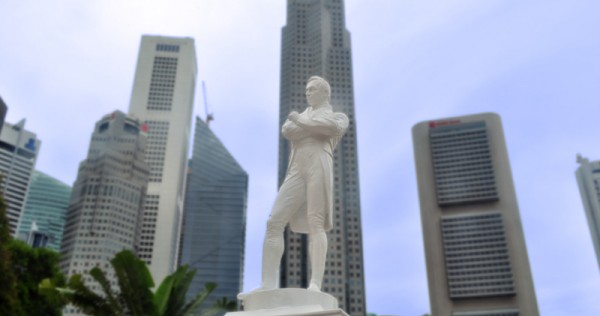
As protests against racism erupted across the world, the monuments that pay tribute to problematic historical figures have been subjected to mob justice as well.
Inspired by the protests taking place in the United States in response to the killing of George Floyd, people from around the world are taking to the streets to demonstrate against prejudice and institutional racism happening in their own countries as well. Part of which involves the symbolic purging of controversial icons by way of vandalising effigies of colonialists.
An 18-year-old Singaporean man was charged in court today (June 11) for an offence of sexual penetration of a minor.
The victim was under 16 when the offence took place in Sept 2018, according to the charge sheet. The teen, a student, is also believed to be involved in other cases which led to a request to the court to remand him for a week for investigations. He was arrested on Tuesday (June 9) after the police received several reports of alleged sexual offences between June 6 and 9.
Investigations are ongoing, the police told AsiaOne.
SINGAPORE: Law of the Sea disputes can now be heard in Singapore as it agreed to provide facilities for an international tribunal to preside over such cases in the country.
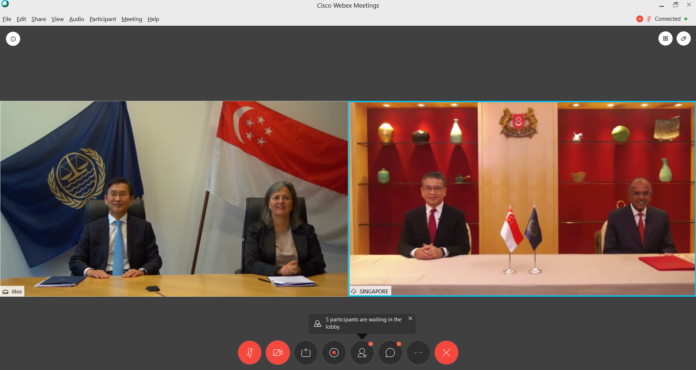
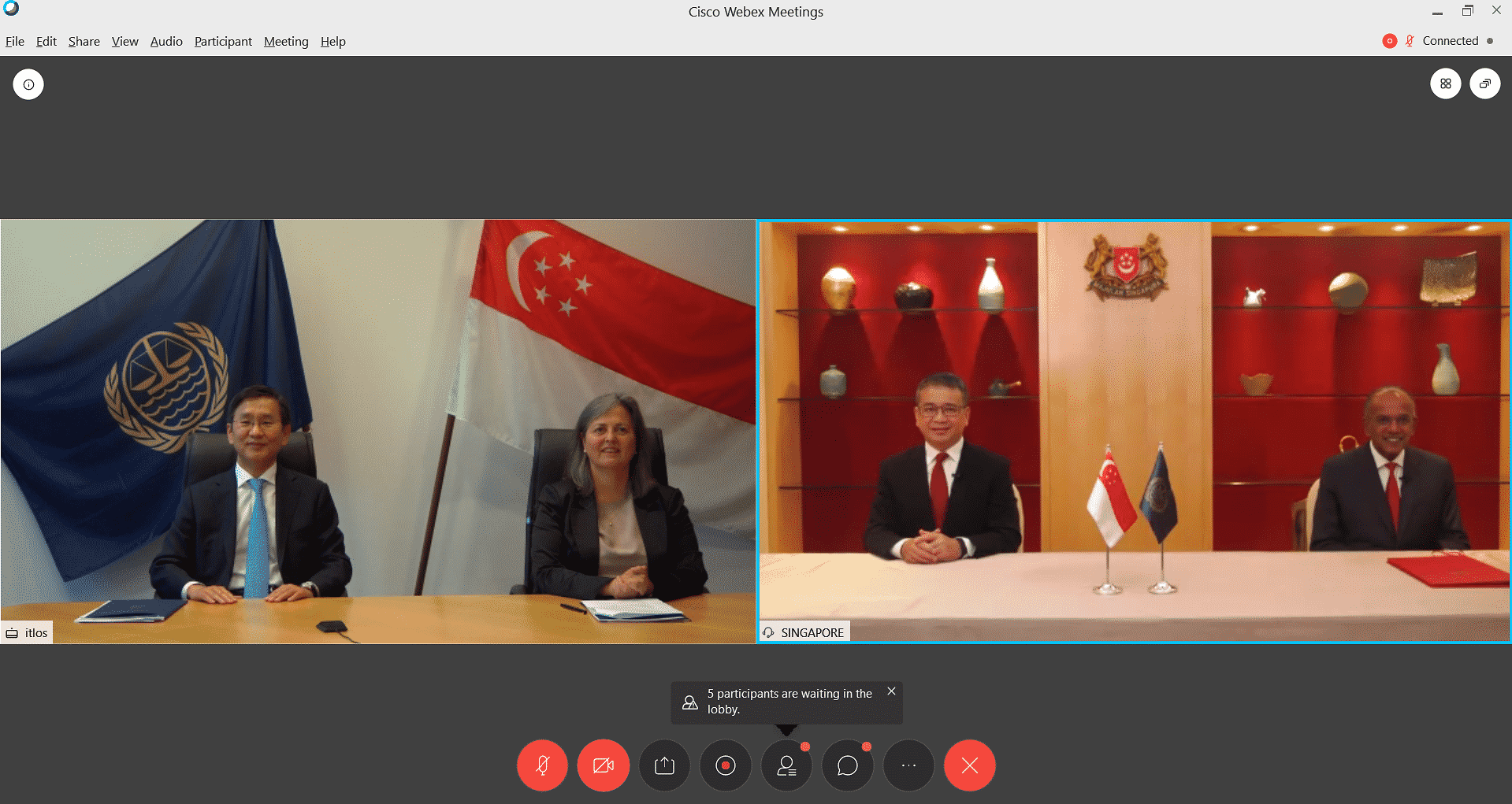
Singapore’s Minister for Home Affairs and Law K Shanmugam and President of the International Tribunal for the Law of the Sea (ITLOS) Paik Jin-Hyun signed the agreement on Thursday (Jun 11) in a virtual ceremony, said the Law Ministry and ITLOS in a joint press release.
The seat of the International Tribunal for the Law of the Sea is in Hamburg, Germany, and Singapore became the first external country where the tribunal or its chambers may sit and exercise its functions.
“We are honoured to have the opportunity to host Tribunal hearings and thus contribute to the important work of the Tribunal,” said Mr Shanmugam.
“The Model Agreement reaffirms Singapore’s commitment to the international rule of law and the peaceful settlement of disputes and is an endorsement of Singapore as a neutral venue for the effective settlement of international disputes.”
Signing of the Model Agreement between the International Tribunal for the Law of the Sea and Singapore. (Photo: Ministry of Law)
Judge Paik thanked the Singapore Government for its cooperation and providing “a viable venue for proceedings”, adding that the current COVID-19 pandemic has led to the tribunal being more innovative and using technology to overcome worldwide restrictions.
The agreement signed on Thursday establishes the terms and conditions of Singapore providing facilities for the tribunal, following a 2015 joint declaration which expressed support for Singapore becoming a potential venue for the tribunal’s proceedings.
The International Tribunal for the Law of the Sea is an independent judicial body established by the 1982 United Nations Convention on the Law of the Sea (UNCLOS) to hear any dispute concerning the interpretation or application of UNCLOS.
Singapore became a party to UNCLOS in 1994.
There are currently 168 parties to UNCLOS, which comprise 167 states and the European Union.
.jpg "dogabuse2-2.jpg")