Home Blog Page 791

Monkeypox case in Singapore: Business as usual at Hotel 81 where patient stayed

SINGAPORE: It seemed to be business as usual on Friday (May 10) at Hotel 81 Orchid in Geylang, the day after it emerged that a Nigerian man who contracted monkeypox had stayed there.

CNA spoke to several people leaving and entering the hotel on Lorong 8, all of whom seemed unfazed by the incident. One couple, who declined to be named, said they hadn’t heard about the incident at all.

“We booked this hotel because all other hotels were full,” the foreign tourists said.

On Thursday, the Ministry of Health (MOH) confirmed the first case of monkeypox in Singapore. The patient was identified as a 38-year-old Nigerian man who tested positive for the virus on May 8 and who is currently in an isolation ward at the National Centre for Infectious Diseases (NCID).

Through contact tracing, MOH said that it identified 23 people who had close contact with the patient, and have placed them under quarantine. It was also stressed that the risk of monkeypox spreading within the community in Singapore is low.

Other people CNA spoke to as they left the hotel said that they had not noticed anything out of the ordinary.

“We totally didn’t know about it until (we saw) the news last night,” said a Singaporean man, who also declined to be named for privacy reasons.

Both he and his girlfriend had stayed overnight at the hotel.

“It’s as per normal as the few visits we went before this … (The hotel staff) didn’t say anything. (We) just check in, make the payment and that’s it,” the man said.

When asked if they would have reconsidered their decision to stay in the hotel had they known of the incident, the couple said that they would not.

“So far we stayed here, it’s okay … We usually come here quite often,” they said.

When CNA approached staff at the reception desk, they said queries should be directed to management. CNA has reached out for comment.

READ: First monkeypox case in Singapore: What you need to know about the disease

Monkeypox symptoms and how it spreads - infographic

ROOM AT SAMSUNG HUB DISINFECTED

CNA also approached people who were leaving Samsung Hub, the building on Church Street where the Nigerian man attended a workshop on Apr 29 and 30, according to MOH.

Most of them had not heard about the monkeypox case and said that they had not been informed of it by the building management.

“I didn’t receive any news about that at all. I didn’t notice anything, didn’t see anything. Didn’t reach any word on our floor,” said Martin, who gave only his first name.

“(I found out about it) from CNA. It’s quite abrupt and we didn’t know anything … Not many people know, I think. Even we were very surprised,” said Mr Ho, who declined to give his full name.

However, some mentioned that they noticed an increased police presence on Thursday, although they had no idea if it was related to the monkeypox incident.

“I know there was a lot of police, there was a big presence – but I’m not sure exactly what happened,” said Adil, who also declined to give his full name.

Most people said they were not unduly worried about what had happened.

“I suppose (the authorities) have contained it quite well,” said Martin.

CBRE, which manages Samsung Hub, told CNA that measures have been taken following the incident. 

“In light of this case, the AHU room has been cleaned and disinfected and additional filters have been placed in the aircon unit on the affected floor,” it said in a statement.

“Cleaning staff have been carrying out thorough cleaning and disinfection of all public spaces – including the main lobby, all lift lobbies, individual lift cars and toilets at all levels. We are in touch with MOH who has confirmed that these follow-up measures are adequate.” 
Source link

More than 9,000 cartons of duty-unpaid cigarettes seized in largest haul this year

SINGAPORE: More than 9,000 cartons of duty-unpaid cigarettes were seized on Tuesday (May 7), the largest haul in 2019 to date.

In a press release on Friday, Singapore Customs said that the cigarettes were seized in two related operations conducted in Ang Mo Kio Industrial Park 2 and Defu Lane 10 on Tuesday.

A total of 9,089 cartons and 18 packets of duty-unpaid cigarettes were seized in the operations. The total duty evaded was about S$870,010 while the Goods and Services Tax (GST) amounted to about S$63,660, said Singapore Customs.

Cash of S$3,300, suspected proceeds from the sale of duty-unpaid cigarettes, and the two trucks were also seized, it said.

On Tuesday evening, a team of Singapore Customs officers inspected a Singapore-registered truck in Ang Mo Kio Industrial Park 2, where 3,011 cartons and 10 packets of duty-unpaid cigarettes were found. The driver and another man who was in the passenger seat were arrested.

2019's largest haul of duty-unpaid cigarettes - truck in Ang Mo Kio Industrial Park 2

Some 3,011 cartons and 10 packets of duty-unpaid cigarettes were found in the truck in Ang Mo Kio Industrial Park 2 on May 7, 2019. (Photo: Singapore Customs)

At the same time, another team of officers conducted a search of another Singapore-registered truck that was parked in Defu Lane 10, where they uncovered 6,076 cartons of duty-unpaid cigarettes and arrested the third suspect.

2019's largest haul of duty-unpaid cigarettes - truck in Defu Lane 10

Some 6,076 cartons of duty-unpaid cigarettes were found in the truck in Defu Lane 10 on May 7, 2019. (Photo: Singapore Customs)

A follow-up search was conducted in one of the men’s flat in Bukit Batok West Avenue 6, where officers uncovered two cartons and eight packets of duty-unpaid cigarettes.

Investigations showed that the three men communicated via WeChat to load and deliver duty-unpaid cigarettes, and that the cigarettes found in the truck at Ang Mo Kio Industrial Park 2 were transferred from the truck parked in Defu Lane 10.

Court proceedings against the three men are ongoing.

Source link

Breast implants linked to rare immune system cancer

SINGAPORE: People with breast implants who experience pain or swelling in the area are encouraged to consult their doctors as some implants have been linked to a rare form of cancer, the Health Sciences Authority (HSA) said on Friday (May 10).

The advisory came as more information has recently come to light on the risk of developing Breast Implant Associated-Anaplastic Large Cell Lymphoma (BIA-ALCL), HSA said.

The rare type of lymphoma, that usually develops around breast implants, is a cancer of the immune system and not a type of breast cancer. It has been reported as early as a year, or as late as 37 years, after breast implant surgery, said HSA.

To date, HSA has received one report of BIA-ALCL in Singapore. The patient, who was diagnosed early, is said to be recovering.

Those who experience pain or swelling around their implants after the surgical incision has healed should seek medical attention. If diagnosed early, the condition can be successfully treated with surgery, said HSA.

In cases where the cancer has spread to other parts of the body, further treatment such as radiation or chemotherapy and targeted immunotherapy have been used.

Those with breast implants are advised to conduct regular breast self-examination and continue with the periodic follow-up post-implantation, as scheduled by their doctor.

Professor Ong Yee Siang, Head and Senior Consultant of Plastic, Reconstructive and Aesthetic Surgery at the Singapore General Hospital said the removal of breast implants is not necessary for patients who experience no symptoms of swelling, lumps or pain around the area.

“Consult your doctor to discuss your options if you are concerned. In addition, patients considering breast implants should discuss the risks and benefits of the different types of implants with your doctor,” said Prof Ong, who is also HSA’s expert panel member on breast implants.

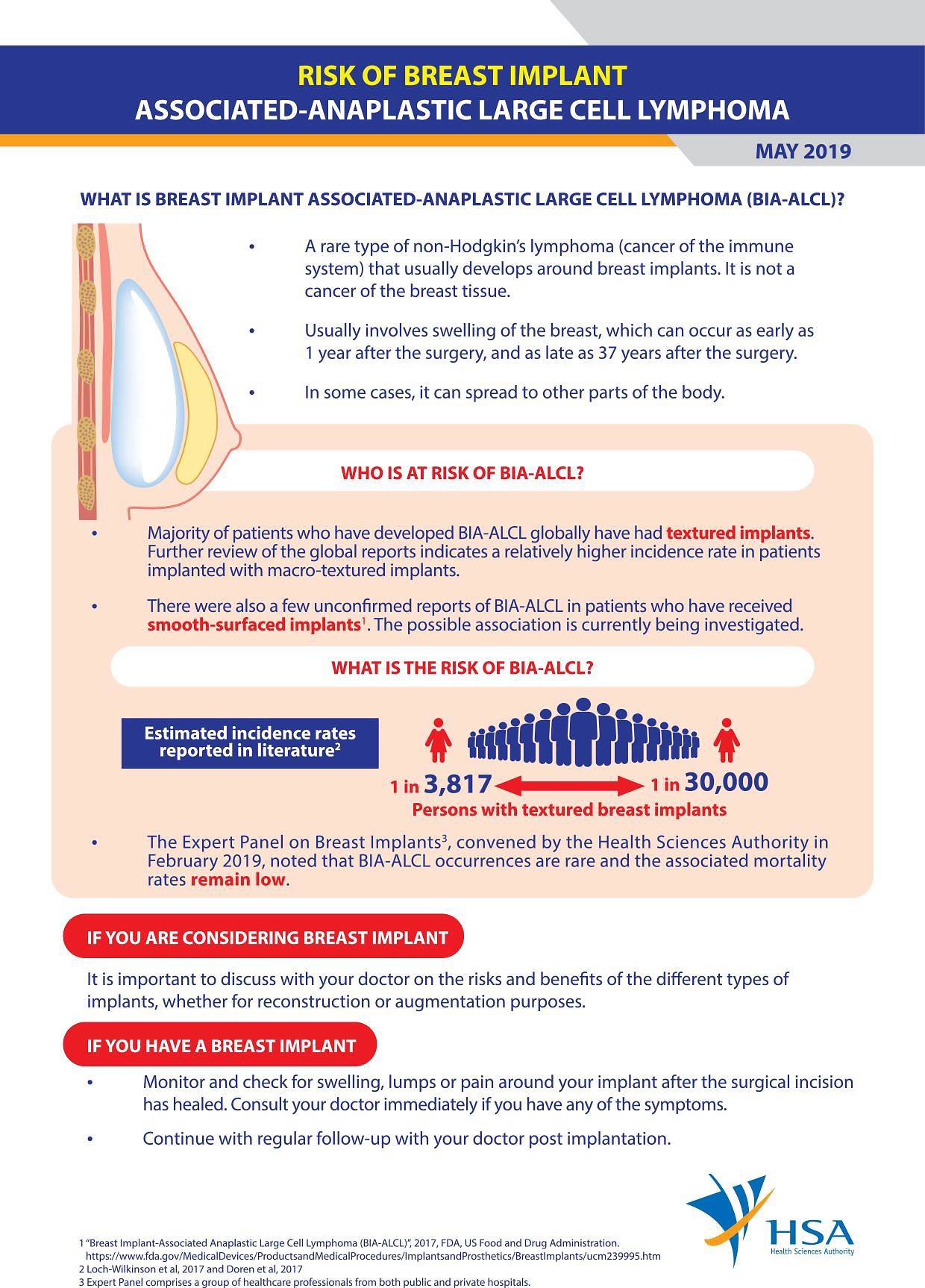
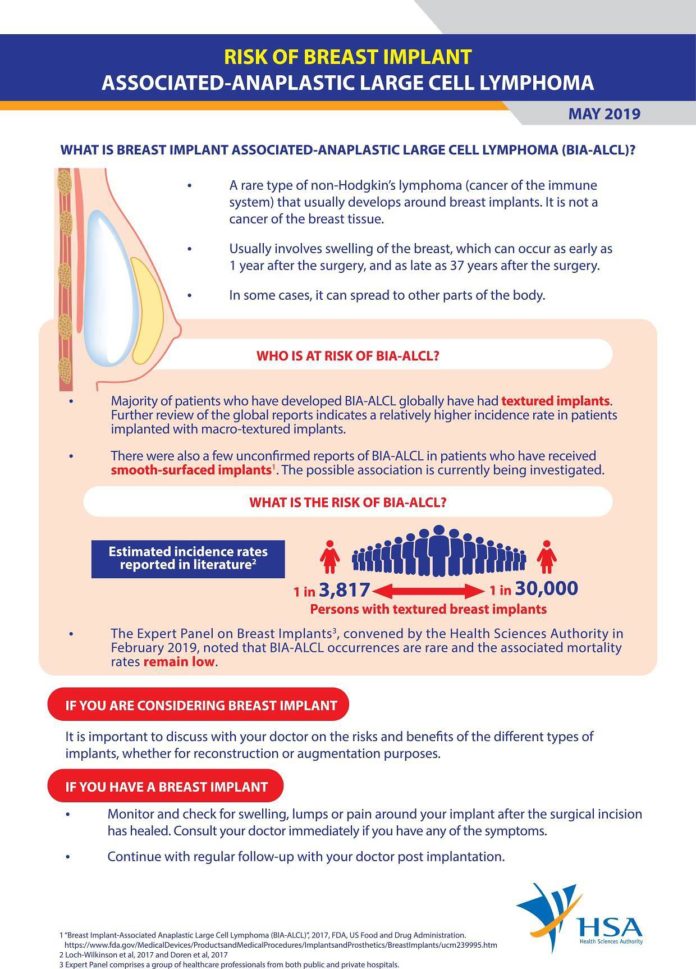
HSA infographic on breast implant cancer

HIGHER INCIDENCE RATE FOR TEXTURED IMPLANTS

In February, HSA convened an expert panel to assess the evolving situation and risk of BIA-ALCL as well as relevant mitigation measures.

Based on current scientific data, the panel assessed that textured surface implants appear to be associated with a higher risk than the smooth ones. However, the risk factors associated with the disease are still unclear.

HSA has taken the precautionary measure of disallowing the sale of Allergan Natrelle breast implants, a type of macro-textured breast implant, in Singapore since April.

READ: Allergan stops sale of textured breast implants in Europe

Globally, the majority of persons with breast implants who have developed BIA-ALCL have had textured implants.

Macro-textured breast implants are associated with the highest risk of BIA-ALCL, and the Allergan Natrelle breast implant is the only macro-textured breast implant registered in Singapore.

“The estimated incidence rates of BIA-ALCL reported in literature range from one in 3,817 to one in 30,000 persons with textured breast implants. Further review of the global reports on BIA-ALCL indicates a relatively higher incidence rate in those implanted with macro-textured breast implants,” HSA said in a statement.

Since 2017, following emerging scientific reports on BIA-ALCL, HSA has required manufacturers of breast implants to include cautionary statements regarding the medical risk in the package inserts of breast implants registered in Singapore.

HSA had also informed relevant healthcare professionals in October 2017 to highlight the risk of BIA-ALCL and the possible link to textured surface breast implants to patients, and to report any cases they encounter to HSA.

HSA added that there are also a few unconfirmed reports of BIA-ALCL in patients who have received smooth-surfaced implants. The possible association is currently being investigated by regulators globally.

MORTALITY RATES REMAIN LOW

It is estimated that about 10 million to 35 million breast implants have been implanted worldwide. There have also been about 800 reports, both confirmed and unconfirmed, of BIA-ALCL.

Those who opt for breast implants typically do so for reconstruction or augmentation purposes. 

The panel noted that BIA-ALCL occurrences are rare and the associated mortality rates remain low.

HSA added that it will continue to closely monitor global developments and review the evolving scientific information regarding this safety issue, as well as update the public with more information should there be any significant new findings.

Source link

Singapore retail sales fell 1% in March

SINGAPORE: Retail sales in Singapore fell 1 per cent in March from a year ago, according to figures released by the Department of Statistics (Singstat) on Friday (May 10), easing from the revised 9.9 per cent fall in February. 

Excluding motor vehicles, March sales fell 1.5 per cent.

The total retail sales value was estimated at S$3.8 billion, with online sales making up about 5.3 per cent.

Most retail segments registered a fall in March, with optical goods and books seeing the biggest decline of 6.4 per cent. 

Food retailers saw their takings fall by 5.7 per cent from the same period a year ago, while department stores saw a 4.6 per cent decline. 

Categories which registered year-on-year increases included medical goods and toiletries (2.8 per cent), as well as supermarkets and hypermarkets (0.9 per cent).

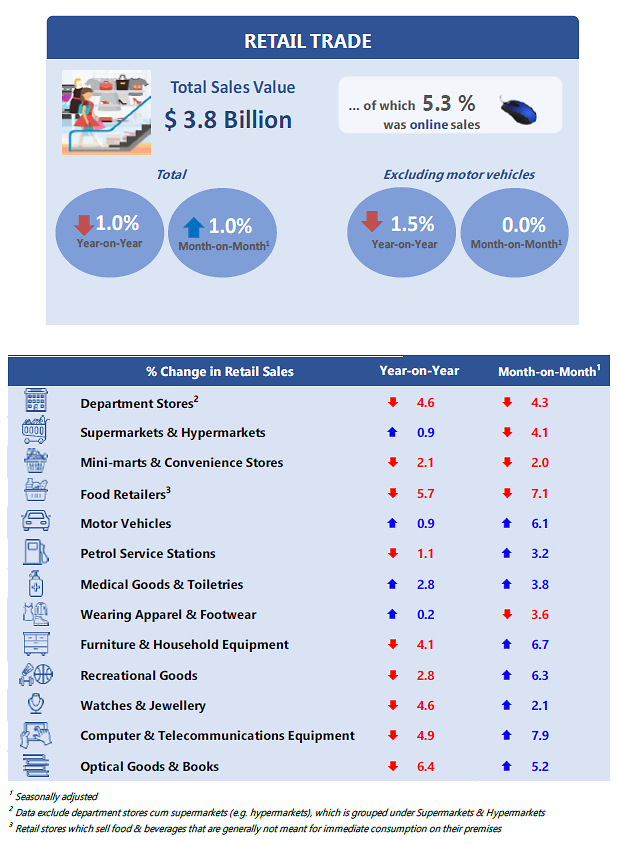
Retails sales figures for March 2019

Retail sales figures for March 2019. (Image: Singstat)

Separately, sales of food and beverage industry went up by 0.7 per cent in March compared with the same period last year, to S$868 million. 

Apart from restaurants, the other segments registered increases, with fast food outlets seeing the biggest jump of 6.1 per cent. 

On a month-on-month seasonally adjusted basis, food and beverage receipts grew by 1.3 per cent.

Food and beverage services sales figures for March 2019

Sales figures for food and beverage services in March 2019. (Table: Singstat)

The retail sales and food and beverage services index measure the short-term performance of the retail trade and food and beverage services industries.

Sales figures refer to the value of retail goods or food and beverages sold to consumers during the month, excluding taxes such as Goods and Services Tax.

Source link

Of forgotten reservoirs and underground military chambers: New heritage tour explores Mount Faber and Sentosa

SINGAPORE: It isn’t on any official map – but make your way through a soggy bed of leaves and tall grass off Telok Blangah Road, and a gleaming body of water emerges, filled with creeper plants and littered with dry leaves and twigs. 

Built in the shadow of Mount Faber, Keppel Hill Reservoir, as it was then known, is in fact less than 20 metres long and two metres deep – no more than one-third the size of an Olympic swimming pool.

Maps from 1924 show it was one of three small reservoirs in the area that supported the small village there, but its small size made it impractical and it fell out of use – officially, anyway.

Residents continued to use the reservoir as a swimming pool. 

“We used to swim and fish there. It was like our childhood playground,” said Wong Keng Yue, a former resident of the nearby Morse Road.

Keppel Hill Reservoir diving board

Remnants of the diving board that residents used to jump into Keppel Hill Reservoir. (Photo: Darius Boey)

The remnants of the diving board and concrete steps can still be found amid the undergrowth today.

But by 1958, the pool existed merely as an unlabeled outline on the authorities’ master plan and by the early 2000s, it had disappeared altogether from most maps.

It wasn’t until 2014 that National Heritage Board researchers accidentally rediscovered the location of the reservoir. 

Keppel Hill Reservoir

Keppel Hill Reservoir is one-third the size of an Olympic swimming pool. (Photo: Darius Boey)

But the land it sits on remains zoned as a greenfield space and will not be further developed – and for this reason, Keppel Hill Reservoir is likely to remain relatively unknown to most of the general public, community heritage research organisation My Community pointed out.

The reservoir is part of a new heritage tour developed and organised by the non-profit group, which will take members of the public through seldom-seen parts of Mount Faber and Sentosa, including the abandoned British military facilities that dot the area.

One of these is an underground complex on Mount Faber, built in 1936 to coordinate artillery batteries in places like Buona Vista, Pasir Panjang, Labrador and Serapong in the event of an invasion by sea.

The Faber Fire Command Fortress Plotting Room housed complex mechanical computing devices that allowed officers to calculate precise firing angles, loads and other information for firing from each of the batteries. It also had telephone exchanges to relay commands to the gunners at each battery. 

Faber Fire Command Fortress visitors on heritage tour

Now abandoned, the Faber Fire Command Fortress was the control centre for all guns along the southern coast. (Photo: Darius Boey)

The sea invasion never came and in 1942, the guns had to be turned landwards to shell invading Japanese troops at Pasir Panjang and Jurong River.

The Faber command saw action till the end, controlling the batteries at Labrador and Blakang Mati that continued providing fire support after the other positions had to be abandoned. 

The guns finally fell silent on Feb 14, 1942, the day before the British surrendered. 

For years after, the Faber command stood abandoned, drawing only illegal explorers. Only now is it being opened to the public for the first time, as part of the new heritage tour. 

Faber Fire Command Fortress

For the first time, the Faber Command is being opened to the public as part of a tour, after drawing illegal explorers for years. (Photo: Darius Boey)

Another lesser-known site, Fort Serapong, is also being opened to the public for the tour. 

During WWII, it was one of the four major batteries on Pulau Blakang Mati, now better known as Sentosa.

Winston Wong Kim Kay, a former commanding officer of the Singapore Armed Forces’ bomb disposal unit, trained at Fort Siloso on the island. 

But while Fort Siloso was redeveloped into a military museum, and Fort Connaught was demolished to make way for the Tanjong Golf Course, the ruins of Serapong have been left untouched to this day.

Fort Serapong on Sentosa

Built in the 1870s, Fort Serapong was meant to deter marauding pirates and foreign invaders from entering Singapore. (Photo: Darius Boey) ​​​​​​​

“It’s the first time I’ve visited it again in exactly 50 years,” Mr Wong said. 

“I remember how it shows how we (military personnel) co-existed with the kampung and fishermen. We really loved the island.

“I believe a lot people don’t know that this type of heritage sites still exist.”

The Mount Faber and Sentosa tour takes place on the second weekend of every month and is one of nine free guided tours organised by My Community. You can sign up for the tour at the organisation’s website

Fort Serapong on Sentosa - heritage tour

The abandoned Fort Serapong is being included as part of a heritage tour for the first time. (Photo: Darius Boey)

Source link

New CPF, HDB loan rules give buyers flexibility, may make older properties more attractive: Analysts

SINGAPORE: Rules for buying homes using Central Provident Fund (CPF) money and HDB housing loans will be updated on Friday (May 10) – a move “in the right direction” that will give home buyers here more flexibility, some industry watchers said.

The new rules could also sway demand for ageing homes, they added.

Citing changing needs and the higher life expectancy of Singaporeans, authorities on Thursday afternoon announced tweaks that will centre home-buying rules on whether a property can last a home owner for life.

Under the changes, as long as the remaining lease covers the youngest buyer to the age of 95, home buyers will now be eligible to take an HDB housing loan of up to the full 90 per cent Loan-to-Value (LTV) limit. This is even if the flat has less than 60 years left on its lease.

READ: New rules on buying properties using CPF, HDB housing loans to kick in on Friday

The total amount of CPF that can be used for property purchase will depend on whether the property’s remaining lease can cover the youngest buyer to the age of 95.

A minimum lease requirement will still apply to ensure “prudent use” of CPF funds, said the joint announcement from the Ministry of National Development and Ministry of Manpower. This will, however, be lowered to 20 years from the existing 30 years.

WHO BENEFITS?

The changes mark a “step in the right direction” as it will provide buyers with more flexibility, said ERA Realty key executive officer Eugene Lim.

For instance, those looking to purchase older properties so as to stay near their parents will likely benefit, he said.

Older home buyers are also among the beneficiaries, said OrangeTee & Tie’s head of research and consultancy Christine Sun. 

“Previously, older buyers may not be able to use CPF for flat purchases. But with the new regulation, some will be able to use CPF for their home purchase.” 

This helps older buyers plan for retirement, as some may prefer to tap on their CPF funds for property purchases so as to set aside more cash for future expenses, she added. 

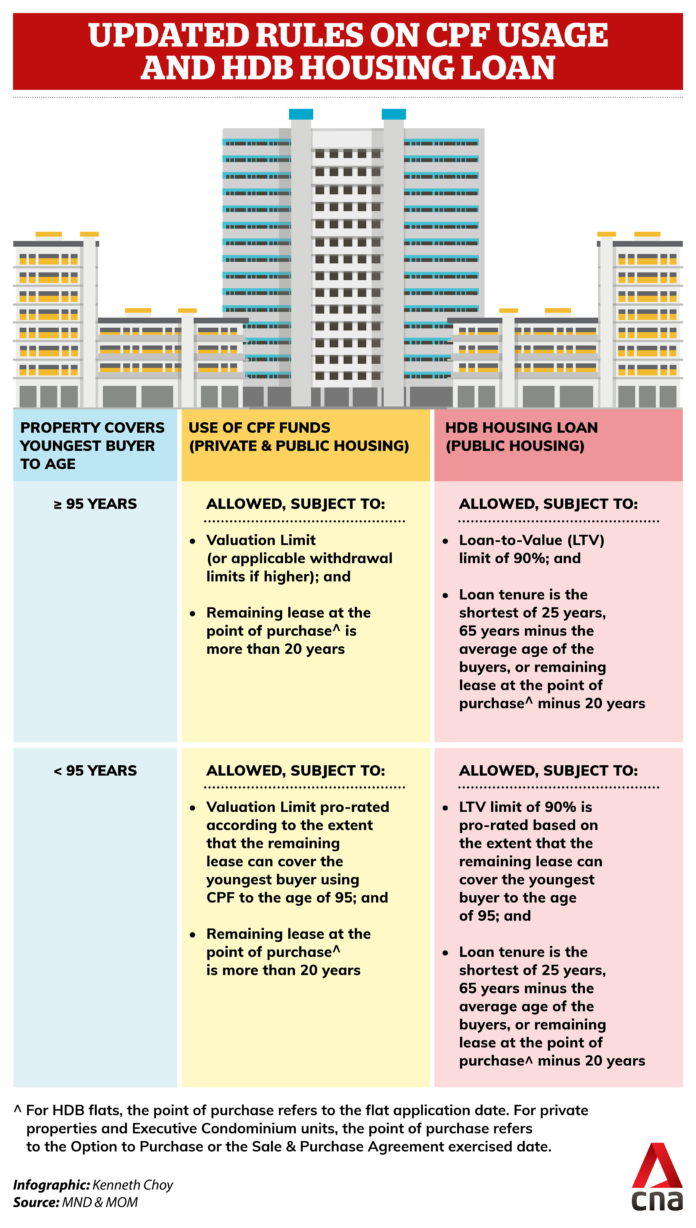
Graphic: Updated rules on CPF usage and HDB housing loans

The changes will also get the younger generation started on planning for the future, said Ms Sun. 

Noting that retirement may not a priority for this group, she said: “Their lifespans may outlast the balance leases of their flats or they may over-commit financially and have insufficient funds for retirement.”

The latest rule changes should mean good news for home buyers in general, said Mr Lim, though there could be exceptions.

“Some buyers may be worse off if they buy a home with more than 60 years of lease left, but does not cover them to age 95.” 

“In this instance, the amount of CPF funds they can use will be pro-rated under the new rules, but they would have not faced any restrictions previously,” he told CNA. “However, this group is a minority.”

BOON FOR AGEING PROPERTIES?

Industry watchers also said that the new rules could help burnish the appeal of ageing properties, both public and private.

Said CBRE head of research for Singapore and Southeast Asia Desmond Sim: “Existing owners of developments with 30 to 40 years left have effectively received a 10-year extension to their properties’ saleability.” 

“Apart from unlocking additional value to older properties, this will also allay the fears of people owning ageing assets,” he added. 

Echoing that, Mr Lim from ERA Realty said: “As the remaining lease is now not the only metric used for determining the usage of CPF funds, older homes may now be a little more appealing than they used to be.”

Previously, prices of properties with leases of less than 60 years were “depressed”, partly due to restrictions in the use of CPF funds, he added. “Now that has been changed – some buyers no longer face that restriction.”

This could boost demand for older homes, said Mr Lim, though prices are not expected to spike just yet.

“Buyers and sellers still have ready access to past transaction data and negotiations will likely settle around valuation,” he said.

READ: Old HDB flats: Assets losing their value?

To be sure, there is one industry observer who holds a contrarian view. 

Mr Lee Sze Teck, head of research at Huttons Asia, expects demand for older flats to be little changed. 

“Although buyers can now use more CPF (funds) to buy older properties, the policies have increased the age to 95 and placed restrictions on withdrawal of CPF monies,” he said. 

“Rather, it will encourage younger buyers to go for either BTO (Build-To-Order flats) or younger properties. Otherwise, they may not be able to withdraw their CPF monies if they do not meet the new criteria.” 

The usual concerns over ageing properties remain as well, Mr Lee said: “Unless the price is really attractive, otherwise a buyer still looks at factors like flat condition. The lease issue will also be at play.”

CONCERN OVER DEPRECIATING LEASES

The updated rules follow much discussion and concern over the issue of depreciating leases of older flats. 

This topic has been in the spotlight since National Development Minister Lawrence Wong cautioned in a 2017 Facebook post that not all HDB flats will be eligible for the Selective En Bloc Redevelopment Scheme (SERS).

At last year’s National Day Rally, Prime Minister Lee Hsien Loong addressed home owners’ concerns about their flat leases and announced new schemes aimed at older precincts.

These include the Voluntary Early Redevelopment Scheme (VERS) and the new Home Improvement Programme II (HIP II).

READ: Owners of old HDB flats now know ‘there is some future’: Experts on new housing schemes

READ: The Big Read: No easy answers to HDB lease decay issue, but public mindset has to change first

Yet, Ms Sun from OrangeTee & Tie thinks the headline-hogging public debate may not have been the catalyst for the latest rule changes. 

“This, as they said, is to ensure everyone has a home when they retire. With an ageing population, there is also the need to help people to have enough retirement funds,” she told CNA. 

“I don’t think they are using this to address the decaying lease issue directly because for that, the Government has rolled out other measures like HIP and VERS.”

Source link

FAQ: What you should know about monkeypox

SINGAPORE: A 38-year-old Nigerian man has tested positive for monkeypox in Singapore, the first case to be reported in the country, the Ministry of Health said on Thursday (May 9).

The patient, who may have contracted the disease from eating bush meat while in Nigeria, is in stable condition in an isolation ward at the National Centre for Infectious Diseases (NCID).

People who were in close contact with him have been put in quarantine although they have had no symptoms.

READ: Singapore confirms first case of monkeypox, patient’s close contacts quarantined

Here are some things you need to know about the disease.

How is monkeypox spread, and should we be worried about an outbreak?

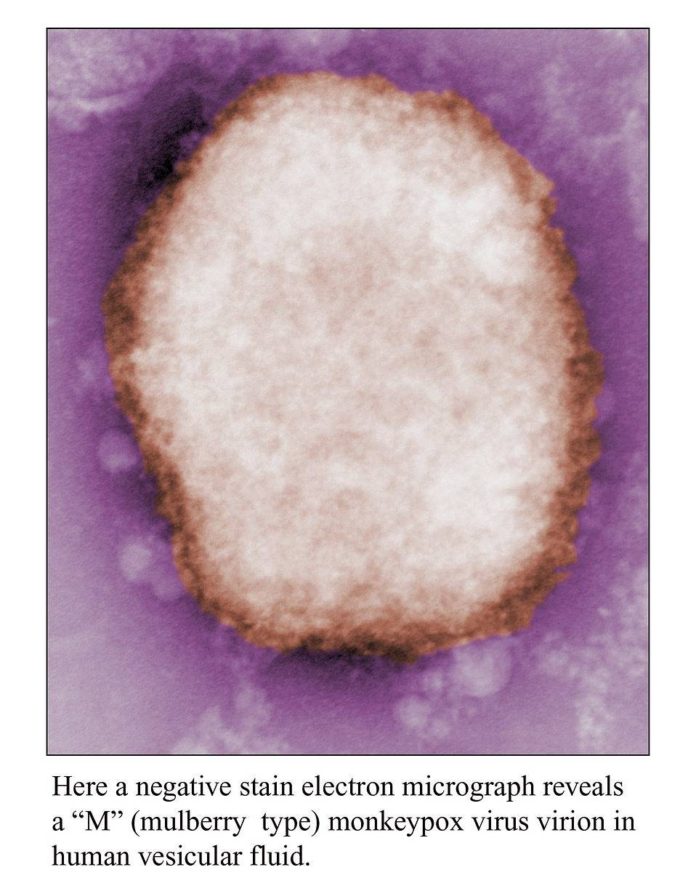
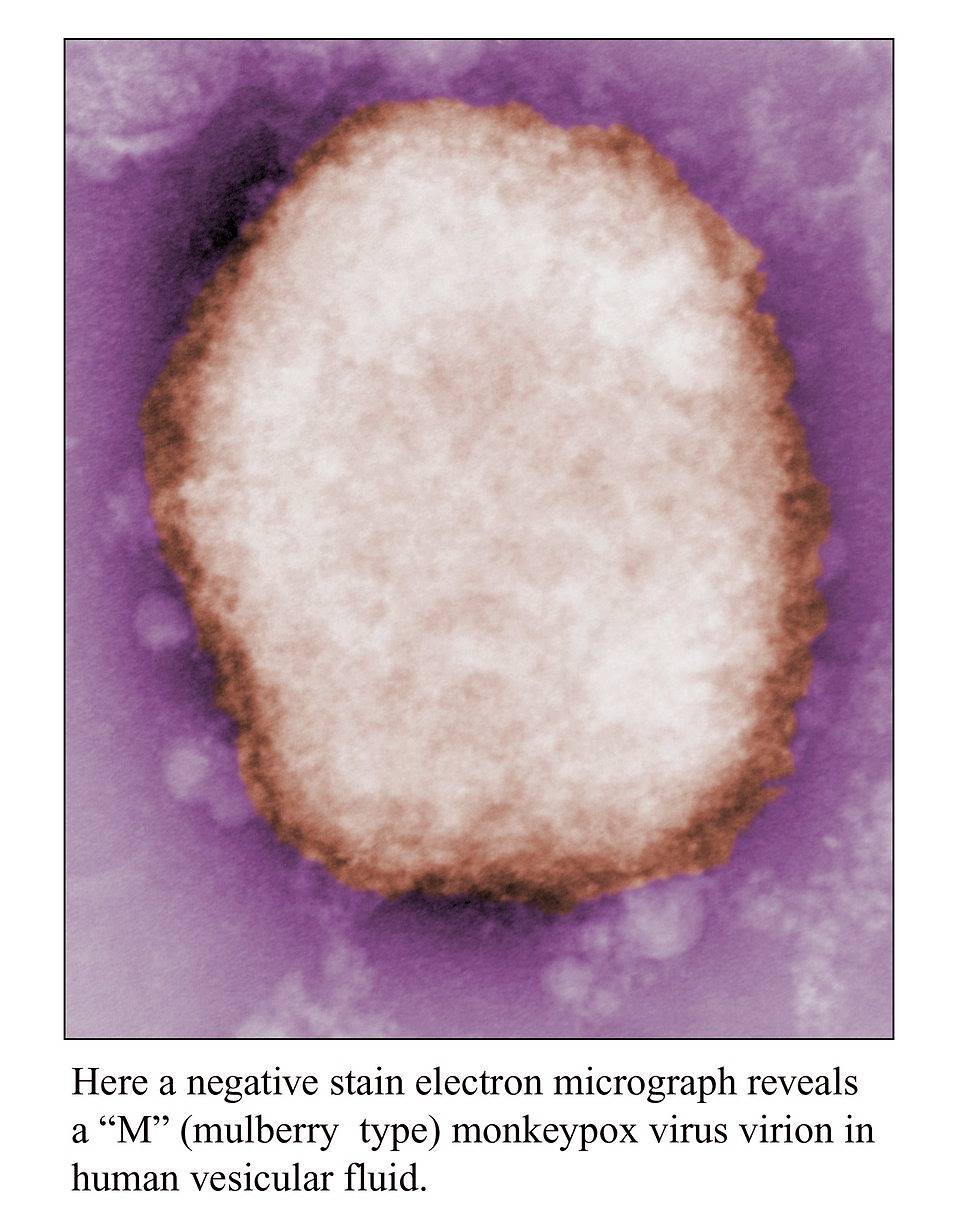
Monkeypox is a rare disease caused by a virus that is transmitted to humans from animals such as rodents and monkeys.

According to the World Health Organization (WHO), this happens when a person comes in close contact with the blood, bodily fluids or lesions of infected animals.

monkeypox virus

Source: Public Health Image Library

The virus can also be contracted by eating the inadequately cooked meat of infected animals.

However, the virus does not spread easily between humans. An infection can result from close contact with infected respiratory tract secretions, skin lesions of an infected person or objects recently contaminated by patient fluids or lesion materials.

It also requires prolonged face-to-face contact.

WHO notes that there is currently no evidence that person-to-person transmission can sustain infections in the human population on its own.

MOH said the risk of monkeypox infection in Singapore remains low.

What are the symptoms?                                        

Infected persons may experience the following initial symptoms: Fever, headache, swelling of the lymph nodes, back pain, muscle ache and lack of energy.

Rashes appear within one to three days after the onset of fever. This would usually begin in the face and eventually spread to other parts of the body, commonly in the hands and soles of the feet.

A woman and her child await treatment for monkeypox at a Doctors Without Borders centre

A woman and her child, both infected with monkeypox, await treatment at a Doctors Without Borders centre in the Central African Republic on Oct 18, 2018.  (Photo: AFP)

In severe cases, the virus can also cause serious complications such as pneumonia, sepsis, brain inflammation and loss of vision due to eye infection.

Symptoms usually last 14 to 21 days.

How dangerous is it?

Most deaths occur in younger age groups, said WHO. Mortality rates of 1 to 10 per cent have been reported during outbreaks.

How is monkeypox diagnosed and treated?

Monkeypox can only be diagnosed in specialised laboratories with a number of different tests, said WHO.

Unfortunately, there are currently no specific treatments or vaccines available for monkeypox infection. However, the smallpox vaccine was proven to be 85 per cent effective in preventing monkeypox.

What countries have reported monkeypox outbreaks?

Monkeypox was first identified in humans in 1970 in the Democratic Republic of Congo and occurs mainly in parts of central and western Africa, near tropical rainforests, said WHO.

READ: Britain reports two separate cases of rare monkeypox infection

The first time human monkeypox was reported outside of Africa was in 2003, when the United States recorded 37 confirmed cases, according to the US Centers for Disease Control (CDC). The US outbreak was spread across five states. 

It was determined that the virus was introduced to the US via a shipment of animals from Ghana that was imported to Texas.

CDC also lists three cases in the United Kingdom and one in Israel, both in 2018.

Source link

New rules for using CPF, HDB loans to buy property

SINGAPORE: New rules on buying homes using CPF or HDB housing loans will be introduced, that will focus on whether the lease of the property can cover the buyer until at least age 95. 

This was announced on Thursday (May 9) by the Ministry of National Development (MND) and Ministry of Manpower (MOM). 

The changes, which apply to the purchase of HDB flats, private properties and executive condominiums, take effect on Friday (May 10).

Under the current rules, the amount of CPF allowed to be used is dependent on the remaining lease of the property. For instance, if there is at least 60 years left in the lease, a buyer can use the maximum CPF allowed to pay for the property. 

If the property has less than 60 years left on its lease, a buyer is eligible to use CPF if his age plus the remaining lease is at least 80 years. 

With the changes, the total amount of CPF that can be used will depend on whether the remaining lease can cover the youngest buyer until age 95. 

If this criteria is met, for instance, a buyer can use CPF to pay for a property up to its valuation limit. If not, the use of CPF will be pro-rated.

No CPF can be used if the remaining lease is less than 20 years. This has been lowered from 30 years currently. 

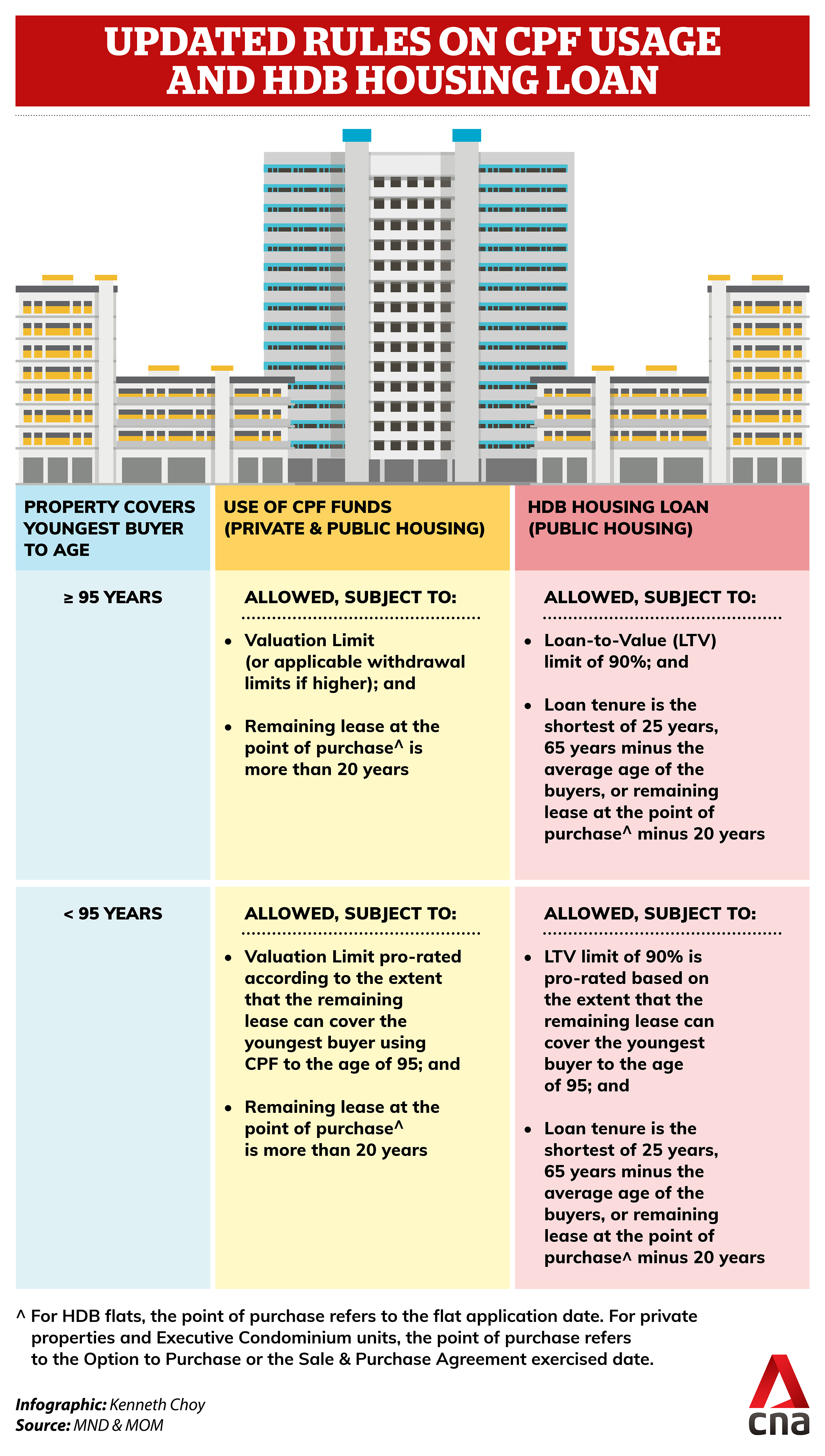
Graphic: Updated rules on CPF usage and HDB housing loans

Most buyers will not be affected by the changes. About 98 per cent of HDB households and 99 per cent of private property families have a home which lasts them to 95 years and older, MND said.

UPDATES TO HDB HOUSING LOAN RULES

For those looking to take an HDB housing loan, buyers will be eligible to take the full 90 per cent Loan-to-Value limit, if the remaining lease can cover the youngest buyer to the age of 95. 

This is even if the flat has less than 60 years left on its lease. 

If the remaining lease cannot cover the buyer until age 95, they will be offered a loan on a pro-rated basis. 

“These rules have to be updated to take into account the changing needs and higher life expectancy of Singaporeans,” said the ministries in a joint media release. 

“Put together, these changes will give buyers more flexibility when buying a home for life while safeguarding their retirement adequacy.”

CHANGES TO CPF WITHDRAWAL RULES 

There will also be changes to the CPF withdrawal rules after age 55. 

CPF members who want to withdraw their CPF savings above the Basic Retirement Sum will need to have a property with a remaining lease to cover them until at least age 95.

This is to encourage CPF members to have “a home for life” and to secure a basic level of retirement income, said the ministries. 

“This change is not expected to affect most CPF members, as all HDB flats and the vast majority of private properties have leases that can last a 55-year-old member until the age of 95,” they added. 

Currently, CPF members above 55 years old can withdraw that CPF savings above the Basic Retirement Sum if they own a property with a remaining lease of at least 30 years. 

The updated rules will apply to:

  • HDB flats: Flat applications received on or after May 10, 2019
  • Private properties and executive condominium units: Option to Purchase or Sales & Purchase Agreement signed on or after May 10, 2019
  • CPF withdrawals: Applications received on or after May 10, 2019

Buyers who purchased properties before May 10 and are still servicing their housing loans will not be affected by these changes, according to the ministries.

Members who bought their property and turned 55 years old before May 10 can continue to apply to the CPF Board to withdraw their CPF savings above their Basic Retirement Sum under the previous rules.

Source link

SAF showcases digital innovations designed to enhance NS experience

SINGAPORE: Nearly 40 smart technology projects were on showcase at this year’s Digital Innovation Day, organised by the Defence Ministry (MINDEF) and the Singapore Armed Forces (SAF) and launched on Thursday (May 9). 

Among the displays was a system that uses biometric sensors to take attendance of servicemen, removing the need to manually record. 

It is also linked to a one-stop mobile application that allows servicemen to access services like booking camp facilities, checking training programmes and reporting defects and hazards. 

The app is one of the smart technologies currently on trial at Stagmont Camp in Choa Chu Kang. 

Officiating the launch of the event, Senior Minister of State for Defence Heng Chee How said the Singapore Army must leverage technology and adopt more digital innovation, in order to deal with the challenges of a shrinking National Service population and to better prepare against conventional and hybrid security threats. 

SAF digital innovation 4

Senior Minister of State for Defence Heng Chee How views exhibits at Digital Innovation Day on Thursday May 9, 2019. (Photo: Vanessa Lim)

“We can do this by being open to proactively digitalising current processes, such as those involving NS training and administration,” said Mr Heng. 

This, he said, will help to improve efficiency and also enhance safety for national servicemen. 

Other innovations on display included SmartGuardian – a mobile application that allows workplace hazards to be shared instantly and a system that uses facial recognition technology to allow soldiers to draw their weapons from the Armskote. 

SAF digital innovation 2

A soldier draws his weapon from Armskote using a facial recognition technology system. (Photo: Vanessa Lim)

Another mobile app called the Smart Cookhouse allows servicemen to select their meal one week in advance to reduce food wastage. It also allows servicemen to complete their post-meal surveys and rate them through the mobile app.

Some of these innovations are already on trial in camps and will be rolled out on a wider scale if found suitable, pending the results of the trial. 

Pre-enlistees can also look forward to a new app that provides a platform for them to ask and get answers to NS-related questions. A preliminary version of the app – called “NS Buddy”- has been released for trial and the full version will be implemented next year. 

SAF digital innovation 3

A preliminary version of NS Buddy app. The full version is to be implemented in 2020. (Photo: Vanessa Lim)

Besides the exhibits, more than 20 seminars and workshops on technology and innovation have been organised for the officers.

More than 4,000 MINDEF and SAF personnel are expected to attend the event, which runs until Friday.

Source link

Man fined over incorrect declarations after thousands of liquor bottles, tobacco products seized

SINGAPORE: A man has been sentenced to a fine of S$109,000, or more than 20 months’ jail in default, over incorrect customs declarations after tens of thousands of cartons of cigarettes and bottles of liquor were seized.

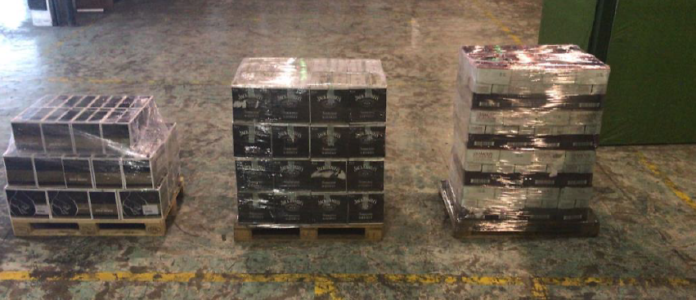
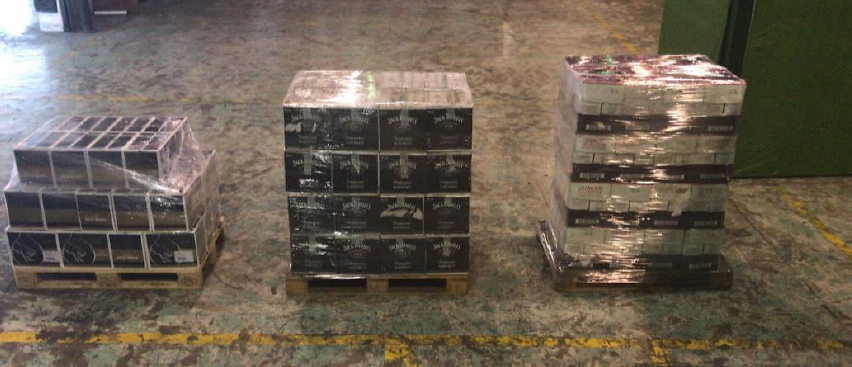
A total of 186,817 cartons of cigarettes, 25,662kg of other tobacco products and 57,464 bottles of liquor were seized and ordered to be forfeited by the states court, according to Singapore Customs on Thursday (May 9).

Lim Boon Kheng, a former director of freight forwarding company Akarui, was sentenced on May 3 for making incorrect declarations, causing incorrect declarations to be made to Singapore Customs and breaching a permit condition, Singapore Customs said.

He had pleaded guilty to 26 charges, while another 44 charges were taken into consideration in the sentencing.

In 2014, the 52-year-old provided incorrect information to a declaring agent regarding the port of discharge, for the export of three shipments of cigarettes and other tobacco products, Singapore Customs said. This led to three incorrect declarations made to the Singapore Customs by the agent.

Between 2016 and 2017, Lim gave wrong details in 13 permit applications to Singapore Customs, regarding the shipping company, goods description and quantity of goods. The permits were for the transshipment of liquor and tobacco products through Singapore.

Liquor and cigarettes at Keppel Free Trade Zone

Liquor and tobacco products at Keppel Free Trade Zone. (Photo: Singapore Customs)

“Lim made the declarations to Singapore Customs despite knowing that the details were incorrect,” Singapore Customs said.

On 10 occasions, Lim breached a permit condition that required the dutiable goods to be stored in a place approved by Singapore Customs if they were not exported. Lim had stored dutiable liquor and tobacco products in the Keppel Free Trade Zone after removing them from a licensed warehouse, instead of exporting them, Singapore Customs said.

Liquor and cigarettes at Keppel Free Trade Zone (1)

Liquor and tobacco products at Keppel Free Trade Zone. (Photo: Singapore Customs)

“It is the responsibility of freight forwarders and declaring agents to exercise due diligence when making declarations on behalf of their customers,” said Mr Yeo Sew Meng, Assistant Director-General for Intelligence and Investigation.

“They should submit complete and accurate information when making permit declarations and comply with all conditions imposed on the approved permits.”

He added: “Singapore Customs will take stern actions against errant traders to maintain Singapore’s reputation as a trusted global trade hub.”

Those found guilty of making incorrect or incomplete declarations could be fined up to S$10,000 or the equivalent of the amount of the customs duty, excise duty or tax payable. They could also be jailed for up to 12 months. 

The offence for breaching a condition and restriction for a licence or permit carries a maximum fine of S$5,000.

Source link