Home Blog Page 778

Commentary: Want to stalk your partner after a break up? Don’t

SINGAPORE: Just broke up and feel like checking on your ex’s social media pages to figure out what they are up to? Stop right there.

The few days, weeks or even months following a break up can be painful, and there may be instances when you may miss your ex and wonder how they’re coping.

But checking up on them is not a great idea. Stalking an ex on social media can contribute to greater distress, more negative feelings and lower personal growth, according to research.

Obsessing over your ex, if taken too far, could also lead you to inadvertently committing crime, as was the case with one man who was sentenced this month to community service and supervised probation for stalking his ex-girlfriend by impersonation, and using her social media accounts repeatedly for over four years without her knowledge.

READ: After a break-up, some find it harder to achieve closure, a commentary

He told the court that he wanted to see who she was talking to and “monitor” her. He had missed her dearly and so, turned to illegally accessing her social media accounts to keep himself “abreast of the happenings in her life”.

It’s common to miss your ex after a break up, regardless how long you have been together. It’s only natural, given the time and emotions you have invested in the life you once shared. But there are better ways than stalking to get over a break up.

IT’S OKAY TO GRIEVE

Your best friend may have already dropped you this first piece of advice: Move on, buddy. But we all know that “moving on” isn’t as easy as emotions take time to heal.

According to research published in The Journal of Positive Psychology, it takes 11 weeks to feel better after a relationship ends, but 18 months to heal from a broken marriage.

couple talking, breaking up, serious conversation

(Photo: Unsplash/Fred Mouniguet)

READ: Humour the secret ingredient to a happy, lasting marriage, a commentary

In reality, however, I’m sure we can all agree that each and every person take a different amount of time to heal from different relationships.

So then what? Why not give in to your grief?

There are five stages of grief: Denial, anger, bargaining, depression and acceptance, according to authors David Kessler and Elisabeth Kueble-Ross who introduced the framework to help others deal with loss.

At each stage, you can take actions to help yourself feel better while going through the motions.

CONFRONT THE BREAK UP

In the denial stage, the overwhelming pain may lead one to believe the break up may not be “official”. You may ask yourself: What if the relationship can still be salvaged? What if you hadn’t initiated the break up? Or what if they had said no?

Fantasising about the “what ifs” will only make you feel worse. The only way to get over denial is to confront it. 

Let the people around you know about the break up. Speak about it openly. A somewhat public announcement is one way to keep yourself accountable and avoid slipping back into denial.

Migraine pain relief headache trigger Chinese New Year (1)

(Photo: Unsplash/Carolina Heza)

Then try to acknowledge that the relationship is over. Don’t answer their calls and avoid contacting them to leave some space between you both. This will allow you time to process the end of the relationship.

IDENTIFY RED FLAGS

Once you get over the denial phase, you may feel angry. Feeling angry is a natural response to hurt. At the end of the relationship, one can get angry over many things including disappointment or feeling disrespected.

Maybe then this is the time to re-evaluate the multitude of red flags that you may have ignored or missed during the relationship – the bad habits or unreasonable attitudes that you once put up with.

Perhaps your ex had a habit of borrowing money from you and offered you the lame reason that you should do it because you “love” him. Or that you were constantly told by your abusive ex that “if you love me you’ve got to love me at my worst”. These are major red flags, and you may have been in a toxic relationship.

Take time to think about all the red flags while grieving. It can help you feel a little better knowing that all the negative vibes are now behind you.

STICK TO WHAT YOU BELIEVE IN

There will be a time when grieving that you’ll start finding excuses to reignite the relationship despite the red flags that you have identified. This is the bargaining phase.

depression cognitive behaviour therapy

(Photo: Unsplash/Issam Hammoudi)

You may try to negotiate a change in the situation, thinking that if you made lofty promises like you’ll change for the better, he or she will return. You may feel tempted to ring your ex’s friends to persuade them into “talking some sense” into them. 

You may even start looking for signs in tarot cards or the daily horoscope in an foolish attempt to find some reason that the break up was a mistake and you should get back with your ex.

It’s best at this point to ask yourself again why the relationship didn’t work out. 

Sometimes, it’s not “failure”, but incompatibility of values and a vision of where you both will be years from now which caused the end of the relationship. Chemistry and passion can get start a relationship, but it’s values and vision that keep you together.

READ: How do you know if it’s time to get married? A commentary

GET NECESSARY HELP IF NEEDED

When you feel that you’ve exhausted all options to make yourself feel better or that preoccupying yourself with work in an attempt to avoid those inevitable emotions isn’t working, talking to people that you trust is a healthy outlet.

Grieving the loss of a relationship is all part of the healing process, but you can fall into depression if you feel sad and empty for a long period of time. This can happen to anyone after a loss, even those with the strongest of will, but for some it may be more serious.

sad, depressed, woman struggles with depression, mental health

(Photo: Unsplash/Maranatha Pizarras)

READ: ‘Smiling depression’, depressed while appearing happy, a dangerous combination, a commentary

If you are stuck in this terrible phase of grief, a professional therapist can be extremely helpful. It is important to recognise symptoms of depression and get proper treatment, as leaving it untreated can take a toll on your physical health.

FIND MEANING IN OTHER THINGS

There’s always light at the end of the tunnel. When life is starting to look “normal” once again, and you stop repeating your sob stories to everyone around you or looking like an isolated figure from the world, you have reached the end of the grieving phase.

In this phase called “acceptance,” you would have found peace with the situation. Some sadness may still linger on, but you’re now one step wiser and you take a balanced view to the world.

Instead of looking at a break up from a point of loss, you can reframe it as a lesson and an opportunity to grow and build a new identity for yourself.

Maybe the relationship was holding you back from taking up activities that you wanted to explore, such as solo travel or picking up martial arts as a hobby.

Ways to get over a break up

(Photo: Unsplash/Jason Briscoe)

There are decades of psychological research stating that exercise and being social are beneficial to our emotional health. These are activities that counteract against the pain and loss that you may experience through the break up.

Some say you should get back into the game but I personally would not recommend dating right away. It’s important to take some time to grief and heal from the loss before dating again.

READ: Your checklist approach to dating is wrong. Here’s why, a commentary

Jumping too quickly into the dating pool after a break up may be problematic especially if you’re doing so just because you’re afraid of being alone. You may end up in an unhealthy rebound relationship.

Pain is meant to be felt and not avoided. And only through pain, that you’ll grow and become a better individual.

Marcus Neo Kai Jie runs a dating consulting company.
Source link

Singapore must stay united, diversify economy: DPM Heng

TOKYO: Singapore needs to stay united and focused to tackle the challenges arising from global uncertainties, said Deputy Prime Minister Heng Swee Keat on Friday (May 31).

The country also needs to diversify its economy and deepen engagements with different regions of the world.

Mr Heng was addressing the Singapore media at the end of his three-day visit to Japan, where he spoke at the 25th Nikkei Future of Asia Conference.

Mr Heng said the world is “going through a period of chaos … with a great deal of uncertainty” due to the trade tensions between the United States and China, and other developments like Brexit.

However, he is confident that Singapore can weather these risks, as long as it doubles up on its economic transformation and further engages with like-minded countries such as those in ASEAN and the Regional Comprehensive Economic Partnership (RCEP).

“Maintaining ASEAN centrality and pursuing many useful projects within the 10 member states, is by itself, going to be a very important part of our work,” he said.

“I think we should also then enlarge this circle of engagement to include all the countries in the RCEP: China, Japan, South Korea, India, Australia and New Zealand. That is why the RCEP has a significant impact, not just for Singapore, but for all the countries involved.”

Mr Heng added that this would be an important way to keep up the support for a rules-based multilateral trading system.

This ensures that the world does not fragment into two blocs which will disrupt supply chains and have adverse effects on the global economy.

READ: US-China face-off is not a ‘strategic inevitability’, says PM Lee

READ: Smaller countries like Singapore can work together to stem US-China hostility, says PM Lee

Mr Heng said this multilateral system will be high on the priority list during the upcoming G20 Summit in Osaka next month.

Mr Heng had earlier in his trip urged Asia to redouble its efforts in strengthening the rules-based, multilateral trading system that underpins its growth.

This can be done through trade agreements like the Comprehensive and Progressive Agreement for Trans-Pacific Partnership (CPTPP) and RCEP, which are crucial initiatives that bring the region closer – part of Asia taking on greater responsibility in shaping the global order, he said.

Mr Heng said it is not possible to decide or set an arbitrary date for RCEP to be concluded but he is encouraged by the support given by many of RCEP’s key members and from ASEAN countries.

“We should aim high, aim for as many areas of agreement as we can and implement it early, but as to when an eventual perfect agreement can be reached, I think trade agreements are always a work in progress,” he said.

“I think that the environment today is ripe for this because it is important for us to be able to make a positive contribution in this kind of uncertainty.”

READ: US, China need to work out ‘constructive cooperation’ to achieve stable global order: DPM Heng

READ: Singapore hopes China, US can cooperate while competing, says DPM Heng

Other areas Singapore can work on, according to Mr Heng, is to continue to place emphasis on technology and innovation, as well as to develop its people, since the competitiveness of a country and its companies depend on it.

Mr Heng also touched on the strong bilateral ties between Singapore and Japan, and the new areas of cooperation for both countries like infrastructure development and the digital economy.

Heng Swee Keat speaks to delegates at the Nikkei conference

Singapore Deputy Prime Minister Heng Swee Keat speaks to delegates at the 25th Nikkei Future of Asia Conference dinner in Tokyo on May 30, 2019. (Photo: MCI)

Mr Heng had met Japanese Prime Minister Shinzo Abe on Thursday, where he commended the leadership role played by Prime Minister Abe and Japan in steering the CPTPP to fruition after the US pulled out, adding that he looked forward to Japan exercising the same leadership for the RCEP.

NOT IN SINGAPORE’S INTEREST TO MANIPULATE CURRENCY

In Mr Heng’s first comments on the United States placing Singapore on its currency watchlist with eight other countries including China and Japan, he said Singapore is not a currency manipulator.

“It is not in our short-term nor long-term interests to manipulate the currency. We are very unique in having our monetary policy centred on the exchange rate … (which) has a far bigger impact on our inflation and on our economic conditions than interest rates,” he said.

“So almost every other central bank in the world uses interest rates as a monetary policy tool, but in the case of Singapore, our only policy tool is the exchange rate.”

READ: Singapore does not engage in currency manipulation, says MAS on US currency watchlist

READ: Singapore added to US currency watchlist: What you need to know

That means the Monetary Authority of Singapore manages an exchange-rate based monetary policy whereby the Singapore dollar is pegged to a basket of currencies, of which the US dollar is also a primary component.

Mr Heng added that Singapore’s monetary policy seeks to achieve price stability that is compatible with growth, and as such Singapore does not hold it deliberately low because that will cause hyperinflation, while keeping it artificially high will result in severe deflation.

“We don’t try to use the exchange rate to achieve an advantage. Because there’s no advantage, you may get a short-term boost but you will end up with longer-term problems. So we have used our monetary and fiscal policy mainly for stabilisation purposes,” he said.

But for Singapore’s long-term growth, Mr Heng stressed that the country must focus on structural policies – for instance, through the industry transformation maps.

“If we manipulate our exchange rate for some short-term gains, we will set ourselves further behind,” he said.

Source link

Chinese militarisation of South China Sea ‘excessive’, says acting Pentagon chief

SINGAPORE: Acting US Defense Secretary Patrick Shanahan said on Friday (May 31) that China’s militarisation of the disputed South China Sea had been “excessive”.

Shanahan, speaking with reporters in Singapore on the sidelines of a defence forum, said China’s actions in the South China Sea, like installing surface-to-air missiles, was “excessive” and “overkill”.

Chinese Defence Minister Wei Fenghe and Shanahan held talks on Friday at an Asia security summit in Singapore, amid heightened tensions between the two countries over trade and security.

Shanahan – who on his first day in his role in January said the US military would focus on “China, China, China” – spoke to reporters ahead of his meeting with Wei.

“They argue that it is defensive, it looks like it’s a bit overkill, surface to air missiles, long runways, it seems excessive,” Shanahan said.

Acting U.S. Defense Secretary Patrick Shanahan talks to media during a news briefing after his meet

Acting US Defense Secretary Patrick Shanahan talks to media during a news briefing after his meeting with his Indonesian counterpart Ryamizard Ryacudu in Jakarta, Indonesia, May 30, 2019. (Photo: Reuters/Willy Kurniawan)

China and the United States have repeatedly traded barbs in the past over what Washington says is Beijing’s militarisation of the South China Sea by building military installations on artificial islands and reefs.

The US and China, locked in an escalating trade war, are also at odds over a series of strategic issues, from the disputed South China Sea to democratic Taiwan, claimed by China as its sacred territory, to be taken by force if needed.

FILE PHOTO: Patrick Shanahan Chinese Minister of National Defence Wei Fenghe salutes Chinese Presid

Chinese Minister of National Defence Wei Fenghe salutes Chinese President Xi Jinping at the end of the opening session of the National People’s Congress (NPC) at the Great Hall of the People in Beijing, China, Mar 5, 2019. (Photo: Reuters/Jason Lee)

Source link

A&W returns to Ang Mo Kio for its second outlet

SINGAPORE: Good news, A&W fans – the fast food chain will open its second outlet in Singapore at AMK Hub later this year.

Set to open in July, the second outlet builds on the success of its Jewel Changi Airport outlet, which opened to great support last month.

A&W is also planning to open a third store next year, a spokesperson told CNA.

READ: Throwback Thursday: The taste of nostalgia lures snaking queues of A&W fans on opening day

The Ang Mo Kio restaurant will be able to seat nearly 140 people and aims to serve heartlanders “a taste of nostalgia”, A&W announced in a press release on Friday (May 31). It will be located at AMK Hub’s basement one level.

It will operate from 10am to 10pm daily, and could potentially roll out breakfast and supper menus later in the year.

A&W Restaurants AMK Hub Storefront 1

An artist’s impression of the new AMK HUB A&W. (Image: A&W® Restaurants)

Apart from its classic chicken coney dog and root beer float, customers can also get regional bestsellers including the cream cheese chicken burger inspired from A&W Okinawa and the golden aroma chicken from A&W Indonesia.

Fans can expect a dedicated waffle island as well as a selfie corner. 

A&W Restaurants AMK Hub Storefront 2

An artist’s impression of the new AMK HUB A&W. (Image: A&W® Restaurants)

The outlet also plans to introduce student promotions as well as a merchandise corner, where items such as plushies and apparel will be sold.

“As we set our sights on the heartlands, we wanted to return to the Ang Mo Kio neighbourhood and reconnect with our fans who have been patiently waiting for us since the good old days,” said International Business Development Manager Sally See.

“When we identified this opportunity at AMK Hub, we knew it was not to be missed.”

AMK Hub was also chosen because A&W was strategically looking at a heartland location to increase accessibility, a spokesperson told CNA.

Considering its central location and history in the neighbourhood, AMK Hub was a “natural choice”, she added.

A&W returned to Singapore after 16 years last month, luring snaking queues of fans who waited for hours in line for their meals.

“We are very humbled by the warm welcome we’ve received since our return to Singapore,” said Ms See. 

“As we continue with our expansion plans in the region, we are always on the lookout for opportunities to be easily accessible to our fans in Singapore, especially to the baby-boomers who grew up with the brand as well as millennials who are beginning to take interest in what we have got to offer,” she added.

Source link

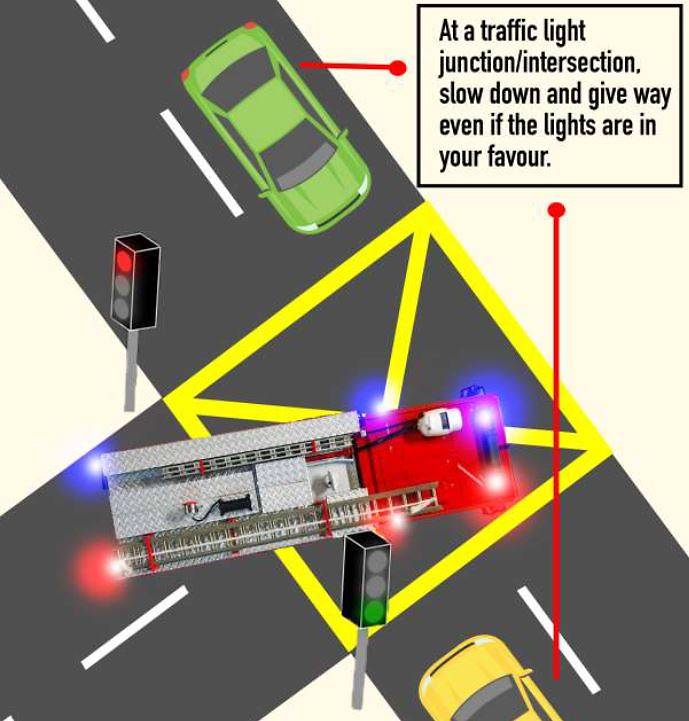
Fire engines can legally run red lights and make unauthorised U-turns from Jun 1

SINGAPORE: Fire engines, red rhinos and fire-medical vehicles responding to emergencies will be allowed to legally run red lights and make U-turns at non-designated junctions from Saturday.

The Singapore Civil Defence Force (SCDF) said in a news release on Friday (May 31) that this is an extension of its move in December 2017 to provide the same exemptions for ambulances responding to emergencies.

“In a medical emergency, every minute saved can improve health outcomes for the patient,” said SCDF.

SCDF road traffic exemption

Motorists are to give way to emergency vehicles even if the lights are in their favour. (Illustration: SCDF)

Officers operating emergency vehicles under the exemption order are bound by SCDF’s operating procedures.

“For example, a driver of an SCDF emergency vehicle who intends to proceed past a red light or make a U-turn at a non-designated junction is required to sound the siren and activate the blinker lights to alert road users,” the news release said.

“When approaching a traffic junction, the driver must slow down and come to a complete stop so that an assessment of the traffic situation can be made before proceeding further,” it added.

SCDF said other road users must give way to emergency vehicles.

“This can make a real difference in saving lives,” it added.

Motorists should do the following upon hearing the siren or seeing the flashing blinker lights of approaching SCDF emergency vehicles:

  • Remain calm and check the direction of the oncoming emergency vehicle.
  • Give way by signalling early and filtering towards the left if it is safe to do so.
  • If unable to filter to the left safely, slow down to let the emergency vehicle overtake you from the left.
  • Do not obstruct, outrun or tailgate an emergency vehicle as this can endanger yourself and other road users.
  • At a traffic light junction or intersection, slow down and give way even if the lights are in your favour, if it is safe to do so.
  • Do not break traffic rules (eg drive through a red traffic light) in order to give way to an emergency vehicle.

Source link

Commentary: What’s behind burnout? Confusing long hours and face time for work performance

SINGAPORE: Burnout has been recognised as an occupational phenomenon with an expanded definition by the World Health Organisation (WHO), which met at the annual World Health Assembly in Geneva earlier this week.

Numerous research and clinical studies have shown that burnout has serious physical, psychological and work–life consequences, from reduced work performance, productivity and work–life balance, to increased chronic depression, prolonged fatigue and cardiovascular disease.

For some, burnout is also a precursor to premature death such as a sudden stroke or suicide.

In his book Dying for a Paycheck, Stanford University Professor of Organisational Behaviour Jeffrey Pfeffer found that long working hours have led to chronic stress and burnout, subsequently pushing workers to commit suicide in some cases.

The WHO recognising the caustic effects of burnout will encourage organisations to take employee well-being seriously, but more effort needs to go into addressing the root causes of burnout.

LONG WORKING HOURS A PRIMARY CAUSE OF BURNOUT

Across occupations and industries, long working hours have been shown to be significantly correlated with burnout. 

A recent study involving 1,560 full-time Taiwanese employees revealed that the longer the working hours, the stronger the relationship between long working hours and burnout.

In China, the gruelling “996” work schedule that stretches from 9am to 9pm six days a week has become the norm in tech companies.

While the “996” culture has been glorified by founder of Alibaba Jack Ma and JD.com founder Richard Liu, the situation facing China’s workforce has been less ideal.

READ: China’s protest against long working hours is so old-fashioned, a commentary

There has been a sharp increase in the number of Chinese tech employees who reported burnout, fatigue and depression due to intense work stress and insomnia according to a 2018 government-led survey on mental health.

COMPLEXITIES AROUND REDUCING WORKING HOURS

It is easy to recommend organisations to reduce working hours to alleviate burnout. However, the issue is far more complex.  

Parental burnout 1

Burnout is usually seen as a consequence of a chronic stressful work environment. (Photo: StockSnap/Pixabay)

Despite years of labour reform in Japan, karoshi (death from overwork) remains a prevalent issue. A 2016 Japanese government white paper on karoshi revealed that 22.7 percent of the over 1,700 companies surveyed had employees who clocked in more than 80 hours of overtime each month.

One reason for Japan’s, and by and large, Asia’s overtime culture is the unspoken norm that workers should not leave the office before their managers.

Apart from the fact that there is generally high respect for authority in Asia, some managers also confuse long hours with work performance. Consequently, employees may feel the need to put in long hours to show diligence and avoid being laid off, or engage in unfulfilling work for facetime.

Sometimes, this toxic overtime culture is perpetuated by managers who do not like to knock off before their employees. This results in a self-fulfilling cycle of presenteeism, causing employees to experience physical and emotional exhaustion, and over time, burnout.

READ: An ironman mentality is leading many to turn up for work despite being sick, a commentary

OTHER WORK-RELATED CAUSES OF BURNOUT

Another leading cause for burnout is employees’ lack of control over their job responsibilities and work–life boundaries.

In hierarchical organisations, employees tend to have little influence over their work environment and decision-making. This leads to job stress and strain as employees are not able to take steps to improve their job experiences and well-being.

Woman Singapore CBD

A woman walking in Singapore’s financial business district. (Photo: AFP/Roslan Rahman) 

Managers may also send work demands through e-mails and text messages after work hours, and employees feel obliged to respond. The blurring of work–life boundaries brought upon by technology-enabled working has meant that work now extends beyond office hours, often intruding on employees’ time with family and friends.

READ: Despite flexible work arrangements, work stress has worsened, a commentary

As employees become absorbed in their work, they may start feeling disconnected from others and themselves, leading to emotional numbness and depersonalisation.

In Singapore, Institute of Mental Health Sara-Ann Lee describes poor organisational culture, unrealistic expectations of workers’ productivity, role ambiguity and lack of recognition as chief reasons driving the vicious cycle of burnout in Singapore where two in three workers report above-average to high levels of stress.

READ: Sarah-Ann Lee’s commentary: Always tired and worried about under-performing — when extreme meritocracy drives burnout

Technological disruption that has given rise to the “gig economy” is another source of burnout.

Gig workers often clock in long hours each day to compensate for their low, unstable income. The isolation and daily work stress faced by this group of workers have led many to experience burnout and depression.

NON-WORK-RELATED CAUSES OF BURNOUT

Burnout may also be experienced by individuals with many life demands, such as employees who have to juggle work and full-time studies, or caregiving responsibilities for dependants who are young, frail or disabled.  

old elderly woman

An elderly woman is being helped while walking on the road. (Photo: TODAY)

Individuals with caregiving responsibilities are most susceptible because they face additional stressors such as high healthcare costs, daily stress and anxiety, and social withdrawal.

Moreover, caregiving is often unrewarding, labourious and emotionally draining, all of which further contribute to burnout.

Burnout can also be triggered by personality traits such as low core self-evaluation and perfectionism.

READ: Exhaustion, withdrawal and low performance, why diagnosing burnout is an urgent task, a commentary

People with low core self-evaluation are susceptible to burnout as they tend to view problems as threatening or overwhelming, rather than challenges to overcome. On the other hand, perfectionists set high performance standards which they fail to meet, thus diminishing their self-beliefs.

WHAT CAN ORGANISATIONS DO?

Given the variety of causes of burnout, companies need a range of approaches to prevent and ameliorate the situation, through first identifying unique stressors.

For example, if an employee is feeling stressed due to his or her caregiving responsibilities, facilitating better co-worker and supervisor relationships, and putting in place various support mechanisms can help.

Employers can afford to invest in a human-resource centred performance management system that considers employees’ unique life circumstances (e.g., a working mother or an employee with a chronically ill spouse) to reduce the sense of isolation and ineffectiveness when these employees work from home or take time off to care for their loved ones.

stress or depression file photo

A woman bows her head in pain. (Photo: Unsplash/Volkan Olmez)

READ: Millennials, the burnout generation, a commentary

Rather than institutionalising burnout leave or limiting the number of hours worked, employers should focus on fostering a positive work environment where employees are given autonomy to define their job scopes, and flexible work arrangements where employees can balance their work and life responsibilities. 

WHAT CAN EMPLOYEES DO?

Much as employees can try to manage the tempo of work, it’s also up to each of us to manage a healthy work–life balance. Do not be absorbed by work 24/7. Switch off the work e-mail on your mobile phone after office hours, and protect family and private time.

READ: Why nobody will thank you for soldiering on at work, a commentary

Modern technology makes it easier to work in multiple teams, but this accelerates demands and expectations. As a general rule of thumb, avoid multi-tasking. Instead, focus on one task at a time to make work more manageable and enjoyable.

Detect burnout symptoms as early as possible. Seek medical advice if you start to have trouble sleeping and have heart palpitations at work.

Talk to your manager about your health concerns and identify a better work arrangement for you. You can work better only if you are healthy.

If employees do experience burnout, it is important for them to take control of their lives and create more autonomy for themselves. This is not easy as an employee who brings up how overwhelming their workload has become is sometimes seen as not being a team player.

If managers are unwilling to be flexible, perhaps it is time to look for a job in another organisation that is less demanding.

Carys Chan is Lecturer/Assistant Professor in Management at RMIT University. Shea Fan is Lecturer/Assistant Professor in International Business at RMIT University.

Source link

RoadSense Carnival

RoadSense Carnival
from Saturday, July 6, 2019 at 12:00 PM to Saturday, July 6, 2019 at 9:00 PM

Ngee Ann City, Orchard Road

391 Orchard Road, Singapore, 238872 Singapore

Source link

Online book about Singapore’s 700-year history to supplement secondary school curriculum

SINGAPORE: A new online interactive history book will be introduced to supplement the current curriculum in secondary schools, President Halimah Yacob announced at the launch of the Bicentennial Experience on Thursday (May 30). 

The book will be available at 700years.sg and will showcase Singapore’s 700-year history through the imagined social media feeds of 25 historical figures.

The 25 historical figures were chosen for their presence during Singapore’s pivotal moments over the past 700 years and include renowned figures such as Sang Nila Utama, Stamford Raffles, Munshi Abdullah, Seah Eu Chin and Elizabeth Choy.

It will be rolled out in phases and used in history and social studies lessons at all secondary schools. 

President Halimah Yacob takes a tour of Time Traveller

President Halimah Yacob takes a tour of Time Traveller, an immersive and multisensory experience within the Fort Canning Centre on Thursday (May 30). (Photo: Jeremy Long)

Additionally, four prominent historians – Mr Kwa Chong Guan, Dr Tan Tai Yong, Dr Peter Borschberg and Dr Derek Heng – will release a hardcopy book called Seven Hundred Years: A History of Singapore.

It will be an update of an earlier book, Singapore, a 700-Year History: From Early Emporium to World City that was published in 2009, and will contain new sources of historical information that have emerged over the past decade.

READ: “Reverse” rain to feature in immersive, multisensory Bicentennial Experience showcase

READ: Light installations, augmented reality trail to kick off Singapore Bicentennial

THE BICENTENNIAL EXPERIENCE

From Singapore to Singaporean: The Bicentennial Experience is the centerpiece event of Singapore’s bicentennial celebrations.

It consists of two parts: Time Traveller, an indoor cinematic multisensory experience, and Pathfinder, an outdoor trail that takes visitors through eight themed pavilions and installations.

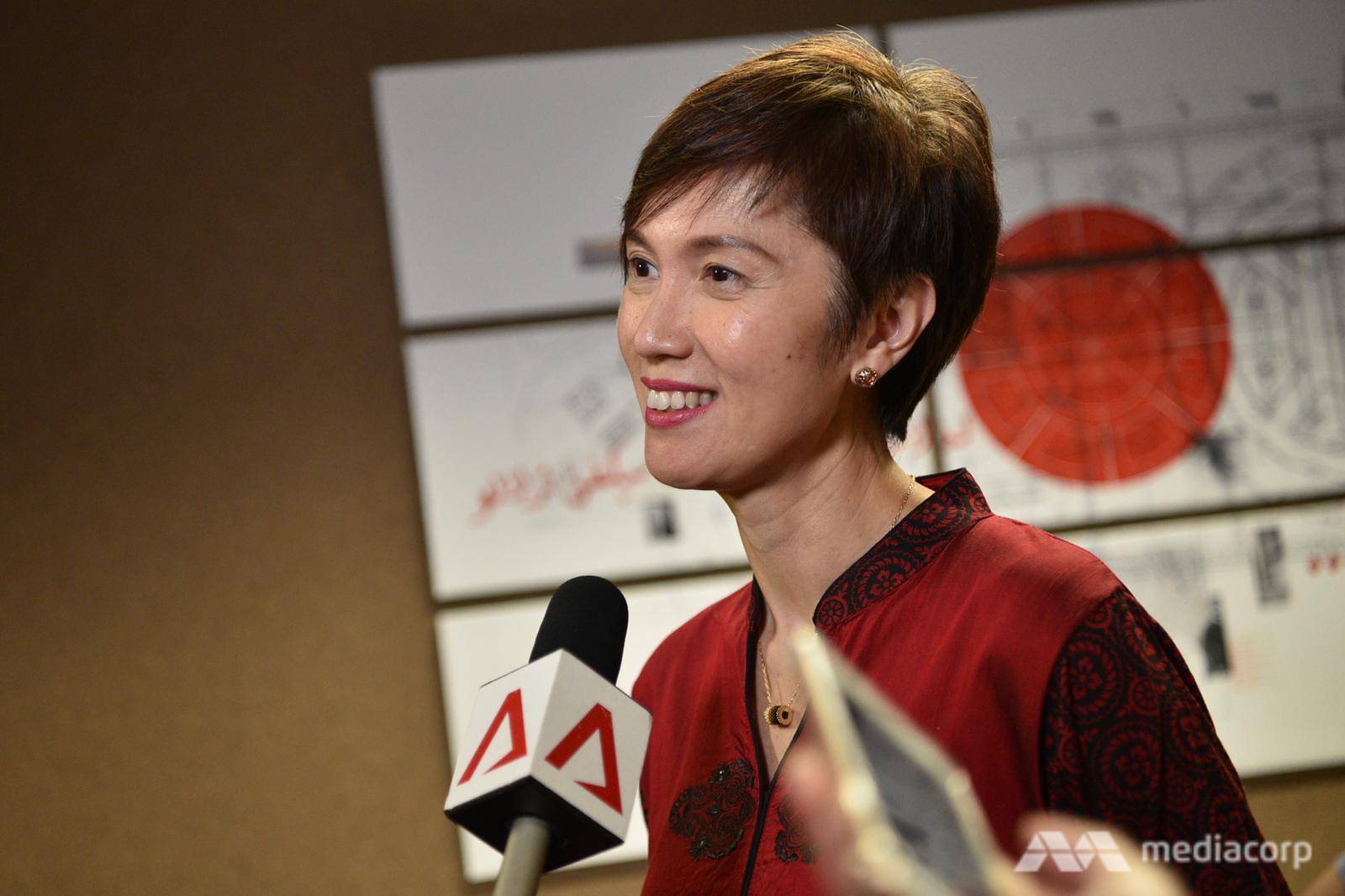
Josephine Teo speaks at a doorstop before the official launch of the Bicentennial Experience May 30

Minister of Manpower and Co-Chair of the Singapore Bicentennial Ministerial Steering Committee Josephine Teo gives a doorstop before the official launch of From Singapore to Singaporean: The Bicentennial Experience, at the Fort Canning Centre, May 30, 2019. (Photo: Jeremy Long)

​​​​​​​

Speaking at the launch, co-chair of the Singapore Bicentennial Ministerial Steering Committee Josephine Teo said that the committee had noted the public’s enthusiasm for the bicentennial.

“With the bicentennial as the backdrop, (organisations that organise workshops about Singapore’s history) noticed that the interest level has gone up a great deal. 

“The participation levels have gone up and people are much more interested in understanding our history from many different dimensions,” she said.

Going forward, Mrs Teo said that the committee hopes to tell more community-specific stories.

“There were specific communities that saw this as an opportunity to also reflect on how their communities came into being and how their communities flourished in Singapore and they want to tell that part of the story.

“There are many different dimensions of our history that are just waiting to be told. And I think in telling that history, people understand what inherently is the strength of Singapore and Singaporeans, and what kinds of things we can feel confident about,” she said.

Source link

PM Lee and China’s Defence Minister reaffirm bilateral ties

SINGAPORE: Prime Minister Lee Hsien Loong and China’s Minister of National Defence Wei Fenghe discussed aspects of defence cooperation between Singapore and China when they met at the Istana on Thursday (May 30).

At the meeting, Gen Wei and Mr Lee “exchanged views on regional security and underscored the importance of deepening cooperation and building mutual trust among countries”, the Ministry of Defence (MINDEF) said in a news release.

They also affirmed the “warm and friendly” bilateral relations between Singapore and China, the ministry said. 

As part of his introductory visit to Singapore, Gen Wei visited the RSS Singapura – Changi Naval Base.

General Wei Fenghe on the RSS Swordsman submarine

General Wei Fenghe embarking the Archer-class submarine RSS Swordsman during his visit to RSS Singapura – Changi Naval Base (Photo: Ministry of Defence)

There, he was “briefed on the operations of the Republic of Singapore Navy’s Information Fusion Centre and its contribution to maritime society”, MINDEF said.

He also went on board the Archer-class submarine RSS Swordsman and formidable-class frigate RSS Stalwart.  

General Wei is set to attend the Shangri-La Dialogue defence forum, which will be held from Friday to Sunday. He will also call on Deputy Prime Minister Heng Swee Keat, and be hosted to dinner by Senior Minister and Coordinating Minister for National Security Teo Chee Hean.

General Wei receiving a brief on board the RSS Stalwart

General Wei receiving a brief on board the RSS Stalwart, accompanied by Chief of Defence Force Lieutenant-General Melvyn Ong and Chief of Navy Rear-Admiral Lew Chuen Hong. (Photo: Ministry of Defence)

Source link

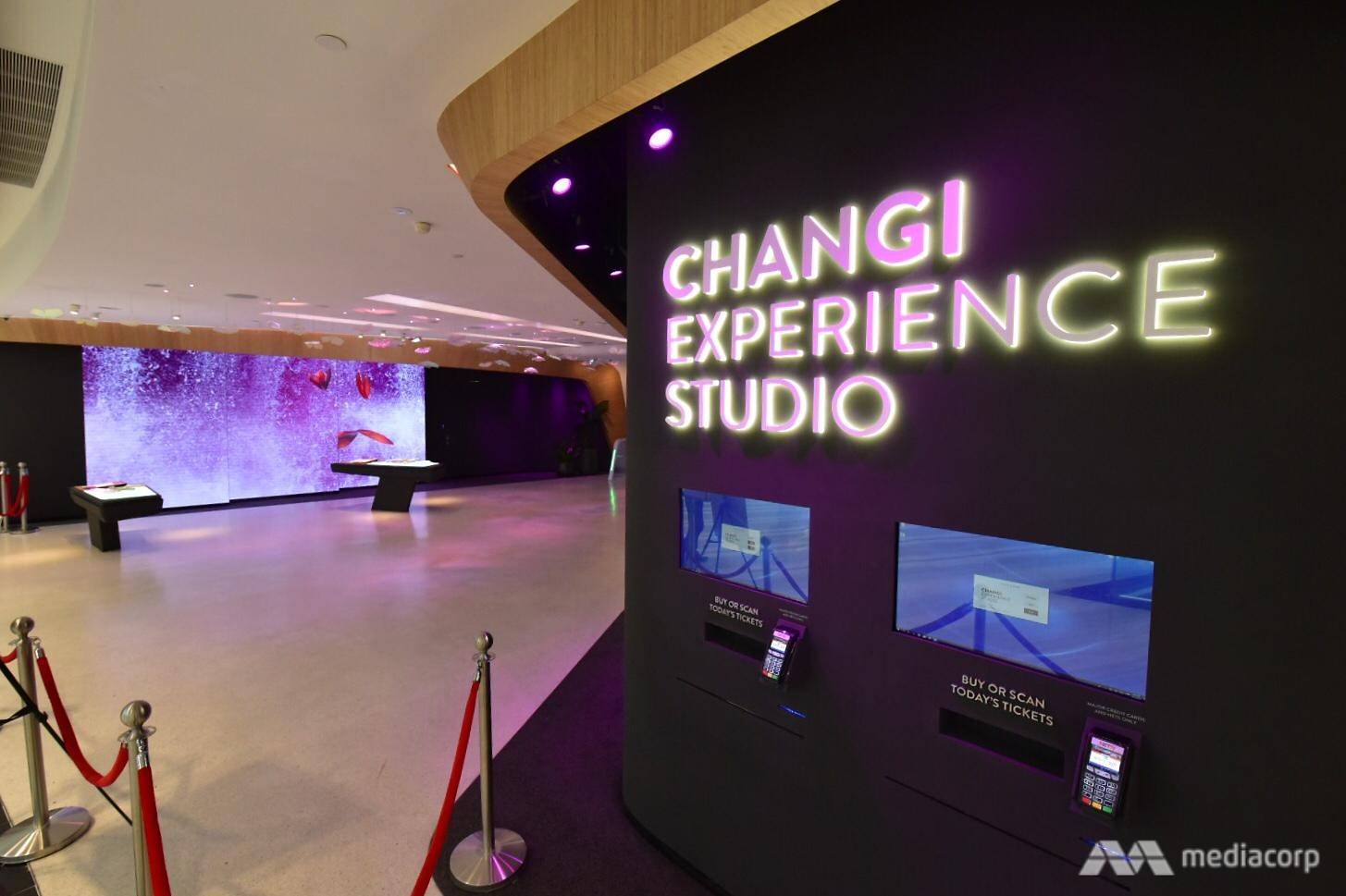
Airport-themed games at new Jewel Changi Experience Studio

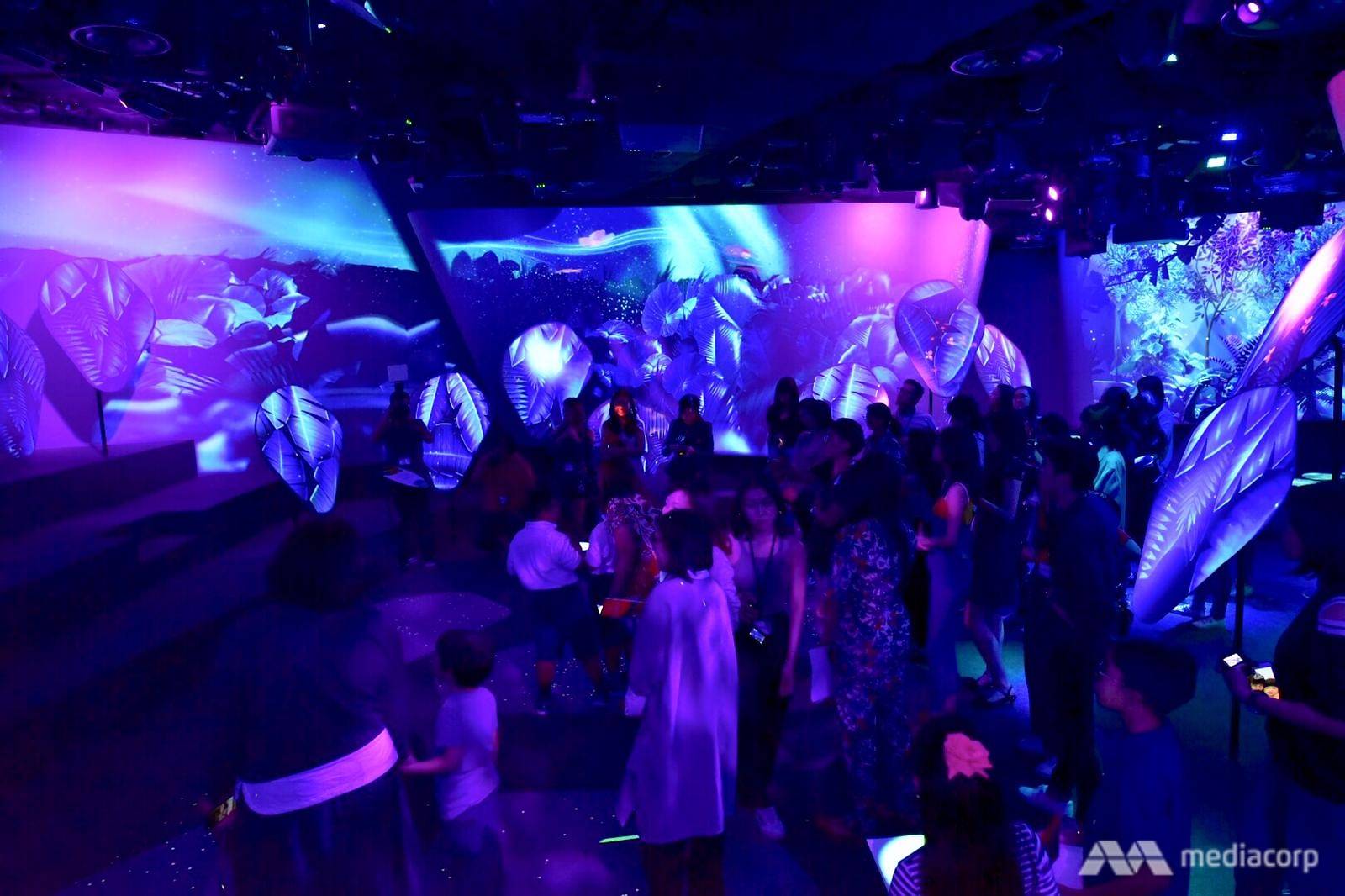
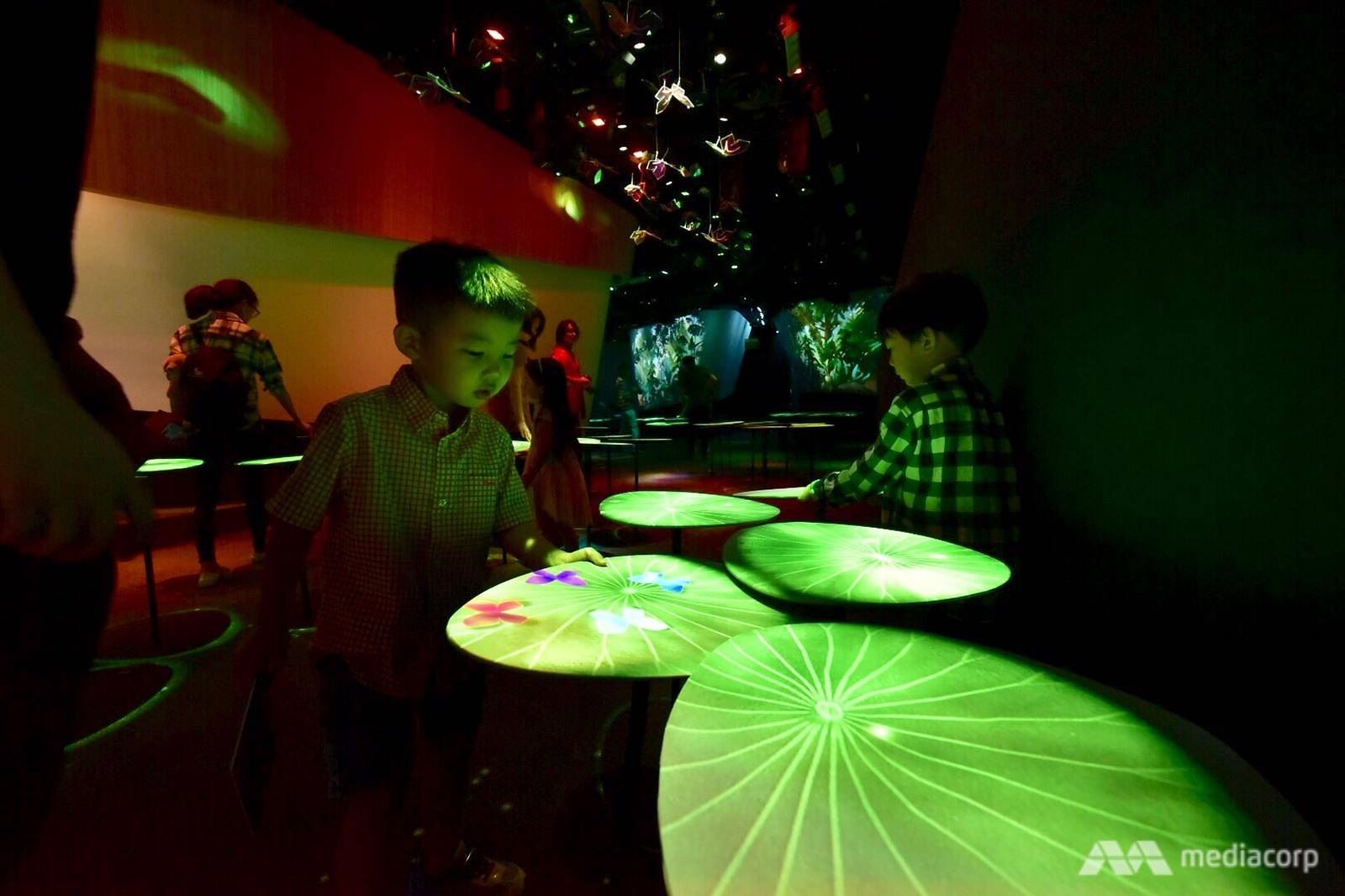
SINGAPORE: From Jun 10, a new attraction will open at Jewel Changi Airport, with interactive exhibits that give visitors a glimpse into the airport’s day-to-day operations behind the scenes. 

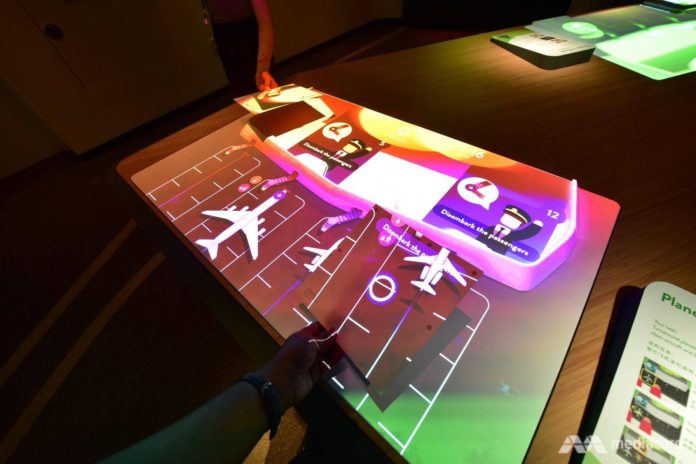
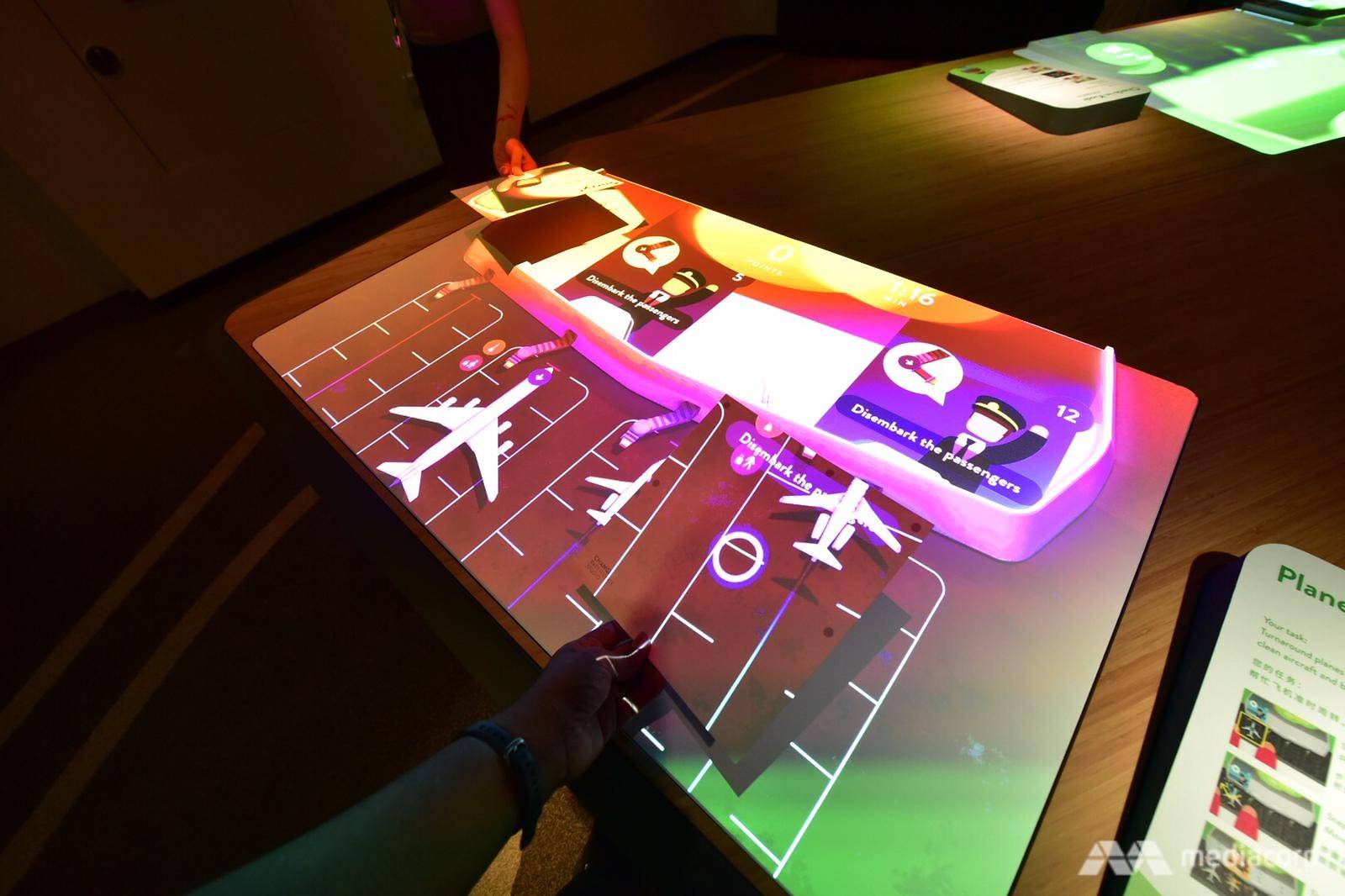
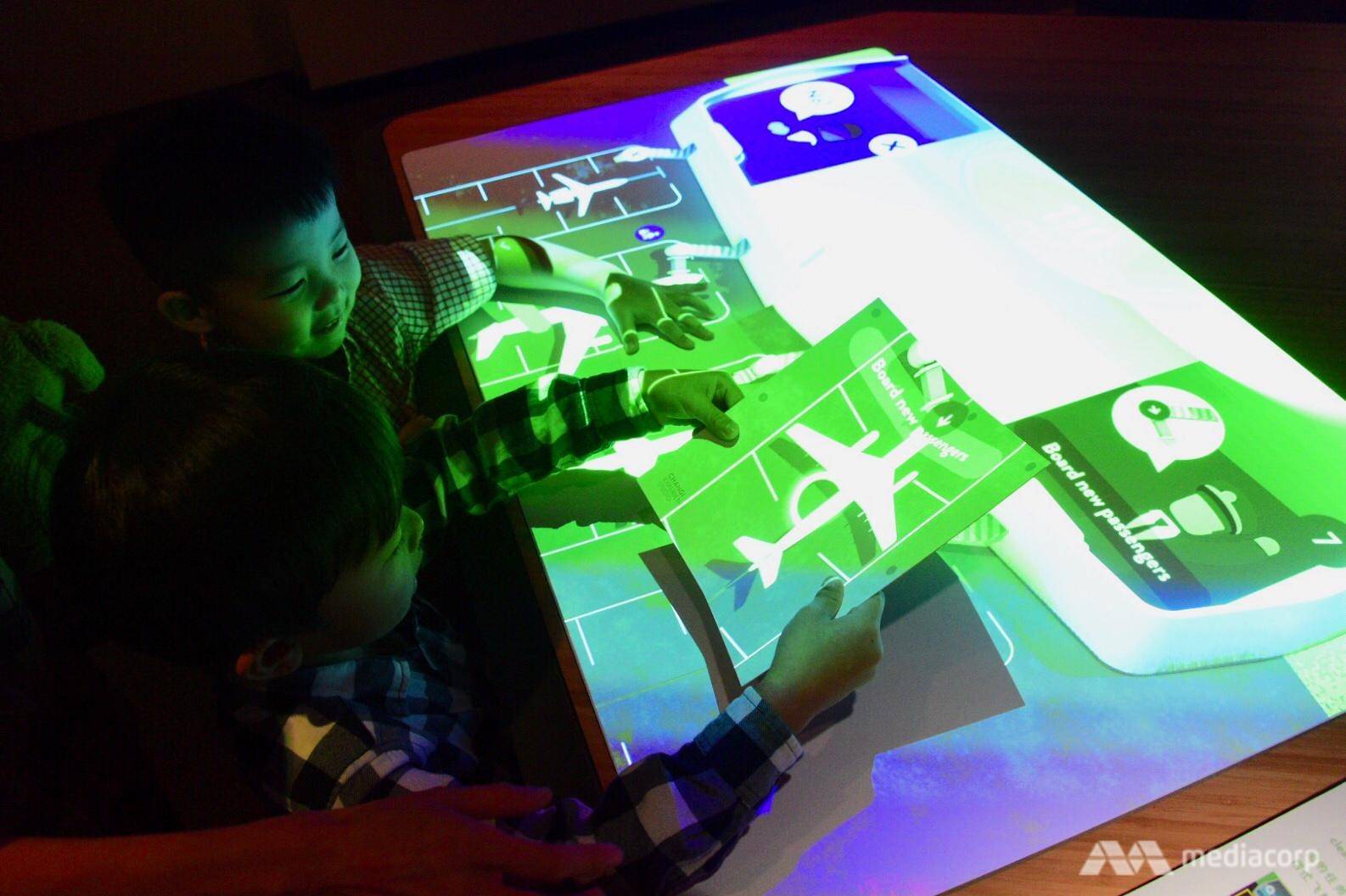
Located on level 4, the attraction features interactive exhibits including a runway race, a game to collect airport trolleys, and even a competition for visitors to flash their biggest smiles, said Changi Airport Group, which announced the launch on Thursday (May 30). 

EXPLORE OUR INTERACTIVE: Inside Jewel Changi Airport

Jewel Changi Airport Changi Experience Studio - Game inspired by airport check-in processes

Backstage brings visitors behind the scenes to see what makes Changi Airport tick. (Photo: Gaya Chandramohan) 

One of the interactive elements, called Backstage, brings visitors behind the scenes to show what makes Changi Airport tick and how staff keep the airport running like clockwork. 

Visitors also get to play games inspired by airport check-in processes. 

Jewel Changi Airport Changi Experience Studio - Backstage game 2

Visitors will also learn how airport staff play a part in keeping Changi Airport functioning like clockwork. (Photo: Gaya Chandramohan) 

Jewel Changi Airport Changi Experience Studio - Backstage game 5

What keeps Changi Airport running seamlessly? Visitors to the Changi Experience Studio can find out by playing this game. (Photo: Gaya Chandramohan) 

READ: First look at Jewel Changi Airport’s Canopy Park, Sky Nets, slides and mazes

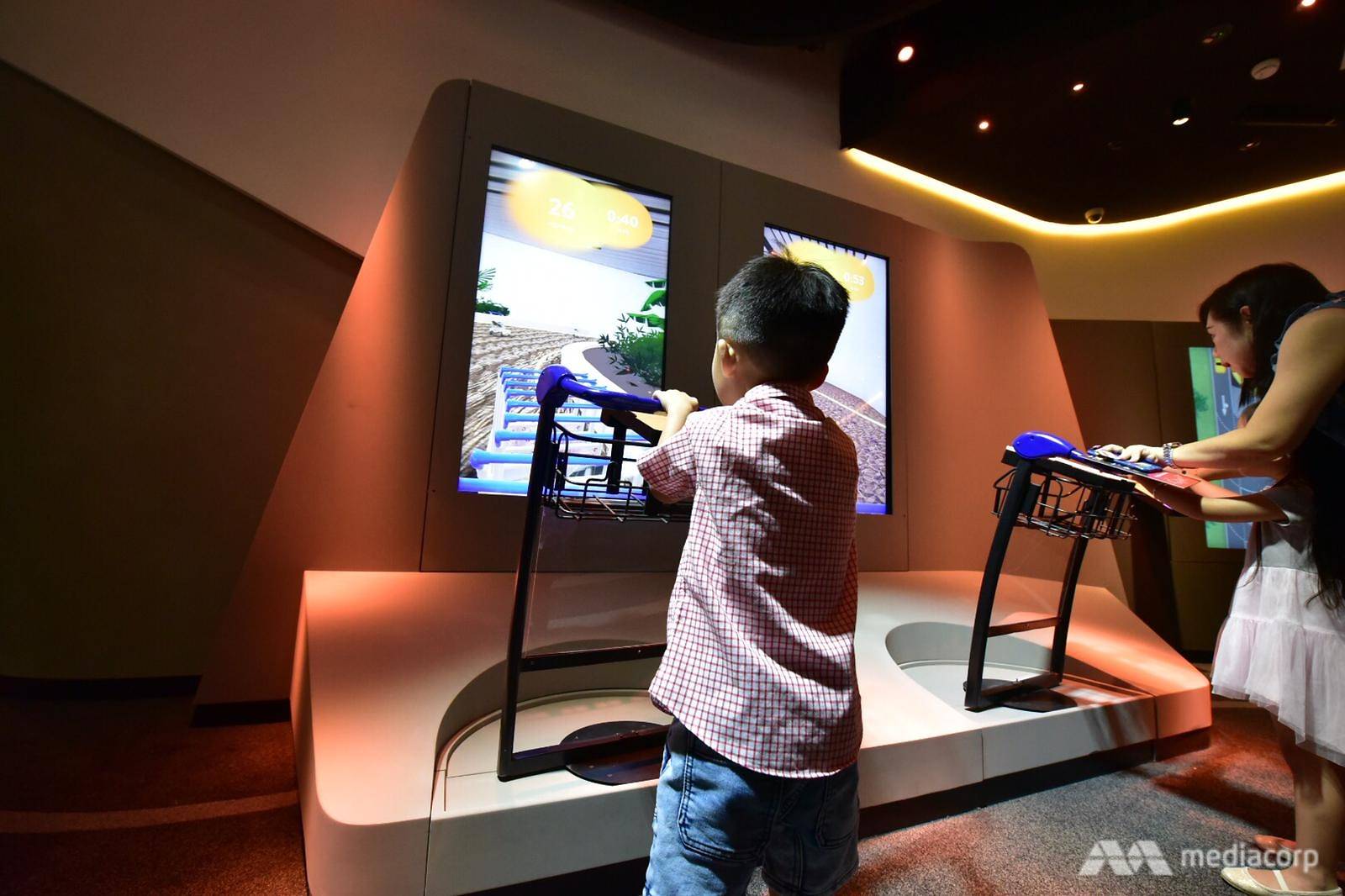
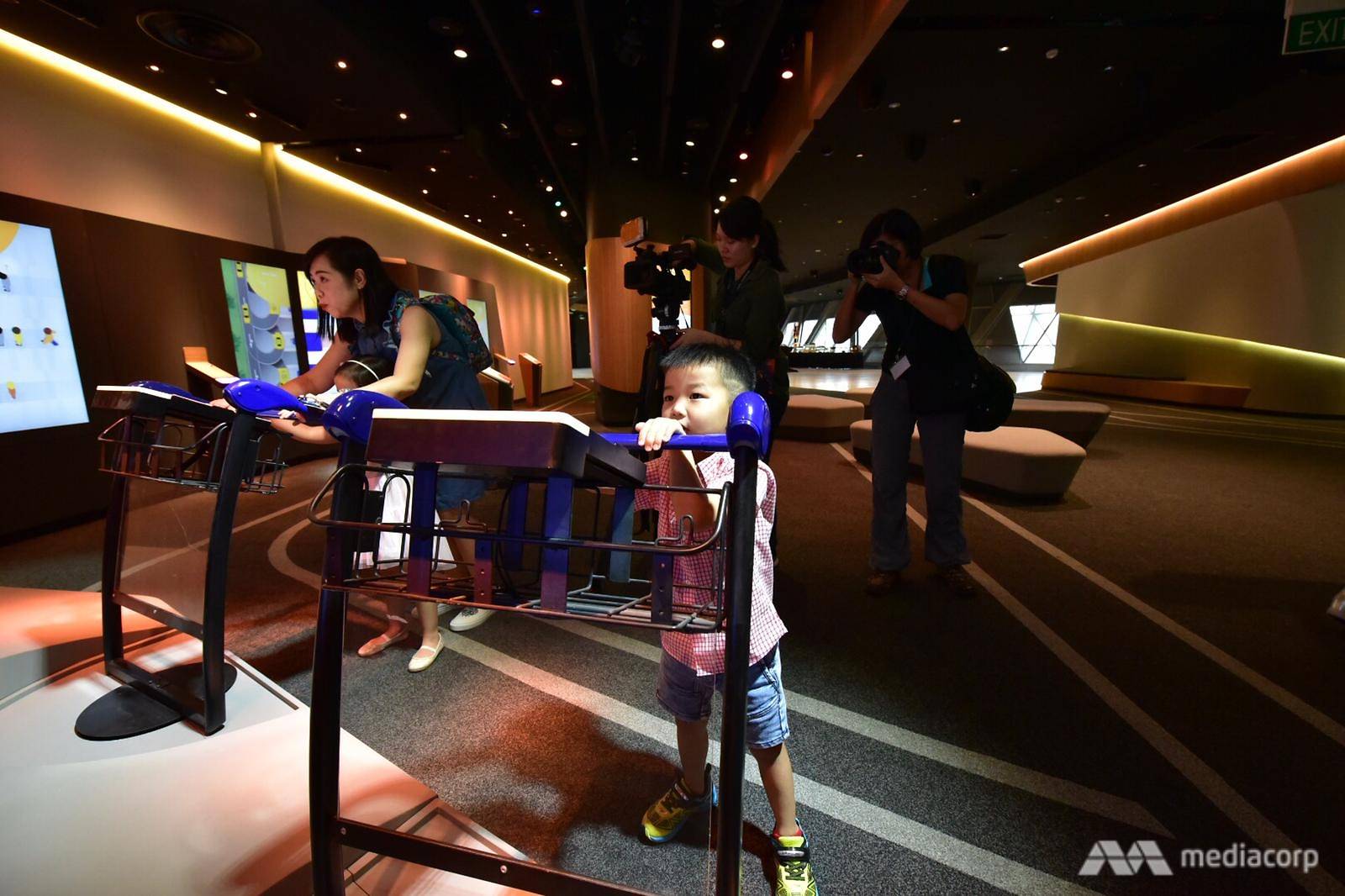
At the game station Arena, visitors get to try their hand at “working” as an airport security officer, a taxi coordinator and a trolley handler. 

Jewel Changi Airport Changi Experience Studio - A game simulating jobs at Changi

A little boy tries his hand at Arena – a game station where visitors get to experience what it is like working at the airport. Here, he is playing the role of a trolley handler. (Photo: Gaya Chandramohan) 

Jewel Changi Airport Changi Experience Studio - Game simulating different jobs at Changi Airport

Gotta handle them all … (Photo: Gaya Chandramohan) 

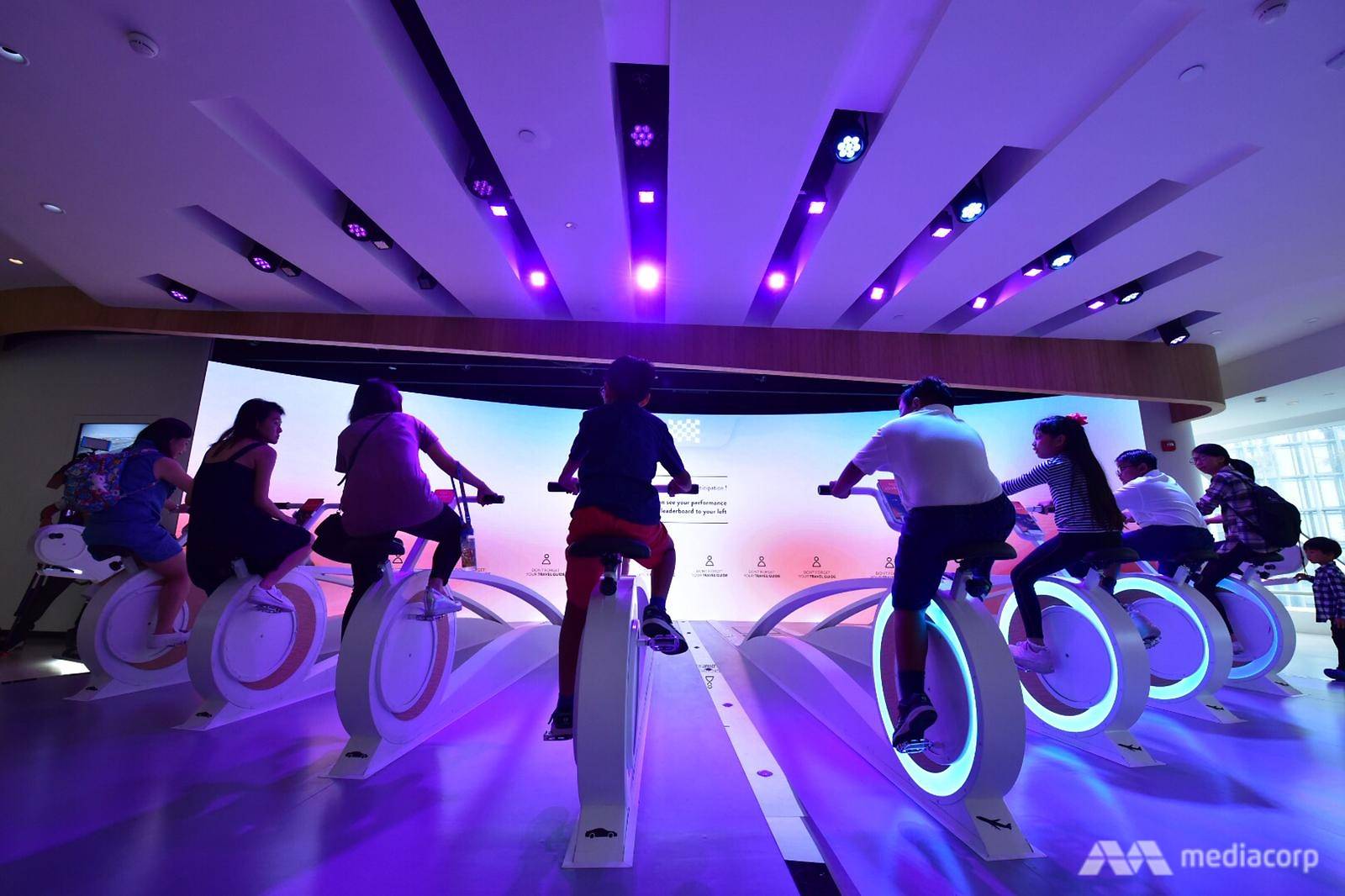
A multiplayer game called Amazing Runway is based on a race held in 2009 between a Porsche 911 GT3 Carrera Cup car and a Boeing 747 aircraft. 

Ten visitors are split into two teams, one representing the Porsche and the other, the Boeing, as they sprint down the runway. 

Jewel Changi Airport Changi Experience Studio - Game mimicking Porsche car and Boeing aircraft race

10 visitors. Two teams. Will the Porsche or the Boeing 747 win? (Photo: Gaya Chandramohan) 

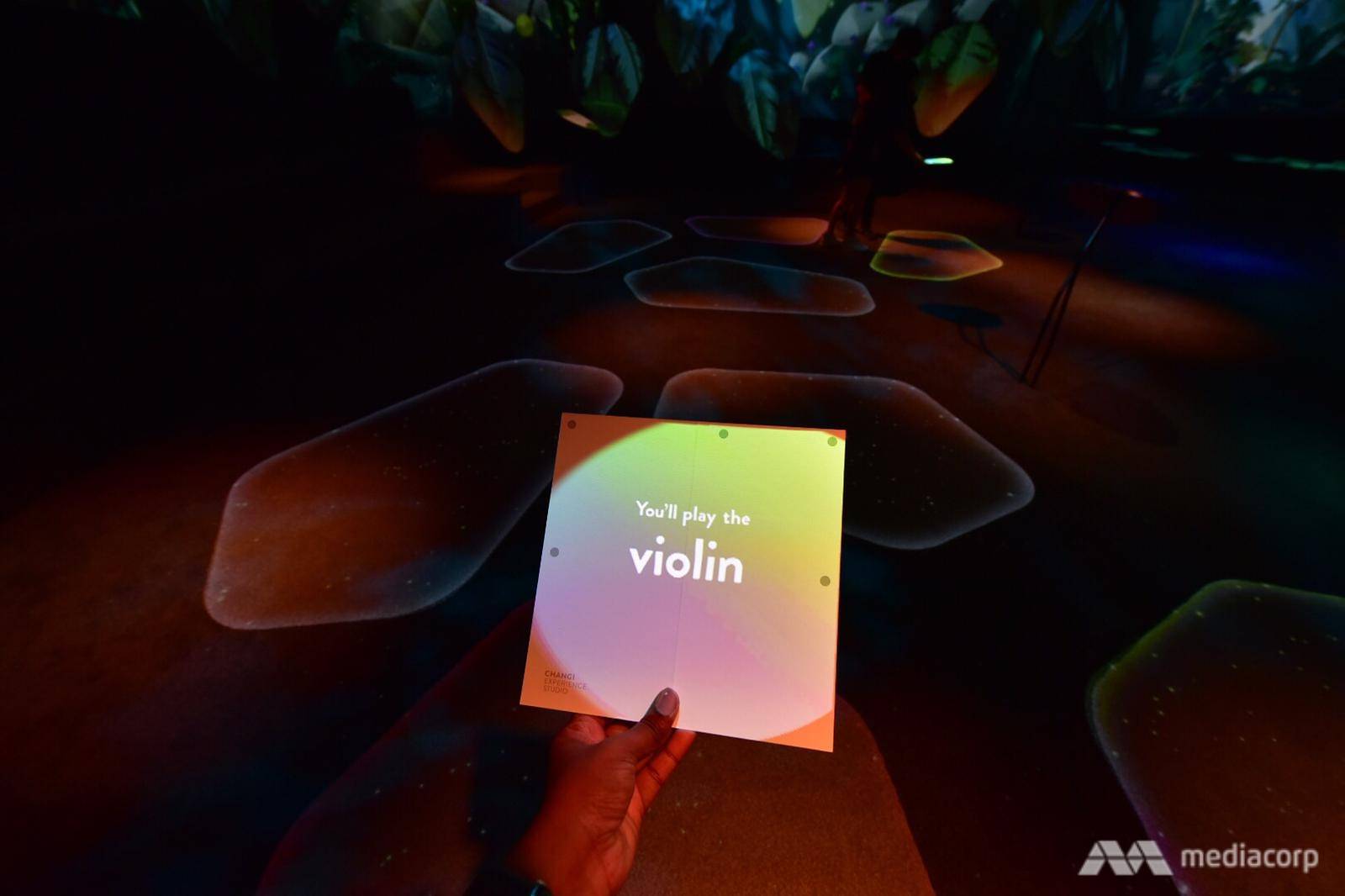
Another of the highlights is the Garden of Harmony, where visitors get to make music by moving their arms. 

Each visitor plays a different virtual musical instrument, before coming together in symphony with other players. 

The exhibit is a metaphor for the teamwork required of the 50,000-strong airport community, Changi Airport Group says.  

Jewel Changi Airport Changi Experience Studio - Garden of Harmony

Visitors’ Travel Guide cards will show which instrument they are “playing” at the Garden of Harmony. (Photo: Gaya Chandramohan) 

Jewel Changi Airport Changi Experience Studio - Garden of Harmony (1)

When visitors use their Travel Guide cards to “play” their assigned instrument, the Garden of Harmony element will crescendo into a colourful visual spectacle. (Photo: Gaya Chandramohan) 

Jewel Changi Airport Changi Experience Studio - Garden of Harmony (2)

The Garden of Harmony is also a metaphor for teamwork. (Photo: Gaya Chandramohan) 

READ: In pictures – First look inside Jewel Changi Airport

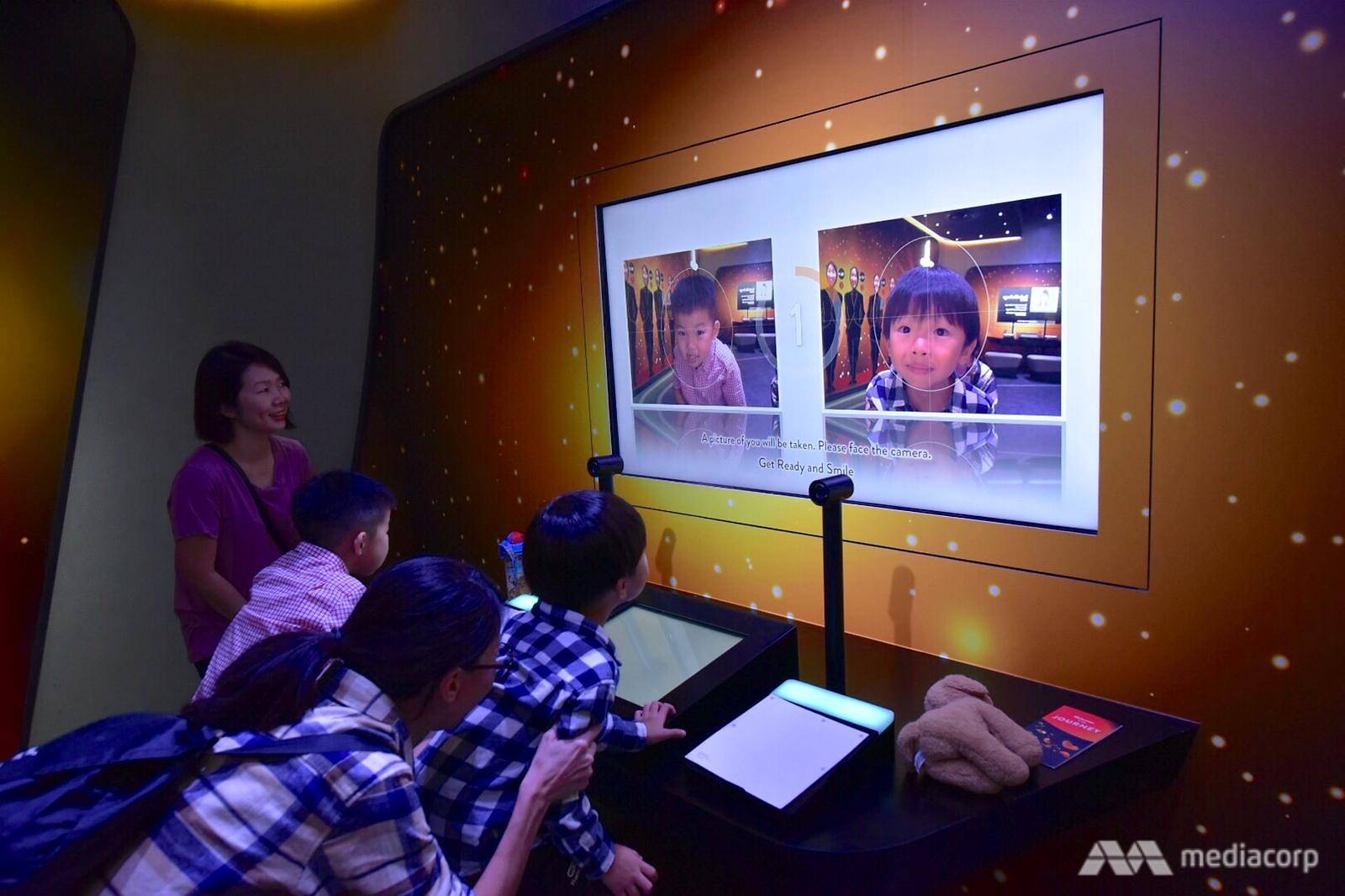
Another game – inspired by the airport’s customer service – calls for visitors to flash their brightest smile. Those with the highest smile scores will be named in the Hall of Fame. 

Jewel Changi Airport Changi Experience Studio - Smile Challenge

Brightening a passenger’s day with a smile is a key part of customer service at Changi Airport. The Smile Challenge allows visitors to flash their brightest smiles in a battle to determine who has the winning smile. (Photo: Gaya Chandramohan)

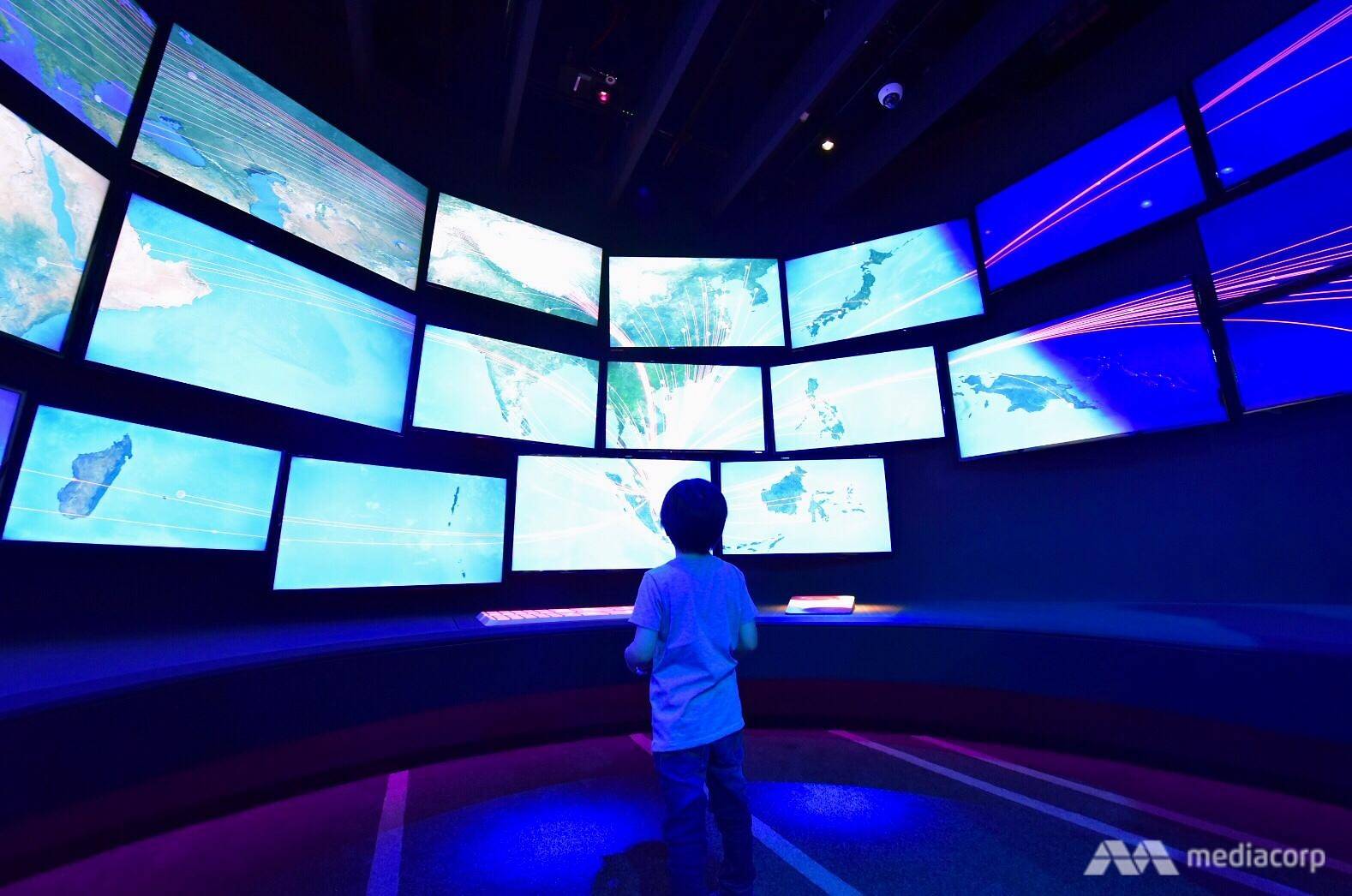
Jewel Changi Airport Changi Experience Studio - How Changi connects Singapore to the world

The Sky Deck shows visitors how Changi Airport connects Singapore to the rest of the world. (Photo: Gaya Chandramohan) 

Starting Jun 10, 2019, the Changi Experience Studio will be open daily from 10am to 10pm. Online ticket sales start at 10am on Jun 6.

Tickets for Singapore residents cost S$19 per adult and S$13 per child or senior citizen. Children under the age of 6 will get free entry. 

Jewel Changi Airport Changi Experience Studio - Changi Experience Studio entrance

The Changi Experience Studio opens its doors on Jun 10, 2019. (Photo: Gaya Chandramohan) 

Source link