Asia’s biggest air show opened in Singapore on Tuesday under the shadow of a deadly coronavirus outbreak that has forced dozens of companies to withdraw and is threatening to hammer the aviation industry.
The biennial Singapore Airshow attracts hundreds of global aerospace firms and airlines to the financial hub, where they negotiate multi-million-dollar deals and watch spectacular aerial displays by fighter jets.
But the virus — which has killed more than 1,000 in China and spread to more than two dozen other countries — is overshadowing this year’s event.
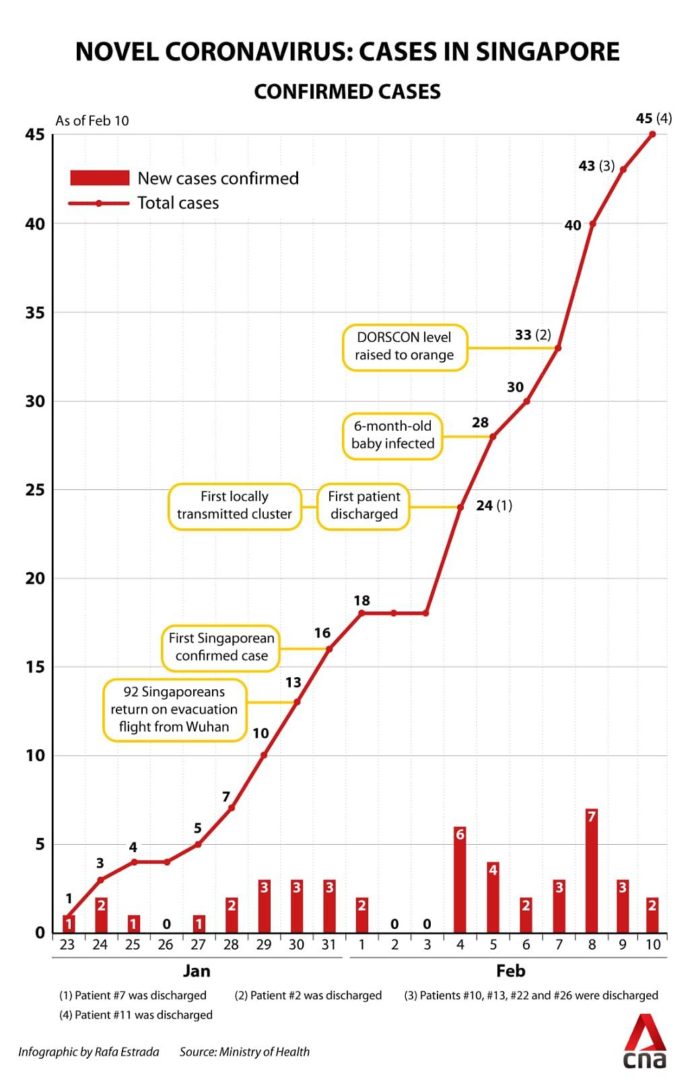
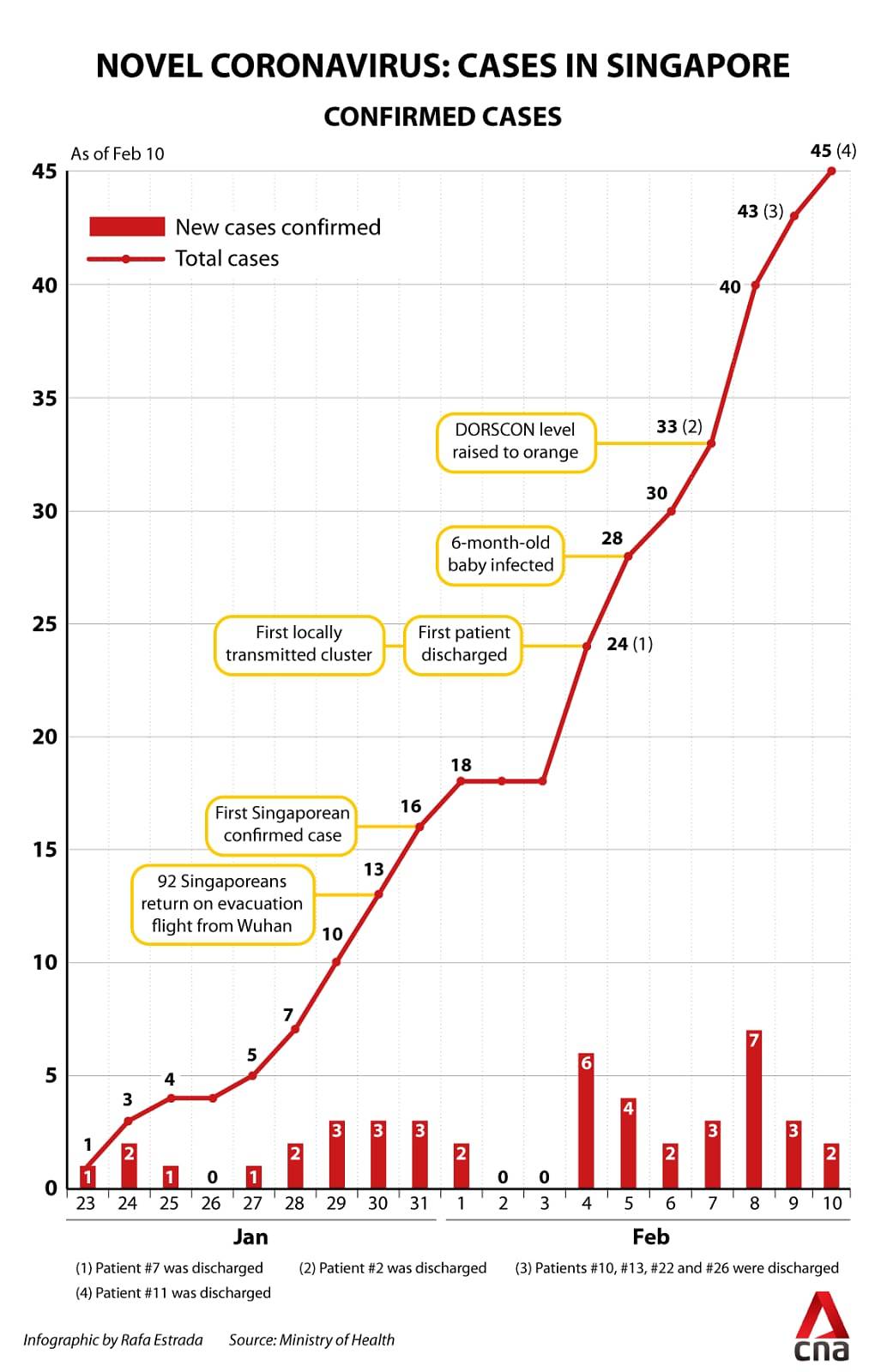
Singapore has so far reported 45 cases, and the city-state last week raised its health alert level to the same as during the deadly 2002-2003 SARS outbreak.
The number of exhibitors deciding to skip the show has now climbed to over 70.
Withdrawals include US aerospace giant Lockheed Martin, which makes warplanes and defence equipment used by militaries around the world, Canada’s Bombardier and plane maker De Havilland.
KUALA LUMPUR: The health ministries of Malaysia and Singapore will form a joint working committee headed by the respective deputy ministers to manage the outbreak of the novel coronavirus.
Malaysian Health Minister Dzulkefly Ahmad said in a press conference on Tuesday (Feb 11) that the decision to set up the committee was made during a conference call involving senior officials from both countries.
The committee aims to consolidate various cross-border efforts, he said.
The two-way cooperation will focus on sharing information on public health, medicine and research to ensure that the outbreak is handled efficiently.
Malaysia and Singapore will also scrutinise cross-border case screening and management, the minister said.
In addition, both sides will coordinate on the use of antiviral drugs for patients who have been tested positive, he said.
He explained that the first meeting would be held once both deputy ministers find a mutually acceptable time.
When asked why Malaysia had decided to embark on such a bilateral initiative at this juncture, he said the committee was important as both countries are close to one another.
File photo of a general view of the Causeway from Singapore to Johor Bahru. (Photo: AFP/Roslan Rahman)
“We have got a historical relationship, we have got a good bilateral relationship … We share the same causeway, there are hundreds of people travelling across each day for reasons of family, business and leisure, so all the more why we should strengthen and enhance our cooperation managing this coronavirus outbreak,” he said.
On Tuesday, the minister said there were no new confirmed cases of the coronavirus in Malaysia, which means the total number of cases remained at 18.
Of the total, 12 are Chinese nationals and six are Malaysian citizens. At least seven cases in Malaysia are said to have travelled to Singapore.
Three patients, all of whom are Chinese nationals, have been discharged.
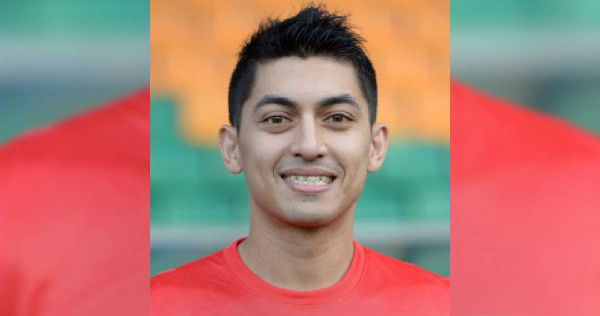
SINGAPORE – Shariff Samat was a footballer who wore his heart on his sleeve and gave everything on the pitch each time he played.
This was the common refrain among former teammates and friends who paid tribute to the ex-Singapore international, who died on Monday (Feb 10) at the age of 36.
The Straits Times understands that his sudden death was due to a heart attack. He left behind his wife and a four-year-old daughter.
Shariff, the son of former Singapore captain Samad Allapitchay, made over 100 appearances in the S-League – now known as the Singapore Premier League (SPL) – for Sembawang Rangers, Home United, Young Lions, Tampines Rovers, Hougang United, Woodlands Wellington and Geylang International.
He earned his only cap with the Lions in 2013 when he played the last 20 minutes in a friendly against Myanmar, and won a bronze medal with the Under-23 team at the 2007 SEA Games in Thailand.
The Football Association of Singapore (FAS) said on its SPL Twitter account that it is “deeply saddened to learn about the passing of former player Shariff Samat”.
The coronavirus has been keeping Singaporeans on their toes, with masks and hand sanitisers being swept off shelves.
Everyday staples such as rice, noodles and toilet rolls weren’t spared too after people began frantically stockpiling once Singapore went into Dorscon (Disease Outbreak Response System Condition) Orange mode.
“Should we be panicking?”, and “Is it really not necessary to wear a mask if we’re not ill?”, are just some questions we have on our minds.
In a recent Facebook live-streaming event organised by the Singapore Press Holdings’ Chinese Media Group on Feb 9, celebrities, singers and guest speakers were invited to the show to “show appreciation to frontline workers of the novel coronavirus outbreak and to support relief efforts”.
SINGAPORE: There are no plans to cancel Singapore Armed Forces (SAF) in-camp training amid concerns about the coronavirus outbreak, Senior Minister of State for Defence Heng Chee How said on Tuesday (Feb 11).
“We have to go back to the mission of the SAF and the defence of this country. We have to defend this country whether or not there is a virus situation,” he said.
“That said, we must understand that when there is such a situation, we must take the necessary steps to safeguard the health of our soldiers.
“This is exactly what we are doing – to make sure that both are top priorities.”
The individual physical proficiency test (IPPT) will also not be cancelled at unit level.
Recruits taking part in temperature taking exercise at Basic Military Training Centre (BMTC) on Pulau Tekong on Feb 11. (Photo: Try Sutrisno Foo)
“If they are sick, then they should let it be known so that we can then ask them not to undertake IPPT, (or) it can be rescheduled so that in the meantime you can seek treatment,” Mr Heng continued.
Mr Heng was speaking to reporters at the Basic Military Training Centre (BMTC) on Pulau Tekong after observing stepped up measures against the virus outbreak.
The centre, which currently has 5,000 recruits, has introduced measures like social distancing as well as increased frequency of cleaning and temperature-taking.
This comes after some members of the public have written to the media urging ICTs to be suspended following local transmissions of the coronavirus.
Senior Minister of State for Defence Heng Chee How. (Photo: Try Sutrisno Foo)
“The very purpose of my visit today is indeed to give confidence to our soldiers and their families that there is no need to worry, that we understand the situation and that we have in place the measures, (which are) the same as those maintained on the mainland under the guidance of the MOH (Ministry of Health),” Mr Heng said.
While Mr Heng stressed that BMTC does not have a confirmed case of the virus, he said suspected cases will be sent to the island’s medical centre, which has “exactly the same” standards and procedures as those adopted by MOH on the mainland.
“If the doctor over here feels the patient fits the criteria that needs to be referred to the NCID (National Centre for Infectious Diseases), then that will be done,” he said.
“Following that, we will do the necessary contact tracing as well as segregation of the close contacts for close monitoring.”
SOCIAL DISTANCING
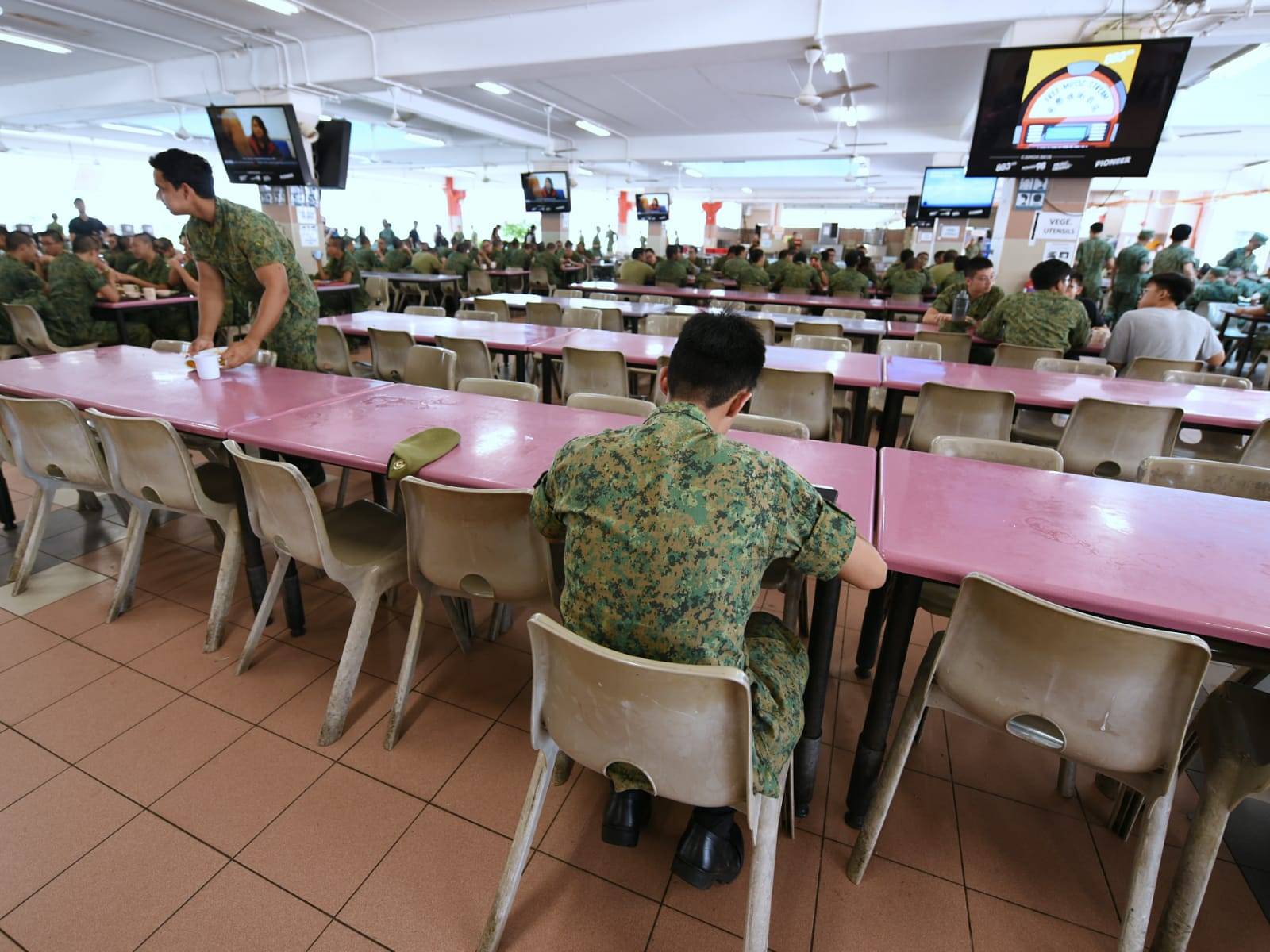
The BMTC has also introduced staggered meal times and book-in and book-out timings to minimise interaction among servicemen.
Each meal period has been divided into four timings to accommodate two companies of soldiers each. One company has 220 servicemen.
Previously, more than four companies could eat during the same meal period.
Soldiers eating at Basic Military Training Centre (BMTC) on Pulau Tekong on Feb 11. (Photo: Try Sutrisno Foo)
BMTC has also cancelled or rescheduled physical activities where prolonged interaction is expected, like aqua jogging in the pool.
In addition, it has deferred non-essential social activities like the recruits’ evening and external talks.
Servicemen have been provided with stronger disinfectants like bleach and instructed to clean their bunks more frequently. SAF-chartered ferries and buses are also being cleaned more frequently.
Similar measures have been implemented at all SAF camps.
The centre is also considering reducing the number of public visitors at the next graduation parade in March and direct enlistment on Pulau Tekong in April.
Recruits at Basic Military Training Centre (BMTC) on Pulau Tekong on Feb 11. (Photo: Try Sutrisno Foo)
During the H1N1 flu outbreak in 2009, BMTC reduced the number of visitors each servicemen could invite to their graduation parade from four to two.
DORSCON ORANGE
The measures come after Singapore on Friday raised its Disease Outbreak Response System Condition (DORSCON) level to Orange. The country has 45 confirmed cases of the coronavirus as of Monday.
Under the new DORSCON level, organisers of large events should take necessary precautions such as carrying out temperature screening, looking out for respiratory symptoms like cough or runny nose, and denying entry to unwell individuals.
BMTC has increased the frequency of temperature-taking for active personnel from once to at least twice a day.
A soldier washing his hands after eating in the canteen at Basic Military Training Centre (BMTC) on Pulau Tekong on Feb 11. (Photo: Try Sutrisno Foo)
It has also introduced an online health declaration form for visitors and contractors, with restrictions for those with recent travel to China.
If the DORSCON level is raised to the maximum Red, the centre will align its measures with those introduced by the Ministry of Health.
Mr Heng said: “We have also reminded every soldier to take good care of himself and herself to go see a doctor or let the commanders know when you’re feeling unwell.”
CLEANING BUNKS
While Recruit Zachary Ho said it’s definitely “quite a hassle” to have to clean his bunk more frequently, he acknowledged the rationale behind it given the virus outbreak.
“As much as we hate it, we’ll do our best to try to reach every nook and cranny of the bunk to make sure it’s free of dust and bacteria,” the 18-year-old said.
“We use the anti-bacterial wet wipes or bleach given to us to clean down the room as best as we can.”
Recruits at Basic Military Training Centre (BMTC) on Pulau Tekong on Feb 11. (Photo: Try Sutrisno Foo)
Recruit Muhammad Syukri Sallehuddin, 18, said his parents were initially concerned for his well-being after the DORSCON level was raised and asked if the flu had been going around.
“After knowing the measures, they were less worried,” he added. “The commanders really try to open up and ask us to let them know if we were feeling unwell.”
The platoon commanders in charge of the recruits said they make it a point to enforce the increased frequency of cleaning to ensure the bunks are hygienic.
Beyond that, Second Lieutenant John Pravin Kanesan, 22, said it was about being more open with recruits and telling them it’s fine to inform of symptoms and report sick.
“After DORSCON Orange, what we have started thinking about more is to ensure that there’s an open culture of reporting whenever recruits are feeling sick,” he added.
SINGAPORE: South Korea and Israel have told their citizens to defer travelling to Singapore due to the novel coronavirus epidemic, while Indonesia and Taiwan have recommended that precautions be taken when travelling to the island.
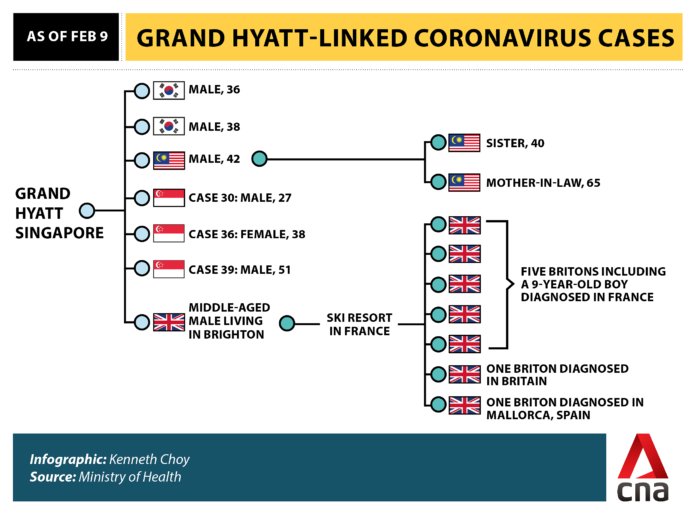
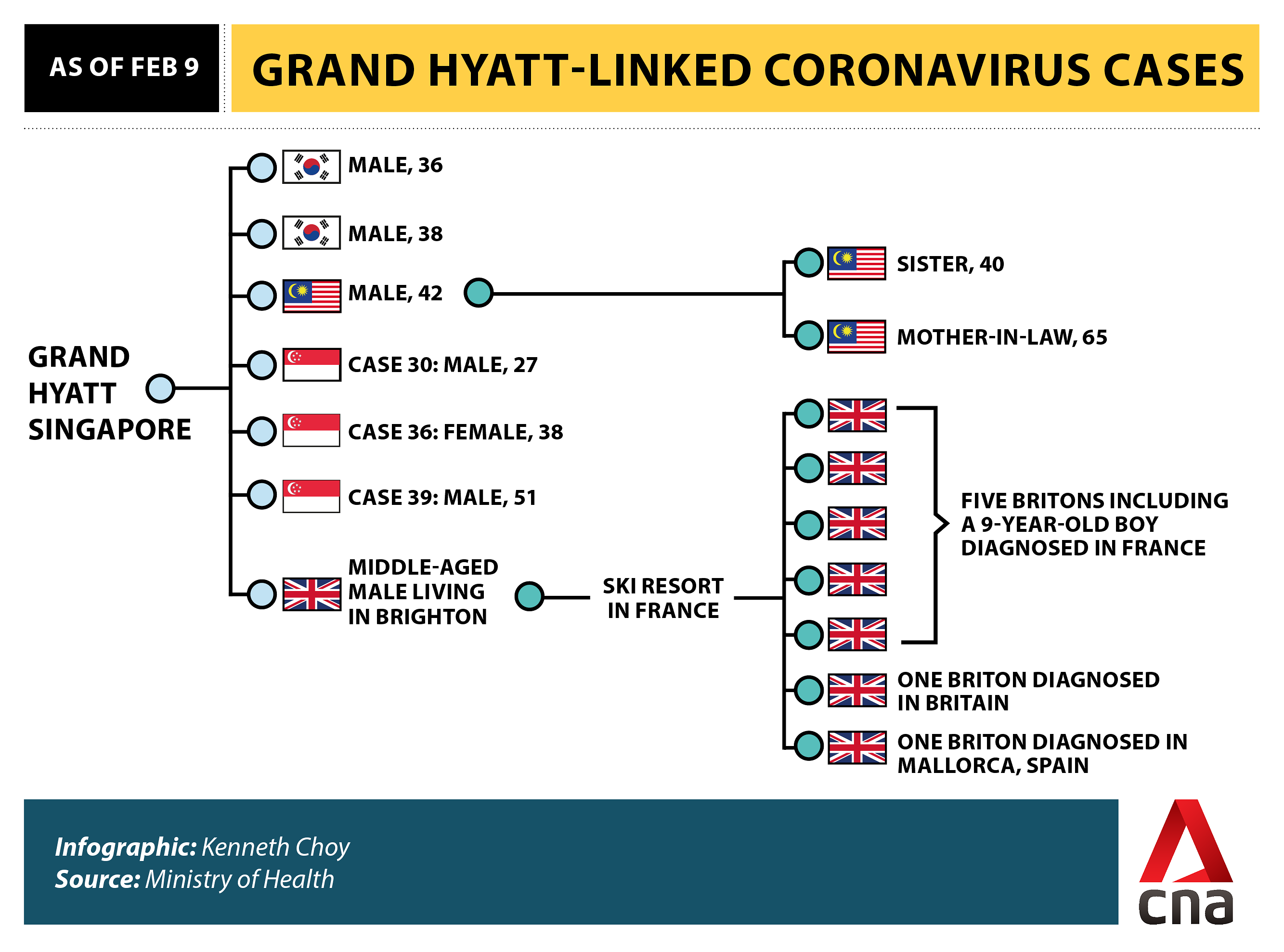
As of Monday (Feb 10), confirmed coronavirus cases have risen to 45 in Singapore, where a business meeting at Grand Hyatt hotel has been identified as a transmission cluster linked to cases in Singapore, Malaysia, South Korea and Britain.
In addition to mainland China, South Korea has “strongly advised” its citizens to refrain from travelling to Singapore, Malaysia, Thailand, Vietnam, Japan and Taiwan, reported The Korea Times.
Israel’s health ministry on Sunday said travel plans to Singapore, Thailand, South Korea, Japan, Taiwan, Macau and Hong Kong should be “reconsidered”.
The ministry also expanded its definition of a suspect patient to include people who have travelled to any of these territories within the last 14 days, and have a fever of more than 38 degrees Celsius, coughing, difficulty breathing or any other respiratory symptoms.
INDONESIA RAISES TRAVEL ALERT
Indonesia has also told citizens travelling to Singapore to be alert and take precautions to prevent the spread of the virus.
These include keeping physically and mentally fit, maintaining personal and environmental hygiene, washing hands routinely, wearing a mask, reducing outdoor activities as well as avoiding interaction in crowded public areas.
This advisory was published as Indonesia on Saturday raised the alert level for travel to Singapore to Yellow, the second level in a three-tier system.
Taiwan on Tuesday also raised its travel warning, advising people to take precautions if going to Singapore or Thailand, and not to visit Hong Kong or Macau unless they have to.
An expert from the World Health Organization (WHO) said on Tuesday the international business meeting held at the Grand Hyatt Singapore did not appear to have spread the virus widely.
“No, I think it is way too early and much more of an exaggeration to consider the Singapore conference event a ‘super-spreading event’,” said Dr Mike Ryan.
Singapore’s tourism sector is expected to take a “significant hit”, with visitor arrivals estimated to fall by 25 per cent to 30 per cent this year due to the novel coronavirus outbreak, the Singapore Tourism Board said on Tuesday.
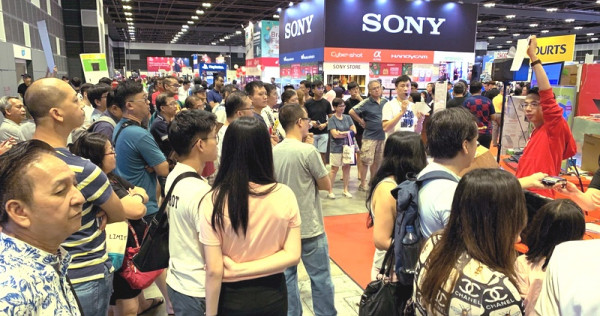
With the coronavirus outbreak in Singapore firmly in code orange, some of the island’s biggest exhibitions due to take place soon have been postponed until further notice.
The Business Times reported that the IT Show, Food & Beverage Fair and BuildTech Asia/Cargonow will not be taking place as scheduled in March. The organiser of the three events, Sphere Exhibits, confirmed that the delays were carried out to consider the safety and health concerns of exhibitors, partners and the public.
The IT Show is, after all, the biggest tech exhibition in Singapore, occupying up to three levels of Suntec Singapore in a shopping gala for gizmo enthusiasts. Guess people can’t go panic hoarding survivalist gadgets now.
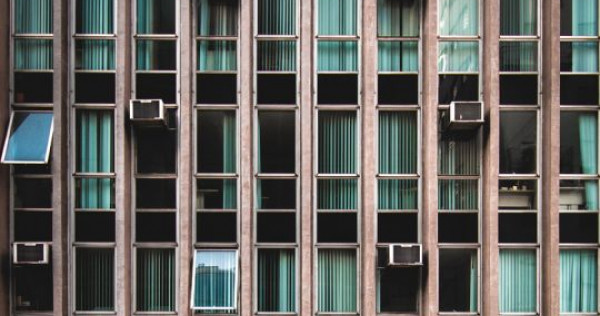
SINGAPORE – On top of washing their hands and disinfecting surfaces, people need to switch off the air-conditioner, turn on the fan and get fresh air to reduce the chances of getting infected by the novel coronavirus.
The reason is that while many unknowns remain about the virus, earlier studies have shown that viruses thrive better in cool, dry climates.
That would make tropical Singapore, with its hot and tropical weather, less conducive for the virus to thrive.
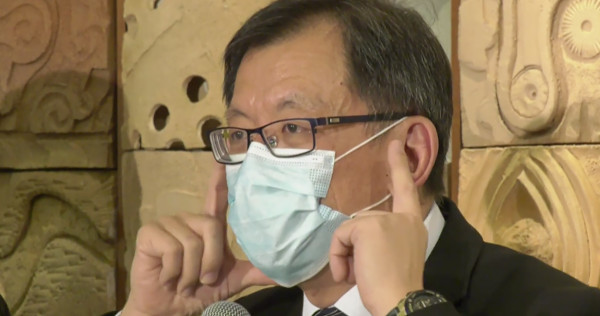
This “good news” for Singapore was delivered on Monday (Feb 10) by the Ministry of Health’s (MOH) chief health scientist, Professor Tan Chorh Chuan, at a press conference.
“The likelihood of viral persistence outdoors is lower,” he said, as he noted the prevalent use of air-conditioning in Singapore.
Prof Tan was one of eight infectious disease experts in Singapore present at the press conference to brief the media on what is being done to fight the virus, or 2019-nCoV, on both the science and health fronts.
He said plenty of research had been done into how long viruses persist on surfaces following the outbreak of the severe acute respiratory syndrome (Sars) in 2003.
SINGAPORE: Among 45 people who have been infected by the novel coronavirus here as of Monday (Feb 10), at least eight of them visited a doctor twice or thrice before testing positive for the virus at a hospital.
One of them, one of the first four local transmissions, even did a chest X-ray in the emergency department at a hospital and was discharged after results came back negative for pneumonia.
This is because in the first week of the disease, symptoms are so mild that they mirror those in all respiratory viruses, said executive director of the National Centre of Infectious Diseases (NCID) Leo Yee Sin.
At this point, the clinical factors can be non-specific and very subtle, such as “a little bit unwell, a little bit of sore throat, a little bit of cough”, Prof Leo said on Monday.
She was speaking on the sidelines of a conference that brought together scientists and researchers to share their work surrounding the virus.
“These are very common manifestations of all the respiratory viruses that can cause acute respiratory illness.
“So just by these clinical indicators, we cannot tell whether it’s this coronavirus or (a) thousand and one different viruses out there that can cause acute respiratory illness,” she said.
DISEASE PROGRESSES IN SECOND WEEK
The pattern of the disease so far is that it is mild to begin with, and therefore “very hard” to differentiate from other viruses, but that changes in the second week, she said.
“The disease tends to be very slow moving during the first week. At the end of the first week, in the second week, you can see a much faster pace of disease progression, and mostly the lung manifestation will appear around that period,” she said.
This could be one reason why the number of critical cases is increasing, she added.
“As the disease progresses, you will see more severe cases. Severe cases at this point of time are still very much a lung disease, pneumonia,” she said.
As of Monday, Singapore has reported 45 cases of the coronavirus and seven patients are now in critical condition while seven have recovered and been discharged.
Testing for the virus can currently only be done in hospitals.
“We are now doing proactive case finding. This means never mind a connection to China. When they have pneumonia, I want to know if this is novel coronavirus. We are investigating more cases, so we are discovering more cases,” he said.
When asked whether the definition of people who could potentially get infected was expanded too late, Dr Leo said:
“As we know more about the disease transmission, we continue to tweak the case definition. Things are evolving, we are responding to the changes to make the system better.”
In its latest circular to doctors on Feb 4 seen by CNA, the Ministry of Health (MOH) said among those who should be referred to hospital for further management are cases who have had frequent or close contact during work with recent travellers from mainland China within the past 14 days, if they also have an acute respiratory illness of any degree of severity.
General practitioners CNA spoke to said that even if a patient has had a close contact with confirmed cases of the novel coronavirus, it does not mean they will be automatically classified as a suspect. Doctors have to use their discretion.
That would include too large a pool as it includes healthcare workers, and this would overwhelm the healthcare system, they said.
When it comes to identifying potential novel coronavirus suspect cases, general practitioner Dr Elly Sabrina said there are some factors to take into account.
“I consider if the close contact to a suspect was wearing personal protective gear and whether he had repetitive contact in an enclosed space,” she said. She added that the considerations are arbitrary and evolve daily.
If the queues for Ponggol Nasi Lemak are any gauge, Singaporeans love the basic combination of coconut rice, fried ikan bills and peanuts, egg, and the addictive sweet sambal. Fried ikan kuning or chicken wing optional (or quintessential, depending on who you ask).
Many may not know that Boon Lay Power Nasi Lemak already offers island-wide delivery services (till 1.45am). But if you’re not willing to pay the hefty $5 (within Jurong area) or $10 (outside Jurong) delivery fee, their vending machines are one other convenient option available to you.