So Samsung held their Galaxy Unpacked earlier this morning (Feb 12) in San Francisco, and by Jove, the Korean conglomerate unveiled a whole lot of tech.
(Not that the reveals were at all surprising, considering the voluminous amount of leaks in the past few weeks.)
There’s still plenty to be excited about, especially if you’re a Samsung diehard. The company announced its latest flagship phones: the Galaxy S20, Galaxy S20 Plus, and the very extra Galaxy S20 Ultra, all of which are jam-packed with high-end specs that ought to make your brain hurt a little.
Netflix just released information on the nine titles it has had to remove in several regions due to government demands. While most of these titles aren’t very surprising, what is surprising is that the majority – five takedown requests – came from the Singaporean government.
Netflix went through these demands in a report titled ‘Environmental Social Governance’. In the report, Netflix stated:
“We offer creators the ability to reach audiences all around the world. However, our catalog varies from country to country, including for [broadcasting] rights reasons [and] in some cases, we’ve been forced to remove specific titles or episodes of titles in specific countries due to government takedown demands.”
In Singapore alone, Netflix has had to remove five titles: Cooking on High, the Legend of 420, Disjointed, the Last Temptation of Christ and the Last Hangover due to a written demand from the Singapore Infocomm Media Development Authority (IMDA).
SINGAPORE – Two more coronavirus cases have been confirmed in Singapore, the Ministry of Health (MOH) said on Tuesday (Feb 11), bringing the total number discovered with the illness here to 47.
One of the two new cases is a 39-year-old Bangladeshi worker who had worked at Seletar Aerospace Heights, the same location as another Bangladeshi who was found to have the virus last Saturday. Both did not live on the same premises.
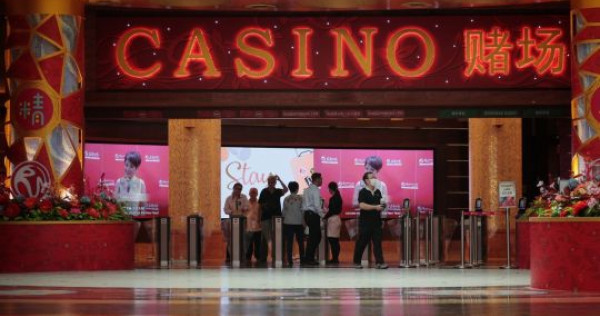
The other is a 35-year-old Singaporean permanent resident living in Johor Baru, who works at the Resorts World Sentosa casino.
Neither had been to China recently.
Seven of the 38 patients still in hospital remain in critical condition and in the intensive care unit, said the ministry.
Meanwhile, two more patients have been discharged from hospital, bringing the total number of those who have recovered to nine.
Of the latest two infected men, case 46 – the RWS casino worker – reported symptoms on Feb 5 and went to a GP clinic on Sunday. He was transferred to Tan Tock Seng Hospital and isolated. He is now in an isolation room at the National Centre for Infectious Diseases (NCID).
SINGAPORE: Like a scene from an Avengers movie, the F-35B fighter jet drifted to the middle of centre stage at the Singapore Airshow, its spinning lift fan and downwards rear nozzle drowning out the accompanying music.
The watching crowd trained their lenses on the F-35B as it moved slowly through the air, dramatically kicking up spouts of water. After all, this is the first time the jet is performing aerobatics in Singapore.
The F-35B showing its hovering capability. (Photo: Aqil Haziq Mahmud)
And then the F-35B, all 18,000kg of it, stopped in mid-air.
In January, the United States approved the sale of up to 12 F-35Bs to Singapore at an estimated cost of US$2.75 billion (S$3.71 billion), pending approval from Congress. This would make it the most expensive warplane Singapore has bought.
The F-35B on a vertical climb. (Photo: Aqil Haziq Mahmud)
But experts have called the decision prudent, given the F-35B’s ability to take off from shorter runways and land vertically. The hovering display on Sunday (Feb 9) at the airshow was a demonstration of this capability.
This capability will allow land-scarce Singapore to launch the jets from smaller air bases with shorter runways and alternative facilities like temporary highway airstrips, analysts have said.
Singapore’s Defence Ministry has asked to buy four F-35Bs first to assess the jet’s capabilities and suitability before deciding on a full fleet.
“The F-35Bs are the same birds that we put in a request for to Congress. And if no objections from Congress, then we can put up the orders,” Defence Minister Ng Eng Hen told reporters on Friday.
The F-35B is one of the highlights of the aerial display at this year’s airshow. (Photo: Aqil Haziq Mahmud)
“Of course, it’s slightly jumping the gun because even if it’s approved (by Congress), it will be a number of years before the F-35s (get here).
“First, we get them to train in US and then bring them back to Singapore. But at least for this coming week, Singaporeans can get to see the F-35s in the air.”
The F-35B on a high-speed pass. (Photo: Aqil Haziq Mahmud)
Singaporeans will also be able to witness other aspects of the fifth-generation fighter jet when it takes to the skies on the public days of the airshow from Feb 15 to 16.
After the F-35B pulled a series of tight turns, vertical climbs and high-speed passes during its display, it flew past centre stage with its internal weapons bay doors open. This bay conceals the fighter’s bombs and missiles, and is one aspect of why it is extremely stealthy.
The F-35B revealing its internal weapons bay. (Photo: Aqil Haziq Mahmud)
In contrast, Singapore’s current warplanes, the fourth-generation F-15SG and F-16C/D, carry their weapons externally, increasing their radar signature. The F-35Bs are expected to replace the F-16s.
“HEAVYWEIGHT FIGHTER NOT MOVING IN THE SKY”
Still, F-35B pilot Lieutenant Colonel Michael Rountree, 41, said the capability airshow visitors would be most interested in is the short take-off vertical landing.
F-35B pilot Lieutenant Colonel Michael Rountree. (Photo: Gaya Chandramohan)
“You will see the aircraft hover centre stage, point at you and translate left and right and front and back,” he said on Friday.
“So you can see a 40,000-pound heavyweight fighter not moving in the sky, which is a pretty incredible feat for a modern fighter which can also fly supersonic.”
Lt Col Rountree, commanding officer of the Marine Fighter Attack Squadron 121, said the F-35B is easier to land vertically than the AV-8B Harrier, the jet he used to fly.
“While the vertical landing capability of the Harrier is very much a manual procedure, this aircraft is completely computer-controlled,” he explained. “My inputs are totally different than I did with the Harrier, so it makes it very easy to land – it’s highly mechanised and very reliable.”
The F-35B in vertical landing mode, with its rear nozzle pointed downwards. (Photo: Aqil Haziq Mahmud)
This makes the jet very successful at landing on warships, he continued.
“We can recover this aircraft every time safely and reliably, and I’d say that is one of the major differences that makes it a real pleasure flying this aircraft,” he stated.
COULD SINGAPORE LAND THE F-35B ON ITS WARSHIPS?
Perhaps it is no surprise then that defence observers have suggested that Singapore might land its F-35Bs on another of its future assets, the Republic of Singapore Navy’s (RSN) joint multi mission ship (JMMS).
The JMMS will replace the RSN’s current 141m-long, 6,000-tonne landing ships tank (LST) from 2020, and like its predecessor be deployed in disaster relief and counter piracy operations.
Reports have said the larger JMMS might feature a straight-through flight deck, with landing spots for helicopters and possibly the F-35Bs.
But in a July 2018 interview with CNA, the RSN’s head of naval operations Rear-Admiral (RADM) Cheong Kwok Chien played down these suggestions.
“No pilot likes to take off from a ship when the runway is only 50m,” he said. “So even for a ship of this size, the runway – the flat deck that it has behind – maybe is only like 70m to 80m.”
A pair of F-35Bs are in Singapore for the airshow. (Photo: Gaya Chandramohan)
A 2015 US Department of Defense report estimated that the F-35B can take-off with a typical load of fuel and weapons from runways as short as 170m.
RADM Cheong said “size is maybe the lowest denominator to fulfill” when it comes to designing ships that can carry warplanes, noting that the deck must be strong enough to withstand their weight and hot afterburners.
“A typical aircraft carrier is much bigger than this, much thicker than this, and it has all its control and launch and recovery systems,” he added of the JMMS.
“And then you also need all the radars, the control tower, the whole communications suite to talk to the aircraft. So you can’t really say a car is a Ferrari just because it’s loud – there’s a lot more to it.”
SINGAPORE: For a long time, flexible working arrangements allowing staff to work from home have been seen as a privilege, to attract late-rising millennials, boost workplace diversity and retain staff with family commitments, especially new mothers.
Yet because of the spread of the novel coronavirus, such arrangements are no longer a bonus but a necessity for businesses striving to keep up operations while implementing segregation of critical business units to minimise the risk of a contagion.
For weeks, companies had to square away fresh challenges arising from the spread of this infectious disease, including reviewing business trips to and from China, and complying with Leave of Absence requirements.
Those who did not, like the four work pass holders caught at their place of employment who were repatriated and banned from working in Singapore permanently, saw employers being held responsible.
After Singapore raised its Disease Outbreak Response System Condition (DORSCON) last week, more firms got into action to postpone conferences and events.
But all was not smooth. Raffles Place and Suntec City were filled with long queues on the first day of temperature screenings on Monday (Feb 10).
Many major buildings in the Central Business District did not have designated entry points to control the flow of people coming in through their many carpark and other side entrances.
WORKING FROM HOME DURING THIS PERIOD
Companies can segregate teams but the simplest business continuity plan is to allow staff to work from home so as to minimise congregation and the transmission of this human-to-human pathogen.
The Hong Kong government has asked some staff to work from home to help prevent the further outbreak of the Wuhan virus.
People were seen wearing a mask at Orchard Road, Singapore on Feb 3. (Photo: Gaya Chandramohan)
Many MNCs, including DBS, Rio Tinto Group and UOB, have begun such arrangements in Singapore.
More companies should follow suit. The risk of transmission is a cause for concern when the virus looks more infectious than the flu thought it is less fatal than SARS thus far.
Such flexible working arrangements should be easier to implement for hyper-connected cities such as Hong Kong and Singapore that have the supporting information communications, cybersecurity and cloud technology infrastructure.
With virtual private networks, chat platforms, video conferencing, call diversion apps and project management tools, it isn’t a huge leap for companies to transition the bulk of their workforce to telecommuting.
Roles in analysis, design, content creation and web development, which have seen a jump in freelancing in recent years, may be best suited for work-from-home arrangements.
Sectors, especially the information and communications, financial and insurance, and administrative and support services may be better suited too.
CHALLENGES FOR SOME FIRMS
Employers understandably worry about lower productivity, but the evidence suggests the opposite.
Flexible work arrangements in Singapore have resulted in better employee engagement, reduced turnover and increased productivity, studies show.
A 2018 Manpower Ministry survey also reveals that the availability of flexible work options have had a positive impact on staff retention.
Singaporeans are also a responsible bunch and can be entrusted to work remotely. About 70 per cent of respondents to a Michael Page 2019 survey said they respond to work calls and emails even outside of office hours, when most of their roles require them to be contactable.
Don’t get too comfortable when working from home. (Photo: Unsplash/Designecologist)
Despite the merits, working from home may be an impossible task for some companies to consider given the nature of their business.
An F&B outlet could allow administrative, warehouse and accounting staff to work from home but not frontline workers, the same dilemma facing firms running operations, logistics and retail outlets.
GETTING EMPLOYEES AND SUPERVISORS UP TO SPEED
Research suggests Singapore firms and workers should be more than prepared to engineer this work-from-home shift.
Singapore firms have more support for flexible work arrangements in recent years, especially after the expansion of the Work-Life Grant in 2018.
Today over six in 10 Singaporeans say they work remotely on a weekly basis, with half doing so for at least half the week, according to the 2018 IWG flexible Working Survey.
The key challenge with work-from-home arrangements might lie instead in ironing out the kinks after they are implemented.
Much of the success of these arrangements hinge on the comfort level of bosses who now have to exercise command and control remotely.
I would recommend that firms set clear boundaries and expectations before they move staff to remote working en masse.
Supervisors should set specific goals and targets, and outline how staff will work together and communicate with external collaborators during this period, as well as which channels will be used.
Clear and continuous communication within business units can be facilitated by instant messaging workplace apps like Slack.
Digital tools such as Trello or Asana also allow workers to collaborate on a virtual dashboard to add, edit, and amend ideas and concepts of any given projects.
Platforms such as Zippi enable cross-functional, cross-departmental and remote teams to communicate in real-time in either one-on-one or in group settings.
Supervisors should also touch base with their staff regularly in the first few days to troubleshoot and find out what new needs spring up in the course of working from home.
Support and ownership from top management is crucial to ensure those who work from home know that the initiative is taken seriously by all. Messages from top leadership can help set the tone for employees.
Most of all, supervisors must remember that remote working works best if there is a high degree of trust and communication among the team.
Adrian Tan is Practice Leader – Future of Work Tech at PeopleStrong after spending a a decade in recruitment and outplacement. He writes regularly on HR tech.
It’s just like that sometimes. During a developing viral outbreak, you can’t fault people for being extra wary (though you can totally poke fun at people who are unnecessarily kiasu).
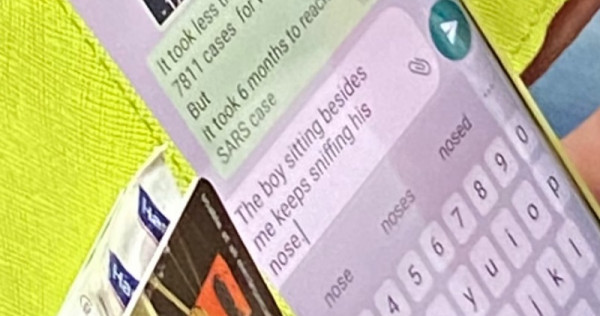
While commuting on a MRT train two weeks ago, young Elijah Tan bore witness to a complaint about him in a woman’s WhatsApp chat. Because of its, er, kaypoh auntie nature, he shared the encounter on the Facebook group page “A group we all pretend to be KIASU boomers”, a satirical page where members act like Singapore senior citizens — complete with boomer-style social media verbalisms and all.
As Elijah recounted in his post, he had been seated next to a woman on the train when he noticed her writing a message about him on a WhatsApp group chat.
SINGAPORE: A range of products produced by local manufacturer Tee Yih Jia Food Manufacturing has been recalled because of the potential presence of an undeclared allergen, the Singapore Food Agency (SFA) said on Tuesday (Feb 11).
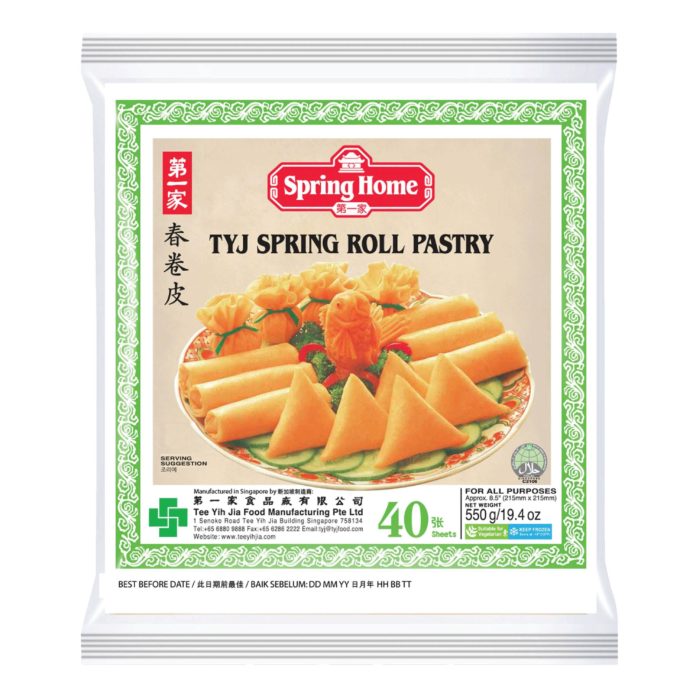
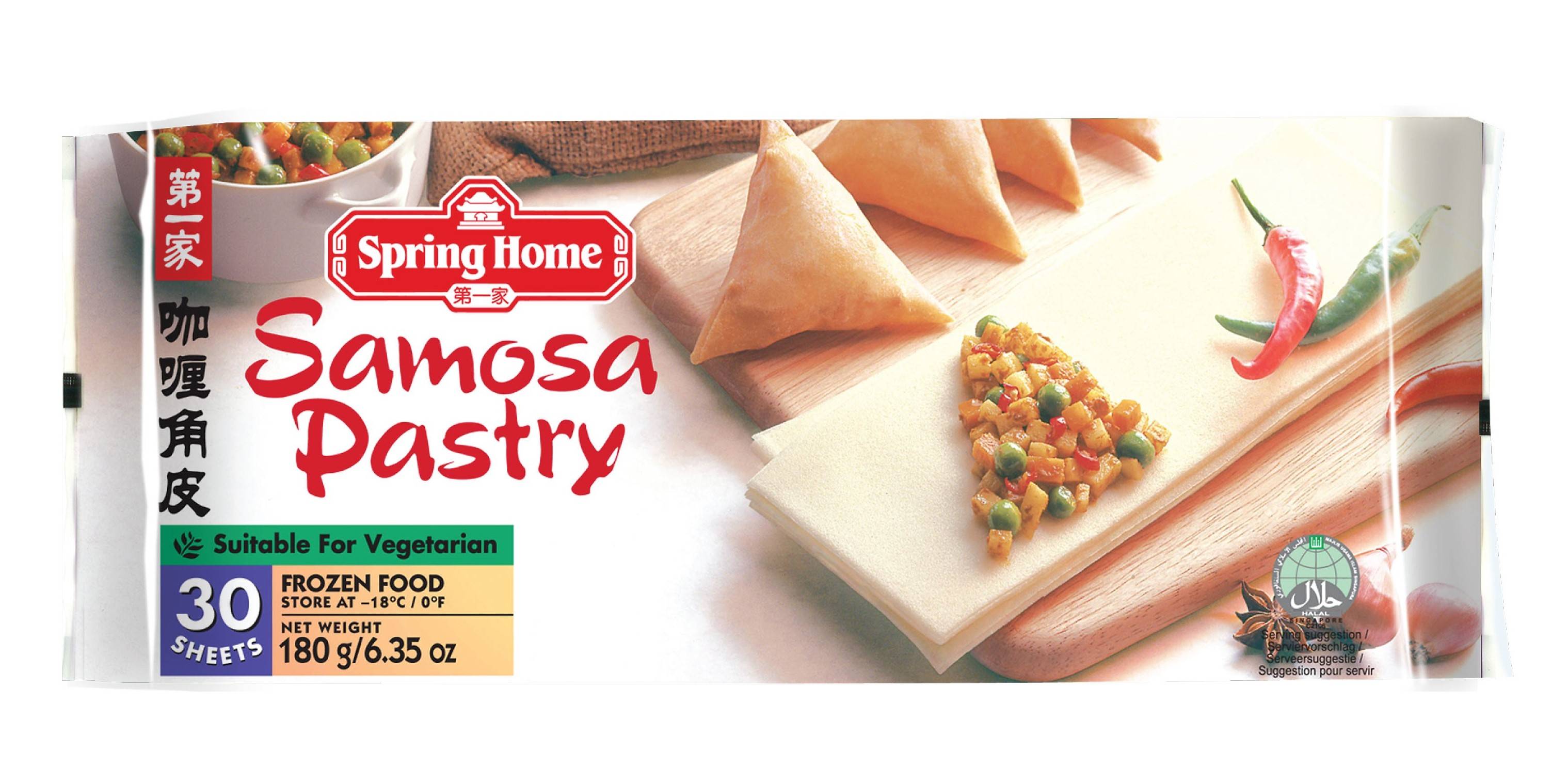
The affected products are: Spring Home TYJ Spring Roll Pastry products, Spring Home TYJ Samosa Pastry and Spring Home Chicken Spring Roll.
The recall is a precautionary measure, said SFA.
It was initiated after Tee Yih Jia Food Manufacturing received feedback from a United Kingdom importer of the presence of a milk allergen that was not declared on the product labels.
Tee Yih Jia Food Manufacturing is currently testing its products to confirm the allergen’s presence.
A packet of Spring Home TYJ Spring Roll Pastry. (Image: Singapore Food Agency)
A packet of Spring Home TYJ Samosa Pastry. (Image: Singapore Food Agency)
“As a precautionary measure and as the products are available for sale in Singapore, SFA has directed the manufacturer to recall the products,” said the agency. The recall is ongoing.
Those who are allergic to milk should not consume the affected products, said the agency.
Consumers can contact Tee Yih Jia Food Manufacturing for exchanges or refunds.
IPOH – Perak Health Committee chairman A. Sivanesan has denied that a novel coronavirus patient has visited Pusing, Batu Gajah as was claimed by a Chinese daily.
He said that said every passenger coming into the country by air or land is subjected to a strict screening.
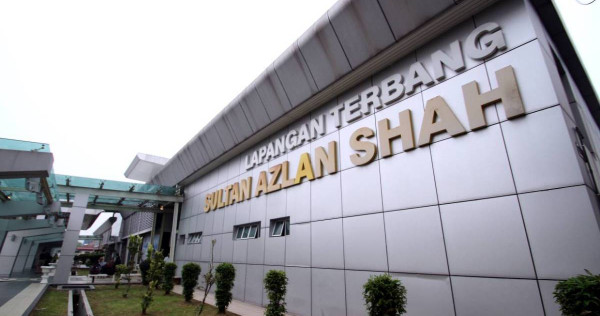
“Those who travelled via road are subjected to strict screening at the Johor Baru immigration checkpoint. If they came in by air, they are also subjected to strict scanning at KLIA, KLIA2 and at the Sultan Azlan Shah Airport,” he said.
Sivanesan said this when contacted on Monday (Feb 10).
According to the report, Singapore’s 39th confirmed patient was from Pusing, Batu Gajah and had returned during the Chinese New Year celebration.
It said the 51-year-old who had obtained permanent residence had met with relatives and also visited some shopping malls here between Jan 23 and Feb 2.
Sivanesan said stricter scanning was conducted for those from Singapore, China and Thailand.
“So far, there is no reported case in Perak. (It is) false news, ” he added.
The coronavirus has been keeping Singaporeans on their toes, with masks and hand sanitisers being swept off shelves.
Everyday staples such as rice, noodles and toilet rolls weren’t spared too after people began frantically stockpiling once Singapore went into Dorscon (Disease Outbreak Response System Condition) Orange mode.
“Should we be panicking?”, and “Is it really not necessary to wear a mask if we’re not ill?”, are just some questions we have on our minds.
In a recent Facebook live-streaming event organised by the Singapore Press Holdings’ Chinese Media Group on Feb 9, celebrities, singers and guest speakers were invited to the show to “show appreciation to frontline workers of the novel coronavirus outbreak and to support relief efforts”.