My School Uniform aims to showcase the uniforms, mottos and badges of secondary schools in Singapore, and highlights the history of schools which have closed or merged.
Source link
Changing styles: New book documents school uniforms in Singapore
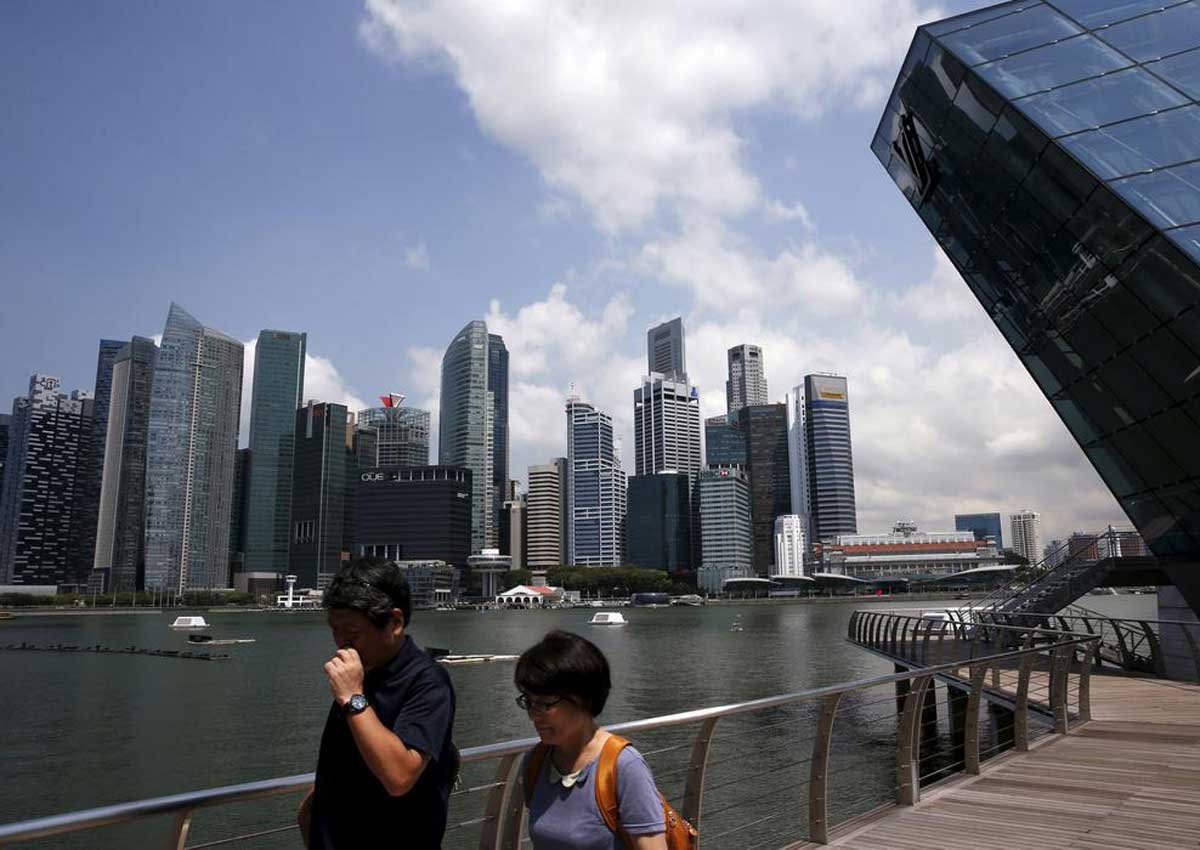
Singapore ranked world's 4th most expensive city for expats: Mercer
Image:
Publication Date:
Wednesday, June 22, 2016 – 13:04
Keywords:
Send to mobile app:
Source:
Story Type:
Others
Apple free to take bite out of India after rule change

NEW DELHI – The gleaming glass atriums and blue-clad “geniuses” that herald the arrival of an Apple store could soon be landing in India, after the government cleared the way for it to open in the rapidly growing smartphone market.
Before now, the Silicon Valley giant has been just a bit-player in the country of 1.2 billion, selling through local shops with none of its own.
It applied to open stores in January, but was reportedly rebuffed because of a diktat that states foreign retailers must source 30 per cent of their products locally.
But on Monday New Delhi relaxed the rules, just weeks after Apple chief Tim Cook toured India on a breathless charm offensive where he was pictured using Prime Minister Narendra Modi’s gold iPhone to launch the premier’s own app.
Companies making state-of-the-art technology – understood to include Apple – now have up to eight years to meet the sourcing requirements under a waiver, part of a push by India’s pro-business government to attract foreign investment and create jobs.
For Apple, which saw iPhone sales dip for the first time ever in the second quarter due to slowing demand in China and the United States, India is a tantalising prospect.
While analysts say it currently accounts for only around one per cent of global iPhone sales, its giant population and low number of smartphone owners relative to its size mean it is a huge potential market.
“Apple has not really seen India as an important enough market in the past, but somewhere, the penny has dropped,” Devangshu Dutta, chief executive of retail consultancy Third Eyesight, told AFP.
Apple’s vast, hands-on stores are designed to become destinations in their own right, analysts say, luring potential customers with the promise they can play without buying.
“The store is not just a place to do business – it acts as a live billboard for the brand,” Dutta said.
Browsing mobile accessories in FutureWorld, a technology retailer in New Delhi’s Connaught Place, Aryamaan Chauhan said he would “definitely” visit an Apple store if one opened in the city.
The 19-year-old IT student owns an Android smartphone, bought for about 20,000 rupees (S$367), but is considering switching loyalties.
“Money is what’s stopping me. My budget is low, I can’t afford it,” Chauhan said.
“Now, I think most Indian people prefer Android but they are shifting. After graduation I will buy an iPhone.” With a basic iPhone starting at almost US$600 (S$806) – more than in many countries, thanks to India’s high taxes – they are wildly unaffordable for most in a nation where average incomes are less than US$1,600 a year.
Handsets costing under US$100 dominate the market, many of them made by Chinese manufacturers such as Xiaomi or Huawei.
“It won’t become mass-market, (Apple) will always be a niche player. This is a very cost-conscious market,” Vishal Tripathi, research director at Gartner, a technology research firm, told AFP.
“But there is a growing number of consumers who like Apple.” By pricing itself exclusively at the luxury end, Apple has distinguished its brand from arch-rival Samsung which has both low-cost and high-end phones.
“Indian consumers are always under the notion that more expensive means better and consider carrying an iPhone as more of a status symbol than anything,” said Bhasker Canagaradjou, the head of Ipsos Business Consulting in India.
“The brand enjoys a very strong aspiration value, especially among the young population.” For now, Apple has given no indication when or if it plans to open its own stores. But if it does, it will eventually have to meet strict sourcing rules as the government exhorts companies to manufacture in India.
The company will require factories that can produce its exacting, cutting-edge products – something India largely lacks.
“To create a local supply chain, it takes time. They will be able to operate stores and benefit from stores in the meantime,” said Dutta.
Foxconn, the major Taiwanese Apple supplier which also assembles products for Sony and Dell, is spending billions of dollars setting up factories in India.
The iPhone is not yet on the production line, but Canagaradjou says he believes Apple could start manufacturing in India “in the next one or two years”.
However, while its stores may arrive in India soon, analysts don’t expect to see legions of Apple superfans camping out to buy new releases as they do in other countries any time soon.
“If someone is expecting a replication of how it is in other markets, people queueing up outside the stores from 3:00 am, I don’t think that’s going to happen,” said Tripathi of Gartner.
Image:

Publication Date:
Wednesday, June 22, 2016 – 13:02
Send to mobile app:
Source:
Story Type:
Others
TRS' Yang Kaiheng expected to plead guilty to sedition charges
SINGAPORE – Founder of sociopolitical website, The Real Singapore (TRS), Yang Kaiheng, is expected to plead guilty to six counts of sedition charges on Friday (June 24).
Yang, 27, had previously denied the charges, and being directly involved in the running of TRS. However, while on trial on April 7, he testified that he had started a Facebook page with his then-girlfriend, Ai Takagi to call for the removal of Tin Pei Ling, a Member of Parliament.
Ai, who is now married to Yang, is currently serving 10 months in prison after being convicted of sedition in May. She had pleaded guilty to doctoring information to increase xenophobia in Singapore.
The Real Singapore duo arrested for sedition
Click on thumbnail to view photos. Source:
The New Paper, The Straits Times









Yang had allegedly helped the 23-year-old Ai, an Australian of Japanese descent who is pregnant with the couple’s first child, run TRS.
According to Channel NewsAsia, after intially denying that he had intentionally published xenophobic posts targeting foreigners on the website, Yang said that he had lied while under oath after the prosecution “poked holes in his defence”.
If found guilty, Yang could be imprisoned for up to three years and/or face a fine of up to $5,000 per charge.
prabukm@sph.com.sg
Image:

Publication Date:
Wednesday, June 22, 2016 – 12:08
Keywords:
Send to mobile app:
Source:
Rotator Image:

Story Type:
Rewritten Story
Indonesian Olympic lifters say Ramadan no heavy weight
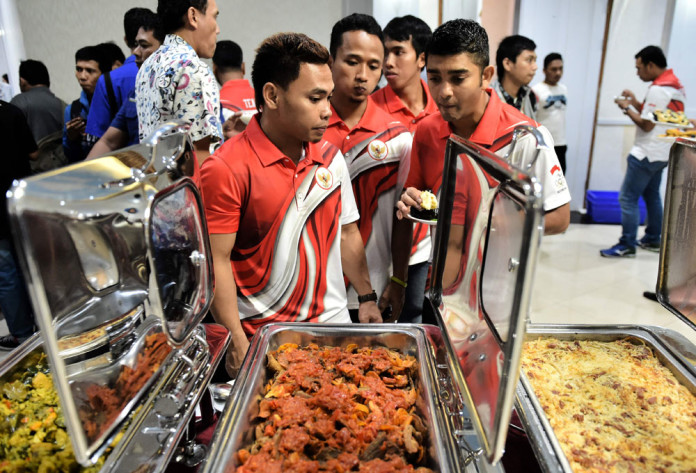
JAKATRA – Indonesian Olympic medallist Triyatno had a look of pained determination on his face as he hauled a 180 kilo barbell into the air – no mean feat for a weightlifter fasting during the Islamic holy month of Ramadan.
The 28-year-old and fellow weightlifter Eko Yuli Irawan were Indonesia’s only two medal winners at the last Olympics, clinching silver and bronze respectively, and the pressure is on as they gear up for Rio this summer.
But that has not stopped the athletes joining tens of millions of others in the world’s most populous Muslim-majority country in forgoing food and drink during the daytime to mark Ramadan.
And they insist it has not affected their intensive preparations.
“I don’t find it a heavy weight, it’s not difficult,” Triyatno said of juggling the competing demands of fasting and getting ready for the Olympics. “My training remains the same.”
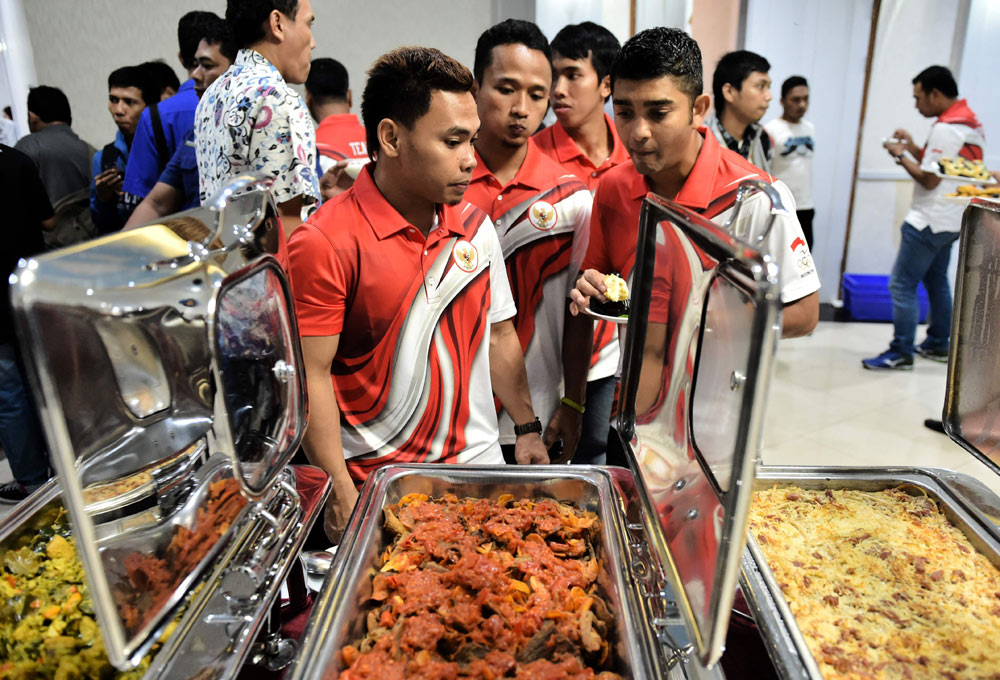
At a recent session at a gym in Jakarta’s main stadium, the country’s weightlifting team spent two hours grunting and groaning as they pumped iron under the watchful eyes of their coaches.
While most in Indonesia practise a moderate form of Islam, religion still plays a large role in many people’s lives, and the training began with the team standing in a circle and saying a brief prayer.
Triyatno, who like many Indonesians goes by one name, claimed silver at the London 2012 Olympics in the -69kg class with a total of 333kg, while 26-year-old Irawan won bronze in the -62kg class, lifting a total of 317kg.
But the final medal tally of just two was Indonesia’s worst at an Olympics for over 20 years, with the performance dragged down by a poor showing from the traditionally strong badminton players.
As the best performers in London, Indonesia’s weightlifting team – which consists of five men and two women – are now carrying the country’s hopes for success on their broad shoulders as they head into Rio.
Triyatno and Irawan will face stiff competition from the likes of the Chinese and North Koreans, but they appeared relaxed at the recent training session.
And they insisted observing Ramadan would not get in the way of their preparations, with the men typically training four hours a day, five days a week.
“Praise be to God, up till now it has not affected me,” Irawan told AFP of the fasting month.
“I am used to it, every time there is a championship, we must lose some weight so we must eat less anyway.” But he conceded that at times it was tough and thirst in particular was a challenge.
“It is a bit difficult to stay focused but we don’t have to train hard every day, some days we just work on our technique,” he said.
For his part, national team coach Dirja Wiharja did not believe the country’s top medal hopes would be affected.
“Indonesian athletes have a warrior mentality, they will fight to give their best – that is what a true champion is,” he said.
The coach has made adjustments for training in Ramadan, Islam’s holiest month when Muslims commemorate the divine revelations received by Prophet Mohammed.
For the pre-dawn breakfast that Muslims eat to set them up for a day of fasting, the weightlifters are given more supplements than usual and advised against eating unhealthy fried foods.
The training starts later, at 9:30 am instead of 9:00 am, to give them a little more rest.
Triyatno and Irawan had modest upbringings in the province of Lampung, on western Sumatra island, and stumbled into weightlifting almost by accident.
Irawan said he originally wanted to join his local football club but could not afford the monthly fee so took up weightlifting, which was free, while Triyatno was attracted by the prospect of getting to travel and staying in nice hotels.
But they quickly went on to compete at the national level and have never looked back.
After the Eid holiday at the start of July marking the end of Ramadan, the weightlifters will take part in a training camp in South Africa before heading to Rio.
While some have voiced concerns about the impact of fasting, others believe that such strong religious devotion could help Indonesia on the path to Olympic victory.
“If the faith is strong, we should do even better,” said Aveenash Pandoo, a former South African national coach who is helping the Indonesians prepare for the Olympics.
Image:
Publication Date:
Wednesday, June 22, 2016 – 12:29
Keywords:
Send to mobile app:
Source:
Story Type:
Others
IE Singapore supports efforts to develop talent for internationalisation
The trade agency wants to help companies meet the manpower demand for talent with global experience.
Source link
HSBC 1-for-1 & One Dines Free Promotions for Cardmembers 1 Apr – 31 Aug 2016

HSBC 1-for-1 & one dines free dining deals till 31 Aug
HSBC 1-for-1 & One Dines Free Promotions for Cardmembers 1 Apr – 31 Aug 2016
Enjoy 1-for-1 lunch buffet at Singapore Marriott Tang Plaza Hotel, One-for-one buffet lunch, dinner and weekend high tea at Holiday Inn Atrium Singapore and more with HSBC cards
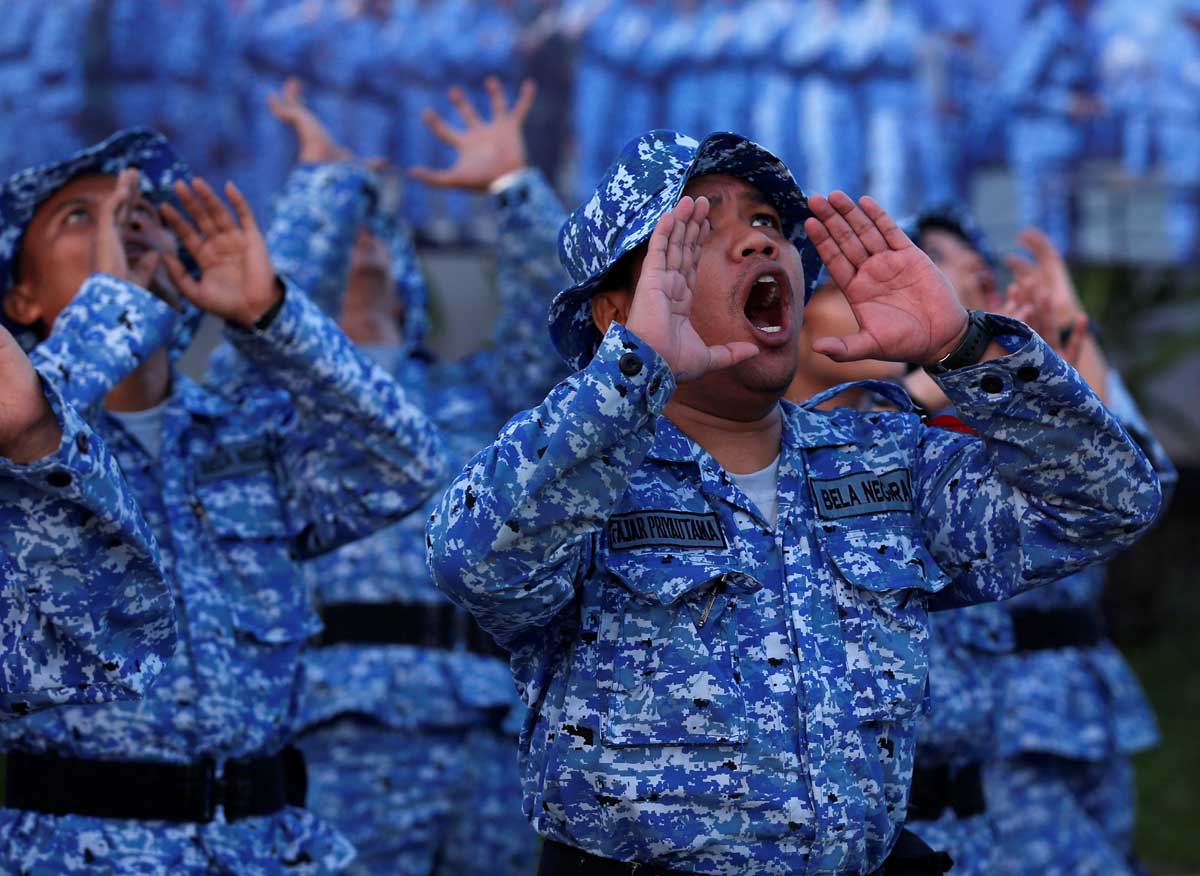
Indonesia's Defend the Nation programme not weapons training: Ambassador

I wish to clarify some of the points raised in the Reuters report of June 11 (“Weapons training for ‘gangsters’ triggers concern”).
The Bela Negara, or Defend the Nation, programme has legal basis in the 1945 Constitution of the Republic of Indonesia, which stipulates that “every citizen has the right and duty to participate in the defence of the country, and the rules governing defence shall be regulated by law”, as well as the Law of National Defence No. 3/2002.
The programme was started as an effort to strengthen moral integrity, discipline and nationalistic values.
The purpose of the programmeis to instil patriotic thoughts and attitudes, strengthen national identity, including to raise awareness on the need to defend the country.
The programme, therefore, will strengthen participants’ loyalty to Pancasila as the country’s ideology, and strengthen people’s willingness to sacrifice for the nation.
Participants should be mentally and physically sound enough to take part in the programme that will be conducted over one month, with a pre-determined curriculum.
The programme is an initiative of the Ministry of Defence. Contrary to the report, it is not carried out by the military, but by provincial governments, with the assistance of the military and police.
Participants are selected by provincial governments and are divided into three age groups: six to 17 years, 18 and above, and those qualified to teach the programme.
In order to participate, certain criteria have to be met, including the absence of a criminal record.
Participants are also divided by their backgrounds into three main groups: those from education, such as teachers and lecturers; societal figures, comprising youth leaders, religious leaders, community leaders and traditional leaders; and other prominent individuals chosen by provincial governments.
The programme is not intended for street thugs or gangsters, as the report states, and does not provide “semi-military” weapons training.
In carrying out the programme, instructors use educational materials, writing objects and other instruments, such as compasses and maps. Weapons are not used as teaching materials.
The instructors of the programme are experts in economics, political and socio-cultural affairs, as well as military and police matters.
Civilians make up 70 per cent of the instructors, while the remainder is made up of military and police personnel.
The programme is not meant to replace the role of the army in any way, nor is it meant to arm civilians so they would go around playing soldiers.
I Gede Ngurah Swajaya
Indonesian Ambassador to Singapore
This article was first published on June 22, 2016.
Get a copy of The Straits Times or go to straitstimes.com for more stories.
Image:
Publication Date:
Wednesday, June 22, 2016 – 15:00
Keywords:
Send to mobile app:
Source:
Story Type:
Others
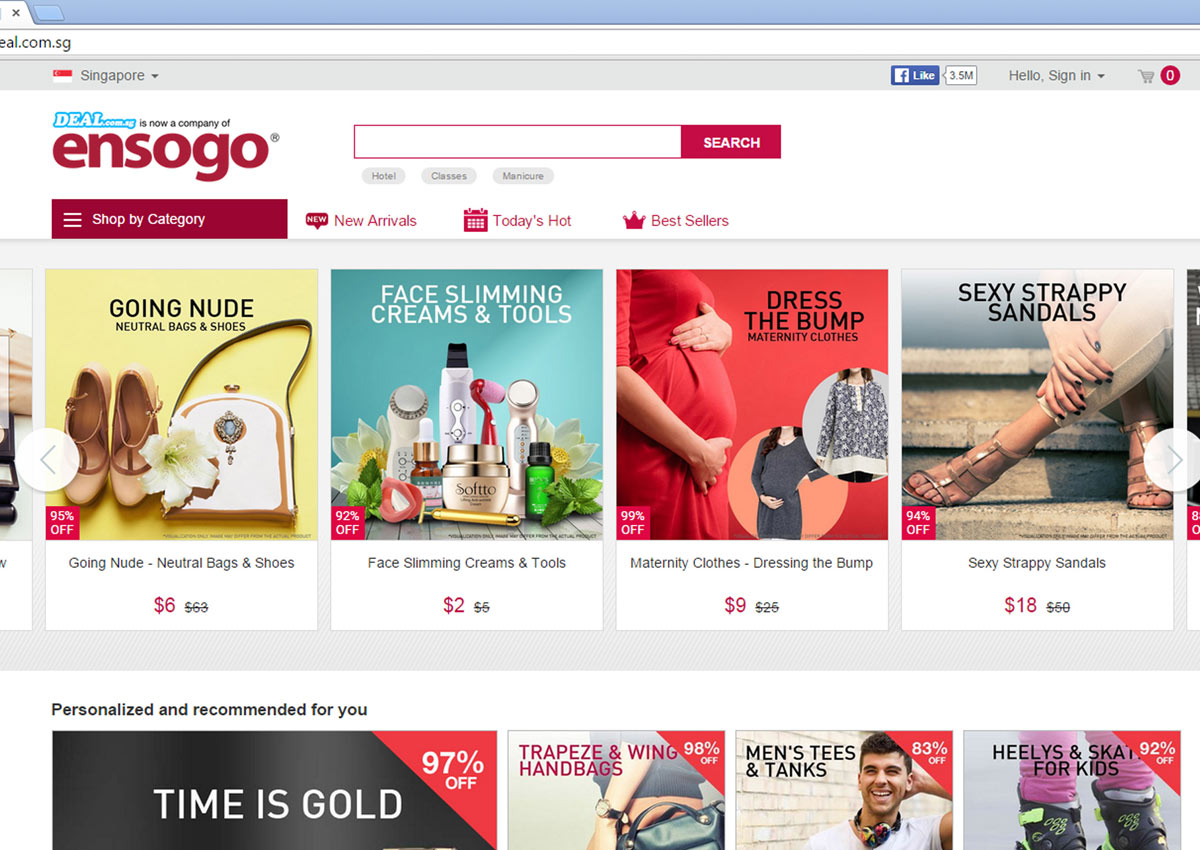
Troubled e-retailer Ensogo shuts S'pore operations
The online retailer Ensogo has abruptly closed its Singapore operations after its Australian unit hit massive problems back home.
Sources told The Straits Times that staff at the Singapore office in Kallang were told to go home when they arrived for work on Monday morning, with no prior warning given.
“They were chased out of the office and the doors were locked. Employees had been sitting outside the premises since 11am,” said a source familiar with the employees.
The website’s headquarters are in Singapore although the company is listed on the Australian Securities Exchange (ASX).
Ensogo Singapore used to be known as Deal.com.sg – founded here in 2010 by two Singapore- based Germans – and took on its current name after it was bought by e-commerce platform Ensogo.
The firm told the ASX yesterday that it accepted the resignation of chief executive officer Kris Marszalek, who has been in his position since August 2014, on Monday.
It was also announced that the South-east Asian flash sales and marketplace businesses will be shut down.
Ensogo voluntary suspended trading of its shares yesterday after a trading halt was called last Friday. The shares have fallen from A$3.80 on June 16 last year to 65 Australian cents last Thursday.
The announcement comes after a string of problems.
In March, Ensogo Singapore reportedly laid off 22 of its 96 employees here, mostly from the services team, in a decision made after the firm moved to a marketplace business model from one based on flash sales.
During flash sales, a limited number of products or services are offered at discounted rates for a fixed period of time.
The popularity of such discount sales encouraged copycat websites to mushroom, leading to consumer fatigue, while e-commerce firms like Alibaba began to prosper. In 2014, Deal.com.sg had over a million visits a month and 600,000 people on its mailing list, while rival Groupon had more than two million subscribers.
Last month, Ensogo was hit by angry merchants who posted comments on its Facebook page demanding overdue payments.
Repayment plans were reportedly made and a few merchants received small amounts last month, but it is unclear whether more reimbursements will be made, now that the office here has closed.
The source said: “Ensogo still owes a lot of the small merchants money, and they had made private agreements with them that they will pay in instalments. The first payment is supposed to start in June.
“I know a merchant who has yet to get $80,000 back, and another who is still owed $600,000, but the accountant has been sacked, so it’s unlikely that any payment will be issued now.”

This article was first published on Jun 22, 2016.
Get a copy of The Straits Times or go to straitstimes.com for more stories.
Image:
Publication Date:
Wednesday, June 22, 2016 – 14:00
Keywords:
Send to mobile app:
Source:
Story Type:
Others
Troubled e-retailer Ensogo shuts S’pore operations
The online retailer Ensogo has abruptly closed its Singapore operations after its Australian unit hit massive problems back home.
Sources told The Straits Times that staff at the Singapore office in Kallang were told to go home when they arrived for work on Monday morning, with no prior warning given.
“They were chased out of the office and the doors were locked. Employees had been sitting outside the premises since 11am,” said a source familiar with the employees.
The website’s headquarters are in Singapore although the company is listed on the Australian Securities Exchange (ASX).
Ensogo Singapore used to be known as Deal.com.sg – founded here in 2010 by two Singapore- based Germans – and took on its current name after it was bought by e-commerce platform Ensogo.
The firm told the ASX yesterday that it accepted the resignation of chief executive officer Kris Marszalek, who has been in his position since August 2014, on Monday.
It was also announced that the South-east Asian flash sales and marketplace businesses will be shut down.
Ensogo voluntary suspended trading of its shares yesterday after a trading halt was called last Friday. The shares have fallen from A$3.80 on June 16 last year to 65 Australian cents last Thursday.
The announcement comes after a string of problems.
In March, Ensogo Singapore reportedly laid off 22 of its 96 employees here, mostly from the services team, in a decision made after the firm moved to a marketplace business model from one based on flash sales.
During flash sales, a limited number of products or services are offered at discounted rates for a fixed period of time.
The popularity of such discount sales encouraged copycat websites to mushroom, leading to consumer fatigue, while e-commerce firms like Alibaba began to prosper. In 2014, Deal.com.sg had over a million visits a month and 600,000 people on its mailing list, while rival Groupon had more than two million subscribers.
Last month, Ensogo was hit by angry merchants who posted comments on its Facebook page demanding overdue payments.
Repayment plans were reportedly made and a few merchants received small amounts last month, but it is unclear whether more reimbursements will be made, now that the office here has closed.
The source said: “Ensogo still owes a lot of the small merchants money, and they had made private agreements with them that they will pay in instalments. The first payment is supposed to start in June.
“I know a merchant who has yet to get $80,000 back, and another who is still owed $600,000, but the accountant has been sacked, so it’s unlikely that any payment will be issued now.”
This article was first published on Jun 22, 2016.
Get a copy of The Straits Times or go to straitstimes.com for more stories.
Image:
Publication Date:
Wednesday, June 22, 2016 – 14:00
Keywords:
Send to mobile app:
Source:
Story Type:
Others


