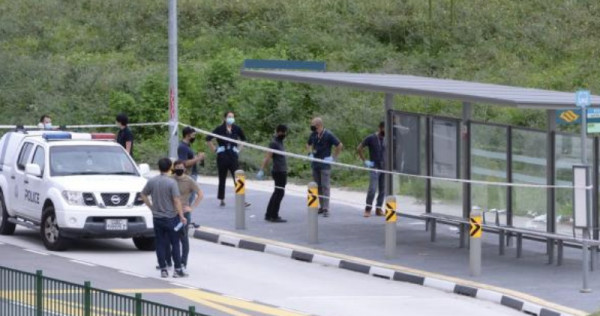
SINGAPORE – A former director of Singapore Zam Zam restaurant in North Bridge Road, who masterminded a 2015 attack against a supervisor of rival eatery Victory restaurant next door, was sentenced on Monday (May 11) to six years’ jail and six strokes of the cane.
Before sentencing Zackeer Abbass Khan, District Judge Mathew Joseph said the case was a reminder that one should not allow one’s anger to cloud one’s judgment as the “resulting consequences can be severe”.
The judge also said there was “no place in our society for gratuitous violence.”
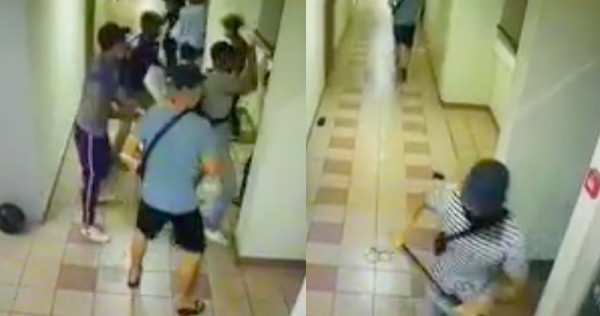
In March, Judge Joseph found Zackeer, 49, and former safety officer Anwer Ambiya Kadir Maideen, 50, guilty of one count each of engaging in a conspiracy to cause grievous hurt to Mr Liakath Ali Mohamed Ibrahim with a weapon. The attack took place at around 10pm on Aug 26, 2015.
He also convicted Zackeer of criminal intimidation as he had threatened to injure Mr Liakath, then 52, on Aug 22 that year.
On Monday, Anwer also admitted to being a senior member of a secret society. He had joined the gang in 1990 and was a “fighter” there. Judge Joseph then sentenced him to a total of 5½ years’ jail.
SINGAPORE – Kristen Choong had accepted her family’s decades-old noodle stall in Singapore would likely fold when she retires.
Now, battling a 90 per cent drop in business due to the coronavirus pandemic, she is constantly having to reassure customers that the stall will survive the next few months.
“I really have (to) tell people, we’re still here. If we weren’t then it would be tragic…We’ll do our best to keep going,” said 45-year old Choong, who runs the Ji Ji Noodle House with her ageing mother.
Government orders last month for people to stay home to curb the disease abruptly halted a Singapore tradition of eating out at its more than 100 hawker centres – sprawling food courts serving up cheap regional cuisine.
This hawker culture – which has given rise to the world’s cheapest Michelin-starred meals and been featured in movies like Crazy Rich Asians – is being considered for UNESCO status.
Ji Ji was started by Choong’s grandfather from a pushcart before it moved into Hong Lim Market in the 1970s when the government first built hawker centres to clean up the island. The stall features in Michelin’s Singapore food guide.
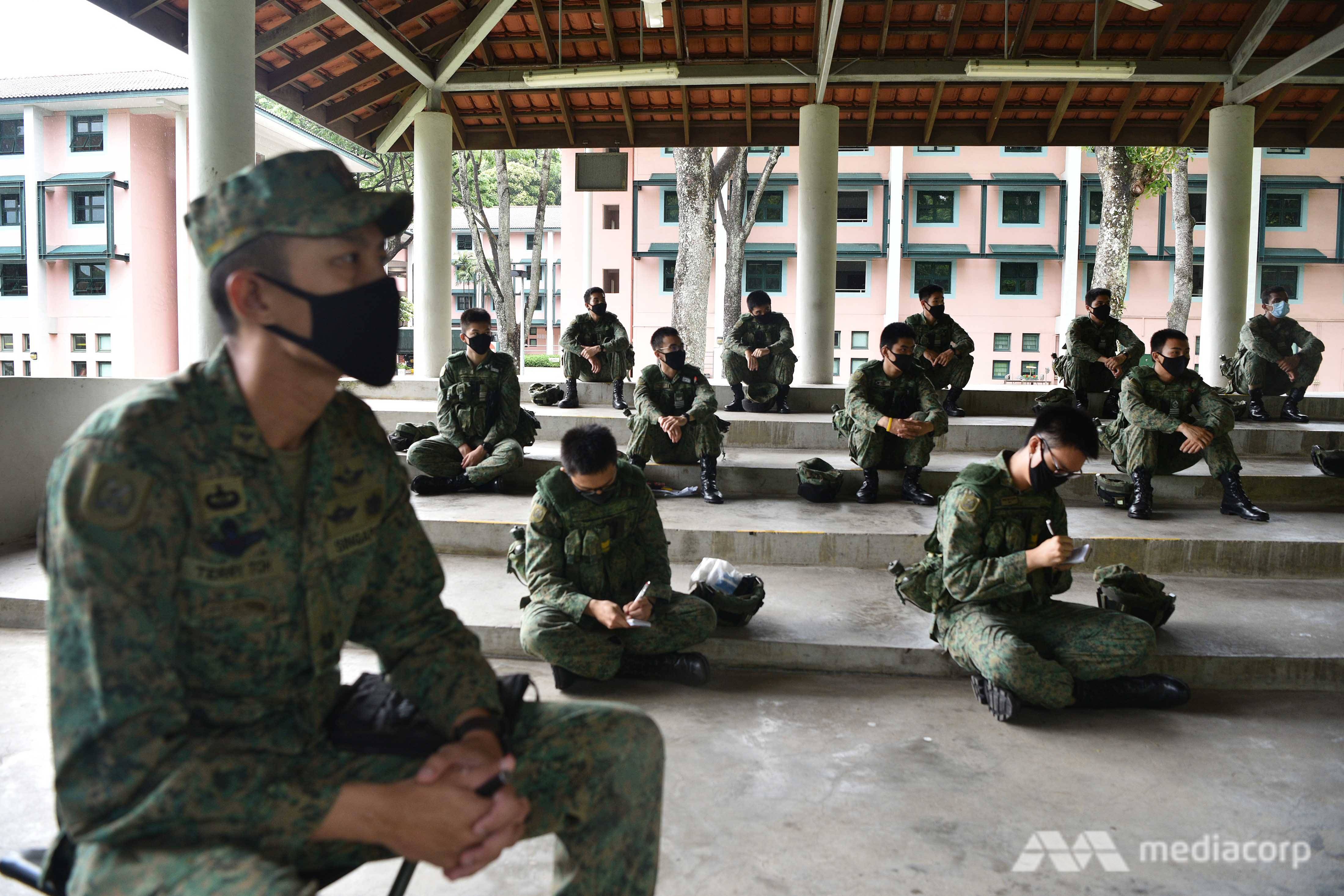
SINGAPORE: When it was announced on Apr 6 that Basic Military Training would be stopped temporarily in line with Singapore’s COVID-19 “circuit breaker” measures, training at the Officer Cadet School (OCS) was spared the suspension.
The training school is needed to maintain the Singapore Armed Forces’ (SAF) operational readiness, said the Defence Ministry at the time, and it will continue with enhanced safety measures.
But what hasn’t been spared is the full OCS experience, where cadets go on a 38-week journey to emerge as commissioned officers and able leaders of soldiers. About 765 cadets are currently undergoing training at OCS.
While OCS commander Colonel (COL) Edwin Goh, 46, said the safety measures will not compromise training content and rigour, he acknowledged that cadets will have a different experience.
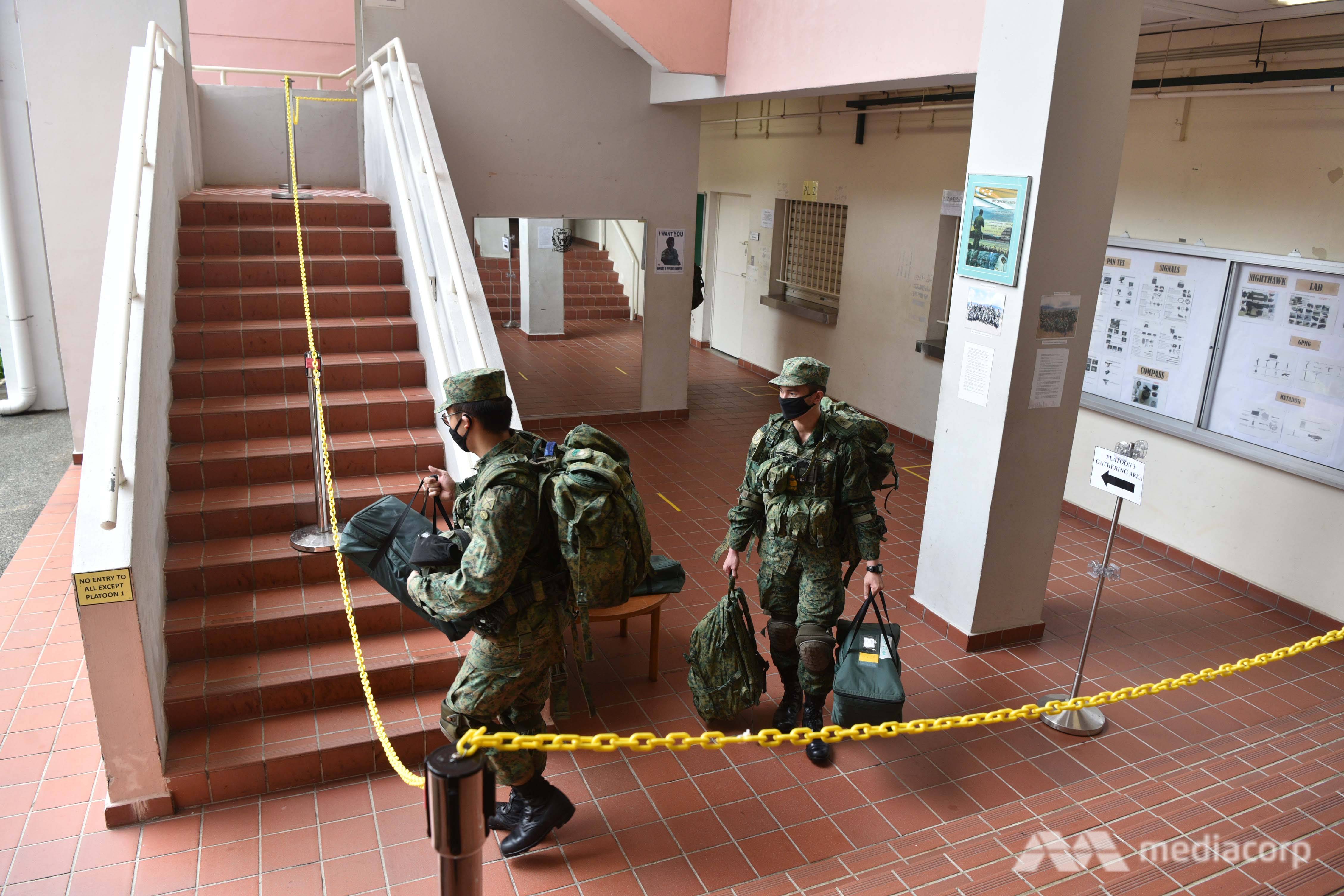
Cadets must use designated staircases to get to their bunks. (Photo: Jeremy Long)
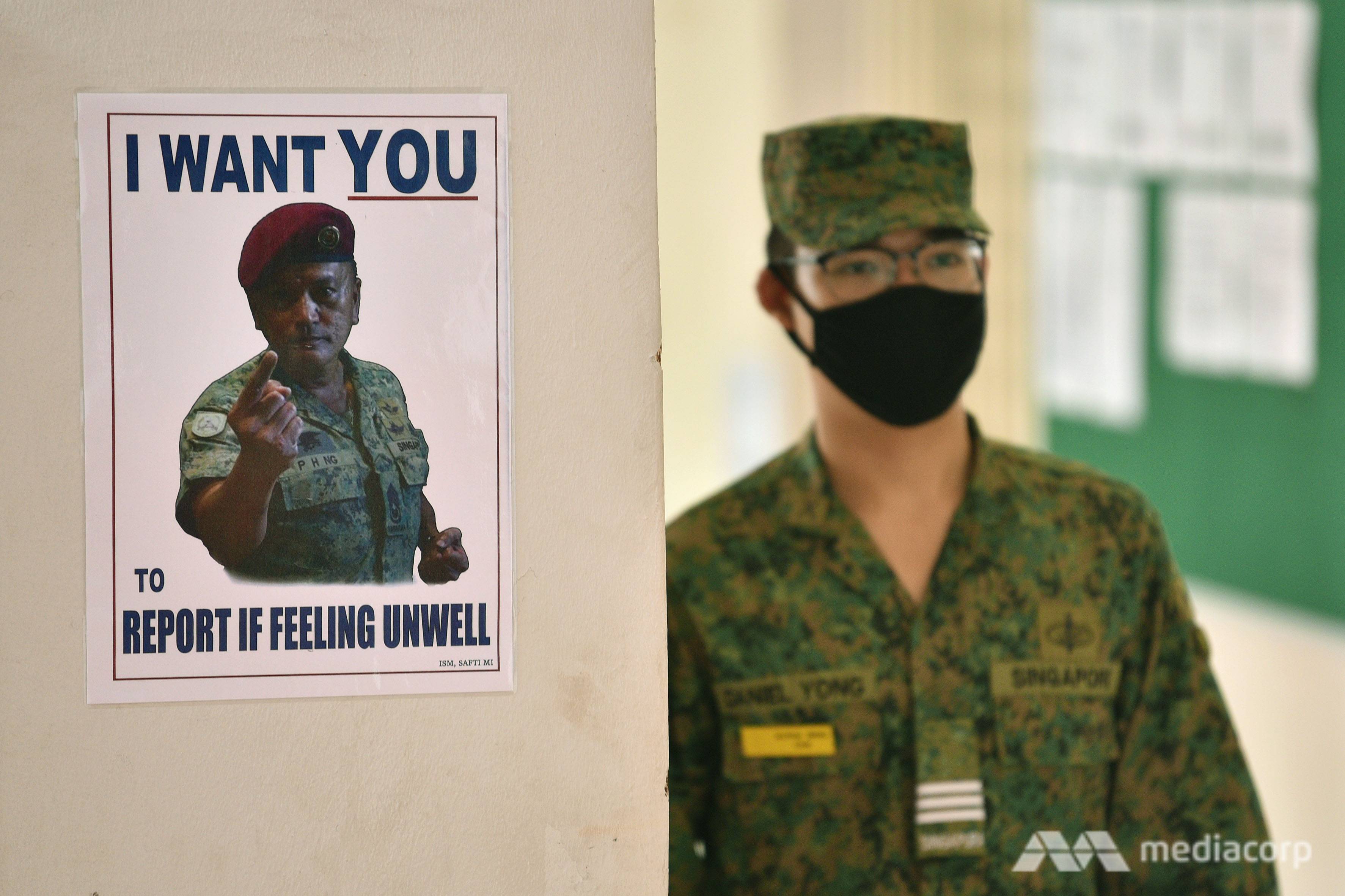
Instead of tightly-packed rows, cadets now march in open files 1m apart. To get to their bunks, they use designated routes reserved for each platoon. Posters plastered along the corridors show a fierce-looking commander reminding them to stay 1m apart.
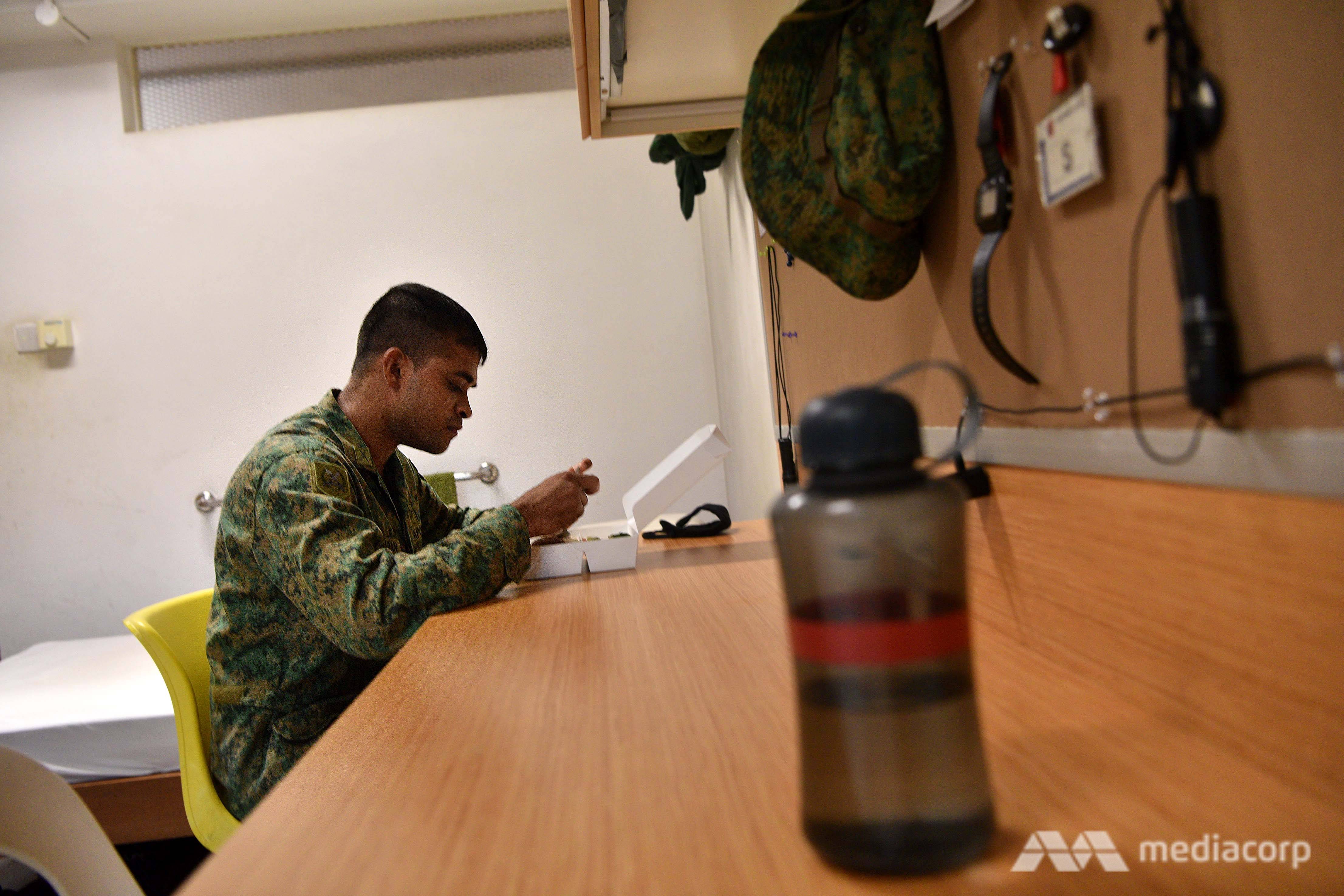
During training, masks stay on except during strenuous activities. After using free weights outside their bunks, cadets must wipe them down. Instead of dining together at the cookhouse, mealtimes have been reduced to eating from plastic takeaway containers in two-person bunks.
OCT Hariharan Vebeshun having his lunch in his bunk. (Photo: Jeremy Long)
But perhaps the biggest changes are to the cadets’ milestone activities.
Overseas exercises, a big part of cadets’ training, have been cancelled. So too is the traditional practice of parents coming to visit OCS. The commissioning parade, a proud day where parents, media and religious leaders are invited, will be replaced with a smaller, modified ceremony without visitors.
A poster reminding cadets to comply with COVID-19 safety measures. (Photo: Jeremy Long)
“To be very honest, I think (the OCS experience) will not be the same,” COL Goh told reporters in the camp on Monday (May 11). “But we are very driven to ensure that we give cadets the most fundamental and crucial competencies.”
OVERSEAS EXERCISES DONE LOCALLY
This means that some overseas exercises, conducted in countries like Brunei where the conditions and terrain pose a more challenging experience, have to be replicated in the jungles of Pulau Tekong.
In Brunei, soldiers learn jungle survival skills like collecting water and building shelter. They will learn the same skills in Singapore.
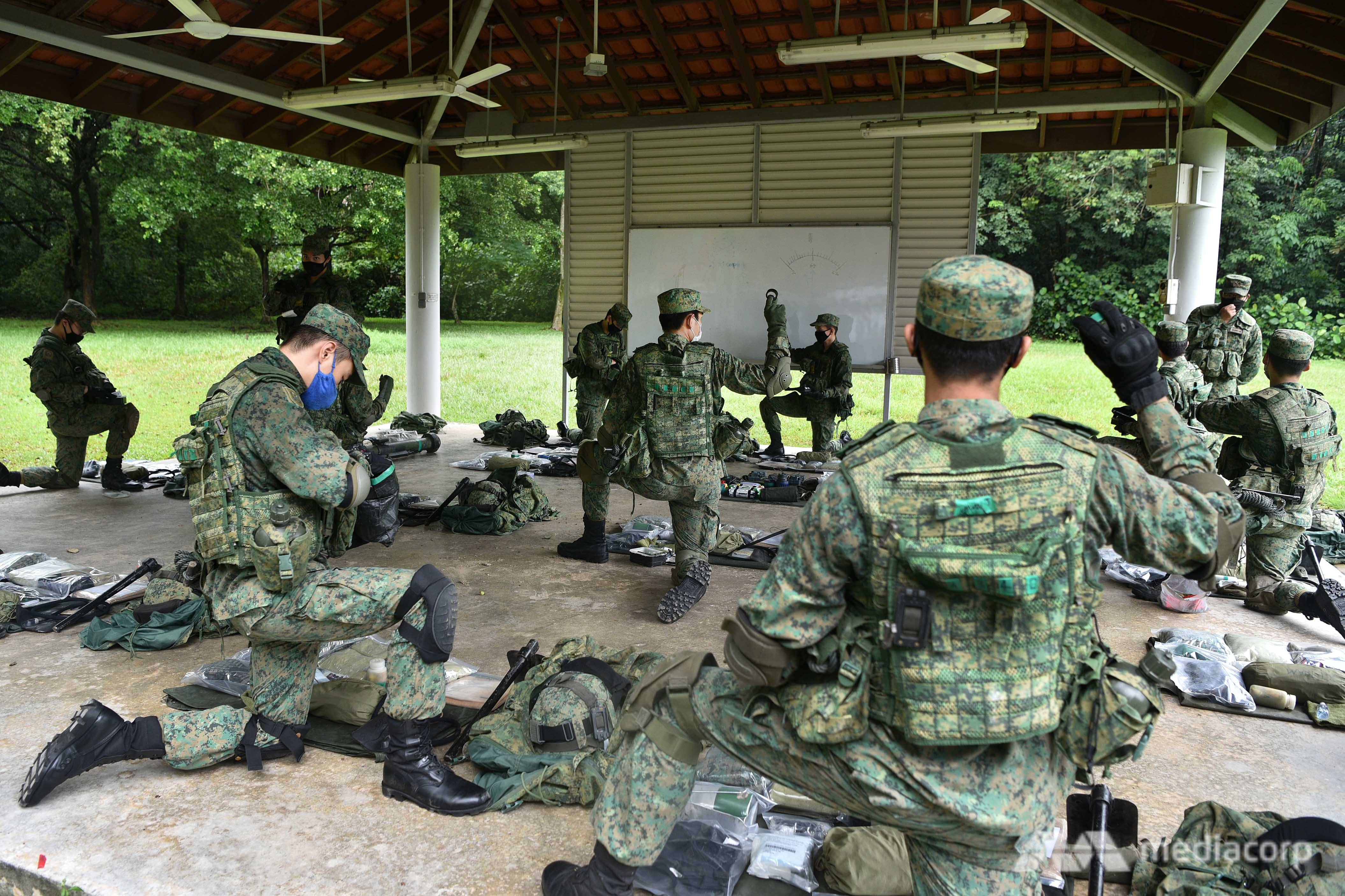
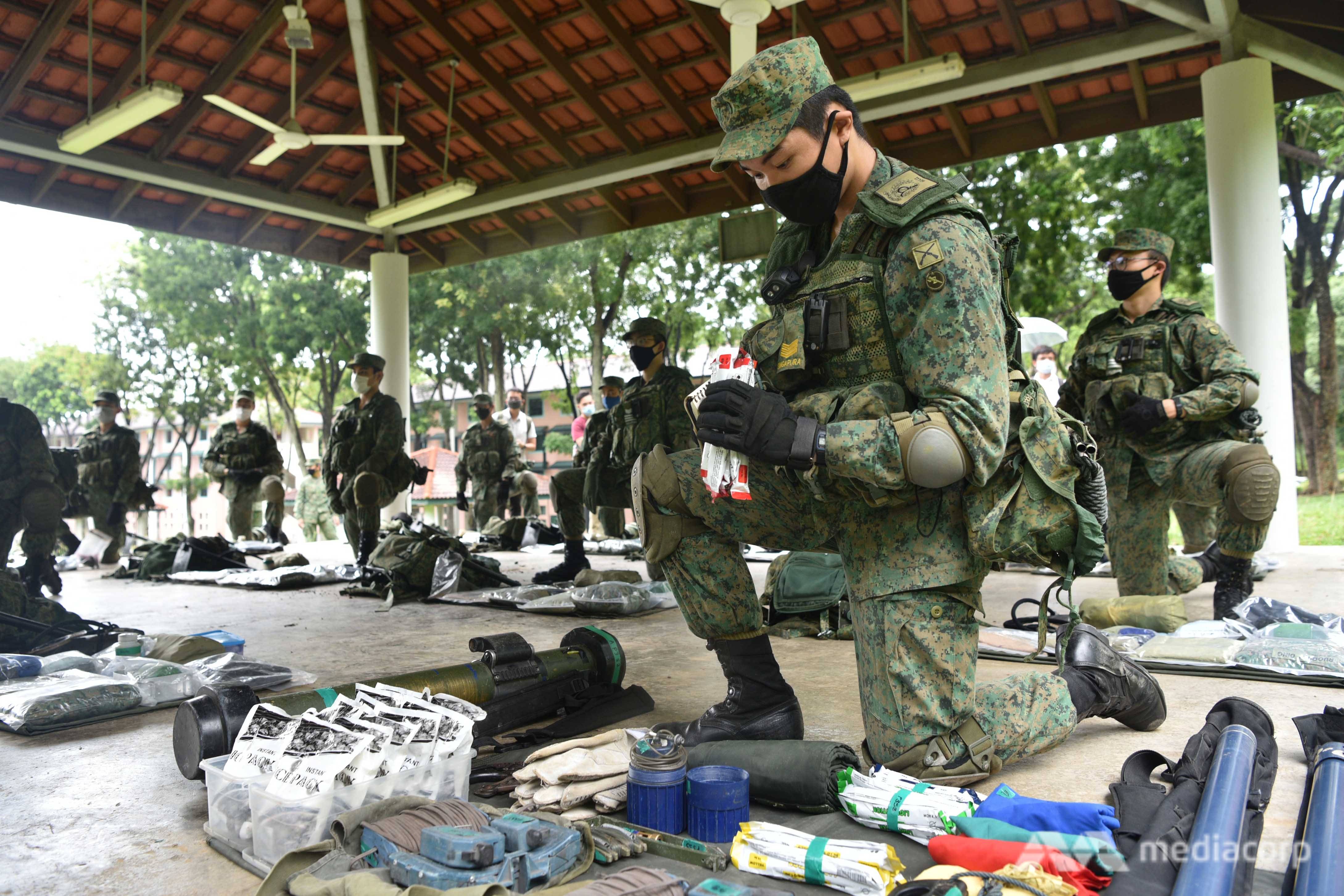
Cadets checking their equipment before an exercise. (Photo: Jeremy Long)
“Overseas training is usually well-recognised as the pinnacle of cadets’ training in terms of intensity as well as the fast pace,” assistant platoon commander Lieutenant (LTA) Mohamed Haiqal Mohamed Zainal, 24, said.
“We ensure that the so-called revised local training maintain that intensity and back-to-back mission profiles … so we instill that mental readiness in them.”
Cadets have to wear masks most of the time. (Photo: Jeremy Long)
In addition, LTA Haiqal said more “deliberate planning” has to be done to ensure training complies with COVID-19 safety measures.
This includes conducting more briefings in smaller groups, booking more buses to ferry troops for safe distancing on board, and allocating enough time to accommodate different groups in extended training.
WHY NOT FULL HOME-BASED LEARNING?
Where possible, commanders have put theoretical lessons like weapon handling online so cadets can study them from home and have shorter weeks in camp.
But COL Goh said it is not possible to implement full home-based learning for OCS, unlike its counterpart the Basic Military Training Centre.
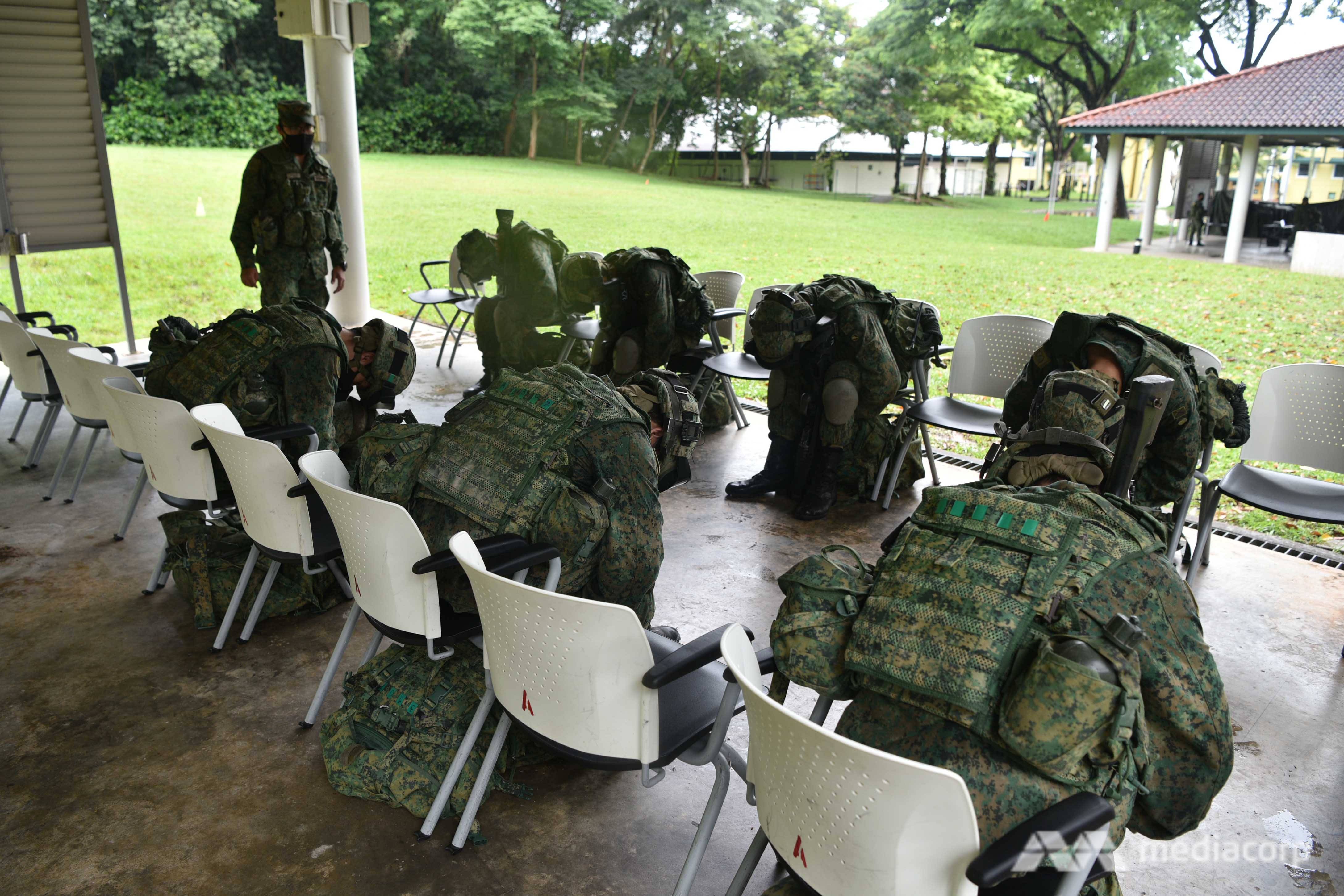
Cadets simulating a heli-insertion drill. (Photo: Jeremy Long)
“Officer cadets are at a more advanced stage of training,” he said. “It requires them to not only practise basic training, but also go beyond just basic military skillset.”
Home-based learning cannot fully replicate aspects like leadership, team dynamics and resilience training, he stated.
“They must come up to the field,” he added. “These are aspects of advanced training of Officer Cadet School that needs to continue to be done.”
WHAT DEFINES OFFICERS
Officer Cadet (OCT) Hariharan Vebeshun, 22, said training on the ground instead of at home gives him more confidence to lead his men in the future.
“If we’re just at home … we might not be as confident and competent as we are compared to when we carry on with training,” he said. “We’ll be losing that experience and knowledge.”
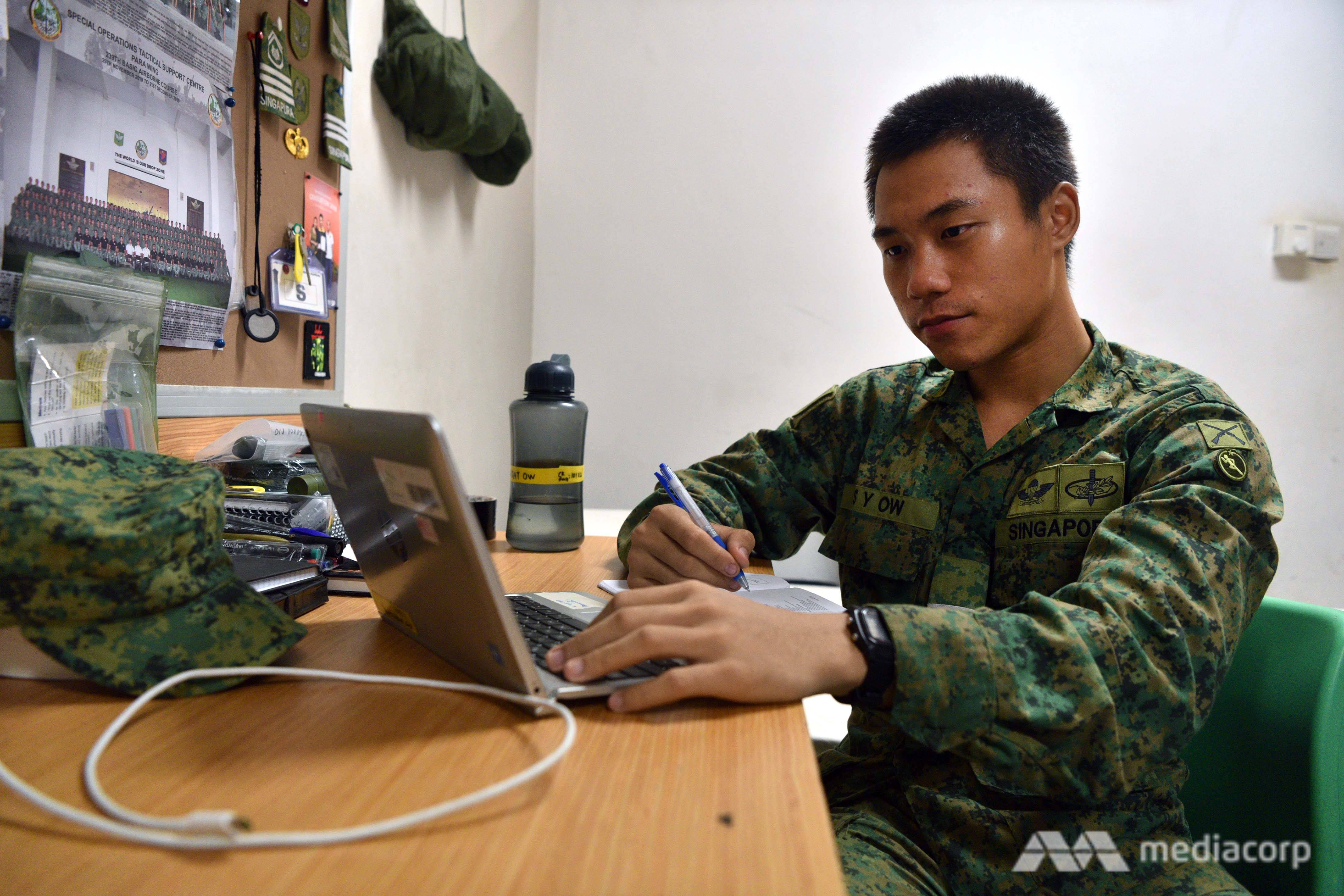
OCT Songkiat Ow doing online learning in his bunk. (Photo: Jeremy Long)
Nevertheless, fellow OCT Songkiat Ow Shiyuan, 22, admitted that day-to-day activities have become more regimented due to the enforcement of COVID-19 safety measures.
“As commander-to-be, to see COVID-19 measures as something of a hassle is definitely wrong,” he said. “We’re not doing this for ourselves, but for the people that will be under our command tomorrow.”
Cadets sitting through a mission brief. (Photo: Jeremy Long)
And while OCT Ow said cadets are a bit sad that overseas exercises and the commissioning parade have been put on hold, he stressed that what matters is not the journey but what comes out of it.
“It’s what we learnt and gained from the experience, and how we are going to translate it to our men,” he added. “That’s what makes us officers.”
Weary and worn out by the demands required of his job amid the pandemic, a GrabFood rider has taken to Facebook to express the challenges he faces as the middleman between customers and restaurants.
“Sometimes, life feels like s***,” Jerry Toh began his post. “It feels even s****er when you are a food delivery rider and being rude at [sic].”
Toh laid out the stress and pressure that he and his fellow food delivery riders have been facing from both ends: the restaurant workers rushing out the orders and the customers waiting for them to be sent over.
He understood that restaurants are facing their own issues too, including a lack of manpower during the circuit breaker. “They simply can’t cope with the orders & their walk-in customers,” he acknowledged.
What he doesn’t understand is how restaurant staff treat delivery riders like him with disrespect and rudeness, especially during peak hours. Toh also brought up how some restaurants start taking orders even before they open for business, leaving riders waiting for some time.
The Ministry of Health (MOH) has preliminarily confirmed 486 new coronavirus cases in Singapore today (May 11). Out of these, the vast majority are cases involving work permit holders residing in dormitories and two are Singaporeans or Permanent Residents.
This brings the total number of cases to 23,822, with 2,721 patients discharged and 20 deaths.
The lower number of cases today is partly due to fewer tests being processed at a testing laboratory as it is recalibrating its apparatus for one of the test kits, MOH said.
MOH will share more details in its update later tonight.
For the latest updates on the coronavirus, visit here.
SINGAPORE – Swedish retailer Ikea will be expanding to the west and opening its third outlet in Singapore at Jem in 2021.
The 70, 000 sq ft store will be spread across three floors inside the department store and will offer the full range of Ikea products and a restaurant, despite the smaller size compared to its other outlets, the retailer said on Monday (May 11).
The Ikea retail director for Singapore and Vietnam Jaap Doornbos noted that the smaller concept – within a shopping centre – will be the first of its kind in the region.
“It will be easier than ever for people to just pop in for some inspiration, home furnishing products and, of course, our Swedish meatballs,” he said.
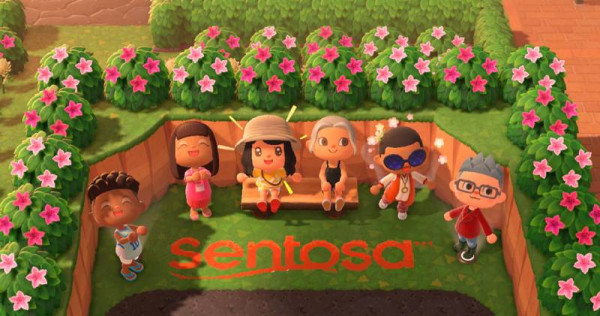
Being stuck at home for this long has been a downer for many folks who crave the company of their friends outside, like visiting Sentosa and enjoying its many seaside vistas and outdoor activities. But if we can’t go there, the next best thing is to visit it on Animal Crossing: New Horizons .
Yep, you heard us right; Singapore’s very own island resort has been ported over to the hugely popular life sim game on the Nintendo Switch in style. Dubbed Sentosa Crossing, this digital reimagination of the island was an initiative kickstarted by the Sentosa Development Corporation (SDC).
The island features a host of Sentosa’s popular locales, all of which have been recreated faithfully in the game itself, using a variety of in-game items, some of which even feature said attraction’s custom visuals.
These include the likes of The Luge (though there aren’t any actual luges to play around with, just images of them painted on the ground in comical fashion), Shangri-La’s Rasa Sentosa Resort & Spa, and the Sentosa Roundabout.