Singapore
Thursday, March 8, 2018 – 09:24
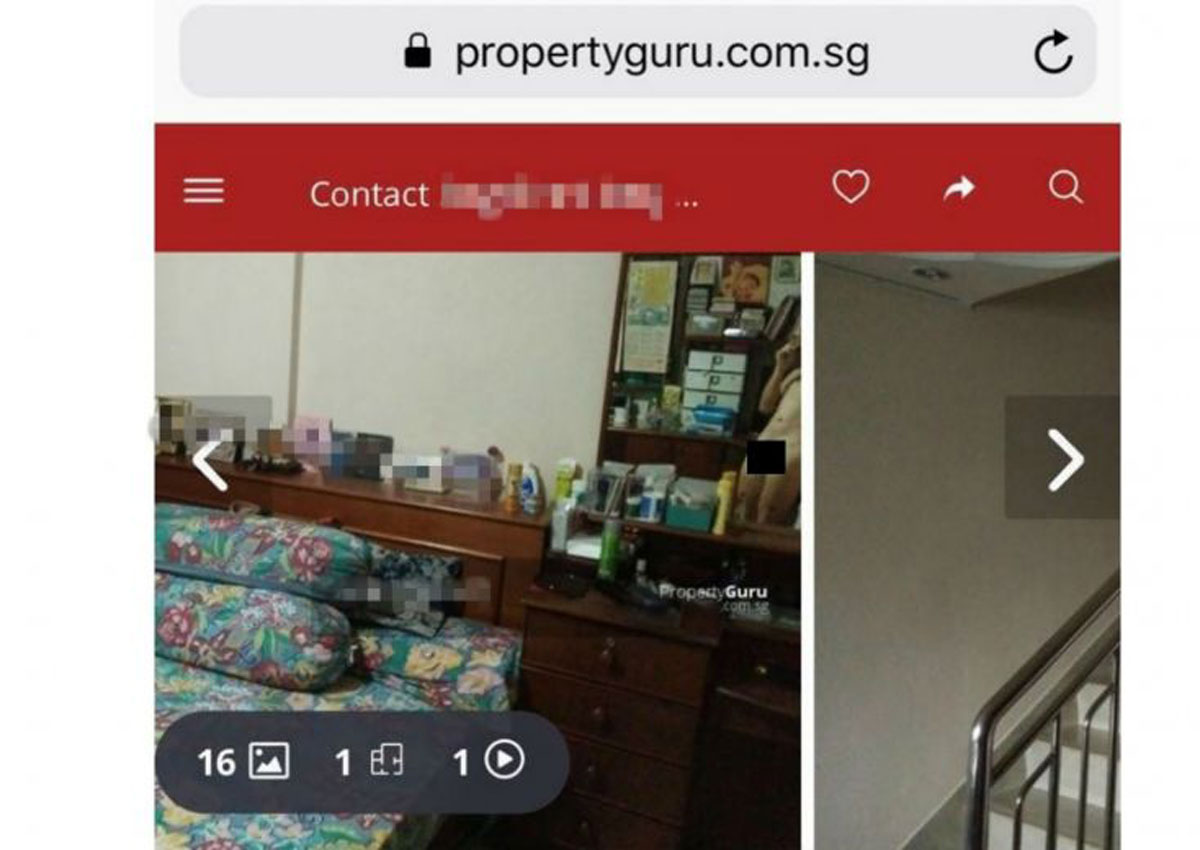
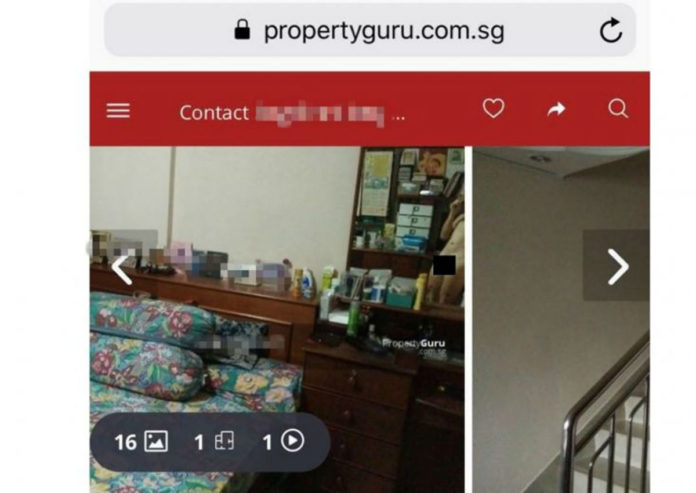
Naked photo in property ad gives Choa Chu Kang flat owner more attention than he asked for
The Straits Times
Others
IT’S International Women’s Day today. We have many reasons to celebrate the social, economic, cultural and political achievement of women.
But the fight isn’t over. While this year’s theme #PressForProgress recognises the milestones achieved last year – the #MeToo movement, #TimesUp and more – global gender equality is still over 200 years away.
The World Economic Forum estimates the global gender gap can be closed in 62 years in South Asia and 161 years in East Asia and the Pacific at the current rate of progress.
There needs to be more girls surviving birth and living just as long as men. More girls entering and finishing schools. More women participating in the economy. More women empowered to take political power. It’s a task that will take every day in the next 200 years, not just on every March 8th.
Nowhere is this most resonant than in Southeast Asia, where despite economic progress, there are on average only 30 women per every 100 men in leadership positions.
Which is what makes the women on our list stand out – it’s a challenging world out there for Asean women in politics, who face hard choices about marriage, motherhood, and employment to get to the top.
Yet, the trailblazers of the region give us hope that it can be done.
And today, we honour their stories and accomplishments:
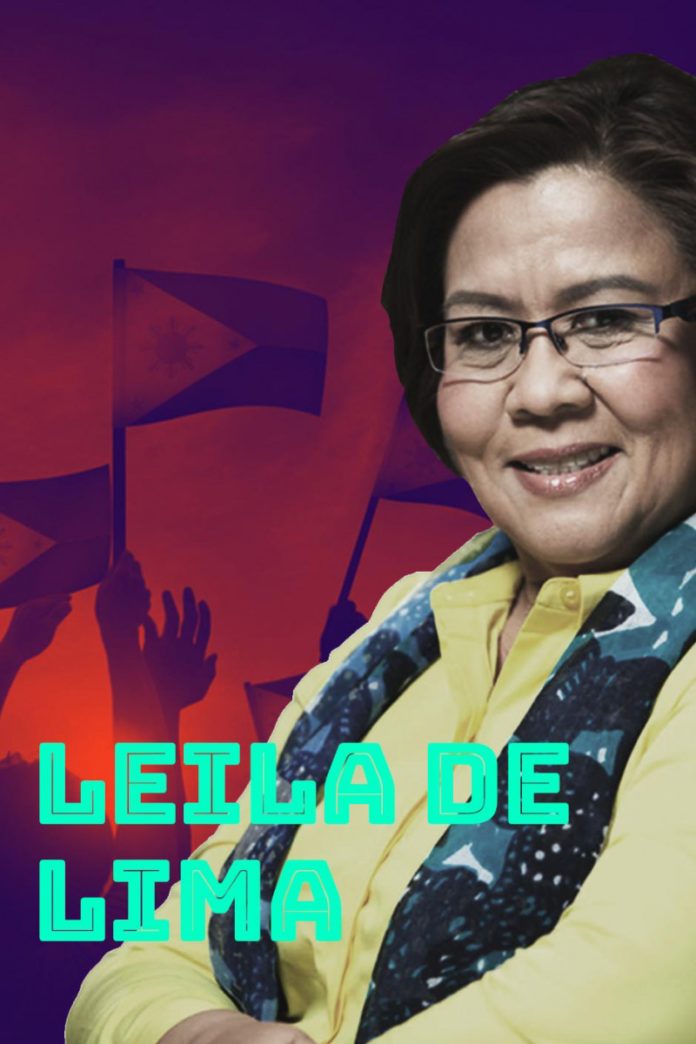
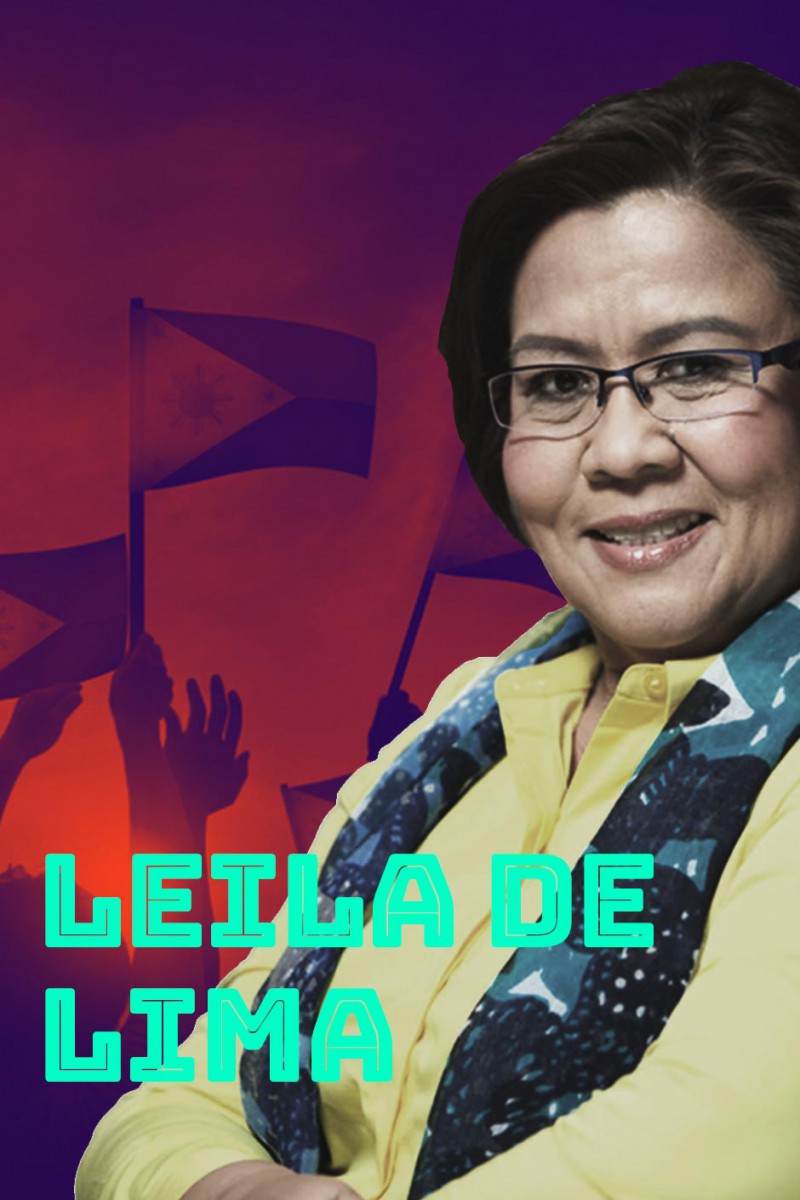 Leila De Lima, the “flag-bearer” for human rights in the Philippines and beyond, now sits behind bars over charges that she claims are politically motivated. A fierce critic of the Philippines’ President Rodrigo Duterte’s war on drugs, she has been praised for her continuous fight for the rule of law and dignity of individuals by Liberal International (LI), a global federation of liberal political parties.
Last year, LI awarded her the prestigious Prize for Freedom award for her “outstanding efforts for the defense of freedom and human rights” and called for her release. She is the second Filipino to get the award, after former Filipino president Corazon Aquino in 1987.
The lawyer by training was also named as one of Foreign Policy’s 2016 Leading Global Thinkers and one of the notable Women Human Rights Defenders for 2017 by Amnesty International.
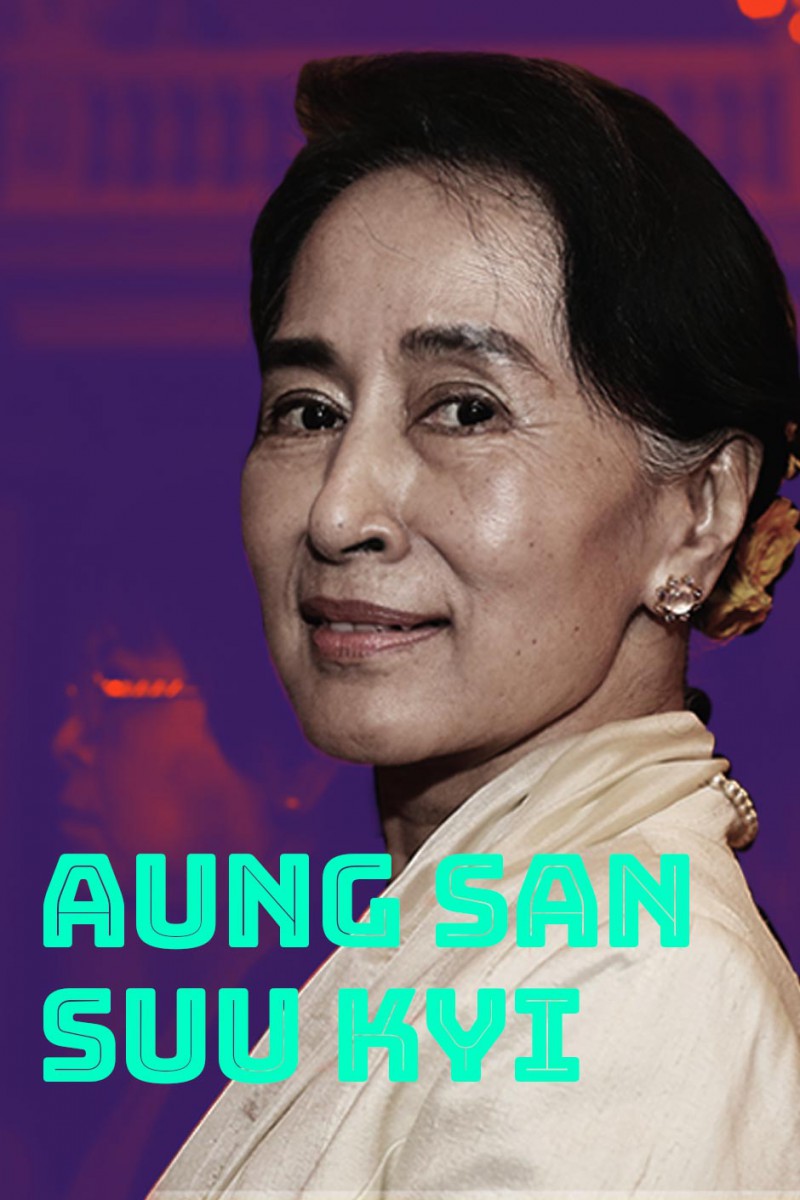 Today, Aung San Suu Kyi is a controversial figure mired in accusations of complicity with last year’s “ethnic cleansing” of Rohingyas by the Burmese militaty which saw around 600,000 fleeing to neighbouring Bangladesh. There are calls to strip her of her Nobel Peace Prize and she faces criticisms worldwide for standing by as Burma’s armed forces use brutal force on the Muslim minority. It’s a far cry from her image as a saintly human rights icon just less than a decade ago.
SEE ALSO: Aung San Suu Kyi’s Nobel Peace Prize: 3 things you should know
Ultimately, Suu Kyi remains a politician despite her spectacular fall from grace that the Western media built for her and then destroyed. And if we measure her by that barometer, as opposed to her saintliness, we can commend her success.
Burma, after all, continues to be run by men who dominate decisionmaking roles and positions of power. Only 14.5 percent of its Union Parliament and 3 percent of Burmese conglomerates’ CEOs are women, according to a report by International Media Support. Suu Kyi is the only female minister in cabinet.
And in a country where only women are represented only 14 percent in the media, Suu Kyi (though with massive help from her privileged background) cuts an exceptional female figure in Burmese politics.
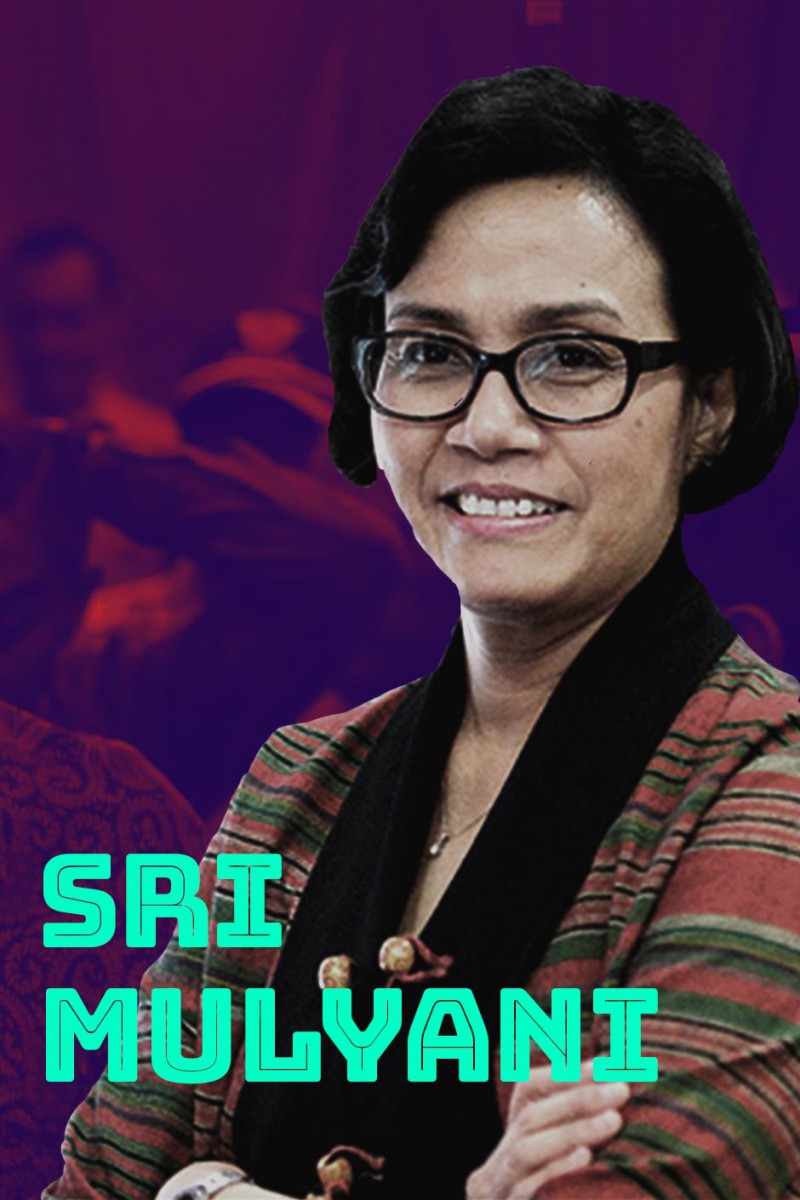 Recently crowned Best Minister in the World, Indonesia’s Finance Minister Sri Mulyani Indrawati holds an impressive resume. Before helming the Southeast Asian country’s budget under President Joko “Jokowi” Widodo, she was formerly the World Bank’s Managing Director (and its most senior woman ever) as well as the finance minister credited with steering Indonesia through 2007-10 financial crisis.
At the presentation of the award for Best Minister, the awarding committee said: “Under her mandate, Indonesia achieved tangible results in reducing poverty, improving the standard of living, reducing public debt and boosting the transparency of public transactions.”
The tough reformist holds a doctorate in economics from the University of Illinois at Urbana-Champaign, has lectured at the Georgia State University and served as an executive director on the board of the International Monetary Fund. Forbes ranks her 37th in its 2017 list of The World’s 100 Most Powerful Women.
SEE ALSO: Indonesian finance minister crowned Best Minister in the World
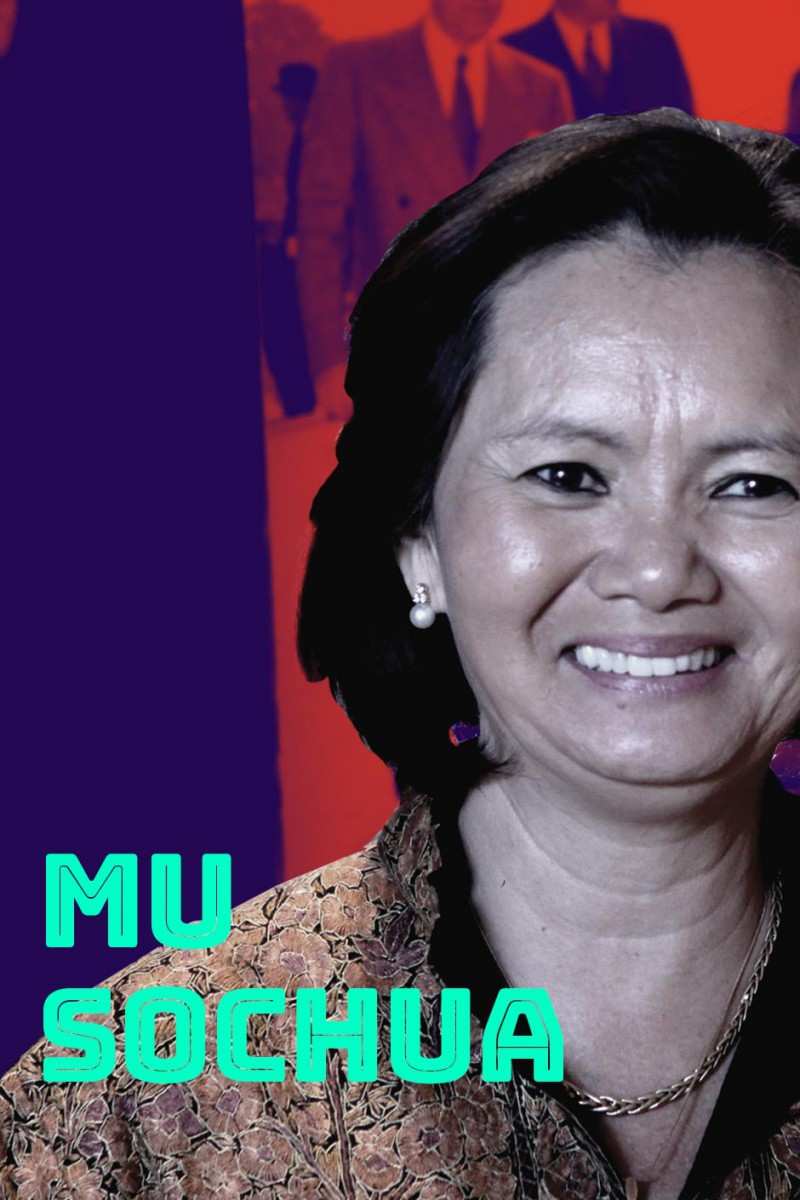 Cambodia’s leading voice for women’s issues has her work cut out for her.
Since she broke off with the government in 2004, she has lost her public platform during her six years as minister of women’s affairs where she campaigned against child abuse, marital rape, violence against women, human trafficking and the exploitation of female workers.
SEE ALSO: Cambodia locks up opposition lawmakers after protest violence
She was also one of the key figures who drafted the country’s law against domestic violence and who helped put 27 women in its National Assembly of 123 seats.
And though she said her work has yet to translate into true progress for women’s agenda, her work has made certain inroads.
Speaking to The New York Times, she said: “People are aware about gender. It’s a new Cambodian word: ‘gen-de.’ People are aware that women have rights.”
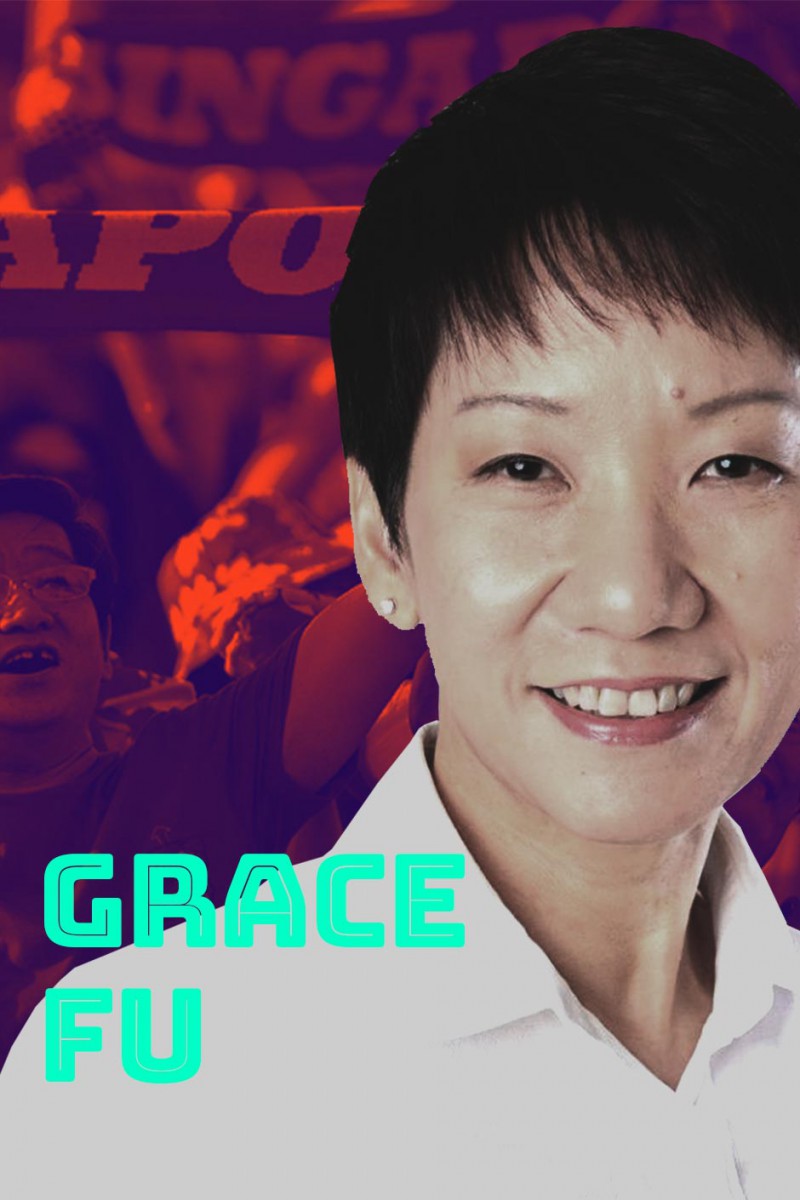 Fu is the second woman in the history of Singapore to hold the status of full Minister.
The accountant by training, who also has an MBA from Asia’s top university, the National University of Singapore, held several high-ranking positions in the country’s private sector before joining politics in 2006.
Since then, she has held state ministerial positions as well as the position of Minister in the Prime Minister’s Office.
She is currently the Minister for Culture, Community & Youth, the first female minister to hold such political post. The strong advocate for women in Singapore also chairs the Women’s Wing of the People’s Action Party, and the Young Women’s Leadership Connection Council of Advisors.
SINGAPORE: It’s International Women’s Day, a day set aside in calendars around the world to celebrate women, our contributions and achievements, and to focus minds on what still needs to be done to achieve gender parity.
We are a group of nine women aged 19 to 91. Some of us have children and grandchildren and some are childless.
Some have pursued careers and made a mark in our fields, others have chosen to focus our efforts on our families. Some are at the beginning, and others at the end, of our work careers.
We are from different cultures, social economic classes and backgrounds.
What is common among us is our experience of an environment that is still, despite all the progress women have made in Singapore, largely a man’s world.
We each have our own stories of how this is true in our lives – in our families, our schools and institutions, our workplaces, our places of worship and recreation. And we know this is true too for many people in Singapore.
LONG WAY OFF FROM PARITY
We are a long way off from gender parity and this is reflected in facts and figures that are publicly available.
Some say that we should not be complaining as we now have a female Head of State.
But the problem is that the odds are heavily stacked against Singapore having another female Head of State after Madam Halimah Yacob ends her term.
The recently tightened eligibility criteria makes it even more difficult for another woman to be elected to the role. Only a minute number of women are in the senior positions that make them eligible to run for President.

Madam Halimah Yacob talking to PM Lee Hsien Loong after taking the Oath of Office in the presence of Chief Justice Sundaresh Menon. (Photo: MCI)
Beyond the Istana, there are still too few women in leadership positions who can be role models for young girls. We have 21 ministers in the Cabinet; but only two are women.
It’s not much better in the corporate world. Women make up just 15 per cent of chief executive officers in Singapore, and only 11 per cent of the boards of directors of listed companies.
The list of imbalances and inequities goes on and on.
LESS WOMEN WORK AND EVEN THEN FOR LESS THAN MEN
The female labour force representation in 2017 was just under 60 per cent, compared to 76 per cent for men, according to the Ministry of Manpower. Women make up two-thirds of the population that is not in the labour force.
Many of the women who drop out of the work force because of marriage and family do not return to work. Those that do return to work often find they have lost out to their male counterparts in promotions and wages.
The gender wage gap last year was just under 12 per cent, better than the 20 per cent of a decade ago, according to the Ministry of Manpower but there is still a gap. Much of this might be because women take time out from their careers for childcare.
But there may well also be some degree of discrimination against women. A survey by Jobstreet in 2016 found that 66 per cent of women who work say they experience unfair treatment in terms of opportunities for career progression, remuneration, performance appraisal, and recruitment because of their gender.
Of the women who are not in the workforce, 42 per cent cite family responsibilities (childcare, housework, caregiving to other family members) as the reason for not being in the labour force, according to the Ministry of Manpower.
Of the men who do not work, less than 3 per cent cite this reason.
A family walking in Singapore. (Photo: Gaya Chandramohan)
GIVE FATHERS MORE OPPORTUNITIES TO CONTRIBUTE
The Ministry of Social and Family Development found in a 2013 study that 51 per cent of women said they provided the bulk of the family’s caregiving needs while only 4 per cent of the men said they were the primary caregivers.
Similarly, 59 per cent of the women did most of the household chores, compared with just 3 per cent of the men.
The truth is that many men want to contribute much more as fathers and share the caregiving role but it’s hard for them to do so because there is a gender gap in parental leave.
Fathers only get two weeks of paternity leave and half the adoption leave given to mothers.
TIME’S UP
This year, International Women’s Day takes place amidst a heightened awareness of the inequalities and injustices women face.
The #MeToo movement that began last year in Hollywood has spread around the world, encouraging women to speak up about the sexual harassment and discrimination they have suffered and forcing employers and policymakers to pay new attention to these problems.
There is growing recognition that change is needed, that it cannot go on being a man’s world.
We agree. It really is #TimesUp. It’s 2018 and it’s time we got to grips with the gender disparities in Singapore.
French feminists have said they believe the #metoo campaign could mark a turning point on attitudes towards sexual predation in a country long seen as soft on the issue. (Photo: AFP/Bertrand GUAY)
It’s time to acknowledge that there are biases built into the system that are putting women at a disadvantage. It’s time to make a concerted effort to achieve gender parity.
A WORLD WHERE GENDER IS BUT ONE FACET
The changes needed will take time, but we hope that, at the very least, the youngest in our group and our children and grandchildren will enjoy a world where there are no longer any gender barriers that limit them from reaching their full potential at home, in the workplace, in leadership, and in public office.
Every day at school, our children recite the pledge, committing themselves to building “a democratic society based on justice and equality so as to achieve happiness, prosperity and progress for our nation”.
There is a strong case for gender parity on the simple grounds of justice and equality. But there is also a case for seeking gender parity because it will make our society happier and more prosperous.
Studies have found the countries that are the most gender-equal are those that score highest on the happiness scale. Other studies have discovered that the more gender-equal companies are, the better it is for both workers and the companies.
The rates of retention are higher; there is higher job satisfaction and higher rates of productivity.
Singaporeans, especially the young, increasingly want to be dual-career and dual-career couples. Couples that are egalitarian are happier couples. When housework and childcare responsibilities are shared between parents, children do better in school and have higher rates of achievement.
File photo of students at a primary school.
Our children are our future and caring for children should be treated as a community responsibility. The Government should set the policy framework for this, creating the conditions for both parents to share equally in the caregiving and family-raising.
More must be done to change the attitudes that now make it difficult for men to play an equal role in parenting and homemaking.
There is also the challenge of bringing an end to violence against women.
Nearly one in ten of the 2,006 female respondents in Singapore in a 2010 study on violence against women reported having experienced at least one incident of violence by a man after turning age 16. More than one-third of victims felt that their life was in danger during the most recent incident of violence.
As long as men continue to see women as subordinate and secondary, as long as men feel they have a right to women and their bodies, as long as men see it as their world, we will have the problem of rape, molest and sexual harassment.
Larry Nassar, a former team USA Gymnastics doctor who pleaded guilty in November 2017 to sexual assault charges, stands in court during his sentencing hearing in the Eaton County Court in Charlotte, Michigan on Feb 5, 2018. (Photo: REUTERS/Rebecca Cook)
We can only begin to tackle this challenge comprehensively when we embrace true gender equality and put in place policies and practices that embody this principle.
We need to signal to young girls and boys that we see them as equals, that they can pursue their interests and dreams without the constraints of society-imposed gender roles, that it is not a man’s world, or a woman’s world, but our world.
A world where gender, like race and religion, is just one facet of an individual.
Ann Wee, 91, is a retired professor of social work.
Constance Singam, 81, is a writer and social activist.
Kanwaljit Soin, 76, is an orthopaedic surgeon and former nominated member of parliament.
Margaret Thomas, 66, is a former journalist and co-editor of Our Lives to Live: Putting a Woman’s Face to Change in Singapore.
Corinna Lim, 53, is executive director of AWARE.
Valerie Gan Garry, 40, is a homemaker.
Carrie Tan, 36, is executive director of Daughters of Tomorrow.
Filzah Sumartono, 28, is co-editor of Perempuan: Muslim Women in Singapore Speak out.
Nur Hikmah Md Ali, 19, is a recent madrasah graduate.
SINGAPORE: International Women’s Day – a day to celebrate all women in our world, as well as a day to strive towards their protection and equal rights.
While it’s a nice thought and a busy month for companies embracing diversity and inclusion, I honestly find it disappointing that society needs a day to remember gender equality and the fair treatment of women.
Gender equality is not only a significant concern from a human rights standpoint, but will allow for the economic and political growth that developing nations need to make them competitive in world markets.
It makes sense – if women and girls can gain access to improved education, they will eventually get better jobs and be able to better contribute to the economy.
By the same token, including women in political decision-making leads to more effective governance, since women’s presence in government brings greater diversity and different experience to the process.
Indeed, with the heightened awareness of the benefits of gender equality around the world, why are there still obstacles to achieving equality? Closer to home, why is there still a gender pay gap and a dismal percentage of female representation on boards?
Take for instance the percentage of women directors at all companies listed on the Singapore Exchange which has remained relatively unchanged over the past few years, hovering between 8 to 10 per cent.
Other major international capital markets have higher rates of 27.2 per cent in Germany, 27 per cent in the UK, 20 per cent in the US and 15 per cent in Hong Kong.
At the end of 2016, women’s representations on boards in Singapore was at 9.9 per cent. (Image: Rafa Estrada)
Promoting equal opportunities is hard work. From a decade of working in this area, I am aware it is often greeted with suspicion, defensiveness and overwhelming ennui.
There is resistance – implicit, explicit and institutional resistance when it comes to gender equality.
Where many say our meritocratic system should lead to equal benefits for equal merit, and point to a few women in positions of power, studies have shown systemic biases in recruiting, promotions and pay persist – leading to less female candidates getting the job or seeing the same salary growth as their male counterparts over time, all things being equal.
The issue is about the cause as much as it is the symptoms that are profoundly disturbing.
If women now have a huge opportunity to succeed, why are they still largely invisible at the top table?
READ: A commentary on whether women can still “have it all”.
‘NOTHING STOPPING YOU’
My mother, a retired school teacher once told me: “There is nothing to stop you being whoever or whatever you want to be. The only thing stopping you is you.” For this, I am eternally grateful.
Yet, even from early childhood education, each gender is conditioned from an early age to behave in different ways.
We train our girls to work hard and get As. When they get into an organisation, women continue to work hard, they do well and they wait to be picked for the next role.
But that’s not how organisations work. Organisations are not necessarily meritocratic nor naturally blind to the characteristics of an individual that have nothing to do with the job.
More often than not, they are managed by the male colleagues who happened to be there first.
A woman walks through the Central Business District in Raffles Place. (File Photo)
Basic anthropology tells us that groups tend to recruit new members who are similar to themselves. So a predominantly male field will often choose a male candidate – and research bears this out.
This is an influential factor in why women are significantly underrepresented in traditionally male-dominated areas, and senior positions.
As a hiring manager, I have interviewed enough candidates to know that women “get stuck waiting to be picked” while men will say “pick me, pick me”, even if they are not quite up to scratch.
Generally speaking, if a man has got 40 per cent of what it takes to do a job, he knows he’s ready. But a woman will wait until she’s pretty perfect and then think: “Am I ready for this?”
We need to actively tackle this prevalent, insidious mindset. We need to change how girls, families and society imagine what girls can be and can do. We need to give girls images and role models that expand their dreams.
We also need parents to see there really are opportunities for their daughters, that their only security is not just to be good wives and mothers, much as there is nothing wrong if that’s what they want.
Women also need to build their confidence and go for it – and haul another woman up with them.
CHALLENGING OUR OWN BIAS
In order to overcome gender inequality we must address our own bias. Gender related bias that hold women back can include outright discrimination, the normalisation of everyday sexism, to deep-rooted unconscious attitudes.
From the classroom to the boardrooms – at an early age, we are conditioned to believe that girls are this way and boys are that way. Women should be warm and non-confrontational; men competent go-getters.
International Women’s Day falls on Mar 8 each year. (Photo: File)
It’s about challenging these “natural” thoughts by examining, questioning and having open conversations.
Changing our bias in recruiting is integral, and admitting our own bias is an important step to a more open, diverse and fair workplace.
This is everyone’s issue – men and women, and extends to women’s own limiting self-beliefs.
Although it may be tempting to solve gender inequality by concentrating on women, gender inclusiveness should involve both men and women, as initiatives involving only half of the population will likely have reduced results.
Among other things, this means that fathers must also be involved and encouraged to tell their daughters that the sky is the limit and support her as she endeavours to become an engineer, a pilot, an astronaut or to run a company.
Women also have a part to play. Let us put in a good word for another woman instead of putting her down, let us build each other up instead of tear each other down due to our own jealousies and insecurities.
Maybe we would be able to build connections to better the world around us if we were not scared of the cruel words others would say about us for expressing our passions and opinions.
Maybe if women were to band together, International Women’s Day need not be just a day. Every day would be a day to honour women and as women, honour ourselves.
Junie Foo is the chair and co-founder of BoardAgender, an initiative of the Singapore Council of Women’s Organisation (SCWO).
SINGAPORE: With e-scooter registration – along with size and speed limit restrictions – set to kick in later this year, some in the e-scooter community have voiced their disagreement on the effectiveness of the Government’s measures to curb the reckless behaviour of errant riders.
The measures were announced on Wednesday (Mar 7), as Senior Minister of State for Transport Lam Pin Min said in Parliament that the Government has decided to accept the recommendations made by the Active Mobility Advisory Panel.
The registration regime will be implemented by the end of the year, and the process will be kept as simple and low-cost as possible, Dr Lam added.
While most users Channel NewsAsia spoke to agreed that regulations are important to ensure that errant riding is kept in check, not many agreed that having all e-scooter owners register with the Land Transport Authority (LTA) is the right move.
“The benefit is that it will enable users to exercise responsibility and take ownership of their actions,” said regular user Wilson Seng, who also runs an e-scooter safe riding movement #PLEDGETORIDESAFE.
“It will also enable identification of errant riders who breach regulations and also in the event of an accident.”
He added, though, that the new rules could deter potential buyers: “They might have a misconception that the Government’s efforts in tightening regulations could mean the first step towards banning e-scooters.”
“Retailers are also concerned about the negative impact on business, given the hassle of registration that will turn away potential customers from purchasing,” he explained.
DEPOWERED DEVICES UNSUITABLE FOR BURLY RIDERS
E-scooter hobbyist Mr Zamri, who rides most weekends with hobby group Skuter Familia SG, said that lightweight scooters usually have smaller batteries – which are unable to power portly riders like him.
“For those of us who enjoy modifying our scooters – and I stress that it is never for racing – it is done to make our rides more comfortable and durable,” said the Yishun resident. “I’m a big-sized person and I will definitely need a larger battery and heavier electric motor than most that can handle my weight.”
Mr Zamri added that his device needs more power because he makes long-distance rides with his hobby group. His e-scooter currently exceeds LTA’s proposed weight limit of 20kg and maximum speed of 25km/h.
An e-scooter being repaired at a service centre. (Photo: Howard Law)
Mr Seng, too, disagreed with LTA’s 20kg weight limit in particular. “Weight limit restricts the battery capacity in a device,” he explained. “This is done at the expense of range.”
Added Mr Seng: “Also, a good number of food deliverymen rely on e-scooters for their livelihood. They require the range on their devices, which compliant devices may not offer.”
E-scooter dealer MOBOT mostly sells LTA-compliant devices, but its director Ifrey Lai recognises that the limits may put certain users at a disadvantage. “I think that the 25km/h speed limit is just right, but there may be big-sized customers who use more powerful scooters,” he said.
“Any proposed speed reduction by the authorities must not be too much,” added Mr Lai. “For scooters that we have now that’s too big under the new rules, we’d have to then export it to other countries.”
FALLING SALES
Mr Lai noted that sales of e-scooters have been falling in the last two months, following LTA’s rules for e-bikes last year. “Our January and February sales dropped by about 50 per cent compared to last year,” he said.
“One reason is the anticipation of the new e-scooter ruling and registration,” added Mr Lai. “You can compare this with the effects of the recent e-bike registration rule. Before, I could see many people riding e-bikes but after that, it became less common to see people using them.”
LTA has a proposed weight limit of 20kg for e-scooters. (Photo: Howard Law)
Another local dealer Falcon PEV thinks the falling sales trend will continue. “E-scooter sales for us have been falling steadily over the last two years organically mainly from market competition,” said its general manager Victor Lee.
“With this registration process, we are expecting e-scooter sales to be impacted the same way as it did with e-bike sales with its own registration implementation,” he observed. “New customers now will likely think twice if they should hold on to the purchase until the registration is in place, considering the process and overall cost.”
“We will definitely see an impact in overall sales over the course of this year,” added Mr Lee.
REGISTRATION UNLIKELY TO CHANGE PUBLIC PERCEPTION
As a daily user of an e-scooter for commutes to work, Mr Marc Wong is one of those who agreed that registration is a good first step to deter errant riding.
“I’m in favour of it because of the errant riders and it’s making regular people at large become very unhappy with the community,” he said. “It’s a move I support and I will definitely register my scooters. It might even deter some errant behaviour in the long run.”
While there are benefits to using e-scooters, there will inevitably be “bad eggs” who spoil the experience for law-abiding riders. “Riding e-scooters is something positive because it is a green form of transportation,” said the 36-year-old.
“In addition, it brings enjoyment as you can now go to places that would be inaccessible via normal roads,” he added. “Not everyone can own a motorbike and so the extra mobility is definitely a plus point.”
However, Mr Wong agreed that it is not clear if registration will change mindsets about safety.
“You can only presume that registration would deter reckless behaviour for the future but we don’t know for sure to what extend errant riding would come to a stop.
“We can only hope it will, but we’d have to see the results in order to be sure.”
SINGAPORE: Can you tell us how to get, how to get to Changi Airport? Terminal 3, to be exact – where Elmo, Big Bird, Cookie Monster and friends from Sesame Street are taking up residence, just in time for the holidays.
From Friday (Mar 9), there will be an inflatable playground and pop-up exhibition at the terminal, the first of a string of themed activities lined up to coincide with the March, June and September school holidays.
JUMP! JUMP! JUMP!
The 30-metre-long inflatable playground at Terminal 3’s Departure Hall features life-sized characters and inflatable obstacles like tunnels, a ladder and a climbing wall.
This giant bouncy castle will be at Changi Airport Terminal 3 from Mar 9 to Apr 8 before moving to Terminal 4. (Photo: Elizabeth Khor)
Where does this tunnel go? (Photo: Elizabeth Khor)
There are also two slides, one of them a 4.7-metre-tall slide leading straight into a multi-coloured ball pit.
A 4.7m-tall slide leads to a colourful ball pit at Inflatable Fun with Sesame Street at Changi. (Photo: Elizabeth Khor)
Slide into the ball pit at Inflatable Fun with Sesame Street at Changi Airport. (Photo: Elizabeth Khor)
(Photo: Elizabeth Khor)
Swimming in a pool of multi-coloured plastic balls at Inflatable Fun with Sesame Street at Changi. (Photo: Elizabeth Khor)
The playground will be at Terminal 3 from Mar 9 to Apr 8 before it moves to Terminal 4 from May 25 to Jul 1.
GET YOUR CAMERAS READY
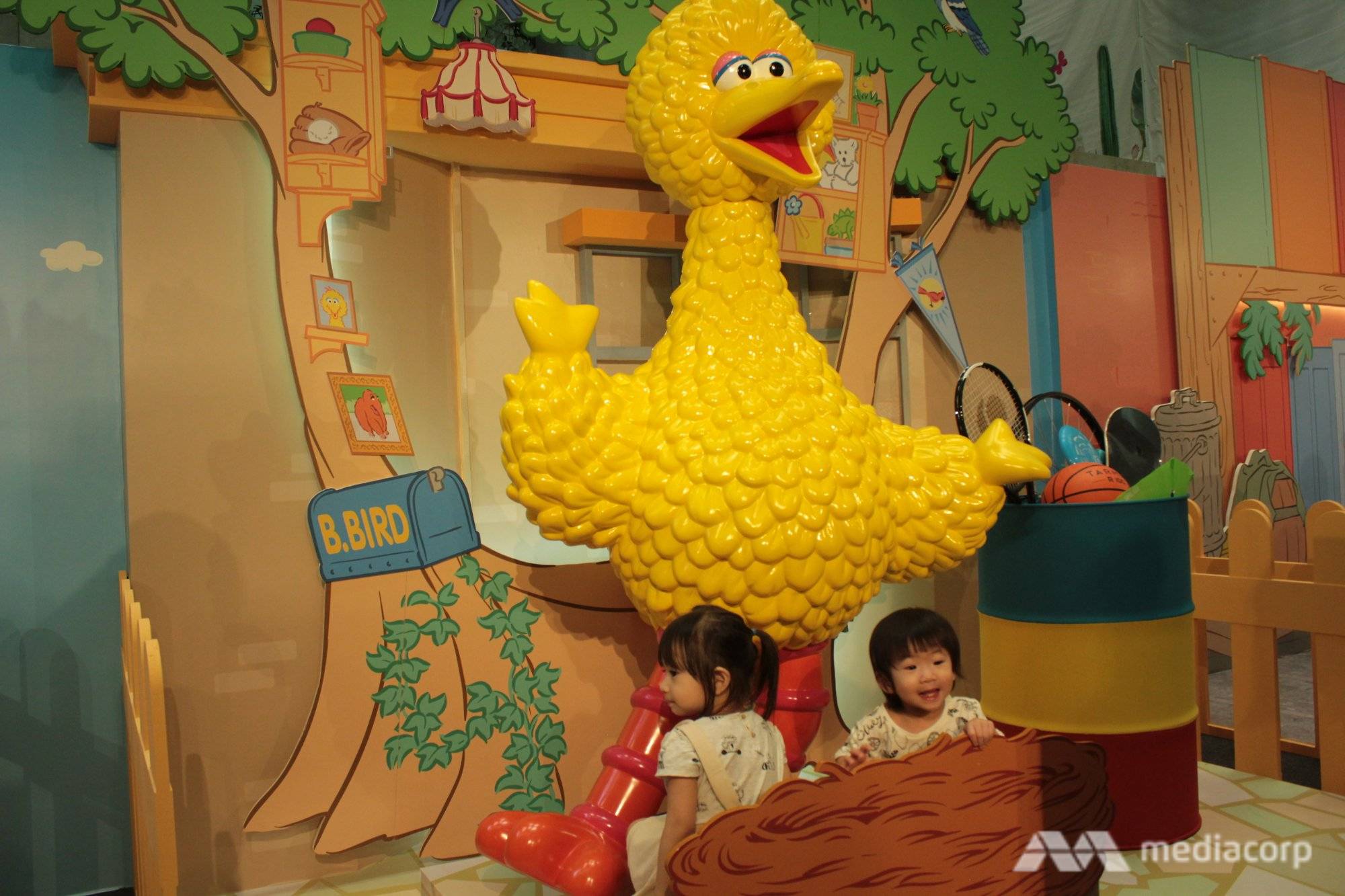
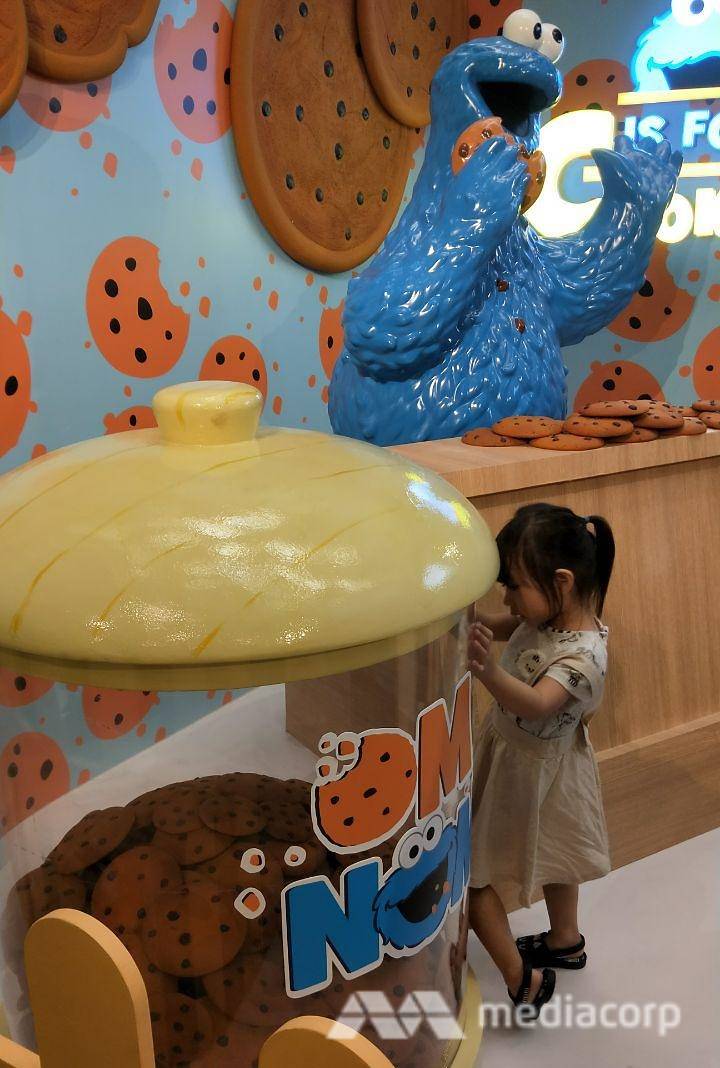
A pop-up store-cum-exhibition at Terminal 3’s Basement 2 features Instagram-ready themed zones and scenes from the much-loved TV series.
Our Street to Yours Sesame Street pop-up store will be at Changi Airport Terminal 3’s Basement 2 from Mar 9 to May 1. (Photo: Elizabeth Khor)
(Photo: Elizabeth Khor)
The pop-up exhibition runs from Mar 9 to May 1 at Terminal 3 Basement 2.
Visit Big Bird at his nest at the Our Street to Yours Sesame Street pop-up exhibition. (Photo: Elizabeth Khor)
Help Cookie Monster count his cookies at the Our Street to Yours Sesame Street pop-up exhibition. (Photo: Elizabeth Khor)
Can you get Oscar the Grouch out of his favourite place? (Photo: Elizabeth Khor)
There’s also a range of limited-edition Sesame Street merchandise to be won or bought.
Sesame Street plush toys are available at Changi Airport’s Terminal 3 this school holidays. (Photo: Elizabeth Khor)
Visitors can also try their luck at these giant capsule vending machines, complete with Sesame Street-themed capsules.
Giant Elmo and Cookie Monster gachapons at Changi Airport’s Terminal 3. (Photo: Elizabeth Khor)
There will also be limited edition Sesame Street notebooks featuring Elmo, Cookie Monster, Big Bird, Oscar and Abby Cadabby, which will be available progressively between Mar 5 and May 1.
Children will also get colouring and sticker books when their parents dine at any of the restaurants in the airport’s public area.
(Photo: Elizabeth Khor)
MORE TO COME
The June holidays will see another Sesame Street-themed exhibition at the airport, as well as special performances featuring characters from the franchise.
In September, children will get to dine free at selected outlets ahead of Children’s Day.
More details will be released closer to the date. Find out more on Changi Airport’s Sesame Street website.
These courses will go towards MOH’s broad push towards a sustainable healthcare system.
File photo of an elderly woman in a wheelchair. (Photo: AFP)
SINGAPORE: Nurses with a nursing degree and a year of working experience in a community setting will be able to take a new part-time graduate diploma later this year which will enhance their skills.
They may either take up the full Graduate Diploma in Community Health Nursing programme or certain modules, such as such as clinical decision-making, chronic disease management and community health practice.
The Alice Lee School of Nursing Study at the National University of Singapore will launch the course, with an initial intake of 15 to 20 students.
Senior Minister of State for Health Amy Khor unveiled the launch of the course during her ministry’s Committee of Supply debate on Wednesday (Mar 7).
“The part-time graduate diploma programme is designed to deepen the skills and knowledge of nurses in managing national health needs in the community,” a spokesperson for the Ministry of Health (MOH) said.
The spokesperson added that the modules can be stacked up towards a graduate diploma, and that students can take between two and five years to attain the diploma, as they continue to work.
“The new programme will allow nurses greater flexibility in pursuing part-time study while continuing to work,” Dr Khor said.
NEW COURSE FOR ITE GRADUATES FROM THREE COURSES
Dr Khor also outlined another course targeted at fresh Institute of Technical Education graduates that will start in April this year.
The Work-Learn Technical Diploma in Rehabilitation Care will be open to graduates who have attained NITEC in Community Care & Social Sciences, NITEC in Nursing and Higher NITEC in Paramedic & Emergency Care.
The course will be open to graduates who are interested to pursue a career in therapy support as well as in-service therapy assistants looking to upskill themselves further.
“Upon completion of the two-and-a-half-year programme, the graduates can look forward to taking on larger roles to provide rehabilitation care to seniors, and progressing in their careers as senior therapy assistants,” MOH said.
Therapy assistants support therapists in the provision of rehabilitation care to clients. The work involves conducting activities, monitoring their progress, and ensuring safety during rehabilitation.
“The new apprenticeship-based diploma, where a majority of the training is conducted in partnership with the employers, allows newly hired and in-service therapy assistants to take on larger roles to provide rehabilitation care to seniors, and progression in their careers as senior therapy assistants,” Dr Khor said.
Two of these polyclinics are expected to be opened in Nee Soon Central and Tampines North by 2023.
(Screengrab)
SINGAPORE: The Ministry of Health (MOH) plans to build six to eight new polyclinics by 2030, Senior Minister of State for Health Lam Pin Min announced during his ministry’s Committee of Supply debate on Wednesday (Mar 7).
Two of these polyclinics are expected to be opened in Nee Soon Central and Tampines North by 2023, he added.
The plans for these new polyclinics will bring the total number of polyclinics under MOH’s network to 30 to 32 by 2030.
An MOH spokesperson said that the Nee Soon Central polyclinic will be located near transport nodes for convenient access.
“As Tampines North is a new town with various upcoming residential developments, siting a polyclinic there would allow us to better meet these new residents’ care needs,” she added.
The planned polyclinics will provide a suite of services including medical treatment for acute conditions, chronic disease management, women’s and children’s health services, as well as radiological, laboratory and pharmacy services.
These polyclinics are in addition to the six new polyclinics announced by MOH in 2012, to be built by 2020. Of these, two in Pioneer and Punggol were built last year, while four others in Bukit Panjang, Eunos, Kallang and Sembawang will be built by 2020.
Such polyclinics, considered primary care, are considered critical in enabling MOH’s transformative efforts in shifting healthcare beyond hospitals into the community and bringing person-focused care closer to home.