“It’s not easy to make a sudden breakthrough, but it is the first step towards both sides resuming a dialogue,” Mr Lee Hsien Loong says of the Jun 12 meeting in Singapore in an interview with SCMP.
South China Morning Post columnist Tom Plate and Singapore Prime Minister Lee Hsien Loong. (Photo: Ministry of Communications and Information)
(Updated: )
Bookmark
SINGAPORE: The meeting between US President Donald Trump and North Korean leader Kim Jong Un scheduled for Jun 12 is a “first step” towards both countries resuming dialogue, said Singapore Prime Minister Lee Hsien Loong, whose country is hosting the historic summit.
In an interview with South China Morning Post columnist Tom Plate published on Monday (Jun 4), Mr Lee said the choice of Singapore as host nation shows that it is friends with both parties “and they believe we can do a good job of it”. It is also “politically acceptable” for both of them to be here, he added, though the two countries “have a very difficult task”.
“This summit is taking place at not very long notice, and without … extensive preparation or contact between the two sides,” Mr Lee said.
“It is not easy to make a sudden breakthrough, but it is the first step towards both sides resuming a dialogue.”
Defence Minister Ng Eng Hen had on Saturday said the country is gearing up to play host to the meeting, with security agencies from the Home Team and the Singapore Armed Forces busy planning to make sure everything is safe. He was speaking to reporters on the sidelines of the Shangri-La Dialogue.
“NOT NECESSARY TO BE ENEMIES”
On US-China relations, Mr Lee hoped the former will conclude that it can still do business with the latter despite their differences.
“It is up to you (the US) how you want to see the world. The question is what conclusion you will reach,” he said.
“Do you conclude that the Chinese have to be like you, in order to be your friend? Or do you conclude that they do not have to be like you, yet you can still do business with them? We do hope that you can come to the second conclusion, because it is not necessary for you to be enemies just because you are different from them.”
He added: “They do not think less of you just because you do not have a Communist Party of the United States.”
The prime minister also warned of a reaction from China’s end if the US adopts a negative attitude.
“They are already suspicious of you, that you intend to frustrate their ambitions to greatness … The Chinese do not feel they should be sat upon in judgment,” he said.
Mr Lee pointed to the planned US trade sanctions on China as an example, saying that based on his feeling “from our people and just reading the papers” there is actually quite wide support in the US.
“Even (New York Times columnist) Thomas Friedman feels so … He is not a natural hawk. … So there are people who do not have a lot of time for the Trump administration, who agree with him on this matter,” he said.
Asked if there is a “fundamental cleavage” pushing the US and China further apart, Mr Lee said it does not have to go down that road, but a wider mistrust can easily develop from trade frictions.
“Because now, it is not just trade, exchange or currency exchange rates, but you are also blocking their investments, more than before,” he said.
“If you do not want to run a trade deficit with them, yet you do not want to sell them what they want to buy – either companies or strategic goods – then what is the outcome?”
SINGAPORE: The area around Shangri-La Hotel Singapore has been designated as a special event area for the upcoming summit between US President Donald Trump and North Korean leader Kim Jong Un.
This was announced in a public order published in the Government’s Gazette online on Sunday (Jun 3). Extra security measures will be in force for the period between Jun 10 and 14.
Apart from what would be a historic meeting between Trump and Kim, the public order notification states that the event may also include a series of meetings between representatives between the US and North Korea, as well as “any lead-in activities and social events connected with this summit”.
Shangri-La Hotel has been touted as one of the likely venues of the summit, as speculation mounted in recent weeks about where the meeting would be held.
Other locations that have been mentioned as possibilities include The Fullerton Hotel in the Marina Bay area and Capella in Sentosa. There has been no confirmation of the venue for the summit.
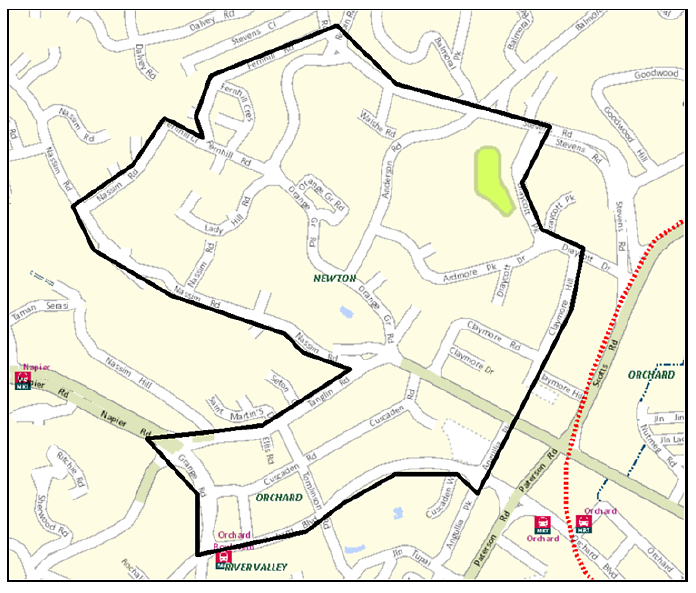
Within the special event area, there will be a special zone where stricter security checks will be conducted on people and vehicles. The special zone covers an area including Claymore Road, Cuscaden Road, and parts of Nassim Road and Grange Road.
The map showing the area gazetted as a special event area for the Trump-Kim summit. (Map: Government Gazette)
Special measures apply to such event areas. For instance, people entering the special event area must allow the police to inspect their personal belongings if asked.
In addition, certain items will not be allowed to be taken into the special event area.
These include explosives and arms as well as aerosol paint containers or substances “capable of being used to mark graffiti”. Loudhailers and flags or banners larger than 1m by 1m or with a handle longer than a metre are also not allowed within the special event area.
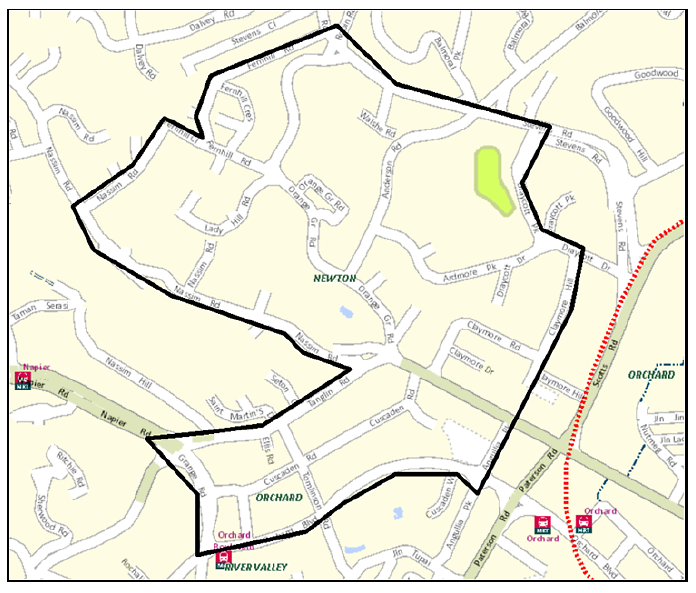
SINGAPORE: The area around Shangri-La Hotel Singapore has been gazetted as a special event area, according to a public order published on Sunday (Jun 3), for the summit between the United States and North Korea in Singapore.
This will include a special zone, shown below:
The map showing the area gazetted as a special event area for the Trump-Kim summit. (Map: Government Gazette)
Grab is partnering startup Cargo to give its private-hire car drivers another way of earning a buck by offering snacks, beverages and beauty items to commuters through a new service called Grab&Go.
The products will be stored in the Grab&Go box, and passengers can order them through the website. (Photo: Grab)
(Updated: )
Bookmark
SINGAPORE: Feeling peckish or thirsty while stuck in traffic? Not a problem, if you’re in a Grab car equipped with a “convenience store”.
That is the value proposition of Grab&Go, a new service the ride-hailing company is offering via its partnership with US-based in-car commerce start-up Cargo that was announced on Monday (Jun 4).
Private-hire cars equipped with Grab&Go will be able to offer passengers a mix of complimentary samples and retail products. The samples include Biore UV body care serum, Novu’s skin masks and Lux Luminique Botanical haircare range, said Cargo in the press release.
Other products on offer include Milo can drinks, Mentos, Oreo cookies and Aqua mineral water, said Cargo founder Jeff Cripe in an email to Channel NewsAsia.
(Image: Grab)
Passengers make their purchases through Grab&Go’s online menu via their smartphones.
After making their selection, they enter a unique five-digit code to make sure payment goes to the right driver, and the cost is added to the final Grab fare. The driver will hand over the products to the passenger once the vehicle is safely stopped, the company said.
“In Southeast Asia, Grab and Cargo identified trendy snack and beauty brands that would surprise and delight passengers,” said Mr Cripe of the product mix on offer.
DRIVERS GET EXTRA INCOME
Beyond the convenience for passengers, Grab&Go drivers will also get to earn extra revenue. Each time someone makes a purchase or takes a sample for free, the Grab driver will earn a cut, with Cargo saying they could earn an additional S$75 to S$250 a month.
Mr Cripe explained that Grab&Go drivers earn 20 per cent commission for every paid sale and a S$1 bonus on every transaction, with the remainder going to Grab&Go.
He added this partnership with Grab is its first international foray, following its US launch last June. The US start-up said it raised US$8.5 million in venture funds to scale its operations across the US and international markets.
The service is launching with 1,000 cars, but he added the hope is to bring Grab&Go to “Grab’s 2 million-plus driver-partners across Southeast Asia”.
“Hundreds” of GrabCar drivers have signed up to offer the service, the ride-hailing company separately told Channel NewsAsia, and it is actively bringing those interested on board the programme.
An example of the order screen for Grab&Go products. (Image: Grab)
“At Grab, we are always thinking about ways to better serve our customers,” said its head of Regional Advertising Nash Islam. “We’re excited to partner with Cargo to deliver more value to our passengers, while increasing the number of income streams available to our driver-partners.”
This is the latest initiative by the ride-hailing company to monetise the time passengers spend while commuting using its platform.
In April this year, Grab signed a memorandum of understanding with Mediacorp to co-create content for passengers and provide income opportunities for its drivers. Those interested can deck out their cars with in-car tablet or other media assets like car wraps and in-car hangers for additional income, they said then.
SINGAPORE: Jurong Shipyard has been fined S$230,000 for a fatal incident in 2015, in which a worker died from injuries sustained after he was struck and caught between a gantry crane and a manifold, the Ministry of Manpower (MOM) said on Monday (Jun 4).
In a press release, MOM said Jurong Shipyard had pleaded guilty to an offence of failing to take reasonably practicable measures to ensure that its workplace was safe.
On Mar 20, 2015, Yeo Chye Mong Stephen, who was employed as a safety coordinator and patrol man by Foo Ngan Marine, a subcontractor of Jurong Shipyard, was conducting safety checks at 5 Jalan Samulun.
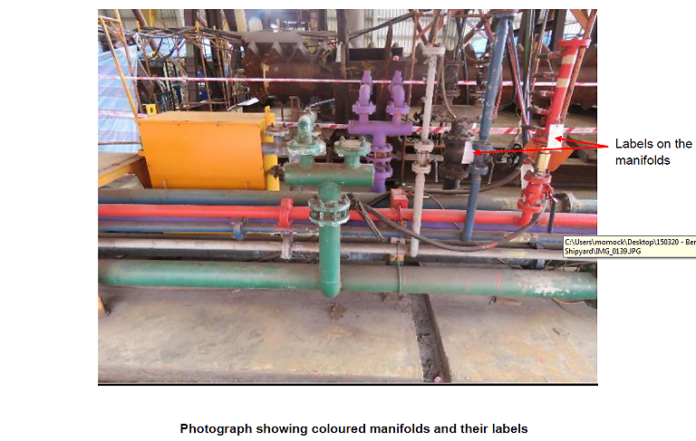
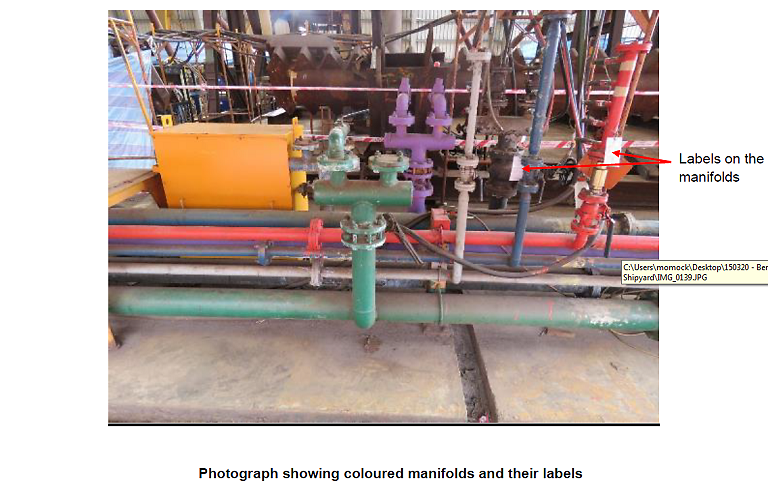
He was doing so near the manifolds located along the track of a gantry crane that was in operation, lifting pieces of rolled up welding cables.
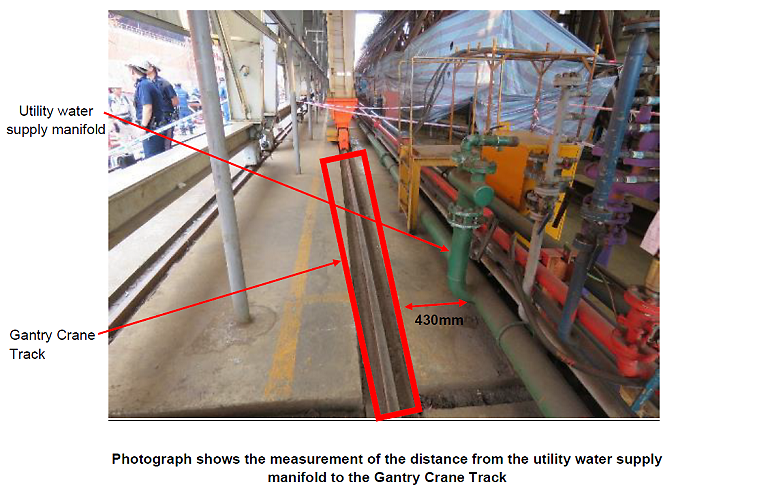
Shortly after, a co-worker found Yeo lying on the ground between a utility water supply manifold and the gantry crane’s track.
He was taken to the hospital but succumbed to his injuries later that day.
Investigations revealed there was a systemic failure in how Jurong Shipyard performed the lifting operation using the gantry crane, MOM said, adding that these failures made the workplace dangerous, and also resulted in the accident, which led to the death.
The failures included not ensuring that there were sufficient visual warning signs to keep out of the lifting zone while operations were in progress.
The company also failed to appoint a banksman to ensure that the travelling path of the gantry crane along the track was free from people within the lifting zone, MOM said.
It also failed to ensure that there was sufficient passageway clearance between the gantry crane track and the utility water supply manifold, MOM added.
Mr Sebastian Tan, MOM’s Director of Occupational Safety and Health Inspectorate, said there were several safety lapses that were not addressed in this case.
“The width of the passageway for the gantry crane fell short of established safety standards as set out in the Code of Practice. Inadequacy in the risk assessment resulted in the lack of control measures to monitor and coordinate the safe movement of workers during lifting operations involving the gantry crane.
“The company could have taken simple measures such as the deployment of banksman or warning signs to prevent the accident but it did not. A worker unfortunately paid the price with his life,” he added.
Earlier this year, Jurong Shipyard was fined S$230,000 over the deaths of two employees after they fell 30m from a hydraulic crane and died. That accident took place in 2011.
NANJING, China: Singapore aims to further improve ties with China even as the former undergoes leadership renewal.
And Singapore hopes its fourth generation or 4G leaders will continue to build on the strong foundation past and current leaders have built with China over the years.
Singapore Finance Minister Heng Swee Keat made these remarks during his visit to Nanjing University on Monday (Jun 4), as he reflected on Singapore-China relations, leadership and governance.
Mr Heng, who was speaking to 200 students and faculty members at the university, said former vice-premier Zhang Gaoli had once described Singapore’s Deputy Prime Minister Teo Chee Hean as a “good friend, old friend”.
“It is our hope that as the younger leaders in Singapore step up to the helm, new friends will also become old friends and good friends,” Mr Heng said.
Mr Heng is in China for a series of meetings including attending the first Sino-Singapore Artificial Intelligence forum held last Friday.
Mr Heng said 2018 marks the 40th anniversary of China’s reform and ‘opening up policy’, as well as the 40th anniversary of former Chinese leader Deng Xiaoping’s visit to Singapore in 1978.
He recalled former Singapore prime minister Lee Kuan Yew had made his first visit to China in 1976. Two years later, Singapore welcomed Mr Deng to the city state.
Mr Deng’s visit in 1978 also came shortly before China made a significant decision in December on reform and opening up.
Mr Heng said the exchange of visits had “laid the foundation for cooperation between both countries”.
BELT AND ROAD INITIATIVE
Today, the cooperation includes China’s plan to link up with the world through its Belt and Road Initiative (BRI). The BRI initiative – which applies the values of peace and cooperation, openness and inclusiveness, mutual learning and mutual benefit – provides a path for shared development between China and the region.
Mr Heng said Singapore is an early supporter of the BRI.
“According to Chinese statistics, Singapore accounted for 85 per cent of total inbound investments to China from Belt and Road countries,” Mr Heng said.
“Nearly one-third of China’s outbound investments to Belt and Road countries flow through Singapore.”
Mr Heng also talked about how both countries can take their partnership and friendship to the next level.
“Prime Minister Lee Hsien Loong and President Xi Jinping have affirmed that Singapore and China shared a demonstrative, strategic and forward-looking relationship,” Mr Heng said. “They have aptly characterised our relations as an ‘All-round cooperative partnership progressing with the times’.
“It is timely to explore how we can take our mutually beneficial cooperation to the next level.”
Mr Heng added Singapore’s 4G leaders are more involved in improving bilateral ties between Singapore and China.
Today, Singapore has seven Provincial Business Councils with Guangdong, Jiangsu, Liaoning, Shandong, Sichuan, Tianjin and Zhejiang.
Mr Heng Swee Keat also talked about how both Singapore and China can take their partnership and friendship to the next level. (Photo: Leong Wai Kit)
These councils – which aim to promote economic exchanges and cooperation between both sides – are co-chaired by the younger Singapore Ministers as well as the vice ministers, governors and vice governors of the respective provinces. Mr Heng himself co-chairs the Singapore-Jiangsu Cooperation Council with Jiangsu governor Wu Zhenglong.
And as both countries move forward, their cooperation will be based on what Mr Heng describes as “important leadership and governance principles”.
“It involves first ensuring that each of us deals with our internal challenges and opportunities. Yet, at the same time, we work closely with one another to advance our common interests,” Mr Heng said.
‘THREE MAJOR SHIFTS’
Mr Heng also shared three areas Singapore hopes to do well in. They include ensuring governance and policies change with the times and remaining relevant.
“Looking ahead, there are three major shifts that many countries will have to prepare for: the shift in global economic weight towards Asia, the emergence of new technologies and ageing populations,” Mr Heng said.
“These will interact in different ways, bring new challenges, but also new opportunities. Government policies must adapt to these changes to best serve the people’s needs,” he said.
One example, Mr Heng added, is managing an ageing population – a trend common in Singapore and China.
Mr Heng also said it’s important to formulate policies with depth and breadth which comes with a long-term view.
And this, Mr Heng said, must be done through engaging citizens.
“For example, to further develop Singapore’s economy, we launched the Industry Transformation Maps (ITMs). Companies, trade associations, unions, and government agencies form partnerships to understand their specific challenges and opportunities.
“This enables industry-specific strategies to be developed,” he said.
Mr Heng also said Singapore seeks to actively collaborate with and learn from other countries, and maintain good relations.
“In a world that is rapidly changing and increasingly inter-connected, countries need to collaborate,” Mr Heng said, adding that no country has all the expertise it needs.
Mr Heng said collaborations can achieve win-win outcomes, as reflected in Mr Deng Xiaoping’s policy to reform and open China 40 years ago, and President Xi’s leadership for the BRI.
But to facilitate international collaboration, a stable and favourable global environment is key, as developments or actions by one country can affect its neighbours.
Mr Heng said Singapore – a founding member of regional bloc ASEAN – will continue to build good relations with other countries, and seek to maintain peace and stability in Southeast Asia.
And on top of playing a constructive role to international affairs, Mr Heng said: “Singapore aims to be a friend to many countries and an enemy of none.”
SINGAPORE: The United States’ recent unilateral tariffs on steel and aluminium imports, based on national security grounds, and China’s moves actions on disputed territories, similarly for security reasons, have challenged the status quo and accepted rules which have benefited Asia, Defence Minister Ng Eng Hen said on Sunday (Jun 3).
Speaking at the close of the annual Shangri-La Dialogue in Singapore, Dr Ng said it is clear from their actions that both China and the US are attempting to address “perceived inequalities” and principles or practices which disadvantage them.
“In both instances, core security considerations have been used to justify, if not make imperative, the need for such actions,” he said.
“Whatever the merits of arguments, these deviations from global norms challenge the status quo and accepted rules which have hitherto benefited Asia, and the regions beyond. All of us would agree that it is in our collective interest to preserve a system that has lifted millions in Asia from poverty.”
Dr Ng said that the US and China, by virtue of their sheer size, will be critical players as the world moves to what he called Globalisation 2.0.
“Many speakers before me have sounded a cautionary note that in this process, if the global commons are not preserved, or worse, fracture into de facto or formal trading and security alliances, then all of us are in for a rough time ahead,” he said.
Dr Ng cautioned that it would be a “lose-lose scenario for the world” if the US and China are unwilling to work together for an inclusive system that both large and small states can benefit from, and where rules apply to all.
“We hope that enlightened minds and leadership will prevail and the US and China avoid a trade war which can only lead to more losers than winners,” he said.
Dr Ng also said that the ASEAN-China Code of Conduct on the South China Sea as well as the ASEAN-China Maritime Exercise, which will take place later this year, are key to ASEAN’s efforts to strengthen the regional security architecture in today’s changing strategic landscape.
Dr Ng called this year’s Shangri-La Dialogue a success – with almost every security issue in the region and beyond discussed.
Speaking to the media at the end of the forum, he said: “I don’t think there was a single topic that affects us in terms of security challenges in this region, even beyond, that wasn’t touched on.”
“I think ministers and panelists did particularly well, in giving in their words, the passion that follows their conviction; what they felt and going even beyond what their aspirations were,” he added.
Dr Ng met his new Malaysian counterpart Mohamad Sabu at the dialogue, with both countries reaffirming their strong defence ties.
Minister for Defence Ng Eng Hen meeting with newly-appointed Malaysian Minister of Defence Mohamad Sabu on the sidelines of the 17th Shangri-La Dialogue on Sunday (Jun 3). (Photo: MINDEF)
Dr Ng also commented on Malaysia’s plan to build developments on Middle Rocks, calling it “completely legitimate”.
Malaysian Prime Minister Mahathir Mohamad has said that the country wants to enlarge Middle Rocks, which the International Court of Justice has ruled belongs to Malaysia, to form a small island.
“As long as it complies with international law, both sides or all countries have a right to what they develop, to take what is necessary for their own needs,” Dr Ng said.
“And I think it’s legitimate. And for them, they feel they need to develop it. I think it’s good they have said so publicly, so we all understand each other’s positions; just as Singapore will want to develop various aspects as we’ve done, in terms of our islands, for domestic or civilian or security.”
A record number of ministers attended the dialogue this year – 40 from 50 countries – a significant jump compared to the inaugural forum in 2002 when only 12 ministers were present.
SINGAPORE: If you think putting your plastic waste into the blue bin means it will automatically be recycled, think again.
China’s announcement last July that it no longer wanted to import “foreign garbage” has created problems within the global recycling industry, which could mean that the plastic bottle you just “recycled” is actually destined for the incinerator.
Like many Western countries, Singapore too has been sending a huge proportion of its recyclable plastic overseas. Until recently, most of this also made its way to China, as industry players pointed out that running a recycling operation here is not financially viable.
In the longer term, however, observers say that exporting Singapore’s plastic recyclables to other countries, or even simply incinerating it, are both unsustainable.
Responding to queries from Channel NewsAsia, the National Environment Agency (NEA) said it “recognises that there may be uncertainties involved in exporting plastic waste overseas”.
According to latest United Nations trade data, Singapore in 2016 exported almost 42,000 tonnes of plastic waste to China, Malaysia, Vietnam and Indonesia. These are countries which industry players said are top destinations for recyclable plastic.
This figure is nearly three-quarters of the 59,500 tonnes of plastic that NEA said was recycled in the same year.
While the total amount recycled only made up a meagre 7 per cent of the 822,200 tonnes of plastic waste generated in 2016, one observer believes China’s ban is another blow for the domestic recycling sector.
RECYCLABLES INTO THE INCINERATOR?
Mr Teri Teo, a project consultant at recycling firm LHT Holdings, said public waste collectors (PWC) that may have in the past collected household recyclables, sorted out the plastics and sold them to China, are now incinerating them instead.
“They don’t want to sort the recyclables because there’s no demand,” he told Channel NewsAsia. “They cannot sell it, so they burn it.”
LHT Holdings is a member of the Waste Management and Recycling Association of Singapore, which also counts the four PWCs here as members.
Among the PWCs contacted for comment on their operations following China’s ban, Sembwaste and Veolia ES did not respond, while Colex and 800 Super declined comment, with the latter citing the sensitivity of the matter.
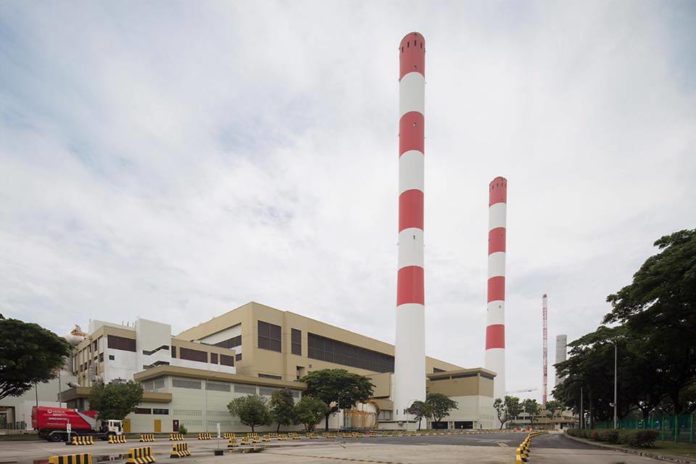
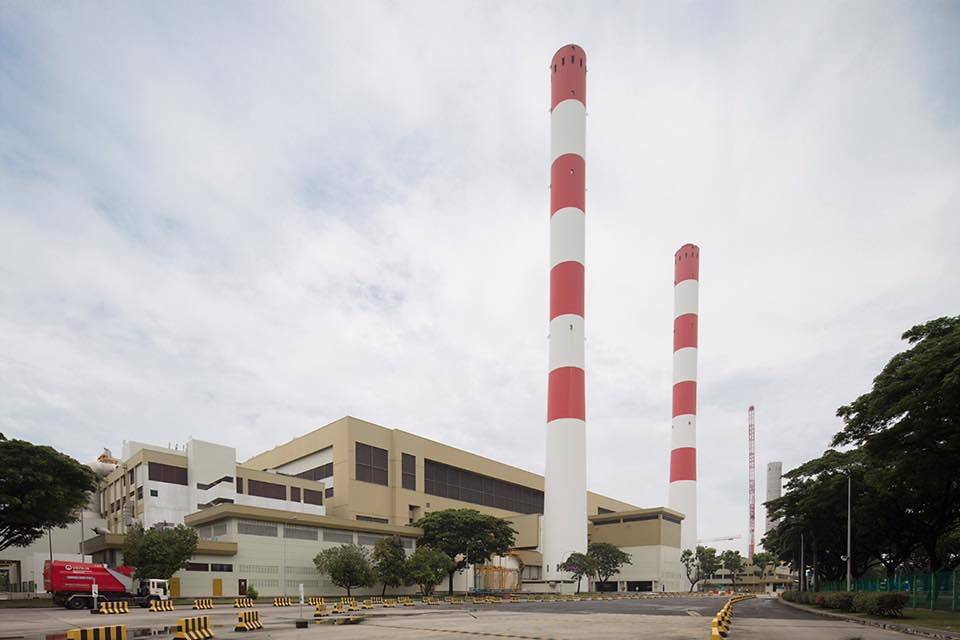
Tuas South Incineration Plant. (Photo: Facebook/Teo Chee Hean)
For now, to ensure that recyclables are collected and sent to material recovery facilities (MRF) in the first instance, NEA said it uses GPS systems to track the movement of the PWCs’ dedicated recycling trucks.
“Recycling collection crews are required to scan the radio-frequency identification (RFID) tags fitted to the recycling bins when they collect recyclables and the information is recorded automatically in the RFID system for audit purposes,” it said.
NEA added that its officers “regularly” check operations at the MRFs and incineration plants to ensure that recyclables are sorted and only items that cannot be recycled are sent to the incinerators.
“Trucks for carrying recyclables are automatically detected at the incineration plants and are denied entry,” it stated.
Rubbish being dumped inside the incineration plant. (Photo: Nisha Karyn)
Once recyclables have been sorted at MRFs, however, there is still a strong likelihood much may still be diverted to incinerators, given how contamination is a key issue.
“It is wrong to assume that what we dump into these bins are contaminant free,” said Mr Zach Lee, a research associate at the Nanyang Technological University (NTU). “One issue with attempting to sort and recycle plastics in Singapore is the high rate of contamination with food waste.”
Aerial view of Semakau Landfill. (Photo: Facebook/Ministry of the Environment and Water Resources)
In the long run, even as more plastic waste may find its way into Singapore’s incinerators, that in itself is also an unsustainable option.
The Ministry of the Environment and Water Resources has stated that at the rate that Singapore is producing and burning waste, Semakau Landfill will run out of space by 2035.
“As ash from incinerated waste eventually has to go into our (only) landfill, incineration alone cannot deal with the ever-increasing amount of waste that we are producing,” the ministry said on its website.
Incinerated ash being tipped into one of the landfill’s cells. (Photo: Nisha Karyn)
While Mr Teo acknowledged the potential for public outrage if household recyclables are indeed being indiscriminately incinerated, he said waste companies are left with little choice. He claimed that the Government does not offer enough financial support to make recycling a sustainable business model in Singapore.
Industry players said PWCs will continue to collect household recyclables under existing Government contracts and use various strategies to deal with them, including selling the unprocessed material to countries besides China. However, companies that survive on buying industrial recyclables from factories and exporting them will be the hardest hit.
These companies don’t deal with household recyclables because they lack volume and come with a higher risk of contamination.
Mr Teo said following China’s ban, most of these companies – called traders – have stopped collecting plastic recyclables, while some have fully ceased operations. Only a handful have invested in machinery to process the plastic into pellets, he added.
RECYCLABLES TO OTHER COUNTRIES?
One trader that hasn’t stopped buying plastic waste from factories is Gin Wee Recycling.
Its managing director Ricky Tan told Channel NewsAsia that the company now sells the plastic to Malaysia, Vietnam and Indonesia. His clients in Malaysia are still Chinese companies that circumvent the ban by processing plastic there before exporting the recycled pellets to China. Previously, 80 per cent of his inventory was sold to China.
The ban has also led to a 30 per cent drop in the price of plastic, Mr Tan said, pointing as well to weak currencies and taxes in the alternative markets. He said Chinese companies used to buy the plastic at S$0.80 a kilogramme, compared to S$0.50 in Malaysia now.
Another trader, Liong Hup Soon, has also adopted a similar strategy, its shareholder who only wanted to be known as Mr Ho told Channel NewsAsia.
The company’s sales took a 50 per cent hit after the ban was first announced last year, Mr Ho said, as plastic waste piled up in its storage facility up till February. “But because of the workaround, business is now back to how it was pre-ban,” he added.
Compressed blocks of plastic waste, which will no longer be accepted for recycling by China seen at Far West Recycling Oct 30, 2017 in Hillsboro, Oregon. (Photo: AFP/Natalie Behring)
According to leading US recycling firm Berg Mill Supply, “all grades of plastic have seen a major shift to secondary markets” from 2016 to 2017, when China’s import restrictions came to light. In that period, Malaysia took in five times more polyvinyl chloride (PVC), while Vietnam more than doubled imports of polyethylene terephthalate (PET).
Before China’s ban on 24 types of solid waste including plastics, the country was recycling more than half of the world’s plastics to fuel a growing manufacturing sector.
But as one expert explained, China’s solid waste handling plants are reaching full capacity amid its own growing waste sources.
“Moreover, the national government of China made circular economy the national priority in recent years,” added Professor Seeram Ramakrishna, chair of the circular economy taskforce at the National University of Singapore (NUS).
FILE PHOTO: A worker walks past piles of plastic PET bottles at Asia’s largest PET plastic recycling factory INCOM Resources Recovery in Beijing May 7, 2013. REUTERS/Kim Kyung-Hoon/File Photo
Mr Tan expects to rely on alternative markets for the next three to five years, after which he believes the company has to start turning scrap into pellets.
LHT Holdings’ Mr Teo said re-routing the plastic to other countries is unsustainable as they are also trying to implement a similar ban.
“They also want to improve their image as a clean city,” he explained. “They also face strong environmental regulations in their countries on their own plastic waste, and concerns about the actual non-recyclable plastic waste that is being imported.”
RECYCLING IN OUR OWN BACKYARD?
Mr Dave Wong, business development manager at A~Star Plastic Recycling, agreed. “You won’t like your neighbour throwing rubbish in your house,” he said, noting that other countries will eventually follow in China’s footsteps.
This is why his company recycles the industrial plastic scrap first rather than just exporting it, he said. “Every country should develop their own recycling capability,” he added. “Then, everybody will take care of their own scrap.”
The ban has also given Mr Wong’s business a leg-up, as Chinese companies are forced to buy processed pellets as opposed to scrap. “In the past, we are not able to compete with Chinese recyclers,” he said. “Their operating cost is much lower than in Singapore, so we are not able to sell the recycled resin to China.”
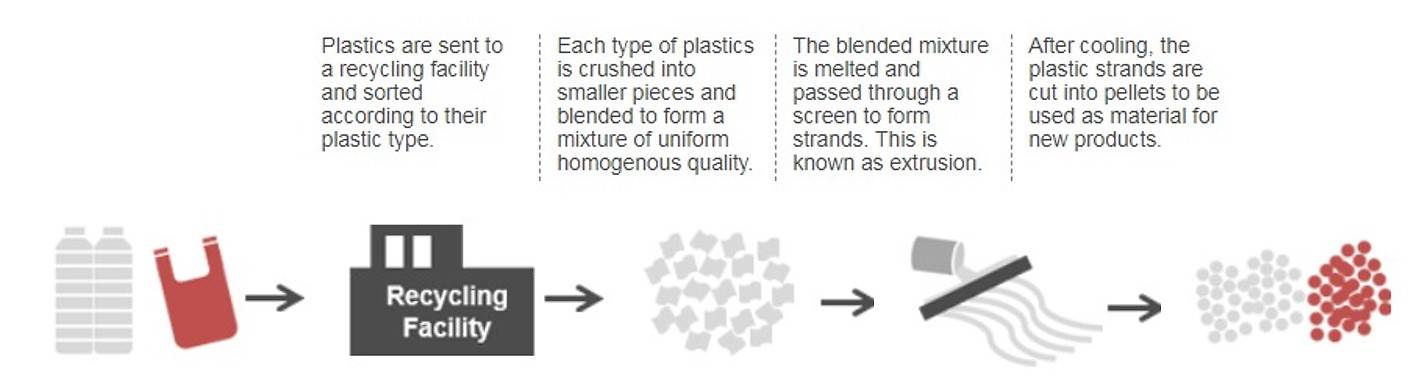
The process of recycling plastic. (Photo: National Environment Agency)
Still, Mr Wong said recycling plastic comes with high operating costs and challenges that include contamination and land constraints. He estimated that there are only about five plastic recycling companies left in Singapore, down from 20 in previous years.
“Once plastic is contaminated, the cost of recycling will shoot up because you have to do cleaning and sorting,” he explained. “You also need to have a minimum quantity to start a batch process, meaning you need a big space to accumulate all these plastics.”
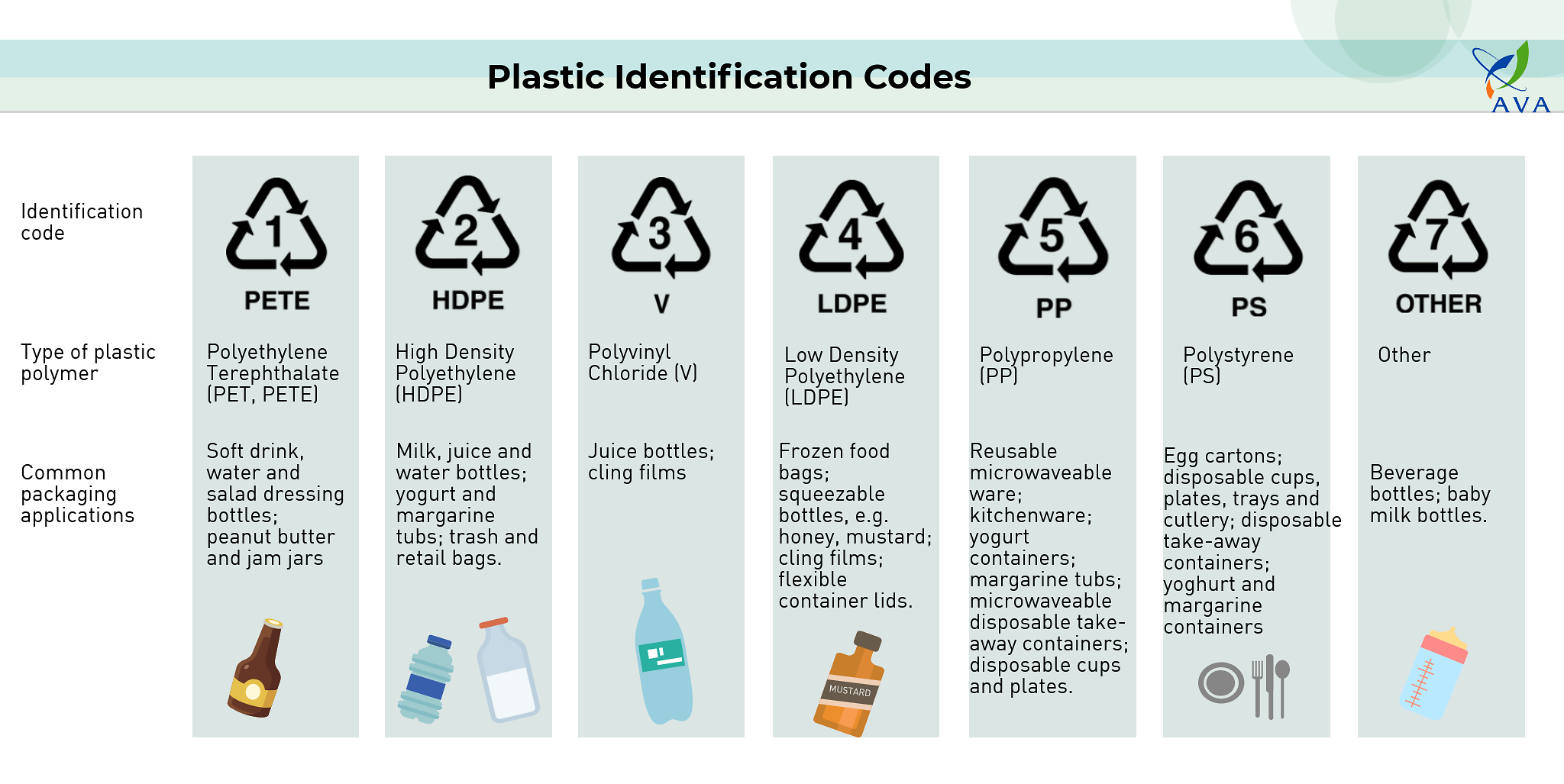
The different types of plastic. (Photo: Facebook/Agri-Food & Veterinary Authority of Singapore)
Another challenge, NUS’ Prof Ramakrishna said, is the wide variety and combination of materials used in a growing number of products. For example, one plastic bottle can contain two or three different types of plastic.
“Upcycling or recycling plastic requires well-sorted plastics with standardised specifications in required quantities for the potential users,” he explained. “This means investing in technology and automated plants for solid waste handling, separation and quality control.”
WHAT NOW FOR RECYCLING?
In light of these challenges, NEA said it is trying to develop more sustainable solutions for plastic waste management and improve local recycling capabilities in Singapore.
One measure is the Closing the Waste Loop (CTWL) research and development initiative, which encourages institutes of higher learning, research institutes and private sector partners to collaborate and find solutions to increasing waste generation, scarcity of resources and land constraints.
“A focus of the CTWL initiative is the development of solutions to enable a more ‘plastic resource efficient’ economy, and to extract value and resources from plastic waste,” NEA said. “The aim is to keep waste plastics as resources in the economic loop for as long as feasible, which will also help to reduce their impact on the environment.”
An elderly woman rides a tricycle with garbage past a truck carrying recycled goods on a road in Beijing. (Photo: AFP/Wang Zhao)
Rather than just focusing on research and development, LHT Holdings’ Mr Teo said the Government should subsidise manufacturers of recycled products and create demand for such products. “This allows their product price to be competitive in the market, so they can be awarded Government projects,” he said.
Prof Ramakrishna said Singapore might also need to partner countries in Asia to accumulate sufficient volumes of properly sorted plastic or solid waste. “For an organised waste management sector to be viable, it requires certain economies of scale,” he explained.
REDUCE BEFORE RECYCLE
But until the recycling sector is fundamentally transformed, reducing consumption seems to be way to go.
“The ban places a greater urgency on the need to reduce the plastic waste generated by both individuals and companies,” said Singapore Environment Council executive director Jen Teo.
Companies should choose suppliers that show a commitment to reducing packaging waste, she added, while retailers should consider changing the carriers and containers they provide to customers, including offering reusable bags as alternatives.
File photo of plastic bags. (Photo: AFP/Fred Dufour)
NEA said it is stepping up engagement with stakeholders to avoid the excessive use of plastic disposables and implementing the mandatory packaging reporting framework by 2021. The latter requires businesses to submit reports on the types and amounts of packaging material they place on the market and their packaging waste reduction plans every year.
As for individuals, Ms Teo encouraged them to bring their own reusable items, such as containers, bottles, cups and straws when dining out.
“Retailers that offer discounts to customers who bring their own utensils will benefit from the patronage of the growing number of ethical green consumers looking to support companies with good environmental practices,” she added.
Nevertheless, NTU’s Mr Lee said implementing a practical solution would require a “careful analysis of the cost, benefits and consumer or producer behaviour related to plastic products and the reduction of plastic usage”.
He added: “I believe this is something that needs to be worked on cohesively by the Government, private sector and NGOs (non-governmental organisations) focusing on consumers and the environment.”
SINGAPORE: It is estimated that there are 40,000 persons living with dementia in Singapore today. This number is expected to hit a whopping 80,000 by 2030, as Singapore grapples with a burgeoning ageing population. 80,000 isn’t merely a statistic.
Behind this number is a challenging story of the human condition, for stats belie the lives and faces affected by this condition, especially loved ones playing the role of caregivers.
Think about the mounting pressure faced by caregivers on a daily basis as they deal with cognitive and psychological symptoms so unpredictable that it is hard to put on a brave front while they watch their loved ones fade away.
THE ROAD TO DIAGNOSIS
People generally view dementia as a normal part of ageing, that as you age, memory is just an element that fades. On the contrary, as of recent, we see more young-onset cases – more individuals below 65 are being diagnosed with dementia.
It is often hard to grasp the condition of dementia. The brain is a complex matter. It is something we cannot touch or see physically.
The early signs of dementia are often misread as signs of depression. My father was on anti-depressants for over two years. It was not until he had a momentary lapse in memory and went missing on a business trip, that we realised it was more than just depression.
He was always staying at the same hotel and would meet his colleagues when he arrived. However, this time, he was nowhere to be found. His colleagues combed the area looking for him and eventually found him in a different hotel on the opposite end of the street.
(File photo: AP)
He could recall that he needed to be on that street, but not where the exact hotel was, even though it was a routine business trip that he had went on for years. Consequently, we sent him to get tests and scans done before the doctors diagnosed him with young-onset dementia.
As a family, it was imperative that we took note of the signs and symptoms. More importantly, we learnt to trust our instincts. Likewise, it is absolutely vital for families who are affected to muster the courage to have conversations within the family about sensitive topics such as changes in a loved one’s memory or behaviour.
As soon as early signs become apparent, a timely diagnosis should be conducted. This is often a difficult step for a family to take because dementia can be a frightening word most of us never want to hear associated with our loved ones.
But an early diagnosis will give the family time to come to terms with the condition, plan and discuss the options on how to care for a loved one.
Start bringing topics like the Mental Capacity Act and the appointment of a Lasting Power of Attorney to the table early. Discuss how your loved one would like to be cared for when they can no longer make decisions on their own.
Don’t wait until the signs become too extreme to be ignored, as that can also mean that the condition has progressed.
A woman wheeling a senior in a wheelchair.
DEMENTIA AND CAREGIVING ISN’T STRAIGHTFORWARD
When the issue of dementia hits home, families are often at a loss. Emotional stress might be exacerbated by a lack of clarity of a loved one’s condition, a lack of knowledge on finding credible information, or a lack of guidance on who to speak to for support.
Caregiving is hard work and can have psychosocial and physical health effects.
Caring for a loved one with dementia is a 24-7 duty. It requires constant deciphering of new and sometimes challenging behaviours exhibited by the individual they are caring for.
In addition to the primary stressors of caring such as the patient characteristics and care situation, work interference, financial strain, and sometimes family conflicts can add on as secondary stressors as well.
There is a certain stigma to being labelled a caregiver. Many individuals equate it to added responsibilities and the pressure to deliver based on their role. But caregiving is not tagged to a single person. Every individual in the family plays a role in the journey of caring – no matter big or small.
As a family member, one may be the bearer of information or solutions while another may be involved in the physical part of caring. We all play an integral role in the family structure to support one another in this caregiving journey.
According to the World Health Organisation, dementia affects some 47.5 million people worldwide — with 7.7 million new cases every year. (Photo: AFP/Sébastien Bozon)
HUMANISATION OF DEMENTIA AND A CAREGIVER’S JOURNEY
With dementia, there is an even greater need to shift toward a person-centred care approach. We cannot apply a one-size fits all solution because every individual is different.
For instance, character, preference, income level, and speed of progression differs from person to person. One may have different ways to address their emotional stress. Hence, caregiving has to be tailored according to an individual’s needs and preferences to establish a meaningful connection with a loved one.
Despite the lack of recreational services for persons with dementia, there are creative options.
We have heard of families sending their parents living with dementia for drumming classes because they used to enjoy drumming at a younger age. Some have also engaged with their father through Poker cards because that was what he enjoyed in his 20s – although he has not touched poker in the last 30 years.
The opportunities to connect are endless but only possible if you understand your loved one well.
Towards the later stages of my dad’s condition, we would often find him sitting and staring into space with the TV running in the background. He was there physically, but it felt like he was no longer present with us.
I thought that having to sit through the day listening to television advertisements must be painful. So, I created a mixtape and started playing all his favourite tunes – a combination of The Carpenters, The Beatles, and Elvis Presley. We saw him light up.
He wasn’t able to articulate the lyrics but was able to shake his hands and feet to the tune. Capturing that moment of clarity was beautiful, to know he was still there. All we needed to do was to find the right forms of engagement.
The World Health Organisation says most of those around the world who suffer from some form of dementia do so because of Alzheimer’s. (Photo: AFP/Sébastien Bozon)
As caregivers, we can get caught up in the process of caring that we sometimes forget to take notice of the condition’s progression over time and how we can adapt our caregiving methods to those changes.
We don’t know what we don’t know. Researching feasible solutions that match what we need may often seem like a never-ending task. Sometimes, all we need is for someone to hold our hand, and point us to the right tools, methods, services, or activities.
STIGMA AND SUPPORT
Society’s mindset is very fixated on the last stages of the condition. When you think of dementia, you often associate its features with the end stage. You think of an individual wandering and going missing, or someone who isn’t able to engage because of his cognitive decline.
We need to realise that people with dementia can live well, often for years. They are able to retain a sense of self-awareness and should not be defined exclusively by the condition.
If we can change the way people look at dementia, patient caregiving, and talk openly about these growing issues, we can make a big difference in people’s lives.
At the end of the day, it really is about being a more gracious society. It is about increasing awareness and empathy so that if you meet someone in the community who needs help, you aren’t afraid to step up to offer that extra hand.
Melissa Chan is the Founder of Project We Forgot, a network for caregivers to persons with dementia that provides peer support, knowledge resources, and access to relevant services in the journey of caring. She also serves on the steering committee for the World Young Leaders in Dementia Network, driving the development of innovative dementia solutions across disciplines and borders.