Home Blog Page 4589

Indonesia adamant terror mastermind won't return from Guantanamo

0

Indonesia does not want one of the country’s most notorious terrorists, Hambali, returned home should the United States close the controversial Guantanamo Bay detention centre, a senior minister said Friday.

Riduan Isamuddin was captured in Thailand in 2003 and spent the next three years being flown between secret prisons until his transfer to Guantanamo, where he has been held without charge ever since.

At the time of his capture Isamuddin, better known as Hambali, was believed to be Al-Qaeda’s top representative in Southeast Asia and operational chief of regional militant group Jemaah Islamiyah.

He was accused of masterminding the 2002 Bali bombings that left 202 people dead, and plotting other attacks on US airliners and foreigners.

Hambali is one of 91 inmates still detained in the military prison, set up after the September 11, 2001 attacks to deal with prisoners deemed “enemy combatants”, and denied many US legal rights.

A roadmap to closing Guantanamo unveiled by President Obama last month prompted speculation in Indonesia that Hambali could be repatriated, but Jakarta has made it clear it does want anything to do with the alleged terror kingpin.

“It’s very clear that we do not want to add any more problems in our country,” security minister Luhut Panjaitan told reporters when asked about Hambali.

A sustained crackdown in Indonesia, the world’s most populous Muslim-majority country, weakened many of the most dangerous extremist networks responsible for a string of deadly homegrown attacks during the 2000s.

But an attack in Jakarta earlier this year claimed by the Islamic State group sparked fears of a resurgence in militancy, and shone the spotlight on the country’s weak laws and lax jails where prominent radicals have been recruiting behind bars.

Panjaitan said an urgent revision of Indonesia’s anti-terror laws was needed as authorities were currently powerless to stop would-be militants heading abroad to fight with extremist groups.

The government has submitted to parliament new draft measures to bolster Indonesia’s fight against extremism, including broader powers to detain suspects “This new terrorism law stipulates the state is authorised to revoke their citizenship if they join foreign fighters,” he said.

Image: 
Category: 
Publication Date: 
Friday, March 11, 2016 – 18:17
Keywords: 
Send to mobile app: 
Source: 


Hermes ID: 
2 133 537
Hermes ID String: 
JLINDOTERROR11
Hermes Author: 
LJESSICA
Story Type: 
Others

Source link

Former Thai PM echoes rival in lambasting junta rule

0

Thailand’s junta is in “panic mode” over the economy and is failing to heal the country’s deep political rifts, former Prime Minister Abhisit Vejjajiva said Friday in unusually strident criticism of the kingdom’s generals.

His remarks come just two days after his arch rival, self-exiled former premier Thaksin Shinawatra, also hit out at the junta’s nearly two years in power, an indication of how Thailand’s bitterly divided political camps increasingly see eye to eye on military rule.

Thailand’s generals seized power in May 2014 saying they would end more than a decade of political instability that has dogged the nation and dragged down what was once one of Southeast Asia’s most vibrant economies.

Former army chief turned Prime Minister General Prayut Chan-O-Cha has vowed to kickstart the economy and end the kingdom’s cycle of political violence and corruption with a new constitution, the country’s twentieth since 1932.

But in a speech to business leaders in Bangkok, Abhisit said the junta was failing to carry out necessary economic reforms, especially in the flagging agricultural and industrial sectors.

“Despite two years of relative calm and also initiatives being taken by the current government when it came to power, there has been too little progress even on this front and now it’s almost in panic mode,” he said.

He was equally scathing of the junta’s new constitution.

“I think it’s also clear that we’re not going to get the kind of constitution that many of us want whether in terms of democratic standards, whether in terms of a document that will lead to true reforms that are much needed or even on the issue of so-called reconciliation,” he said.

Thailand has suffered a decade of turmoil as pro-democracy activists and rural supporters of the Shinawatra family vie for power with Bangkok’s arch-royalist elite and their allies in the military.

Many supporters of Abhisit, an Eton-educated Bangkokian who was in power from 2008 to 2011, were at the forefront of protests against Thaksin’s sister Yingluck, and cheered the 2014 coup that toppled her government.

But even the military’s natural allies have begun to chafe under their protracted rule and Abhisit’s remarks mimic recent comments by Thaksin on the army.

In a speech and a series of media interviews in New York this week, Thaksin accused the military of clinging to power and said the generals had little to show for their time in office.

Abhisit also hit out at the military’s claim it was rooting out graft after a series of corruption scandals enveloped senior military officers.

“Given some of the things that have already happened, I’m not so sure they can say they’re better than politicians. And I’m talking about corruption, I’m talking about abuse of power too,” he told delegates.
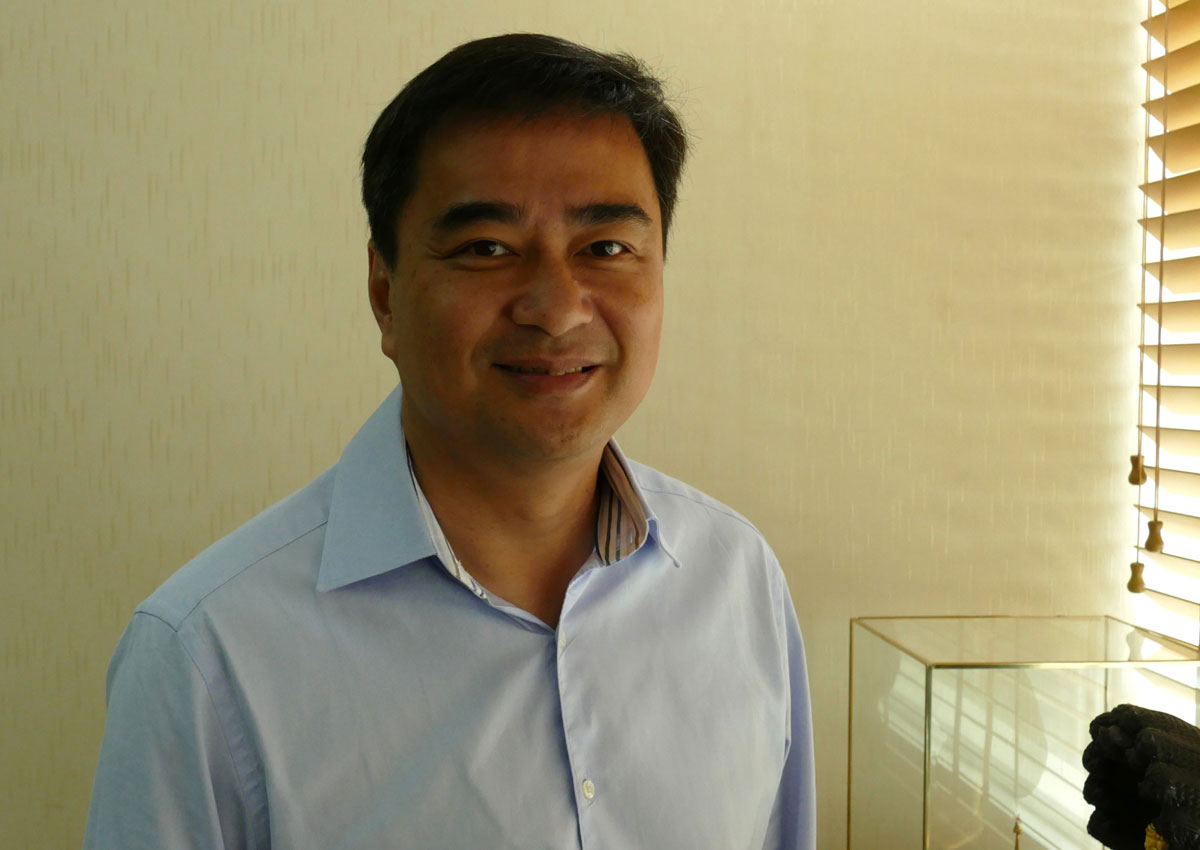

Image: 
Category: 
Publication Date: 
Friday, March 11, 2016 – 18:16
Keywords: 
Send to mobile app: 
Source: 


Hermes ID: 
2 133 531
Hermes ID String: 
JLTHAI11
Hermes Author: 
LJESSICA
Story Type: 
Others

Source link

Freedom, flexible hours drive younger Singaporeans to taxi industry

0

SINGAPORE – The National Taxi Association (NTA) saw 2,090 new members between 30 years old – which is the minimum age – and 40 years old in 2014, compared to just 350 of them four years before.
One of the younger drivers is Mr Alan Dai, 34. He is experienced…

Source link

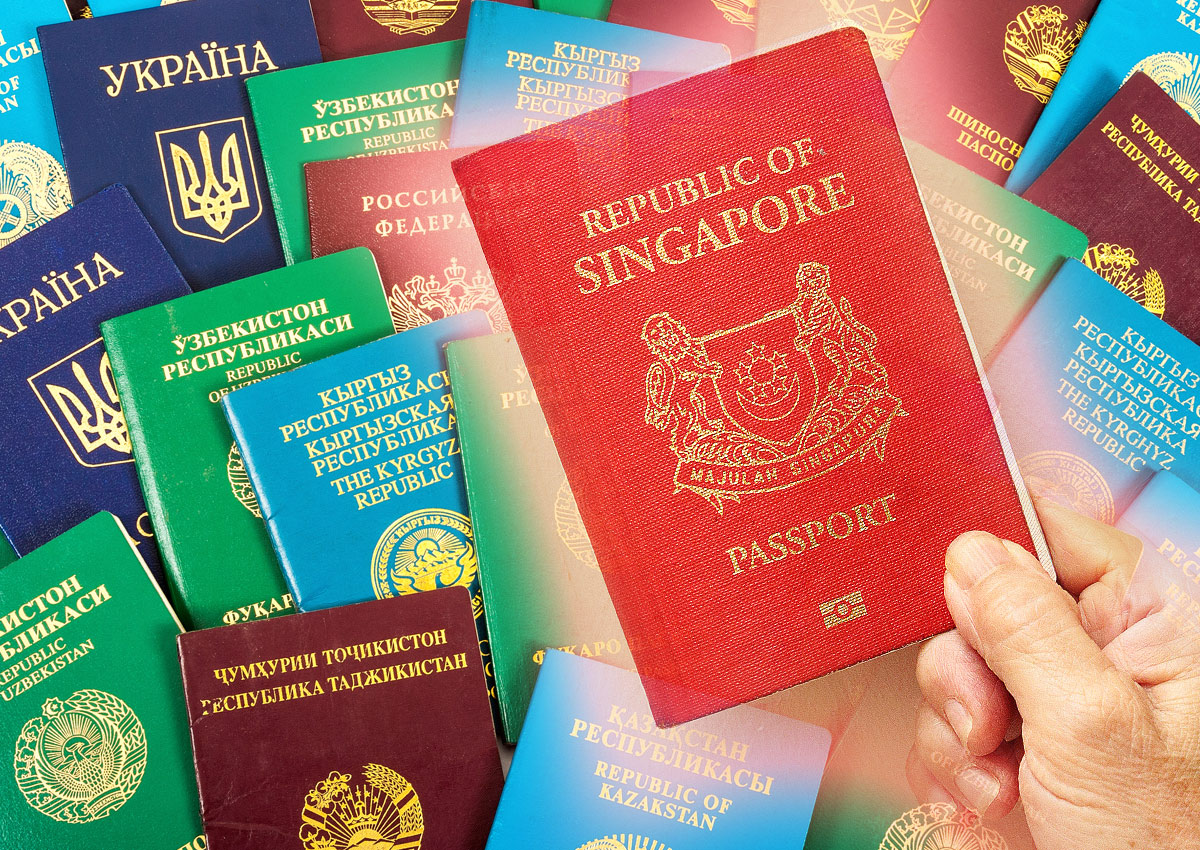
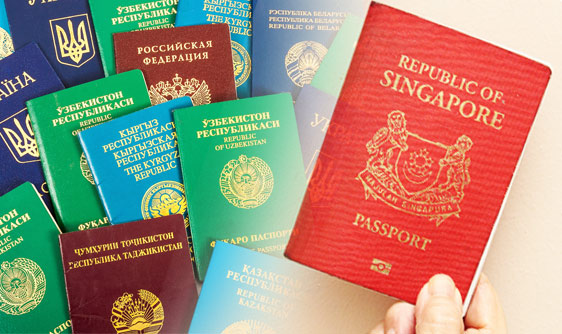
Why is Singapore's passport red?

0

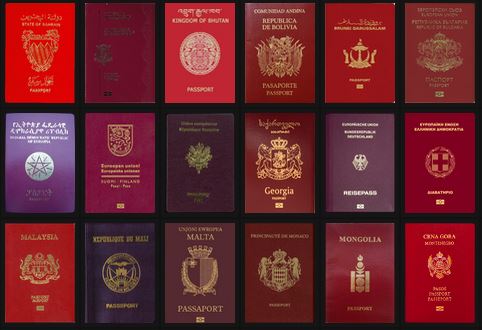
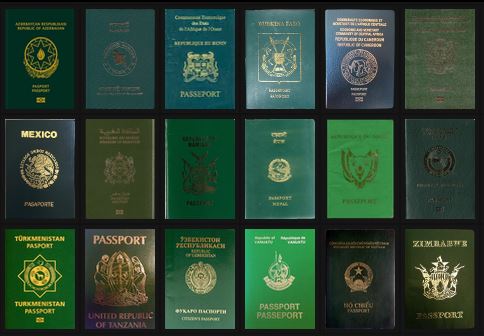
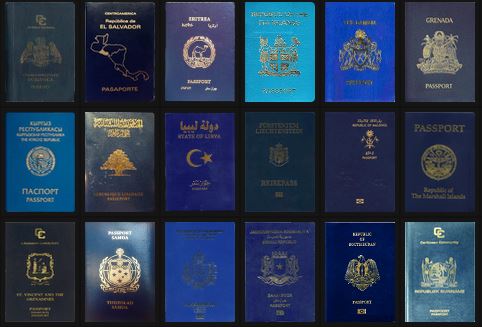
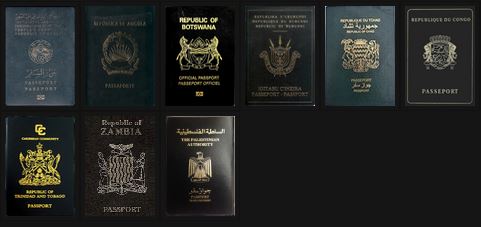
SINGAPORE – For a world with 199-passport holding countries, you would expect there to be a myriad of coloured passport covers. But no, there are just four main colours – red, green, blue and black.

Standardisation is the rule of thumb here, as the International Civil Aviation Organization (ICAO) mandates a required size and format for governments across the world. The best that each country can do is to get creative with different shades.

Interestingly, how and why each shade is chosen, has roots in deeper cultural significance.

According to Passportinfo.com, countries generally pick colours to reflect their nation’s flag, religious beliefs or even their history. Some are even grouped politically under a similar colour.

Check out how the passports are ranked here: 

Shades of red

Singapore’s and Switzerland’s passports are red to mirror the national flags.

According to Daily Mail, some communist nations or those formerly under the Communist regime also use red – a reflection of the party flag.

Countries in the European Union are recognised under a wine-coloured passport, with Croatia being the sole blue exception.

Other countries with red passports: Great Britain, China, Russian Federation

Shades of green

Islamic countries such as Saudi Arabia, Iran and Niger adopt various shades of green as a testament to their faith.

Muslims believe green to be Prophet Mohammed’s favourite colour. They also believe that the colour is fitting as the faith advocates nature and life.

Other countries with green passports: Pakistan, Vietnam, Mexico

Shades of blue

Blue is used to represent “New World” nations in the American continent such as USA, Canada and Panama.

Caribbean countries known collectively as Caricom, use dark blue covers as a symbol of solidarity in the union.

Countries in Oceania like Palau and Australia have also taken on a similar blue.

Other countries with blue passports: Fiji, Timor-Leste, Mauritius

Shades of black

Black passports are typically issued to diplomats or consuls, but that doesn’t grant them diplomatic immunity.

Aside from official purposes, black can also be chosen for practical reasons – it just doesn’t look dirty.

Aesthetically, the dark shade is also great for bringing out the country’s crest. 

debwong@sph.com.sg

Image: 
Publication Date: 
Friday, March 11, 2016 – 17:54
Keywords: 
Send to mobile app: 
Source: 


Rotator Image: 
Regions: 
Country: 
Interest: 
Story Type: 
Rewritten Story

Source link

Publishing executive dies in bus accident at Toh Tuck Avenue

0

March 11, 2016 5:06 PM

SINGAPORE – A 29-year-old woman died after being struck by a bus at Toh Tuck Avenue on Thursday (March 10) afternoon.


Source link

DBS, Credit Suisse cut Singapore's GDP forecast for 2016

0

DBS has cut its GDP growth forecast to 1.5 per cent for 2016. If this happens, Singapore’s GDP will be at the slowest pace of expansion since the global financial crisis in 2008/09.

Source link

OCBC 1-for-1 Dining Deals & Treats From 11 Mar 2016 | SINGPromos.com

1

DINING DEALS GALORE: 1-for-1 dining deals & treats for OCBC cardmembers!

Not a cardmember? Share this great list & find someone who is

OCBC 1-for-1 Dining Deals & Treats From 11 Mar 2016 | SINGPromos.com

Good news for OCBC cardmembers! Enjoy 1-for-1 dining deals and treats at outlets such as Ben & Jerry’s, Fairmont Singapore, Holiday Inn, Orchard Cafe, Swensen’s, Soup Restaurant and more

Source

Lush green: The new colour for all S’pore buses

0

SINGAPORE – It was a close fight. But commuters here have picked lush green as the preferred colour for new buses that will be taking to the roads soon as part of a new Government contracting model.
Some 57,505 valid votes were cast in the choice between…

Source link

Japan marks 5th anniversary of quake, tsunami disaster with moment of silence

0

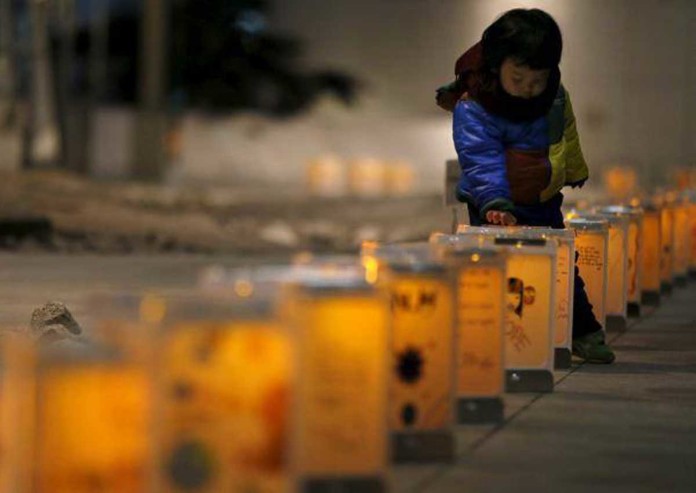
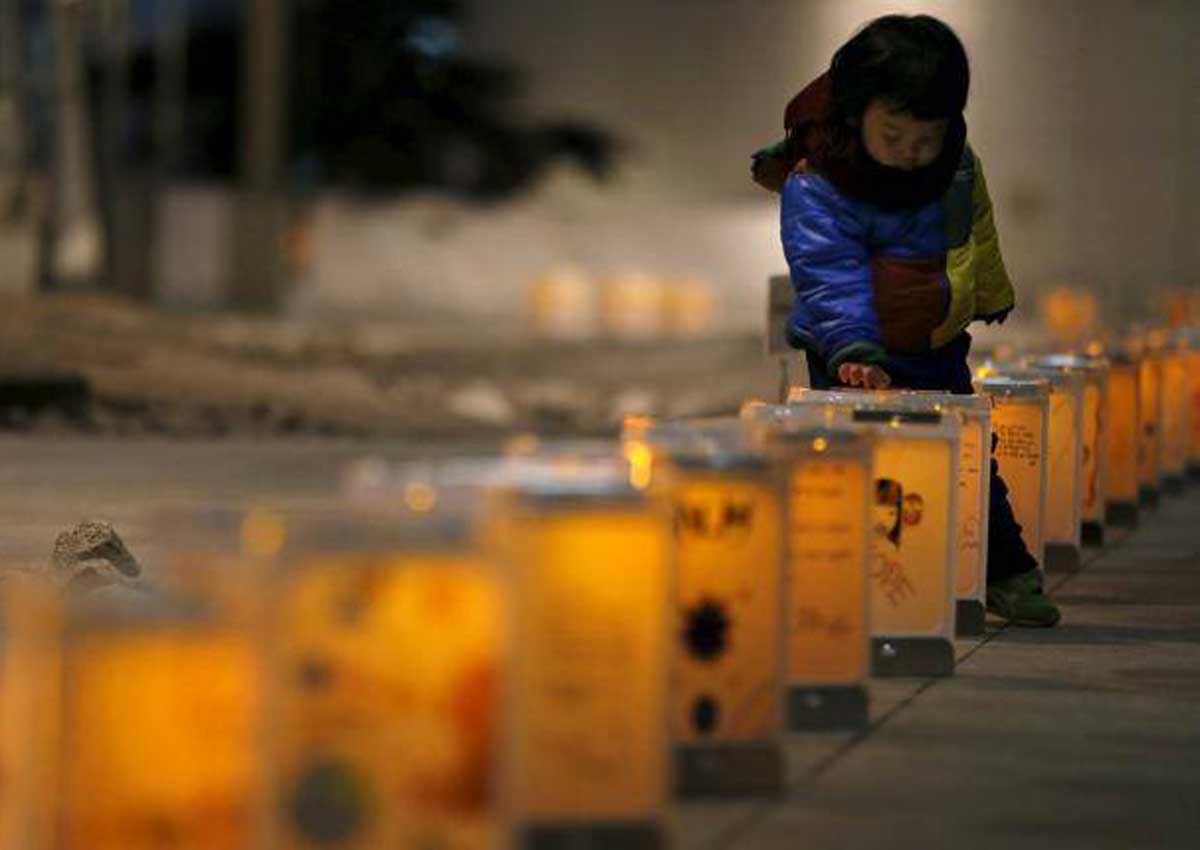
Tokyo – Japan paused on Friday to mark five years since an offshore earthquake spawned a monster tsunami that left about 18,500 people dead or missing along its northeastern coast and sparked the worst nuclear disaster in a quarter century.

Emperor Akihito, Empress Michiko, Prime Minister Shinzo Abe and other participants at a national ceremony in Tokyo bowed their heads as did many residents across the affected region at 2:46 pm (0546 GMT) – the exact moment on March 11, 2011 the magnitude 9.0 quake struck under the Pacific Ocean.

The massive earthquake unleashed a giant wall of water that swallowed schools and entire neighbourhoods, with unforgettable images spreading around the world of panicked residents fleeing to higher ground and vehicles and ships bobbing in the swirling waters of flooded towns.

The waves also swamped power supplies at the Fukushima Daiichi power plant, causing reactor meltdowns that released radiation in the most dangerous nuclear disaster since Chernobyl in 1986 and which continues to leave some areas uninhabitable.

“I hope people will remember us, that lives of evacuees are still difficult in many ways, including financially,” Kazuko Nihei, 39, said at a memorial event in a Tokyo park.

“This event is for recalling the disaster and co-operation among us,” said Nihei, who evacuated to Tokyo from Fukushima with her two daughters and now leads self-help group for mothers from the region.

The situation remains volatile in Fukushima prefecture, where the nuclear plant suffered explosions that spread radioactive material into the surrounding countryside and ocean.

The nuclear crisis forced tens of thousands of area residents to flee their homes, farms and fishing boats and at one point even led to discussions about possibly evacuating the capital area and its 30 million people.

Since then, authorities have brought the reactors to a state of “cold shutdown” and dispatched work crews to cleanse affected houses, sweep streets and shave topsoil in “decontamination” efforts.

Tokyo Electric Power, the operator of the shuttered plant, admits it has only made small steps in what is likely to be a four-decade battle to decommission the crippled reactors.

Despite growing public opposition to nuclear power as a result of the disaster, the government has pushed to restart idled reactors, saying they are essential to power the world’s third largest economy.

Japan’s entire stable of reactors was shuttered in the aftermath of the disaster but Abe and utility companies have been pushing to get reactors back in operation despite opposition and legal hurdles.

Only this week, a court ordered the shutdown of two nuclear reactors previously declared safe, demonstrating the ongoing battles over Japan’s energy policy.

The disaster had forced resource-poor Japan to turn to expensive fossil fuels to plug the energy gap left by the shutdowns.

Speaking on the eve of the anniversary, Abe told the nation that it “cannot do without” nuclear power, though vowed to reduce dependence on it.

Abe, along with other political and business leaders, has frequently visited the disaster-struck region and pledged to help rebuild the area and lives of local people.

Expensive infrastructure, including giant seawalls, are being constructed and many local businesses have managed to rebuild – including factories in the region crucial to auto industry supply chains that suffered major disruptions.

But many young families have moved away, accelerating its depopulation amid the broader greying of society, while those who have evacuated but want to return wonder if they ever can.

“For each and every one of the people whose lives were affected by the disaster, these five years must have been days of hardship and pain,” Abe said Thursday.

Image: 
Category: 
Publication Date: 
Friday, March 11, 2016 – 15:18
Send to mobile app: 
Source: 


Story Type: 
Others

Source link

S’pore should impose GST on online services: Experts

0

SINGAPORE – As more people shop online, some experts have said Singapore should start imposing Goods and Services Tax (GST) on such transactions, since the online market is worth nearly S$5 billion a year.
A tax on the digital economy is being considered by…

Source link