The prosecution says it had initially intended to seek a 12-month jail term, but increased this to 14 months after realising the Australian was “devoid of genuine remorse”.
Source link
Prosecution seeks 14 months’ jail for former TRS editor Ai Takagi
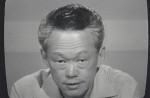
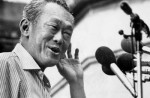
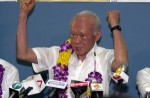
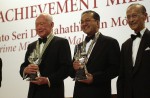
Nation to remember Lee Kuan Yew today
Across Singapore, events from tree-planting ceremonies to an academic forum and a morning walk take on special significance today.
They are among the activities planned by various groups to commemorate the death of founding Prime Minister Lee Kuan Yew at age 91 this day last year.
Organisers said these events are meant to celebrate his life as a reminder to Singaporeans of what it took for modern Singapore to be built, and what it will take to ensure the country’s success.
Singapore Polytechnic student Fu Kah Deng, 19, hopes they will be “a call to action for Singaporeans to work hard”, in keeping with what Mr Lee stood for.
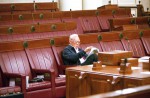
At a remembrance ceremony that will start at 11am at The Arts House, past and present MPs will pay tribute to Mr Lee by remembering the values he stood for and the principles he upheld in Parliament.
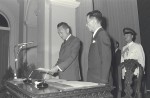
The venue – home to Singapore’s Legislative Assembly which Mr Lee entered in 1955, and to its Parliament from 1965 to 1999 – was where Mr Lee delivered many of his fiery speeches as an assemblyman and, later, as Prime Minister.
In Tanjong Pagar, the constituency Mr Lee represented for nearly 60 years until his death last year, residents and grassroots leaders will gather at Tanjong Pagar Community Club this evening to share their thoughts on Mr Lee and their aspirations for Singapore.
Vera Ang, 11, is among those slated to speak and she plans to talk about Mr Lee’s “spirit of standing firm”.
Pupils at Mr Lee’s alma mater, Telok Kurau Primary, will also pay tribute to him. A special assembly will be held in his honour at the school he attended from 1930 to 1935.
At night, a group of volunteers, brought together by People’s Action Party supporters, plans to hand out electric candles to passers-by across from the Padang, where over 450,000 people queued for hours last year to pay their last respects to Mr Lee.

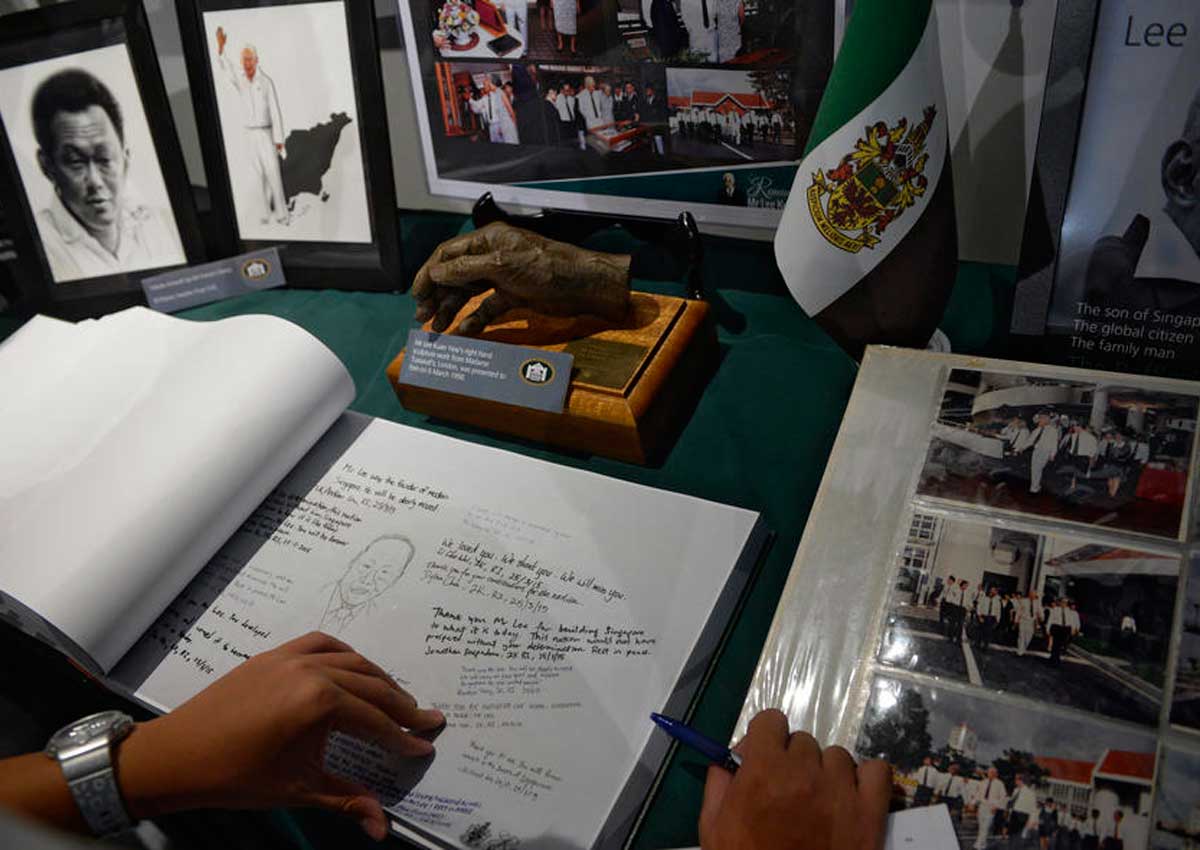
There will also be exhibitions at various museums. A new video installation by local film-maker Royston Tan will be screened at National Museum. It showcases photographs of Singaporeans during last year’s week of national mourning. Also on display is an artillery shell casing from the 21-gun salute fired during Mr Lee’s state funeral procession.
A selection of the more than 1.3 million tributes – including letters, notes, cards and artworks – that poured in after his death will be put up at the National Library.
“It’s not common for Singapore to celebrate an individual this way, and it shouldn’t be a spectacle,” said National University of Singapore (NUS) undergraduate Nhor Sharafina Sarfrazul, 22. “But Mr Lee was someone who did a lot for the country and there is a need to remember him.”
Yesterday, unionists held a ceremony to remember Mr Lee’s contributions to the labour movement.
As a young lawyer, Mr Lee represented more than 50 unions to fight for better wages for workers.
National Trades Union Congress secretary-general Chan Chun Sing, together with more than 100 union leaders, resolved to build upon Mr Lee’s legacy.
Said Mr G. Muthukumarasamy, general secretary of the Amalgamated Union of Public Daily Rated Workers: “Mr Lee may not be with us, but his philosophy never ends.”
At a separate event by the non-profit SG100 Foundation, set up to link young local entrepreneurs with experienced older mentors, 600 young Singaporeans and corporate leaders pledged to keep Singapore going beyond SG100.
Its co-founder Vernon Yim, 23, said: “Mr Lee said he didn’t want any monuments, but we want to carry on his legacy and continue his vision for Singapore to succeed. This is our way of doing so.”

This article was first published on March 23, 2016.
Get a copy of The Straits Times or go to straitstimes.com for more stories.

SMRT orders safety review after train runs into two
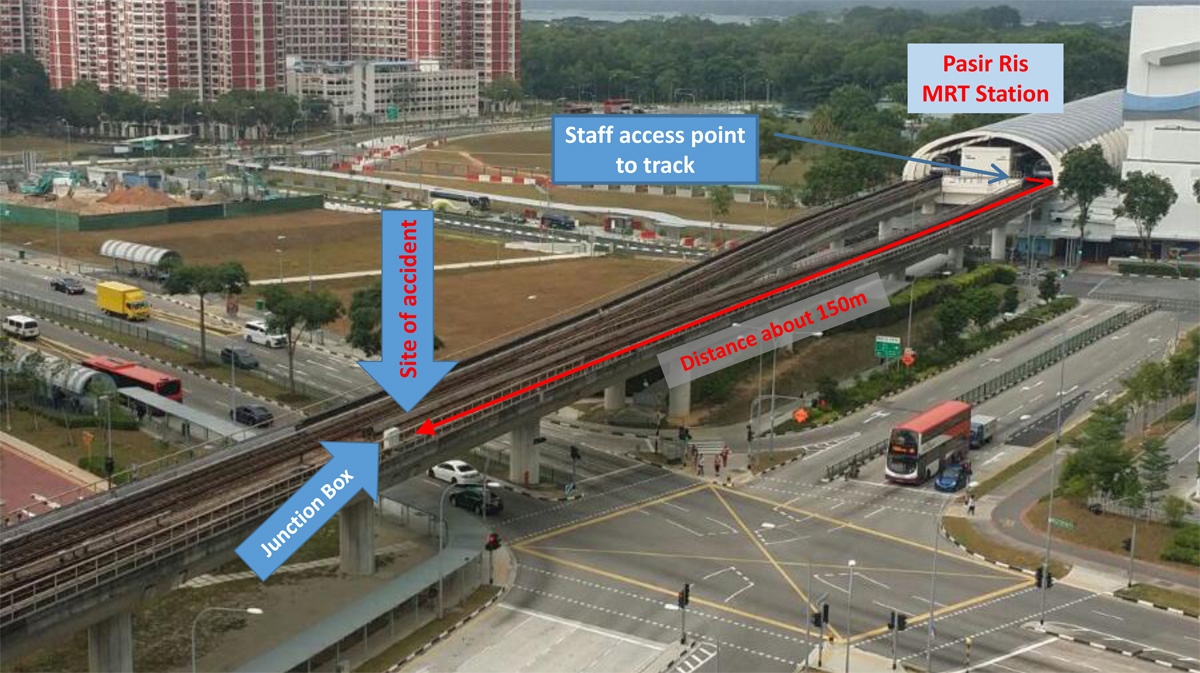
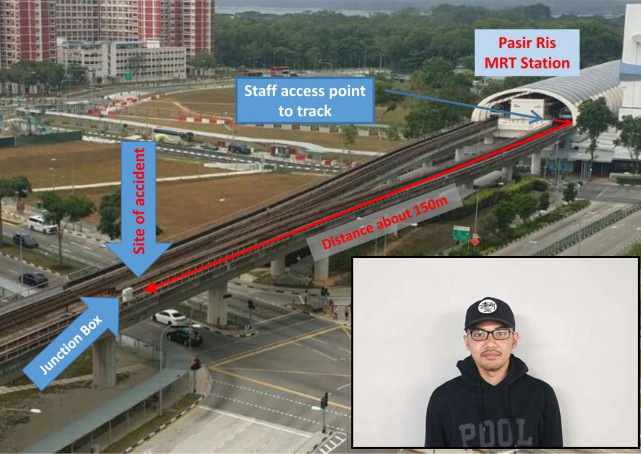
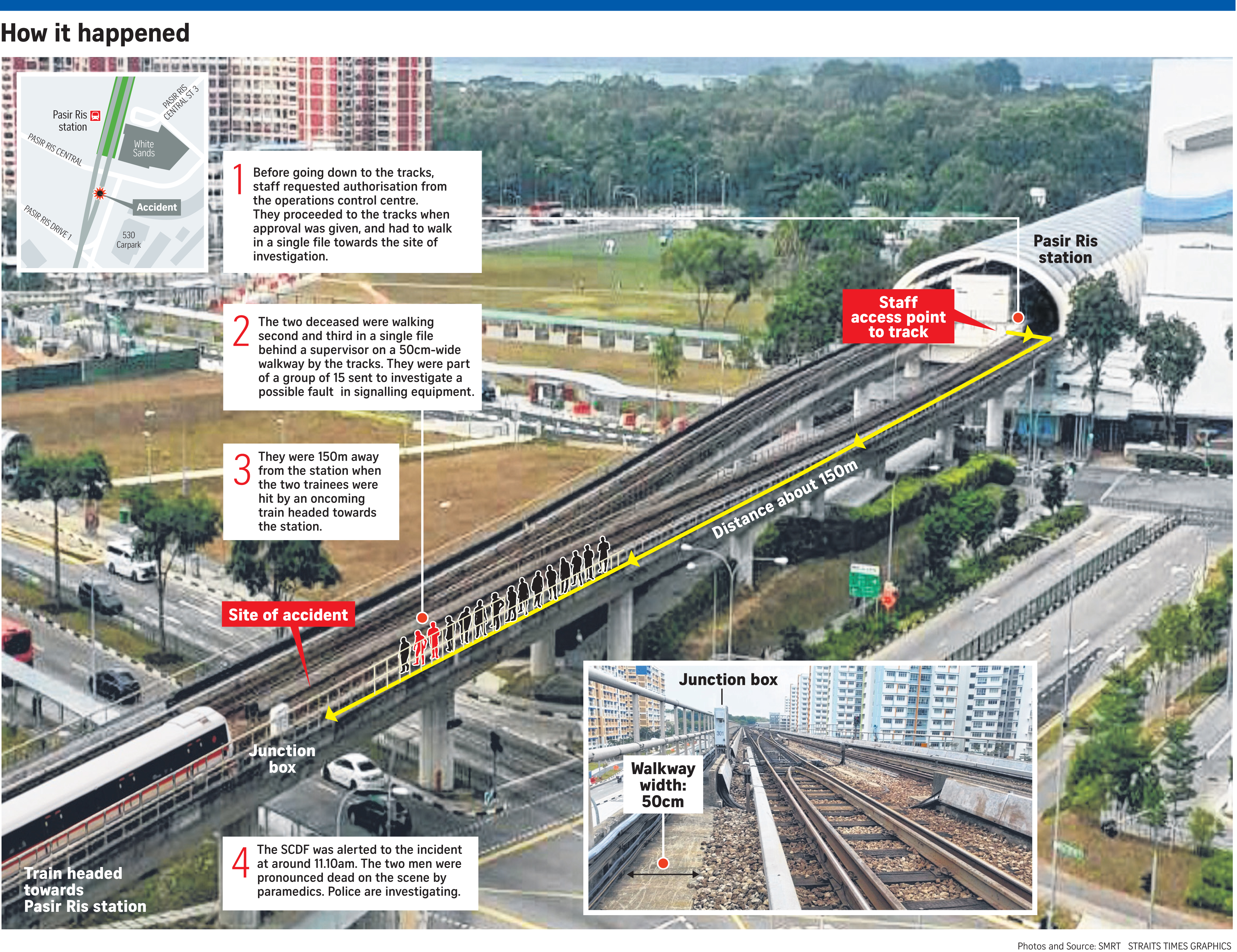
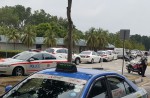
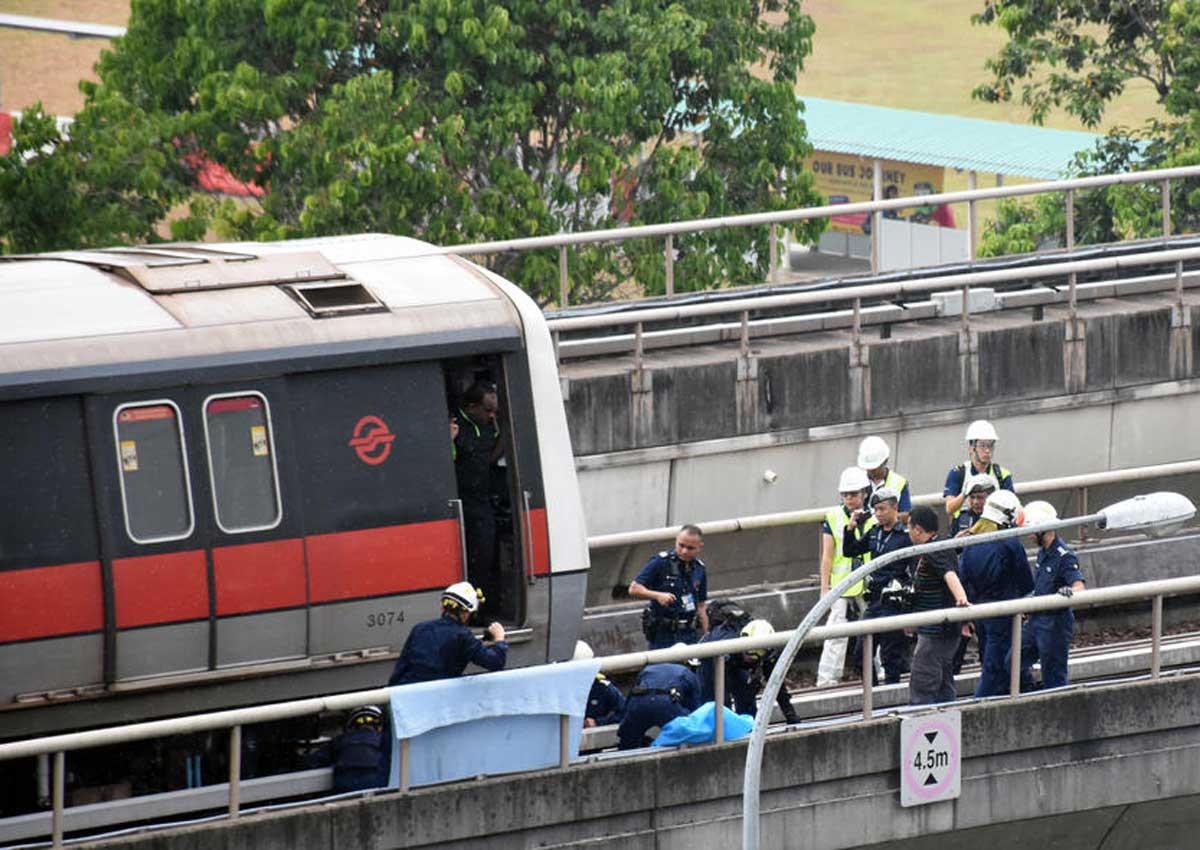
A review of safety measures has been ordered by rail operator SMRT after a train pulling into Pasir Ris Station at 60kmh ran into two trainee technical staff, killing both of them yesterday morning.
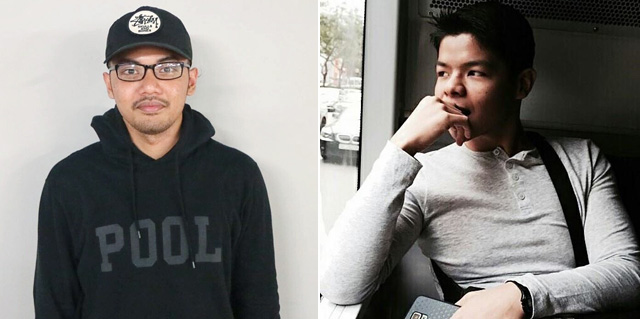
The Manpower Ministry (MOM) and police are also conducting their own investigations into the deaths of Mr Nasrulhudin Najumudin, 26, and Mr Muhammad Asyraf Ahmad Buhari, 24, both of whom had joined SMRT just two months ago.
Mr Muhammad Asyraf Ahmad Buhari (left) and Mr Nasrulhudin Najumudin. (Photo: Facebook)
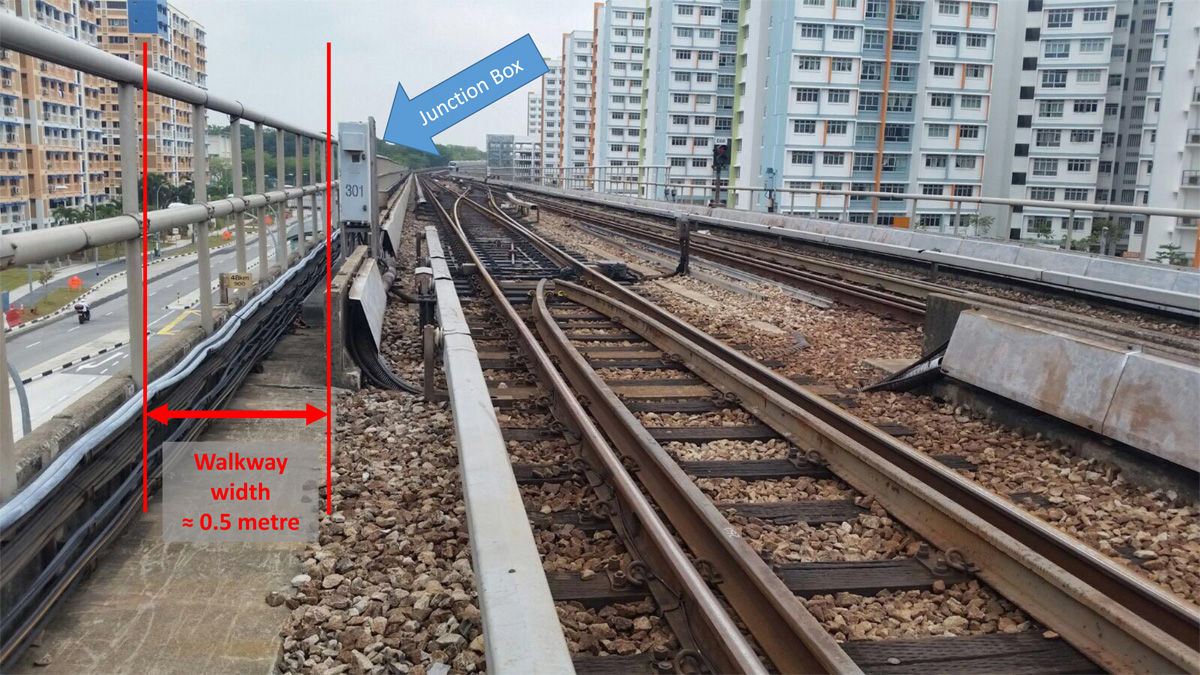
It remains a puzzle why the pair were hit about 150m from the station, when 13 other staff who were walking single-file with them on a 0.5m-wide access walkway were unhurt. The two, who were getting on- the-job training, were second and third in the line, behind a supervisor.
SMRT said excursions onto the track level are a regular occurrence, happening a few times a month.
The crew in the incident had been authorised to walk to a point machine, which switches tracks for trains and was located about 200m away from the station.

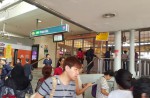
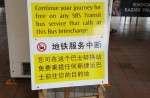
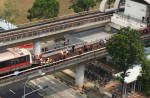
The 11.10am incident forced the temporary shutdown of Pasir Ris MRT station, on the East-West Line, and train services to and from Tanah Merah were suspended for three hours, affecting up to 15,000 commuters. The 35 passengers who had been on the train had to walk on the tracks to the station.
SMRT chief executive Desmond Kuek said: “Exactly how it is that they (the two men) were hit by an oncoming train when there was a clear line of sight, and when there was a supervisor ahead of them, is the subject of the investigation.”
No CCTV cameras are located on the part of the track where the accident took place, but SMRT said it is interviewing the other staff members who were out with the two men. Asked why the two junior staff were allowed near the tracks, SMRT Trains managing director Lee Ling Wee said: “After proper training and safety brief, it is all right for them to access the track.”
Mr Nasrulhudin and Mr Asyraf were pronounced dead on the scene by paramedics. Their bodies were removed from the tracks at about 1.25pm, and colleagues could be seen in tears. Mr Asyraf’s parents are in Saudi Arabia on a pilgrimage, while Mr Nasrulhudin’s father is believed to be also working for SMRT.
Offering his condolences to the two families, Prime Minister Lee Hsien Loong posted on Facebook: “Whether it turns out to be an unforeseeable mishap, an individual lapse or a system problem, we must do our best to ensure this does not happen again.”
Saddened to learn about the deaths of two SMRT trainees today. My deepest condolences to their families. We understand…
Posted by Lee Hsien Loong on Tuesday, March 22, 2016
“I am extremely saddened that two young workers had lost their lives while undergoing on-the-job-training at the…
Posted by Singapore Ministry of Manpower on Tuesday, March 22, 2016

This article was first published on March 23, 2016.
Get a copy of The Straits Times or go to straitstimes.com for more stories.

Nicky Wu had to marry and divorce his ex again in Taiwan to wed Liu Shishi: Report
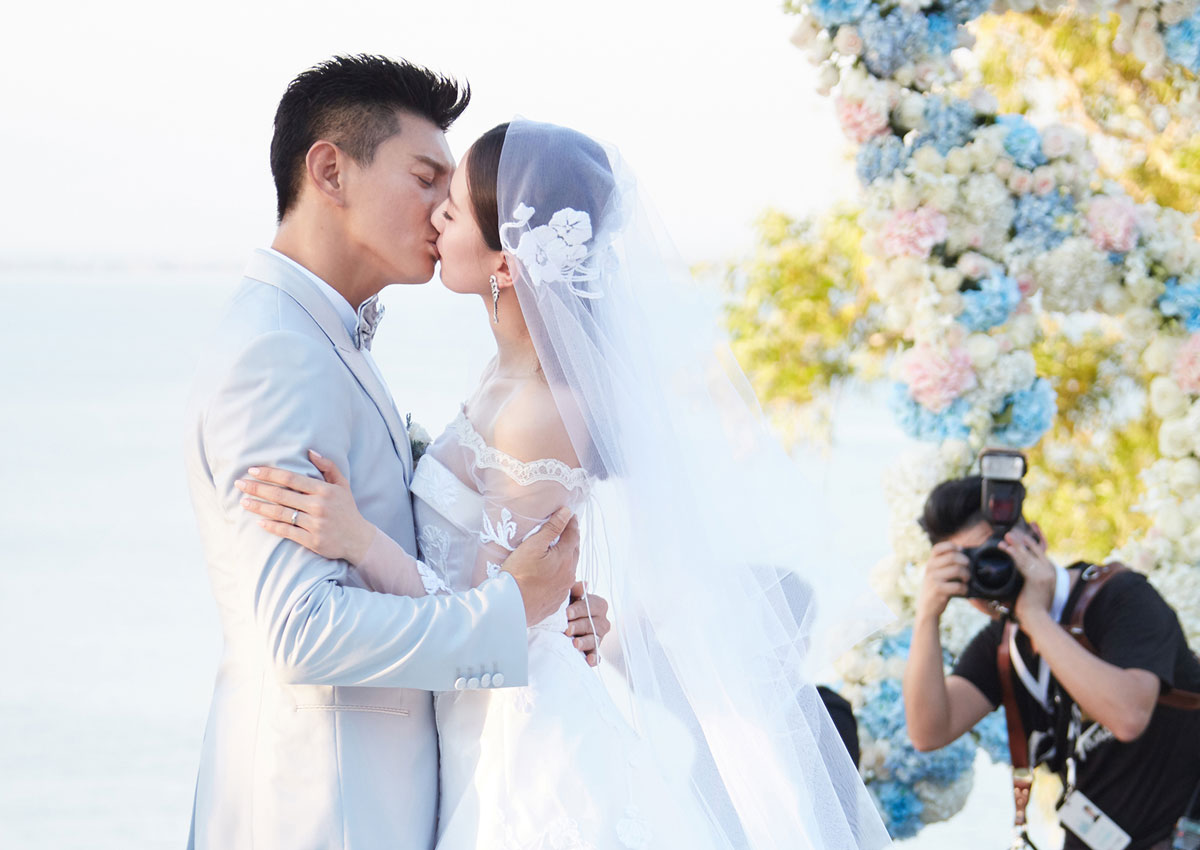
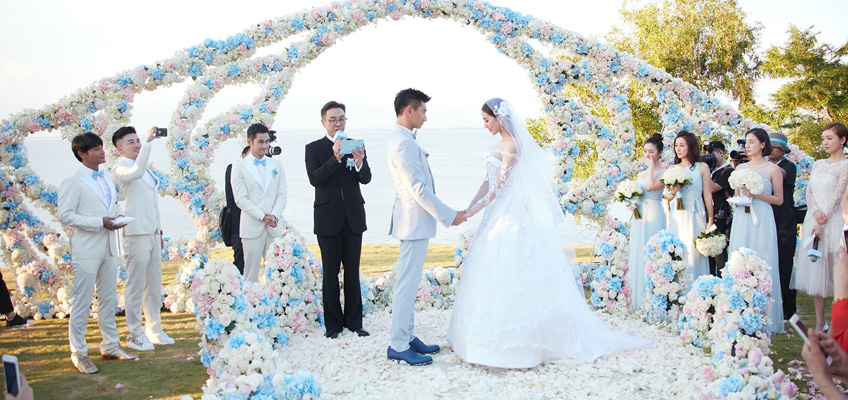
BALI – Taiwanese actor Nicky Wu went through a lot of trouble to marry Chinese actress Liu Shishi. He had to go through the legal procedure of marriage and divorce again with his former wife, Chinese actress Ma Yashu, in Taiwan, in order to wed Liu, said Taiwan Apple Daily.
His mother spoke about his past and present marriages in an interview with the newspaper in Bali on Monday, a day after his lavish wedding to Liu at a resort.
She sounded apologetic when she said Ma did not get a wedding during her three-year marriage, which ended in 2009, said the report.
Wu rose to fame in pop trio Little Tigers before he switched to acting, mainly in the mainland. From about 1989 to 2001, he worked to pay off his father’s debts of NT$80 million, said the report.
Ma once said on a Taiwan television show Wu gave her a 5.31-carat engagement ring. But on a mainland show, she said that she paid for the ring with her own credit card and that they did a roadside bridal shoot.
Wu’s mother said: “He wasn’t doing very well, he had shoots but wasn’t very popular, so he didn’t really give her a wedding, didn’t give her those.”
She said he did give Ma a property when the marriage ended, but the actress, who married an Australian in 2010, challenged the claim. Ma, 40, said she paid Wu for the house in Beijing that she still lives in.
The former couple did not register their marriage in Taiwan, after Wu was interrogated like a criminal just about his application for a Taiwan entry permit for Ma, his mother confirmed.
So complications arose when Wu and Liu wanted to register their marriage in Taiwan after obtaining marriage certificates in the mainland last year, said the report.
Wu, 45, and Liu, 29, met on the set of Scarlet Heart, the 2011 hit drama that has recharged his career.


Singapore to use 2016 budget to allay recession risks
Singapore’s government will use its latest budget to boost an economy at risk of technical recession, steering away from the recent focus placed on social spending sweeteners in one of the world’s most expensive cities.
Since 2012, Singapore’s ruling People’s Action Party (PAP) has concentrated its firepower on alleviating livelihood concerns, with measures aimed at addressing the widening income gap, under-investment in public housing and over-burdened transportation infrastructure.
The steps were “a wake-up call for the incumbent party after suffering its lowest public approval ratings in the 2011 general elections,” observed Francis Tan, economist at United Overseas Bank (UOB).
But when new finance minister Heng Swee Keat reveals the 2016-2017 annual budget on Thursday, he’s expected to address ways to lift gross domestic product (GDP) growth from a six-year low in 2015. With both manufacturing and services sectors on the decline, Singapore could enter a technical recession in the first half of 2016, according to major banks.
“The FY15 Budget theme was ‘building our future, strengthening social security,’ but the FY16 budgetary focus will clearly shift back to strengthening the economy by helping companies overcome challenges,” summarized Selena Ling, economist at OCBC.
That means policies will be directed at helping local companies improve revenues and cushion labour market risks, according to widespread consensus.
A return to surplus
Singapore’s accounts are expected to return to surplus this year after the government booked a rare deficit last year; 2015 figures may show the largest shortfall in over seven years at $4.9 billion.
Market players like UOB are betting on a 2016-2017 surplus of around $2.3 billion, or 0.76 per cent of GDP, and local regulations could motivate the government to avoid bleeding red.
“According to Singapore’s constitution, any deficits must be offset by surpluses in other years of the government’s term. As this is the first year, there are no accumulated fiscal reserves, meaning that, if there is a deficit this year, the government will have its fiscal hands tied in future years – which could be problematic if the growth outlook deteriorates. Accordingly, the government is likely to target a neutral fiscal stance,” HSBC explained in a report.
The government also has the capacity to introduce additional fiscal stimulus programs later in the year, outside of the budget, should growth stall.
“One plausible scenario in our view is that the FY16 Budget could be ‘prudent’ in that it does not run an outright deficit position, but allow room for off-budget measures at a later stage should the economy require it,” Ling said.
Enhancing top lines
A gloomy demand outlook and rising business costs has weighed on corporate profits, reflected by a 0.4 percentage point drop in the median return of assets of listed companies in the second quarter last year, according to latest central bank data.
Reduced levies on foreign workers, i.e. the monthly fee local businesses must pay for each foreign worker, could help ease the burden, explained Irvin Seah, economist at DBS.
“Foreign worker levies have been gradually raised in recent years as part of a suite of policies aimed at weaning companies off cheap foreign labour. This has been a major pain point for companies…higher levies add only to higher costs and thinner margins without contributing much to regulating foreign worker inflows.”
Last year’s budget announced a one-year halt on levy hikes and companies have been requesting for an additional deferral this year.
Tax rebates on income derived from abroad to encourage internationalization could however be on the cards, he said. That’s especially important for trade-reliant Singapore, where growth in external-oriented sectors has lagged that of domestic sectors for the past 16 consecutive quarters, UOB’s Tan said.
A special focus may be applied to small-and-medium term enterprises (SMEs), one of the worst hit sectors in the economy. With average profits of the top 1,000 SMEs slumping 9.1 per cent last year, according to credit information bureau DP Information, the government may announce a combination of tax relief and improved development schemes for start-ups.
Hardening the labour market
Singapore’s unemployment rate is low at 1.9 per cent but job creation has greatly stalled over the past year. Only 31,800 jobs were added in 2015, the lowest since the SARS outbreak in 2003, as a result of the slowing economy, pointed out Seah.
Measures to enhance employability of local workers, especially older or low-wage residents, are expected in the form of training schemes and higher wage ceilings, he noted.
Boosting labour productivity could also top the government’s agenda, said Tan.
“Real wages had been rising at 1.1 per cent per annum in the 2010-2015 period. However, real productivity growth was only gaining at 0.4 per cent. If this continues, Singapore will lose out in terms of cost competitiveness in the medium term,” flagged Tan.
Lite sweeteners
2015 was an important year in Singapore’s history as the city-state celebrated its 50th year of independence and marked the passing of its founding father, Lee Kwan Yew. In reflecting the jubilee goodwill, last year’s budget was full of social benefits, including income supplements and healthcare for the elderly.
“But there may not be any blockbuster [social] goodies in this coming Budget,’ warned OCBC’s Ling.
Still, the government can’t completely afford to ignore social safety nets this year.
“Given sustained high cost of living concerns, a further enhancement of Workfare Income Supplement may be on the cards given the last enhancement was in 2013. In particular, the government could further incentivize the employment of elderly Singaporean workers given the demographic ageing,” Ling said.
<img src="http://www.asiaone.com/html/images/logos/CNBC_resized.jpg" border="0"

Early morning events kick off day remembering Lee Kuan Yew
March 23, 2016 9:02 AM
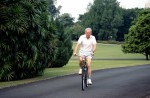
SINGAPORE – Mr Lee Kuan Yew’s penchant for morning walks inspired about 600 participants to gather at Dhoby Ghaut Green before sunrise on Wednesday (March 23), kicking off a poignant day marking the first death anniversary of Singapore’s founding Prime Minister.
SMRT fatal accident: We must do our best to prevent repeat, says PM Lee
This is regardless of whether it turns out to be an “unforeseeable mishap, and individual lapse or a system problem”, says Prime Minister Lee Hsien Loong.
Source link
No water rationing needed yet but do save water: Masagos
Water rationing is not yet on the cards for Singapore but people should save water in their own ways, said Minister for the Environment and Water Resources Masagos Zulkifli yesterday.
“We have not had water rationing since 1964 and I don’t think that, with all the preparation we have in place with Newater and desalination, we would have to do so.
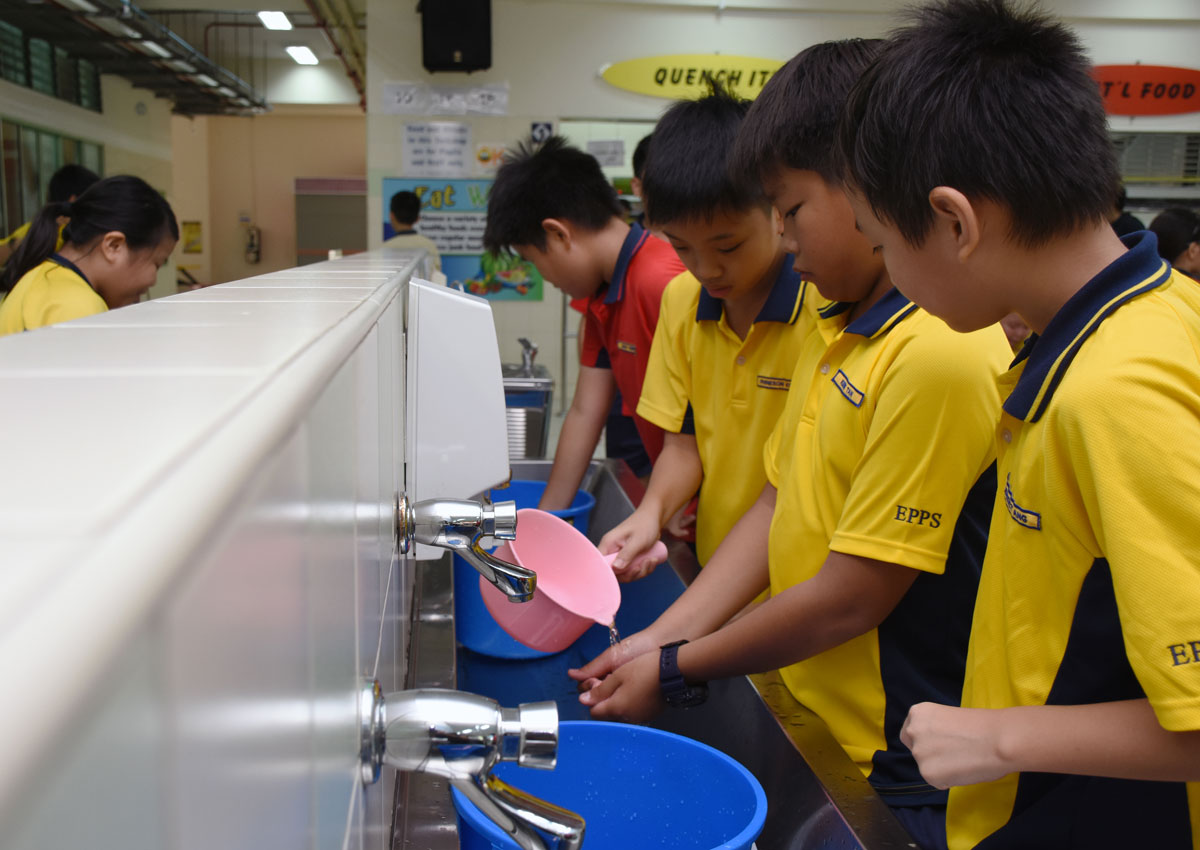
“However, it does not mean that we should take our water supply for granted,” he told reporters yesterday at a water rationing exercise to mark World Water Day at Elias Park Primary School.
Water levels in the Linggiu Reservoir in Johor – which can supply about 60 per cent of Singapore’s water needs – are now at 42 per cent, he added. This is only slightly above the historical low of 41 per cent recorded in October last year.
Mr Masagos urged Singaporeans to change their water usage habits by taking shorter showers or by using a cup and turning off the tap when brushing teeth, for example.
It was previously reported that reservoir levels were lowest at 43 per cent in November last year. But national water agency PUB clarified yesterday that the historical low was 41 per cent in October.
Dry weather has caused a steady depletion of water in Linggiu Reservoir since the prolonged dry spell experienced by Singapore and the region in early 2014. In August last year, they dropped to 54 per cent and dipped further to 43 per cent last November.
The north-east monsoon season in December had raised water levels to almost 50 per cent in January this year but they have since fallen to the current 42 per cent.
Singapore can draw up to 250 million gallons a day (mgd) from the river, but there were four seawater intrusions which temporarily disrupted plant operations this year.
The Linggiu Reservoir, located upstream of the Johor River, collects and releases rainwater and pushes sea water back into the sea, to ensure that the river water is not too salty to be treated by the Singapore-run treatment plant there.
PUB has been pumping an average of 16 mgd of Newater a day since the start of this month to the reservoirs here to keep local reservoir stock at a healthy level.
On recent suggestions to make water more expensive, Mr Masagos said water prices here are based on the long-run marginal cost of water, which refers to the cost of producing the next drop of water from the desalination and Newater plants.
He said: “So as long as we are within the long-run marginal cost of producing this water, we will keep water prices at that level.”
According to PUB, the price of potable water for domestic households is now about $1.50 per cubic m, or 1,000 litres, (not including GST) for households using 40 cubic m or less per month. Each Singapore resident uses 150 litres of water per day, enough to fill almost two bathtubs.
audreyt@sph.com.sg

Get MyPaper for more stories.

iPhone SE to be rolled out here next Thursday
APPLE’s newly announced iPhone SE, successor to the iPhone 5s, will be launched in Singapore next Thursday, marking a renewed attempt at the mid-range market here.
Singapore will be one of the first 12 markets – including the United States, China and Japan – to start selling the 4-inch iPhone next week.
Apple is taking pre-orders from today at prices starting at $658 for the basic 16GB model. The 64GB model goes for $828. Neither comes with telco contracts.
The iPhone SE has the same basic design as the iPhone 5s, which was launched in September 2013, but sports the souped-up innards of the premium iPhone 6s launched last year.
For instance, the iPhone SE has the same processor, and 12-megapixel rear and 5-megapixel front-facing camera as the iPhone 6s. It supports the Apple Pay e-wallet function, and is able to take ultra-high definition 4K videos and moving images called Live Photos.
It is smaller than the 4.7-inch and 5.5-inch display sizes of the iPhone 6s and 6s Plus, respectively.
IDC Asia-Pacific research manager Kiranjeet Kaur said the new phone is Apple’s renewed attempt at penetrating the mid-range market, which it used to serve with the iPhone 5s.
“Apple stopped shipping the iPhone 5s to Singapore from the second quarter of last year,” she said, adding that the iPhone 5c, launched here in September 2013, was also unable to capture this segment as it was considered too expensive ($848 for a 16GB model) for its outdated features and design.
Clement Teo, a senior analyst at market research firm Forrester, said the new iPhone SE will attract only a small group of users here.

“Most people have embraced the iPhone 6 and 6 Plus with enthusiasm,” he said.
Violin teacher Eileen Chai, 38, belongs to this group of users.

“A smaller phone is easier for me as I have small hands. It fits easily in my pocket too,” she said. She has been waiting for an upgrade to the iPhone 5s, which she is using now.
Another iPhone 5s user, Beatrice Tan, 24, said she wants a 32GB model, which Apple is not offering.
“I would upgrade to the iPhone SE but why is there no 32GB model?” asked the account executive.
Meanwhile, there is still demand for a used iPhone 5s in the second-hand market in Singapore.
Ian Tan, senior director for marketing at used-phones e-marketplace Andios, said demand is as high as that for a used iPhone 6.
Andios has seen several hundred used iPhones transacted since last November.
Around half are the iPhone 6 while the rest are a mix of iPhone 5 and 5s.
trevtan@sph.com.sg

Get MyPaper for more stories.

AXA Life Insurance to be 6th IP insurer
PEOPLE looking for health insurance coverage for private care will have more to choose from when a sixth player joins the Integrated Shield Plan (IP) market.
The Straits Times understands that AXA Life Insurance Singapore will be given the go-ahead from the Government soon to offer its range of hospital coverage with premiums payable with Medisave.
About two in three of the 3.9 million Singaporeans and permanent residents here have IPs. These are for coverage of treatments at private hospitals, and public hospital classes A and B1.
Applauding the move, Professor Euston Quah, head of Department of Economics at Nanyang Technological University, said: “It is important to have more players to raise the number of choices and to increase competition among the players.”
But Associate Professor Phua Kai Hong, of the Lee Kuan Yew School of Public Policy at the National University of Singapore, said private insurance will only drive up healthcare costs.

He asked: “Is it desirable to have more people opting for private insurance when it is marketed extensively and perceived that subsidised care is inadequate?”
There are currently 26 IPs provided by five insurers.
Seven of the IPs no longer accept new members.
If AXA offers one plan for each category – namely, private, A1 and the standard B1 plan that all insurers have to offer from May – it will bring the total number of IPs that are still recruiting to 22.
These plans are called IPs because they have to integrate the basic national health insurance MediShield Life, as part of their plans.
This means that part of the premiums they collect is passed on to the Central Provident Fund Board, which runs MediShield Life, a scheme targeted at subsidised care in public hospitals. When patients make claims, part of the payout comes from MediShield Life.
Today, the amount of premiums charged by different insurers can vary significantly.
For more expensive plans for older people, the difference in premiums can be almost $3,000 a year.
This could be as some insurers have a far larger share of the pie than others, and can spread the risk over a larger pool of members.
As a newcomer, AXA is expected to price its products competitively to grab as much of the market as quickly as possible. Historically, premiums go up every couple of years to reflect higher healthcare costs.
The market is gearing up for another round of premium rises expected towards the end of this year, when the one-year moratorium on premium increases following the introduction of MediShield Life on Nov 1 last year expires.
salma@sph.com.sg

Get MyPaper for more stories.