On the first anniversary of Mr Lee Kuan Yew’s death, past and present parliamentarians gathered at the Arts House for a remembrance ceremony.
Source link
Parliamentarians gather to remember founding Prime Minister Lee Kuan Yew
Former TRS editor Ai Takagi jailed 10 months for sedition
SINGAPORE – The former editor of The Real Singapore (TRS), Ai Takagi, has been jailed ten months on four charges of sedition on Wednesday (March 23).
According to media reports, the 23-year-old Australian pleaded guilty to four out of seven counts of sedition in total for articles published on TRS, which were alleged to incite hostility between races and classes in Singapore. These articles were published between October 2013 and February last year.
Takagi’s 27-year-old Singaporean husband Yang Kaiheng, who also ran the website with her and faces similar charges, has denied his charges and is claiming trial.
According to Channel NewsAsia, Takagi’s lawyer revealed that she was pregnant and urged the court to consider “not what she has done wrong, but what she has the potential to put right”. She also publicly apologised in court for her actions.
Last May, the Media Development Authority ordered the pair to take their website offline, adding that “the foreign editors were responsible for several articles that sought to incite anti-foreigner sentiments in Singapore”.
The TRS former editors are accused of driving up traffic to the website by intentionally fabricating articles to make them more inflammatory and falsely attributing them to innocent parties. One such article published falsely reported that a Filipino family had caused an incident between the police and participants of the Thaipusam procession.
Local media reports stated that TRS earned over A$473,000 (S$488,000) in advertising revenue from December 2013 to April 2015.
For each count of sedition, Takagi faces up to three years’ jail, a fine of $5,000, or both.
stephluo@sph.com.sg

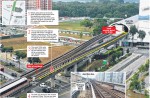
'It is not known how men got on track'
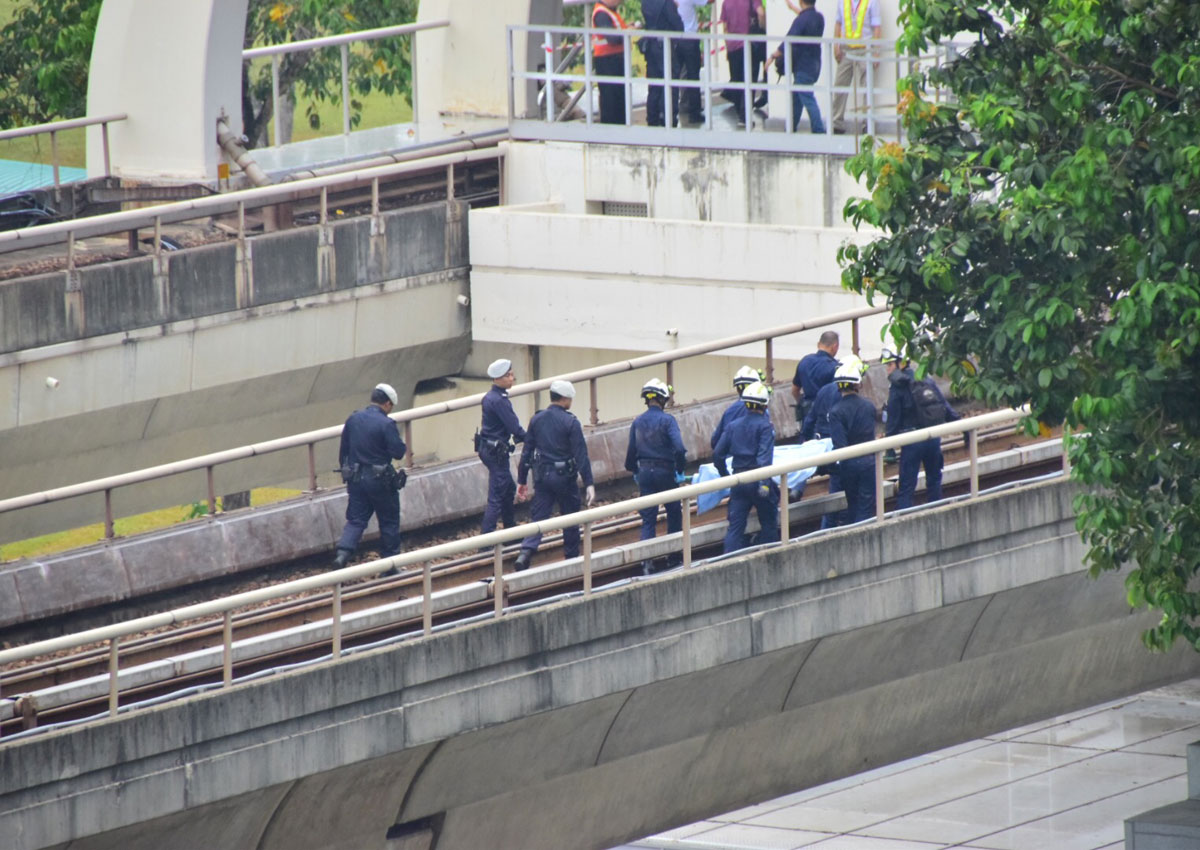
SMRT held press conference yesterday evening to answer questions on death of its two employees.
Why were the two men on the trackway?
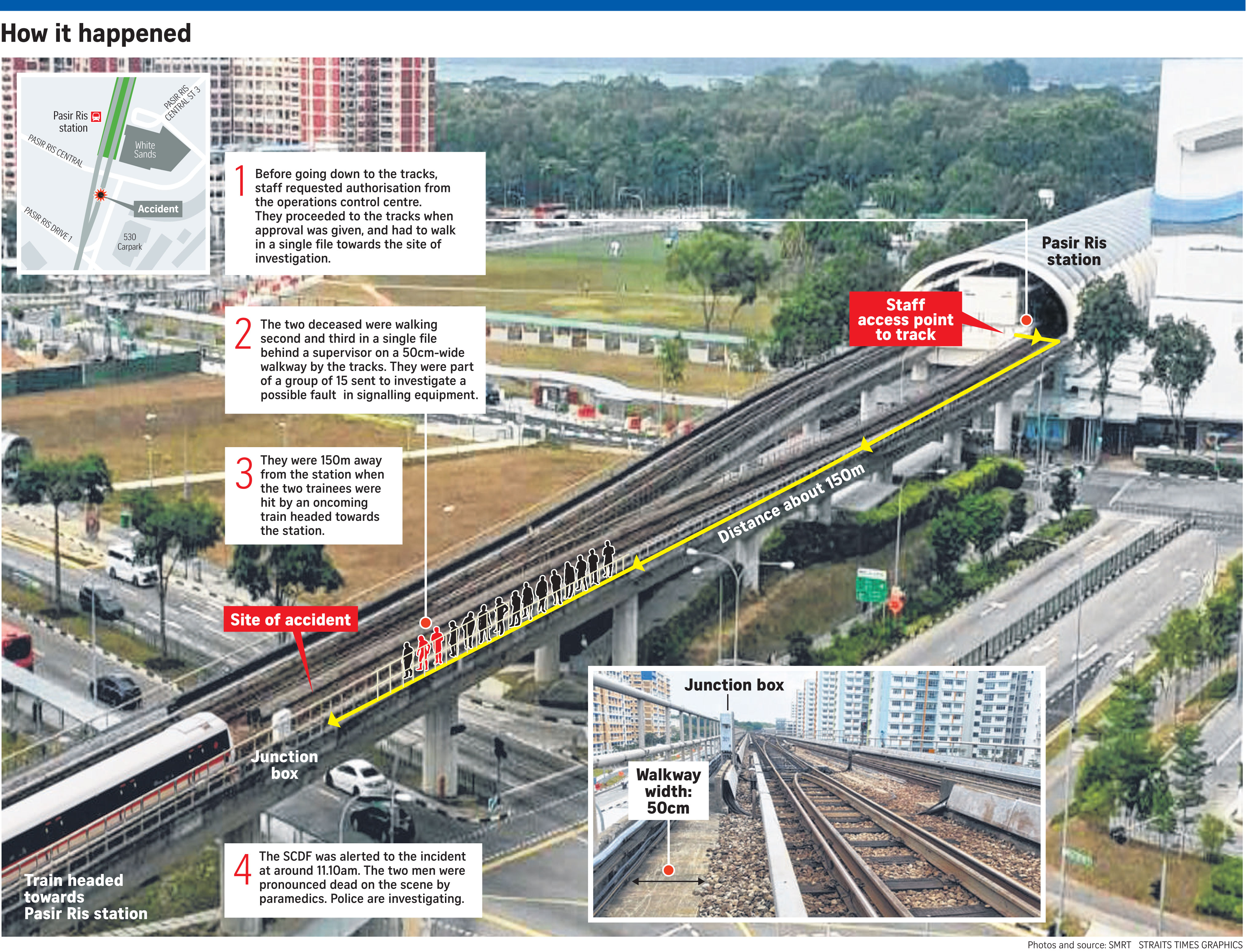
The two men were part of a 15-member team comprising track and signalling technicians who were sent onto the trackway.
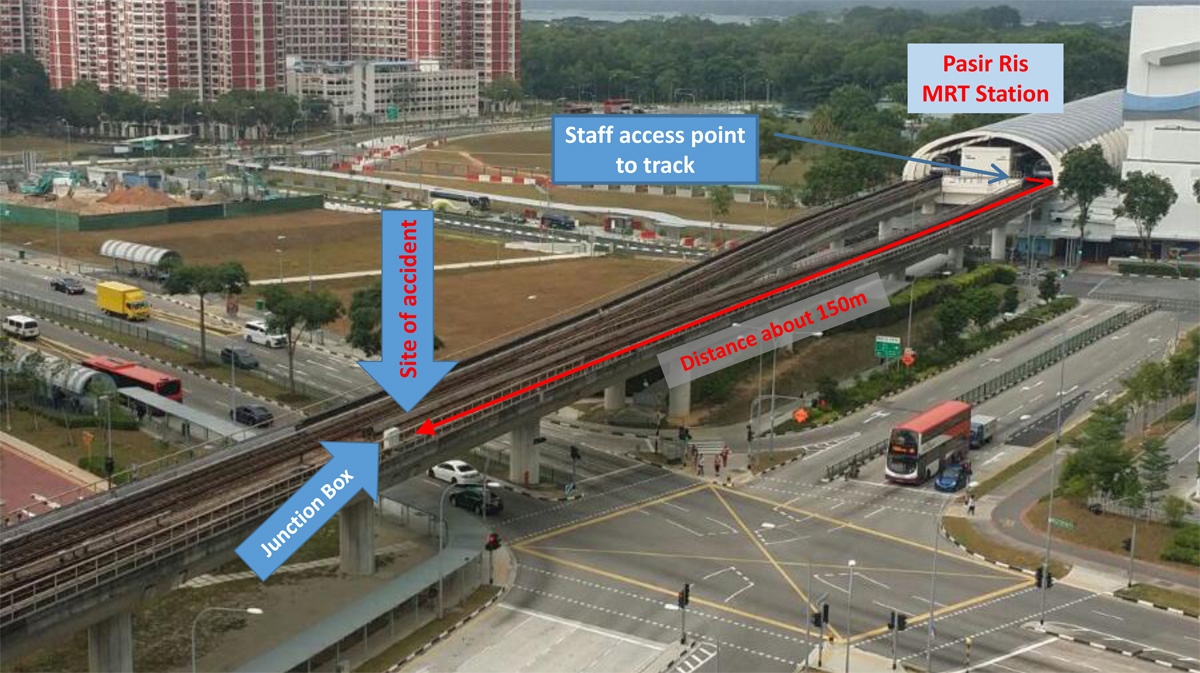
Members of both teams had gone to determine the cause of an alarm that had gone off at a servicing point about 150m from the platform.
The two deceased were undergoing on-the-job training at the time of the accident, which was about 11.10am.
How did the accident happen?
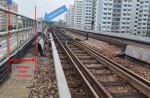
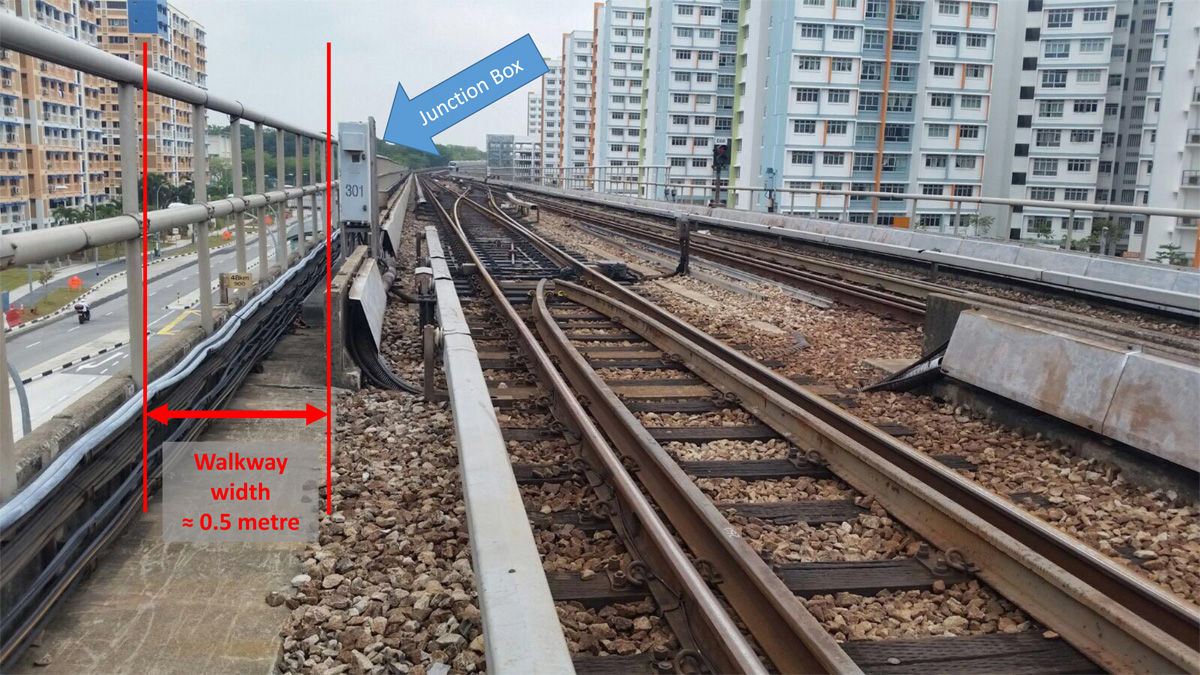
SMRT’s findings showed that the team was moving in a single file on the walkway beside the track, towards the servicing point.
A supervisor was at the head of the line and the two deceased were directly behind him.
The rest of the team was following behind.
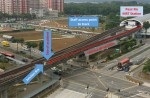
The team was walking in the opposite direction of the oncoming train that was heading towards Pasir Ris station.
It is not known how the two men got on the track or got close enough to the train.
Where did the accident happen?
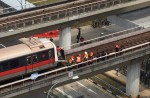
The accident happened about 150m from the station platform.
How fast was the train travelling?
At about 60kmh.
Was the train captain alerted that there were people on the track?
Train captains and drivers typically keep a lookout and can see what is on the track as they pass through. They also get alerts about activities taking place on the trackway.
SMRT is investigating if the train captain was aware that there were people on the track.
Why are people allowed on the track when the trains are in operation?
Carrying out track maintenance works while trains are running, whether during operating or non-operating hours, is standard.
Whenever a train fault is detected, SMRT has to investigate and determine the cause.
Occurrences where employees enter the track while the trains are still running happen a few times a month.

What is the protocol when SMRT employees enter the track?
All employees, permanent as well as trainees, are trained on safety issues before they can access the track.
SMRT employees need to first request for authorisation from the operation control centre and are allowed access to the track only after they get approval.
They will then walk in a single file along the walkway and have to ask for second permission for the power to be temporarily switched off.
In this case, the team got consent to enter the track, but the accident happened before it could ask for power to be cut.
How safe is it for employees to walk on the walkway?
There is a distance between the walkway and the track. Employees have been using this walkway to do maintenance all along and it is a safe passage for them to walk along.
Yesterday, Downtown Line (DTL) crossed an important milestone: 150 days without any major service disruption. It…
Posted by Khaw Boon Wan on Tuesday, March 22, 2016
How many passengers were on the train and how many commuters were affected?
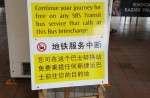
There were about 35 passengers on the train and about 15,000 commuters were affected by the delay.
What is SMRT doing now?
SMRT has to establish what went wrong in the actual behaviour on the ground that caused the two men to be hit by the train.
They are also in touch with the families of the deceased.
Besides assisting the police in investigations, SMRT is also providing counselling for all employees directly involved in the incident.
tammei@sph.com.sg
This article was first published on March 23, 2016.
Get The New Paper for more stories.

Ai Takagi sentenced to 10 months’ jail for sedition
SINGAPORE – Ai Takagi, one of the two editors behind the now-defunct sociopolitical website The Real Singapore (TRS), has been sentenced to 10 months’ jail for sedition.
Her sentence will begin on April 22, the court heard on Wednesday morning. Defence…
Source link
Taiwan Railway authority mulls how to deter Hello Kitty thefts
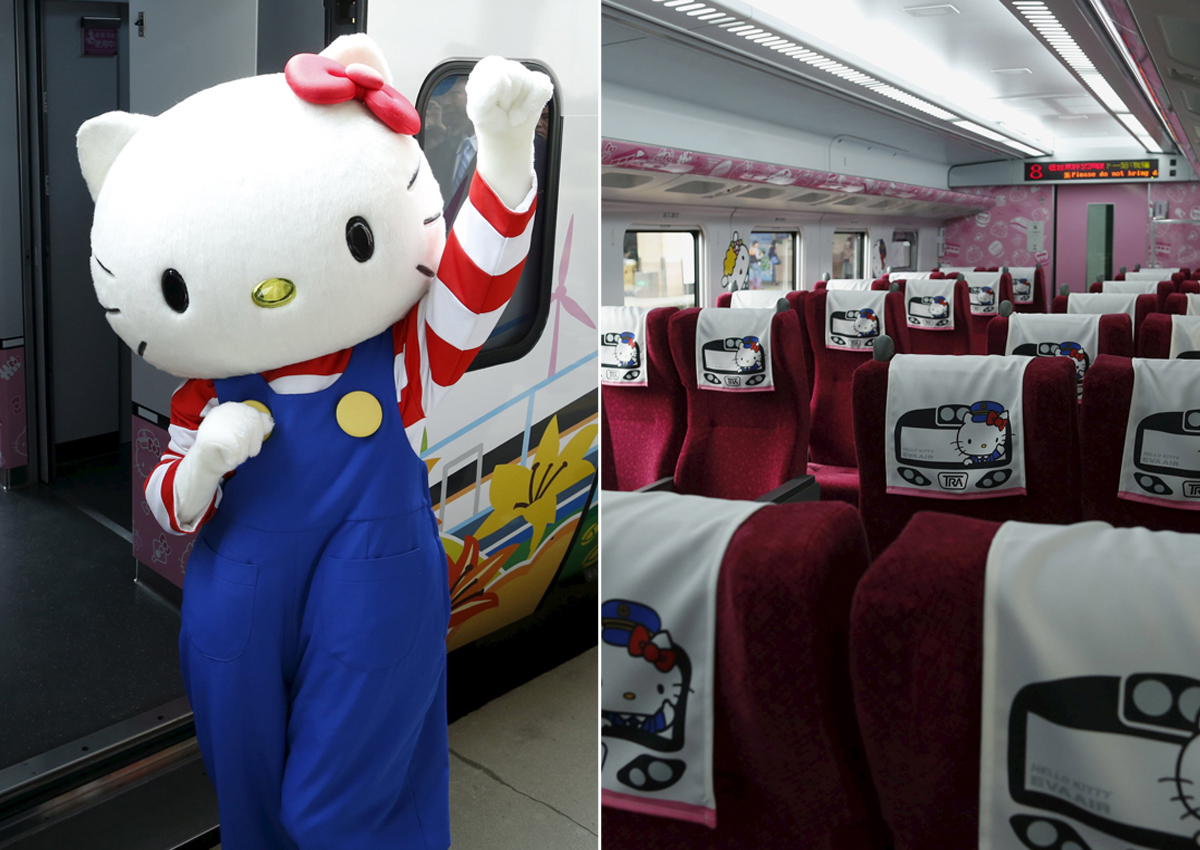
TAIPEI, Taiwan – The Taiwan Railways Administration (TRA) is considering a series of measures including train announcements and change of upholstery material after almost all of the headrest covers were stolen from a special Hello Kitty-themed train on its maiden trip on Monday, March 21.

The TRA expected some of the specialised headrest covers painted with pictures of the Japanese cartoon character to be taken, but the extent of loss was far beyond their estimation, the railway operator said on Tuesday. A tally after the Taroko Express train returned from its Taipei-Taitung round trip on Monday showed that 328 (of the total 376) headrest covers had gone missing, presumably nabbed by passengers as souvenirs. The railway operator currently has around 2,000 spare headrest covers in stock.
While the monetary loss was limited (the TRA estimated the cost to be NT$16,400 (S$690), the incident has been billed by the media and the local blogosphere as a testament to the lack of civic awareness in Taiwanese society. A train engineer reportedly denounced the headrest-cover-nabbing passengers’ lack of civic-mindedness. Meanwhile, a train buff who posted a photo on Facebook of himself holding a headrest cover has claimed that he only used the cover as a prop but had not taken it home.
Civic awareness of tourists has been one of the most discussed topics in the public sphere in recent years as the opening of Taiwan to cross-strait tourism had lead to frequent media reports on the presumed rude or uncivilized behaviour of some mainland Chinese tourists.
The Hello Kitty train is a cooperative project between the TRA and Sanrio, the Japanese company that holds the rights to the cartoon character, to mark the 90th anniversary of the Hualien-Taitung train line. A Taroko Express train was modified with a Hello Kitty paint job and Hello Kitty-themed interior design. The next trip of the train is slated for March 25.
The TRA is considering a series of measures to deter further theft of train property.
The operator said it has begun discussion with Sanrio on changing the material of the covers from the more durable and reusable polyester fiber to non-woven cloth to reduce potential loss as well as the desirability of the covers. The TRA is also in talks with the Japanese company for the rights to launch a series of napkins featuring the same designs as the headrest covers.
In addition, the railway operator is planning to tape train announcements appealing to the civic awareness of future passengers.
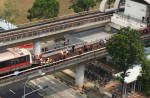
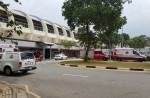
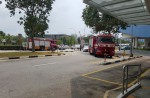
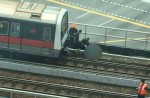
SMRT accident: Witnesses living near train station recount heart-stopping moments before tragedy
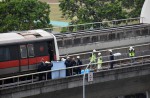
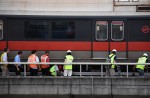
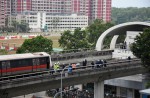
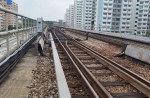
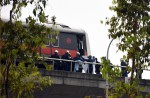
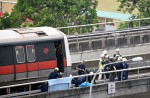
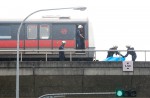
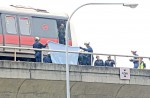
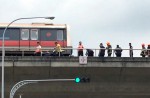
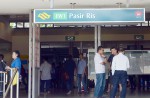
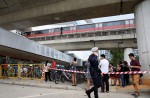
Residents living near Pasir Ris MRT station described what they saw and heard just moments before two SMRT employees were hit and killed by an oncoming train yesterday (Mar 22).
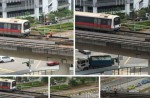
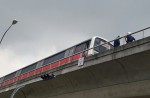
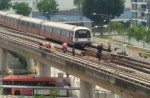
Several Stomper contributers had sent in photos of the incident, which took place at around 11.10am yesterday. The scene was also reported live.
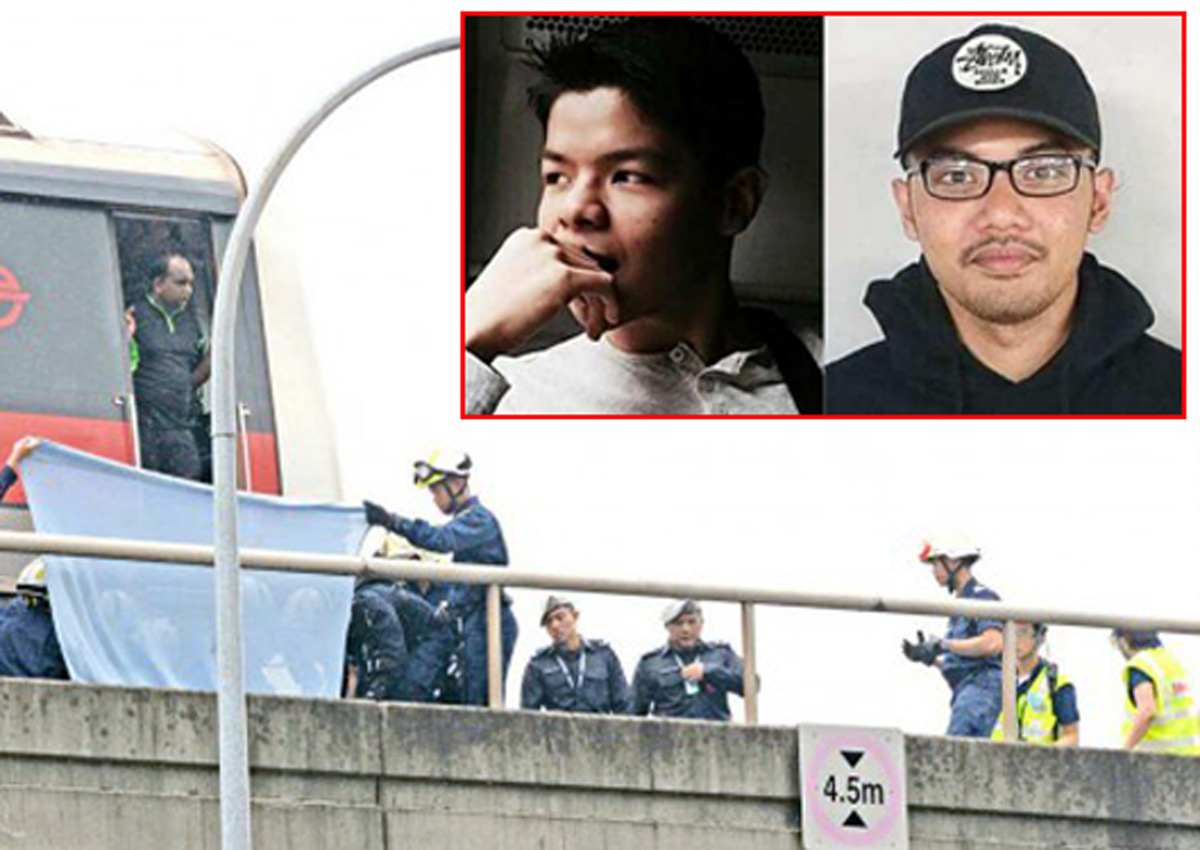
Singaporeans Nasrulhudin Najumudin, 26, and Muhammad Asyraf Ahmad Buhari, 24, were apparently undergoing on-the-job training when the fatal accident happened.
They were part of a technical team – which also consisted of 13 others – that went down to the track to investigate a reported alarm from a condition monitoring device for signalling equipment.
Two witnesses recounted the tragedy to The New Paper.
Mrs Tandra Haldei, who lives opposite Pasir Ris MRT station at Block 528B, Pasir Ris Street 51, first spotted the group of SMRT workers walking on the tracks at about 11am yesterday.

The 34-year-old housewife, who has been living there with her husband and their two young children for two years, was surprised as it was her first time seeing workers on the tracks.
However, she then heard workers scream and shout.
“I looked out of my living room window and saw them waving their hands in the air. They looked like they were trying to stop the train that was approaching in their direction. It was moving so fast that I was scared for them.”
Within seconds, she heard a loud screech from the train brakes.
“I am extremely saddened that two young workers had lost their lives while undergoing on-the-job-training at the…
Posted by Singapore Ministry of Manpower on Tuesday, March 22, 2016
“The next thing I knew, the train had stopped and I saw a body on the tracks. I was so shocked that the deaths took place so near my home. I feel so sad for the victims.”
Another resident and operations manager, Mr Jufri Jasni, 32, said he heard repeated shouts of: “Oi! Oi!”
However, he “did not think much of it” as he thought they were just doing maintenance work and only found out about the two deaths a few hours later when he watched the news on television.
He said he felt deeply saddened at the loss of two young lives.
“These accidents are avoidable,” said Mr Jufri. “I hope SMRT will look into this incident and tackle these risk issues. We’re talking about real lives here.”

Visit STOMP for more stories.

China detains 37 people linked to vaccine scandal-Xinhua
SHANGHAI – Chinese police have detained 37 people linked to a vaccine scandal and are investigating three pharmaceutical companies, state news agency Xinhua reported on Wednesday.
The case involves nearly $90 million worth of illegal vaccines, against meningitis, rabies and other illnesses, that are suspected of being sold in dozens of provinces around China since 2011.
Chinese Premier Li Keqiang said the incident had exposed many regulatory loopholes and ordered authorities to undertake a thorough investigation, according to a statement posted on the government’s website late on Tuesday.
The vaccine scandal underlines the challenge the world’s second-largest drug market faces to regulate its fragmented supply chain, even as Beijing looks to support home-grown firms.
Xinhua said the arrests were made by police in Shandong, the eastern Chinese province at the heart of the scandal. One of the three firms being investigated, Shandong Zhaoxin Bio-tech Co., has been ordered to halt operations and had a license revoked, it said.
It also said China’s top court would oversee the vaccine case directly.
On Tuesday, China’s drug regulator identified nine vaccine wholesalers from six provinces suspected of filing fake reports of buyers’ identities.
Police said a mother and daughter in Shandong had illegally bought vaccines from traders and sold them on to hundreds of re-sellers around China, according to a notice from the Shandong Public Security Department.
Authorities should improve the regulatory system surrounding vaccine production and distribution, Premier Li said, and dereliction of duty related to accountability would not be tolerated.

S.Korea won edges down after Brussels attack; shares flat
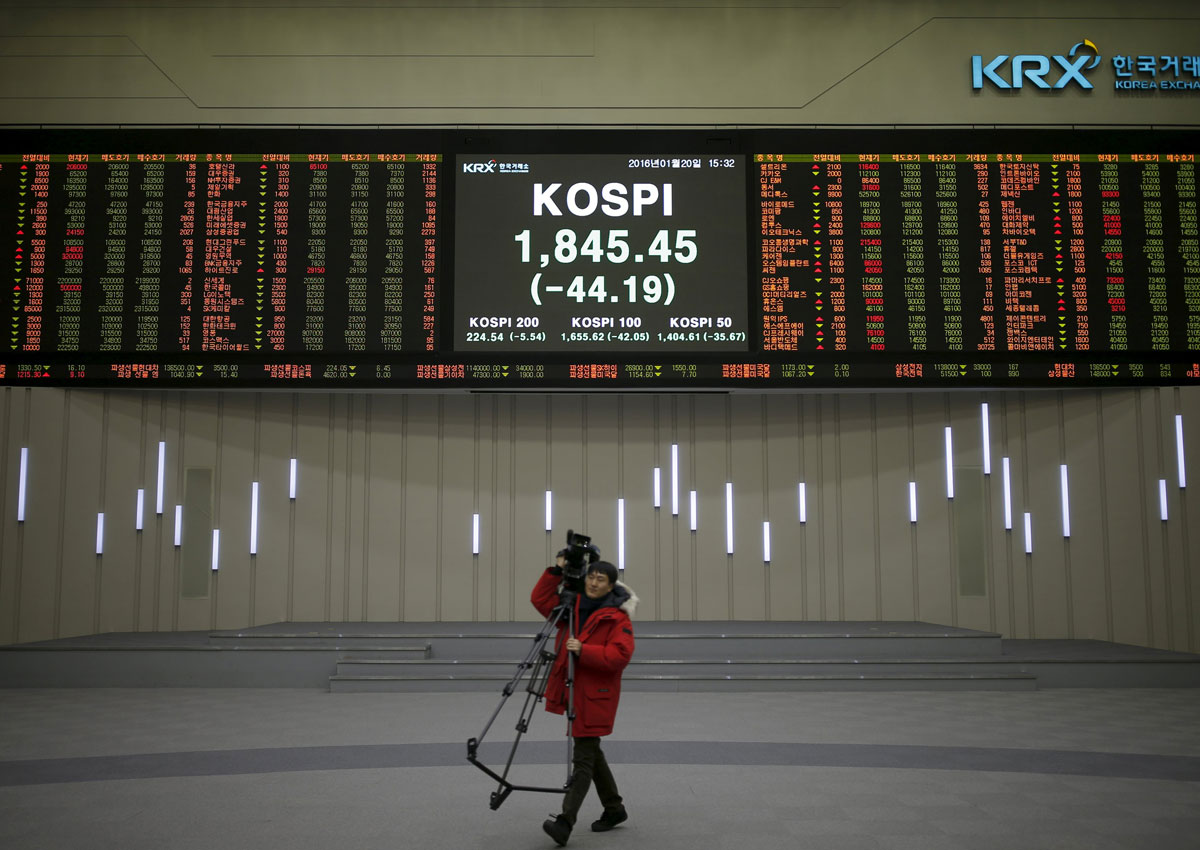
SEOUL- The South Korean won inched down on Wednesday morning as the dollar strengthened globally following suicide bomb attack in the Belgian capital on Tuesday.
The won was quoted at 1,157.0 per dollar down 0.3 per cent compared to Tuesday’s close at 1,153.6.
“Statements from Chicago Fed President Charles Evans also drove the dollar up, along with the terror in Brussels,” said Jeon Seung-ji, a foreign exchange analyst at Samsung Futures.
On Tuesday, Evans said he expects two more rate hikes this year, showing optimistic outlook on the US economy.
South Korean shares were flat amid thin trading as market participants became wary of riskier assets.
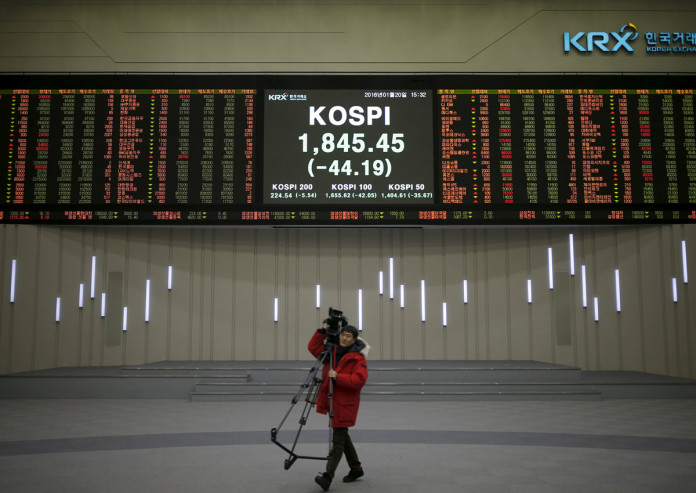
The Korea Composite Stock Price Index (KOSPI) was up 0.1 per cent at 1,998.26 points as of 0203 GMT.
Offshore investors snapped their nine-session buying streak and were set to be sellers, having unloaded a net 17.5 billion won ($15.13 million) worth of KOSPI shares near mid-session.
PanOcean rose 3.4 per cent as it won a 419 billion won order from Brazilian miner Vale SA.
Samsung Engineering Co Ltd gained 3.9 per cent.
Decliners outnumbered advancers 403 to 383.
June futures on three-year treasury bonds shed 0.03 point to 110.11.

网安局设验证室加强调查网袭能力
网络威胁日趋复杂,新加坡网络安全局设立全新的网络验证室,以便在发生网络攻击事件时,能迅速展开调查,并有所防御和应对。
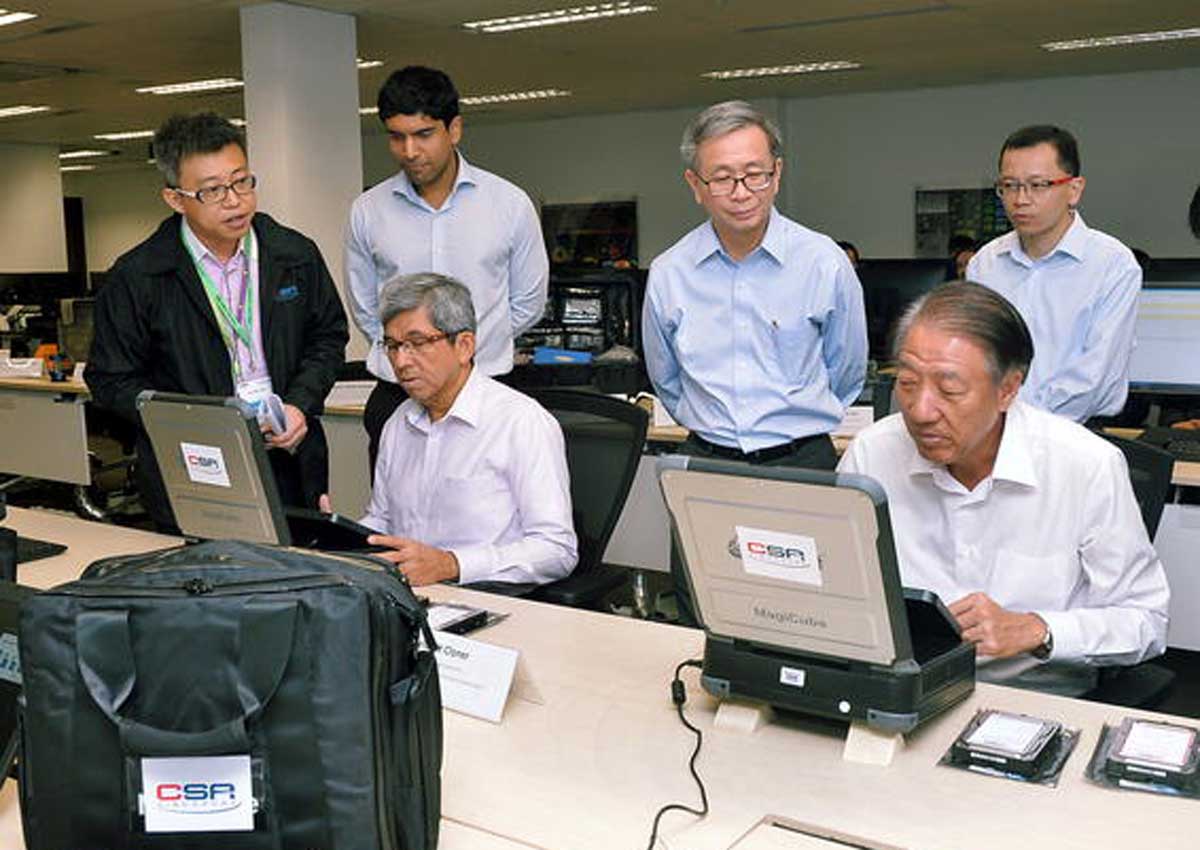
副总理兼国家安全统筹部长张志贤昨天在参观网络验证室后说,新加坡迈向智慧国时,将更紧密地与互联网挂钩,遭遇到的网络攻击可能随时打击我国。
因此,新加坡网络安全局(Cyber Security Agency of Singapore,简称CSA)除了保障国家的关键系统,也需要在设计新系统时,优先把网络安全考虑在内。
内政部长兼律政部长尚穆根上周说,伊国组织的势力已蔓延至邻国,而国内通过网络自我激进化的案例令人担忧。我国如今面对的恐怖袭击威胁层级已达到近年来的最高水平。
张志贤说,网络安全的重要性涵盖多方面,不单是抵御恐怖分子可能利用互联网曝露的防卫缺口展开攻击,也因网络攻击可源自犯罪组织,甚至是那些想通过网络攻击,针对一些课题表态的恶意份子。他也强调,网络安全是新加坡非常重视的课题,所以政府会继续提高网安局的能力。
去年4月1日投入运作的网安局新成立的网络验证室(Cyber Forensics Laboratory),除了能应对网络攻击,也能对手机和平板电脑等移动器材的系统进行分析,测出隐藏在电脑系统中的恶意软件(malware)等。
网络验证室可同时容纳多达80名网安分析师,以应对在同时间爆发的多起网安事件。
逾百名专业人士
参与跨界网安演习
张志贤与负责领导网安局的通讯及新闻部长雅国博士,昨天在参观网络验证室后,也视察在网安局展开的Cyber Star网安演习。
这项演习是网安局首次举办,有超过100名来自银行及金融、政府部门、能源,以及资讯通信共四个关键领域的专业人士参与。
雅国受访时说,在任何一个关键领域发生的网络攻击事件,可能波及其他领域,因此演习测试网安局迅速与其他领域分享关键信息的反应,以及跨领域专人如何互换信息等,确保所有关键领域都能及时防御。
通讯及新闻部今年1月发表政府施政方针附录。雅国当时说,信息基础设施的网络安全极为重要,政府明年将提呈网络安全法案,以赋予网安局更大的执法权限。
他昨天进一步说明,发生网络攻击时,网安局必须有权限立即采取行动,确保重要机构和系统保持完好。网安局也须有权限,指导不同关键领域在面对网络攻击时,有一定的应变能力。他希望明年初可提呈这项法案。
网安局负责统筹各政府部门的网络安全事宜,以及监督能源、银行及金融、政府、医药、水源、资讯通信、陆路交通、海事、民航、保安和媒体这11个关键领域的网络安全。
参与演习的资讯通信发展管理局网络安全司司长蔡景伦受访时说,网络世界有越来越多危险和怀有敌意的恶意分子,可能对多个关键领域同时展开攻击,因此,类似Cyber Star的演习让各领域专人有机会互相交流,熟悉互换信息的流程和系统,在面对攻击时,就能快速协调,做出应对威胁的举措。

Get the full story from Lianhe Zaobao

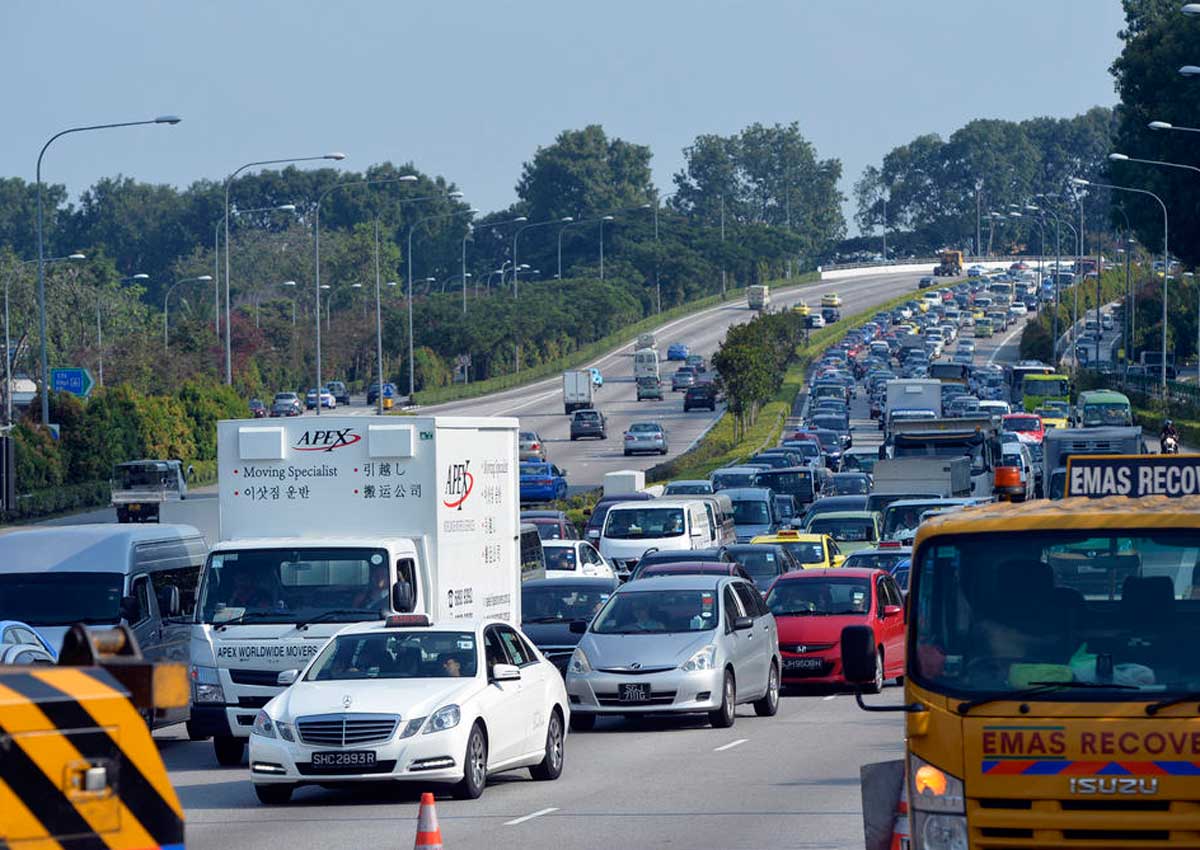
Singapore's road congestion improves: Index
Singapore fell seven places in a global ranking this year – but it is all for the better.
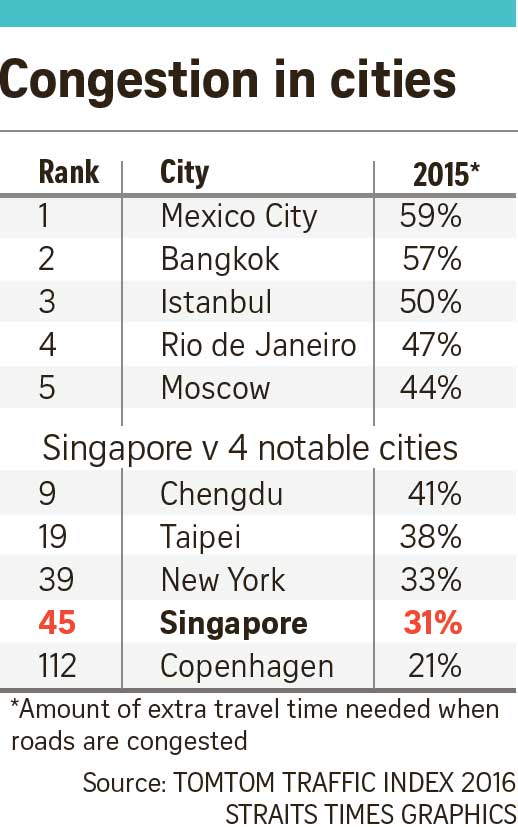
It was ranked 45th in a global index of 174 cities which measures the severity of traffic congestion on roads during peak hours. Topping the list for having the worst jams is Mexico City, then Bangkok, Istanbul, Rio de Janeiro and Moscow.
Singapore was ranked 38th last year in the index by Dutch-based navigation firm TomTom.
It calculates congestion based on how much longer drivers spend on their commute when faced with congestion.
Drivers here on average spent about 31 per cent more time last year on the road during peak hours compared with non-peak hours.
This was an improvement from 33 per cent in 2014.
Traffic here ranked better than in places like New York, London and Shanghai, as well as Chinese cities Chengdu, Tianjin and Beijing.
A total of 245 cities were surveyed, but only those with a population larger than 800,000 were ranked.
Many Asian cities, including Seoul, Tokyo and Jakarta, were not included due to a lack of data.

“The improved public transport system – like more buses and new trains – has helped to keep congestion manageable. More people are also cycling and using other modes of transport,” said Mr Gopinath Menon, transport consultant and senior research fellow at Nanyang Technological University.
“ERP (Electronic Road Pricing) helps to keep traffic speeds reasonable in the city area, and there may also be the factor of staggered working hours that helps to regulate the evening rush,” he added.
Auditor Wong Swee Leung, 52, who spends three to four hours a day driving to and from work, said he has shaved 30 minutes off his driving time since last year.
“I spend less time stuck in jams now because they have completed improvement works, like more flyovers, that eased the traffic on my usual route,” said Mr Wong.
Singapore is the only Asian city on the list, apart from Taipei – which saw a 1 per cent dip – with a fall in congestion rates in 2015.
Last year, drivers here spent, on average, 126 hours waiting in traffic, with commutes almost 11/2 times longer during morning and evening peak hours than during periods of smooth traffic.

This article was first published on March 23, 2016.
Get a copy of The Straits Times or go to straitstimes.com for more stories.