Home Blog Page 182

Locally developed COVID-19 rapid antibody test kit could help identify asymptomatic individuals

0

SINGAPORE: A rapid antibody test kit for COVID-19 that can be used to identify asymptomatic people and produces “accurate” results in 15 minutes has been developed and manufactured in Singapore.

The test kit, Assure, detects antibodies produced by the human immune system in response to exposure to SARS-CoV-2 – the virus that causes COVID-19 – said the two groups behind the product, diagnostic corporation MP Biomedicals Asia Pacific and the Agency for Science, Technology and Research (A*STAR) in a joint media release on Friday (Jul 24).
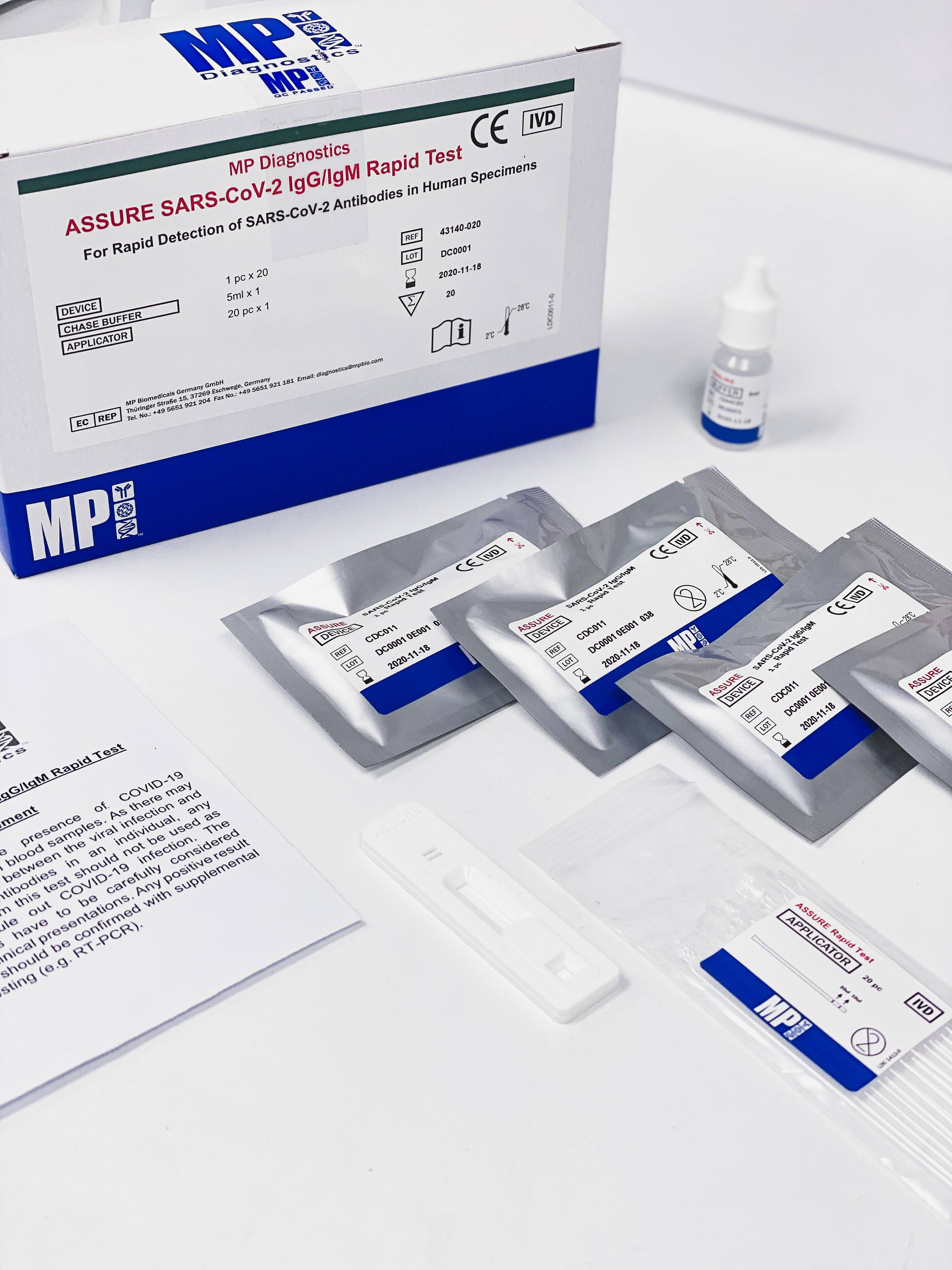
ASSURE SARS-CoV-2 IgG IgM Rapid Test

Assure SARS-CoV-2 IgG/IgM Rapid Test Kit. (Photo: MP Biomedicals)

READ: Almost a quarter of infected household members of COVID-19 patients were asymptomatic, Singapore study finds

Specifically, the kit detects IgG and IgM antibodies produced by the body to combat SARS-CoV-2 from samples of human blood, plasma or serum.

“Studies have shown that levels of IgG and IgM appear to be correlated with the severity of COVID-19, thus they are good biomarkers for confirming positive or past infection,” according to the press release.

The kit uses “proprietary synthetic SARS-CoV-2 proteins” that bind to the IgG and IgM antibodies if they are present in the specimen samples, both groups said.
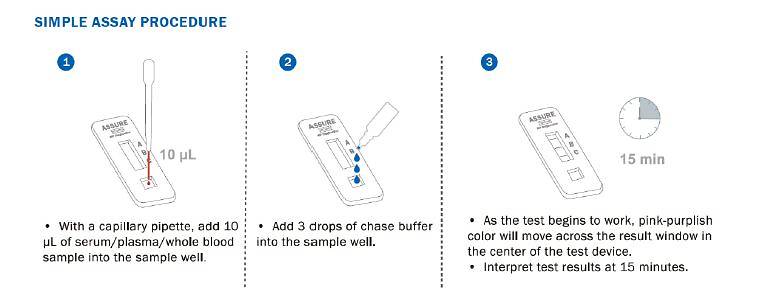
how assure works

Assure uses a lateral flow format similar to those used in home pregnancy tests. (Image: MP Biomedicals Asia Pacific, A*STAR)

The rapid antibody test kit was evaluated by the National University Hospital’s (NUH) Department of Laboratory Medicine and “demonstrated good results for both serum and whole blood”.

“The sensitivity of the kit performed well as compared to commercial immunoassays, when tested with convalescent blood from recovered COVID-19 patients in the clinic,” MP Biomedicals Asia Pacific and A*STAR said.

This test kit will complement global efforts to develop more efficient diagnostics as the COVID-19 situation evolves, said Dr Sidney Yee, chief executive officer of DxD Hub at A*STAR.

“It is absolutely critical that we continue to transfer R&D know-how to biotech companies, to scale up and let more labs tap on this diagnostics test kit to screen patients,” Dr Yee said.

READ: COVID-19: WHO clarifies comments on asymptomatic spread

LIMITATIONS OF THE RAPID ANTIBODY TEST KIT

While the test kit can help identify asymptomatic individuals or those with only mild symptoms who were not subjected to a specific type of polymerase chain reaction testing, it should not be used in the clinical diagnosis of COVID-19 infections.

“Aligned with the current recommendation by the World Health Organization, point-of-care or rapid serology tests including Assure rapid antibody test kit should not be used in the clinical diagnosis of COVID-19 infections or in the evaluation of persons with acute respiratory symptoms, especially within the first 14 days of illness,” said the press release.

“This is to avoid giving patients false reassurance that they do not have the infection, arising from a negative result.”

ASTAR_IMCB scientists inspecting antibody cell cultures

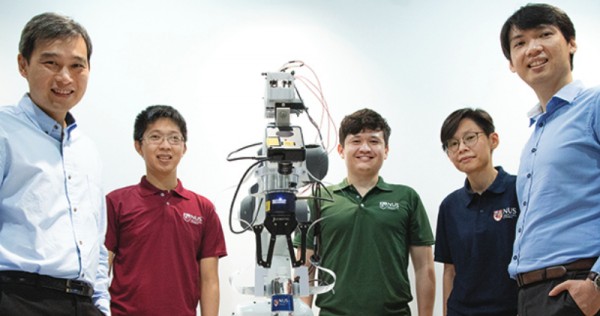
Scientists from A*STAR’s Institute of Molecular and Cell Biology (IMCB), led by Joint Senior Principal Investigator, Associate Professor Tan Yee Joo (left), inspecting antibody cell cultures. (Photo: A*STAR)

READ: 354 new COVID-19 cases in Singapore, including 8 community infections

Nonetheless, it can “help identify segments of (the) communities that are recovering from or previously infected by SARS-CoV-2 to ensure their safe return back to work”, added Mr Ng Boon Heong, the chief executive officer of Temasek Foundation which had piloted the use of the test kits in the local community.  

The Assure rapid antibody test kit has been granted provisional authorisation by the Health Sciences Authority for its intended use in Singapore.

BOOKMARK THIS: Our comprehensive coverage of the coronavirus outbreak and its developments

Download our app or subscribe to our Telegram channel for the latest updates on the coronavirus outbreak: https://cna.asia/telegram
Source link

Daily roundup: Host Danny Yeo suffers 50 cuts in bathroom glass door accident – and other top stories today

0

[ad_1]

Stay in the know with a recap of our top stories today.

1. Host Danny Yeo suffers 50 cuts in bathroom glass door accident

The local host recounted of the scary incident: “I stepped into the bathroom yesterday afternoon for a shower and I was about to close the glass door when it fell and shattered. … » READ MORE

2. 7 surprising benefits of eating durian

[ad_2]

Source link

Jurong Bird Park’s conservation breeding efforts soar with more than 100 new hatchlings

0

SINGAPORE: More than 100 chicks have hatched at Jurong Bird Park since the start of 2020, with a fifth of them from threatened species.

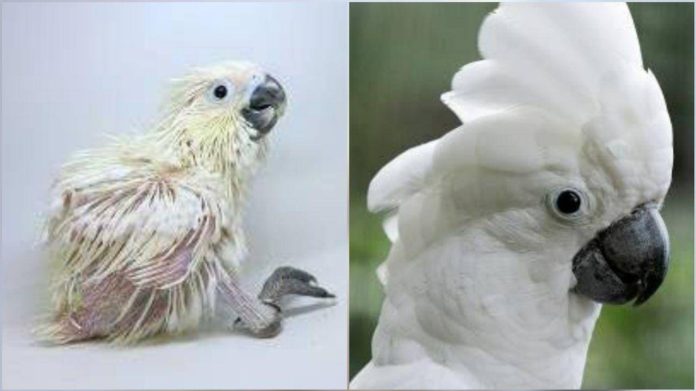
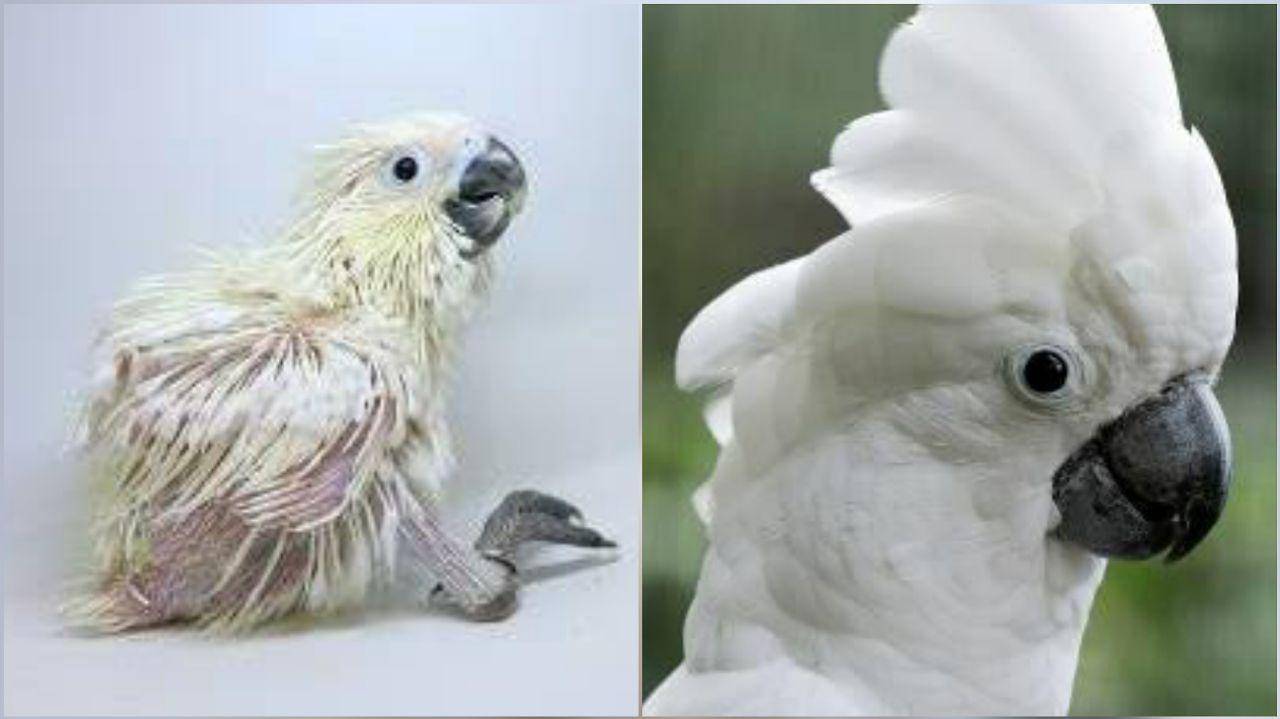
Wildlife Reserves Singapore (WRS) said on Friday (Jul 24) that Jurong Bird Park had three endangered white cockatoos hatch – a species under severe threat from poaching, and listed as endangered in the International Union for Conservation of Nature’s Red List of Endangered Species.

Jurong Bird Park's conservation breeding efforts soar with more than 100 new hatchlings (1)

A 36-day old white cockatoo (left) and adult (right). The white cockatoo is also known as the umbrella cockatoo, named after its striking head crest shaped like an umbrella. (Photo: Wildlife Reserves Singapore)

Jurong Bird Park is “one of a handful of zoological institutions breeding the species, contributing to the international zoo community’s efforts to sustain healthy and genetically diverse populations”, said WRS.

Jurong Bird Park's conservation breeding efforts soar with more than 100 new hatchlings (2)

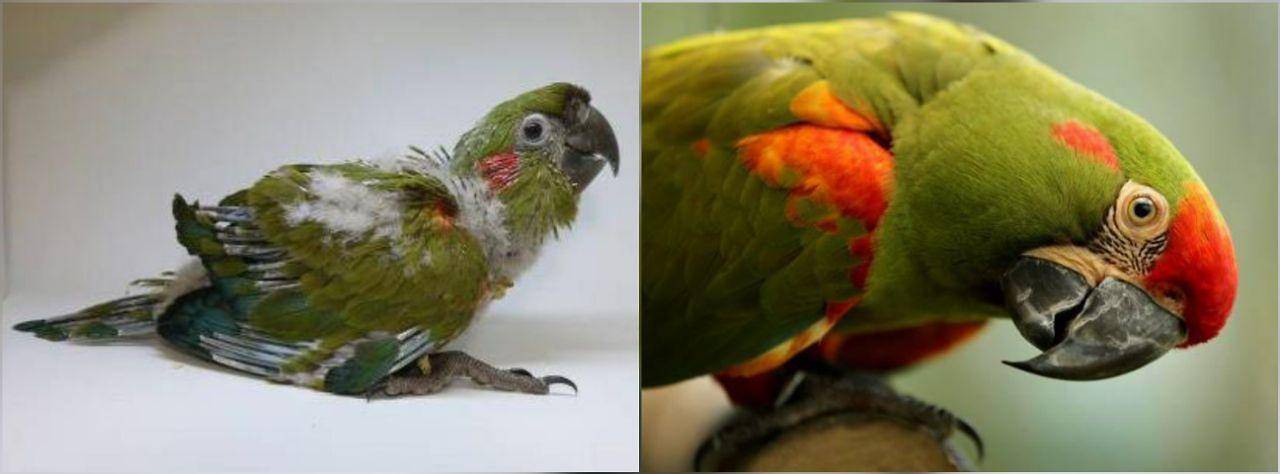
A red-fronted macaw at 46 days old (left) hatched in Jurong Bird Park’s Breeding & Research Centre and a fully grown adult of the same species (right). Threatened by habitat loss and poaching, breeding the critically endangered species under human care is crucial for their continued survival. (Photo: Wildlife Reserves Singapore)

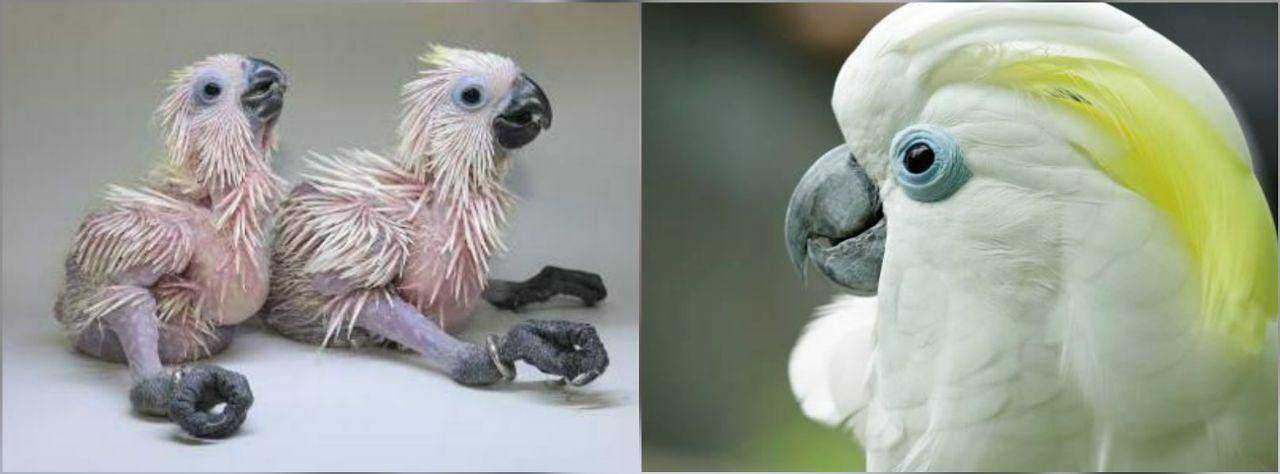
Other chicks include a pair of critically endangered red-fronted macaws, as well as three blue-eyed cockatoos, a vulnerable species “threatened in the wild and very rare in zoological parks”. Jurong Bird Park is one of two zoological institutions breeding the blue-eyed cockatoo.

Jurong Bird Park's conservation breeding efforts soar with more than 100 new hatchlings

A pair of blue-eyed cockatoos at 25 days old (left) and adult (right). Jurong Bird Park last saw hatchlings of these species four years ago. (Photo: Wildlife Reserves Singapore)

A burrowing owl and Western long-tailed hornbill were also the first in-park hatchlings for their species at Jurong Bird Park.

Various chicks, which are either species of conservation value or ones with inexperienced parents, are hand-raised at Jurong Bird Park’s Breeding and Research Centre to maximise their chances of survival.

“Hand-raising chicks can be challenging. They are delicate when young and have a demanding feeding schedule where they have to be fed up to seven times a day. But it is very rewarding to see the chicks grow and eventually fledge. 

Jurong Bird Park's conservation breeding efforts soar with more than 100 new hatchlings

A parent black-faced spoonbill feeds its chicks at Jurong Bird Park’s wetlands exhibit. 2020 saw three hatchlings, making a total of five chicks successfully bred since the arrival of the birds from Japan in 2018. (Photo: Wildlife Reserves Singapore)

​​​​​​​

“It gives us even more fulfilment knowing that we have directly contributed to the continued survival of these threatened species”, said Mark Rusli, junior animal care officer, and hand rearer at the Breeding and Research Centre.

Their caretakers play the role of foster parents, feeding the chicks at regular intervals and weighing them to track their progress.

The birds will be transferred to their respective aviaries when they are old enough.

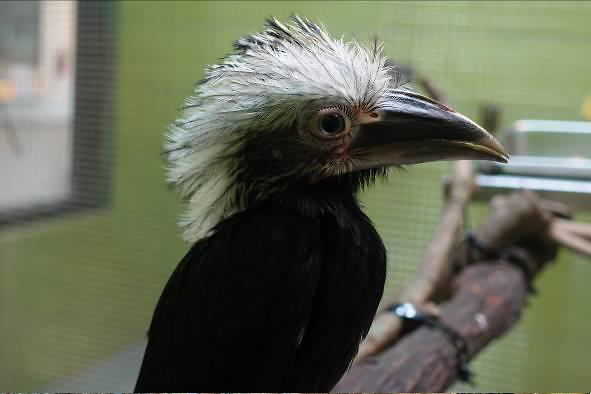
Hornbill

Jurong Bird Park’s first ever Western long-tailed hornbill chick is now a juvenile at over two months old. It was raised by its parents in a breeding aviary but was having some problems adjusting to the outside world after fledging. The decision was made to keep it safe in the Breeding & Research Centre until it is strong enough to fly before rejoining its parents in the aviary. (Photo: Wildlife Reserves Singapore)

Jurong Bird Park reopened on Jul 6 after a three-month closure as part of Singapore’s “circuit breaker” measures to curb the spread of COVID-19. It houses about 3,500 birds across 400 species, 20 per cent of which are threatened.

Jurong Bird Park’s Breeding and Research Centre focuses on the propagation of threatened species and research on breeding biology. 

The park is also an active participant in several coordinated conservation breeding programmes, and directly manages some of these programmes.

Source link

NEA begins 2-week ‘intensive’ vector control exercise as number of dengue cases set to surpass worst outbreak

0

SINGAPORE: The National Environment Agency (NEA) has launched an “intensive” two-week vector control to break dengue transmission as the number of cases appears set to surge beyond Singapore’s worst outbreak in 2013.

As of Thursday (Jul 23), there were nearly 20,000 dengue cases this year, with the number of cases “escalating”, NEA said in a media release on Friday. The number of cases is set to surpass the 22,170 cases reported in 2013 – Singapore’s worst outbreak.

With more than 600,000 households located in more than 400 dengue clusters islandwide, the NEA said an “urgent collective” community effort is “critical” to bring down case numbers.

READ: Transport Minister Khaw Boon Wan hospitalised for dengue, tests negative for COVID-19

FOCUS ON HDB AREAS

As of Wednesday, there were 424 active dengue clusters in Singapore. About 45 per cent of the dengue cases in active clusters are in Housing Board (HDB) areas managed by town councils, NEA said.

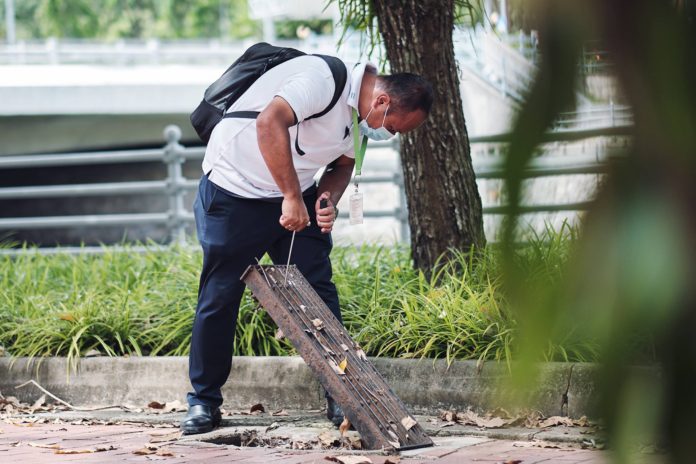
NEA dengue Officer lifting drain cover to check for breeding

NEA officer lifts up drain cover to check for mosquito breeding. (Photo: NEA)

These large dengue clusters include areas in Aljunied Road and Geylang Road, Bukit Panjang Ring Road, Arthur Road, Leicester Road and Potong Pasir Avenue 1, and Arnasalam Chetty Road and Kim Yam Road.

Some of these dengue clusters have a faster rate of disease transmission, the agency said, adding that there is an average of about two or three cases reported per day in the past two weeks.

“As we are in the warmer months of the year, we expect the high Aedes aegypti mosquito population to be sustained, unless additional efforts are taken to remove stagnant water in the environment and prevent mosquito breeding,” NEA said.

The agency said it is working with all town councils to set up dengue prevention efforts as part of an intensive two-week exercise islandwide.

They will step up inspections and vector control operations in common areas, such as ensuring drains are well maintained, common areas are kept litter free, and stagnant water is removed or treated.

READ: Anti-dengue Wolbachia mosquito project shows ‘promising results’; to cover all Tampines, Yishun HDB towns from July

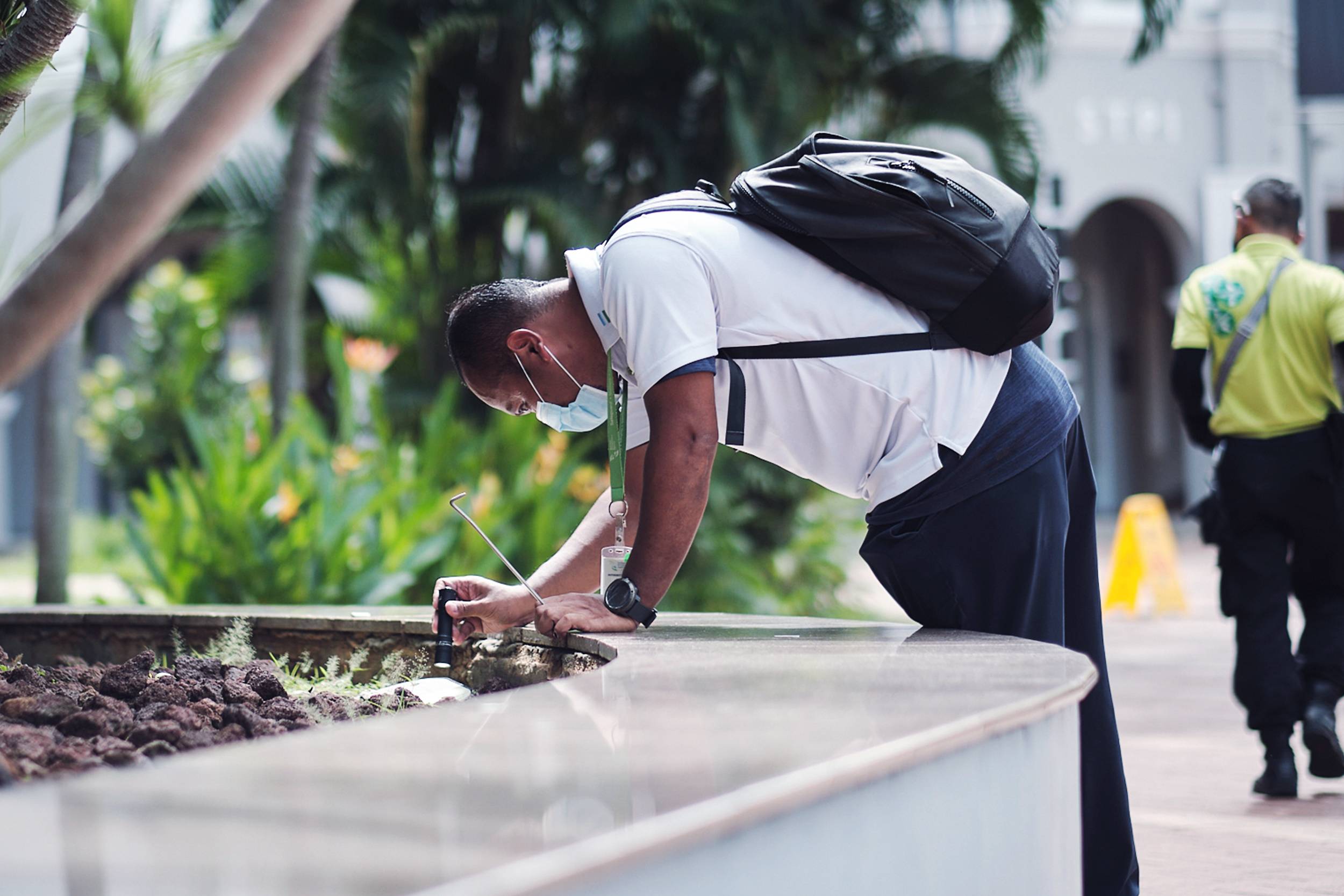
NEA dengue Officer checking for breeding in common areas

NEA officer checks for mosquito breeding in common areas. (Photo: NEA)

“They are also urged to work with NEA to coordinate chemical treatment, such as fogging, misting and larviciding, in dengue clusters, to bring down the adult mosquito population,” the agency added.

Over the next fortnight, NEA will also work closely with grassroots advisers, leaders and community volunteers to reach out to more residents to get rid of mosquito habitats.

This includes reminding residents living in dengue cluster areas to apply mosquito repellent regularly, wear long-sleeve tops and trousers, and spray insecticide in dark corners around the home.

“Such protective measures are important given the surge in dengue cases, high mosquitoes population and with more people working from homes, which also means more blood meals for the day-biting dengue vector, the Aedes mosquitoes.”

READ: Number of dengue cases in 2020 so far surpasses 2019’s total count

MOSQUITO BREEDING HABITATS IN HOMES, CONSTRUCTION SITES

Between January and June this year, NEA conducted more than 454,000 inspections across Singapore, including 3,800 checks at construction sites.

Officers found about 11,700 mosquito breeding habitats in total.

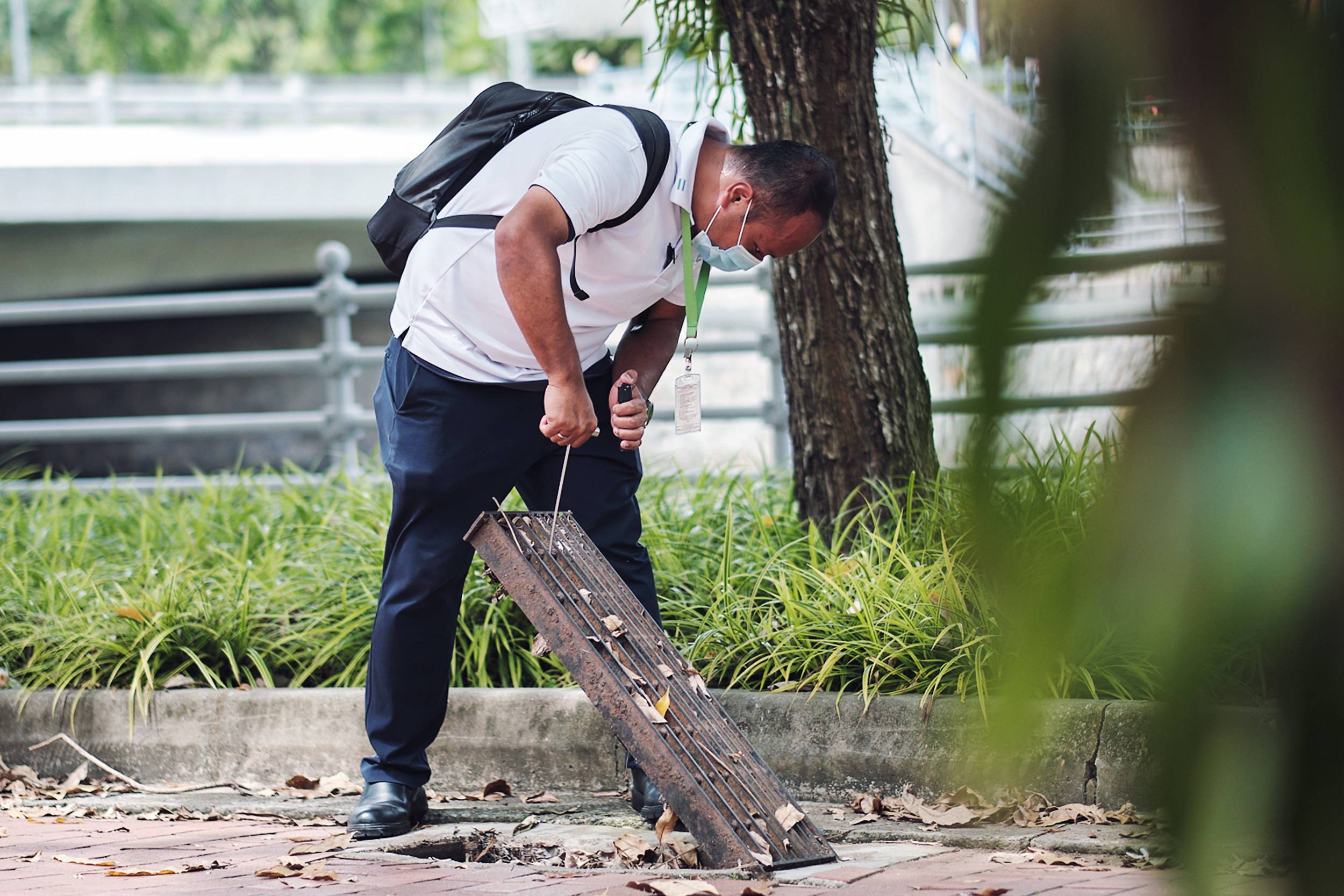
NEA dengue Officer checking drain for mosquito breeding

NEA officer checks drain for mosquito breeding. (Photo: NEA)

One “particular concern” is the repeated mosquito breeding that NEA officers continue to find in homes. In the first six months of this year, about 150 of NEA’s subsequent inspections at residential premises found repeated Aedes mosquito breeding.

“Even more egregious are that 23 out of these 150 subsequent inspections also yielded multiple mosquito breeding habitats,” the agency said.

About 140 summonses and three Stop Work Orders were issued to construction sites, and five contractors will be charged in court for repeat offences.

READ: NEA takes enforcement action as ‘egregious mosquito breeding’ continues

More than 2,000 “enforcement actions” were also taken against owners of premises for mosquito breeding. NEA said it will continue to take “strong enforcement action” against premises where mosquito breeding is detected.

Since Jul 15, NEA has imposed heavier penalties for households found with repeated mosquito breeding offences, multiple mosquito breeding habitats detected during a single inspection, and mosquito breeding detected after having received a legal notice from NEA.

Enforcement has also been tightened for construction sites and town councils.

NEA dengue Collection of breeding

Collection of mosquito breeding. (Photo: NEA)

Senior Minister of State for the Environment and Water Resources Amy Khor said: “Community-led efforts play a key role in protecting our neighbourhoods.

“We have reached out to our community stakeholders to step up dengue prevention efforts to break transmission in large clusters.

“We have also mobilised all town councils, as well as local grassroots advisers and leaders, to organise and conduct patrols to check for potential mosquito breeding habitats in common areas around their neighbourhoods, and to conduct house visits to advise residents on common mosquito breeding habitats and share dengue prevention tips.

“They will also emphasise the use of mosquito repellent to protect ourselves, especially in dengue clusters, and to spray insecticide in homes. We need urgent collective community effort to prevent this situation from worsening.”

Source link

Coronavirus: Emerging Stronger Taskforce urges Govt to be open to private-sector recommendations

0

[ad_1]

SINGAPORE – Concerns about protecting lives amid the Covid-19 pandemic have evolved to the protection of livelihoods, and the Emerging Stronger Taskforce on Thursday (July 23) urged the Government to be open to the solutions it will offer by early next year.

PSA International chief executive Tan Chong Meng, who co-chairs the task force with Minister for Social and Family Development and Second Minister for National Development Desmond Lee, said the private sector will be taking the lead in formulating the recommendations that will rehabilitate companies that are struggling.

Speaking at the DBS Asian Insights Conference, he said this “more action-oriented approach” is a break from tradition.

“We are a small country. There’s a very strong public sector, often providing good leadership, but also a bright, vibrant private sector comprising local, good and strong companies, and many international companies.”

There has been a history of good exchange, he added, pointing out that traditionally, the public sector sets the direction and the private sector carries out the implementation.

[ad_2]

Source link

Ex LTA deputy group director with gambling habit charged with corruption involving $1.2m

0

[ad_1]

SINGAPORE – A former deputy group director of the Land Transport Authority (LTA) was charged on Friday (July 24) with corruption involving $1.24 million in loans from contractors and sub-contractors.

Henry Foo Yung Thye, 46, who had a gambling habit and had chalked up debts, allegedly obtained gratification in the form of loans from contractors and sub-contractors of the LTA between 2014 and 2019.

Sometime early last year, the Singaporean also allegedly attempted to obtain gratification in the form of a loan of around $30,000 from a sub-contractor of the LTA in order to advance its business interest with the agency.

Foo also allegedly cheated his colleagues at the LTA into extending him loans totalling about $726,500, by dishonestly concealing from them that the loans were intended to service his gambling habit and debts.

In total, he faces 36 charges. His bail was set at $250,000. Six individuals and a company who provided Foo with the loans to advance their business interests were also charged on Friday.

[ad_2]

Source link

PUB: Pandan-smelling water from Malaysia 'isolated', local water production ramped up to meet demand

0

[ad_1]

SINGAPORE – Singapore has ramped up local production of water to meet demand after some water from Malaysia had to be “isolated” following reports from some households here about an unusual scent of pandan in boiled tap water.

The cause of the scent is an organic compound known as tetrahydrofuran (THF), which is commonly used as a solvent in industries.

National water agency PUB said its investigations have traced the source of the issue to water imported from Malaysia.

In a Facebook update on Thursday (July 23), PUB said it has “isolated” the affected water, and that production has been ramped up at waterworks in Singapore.

“We also took extra precaution to flush out the affected network pipes and water tanks, and replenished them with water produced by our local waterworks,” said PUB.

“We ramped up our local production (on Wednesday),” it added in the statement, although it did not provide details on how much local water production was ramped up by.

The Johor River in Malaysia is a major source of water for Singapore.

[ad_2]

Source link

From oil and gas to nursing: A 63-year-old’s journey to a job that’s ‘more meaningful’

0

SINGAPORE: Mr Clement Ng could do his job as a senior engineer in the oil and gas industry with his eyes closed. He’d been in the industry for more than 30 years after all. 

But in 2016, at the age of 59, faced with retrenchment, he took a giant leap of faith and switched from understanding systems to caring for people. 

At the time, he was just a year shy of his intended retirement, but suddenly left without a job, he knew he was not done working. He also wanted to do something “more meaningful” than sitting at home. 

“Physically, I’m still very active, healthy, so if I relax and do nothing I find that it’s not the kind of way of life I want,” he said. The way of life he did want turned out to be very different – Mr Ng became a nurse. Now aged 63, he is working at St Luke’s Hospital, a community hospital. 

THE DECISION TO JOIN HEALTHCARE

Speaking to CNA in a virtual interview ahead of Nurses’ Day on Aug 1, Mr Ng said that after his retrenchment, he started attending job fairs and career talks, and was attracted by the healthcare industry. 

He realised that the need for caregivers would increase with Singapore’s ageing population. He also wanted to, in a way, make up for the time he felt he had no choice but to put his mother in a nursing home.

“One of my life regrets is that I was unable to take care of my mum during one of my busier times in my career. I had to place my mum in a nursing home. So I told myself, if I have the opportunity, I think I want to do something hands-on, and take care of the elderly if I can,” he said. His mother died in 2003.

Mr Ng took up the Healthcare Support (Nursing Care) course offered by HMI Institute of Health Sciences. His children, a daughter aged 30, and sons in their 20s, were concerned about whether his age would get in the way of what he wanted to do.

“I assured them, I showed it to them that I was jogging everyday, I’m physically so fit, I have no issues at all,” he said. 

While he was sure he could do it physically, when he was training he was confronted with a challenge he was not expecting – changing diapers.

“You not only learn just how to shower patients, you need to know how to change their diapers, to clean them up. During the course, the emphasis was to treat the patient as your own family,” he said. 

“People might think that this is a dirty job but I think so many people in healthcare are doing it. For what? They are caring for people.”

“I find that there is a fulfillment in the sense that you are doing something nice and neat, clean up the patient and you find that there is satisfaction. In a way, it’s a sacrifice, but I find it worth it.”

Upon finishing his course in 2017, he joined a public hospital as a healthcare assistant. His job, other than cleaning patients, included measuring their temperature and blood pressure.

clement ng st luke's hospital 2

Mr Clement Ng (centre), who was in the oil and gas industry from more than 30 years, is now a staff nurse at St Luke’s Hospital. (Photo: St Luke’s Hospital)

While Mr Ng was happy to be of such assistance, seeing the nurses at work inspired him to do more.

WANTING TO DO MORE

“I realised there are a lot of things beyond that (being a healthcare assistant). For example, you have to make sure you serve the patient medication correctly, make sure you know how to respond to patients if suddenly there’s a change in status, suddenly pressure goes high, the patient suddenly falls down,” he said. 

About three months into the job, he was already keen to do more.

He applied for a two-year Diploma in Nursing through the Professional Conversion Programme and started what would turn out to be a challenging time of “foreign” words and studying for long hours. 

“I was a science student, so I should be able to study now, but I did not realise … because I have not studied for so long … memory itself is a challenge. So many things are new, the human body – the different parts and functions – and nursing is totally a different setting from what I learnt in science,” he said.

His classmates, many of them in their 20s and 30s, were always there to encourage him and share notes with him, he said. 

“They were quite surprised to see that at this age, I still want to study. When I told them that I had difficulties, they were very encouraging,” he said. 

“I always stayed back and studied, and when they saw me, they would come and see if I have any problems and share their notes with me because I may not be able to write so fast.”

While he managed well enough, just before beginning his final clinical attachment at St Luke’s Hospital, Mr Ng found himself inundated with fears, and afraid he would disappoint the people who had helped and supported him.

“I was somehow very nervous … I was thinking, am I going to be unable to pass through this attachment? Am I going to waste my two year effort?”

With the encouragement from his mentor from Nanyang Polytechnic, he pressed on, and graduated with a diploma in March this year. He was hired as staff nurse at St Luke’s Hospital in June.

THE SATISFACTION OF BEING A COMMUNITY NURSE

At St Luke’s, Mr Ng provides more advanced care to patients, like wound dressing, administering medication and tailoring care plans for bed-ridden patients at the Continued Care ward to ensure that their needs are met. 

In his previous job, Mr Ng had little time to interact with patients. The focus then was on treating patients’ conditions, he said.

Being in a community hospital setting, where his patients are in a “more stable” condition, allows him to interact with patients on a more personal basis, he said. 

“I’m able to talk to them and understand their situation, and interact with them, encourage them, because (a) community hospital, it’s to prepare patients to (go) back to the community, so we need to do some education to remind them when they get discharged, what they should do, take care of themselves,” he said. 

He also gets to interact with their family members.

“When their family members come and visit, family members see that the patient is different, you know. They say ‘today my dad is so shining, so refreshed’,” he said. They also notice that their loved ones are happier, he said.

“In a way we feel that what effort we put in, people appreciate it, people can feel it. It motivates us to work more diligently, we want to provide the best care for people,” he said. 

It is a joy that he brings home and shares with his family. There was also an unexpected bonus from attending his diploma course – learning how to relate to younger people by interacting with his classmates.

“Through them, I learnt how to talk to my children,” he said.

“I (had) never tried to listen to their views, so I (realised) I also needed to encourage them to tell me what problems they have. Because I realised my younger colleagues, my younger classmates, they allow me to tell them my problems, so I think I also need to allow my children to tell me their problems.”

Despite the rewards he has reaped from his new career, Mr Ng’s job switch has not been without naysayers.

“Some of my peers. when they heard I am joining healthcare, they are thinking a bit negatively … But I hope I can encourage them. The message I want to tell them is: Imagine if you yourself are in that situation, you need someone to clean you,” he said.

He added that older people should learn some basic skills, like how to transfer a patient from a wheelchair to the bed, even if they do not know how to clean someone else.

“We need to think of what will come in another five, 10 years’ time. If we are healthy now, and we are able now, I think we should learn something, stand up and learn how to help people,” he said. 

Source link

NUS researchers create artificial skin to help robots feel

0

[ad_1]

Season 3 of Westworld may have featured many Singapore landmarks in a fictitious setting, but new research by NUS scientists may bring the world of human-like robots into real-life sooner than we expect. And it might very well be powered by Intel inside.

Assistant Professor Harold Soh (top photo, left) and Assistant Professor Benjamin Tee (top photo, right), together with their team of researchers, have successfully developed artificial skin that can detect touch more than 1,000 times faster than the human sensory nervous system and identify the shape, texture, and hardness of objects 10 times faster than the blink of an eye.

In their initial experiment, the researchers used a robotic hand-fitted with the artificial skin to read Braille, passing the tactile data to Intel’s Loihi neuromorphic computing chip through the cloud to convert the micro bumps felt by the hand into a semantic meaning.

Loihi achieved over 92 per cent accuracy in classifying the Braille letters, while using 20 times less power than a standard processor.

[ad_2]

Source link

LASALLE students winners of igloohome design challenge with smart living products

0

[ad_1]

igloohome, a local smart access startup, organised its very first design challenge named the igloohome Design Challenge: Circuit Disrupt.

The competition received over 130 submissions over a span of 4 weeks in May, and boasted prizes worth up to $30,000 for grabs.
PHOTO: igloohome“We’re extremely happy to see Singaporeans unlocking their inner creator, innovator, or designer to come up with novel ideas for smarter ways of living,” said Kaihui Tan, Creative Director of igloohome.

The winning entry of the ‘Open Category’ is an app called Nudge made by visual designer Alrissa Zheng. Nudge is a food safety signaling label and app-based reminder system to let people know when their food is going or has gone bad.

[ad_2]

Source link