Home Blog Page 169

F-15SG fighter jets to fly over Singapore’s heartlands for NDP 2020

0

SINGAPORE: Six Republic of Singapore Air Force F-15SG fighter jets will fly over Singapore’s heartlands in a first for the National Day Parade (NDP) on Aug 9. 

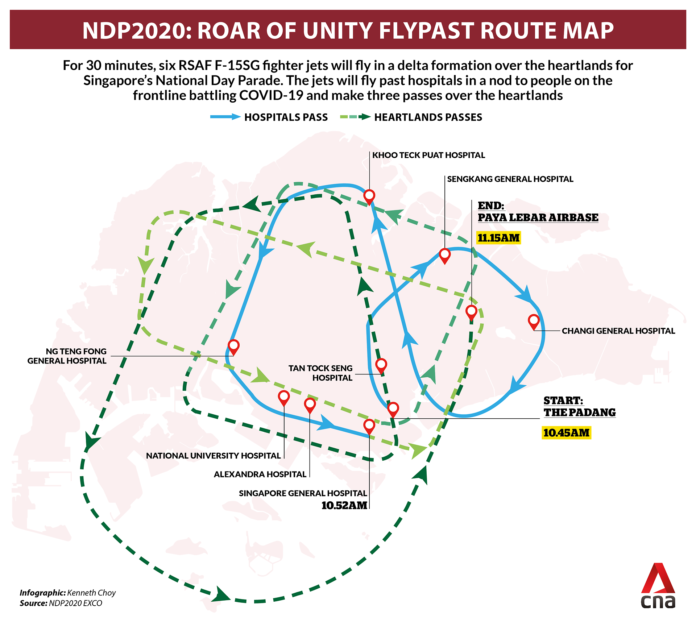
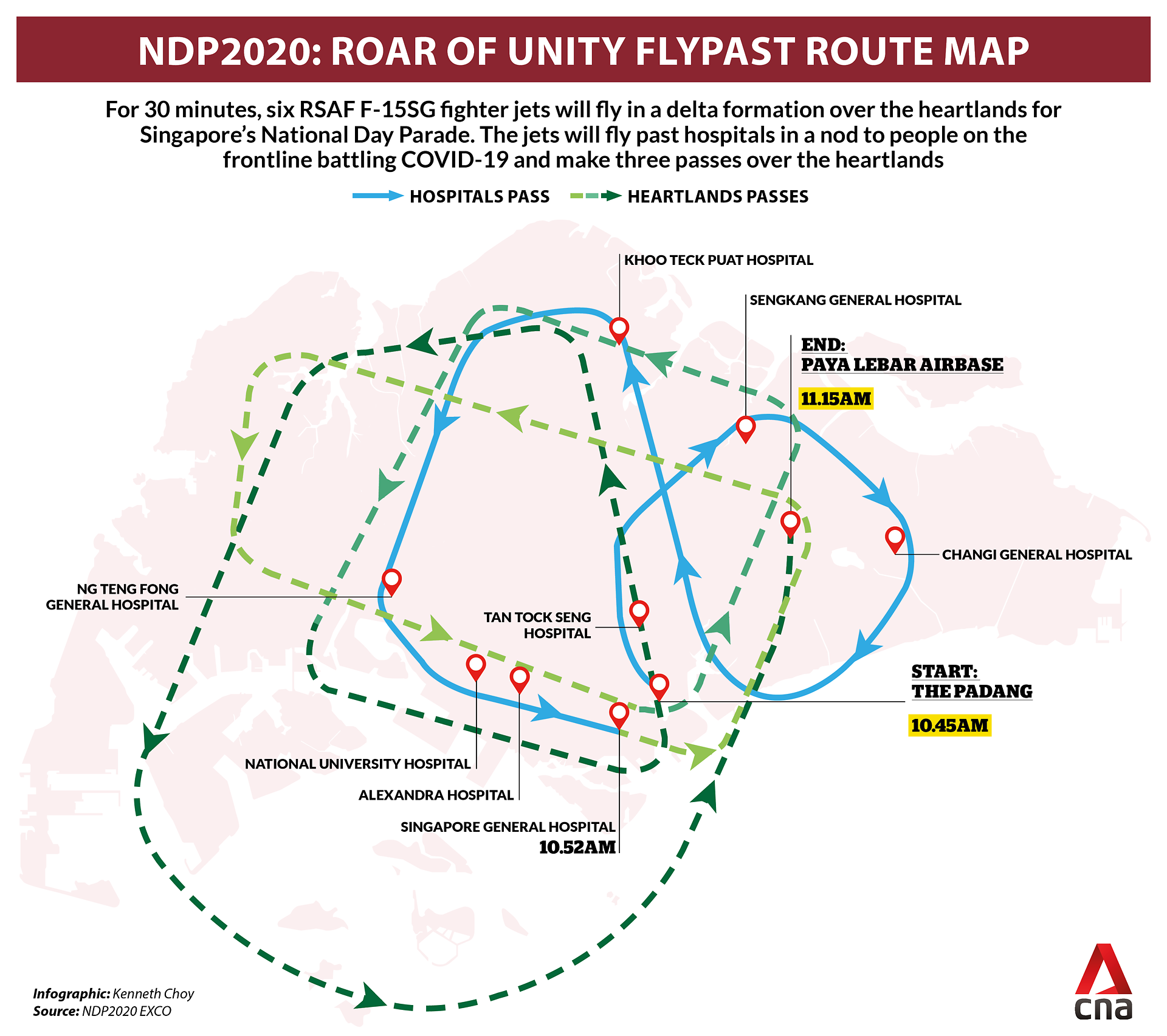
The parade segment, called the Roar of Unity, will be flying into the Padang, before making a series of tribute passes around eight hospitals and the rest of Singapore. 

Likening the sound of the fighter aircrafts flying overhead to a “roar”, Lieutenant Colonel (LTC) Tan Boon Hong said that Singaporeans will be able to hear it from their homes as they watch the “live” broadcast. 

He was speaking in a media briefing at Payar Lebar Air Base on Thursday (Jul 23).

This year’s NDP, under the theme Together, A Stronger Singapore, will be broadcasted remotely due to COVID-19 measures. 

READ: NDP 2020 to have morning and evening shows; shows to be scaled down in line with COVID-19 precautions

“For previous years, our main focus was at the show centre, be it the Floating Platform or the Padang. We would plan for the fighters to come into the show centre and subsequently do the traditional bomb burst, which is a crowd favourite,” said LTC Tan, who is the Flying Display Marshall of NDP 2020. 

“However for this year, Singaporeans will not not be able to be at the show centre to watch this segment and we want to bring this to them at their homes.” 

The tribute pass to the hospitals is also a “salute” for the frontline workers’ “resilience, dedication and sacrifice”. 

“We want to use the Roar of Unity to pay tribute to the frontline fighters in this COVID-19 pandemic, and also to the essential workers that are keeping our economy and our Singapore going in this period,” LTC Tan added. 

THE LONGEST FLYPAST IN HISTORY 

The F-15SG fighter jets will cover 170 nautical miles for a duration of 30min – all while maintaining its delta formation for its entire route. 

“The route will coincide with the parade proceedings in the morning at the Padang and subsequently flow seamlessly from the parade, over Singapore,” said LTC Tan. 

The jets will be making four passes in total – the first to hospitals, starting with Tan Tock Seng Hospital and ending at Singapore General Hospital. 
EMB 6.30PM route map

Flying at a height of 1,500 to 2,000 feet, they will then make three passes around the rest of Singapore, to ensure that “all the heartlands” are covered, LTC Tan added. 

“Regardless of where they are going to fly, it covers the majority of Singapore at the height where everyone should be able to see and hear them from their house.” 

The flypast will begin at the Padang at 10.45am and will end at Paya Lebar Airbase at 11.15am. This will be the longest route and the longest time a formation is maintained during a NDP. 

“Normally the F-15s and fighters that participate in NDP just cumulate … at the show centre,” LTC Tan explained. 

“This is the longest route that the fighter air crew will be flying and it’s the longest (duration) that this formation has to fly to maintain in a relatively tight formation for NDP.”

NDP2020 ROU 2

The F-15SG fighter jets will be flying over Singapore’s heartlands for the first time. (Photo: NDP2020 EXCO) 

For Lieutenant Shidan Swah Yepeng, who is the most junior pilot in the six-ship formation, the flyover is exceptionally meaningful to him as his parents are both working in the healthcare industry. 

“I’ve seen the amount of work put in by them and everyone in the industry. This is like a personal salute to them and a tribute for all the hard work they’ve put in,” he said. 

READ: NDP 2020 music video features Singaporeans who joined fight against COVID-19; theme song performed by Nathan Hartono

ENSURING THE SAFETY OF CREW AND SINGAPOREANS

To pull off this special flypast, the aircrew also has to overcome a new set of challenges – including staying in formation for the entire route, safety precautions and weather. 

Flying at close to 600kmh, the six jets would have to maintain a wingtip-to-wingtip distance of two to three metres as they make numerous turns in their route. 

“Imagine you’re driving a car constantly looking in the same direction for 30 minutes at high speed, while trying to avoid hitting your wingmen,” said Captain (CPT) Adam Eng, a weapon systems officer flying the F-15SG.

“That requires a lot of concentration and finesse to achieve that.”

CPT Adam Eng and LTA Shidan Swah NDP2020

Captain Adam Eng Jun Chao and Lieutenant Shidan Swah Yepeng posing for a picture in front of an F-15SG fighter jet. (Photo: Try Sutrisno Foo)

CPT Eng added that the “unpredictable weather in Singapore” may also compromise the integrity of the six-ship delta formation. “It plays with your senses because you are not able to see where the horizon is.” 

Should the weather conditions be unfavourable on National Day, LTC Tan said that the jets “might have to deviate the route”.

The main challenge however, is ensuring the safety of the air crew and the populace, said LTC Tan. 

“We’ve had to work very closely with our Civil Aviation Authority of Singapore counterparts to carve up the necessary airspace and to enforce the temporary restricted areas against unauthorised aerial activities so that our air crew is able to safely execute the maneuvers over the heartlands,” he said.

Captain Daniel Heng, the NDP airspace management coordinator added: “Singapore has very limited air space and we have a lot of different entities. For example, we have Changi airport, Seletar Airport and different military bases.”

“In order to accommodate everyone, we had to ensure that adequate air space is obtained timely from the respective agencies.”
Source link

NDP 2020 flypast to feature 2 state flags over the heartlands for the first time

0

SINGAPORE: Look out of your window on the morning of National Day and you might catch a glimpse of the state flag carried by a Chinook helicopter as it makes its way across Singapore.
 
For the first time, two state flags will be flown along two routes in the iconic flypast event – and they will travel across the heartlands in line with this year’s concept of bringing the National Day Parade (NDP) closer to residents.
 
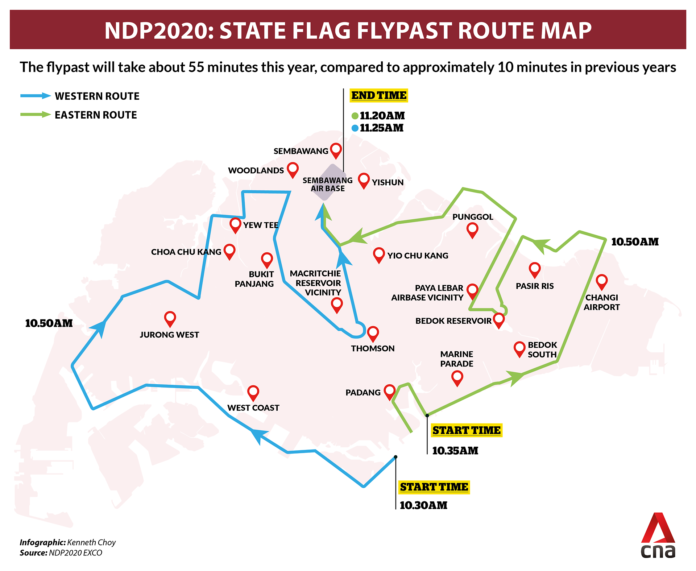
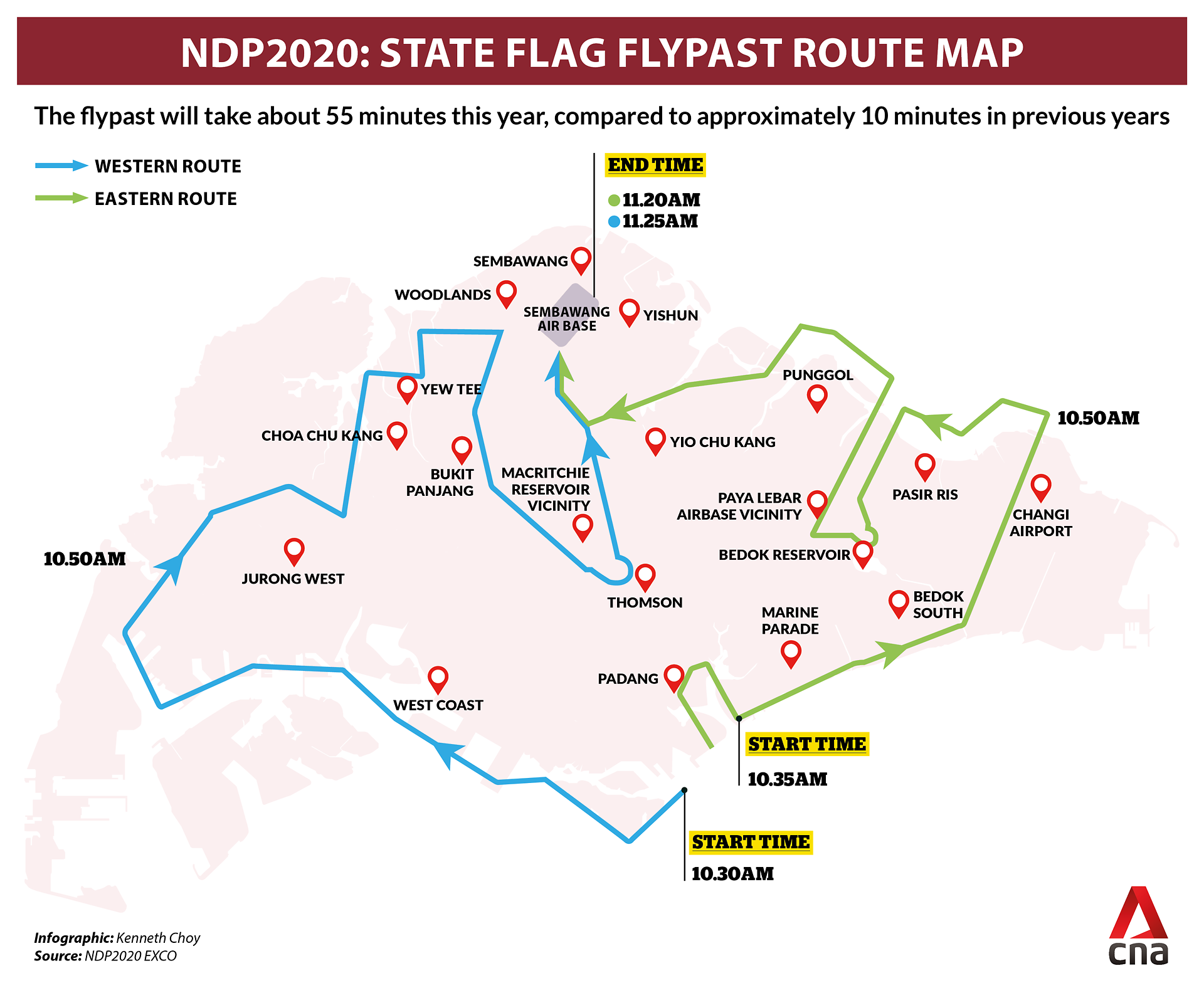
From 10.30am on Aug 9, one flag will set off for the Padang, flying across it while the national anthem plays, before taking an eastern route over Singapore. The second flag will fly a western route.

The eastern route includes – but is not limited to – Marine Parade, Bedok South, Changi Airport, Pasir Ris, the area around Paya Lebar Airbase, the Punggol area, Yio Chu Kang, Sembawang and Yishun.

As for the western route, it covers locations such as West Coast, Jurong West, Choa Chu Kang, Yew Tee, Woodlands, Bukit Panjang, the area around MacRitchie Reservoir and Thomson.

NDP 2020 flag flypast graphic

​​​​​​​

The flags will fly concurrently for about 55 minutes before landing at Sembawang Airbase.
 
The flypast is an annual tradition during the parade, but it will take place in the morning this year as organisers have made changes to the format of the show due to COVID-19 restrictions.
 
There will be a morning and evening segment, with a reduced number of participants and no plans to allow spectators for the evening show.

It will also be the first time that a female pilot will fly the state flag during the NDP flypast.

NDP 2020 flag flypast 3

Captain Trixie Tang will be the first female pilot to fly the state flag during NDP. (Photo: Jeremy Long)

“I volunteered to participate for this year’s (NDP) because it’s a good opportunity to give back and to contribute in my own way to the National Day Parade and to Singapore this year,” said Captain Trixie Tang, who will be flying the eastern route.
 
“I feel very honoured and grateful to be given this opportunity.”

READ: NDP 2020 music video features Singaporeans who joined fight against COVID-19; theme song performed by Nathan Hartono

FLYING THE FLAG

For the Republic of Singapore Air Force crew, the state flag flypast is a significant undertaking.
 
Measuring 30m by 20m, the state flag used in the event is about 1.5 times the size of a basketball court. It takes 25 people between 45 minutes and two hours to fold one flag.

NDP 2020 flag flypast 2

It takes 25 men between 45 minutes and two hours to fold the 30m by 20m flag. (Photo: Jeremy Long)

The flag is then rigged to a Chinook helicopter, a process that takes 45 minutes. Three ballasts, each weighing 220kg, are attached to it to hold the 140kg flag down as it unfurls.

When it is time to unfurl the flag, a three-man team will pull the release rope when the aircraft picks the flag up so that it can catch the wind.

Once the flypast is over, the team will release the flags at Sembawang Airbase where the ballasts will be removed and the flags folded.

NDP 2020 flag flypast 4

Captain Eugene Chua, the deputy Flying Display Marshal, Captain Trixie Tang and Military Expert 2 Sukhdesh Singh Sandhua, who will involved with flying the flag, pose for a picture. (Photo: Jeremy Long) 

This year, there are added considerations in taking the flags to the heartlands.

“The difference in planning from previous years, this year is especially so for looking at the safety aspect, while we bring the flags into the heartlands,” said Captain Eugene Chua, who is the deputy Flying Display Marshal.

“We also have to study the various profiles that we have planned to ensure that at the same flight our flight route is taking the flag to a position where we maximise the exposure to the residents at the optimum height and optimum route that ensures both safety and maximum exposure.”

Temporary restricted areas will be set up across Singapore in preparation for the flypast, meaning people should not fly kites or drones in those areas. The list of areas can be found on the Civil Aviation Authority of Singapore’s website.

Source link

Police unveil new fast response car with number plate recognition, more secure cabin for suspects

0

SINGAPORE: On the outside, the Singapore Police Force’s new fast response car has all the bells and whistles of a sophisticated, smart vehicle: A remote-controlled searchlight on the roof, sensors under the side view mirrors, and cameras on the front, sides and back.

But look inside the rear cabin and you will find a space that is almost threadbare. There are no leather seats, compartments or cup holders, just hard raised platforms with anti-slip grooves and a large screen separating the front cabin from the rear.

new police car rear seats

The rear seats are designed to make the cabin more secure for suspects. (Photo: Marcus Mark Ramos)

It is clear that this new car is not about passenger comfort, but using technology and functional design that is best suited for the job.

The absence of conventional seats means people in custody cannot hide objects between the cushions, police explained during a media event on Thursday (Jul 30) showcasing the new vehicle.

new police car rear cabin

The seatbelts are buckled to the side of the compartment in default position so officers can reach them easily. (Photo: Marcus Mark Ramos)

The hard surfaces are curved to make space for suspects in handcuffs, and easy to clean for an uncooperative few who might vomit or sweat a lot.

Even the seatbelt is designed such that police officers do not have to reach across suspects to help them buckle up. This protects officers from headbutts and sneak attacks.

new police car blinkers

The new car comes with a roof-mounted searchlight and rumblers to warn other road users. (Photo: Marcus Mark Ramos)

The police said it will progressively roll out about 300 of these purpose-built Hyundai Tucson sports utility vehicles (SUVs) for use in the Ground Response Force, or neighbourhood police, operations. The new cars are expected to replace the current fleet of saloon patrol cars by 2024.

An SUV gives officers a better field of view due to its higher profile, said Deputy Superintendent of Police (DSP) Ng Li Ki, operations officer at the Frontline Policing Division’s operations department.

READ: Traffic Police get new fleet of BMW cars for expressway patrols

“I think we have good officers who always think of how new technology can be used to improve the job functions,” he said. “When it’s something that you’re doing day in, day out, you’re at risk with certain things, you will think of new ways of doing things.”

new police car sensor

Visual sensors under the side view mirrors for number plate recognition. (Photo: Marcus Mark Ramos)

For one, visual sensors on the car automatically detect vehicle number plates on the move, sniffing out wanted vehicles while determining their make and colour.

The car’s external cameras can livestream 360-degree, high-resolution footage of the surroundings to the police operations command centre.

new police car side camera

Side cameras on the car’s roof. (Photo: Marcus Mark Ramos)

The car does not only have blinkers, a siren and a public announcement system, but also speakers that emit a low-frequency rumble to warn other road users. A spotlight can be mounted on the roof for use in low light conditions and search operations.

Some of these cars will also be used to test modular capabilities, like an integrated drone disruption function. This is one example of how the police is adapting to evolving threats, DSP Ng said.

new police car driver

The new car is designed to improve the operational effectiveness and safety of ground officers. (Photo: Marcus Mark Ramos)

Senior Assistant Commissioner of Police How Kwang Hwee, director of operations, said the new car will further improve the operational effectiveness and safety of ground officers.

“Officers’ feedback has been an integral part of the vehicle’s conceptualisation and development, and there has been much attention to detail on the features that have been included,” he said.

Singapore police car patrol 2

A Singapore Police Force car. (File photo: Hanidah Amin)

While the current fleet of fast response cars – comprising models like the Hyundai Elantra – is retrofitted to suit operational needs, this new batch is built with all its features from scratch. The new car was conceptualised in 2017 before production began two years later.

The police worked with the Home Team Science and Technology Agency on the car’s functional design and technology, calling it a “milestone” in developing vehicles customised for operational requirements.

NUMBER PLATE RECOGNITION

For instance, the car’s number plate recognition technology automates a job that usually involves officers keeping their eyes peeled for wanted cars, like those which might have been stolen.

The system is hooked up to a police database and will highlight wanted plate numbers in red on a dashboard screen. Police said this ensures officers do not have to divert their attention from ongoing tasks.

new police car number plate recognition

The number plates of vehicles of interest will be automatically highlighted in red. (Photo: Marcus Mark Ramos)

“There are various other things it can pick up depending on the weather and lighting conditions … like the model and the make,” DSP Ng said.

“But it’s not something that is absolutely foolproof. So what we are most attuned to for the particular function, really, is the ability to detect and match it against our database.”

VIDEO RECORDING SYSTEM

The car’s cameras that can stream footage to the command centre will allow for better incident management, police said, adding that the system works using 4G and eventually 5G technology.

DSP Ng said this allows the command centre to see, through the vehicle, what is going on in different neighbourhoods and parts of Singapore.

new police car rear camera

Cameras on the rear give the command centre a 360-degree view of the surroundings. (Photo: Marcus Mark Ramos)

“It’s helpful because you can have a first-eye glance. When the officer reports this and that, you also have a visual of what’s taking place,” he said.

“And that’s something which is quite important for us, especially when we try to look towards higher technology, interpreting this footage and data, assessing how many resources to send and things like that.”

MORE CONVENIENCE FOR OFFICERS

Technology is also used in the car’s boot, where radio-frequency identification (RFID) sensors automatically tell officers via the dashboard screen if they are missing standard issue items that come with each car. These RFID-tagged items include helmets, vests and shields.

new police car boot

RFID tags are attached to standard-issue items in the car’s boot. (Photo: Marcus Mark Ramos)

Police said this helps officers account for their equipment and streamline their work processes.

new police car boot inventory

The RFID sensors give officers a real-time inventory of the car’s equipment. (Photo: Marcus Mark Ramos)

The front seats are ergonomically contoured to ensure officers wearing equipment like tasers and revolvers on their belts can get in and out of the car smoothly, and drive for long hours more comfortably.

new police car driver seat

The front seats are cut out at the base to make way for police belts. (Photo: Marcus Mark Ramos)

“We cannot just keep adding (equipment) and just trusting that officers’ backs are okay,” DSP Ng said. “So, we also cater for that inside this vehicle.”

The next-generation fast response car will be part of the National Day Parade mobile column that is set to move through the heartlands of Woodlands, Bishan and Geylang Serai on Aug 9.

Source link

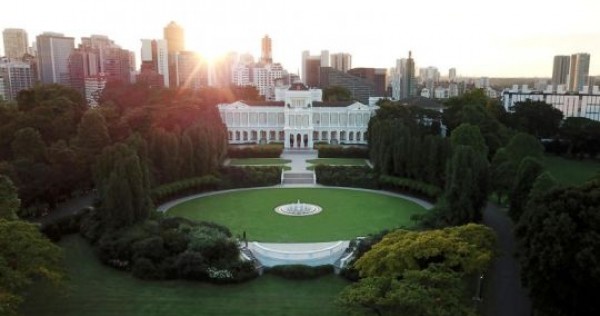
Istana opens virtual doors to the public for National Day

0

[ad_1]

Guests of the first virtual National Day Istana Open House were treated to little nuggets of history on one of Singapore’s oldest heritage sites on Sunday (Aug 2), with a “speaking” cheese plate as their host.

This is no ordinary plate – the Government House property was believed to have been used in the 1930s and the 1950s, playing host, albeit a silent one then, to foreign dignitaries and guests. It is still serving the nation today, as one of the artefacts on display at the National Museum of Singapore.

President Halimah Yacob said in her opening comments during the virtual open house, which was hosted on Facebook and Instagram, that despite the coronavirus pandemic, it was important to allow Singaporeans the opportunity to visit the Istana even if they could not physically be on site, with activities for the public to learn more about the Istana grounds and its history.

As of 3pm on Sunday, her Facebook post on the open house had 20,000 views.

The virtual open house also included a tour of the Istana’s grounds, courtesy of The Straits Times, which introduced guests to lesser-known spots such as an air-raid shelter known as the “bunker”.

[ad_2]

Source link

Coronavirus: 5 imported cases and 1 community case reported on Sunday

0

[ad_1]

The Ministry of Health (MOH) has preliminarily confirmed an additional 313 cases of Covid-19 infection in Singapore as of Aug 2, 12 noon. The vast majority of the cases are Work Permit holders residing in foreign worker dormitories.

There is one case in the community, who is a Singapore Permanent Resident, as well as five imported cases, who had all been placed on Stay-Home Notice upon arrival in Singapore.

MOH will release more details tonight. 

For the latest updates on the coronavirus, visit here.

[ad_2]

Source link

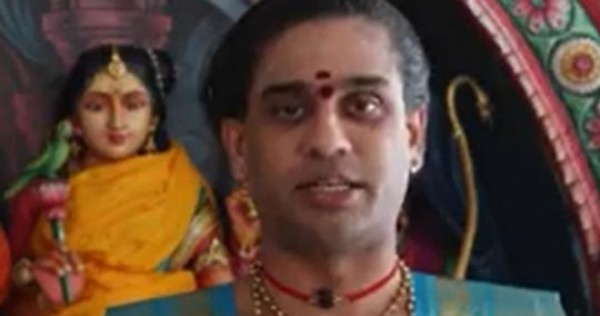
Police arrest chief priest of Sri Mariamman Temple for criminal breach of trust involving missing gold ornaments

0

[ad_1]

The police are investigating the chief priest of Singapore’s oldest Hindu temple, the Sri Mariamman Temple, for an incident involving criminal breach of trust.

In a statement released on Saturday night (Aug 1), the temple said a police report was lodged regarding gold ornaments that went missing in the custody of its chief priest Mr Sivashri Kandasamy Senapathi.

In response to queries from The Straits Times, the police confirmed the report, and said a 36-year-old man was arrested for criminal breach of trust as a servant.

Police investigations are ongoing.

The man is currently out on bail.

Gold ornaments which are frequently used for prayers are kept in  the custody of the chief priest in the inner sanctum of the temple, and regular audits are done to ensure that the ornaments are physically accounted for, said the temple in the statement.

“During the last audit, it was discovered (that) some gold ornaments were missing. The chief priest was questioned, and he subsequently returned all missing gold ornaments,” said the temple.

[ad_2]

Source link

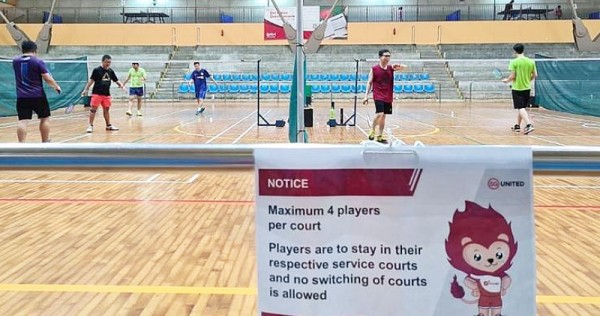
ActiveSG accounts of 29 people from social badminton group suspended

0

[ad_1]

National sports agency Sport Singapore (SportSG) has suspended the ActiveSG membership accounts of players from a social badminton group that flouted safe management measures on June 22.

The group of 29 people, one of whom was a Covid-19 patient, had not followed safe distancing rules and inter-mingled across the courts during their three-hour session at Jurong East Sport Hall.

On June 28, SportSG notified the players of the suspension via e-mail.

A SportSG spokesman said on July 29 that the users’ accounts will remain suspended “until the relevant authorities complete the investigations”.

This means they will not be able to make bookings or have access to any of the ActiveSG facilities for the time being, including the national sports movement’s sports halls, swimming complexes, gyms and fitness studios.

Several members of the group have appealed to SportSG, saying they had not intentionally breached the rules.

The organiser, who declined to be named, wrote to SportSG on July 24 to appeal against the suspension.

[ad_2]

Source link

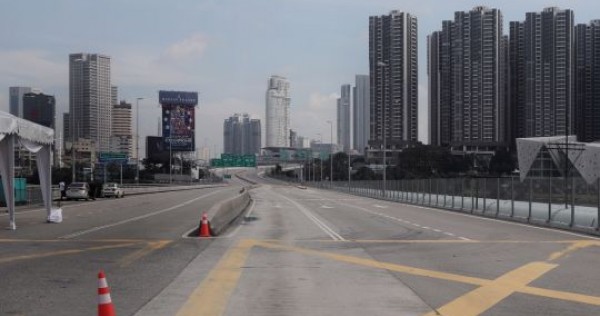
Singapore-Malaysia border travel: What are the safety measures

0

[ad_1]

Applications for cross-border travel between Singapore and Malaysia for long-term pass holders and travellers on essential business and official visits will start on Aug 10.

But those travelling under the two schemes meant for short-and long-term visits would have to abide by strict precautionary measures before, during and after their visits. Here is a look at the measures at a glance:

[ad_2]

Source link

‘We fill the hands that heal’: The team that ensures NUH staff are equipped to fight COVID-19

0

SINGAPORE: Personal protective gear like masks and face shields has been in high demand during the COVID-19 pandemic, and perhaps no one knows this better than a team tasked with ensuring that frontline healthcare workers have whatever they need. 

Such things are just a few out of the 2,600 items that the team from the National University Hospital’s (NUH) Materials Management Department is in charge of.

Behind the scenes, the team has been ensuring that their colleagues do not run out of the essential “armour” that is needed in the fight in the disease that has infected more than 52,000 people in Singapore.

READ: 307 new COVID-19 infections in Singapore, including 1 community case and 5 imported

“We have to keep more stock just in case there’s an event where the vendor has a stock-out issue, then we’ll be able to support the end user. So therefore we stock up a little bit, especially those fast-moving (items), whereby we want to keep about a month’s worth of supplies,” said logistics manager Ryan Chiam.

These fast-moving items include blood tubes, needles and gauze, he said. 

He was speaking during a media tour of the department’s storage facility at the basement in one of NUH’s buildings.

MORE MANUAL WORK TO BE DONE

The heart of the team of more than 50 staff members are the storekeepers. They typically do a physical check to find out what is needed by each clinic, ward or operating theatre and inform a team member, who then gives the go-ahead for these items to be issued.

The storekeepers walk down rows and rows of items arranged according to their material group at the storage facility, loading up their trolleys while armed with a list.

They then push these trolleys to the different destinations within the hospital grounds, and help to unpack and arrange the products in  utility rooms. It is this manual work that has increased with the pandemic, as the need for replenishment comes faster.

“PPE (Personal Protective Equipment) is something that we used to top up maybe two or three times a week. Now, we have to go every day,” said Mr Kenny Tang, who heads the team.

Mr Tang said that many storekeepers have been with the hospital for decades, with half of the team aged between 50 and 68. 

“Being an old hospital, there’s very limited IT (Information Technology) solutions or technology that we can leverage on, so it’s still a very manual process.”, he said.

nuh masks storekeepers cling wrap

Storekeeper Nazarndi Mohd Abi (right) and store supervisor Abdul Wahap Mydin Pillay are involved in making sure their colleagues on the front lines of the COVID-19 pandemic are properly equipped. 

“It’s very hard on my staff. This is Kent Ridge right? The terrain is not a flat thing where you can go around easily.”

WORKING WITH A LEANER TEAM

On top of that, the team also receives a higher number of urgent requests for supplies.

Senior executive assistant Lim Chun Bin said that before COVID-19, there would be two to three such requests a day, but now there are about 10. There were also fewer items being requested then. Now, there could be more than 20 items being requested.

“Usually they are requesting for those protective covers, like the gowns, the masks, and stuff like that,” she said. 

“The requests come in quite fast, so even on my non-working days, I also do check my email and try to respond to them,” she added.

READ: COVID-19: Some beaches ‘extremely crowded’ last weekend, Masagos warns against complacency

The team also provides supplies to support the medical teams providing care at foreign worker dormitories, and around 40 per cent of their COVID-19 related supplies like N95 masks, gloves and gowns go there.

The increased workload comes at a time when the team on any given day has become leaner, due to split-team work arrangements. The employees work alternate days, including on weekends, and work longer hours each day. They are supported by temporary staff.

The full-time employees now work from 8am to 9pm.

ENSURING SUPPLIES EVEN WHEN IT’S DIFFICULT

Other than performing more manual work, the team has also had to get creative in making sure sufficient supplies are kept on hand. 

Corporate gift vendors may not be the first to come to mind when trying to get a supply of face shields, but they are precisely the people Mr Tang and his team reached out to.

Mr Tang said that they had to turn to “non-traditional” sources.

While most of the PPE, like masks, was drawn from a national stockpile, there were some things, like face shields, that the hospital had to bring in on its own, he said.

biohazard items storage masks nuh

Among the 2,600 types of items the Materials Management Department is in charge of are needles, masks and blood tubes. 

“Face shields were one of those things that we needed to bring in quickly and at a time where everybody’s trying to grab the face shields,” he said.

With traditional medical supply vendors facing restrictions and export limitations, they relied on these gift vendors to get supplies from China, he said.

Another issue during the pandemic has been an increase in prices for items like disposable pillow covers bandages, dressings and alcohol swabs, he said. 

“We are beginning to see vendors increasing their prices, and we are trying to manage them as well to make sure that, you know, any increase is reasonable,” he said.

“Part of our responsibility is to manage the healthcare costs as well.”

LESSONS AND MOVING FORWARD

While it may not be possible to improve on every aspect of  manual work, on the cards are efforts to include technology that can relieve storekeepers of at least some work.

“We don’t have much technology … but we are going to introduce some to help relieve them so that they can be more efficient in their work,” Mr Chiam said.

READ: Not all face masks are created equal — 7 things to consider to protect yourself

From this month, storekeepers will no longer have to physically go to wards to check on the level of stocks. The hospital is introducing a system which involves nurses alerting the department on low supplies through technology.

“You will actually save so-called the manpower for this person to go to the ward to check stocks,” Mr Chiam added.

“One of the key things we did is that now, we tried to collect more data, after going through COVID-19, at least the first few months,” said Mr Tang.

Among the data is the utilisation of the PPE, which he believes will come in handy in the face of another pandemic.

At the end of the day, Mr Tang is very clear on the role that the team plays in the hospital eco-system- an important one, even if it is not in the spotlight.

“We fill the hands that heal. To me, these are six very meaningful words that describe what we do.”

BOOKMARK THIS: Our comprehensive coverage of the coronavirus outbreak and its developments

Download our app or subscribe to our Telegram channel for the latest updates on the coronavirus outbreak: https://cna.asia/telegram

Source link

Commentary: Battling with the mynas who come into my home and won’t leave

0

SINGAPORE: It started rather innocuously. At first, there was a tentative peek through the grille in the yard. 

Then a longer sitting on the ledge. And then the audacious fly in to look for food – in the bin, on the countertop, in the dog’s bowl.

When I first spotted them some months ago, I went into quite an unnecessary frenzy – which involved some shouting, brandishing of a broom and cussing.

Since I have been working from home, I have noticed the increased frequency with which these pesky birds have been coming into my home. And I began to wonder – have they always been coming in, just that no one was around to notice them?

It’s quite unlikely because one thing about these mynas – they poo everywhere. Even if they are in for less than a minute, there are droppings to show evidence of their exact flight path.

So this is most certainly new. First, I had to figure out what to do. Who better than Internet people with real world wisdom?

READ: Commentary: Why I still stay home most days even though circuit breaker has been lifted

MYNA BATTLING STRATEGIES

I was surprised at how many people had the same problem as me. Google “Help, how do I stop mynas from coming into my home?” and you’ll get a bunch of answers from forums everywhere.

The first answer was a bit of a letdown: “Close the window?”

Well, I don’t have a window, it’s one of those old buildings with grilles.

stock bird 01

File picture of a common mynah in Singapore (Photo: Francine Lim)

Another was more promising: “Hang a model of a hawk or eagle on your window. Apparently, kites in the shape of a hawk does well.”

The person helpfully suggested places (such as Daiso) where one could purchase a fake hawk or eagle.

But that suggestion was quickly shut down – mynas are apparently rather clever and they will know soon enough if you were pulling a lame trick.

The next one involved quite a lot of work, but was quite fascinating.

“What helped for us is scaring the crap out of one once it was inside. Close windows and doors and put a bit of fear into it as it tries to find a way out frantically. It’ll freak out, fly into windows, balcony doors and altogether regret entering the house. Then open the windows and let it go. Word will get around.”

I liked the concept of “word will get around” – which implied these guys were a tightly-knit gang who shared intelligence during regular meetings about which house was a weak link and which ones had people who would torture birds.

But I really couldn’t stomach the idea of a freaked out bird flailing about in my house. That would traumatise me, not the bird.

READ: Commentary: The wonder of clear skies and returning wildlife is our new climate problem

Read: Commentary: The truth behind returning wildlife is less feel-good than you think

Then, there was the quintessentially Asian take on things. “Set a rat trap, catch it and cook it, can BBQ.” Okay, no.

The most sensible advice was, just avoid putting any food out, cover your bins and if possible draw the blinds or create a mesh. The idea is – taking away their food source is the best way to keep them out.

COVID-19 AND CHANGES TO THE NATURAL WORLD

This whole business with the birds has a deeper pattern and the pandemic has only thrown this into much sharper focus.

Elizabeth Clarke, Conservation Director of the World Wide Fund for Nature Singapore, in a CNA commentary written in June this year, put it in simple terms: In most cases, these animals are simply searching for food.

During the circuit breaker, and even now, when so many of us are still home, their usual sources of food – trash left out at food centres chiefly – have diminished. Inevitably, they need to expand their reach and this is where man versus wild come into play.

Those otters who walked into a hospital and ate expensive fish in a pond, the cobra that greeted Marsiling MRT commuters, the wild boars that roamed Pasir Ris – all point to evidence of the “wilding” of urban spaces.

Otter Marina Bay

Singapore’s smooth-coated otters playing in the Marina Bay waters. (Photo: Tan Yong Lin)

But nature experts point out that humans have a natural tendency to act out of fear.

When the otters ate up those expensive koi, there were calls to cull the otter population which has grown to about 90 strong. Snakes have been reportedly beaten to death when they stray into home gardens.

I will be the first to admit that if I spot a snake, I am not going to marvel at how beautiful it is. Nor am I going to be nice with an aggressive monkey who wants my packet of Milo.

LEARNING TO LIVE WITH THE WILD

Yet, we do need to do better by these creatures. To be educated, to find the right resources and know what to do when we do encounter them. To this end, the Animal and Veterinary Service (AVS) has loads of useful information on its website.

Its section of what to do when you encounter wild animals is especially useful – the one on snakes starts by saying: “Resist the urge to attack it with a broom or stick”. Mental note: Brooms are bad things.

wild boar 2

Wild boars spotted around the Punggol reservoir area. (Photo: Mr Koh)

In the interest of learning more about my daily visitors, I read up on them. According to the International Union for Conservation of Nature (IUCN), the common myna is the third most invasive species in the world but the ones found in Singapore are of the Javan variety.

The Singapore Bird Group says the Javan myna is the most common resident bird in Singapore and they helpfully add that these guys have “probably annoyed more people here than any other bird species”.

They have grown in numbers and a combination of deforestation (in other parts of Southeast Asia where they came from), climate change and intense urbanisation have led to the rise in their numbers and more importantly, of them seeking out urban spaces.

It’s easy to call the Town Council and get them to get rid of these birds so we can live peaceful lives but that would deprive our clawed companions of living their own free lives. The challenge is to find a balance – a way of each living together without one overrunning the other.

So in the interest of co-existing, I might call a truce with the mynas who vex me on a daily basis. For a start, I shall hold off on the broom.

Crispina Robert is an editor at CNA Digital News where she oversees podcasts.

Source link