A 24-year-old man, who was roped in by another man to take part in a threesome with the latter’s girlfriend without her knowledge and consent, was sentenced to 17 years and 10 months’ jail and 14 strokes of the cane for rape and other sexual offences yesterday.
High Court judge Pang Khang Chau found that Srihari Mahendran played a subordinate role in the trysts to the “real mastermind” – the woman’s then boyfriend who had recruited him to fulfil his fantasy of watching another man have sex with his girlfriend.
Justice Pang said he could not ignore the leadership role played by the boyfriend, but noted that the boyfriend had pleaded guilty, while Srihari had contested his charges.
The 28-year-old boyfriend, a former auxiliary police officer, is serving a jail term of 19 years and 11 months for abetting Srihari to rape and sexually assault the victim on two separate occasions in 2016. He was also sentenced to 24 strokes of the cane.
He cannot be named due to a gag order to protect the identity of his former girlfriend.
SINGAPORE: When Singapore introduced a “circuit breaker” in April to limit the spread of COVID-19, people had questions about the implications.
What would it mean for work and family life? What about school?
For some people, one of their main concerns was about something more prosaic.
Bubble tea.
Among them was Mr Xavier Ng, who was alarmed by the news that bubble tea shops would close as part of additional restrictions on food and beverage outlets announced on Apr 21. With the measures set to kick in at midnight that evening, the clock was ticking on the last opportunity for a while to get a fix of his favourite drink.
The 25-year-old interior designer was at work and could not leave immediately. As news spread that bubble tea outlets would be closing, his friends, knowing his 10-year love for the drink, started messaging him.
When he managed to leave work at 9pm, he contacted the owner of Bober Tea, the brand he has been patronising in recent years, to make sure that the outlet in Bishan near his office would still be open when he got there.
To Mr Ng’s relief, it was.
“The thought of having no bubble tea for the next one to two months made me feel like I had to go down to buy it,” he said.
Mr Ng was not alone when he arrived. He had to wait for about two hours before getting his hands on a cup of brown sugar fresh milk. While he was concerned about standing in line with many other customers, he said he was comforted by the safe distancing measures in place.
“I was happy. At the very least, I could still get one cup,” he said.
Such scenes were played out at many bubble tea shops across Singapore, with reports of snaking queues and long waits.
Another bubble tea lover who needs a regular fix is Ms Joyce Tan. While she was not one of those who queued when the announcement about store closures was made, both she and her husband spent half an hour on their apps trying to order the drink. They did not manage to. Demand had outstripped supply.
That does not make her any less of a bubble tea fan.
A few weeks ago, exhausted at the end of a long day, she fell asleep at 8pm, declining an offer from husband Raymond Wong to get her bubble tea. But in the wee hours, she shot awake and woke her husband up asking for the drink.
Her dutiful husband said: “Are you okay, babe? Relax, lah, your bubble tea is in the fridge.”
When she looked into the fridge the next morning, the drink was there, complete with a note from her 12-year-old son saying “For mommy”, just in case his sister thought it was for her.
Ms Tan’s bubble tea was waiting for her in the morning, after she woke up in the middle of the night asking for it. (Photo: Joyce Tan)
That anxious moment in the middle of the night was a first for the 48-year-old, whose love of the drink stretches back more than 20 years.
At that time, it was sold mainly at pasar malams, or night markets. She remembers fondly a robot-like doll that would bob up and down to mix the ingredients. Like today, the bubble tea stalls would draw long lines, and the wait could be long.
“It was something new, and everybody wanted to try bubble tea,” she said, speaking to CNA from her Woodlands flat.
She later become a regular at a shop called Fei Fei which employed bikini-clad models to attract the crowds.
She and Mr Wong, who is also a bubble tea fan, would stock up for the week, getting six to eight cups at once.
Bubble tea lover Joyce Tan with her favourite drink. (Photo: Joyce Tan)
They became tired of bubble tea at some point, but with big names like Koi and Gong Cha entering the market by the late 2000s, Ms Tan and Mr Wong were again drawn to the drink.
“Personally, what I feel makes a good bubble tea, it all boils down to the pearls,” she said.
She has the drink three to four times a week now, and goes for a sugar level of 25 to 30 per cent as she is conscious of her health.
“It’s my energy drink, it’s my go-to drink, especially when I have a long day at work and I just want something to perk me up, or when I have lots of work to do and I need something to keep me company while I am working.”
During the circuit breaker when Ms Tan did not manage to have bubble tea, Mr Wong said she was “more spicy”, referring to her quicker temper when she was not getting enough of her favourite drink.
While expounding on her love for bubble tea, Ms Tan added that it is not just bubble tea without exercise – she and her husband are avid mountain-bikers.
To this, Mr Wong chimed in: “Tell the truth, lah. We exercise because we want to drink bubble tea.”
WHY DO PEOPLE LOVE BUBBLE TEA?
These bubble tea lovers are not an exception in Singapore, where shops offering the beverage are a dime a dozen, with many major brands from Taiwan and China available here. The ubiquitousness of the outlets highlights how popular it is.
Professor Leonard Lee from the National University of Singapore Business School said that the surge in demand for bubble tea on the night before outlets had to close could be down to several reasons.
“My sense is that the perception that bubble tea is a ‘fun and affordable treat,’ coupled with a scarcity-driven appealand herd mentality, possibly drove much of this pre-circuit-breaker and circuit-breaker surge in demand,” he said.
However, he stopped short of calling people’s love of the drink an addiction.
“Addiction is generally associated with compulsive consumption, along with withdrawal symptoms after one abandons the focal ‘substance’ to which one is addicted,” he said.
“But it is certainly possible that drinking bubble tea may have become a habit for some.”
Psychiatrist at Gleneagles Hospital Lim Boon Leng also said that drinking bubble tea has become a lifestyle habit for many, and that the need to change this habit during the circuit breaker period could have provoked a strong reaction from fans.
“Somehow, drinking bubble tea has certain connotations. For example, it gives a sense of ease and comfort,” Dr Lim said.
He added that while making changes to one’s life is difficult, it is even more challenging if it creates downsides such as inconvenience, sacrifice, or a lack of potential gain or reward.
Another factor that could have driven the circuit breaker-fuelled bubble tea mania was a fear of missing out, given the viral posts online about bubble tea stores closing.
He noted that while all other stores selling food and drinks would be covered under the circuit breaker, social media posts highlighted the looming closure of bubble tea stores. This could have led to herd mentality, as images of people queueing up to get a cup of bubble tea were everywhere at the time.
In normal times, the popularity of bubble tea could be explained in other ways beyond enjoyment of a drink, the experts said.
Drinking bubble tea may be perceived as fun, especially with the extensive variety of teas from which consumers can choose, the creative names and colourful appearance of the teas, plus the ability to customise one’s own drink or sample new “concoctions”, Prof Lee said.
Some consumers may also see drinking bubble tea as a fun social activity to do with their friends, he said.
Given the wide selection of available flavours, and ingredients from which consumers could choose if they wish to “construct” their own tea, bubble tea could also allow consumers to express themselves as they get to create a beverage that matches their preference and self-identity, he said.
Another reason for the appeal is the ability for customers to decide how healthy they would like to be, he said.
“Given that one could choose more healthy ingredients as well as request a lower proportion of sugar in their drinks, consumers could perceive drinking bubble tea to be more healthy than drinking regular carbonated soft drinks,” said Prof Lee, who researches consumer psychology.
Dr Emily Ortega, head of the Psychology Programme at the Singapore University of Social Sciences, said that bubble tea is “very much a social experience for many people”.
A bubble tea lover herself, Dr Ortega said that eating and drinking with others allow people to bond, and this is magnified through social media.
“People don’t just share their bubble tea experiences physically, they also share their bubble tea experiences online, giving recommendations on what is good,” she said.
Psychologically, some people see bubble tea as a combination between a dessert and a drink, so it feels like “more bang for your buck”, she added. There is also the “allure” of drink customisation, she said.
“Bubble tea allows people to make the drink their very own and they can change their drinks to suit their mood or to even alleviate their negative moods,” she said.
She added that from a biological perspective, bubble tea is addictive because of the caffeine and the sugar.
THE EVOLUTION OF BUBBLE TEA IN SINGAPORE
While bubble tea stores today offer a dizzying variety of drinks and toppings, with customisable sugar levels, this was not always the case. Singapore’s first bubble tea store opened in Marina Square as far back as 1992, although with a completely different concept.
At the time, bubble tea was generally served in cocktail glasses and customers drank the beverage seated in shops called “bubble tea huts”.
In the beginning, bubble tea was primarily made with creamer. Fewer toppings were offered, and the flavours, made with syrup, were limited. It was also cheaper, with drinks available at under S$2.
From humble beginnings, the bandwagon gained momentum as new players entered the market to try to exploit what seemed to be an insatiable demand for bubble tea.
The industry grew and grew, until one day, it reached saturation point. The bubble tea bubble seemingly burst.
Referring to estimates reported at the time, Singapore Polytechnic School of Business lecturer Tay Xiu Ru said that there were up to 5,000 bubble tea shops here by 2002.
“The rate at which these stores were popping up within close proximity to one another, with lack of clear positioning and differentiation contributed to the eventual collapse of the bubble tea industry. The strategy which a lot of bubble tea shops took was to offer discounts (and) lucky draw promotions. These are methods to increase sales, but they do not necessarily help build brand image for the sellers,” she said.
She added that some bubble tea sellers were also focused on rapid growth and franchising, with lack of attention to staff training, focusing on quantity over quality.
As Mr Gary Lin, course chair of Temasek Polytechnic’s Diploma in Marketing, put it: “The first wave of bubble tea market was somewhat limited in variety and quality. It descended into a price war and ended in a bloodbath when the fad died.”
He noted that better-managed companies like Each-a-Cup managed to stay afloat despite having to shrink.
Speaking to CNA, Each-a-Cup founder Chua Keem Long said that the collapse of the industry, which happened around 2003, was due to a lack of training.
Then, things were done with no clear strategy, and new playerswere jumping onto the bandwagon without knowing how to create a cup of quality bubble tea, he said.
“When the business was good, you open, I open, everyone open, (but) the training (was) not enough,” he said.
The period of decline was the “hardest time” of his life, said Mr Chua, who founded the company here in 1999.
“I still remember, my rental was S$8,000 to S$9,000. One day we (were making) only over S$100,” the 70-year-old industry veteran said.
Founder of Each-A-Cup is a veteran in the bubble tea industry here, having opened his chain in 1999. (Photo: Jalelah Abu Baker)
“Everyday you (have) got to struggle, make the losses. You are worried also, wondering what kind of business is this,” he recounted. Mr Chua said business shrunk from having 50 outlets to 15, and that he lost S$400,000 during that period.
He also dropped the price of a cup of bubble tea from S$3 to S$1.90. However, by the end of 2004, he broke even, he said. After that, sales picked up steadily over the years, he added.
THE BUBBLE TEA MARKET TODAY
Today, the market is more diversified, with an extensive range of price offerings, flavours and quality. For instance, the same variety of drink could be bought for anything between S$2 and S$5, depending on the outlet.
There is also more innovation as businesses look to develop new offerings to extend their appeal.
Sharetea, for instance, opened concept stores under the name Sharetea Premium which serve cold-brewed bubble tea.
“Cold brewing is a method of preparation that isn’t new to cafes but still fairly new for bubble tea brands,” a spokesperson said. She explained that in this method of preparation, tea leaves are steeped in cool water for 10 hours.
Another brand, Playmade, said that its major appeal is that it makes everything “from scratch” and offers a variety of pearls.
Ingredients are made from scratch at Playmade. (Photo: Playmade)
“Every cup of Playmade bubble tea is made by hand, only with the freshest ingredients. Also we make everything from scratch, like our burnt caramel, brown sugar, even our sugar solution is all made in house,” a spokesperson said.
Other brands have also come up with innovative solutions when it comes to a crunch. During the circuit breaker period when bubble tea stores could not open, The Whale Tea sold do-it-yourself kits which allowed consumers to make drinks like roasted oolong milk tea with pearls and brown sugar boba milk at home. The firm also tied up with online platforms other than the delivery platforms to sell its kits.
The Whale Tea came up with a DIY kit during the circuit breaker period, when bubble tea outlets had to close. (Photo: The Whale Tea)
“The objective was to allow bubble tea lovers to be able to enjoy bubble tea in the comfort of their homes and bond with their loved ones while doing it,” said a spokesperson.
He added that the response was “better than we expected”, and they sold around 1,000 sets.
Each-a-Cup, on its part, sells more than 100 varieties of drink, and is constantly updating its offerings, said Mr Chua.
One drink that was removed from its menu despite it doing well was an ice-blended bandung drink.
“If we want to go for ‘healthier choice’, we have to cut out a lot of things,” he said. The brand’s menu features 18 drinks approved to be healthier by the Health Promotion Board (HPB), he added.
Focusing on offering healthier alternatives may be one way for the industry to ensure its long-term future as consumer habits are constantly evolving.
THE HEALTH PERSPECTIVE
Dietician at Parkway East Hospital Jennifer Shim said that while the tea itself in these drinks is naturally low in calories and is known to be rich in polyphenols, which have anti-inflammatory and antioxidant properties, it is the other ingredients that make bubble tea less nutritious.
Ingredients such as the pearls, flavoured syrup and sugar provide a high amount of carbohydrates, she said.
“This ultimately labelled bubble tea as a sugary beverage. It adds empty calories to an individual’s diet and they provide very little nutritional value,” she said.
She added that this increases the risk of becoming overweight and obese that may lead to other diseases such as heart disease, diabetes and cancer.
She said that bubble tea drinks with toppings and at 100 per cent sweetness level consist of eight or more teaspoons of sugar. HPB’s recommended daily sugar intake is eight to 11 teaspoons for adults and five teaspoons for children and teenagers.
The calories in these beverages may range from 200 to 500 per 500ml serving, depending on how they are prepared, she said.
It could take an estimated 30 minutes of high-intensity exercise such as high-knee running, mountain climbing or one hour of low-impact exercises such as swimming or walking to burn about 250 to 350 calories, Ms Shim said. The number of calories burnt depends on the duration of the exercise, the pace, intensity and a person’s weight and height, she explained.
“Even by choosing a lesser sugar option, moderation is the key. Therefore, it is still important to limit the frequency of drinking bubble tea, probably to one to two servings in a week,” she said.
Head of Nutrition & Dietetics at Mount Alvernia Hospital Sarah Sinaram said that legislation and consumer demands make it imperative for bubble tea retailers to offer healthier options.
On the part of bubble tea drinkers, she said they could opt for plain teas without milk or creamer, select 30 per cent or lower sugar levels and choose toppings which contain less than 50 calories.
She provided information on the calories contained in toppings. Tapioca pearls contain 156 calories, while aloe vera contains 31 calories. White pearls contain 42 calories. On the extreme end of the spectrum are foam toppings, with cheese foam containing 160 to 200 calories, and milk foam, 203 calories.
“If you do indulge in the occasional high sugar, high fat versions, do at least 30 minutes of vigorous exercise to burn off the additional calories,” she said.
TRYING TO MAKE IT WITHOUT A BIG BRAND NAME
Attempting to make it in a market that is filled with big brand names from Taiwan and China is homegrown label Bober Tea. Its founders’ decision to enter the market would most accurately be described as a whim.
Founders Joseph Oh and Gabriel Kok were in Shenzhen, China, fully committed to the idea of doing research and development for a bread and cake business. The R&D centre had been rented, suppliers sourced, industrial ovens loaded, and about S$20,000 spent.
But the two friends realised something – they were queueing up for one to two hours to buy bubble tea from popular brands Heytea and Nayuki there, and the drinks were costing them about S$10 each time. They made a quick decision to switch their focus to the beverage instead.
Bober Tea is a homegrown brand which decided to enter Singapore’s bubble tea market. (Photo: Bober Tea)
But while the business model many have chosen to take involves getting a franchising licence from big, established brands, the two men, along with co-founder Eugene Yap decided to start their own. In China, they visited a wholesale market eight to 10 times bigger than the Pasir Panjang Wholesale Centre, selecting potential tea leaves. In Taipei, Taiwan, they went to a tea fair which had close to 1,000 types of tea leaves to suss out the best and bring them home.
Mr Oh said that one reason for creating their own brand was to be able to test their drinks themselves.
“If we were to actually take a franchise business, the whole thing will be very rigid. We wouldn’t be able to change a lot of stuff to what we like and they may not know what the Singapore customers will like,” he said.
When they opened their first store in June 2018, the industry was still small, they said during an interview with CNA at their headquarters in Midview City. However, by the end of the year, the industry had ballooned, with many big names in the mix.
The founders believe they have held their own, despite the competition. Among their successes are the opening of franchises in Manila, the Philippines, and California, the United States.
However, challenges remain in a highly competitive industry, they said, and chief among them is finding the right location for new stores.
“Mall managements are skeptical, they want big brands. Even their business or sales numbers may not be good, they still want the big brands,” said Mr Oh.
In that vein, Temasek Polytechnic’s Mr Lin said that due to the market being dominated by bigger brands, the barriers of entry for small unknown brands are now higher.
BUBBLE TEA HERE TO STAY
Experts and industry players alike said that a repeat of the bubble tea crash in the early 2000s is unlikely to happen. Quoting research from Allied Market Research, Mr Lin said that the bubble tea market is projected to reach US$3.2 billion (S$4.4 billion) by 2023.
Singapore’s bubble tea industry will not see a repeat of the past for several reasons, said Mr Lin. Among them are the “great variety” that caters to different segments of the market, both in terms of price and flavours, quality of products used and the ability to choose a sugar level.
“The great variety and quality gives the consumer the power of choice, a very powerful element that helps to sustain continuous buying. It has become part of the lifestyle of many younger people (and is) not just a fad. It is now mainstream,” he said.
Ms Tay said that in the near-term, she does not think Singapore is likely to see another fall in the industry as there have been many “case studies” related to the bubble tea collapse in the early 2000s.
“These days, bubble tea operators make sure that they do ample research in terms of ascertaining market opportunity, conducting market sensing of the kind of drinks which will resonate with target customers prior to starting up business,” Ms Tay said.
She added that they make the effort to continuously focus on product innovation, testing and launching new bubble tea flavours. On top of that, bubble tea brands also pay attention to communicating the distinctiveness of their product offering and brand concept to consumers.
“We see bubble tea operators focus on marketing efforts (such as through social media) to constantly communicate with their target customers to build stronger brand image, update on new drinks and engage customers in terms of coming up with new flavours which also photograph well,” she said.
She added that bubble tea operators also pay more attention to margins and ensure that they do not undertake excessive discounting measures which eat into their profit margins and also potentially cheapen their brand image.
“It is now no longer marketed as just a drink, it has become a ‘lifestyle’ concept,” she said.
Some brands let customers know of their prestigious certifications and high-quality ingredients. They focus on building strong brand positioning and R&D by trying out innovative recipes, she said.
“These are longer-term sustainable growth strategies, as compared to price cuts. These bubble tea operators also pay more attention to margins and make sure that they do not undertake excessive discounting measures which eat into their profit margins and also potentially cheapen their brand image,” she added.
The Whale Tea said that bubble tea has become ingrained in Singapore’s culture and lifestyle, unlike previously. Each-a-Cup’s Mr Chua agreed that the industry is now different.
“Today, people (bubble tea operators) who are coming in, they have experience. Those who come in without experience, they may close,” he said.
SINGAPORE: At airports round the world, the bustle of travellers and constant sound of planes taking off have been replaced by silence and perhaps the occasional bird chirping on the runways.
The COVID-19 pandemic has all but decimated commercial passenger flights. And with nowhere to go, thousands of planes are out of work.
But while these planes are grounded, work goes on for the army of engineers whose job it is to keep an eye on the aircraft and make sure they remain in good shape.
As the show Grounded finds out, many things need to be considered: From where to park the planes, to how to keep out birds (and the tiniest of insects) and even what would happen if window shades are not closed. (Watch it here.)
Here are some interesting facts about protecting grounded planes.
Like putting a jigsaw together, with the planes as the pieces to be positioned.
1. PARKING PLANES AT AIRPORTS IS LIKE SOLVING JIGSAWS
Think of where to find planes, and the instinctive response would be the airport. But airlines have run out of the usual space to store them.
“Airports are designed to keep aircraft in constant motion rather than stationary,” said aviation industry expert Simin Ngai from travel data and analytics company Cirium.
For example, there is not enough space for AirAsia, with Malaysia’s biggest fleet, to park all its planes at Kuala Lumpur International Airport 2, said AirAsia aircraft maintenance engineer Yap Sheng Lin. Some must be parked at the cargo terminal.
“In Bangkok, they’re even parked in the taxiways, and some of them are sent to Phuket and Pattaya International Airports,” he added.
AirAsia’s Yap Sheng Lin.
Taxiways, which connect runways to terminals, are being used in Singapore too.
“In the history of Changi, the only other time we’ve parked planes on the taxiway was during Sars in 2003,” said Singapore Airlines engineering division quality manager Abel Li.
“But it was only for a short while and for a few aircraft, unlike 2020, when we have more than 90 per cent of our fleet being grounded.”
Finding the space is one challenge, but positioning the planes can be another. Extra precautions must be taken when parking them on the taxiways, said Li, because there is no clearly demarcated location to put the aircraft.
They also need to be kept 25 metres apart so that when the engines are started up, dust or exhaust is not blown onto the aircraft behind.
Like a jigsaw puzzle, fitting planes into a crowded space not meant for parking planes requires a real team effort and co-ordination on the ground, particularly when the wingspan of some planes can be the width of a football field.
WATCH: What happens to planes grounded during COVID-19? (4:45)
2. THE BEST PLACE TO STORE PLANES IS THE DESERT
Humidity can wreak havoc on grounded planes. The jet fuel planes use, for example, can absorb moisture, resulting in water forming in the fuel tank.
“Water can breed microbes, and these contaminants can cause damage to the fuel tank and to an aircraft, which then impacts safety,” said Li.
This is why the arid desert environment is the best place to store planes. SIA, for example, stores some of its largest planes at Alice Springs Airport, which Ngai described as “one of the key choices in the region”.
“It’s dry, so it’s better for maintaining the equipment,” she said. “By putting it in a more conducive environment for long-term storage, you’re looking at less damage eventually, when the aircraft returns to service.”
Some of SIA’s largest planes are at Alice Springs Airport, in Australia.
One facility in Arizona, Ascent Aviation Services, has seen a 600 per cent increase in its storage business since COVID-19 began. Its president, Dave Querio, said it currently has more than 400 aircraft in storage, from six continents.
3. GROUNDED PLANES MEAN SILICA GEL BAGS ARE IN DEMAND
For planes that remain parked at boarding gates, taxiways and runways, particularly in humid Southeast Asia, the most important part to protect from moisture is the engine, which can cost more than US$25 million (S$34 million) each.
“When the aircraft is on the ground for an extended period, these engines aren’t turned on as frequently as we want,” said Li. Humidity could then corrode the engine’s parts.
This is why SIA, for example, runs each grounded plane’s engine periodically — every month or every three to six months, depending on the aircraft, engine type and the plane’s mode of parking.
SIA’s Abel Li (right) with his team, about to check a plane’s fuel tank.
“Running the engine burns any water content that’s in the oil,” said Li.
“This is what drives the aircraft, so it’s very important to protect the engine, to make sure it’s rust free, it’s well-oiled … in good condition and safe to fly.”
Between engine runs, other measures are in place to keep engines safe from moisture and rust.
Aircraft engineers use silica gel bags, which Yap described as “the same as those tiny silica gels that we find when we unpack our household items”, but larger. At least 15 packs are needed per plane, he said.
Silica gel bags being placed in an engine.
These packs are also needed for the plane’s cabin. With cabin doors closed, humidity can rise, and moisture can cause mildew to damage leather on plane seats, carpets, curtains and the galleys, according to Li.
With so many planes grounded round the world, these bags are in great demand. “Every airline needs this for corrosion prevention, so it’s very hard for us to procure,” said Yap. “We’re working day and night trying to procure (them).”
4. EVEN THE TINIEST PEST CAN POSE A SERIOUS THREAT
Even though grounded planes are not in service, the to-do list for maintenance is long. If he were to print out the manual, said Yap, it would “easily run to over a hundred pages”.
Of the many guidelines, one of the key ones is to keep wildlife out of the planes. With airports quieter than ever, planes have become a perfect nesting ground for creatures of all shapes and sizes.
In Bangkok, some AirAsia engineers found a bird’s nest under the wings of one plane, Yap recalled. “We had to safely remove the bird’s nest so that the birds weren’t harmed,” he said.
Besides the wings, engineers must check spaces like the landing gear — and even crawl into them to ensure that no creatures have made a home there.
“You may find birds or maybe small rodents crawling in here, which may damage all these electronics and the hydraulic lines in the aircraft,” said Philippine Airlines senior aircraft technical specialist Manuel Quizon Jr.
Overlooking even the tiniest of pests could prove catastrophic. He pointed to a 1996 plane crash: The pilot had received inaccurate information from one of the plane’s tubes for measuring airspeed — because nest debris from an insect was stuck inside.
So even “the littlest things”, such as small sensors, must be taken care of and covered. “We need to always ensure that these covers are in place and … not blown away by the wind,” said Quizon.
“We have programmes in place to have them inspected on a daily basis.”
There are also numerous other little tasks to be done, such as closing the thousands of window shades on all the planes. This, said Li, blocks sunlight and UV rays, preventing damage to the interior furnishings.
Most SIA planes, he added, have window shades that can be pulled down easily. But the 787 Dreamliner planes used by its subsidiary Scoot uses dimmable windows instead, which work only when the plane is powered up.
“We actually apply black plastic sheets to cover the windows because they don’t have the manual window shades,” said Li. “In this unprecedented situation, we had to be creative and think on our feet to find solutions to these problems.”
The tasks may be simple but also time-consuming. Seat checks, for example, are done every month, said Li. It includes checking every seat’s recline, leg rest, footrest, meal table and the overhead reading lights.
“These are really small things that might seem insignificant, but they’re really important because if you find problems early enough, you can fix them,” he said.
Checking just one plane with 300 seats could take around five hours to complete.
5. STRAPPING CARGO INTO PASSENGER SEATS TAKES EFFORT
With so many planes grounded, airlines like SIA have transformed some passenger planes to carry cargo instead, which Ngai described as a “good way for them to bring in some revenue and deploy aircraft that are otherwise idle”.
But to make this transformation happen and carry goods not just in the cargo hold, a lot of work must go on behind the scenes.
For example, bubble wrap is placed on passenger seats to protect them, before a plastic covering is applied, Li cited.
“Just like a passenger needs to have his seatbelt fastened … we also want the cargo to be fastened at all times, so we use ropes to strap them in,” he added.
SIA also protects inflight entertainment screens by using pillows with cling wrap, to prevent any damage during the loading of the cargo.
As the pandemic goes on, however, revised travel restrictions have led to some planes being reactivated for passenger service. This means the job of an aircraft engineer is now more complicated.
“We have to do inspections, remove the covers and run the engines, so that everything’s working fine,” said Yap. “The reactivation depends on our aircraft storage duration; we need around one to three weeks to get it back to life.”
But beyond the technical checks, passenger cabins prepped for travel amid a pandemic have to be different from the pre-COVID era.
Philippine Airlines’ cabin crew, for example, have to wear a mob cap, face mask, gloves as well as a personal protective suit. Magazines in seat pockets have been removed, and blankets are available only for passengers who really need one.
Meals are served in disposable bistro boxes, and instead of getting drinks poured into a cup, passengers are now served drinks in bottles.
SINGAPORE: One of the unexpected delights of the circuit breaker from Apr 7 to Jun 1 was the visible flourishing of natural life across Singapore, as grass-cutting and weeding activities ground to a halt.
In once closely mown grass patches, tropical wildflowers, forest shrub seedlings and native tree saplings sprang up. More butterflies, bees and birds were seen flitting about residential estates, roadsides and park connectors.
And people were enjoying the revitalised spaces too, judging from positive reactions on social media. Many netizens expressed appreciation for their beauty and diversity of plant and animal life. Some reminisced how these lush landscapes reminded them of Singapore in the 1960s and 70s.
On a practical level, some suggested that less manicured green spaces would reduce the air and noise pollution produced by gasoline-powered leaf blowers and mowers.
During a Jun 5 Parliament sitting, Nominated Member of Parliament Walter Theseira raised the point that less frequent maintenance could save public expenditure, lower manpower needs and improve biodiversity in Singapore.
The debate on whether we should let grass patches grow free makes us rethink our approach to managing the island’s greenery.
As urban strategists, we believe “renaturalising” – that is, allowing the spontaneous growth of plants in human-made spaces – can shape ecologically sustainable and healthy cities, and can be applied in Singapore.
In contrast to Singapore’s pre-COVID norm of buzz-cut lawns, renaturalised spaces support more varied and resilient ecosystems. The presence of diverse plants and their leaf litter help to improve soil quality and prevent erosion.
They also protect cities and their inhabitants from flash floods and heat – threats growing due to our global climate emergency. NUS’ Ventus garden, a 2,500 sq m renaturalised lawn, offers a positive example: After 18 months without cutting, its surface temperature was 4 degrees Celsius lower than surrounding lawns.
Acraea terpsicore (Tawny Coster). (Photo: Seow Kang Ling (CUGE))
Less frequent grass-cutting can reduce petrol-intensive transport of landscape workers and the use of powered mowers and blowers, thereby reducing greenhouse gas emissions. Decreasing the man-hours currently spent on mowing, cultivating, transplanting and fertilising would also cut costs and save resources.
Many cities have come to embrace more naturalistic landscapes within their concrete jungles.
The design of the High Line in New York pays tribute to its history as an abandoned railway viaduct, with hundreds of plants that evoke the landscapes of woodlands and grasslands. Queen Elizabeth Olympic Park in London features colorful meadows of native wildflowers.
Both parks incorporate sustainable maintenance regimes which minimise intensive grass cutting and usage of chemical fertilisers and pesticides.
However, letting Mother Nature flourish may be received with resistance by some Singaporeans who are accustomed to clean and tidy green verges.
Moreover, simply letting plants grow may not necessarily achieve greater biodiversity in the long run; fast-growing invasive species such as Mile-A-Minute vine and Lalang grass may aggressively overtake slow-growing native plants, as we can see in some urban scrubland areas with little variety of vegetation.
Agencies in turn may feel flustered by public complaints about mosquitoes breeding in concealed litter and other unwanted animals like snakes that might hide in tall grass. There are also safety concerns about tall grass posing a fire risk in dryer weather or blocking the view of traffic.
This is why it’s important to clarify that renaturalising the green spaces of Singapore wouldn’t mean letting them grow with zero-maintenance.
Instead, we believe Singapore can successfully transition many of its green spaces to a managed state of “naturalness”, balancing the ecological benefits of spontaneous plant growth and the need to preclude potential nuisances for residents.
(Photo: Seow Kang Ling (CUGE))
Shifting to a renaturalising approach post-circuit breaker would help accelerate the National Parks Board’s 10-year City in Nature agenda, announced in March 2020.
Building upon Singapore’s many strengths in urban design and management, the agenda has goals such as restoring nature in the urban landscape, connecting green spaces to each other island-wide and advancing the landscape industry with science and technology.
In line with this new “City in Nature” vision, we imagine a phased process to renaturalise Singapore’s green spaces.
First, we should commence essential caretaking practices in place of indiscriminate mowing.
Maintenance activities would include regular cleaning of litter, removal of stagnant water sources to prevent mosquito breeding and tidying the edges of plots to ensure that pedestrian and vehicular traffic is not impeded.
We should also assess those green spaces that grew wilder during the two month circuit breaker to see which are best suited for long-term renaturalising.
“In-between” stretches of turf not well-suited for other uses, like those bordering busy roads and car parks, are ideal. But spaces that exist for functional reasons such as sports fields will need closer manicuring, while green spaces around drains need frequent maintenance too lest they’re exposed to snakes and vermin.
(Photo: Seow Kang Ling (CUGE))
Eventually, we can diversify the types and intensity of management activities depending on each site’s needs.
Take roadside greenery for example – we could reduce the frequency of grass cutting from biweekly to quarterly, and increasing cutting heights from 5cm to 30cm.
Green spaces in schools could be used as living labs. Commonwealth Secondary School, for instance, has cultivated gardens to resemble rainforests, wetlands and so on, for students to observe ecosystems and their inhabitants at work.
Further evolution could see schoolyards as sites for our next generation to regain traditional knowledge about edible and medicinal weeds. And our landscape workers can shift from control to care, observing and encouraging slower growing native species for example.
We believe that intentionally renaturalised urban greenery can become a vibrant new normal for Singapore. This approach would cultivate a living network of green spaces rich in plants and animals, to be explored and enjoyed by people from all walks of life.
Yun Hye Hwang is an Associate Professor at NUS, an accredited landscape architect and landscape researcher with expertise in socio-ecological design and management strategies that respond to emerging demands of high-density cities. Sarah Ichioka is an urbanist, curator and writer who leads Desire Lines, a strategic consultancy for environmental, cultural and social impact organisations and initiatives.
“What was supposed to be a happy family outing, turned out to be terrifying for my sister.”
Fadhly Rosli recounted how his 10-year-old sister had been “just briskly walking” at the beach along East Coast Park when a fishing hook got caught on her toe.
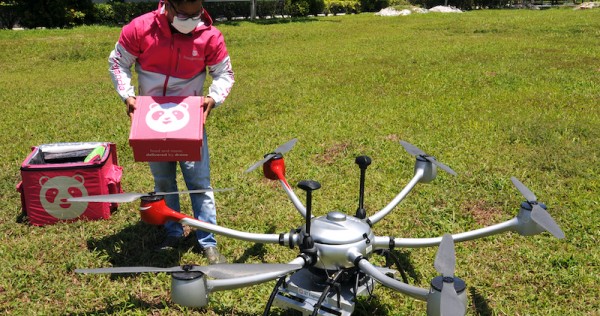
Getting stuff you ordered delivered straight to your doorstep via a drone is pretty much the future that many have envisioned, and to a certain extent, that future is now. For the past few years, Amazon has been teasing the launch of its Prime Air service, in which delivery drones send packages to customers in less than half an hour.
Closer to home, food delivery platform Foodpanda wants to do the same, but one that sees drones complementing its fleet of riders, not replace them.
And from the test run Foodpanda held in collaboration with ST Engineering yesterday (Aug 13), it would seem that getting food dispatched faster to hangry customers could be a reality soon enough.
An order consisting of five packets of ayam penyet was successfully delivered from Marina South Pier to an offshore vessel, with the massive drone managing to complete the 3km flight in under ten minutes.
The PandaFly project was said to have kicked off in March this year when Foodpanda partnered with ST Engineering to adopt the latter’s DroNet unmanned aerial vehicle network solution.
If you are a breastfeeding mum, your doctor has probably advised you against drinking too much tea or coffee as caffeine has been shown to pass through breast milk and this can interfere with your baby’s sleep. So what’s a mum who loves her little one as much as her bubble tea to do? Enter lactation bubble tea.
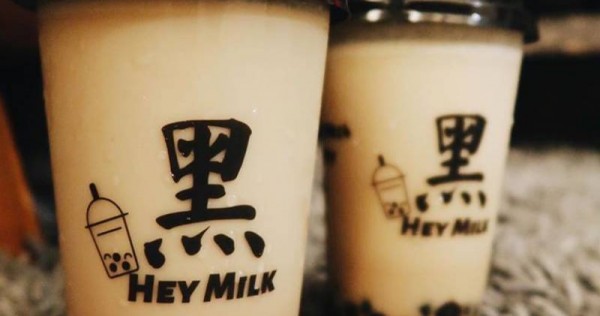
This nursing-friendly concoction is the brainchild of Milking Cow, an online store that sells lactation goodies, from cookies to overnight oats, and now bubble tea.
Sold exclusively at Hey Milk, a bubble tea shop in Ang Mo Kio, it boasts a red raspberry tea base that is caffeine-free and is known to boost milk production.
According the to 25-year-old owner of Milking Cow, Wendelyn Chen, the tea is also good for mummies in their third trimester. “It helps to strength the uterus and prepare for labour,” she shared.
SINGAPORE – Embattled oil tycoon Lim Oon Kuin was charged in court on Friday (August 14) with abetment of forgery for the purpose of cheating. He is out on a $3 million court bail put up by a guarantor.
Better known as O.K. Lim, the 78-year-old founder of Hin Leong Trading was accused of instigating Freddy Tan Jie Ren, a contracts executive of the company to forge a document purportedly issued by UT Singapore Services Pte Ltd.
According to charge sheets, Lim allegedly instructed Tan to make an “ITT certificate” or an Inter-Tank transfer certificate on the letterhead of UT Singapore Services.
The document stated that Hin Leong had transferred 1.05 million barrels of gasoil to China Aviation Oil (Singapore) Corporation on March 18.
The document was then allegedly used to secure more than US$56 million in trade financing from a financial institution, the Police said in a statement.
The charge was made following investigations into Hin Leong by white-collar crime agency Commercial Affairs Department. Investigations are ongoing into other offences allegedly committed by Lim.
With most people spending most of their time languishing within the comforts of their own homes, having goods delivered to our doors have increased — but so have delivery scams.
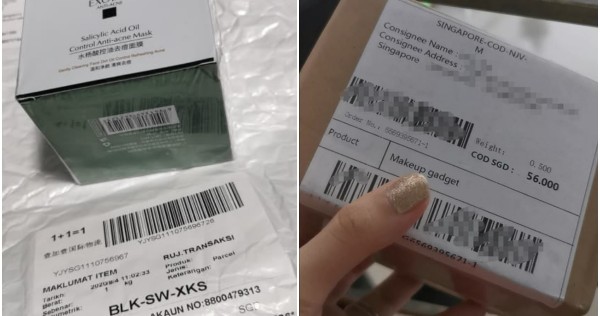
Peng Xuelin found herself with $39 dollars less after a delivery woman from Ninja Van demanded cash on delivery for a parcel she didn’t even order.
She shared her experience in a Facebook post that same day (Aug 12), hoping to warn others not to fall prey to such scams.
According to a police report she shared, Peng had accepted the parcel after seeing that her details were correct. It was only after she inspected the contents did she realise the item was not one that she had ordered, and therefore had no way of contacting the seller for help.
SINGAPORE – Deputy Prime Minister Heng Swee Keat will deliver a ministerial statement next Monday (Aug 17) on how the Government will continue its support for workers and businesses, and protect livelihoods during the Covid-19 pandemic.
He will deliver the statement at 3.30pm via a broadcast carried on The Straits Times’ website, Channel News Asia, CNA938, and Mediacorp MeWatch.
In a Facebook post on Friday (Aug 14), Mr Heng said that over the past few weeks, many people have shared with him their anxieties and concerns about their livelihoods.
“Weighing on their minds was also the uncertainty ahead, given that some of the support schemes are expiring. I will be providing more details on how we will evolve and extend our support for our companies and our workers in my Ministerial Statement on Monday,” he said.
He added that while the Government will continue to support workers and firms through this crisis, it is not able to sustain the same level of support indefinitely.
“As more sectors reopen gradually, we will have to evolve and taper the support provided,” he said.


.jpg "20200814_girl_main-1.jpg")