SINGAPORE – Companies will need to pay foreign professionals and mid-skilled workers higher salaries in order for them to qualify to work in Singapore.
The impending hike in the salary criteria for Employment Passes (EPs) and S Passes is part of adjustments to foreign workforce policies to reflect the slacker labour market conditions owing to Covid-19, said Manpower Minister Josephine Teo on Wednesday (Aug 26).
She did not give details but these are expected to be made public soon.
Currently, the fixed monthly salary threshold for EP holders is at least $3,900, and for S Pass holders, at least $2,400. The qualifying salaries are higher for older and more experienced workers.
The increase would be the second this year and comes in the wake of rising retrenchments and recent concerns about competition between Singaporeans and foreigners in the job market.
Mrs Teo announced the upcoming change in her ministry’s addendum to the President’s earlier speech, setting out its priorities for the new term of government.
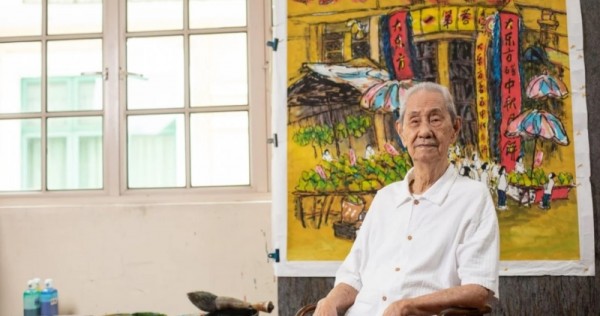
Singaporean artist Lim Tze Peng will turn 100 years old on September 28 according to his Chinese traditional age.
He is celebrating the milestone with the launch of his first virtual exhibition, A Century of Memories, in collaboration with Singapore’s Ode to Art gallery, featuring 20 new works of the city state’s scenes which he painted from memory.
Born in 1921, Lim is famous for capturing Singapore’s changing cityscape by blending traditional Chinese ink-painting techniques with scenes from contemporary city life.
His works of old buildings in Chinatown and along the Singapore River that have since been demolished – victims of the city’s rapid modernisation – have resonated with buyers worldwide.
SINGAPORE: More jobs will be available in growth areas like cloud computing and artificial intelligence as Singapore accelerates the creation of jobs in the ICT sector and across the economy, said Information and Communications Minister S Iswaran on Wednesday (Aug 26).
The jobs for both fresh graduates and mid-career professionals will be in areas like cybersecurity, data analytics, software and network engineering, as well as executive roles in business transformation for companies going digital, Mr Iswaran said.
President Halimah Yacob said on Monday that securing jobs is a priority for the Government over the next few years amid the economic challenges brought on by the COVID-19 pandemic.
The Ministry of Communications and Information (MCI) will be ramping up placements, traineeships and skills upgrading under several programmes – the SGUnited Jobs & Skills Package, the TechSkills Accelerator and Cybersecurity Development Programmes.
It will also step up efforts to digitalise Singapore’s small and medium-sized enterprises which employ almost 70 per cent of the workforce. Businesses that digitalise their operations will receive support through various government schemes, including the Digital Resilience Bonus and the Start Digital Packs.
“MCI will promote a vibrant ecosystem for digital transformation through international connectivity, progressive regulation, and public-private partnerships,” said Mr Iswaran.
Singapore is also developing Digital Economy agreements with like-minded countries to establish digital trade rules and digital economy collaborations. These agreements have been signed with Australia, Chile and New Zealand, while talks are ongoing with South Korea.
Singapore’s innovation ecosystem will be empowered by investments in advanced infrastructure, and in research and development, Mr Iswaran said.
“We are building a secure and resilient 5G communications network, which will provide the foundation for innovative applications and services. We will grow indigenous capabilities in technologies that drive value creation.”
MCI will collaborate with academia, industry and other partners to strengthen R&D and translation capabilities, particularly in data, AI, cybersecurity, media and communications technology, he added.
In his addendum to the President’s address, Mr Iswaran said that the ministry also aims to bridge the “digital divide” by ensuring everyone has a “baseline level of digital access and skills”.
The National Library Board (NLB), which has expanded its focus beyond promoting reading to preparing Singaporeans for a digital future, will roll out a five-year Libraries and Archives Plan. More information about the plan, which is expected to launch in the first quarter of 2021, will be released at a later date.
File photo of library books (Photo: NLB)
NLB will also improve access to services for segments of the society, such as working professionals, who require more curated resources for learning and skills development, said Mr Iswaran.
“MCI aims to enable every Singaporean to thrive in a digital society. We will ensure that all Singaporeans have a baseline level of affordable digital access, especially vulnerable groups such as low-income seniors and families,” he said.
“Singaporeans will be equipped with the digital skills and literacy needed to go online safely and confidently.”
He also said that the ministry will strengthen cybersecurity for Singapore’s Critical Information Infrastructure – systems providing essential services, such as energy, telecommunications and water. The Cyber Security Agency of Singapore will implement the Safer Cyberspace Masterplan to secure Singapore’s digital core, safeguard cyber activities and nurture a cyber-savvy population.
It will also expand the reach and impact of public education campaigns to equip Singaporeans with information and media literacy skills to protect themselves online.
“In a digital age where our common spaces are no longer just physical, MCI will protect our online and offline spaces, and build trust in our institutions and cohesion in our society through public communications and engagement,” he said.
“MCI will play its part to strengthen social cohesion and trust in the Government through timely, accessible and inclusive government communications.”
Mahjong is a tile-based, three- to four-player game that’s widely played by many in Asia, including in Singapore.
Developed during the Qing dynasty in China, its popularity has since spread across the world, such that even Hermes has thought to come up with its own mahjong set.
However, unlike the usual white and green, the French high fashion luxury brand’s set is made of solid palissander wood, in the colour ébène — a deep and dark brown. PHOTO: HermesWhile the names sound fancy, all you need to know is that the brand has opted for a chic, wooden brown look over the conventional green. PHOTO: Twitter/KanemitsuMidoriNamed the Helios mahjong set, the tiles are printed in Swift calfskin, a calf leather that is valuable due to its soft and fine texture.
SINGAPORE: A new “competency framework” is expected boost employment for locals in the beauty services industry by 30 per cent in the next five years, a figure that translates to 2,000 to 3,000 more jobs, says the Beauty Services Alliance (BSA).
The BSA on Wednesday (Aug 26) launched the new framework, supported by Enterprise Singapore (ESG) and SkillsFuture Singapore, aiming to “attract and build a skilled and future-ready workforce”, and “ensure consistent service standards”.
About 40 per cent of employees in the beauty services industry now are locals, said BSA spokesman Simon Lee. “But of this 40 per cent, we haven’t taken into account the freelancers that are moving around in the market.”
Speaking at the launch, Minister of State for Trade and Industry Low Yen Ling said: “Although COVID-19 has led to many challenges for the beauty services industry, we’re convinced and assured that there remains strong local demand as people still want to look good and feel great. And in fact, given the current travel restrictions, more people are having to look for spa and beauty services locally.”
This continued demand, Ms Low said, would spur job growth in the industry. Combined with “a good level” of customer confidence and assurance in local establishments, an industry-wide competency framework would “set the foundation and structure for businesses, for the employers and also the employees in the sector to upskill, to re-skill and to stay relevant with new knowledge.”
The beauty services industry in Singapore generates about S$2 billion in operating receipts, comprising about 6,000 enterprises that employ more than 13,000 workers, said Ms Low.
The industry has also been expanding at a rate of more than 10 per cent year-on-year, she added. “It is not only a large industry, it is one with a strong growth potential.”
In a separate press release on Wednesday, BSA said the local beauty services industry currently faces challenges in attracting local talent and upskilling workers to identify with emerging trends and embrace technology.
CAREER PROGRESSION
The Alliance, established in July 2019, is made up of five trade associations in the beauty services industry representing about 700 enterprises – the Complementary Wellness Association (International), Hair and Cosmetology Association Singapore, Nailist Association for International Licenses Singapore, Spa Professionals Association of Singapore and Spa and Wellness Association Singapore.
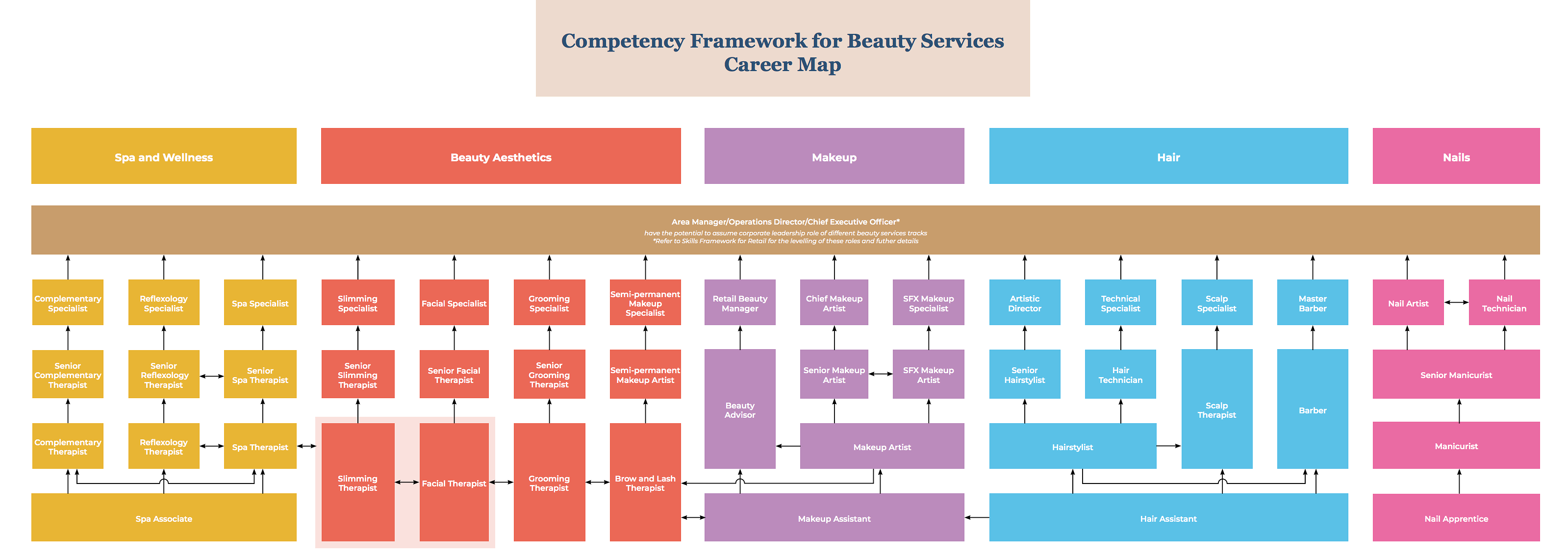
The competency framework will serve as “a single reference point” for all operators across the spa and wellness, beauty aesthetics, makeup, hair and nails sectors, said BSA in the press release. Career progression pathways are now mapped out, covering 45 job roles across five tracks.
Chart showing career progression in Singapore’s beauty services industry. (Graphic: Beauty Services Alliance)
“From the perspective of more than 13,300 beauty services employees nationwide, the framework allows them to make informed choices on employment opportunities, training, career development and progression,” said BSA.
Addressing the industry’s difficulties in attracting local talent, Mr Lee of BSA said: “Currently, we do not have a clear picture in our industry. What are the routes, what are the pathways, what are the end goals that they can reach?
“But with these pathways, I’m sure the industry has a clearer vision of where they’re going to meet at the end of the day, or how they want to move beyond it, as compared with the overseas guidelines that we have received and understudied.”
IMPROVING THE INDUSTRY’S IMAGE
Ms Rachel Tang, founder of Nailist Association for International Licenses Singapore noted that the image of the beauty services industry is another challenge. “Beauty therapists or professionals in the beauty service industry have all along not really had a very good image, which we are trying to change with this framework, so that we can bring professionalism and status into what we do.
“We are not just providing the service. We are also able to give consultations and more professional skills,” she added, noting that the framework has different tiers that illustrate how employees can progress from service staff to management roles.
“Moving forward, this is very important because with the image of the individual professions uplifted, then we can attract more young people into this trade, so they can see that there’s actually a progression in the career for these beauty services,” said Ms Tang.
Following the launch of the competency framework, BSA will work closely with various Government agencies on other efforts to advance the sub-industries, said the alliance in the press release.
“These will include an accreditation system for training providers, an evaluation system for learners, as well as plans to raise awareness and drive industry-wide adoption of all initiatives.”
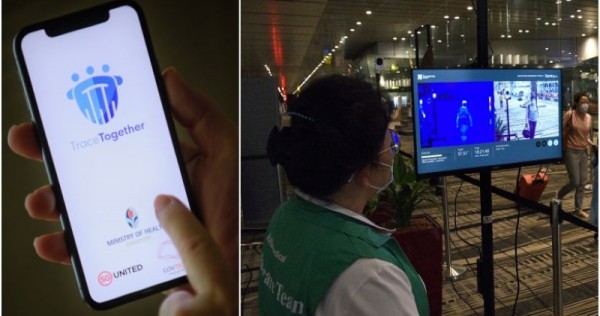
SINGAPORE – Visitors from New Zealand and Brunei who successfully apply to come to Singapore will be required to use the TraceTogether app at all times while in the Republic.
They must also retain the app in their phone for 14 consecutive days after leaving Singapore.
This is to facilitate contact tracing should they test positive for Covid-19 during their stay here and within two weeks of their departure.
Should they test positive during this period, they will be required to upload data stored on the app to the Ministry of Health.
The Civil Aviation Authority of Singapore (CAAS) on Tuesday (Aug 25) spelt out the conditions for travel here, following announcements last Friday of Singapore’s decision to unilaterally open up its borders to Brunei and New Zealand.
Instead of having to serve a quarantine period, visitors from the two countries will only need a Covid-19 test upon arrival.
However, they will have to pay their own medical bills should they require treatment for the coronavirus while in Singapore.
If you have seen bonfires around Singapore recently, there’s no need to panic (as long as it’s not at the foot of a HDB flat).
It’s a sign that the Hungry Ghost Festival is upon us, during which souls and spirits of the dead are believed to wander the earth and cause mischief if left alone.
Also known as Zhong Yuan Jie in Chinese, the festival is held on the 15th night of the seventh month of the Chinese calendar, which falls on Sep 2 this year.
Traditionally, paper offerings are burnt during this period to appease the spirits and take care of their needs even in the afterlife, be it in the form of money, watches or jewellery.
But did you know that there are other things you can burn as well?
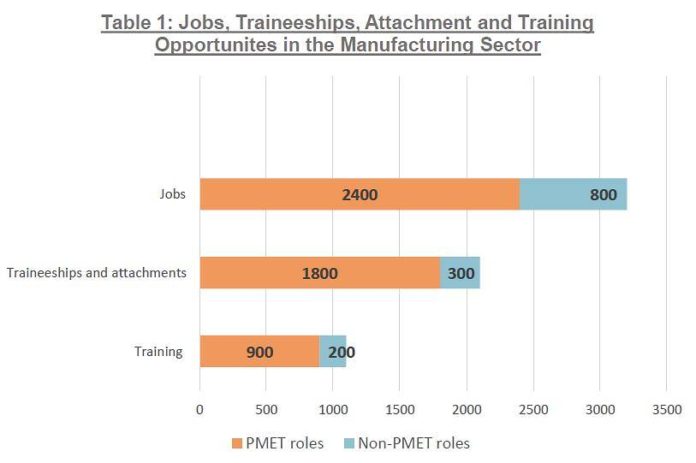
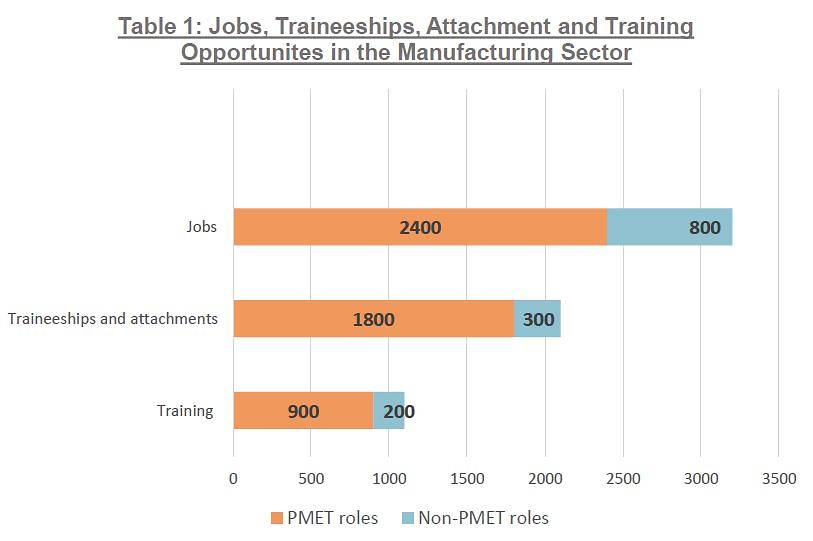
SINGAPORE: More than 6,300 opportunities across almost a thousand companies are available in the manufacturing sector through the SGUnited Jobs and Skills programme, the Ministry of Manpower (MOM) said in its latest jobs situation report on Wednesday (Aug 26).
These opportunities cover jobs, traineeship and attachment, and training opportunities for local jobseekers.
Close to 5,100 of these opportunities are for professionals, managers, executives and technicians (PMETs) while more than 1,200 are for non-PMETs, said MOM.
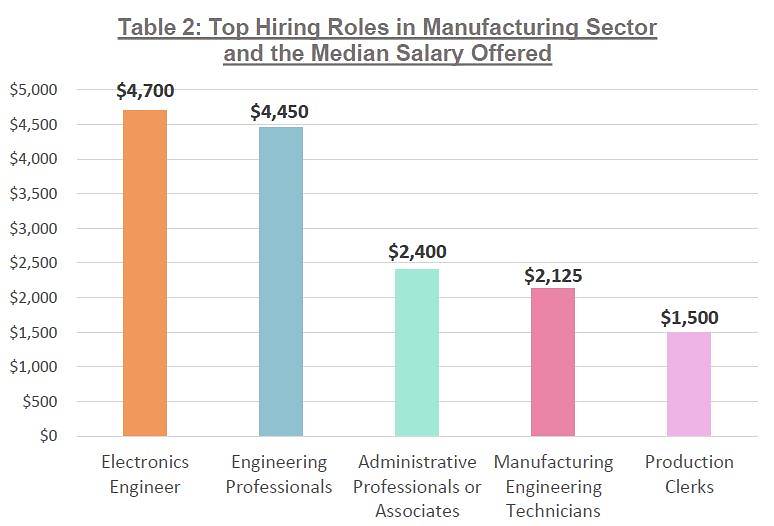
Based on data from MyCareersFuture, the top hiring roles in manufacturing include engineering professionals, electronics engineers, manufacturing engineering technicians, production clerks and administrative professionals or associates. The median salaries for these roles range from S$1,500 to S$4,700.
(Image: Ministry of Manpower)
These figures were released as part of the third of a series of weekly updates on the labour market.
The first was issued on Aug 11 by Manpower Minister Josephine Teo, who said subsequent updates will cover different themes, providing jobseekers with “a comprehensive look” at the job situation. The second report highlighted the local start-up scene.
In the latest report on Wednesday focusing on manufacturing, MOM said the sector remains a “significant engine” of the Singapore economy, contributing about 20 per cent to its GDP and employing about 472,000 workers.
Between April and June this year, MOM said more than 730 jobseekers entered the manufacturing sector with support from the SGUnited Jobs and Skills programmes.
(Image: Ministry of Manpower)
About 62 per cent are mid-career individuals who participated in Workforce Singapore’s (WSG) Professional Conversion Programmes.
MOM added that fresh and recent graduates who have interest in manufacturing can also enter the sector through the SGUnited Traineeships Programme.
“Since June, about 60 of them have embarked on traineeships with more than 25 host organisations to gain industry-relevant experience and build professional networks. We expect more traineeship and attachment positions to be filled in the coming months.”
BIOMEDICAL SCIENCE SUB-SECTOR CONTINUES TO HIRE
While the manufacturing sector has been affected by the COVID-19 pandemic, MOM said some sub-sectors such as biomedical science remain “bright spots” and continue to need more workers.
From January to June, MOM said output in the biomedical manufacturing cluster grew 26.7 per cent, compared to the same period last year.
This was led by higher production of active pharmaceutical ingredients and biological products in the pharmaceuticals segment.
“Singapore is also a leading location for best-in-class biomedical science manufacturing plants. Industry leaders such as Becton Dickinson, GlaxoSmithKline (GSK) and Amgen have global manufacturing hubs in Singapore. The sector employs around 25,000 workers and continues to hire,” the ministry said.
To date, there are close to 400 opportunities offered by more than 50 companies in the biomedical science sector under the SGUnited Jobs and Skills Package.
Available roles include biotechnologist, production manager (cell and gene therapy), automation engineers, chemist, validation specialists, quality assurance managers and microbiologists. About 75 per cent of these vacancies are currently unfilled.
In anticipation of an increase in manpower demand as the biopharmaceutical manufacturing industry continues to grow, WSG and the Economic Development Board have worked with industry stakeholders to launch the new Professional Conversion Programme for advanced biopharmaceuticals manufacturing professionals and executives.
“Together with the Professional Conversion Programme for medical technology engineer and assistant engineer, an additional 450 mid-career jobseekers can look forward to new careers in the biomedical science sector over the next three years,” said MOM.
Jobseekers can also tap on four biomedical-related courses under the SGUnited Skills programme to undergo training to take on technical roles such as biotechnologist, process technician or engineers, quality control chemist, assistant equipment engineer, manufacturing specialist, maintenance technician and operation manager.
30% MORE HELPED BY CAREER MATCHING SERVICES THIS YEAR
To better support local jobseekers, MOM said the ministry, WSG and their partners have improved accessibility to career advisory and matching services.
A total of 36,400 jobseekers received basic career advisory or job search assistance through WSG and NTUC-e2i’s career matching services from January to July this year.
MOM said this is 30 per cent more than the same period last year, despite constraints during the “circuit breaker” period on travelling and face-to-face interactions.
Of the jobseekers who received basic career advisory or job search assistance, 22,700 had individualised career coaching – up 20 per cent from the same period in 2019.
MOM said many jobseekers adapted well to phone or video coaching during the circuit breaker, and as at end July, the take-up for such virtual coaching remained high.
For jobseekers who were not as digitally savvy, MOM said WSG’s career coaches and career ambassadors guided them to access these services over the phone or through messaging services such as WhatsApp to ensure they would not be disadvantaged.
Together with other career conversion and reskilling programmes and activities to address mismatches, WSG placed a total of about 19,000 jobseekers from January to June. This is about 15 per cent more than the same period last year.
For more information on WSG’s programmes and career advisory and matching services, jobseekers can visit the MyCareersFuture website or call WSG’s hotline at 6883 5885.
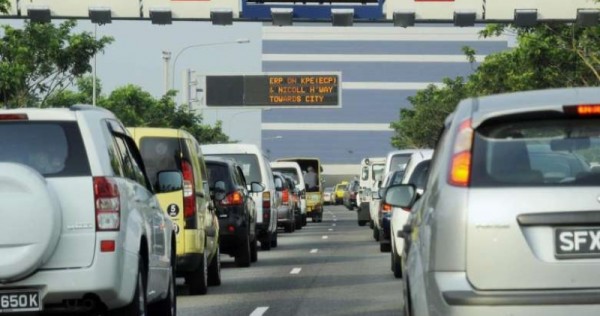
ERP rates on the Central Expressway (CTE) will rise following the Land Transport Authority’s (LTA) third review of Electronic Road Pricing after the Circuit Breaker.
Based on LTA’s monitoring of traffic conditions from early to mid August 2020, traffic speeds have remained optimal on all arterial roads and most expressways, except for some time periods on the Central Expressway (CTE).
As more people travel to and from their workplaces, traffic volume has continued to build up during weekday peak hours.
This has led to localised congestion at specific locations along the CTE during the morning and evening peak periods.
To manage congestion during peak periods, ERP rates will be increased by $1.00 with effect from 31 August 2020 at the following gantries:
Southbound CTE Auxiliary Lane to PIE (Changi)/Serangoon Road
7.30am to 8.30am: From $0 to $1.00 Northbound CTE after PIE
18.00 to 18.30: From $1 to $2 18.30 to 19.00: From $1 to $2 LTA will continue to monitor traffic speeds and congestion levels closely.