Home Blog Page 990

Commentary: Maintaining racial harmony requires us to have a frank discussion about differences

0

SINGAPORE: Racial Harmony Day – a day designated as an official reminder of the race riots in 1964 – will be commemorated by all schools and most public institutions in Singapore this week.

Young people of all ages will be reminded by their teachers, the media, and politicians, about the horrifying consequences of racial and religious conflict.

In addition to the events organised during Racial Harmony Day, the message of societal harmony is also consistently reiterated in primary and secondary school Social Studies, secondary school history, and in Character and Citizenship Education (CCE) classes. Notably, one of the six National Education messages is: “We must preserve racial and religious harmony.”

The race riots of 1964 and the Maria Hertogh riots in 1950 are at the centre of the narrative of harmony in Singapore. Students learn about the causes and consequences of these conflicts to Singapore in primary and secondary school. 

Within the curriculum, these examples of societal conflict are also positioned as existential threats to Singapore’s national survival.

NDP 2015

A young man lets the Singapore flag flap in the wind at the National Day Parade 2015 at the Padang on Aug 9, 2015. (Photo: TODAY/Raj Nadarajan)

In my analysis of the social studies and CCE curricula published recently, I showed how the curricula emphasise the importance of political order, peace, and social stability. I also showed how the curricula constantly reminds students that the “forces of divisiveness” – a phrase used in an earlier version of the secondary social studies syllabus – will result in the disintegration of society and thus pose an existential threat to the nation.

Unsurprisingly, therefore, a consistent message conveyed in the curricula is the importance of minimising differences and avoiding conflict within society for the sake of national unity and the common good. The CCE curriculum, for example, emphasises maintaining good relationships with others, developing communication and interpersonal skills, and acquiring skills of conflict management and resolution.

READ: How should Singapore teachers manage issues of race in the classroom?

REVIEW WHAT RACIAL HARMONY MEANS

It is clear that concept of harmony has been central to Singapore’s political discourse and education system.  

But what does harmony mean? What is the role of conflict in harmony? Twenty one years after the first Racial Harmony Day, it is imperative that we critically re-examine some of the fundamental tenets of not only this event but also our broader understanding of the concept of harmony and social cohesion.

The goals of social unity, stability, peace, and conflict management are worthy ones. I also agree that it is important to equip students with an understanding of the historical antecedents and potential consequences of racial and religious riots in Singapore’s history. However, this is insufficient for several reasons.

First, the extreme examples of societal conflict highlighted in the curricula (which includes mass riots) can result in the lack of attention paid to more productive and manageable parts of conflict and controversy. Consequently, it is easy to draw the mistaken conclusion that all forms of conflict between groups is always bad and violent.

Harmony train stickers

A special racial and religious harmony-themed train was launched on the North-East Line in 2017. (Photo: Elizabeth Neo)

HARMONY IS NOT UNIFORMITY

Second, the use of extreme examples of conflict such as destructive riots (and the implicit association of harmony with the absence of conflict) greatly limits students’ understanding of the concept of harmony.

Harmony, according to Confucian scholars such as Chenyang Li and Sungmoon Kim, not only emphasises partnership and balance but also inescapably highlights difference. Rather than seeing contests between differing groups and perspectives as divisive, this view of harmony suggests that different kinds of conflict can potentially strengthen democratic societies.

Harmony, therefore, embraces differences and recognises how they can be complementary and interconnected.

A musical analogy illustrates the distinction between harmony and uniformity: An orchestra requires a range of musical instruments playing different yet complementary melodies and notes. Excessive sameness or uniformity, such as the same instruments playing the same notes, is the opposite of harmony.

HARMONY NEEDS REFLECTION

Third, it is also important to recognise that the process of harmony requires a kind of incivility and critical reflection. If there are issues of injustice or inequity in society, it is more productive, in the long run, to challenge and even revise the status quo, even if it means temporarily upsetting existing social relations.

Without this opportunity to address issues of injustice and inequality in society, the position of dominant groups will be strengthened because it delegitimises other areas of conflict and the concerns of disadvantaged groups. This can potentially exacerbate societal divisions in the long run and result in a less harmonious society.

sg50 youth conversations

SG50 dialogue session involving youths. (File photo)

REFLECT, DELIBERATE, FACILITATE DISCUSSIONS

What implications does this expansive definition of harmony have for Singapore society and more specifically, for social studies and citizenship education?

As a starting point, we should teach young people how to identify structural or systemic inequities and recognise how particular groups of people have been marginalised or disadvantaged within society. We should not suppress these important ideas and opinions in the name of stability and social order.

Next, we should encourage young people to deliberate these potentially contentious issues by using powerful arguments and providing strong and compelling evidence. We should not limit ourselves to extreme examples of societal conflict in order to convey the idea that all forms of conflict as destructive and is something to be avoided at all cost.

Finally, an expanded view of harmony suggests the need to facilitate, rather than inhibit, the teaching and discussion of controversial issues, in order to explicitly encourage the respectful exchange of critical and potentially unconventional perspectives and ideas.

Consequently, it is crucial for all of us to reflect and think deeply about the diverse and very different meanings of harmony and social cohesion to different groups of people.

Ho Li-Ching is Associate Professor of social studies education at the University of Wisconsin-Madison.

Source link

12 arrested in joint raid on immigration offenders

0

SINGAPORE: Twelve men were arrested on Thursday (Jul 19) for various immigration-related offences during a joint enforcement operation in the vicinity of Yew Tee Industrial Estate and Pang Sua Park Connector.

The operation which involved officers from the Singapore Police Force, Immigration and Checkpoints Authority (ICA) and Singapore Customs targeted immigration offenders who were also believed to be involved in the peddling of duty-unpaid cigarettes.

In a news release, the police said two of the men arrested, aged 20 and 23, were suspected of being illegal workers. 

The remaining 10, aged between 21 and 32, were arrested for immigration-related offences such as overstaying in Singapore.

A total of 92 cartons, 257 packets and 66 sticks of duty-unpaid cigarettes were also seized.

SPF raid 2

A total of 92 cartons, 257 packets and 66 sticks of duty-unpaid cigarettes were also seized. (Photo: Singapore Police Force)

Commander of Jurong Police Division, Assistant Commissioner of Police Devrajan Bala, said that the joint operation conducted was part of continuous efforts to clamp down on criminal activities.

“The Police will continue to work closely with the other Home Team departments and law enforcement agencies to come down hard on those who break the law,” he said.

Source link

Jason Mraz

0

Jason Mraz
Saturday, October 27, 2018 at 12:00 AM

Singapore National Stadium

1 Stadium Dr, Singapore, Singapore 397629, Singapore, Singapore

Source link

Commentary: Overlooked and underpaid, women must speak up and put themselves out there

0

SINGAPORE: If there’s one piece of advice I could give to women everywhere, it’s to voice workplace concerns to their bosses and harbour more self-belief.

Women across the world are failing to speak out, negotiate for themselves or make demands of their companies, out of fear of causing career chaos.

Coupled with other structural factors that disadvantage women, this entrenches a labour market characterised by lower participation, higher unemployment and persistent wage gaps for women.

What this also means is that there are less women at the decision-making table in corporations – with adverse impact for companies, sectors and entire economies where women are less represented.

OVERLOOKED AND UNDERPAID

According to the report launched by the Human Capital Leadership Institute and BoardAgender, women in Singapore occupy over just 10 percent of board seats despite making up nearly half the labour force.

A report by the Ministry of Manpower also revealed that women in Singapore are on average paid at least 10 per cent less than men for doing the same job in most sectors.

It is a two-way street we need to encourage. If we want more women to progress into leadership roles eventually, we need CEOs to support those voices and welcome feedback.

Many women fail to speak out when they are overlooked for promotions and lack confidence to say whether they are actually happy in the workplace. Females who speak out and climb the ladder tend to be viewed as abrasive. By not speaking out, women are failing to avail of higher positions, yet equality is a necessity in the workplace.

South Korea office workers

File photo of office workers. (Photo: AFP)

Women in Singapore are still seen as the heart of the household and are expected to carry out the majority of housework and be key childminders. This is despite figures from the Labour Force in Singapore Advance Release 2016 which demonstrate the employment rate for females aged 25 to 64 in 2016 was 80.3 percent.

A DIFFERENT WORKPLACE

Studies have shown that men and women experience workplace outcomes very differently, with men often securing more promotions, challenging assignments and having more access to top leaders, compared to women.

Women on the other hand, rather unfairly tend to hit more stumbling blocks on their journey to the top of the career ladder – and most of them feel these obstacles keenly. Just look at figures from the Women in the Workplace 2017 report by LeanIn.Org and McKinsey & Co.

The study shows less than half of women feel the best opportunities go to the most deserving employees and believe that promotions are awarded fairly.

A significant proportion of women also feel gender is to blame when it comes to missing those all important raises and promotions. More worryingly, even more women believe their gender will make it hard for them to advance in the future.

This common fear which needs to be addressed is mainly felt by women at senior levels.

A woman laughs in meeting at work

A woman laughs in a discussion (Photo: Pixabay/rawpixel)

SPEAK UP

To address this common fear requires leadership to play a role. Time and time again, corporate leaders need to remind all around them that the workplace should not be a “his or hers” experience but rather an “us” occurrence – and all the more so when female representation at the top echelon of companies remains paltry.

Although the Code of Corporate Governance in Singapore requires companies to consider diversity as part of board nomination processes, the number of women on boards of listed companies in Singapore in particular compared to other key markets remains extremely low. These concerning figures show no sign of increasing if women continue lacking confidence or harbouring dissatisfaction.

It could only be for the greater good that more females make their mark in the workplace. When more women are given equal opportunities, whether to represent companies at the top or given access to resources to start their own, there are massive benefits for companies and the economy.

Recent figures from Facebook indicate that having more female business leaders in Singapore could result in thousands of new opportunities. A Facebook study revealed that if 14 per cent of women who said they were “very likely” to start a business actually went through with it, 42,700 new businesses would be created in addition to 178,000 jobs by the end of 2021.

Facebook's COO Sandberg addresses Facebook Gather conference in Brussels

Sheryl Sandberg, Facebook’s chief operating officer, addresses the Facebook Gather conference in Brussels, Belgium, Jan 23, 2018. (Photo: Reuters/Yves Herman)

Back to corporate leadership representation, other figures from the Women in the Workplace 2017 by LeanIn.Org and McKinsey & Co report show that in today’s workforce, women make up 46 per cent of a company’s entry-level group but only a handful, if any, make it to the C-Suite.

Another study by the Wall Street Journal found that men are 30 per cent more likely than women to be promoted to management roles, and move up the ladder in larger numbers, with women holding under a quarter of senior leadership positions and less than one-fifth of C-suite roles.

Might it be that women are taking rejection and the lack of progression up the corporate chain lightly? Do women really aspire less than men to rise to the top?

I believe the issue lies in low awareness about the importance and benefits of gender diversity on boards and a lack of belief felt among women in their own abilities.

COMPANY LEADERS MUST BE EDUCATED

Another problematic issue is education for leadership – especially when so many business leaders claim women lack qualifications or requirements needed to assume directorship positions. 

There is also this clouded perception that the pool of female talent at the top is limited due to women having children and raising families – and taking time away from work to meet their familial commitments.

Of course we play important roles as wives and mothers but let’s get real, that shouldn’t mean our career clock stops ticking. The most ambitious, career-minded and capable of us will stop at nothing to get to the top.

So a comfortable balance needs to be uncovered between male and female leaders, and opportunities to progress need to be given to both sexes.

Globally, women have become more confident with greater awareness of the benefits of gender equality and as inequality in the workplace has rightly been brought under the spotlight.

Inequality in the office is changing and we can continue to ensure it does so through putting ourselves forward and being more “out there”. Microsoft and Facebook are two prime examples of multinationals embracing female leaders through growing mentorship and training programmes.

Microsoft has also developed a partnership with gender equality organisations like the Anita Borg Institute, to provide fellowships and bolster initiatives support women in technology.

On our parts, by speaking out, women can signal that they do not accept a predetermined workplace fate based on gender and shape their organisations for the better. It’s time for women to embrace their talents and push for opportunities to progress.

Genecia Alluora is founder of Soul Rich Woman, a network of female entrepreneurs.

Source link

Woman found dead with stab wounds at ITE College Central car park in Ang Mo Kio

0

SINGAPORE: A 56-year-old woman was found dead after she was allegedly stabbed in a car park at ITE College Central in Ang Mo Kio on Thursday (Jul 19) night.

The police have classified the case as murder. 

Authorities were alerted to the incident at about 7.40pm and sent two ambulances to the campus, said the Singapore Civil Defence Force (SCDF). 

Police said the woman was lying motionless when she was found and was pronounced dead by SCDF paramedics.

A 66-year-old man, who is a suspect, was taken to Tan Tock Seng Hospital with serious injuries.

Pictures on social media showed a woman lying in between a blue car and a purple one, with her upper body in a pool of blood.

A man in a black shirt was seen on the floor, also covered in blood.

ITE college central stabbing

Photos circulating on social media show a woman (left) and a man with stab wounds in the carpark of  ITE College Central in Ang Mo Kio on Thursday (Jul 19).

Channel NewsAsia understands the man and woman are divorced.

Police investigations are ongoing.

Source link

2 men fined S$11,000 for possession of scorpion, importing leopard geckos

0

SINGAPORE: Two men were fined a combined S$11,000 for wildlife-related offences this week, the Agri-Food and Veterinary Authority of Singapore (AVA) announced on Thursday (Jul 19). 

In a press release, AVA said that 27-year-old Muhammad Effendi Roslan was fined S$6,000 for the possession of an Indian star tortoise, a scorpion, a red-bellied short-necked turtle and two corn snakes. 

AVA had received feedback from the Animal Concerns Research and Education Society (ACRES) in February last year about the alleged sale of illegal wildlife on online marketplace Carousell.

Following an investigation, a raid was carried out at Effendi’s home, where the animals were found and seized. The animals were later placed under the care of Wildlife Reserves Singapore.

AVA wildlife fine

Lawrence Wee Soon Chye was fined S$5,000 for illegally importing five leopard geckos into Singapore. (Photo: AVA)

In the second case, 52-year-old Lawrence Wee Soon Chye was fined S$5,000 for illegally importing five leopard geckos into Singapore. 

The live geckos were found in June last year hidden inside two pillows on the rear passenger seat of a Singapore-registered car at Woodlands Checkpoint. They were seized and placed under the care of Wildlife Reserves Singapore.

Source link

8 arrested, nearly 1kg of synthetic cannabis seized in CNB raid

0

SINGAPORE: Eight people were arrested and 990g of synthetic cannabis was seized on Wednesday (Jul 18) during a raid by the Central Narcotics Bureau (CNB). 

The suspects, all Singaporean men, are aged between 25 and 55, said CNB in a news release on Thursday. 

CNB cannabis seized 4

Some items and synthetic cannabis seized during the CNB operation on Jul 18. 2018. (Photo: Central Narcotics Bureau)

CNB officers were deployed to Bukit Batok Steet 34 on Wednesday afternoon to observe a 33-year-old suspected drug trafficker, who was believed to be dealing in synthetic cannabis. 

He was seen meeting up with another suspect, a 47-year-old male, inside a car.

After the two men parted, CNB officers tailed the 47-year-old to Norris Road in Little India, where he was arrested upon alighting from his car. 

About 506g of powder believed to be a New Psychoactive Substance (NPS) was found on the rear car seat.

A search of the suspect’s hideout in Norris Road also revealed 595g of vegetable matter believed to be synthetic cannabis, 10 litres of acetone and a stained container. 

Three other suspected drug abusers, aged 32, 41 and 42, were also arrested within the unit. 

One of the suspects, the 32-year-old, put up a violent struggle during the arrest and had to be restrained with force. 

CNB cannabis seized 1

About 506g of powder was found on the rear seat of a car at Norris Road. (Photo: Central Narcotics Bureau)

Meanwhile, the 33-year-old suspect CNB officers were observing was arrested at Bukit Batok West Avenue 7 while two of his suspected drug associates, aged 47 and 55, were arrested at Jurong West Street 93. 

A search of a property belonging to the two suspects turned up 22g of powder believed to be NPS and 188g of synthetic cannabis.

A 25-year-old suspected drug abuser who had approached the unit just before CNB’s raid was also arrested. 

CNB cannabis seized 3

About 207g of “vegetable matter” believed to be synthetic cannabis was found in unit at Bukit Batok Street 34. (Photo: Central Narcotics Bureau)

Another 807g of powder believed to be NPS, 207g of vegetable matter suspected to be synthetic cannabis and 2 litres of liquid believed to be acetone were also seized at the 33-year-old suspect’s unit at Bukit Batok Street 34. 

Investigations on all the suspects are ongoing. 

Source link

Pokémon, Toyota mean Japan wields greatest soft power in Asia

0


JAPAN holds the most soft power in the Asia Pacific region and is one of the most influential countries globally, according to a newly released index on public diplomacy.

The Land of the Rising Sun was named fifth in the world on the Soft Power 30 for 2018, authored by UK-based communications agency Portland, with Australia and Singapore coming in at 10th and 21st places, respectively.

Published annually since 2015, the report considered a range of factors including enterprise, culture, digital, government, engagement and education.

SEE ALSO: ‘Wealth and power are moving eastwards’: Lowy Institute unveils Asia Power Index

Harvard professor Joseph Nye, who coined the term “soft power”, said that the Soft Power 30 provides “a good picture of how changes in policies, as well as wider emerging global trends are affecting the relative distribution of soft power and comparative ability of countries to attract others.”

For 2018, the United Kingdom came in at number one in the world, followed by France, Germany and the United States. The US again fell in the rankings as a result of the administration of President Donald Trump’s protectionist and nationalist “America first” approach to foreign policy, according to the report.

Economic development in Asia, meanwhile, translated into improved aggregate rankings for China, Japan, South Korea and Singapore between 2015 and 2018.

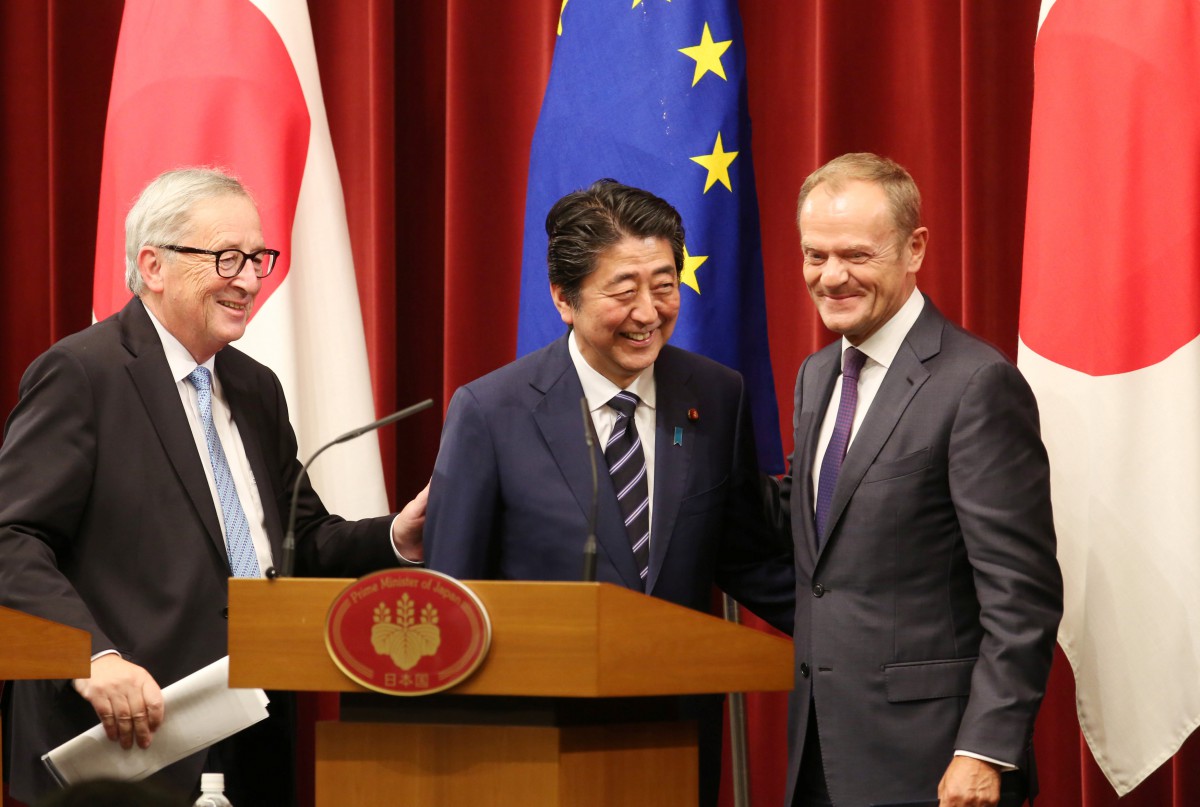
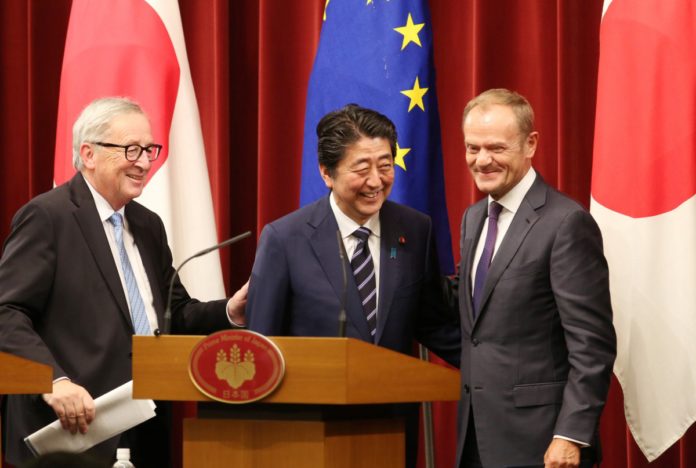
2018-07-17T105242Z_1749478614_RC16FD289C50_RTRMADP_3_JAPAN-EU-TRADE

Japanese Prime Minister Shinzo Abe, center, European Commission President Jean-Claude Juncker, left, and European Council President Donald Tusk, right, smile after their joint press conference of Japan-EU summit at Abe’s official residence in Tokyo, Tuesday, July 17, 2018. Source: Koji Sasahara/Pool via Reuters

Japan has moved up in the rankings each year since the inaugural report, due to the fact that “Japanese culture and innovation have long been seen, heard, tasted, experienced, played, and felt around the world in its anime, manga, J-pop, cuisine, electronics, literature, design, architecture, and more,” wrote the report’s authors.

Iconic brands like Pokémon, Hello Kitty, Toyota and Sony were key to Japan’s branding overseas, they said. Its hosting of forthcoming events like the Rugby World Cup in 2019 and the 2020 Tokyo Olympics are meanwhile further opportunities to spread its influence and engage with global audiences.

SEE ALSO: Pokémon shoes released by FILA Korea

Japan is already one of the most popular tourist destinations in the world, with more than 28 million visitors in 2017.

Tokyo has also invested heavily in public diplomacy including as the second largest donor to the United Nations and is “underappreciated” in terms of its soft power, said the report. Its thawing relationship with Beijing, moreover, provides “a unique opportunity to take a more active role in shaping the regional order,” it added.

“The change in the top five countries – the first time an Asian country has broken into the top five – is indicative of the unfolding shift in the global balance of power,” said Jonathan McClory, General Manager of Portland in Asia and one of the report’s authors.

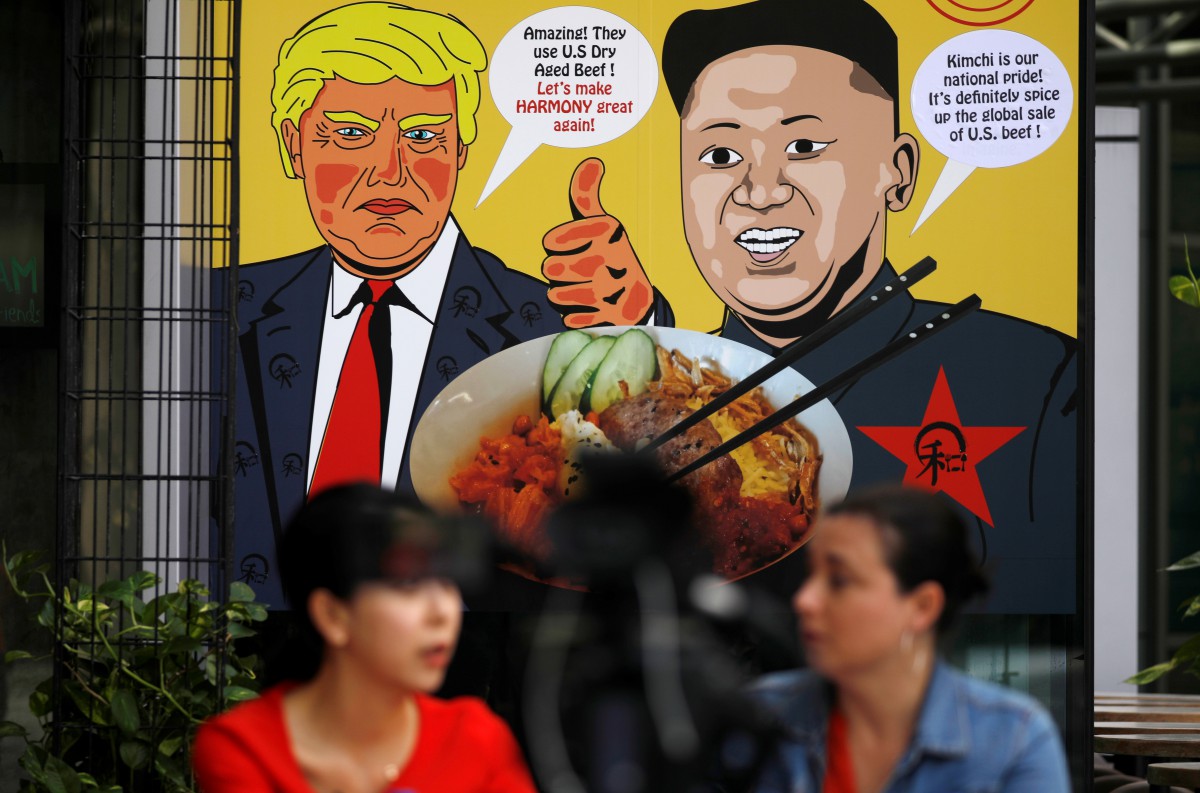
2018-06-07T102022Z_2040896218_RC1884EAC620_RTRMADP_3_NORTHKOREA-USA-SINGAPORE-FOOD

Journalists report outside a restaurant selling Trump-Kim nasi lemak, made from dry-aged U.S. beef and kimchi, in Singapore June 7, 2018. Source: Reuters/Edgar Su

Singapore has long been the regional headquarters for global tech giants and is currently chair of the Association of Southeast Asian Nations (Asean), a position it could further leverage to bring prosperity and stability to the region, said Portland.

Its small size, however, meant its cultural influence was limited, the report’s authors said. The city-state should also continue to build upon momentum of the high profile summit between President Trump and North Korean leader Kim Jong Un earlier this year, they noted.

SEE ALSO: Malaysia is the largest beneficiary of Chinese cash diplomacy

“The index also shows that small countries can still carry global influence through attraction and persuasion. Singapore is an inspiring example of how this can be done through soft power,” added McClory.

“Amidst a shifting geopolitical landscape, Singapore has real opportunities ahead to elevate its profile in international diplomacy and global affairs.”

“Public diplomacy is more important than ever given the current challenges and opportunities in global affairs,” said Jay Wang, Director of the USC Center on Public Diplomacy. “Persuading people through attraction rather than force and coercion makes both moral and economic sense.”

Source link

ComfortDelGro’s new fully electric taxis go on trial in Singapore

0

SINGAPORE: Two fully electric taxis with fast-charging capabilities have gone on trial in Singapore, ComfortDelGro Taxi announced on Thursday (Jul 19). 

The two Hyundai Ioniq taxis are fully electric, unlike the existing petrol-electric hybrid taxis by ComfortDelGro Taxi, and can be fully charged in under 30 minutes, the transport company said in a media release. 

A fully charged electric Ioniq taxi can travel more than 200km, ComfortDelGro Taxi said. It is also cheaper to fully charge the electric Ioniq taxi as the cost of charging is only a third of the cost of diesel for the same distance, the company added. 

“We have been looking for a reliable, safe and faster charging electric vehicle for quite a while now,” said Mr Ang Wei Neng, CEO of ComfortDelGro Taxi. “We wanted one that would offer cabbies the shortest or fastest charging time because time is of essence to them.”

ComfortDelGro 2

The electric Ioniq taxi is equipped with smart battery technology. (Photo: ComfortDelGro Taxi)

Electric Ioniq taxis, which have a flagdown fare of S$3.90, can be charged at a DC fast charging station at Komoco Motors at Alexandra Road, ComfortDelGro Taxi said.

They are also equipped with smart battery technology, which allows the vehicle’s battery to be charged with electric energy during deceleration and braking using the paddle-shift regenerative braking system, ComfortDelGro Taxi said. The battery can also be charged as the taxi goes on a downslope. 

Features similar to the petrol-electric hybrid taxis are also available in the electric Ioniq taxis. These include the lane keeping assist system, autonomous emergency braking, smart cruise control and blind spot detecting technologies. 

Source link

Singapore’s latest Michelin award recipients ‘surprised’ by F&B honour

0

Follow our CNA LIFESTYLE page on Facebook for more dining stories and videos

SINGAPORE: One is a hip maverick nasi lemak specialty restaurant in Ann Siang Hill, the other an iconic food establishment in Little India known for its signature fish head curry. 

The Coconut Club and Muthu’s Curry couldn’t have been any more different, but the owners of both establishments shared the same reaction when they found out about their inclusion into this year’s Michelin Bib Gourmand list on Wednesday morning (Jul 18).

“We were very shocked to hear that we got the award,” said The Coconut Club co-owner Lee Chan Wai. “I think it hasn’t quite sunk in yet.”

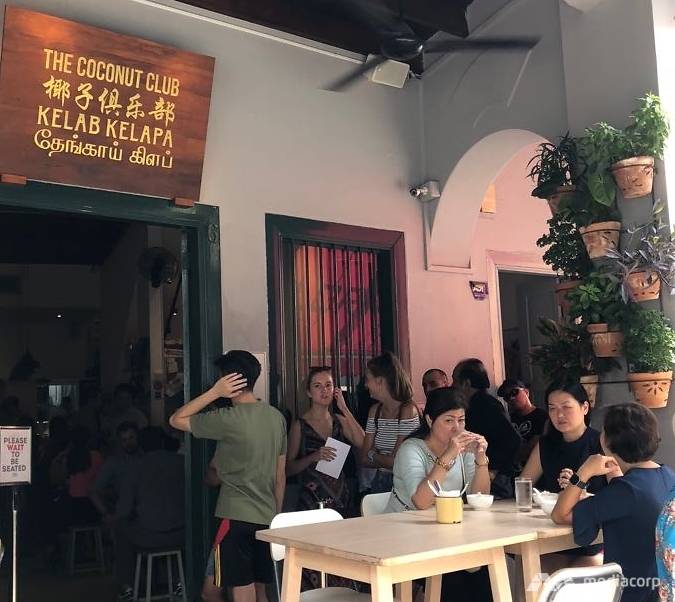
Michelin Bib Gourmand 2018 The Coconut Club

New Michelin Bib Gourmand 2018 entrant The Coconut Club at Ann Siang Hill. (Photo: Genevieve Loh)

Agreed his friend and co-owner Lee Eng Su: “I woke up to a slew of WhatsApp messages. To be honest, we are still processing the news.”

He added: “We are (operationally) about two years old. We said to each other, if we can get the Bib Gourmand award, then Muthu’s Curry ought to get the Michelin Star! They deserve it, having been around for decades.” 

There’s no star just yet for the popular Indian restaurant but Muthu’s Currinary chief executive officer Kasivishvanaath Ayyakkannu is still pleased with the accolade – even if he wasn’t aware it was happening at all.

Michelin Bib Gourmand 2018 Muthu's Curry

The folks behind Muthu’s Curry in Little India: Kasivishvanaath Ayyakkannu CEO of Muthu’s Currinary and director of operations Srinivasan A. (Photo: Genevieve Loh)

“We are so happy and quite shocked,” he told CNA Lifestyle. “It was never the intention to get on the list, so we will continue doing what we’ve always been doing, improve where we can and see how it goes”. 

The two local food establishments were among the 17 new entrants into the 50-strong list that were recognised by Michelin inspectors this year. The Bib Gourmand is given to establishments with quality food priced at no more than S$45, and a lead-up to next week’s big event, when this year’s Michelin Guide Singapore will be announced.

The Coconut Club’s owners attributed their success to having a great team of service staff. “We invest a lot in local human resource. We believe service is very important to the whole experience,” said Lee Chan Wai.

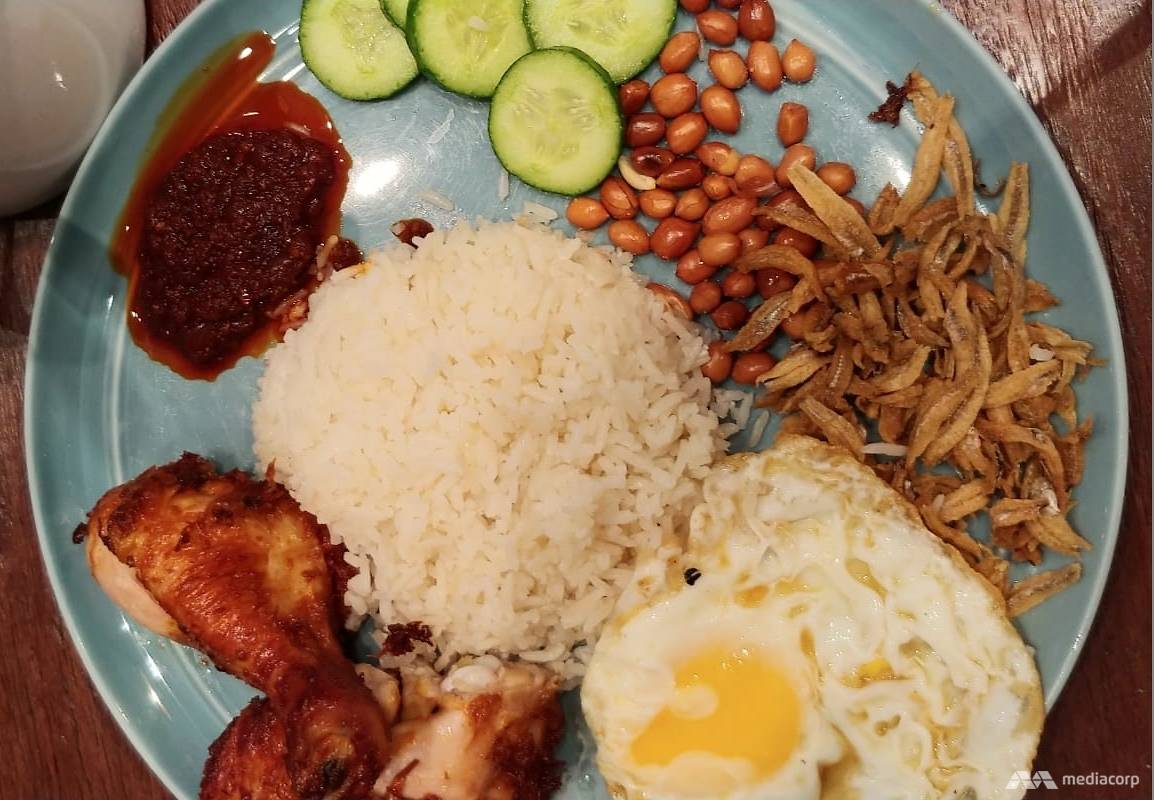
Michelin Bib Gourmand 2018 The Coconut Club (2)_mod

Nasi lemak at The Coconut Club. (Photo: Genevieve Loh)

What’s next for the restaurant? There are plans to expand their current space, as well as a menu update – plans made way before the Bib Gourmand announcements.

“We were discussing about evolving our menu and perhaps adding burung puyuh (Malay for quail) for some time already. We hope people will not think we’re making all these changes simply because of the award!” quipped Lee Eng Su.

For one of The Coconut Club’s regular patrons, 40-year-old Is, it’s a well-deserved award – even if he admitted that his first thought was “Oh no, that means the queue will get longer”.

That won’t be an issue for Srinivasan Ayyakannu, director of operations for Muthu’s Currinary, the parent company of Muthu’s Curry.

Michelin Bib Gourmand 2018 Muthu's Curry (3)

Muthu’s Curry at Little India. (Photo: Genevieve Loh)

“Hopefully it translates to sales,” he quipped. “We’ve been here for 50 years, and this Race Course Road restaurant is our flagship. Most of our old customers and regulars usually patronise this outlet so that could be one of the reasons why this is the one that got the award”.

Added Kasivishvannath: “Now that we have the award, we have to maintain the same standard, the food quality, the service and the prices,” he said.

For the last 20 years, loyal Muthu’s Curry fan and Malaysian restauranteur and marketing consultant Shankar Santhiram has been dropping by whenever he’s in town – and he’s surprised the recognition took this long.

Michelin Bib Gourmand 2018 Muthu's Curry (2)_mod

On offer at Muthu’s Curry in Little India. (Photo: Genevieve Loh)

“Muthu’s Curry is the real deal. And I would love to see them win more awards and accolades,” he said. “But like any genuine well-wisher, I’m also selfish because I don’t want the place to be jammed up. I hope that the owners of Muthu’s Curry stay true to form and not make the mistake of other restaurants by tweaking stuff once they win an award. You don’t have to up the ante or be all fancy. Just stay true to the old dude who started it years and years ago.”

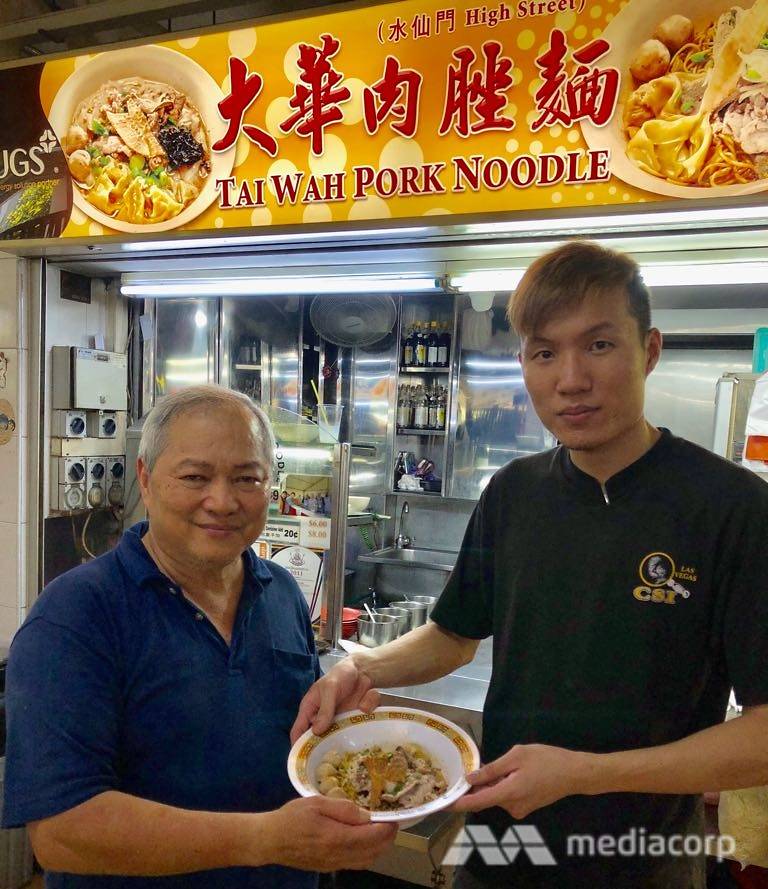
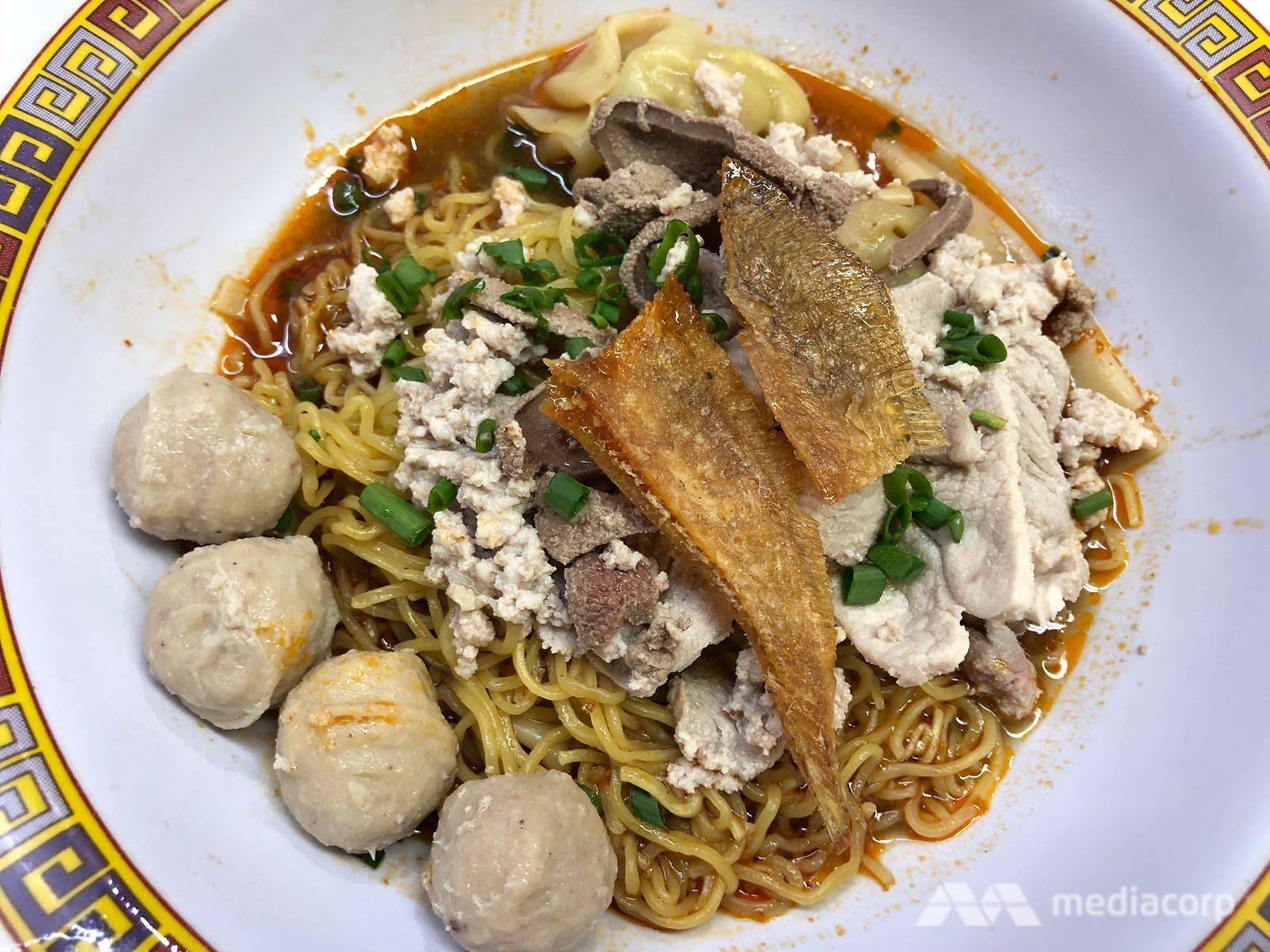
Continuity is also at the heart of Tai Wah Pork Noodle, another new Bib Gourmand entrant located at Hong Lim Market and Food Centre.

If you find the name familiar, it’s because semi-retired hawker 64-year-old Tang Chai Chye used to run Hill Street Tai Hwa Pork Noodle with his elder brother Chay Seng at Marina Square.

Michelin Bib Gourmand 2018 Tai Wah Pork Noodle (1)

Michelin Bib Gourmand 2018 new entrant Tai Wah Pork Noodle’s Tang Chai Chye, 64, and his youngest son Jason Tang, 30. (Photo: Genevieve Loh)

That store then moved to its current Crawford Lane location and has since been awarded the coveted Michelin Star.

The Hong Lim Market and Food Centre stall is now being run by Chai Chye’s sons Gerald and Jason who are 38 and 30, respectively.

And like the other new awardees, the elder Tang said he did not expect the accolade at all.

“Although this news is good for us, it might not be seen as good for my regular customers,” he joked, in Mandarin. “Most of them are the office crowd who can’t queue for too long because they have to go back to the office.”  

Michelin Bib Gourmand 2018 Tai Wah Pork Noodle

Tai Wah Pork Noodle at Hong Lim Market and Food Centre. (Photo: Genevieve Loh)

​​Tang, who started in the business when he was 20 years old and fresh out of the army, says it’s important to keep the business in the family, whether they get awards or not.

“If we ever sell it, then my late father would be very angry,” he said. “My sons don’t need to learn how to make the noodles. They’ve been helping out since they were in primary school.”

Source link