Home Blog Page 849

Commentary: ‘A crushing sensation’ – decluttering sparks heartache, distress in hoarders

0

SINGAPORE: In the lead-up to the Lunar New Year, many of us were likely pre-occupied finding time amidst a hectic schedule to spring clean and get our homes in order before relatives and friends descend for the reunion dinner and visits.

After Netflix sensation Marie Kondo took the world by storm, no doubt most of us found an extra spring in our step in decluttering this year.

Marie Kondo’s almost infallible method of deciding whether our most treasured possessions still spark joy must have surely helped many of us discard unwanted items in that valiant effort to purge our homes of junk.

But this effort of tidying is not as straightforward for many we think of as “hoarders”.

Marie Kondo

As viral trends go, KonMari-mania is one that could actually be good for people: according to a 2016 study, too much clutter can be bad news for well-being. (Photo: Facebook/Marie Kondo)

READ: If you don’t learn to love tidying up, Marie Kondo can’t save you, a commentary

READ: Marie Kondo has taught me I need 21 pairs of jeans, a commentary

‘TEARING UP A HOLE IN THEIR HEART’

For this group of people, clearing away their things collected over years and decades, is akin to tearing a hole in their heart.

Having to decide whether to toss out items involves opening up long buried, forgotten but unresolved issues. Leaving these items in the bin creates an emotional vacuum in their lives, which was previously spatially filled by their hoard.

From my experience dealing with hoarders, many of them have said it would be easier to cut off their hands than ask them to throw away these seemingly useless items, as the distress, frustrations and anxieties evoked are so much more painful and debilitating. 

In extreme cases, some are paralysed by so much fear and doubt, that even a simple decision of throwing away an item when they already have so many of the same sort of things, can be monumentally difficult, because they fear regretting throwing away the “wrong” item.

It’s like asking them to die, patients with some of the worst cases of hoarding I have seen say. Some have described how their minds went blank, rendering them unable to think or decide what to throw away.

Others say that they experience difficulty breathing and feeling as though their hearts will stop beating, as if a crushing sensation is coming over their chest, and a myriad extremely distressing physical symptoms that only go away if they are left alone with their hoard.

piles of books, hoarding,hoarders

(Photo: Unsplash/Eli Francis)

And if the hoard was forcibly decluttered, I have found that as a vacuum demands to be filled, so too will the emptiness in the hoarder’s heart and home demand to be filled with even more stuff.

To these hoarders, their hoard has become a way to fill the emptiness in their lives, where they tenaciously cling on to past glories, achievements and relationships through their trove.

A NEW LEASE OF LIFE FOR THEMSELVES

I recall an electrical engineer who started hoarding old CRT television sets, claiming that he would repair them and get them working again, and then sell or donate them, so that they would have a new lease of life.

However, he never got around to fixing these TV sets, but remained obsessed with their collection. After spending some time with him, we realised he only started hoarding after he retired. It wasn’t the television sets he was trying to give a new lease of life but himself, in proving that he was still useful.

Other hoarders I know continue to hoard as their clutter becomes the only physical link to a past already lost. To discard the hoarded items would be be the final “nail in the coffin” for that relationship.

An auntie I came across resisted vehemently the clearing away of a dining table set, which she had bought from a neighbourhood furniture store.

The store, however, had since closed down many years ago but keeping this dining table kept the furniture store going in her mind, despite her not being particularly close to the people who ran that furniture store.

Another patient I came across was an elderly widow, who would dutifully collect the newspaper every morning and keep them, even though she was illiterate, and could not read the newspapers herself.

stack, pile, bundle of old newspaper

(Photo: Unsplash/Fabien Barral)

She resisted greatly clearing them away, because it was her husband’s habit to read the newspapers every morning, and this was her usual routine for the past many years. And in maintaining this routine of hers, she was trying to maintain her relationship with her departed husband.

FUNCTIONAL HOARDERS

However, not all hoarders collect stuff for sentimental reasons. Most hoard items which they feel are still useful, or can be useful if they just put some work into them.

READ: A painful struggle against grief for the terminally ill during the festive season, a commentary

Others say they wish to avoid creating waste, often remarking how wasteful it is to throw such a good item away, even though it may be damaged beyond repair. In fact, many hoarders do not really have a reason why they hoard.

Another hindrance that prevents hoarders from decluttering is this: That over the years, they have gone to extremes to maintain their hoard that they may have caused seemingly irreparable rifts with their family and loved ones. To ask them to give up their hoard would be impossible, as the hoarder had sacrificed ties with family and friends for this hoard.

Hoarding affects not only the person who hoards, but also the relationships of the hoarder as well.

One of my patients was depressed and had a low sense of self-esteem and self-worth. It was only after therapy and treatment that I found out her mother was a hoarder, and that she had been punished by her mother when she was young for throwing away plastic bags. So my patient felt that her value in her mother’s eyes was worse than a few dirty plastic bags. 

NOT ONLY THE OLD HOARDS

It might seem like only seniors hoard, going by media reports and television shows of cases involving elderly folks. That is not so. Based on the Institute of Mental Health’s cases, hoarding has no age preponderance, and start outs when patients are young.

(ry) helping joy 1

(Photo: Ray Yeh)

But with time, the longer you hoard, the bigger and more spectacular your hoard becomes, thus garnering some negative publicity that seems to indicate that hoarding is more prevalent in the elderly. 

A COMMUNITY NEEDED

Hoarding is particularly difficult to handle, as it is a protracted and chronic condition, which we know very little about. The most important advice Marie Kondo gives with regards to clearing stuff is not to buy so much stuff, in an age of plenty and excess, but this is an inclination many of us have.

For the hoarders however, the problem is not excess, but rather, loss, and the hoarding of items to fill that loss. So it is not enough to give them some pills or send them for  counselling and believe they will miraculously stop their hoarding behaviour.

An entire community needs to be involved, to be more understanding, to be more tolerant, to engage and mend these rifts between friends and family, so that the emotional support for the hoarder can be present.

READ: From sick care to ‘well care’, here’s how to end the mental health stigma, a commentary

An entire community must be there to assist in the decluttering, and fill up the vacuum that is created when the hoard is decluttered, by engaging the person in more meaningful activities so that he or she will have less time to go out and collect items, by accepting the person back into the community, so that their self-worth is not determined by their hoard, but rather, by who they really are.

Dr Kelvin Ng Lin Chieh is a consultant at the Department of Psychosis at the Institute of Mental Health.
Source link

Cost of living in Singapore: Slow overall inflation but some pressure points

0

SINGAPORE: Despite making sure to save about S$1,500 a month, Ms Serynn Guay, 34, still feels a niggling worry that she’s not setting aside enough money for her family’s future needs.

The mother of one is a marketing manager, while her husband manages his own start-up. Together, they live in a five-room flat with her husband’s parents.

Food, education and utilities make up a large chunk of monthly expenses. With prices on the rise, the family of five try to live within their means.

They do not have a car or a helper at home. To save money, Ms Guay and her husband make use of cashback reward apps and has recently switched to an electricity retailer that offers them a 10 per cent discount on their monthly utilities bill.

Expenses remain manageable and with appropriate budgeting, the family is able to afford a few small luxuries, like an overseas vacation. But further down the road, Ms Guay can’t help but wonder if she will have enough to last through retirement.

One of her worries is “unpredictable” healthcare bills. 

“We don’t know how much we’ll need when we’re older … Will we be able to retire comfortably? Will our savings be enough?”

She added: “It’s likely that we’ll continue working for at least the next two decades. Even after my child completes university, we still need to continue saving for retirement and other living expenses.”

Ms Guay is not alone and her litany of concerns is likely shared by many Singaporeans who are worried about the high cost of living here, particularly on the back of rising electricity tariffs and water prices. 

Coupled with the announcement of an eventual goods and services tax (GST) hike, the issue of living costs regained traction last year – so much so that Prime Minister Lee Hsien Loong centred his Mandarin National Day Rally speech on it.

“They sense that they have to spend more, that their earnings never seem quite enough,” Mr Lee said last August as he acknowledged some of this ground sentiment. He reiterated that the Government will do its part to alleviate concerns. 

READ: NDR 2018: Government will do its part to alleviate concerns about cost of living, says PM Lee

READ: Those with the least get the most, but that doesn’t mean those with more don’t get anything: Chan Chun Sing

INFLATION PICTURE

A look at headline inflation seems to suggest modest overall price gains.

Data from the Department of Statistics (DOS) showed the consumer price index (CPI), which measures the cost increase of all items, at 0.4 per cent in 2018, a dip from 0.6 per cent the year before.

Over a five-year period, which included two consecutive years of negative inflation readings in 2015 and 2016, CPI averaged at about 0.6 per cent a year.

Some economists suggested core inflation as a better gauge of underlying living costs.

This is because core inflation excludes accommodation and private road transport costs – the two components that are heavily influenced by Government policies.

Stripping out these two components, which have fallen in recent years since the roll-out of cooling measures to the housing and motor vehicle markets, core inflation averaged at about 1.4 per cent a year since 2013.

For 2018, core inflation rose to 1.7 per cent, from 1.5 per cent in 2017.

Even then, this remains manageable, according to economists who spoke to Channel NewsAsia. Such “mild” inflation is also necessary to prevent deflation and its dire consequences, like that in Japan.

FEELING THE PINCH

So, if the overall increase in prices of goods and services is modest, why do some people still feel that the cost of living has gone up in recent years?

Economists said this boils down to the rising prices of some basic necessities, with inflation data showing three main areas with significant spikes over the past five years.

First, education.

This component – which includes fees of tertiary institutions and private tuition fees, as well as the cost of textbooks – has seen the biggest increase over the past five years, noted experts like SIM Global Education’s senior lecturer Tan Khay Boon.

Calculations by experts based on official data showed education inflation gained 16.8 per cent since 2013, outpacing both headline and core inflation.

Strong demand and the willingness among parents to spend on private education, such as pre-schools, tuition and enrichment classes, have partly fuelled the increase, said Dr Tan.

Another key contributor is tuition fees for polytechnics and local universities, experts said. The latter, for instance, rose across all six universities from 2015 to 2018, according to figures consolidated by consumer research firm ValueChampion.

Tuition fees for Singapore citizens at the Singapore Institute of Technology saw the biggest hike of about S$1,000, while those at Nanyang Technological University, National University of Singapore and Singapore Management University increased by S$250 each over the same period.

tuition class real singapore zombies CNA Lifestyle

“What did you learn today, kiddo?” “Argh…” (Art: Chern Ling)

Second, food.

Experts’ calculations based on official data showed food prices up by about 10 per cent since 2013.

The reasons are two-fold. For one, Singapore imports more than 90 per cent of the food consumed by its population, hence prices are easily swayed by adverse weather and geopolitical tensions elsewhere that affect supply chains, explained Dr Tan.

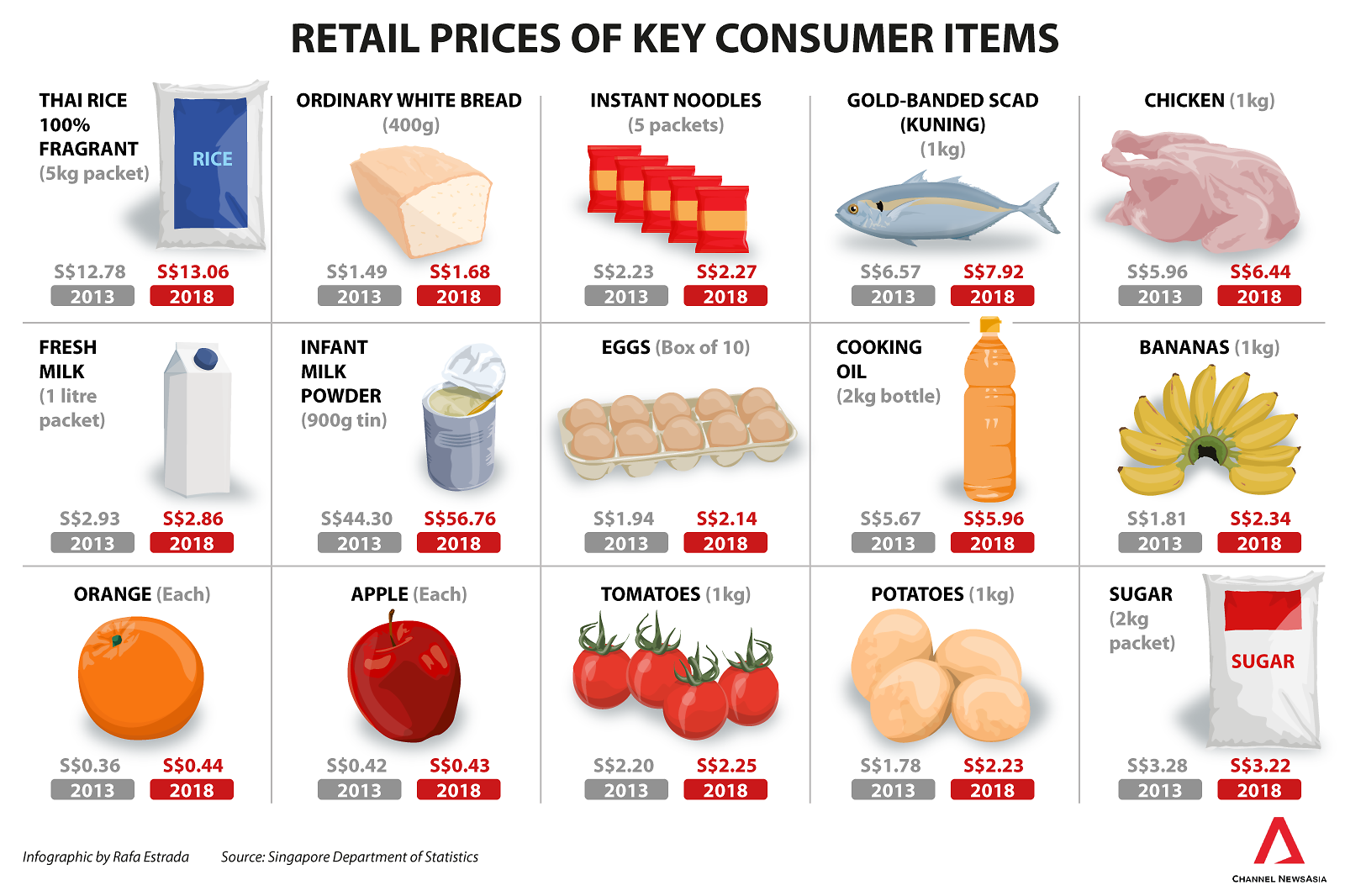
DOS data showed varying price increases for household essentials, such as rice and eggs, over the years.

A 5kg packet of fragrant Thai rice, for example, cost S$13.06 last year but S$12.78 in 2013. One will also have to pay 10 per cent more for a box of 10 eggs, which rose 10 per cent to S$2.14 last year from five years ago.

For food services, higher rentals and labour costs, as well as water and electricity bills, have made dining out more expensive. This is “unavoidable” as food operators, especially stall owners at food courts and hawker centres, face rising business costs, said economist Jeff Ng.

Echoing that, economist Walter Theseira from the Singapore University of Social Sciences said: “While there are calls (for the Government) to control food prices, we need to remember that the majority of Singaporeans employed in providing low-cost food are themselves low to medium-wage workers.”

“It’s not reasonable in my view to ask the hawker to bear the burden for keeping prices low,” he added.

Cost of living - prices of key consumer items - infographic

Third, healthcare.

Amid a greying population, healthcare inflation has gone up by about 8.5 per cent since 2013, based on experts’ calculations of official data. Of which, the cost of seeking medical and dental treatment rose about 10.6 per cent over the same period.

“As Singapore’s population ages, demand will only get stronger yet it is not easy to increase supply given the long training periods required for quality medical workers,” said Dr Tan.

“This is an area that isn’t easily contained so healthcare prices could keep going up. For retirees, this is an area of concern.”

Given the price gains in basic necessities, it is only natural that Singaporeans feel the pinch even if overall inflation stays low, experts told Channel NewsAsia.

“People form their idea of inflation from their day-to-day expenses and these include food and healthcare costs, which are ever rising,” said DBS senior economist Irvin Seah.

To be sure, there is also the desire for better things in life that may contribute to cost-of-living pressures – a point also mentioned by the prime minister in his National Day Rally speech.

“As the country progresses, there are expectations, to a certain extent, for a higher quality of life. A better phone, an expensive bag, a reputable tutor or healthcare option – all these add up,” said Mr Ng from independent economics research firm Continuum Economics.

Agreeing, Dr Theseira said consumption choices play a role. Using food inflation as an example, he explained: “Restaurant food, for example, occupies a significant share of retail food expenditures and that share has been rising overtime as Singaporeans get more affluent.”

WHO’S FALLING BEHIND?

In general, as long as inflation stays tame and in line with income growth, cost of living concerns can be mitigated, economists told Channel NewsAsia.

Household income statistics issued last February showed the median monthly income among households here rose to S$9,023 in 2017, a 1.5 per cent increase from 2016’s S$8,846 after factoring in inflation.

While that shows income growth broadly keeping up with overall inflation, economists said the devil may be in the details.

According to the same set of household income statistics, real median monthly income for the bottom 50 per cent households grew between 2.1 and 3.6 per cent in 2017. This was slower than those in the 51st to 90th percentile which had income growth of between 3.7 and 4.5 per cent, while the top 10 per cent saw real growth of 2.6 per cent.

To be sure, if traced back over a five-year period from 2012 to 2017, households in the bottom 50 per cent experienced a higher rate of real income growth (4.2 to 4.6 per cent a year), compared with those in the top 50 per cent (2.2 to 4.2 per cent).

Another set of data to examine is how inflation impacts income groups differently. 

For 2018, the effects of an increase in food, water and electricity prices, as well as medical and dental treatment costs, have been felt more pointedly by households in the lowest 20 per cent, according to the latest CPI data.

CPI inflation, excluding imputed rentals on owner-occupied accommodation, was up 1.8 per cent for the less well-off. Inflation was 1.3 per cent and 1.1 per cent for the middle 60 per cent and the highest 20 per cent income groups, respectively.

“Uneven wage growth is one factor but we must also consider that the less well-off spend a larger proportion of their income on food items,” said Dr Mathew Mathews, a senior research fellow at the Institute of Policy Studies. “Cost of these have been going up quite a bit over the past few years.”

With inflation expected to pick up further this year – on the back of higher imported oil prices and possible spillover impact from the US-China trade war – the lower-income group could be disproportionately hit, other experts added.

Singapore hospital ward

Although Singapore’s standard of healthcare is among the best in the world, a severe organ shortage continues to limit patients’ access to optimal treatment. (File Photo: TODAY)

Meanwhile, other segments within the society could also need help, such as the sandwiched generation.

“These are the people in the middle class who are taking care of both young children who are still schooling and aged parents who may have chronic or other illnesses, and staying in perhaps a 3 or 4-room flat,” said Dr Mathews.

“Healthcare inflation exceeds general inflation considerably every year, and this group of Singaporeans may need more help in the future.”

Economists said that while schemes such as GST vouchers and rebates off utilities bills are useful, the long-term solution to cost-of-living concerns lies in ensuring pay increases in low-wage jobs and pushing on with economic restructuring efforts to create better jobs for all.

“I think our attention here should be at the low-wage worker,” said Dr Theseira. “Rather than artificially hold costs down which also affects workers in those industries, it would make more sense to spend effort raising wages.” 

“Cost of living is a problem but as long as a person has a job and an income, things can be resolved,” said Mr Seah. “So we have to continue investing in our social safety net and by that, I’m not just talking about public assistance schemes.”

He added: “The best solution is to keep creating jobs and invest in the training of our workers so that everyone remains employable and can have a job.”

Source link

Commentary: Should you let your 5-year-old run errands outside of home?

0

SINGAPORE: Should a 5-year-old child be out by himself in the streets of Singapore running errands for his parents?

On the back of news discussing how a 5-year-old delivered a briefcase to his father 17 MRT stations away, I can understand concerns from readers about safety, and whether a 5-year-old can manage crossing the road by himself, avoiding distractions to stay the course and navigating an unfamiliar territory, armed only with a hand-drawn map.

Part of the shock might arise from readers whose similarly aged kids have never done even the simplest of such chores at home before and therefore might be loath to have them embark on such a long, complex, cross-island journey in the first instance.

If I had to do it my way, I’ll start small, and have my kid run an errand within walking distance first before allowing him to venture onto the public transport system, and will ensure that I maintain contact, perhaps on a mobile phone. I am sure most parents start easy.

I might also prefer my kids run such errands in pairs, with someone trusted like a sibling or a neighbour’s child.

What is key for me is helping them build that sense of independence and desire to contribute to the family. 

MINDSETS AND BELIEFS

Singaporean parents have their own sense of what parental love looks like. Some find it important to help their young children through life and tend to them with as much parental care as possible.

Some do all of their household chores by themselves without involving their children and see it as their top priority to ensure their kids are clothed, bathed, fed and tended to. Conversely, to them, leaving a child to do things for himself is seen as a form of neglect.

A new form of helicopter parenting has emerged where many parents see their children as unable to manage life for themselves given their helplessness, and assume that if left to do something on their own, they’ll mess up. So, rather than having to clean up the mess, parents pre-empt and intervene.

There are also parents who believe children should be supervised at all times.

READ: Are you a helicopter parent? A commentary

Parent and child at a playground in Punggol

Parent and child at a playground in Punggol. (Photo: Gaya Chandramohan)

This is especially prevalent in small families where children are often treated as precious gifts of nature that need to be nurtured, loved, and cared for throughout life. This stands in stark contrast compared to large families, where children grow up on their own with lots of space to be their own person, becoming more independent and capable.

READ: Smaller families in Singapore, leading to unhealthy parenting styles, a commentary

Parents need a growth mindset to find a parenting style that suits each child – some will need more guidance than the rest, some will develop better with more space, but judging by the comments to the news report, many parents are not open-minded enough to consider parenting of a different style.

WE NEED TO TRUST OUR CHILDREN

Children are smart enough to pick up clues, tricks and skills; they grow everyday if they are given the chance to be themselves, to watch, learn, do, get feedback, do better the next time, with some help or on their own.

It is understandable why some parents see young children running errands as unsafe, and potentially dangerous. The world is so complex and uncertain with dangers that might put our children at risk when they are outside, without parental presence or supervision for extended periods of time.

Strangers cannot be trusted. Roads are too dangerous. Too much stimuli in the environment can confuse the child. The list goes on.

LET THEM BE INDEPENDENT

In that context, asking a 5-year-old to move across Singapore by himself might be a stretch. 

But I hope it doesn’t discourage Singaporean parents from embracing a more open mindset in general and allow their children to find themselves in new situations and learn from them. They might be pleasantly surprised. After all, which parent is not amused by the sight of his or her child feeding or dressing himself?

This is not the result of growing up, but comes through a process of allowing the child to try, make mistakes, try again, learn, and better himself – a trial-and-error type of learning.

Our kids’ learning can come in many ways: Through coaching, by watching, through personal practice, by retrying, through reading, consulting with friends or peers or open sources like the internet, by accident and through failure.

Parent child talk discipline punishment reward

(Photo: Pixabay)

READ: Protecting your kids from failure isn’t helpful parenting, a commentary

Parents should not be fixated with the mess, mistakes or embarrassment a child makes, but should encourage them to help themselves. Helping a child can hinder their acquisition of skills, which may affect their social and psychological development, as psychologists and child development experts have pointed out in numerous studies.

A 2018 study by development psychologist Nicole Perry of University of Minnesota, Twin Cities and her colleagues in the US and Switzerland found that when parents exert too much control and step in before children can manage challenges on their own, they may inadvertently stunt their children’s emotional development and hinder the development of their ability to regulate their own behaviour.

Parental control can have a positive influence on young children’s academic achievement, a study by University of Hong Kong’s Daniel Fu and his colleagues found, but the same study also highlights that excessive parental control may induce social anxiety and impede kids from developing the skills to study effectively on their own.

RESHAPE OUR MINDSETS

Let children grow up, with minimal helicopter parenting, some coaching and maximum space to discover how they can do things for themselves.

READ: Learning to let go as a parent of a Primary 1 child, a commentary

Parents can definitely learn and glean useful insights on parenting from the parents featured in the Channel NewsAsia documentary. There will definitely be questions and doubts, but these can be addressed gradually as they find their footing and preferred style of parenting.

Indeed, the documentary highlights broader lessons on parenting, communication and child development that might be useful to parents, even if the example of taking a long journey to deliver a briefcase to dad makes us uncomfortable.

Dr Foo Koong Hean is an adjunct senior lecturer at James Cook University, and online private practitioner. His book Negotiation Parenting: Or how not to Raise a Brat in Today’s Complex World was published in 2015. Dr Foo is also co-editor of First Class Behaviours for First World Nations: Public behaviour in Singapore, and Asia-Pacific Perspectives Intercultural Psychology, published in 2019.

Source link

More households switch electricity retailers, pay 20% to 30% less

0

SINGAPORE: The nationwide rollout of the Open Electricity Market (OEM) is “progressing well”, with more households choosing to switch electricity retailers, said the Energy Market Authority (EMA) on Friday (Feb 8).  

Consumers who have switched electricity retailers pay about 20 per cent to 30 per cent less than the regulated tariff, with the majority of households signing up for 24-month Standard Price Plans without additional or hidden charges, EMA said.

Electricity switch rates

Household consumer switch rates per zone, as of end-Jan 2019. (Graphic: Energy Market Authority)

Zonal rollout map of Open Electricity Market

The Open Electricity Market will be rolled out across Singapore in batches. (Graphic: Energy Market Authority)

As of end-January, the OEM in Jurong has seen a switch rate of about 40 per cent since its soft launch in April last year. Zone 1, which comprises postal codes starting with 58 to 78, has had a switch rate of about 25 per cent. Zone 2, which comprises postal codes starting with 53 to 57, 79 to 80 and 82 to 83, has seen a switch rate of about 18 per cent.

READ: Singapore to open up retail electricity market from November: What it means for consumers

READ: Commentary: Assessing the benefits of an Open Electricity Market for households and small businesses

“The Open Electricity Market is about giving consumers choice. While some consumers have chosen to switch, others have decided to continue buying from SP Group. Some are also taking a wait-and-see approach as there is no deadline to switching,” said EMA chief executive Ngiam Shih Chun.

“Consumers are encouraged to take time to learn more about the options and price plans available before deciding whether to switch,” he added. 

According to surveys commissioned by EMA, 96 per cent of residents have heard about the OEM initiative. Three out of four residents have taken some action after hearing about it, including seeking information online and discussing the OEM with friends and families. Half of the residents surveyed are open to switching to a retailer.

Consumers also indicated in the surveys that they want more flexible pricing plans that cater to their needs, in addition to lower electricity bills.

Source link

Rebuilding Asean’s financial safety net

0

SINGAPORE and Indonesia signed a US$10 billion bilateral swap agreement (BSA) in October 2018, allowing the two countries to assist each other through US dollar loans during financial stress.

The move signals a willingness by Association of Southeast Asian Nation (Asean) countries to play a bigger and more direct role in strengthening the region’s financial stability — but there is still much more to do.

The new BSA reflects increased unease among some Asean countries about the region’s existing financial cooperation arrangements. The most important is the Chiang Mai Initiative Multilateralisation (CMIM), a US$240 billion swap agreement among the Asean+3 countries (Asean plus China, Japan and South Korea).

The CMIM was implemented in 2010 when multilateralism was on the rise and a new international financial architecture was taking shape. The new order involved sharing greater responsibility for crisis management between regional organisations and global institutions.

SEE ALSO: Is Asean better off without the US?

In theory, the CMIM offers a strong and credible vehicle for crisis prevention and resolution. It provides a bigger pool of resources than pre-existing swap agreements between Asean and China, Japan and South Korea as well as the US$2 billion Asean Swap Agreement between Asean monetary authorities.

By consolidating the network of BSAs under the CMIM, decision-making during crises is streamlined. By subjecting 70 percent of emergency fund drawdown to IMF approval, the CMIM addresses the moral hazard problem associated with a multilateral fund.

Still, there are increasing concerns among Asean members about the CMIM’s effectiveness and whether it represents the right financing arrangement for the region. Specifically, there are concerns that the CMIM’s interests may not align with Asean’s.

000_1830MX

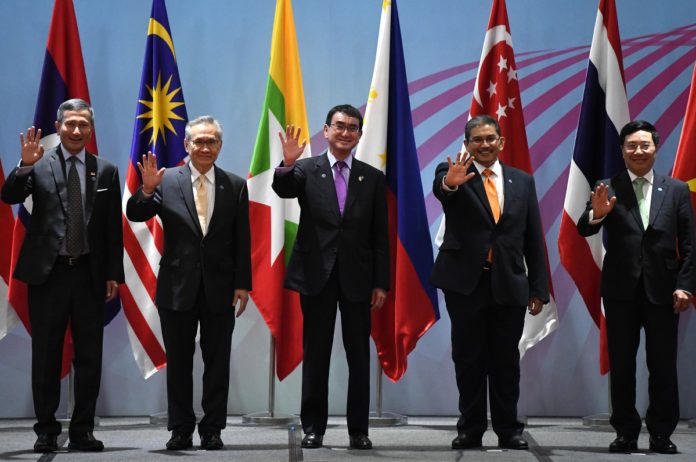
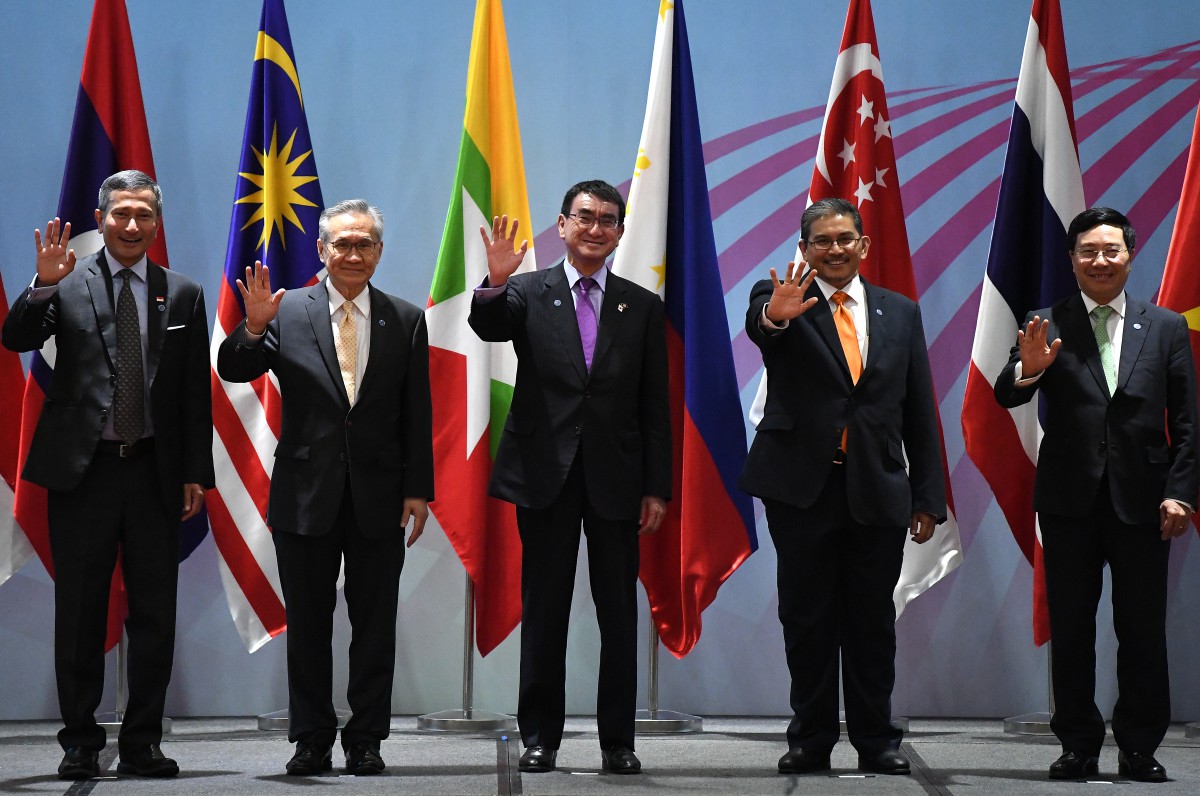
(L-R) Singapore’s foreign minister Vivian Balakrishnan, Thailand’s foreign minister Don Ramudwinai, Japan’s foreign minister Taro Kono, Brunei’s second minister of foreign affairs and trade Erywan Yusof and Vietnam’s foreign minister Pham Binh Minh pose for photographs during the Association of Southeast Asian Nations (ASEAN) – Japan Ministerial Meeting in Singapore on August 2, 2018. Source: Mohd Rasfan/AFP

As China, Japan and South Korea provide 80 percent of the funding for the CMIM, they are the key decision makers and must approve any assistance to Asean countries in crisis. Also, Asean+3 can only approve the first 30 percent of the funds that a country in crisis needs. The remaining 70 percent is subject to the IMF approval process.

Asean countries have been uncomfortable with the CMIM’s decision-making structure for some time. They are exposed to shocks distinct from those affecting China, Japan and South Korea.

These East Asian economies are not as sensitive to the political and economic vulnerabilities that Asean countries face, and so their decisions may not adequately address the region’s needs. Asean needs a regional financial arrangement that is fully under its control.

SEE ALSO: Malaysia is the largest beneficiary of Chinese cash diplomacy

Many Asean countries also find the role of the IMF programme onerous, particularly for short-term financing to boost liquidity (as opposed to longer-term funding to correct fundamental economic imbalances).

There is still a strong stigma associated with IMF assistance due to its role during the Asian financial crisis, making it politically difficult for many Asean governments to request assistance from the IMF.

This stigma constitutes a major risk as an Asean country facing a temporary balance of payments shock may have no recourse to sizeable liquidity support until it is too late, since the bulk of the CMIM’s funds are linked to the IMF. The stigma has effectively reduced the CMIM to a largely non-operational role.

The past 10 years of volatile global capital flows demonstrates the CMIM’s shortcomings. Although no Asean country went into a crisis during this period, several of them needed emergency financial assistance during the so-called taper tantrum in 2013. They did not utilise the CMIM for this purpose, even though such assistance is a core aspect of its remit.

2018-04-28T031245Z_1517794446_RC17777EA9C0_RTRMADP_3_ASEAN-SUMMIT

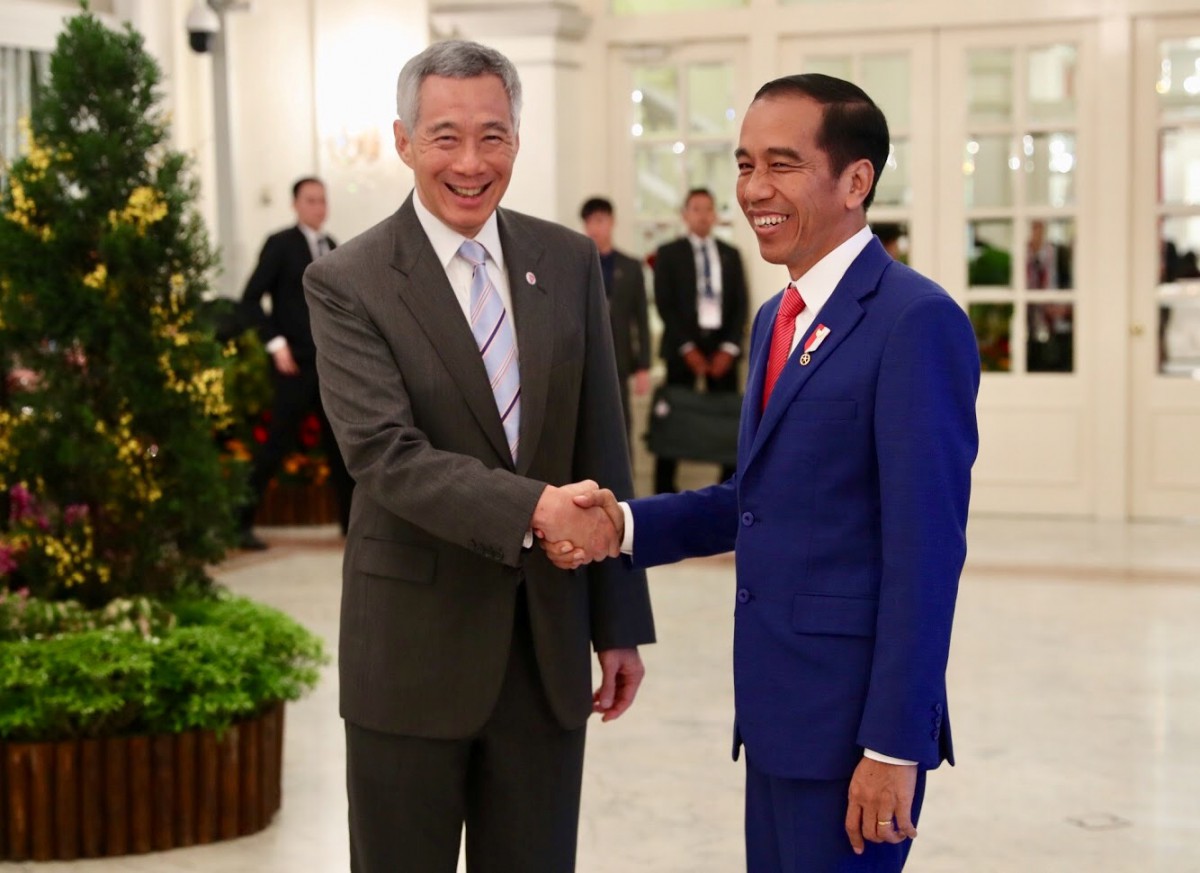
Singapore’s Prime Minister Lee Hsien Loong meets with Indonesia’s President Joko Widodo as Lee hosts an ASEAN working dinner in Singapore April 27, 2018. Source: Asean2018 Organising Committee/Handout Via Reuters

Instead, Asean countries are resorting to bilateral swap facilities with central banks within and outside Asia. As the Indonesia–Singapore BSA shows, they are also turning to fellow Asean countries for assistance. Such alternatives weaken the CMIM’s credibility and effectiveness as the region’s main financing mechanism.

Asean should rebuild its own crisis management arrangement as an additional financial safety net.

This could begin with a reconstructed and substantially strengthened Asean Swap Agreement (ASA) governed by representatives from Asean countries only. This would enable greater control over the speed and the outcome of the fund disbursement process.

Policy dialogue and surveillance efforts supporting the ASA can draw on the region’s existing economic consultation process and the Asean+3 Macroeconomic Resource Office’s (AMRO’s) surveillance work.

SEE ALSO: ASEAN business is not keeping up with digital transformation

The new ASA could be designed as a liquidity facility to primarily address liquidity shocks and be viewed as complementary to the CMIM. In the event of a liquidity shock, the ASA would provide the second line of defence after the country’s own reserves, with the CMIM forming the third line of defence.

Asean shouldering the initial funding responsibility in a crisis would greatly facilitate subsequent funding from the CMIM.

The current ASA fund of US$2 billion is inadequate. It should be at least US$50 billion. This is neither unrealistic nor infeasible. Compared with the pre-Asian financial crisis period when Asean countries had a mere US$164 billion in international reserves, they now have more than US$900 billion.

Asean has made enormous progress in growth and development and is now one of the world’s fastest-growing and most dynamic regions. Still, another financial crisis absent a strong and credible crisis prevention and resolution mechanism may derail that progress, making a new ASA an important priority.

Kim Song Tan is Professor of Economics at Singapore Management University. Manu Bhaskaran is CEO of Centennial Asia Advisors, a regional consultancy group.

This article is republished from East Asia Forum under a Creative Commons licence. 

Source link

Autocracies masquerading as democracies are a threat across the globe

0

RUSSIA’S successful interference in the 2016 US presidential election may inspire other countries to do the same.

These other countries don’t look threatening. They look like democracies. But they’re not.

They’re a special kind of autocratic regime that masquerades as a democracy. And what looks like benevolent conduct by these countries can quickly change into aggressive, politically charged behaviour.

Autocracies, often known as “authoritarian regimes,” maintain power through centralised control over information and resources. Political opposition is either forbidden or strongly curtailed and individual freedom is limited by the state.

Autocracies that look like democracies are different because their leaders permit political opponents to run for election – even though they rarely win.

SEE ALSO: Populism, Asian style: 40 percent of the continent under populist governance

These countries’ capitalist systems have some of the trappings of liberal democracies in the West. But these regimes use capitalism to further their authoritarian rule.

These so-called “dominant party authoritarian regimes” have surged in number from around 13 percent of all countries before the end of the Cold War to around 33 percent today.

Most are located in Africa, the Middle East and Asia. They are also present in Eastern Europe and in the Americas. Russia is one of them; so are Turkey, Malaysia, Singapore and Venezuela.

These regimes often engage in the same kinds of bad behaviour as other autocracies. But their behaviour is critically different in both the motivations and methods used to further authoritarian ends, as detailed in my new book “Authoritarian Capitalism.”

000_SL3UE

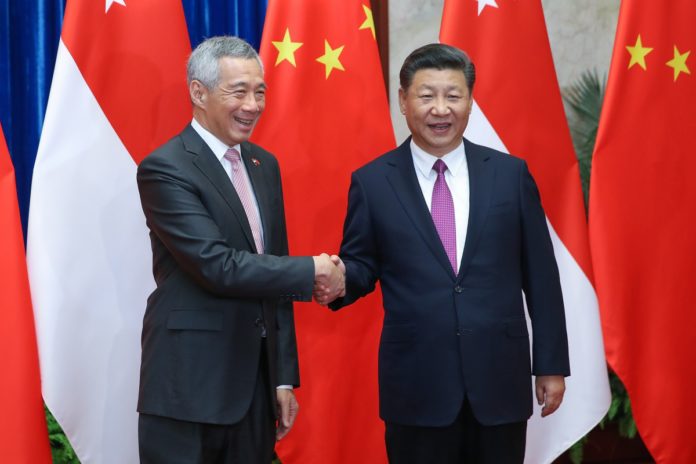
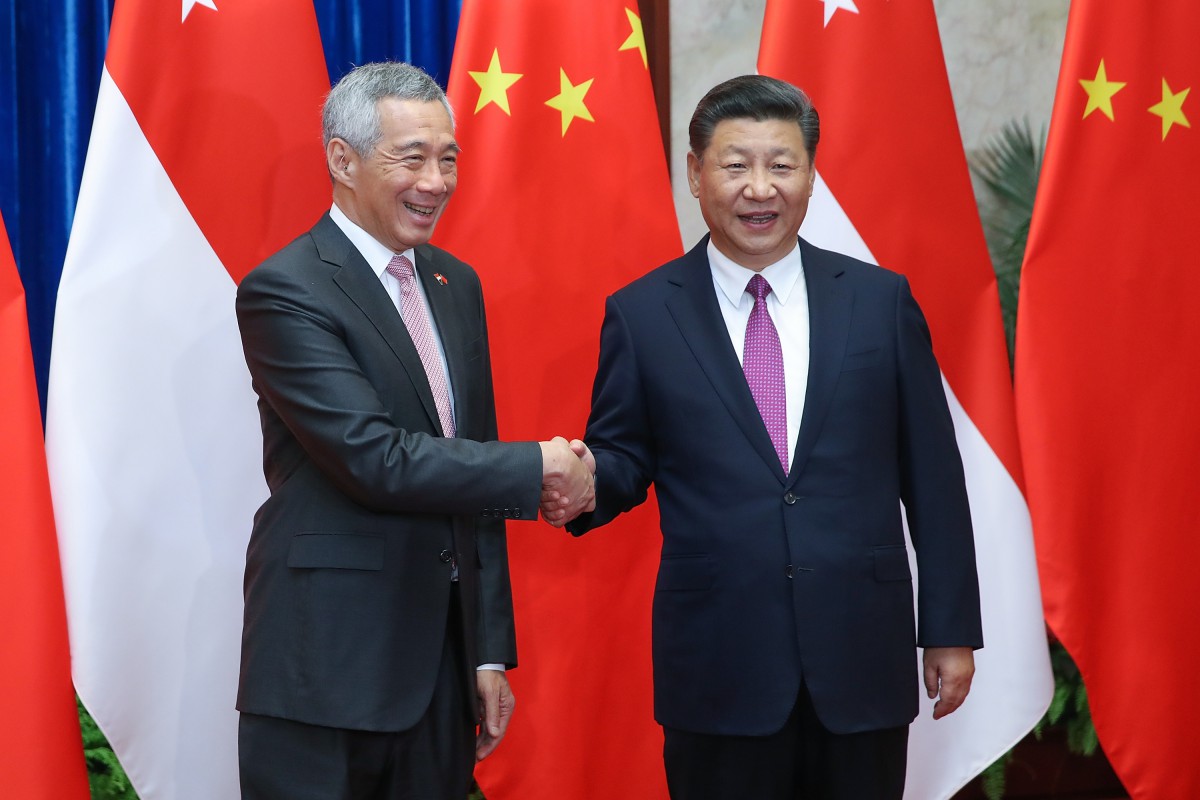
Singapore’s Prime Minister Lee Hsien Loong (L) shakes hands with China’s President Xi Jinping (R) before their meeting at the Great Hall of the People in Beijing on September 20, 2017. Source: AFP

Political control

Part of the danger with dominant party authoritarian regimes is that their veneer of democracy permits political opponents to run for election. But when incumbent rulers face a threat to their power, the autocrats often respond by targeting political dissidents and taking aggressive actions toward foreign enemies to bolster popular support.

For example, Russian leader Vladimir Putin faced an unprecedented challenge from citizen protests during the 2012 presidential election. The protests continued into 2013.

Putin punished the protesters. New York Times correspondent Ellen Barry reported in 2013 that “new laws prescribe draconian punishments for acts of dissent. … Mr. Putin … embraced a new, sharply conservative rhetoric, dismissing the urban protesters as traitors and blasphemers, enemies of Russia.”

Shortly afterward, Russia’s foreign activities became even more belligerent than during the Soviet period. This accomplished just what Putin wanted: Following his annexation of Crimea in 2014, his approval ratings skyrocketed.

SEE ALSO: China’s ‘digital authoritarianism’ harms internet freedom worldwide

Another recent example is Turkish leader Recep Tayyip Erdogan’s repression of domestic political dissidents following the failed July 2016 coup against him. According to The Guardian, the regime arrested or suspended “more than 110,000 officials, including judges, teachers, police and civil servants.”

Erdogan went after foreign-based dissidents too, allegedly orchestrating a plot to kidnap opposition leader Fetullah Gulen from Pennsylvania.

And while he won the presidential election in June 2018, Erdogan’s foreign-based critics remain concerned about his threats. Enes Kanter, a Turkish NBA star, declined to travel to London in January 2019 out of fear that Turkish spies might kill him.

063_1126312376

Enes Kanter #00 of the New York Knicks looks on in the third quarter against the Dallas Mavericks at Madison Square Garden on January 30, 2019 in New York City. Source: ELSA/Getty Images North America/AFP

Information control

Another distinction that characterises dominant party authoritarian regimes is how they exploit Western legal and financial systems against Western media outlets critical of the regime.

Normally, autocrats control information and resources to retain power. But rather than relying on the typical autocrat’s crude hostile attacks or outright censorship, dominant party authoritarian regimes use legal or financial methods regarded as legitimate by the West.

In other words, they sue the media or they buy them.

A slew of foreign news organisations – including The New York Times, Wall Street Journal, Bloomberg and The Economist – were sued by the Lee family, autocratic rulers of Singapore, for political and financial reporting after the 2008 global financial crisis.

The family maintained the coverage defamed them. As the Wall Street Journal’s editors wrote in 2008, “We know of no foreign publication that has ever won in a Singapore court of law. Virtually every Western publication that circulates in the city-state has faced a lawsuit, or the threat of one.”

SEE ALSO: Malaysian police probe opposition leaders under fake news law

Malaysian political authorities deployed similar tactics when their rulers felt threatened.

Following the Asian financial crisis of 1997, and in the months leading up to the November 1999 general election, wealthy ruling party supporters in Malaysia filed a flurry of defamation lawsuits against foreign journalists and media organisations, such as the Asian Wall Street Journal and Dow Jones.

Russia’s means of pressuring foreign media are slightly different, but they also involve taking advantage of Western legal-financial systems.

Russia has engaged in disinformation campaigns that exploit weaknesses in the West’s freedom of speech protections, as documented by experts at the Center for Strategic and International Studies and at the Center for the Study of Democracy.

And Russian companies have acquired sufficiently large ownership stakes in foreign media companies to influence their operations.

This has involved both the manipulation of their coverage and a reduction in media freedoms of the country in which they are located.

For example, Delyan Peevski is a controversial member of the Bulgarian Parliament who advocated for pro-Russian policies. Peevski built and sustained a media empire that controls around 40 percent of Bulgaria’s print sector and 80 percent of the newspaper distribution with loans from a partially Russian-owned bank.

2018-03-29T003914Z_172090914_RC1DC110C000_RTRMADP_3_MALAYSIA-ELECTION-FAKENEWS

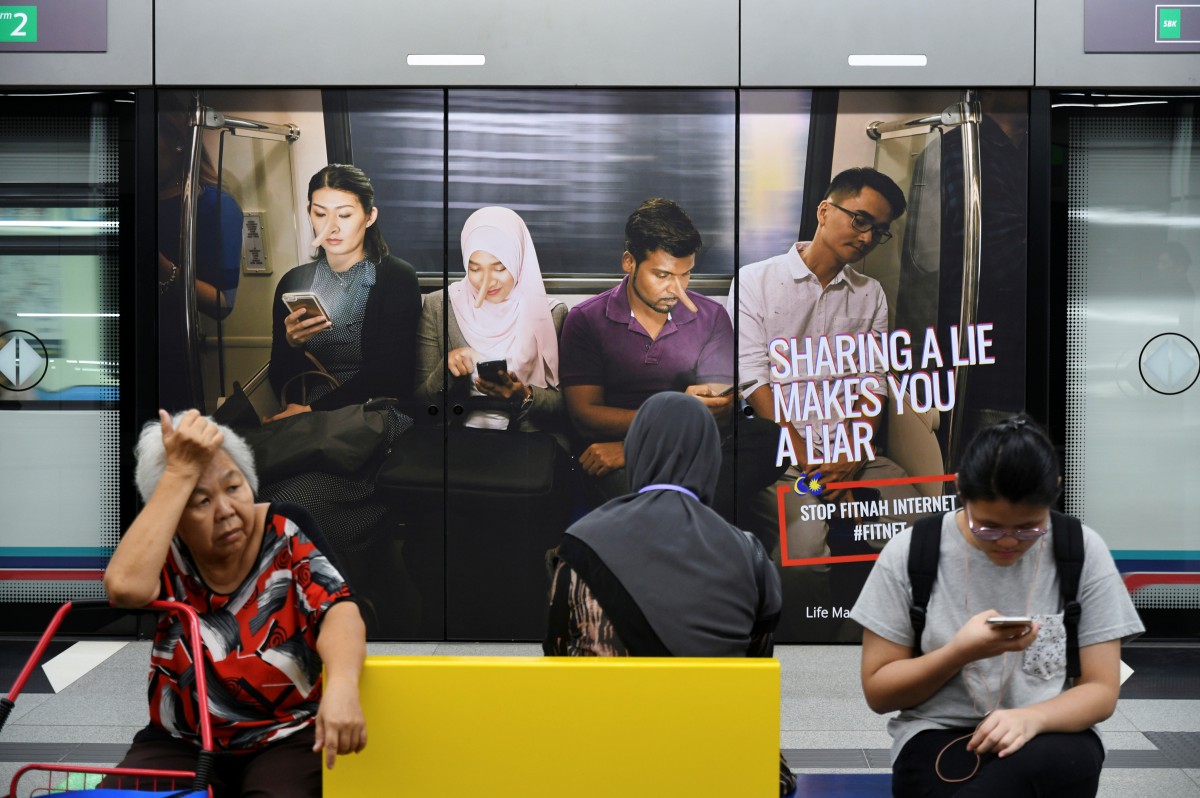
Commuters sit in front of an advertisement discouraging the dissemination of fake news, at a train station in Kuala Lumpur, Malaysia March 28, 2018. Source: Reuters

Resource control

In contrast to firms located in other types of autocracies, state-controlled businesses in dominant party authoritarian regimes often comply with international financial regulations. This helps them gain access to Western countries’ corporate and financial systems.

Under cover of legitimate business operations, their autocratic leaders can pursue political objectives with less scrutiny.

Malaysia’s state-owned investment fund, 1MDB, engaged in aggressive investment tactics with corrupt practices – including “abnormally high payback” for investment bankers – that extended across the globe.

The US accuses former Prime Minister Najib Razak’s family friend of masterminding the theft of US$2 billion from the fund. And its capital was also channeled to politicians and projects to help the ruling party win the 2013 elections.

SEE ALSO: 1MDB: Why Malaysia fell victim to the biggest heist in history

Russia has also used state-linked companies to gain influence over Hungary, Serbia and Bulgaria’s crucial energy sectors via purchases of ownership stakes in listed companies.

This granted the Russian state access to other key sectors of these economies, such as finance and telecommunications. Russia then was able to influence government policies.

In one case, the Serbian government chose not to enforce the European Union’s sanctions against Russia. That was a risk for Serbia, because it has wanted to qualify for European Union membership by 2025.

Even bolder actions occurred with Russia’s interference in the U.S. 2016 presidential election.

Michael McFaul, the former U.S. ambassador to Russia, told the Senate in September 2018 that never before had the Kremlin violated American sovereignty so “illegally, aggressively and audaciously” – even during the high-stakes rivalry of the Cold War.

It is now common knowledge that Russian-controlled agencies and businesses played a strategically vital role in the election interference.

000_1749WL

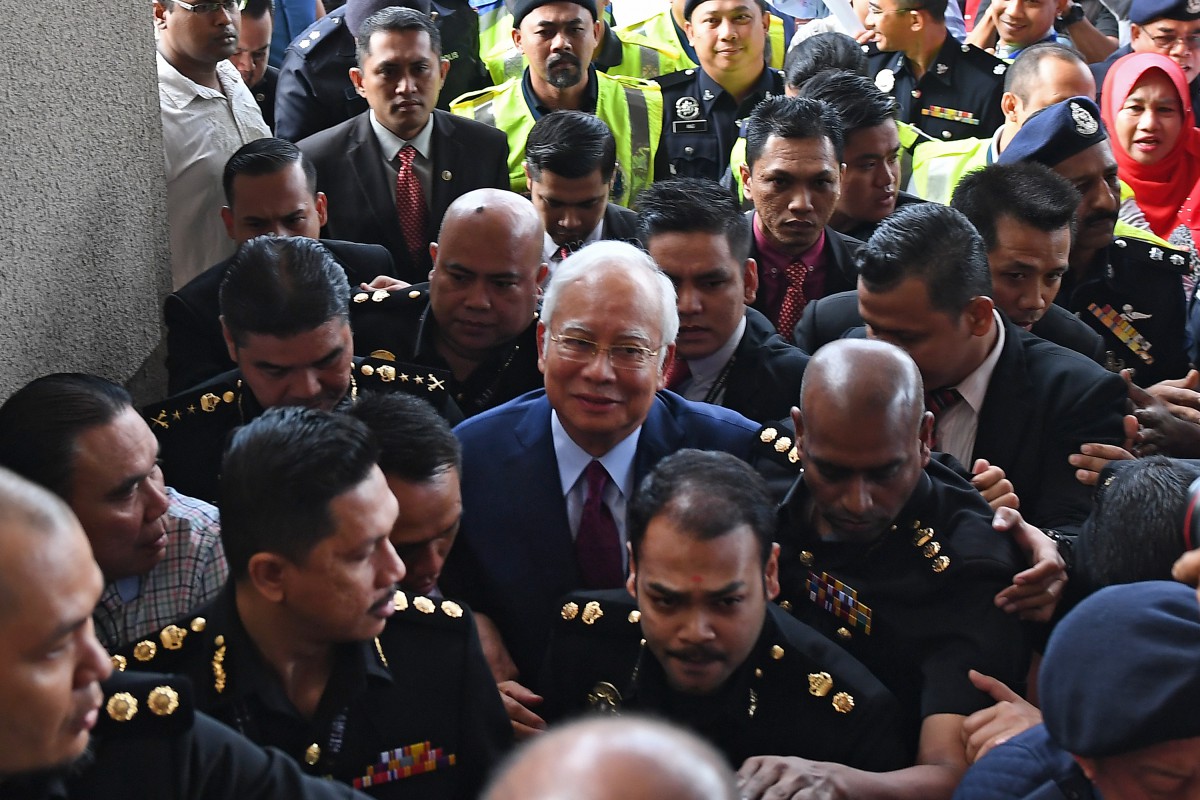
Former Malaysian prime minister Najib Razak (C) arrives for a court appearance at the Duta court complex in Kuala Lumpur on July 4, 2018. Source: Mohd Rasfan/AFP

Resisting influence

Can democracies defend themselves against such aggressive regimes?

The “Kremlin Playbook,” written by Heather A. Conley, James Mina, Ruslan Stefanov and Martin Vladimirov, is an extensive study of Russian influence in Hungary, Slovakia, Bulgaria, Latvia and Serbia. It provides a detailed list of policy recommendations to resist Russian influence that can be applied to other dominant party authoritarian regimes.

They include strengthening intelligence gathering and cooperation between the US and its allies; increasing US and allied governments’ assistance to vulnerable countries; and stronger protections for and enforcement of transparency measures.

But I believe an important addition to this list is the need to monitor the strength of the ruling party’s hold on power. That’s because aggressive, politically charged activities are most likely to occur when incumbent rulers face an elevated threat.

With its attack on the US 2016 election, Russia showed that it’s possible to interfere destructively in the most powerful Western democracy. I expect that other autocracies that look like democracies will follow suit – across the globe.count

Richard Carney is a Professor at China Europe International Business School.

This article is republished from The Conversation under a Creative Commons license. 

Source link

Motorcyclist hid packets of chewing tobacco in shoes, other belongings: ICA

0

SINGAPORE: A Malaysian motorcyclist was caught with 1,169 packets of chewing tobacco in his shoes and other belongings at Woodlands Checkpoint early on Thursday (Feb 7) morning, said the Immigration & Checkpoints Authority (ICA).

The 50-year-old man was stopped by ICA officers for further checks at about 4.45am on Thursday, the authority said in a Facebook post.

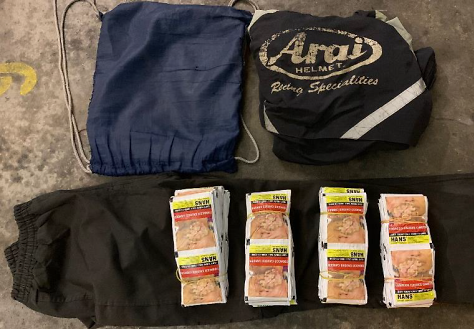
A search revealed the contraband concealed inside his shoes, raincoat bag, haversack and the motorcycle’s carrier box.

Chewing tobacco found on motorcyclist 1

Hundreds of chewing tobacco packets were discovered. (Photo: Facebook / Immigration & Checkpoints Authority)

Chewing tobacco found on motorcyclist 2

Packets were found concealed inside the man’s shoes, raincoat bag, haversack and the motorcycle’s carrier box. (Photo: Facebook / Immigration & Checkpoints Authority)

The case has been referred to the Health Sciences Authority.

“Our borders are our first line of defence in safeguarding Singapore’s security,” ICA said.

“The ICA will continue to conduct security checks on passengers and vehicles at the checkpoints to prevent attempts to smuggle in undesirable persons, drugs, weapons, explosives and other contrabands.”

The incident comes nearly two weeks after two Malaysians were arrested for attempting to smuggle contraband cigarettes through Woodlands Checkpoint.

In one of the cases, officers found 460 packets of cigarettes hidden in a vehicle’s modified fuel tank. For the second incident, 30 cartons of cigarettes were found in the speaker compartment of a car boot.

Source link

SingPost fined S$100,000 for delayed mail deliveries in 2017: IMDA

0

Accepting the fine, SingPost announced measures to improve its service, such as hiring 100 additional postmen and extending mail delivery slots to weekday evenings and on Saturdays.

stock singpost 01

File photo of a Singapore Post delivery van.

SINGAPORE: Singapore Post (SingPost) has been fined S$100,000 for not meeting the service standards for delivering local basic letters and registered mail in 2017, the Infocomm Media Development Authority (IMDA) said on Thursday (Feb 7).

Under IMDA standards, SingPost is required to deliver 99 per cent of local letters to addresses within the Central Business District (CBD) and 98 per cent of local letters to destinations outside of it by the next working day. IMDA said SingPost failed to meet that standard in May 2017.

The regulator added that SingPost also failed to meet the requirements to deliver all local basic letters by the second working day in January, April, May, October and November 2017.

SingPost also failed to meet the same requirements for registered mail in January, September and November 2017, IMDA said.

The authority noted it was not SingPost’s first failure to meet with Quality of Service (QoS) standards, with the 2017’s margin of failure being “significant” compared to previous instances.

However, IMDA said it considered SingPost’s effort in ensuring all delayed mail were successfully redelivered within one week. 

“Having considered all factors, IMDA has imposed a financial penalty of $100,000 on SingPost for the nine incidents of non-compliance with IMDA’s QoS standards in the period from January to December 2017,” IMDA said.

READ: Commentary: Are SingPost’s lapses indicative of a deeper malaise in the company?

Thursday’s fine comes after a postman was arrested last month following reports of letters allegedly discarded in a bin. IMDA said after the incident that it had launched an investigation.

“IMDA expects SingPost to deliver reliable public postal services to consumers and businesses, in compliance with its licence obligations,” said Ms Aileen Chia, deputy chief executive and director-general (Telecoms & Post) at IMDA.

“IMDA has been closely monitoring the performance of SingPost’s postal services, and will take firm action against SingPost for any breaches of the public postal licence requirements and QoS standards.

“The recent service lapses by SingPost indicate gaps in SingPost’s processes and we require them to implement measures urgently to meet the public’s evolving postal needs,” she added.

“WE DEEPLY APOLOGISE”

SingPost said in a statement on Thursday that it accepts IMDA’s fine and will work to improve its service. 

“We deeply apologise to our customers for our service failures,” said SingPost CEO Paul Coutts in a statement. “We have heard their complaints and feedback; we feel their frustrations and seek to win back their trust.”

READ: SingPost Q3 profit rises nearly 16% to S$50 million on one-time gain

READ: SingPost delivers apology for recent ‘service failures’

He also announced a raft of measures to improve its service, such as hiring 100 additional postmen and extending mail delivery slots to weekday evenings and on Saturdays. 

“The immediate measures we are announcing today will address the most pressing issues and provide improvement in service quality over the next three to six months,” he said.

IMDA said it is currently assessing SingPost’s service standard for 2018 and will publish the findings by the middle of this year.

Earlier in the year, SingPost apologised to its customers for the “service deterioration” that occurred over the “tremendously busy” November-December period. “It would be fair to state that we have failed to live up to expectations in recent times,” it wrote online. 

The apology came after complaints on social media about subpar service including undelivered letters, as well as forged signatures for packages. 

Last February, a SingPost postman was fired after he threw away returned letters and direct mail at a condominium. The incident came to light when a video surfaced of a member of the public confronting the postman, who admitted to throwing the mail away. 

Source link

Online ads lure drivers to cigarette smuggling; 25 caught

0

SINGAPORE: Twenty-five drivers were caught trying to smuggle duty-unpaid cigarettes into Singapore in 2018 – and they were lured by online advertisements.

Providing details on some of the cases, the Singapore Customs said in a news release on Thursday (Feb 7), that the drivers were sentenced by the State Courts to jail terms ranging between 10 weeks and six months.

Vehicles such as cars and vans with modified compartments that were used to smuggle the cigarettes were also seized.

The advertisements, posted on social media platforms such as Facebook and WeChat, typically offer payments between S$100 and S$600 for every smuggling trip into Singapore.

Facebook ad recruiting drivers to smuggle cigarettes into Singapore

A Facebook advertisement recruiting drivers to smuggle duty-unpaid cigarettes from Malaysia into Singapore. (Image: Singapore Customs)

A recent case highlighted by Singapore Customs involved 45-year-old Singaporean Law Hwa Peng, who was sentenced to 20 weeks’ jail on Jan 21 for one such trip. 

Law responded to a post he came across on Facebook and was offered S$400 for every trip to carry duty-unpaid cigarettes from Malaysia into Singapore.

He accepted the offer and was provided a car, which he drove into Malaysia. There, duty-unpaid cigarettes were loaded into various modified compartments of the vehicle. Law was arrested at the Woodlands Checkpoint on Nov 16 last year, after attempting to drive the car into Singapore.

The car was seized, along with a total of 144 cartons and 1,143 packets of cigarettes. According to Singapore Customs, the total duty and Goods and Services Tax (GST) evaded amounted to about S$22,050 and S$1,610 respectively.

Another case involved Malaysian Ku Kai Chen, 25, who also responded to a Facebook post.

He was engaged to drive his own van into Malaysia for the syndicate to load duty-unpaid cigarettes into the vehicle, then asked to drive it back to Singapore. He was promised S$400 if he succeeded in smuggling them into the country.

Van used to smuggle cigarettes into Singapore

Ku Kai Chien concealed the cigarettes in various compartments of his van. (Photo: Singapore Customs)

Ku was arrested on Mar 21 last year at the Tuas Checkpoint, where a total of 201 cartons and 709 packets of cigarettes were found in modified compartments of his van. The amount of tax evaded was about S$23,910 and S$1,750 respectively.

Both the cigarettes and the van were seized. Ku was subsequently sentenced to six months’ jail on Jul 9.

Singapore Customs assistant director-general (Intelligence & Investigation) Yeo Sew Meng said: “Drivers who are hoping to make easy and quick money from the syndicates by smuggling duty-unpaid cigarettes into Singapore should think twice. They will end up paying a higher price when they are caught.

“We strongly advise the public not to fall prey to such online advertisements. We will take firm actions against those who respond to these advertisements to smuggle duty-unpaid cigarettes into Singapore.”

“Buying, selling, conveying, delivering, storing, keeping, having in possession or dealing with duty-unpaid goods are serious offences under the Customs Act and the GST Act. 

“Offenders can be fined up to 40 times the amount of duty and GST evaded and/or jailed for up to six years. Vehicles used in the commission of such offences are also liable to be forfeited,” Singapore Customs said.

Members of public with information on smuggling activities or evasion of Customs duty or GST can call the Singapore Customs hotline on 1800-2330000, email customs_intelligence@customs.gov.sg or use Customs@SG mobile app to report such activities.

Source link

HDB home buyers can soon book unsold balance flats at any time

0

SINGAPORE: Those looking to buy an unsold balance flat from the Housing and Development Board (HDB) can soon do so at any time instead of waiting for a twice-yearly sales exercise, said National Development Minister Lawrence Wong on Thursday (Feb 7),

Introduced in 2017, the Re-Offer of Balance Flats (ROF) sales exercise pools together all flats that are unsold after previous Sale of Balance Flats (SBF) exercises. 

The ROF is currently offered twice a year. From the middle of this year, home buyers can choose to book the remaining flats from the ROF pool at any time.

This open booking will start with a batch of around 120 flats, Mr Wong wrote on the Ministry of National Development’s Housing Matters blog.

READ: More than 90% of flats taken up under HDB’s first Re-Offer of Balance Flats exercise

“Flat buyers can apply online anytime on a first-come, first-served basis, and book a flat by the next working day. This will effectively reduce their waiting time to book a flat to just one day,” he said.

The ROF sales exercise is aimed at helping buyers who have more urgent housing needs, or are less particular about location and other flat attributes. Under ROF, applicants do not have to indicate a flat type and location, and can book any available units according to their eligibility.

READ: First Re-Offer of Balance Flats exercise oversubscribed by almost 4 times

Mr Wong said past ROF sales exercises have been popular with buyers, with about 2,500 households having booked a flat under the scheme. Nearly two-thirds of them have collected the keys to their flats. 

“With the increased range of options available, I hope that it will be easier and more convenient for potential homebuyers to find a flat that meets their different needs, preferences, and budget,” he said.

Unsold balance flats graphic Feb 7

Options for buying a flat from HDB. (Grpahic: MND)

Source link