Home Blog Page 508

Some Singapore-listed firms announce temporary closures, shorter hours in China amid Wuhan virus

0

SINGAPORE: Several Singapore-listed companies, with the latest being property giant CapitaLand, have temporarily closed or shortened their business hours in China amid the spread of the Wuhan virus.

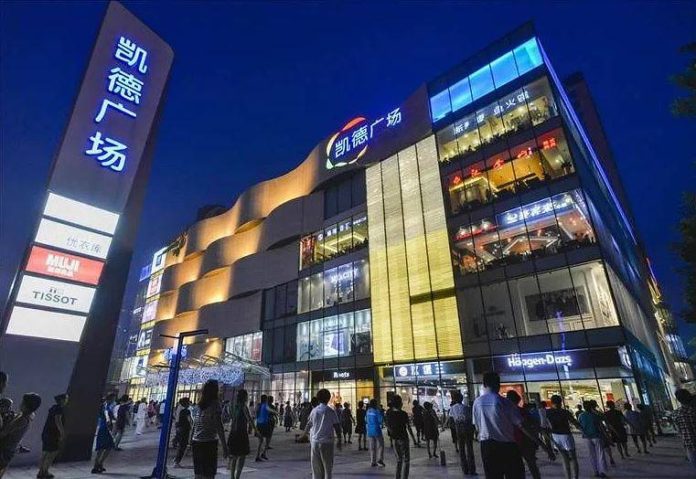
CapitaLand on Wednesday (Jan 29) said it has closed six of its malls in China – four in Wuhan, where the new infectious coronavirus originated, and two in Xi’an – as required by the respective local governments.

These malls will reopen when “local conditions permit”, it said in a media release.

Its supermarkets in Wuhan’s CapitaMall Westgate and Xi’an’s CapitaMall Xindicheng, however, remain open to ensure supply of food and daily essentials to the local communities.

CapitaLand’s remaining 45 malls in various Chinese cities, such as Beijing and Shanghai, continue to operate with shorter hours. The company said it will continually review operating hours in line with local conditions and regulations.

READ: Number infected by Wuhan virus rises to nearly 6,000 in China; death toll at 132

READ: China vows to slay ‘devil’ virus, as countries scramble to evacuate citizens
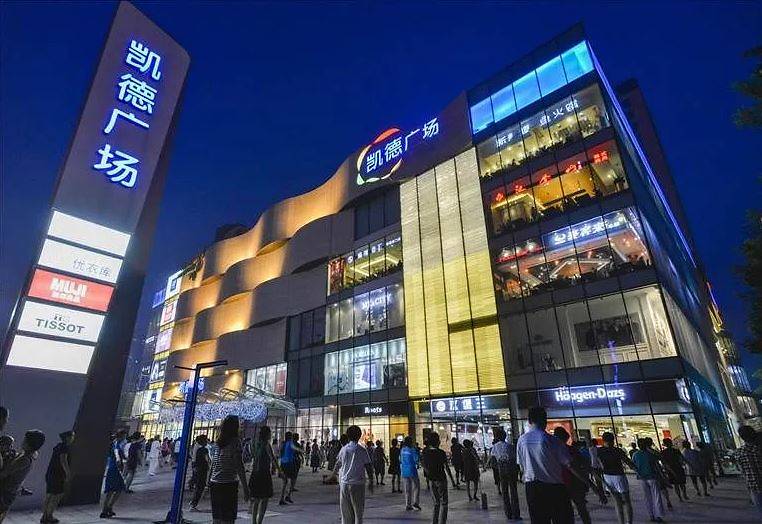
capitaland mall xian

The CapitaMall Xindicheng in Yanta district in Xi’an, China. (File photo: CapitaLand)

Its wholly owned lodging unit, The Ascott, is also “proactively extending assistance” to guests whose travel plans to China have been disrupted. This includes accommodating guests who need to stay longer and waiving cancellation fees for those who have to change their travel plans.

CapitaLand’s office properties in places, such as Shanghai, Zhejiang, Guangdong and Chongqing, will be closed until Feb 9 as stipulated by local governments.

The mainboard-listed property firm said all of its properties in China have adopted necessary precautionary measures according to guidelines from health authorities.

These include conducting temperature checks, as well as intensifying the cleaning and disinfecting of common areas. It will also conduct contact tracing and has designated premises at its properties for the isolation of people suspected to be infected with the Wuhan virus.

Group CEO Lee Chee Koon said the company is closely monitoring developments.

“We have set up a special task force to coordinate our response across our operations in China and in the various markets where we operate,” he said in the press release.

“To date, the group’s business operations, including in China and Singapore, remain largely stable.”

READ: Wuhan virus to hit Singapore’s tourism sector, but too soon to assess impact on overall economy: Experts

READ: Wuhan virus: Singapore companies with projects in Chinese city step up precautionary measures

Other Singapore-listed firms announced similar precautionary measures on Tuesday.

Dasin Retail Trust said it has further shortened the business hours of its five malls in China and temporarily closed crowded places in these malls such as cinemas and karaoke lounges. 

These measures were taken to “minimise contagious risk due to crowd gatherings”, the trustee-manager of the property trust said in a bourse filing.
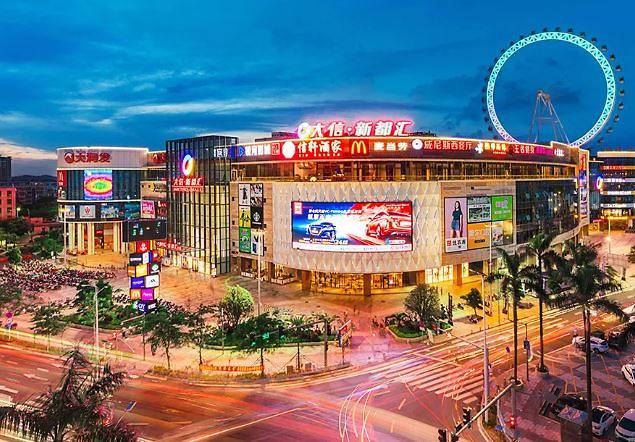
Doumen metro mall

Dasin Retail Trust’s Doumen Metro Mall in Zhuhai, China. (File photo: Dasin Retail Trust)

It added that it will not temporarily close any of its malls “unless specifically requested by the government” and will continue to maintain at least six hours of business hours per day as required.

Sasseur Real Estate Investment Trust also announced that it has temporarily closed its four outlet malls in China’s Chongqing, Bishan, Hefei and Kunming.

READ: Wuhan virus in Singapore – What we know about the confirmed cases

Likewise, tourism company Straco Corp has temporarily shuttered its three attractions in China. 

In a bourse filing on Tuesday night, it said its Shanghai Ocean Aquarium, Underwater World Xiamen and Lixing Cable Car have been shut since Jan 25 on the advice of the local authorities to help prevent the spread of the coronavirus. 

The reopening of the attractions will “be announced in due course”, the company said, adding that it will continue to monitor updates and advisories from the local authorities.

The death toll from the coronavirus outbreak in China has risen to 132 – with 26 new deaths – as of end-Tuesday, with another 1,459 new cases confirmed.

The total number of confirmed cases in China stands at 5,974, according to the country’s authorities on Wednesday.

MORE: Our coverage on the Wuhan virus and its developments

Subscribe to our Telegram channel for the latest updates on the Wuhan virus outbreak: https://cna.asia/telegram
Source link

Gojek Singapore to suspend 120 drivers for fake app use

0

[ad_1]

About 120 Gojek private-hire drivers will be suspended from today for allegedly cheating the company by using modified versions of the Gojek mobile application.

Gojek said it was doing this following an expose by The New Paper in July last year.

TNP had reported these drivers each paid about $300 for modified versions of the ride-hailing apps to help them bypass verification, fake their location, cancel jobs without being penalised and, in some cases, view private customer information.

Mr Lien Choong Luen, the general manager of Gojek Singapore, said such apps didn’t work and compromised the safety of riders and drivers.

Last week, he told TNP: “Simply put, mod apps don’t deliver on their claims.

“But what’s most concerning is that they pose a serious security risk to users.”

TNP understands that tests on these modified apps revealed they do not deliver on their claims to increase the number of jobs drivers get, or prevent their acceptance rate from falling when they cancel bookings.

Instead, the apps make it appear as such on the drivers’ phones, and have only a cosmetic effect.

[ad_2]

Source link

Wuhan virus: $100 a day for those quarantined; severe penalties for people who flout quarantine orders

0

[ad_1]

SINGAPORE – Many more people are expected to be quarantined in efforts to prevent the spread of the Wuhan virus here, as the definition of those who pose a risk has been widened.

Currently, the only people placed under quarantine are 75 close contacts of the first four confirmed cases that the authorities have been able to reach.

But with tougher new measures kicking in, the quarantine will apply to about 2,000 people who were in Hubei in the past fortnight, if deemed to be a risk, or who carry passports issued there, as well as residents and long-term pass holders returning from Hubei.

They include some of the people from educational, childcare and eldercare facilities who, until Tuesday (Jan 28), would have been given leave of absence.

Quarantine is far more stringent than leave of absence as it comes under the Infectious Diseases Act. Anyone flouting the quarantine for the first time may be fined up to $10,000, jailed up to six months, or both. The penalty is higher for subsequent breaches.

[ad_2]

Source link

Scoot to fly Wuhan passengers stranded here back to the city

0

[ad_1]

Passengers from Wuhan who have been stranded here have been granted a way back after a Scoot flight from Singapore was approved by the Chinese authorities on Monday.

The plane will take those passengers who had their flight, TR120, back to Wuhan cancelled after Chinese authorities implemented a lockdown on the city on Jan 23.

The 375-seat Boeing 787 Dreamliner will depart Singapore at 6.55pm today and arrive at Wuhan Tianhe International Airport at 11.25pm.

A Scoot spokesman told The New Paper that the crew will not leave the plane during the stop at Wuhan.

The aircraft will not be picking up passengers for the return leg. The same crew will return to Singapore just over an hour after landing, the spokesman said.

They are scheduled to arrive back here at 5.30am tomorrow.

According to Scoot, the aircraft will be disinfected upon return, and the crew members will undergo a health screening, as required by the Changi Airport Group.

Beginning today, all travellers, including crew members, must undergo a mandatory health screening. The screening previously covered only travellers on planes from China.

[ad_2]

Source link

Woodlands double-murder trial: Victim knew of husband's debts and wanted to help clear them

0

[ad_1]

SINGAPORE – A 44-year-old man, on trial for murdering his pregnant wife and four-year-old daughter three years ago, told the High Court on Tuesday (Jan 28) that he had been unable to pay off his mounting debts and the best option was for his whole family to die.

Teo Ghim Heng had strangled his wife after she scolded him for being “useless”, and then strangled his daughter. He then spent a week with their bodies in their Woodlands flat.

He said he tried, but failed, to end his life by cutting his wrist and downing more than 100 paracetamol pills. He also tried to kill himself by setting the corpses on fire but chickened out at the last minute.

Teo, a former property agent, is charged with murdering his wife, Madam Choong Pei Shan, 39, and daughter, Zi Ning, on Jan 20, 2017, with the intention of causing death, which carries the mandatory death penalty.

The trial, which started in July last year, resumed on Tuesday with Teo taking the stand.

Teo said he used to earn between $10,000 and $15,000 a month but his income dipped when the property market cooled.

[ad_2]

Source link

Supply of masks in Singapore sufficient, no need to rush to buy them: Lam Pin Min

0

[ad_1]

SINGAPORE – There are sufficient masks available in Singapore if people use them sensibly and responsibly, Senior Minister of State for Health Lam Pin Min has said.

“There is no need to rush to buy masks. We are working with retailers like NTUC FairPrice and Unity Pharmacy to push out the stocks,” he added after visiting a warehouse to check on the mask stockpile with FairPrice group CEO Seah Kian Peng.

Dr Lam’s comments, in a Facebook post on Tuesday (Jan 28), come amid reports on social media of masks running out in stores after Wuhan virus cases were detected here.

He said some retailers have started to ration the sale of masks in packages with a smaller quantity.

“This is to ensure there is adequate supply for Singaporeans and to prevent unnecessary hoarding,” he added. “We are also working with retailers to manage pricing and we remind them not to profiteer from the increased demand.”

On Tuesday evening, the Ministry of Trade and Industry (MTI) also urged all retailers to “practise corporate social responsibility and not take advantage of the increased demand to raise prices unreasonably”.

[ad_2]

Source link

Commentary: SARS was scary, but the experience was invaluable in shaping our Wuhan virus response

0

SINGAPORE: SARS was a very real experience for me.

I’ll never forget the sight of two men in scrubs, caps, gloves and masks arriving at our doorstep, after my mother called 995 when my fever and cough would not break despite days of flu medication.

It was 2003. Singapore was in the throes of the Severe Acute Respiratory Syndrome (SARS).

The sight that greeted me at Tan Tock Seng Hospital made fear of​​​​​​​ the virus very real.

Dozens of beds were laid around the A&E ward, which had been turned into an emergency site to deal with the challenge. A lot was happening. 

Tan Tock Seng Hospital staff

Tan Tock Seng Hospital was the place many healthcare workers did battle with SARS. (Photo: Tan Tock Seng Hospital)

Medical professionals were busy drawing blood and taking people’s vitals. Nurses were following up with patients and ensuring those free from the virus left the place promptly.

Frozen in dread to the bed I was assigned, I looked awkwardly at many other patients who gave faint smiles, all of us thinking to ourselves some may have to face a life-threatening fight soon and might not live to tell it.

THE YEAR FEAR CAME TO OUR SHORES

SARS arrived on Singapore shores like a silent killer in the night. Although the first case broke in China in November 2002, the World Health Organisation (WHO) only issued an alert in March 2003.

It was unclear at first what the virus was, how bad it was and how long the crisis would grip Singapore.

Face masks and common cold medication were wiped off shelves. People started to stay away from public spaces, including hawker centres, malls and mass events, and shunned healthcare workers.

Questions were also raised about whether our healthcare systems were up to scratch in dealing with the threat.

With Singapore confirming its seventh case of the Wuhan virus on Tuesday (Jan 28), such scenes may have played out in the minds of concerned Singaporeans reading the news.

MORE: Our coverage on the Wuhan virus and its developments

Roche Tamiflu

Swiss drug maker Roche’s Tamiflu tablets. (AFP/Hoang Dinh Nam)

READ: Commentary: Why the Wuhan virus situation could get worse soon

Many online have expressed concerns over the virus’ spread and anxiety that the situation could get worse.

Rumours and misinformation are a risk. A general correction order was issued to SPH Magazines for a Hardware Zone post falsely alleging a man had died from the Wuhan virus in Singapore.

REMEMBER IT AS A TIME OF DECISIVENESS NOT FEAR

But while fear may have been the memory of SARS that many Singaporeans have, what comes to my mind instead is how decisively control was wrestled back.

A Ministerial Committee chaired by then Home Affairs Minister Wong Kan Seng was established to drive the national response.

Strong action was taken. Home quarantine was imposed under the Infectious Disease Act, and schools were closed for almost two weeks.

To stem the spread, screening protocols were ramped up in most public places. Contract tracing was instituted and hourly temperature-taking became the norm.

An intensive public education campaign was also mounted. Tool kits were distributed to Singapore households.

Singaporeans understood the need for such actions to mitigate the risk and strongly supported these moves.

THE YEAR WHEN THE WORLD WORKED TOGETHER

The SARS outbreak also brought forth a strong level of regional and global cooperation.

Despite the disparaging vitriol over China’s initial slow reaction, governments in affected countries pulled out all the stops to curb the spread.

The Association of Southeast Asian Nations (ASEAN) met in an emergency summit, initiated by then Prime Minister Goh Chok Tong, where a joint plan of action was agreed upon, including recommendations to standardise health declaration cards, temperature screening and information-sharing.

Thailand's Prime Minister Prayuth Chan-ocha delivers a speech during the opening ceremony of A

Thailand’s Prime Minister Prayuth Chan-ocha at the ASEAN Business and Investment Summit 2019 in Bangkok, Thailand – the city where a Special ASEAN Leaders’ Meeting on SARS was convened among ASEAN heads of government in April 2003. (Photo: REUTERS)

The WHO was enlisted to deploy consultants and field teams in support of national responses, including in investigations of a super spreader hospitalised in Singapore in March that year.

It set up a virtual network of public health institutions, health ministries and WHO country offices to exchange case experiences and findings that built up a comprehensive surveillance picture.

And it established case definitions and standards for global reporting, and published daily situational updates to enhance the flow of information.

Such activities helped to catalyse a thoughtful and concerted overall international response and developed standards and best practices in infection control and risk mitigation.

With the unprecedented level of international cooperation and strong action from governments, SARS was contained in a matter of months, despite the fact no vaccine or cure was ever developed.

READ: Commentary: Does it really matter if WHO hasn’t designated Wuhan virus a global public health emergency?

A logo is pictured on the World Health Organization headquarters in Geneva

A logo is pictured on the World Health Organization (WHO) headquarters in Geneva, Switzerland, Nov 22, 2017. (File photo: REUTERS/Denis Balibouse)

The WHO declared Singapore SARS free on May 30, 2003. The relief in the air was palpable.

BETTER PLANS THIS TIME AROUND

Speaking in Davos last Thursday (Jan 24), Prime Minister Lee Hsien Loong urged Singaporeans to be calm but watchful, adding that the Government is well-prepared to deal with the new coronavirus.

PM Lee pointed to the establishment of a multi-ministry task force co-chaired by Health Minister Gan Kim Yong and National Development Minister Lawrence Wong.

Numerous plans to curb the risk of spread have since been stood up, including the set-up of quarantine facilities, increased border checks and a compulsory leave of absence for students and teachers from China, announced by the multi-ministry task force on Monday.

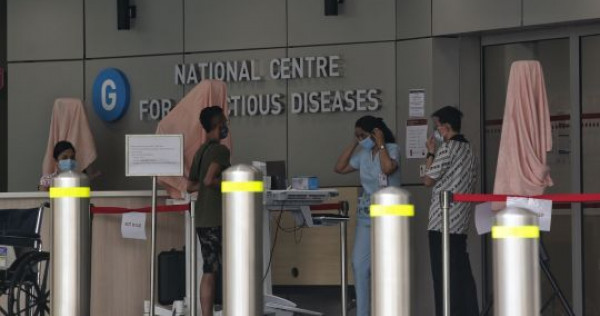
Public health capabilities in dealing with infectious diseases here have also since been enhanced after 2003. A new National Centre for Infectious Disease has replaced the decades-old Communicable Disease Centre.

READ: Commentary: The Wuhan virus and the problem with the wildlife trade

READ: Commentary: Wuhan virus sparks questions over local Chinese officials’ disclosure of information

Academics from the National University of Singapore’s Saw Swee Hock School of Public Health are also enlisted in epidemiological research today.

REFLECTIONS ON SARS

Back to 2003. After blood tests and close observation, I was sent home with a somewhat clean bill of health: No SARS, just an incredibly strong bout of the flu.

To be sure, I was more fortunate than the over 200 Singaporeans who contracted the virus and the dozens who lost their lives, which include five healthcare workers who made the ultimate sacrifice in the line of duty.

Thinking back, what I was most grateful for was the kampung spirit and sense of togetherness the episode brought out.

For days while I rested at home, concerned neighbours unsure of whether contact was really still safe nonetheless popped by and left gifts of homemade soups and fruits with my mother.

Singapore has to be prepared that the Wuhan coronavirus outbreak could be worse than the SARS epidemic in 2003, National Development Minister Lawrence Wong said on Monday.

“Be psychologically prepared that this may take some time to unravel, but be assured too that you have a system in place,” he said, citing the inter-ministry coordination mechanisms and drawer plans in place for a full range of different scenarios of the virus outbreak.

Today, as fears of the Wuhan virus grow, many Singaporeans might recall 2003, the year SARS had Singapore in its grip.

But while that period has generally been framed as a cautionary tale of how pandemics can threaten societies, what comes to my mind is a more optimistic picture.

It was a time of international cooperation – when international collaboration and multilateral organisations played an important role in solving a transboundary challenge, and countries around the world exercised political will to bring the problem under control.

It was also a time when the Singapore Government bolstered public confidence in national institutions and Singaporeans were cautious but did not let the threat stop them from rallying together.

Lin Suling is executive editor at CNA Digital News where she oversees the Commentary section and the new Heart of the Matter podcast.

Subscribe to our Telegram channel for the latest updates on the Wuhan virus outbreak: https://cna.asia/telegram
Full coverage: https://cna.asia/wuhan-virus

Source link

Wuhan virus: 2 new confirmed cases in Singapore, bringing total to 7; no entry or transit for new visitors from Hubei

0

[ad_1]

SINGAPORE – Two new cases of Wuhan virus have been confirmed in Singapore, bringing the total number of infected people here to seven, the Health Ministry said on Tuesday (Jan 28).

With three confirmed cases within the last 24 hours, the trend of infection among Chinese nationals from Wuhan’s Hubei province in Singapore is accelerating, in line with the sharp increase in global infection rates, said the ministry.

This presents a heightened risk to Singapore, although there is as yet no evidence that the virus has spread in the community.

So new restrictions will include no entry or transit for travellers with passports issued in Hubei or those who have travelled there recently.

In addition, there are about 2,000 recent travellers from Hubei who are in Singapore, and those assessed to be of higher risk and with a recent travel history to Hubei will be quarantined.

Quarantine orders have legal force, with severe penalties for non-compliance, including possible jail time.

[ad_2]

Source link

Wuhan virus: Outward Bound Singapore camps on Pulau Ubin to be used as quarantine facility

0

SINGAPORE: Outward Bound Singapore (OBS) camps on Pulau Ubin will be used as a quarantine facility as part of measures to deal with the Wuhan virus, the Ministry of National Development (MND) said on Tuesday (Jan 28).

In response to CNA queries, an MND spokesperson said the Government will ensure that anyone who has been served with a quarantine order will be housed in “appropriate locations”.

“In addition to selected chalets and university hostels, OBS camps in Pulau Ubin have also been identified as a Government Quarantine Facility (GQF),” the spokesperson added.

The camps will undergo a “thorough cleaning process”, in accordance with guidelines from the Ministry of Health, to make sure they are safe to stay in.

“As people staying at the GQFs are not supposed to come into contact with others, this eliminates the possibility of the spread of virus through person-to-person contact,” the spokesperson added.

READ: Wuhan virus: Singapore to impose travel restrictions on holders of Chinese passports issued in Hubei

The new coronavirus, which originated in China’s Wuhan, has killed more than 100 people and infected more than 4,000.

There have been seven confirmed cases in Singapore.

The quarantine facilities are “part of the Government’s response plan for emergencies and may be activated from time to time”, the MND spokesperson said.

It is possible that they may be used as quarantine housing to prevent the spread of the Wuhan virus among the community, MND added. 

Outward Bound School sg pic 1

The Outward Bound School campus at Pulau Ubin. (Photo: Noor Farhan)

READ: Singapore must be psychologically prepared that Wuhan virus could be worse than SARS: Lawrence Wong

READ: Wuhan virus: Increased border checks, leave of absence among new counter-measures

On Monday, Singapore announced that three hostels each from the National University of Singapore (NUS), Nanyang Technological University (NTU) and Singapore Management University (SMU) will be used as quarantine facilities

Education Minister Ong Ye Kung said at a press conference that most students, including foreigners, that are affected will be transferred to other hostels on campus.

He apologised to the students affected and said that “this is part of the national response”.

“We hope it won’t happen, but should there be more contact tracing and confirmed cases, then we will need the facilities. So, it is better now before it happens that we get the facilities ready,” he added.

MORE: Our coverage on the Wuhan virus and its developments

Subscribe to our Telegram channel for the latest updates on the Wuhan virus outbreak: https://cna.asia/telegram
Full coverage: https://cna.asia/wuhan-virus

Source link

11 killed, 2 injured after cylinder blast at Pakistan perfume factory

0

[ad_1]

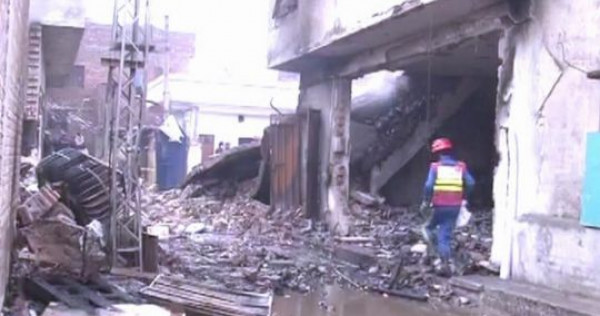
LAHORE – At least 11 people were killed and two others were injured on Tuesday (Jan 28) after gas cylinders exploded at a perfume factory in the Shahdara area of Lahore, setting the entire building ablaze, confirmed officials.

The fire also caused the roof of the building in the city in eastern Pakistan to collapse, trapping other residents of the building beneath the debris as well as damaging the structure adjacent to it.

Residents of the area said the factory was considered to be a textile manufacturing unit.

“We only got to know about the presence of perfume and other chemicals after the fire broke out,” one of the residents said.

An operation is under way to rescue the remaining people trapped under the debris.

According to residents, at least 15 workers were inside the factory when the fire broke out.

So far, the deceased have been identified as 37-year-old Jameel, 65-year-old Zahid, his wife Rashida bibi, six-year-old Areeba and nine-year-old Moosa.

Rescue 1122 official Rana Izhar said the fire had been brought under control, adding that the deaths were primarily caused by the roof collapse.

[ad_2]

Source link