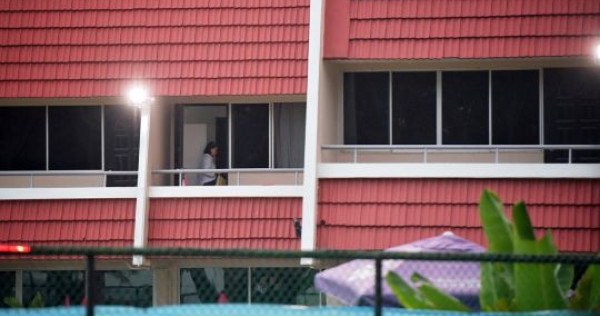
SINGAPORE – Landlords who evict tenants who are on home quarantine order, or leave of absence (LOA), or based on nationality during the coronavirus situation could be barred from renting to foreign work pass holders in future.
In a joint statement on Monday night (Feb 3), the Manpower, Education and National Development ministries said that the government had received feedback about landlords evicting such tenants.
“Landlords found to have irresponsibly evicted their residents may face restrictions and even be barred from renting out their flats to foreign work pass holders in future,” the statement said.
It added that there are guidelines for landlords with tenants on home quarantine or LOA, and that there is “no need” to evict such tenants.
The ministries reiterated that those placed on home quarantine orders or LOA, who could be workers or students, “are well, and that these are simply precautionary measures to protect Singaporeans” from the spread of the virus.
They added that those who are unwell or with a fever or respiratory symptoms will be sent to a hospital for assessment and isolated if they are a suspect case.
SINGAPORE: Mr Mohamad Azan, a limousine driver who typically transports tourists, has had no bookings in January, after the novel coronavirus hit the headlines.
Instead of picking up tourists from the airport and taking them around for sight-seeing, Mr Azan has been sitting, idle, with many other drivers, he said.
He has had several booking cancellations, he added. While the Government said the number of Chinese tourists has dropped by more than 80 per cent since China imposed outbound restrictions on Jan 23, bookings from visitors from other countries like India and Indonesia have dropped, Mr Azan said.
He is worried as he has to pay S$3,000 in monthly installments to the bank for his car. He is also leasing out two mini-buses to his friends.
“I need a plan B in case my friends want to return their mini-buses. I don’t know how long this will go no, but things might get worse” he told CNA.
FINDING WAYS TO COPE
In order to cope with the lack of business, Mr Azan has been working as a private-hire car driver. He also has something to look forward to.
The Singapore Airshow this year which will be held between Feb 11 and Feb 16 is expected to be a bright spot for him as he was booked in advance by the show’s organisers. However, he used to get walk-in bookings for the airshow. He has not received even one such booking so far, he lamented.
Mr Azan, who has been a limousine driver for 25 years, lived through the 2002-2003 Severe Acute Respiratory Syndrome (SARS) period. At the time, he was leasing five cars. He surrendered four of the cars, and passed the remaining one which he drove, to a friend who helped him settle the instalments. Meanwhile, he took on a job as a personal driver for one and a half years.
Mr Justin Lim, a private-hire driver, has also been affected. His earnings have dipped by 15 to 20 per cent, and he is taking home the least he has done in the four and a half years he has been a private hire driver, he said. The number of calls has dropped, he said.
Mr Azan and Mr Lim were speaking to CNA on Saturday (Feb 1) at Shangri-la Rasa Sentosa, where they met Deputy Prime Minister Heng Swee Keat along with other drivers to give feedback on how things are going for them.
TRANSPORT AND TOURISM SECTORS HARDEST HIT
The transport and tourism sectors here have been hit the hardest by the novel coronavirus the Ministry of Finance and Ministry of Trade and Industry said on Saturday, pointing to a decline in air traffic through Changi Airport and room cancellations.
In the hotel industry, booking cancellations for rooms and events have increased and occupancy has reduced, said Ms Julie Cheong, president of the Food, Drinks and Allied Workers Union, that represents people working in industries such as hotels and supermarkets.
“This is supposed to be a good month because of the upcoming airshow. Occupancy is usually up to 80 per cent, but it’s at about 60 per cent now,” she said.
For people who want to cancel their events, hotels have to be flexible and allow them to postpone, so that they can retain their customers, she said.
“They have to be flexible to offer such solutions so they won’t lose business in the long term,” she said.
Mr Patrick Fiat, General Manager of Royal Plaza on Scotts said that different aspects have been affected- hotel rooms, events and food and beverage.
“The first wave was the cancellations from Chinese travellers, which consists of over 1000 room nights. The second wave that is coming in are the travellers from other countries who would like to avoid travelling to Singapore and the region,” he said.
Many corporate travellers are also on a travel ban implemented by the companies to avoid non-essential travel, he added. So far, the hotel is expecting to lose S$700,000 in revenue.
“We look forward to the support from the Government to help businesses tide over this period as the businesses have overheads to cover during the downturn,” he said.
RESTAURANT FEELS THE IMPACT
Other businesses are also feeling the heat. Mr Bu Liang’s restaurant business has been so badly affected that he decided to shut it down indefinitely from Sunday.
The queue outside the Royal Dragon restaurant on a typical day, before business was affected. (Photo: Bu Liang)
His restaurant, Royal Dragon, which is located in a mall on Havelock Road, typically has more than 1,000 customers a day, with tour groups coming from China, Taiwan, Thailand and Cambodia.
However, business has dropped more than 50 per cent for the eatery serving Chinese cuisine since the virus was first reported in Singapore, he said.
When CNA went to the restaurant, it was completely dark, and an administrative staff was the only one present.
“If we opened, the amount that we would earn wouldn’t even be enough for the salary of one employee,” he said.
It is not just the mainland Chinese who have not been patronising his restaurant, he said.
“Many people from other countries are also worried, so they are not coming.”
Mr Bu is making plans to revive his business.
“We will focus on developing the business centred on Singaporean guests and local weddings,” he said.
SINGAPORE: In the past week, the World Health Organization (WHO) declared the epidemic of the novel coronavirus a Public Health Emergency of International Concern.
This has previously been done for epidemics of swine (H1N1) influenza, polio, Zika and twice for epidemics of Ebola in west and central Africa.
Classifying the current epidemic as an international emergency signifies the need for a concerted international effort to curb the spread of the novel coronavirus.
This decision has been precipitated by a number of factors, including the dramatic pace at which the epidemic is evolving, the detection of cases linked to international travel in an increasing number of countries, and the growing recognition of disease clusters outside of China that have resulted from person-to-person spread rather than travel to Hubei province.
MANY KEY UNCERTAINTIES REMAIN
But there is still uncertainty about some key issues – how widely the virus will spread outside China, what impact this will have, particularly in countries with fragile health systems, and exactly how severe this illness is.
What we know so far is that the virus seems less deadly but more transmissible than SARS.
Of the hospitalised cases detected in China, about 2 to 3 per cent have died compared to SARS’ 10 per cent fatality rate.
Of these, most had underlying health conditions that are likely to have contributed to their risk of death. There is also increasing evidence that the virus can be passed on by people with mild or no symptoms.
A new study by German researchers published in the New England Journal of Medicine on Thursday (Jan 31) found a cluster of cases from China and Germany in which the virus appears to have spread before patients showed symptoms. All these cases were reported to have mild illness.
At least seven people have been confirmed to have the Wuhan virus in Malaysia. (Photo: Bernama)
It is likely that a much larger pool of people have been infected but are not recorded in official statistics, because they do not experience pneumonia-like symptoms.
One study published on prestigious medical journal The Lancet estimates than more than 75,800 have been infected in Wuhan alone, with the virus expected to reach its peak only in April or May.
A more conservative estimate by China’s Bureau of Disease Prevention and Control estimates 25,000 infected but projects that the number of infections will double every six days.
These uncertainties pose challenges for containing the epidemic, if people can pass on the virus to others before they know they are infected and before they can be isolated.
For most healthy individuals, the risk of dying from a novel coronavirus infection is low, although we should be particularly concerned about those with pre-existing health conditions.
Studies have shown that the first few cases saw a majority of those infected to be above 50.
SARS had a fatality of 10 per cent but that jumped to 50 per cent in people over the age of 50, explained Vineet Menachery, an immunologist at the University of Texas Medical Branch said in an interview with Quartz, suggesting that seniors are more susceptible because of a weaker immune system.
THE EXPLOSION OF CITIES MAY EXPLAIN JUMP FROM ANIMALS TO HUMANS
As we work to resolve uncertainties about the biology of this new virus, it is important to remember epidemics have an important social dimension borne out of human development – which have little to do with peculiarities unique to China.
Of the six epidemics that have been declared international emergencies, five involved viruses that ultimately originated in animals, including the current novel coronavirus.
A health worker fills a syringe with Ebola vaccine before injecting it to a patient, in Goma, Democratic Republic of Congo, August 5, 2019. (File photo: REUTERS/Baz Ratner)
Viruses routinely jump between species. In the past, these jumps were more likely to happen when humans and animals came into contact in remote areas.
It was more difficult for these viruses to gain traction in humans, because there were fewer people to pass the virus on to.
But as epidemics of SARS and Ebola have shown, with human migration and greater urbanisation, when these viruses are introduced into large, densely populated cities, they can spread rapidly and with devastating impact.
This is bad news when there are about 600 cities with a population exceeding 1 million people today.
But the astounding rise of China has seen urbanisation rates explode – 60 per cent of its population today live in urban areas and this figure is expected to rise to 70 per cent in the coming decade.
Together with increased human encroachment into animal habitats and the intensification of food animal production, the emergence of animal viruses capable of causing similar international emergencies may become the new normal.
The larger lesson to take away is this: If we are to successfully prevent and control the threat of such future epidemics, we urgently need global investments in urban planning, robust health systems and biosecurity.
MEANWHILE BEWARE THE FEAR AND ANXIETY STOKED
With the rapid spread of the novel coronavirus, we have also seen the viral spread of misinformation.
Misinformation about the virus has spread widely since its outbreak in China. (Photo: AFP/Nicolas Asfouri)
The upside of the potential for social media to facilitate rapid communication of scientific knowledge and health information emerging from this epidemic is being challenged by its use that fuels anxiety, fear and hatred.
Conspiracy theories, malware, unfounded rumours and bigoted opinions have grown.
Pictures of restaurant and store windows in South Korea and Japan with signs saying, “No Chinese allowed” have gone viral on Twitter and other social media platforms.
Much of this incites social tension, distrust in governments, health authorities and scientific evidence, and demonstrates extreme and disturbing prejudices on the basis of nationality and ethnicity.
As countries implement stricter travel restrictions and social distancing measures in an effort to curb epidemic spread, there is a real danger that as a society we may be aiding the spread of hatred and xenophobia.
By the end of the epidemic, thousands of people will have been placed in isolation and quarantine and millions will have had their movements severely restricted through no fault of their own.
The vast majority of these individuals will turn out to pose little or no threat to others, but are being asked or ordered to temporarily forfeit their freedoms for the good of the wider community.
We should not look upon these individuals with fear, hatred and distrust, but rather with gratitude, kindness and compassion.
In time, we will bring this epidemic under control and lessen its impact on humanity, but in doing so we must not lose sight of what it means to be human.
Dr Clarence Tam is Assistant Professor at the NUS Saw Swee Hock School of Public Health.
SINGAPORE: Members of Parliament (MPs) on Monday (Feb 3) lauded the Government’s response to the novel coronavirus situation in Singapore, although some expressed their concerns about the possible community spread of the virus, the impact on Singapore’s economy and the availability of healthcare resources.
In their ministerial statements, Minister for Health Gan Kim Yong and Minister for National Development Lawrence Wong stressed that every Singaporean will need to play their part to contain any possible outbreak.
The two ministers, who co-chair the multi-ministerial task force formed in response to the virus outbreak, told Parliament that Singapore is preparing for various scenarios of how the global outbreak could evolve and acknowledged a possible community spread of the virus in Singapore.
“Despite our best efforts, this is a possibility that we must be ready for,” said Mr Gan, adding that quick detection and limiting further spread will be key to managing this.
“If the infected Singaporean wears a mask to protect others, and promptly sees a doctor and gets triaged for testing, the risk of further spread could be greatly reduced. Even if there is spread, quick action will help to limit its extent.”
Once tested positive, the Government can also start tracing close contacts, which will help to reduce further spread of the coronavirus, said Mr Gan.
“If the community spread becomes very extensive, we will need to consider measures to reduce human to human interactions, such as cancelling mass gatherings, suspending schools, paring down non-essential care services and introducing further infection control and monitoring measures, to slow the spread,” said the minister.
About 20 MPs raised questions in response to the ministerial statements. MPs, including Mr Alex Yam and Ms Denise Phua, thanked the ministers for the updates, while Professor Fatimah Lateef applauded the Ministry of Home Affairs and Ministry of Health for their “top notch” work.
CONCERNS ABOUT COMMUNITY SPREAD
Several MPs noted that there were concerns among Singaporeans about being infected by the coronavirus.
MPs Lily Neo and Prof Fatimah raised questions about individuals who visit or are sent by employers to hospitals to be assessed if they are virus-free.
Member of Parliament Lily Neo asked about ambulance resources.
In an example raised by Prof Fatimah, air-con repairmen who had visited a suspected case’s room were sent to the emergency department of a tertiary hospital to be assessed, even though they were asymptomatic.
She said more public education was needed to prevent similar situations so as not to “overload the hospitals”.
When asked about employees who might “seek certification” on being virus-free so they can go back to work, Mr Gan stressed that there was no such certification.
“We test the patient based on his viral load, and there is an incubation period during which the patient may have very low or zero viral load,” the health minister said.
“But at the same time, because (of the) incubation period, the virus may emerge later on and therefore, at any point in time when we test the person, when it is negative, it doesn’t mean that he is virus-free.”
Mr Gan also encouraged employers not to send their workers to hospitals for such tests or certifications.
“Please don’t go to the hospital to ask for a blood test in order to get a certificate that you are free from coronavirus. it’s just not possible for such certificates, and it just loads the hospitals unnecessarily,” he added.
NO WORRIES LIVING NEXT TO QUARANTINE FACILITY
Ms Phua said residents living near government quarantine facilities have expressed concerns about being near people who were asked to stay in such centres.
Member of Parliament Denise Phua said residents had raised concerns about living near government quarantine facilities.
Mr Wong stressed that there is “no need to fear” living close to a government quarantine facility, or having someone subject to home quarantine within the same apartment block.
“We have to be mindful that anyone who is in quarantine is not an infected person,” he added.
There are also strict protocols and procedures that those who are under quarantine have to follow, such as ensuring they remain within the place of quarantine. There will be checks, including phone calls, video calls and spot checks, said Mr Wong.
The minister noted that there have been several messages sent on Whatsapp listing places to avoid because an infected person might have been to those places.
“Whenever there is a confirmed case, there is a thorough cleaning and disinfection process to make sure that the place is entirely clean and disinfected, with NEA (National Environment Agency) supervisors there,” Mr Wong added.
LEAVE OF ABSENCE
The announcement on Sunday that 30,000 work pass holders of Chinese nationality are currently overseas and will have to take leave of absence from their jobs when they return has also caused some anxiety to Singaporeans as the bulk of them live in HDB flats, said MP Lee Bee Wah.
She also asked if there will be any way to ensure that those on leave of absence will comply with the conditions.
The Manpower Ministry had said on Sunday that the number is less than 1 per cent of Singapore’s workforce, but their absence will affect some sectors more than others.
Member of Parliament Lee Bee Wah asked about the 30,000 Chinese work pass holders who are still overseas.
Mr Wong clarified that the 30,000 work permit holders are still in China and have not returned to Singapore. “Not all of them live in our housing estates,” he added.
The ministries are working directly with employers to identify them, which sectors they work in and where they stay, he said.
“That exercise is underway now, so that we can be ready when these workers return – be ready to engage employers, be ready to engage their landlords,” he added.
“Some of them are living in dorms, be ready to ensure that dorms are properly fitted out, to have these workers living in more isolated areas without interaction and contamination with their fellow workers.”
Several MPs asked about the virus’ impact on the economy and whether the Government would introduce measures to help businesses and workers cope with the impact of self-isolation.
In response to Mr Yam’s question on the scale of the coronavirus’ effect on the economy, Mr Wong said that Singapore is only “seeing the initial brunt” now.
As the situation escalates, “impact will not only be for the sectors that are directly impacted like trade, transport and tourism, but there will be knock-on impacts”, he said.
“We are studying this very carefully to develop a series of measures and a strong package in the Budget to help companies and workers. In the interim, wherever we can, we will develop and we will quickly roll out initiatives to help firms without having to wait for the Budget,” he said.
Nominated MP Walter Theseira asked if the Government would encourage employers to be generous with paid medical and family leave for those who need to self-isolate or to look after family members.
“I am not sure right now that paid leave is actually mandated for self-isolation … and we wouldn’t want employers to ask employees to take their own annual leave or no pay leave in such cases,” he said.
Manpower Minister Josephine Teo said that employers can exercise flexibility when it comes to employees not on mandated leave of absence.
Assoc Prof Theseira and Mr Ang Hin Kee also asked how the Government would support self-employed persons placed on a leave of absence.
Mr Wong and Mrs Teo said that the Government was “mindful” of the feedback, and it was looking at measures to support and help self-employed persons.
On Jan 28, Mr Wong announced that all Singaporeans and Permanent Residents (PRs) who are quarantined will receive S$100 a day. If employed, the employer will receive the allowance. If self-employed, the individual will receive the money.
Dr Intan Azura Mokhtar asked if there are enough healthcare workers in the National Centre for Infectious Diseases (NCID) and hospitals to manage patients and whether these workers have sufficient rest and support. She also asked if the Government would activate volunteer healthcare workers.
Member of Parliament Intan Azura Mokhtar asking questions in response to the ministerial statements on Monday (Feb 3).
“There is a heightened need for manpower because of the intensity that we are going through – inspection of, testing the cases, quarantining them and managing them … therefore we have been working with our clusters to ensure that they have sufficient manpower, and to make sure that their schedules are also properly looked at,” said Mr Gan.
He added that he reminded hospital managers to plan for the long term and to ensure that doctors and healthcare workers get sufficient rest.
“It is not a dash to the end point, because we need to be prepared that this may take months,” he said.
He said he would consider recalling volunteers and those on leave.
MP Melvin Yong asked Mr Gan if there were any measures to protect frontline medical staff looking after infected patients, in light of reports that medical workers in China have been infected with the coronavirus.
Mr Gan noted that healthcare workers often get infected at the initial stages of the outbreak as they are unfamiliar with the virus and may not know that it is infectious.
But Singapore has gone through “painful lessons” during the Severe Acute Respiratory Syndrome (SARS) outbreak and other disease outbreaks, and healthcare institutions now exercise “extra caution” to deal with infected patients, he said.
These include NCID’s protocols on donning protective gear and general practitioners’ practice of giving potential patients masks to wear.
The Government has also “ramped up” ambulance services to respond to the outbreak, said Mr Gan, responding to a question by Dr Neo on whether there is a shortage of ambulance services.
“In the initial first few days there were some organisation difficulties among the service operators, and we have sat down with them discussed with them and manage the logistics better now,” Mr Gan said.
“I think that sometimes when there is a peak, it may take a while, a few minutes, and our part we try to respond as soon as possible.”
He added that there is a hotline for doctors if they encounter any problems.
CURE AND VACCINE
NMP Mohamad Irshad asked if a cure might be developed for the virus, while Mr Christopher de Souza asked about Singapore’s global role in finding solutions to the crisis.
Mr Gan said: “Currently, there is no curative treatment … I think vaccines and curative treatment are being looked into, but I think it will take time to develop the method, and to also test the treatment to make sure that it is effect and safe for patients.”
He added that Singapore’s research institutions have been collaborating with other institutions around the world to better understand the virus and to develop a vaccine.
The World Health Organization andinternational organisations have provided a platform to share knowledge and information, he said.
MASKS AVAILABILITY AND PROFITEERING
Following the announcement on Thursday that each Singapore household will be given four surgical face masks amid worries of low mask stocks, Workers’ Party MP Leon Perera asked for an update on profiteers selling masks at high prices, and whether the government would consider applying price controls under the Price Control Act.
He also asked why Singaporeans were invited to collect the masks, instead of the masks being mailed to them.
Adding that letters of demand have already been sent to e-commerce platforms like Lazada and Carousell, Mr Wong said: “We will not rule out any option at this stage. The price controller pursuing, investigating, getting more information, and if need be, more action can be taken.
“But as of now, looking at the prices on some of these, platform providers have cooperated. I heard recently that some of them have even taken out or removed some of these listings with very exorbitant prices.”
He also said that distributing masks by post could result in wastage, as some households might not need the masks.
The minister noted that distribution of the masks is “proceeding in a very orderly fashion” with no queues or large crowds.
NMP Irene Quay asked the Health Minister whether there will be measures in place to ensure the public is fitted with the right model of N95 masks, if they are required.
Nominated Member of Parliament Irene Quay asked questions about the use of N95 masks.
“In the event of widespread community transmission, wearing N95 masks is probably not the solution,” responded Mr Gan, adding that the masks are generally used by healthcare professionals.
“We are most likely going to introduce social distancing, manage crowd gathering, minimising human-to-human interaction, rather than introduce N95 masks for general use.
“I think to teach each of them how to wear N95 masks to be as effective as in the healthcare environment is quite difficult, and you may end up giving them a false sense of security, and as a result we end up with more infections, which is counter productive,” he said.
Even though she wasn’t able to collect any surgical masks for herself, the single mother doesn’t mind.
“It’s not that urgent for me, the other residents can collect them first,” she told Lianhe Zaobao. “I made tea for everyone to drink, it can help boost their immune system.”
In the face of the novel coronavirus outbreak, certain ugly behaviour might have made the headlines but several unsung heroes in Singapore have been quietly working behind the scenes to help their fellow countrymen.
SINGAPORE: National Development Minister Lawrence Wong on Monday (Feb 3) delivered a ministerial statement in Parliament on how the Government has put in place “multiple lines of defence” against the novel coronavirus in Singapore.
Mr Wong, who also co-chairs a multi-ministry taskforce fighting the spread of the virus, added that Singapore needs its citizens to “play their part” in tackling the outbreak.
This is what he said in full:
Mr Speaker, sir, the Minister for Health has spoken about the 2019 Novel Coronavirus (or nCoV in short) situation, and explained how we have prepared for this since SARS, as well as the public health measures that we have taken so far.
I will now elaborate on the other aspects of the work of the Multi-Ministry Taskforce.
The Taskforce was formed just about two weeks ago, and we have been meeting almost daily since then to deal with a very fast moving and constantly changing situation. nCoV is a new virus, and medical experts everywhere are rushing to understand more about how it spreads, how severe it is, and how it can be treated.
We constantly update our risk assessments based on the latest information and expert advice. We also look ahead to anticipate as best as we can how the situation will evolve, and prepare for the possibility that things can worsen.
That’s why over the past week alone, we’ve had to adjust and update our measures several times.
We owe it to every Singaporean to do our very best to protect all of us from this virus. So in all that we do, the overall health and wellbeing of Singaporeans has been and will be our top priority.
BORDER CONTROLS
As Minister Gan highlighted earlier, the measures we put in place are part of a broader system with multiple lines of defence.
Our first line of defence against an infectious disease that occurs outside of Singapore is to put in place controls at the border to limit the spread of the virus and the number of imported cases here.
Infectious diseases do not respect borders. The world is more connected than before, with more people flying around and travelling than ever.
We have to be extra vigilant on this front because Singapore is an international travel hub, with more than 68 million people using our airport last year. A virus that comes through our airport will not only impact Singapore. It can also easily spread through us to other countries in the region.
People are seen wearing a protective face mask at Orchard Road, Singapore on Jan 28. (Photo: Gaya Chandramohan)
So to protect against such an infectious disease outbreak when it happens outside of Singapore, we have a series of drawer plans and measures at the border.
They range from the screening of in-bound travellers, to placing high-risk travellers into quarantine, as well as restricting travel for those who have been recently at highrisk countries.
Depending on the nature of the outbreak, we will assess the risks and put in place the appropriate measures.
This is the approach the Taskforce has taken in dealing with this virus. We first implemented temperature screening at Changi Airport for flights from Wuhan, and then we expanded the screening to all flights from China; and also to our land and sea checkpoints.
As an additional precaution, and because not all who are infected will show symptoms, we deployed healthcare teams at the aerobridge for all incoming flights from China to identify and pull aside passengers who look unwell.
At the same time, it helped that China itself had moved swiftly to impose restrictions on its own outbound travellers. It cancelled outbound tour groups. All of these measures helped to reduce the flow of people from China to Singapore.
Typically, there will be about 14,000 PRC travellers flying in from China to Singapore every day. After the Chinese imposed outbound restrictions on 23 January, this number came down sharply by more than 80 per cent – just through the Chinese measures alone.
Despite these measures, we recognised that there was still a flow of travellers coming in from China on a regular basis.
We monitored this flow carefully and considered what additional actions were needed based on the evidence and risks. Early last week, when we saw the sharply accelerating trend of infection among the population of Chinese nationals from Hubei province, we knew we had to move.
That’s why on Jan 28, we decided to disallow all new visitors with recent travel history in Hubei.
Health advisory posters for all travellers have also been put up at Changi Airport. (Photo: Khaw Boon Wan/Facebook)
But shortly after that, the situation changed again. While the majority of confirmed cases in China were still linked to Hubei province, it was evident that the virus had spread to every region of mainland China, and there was a high risk of widespread community transmission in other parts of China.
So on Jan 31, we decided to take the additional precaution of disallowing all new visitors with recent travel history in the rest of mainland China.
As part of these travel restrictions, ICA is no longer issuing new visas to those with PRC passports, and suspending all such visas. That is because the vast majority of such travellers coming in for short visits would have been in China recently.
But if there are PRC passport holders who have not been in China in the past 14 days, then ICA will be prepared to issue them a short-term visitor pass or to extend their short-term pass.
That’s why I had emphasised earlier that the travel restrictions are not tied to nationality, but are meant to restrict all travellers with recent travel history in China.
This is necessary to reduce the flow of people coming from the source of the virus outbreak, and to limit the number of imported cases coming into Singapore. That is our first line of defence at the border.
Beyond border controls, our second line of defence is to identify and isolate the people with the virus, as well as all of the close contacts of the infected persons.
We have a well-established contact tracing procedure, which we put in place during SARS, and have continued to fine-tune through emergency exercises, and through experiences dealing with previous outbreaks like MERS and H1N1.
As of 8am today, we have 18 confirmed cases of the virus, all with recent travel history in Hubei. 16 are PRC nationals, mostly here on short-term passes.
The other 2 are Singaporeans, who were among the 92 who came back recently from Wuhan after the city was locked down.
A woman is seen wearing a face mask at Orchard Road, Singapore on Jan 28, 2020. (Photo: Gaya Chandramohan)
Beyond the confirmed cases, we have tested a broader group of 240 suspect cases, all of whom are negative. There are another 43 suspect cases, for which the test results are pending.
All of the outstanding suspect cases have been isolated; the close contacts of the confirmed cases are also now on quarantine. In addition, we have been contacting the recent travellers from Hubei who are presently in Singapore, and putting those of higher risk on quarantine.
As of last night, there are 524 persons under quarantine – 222 are in Government Quarantine Facilities (GQF), and 302 are serving quarantine at home. Persons under Quarantine are required to stay in their designated location at all times during the quarantine period. They cannot physically interact with others living in the same premise.
For each case, we will assess whether to quarantine the person at the GQFs or to do so at the person’s home.
In cases where the home is found to be suitable by MOH, then the home quarantine would apply.
We will use video calls, phone calls and regular spot checks to ensure that they remain in their assigned quarantine location.
These are protocols that we have all worked out through SARS and fine-tuned over the years.
Persons who do not have a suitable residence for quarantine will then be housed in a GQF. There are severe penalties for non-compliance of the Quarantine Order, including fines or jail.
Singapore Armed Forces (SAF) personnel packs face mask for distribution to the public at SAFTI Military Institute in Jurong on Jan 31. (Photo: Try Sutrisno Foo)
Besides quarantine for close contacts and high-risk groups, we have also taken precautionary measures for recent travellers from other parts of mainland China, outside of Hubei.
Our assessment is that they are of lower risk compared to those who were recently in Hubei.
For all such returning residents and long-term pass holders, we ask them to take a 14-day Leave of Absence (LOA) from the date of their return.
This is one way to reduce their exposure when they are back, and thus reduce the risk of community spread in Singapore.
Those on LOA are expected to remain in their residence as much as possible, minimise visitors, and maintain a record of persons they come into close contact with.
They also need to minimise time spent in public places and contact with others, monitor their health and temperature daily, and avoid crowded places or social gatherings.
We have put out guidelines on what an LOA means, just to ensure that anyone who is on LOA knows what they are expected to do.
They may resume normal duties or activities only after they have served their LOA, if they remain well.
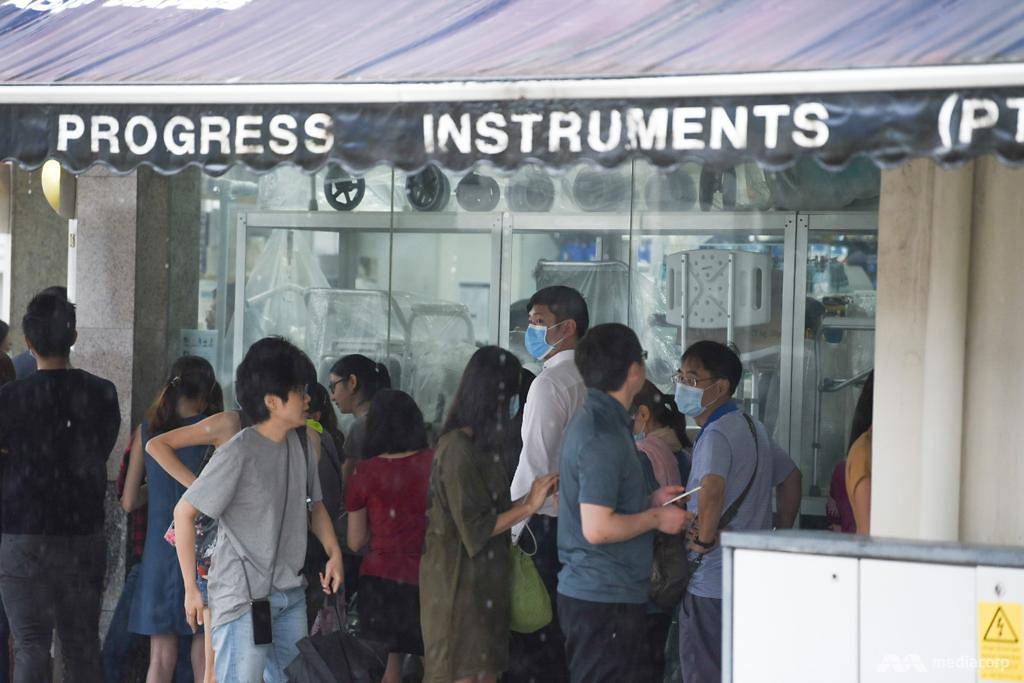
People queueing at a medical supply store in Singapore on Jan 29 to purchase face masks. (Photo: Gaya Chandramohan)
We have put in place measures like the Quarantine Orders and Leave of Absence to protect Singaporeans from the spread of the virus. Singaporeans must also do their part to cooperate.
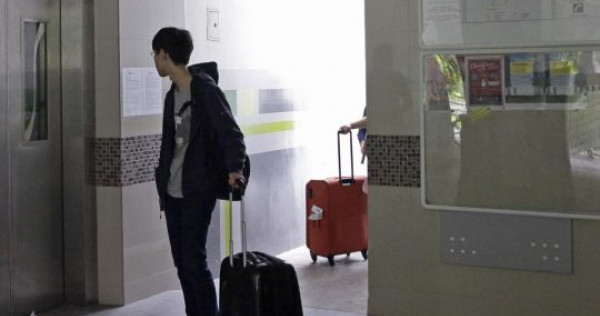
Some residents, upon learning that there is a person under home quarantine or LOA in the same apartment block, have asked that this person be moved elsewhere. We’ve also heard feedback of landlords stigmatising tenants based on their nationality, or worse, evicting PRC tenants who are taking their Leave of Absence.
I can appreciate that Singaporeans are very concerned about the wellbeing of themselves and their family members.
But if landlords start turning tenants away, then our overall containment efforts will be much harder and we end up endangering ourselves and others.
The outcome will be completely counterproductive. We should not condone such irresponsible actions that will end up putting Singapore and Singaporeans at greater risk.
In such difficult times, we should not let our fears overwhelm us and cause us to overreact. Instead let us support each other and look out for one another, so that we can all get through this together.
COMMUNITY AND INDIVIDUAL RESPONSIBILITY
This brings me to the third line of defence on community and individual responsibility.
The Government will do everything we can in this fight against the virus. Many of our officials are going beyond their usual duties to focus on this challenge.
They include our healthcare and medical personnel at the frontline; ICA officers manning the checkpoints; the Police and SCDF officers and auxiliary police screening incoming travellers, and safeguarding persons under quarantine; as well as the CAAS and MPA officers at airport and cruise terminals; and many, many more.
The whole-of-Government officials are going all out to tackle this.
Health officers screen arriving passengers from China with thermal scanners at Changi Airport in Singapore as authorities increased measure against coronavirus. (ROSLAN RAHMAN/AFP)
But all that is not enough. We need every Singaporean to play their part – to take all necessary precautions, and to exercise individual and collective responsibility. For example, employers can help by ensuring their employees who have just returned from China stay at home under LOA.
If anyone in the office is sick, employers should immediately ask them to see a doctor, and stay at home to recover.
We also have a responsibility, in this time of heightened alert, not to spread unverified information or false news which can cause needless panic and fear.
Unfortunately, in recent times, there have been various online posts and articles containing falsehoods.
For example that we have run out of masks, that someone in Singapore has died from the virus, and that Woodlands MRT station was shut for disinfection. These are all false – fake news. Fortunately, we now have POFMA to deal with these fake news.
The Government has used POFMA to correct them, clarify the facts swiftly, and we will continue to do so to avoid unnecessary panic and anxiety.
Even as we address false information, we have stepped up our efforts to provide everyone with timely and accurate information. We try to reach all segments of society through various platforms including broadcast media, display panels in HDB estates, Government websites and social media.
We have been using Gov.sg WhatsApp to provide timely updates to Singaporeans in all our official languages. To date, more than 300,000 have signed up for the service. I encourage anyone who has not done so to subscribe and get the latest verified information and advisories.
People are seen wearing protective face masks at Jewel Changi Airport (Photo: Gaya Chandramohan)
As the situation continues to evolve, we ask Singaporeans to continue turning to official or credible sources for accurate and up-to-date information. We ask Singaporeans to be discerning, and share only verified information.
Together, we can help prevent misinformation and falsehoods from sowing fear and causing panic in our society.
At the individual level, it is also essential that all of us continue to uphold good personal hygiene, as emphasised by Minister Gan just now.
Wash our hands regularly with soap, do not touch our face with our hands; cover our mouths when we cough or sneeze.
If you have flu-like symptoms, avoid public places, and wear a mask on your way to the clinic, so that you do not risk infecting others. We have said these repeatedly, but I think we should all continue to emphasise these points to get the message across.
STOCKPILE OF SUPPLIES
This brings me to the topic of face masks. To prepare for any emergency, stockpiles of essential items are critical. Over the years, and learning from the experience of SARS and other crises, we have built up a stockpile of surgical and N95 masks.
But no stockpile is sufficient if we do not use the supplies judiciously. In the nine days up to end of January, the Government released more than 5 million masks from our stockpiles to the retailers.
All were snapped up in a matter of hours. But still there were still people who were not able to get access to a mask.
At the same time, with the virus spreading to countries all over the world, there is now a global scramble for masks.
Producers around the world are struggling to keep pace with the demand. Some places like Taiwan have even banned the export of masks.
Two women wearing masks cross the street at Bugis, Singapore on Feb 3. (Photo: Gaya Chandramohan)
We have existing contracts from various producers to replenish our stockpile. But in light of the current situation, we have to seriously consider the risks of our supply lines being disrupted.
Because of the rapid consumption rate that we had seen earlier and the potential threat to our supply lines, we decided to change the method of distribution of masks from our national stockpile.
And that’s why firstly, we have slowed down the supply of masks to retailers, and prioritised the masks for essential services, namely our frontline healthcare workers.
Secondly, for the general public, we decided to release masks directly from the stockpile to households, so that every family will have access to a mask should someone in the family fall sick and need to use one to see a doctor.
The nationwide distribution of the masks was a major exercise in its own right. We mobilised the SAF and PA for this task and they all did a sterling job.
Within a very short turnaround time, the SAF had completed the packing of over 5 million masks, and delivered them to our collection points. Our PA staff and grassroots organisations then took to set up the collection centres at CCs and RC centres, and to man the collection counters.
Even GovTech chipped in and came up with a “maskgowhere” website, where you can just key in your postal code to get information on where and when to collect the masks. The collection of masks started on 1 Feb, and to date more than 200,000 packs, (or 15 per cent of the total) have been collected.
I would like to record my thanks to the SAF, PA and all who have been involved in the smooth and speedy execution of this ongoing exercise.
Let me reiterate once again that there are sufficient supplies of masks in Singapore, as long as they are used responsibly. So let us all do our part to ensure the sustainability of our mask stockpile, so that our frontline healthcare workers will have the necessary supplies to carry out their work.
HELP FOR AFFECTED SECTORS AND INDIVIDUALS
It has been slightly over a month since the virus outbreak in China and businesses here in Singapore are already feeling the impact.
Depending on how the situation evolves, the impact to the economy can further broaden and intensify. The government will therefore extend support and help for our companies and workers.
We already provide a quarantine allowance to Singapore-based businesses to cover their employees who are quarantined, and to self-employed Singaporeans/PRs who are in quarantine.
MOM and NTUC will also work closely with employers to support any affected workers and to protect their livelihoods. In addition, MSF is working with the community and grassroots organisations to reach out to Singaporeans and PRs under quarantine.
We will provide ComCare financial assistance and social support to those in need to tide through this difficult period.
A man holds a mask at Orchard Road, Singapore on Feb 3. (Photo: Gaya Chandramohan)
Finally, as DPM Heng said on Saturday, the Government will provide targeted support to the sectors that have been more directly impacted – including tourism and transport, and related industries and firms.
In fact the Singapore Tourism Board (STB) has already announced the first set of measures for this sector including the waiver of license fees for hotels, travel agents and tour guides.
Besides these specific sectors, we recognise that there will be knock-on impacts on related industries in the event of a broad-based slowdown.
So we are working out a package of measures to help viable companies stay afloat and to help workers stay in their jobs. This package of measures will be announced during the Budget.
STANDING UNITED
As I said at the start, we need all Singaporeans to stand united in this fight against the virus. In a situation like this, fear is sometimes as great a threat to us as the disease itself. We must not allow such fear to paralyse our society.
We must never allow our prejudices and our fears to pull apart our society or foster greater division or suspicions.
As we did in SARS and other previous challenges over the years, let us find strength and confidence in one another – the strength to carry on with our lives, the strength to support each other and to defeat this virus together.
I cited some examples of irresponsible behaviours earlier by landlords chasing out tenants on LOAs.
Unfortunately, there are other examples too – people hoarding and profiteering from the sale of masks; people spreading falsehoods online – recently a Whatsapp message has been going around listing places to avoid, completely ignoring the fact that any place exposed to a confirmed case will be thoroughly cleaned and disinfected, under supervision by NEA.
But still, a list of places to avoid was spread, creating fear and a perception that people should avoid these places.
Anti PRC sentiment has also emerged amongst some groups. Online, you can see posts directed against PRC nationals.
On the ground, you hear reports of discrimination against PRC nationals, whether its landlords denying them their tenancies, or service providers denying them service.
Such actions are not helpful, and they have no place in our society. We are bigger than this in Singapore. And, I hope all of us in this House, regardless of political party, will stand together and do our part to confront and condemn such prejudice and discrimination wherever they exist.
But I’m glad these behaviours are still in the minority, they are not representative of the vast majority of Singaporeans.
There are many more out there who have been showing us the best of Singapore at work. They are quietly helping our fellow citizens in their own ways.
For example, at a recent house visit, I met a resident and asked him if he had collected his masks, and he replied that he did not need them, and he asked for his package to be given to others who are in greater need. And I am sure many members here would have encountered similar residents giving you such feedback.
Over the weekend too, we have seen residents who have spontaneously stepped forward, volunteering by themselves or even with their children alongside them, to man the masks collection points as well as to distribute the masks to the homes of their more vulnerable neighbours, especially those with mobility issues.
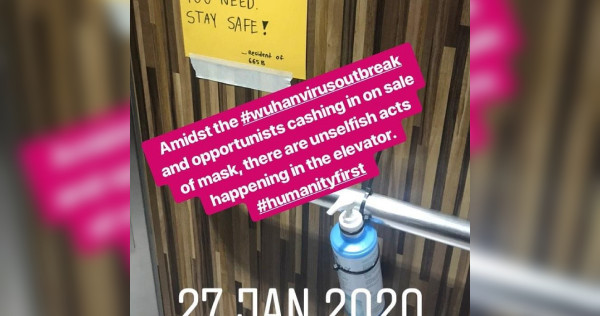
Many Singaporeans are also doing their part to support those who are affected through many selfless acts. In NUS and NTU, the students are helping their friends on Leave of Absence, by delivering food three times a day to them.
They are helping to pack and deliver welfare packs, including items like snacks and hot drinks. At NUS, I understand that students are even organising a 24-hour e-gaming tournament to keep the students on LOA occupied.
We see shining examples of selfless acts by Singaporeans in the Scoot pilots and crew of TR121 who volunteered to fly the 92 Singaporeans from Wuhan despite the risks to themselves. Two MFA officials volunteered for this assignment, despite the risks.
Most of all, we see Singaporeans from all walks of life carrying on with their lives with courage and calmness, in every sector.
Our friends from the media are busy covering the news; I’m seeing them almost every day these days – and you see them busy on the ground; correspondents still in China covering the news, providing us with up-to-date information so that we are familiar with the facts and latest developments.
Our front-line workers, those in our healthcare institutions, our healthcare workers, our workers at our checkpoints and our airports, our transport workers – all carrying on with their lives quietly, doing whatever they can to fight this virus.
So I want to thank everyone for showing that Singaporeans can rise to this occasion, and overcoming this challenging situation together.
This is the Singapore Spirit which will enable us to prevail against the virus.
At this point, no one can tell for sure how the situation will develop, or how long this will last. But I am confident that we will succeed in this fight, if we stand united – as an effective Government, a cohesive people, and a resolute nation.
Mr Speaker, we can and will overcome this challenge together.
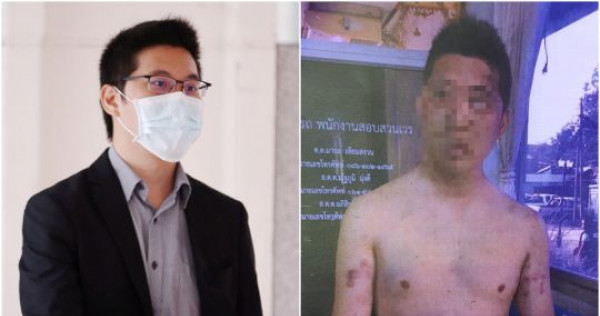
SINGAPORE – A man, whose kidnapping in Thailand made headlines in January, has appeared in a district court over charges in a case where he allegedly misappropriated more than $320,000 in 2014. He was offered bail of $80,000 on Monday (Feb 3).
Court documents did not state if the misappropriation case was linked to his alleged kidnapping.
Mark Cheng Jin Quan, 32, told District Judge Christopher Goh on Monday that he will be applying for a private lawyer to represent him after the Criminal Legal Aid Scheme rejected his earlier application.
Cheng, who is a former blockchain adviser with Singapore fintech company X Infinity, is accused of three counts of criminal breach of trust.
In May and June 2014, he was allegedly engaged in a conspiracy with a man identified as Loh Zhi Xiang, 31, to misappropriate cash totalling more than $320,000 belonging to an organisation known as Zabel Global Investments.
Loh’s case is still pending.
Cheng’s court case has been adjourned to March 2. If convicted of criminal breach of trust, he can be jailed for up to seven years and fined for each charge.
We scour the island for the best deals to help you stretch your dollar, and keep you in the loop on the hottest shopping trends.
‘Cos good things must share.
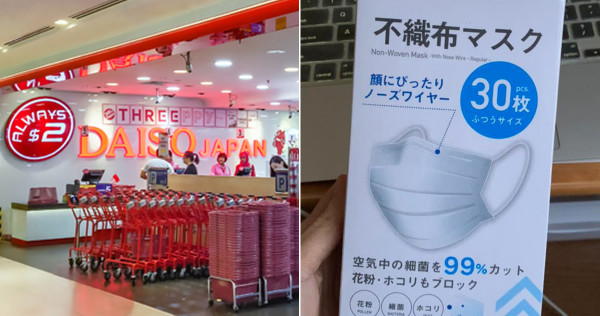
$2 DAISO FACE MASK
If you’re scrambling to get hold of face masks, Daiso Singapore is selling 30 pieces for just $2 per box.
As it is currently the cheapest face mask, for just seven cents per piece, and it is limited to one box per customer, you’ll want to get your hands on them before they fly off the shelves.
The three-layer face mask offers 99 per cent protection against pollen, bacteria and dust, and comes with a nose wire for a snug fit.
SINGAPORE – There were 524 people under quarantine as of Sunday (Feb 2) night, said National Development Minister Lawrence Wong, who co-chairs the multi-ministry task force tackling the spread of the new coronavirus from Wuhan.
Of these, 222 are in government quarantine facilities and 302 are serving quarantine at home, he said.
“Persons under quarantine are required to stay in their designated location at all times during the quarantine period,” Mr Wong told Parliament on Monday (Feb 3).
“They cannot physically interact with others living in the same premise.”
Those under home quarantine have to report their health status at least three times a day via video call, and spot checks are conducted to ensure they do not leave. Those who breach the quarantine order may be fined or jailed.
In his ministerial statement, Mr Wong said being able to detect and isolate infected patients and their close contacts is Singapore’s second line of defence against the virus, which has infected more than 17,000 people and killed 361 in mainland China.
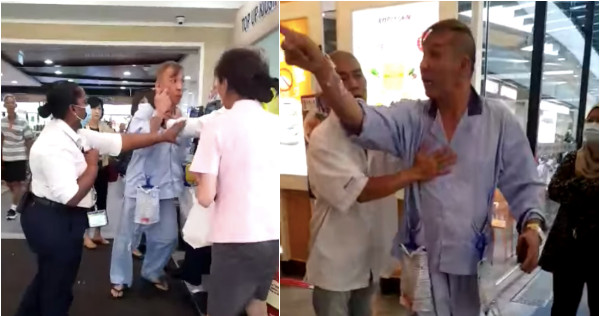
Allegedly unhappy that he wasn’t allowed to eat, a patient from Singapore General Hospital (SGH) got into a heated argument with the hospital’s security officer, causing a stir online after the video was circulated.
In a 20-second-long video uploaded to Facebook yesterday (Feb 2), a male patient was seen yelling and behaving in an aggressive manner towards a security officer.
Alamak! Y dis patient push and shove security guard outside SGH foodcourt? He in hospital already still wan fight?