March 19, 2016 12:25 PM
SINGAPORE – Balancing family and work were listed as the top issues faced by married couples in a poll by a group that champions strong families.
March 19, 2016 12:25 PM
SINGAPORE – Balancing family and work were listed as the top issues faced by married couples in a poll by a group that champions strong families.
Shaw Theatres 1-for-1 movie tickets for M1 customers tomorrow, 20 Mar
Shaw Theatres 1 for 1 Tickets For M1 Customers (Sundays) From 28 Jun 2015 | SINGPromos.com
Just present your latest M1 bill or show the M1 logo on your phone when buying movie tickets at Shaw Theatres to get the second ticket FREE every Sunday
March 19, 2016 12:18 PM
SINGAPORE – Over the past year, volunteers and shopkeepers in Hong Kah North have been trained to spot the tell-tale signs of dementia and lend a hand where needed.
Stand-up comedian Nguyen Cong Vuong wants to shake up Vietnam’s notoriously dull politics, and says images of lawmakers snoozing in televised debates is no laughing matter.
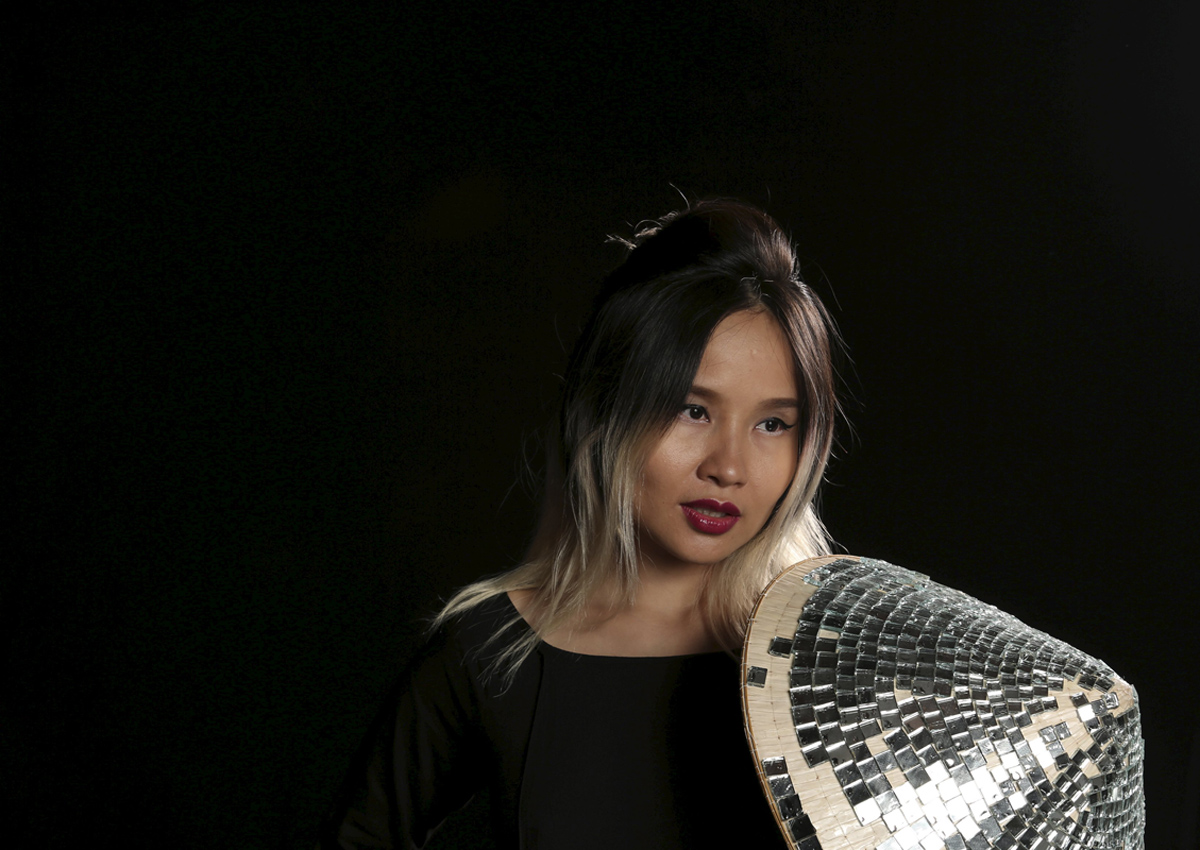
It’s a view shared by Mai Khoi, a sassy, pink-haired singer who says politics should not be the exclusive domain of the ruling Communist Party.
They are not political activists but among an unprecedented number of ordinary Vietnamese who want to run as independents in a parliamentary election to unseat the war veterans and graying bureaucrats they say are out of touch with a young, fast-changing country.
“I want to change perceptions of politics, bring some youth and energy to the National Assembly,” said Vuong, 34, a well-known TV comedian and performance artist.
“It’s our push for democracy. We don’t want to see people sleeping in parliament. They should realise its better for the country to bring some new faces and fresh ideas.”
But that is easier said than done when the Communist Party controls the 500-seat, rubber-stamp legislature and a small minority of non-party lawmakers are endorsed by state institutions.
The party also decides who gets on the ballot papers.
Some 100 people in Hanoi and Ho Chi Minh City have registered as self-nominated candidates for the May election, generating support on Facebook and a level of public interest about politics seldom seen in Vietnam.
Their chosen path is unorthodox and contentious, shunning the traditional route of joining the 4.5 million member Communist Party, which is largely considered unfashionable by a swelling young population.
GAGA OVER POLITICS
Often dubbed Vietnam’s version of Lady Gaga, Mai Khoi, 32, has courted controversy with her provocative on-stage attire and lyrics, which include the word “orgasm”.
She wants to address social issues in parliament, like same-sex marriages, and said being an independent means not being shackled by the Communist Party’s strict rules and traditions.
“Many people are surprised and wonder why a singer like me wants to join the National Assembly,” she told Reuters.
“Everyone should care about politics. It affects all of our lives … The NA allows more chances to speak up.”
Talk of political plurality is taboo in Vietnam, even more so as the party’s legitimacy is increasingly challenged by the public’s insatiable appetite for social media.
Asked by Reuters for his views on everyday people seeking election, retired lawmaker and social science professor Nguyen Minh Thuyet said it was “not suitable” for him to comment.
Some potential candidates are causing a stir, however, with 20 activists, bloggers and protesters running disciplined campaigns to test the sincerity of the party’s promises of inclusively.
The five-yearly election is the only national poll the public votes in. What has raised eyebrows is that in Vietnam’s two biggest cities, there are more self-nominated applicants than ones backed by the party or state bodies.
The party now has the tricky task of deciding how open it is prepared to be.
Some independents say they’re experiencing friction.
Vuong is angered by media articles accusing him of being a proxy for anti-government groups, while Mai Khoi said her application had hit a snag over paperwork, which she insisted was in order.
The Hanoi election committee on Thursday said unsavory elements were trying to influence the poll, saying some applicants were backed or funded by “domestic and foreign reactionary forces”.
That aside, the committee’s propaganda chief Nguyen Van Phong hailed the process as a success.
“It shows that the democratic spirit has prevailed,” state media quoted him saying. “People want to contribute to society.”

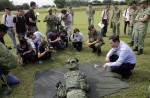
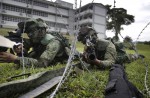
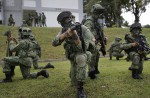
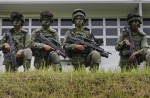
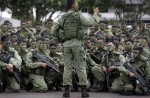
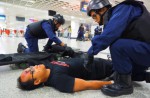
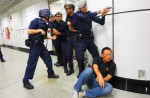
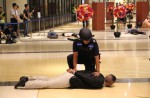
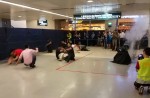
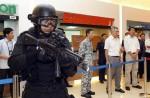
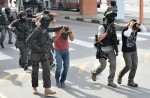
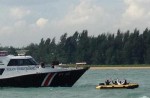
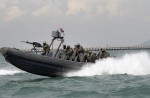
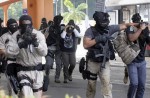
The units designated the codewords Glass Cone, Single Layer, Rice Bowl and Cargo Dock are being activated, said MINDEF.
Source link
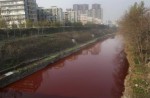
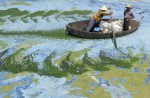
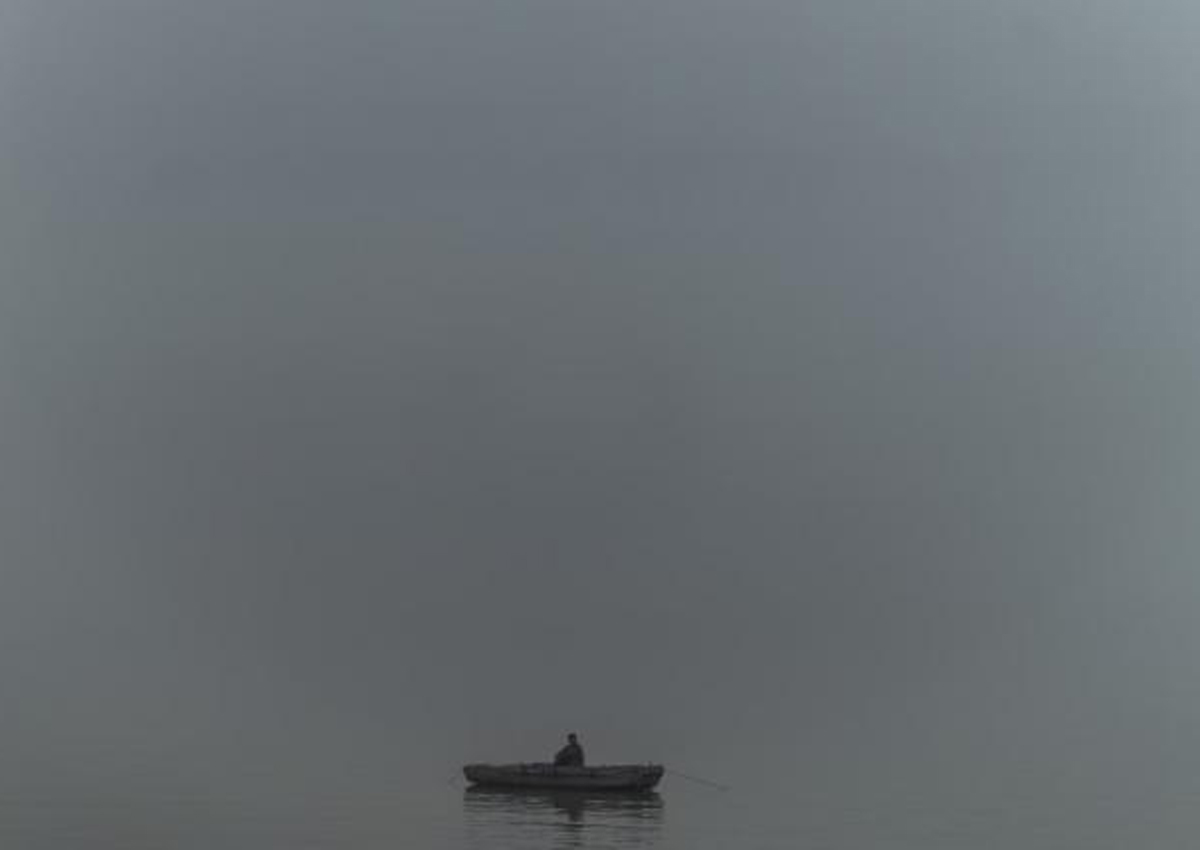
China’s environment ministry has ordered an investigation after a provincial environmental protection body fined a polluting factory just 603 yuan (US$90 or S$122) for dumping waste water, state media said on Friday.
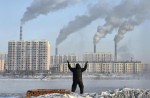
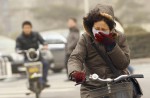
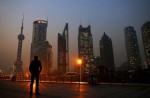
China’s government has repeatedly vowed to get tough on pollution, which has fouled the country’s air, soil and water, prompting public ire.
But enforcement of laws is often lax.
The official Xinhua news agency said the chemical plant in Gaoyou city in the eastern province of Jiangsu was given the fine for dumping water with an abnormal pH level.
“After the news was released it was called into question by the public, who thought a fine of 603 yuan was too low and insufficient to act as a deterrent to companies which break the law on the environment,” Xinhua said.
The environment ministry was paying “great attention” to this case and had ordered an investigation and for “serious punishments” to be meted out, the report added.
Environmental protection bodies at all levels had a responsibility to uphold the law, the ministry added.

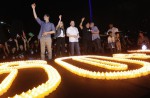
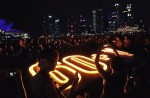
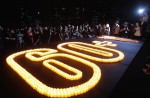
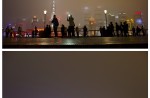
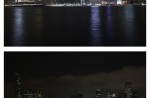
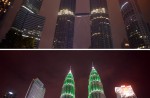
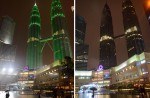
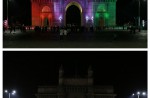
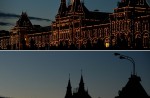
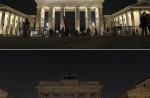
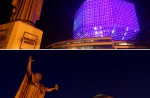
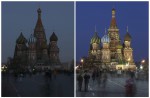
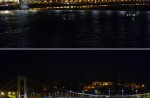
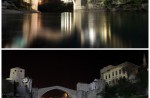
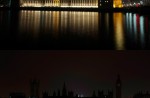
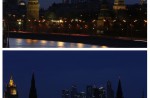
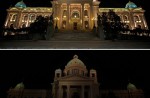
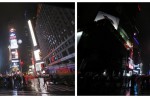
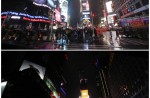
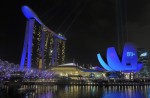
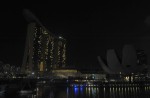
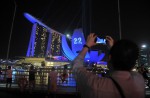
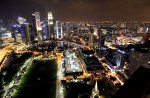
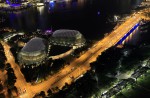
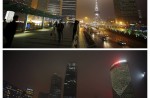
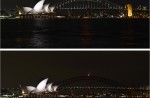
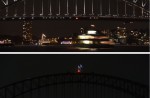
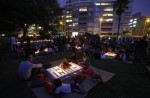
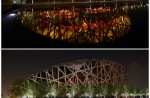
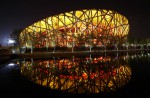
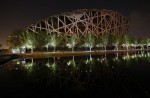
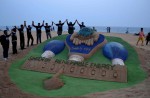
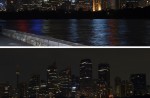
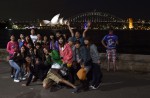
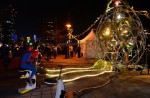
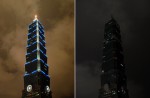
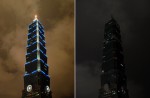
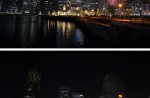
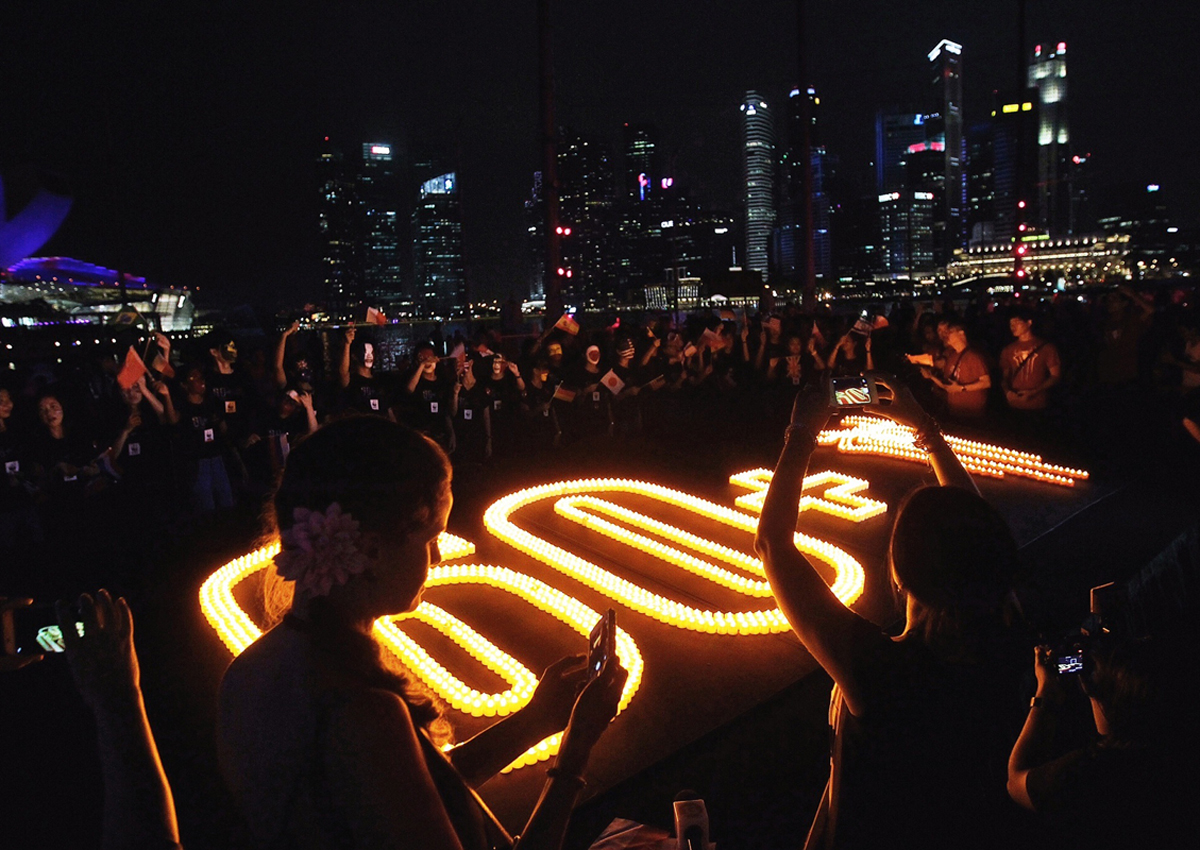
From Jurong to Marina Bay, homes, offices and other buildings will go dark tonight to mark Earth Hour, a worldwide movement to raise awareness of climate change.
Singapore first observed this World Wildlife Fund (WWF) initiative in 2009, and participation has grown over the years.
About 9,000 people took part in WWF’s Earth Hour celebrations in 2014, up from 6,000 in 2012.
Last year, events were cancelled or scaled down as a mark of respect for late founding Prime Minister Lee Kuan Yew.
Nonetheless, the WWF reached 13,710 people through a Climate Change Trail at Orchard Road.
“In the past few years, Singaporeans have started to experience the effects of the environmental problems we face,” said WWF-Singapore communications director Kim Stengert, citing last year’s record temperatures and severe haze.
Singapore Environment Council executive director Edwin Seah agreed that green issues have risen in visibility in recent years.
“With the haze crisis last year, the climate change deal reached in Paris last December and rising temperatures, the environment has been constantly in the news with more individuals and corporations coming forward to support programmes aimed at preserving and protecting the environment,” he said.
Earth Hour is officially from 8.30pm to 9.30pm, but many events this year begin earlier in the evening, including the WWF’s main event at The Float @ Marina Bay.
At 6pm, members of the public can join a bid to break the world record for the largest “human forest”, by standing on one leg in a yoga pose known as the tree.
This is in line with the focus of this year’s Earth Hour in Singapore: protecting peatland forests, the burning of which causes haze.
Also going dark are commercial buildings such as CapitaLand’s malls and the Pan Pacific Singapore hotel, which is encouraging guests to reduce their use of energy too.
Elsewhere, grassroots organisations in West Coast, Hong Kah North and Jurong Spring are holding eco-friendly carnivals.
FairPrice supermarkets and offices will switch off non-essential lights from 8.30pm. FairPrice is also donating $12,500 to the WWF, partly from the sale of eco-friendly reusable bags.
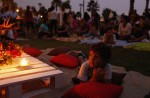
At the LEO foreign worker dormitory in Kaki Bukit, workers will hold a candlelight vigil – an idea proposed by the workers themselves.
Earth Hour is being observed online too. With the Donate Your Social Power app, Facebook users can share information about the effects of climate change.
Mr Seah said: “Earth Hour has done much to raise awareness about the importance of individual contribution towards environmental sustainability.”
Student Phua Zai Jie, 21, agreed. “I think Earth Hour has an impact as it does give people a feel of what life will be like should the world run out of energy,” he said.
But civil servant Peh Ming Hui, 25, hoped efforts could go further.
“I understand the idea of conservation that Earth Hour is trying to promote, but I feel that switching off lights for an hour doesn’t bring across the message strongly enough,” he said.
“People should learn to incorporate environmentally friendly habits into their lives on a daily basis.”
janiceh@sph.com.sg
kenggene@sph.com.sg

This article was first published on March 19, 2016.
Get a copy of The Straits Times or go to straitstimes.com for more stories.

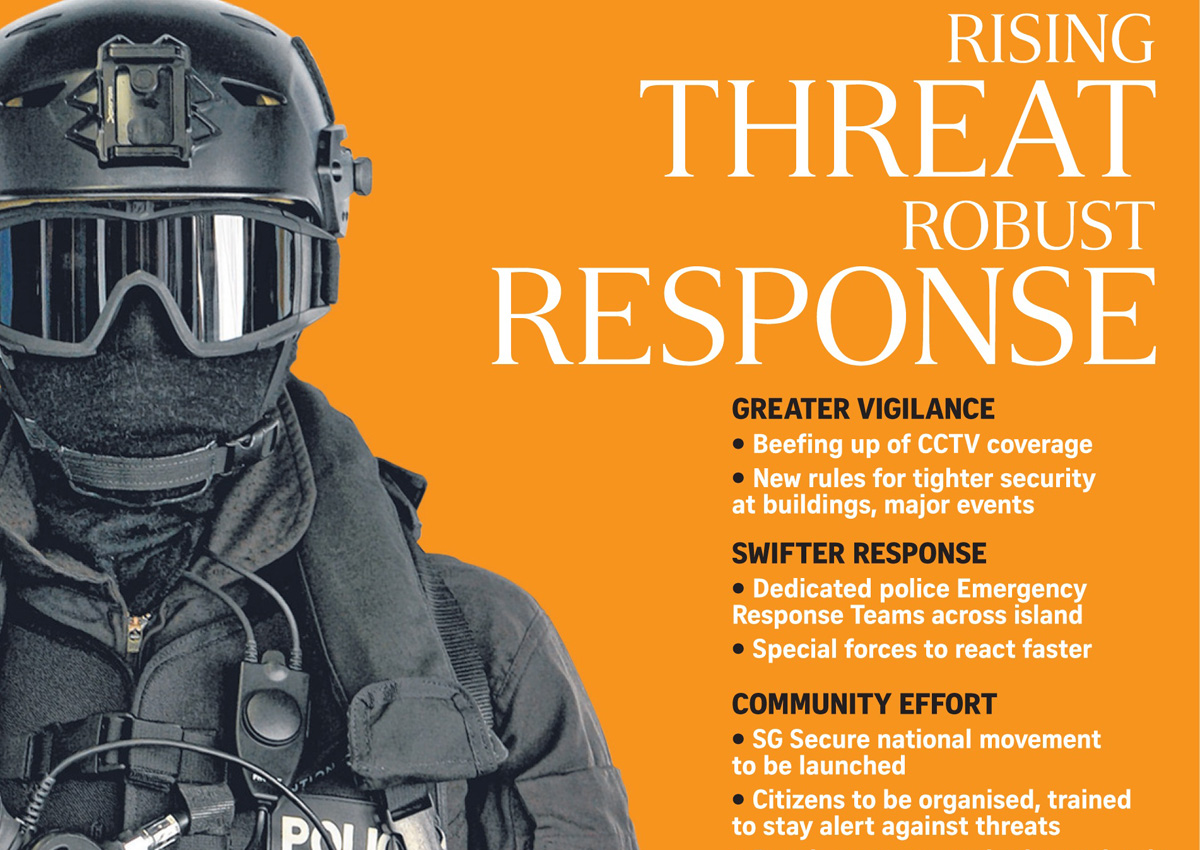
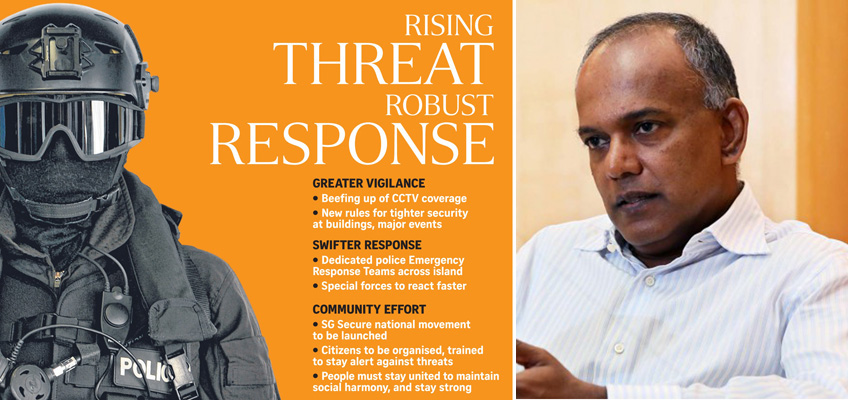
A major upgrade of Singapore’s security architecture is in the works, as the threat of a terror attack here reaches its highest level in decades.
The use of police CCTV cameras, already in place at HDB blocks and multi-storey carparks, will be extended to more public spaces, including town and hawker centres and walkways to transport hubs.
Building owners and event organisers may also be required to impose stringent security measures as incidents abroad show that terrorists are taking aim at soft targets.
Emergency response teams of police officers trained in counter-assault skills and armed with more sophisticated weapons will also be formed to react swiftly to attacks.
Significantly, a new national programme called SG Secure will be rolled out to organise and train residents to protect society from attacks and ensure that racial and religious harmony is maintained.
These measures to strengthen defences and, most importantly, Singapore’s social fabric will be put in place over the next few years.
They were outlined yesterday by Home Affairs and Law Minister K. Shanmugam in a speech to top officers from the Home Team, where he noted that the Islamic State in Iraq and Syria (ISIS) terror group poses a grave threat to the region.
And Singapore is a prime target.
“The threat of a terror attack here is at its highest level in recent times, much more so than after 9/11, and the arrest of Jemaah Islamiah members,” he said. “It is no longer a question of whether an attack will take place, but really, when is an attack going to take place. And we have to be prepared for that.”
Mr Shanmugam’s speech came two days after the Home Affairs Ministry announced it had arrested four men – three who took up arms in Yemen’s sectarian conflict, and one who planned to join a Kurdish militia fighting ISIS. Last month, Singapore also deported four Indonesian visitors who had plans to travel to Syria.
Especially troubling is how attacks directed or inspired by ISIS have been carried out – most recently in Paris on Nov 13 last year, and in Jakarta on Jan 14 this year. They involved multiple shooters acting simultaneously in different locations, targeting crowded places where people gather, and seeking to inflict maximum casualties.
An attack on Singapore could also be planned outside the country, just as the Paris attacks were, he noted.
Such developments in the region and beyond have led the Home Team to review its strategies and to start to strengthen them urgently. This will also involve working closely with the private sector and the wider community of residents.
Some new measures will cause inconvenience, he said: “We will all need to get used to more security and bag checks. But I believe our people will understand and accept the need for these measures.”
It is also crucial for society to remain cohesive after an attack. As such, SG Secure must be a “rallying call for Singaporeans from all walks of life to unite, to play a part in making Singapore a safe place.” Residents, workers and community groups will be trained to stay vigilant to prevent an attack, stay united to safeguard the social fabric when an attack happens, and stay strong to help one another recover from it.
Dr Norshahril Saat of Iseas-Yusof Ishak Institute said the steps send a signal that “everyone has a role to play in Singapore’s security. The vast majority of Singaporeans are moderate, and if attacks occur, they must not be quick to target any groups.”
Mr Shanmugam said Singapore must also be able to recover well from an attack: “We have to emerge stronger, more united and more determined as Singaporeans.”

This article was first published on March 19, 2016.
Get a copy of The Straits Times or go to straitstimes.com for more stories.


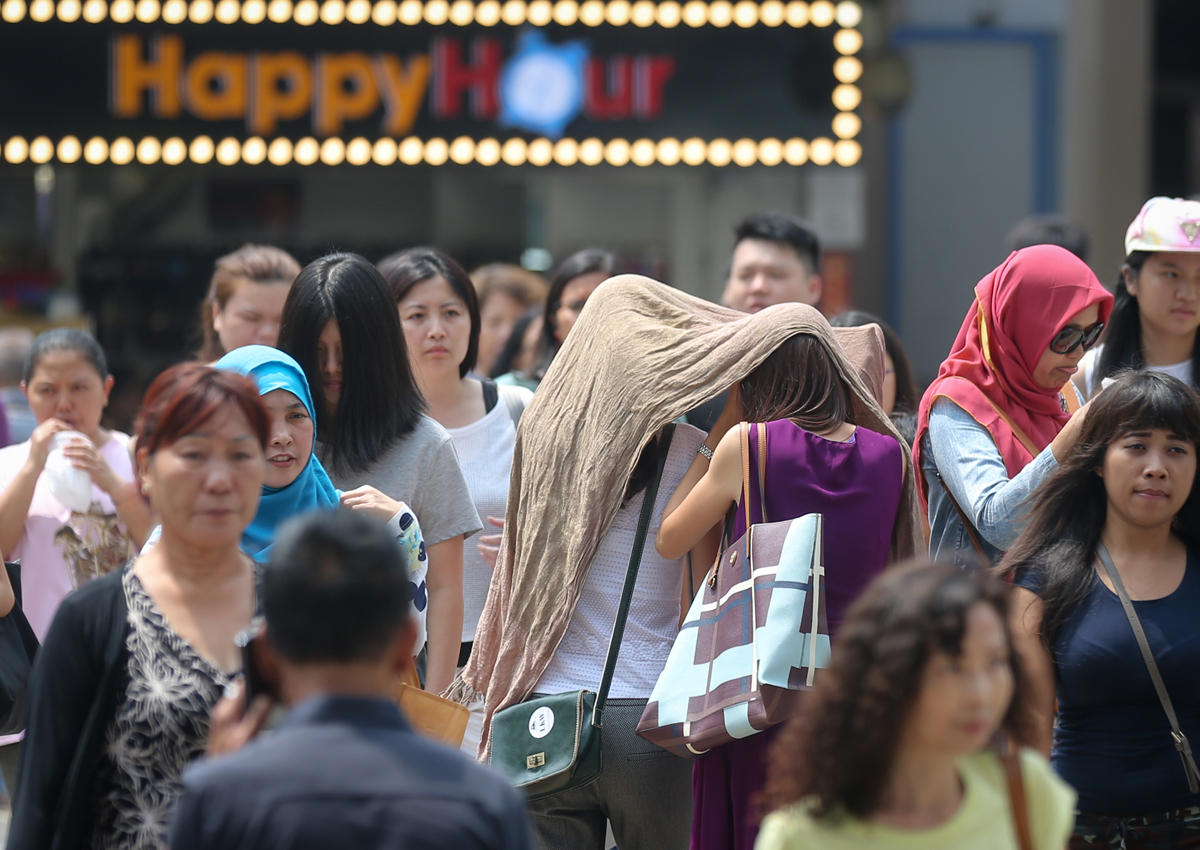
While the National Environment Agency (NEA) has debunked social media rumours that Singapore could experience scorching temperatures of 40 deg C in the coming days, government agencies like the Ministry of Education are keeping close tabs on the situation.
The ministry has sent a circular reminding schools to be mindful of the well-being of their teachers and students, as they engage in outdoor physical activities.
“Teachers and students are encouraged to drink appropriate amount of fluids to prevent heat injuries, with appropriate rest and water breaks considered,” said a spokesman for the Education Ministry.
She added that the schools have been told that sustained outdoor activities should be minimised during the hotter period of the day, and the intensity of these activities should be moderated.
The Ministry of Health has also issued an advisory, on what people can do to minimise the risk of heat-induced illnesses during warm weather. This includes wearing loose-fitting, heat-permeable and light-coloured clothing, and taking more breaks between activities.
While a heatwave has been declared in several cities in the north of Malaysia, Singapore is not in the midst of one yet.
According to the NEA, a heatwave occurs when the daily maximum temperature is at least 35 deg C on three consecutive days, and the daily mean temperature throughout the period is at least 29 deg C.
On Tuesday, the NEA said the next fortnight was expected to be drier and warmer. During this period, the daily maximum temperature could hit 36 deg C on some days. But on most days, the daily maximum temperatures are expected to between 33 deg C and 34 deg C.
So far, the highest daily maximum temperature recorded in Singapore is 37 deg C on April 17, 1983.
Meanwhile, national water agency PUB said Singapore’s reservoir stocks are at a healthy level, despite below-average rainfall across almost all parts of the island over the last two weeks.
A PUB spokesman said the agency tops up the reservoirs with Newater during dry months.
She added that the water level at the Linggiu Reservoir in Johor – a major supply source to Singapore – remains low at less than half full. The PUB will provide further updates on it next week.
samboh@sph.com.sg

This article was first published on March 19, 2016.
Get a copy of The Straits Times or go to straitstimes.com for more stories.

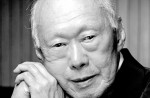
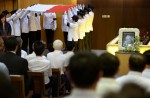
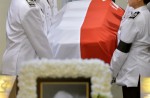
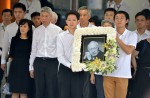
Long queues snaked around Parliament House and large crowds gathered outside the Istana and in Tanjong Pagar in March last year, as Singaporeans came together to bid Mr Lee Kuan Yew farewell.
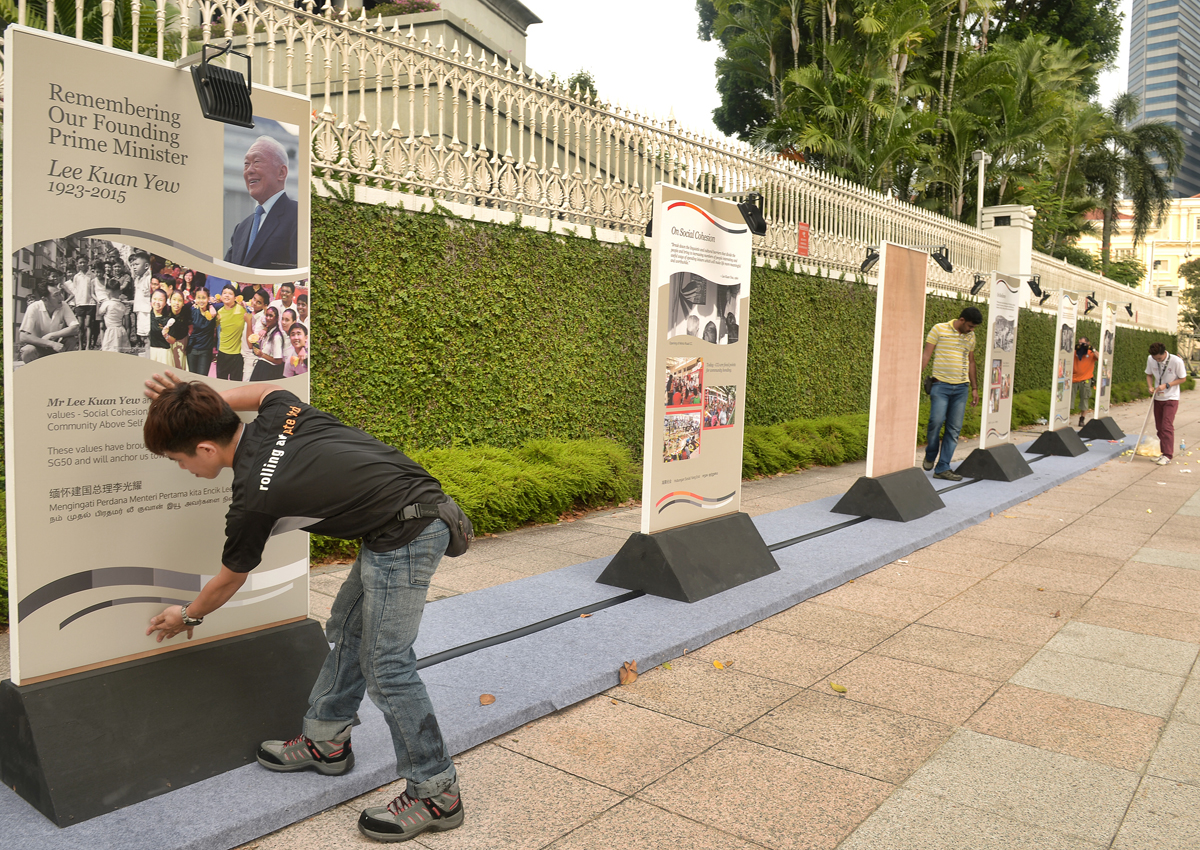
From today, the three locations will be host to display panels, photographs and write-ups about the late founding Prime Minister, who died on March 23 last year, aged 91.
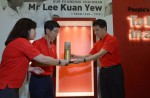
The exhibition is among a host of events starting this weekend, to commemorate the first anniversary of his death.
Visiting the sites yesterday, People’s Association deputy chairman Chan Chun Sing said they were chosen for their special meaning to Mr Lee and Singaporeans alike.
It was outside Parliament House that hundreds of thousands queued for hours to pay their last respects to Mr Lee when his body was lying in state. And it was in the Istana that Mr Lee spent the bulk of his life working for Singapore, he said.
Tanjong Pagar was Mr Lee’s “home base” and the constituency he represented for 60 years. “It’s not a moment of grief. Instead, we see it as a moment of celebration for us to remember the values he has imparted to us, and to take these values and build upon them to take the country forward,” said Mr Chan, who is Minister in the Prime Minister’s Office and labour chief.
Individuals and community groups have planned about 100 events to mark the anniversary.
Said Mr Chan: “Mr Lee has touched the lives of many Singaporeans in many different ways and it’s only right that Singaporeans from all walks of life remember him in their own special way.”
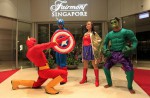
At one remembrance event yesterday, organised by Muslim welfare organisation Jamiyah, several children referred to him as a “superhero” during a skit they performed.
He is like Ironman, because he once said “whoever governs Singapore must have that iron in him”, said six-year-old Theodore Fun.
And he had bionic eyes because he saw 51 years ago that Singapore would be a successful, multiracial society, said Choo Shaoning, eight.
Jamiyah vice-president H.M. Saleem said Mr Lee was “the architect of policies that ensured freedom to practise and profess the preferred belief system and cultural individuality of our people”. His view was shared by the Taoist Federation’s Master Chung Kwang Tong, who was among the 150 people at Jamiyah’s event.
Speaker of Parliament Halimah Yacob, who was the guest of honour, recalled how Mr Lee understood the needs of the Malay-Muslim community as Singapore urbanised and supported the setting up of the Mosque Building Fund in 1974.
She said it was Mr Lee’s genuine concern for the community that led him to suggest setting up self-help group Mendaki to help tackle the problem of academic underachievement among some in the community. Its success prompted the Government to set up similar self-help groups for other communities.
“When Mr Lee passed on last year, the entire nation, including the Malay-Muslim community, went to Parliament House to pay their respects to the man who truly made a difference to the lives of people in Singapore,” she said.
“It is up to us, the present generation, to pass on this legacy to our children and grandchildren so that they too can live and progress harmoniously in Singapore.”
Some events
REMEMBRANCE PANELS
These display photographs and write-ups about Mr Lee Kuan Yew and his contributions.
Where: Duxton Plain Park, Parliament House and Istana Park
When: March 19 to 27
BATTLE FOR MERGER EXHIBITION
This chronicles Singapore’s tumultuous early years.
Where: National Library Building
When: March 17 to 31
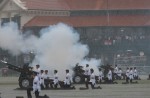
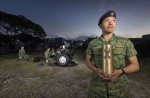
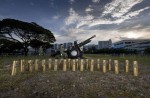
DISPLAY OF ARTILLERY SHELL CASINGS
These are from the 21-gun salute fired during Mr Lee Kuan Yew’s state funeral last year.
Where: Housing Board Gallery, Botanic Gardens
When: From March 18
COMMUNITY FAIR
This has a photo exhibition, performances and a display of Lego models by the People’s Association.
Where: River Promenade area (outside Central Mall)
When: March 19, 11am
ORCHID PAVILION
This showcases a pottery piece depicting Aranda Lee Kuan Yew and Vanda Kwa Geok Choo and also terrarium-making activities.
Where: Duxton Plain Park and Orchid Pavilion in Tanjong Pagar Plaza
When: March 19, 4.30pm to 9.30pm
BRISK WALK AND FAMILY CARNIVAL
This includes a mass brisk walking activity.
Where: Sembawang Park
When: March 20, 7.30am to 10.30am
WATER DAY
This includes activities such as kayaking and zumba.
Where: Punggol Waterway Park
When: March 20, 7.30am to 10am
yuenc@sph.com.sg

This article was first published on March 19, 2016.
Get a copy of The Straits Times or go to straitstimes.com for more stories.