It was also the 2nd-driest year after 1997, according to the Meteorological Service Singapore.
Source link
2015 was Singapore's warmest year on record: MSS
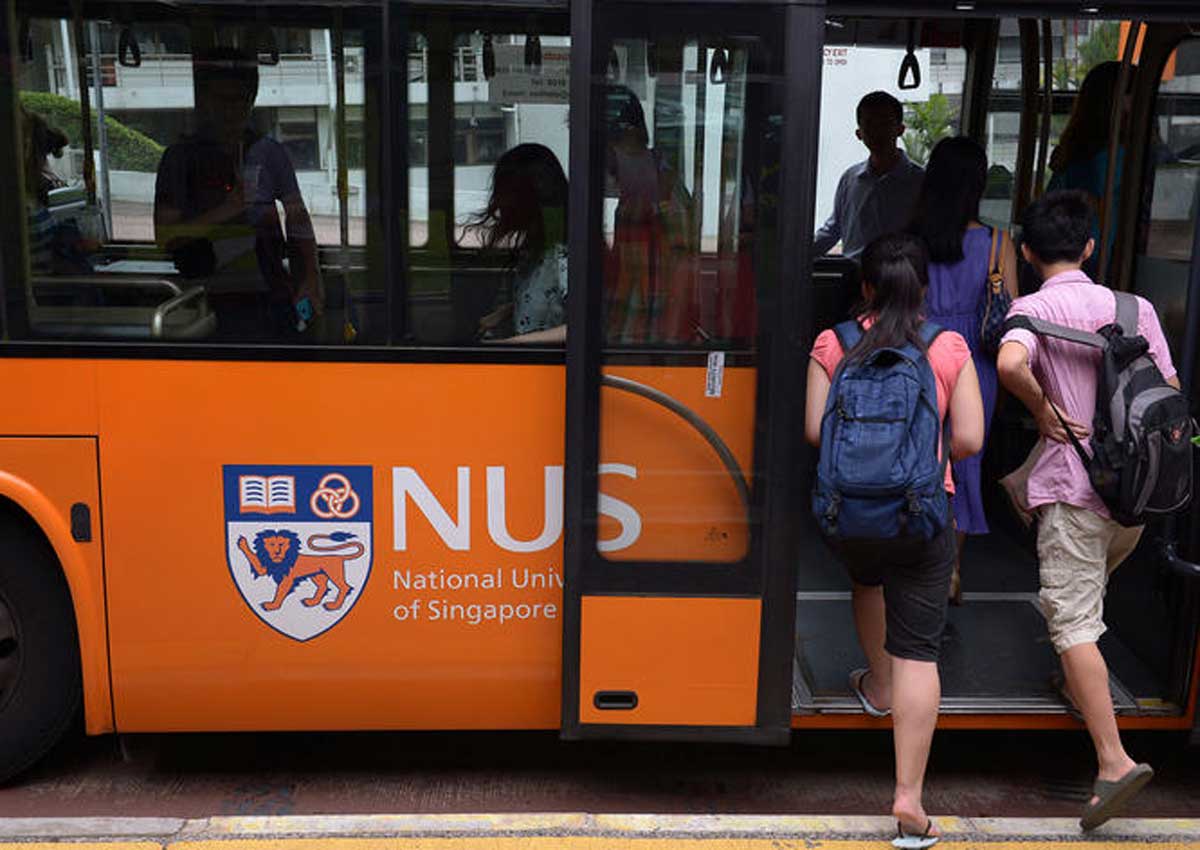
NUS tops Asia again in latest QS university ranking
The National University of Singapore (NUS) has yet again emerged as Asia’s best performing university, in the latest university ranking by the London-based education consultancy Quacquarelli Symonds (QS) released today.
It has been the region’s top performing university since QS introduced rankings by subjects in 2011.
This time, it was ranked as the region’s best across 25 subjects – four more than last year. This includes three of the six new subjects the QS ranking introduced this year – anthropology, nursing, and social policy and administration.
NUS deputy president of academic affairs and provost Tan Eng Chye said the improvement is “a strong recognition of NUS’ strengths and expertise as a comprehensive university in a diverse range of subject areas”.
“As Singapore builds up world-class research capabilities in areas that are critical to the nation and the economy, NUS is well poised to contribute its leading expertise to address national challenges and improve lives of Singaporeans,” he added.
NUS came in third in the world for civil and structural engineering and fifth for chemical engineering. NUS had 11 other subjects, including electrical and electronic engineering and chemistry, that made the global top 10.
Nanyang Technological Uni- versity (NTU) was first in Asia for materials science.
NTU president Bertil Andersson said the university started out primarily as an engineering university but has since excelled in other areas, such as science and education.
NTU had two subjects ranked in the world’s top 10, down from three last year. It was sixth for materials science and eighth for electrical and electronic engineering.
Professor Andersson said: “We will continue to push hard to scale greater heights of excellence and innovation in education and research, and to be relevant to the needs of students and the industry.”
The ranking evaluates universities on 42 subjects. Results are based on research citations and survey responses from more than 121,000 academics and employers around the world.
On the global front, Harvard University and the Massachusetts Institute of Technology (MIT) continue to dominate the subject rankings. Both led in 12 subjects.
The head of the QS Intelligence Unit, Mr Ben Sowter, said: “Singapore has established itself as one of the world’s leading education and research hubs and continues to shine in our global analysis.”
Top in Asia for…
NATIONAL UNIVERSITY OF SINGAPORE
1. Accounting and Finance
2. Anthropology
3. Architecture/Built Environment
4. Business and Management
5. Chemistry
6. Communication and Media
7. Computer Science and Information Systems
8. Economics and Econometrics
9. Engineering: Chemical
10. Engineering: Civil and Structural
11. Engineering: Electrical and Electronic
12. Engineering: Mechanical, Aeronautical, Manufacturing
13. English and Literature
14. Environmental Sciences
15. Geography
16. Law
17. Mathematics
18. Medicine
19. Nursing
20. Pharmacy and Pharmacology
21. Politics and International Studies
22. Psychology
23. Social Policy and Administration
24. Sociology
25. Statistics and Operational Research
NANYANG TECHNOLOGICAL UNIVERSITY
1. Materials Science

This article was first published on March 22, 2016.
Get a copy of The Straits Times or go to straitstimes.com for more stories.
Image:
Publication Date:
Tuesday, March 22, 2016 – 10:54
Keywords:
Send to mobile app:
Source:
Story Type:
Others
Indonesia's mentally ill languish in shackles
17.jpg "pasung1717.jpg")
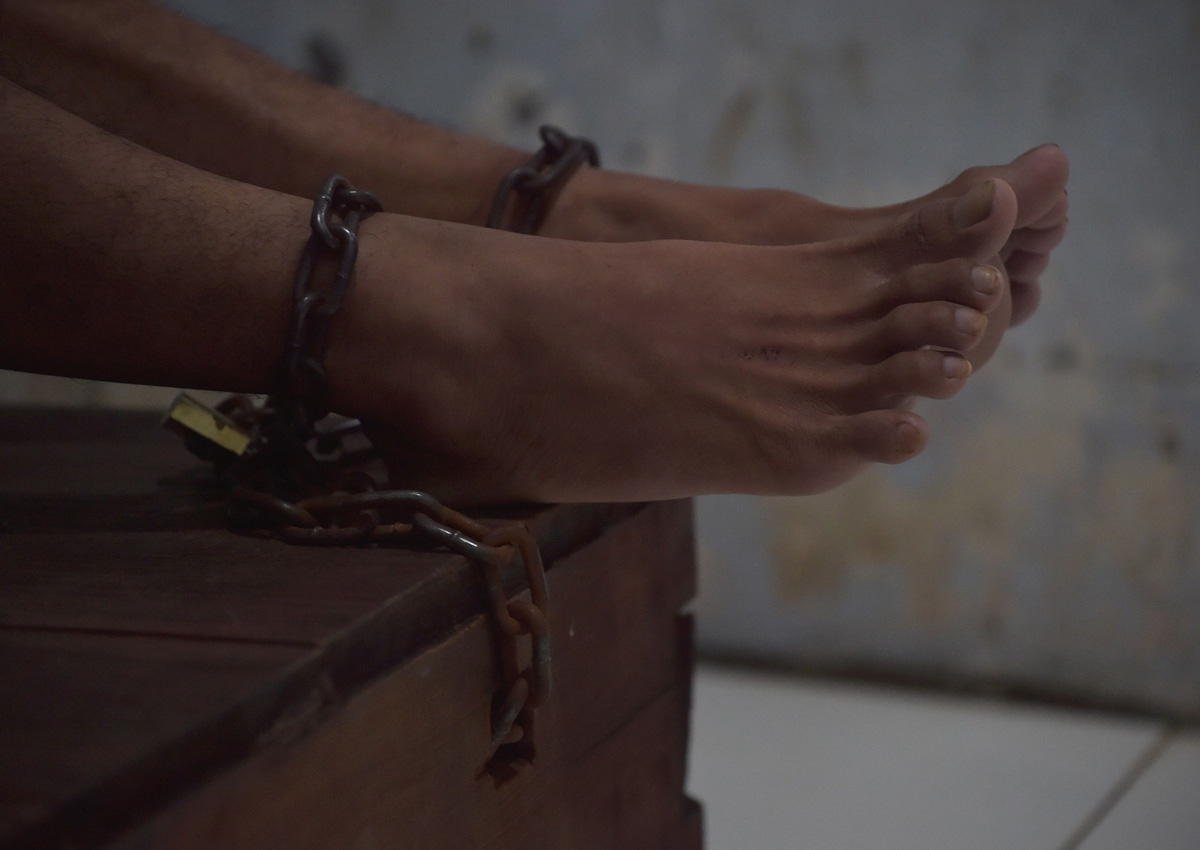
Indonesia – In a small faith healing centre in rural Indonesia, Sulaiman chanted in a confused fashion, tugged at a chain attached to his ankle, and shifted restlessly on a hard, wooden bench.
The emaciated man has been chained up for the past two years, and is one of thousands of Indonesians with a mental illness currently shackled, according to a Human Rights Watch (HRW) report released Monday.
Chaining up the mentally ill has been illegal in Indonesia for nearly 40 years but remains rife across the country, especially in rural areas where health services are limited and belief in evil spirits prevail, according to HRW.
“Nobody should have to be shackled in Indonesia in 2016 – people told us again and again that it’s like living in hell,” Kriti Sharma, disability rights researcher at the group and author of the report, told AFP.
As well as shackling, the report listed a litany of other abuses the mentally ill face in Indonesia – sexual violence, electroshock therapy, and restraint and seclusion in often overcrowded, unsanitary institutions.
There are just 48 mental hospitals in Indonesia, a country of 250 million, most of them in urban areas. Treatment options are scarce for the millions living in remote regions, leaving desperate families to turn to faith healers in the Muslim-majority nation, some of whom chain up patients.
Click on thumbnail to view photos. Source:
AFP


























The story of Sulaiman, who like many Indonesians goes by one name, is all too common. His family did not know what to do when he began throwing rocks through his neighbour’s windows, so they took him to the faith healing centre near the town of Brebes on the main island of Java.
Now he spends his days chained to a wooden bench, either in the dilapidated, foul-smelling courtyard of the centre or in a dark room with bare, concrete walls.
“I am a stupid man,” he chanted, during a recent visit by AFP, as he squirmed around on the bench. Nearby, another shackled man urinated where he stood unable to reach two reeking, doorless bathrooms.
In a dark, cell-like room, a man who only gave his name as Awan said he was often chained up to a wooden bed “24 hours a day”.
There is no attempt to give the patients a proper diagnosis, with Sholeh Mushadad, one of the men running the centre, simply saying their families bring them in as they are “not normal”.
Those confined in the facility are not given medicine but treated with prayers and baths in herbal concoctions, explained Mushadad, who with his brother and elderly father oversee the roughly 25 patients.
He also defended the practice of shackling them: “We don’t have any other option. It’s for safety reasons that their feet are chained.”
HRW – who interviewed around 150 people for their report, from the mentally ill to health professionals – said there are currently almost 19,000 people in Indonesia who are either shackled or locked up in a confined space, a practice known locally as “pasung”.
At least 14 million people in Indonesia aged 15 and over are thought to be suffering from some form of mental illness, according to health ministry data.
‘Pasung’ ritual results in inhumane treatment of thousands of …
Thousands of mentally ill people are caged and shackled in Indonesia
Posted by NowThis on Monday, 21 March 2016
Shackling of mentally ill people happens across Asia but is particularly common in Indonesia, with studies showing that it is due to poor mental health services in rural areas and a lack of knowledge about suitable treatments.
Families that choose not to send mentally ill relatives to faith healers sometimes take matters into their own hands.
In a simple home near Brebes, 25-year-old Waspiah has been locked in a goat shed alongside bleating farm animals for three days, her parents only letting her out to use the bathroom before returning her to the cramped bamboo cage.
Her elderly father Fatoni told AFP the family locked her up after she ran away from home and began disturbing the neighbours, but insisted it would only be a temporary measure – not like a previous occasion when they kept her confined for two years.
The Indonesian social affairs ministry vowed in January to stamp out “pasung” but identical campaigns in the past have failed to break the widely held belief that chaining or confining the mentally ill in stocks or isolated rooms is acceptable.
Nahar, who is the head of disability issues at the social affairs ministry, acknowledged that shackling remained a big problem but said it would take time to fix.
“The main problem is fear, fear of what could happen if a shackled person is released,” he said.
Image:
Publication Date:
Tuesday, March 22, 2016 – 10:59
Keywords:
Send to mobile app:
Source:
Hermes ID:
2 157 402
Hermes ID String:
22032016_SHACKLES
Story Type:
Others
Apple 9.7″ iPad Pro Features, Prices & Singapore Availability From 24 Mar 2016 | SINGPromos.com

iPad Pro 9.7″ SINGAPORE AVAILABILITY: The 9.7-inch iPad Pro will be available to order in Singapore beginning Thursday, March 24 at Apple.com, and in Apple’s retail stores, through select carriers and Apple Authorized Resellers on Thursday, March 31
Singapore Pricing
– Apple 9.7″ iPad Pro WiFi 32GB S$898.00
– Apple 9.7″ iPad Pro WiFi 128GB S$1,158.00
– Apple 9.7″ iPad Pro WiFi 256GB S$1,418.00
– Apple 9.7″ iPad Pro Wi-Fi + Cellular 32GB S$1,098.00
– Apple 9.7″ iPad Pro Wi-Fi + Cellular 128GB S$1,358.00
– Apple 9.7″ iPad Pro Wi-Fi + Cellular 256GB S$1,618.00
Apple 9.7″ iPad Pro Features, Prices & Singapore Availability From 24 Mar 2016 | SINGPromos.com
Breakthrough pro features & advanced display technologies come to the most popular iPad size. Features new Retina display, wider colour gamut, lower reflectivity, Night Shift mode and new True Tone display technology
Apple iPhone SE Features, Prices & Singapore Availability From 24 Mar 2016 | SINGPromos.com

iPhone SE SINGAPORE AVAILABILITY: The iPhone SE will be available for order from Thursday, March 24, with availability beginning Thursday, March 31
Apple iPhone SE Singapore Pricing
– 16GB: S$658(SG) for 16GB
– 64GB: S$828(SG) for 64GB
Apple iPhone SE Features, Prices & Singapore Availability From 24 Mar 2016 | SINGPromos.com
Apple has just announced the iPhone SE with a 4″ display, in a compact aluminum design with matte-chamfered edges, a colour-matched stainless steel Apple logo, and four metallic finishes, including rose gold.
Hunt for Indonesia's most-wanted continues after chopper crash
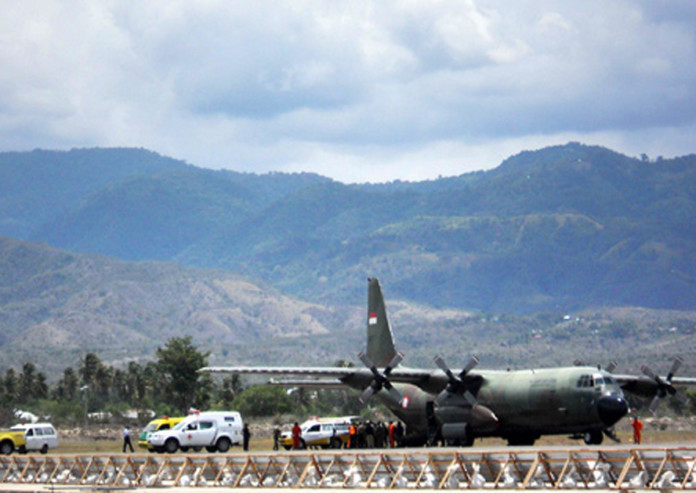
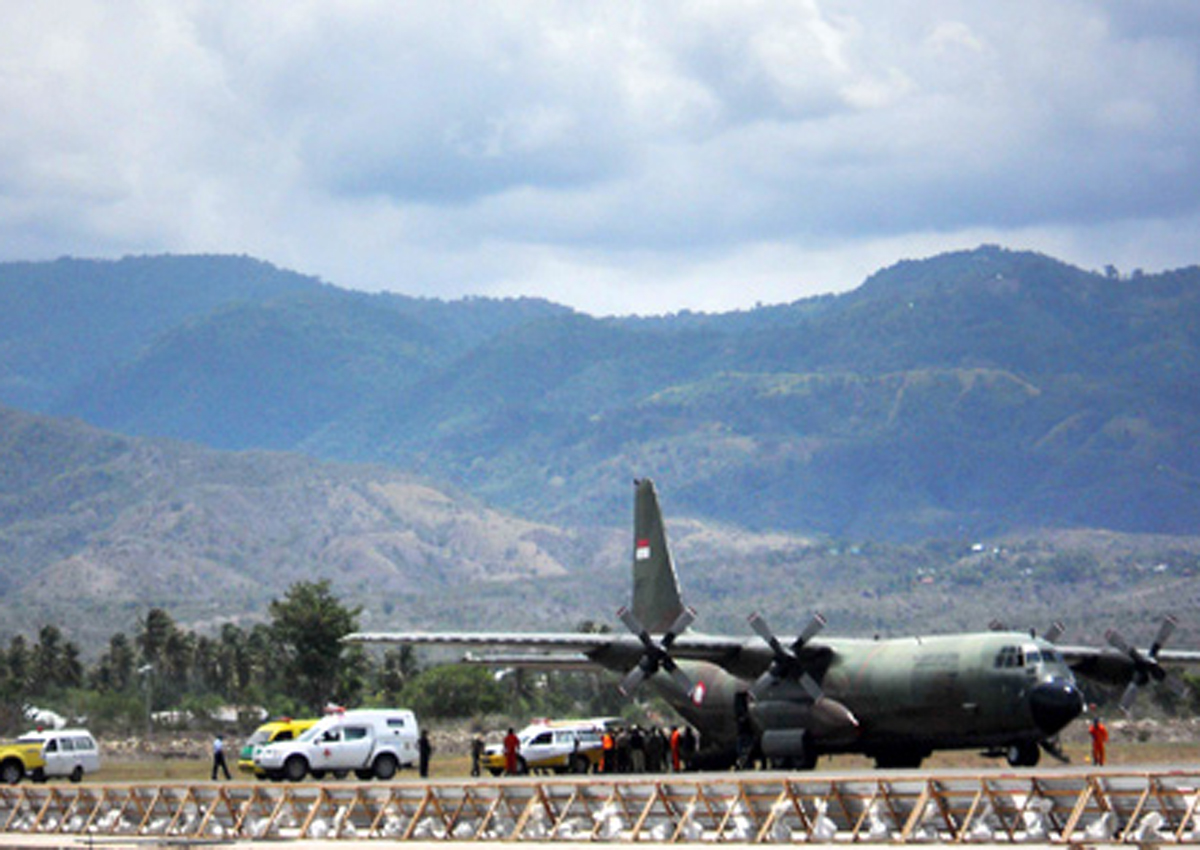
Indonesian Military (TNI) commander Gen. Gatot Nurmantyo on Monday pledged to continue the hunt for the country’s most-wanted suspected terrorist, Santoso, despite the deaths of 13 soldiers in a helicopter crash in Poso regency, Central Sulawesi.
“Operation Tinombala will go on. There are victims in every battle,” Gatot said in Palu, referring to the joint military and police operation set up to hunt Santoso alias Abu Wardah, the leader of the East Indonesia Mujahidin (MIT) terror group, and his followers.
Among the victims of Sunday’s crash was Palu Taduloko military commander and Operation Tinombala deputy chief Col. Saiful Anwar.
Gatot denied that the TNI helicopter had been shot down by its quarry, instead blaming bad weather for the crash.
“If that’s what people are saying, let them. Everyone has the right to speculate. But one thing is for sure, the helicopter crashed because of the weather,” he told journalists in Palu, adding that the TNI would wait for the investigation results before reaching a conclusion.
All victims of the crash were taken to Jakarta on Monday to be buried at the Kalibata Heroes Cemetery in South Jakarta.
In the wake of the crash, Gatot flew immediately to Palu to monitor the situation and, as a representative of President Joko “Jokowi” Widodo, offer condolences.
In Jakarta, presidential spokesman Johan Budi said that Jokowi had received the results of a preliminary investigation carried out by the Office of the Coordinating Political, Legal and Security Affairs Minister, confirming that bad weather was behind the crash.
“The initial report found that the incident was caused by natural factors such as lightning,” Johan told reporters at the State Palace, adding that the investigation into the accident was still ongoing.
Separately, Defence Minister Ryamizard Ryacudu similarly dismissed allegations that the helicopter had been shot down by Santoso’s men, insisting that the militant group did not have such capability.
The minister said that the helicopter was relatively new, having been produced in 2012, adding that his ministry was looking into a serious of crashes of new aircraft, including this latest incident.
Last month, a Brazilian-made Super Tucano used by the Air Force as a training aircraft crashed in a densely populated area of Malang, East Java, injuring three people.
“I am surprised that crashes keep happening. We will see whether the Poso crash had anything to do with engine problems or bad weather. It needs a thorough investigation,” Ryamizard said.
National Police chief Comr. Gen. Badrodin Haiti said that the cause of the crash was still being investigated, but assured the public that there was no suspicion of foul play.
“The causes are still being investigated by the military. It may have been a result of bad weather or something similar,” Badrodin told reporters in Jakarta on Monday.
At least 2,500 TNI and National Police officers have been on deployment since January, hunting for Santoso and around 34 of his followers, who are suspected of plotting guerrilla attacks against security officers while hiding in the forests of Poso.
Newly installed National Counterterrorism Agency (BNPT) chief Insp. Gen Tito Karnavian said Poso’s mountainous and forested terrain complicated the hunt for Santoso, leading to Operation Tinombala being extended.
He expressed confidence that the joint operation would succeed in bringing Santoso and the MIT to justice.
“I believe the personnel are capable. They have mapped the area, and now know it well,” Tito said, adding that Santoso’s group had shrunk to around 30 people.
Image:
Publication Date:
Tuesday, March 22, 2016 – 09:18
Send to mobile app:
Source:
Story Type:
Others
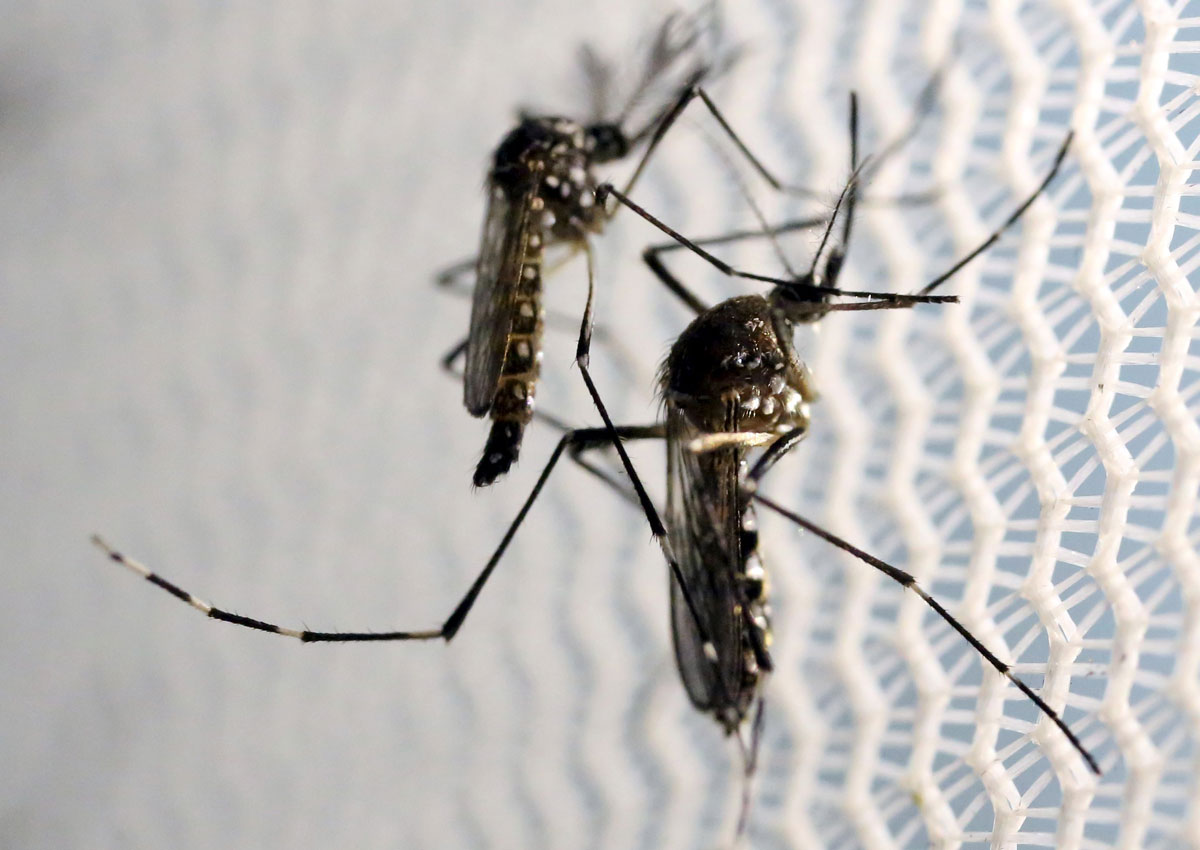
South Korea confirms first case of Zika virus
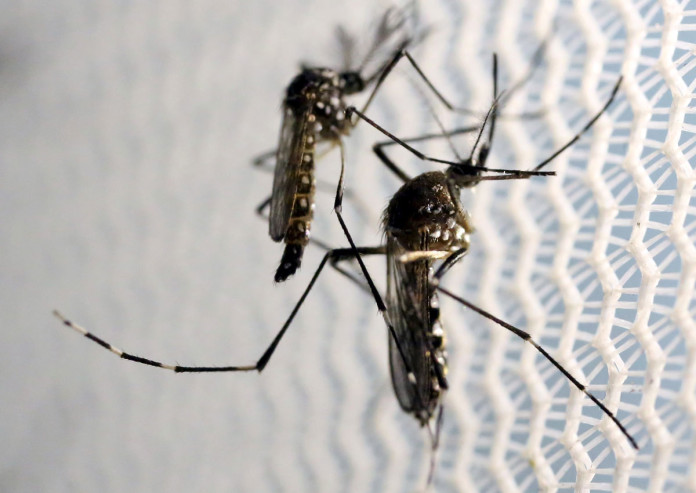
Image:
Category:
Publication Date:
Tuesday, March 22, 2016 – 09:14
External URL:
Send to mobile app:
Source:
Story Type:
Others
2 Singapore short films to compete at international animation festivals
The Great Escape by Tan Wei Keong and The Tiger of 142B by twin brothers Harry and Henry Zhuang will take part in the Annecy International Animation Festival and the Grand Competition of Animafest Zagreb respectively.
Source link
Number of dengue cases continues to fall; 374 reported in week ending March 19

March 22, 2016 8:29 AM
SINGAPORE – Dengue cases fell yet again for the fourth week in a row, thanks to recent concerted efforts to stem the spread of the mosquito-borne virus.




