April 08, 2016 2:44 PM
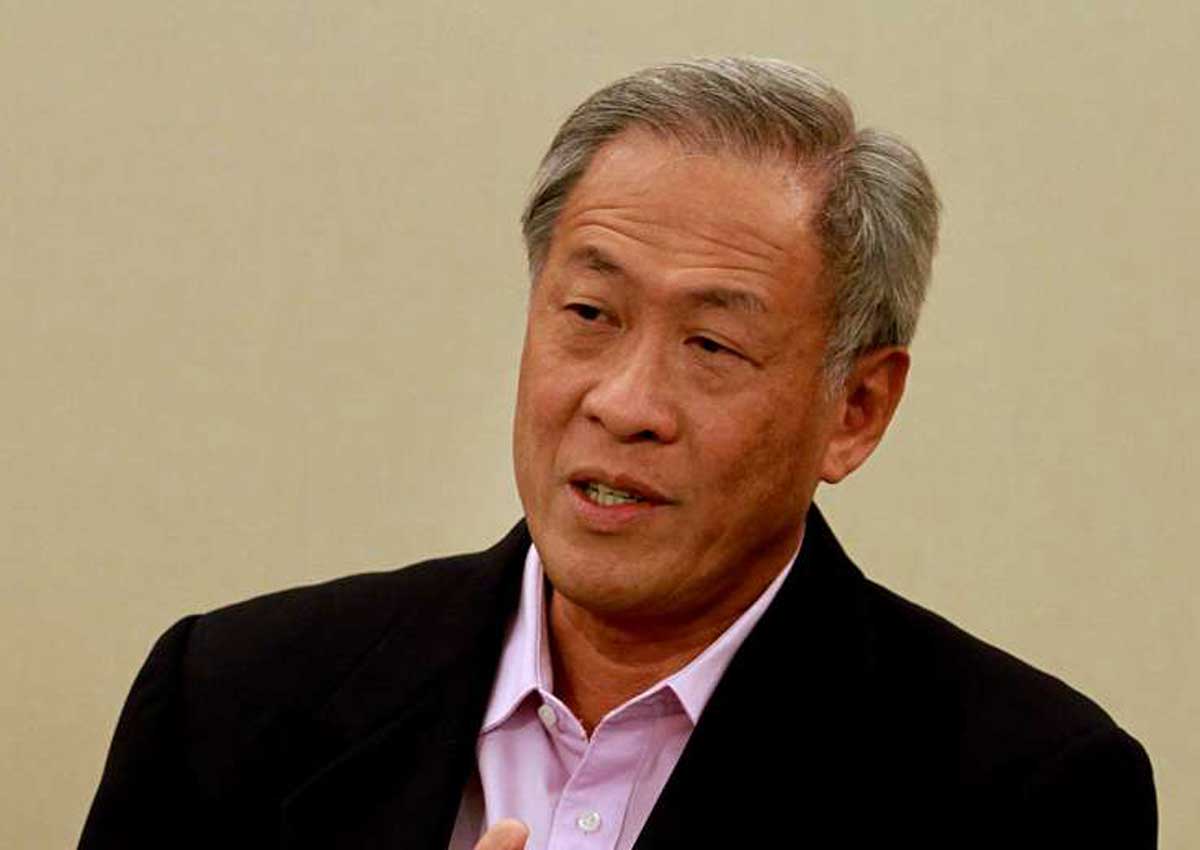
SINGAPORE – More than 18,000 individuals have tapped on their SkillsFuture Credit from January to March this year, Acting Minister for Education (Higher Education and Skills) Ong Ye Kung said in Parliament on Friday (April 8).

April 08, 2016 2:44 PM
SINGAPORE – More than 18,000 individuals have tapped on their SkillsFuture Credit from January to March this year, Acting Minister for Education (Higher Education and Skills) Ong Ye Kung said in Parliament on Friday (April 8).

SINGAPORE – The Earn and Learn Programme (ELP) will be expanded in two ways: Allowing some Institute of Technical Education graduates to earn a part-time polytechnic diploma and introducing the programme to 10 new sectors, said Acting Education Minister…
Source link
MUMBAI’S rail commuters are smiling with the arrival of the first air-conditioned train.
The coaches, built at the Integral Coach Factory near Chennai, will have to undergo a number of tests and trial runs before starting regular service.
An official of Mumbai’s Central Railway said the fare structure, routes of operation, and time-table would be worked out in due course.
The 12- car local train can seat 1,208 and has standing room for 4,936 passengers.
The train costs Rs54 crores (S$10 million) and does not have first class and general class division. All coaches are connected by vestibules.
The train can run at a top speed of 110kmh.

Get a copy of tabla! for more stories.

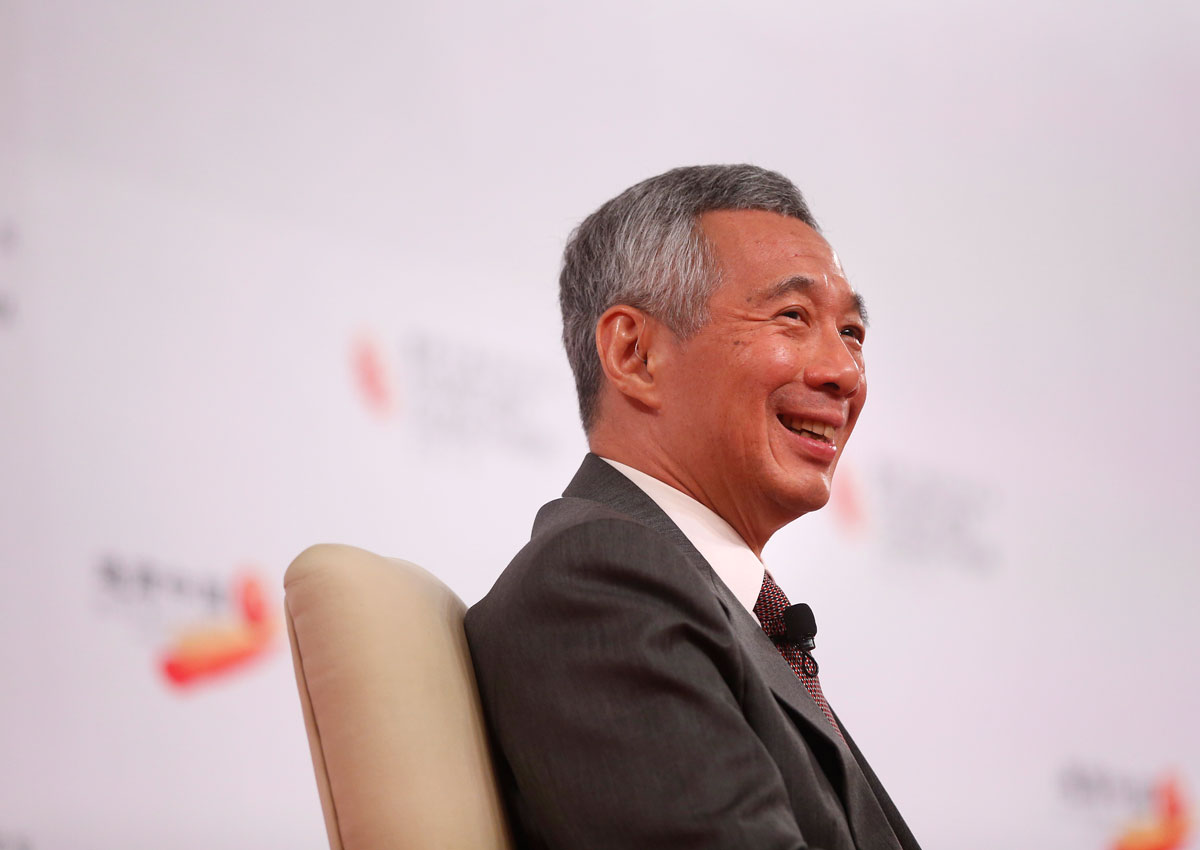

SINGAPORE’S government expects global economic uncertainty to weigh on the country’s growth until the end of the decade, and it is ready to provide more help when necessary, said Trade Minister Lim Hng Kiang.
Even so, the government continues to fashion Singapore’s external environment through trade agreements, and is making efforts to help companies and specific sectors to overcome challenges.
In responding to questions from Members of Parliament on Thursday about the Ministry of Trade and Industry’s (MTI) plans for expenditure in financial year 2016, Mr Lim gave a clear indication of how long the current volatility is expected last.
Noting that the International Monetary Fund has been downgrading its global growth forecast almost every year since the Global Financial Crisis, Mr Lim said Singapore is now in a “paradigm of slower growth”.
“Meanwhile, there are significant global rebalancing forces that must work themselves out over the next three to five years,” he said.
“The government is watching the situation very closely, and we are prepared to take further action, if necessary,” he added.
The expected normalisation of monetary policies by central banks around the world is expected to rock the global economy in the coming years.
Mr Lim said that the low interest rates – some even negative – are “unsustainable” in the long run.
As these rates normalise, financial and currency markets and capital flows will be affected, he said.
Uncertainty over global oil prices will destabilise the global economy in the coming years, said Mr Lim.
This is due to too much investment in oil, which has resulted in an oversupply. As a result, global oil supply and prices will continue to adjust.
China’s economic transition is another issue that will be a drag on Singapore’s growth, noted Mr Lim, while Singapore’s demographic challenges will see the economy having to adjust to a tighter supply of labour.
“The factors above point to an uncertain economic environment for the next few years. Against this backdrop, we expect Singapore’s economic growth to remain modest at 1 to 3 per cent this year,” he said.
But improved access overseas presents opportunities for Singapore to overcome these challenges, as they will increase demand for the country’s goods and services, said Mr Lim, in response to queries from Liang Eng Hwa, MP for Holland-Bukit Timah GRC.
The enactment of the Trans-Pacific Partnership (TPP) agreement would significantly brighten prospects for Singapore’s external economy, and its passage now seems to hinge largely on the United States ratifying it.
The TPP can be passed if at least six countries, representing at least 85 per cent of the total economic output of the original 12 that inked the agreement, ratify it. Given their size, both the US and Japan would need to ratify the agreement.
While Mr Lim expressed optimism with the progress that the Japanese have made, he was more reserved about the TPP’s chances in the US.
While US officials have said that they have a good sense of the possible number of votes the TPP can get in the Congress and Senate, they are now trying to predict how this might change with the coming US presidential elections.
“We are watching the developments,” said Mr Lim.
The expected benefits the TPP can bring to Singaporean exports are enormous, as its “regional cumulation” effect will allow Singaporean exports to enjoy strong competitive advantage that current free trade agreements are unable to provide, Mr Lim noted.
Should the TPP come into force, members of other regional agreements like the Regional Comprehensive Economic Partnership (RCEP) – which include Singapore and other TPP signatories – will feel pressurised to ratify them too, said Mr Lim.
“Our trade policy should be inclusionary; we should not be left out, because we want market access to as many markets as possible,” he said, responding to MP for Aljunied GRC Low Thia Khiang.
Domestically, MTI will work with companies to help them through the next few years.
It has introduced schemes like the SME (small and medium enterprises) Working Capital Loan and Automation Support Package to help firms overcome growth challenges.
The ministry is also working with trade associations and chambers to drive 30 Collaborative Industry Projects (TAC-CIP) over the next three years, which will help more than 3,000 SMEs, said Mr Lim.
soonwl@sph.com.sg

This article was first published on April 8, 2016.
Get The Business Times for more stories.
Code for live blog:
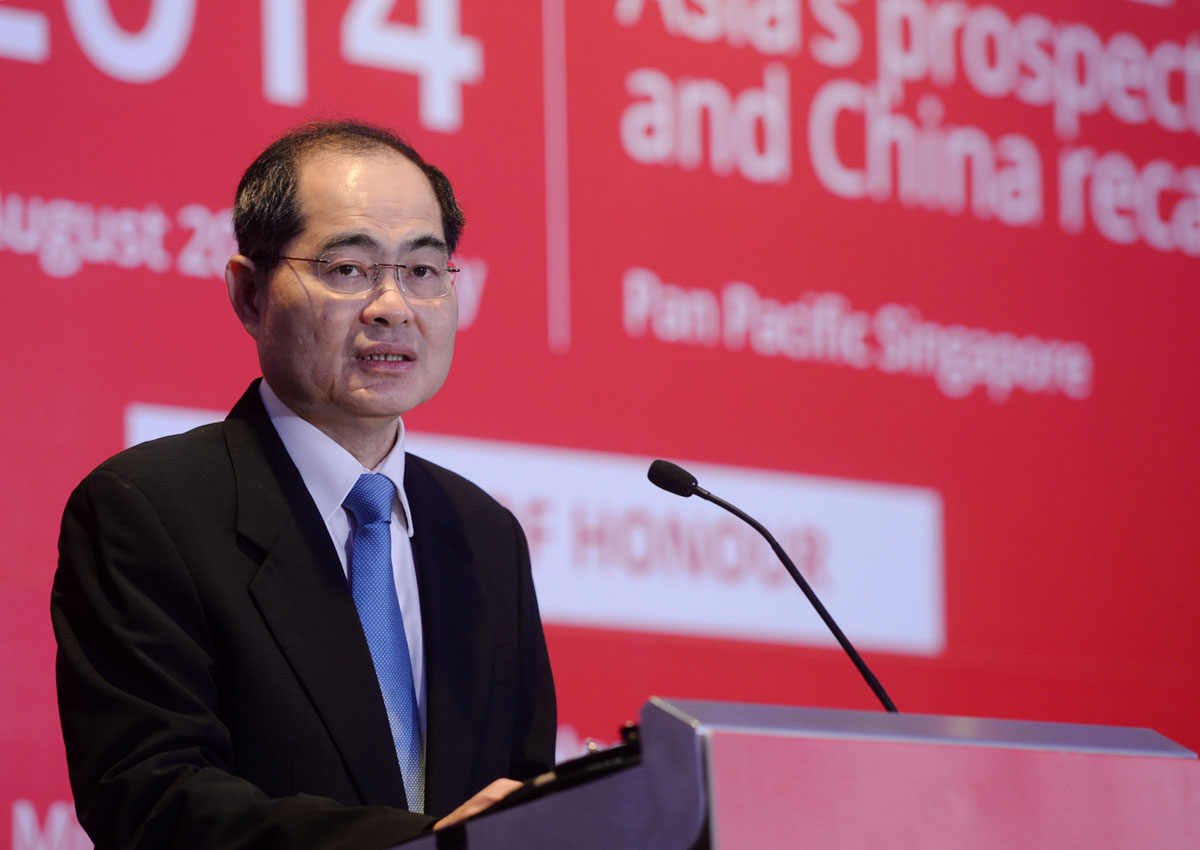
He had persistently denied being directly involved in the running of The Real Singapore (TRS) socio-political website.
Then, on Wednesday, when he took the stand in his defence, Yang Kaiheng testified that he and his then-girlfriend, Ai Takagi, had started a Facebook page to petition for the removal of new Member of Parliament (MP) Tin Pei Ling after the General Election in May 2011.
The success of that page inspired the couple to start an online business and spark the creation of TRS, he said during examination by his lawyer, Mr Choo Zheng Xi.
In a dramatic turn of events yesterday, Yang’s testimony would lead to him having to admit that he had lied about Takagi’s involvement in the Facebook page, and that he, in fact, had started the page by himself.
The crux of the matter was when the page was created and when he had got to know Takagi, which he admitted was “one to two months” before September 2011, when they got into a relationship.
During cross-examination, Deputy Public Prosecutor (DPP) G. Kannan told Yang that it was impossible for Takagi to have a hand in the anti-Tin Pei Ling Facebook page because they had yet to meet at the time.
Yang countered that his memory was hazy and he could not remember exactly when he met Takagi, but he was certain she had set up the Facebook page with him.
DPP Kannan then revealed that the prosecution had access to a log of WhatsApp messages between the couple that were “very personal and embarrassing” but would prove they met only after the anti-Tin Pei Ling Facebook page was set up.
Despite Mr Choo trying to interject, Yang asked for the messages not to be tendered to the court as evidence and conceded: “I admit I am lying.” (See exchange on facing page.)
DPP Kannan then charged that Yang had set up the petition Facebook page on his own.
Yang replied: “Possibly.”
DPP Kannan said: “You gave this lie about her starting up the Tin Pei Ling Facebook page together with you because you needed an explanation why she would progress to taking over the TRS website, because she was interested in Singapore politics.”
He added that Yang needed the court to believe his story that “an Australian girl took over sole control of TRS, a site dealing with entirely local issues, more believable”.
COVER UP
And all these were lies to cover up that Yang was continually involved in the running of TRS, said DPP Kannan.
Yang disagreed.
The couple, who tied the knot last October, were charged last April with seven counts of sedition for allegedly using TRS to “maliciously exploit racial and xenophobic fault lines” to drive traffic to the website and cash in on the advertising revenue. (See report above.)
Yang, 27, a Singaporean, claimed trial and had told authorities his involvement was “fleeting”.
Takagi, 23, an Australian who is 10 weeks pregnant, was jailed for 10 months on March 23 after pleading guilty to four counts of sedition.









Yesterday, DPP Kannan also pointed out discrepancies in Yang’s statements to the police and the court.
For example, Yang told police officers in 2012 that he never thought of TRS as revenue-generating.
But on Wednesday, Yang testified that TRS was created after “we thought a website without censorship and more freedom of speech (would be) a good business venture”.
Challenged by DPP Kannan, Yang said: “The questions that the police asked… I don’t see the relevance… I was told can say no or deny it.”
PLATFORM
He said TRS had two purposes – to provide a platform for average Singaporeans to voice out and operate as a business.
He also said he did not have a lawyer at the time.
DPP Kannan then pointed out that Yang’s lawyer had sent out a letter on Feb 25 last year, two weeks before the police interview on March 13.
Yang then said his lawyer was not with him during the interview to advise him on what to say.
DPP Kannan replied: “That is television. This is real life.”
The trial continues today.
If found guilty, Yang can be jailed up to three years and fined up to $5,000 for each sedition charge.
Accused: I helped set up the website, but wife manages it
I didn’t know the risk and danger in associating myself with socio-political website The Real Singapore (TRS).
That was what Yang Kaiheng, 27, told the court during his examination-in-chief yesterday.
Defence lawyer Choo Zheng Xi asked Yang why he had referred to TRS as “my website” in chat logs with his friend, Mr K. Sudesh Durai, who testified for the prosecution on Tuesday.
Yang replied that he “took pride” in helping to set up the TRS website and did not think it was necessary then to dissociate himself from TRS.
Mr Choo also asked Yang why he had listed himself as responsible for marketing for TRS in an entry form submitted for an entrepreneurial competition.
Yang said Mr Durai had instructed him to upsell his portfolio so they stood the best chance in getting funding for their start-up project called Acreet.
Yang said his wife, Ai Takagi, 23, was responsible for day-to-day business and editorial content of TRS.
When Singapore Press Holdings sued the couple for copyright infringement, it was Takagi who issued the apology and paid the undisclosed compensation fee, Yang said.
Yang said he was not involved in the settlement of the suit as he was not an editor, administrator, moderator or developer of TRS.
“I did not need to apologise,” Yang said.
Asked if he had considered writing for TRS, Yang said he did, but was hampered by his poor English.
He said he failed his A-level General Paper examination twice and had to retake it during national service.
Yang also said he would occasionally use his wife’s Skype account, “able_tree”, to phone his mother or chat with his friends, but never to do TRS-related work.
Exchanges in court
DPP G. Kannan: It would have been impossible for you and Ms Takagi to follow GE 2011 if you didn’t meet her until September 2011, right?
Yang Kaiheng: I disagree, I would have known her by then.
DPP: Do you agree it would have been impossible for you to set up (the anti-Tin Pei Ling) Facebook page together when you have yet to meet her since you said you only met her one to two months before Sept 2011.
Yang: I am certain I set up the FB page with her.
DPP: You say you’re certain you knew her in 2011. You’re certain you set up a Facebook page. Are you now saying you met her in May?
Yang: I don’t know exactly when. I can’t recall.
DPP: You’re lying that you knew her during the GE 2011 period.
Yang: I disagree because I do know her. I do remember setting up the FB page with her.
DPP: Your Honour, I did not want to do this but we have WhatsApp messages backed up from a Robin’s (Yang’s Christian name) iPhone, which we retrieved from a MacBook.
(Turns to Yang) These make it very clear that you met Ms Takagi one to two months before Sept 2011. They are of a very personal and embarrassing nature. Or would you care to admit you lied?
Defence lawyer Choo Zheng Xi: I don’t recall my client saying that Ms Takagi…
Yang: It’s okay, Your Honour, I admit I am lying.
ON THE DISCREPANCIES IN STATEMENTS
DPP: I put it to you that these questions where you either said you never thought of TRS as revenue-generating, or said you don’t know it was revenue-generating because you were not involved, are all lies to persuade the police that TRS was not money-making.
Yang: It’s not a lie. I was not sure what information to give, or what would get me into trouble.
DPP: So you were hiding information from the police?
Yang: I disagree. If my lawyer told me I can say something, I will say.
DPP: You lied to the police when you said you didn’t know what Elance (an online freelancer portal where Yang had set up an account) was.
Yang: I disagree. I didn’t know what to say… I was being defensive… Not telling the police anything that would get me into trouble.
DPP: You lied because you wanted to dissociate yourself from TRS
Yang: I’m not going to admit to something that I’m not involved in.
rloh@sph.com.sg

This article was first published on April 8, 2016.
Get The New Paper for more stories.
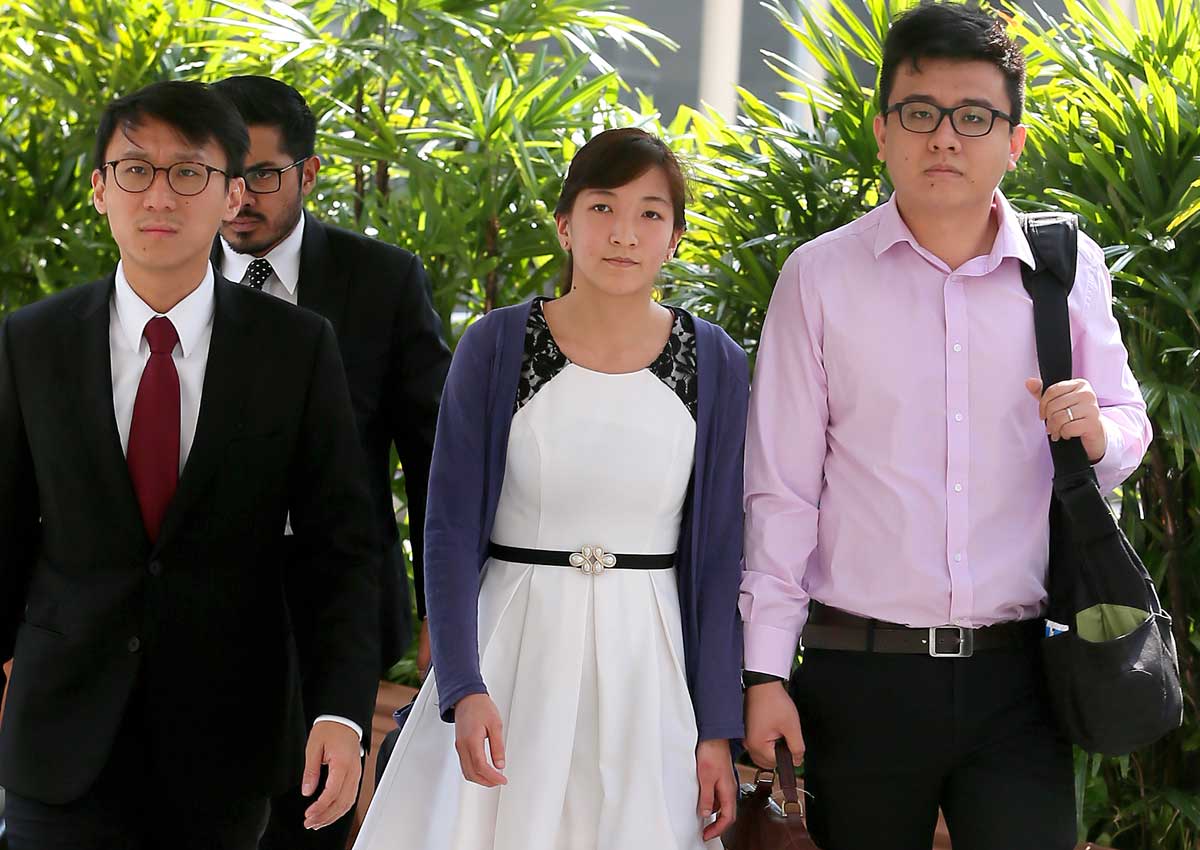
The cultural similarities and differences between members of Singapore’s Chinese community and their China counterparts are what make Singapore interesting and relevant to China, Senior Minister of State for Foreign Affairs Josephine Teo told the House.
While Singaporeans have much to learn from China in terms of culture and language, they must maintain a sense of dignity and pride in their own unique culture, she added.
She said: “Our value lies in our independent viewpoint and unbiased voice. It creates valuable opportunities for us to share perspectives with our Chinese friends that they are unlikely to find elsewhere.”
Speaking in Mandarin on people- to-people ties between both countries, she said Chinese Singaporeans feel a cultural affinity with mainland Chinese, with both groups speaking the same language and celebrating common festivals.
But one key difference is Singaporeans’ diverse yet inclusive cultural make-up, she said.
“The experiences and outlook of Chinese Singaporeans are rooted in a multicultural society where each community enjoys our common space and interacts respectfully with one another,” she added.
This sets Chinese Singaporeans apart from ethnic Chinese elsewhere and makes thecommunity relevant to China, she said. For example, Singapore’s successful implementation of social management policies in a multiracial society with a Chinese majority has been a useful reference for China.
But if Singapore cannot make its system work, China will be much less interested in it, she said. With many Chinese all over the world, “a few undistinguished millions in a small island in South-east Asia cannot be more than a curiosity”.
“Ultimately, to be of value, Singaporeans as a community must be outstanding, confident and cohesive,” she said, urging Singaporeans to demonstrate their independence and uniqueness as a nation.
Mrs Teo also updated the House on Singapore’s strong political and economic ties with China.
China is Singapore’s largest trading partner, and has been China’s top foreign investor since 2013. Last year, two million Chinese tourists visited Singapore, and a million Singaporeans visited China.
Both governments also co-operate on large-scale projects, she said, like the Suzhou Industrial Park and the Sino-Singapore Tianjin Eco-City. The third government-led project, the Chongqing Connectivity Initiative, aims to develop modern connectivity and modern services in the western Chinese city and Singapore is optimistic that the project will play a pathfinder role in China’s development, Mrs Teo added.

This article was first published on April 8, 2016.
Get a copy of The Straits Times or go to straitstimes.com for more stories.
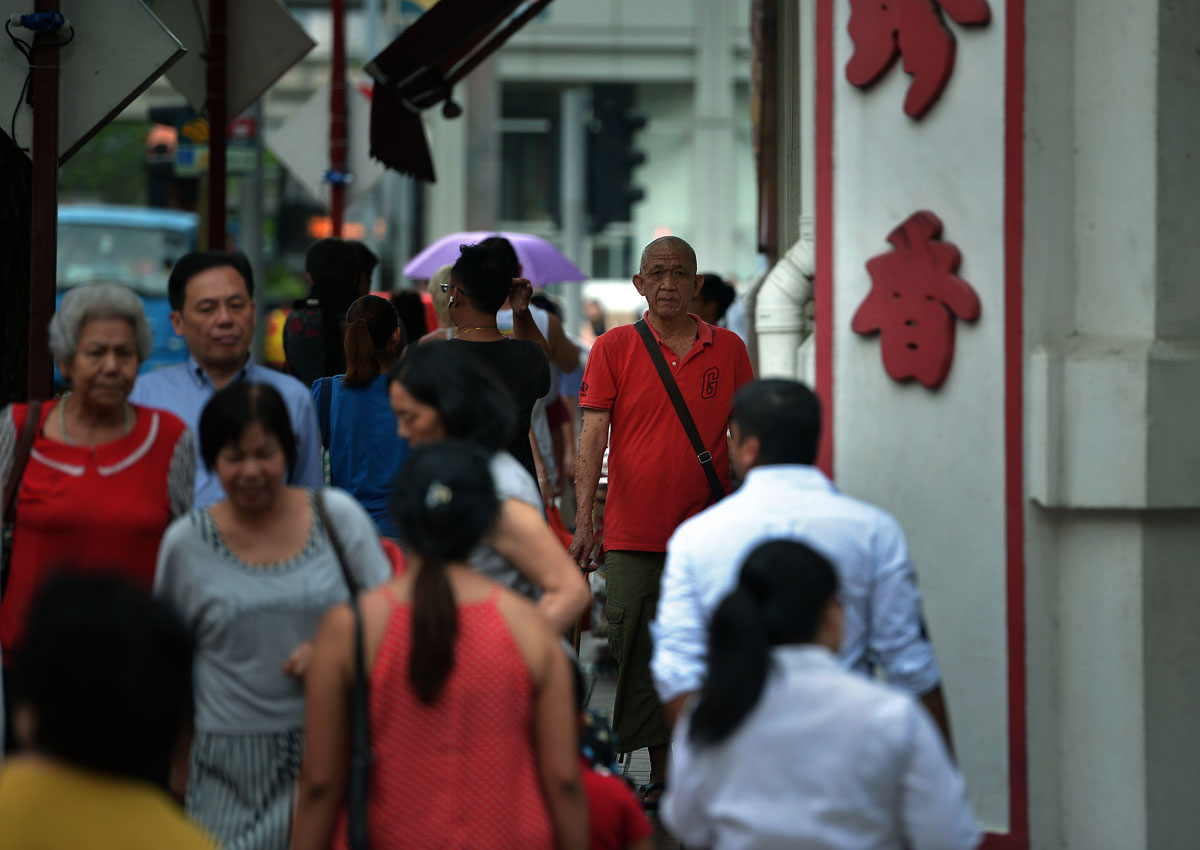
In the Committe of Supply debate on Apr 8, Minister of State for Education Dr Janil Puthucheary said that the Education Ministry will be implementing and expanding programmes to assist young children from vulnerable families in Singapore.
Source link
In recent days, the Budget debate has had many speaking in Parliament and outside, with some suggesting that government spending should be prudent and targeted.
This set me thinking that all major policies promulgated by the Government should be assessed for outcomes and impact and if this process finds that the impact of the policy is not forthcoming and is below the intended outcome, then serious thought should be given to reconsider the whole policy rather than just tweaking the policy further.
One outstanding area to look at pertains to the fertility policy package.
Continued declines in fertility through the 1990s led to the introduction of pronatalist policies consisting of a series of Marriage and Parenthood packages in 2001, 2004 and 2008. These were mainly cash baby bonuses, co-savings or matching child development accounts, tax benefits and subsidies for childcare.
The annual budget for these packages was $500 million from 2001, $800 million from 2004 and then doubled to $1.6 billion from 2008. In 2013, with the addition of other measures, including one week’s paid paternity leave, the expenditure ballooned to $2 billion per year.
An interesting corollary to the increasing amounts of money spent on these packages, which are meant to increase fertility, are the actual figures for the fertility rate in Singapore from 2000 onwards.
In the year 2000, total fertility rate (TFR) was 1.6 and then it steadily declined to 1.24 in 2004. It hovered around this figure and then went down to 1.15 in 2010 and then up to 1.29 in 2012 when 33,238 babies were born (in the Year of the Dragon which is an auspicious year for Chinese births) and then down again to 1.25 in 2014. The year 2015 saw a small increase to 33,793 new babies in our Jubilee year.
All these statistics highlight the counter-intuitive fact that the fertility rate was higher (at 1.6 to 1.7) before the Marriage and Parenthood package was started and then on implementation of the programme, the fertility rate fell and remained obstinately low below 1.3.
This unhappy state of very low fertility continued, in spite of the fact that since 2008, a total of $14 billion has been spent to increase our nation’s fertility.
In 2013, Singapore’s first Prime Minister, Mr Lee Kuan Yew, expressed exasperation with the idea of monetary incentives to promote fertility, “declaring that he had given up on Singapore’s fertility problem”.
Is it not time then to assess the outcome of our Big Budget Spend on Babies and on fertility and modulate it so that there is more productivity to show?
Not only is our industrial productivity low but also our reproductive productivity. Just like Finance Minister Heng Swee Keat has introduced medium-range, targeted and innovative measures for our economy, we need to look at a fresh slew of measures to increase the nation’s fertility.
These measures should be more holistically targeted at work-life balance, at pre-school education and care, at our high-pressure school system, at our young parents’ concerns, at the workplace with its inflexibilities and long hours, and at the national psyche of aspiring for ever-higher standards of living and the fear of failure.
Can we be a more relaxed society? We have to be in the mood if we are going to make babies.
stopinion@sph.com.sg
This article was first published on April 8, 2016.
Get a copy of The Straits Times or go to straitstimes.com for more stories.
While halal-certified kitchens can be provided on military camps, this is not possible on board naval ships, where space is a premium and has to be prioritised for operational needs.
But provisions are made for servicemen – whether Muslim or those with other dietary requirements – so they have food options, Senior Minister of State for Defence Maliki Osman told Parliament yesterday.
Dr Maliki said this practice is similar to that in French and American navies, whose ships do not have separate halal kitchens.
“SAF (Singapore Armed Forces) will accommodate where we can, but the SAF’s operational priorities come before individual needs. Our servicemen and women understand and accept this,” he added.
During the debate on the Defence Ministry’s budget yesterday, Mr Faisal Manap (Aljunied GRC) had called for navy vessels to be equipped with halal-certified kitchens. This was a “practical issue” which he said should be resolved promptly, so as not to deprive Muslim Singaporeans the opportunity to serve on board ships.
In reply, Dr Maliki said provisions are made for Muslim naval servicemen through options such as seafood, chicken and vegetables.
But having a halal-certified kitchen was not possible, he said, as space has to be maximised for operational requirements such as ammunition and combat systems.
In military camps, halal kitchens are built wherever there is space, but otherwise, food is also brought in from centralised kitchens, said Dr Maliki. Halal and vegetarian combat rations are also available during operations.
Dr Maliki said the SAF operated like “society at large”, where, rather than encourage one religious group to push fully for its own strict requirements, Singapore’s approach has been – as far as practicable – to accommodate the needs of different devotees, while maintaining a common space and goals for all.
“I would like to remind Mr Faisal that Singapore is a secular state and all Singaporeans enjoy the right to practise their religion under our Constitution,” said Dr Maliki.
In a clarification, however, Mr Faisal reiterated his call for halal kitchens on ships.
“I’m a strong believer of an inclusive and open SAF, and I don’t think that I need the Senior Minister of State to remind me that Singapore is a multiracial and multi-religious society,” he said.
Defence Minister Ng Eng Hen rose to rebut him: “Mr Faisal Manap says he doesn’t need to be reminded we are a multiracial, multi-religious society, but he is only championing in his speech for Muslims.”
He said that there are other groups with religious observances apart from Muslims, and the SAF can accommodate such needs wherever possible.
But the “overriding principle must be that SAF operational concerns must come first and individual needs sometimes must subsume under that,” he said.
This article was first published on April 8, 2016.
Get a copy of The Straits Times or go to straitstimes.com for more stories.