Image:
Publication Date:
Friday, April 8, 2016 – 15:52
Send to mobile app:
Source:
Story Type:
Others

Director Richard Linklater has made a spiritual follow-up to his stoner comedy classic Dazed and Confused. Is it also a hit? Critic Owen Gleiberman has an answer.
More than two decades after its release, Richard Linklater’s last-day-of-high-school comedy Dazed and Confused remains one of the most passionately celebrated cult films of the indie era, and with good reason.
It caught the aimlessless of 1976 with such uncanny verisimilitude that, watching it, you often feel like you’ve stepped into a time machine.
The film has a slacker party vibe that almost any teenager who’s grown up since can relate to, and Linklater let the members of his ensemble cast sprawl and collide with such spontaneity that Dazed is still the greatest Robert Altman film that Altman never made.
If Nashville and American Graffiti had a baby, it would look like Dazed and Confused.
A less obvious reason why Linklater’s film casts such a blissed-out spell is that it may be the most democratic teen movie in history. Football players, nattering geeks, pie-eyed stoners: in the ’76 of Dazed and Confused, all mingle as if they belong together, and that’s a crucial aspect of the film’s freewheeling grace.
So when you sit down to watch Everybody Wants Some!!, an aggressively punctuated ‘spiritual sequel’ to Dazed and Confused set during the weekend before the college year of 1980 begins, it’s a shock to realise that instead of the ebullient cross-section of student life you may be expecting, the film tells the story of… 10 good-looking jocks.
Tall dudes with coiffed shaggy hair and killer grins who spend their time snapping verbal towels at each other or trying out their pickup lines at house parties and clubs.
Read the full article here

IN PART, due to the extraordinary flamboyance of these men from the Caribbean, and in equal part due to the skills on display, the World T20 cemented the format in the hearts of spectators.
The anger and the determination simmering just beneath their dance moves, as indeed their powerful hitting, made the West Indies the story of the tournament.
But for the avid cricket watcher, the explosion into the present from the mediaeval prison that England had trapped themselves in, was quite the highlight too.
The West Indies fought the apathy of their administration while England fought the cynicism towards the format in their homeland.
Both were notable conquests. Both added to the narrative played out.
In cricket, we have traditionally romanticised endurance and the ability to overcome, and may that never go away because that is why Test cricket is such a mirror of life, but we have trivialised short, powerful bursts of skill, we undervalue the unorthodox, we create a hierarchy of talents and put the most modern at the bottom.
Maybe the long form narrative that forms the heart of cricket literature is easier in a long-drawn struggle.
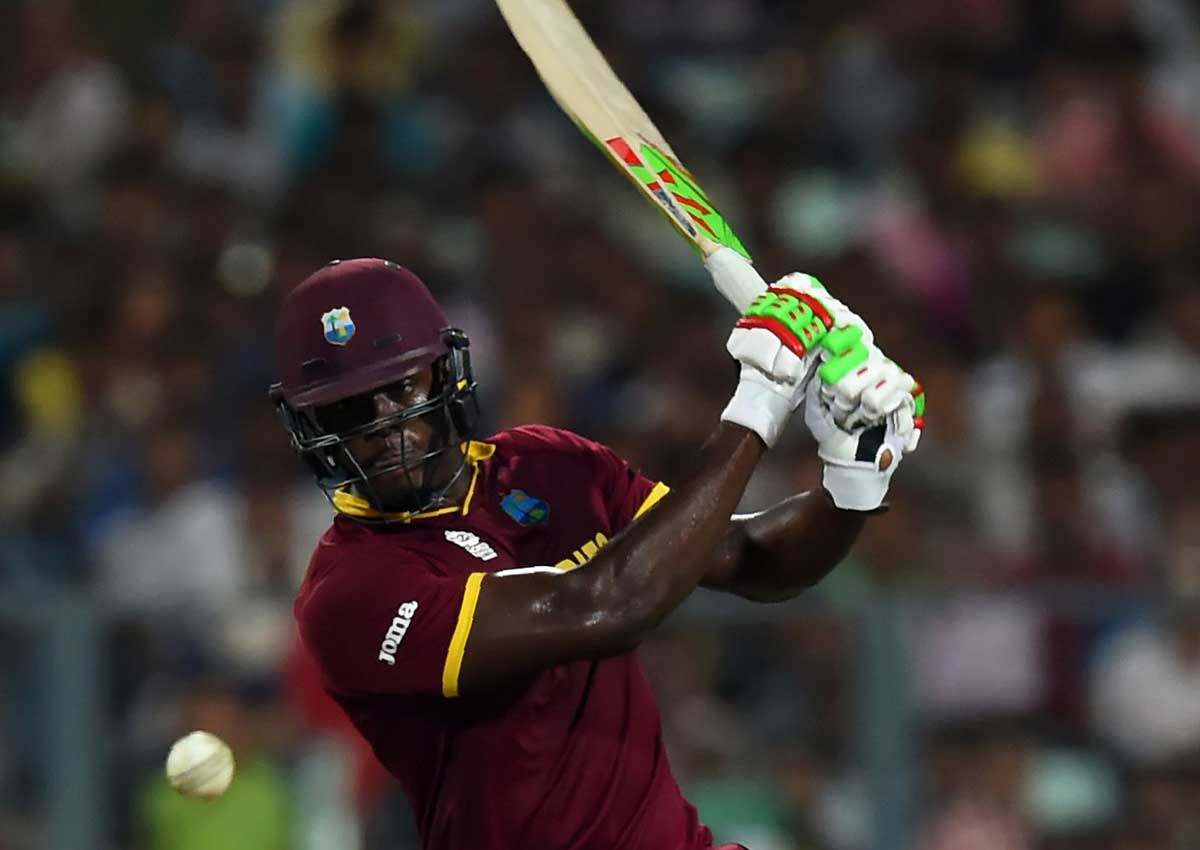
But in four deliveries dispatched with explosive power, Carlos Brathwaite has drawn attention to the not inconsiderable skill required to play the way he did.
If you still think that playing shots like those, or Joe Root’s stunning reverse sweep, is a lesser talent, maybe you should wear armour, pick up a lance and ride into battle on a steed.
What Brathwaite showed us, and in a sense what Ben Stokes illustrated (and every Indian now knows after those no-balls!), was that in the shortest form of the game, a mistake can have a disproportionate outcome.
Because every ball is an event, and only rarely part of the build-up to the result sought, there is, especially towards the tail end of an innings, a winner and a loser off every ball.
And so, you cannot have a loosener, or a sighter, you cannot bowl a couple of overs to gauge what the best approach to bowling for the day is.
No, your first ball, sometimes your first shot, has to produce an effect and that is very difficult. And that is why, I find it incredible that there are people who still think it is a lesser skill.
Taking your left foot to the pitch of the ball and playing down the ground is a skill but taking the front away towards leg and opening up hitting areas is a skill too.
Bowling six balls on a length and swinging them away is wonderful but so is bowling six different deliveries at different lengths and speeds.
Watching Ashwin or Anderson in a Test match soothes us but seeing Dwayne Bravo bowl a slow bouncer and a loopy yorker is pretty awesome too.
The World T20 told us a few other things too.
There is place for Brathwaite and Chris Gayle as there is for Virat Kohli whose cover drives and flicks, along the ground by the way, won India matches.
There is place for Root who only ever looks elegant and correct as there is for Mitch Santner and Ish Sodhi, classical spinners from a land where hobbits are spotted more often.
And the leg spinner, yes the leg spinner, is the most valued bowler here too.
There were so many. Adil Rashid, Imran Tahir, Adam Zampa, Samuel Badree, Sodhi, Rashid Khan, so many.
But the challenges mount and batsmen are fast catching up on the tricks that spinners possess.
The next stage for the bowler is to learn to bowl with a wet ball for, till science tells us how to keep dew away, bowlers will have to confront it.
It might seem trivial but the next big death bowler will be the best dew bowler.
In any case, T20 cricket has to find a solution to the win-the-toss- win-the-match routine on a dew-laden evening.
Reputations are good in any sport because they are indicators of sustained good performance but you couldn’t help get the feeling that reputation also induces caution.
It seemed that way with India whereas the West Indies, in spite of the capitulation to Afghanistan, kept taking the game ahead aware they were packed with batsmen.
Interestingly, England did that too and got to 157 in the final where, another time, they would have got to a measured 140.
While England soared into the present, Pakistan started showing the effects of being denied home cricket.
I have no idea what the quality of trainers and coaches is but Pakistan looked short of speed and short of ideas in the field.
And Sri Lanka, producers of the most exotic talents, look like they have a little period in the wilderness,
New Zealand were the most adventurous and Australia the most baffling.
And the little cousins across the Tasman would welcome that.
Australia had greater pedigree with the bat but New Zealand bowled better and even in this 120 ball format, it is the team that bowls better that is winning more matches.
tabla@sph.com.sg

Get a copy of tabla! for more stories.
THERE is a touching story about Virat Kohli, team India’s newest cricketing superstar and youth icon.
The year was 2006 and the youngster was batting on a chilly winter’s day – with his team, Delhi, staring at a follow-on against Karnataka.
Kohli being the last recognised batsman was batting on 40 when the umpires called stumps.
In the wee hours of the following morning, his father Prem Kohli, the player’s biggest supporter, died.
After completing the final rites, Kohli went straight back to the Feroz Shah Kotla ground to continue his innings.
His surprised teammates urged him to give the game a miss given the tragic circumstances but the youngster insisted on batting and took his team to safety with a well- compiled 90.
Big role of a lynchpin
Cut to 2016, a jaded Indian team took on all-comers in the ICC T20 World Cup. With the top order dithering in practically every match, Kohli played the big role of a lynchpin with well-paced innings in all the matches.
Small wonder that stadiums across India now reverberate to sounds of “Kohli-Kohli” where once there was “Sachin-Sachin”.
After Sachin Tendulkar’s exit, Indian fans have quickly found their new icon and the multitude of brands that are desperate to engage Indian consumers have found their messiah in Virat Kohli, 27.
Earlier this year, the gutsy lad who grew up in a middle-class family in west Delhi became the latest member of the Rs100-crore endorsement club; the third cricketer after Tendulkar and Mahendra Singh Dhoni.
An exclusive club dominated by film stars, Kohli endorses 13 top-notch brands ranging from fast moving consumer goods, sports apparel and cars.
Coming into his own
He signed a three-year, Rs30-crore deal with sports brand Adidas in 2015 and an Rs6.5-crore contract with tyre-makers MRF, the brand his idol Tendulkar and Brian Lara used to sport on their bats. He recently signed a deal with German luxury car-maker Audi which is reportedly worth Rs5 crores over an 18-month period.
Having been part of the Indian limited overs side since 2008, Kohli, the brand, came into its own when he scored a brilliant 116 runs against Australia in a Test match played at the Adelaide Oval in a losing cause.
He managed to channel his aggression, which was seen in the Indian Premier League from 2008, in the longest and toughest format of the game, making people stand up and take notice.
For Kohli the period from 2008 to 2013 was important from a cricketing perspective as he shared the dressing room with his idol, Tendulkar.
It was during the 1995-96 season that Mark Mascarenhas, a Connecticut-based businessman, signed young Tendulkar for a five-year Rs25-crore contract that changed the entire equation of brand endorsement for Indian sportsmen.
As Tendulkar the batsman grew from strength to strength so did his contracts.
Following his idol, Kohli today has taken over the mantle from the Master on and off the field.
His approach while donning the India cap is as aggressive as his idol’s was. Off the field, his interactions with his sponsors are also a leaf taken from the Master’s book of professionalism.
Engaging with the fans is an important element for marketers who are looking for ways to have conversations with their consumers.
“Virat has learnt good things from Tendulkar whom he idolises.
His conduct with sponsors and stakeholders is impeccable,” says veteran journalist and communicator Ganesan Rajaraman who has watched Kohli grow since he made his first-class debut.
“He knows how to get fans on his side.
On various tours, I have seen him go out of his way and engage with his fans, allowing them to take selfies and obliging them with handshakes and autographs,” adds Rajaraman.
President of Rediffusion-Y&R Dhunji S. Wadia says: “Virat’s raw talent and consistency has already resulted in comparisons with the ‘God’ of cricket, Sachin Tendulkar.
Add to it his feisty temperament, never-say-die attitude and roguish good looks and we have a heady concoction that is irresistible to brands and brand marketers.”
Mr Wadia, who heads the well-known advertising agency, believes that Kohli makes Indian youths believe in their own power and potential and he reflects their thirst and ambition.
“Virat is likeable and the Indian middle-class identifies with him like they did with Tendulkar and Amitabh Bachchan.
They want Virat to do things they want to do but cannot,” adds former Indian Test spinner and a pioneer of sports education in India Nilesh Kulkarni, who stresses that captaincy has transformed Kohli from an aggressive brat to an aggressive but refined individual.
Cricket apart, Kohli’s association with Bollywood actress Anushka Sharma kept him in the spotlight with the couple hogging space in the non-cricketing media.
His recent tweet, after Anushka was trolled on social media channels, supporting his former partner showed a lot of character and revealed the positive, “human” side of the cricketer.
“His message to those trolling Anushka has shown that Virat is willing to take a stand, speaks from the heart and is categorical about what he believes in,” adds Rajaraman.
Direct connection with fans
Strategic communications consultancy founding partner Pitchfork Partners’ Jaideep Shergill, a veteran reputation manager, identifies Kohli as one who has a distinct character.
“Virat has a direct connection with young Indians, someone they look up to. More importantly for any brand, longevity is the key and Virat has shown that he is going to be around for a long time.”
The teenager who won over the hearts of his Delhi teammates in 2006 has quickly connected with his fans, thanks to his unique personality that defines aggression, a strong character and performance.
So what does Brand Kohli need to do in the future?
Kohli typifies a metrosexual who appeals to both sexes with his tattoos and gelled hair, says Mr Sandeep Goyal, chairman of Mogae Media, an integrated marketing and communications company.
Charismatic person
“He is a charismatic person and is going through a golden period right now.
He needs to ensure, going forward, that he is selective about the brands he endorses and concentrates on brands that are synonymous with performance and not sign up with multiple brands that do not sync with his personality.
He has the Indian youth with him who relate to his charisma,” adds Mr Goyal.
Performance is the key for Kohli the cricketer and the brand personality.
His commitment to the game and his fans is a given considering the time he spends on his tough regime with discipline. Marketers need a lambi race ka ghoda (the one for the long haul) and Virat Kohli fits the bill – perfectly!
tabla@sph.com.sg
Get a copy of tabla! for more stories.

EVERY day stories about leaking roofs, petty squabbles and rice and ghee rations may be mundane, but the Straits Settlements Records (SSR) are also a treasure trove of historical information about British colonial rule in Singapore.
Some records date back to 1807, even before Singapore became a British colony. The handwritten records give us an interesting insight into the matters colonial rulers dealt with on a daily basis.
As a part of the Citizen Archivist Project, the National Archives of Singapore (NAS) has put up digitised microfilms of these records on their website. Members of the public are welcome to help in transcribing them.
It is a monumental job as many of the papers in the SSR are in fragile condition. They are written in cursive handwriting and some are faded, smudged or illegible – making them difficult to decipher. It is therefore very rewarding for an archivist to be able to fathom and record for future generations the story of where it all began.
I should know, as I am one of the more than 250 volunteers who have contributed to the project. The NAS is hoping to transcribe a million of these records by 2019 – the 200th anniversary of Sir Stamford Raffles’ landing in Singapore.
More than 9,000 of these pages have been transcribed while another 1,600 old photographs have been described by the community so far, said The Straits Times in an earlier report.
Familiar names pop up in the SSR, previously identified only as roads and buildings. Cuppage Terrace is named after William Cuppage, the acting postmaster general in the 1840s. Purvis Street takes its name from John Purvis, a sheriff of Kampong Glam.
The pages are sprinkled with references to roads as we know them now – Beach Road, North Bridge Road, Arab Street etc.
Transcribers not only deal with an antiquated style of writing, but also with words from regional languages as well. Hindi makes an appearance with words like “bhatta” (allowance) and “sicca” (coin), for example.
It’s quite a linguistic feat to read through it all and, if not recorded now, many of these words will also disappear so it becomes even more difficult for future generations to decipher them.
The papers dealing with the early part of the 19th century paint the story of a region which was forested, undeveloped and rural.
It was in need of laws and charters to develop it. By the beginning of the 20th century, the tone of the records shifts from basic policy matters, to dealing with a more evolved government structure.
It is not all about government matters, however.
There are interesting nuggets like how, in 1858 Singapore was so infested with tigers that people had put up tiger pits in order to trap them and in turn receive a reward from the government for helping to clear the island of tigers.
The volunteer archivists are often stumped by the handwriting. Whenever a double “s” appears, it seems to be an “f” and “s” leaving them wondering if “afsefsment” was a word at that time.
This is where experience comes in handy. Knowing the context of the records also makes them easier to understand.
When written in cursive hand W and M seem the same.
Do the papers refer to Mr J. Kerr or W.J. Kerr? Passionate archivists even go to the extent of searching online for more information to get the correct spelling of names and places.
Transcribing is not something that can be taken casually.
Since history is being recorded, accuracy is of prime importance. All pages have to be transcribed as is, including spelling errors and abbreviations. Unreadable text has to be left alone.
The thoroughness of record keeping by the British colonists is praiseworthy.
Even more creditable is the massive effort being put in by the NAS to preserve the records in its repository.
It is a humbling experience to know where we came from, the hard work and effort that went into creating Singapore, and of the individuals who built their lives here.
It is at the same time enriching to be able to play a part in maintaining these old records and saving them for posterity.
It would be wonderful if more people came forward and volunteered their time to restoring these archives.
The story of Kunnuck Mistree
THE Straits Settlements Records (SSR) have scattered references to an Indian convict named Kunnuck Mistree. When pieced together, there emerges an interesting story of a man convicted of larceny and sent to Bencoolen in 1818.
He was moved to Singapore in 1825.
Mistree was working as a dresser in the convict hospital in Bencoolen and he continued to be employed in the same position in Singapore.
Over the years he won accolades and appreciation from his superiors and those who came in contact with him for his diligence and good conduct.
In 1846 he decided to apply for a ticket of leave which allowed him to live anywhere in Singapore and follow any profession of his choice.
He then worked as a native holistic doctor.
In 1856 when he was nearly 70 years old, he decided he would like to return to India to spend his last years and die on the banks of the Ganges river.
His appeal was granted, and he was allowed to return, but not before he had given away his land in Singapore for religious purposes.
His story, which would have been lost but for the SSR, gives a human face to the term “convict labour”. He spent nearly 40 years of his life in Singapore.
tabla@sph.com.sg
Get a copy of tabla! for more stories.
A baby pangolin that was found weak, hungry and abandoned in Upper Thomson Road in February is thriving under the care of vets at the Night Safari.
It is a victory for the wildlife park as the endangered species generally does not do well under human care – the scaly mammal has only a 50 per cent chance of survival.
The four-month-old Sunda pangolin has grown from 776g to 1.1kg.
It was bottle-fed kitten milk replacer, a substitute for its mother’s milk, before being introduced to ants’ eggs, which it now relishes.
It will join seven other Sunda pangolins at an exhibit in the Night Safari once it becomes independent and starts on its captive diet.
This diet includes minced beef, ants’ eggs, mealworms and insectivore supplements, said Wildlife Reserves Singapore, the parent company of Night Safari, Jurong Bird Park, Singapore Zoo and River Safari.

This article was first published on April 8, 2016.
Get The New Paper for more stories.

After he was flung from his bicycle, the right side of his face smashed into a roadside drain, leaving him barely conscious.
The horrific accident on a late August evening at Tanah Merah Besar Road three years ago almost left Mr Khairul Anwar Wahab blind in his right eye.
But he did not let it stop him from starting his university studies just four days later.
On Wednesday, Mr Khairul, 25, was among 461 students who graduated from the Singapore Institute of Management-University of London (SIM-UOL) programme.
On top of a Second Class (Upper) Honours in banking and finance, he was also a valedictorian at the graduation ceremony.
“I didn’t expect to be chosen as valedictorian. There were so many people who did well in my batch, so I kept asking ‘Why me?'” he said.
The second of five siblings told The New Paper yesterday that graduating together with his elder brother, Mr Ahmad Syafi’l Wahab, 26, who received a degree in Business Management from the same university, was the icing on the cake.
Recalling the accident, Mr Khairul, who used to be a fixed gear bicycle enthusiast, described it as the turning point in his life.
Fixed gear bicycles, or fixies, usually do not have brakes, with cyclists using methods like skid-stopping or pace-pedalling to stop the bicycle.
Mr Khairul said: “I was reaching a three-way junction when I saw an oncoming car. I tried to avoid the car but since there were no brakes attached to the bicycle, I lost control.
“The next thing I knew, I was flung off the bicycle and landed face first in a drain by the side of the road.”
He was taken to hospital after a jogger found him and called for an ambulance.
Mr Khairul, who was not wearing a helmet at the time of the accident, said: “I fractured my right eye socket, tore my lower right eyelid and eyebrows.
“But at that time, all I could think of was that school was starting soon and I didn’t want to miss my first day.”
He went through two minor operations to close his wounds and underwent face reconstruction surgery during which metal plates were inserted to correct his facial structure.
UNFOUNDED
Fortunately for Mr Khairul, initial fears that he could lose his sight in his right eye turned out to be unfounded.
Four days after the accident, he started his first day of university life.
“In the first week, I went to school with the right part of my face swollen and covered in stitches and bandages,” he said.
“Even when I tried to cover my face with a cap and sunglasses, people still gave me strange looks.
“As my face was still healing at that time, I struggled with self-esteem. Sometimes, the right side of my face got droopy and it would swell and subside when I was in a cold room. It got quite uncomfortable.
“But I eventually regained my self-confidence. I didn’t want to bother too much about superficial things. I just wanted to focus on my studies.”
His girlfriend at the time, Miss Nurul Nasyitah Md Nashir, 25, who was also his varsity mate, told TNP that Mr Khairul has always dreamt big and constantly inspires her.
“There are many things he wants to achieve in his life, so I was not surprised when he turned up in school on the first day,” said the accounts executive.
“During the first week, he told me he just wanted to hide at the back of the lecture theatre. It broke my heart because he was not that kind of guy.”
Miss Nasyitah, who is now engaged to Mr Khairul, said: “He has come a long way from hiding behind his cap and sunglasses to being confident with his looks. This is what I admire most about him.”
Dr Zhang Jianlin, head of programmes at SIM Global Education, remembers the first time he met Mr Khairul.
“He had just gone through an operation a few days earlier and had bandages covering his eyes when he came to class,” said Dr Zhang, who was Mr Khairul’s economics lecturer.
“I could feel him struggling to follow my lecture initially but after several weeks, he got more confident. At times, he even challenged me on theories he didn’t quite agree with.
“I remember his incisive questions and his persistence for clarifications until his doubts were cleared.”
Mr Khairul said the accident was a setback, but he refused to let it drag him down.
“I had to constantly revise my studies to make up for my disability at that time,” he said.
“Even so, I’m happy I overcame this chapter in my life because it motivated me to work harder.”
Aiming to work in financial crime compliance, he added: “I want to educate the community about the finance sector with a focus on Islamic banking in the future.”
Mr Khairul, who no longer rides, said wistfully: “If I could do it all over again, I’d have brakes on my bike and wear a helmet.”
2,619 to graduate from SIM-UOL
A total of 2,619 students are graduating from the SIM-UOL degree and graduate diploma programmes this year.
Out of the total number, 461 students graduated with bachelor’s degrees in economics, banking and finance, and mathematics and economics.
The graduation, which spans six sessions from April 6 till today, at the SIM HQ Campus also saw 169 students receiving first class honours.
The guest-of-honour, Ang Mo Kio MP Intan Azura Mokhtar, told the graduates at the first session on April 6: “Find your work opportunities not just in Singapore or the region, but cast your net wide and explore the possibilities of being employed anywhere.
“Once you have gained substantial global experience, come back to Singapore and find ways to contribute to our economy and the experiences at home so that Singapore – this little red dot – continues to thrive and shine.”
This year also marks the 30th year of SIM Global Education’s partnership with the University of London.
fnawang@sph.com.sg
This article was first published on April 8, 2016.
Get The New Paper for more stories.
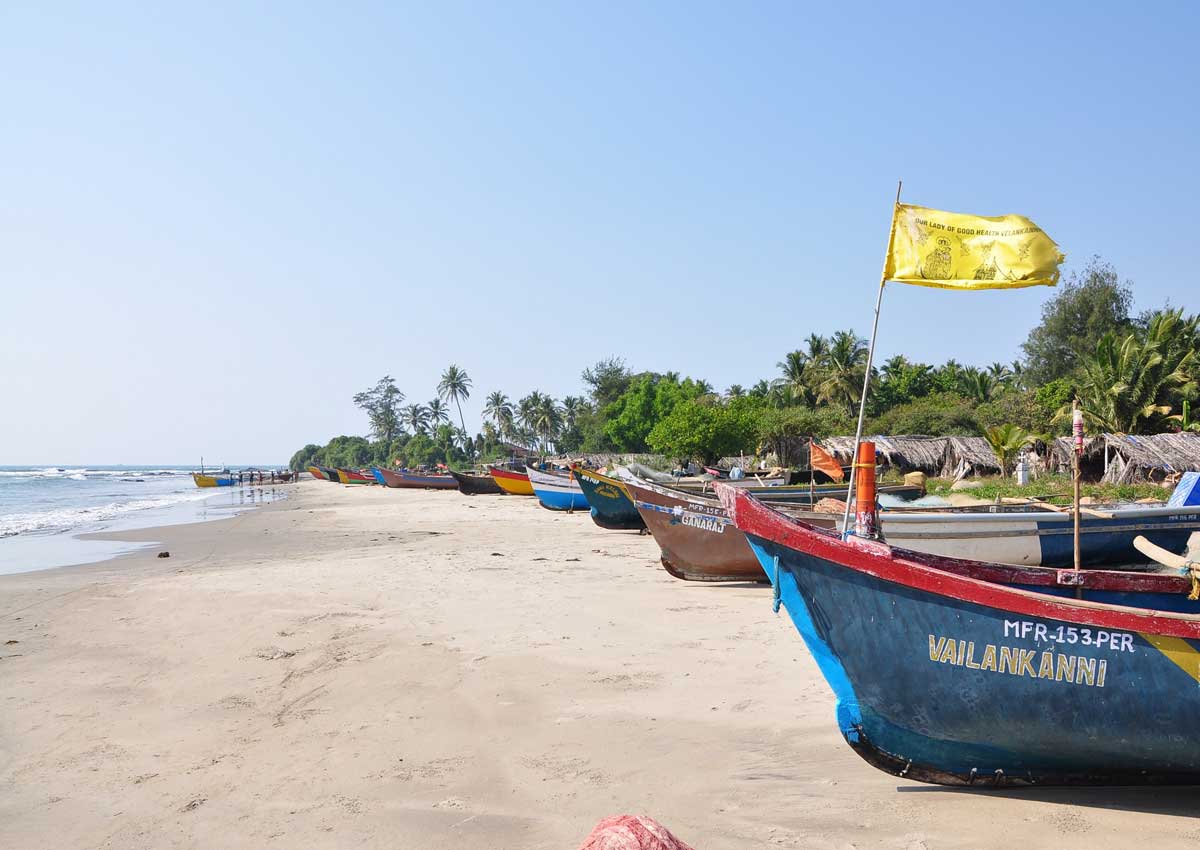
BEACHES in Goa will soon be Wi-Fi-enabled, said tourism minister Dilip Parulekar.
The state, known for its beaches and nightlife, had tapped into a central government scheme worth Rs100 crores to ensure Internet service along the coastal hot spots.
Under the scheme, closed-circuit television will also be installed along the beaches to strengthen security.
Get a copy of tabla! for more stories.

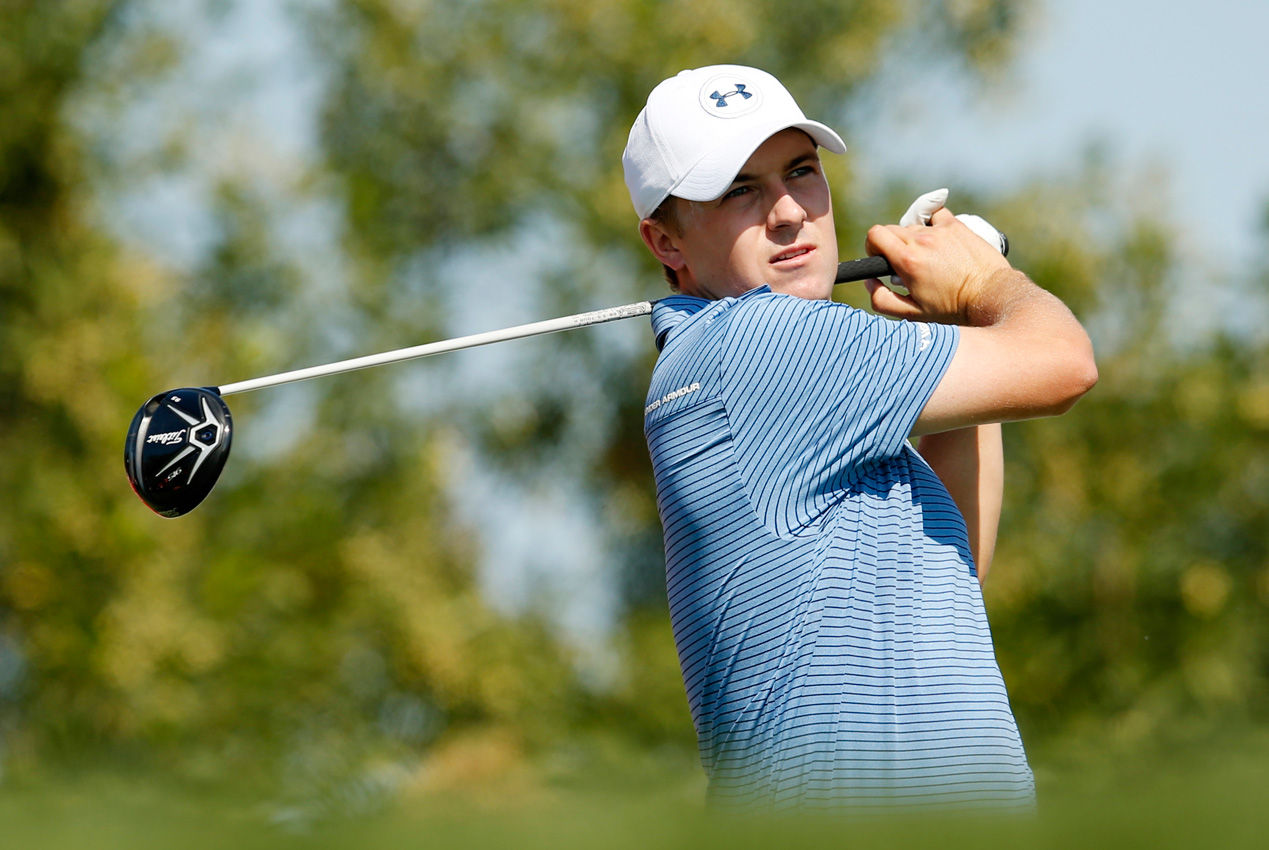
Augusta, United States – A year after his wire-to-wire Masters triumph, Jordan Spieth is still making history at Augusta National and served notice that rivals will have to pry the green jacket off him.
The world number two matched the lowest opening round by a defending Masters champion on Thursday, firing a six-under par 66 to seize a two-stroke lead after the first round at Augusta National.
“I put it up there with one of the best rounds I’ve played,” Spieth said.
Not since Jack Nicklaus in 1966 – the year he became the first back-to-back Masters winner – had a defending champion owned the outright lead after the first round, but the 22-year-old American matched the feat and could join Nicklaus, Tiger Woods and Nick Faldo as the only back-to-back winners in Masters history.
After matching Woods for the lowest 72-hole score in Masters history at 18-under 270 last year, Spieth solved cool and breezy conditions for a bogey-free round that might have been superior to his opening 64 last year.
“The way I was playing was better a year ago, but the score that came out of the round may have been more impressive today,” Spieth said. “Got a lot out of the round with what I felt like was kind of average-ish ball striking.
“It was extremely special to stay bogey-free on a day like today at the Masters.” Spieth, whose champion’s opening 66 matched that of Spaniard Jose Maria Olazabal from 1995, became the first golfer to lead the Masters for five rounds in a row and the first to begin his Masters career with nine consecutive rounds at par or better.
“Being in this position is really cool,” Spieth said.
“We just stay patient with what we’re doing. We know how to win this tournament, we believe in our process and if the putts are dropping, then hopefully it goes our way.”
Spieth was greeted at the tee of the par-3 12th by a standing ovation from the huge crowds that gather to overlook the famed three-hole stretch known as “Amen Corner.” “It was one of the coolest moments I’ve ever had here,” Spieth said.
“Just to see everyone start to rise, it was really cool to feel like you belong as the Masters champion. Not that I needed any more reason, but just the gallery recognises you’ve won here and this is a special place to you. I thought it was an awesome moment.”
English playing partner Paul Casey, who shot 69, was impressed with how he coped with the winds that swirled through the Georgia pines.
“That was a flawless round of golf,” the Englishman said. “When he got into trouble… he bailed out in the right place and what could have been an error he turned into a wonderful par save. It was great to have a front-row seat to watch that.”
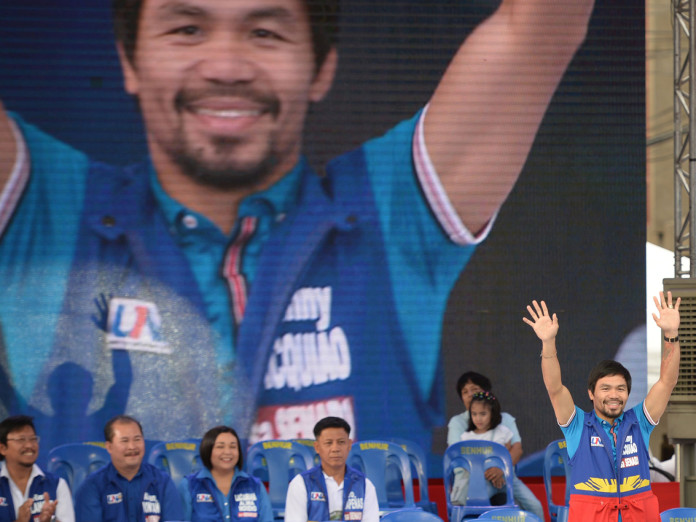
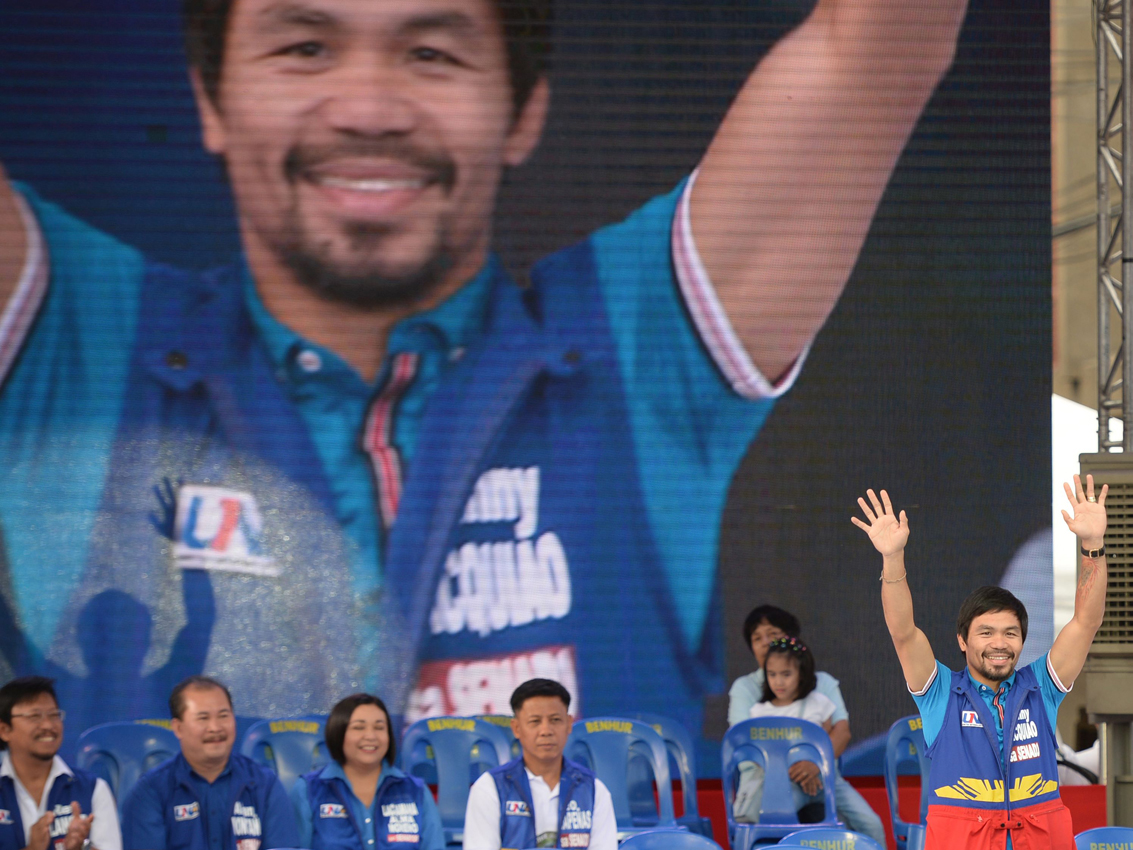
MANILA – Win or lose in his mega-bucks fight this weekend, Philippine boxing legend Manny Pacquiao will be landing knockout blows against his political rivals with priceless media coverage ahead of national elections.
The eight-time world champion is running for a Senate seat and controversially scheduled his bout against Timothy Bradley in Las Vegas to be held just one-month ahead of polling day.
The fight will ensure most Filipinos will be fixated on him as they watch live broadcasts on Sunday morning, local time, while the media coverage of the build-up has already gifted him tens of millions of dollars worth of free advertising.
It is a strategy that has rivals fuming, accusing him of below-the-belt tactics that circumvent election campaign advertisement spending laws.
“If he had a sense of sportsmanship he wouldn’t be staging the fight just one month before the elections,” senatorial candidate Walden Bello, who filed a failed legal challenge to reschedule the bout, told AFP.
More neutral observers also point out that Pacquiao is gaining an unfair advantage.
“His only source of publicity is his fights, not his (political) platform. It is too much of an advantage,” said Sixto Brillantes, former head of the Commission on Elections, which runs the polls, told AFP.
While his rivals have travelled across the sprawling archipelago to promote their credentials in recent months, Pacquiao has not bothered to hit the hustings, aside from an appearance in Manila when the election campaign was launched in February.
“His form of campaigning is the bout,” Brillantes said.
Pacquiao, 37, has said his fight against Bradley will likely be the last of his career so he can pursue his long-held political ambitions. He is hoping a stint in the Senate will serve as a platform for an eventual presidential run.
In a celebrity-obsessed nation where movie stars regularly become powerful politicians, the high school drop-out could indeed defy his lack of education and one day lead the nation of more than 100 million people.
Pacquiao has for the past six years been a member of the lower house, representing a district in the impoverished southern Philippines where he grew up.
His critics say he’s done little as a politician to help ordinary Filipinos, pointing out he has had one of the worst attendance records in parliament.
“He was my vice chair of the house committee on overseas workers and he did not attend a single meeting,” Bello said.
And even after a controversy in February when the born-again Christian drew widespread condemnation for describing homosexuals as “worse than animals”, Pacquiao looks set to comfortably win a Senate seat.
He is currently in seventh place on Senate popularity ratings surveys, with 12 seats up for grabs, according to Manila-based pollster Pulse Asia.
Pacquiao was in 10th place in a January survey, and Pulse Asia research director Ana Maria Tabunda attributed his steady climb despite not campaigning to the intense media coverage of his preparations for the Bradley fight.
“He is a national hero of sorts to many of our people… he has good name recall whether there is a fight or not,” Tabunda told AFP.
“But it also helps that he is there (in the news) every day,” Tabunda said.
In a statement to the election commission to address Bello’s request to postpone the fight, his lawyers insisted Pacquiao primarily wanted to uplift the spirits of his countrymen.
“(It) has to be done before his youth is gone, to give our country and our people the pride and glory they justly deserve, which is always foremost in his heart and mind,” the lawyers said in a written submission.
The commission announced last month it could not postpone the fight or disqualify Pacquiao from running for the Senate because it had no authority to rule on an event that had not happened.
“That is not within our control. We are not in a position right now to stop it,” commission chief Andres Bautista, although he said Pacquiao could face legal challenges afterwards.
Pacquiao has largely ignored the controversy, while focusing on his training.
In one of his few comments on the issue, Pacquiao denied any skullduggery in relation to the timing of his fight.
“This is not for my personal glory. I’m fighting for the honour of our country and to glorify God through sports,” Pacquiao said in a text message to journalists.