SINGAPORE – Singapore has confirmed 14 new Covid-19 cases, including nine that are imported, the Ministry of Health (MOH) said on Sunday (March 15).
It is the highest number of new cases Singapore has reported in a single day.
Three patients are linked to previous cases, including a 28-year-old female Filipino national who teaches at MY World Preschool in Lengkok Bahru. The Singapore work pass holder, Case 221, is linked to Case 204, a 32-year-old American man who was in Japan from Feb 29 to March 8 and confirmed on Friday.
The Early Childhood Development Agency (ECDA) said on Sunday that the woman was last at the pre-school on March 13. The pre-school has been ordered to close temporarily from March 16 to 27, which covers the 14-day incubation period from when the teacher was last in the school.
All pupils, teachers and staff will be given a leave of absence during the closure period and the pre-school will resume programmes on March 28. MY World Preschool will conduct a thorough cleaning and disinfection of its premises and is closely monitoring its staff and pupils’ well-being, ECDA said.
SINGAPORE: The government’s unrelenting push to hardcode the ethos of internationalisation into the DNA of businesses surfaced unsurprisingly in Budget 2020.
New initiatives – such as Grow Digital, which aims to help companies leverage digital platforms to go global, and the SkillsFuture Enterprise Credit, which provides S$10,000 per enterprise to help with out-of-pocket expenses for business transformation, job redesign and skills training – were introduced.
Existing programmes like the Market Readiness Assistance (MRA) Scheme and Global Ready Talent Programme were expanded to help companies leverage free trade agreements (FTAs) and nurture talent for internationalisation.
The government’s recognition in developing a robust external economy dates back as early as 1989 when Singapore emerged from a recession. The development of its Strategic Economic Plan, at that time, also saw the promotion of outward investments. By early 1990s, Singapore’s regionalisation strategy provided the impetus for a concerted push in helping businesses go global.
The recent Singapore Business Federation (SBF) National Business Survey (NBS) 2019-2020 revealed that eight in 10 businesses reported a presence in an overseas market last year, up 9 percentage points compared to the previous year.
As many as 82 per cent of these businesses are engaged in ASEAN, where the top destinations are Malaysia, Indonesia and Thailand. Outside of the region, China takes the lion’s share.
This is encouraging news. From growing global market share to increasing sales and profits, expanding overseas presents businesses with considerable rewards. The digital economy, better technology and improved transportation links have also made it more accessible for companies to go global.
So why are some businesses still hesitant to take the leap?
File photo of workers outside an MRT station in Singapore’s Central Business District. (Photo: TODAY)
Over the years, SBF’s surveys have shown that key barriers to overseas expansion include unfamiliarity with target markets, navigating an environment where regulatory compliance, business practices and culture are different from Singapore’s, and sufficient funding to sustain their overseas endeavours. The challenge of finding the right talent has also put the brakes on their global ambitions.
SMOOTHING THE WAY
If resources are the businesses’ only barrier to internationalisation, the government, with the support of the trade associations and chambers (TACs), have put in place support packages and resources to help businesses at every stage of their internationalisation journey.
For companies who are unsure about how to embark on their internationalisation journey, SME Centres can assess their readiness and assist them in enhancing their capability to internationalise.
Help is also at hand for businesses to learn as much as possible about the target country, market, business environment and practices. Last year alone, the SBF led close to 30 business missions and overseas market workshops to Southeast Asia and beyond, and welcomed 40 incoming delegations from Africa, Europe, Asia and the Middle East.
Businesses can also tap on the support of Enterprise Singapore’s in-market presence at over 35 international locations to generate new business leads, find business partners and acquire new technologies and capabilities.
Apart from tax deductions on eligible expenses incurred to support their internationalisation activities, businesses also receive generous funding support through the Enterprise Development Grant and the MRA scheme, to name a few.
Come April, SBF, with the support of Enterprise Singapore, will launch GlobalConnect@SBF to partner Singapore businesses in their internationalisation journey through market advisory services and in-market business connections – with a focus on Southeast Asian and frontier and emerging markets. Helping our businesses find the right partners and providing them with in-market assistance through a supportive local community is important to mitigate some of the challenges companies face.
Office workers at Raffles Place in Singapore. (File photo: Marcus Mark Ramos)
That said, government and TAC support can only be useful if our businesses tap on them. Despite all the support available, there are still some companies who choose not to tap on them or go overseas at all. And no matter how much help there may be available, for some companies it just may not matter because venturing beyond Singapore is not an option they simply entertain.
NOT EVERYONE’S CUP OF TEA
A 2015 Boston Consulting Group report highlighted that SMEs in Singapore are not as aspirational about expansion as their regional counterparts.
Psychology and personality could play a part. While some relish risk, others prefer the certainty and comfort of growing domestically where supply chains are easier to manage and demand for their products and services, culture and the regulatory environment are far more predictable.
Given that SMEs have limited resources, the potential trade-off between spreading their wings abroad and deepening their roots at home could also weigh on their minds. After all, it is better to serve one market well than many markets poorly.
Whether it’s the lack of resources or a fear of failure, there’s no denying that scaling across borders is no easy feat and may not, as a matter of fact, be the right strategy for every business.
We have more than a quarter million SMEs in Singapore. Indeed, many of them will continue to be domestically focused. Only a portion of these will have products or services that can succeed in international markets.
SO, WHAT’S NEXT?
The push for going global is unfinished business. In this regard, much had been done, and more help is at hand.
Going forward, there is scope to work with company leaders, particularly the next-generation leadership to support their overseas expansion. These young leaders may be more well-travelled and globalised than their predecessors, and may therefore find that their ambitions stretch beyond Singapore.
We can also can better nurture and foster a Singapore business eco-system overseas where our companies look after each other and collaborate to beat the competition.
Chief executive officer of Enterprise Singapore Png Cheong Boon at the launch of the new agency on Apr 2, 2018. (Photo: Brandon Tanoto)
Ultimately, businesses can have access to all the information, tools and means, but it is up to them to seize the opportunities.
For those companies who have aspirations to grow, they cannot let up on Singapore’s internationalisation push and should not leave undone what we know should be done. It is up to businesses to beat the path overseas together.
Ho Meng Kit is CEO at Singapore Business Federation.
SINGAPORE: Earlier this month, Dr Chng Woei was asked by her 24-year-old daughter if the family was not going to have dinner with the maternal grandparents until “this dies down”.
“This” refers to the COVID-19 crisis which has hit every continent except Antarctica, and has earlier this week been declared a pandemic by the World Health Organization.
And dinner with the elderly folks was out of the question till the situation improves, the general practitioner (GP) replied to her daughter.
The 51-year-old, who works at Healthmark Medical Clinic in Punggol, would rather be safe than sorry. Since the clinic is a Public Health Preparedness Clinic (PHPC), a network of clinics providing subsidised treatment and medication during public health outbreaks, she could never be certain if the next patient she sees is a COVID-19 carrier, and her worst fear is that she may end up transmitting the virus to her parents who are in their 80s.
That is why she has restricted her family’s visits to her parents’ house to less than 30 minutes each time. Even then, they would not have dinner together, unlike before.
“I can’t afford for them to catch the disease,” said Dr Chng, aware that the novel coronavirus can prove deadly for old people with weaker immune systems.
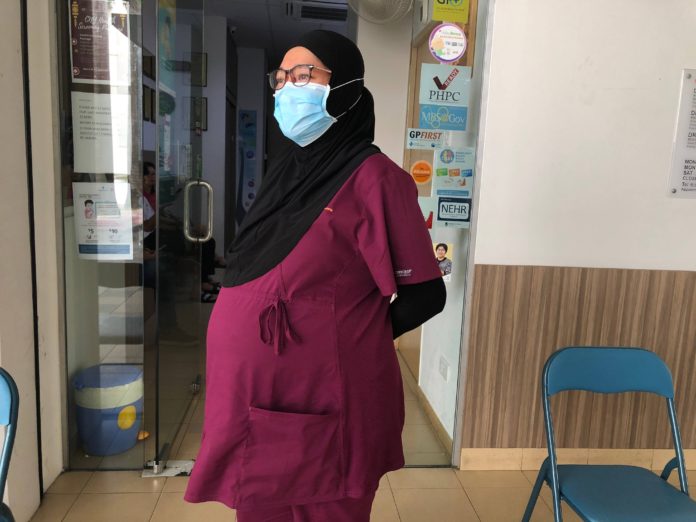
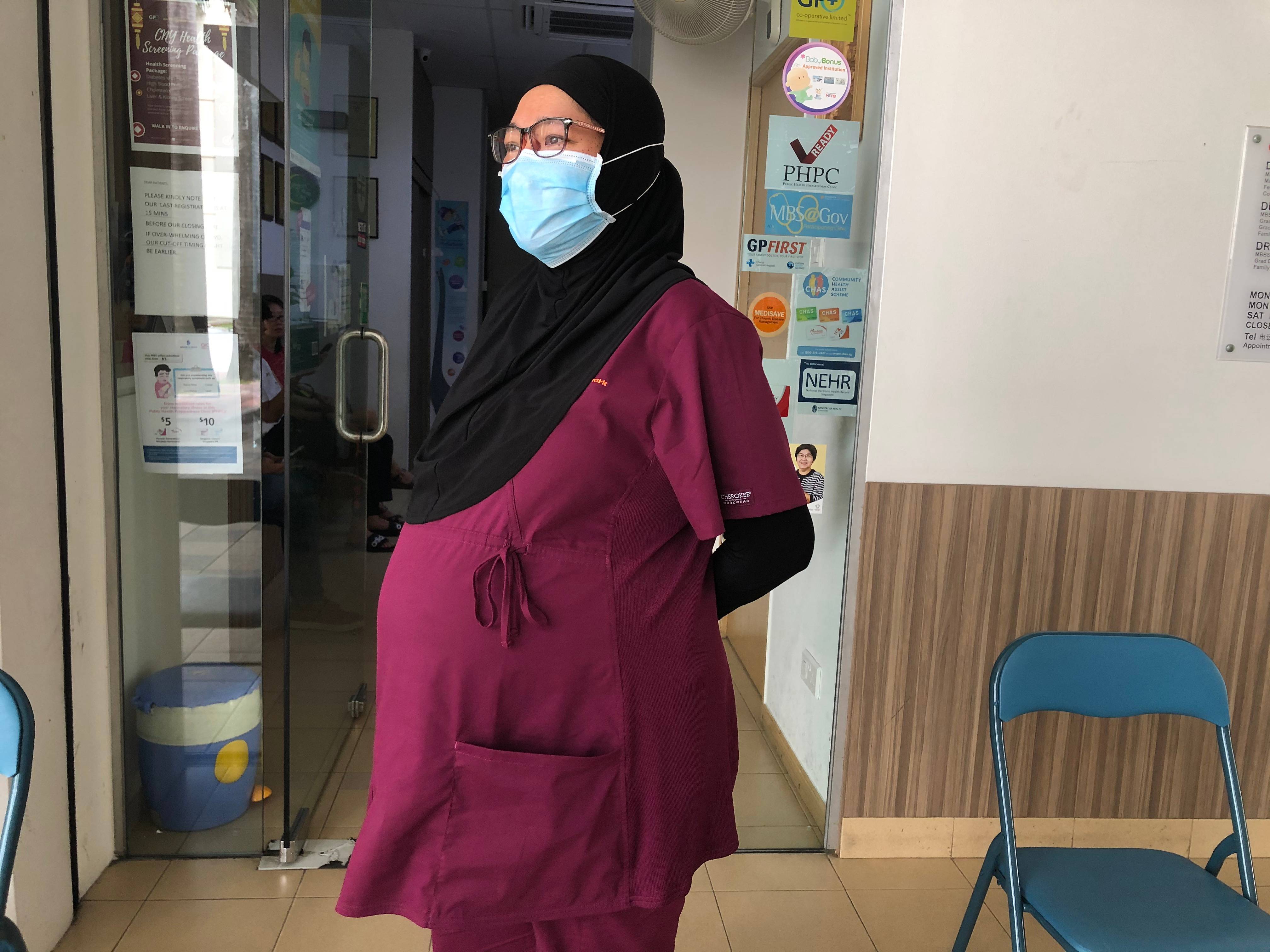
Outside her consultation room is a staff nurse who is seven months pregnant.
Despite being heavy with child, 38-year-old Norashinta Mansoor continues to soldier on with her duties – to screen, identify and separate the higher-risk walk-in patients at the neighbourhood clinic, so that the GPs can be properly dressed in full personal protective equipment (PPE) when seeing the suspect cases.
Asked why she had chosen to work on the frontline, even though she was given the option not to because of her pregnancy, Ms Norashinta said she had instinctively gone into a crisis mode after the virus landed on Singapore’s shores on Jan 23. She remains unfazed at having to handle her third infectious disease outbreak as a nurse – the first two were SARS (severe acute respiratory syndrome) in 2003 and H1N1 in 2009.
In fact, she is feeling guilty that she will have to go on her four-month maternity leave from next month, and is encouraging her colleagues to take the necessary time off to rest before she goes away.
Despite being six to seven months pregnant, Ms Norashinta Mansoor, a clinical assistant and trained nurse with Healthmark Medical Clinic in Punggol, pressed on to work at the frontline from the start of the COVID-19 outbreak. (Photo: Wong Pei Ting)
Then, there is Ms Bernalyn Jane Tay, a senior staff nurse with Tan Tock Seng Hospital’s (TTSH) National Centre for Infectious Diseases (NCID). She had just returned from her maternity leave in the first week of February when she was tasked with managing both suspected and confirmed COVID-19 cases.
With the frontline staff’s ongoing travel restrictions, the 31-year-old’s original plans to breastfeed her first-born – now four months old – regularly had to be shelved as she could no longer make trips to send the pumped milk back to Kuala Lumpur in Malaysia, where her baby is, as and when she wanted to.
She had since obtained special permission from her bosses once a month to travel, see her baby, and send two weeks’ supply of breast milk. But to make up for the rest of the month, her husband would have to make at least one trip to Singapore to get more milk from her.
“I really miss my child, but for his safety also, I don’t want to always go back as I am currently nursing confirmed COVID-19 cases,” said Ms Tay.
Meanwhile, Dr Leong Choon Kit, 53, who runs Mission Medical Clinic in Serangoon, is keeping a distance of at least 1m from his loved ones, including his wife and teenage daughter.
That means sleeping on a foldable mattress at night, while his wife takes the spot on the bed. And there are no hugs and kisses too, he added.
Sacrifices such as these have become part and parcel of life for those working on the frontline in the fight against the highly contagious COVID-19 virus in Singapore.
For more than a month now, frontline healthcare workers have been grappling with lost time with family members and disruptions to their personal routines and plans.
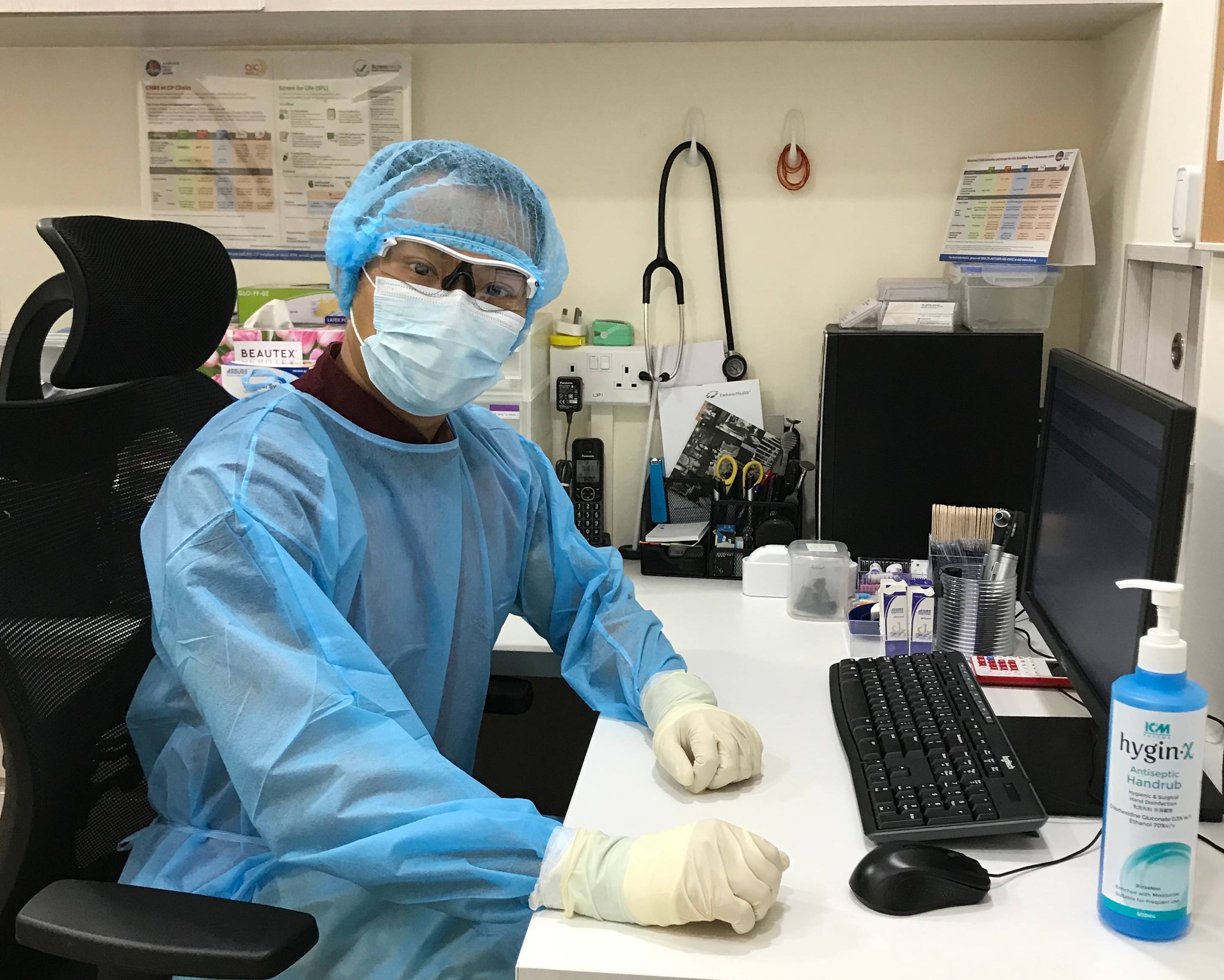
Many have to endure working long hours under a plasticky nursing gown, goggles that could fog up, an N95 mask so snugly-fitted that it could cause a headache over prolonged use, a shower cap and gloves.
They also have to deal with the mental strain of having to keep up with constantly changing standard operating protocols and definitions of suspect cases as the COVID-19 situation rapidly evolves.
Dr Ng Wei Xiang, a senior doctor juggling duties between TTSH’s Emergency Department and the NCID, shared they are at “version 43” of their clinical protocol as of Thursday – just 50 days after the first COVID-19 case was announced here.
In recognition of their invaluable role, along with the sacrifices that come with it, Deputy Prime Minister Heng Swee Keat announced in Parliament on Feb 28 that public officers directly battling the disease will get a special bonus of up to one month, while a one-off COVID-19 grant will be given to 900 PHPCs, including more than 600 GP clinics, which had been activated to deal with the public health crisis.
As Singaporeans adjust to living with COVID-19, we spoke to some 20 frontline workers to get a glimpse of how their lives had been upended by the pandemic.
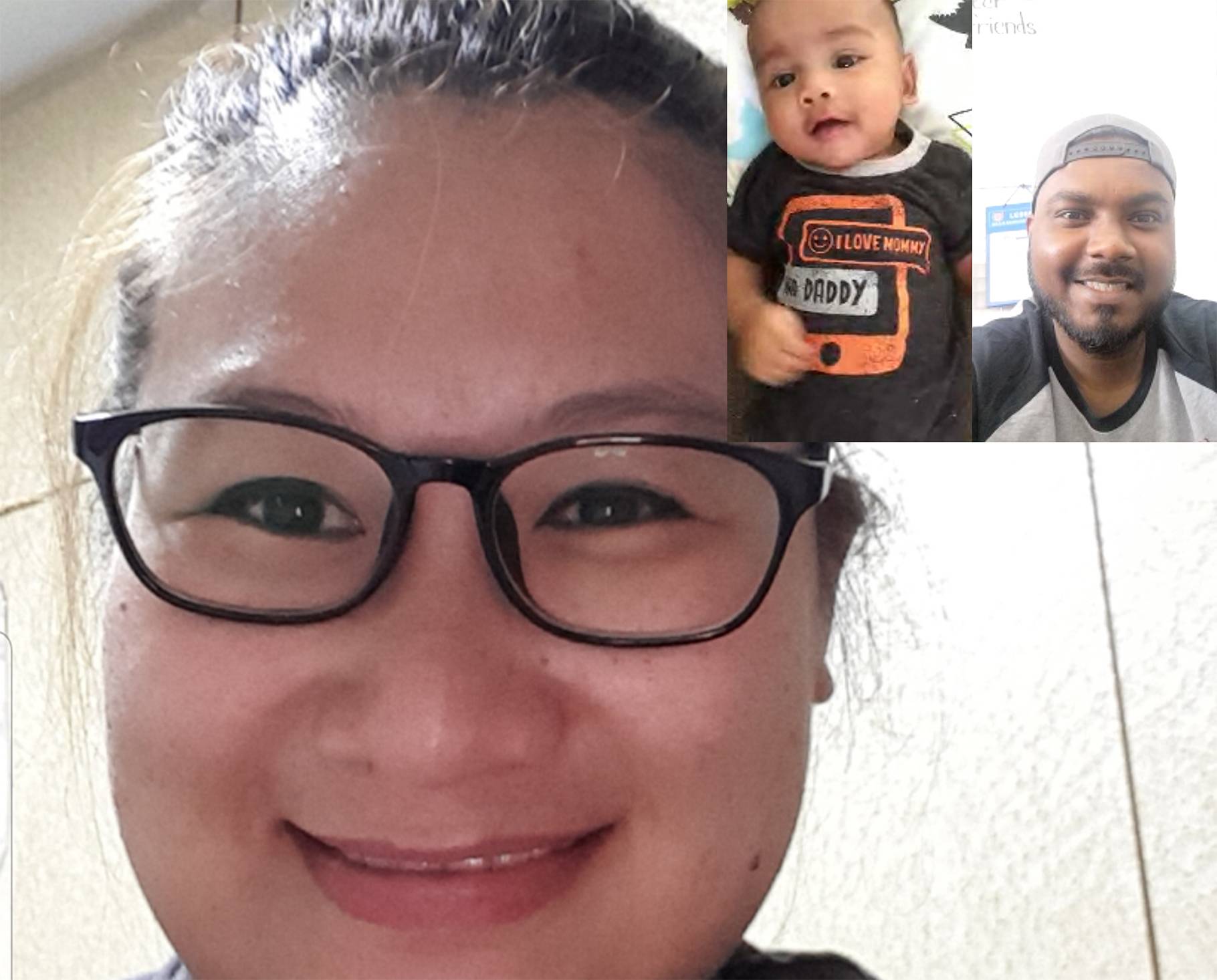
Ms Bernalyn Jane Tay, a senior staff nurse at Tan Tock Seng Hospital, makes a video call with her husband Jason Raj and son Ashton Raj, just after reaching home from a midnight shift at the National Centre for Infectious Diseases. (Photo: Bernalyn Jane Tay)
MITIGATING RISK IN THE FAMILY
In the initial days of the outbreak, when alarming numbers of reported deaths from China dominated the news daily and struck fear in the hearts of many, Dr Leong could sense from chat groups that many of his peers in the GP community were “very stressed out”.
One Sunday in early February, Dr Leong, who doubles up as a leader of a primary care network under the Ministry of Health (MOH), got a call from a fellow GP.
The caller asked Dr Leong to look after his young children should he die from the virus, and to explain to them how he died when they are older.
“It is still early! Why are we talking about dying?” Dr Leong remembered saying in reply.
Dr Philip Koh, 54, a GP with a Healthway Medical branch in Tampines, said a young doctor had also shared with him that for the first time, he had told his father “I love you”, just in case he dies from COVID-19.
While such anxiety has since subsided as more scientific information on the virus emerges, some GPs today, especially those with young kids and elderly parents, remain adamant about not taking chances and risking the lives of their loved ones.
Among them is Dr Lee, a GP who goes beyond the MOH requirements to wear the full PPE for every single patient he sees.
Inevitably, his outfit had attracted the attention of some of his patients, said the doctor who declined to give his full name.
But the 35-year-old, who practises in an Aljunied clinic and works part-time as a locum, would explain to them that it is his way of protecting his two-year-old daughter who is also looked after by his parents who are entering their 70s.
“When I go to work, the first thing I care about is my daughter and my family. Although I care about my patients, my family comes first … I don’t want to infect them. If an elderly gets it, it becomes bad and can turn into an ICU (Intensive Care Unit) case,” said Dr Lee, whose wife is also a GP.
Noting that some of his GP friends are voluntarily wearing full PPE as well, he added: “If you are a family man, you just have to take care of yourself and your own family first.”
Dr Lee, a general practitioner, will not take a chance on dressing down when he sees patients walking through the clinic daily, even if they declare that they do not have fever or flu symptoms. (Photo: Dr Lee)
The full PPE is all the more necessary for him, as he had observed a trend of patients making false declarations that they had no respiratory symptoms at the front counter of the clinic, only to “ambush” him by coming clean to him about their runny nose, sore throat or cough in the consultation room.
Typically, a clinic following PHPC guidelines would have triage staff segregating patients who better fit COVID-19 suspect case definition from other patients to minimise any cross-transmission. The process also ensures that the GP could be forewarned to don the PPE before seeing higher-risk patients.
Dr Lee got so irritated with such irresponsible behaviour that he decided to take a tally during a shift on Mar 5, and found that five out of the 20 patients he saw within a two-hour period were not upfront about their medical condition.
“It beats me why they don’t declare… They lie even when the triage staff warned them twice about the consequences of what might happen to them if they don’t declare,” said Dr Lee.
“I put my life on the line to help, so I am asking the public to be more socially responsible.”
MOH this week urged members of the public to be socially responsible as well, noting that despite its advisories against doctor-hopping, 38 of 160 COVID-19 cases had visited more than one GP clinic, and eight among them visited more than three GP clinics.
Family doctor Jody Liu, father of three children aged four, seven, and nine, is also afraid of bringing the virus home and puts on an “almost full PPE” – goggles, an N95 mask and gloves – at work.
But while the 38-year-old does not wear a disposable nursing gown, he has been making sure that he changes out of his work outfit before going home. And the first thing he would do back home is to head to the shower before his kids could touch him.
For the time being, he has also stopped wearing a watch and stopped using his phone during his two shifts – from 8.30am to 2pm and 6pm to 9pm – to reduce surface contamination. He also comes to work about 15 minutes earlier to prepare for the day and leave about 15 minutes later to clean himself and his workstation, all of which adds up to an extra one hour for his double-shift work days that he could have spent with his kids.
These are important measures as Dr Liu, who works at a PHPC, recognises that GPs like him may be called upon to assess people under the stay-home notice or home quarantine should they develop symptoms of the virus, such as fever, cough or breathlessness.
“We are like the ministry’s or the NCID’s triage,” he said. “If we suspect them, then they get to the hospital.”
Dr Clarence Yeo, from Killiney Medical Clinic in the River Valley area, had been working almost daily since February. He believes this would be “useful for the patients”, since MOH had advised that a patient should be reviewed by the same GP if they continued to develop symptoms after consulting one.
The 47-year-old GP who sees an average of 50 to 60 patients daily – about half of them coming in with fever, flu or cough – said he will wait for the number of COVID-19 cases here to dwindle before considering taking leave.
Asked when that might be, he said: “It is very hard to predict. We can’t say the next month, May, or June.”
Regardless, he is ready to put in the hours for as long as the outbreak drags on.
In his second televised address to the nation on the COVID-19 situation on Mar 12, Prime Minister Lee Hsien Loong said the outbreak “will continue for some time – a year, and maybe longer”.
Dr Alvina Nam, 52, who runs Clinic@Costa located in Bayshore’s Costa Del Sol condominium, could not find a triage staff at short notice, so she enlisted the help of her 77-year-old mother and 49-year-old sister who were also eager to lend a hand.
The two women now take turns manning a booth outside the clinic, which is on the PHPC network, to record the temperature of patients at the clinic and ask pertinent questions, such as whether they have any recent travel history over the last three weeks or if they possibly have had any contact with a confirmed COVID-19 case.
Dr Alvina Nam (right), a general practitioner, with her sister Ms Serena Nam (left) and mother Mrs Susan Nam, who help screen patients before they enter the clinic. (Photo: Nuria Ling/TODAY)
“Am I subjecting them to possible virus infection? There is always a possibility … (but) they accept the risk,” said Dr Nam.
She added: “My mother is also old and not in the best of health. There is a small risk and certain fear, but they are generally understanding and want to pitch in during this time.”
Her sister, Ms Serena Nam, a teacher who left the workforce after giving birth to her son eight years ago, said: “She is my sister. It never occurred to me (to refuse to help). We are a very close-knit family.”
After all, she had dealt with bigger fears than contracting COVID-19.
Ms Nam had been a resident in Hong Kong for 20 years but she recently returned to Singapore so that her son could continue schooling as protests roiled the Chinese city. “After all that turmoil, you’ll kind of say, okay, I will survive,” she said.
GPs are not the only ones who are struggling with staffing woes. Manpower shortages and extra shifts are also common at restructured hospitals.
TTSH’s Dr Ng and assistant nurse clinician Ong Zh Hua gave us a glimpse of what life is like in the NCID, which sees three in four of the nation’s COVID-19 cases.
They were originally part of TTSH’s Emergency Department team which had screened the hospital’s initial suspected cases since December, well before the NCID’s screening centre was up and running by Jan 29. They now alternate shifts between the two departments.
Dr Ng’s most memorable shift took place on Feb 5, the day after MOH announced Singapore’s first four cases of local transmission detected at Yong Thai Hang, a Chinese health products shop at Cavan Road in Lavender.
It happened to be his very first shift at NCID and an unexpected crowd of 300 worried individuals flocked to the screening centre to get checked for COVID-19, after MOH said it would be getting in touch with people who had recent close contact with individuals with travel history to mainland China.
Dr Ng was the only senior doctor rostered with five junior doctors then.
“That was a very, very bad shift, but we survived because people came from all over to help,” said the 33-year-old.
Dr Ng Wei Xiang, a doctor at Tan Tock Seng Hospital’s Emergency Department. (Photo: Nuria Ling/TODAY)
Before he knew it, manpower was diverted from the team manning the Emergency Department. Two consultants, two registrars and a few more doctors arrived to help at short notice.
And not once did he sense anyone having the attitude of “it is not my problem. I am not manning this post”. “They asked if I needed help even before I asked for help,” said Dr Ng.
Still, he remembered having only “barely survived” that shift.
On other days, Dr Ng said he faced challenges such as being verbally abused by an unstable suspected COVID-19 patient who screamed at him and threatened to escape from the isolation area, prompting him to call for security back-up.
To deal with the hospital’s increased caseload, Dr Ng also had to work extra shifts, sacrificing time with his five-year-old son and wife, who is currently four months pregnant. His wife is a doctor at the National University Hospital.
Ms Ong, 36, meanwhile, had to forgo two weeks’ leave to train nurses who were seconded to work at the screening centre.
She was supposed to spend Chinese New Year with her family in Sarawak, Malaysia, but ended up having to work on both the eve and the first day of the festival.
Now that travel restrictions have been imposed on frontline workers, Ms Ng said she may have to cancel her plans to return to her hometown later this month for Qing Ming, the Chinese tomb-sweeping festival.
A 23-year-old outbreak nurse at a hospital, who declined to be named, said that her busiest day entailed her and three other nurses having to settle 20 suspected COVID-19 case admissions during her 12-hour night shift, as a result of contact tracing efforts.
Thankfully, two nurses were redeployed from other wards so they could finish their shift in time.
She also noted having to deal with the psychological states of her patients, on top of managing their clinical needs. In one instance, she had to manage a suspected COVID-19 female patient who was listed as a high-suicide risk while being confined.
“Some of them were actually quite confident that they didn’t have it and still wanted to go home as soon as the swab test was out,” she said. “Some who were tested positive might still be in a state of denial.”
Ms Ong Zh Hua, an assistant nurse clinician at Tan Tock Seng Hospital who works in both the screening centre and emergency department, dons a full set of personal protective equipment. (Photo: Nuria Ling/TODAY)
Now imagine having to deal with all these work contingencies while running around covered by a humid, overheated “shell” – the full PPE – amid muggy weather this past fortnight.
As Senior Staff Nurse Benjamin Ong, 29, from TTSH’s Department of Emergency Medicine, had put it candidly in an Instagram post that went viral: “Life as a frontline during this period isn’t easy, to be honest it sucks.
“You kiss your loved ones goodbye before heading to the ‘war zone’… Trust me, it isn’t easy to breathe wearing any of those (N95 or powered air-purifying respirator), and with all that protection on, you work quick and fast, catching your breath with every step you make because life matters.”
He added: “After finishing your shift sweaty with tiredness, aching back, sore calf, painful ankles, you found out that not only is your annual leave frozen, you are not even allowed to leave the country as a frontline staff.”
Indeed, the hospital frontline workers said it is common now to end their work day drenched in their own perspiration and dehydrated, as they were reluctant to drink more water, just in case they might need to “degown” often for toilet breaks.
Besides getting “battle scars” – facial imprints, pressure sores, abrasions and even blisters on their nose bridge left behind by prolonged N95 use – some frontline workers are also getting pimple outbreaks.
For TTSH nurse Ms Ong, wearing the N95 for more than four hours had led to pain at the point where the mask’s strap cuts into the skin above the ear.
Difficulty from breathing under it has also given her dizzy spells sometimes, while some of her colleagues had felt nauseous or even vomited as a result, Ms Ong said.
Her sweat-drenched shirt from all the running around had also caused her to feel cold mid-shift, and she had adapted by making it a routine to change into another shirt during one of her breaks.
During their mealtimes, they also have to observe social-distancing by sitting about two metres apart from one another.
And they would have to be reminded to eat, with nurses taking turns to make sure that team-mates do not get so overwhelmed that they skip lunch.
For Dr Ng, the constant use of alcohol-based hand rubs recently had caused eczema to flare up on his hands as they became dry and chapped. He had been aggressively applying steroid medication to reduce the inflammation and itch.
Dr Ng Wei Xiang, a doctor at Tan Tock Seng Hospital’s Emergency Department, has blisters on his hands from daily use of disinfecting alcohol rub that dries out the skin. (Photo: Nuria Ling/TODAY)
The full PPE had also made it difficult for co-workers at the screening centre to recognise who’s who, he said. “Nurses didn’t know where the doctors were.”
To get round the problem, the frontline workers had implemented coloured caps for easy identification. Senior doctors wear green caps, junior doctors blue caps, nurses white caps, while support staff wear red caps.
At their “gowning stations”, there are also rows of duct tape so that workers could write their name prominently and stick it onto their gowns, Dr Ng said.
Doctors and nurses also “gown and de-gown our phones as well”, Dr Ng said, referring to the practice of placing their clean phones in clear ziplock bags and disposing of the exposed bags in the biohazardous waste bin, where they also dump their PPE.
The process ensures that their mobile phone surfaces stay virus-free.
Emergency nurses at private hospitals, such as Senior Staff Nurse Nicholas Zhu of Farrer Park Hospital, also have to don the full PPE over long hours as and when suspected COVID-19 cases are being held at an isolation area.
The 34-year-old said his perspiration had caused his goggles to fog up slightly, but he would have to leave it on throughout his entire 12-hour shift on busier days.
MORALE BOOSTERS
With all the myriad of challenges, work days now seem to be longer for frontline healthcare workers.
But Ms Capre Rena Joy Sobremisana, a senior staff nurse at Ng Teng Fong General Hospital, noted how everyone has been pressing on.
“When duty calls, we drop everything, such as spending time with our family and friends. We tend to power through a busy shift even if our bodies tell us to sit down and have a rest,” the 34-year-old said.
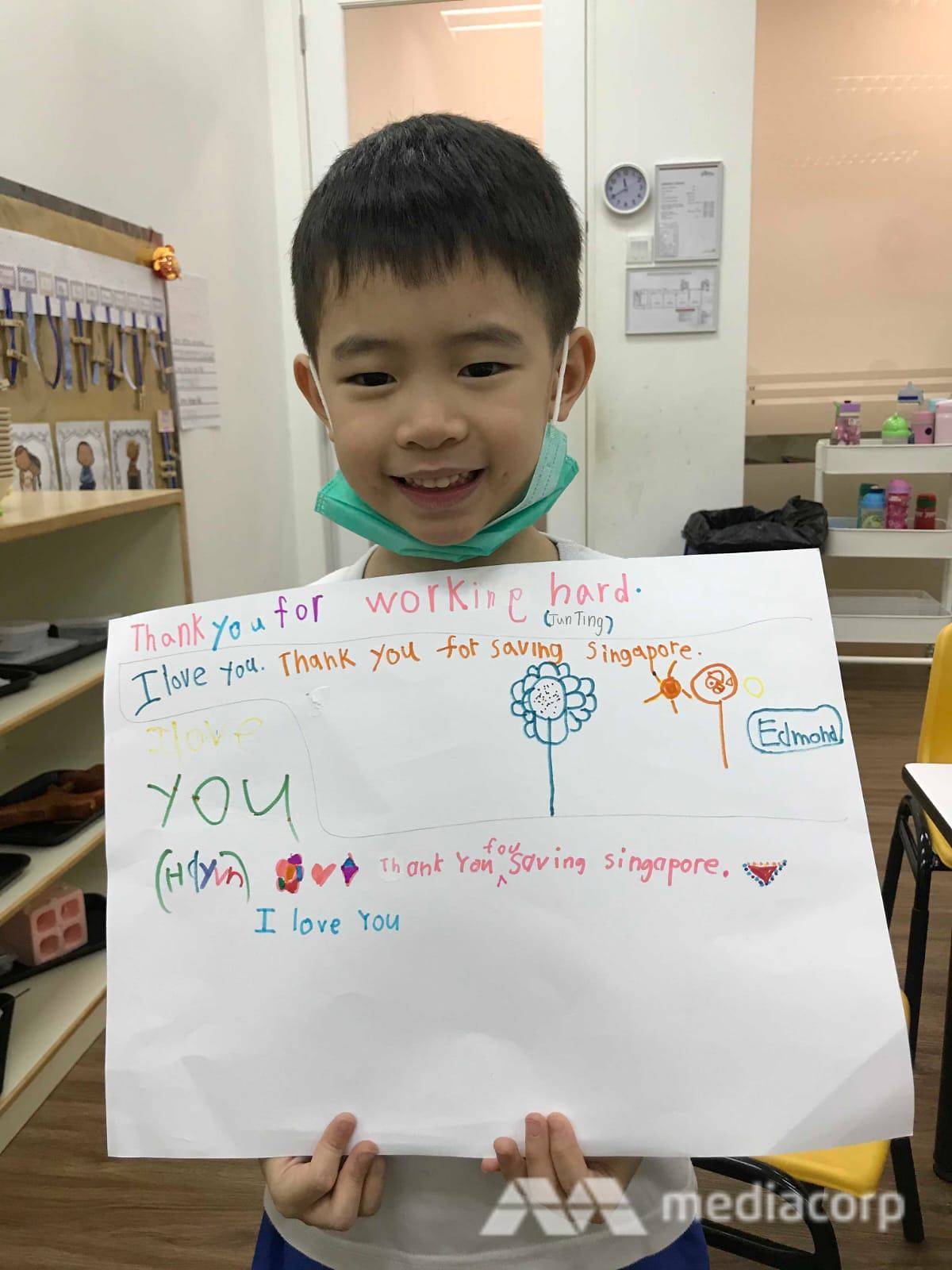
Dr Ng Wei Xiang, a senior doctor at Tan Tock Seng Hospital’s emergency department, received this photo from his son’s preschool teacher during one of his shifts. (Photo: Ng Wei Xiang)
The long shifts get more bearable these days, thanks to morale boosters coming in the form of food, presents and “thank you” notes from members of the public – a marked change from before when some healthcare workers donning their uniforms found themselves being ostracised in public.
The nurses and doctors said they are thankful for the chicken rice, nasi lemak, cookies, bubble tea, skin care products and flowers, among other things, that come their way.
But the gifts that take away all their fatigue are usually the extra special ones from their families.
For TTSH’s Dr Ng, that pick-me-up came via a WhatsApp message during a hectic work day, sent to him from his son’s preschool teacher. It was a photo of his five-year-old holding up a drawing paper on which he wrote: “I love you. Thank you for saving Singapore.”
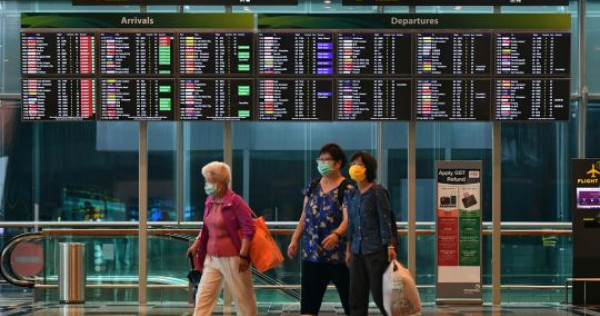
SINGAPORE – Singapore residents should defer all non-essential travel, and border restrictions have been tightened to include all Asean states, as the Republic moves to reduce the growing risk of Covid-19 importation.
With immediate effect, Singaporeans are advised to defer all non-essential travel abroad to reduce their risks of contracting the virus during this pandemic, the Ministry of Health (MOH) said on Sunday (March 15).
This advisory will apply for 30 days and is subject to further review.
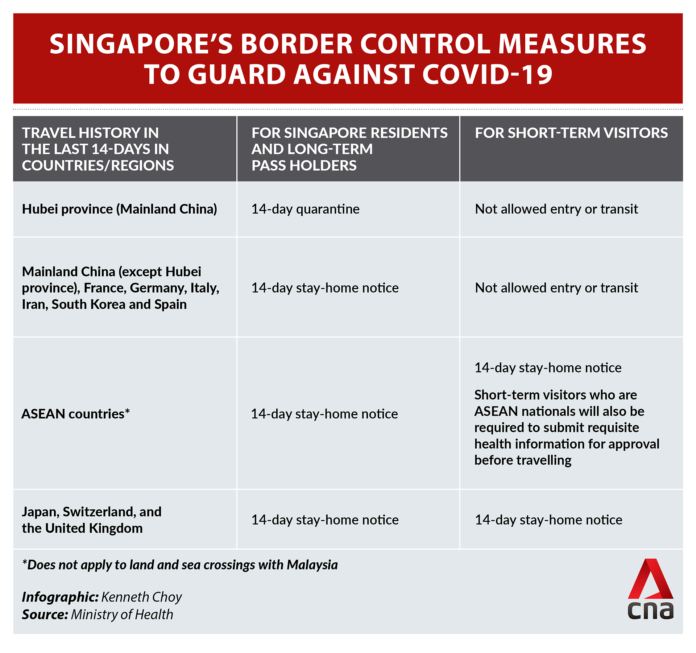
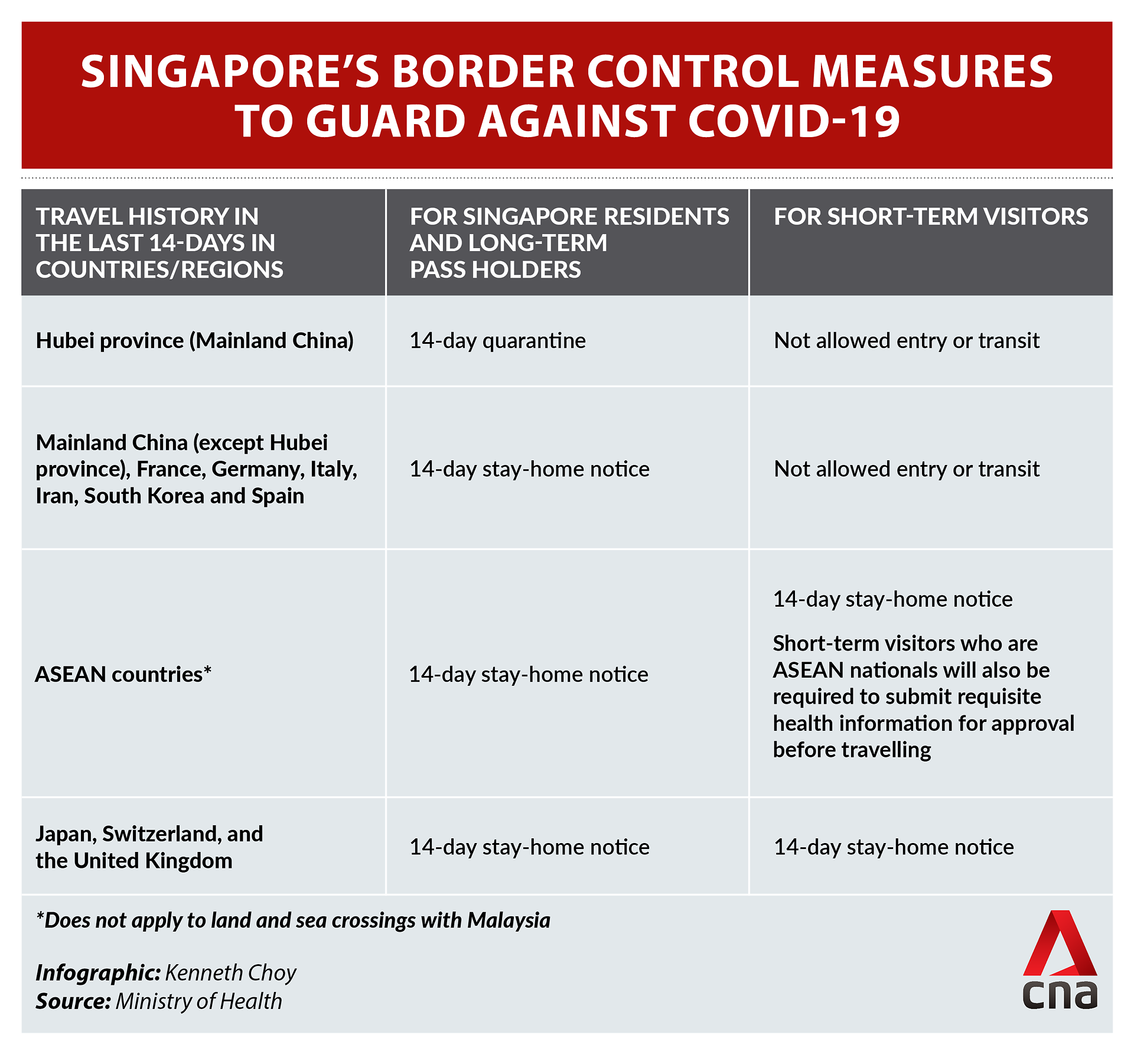
From 11.59pm on Monday, all travellers – including Singapore citizens, permanent residents, long-term pass holders and short-term visitors – entering Singapore with recent travel history to Asean countries, Japan, Switzerland or the United Kingdom within the last 14 days will be issued a 14-day stay-home notice (SHN).
But this will exclude Singaporeans and Malaysians using sea and land crossings with Malaysia, given the large numbers who cross the borders daily, said National Development Minister Lawrence Wong on Sunday.
SINGAPORE: Access to public sports facilities will be regulated to ensure “adequate physical distancing”, Sport Singapore (SportSG) announced on Sunday (Mar 15).
All ActiveSG centres, including stadiums, sport halls, gyms, swimming complexes and studios will implement regulated access starting from Monday.
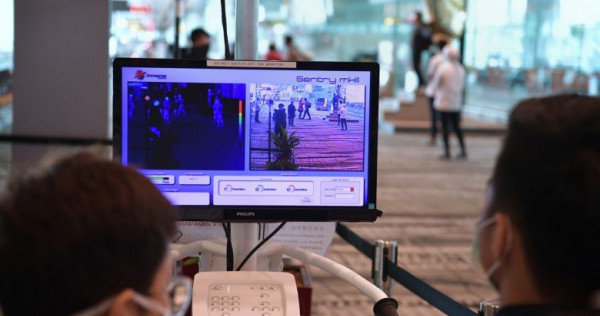
Where possible, the centres will also have a single point of entry to facilitate temperature taking and recording of visitor details.
“Sport Singapore will implement enhanced precautionary measures in line with the latest advisory issued by the Ministry of Health (MOH) on Mar 13, 2020,” the national sport agency said in a media release.
“SportSG aims to provide avenues where Singaporeans can continue to stay fit and healthy, amid the evolving COVID-19 situation.”
REGULATED ACCESS
Access to ActiveSG gyms will be regulated “according to the size of the respective facility”, said SportSG.
When a gym is at full capacity, notices will be displayed to inform users, who will then be given queue numbers.
Gym users are strongly advised to avoid visiting multiple gyms and stick to one ActiveSG gym during this period, “to limit the chances for widespread transmission”, said SportSG.
Programmes which used to be conducted at ActiveSG studios will be held outdoors to allow natural ventilation.
“If a programme must take place in the studio, the number of users allowed to be present in the gym will be restricted to ensure there is more physical distance between participants,” said SportSG.
The number of visitors to swimming pools will also be be regulated, while children’s pools will be closed until further notice. All swimming pools will implement temperature taking and visitor registration.
For indoor sport halls that are shared by groups for activities such as badminton and table tennis, only alternate courts will be available for use.
“Some of the court bookings from Monday will be cancelled and refunded accordingly,” said SportSG.
This will limit the number of patrons within the hall and maintain some physical distance between groups, it added.
No changes will be made for squash and tennis courts’ bookings and usage.
The number of visitors to ActiveSG stadiums will also be regulated, with single-point entry implemented where possible. Lane segregation will be introduced at stadiums for joggers.
Temperature taking and visitor registration will be implemented for organised events.
Programmes for senior citizens will continue to be suspended until Mar 24, after they were first suspended on Mar 11.
The gym has low-impact exercise equipment suited to the elderly. (Photo: Gwyneth Teo)
SportSG has asked organisers to limit entry of players and officials to the facilities by time blocks, especially during leagues or tournaments.
Non-players are only allowed in the spectator stands.
“SportSG has advised all partners, including National Sport Associations to adhere strictly to MOH’s guidelines, including physical distancing and to cancel or postpone events that will have more than 250 participants,” said the agency.
Athletes and association staff members should also avoid all non-essential travel and practice good hygiene habits, it added.
“SOCIALLY RESPONSIBLE BEHAVIOUR”
SportSG encouraged the public to stay healthy, and observe good personal hygiene and socially responsible practices.
CEO Lim Teck Yin said that while he wants Singaporeans to continue to stay fit and healthy, SportSG came up with the measures “to enable socially responsible behaviour”.
“Regulating the number of people at our facilities helps to increase personal space and allows one to adopt physical distancing,” he added.
Physical distancing, wiping down sport equipment after use, and refraining from visiting ActiveSG premises when a person is sick “are ways in which we can do our part”, he said.
SINGAPORE: Thirteen people, aged between 21 and 42, were arrested after a gambling den was discovered in Bukit Timah on Thursday (Mar 12).
The Singapore Police Force on Sunday said they were arrested during an enforcement operation targeting illegal gambling activities along Namly Place.
Two men and a woman were arrested for managing the place used as a gaming house, while another 10 men were arrested for gaming in a common gaming house.
Investigations are ongoing, say police.
Items found during an enforcement operation along Namly Place. (Photo: Singapore Police Force)
Police said landlords are advised to ensure that tenants do not carry out gambling activities within their premises.
Under the Common Gaming Houses Act, those found guilty of gaming in public face a S$5,000 fine and/or up to six months’ jail. Action will also be taken against landlords or tenants who allow their premises to be used for gambling activities.
SINGAPORE: People who enter Singapore with recent travel history to ASEAN countries, Japan, Switzerland or the United Kingdom will be issued with a 14-day stay-home notice.
This will take effect from 11.59pm on Monday (Mar 16) and applies to all travellers, including Singapore residents, long-term pass holders and short-term visitors, said the Ministry of Health (MOH) on Sunday.
It will not apply to Singapore’s sea and land crossings with Malaysia, National Development Minister Lawrence Wong said, adding that separate arrangements are currently being worked out by a bilateral joint working group with Malaysia.
Mr Wong, who also co-chairs the multi-ministry taskforce, added that about 300,000 people move across the land checkpoints with Malaysia every day.
In the last three days, Singapore has seen an increase of 25 new COVID-19 cases. Of these, more than three-quarters are imported cases, MOH said, adding that 90 per cent of the imported cases were Singapore residents and long-term pass holders who had returned to Singapore from overseas.
The new border restriction measures are aimed at preventing further importation of COVID-19 cases, the health ministry added.
STAY HOME NOTICES
Travellers who have visited any of the ASEAN countries, Japan, Switzerland or the UK within the last 14 days will be issued a 14-day stay-home notice.
They will have to provide proof of the place where they will serve the 14-day stay-home notice, for example, a hotel booking covering the entire period, or a place of residence they or their family members own.
Those under a stay-home notice will have to remain in their place of residence at all times for 14 days after entering Singapore. They may also be swabbed for testing for COVID-19, even if asymptomatic.
“This is because of the risk of community transmission in these countries and evidence of cases that have been imported from these countries into Singapore,” MOH said.
In addition to the stay-home notice requirement, all short-term visitors who are nationals of any ASEAN country will have to submit requisite information on their health to the Singapore Overseas Mission in the country they are a resident of before their intended date of travel.
The submission will have to be approved by Singapore’s MOH before travel, and the approval will be verified by Immigration and Checkpoints Authority (ICA) officers at the Singapore checkpoints.
“Short-term visitors who arrive in Singapore without the necessary approval will be denied entry into Singapore. They are therefore advised to secure the approval before making definitive travel bookings,” MOH said.
MOH said that the Ministry of Manpower (MOM) will also introduce new measures for foreign domestic workers entering Singapore. More details will be announced by MOM.
DEFER ALL NON-ESSENTIAL TRAVEL ABROAD
MOH also advised Singaporeans to defer all non-essential travel abroad with immediate effect.
“This advisory will apply for 30 days and will be reviewed thereafter. This is to reduce the risk of Singaporeans contracting COVID-19 infection while overseas during this global pandemic,” MOH added.
Singaporeans who have made plans to travel abroad during the March school holidays are advised to review their plans. All travellers will be subject to the prevailing travel measures imposed by their destination countries, and those imposed by Singapore upon their return home.
“As the situation remains uncertain and will continue to evolve, Singaporeans are advised to review their travel plans for the coming months after the March school holidays as well,” the health ministry said.
As previously announced, residents and long-term pass holders returning from mainland China (outside Hubei province), Iran, Italy, France, Germany, South Korea and Spain will continue to be issued with a 14-day stay-home notice upon return to Singapore, while short-term visitors from these areas will not be allowed to enter or transit through Singapore.
All travellers entering Singapore and exhibiting fever and/or other symptoms of respiratory illness are required to undergo a COVID-19 swab test at the checkpoints, regardless of travel history.
Such travellers will also be issued with a 14-day stay-home notice, which they will have to serve in full even if the result of the swab test is negative. Those who meet the clinical suspect case definition will be conveyed to the hospital for follow-up.
Two teenagers have been arrested for allegedly cheating victims of more than $9,800 in e-commerce scams involving the sale of face masks and Universal Studios Singapore (USS) tickets on online marketplace Carousell.
The boys, aged 17 and 18, were arrested on March 2 and 3, the police said in a statement on Saturday (March 14).
Between January and February this year, the police received multiple reports from people who were cheated by online sellers after they had paid for their items on Carousell.
The customers could not contact the sellers after paying in advance via bank transfers.
Preliminary investigations showed the duo are suspected to be involved in at least 50 cases of e-commerce scams.
The 17-year-old teenager was charged in court on March 4 with cheating, which carries a fine and jail term of up to 10 years.
Police investigations against the 18-year-old teenager are ongoing.
The police advised members of the public to be careful when making online purchases, adding that they take a serious view of those who take advantage of the current Covid-19 situation to perpetrate crimes.
After attending a large religious gathering at a mosque on the outskirts of Kuala Lumpur, five Singaporeans returned here and tested positive for Covid-19.
But by then, they had visited 10 mosques in Singapore during their infectious period.
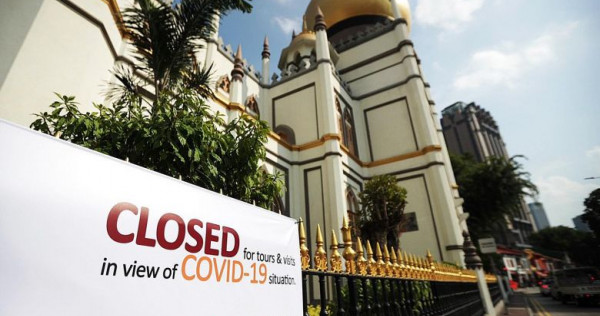
Congregants who visited these mosques during certain time frames may have been exposed to a Covid-19 case, said the Islamic Religious Council of Singapore (Muis) in a statement on Sunday (March 15).
Covid-19 is the disease caused by the coronavirus.
The affected mosques are Masjid Al-Iman, Masjid Al-Muttaqin, Masjid Hajjah Fatimah, Masjid Hajah Rahimabi Kebun Limau, Masjid Kassim, Masjid Petempatan Melayu Sembawang, Masjid Sultan, Masjid Al-Mawaddah, Masjid Jamae (Chulia) and Masjid Al-Istiqamah.
The confirmed cases had visited these mosques from March 3 to 11, at various periods of time.
Muis advises congregants who had visited these mosques to monitor their health closely for two weeks from their last visit to the affected mosque.
Singapore has confirmed 12 new Covid-19 cases, including nine that are imported, said the Ministry of Health on Saturday (March 14).
The imported cases include a 44-year-old man who attended a mass religious gathering in Malaysia. There are now five local cases linked to the event.
A 52-year-old woman has been linked to the private dinner function at Safra Jurong, which remains Singapore’s largest with 45 cases.
Singapore now has 212 confirmed Covid-19 cases.
The man, case 202, was in Malaysia from Feb 28 to March 3. He reported onset of symptoms on March 3, sought treatment at a general practitioner (GP) clinic the next two days, before going to Sengkang General Hospital where he is currently warded.
Before hospital admission, he had visited mosques such as Masjid Al-Mawaddah in Compassvale Bow and Masjid Al-Istiqamah in Serangoon North. He stays at Anchorvale Drive.
Among other imported cases is a 56-year-old German national and Singapore long-term visit pass holder, or case 210, who had travelled to Germany and Switzerland in February.