Home Blog Page 4196

Why aunties love Descendants Of The Sun

0

My friend S is in love.

For the past few weeks, she has been heading for a rendezvous on some mornings after her kids and husband are safely out of the way, in school or at work.

Her date? An army officer with boyish good looks and a winsome smile.

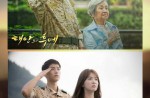
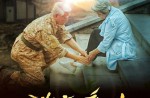
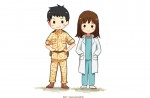
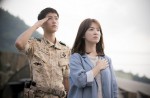
I’m talking, of course, about Special Forces Captain Yoo Si Jin, played by a magnetic Song Joong Ki, in the South Korean television drama Descendants Of The Sun.

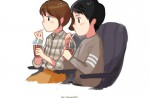
“My heart really fluttered,” S said as she re-enacted one of her favourite scenes in which our hero yanks out his earpiece, defying his superior who is barking orders from the command centre, so as to protect his doctor love interest from a posse of gun-wielding bodyguards.

S had gone on a viewing binge for several days in a row until she was up to speed with the 16-part hit, which has drawn more than two billion views in China for the latest episodes on online video platform iQiyi.

“We are all hoping Captain Yoo won’t die,” she sighed.

By the time you read this, S and her friends, who set up a Whatsapp chat group devoted to the show, would have learnt of his fate. The finale aired last Thursday in South Korea and a day later here via Viu, a free streaming service and app.

One of them even planned a viewing party last Friday to catch the last episode with her girlfriends, much like what men do during crucial World Cup matches with their pals.

These women, mostly mums, are not the only ajumma – a Korean term for older married women – smitten by Captain Yoo and the military romance set largely in a fictional war-torn country called Uruk.

K, another friend, survived on two hours of sleep for two days as she devoured episode after episode.

She didn’t think the fair Song with his spare frame was much of a macho leading man, going by the publicity stills. But, oh, you have to watch him in action, the mother of one urged.

And so I did, just to find out what the hype was all about (this is the excuse I’m sticking to).

Five days and 14 episodes later, I think I have the answer.

The story moves at a fast clip and crams enough real-world conflicts and concerns – terrorism, diplomatic tensions, an earthquake, a potential viral outbreak – to make for compelling watching.

Nearly all the actors acquit themselves well and charm with their chemistry.

But it is, of course, the romantic story arc involving the main leads that has enchanted a whole brigade of women in or on the cusp of middle age.

We girls have always been suckers for a good love story that makes us smile, tear and cheer for the protagonists.

And after more than a few relationships under our (expanding) belt, we figure we are a good judge of which one is worth fighting for and will go the distance.

This one is sweet, chaste and funny all at once, minus weepy cliches such as a terminal disease and gratuitous make-out scenes that – tsk, tsk – debase a fledgling relationship.

The Asian cast and values render Descendants far more relatable and, perhaps, palatable than the usual Hollywood fare.

And then, of course, there is the smart, steely yet sensitive Mr Right that women fantasise about, a welcome diversion from whiny kids and/or a plateauing career.

Captain Yoo, who pulls off deadly secret missions and tender loving moves with equal aplomb, is the archetypal dashing hero who finds time in between to slip in flirty, funny one-liners.

But above all else, age might be the clincher here for us ajumma.

At 30, actor Song is old enough to make a middle-aged crush seem less icky. It also helps that his doe-eyed co-star Song Hye Kyo, who plays surgeon Kang Mo Yeon whom he falls for instantly, is four years older.

Personally, he looks a tad too young and clean-cut for my liking. But their connection is plausible and endearing enough for me to suspend all disbelief and forgive a plot that milks the damsel-in- distress trope bone dry.
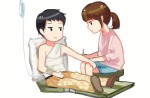
Our plucky captain snatches the pretty doctor from the jaws of death time and again – a car hanging off a cliff, a field riddled with landmines and a bomb vest strapped on her by a nefarious gang. Seriously, just how many obstacles can the heavens hurl at the poor couple?

Still, the prospect of a happily-ever-after in the arms of a strong, true and honourable man makes us swoon and the memories it stirs up of being so drunk on love once upon a time make us sigh.

Now ensconced in a stable domestic set-up in our 40s (give and take a few years), with kids in tow, we might be too old to hope for a fairy-tale romance, but are still young enough to dream the impossible.

I might be going through a mid-life crisis, S said with a laugh.

We are thankful for what we have, but perhaps wistful, too, for what could have been now that we are finally old enough to know what we want. Our salad days are over, our looks and dreams fading faster than we would like.

And so we lap up a love story like Descendants that is both enduring and exciting, living vicariously through Dr Kang as she is alternately romanced and rescued by Captain Yoo.

And then we hope that another sweet love story that ticks all the right boxes comes along soon, so we can once again escape our secure if staid lives and safely relive the thrill of those younger, heady days.


This article was first published on April 17, 2016.
Get a copy of The Straits Times or go to straitstimes.com for more stories.

Image: 
Category: 
Publication Date: 
Monday, April 18, 2016 – 01:00
Send to mobile app: 
Source: 


Story Type: 
Others

Source link

Indonesian minister rebuts Singapore over comments on haze

0

In an interview with the foresthints.news website, Indonesia’s Minister of the Environment and Forestry Siti Nurbaya says Singapore should focus on its own role in combating transboundary haze.

Source link

Singaporean pleads guilty over fatal car crash in New Zealand

0

SINGAPORE – A Singaporean man has pleaded guilty to charges of careless driving causing death and injuries in New Zeland, local media reported on April 12.

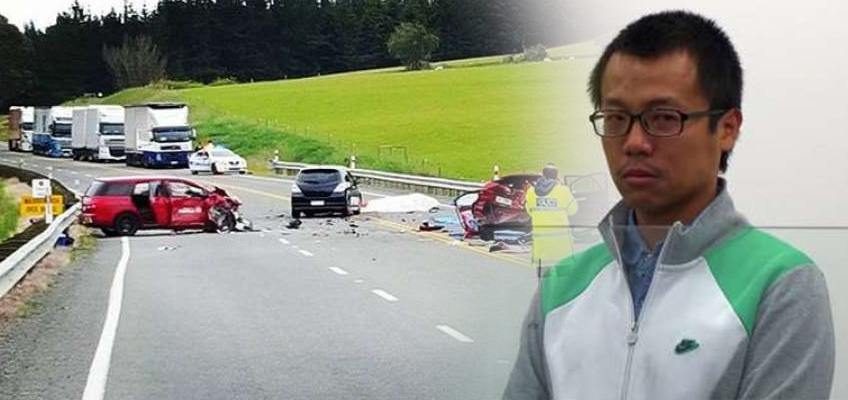
Lew Wei Kiong, 30, was on holiday in New Zealand with colleague Ms Tay Hui Yun in November 2015 when the accident happened.

According to New Zealand media reports, Lew drove a rented Toyota Carolla onto the wrong side of State Highway 1 near Waianakarua and crashed into two oncoming cars and two motorcycles on Nov 29.

39-year-old motorcyclist Craig Alan Chambers died at the scene while Ms Tay was among three others who were seriously injured.

Ms Tay was airlifted to Dunedin Hospital and transferred to Singapore on Dec 19 for further medical treatment.

Stuff.co.nz reported that Lew had been driving at 120km per hour at the time of the crash and did not brake. It added that Mr Chambers’ widow cried when she heard this in court.

Lew, a senior analyst at the Energy Market Authority, also reportedly cried in the Dunedin District Court during the reading of the summary of facts on Tuesday (April 12).

According to Stuff.co.nz, Lew pleaded guilty to a charge of aggravated careless use of a motor vehicle causing death, and three charges of aggravated careless driving causing injury.

He was convicted of all four charges.

Lew is expected to appear for sentencing on June 3.

debwong@sph.com.sg

Image: 
Publication Date: 
Sunday, April 17, 2016 – 15:39
Send to mobile app: 
Source: 


Rotator Image: 
Story Type: 
Others

Source link

BMW catches fire along CTE, causes jam

0

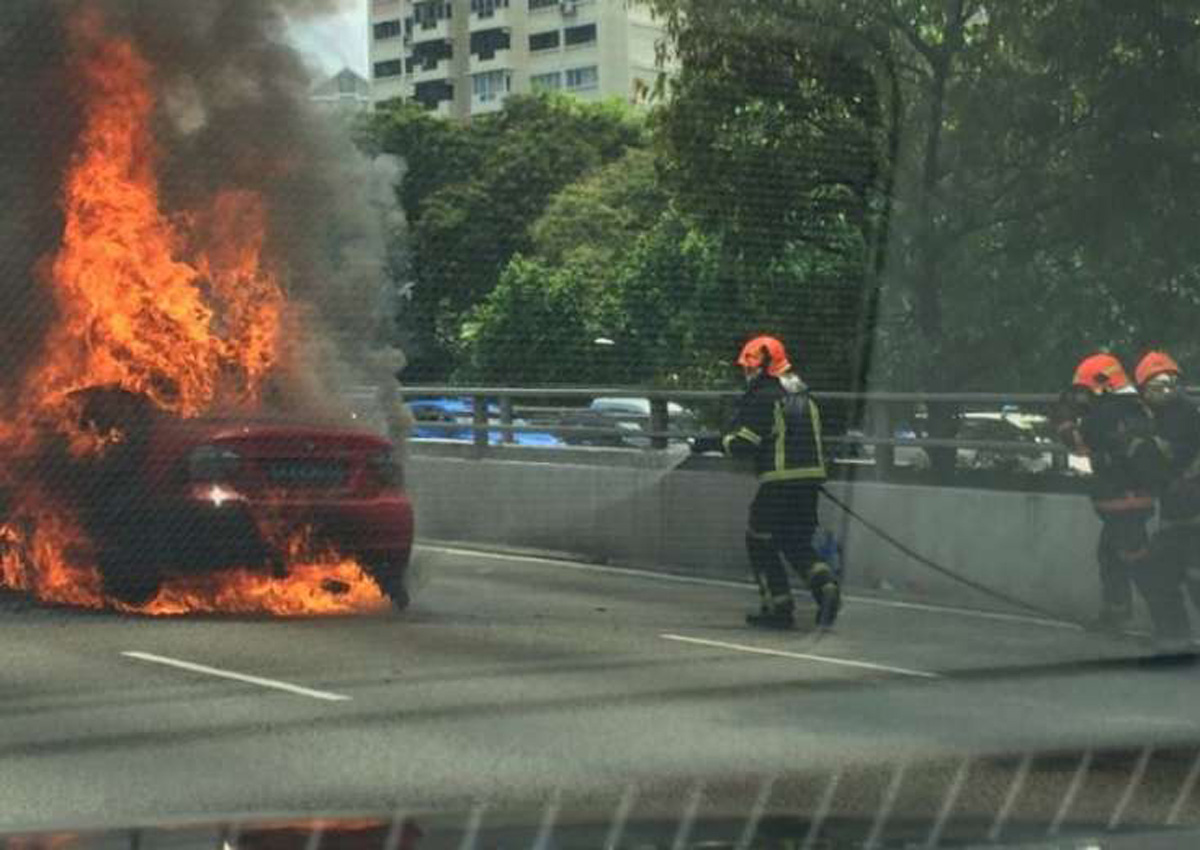
SINGAPORE – A car caught fire on the Central Expressway (CTE) this afternoon (April 17) and caused a traffic congestion at several exits, the Land Transport Authority (LTA) said in a tweet at about 1pm.

LTA said that the incident took place after the Balestier Road exit in the direction of the Ayer Rajah Expressway (AYE).

on Twitter

The congestion is reported to stretch until Ang Mo Kio Avenue 1.

According to The Straits Times, the Singapore Civil Defence Force (SCDF) was alerted to the fire, which involved the car’s engine compartment, at around 1pm.

No injuries were reported and the cause of the fire is under investigation.

According to The Straits Times and The New Paper, the accident appears to involve a red BMW sedan.

on Twitter

debwong@sph.com.sg

Image: 
Category: 
Publication Date: 
Sunday, April 17, 2016 – 15:38
Keywords: 
Send to mobile app: 
Source: 


Story Type: 
Others

Source link

Neighbour on man who had been dead at home for two days: 'I noticed a foul smell, so I called 999'

0

Living alone, and often keeping to himself, Mr Soh Ah Seng usually left the door of his one-room flat in Geylang Bahru slightly open during the day.

Community workers who paid regular visits to senior citizens in these rental flats stopped to chat with the 82-year-old from the corridor. His next-door neighbour, Mr Kong Hock Hin, said “hi” almost daily, venturing inside when invited. It was a privilege that Mr Soh extended to precious few.

But on Jan 22, Mr Kong, 54, noticed that the blue door was shut. The grille was also locked.

The next day, another neighbour from a few floors below knocked on the door. Mr Tan Beng Heng, 64, wanted to hand over the coffee powder that Mr Soh had requested. Mr Soh, who had difficulty moving around, asked Mr Tan to buy groceries for him every few days.

Mr Kong joined in the pummeling on the door, to no avail. He began to feel uneasy, but thought that maybe Mr Soh had gone to the hospital.

Two more days passed. The door remained shut. At around 8pm on Jan 25, Mr Kong noticed a foul smell coming from Mr Soh’s flat and called 999.

The police entered Mr Soh’s home of 12 years with the help of the Singapore Civil Defence Force.

The Sunday Times understands that Mr Soh’s body was found face up in the kitchen, which was too small to accommodate the length of his body. His head was leaning against a wall and he had been holding on to a walking stick.

He was inches away from the toilet, which had an alarm system that was connected to the Touch Seniors Activity Centre downstairs and linked to every lift landing in the block.

Mr Richard Chia, 52, a programme executive at Touch in Geylang Bahru, was summoned to the scene as the police wanted help to trace the dead man’s next-of-kin, a younger sister. Since 2003, Mr Soh had been a member of the centre, which is located at the bottom of his block, Block 61.

Mr Chia thinks that Mr Soh had fallen backwards from the stove. His body was bloated and there was blood on the floor, he says.

Nobody knows when exactly Mr Soh died, but he was last seen on Saturday morning – which meant that he had lain dead for at least two days.

DYING ALONE

Mr Soh’s story may tap into the worst fears of many people, but the truth is that dying alone is a rare occurrence in densely populated Singapore, which is home to about 5.5 million people.

Specific figures on the number of people who die alone are hard to track, but the Health Sciences Authority’s Forensic Medicine Division, which operates the mortuary located at Block 9 at Singapore General Hospital, handles between 60 and 75 unclaimed bodies every year.

This is a low percentage of the total deaths in a year. Last year, there were 19,805 deaths in Singapore, according to figures on the website of the Immigration and Checkpoints Authority (ICA), which also monitors births and deaths.

But the fear of dying alone can run deep, even though comparatively few people die in such circumstances.

Medical social worker Karen Poh’s work involves facilitating the recovery of patients who are discharged from Tan Tock Seng Hospital.

Some of her clients, who are mostly elderly, “do not fear the dying process, but express the concern that they would not be found after passing away, that they do not want to be a decomposed corpse”, says Ms Poh, 33.

These clients tend to live alone, are more socially isolated, and do not have a lot of contact with their families, she adds.

The number of Singapore residents who live alone, especially seniors, has risen in recent years, figures from the Department of Statistics show.

In 2010, about 27,900 of the 139,900 residents living alone were aged 65 and older. Last year, that figure was 41,200 out of 146,000 residents.

Mr Soh, whose last years were marked by silence and stoicism, was one of these.

KEEPING TO HIMSELF

The Touch seniors centre in Geylang Bahru has 785 old folk on its books. It organises outings, parties, exercise sessions, karaoke, indoor games and Bingo sessions. Priority is given to those in low- income households in Blocks 61 and 62.

When The Sunday Times visited recently, two tables are set up outside the centre for people playing Rummikub, a tile-based game with elements of rummy and mahjong.

A few other seniors are seated, legs stretched out and reading newspapers. Near them, the neighbourhood cat, a tabby called Bao Bei (“Precious” in Mandarin), is taking a nap.

Mr Soh used to be part of this social scene but, over the years, he stopped taking part in the daily activities organised by the centre, says Touch worker Mr Chia.

This was partly because Mr Soh became more frail as he aged, especially after a leg operation in 2014.

It was also a question of temperament.

“He kept more to himself. He didn’t like too big a crowd. He was close to only a few. Sometimes, the seniors just want to be alone,” says Mr Chia.

Most mornings, he shot the breeze with a small group of friends at the void deck and chatted with neighbours who went in and out of the lifts nearby.

Former coffee shop assistant Ho Chee Beng, 59, was part of this group.

Mr Soh “listened a lot and talked a little bit”, recalls Mr Ho. He adds that his friend avoided people who “talked big or showed off about money”.

When his friend’s body was discovered, the police rang Mr Ho because his number was stored in Mr Soh’s mobile phone.

During that phone conversation, Mr Ho did not recognise the Mr Soh Ah Seng being referred to because he knew his friend better as “kuay tao”, or “chicken head” in Hokkien.

Mr Soh bore this nickname with good humour, says another Touch worker, Mr James Lee, 55. His distinctive, triangular quiff of white hair was similar to a mohawk once sported by celebrity David Beckham, says Mr Lee, who had known Mr Soh for more than a decade.

Most of Mr Soh’s friends say his hair was au naturel, though at least one thinks he used water to style it just so.

Mr Soh was known to live frugally, getting by on less than $500 a month, according to Touch files. When he dropped by the coffee shop near his block, he sometimes went without a drink while others had coffee. He had worked various jobs, including being a vegetable seller and a cleaner.

His neighbour, Mr Kong, who works in the karung guni (rag and bone) trade, was probably the person who knew him best. Visiting Mr Soh a few times a month, his friend paints a portrait of a disciplined and independent old man.

According to Mr Kong, Mr Soh usually cooked for himself and made simple meals such as porridge with a can of fish with black beans.

He usually wore a spotless white shirt and shorts. His sparsely furnished flat was kept immaculate and he was particular about spraying insecticide to get rid of ants.

He sometimes shared his smokes – “ang hoon”, which are loose tobacco leaves that are rolled up into cigarettes – with Mr Kong, though he only ever said “good morning” to another neighbour of 10 years who lived diagonally opposite.

For some seniors in the neighbourhood, “their world is Geylang Bahru”, says Touch’s Mr Lee.

While Mr Soh, who used a walking frame, did not habitually roam far from home, he was “strong and independent”, Mr Lee adds.

However, this stoicism also gave Mr Chia the impression that Mr Soh was “quite lonely”, especially when he first accepted and then later refused to entertain volunteer befrienders.

“He tried not to impose on others,” he says.

Two years ago, part of Mr Soh’s right leg became red and swollen, looking as if it was about to burst, recalls Mr Lee. He tried to persuade Mr Soh to go to the doctor, but Mr Soh kept saying “beh yao kin” (“it doesn’t matter” in Hokkien).

“Until one day I found him unable to walk,” Mr Lee says. “There was no other solution. He had to accept help.”

Mr Soh had surgery on his leg, which had cellulitis, a bacterial infection. For two months in 2014, he stayed at two hospitals. A Touch nurse helped in his recovery at home, changing the dressing on his leg for another two months.

After he was discharged, he told Mr Chia that he was grateful he had not had to amputate his leg.

CHILDREN WHO NEVER VISITED

Mr Soh could be obliging, says Mr Lee. Last year, when the Touch centre asked him to take part in a video made by volunteers advocating healthy eating, he let them film part of the video in his flat.

But he generally guarded his privacy fiercely, especially when it came to personal matters.

“You couldn’t cross certain boundaries,” says Mr Lee.

In some ways, Mr Soh revealed more of his vulnerabilities to community workers such as Mr Lee and Mr Chia than to his friends. Avoiding personal topics seemed to be part of an unspoken code among these seniors.

Mr Ho, who spent most mornings with Mr Soh at the void deck, says: “He doesn’t talk about family. When talk about family, he gets in a bad mood.”

Mr Soh was divorced and was said to have five children, one of whom had died. His children were not known by his friends, associates or neighbours to have visited him. His sister, the only relative known to have been in contact with him, declined to be interviewed.

Mr Tan Paul, 71, a former shipping surveyor and a void deck friend, says their group would pass the time talking about topics such as Chinese TV dramas they watched, food or current affairs.

“Sometimes see him downstairs, sometimes don’t. We never call him,” he says.

“We never talk about problems. Talk also, nobody will visit you, nobody can help you,” he adds. He does not elaborate.

Nearly three months later, Mr Soh’s death still elicits shock and sadness. Mr Ho says: “There are no tears, but it’s in the heart.”

Standing outside the corridor they once shared, Mr Kong says he is glad he did not see his friend when he was discovered, decaying in death. He also wonders why Mr Soh had shut the door.

“I don’t fear death, but what if one day I were in that situation?” he says. “I didn’t want to look at him because I have my own memories of him.”


This article was first published on April 17, 2016.
Get a copy of The Straits Times or go to straitstimes.com for more stories.
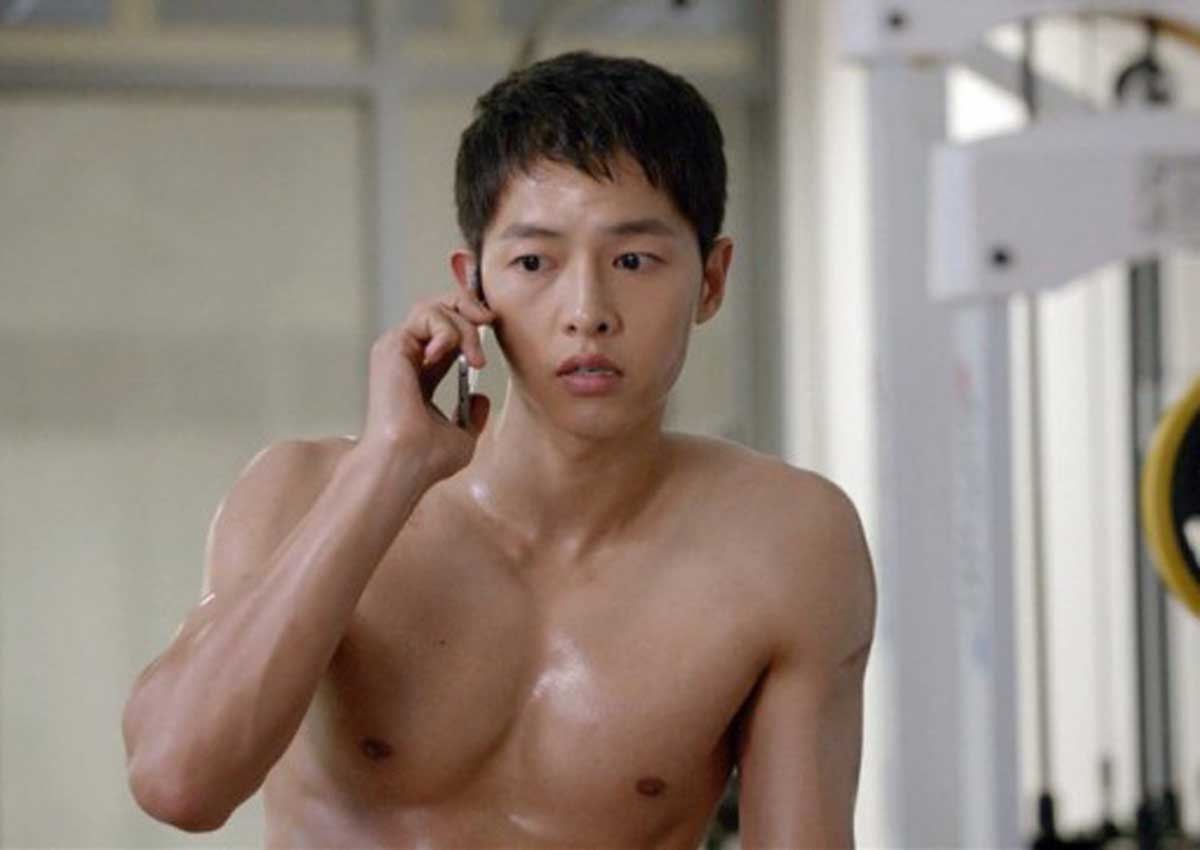

Image: 
Category: 
Publication Date: 
Sunday, April 17, 2016 – 15:00
Send to mobile app: 
Source: 


Story Type: 
Others

Source link

Parents split over ways of posting pupils after PSLE

0

The scrapping of the aggregate score from the Primary School Leaving Examination (PSLE) was a long time coming, said most parents who are glad that children will no longer be so finely segregated based on a few marks.

They also hope that the move to wider scoring bands in 2021 will cut down on excessive competition among children and parents in the chase for that last mark.

Marketing manager Bernard Ong, 34, who has a four-year-old son, said: “Many parents are so obsessed with the single score a child gets at the PSLE and forget that he or she has other attributes too.”

Still, one burning question remains: How will pupils be sorted into secondary schools?

Since they will be graded on wider bands, more are expected to qualify for top schools, which already receive more applications than they have places available.

Applicants are now filtered according to their PSLE scores.

Mrs D. Fong, 40, who works in the finance industry and has a son in Primary 1 and a daughter in Primary 2, said: “How will we know which grades we need for which schools? And if many pupils get four As, how will schools choose?”

There seems to be two possible options. One is a computerised balloting system in which applicants are subject to the luck of the draw.

The other is to give schools the discretion to pick.

This could involve looking at a child’s co-curricular activity involvement, volunteer work, leadership roles, character development and other skills and talents beyond academics, such as in the music and the arts.

It may also include an interview.

Parents were split between the two. Part-time piano teacher Joyce Wong, a 41-year-old mother of three children aged five to 13, said balloting will give everyone a fair chance of getting into a school.

“If schools start to look at CCA records or other talents, it will benefit parents who can afford external enrichment classes, which are not cheap,” she said.

Besides, there is the Direct School Admission (DSA) scheme which started in 2004 and recognises non-academic talents.

It has led to extra competition to put together a standout portfolio of achievements beyond grades among pupils who hope to join Integrated Programme schools.

These schools let students progress to junior college without sitting the O-level exams.

Ms Denise Phua, chairman of the Government Parliamentary Committee for Education, points out that the DSA scheme needs to be improved further “so that it will not end up favouring those who can afford to be nurtured from young to meet its non-academic eligibility standards”.

It should consider the grit and resilience shown by students in overcoming obstacles, as well as those with special needs.

“If there is fear of favouritism as a result of subjectivity, then introduce a small panel as a form of check and balance,” she added.

Balloting is already familiar to parents here.

It is used during the Primary 1 registration exercise when there are more applications than vacancies in a school.

But Dr Timothy Chan, director of SIM Global Education’s academic division, wonders if parents will be willing to leave a key decision such as secondary school posting to luck.

“Will they accept an outcome based on pure chance?” he asked.

Other parents, such as freelance art instructor Nora Yeo, who has two children aged 10 and 15, prefer secondary schools to be the ones to choose among applicants.

The 39-year-old admits this may lead to more stress.

She said: “Parents are always finding ways to beat the system. They may send their kids for everything to stand a better chance.”

Housewife Lydia Tan, 38, who has a six-year-old son, also prefers the schools to choose. “What if my child works really hard and achieves top marks, and yet can’t get into his dream school because he wasn’t as lucky?” she said.

Acting Education Minister (Schools) Ng Chee Meng has explained that his ministry will spend the next few years developing and testing the secondary school posting system.

More details will be announced in two to three months.

However, students who had taken the PSLE said the move to wider scoring bands is a good thing, especially since future batches will not have to get so worried about a few marks.

Still, Secondary 4 student Ashley Tan, 16, said it would not have changed how hard she studied.

“I wouldn’t slack. There’s no guarantee that I would get an A.”

How the T-score is calculated

Short for “transformed score”, the Primary School Leaving Examination aggregate score is the sum of the T-scores in all four subjects – English, Maths, Science and Mother Tongue.

It is an adjusted score that shows how well a pupil does relative to his peers. It is calculated using the following formula:

T-Score = 50 + [10 x (raw score – mean)/standard deviation].

Raw score shows how good a pupil is in the subject. Mean refers to the average mark scored by the cohort. Standard deviation measures the “spread” of marks among the cohort.

If the mean is 55, and standard deviation is 10, it would mean that the cohort scored 10 marks around the average, from 45 to 65.

So if a pupil scores 80 in a subject, the average mark scored by his cohort is 60 and the standard deviation is 14, the T-score for the subject will be:

50 + [10 x (80-60)/14] = 64.29

This way of ranking has been criticised for fuelling unnecessary competition among pupils, who have to outdo one another to get a better score.


This article was first published on April 17, 2016.
Get a copy of The Straits Times or go to straitstimes.com for more stories.
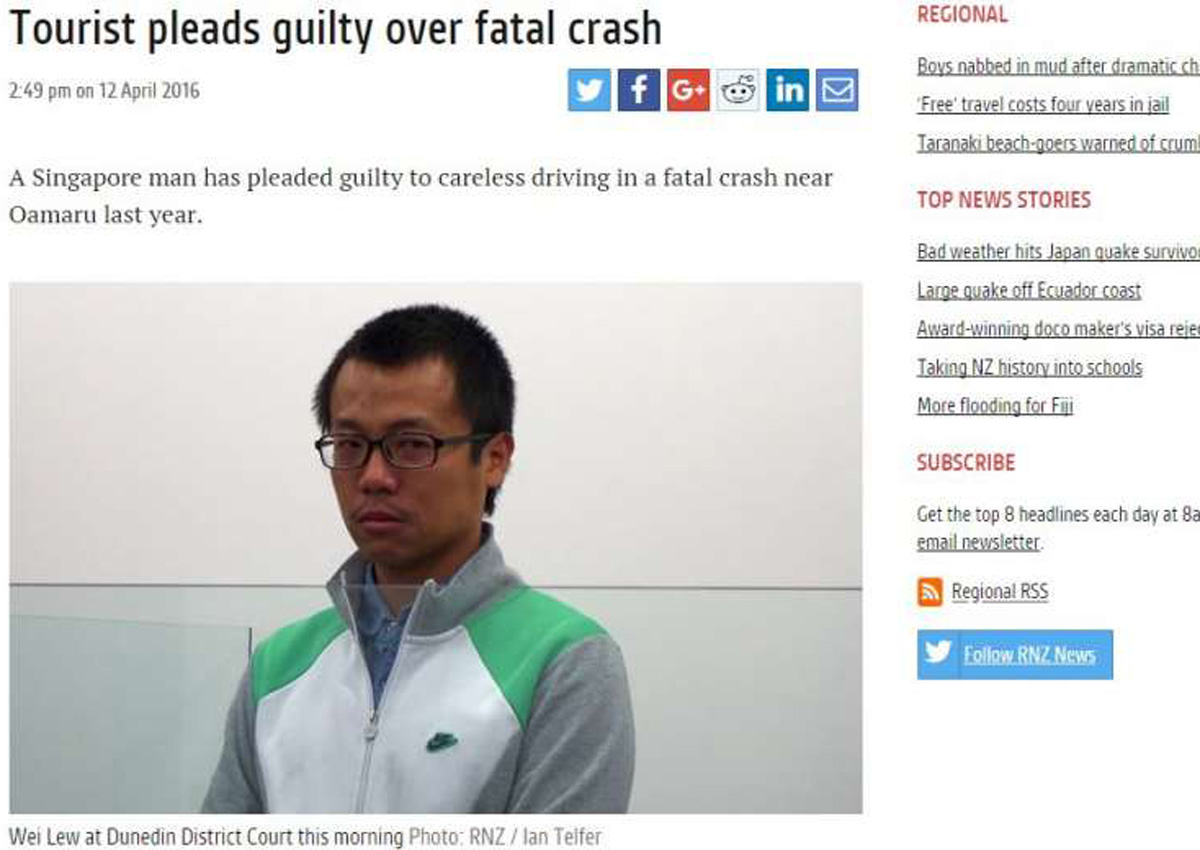
Image: 
Publication Date: 
Sunday, April 17, 2016 – 15:00
Keywords: 
Send to mobile app: 
Source: 


Story Type: 
Others

Source link

SDP to begin campaigning with ‘more targeted’ approach

0

At a walkabout in Bukit Batok on Sunday morning, Dr Chee Soon Juan outlined plans to continue engaging residents on SDP’s proposed retrenchment insurance scheme and issues like the rising cost of living and elderly care.

Source link

PAP's Murali Pillai organises carnival for low-income residents in Bukit Batok

0

Mr Murali Pillai, who is also the Bukit Batok Branch Chairman, said he suggested the idea after gathering feedback from residents living in rental flats.

Source link

Unwed adult mums: 'Doesn't my child count?'

0

Her family never knew she was pregnant – and unmarried.

They were not there when Ivana (not her real name), 36, gave birth.

She broke the news to them only last week, when her son turned three months old.

And they were not happy.

The PhD candidate says she kept her pregnancy a secret because she knew her “very traditional family” would not accept the child she had out of wedlock.

She tells The New Paper on Sunday: “It’s all about face value.

“They are worried about the embarrassment it would bring the family and that’s why now we’re estranged.”

Ivana was in a relationship with the baby’s father for about two years. But the European man walked out on her and their unborn child.

She was seven months pregnant.

“I woke up one day and he was gone. He deleted me off everything – WhatsApp, Facebook,” she says.

“I never thought he’d have the heart to just pack up and leave even if it was not what he had planned.

“I didn’t ask for him to walk out. I didn’t ask to be a single mother. How could anyone think that I don’t want a traditional family unit?”

Ivana worried about how she would manage without support, especially after her eight-week maternity leave.

She says: “Why does my child get to spend only eight weeks with me? Doesn’t my child count?”

The maternity leave entitlement for unwed mothers was changed on Tuesday.

Minister for Social and Family Development (MSF) Tan Chuan-Jin announced that the Government is ready to extend the full 16-week maternity leave to unwed mothers.

The change will be implemented from early next year, after legislation is amended.

“I am heartened that unwed mothers will get the same benefits as their married counterparts,” says Ivana.

“All mothers are raising children, so what’s the difference?

“We still have a long way to go.”

NO ACCESS TO REBATES AND BONUSES

Unwed mothers also have no access to Parenthood Tax Rebates and the Baby Bonus.

Ivana, who lives alone with her baby, says she is grateful for the support of friends.

“I have to be frugal. My friends gave me hand-me-down baby clothes,” she says.

“At home, I’m on my own. It feels like I’m doing laundry all the time while looking after the baby. It’s just non-stop work.

“There’s also no such thing as a confinement period for me. A week after giving birth, I was going out to buy food with my baby in tow.

“If I didn’t, who was going to get dinner?”

Before the baby came along, Ivana led a comfortable life, earning close to $7,000 a month. She bought a condo unit and a car early last year.

It’s different now though – the condo has to go.

“I cannot afford to have such high overheads because I have a child to think about now,” she says.

“I’m not struggling that badly financially because I hold a good job but on the emotional front, it’s tough.

“If I’m feeling that way, what about the other single mums – especially those struggling to cope financially on top of emotionally?

“Can you imagine what they are going through?”

”I didn’t ask for him to walk out. I didn’t ask to be a single mother. How could anyone think that I don’t want a traditional family unit?”

– ‘Ivana’, whose European boyfriend left her when she was seven months pregnant

BY THE NUMBERS

446

Number of births for women above 19 registered without the name of the child’s father.

2010: 554

2011: 519

2012: 523

2013: 488

2014: 446

Single Parent Registration Births, according to Registry of Births and Deaths by the Immigration and Checkpoints Authority (ICA)

‘How are adoptive mothers different?’

The girl, who is almost four months old, joined the Yuens earlier this year, a few days after she was born.

Mrs Jean Yuen, 40, and her lawyer husband of 12 years, Mr Samuel Yuen, 41, went overseas to adopt their daughter.

She says as an adoptive mother, she was entitled to only four weeks of paid adoption leave after her daughter arrived in January.

“The 16 weeks of maternity leave is given to mothers to recuperate and bond with their child, so how are adoptive mothers any different?

“I didn’t ask to be unable to have a child. Recuperation from the emotional and physical anxiety of the whole adoption journey shouldn’t be undermined.”

Mrs Yuen, a training director, says adoptive mothers should also have access to the 16-week maternity leave.

“Regardless of whether we are birth, unwed or single mothers, we should all be treated the same,” she says.

While the Government has not equalised entitlements to that of a birth mother, Senior Minister of State Josephine Teo said in Parliament on Wednesday that they will triple the current adoption leave entitlement.

Adoption leave will go up from four weeks to 12 for adoptive mothers of infants younger than one year old.

Mrs Teo said adoptive fathers will be able to share up to four weeks of their spouse’s adoption leave.

The new enhancement to the Marriage And Parenthood Package will apply to children adopted from July 1 next year.

ADOPTION PROCESS

The Yuens, who made the decision to adopt about five years ago, say the adoption process was invasive.

They had to reveal personal financial records and undergo home-study reviews to see if the adoption is “the right fit for both child and parents”, says Mr Yuen.

Even with the current benefits, he says the variety of costs weigh on them during the initial stages.

Subsidies for adoptive parents kick in only after the process is finalised and the child is granted a Singapore birth certificate and passport.

“That process alone takes about six months. In the meantime, the costs are on us,” says Mr Yuen.


“We’re lucky that we can afford it but we should spare a thought for those who want to adopt but can’t afford all these costs to rest solely on them, especially if they don’t know how long the process would take.”

”I didn’t ask to be unable to have a child. ”Recuperation from the emotional and physical anxiety of the whole adoption journey shouldn’t be undermined”

– Mrs Jean Yuen, who with her husband Samuel, went overseas to adopt their daughter

BY THE NUMBERS

58 per cent

percentage of children adopted being foreign born, according to ministry of social and family development figures

326

Number of children adopted in 2015.

2010: 325

2011: 418

2012: 396

2013: 358

2014: 352

Focus remains on traditional model of family

Over the years, the Government has increased access for single mothers to the same benefits married mothers receive.

On Tuesday, Minister for Social And Family Development Tan Chuan-Jin announced the full 16-week maternity leave will now be extended to single mothers.

The children will also have access to the Child Development Account (CDA), which helps cover childcare and healthcare costs.

Mr Tan said: “I feel that we can do more to support their efforts to care for their children and reduce the disadvantages that their children may face at birth.

“These benefits are useful in the child’s developmental or caregiving needs.

“They also support the unwed parent’s efforts to provide for the child.”

But the focus remains on the traditional model of a family: children with married parents.

That’s what society wants too, according to a survey by The National Population And Talent Division, part of the Prime Minister’s Office.

The survey found that while Singaporeans are generally sympathetic to the plight of single mothers, most still feel that children should only be for those who are married.

Of the 4,646 respondents, 80 per cent of single respondents and 85 per cent of legally married ones felt only married parents should have children.

In announcing the maternity leave benefits for single mothers, Mr Tan said: “The extension of these benefits to unwed parents does not undermine parenthood within marriage, which is something we encourage and it is still the prevalent social norm.”

The Government had previously agreed in 2007 to give mothers the full 16-week leave but with a caveat: The women marry within a year of giving birth.

SUPPORT FOR UNWED MUMS

Mr Seah Kian Peng and other MPs have been fighting for increased support for unwed mums.

Mr Seah told The New Paper on Sunday he is glad single mothers now have access to full maternity leave.

“Raising a child is not easy and doing it alone is an even tougher challenge,” he says.

“These are building blocks and will go some way in helping them.”

While members applauded the announcement, several argued for more to be done.

In his March 24 Budget speech, Finance Minister Heng Swee Keat announced a $3,000 First Step Grant under the CDA which parents will receive for babies born from March 24.

MP Faisal Manap and NMP Kuik Shiao-Yin argued that every Singaporean child – including those born out of wedlock – should have access to the same benefits.

Mr Seah said he remains hopeful that single mothers will eventually have access to the same benefits as married mothers.

He said: “There is certainly more equalisation to be done. If you look through history, we have come a long way.

“I will celebrate the new announcements but at the same time, I hope that in the near future, the other things we having been pushing for will come through as well.

“One of them is flats for unwed mums.”

At present, unwed mothers can buy flats from HDB only after they turn 35 – like other singles.

”The extension of these benefits to unwed parents does not undermine parenthood within marriage, which is something we encourage and it is still the prevalent social norm.”

– Minister for Social And Family Development Tan Chuan-Jin, in announcing the maternity leave benefits for single mothers

Image: 
Publication Date: 
Sunday, April 17, 2016 – 14:00
Send to mobile app: 
Source: 


Story Type: 
Others

Source link

Damaged infrastructure hinders search, aid for Japan quake survivors

0

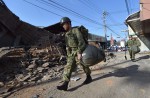
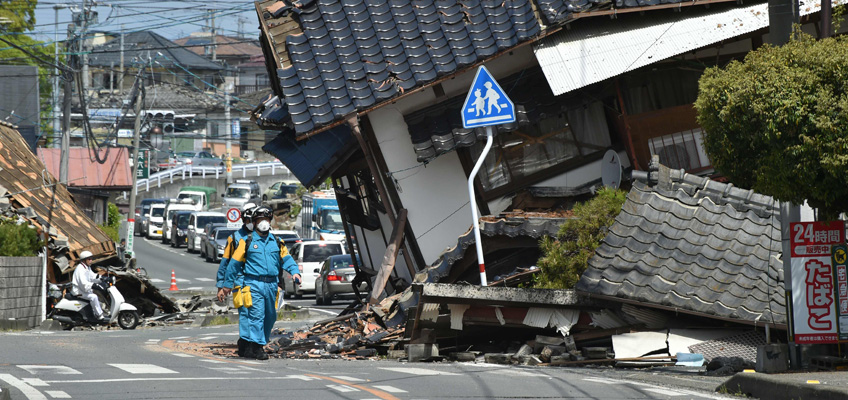
The desperate search for survivors intensified on Sunday in the splintered remains of buildings destroyed by Japan’s deadly earthquake and authorities ordered nearly a quarter of a million people from their homes amid fears of further quakes.

A 7.3 magnitude tremor struck early on Saturday morning, killing at least 32 people, injuring about a thousand more and causing widespread damage to houses, roads and bridges.

It was the second major quake to hit Kumamoto province on the island of Kyushu in just over 24 hours. The first, late on Thursday, killed nine people.

Three nuclear plants in the region were unaffected by the quake, but the Nuclear Regulation Authority said it will hold an extraordinary meeting on Monday to discuss the situation.

A massive 9 magnitude quake and tsunami in northern Japan in 2011 caused the worst nuclear crisis since Chernobyl in 1986, shutting down the nuclear industry for safety checks. The first reactor to restart was Kyushu Electric’s Sendai No. 1, which is one of the three reactors in the quake region.

The Kumamoto region is an important manufacturing hub and factories for companies including Sony Corp, Nissan Motor Co Ltd and Toyota 7203.T halted production as they assessed damage. Sony’s factory supplies Apple with image sensors for iPhones.

All commercial flights to the damaged Kumamoto airport were cancelled and Japan’s bullet train to the region suspended. Expressways are closed in wide areas because of landslides and cracks in the road surface, hindering supplies of water and food reaching survivors.

Rescuers on Sunday searched for dozens of people feared trapped or buried alive.

In the village of Minamiaso, 11 people remain “out of contact”, said public broadcaster NHK. Rescuers pulled 10 students out of a collapsed university apartment in the same settlement on Saturday. “In Minamiaso, where the damage is concentrated, there may still be people trapped under collapsed buildings, so we are focusing our attention and rescue and search efforts in this area,” Chief Cabinet Secretary Yoshihide Suga told reporters.

Overnight, rescuers digging with their bare hands dragged some elderly survivors, still in their pyjamas, out of the rubble and onto makeshift stretchers made of tatami mats.

Prime Minister Shinzo Abe said he would boost the number of troops helping to 25,000 and had accepted a U.S offer of help with air transportation in the rescue efforts.

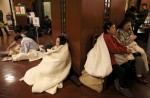
Heavy rains fuelled worries of more landslides and with hundreds of aftershocks and fears of more quakes, thousands spent the night in evacuation centres. “It’s full in there. There’s not a inch to sleep or even walk about in there. It’s impossible in there,” a resident of Mashiki town said outside an evacuation centre.

Another survivor said the cleanup would be extensive. “I can’t even imagine when we can start the recovery process. My home is a mess, I don’t know what to do next. And all these people affected.” Firefighters handed out tarpaulins to residents so they could cover damaged roofs, but many homes were simply deserted.

About 422,000 households were without water and 100,000 without electricity, the government said. NHK said around 240,000 people had received evacuation orders across the affected region amid fears of landslides.

Troops set up tents for evacuees and water trucks were being sent to the area while television footage showed people stranded after the fall of a bridge being rescued by helicopters.

The National Police Agency said 32 people had been confirmed dead in Saturday’s quake. The government said about 190 of those injured were in a serious condition.

On the other side of the Pacific, Ecuador was also struggling with the aftermath of a major 7.8 quake which hit on Saturday, killing at least 28 people and sparking a tsunami warning.

Both Japan and Ecuador are on the seismically active “ring of fire” around the Pacific Ocean. Japan’s 2011 quake and tsunami killed nearly 20,000 people.

The epicentre of Saturday’s quake was near the city of Kumamoto and measured at a shallow depth of 10 km (six miles), the United States Geological Survey (USGS) said. The shallower a quake, the more likely it is to cause damage.

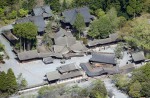
The city’s 400-year-old Kumamoto Castle was badly damaged, with its walls breached after having withstood bombardment and fire in its four centuries of existence.

Bank of Japan Governor Haruhiko Kuroda, speaking at a G20 event in Washington, said it was too early to assess the economic impact but bank operations in Kumamoto were normal.

The USGS estimated there was a 72 per cent likelihood of economic damage exceeding $10 billion, adding that it was too early to be specific. Major insurers are yet to release estimates.

Image: 
Category: 
Publication Date: 
Sunday, April 17, 2016 – 14:32
Keywords: 
Send to mobile app: 
Source: 


Rotator Image: 
Story Type: 
Others

Source link