Home Blog Page 4080

UK grants asylum to Singaporean trans-woman afraid to serve in military as man

0

IN a landmark ruling, two British judges have granted a Singaporean transgender woman sanctuary, allowing her to remain in the UK and absolving her from having to return to her home country to carry out compulsory military service.

The 33-year-old Singaporean, who remains unnamed due to legal reasons, had completed her mandatory two-year national service term when she was 18, but after that, all males are required to do two weeks of reserve service every year for up to eight years. Those who refuse to do so are liable to face a steep fine and 15 months in prison.

While she is recognized as a woman in the UK, where she has resided since 2004, her Singaporean identification documents state her as a man, and she would therefore have to carry out her military service among men.

The only way to circumvent the requirement would be to undergo gender reassignment surgery, as under Singaporean law, military service is not compulsory for women or fully-reassigned transgender women, but the Singaporean has opted against it.

According to the Singaporean, she has lived as a woman for 10 years, and would find it intolerable to have to live as a man during training, claiming that she still had nightmares involving her previous National Service term.

From 2004 to 2012, she lived in the UK under a student visa, but once her studies were completed, she applied for asylum, stating that she found it distressing to have to return to Singapore and fulfill her reservist obligations, reported The Guardian.

However, the UK Home Office rejected her request, stating that it could not find sufficient evidence to prove that she would face the kind of persecution or personal endangerment in Singapore that would convince them to grant her asylum.

The Singaporean persisted with her attempts to gain sanctuary, and was only recently successful, when a judge blocked the Home Office from deporting her, stating: “I find that the requirement of the appellant to essentially hide her gender and live as a man, even for two weeks a year, would be wholly unreasonable.”

Following that, the Home Office appealed against the decision, but the appeal was rejected by another judge.

Speaking to press after the Singaporean was granted asylum on Wednesday, her solicitors said: “We are pleased that the plight of this transgender woman has been resolved successfully. It means she can now enjoy living a full life without any compromise to her gender identity or her personal integrity. This is a basic right denied to her in Singapore.”

The post UK grants asylum to Singaporean trans-woman afraid to serve in military as man appeared first on Asian Correspondent.

Source link

Basement fire at Shanghai Hongqiao airport kills 2

0

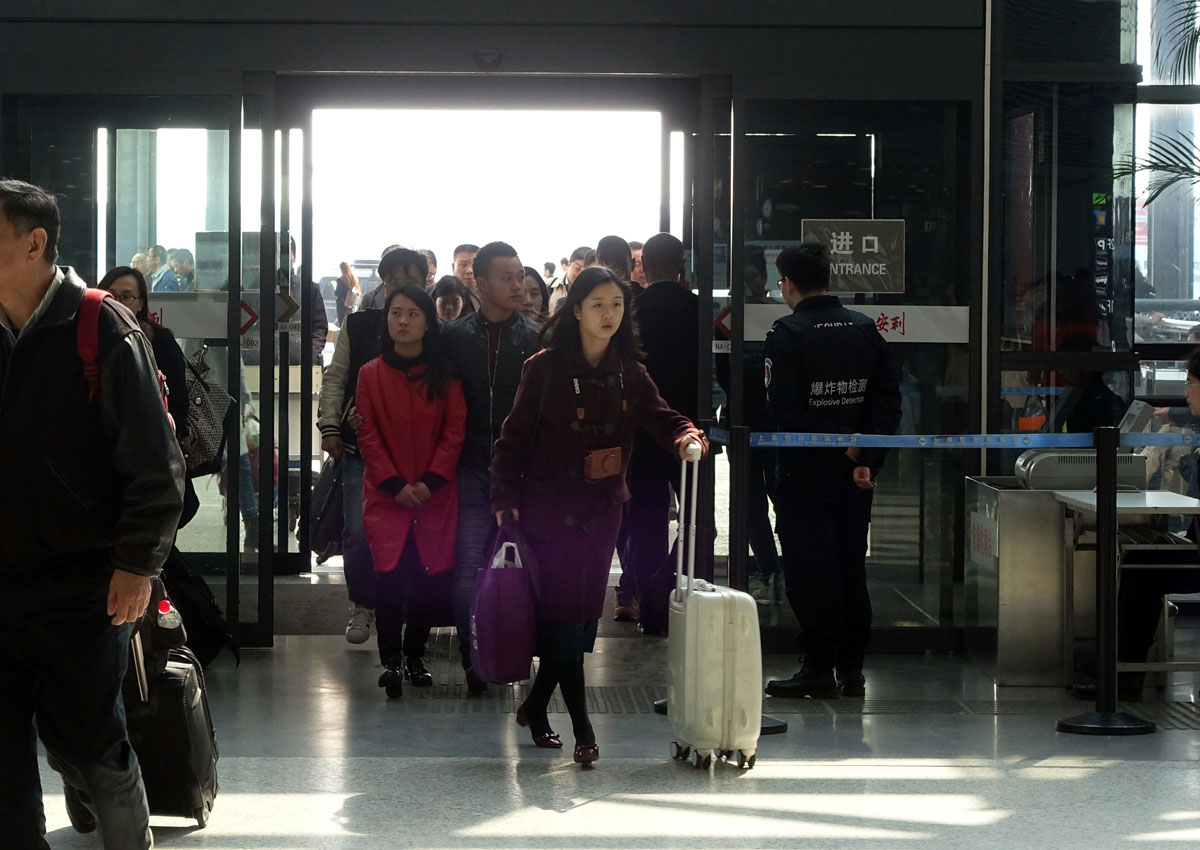
BEIJING – A fire in a basement at the Shanghai Hongqiao airport has killed two people and injured three, the People’s Daily said on Friday.

The fire broke out in the basement of terminal one at the airport at around 7 a.m. local time (2300 GMT Thursday) during an underground renovation project, the People’s Daily said on its official microblog.

Image: 
Category: 
Publication Date: 
Friday, April 29, 2016 – 11:37
Send to mobile app: 
Source: 


Story Type: 
Others

Source link

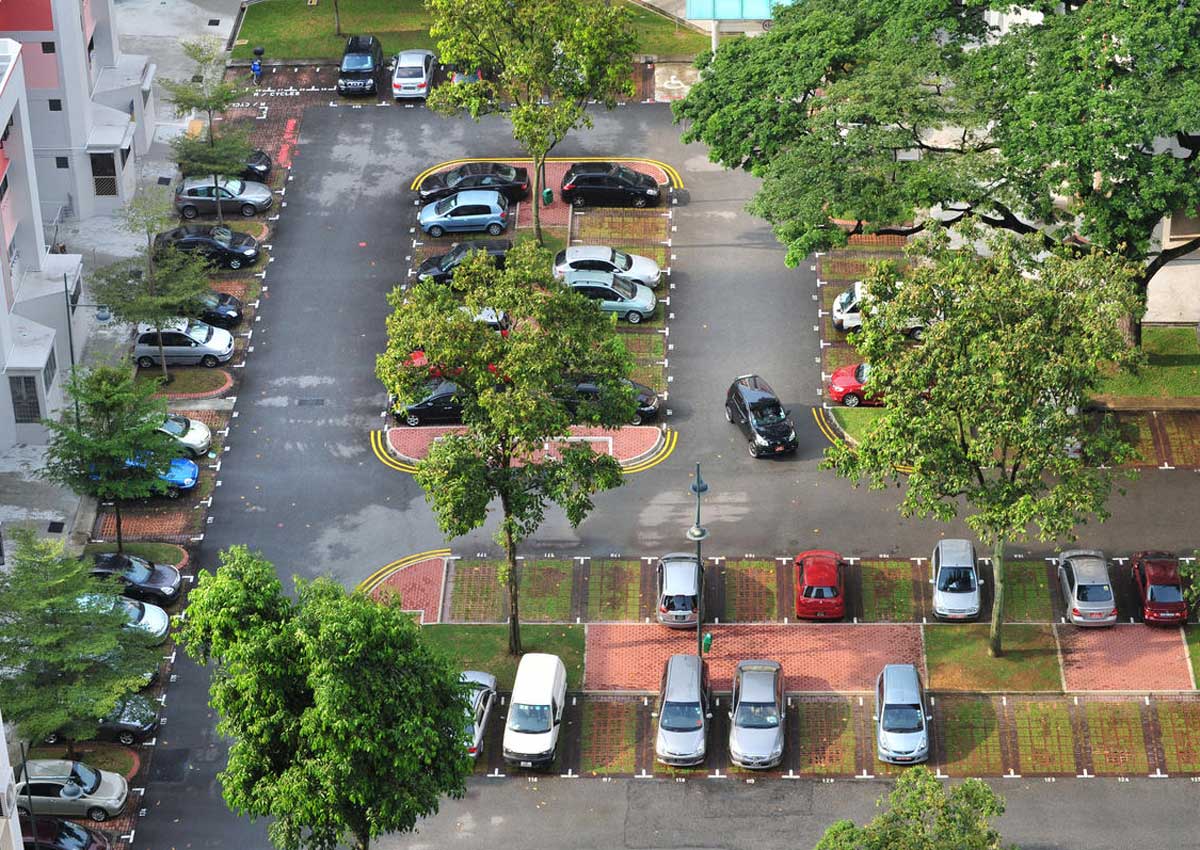
840,000 households to get S&CC rebates this year

0

Eligible households will receive between one and three months of rebates on their Service and Conservancy Charges this year, depending on their HDB flat type.

Source link

Prince had opioid meds with him when died: Reports

0

Prince had prescription opioid medication on him and in his home when he died last week, US media reported, although autopsy results have yet to indicate why the pop icon died.

The pills were found both on Prince’s person and at his Paisley Park compound, CNN and other media outlets reported Thursday, citing a law enforcement official.

The prescription pills, which are used to treat pain, were discovered “at the death scene,” according to the Minneapolis Star Tribune.

The drugs’ role in Prince’s death is under investigation, The Tribune reported, citing unnamed sources.

The Drug Enforcement Administration has been called in to help with the case, CNN said.

The authorities have said that the pop star was alone at the time of his death, and that they don’t believe suicide or foul play was involved.

Investigators are examining whether an overdose of opioids led to his death, and are trying to determine how he got the pills and from whom, The Star Tribune reported, citing sources with direct knowledge of the case.

Individuals with knowledge of an emergency stop made by Prince’s plane just days before the star’s death said he had overdosed on an opioid at the time, according to the Star Tribune.

He was returning from Atlanta, where he performed what would be his final full-fledged concert.

Paramedics responding to the emergency gave Prince an injection of the opioid antidote Narcan, it said.

The 57-year-old music sensation, one of the most acclaimed and unique artists of his generation, was briefly hospitalised, complaining of flu-like symptoms.

The cause of his death remains unknown.

The authorities have said that at least four weeks would be needed for results of his autopsy, which was conducted before his cremation last week.

On Wednesday, a judge appointed a special administrator to oversee Prince’s estate, accepting a request from the pop star’s sister.

Prince died leaving no will. He had no children or living parents.

His sister, Tyka Nelson, who sought Bremer Trust as the special administrator, was named an heir along with five of the “Purple Rain” star’s living half-siblings.

Bremer Trust will be tasked with managing Prince’s estate as well as determining whether there are additional heirs.

Court officials in Minneapolis scheduled a May 2 hearing at the request of relatives with a claim to Prince’s estate.

The extent of the musician’s fortune is unclear, with the website Celebrity Net Worth estimating he was worth $300 million.

Prince’s heirs will also control his vast vaults of unreleased material, which is said to include entirely unheard albums that were shelved.

Image: 
Category: 
Publication Date: 
Friday, April 29, 2016 – 11:32
Keywords: 
Send to mobile app: 
Source: 


Story Type: 
Others

Source link

Ikatan masyarakat-pemerintah teras maju

0

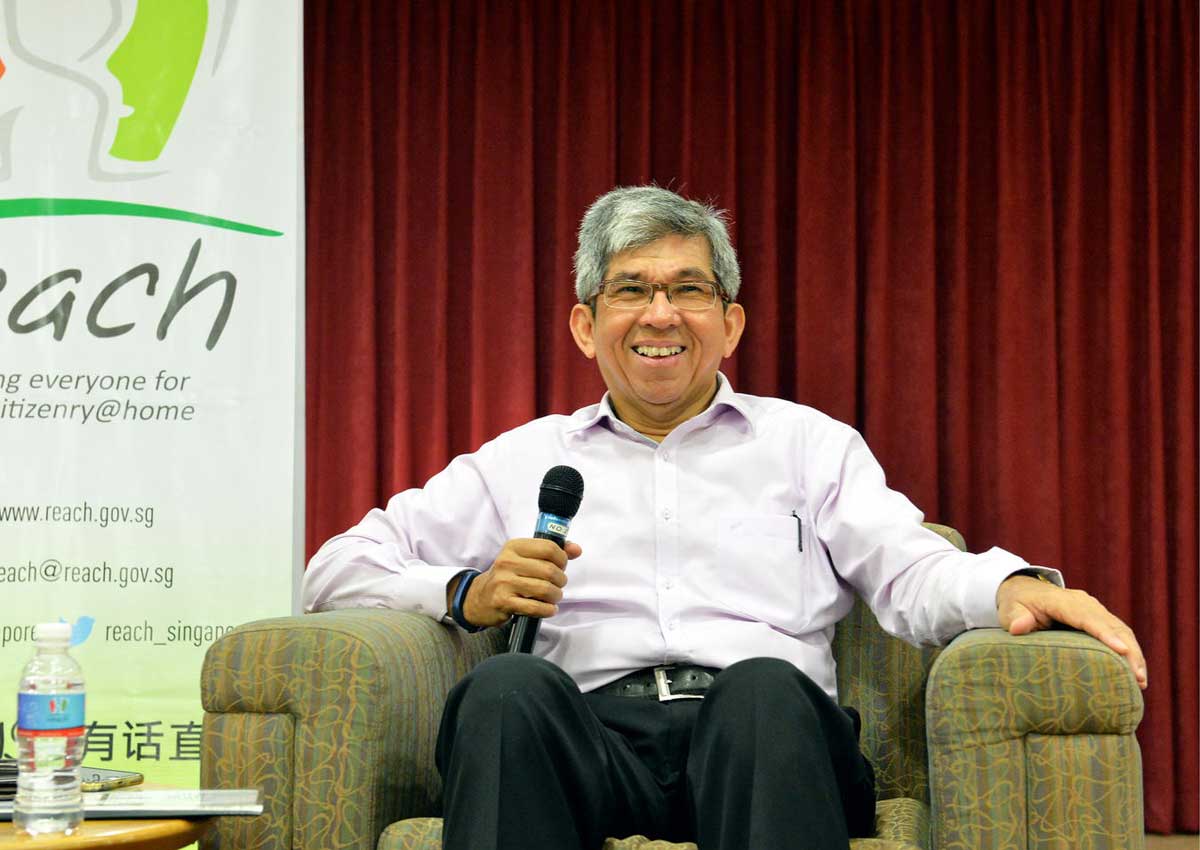
HUBUNGAN masyarakat Islam dan pemerintah sebagai rakan kongsi telah membolehkan banyak cabaran sukar diatasi dalam pembangunan negara, kata Menteri Perhubungan dan Penerangan yang juga Menteri Bertanggungjawab bagi Ehwal Masyarakat Islam, Dr Yaacob Ibrahim.

Perkongsian itu berteraskan penerimaan norma masyarakat berbilang kaum dan agama, bersikap terbuka, bertolak ansur dan menghargai keprihatinan dan hambatan.

Beliau berkongsi pengalaman Singapura itu semasa menekankan perlunya Islam diamalkan mengikut konteks setempat supaya dapat menyumbang kepada pembangunan di samping mengamalkan nilai Islam.

Berucap di Persidangan ‘Islam dalam Dunia Semasa’ anjuran Sekolah Pengajian Antarabangsa S. Rajaratnam (RSIS) semalam, Dr Yaacob berkata masyarakat Islam seluruh dunia sedang melalui transformasi sosial dan pelbagai isu seperti penyertaan politik, sekularisme, ekstremisme dan hak asasi.

Namun, respons terhadap isu haruslah berteraskan nilai yang telah lama diamalkan seperti saling menghormati, rendah hati dan keterangkuman.

“Di Singapura, kami berusaha mengambil kira realiti kehidupan umat Islam yang membina masa depan mereka dalam masyarakat berbilang budaya dan bangsa yang ditadbir secara sekular,” kata beliau.

Dr Yaacob berkata hubungan masyarakat dan pemerintah yang disemai sepanjang 50 tahun telah membolehkan masyarakat Islam Singapura menjadi sebahagian daripada kemajuan dan sama-sama membina negara.

Beliau memberi contoh pembentukan Akta Pentadbiran Hukum Islam (Amla) yang mengambil kira konteks kedudukan Singapura sehingga terlahir Majlis Ugama Islam Singapura (Muis), institusi Mufti dan Jawatankuasa Fatwa.

Ia telah membolehkan isu ditangani seperti merobohkan masjid dan surau di kampung semasa proses pembangunan semula bandar, pembinaan masjid baru yang selesa untuk ibadah dan pendidikan, fatwa progresif yang menyuntik kesegaran pada harta wakaf sehingga mencapai nilai $600 juta, dan pembentukan Mahkamah Syariah yang menangani isu perceraian.

Usaha terus dilakukan bagi memastikan warisan perundangan Islam terus relevan dengan realiti di Singapura, kata beliau.

Pendekatan secara damai ke arah mencari titik persamaan telah membantu menyumbang kepada hubungan harmoni di kalangan pelbagai masyarakat di Singapura dan mengukuhkan struktur sosial.

Ia satu proses berterusan yang memerlukan semua pihak berterus terang dan bersikap sopan, kata Dr Yaacob yang juga Menteri Bertanggungjawab bagi Keselamatan Siber.

Peranan pemerintah ialah mewujudkan sekitaran dengan dasar yang menggalak kesedaran dan rasa hormat terhadap kepelbagaian budaya dan peluang sama rata.

Ia mendorong masyarakat bersatu padu melawan sikap eksklusif yang memperkecil-kecilkan kepercayaan orang lain, sikap prejudis dan stereotaip yang boleh melemahkan perpaduan, tambah beliau.

“Bagi Singapura, sejak merdeka, masyarakat dan pemimpin agama sentiasa mendekati isu dengan tujuan mencari penyelesaian yang bermakna kepada masalah konkrit.

“Masyarakat kita mempunyai tradisi yang berpandukan prinsip kesederhanaan, keterangkuman dan menghormati kepelbagaian, serta mengambil bahagian secara aktif dalam usaha membina negara kita. “Ini adalah cara Singapura. Kita sebagai sebuah masyarakat perlu menghargai dan melindunginya,” kata Dr Yaacob.


This article was first published on April 29, 2016.
Go to beritaharian.sg for more stories.

Image: 
Category: 
Publication Date: 
Friday, April 29, 2016 – 04:00
Send to mobile app: 
Source: 


Story Type: 
Others

Source link

Japan's corpse hotels upset some of the neighbours

0

TOKYO – Tucked away in a quiet residential street in Kawasaki city in Japan is a refurbished workshop with a plain silver exterior and black draped windows that residents describe as creepy.

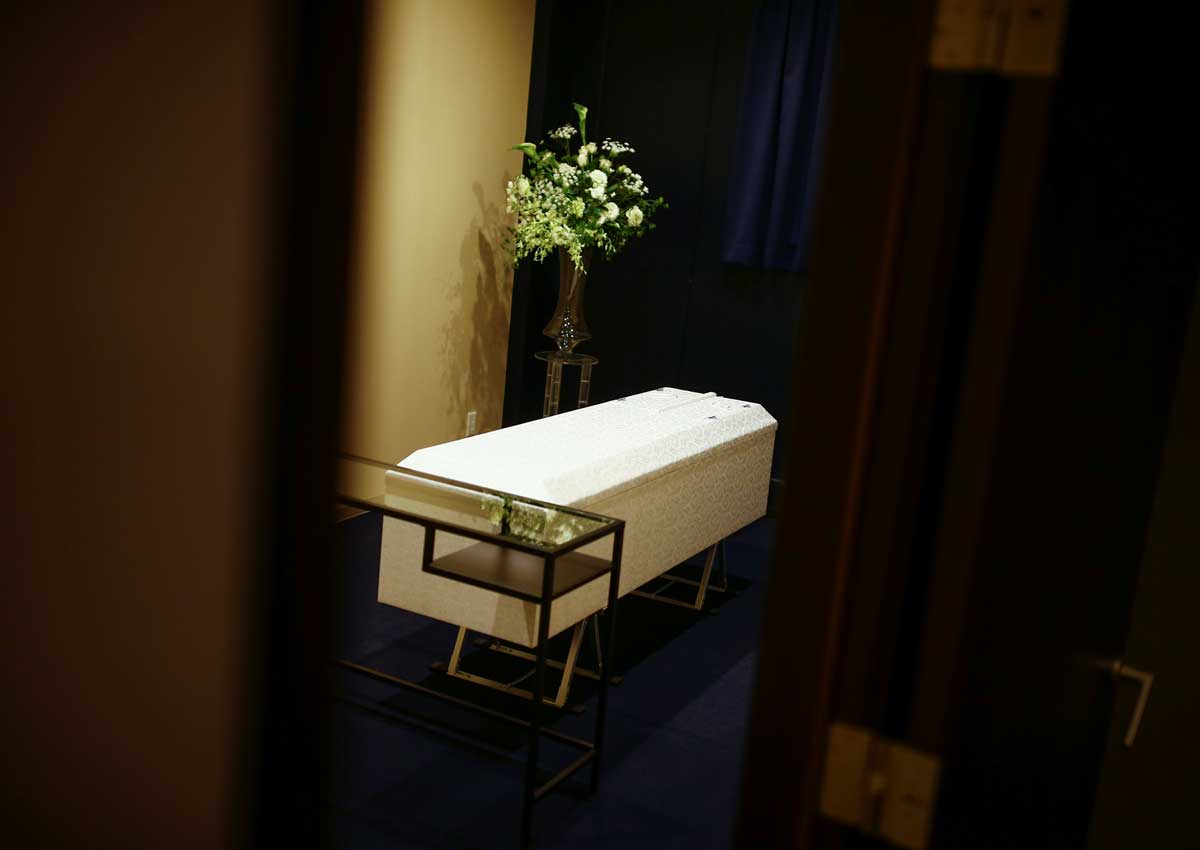
The business inside, Sousou, is one of Japan’s latest so-called corpse hotels, a camouflaged morgue used to store some of Japan’s mounting pile of bodies waiting for a spot in one of the nation’s overworked crematoriums.

“Crematories need to be built, but there isn’t any space to do so and that is creating funeral refugees,” said Hisao Takegishi, who opened the business in 2014.

At a daily rate of 9,000 yen (S$113) family members can keep their deceased relative in one of Sousou’s 10 rooms for up to four days until a crematorium can be found.

Unlike other such morgues-in-disguise, which try to blend in by looking like hotels, Sousou doesn’t refrigerate corpses, relying on air conditioned rooms instead.

As Japan ages its people are dying off at a faster pace. About 20,000 more people per year are expiring with the death rate expected to peak at about 1.7 million a year by around 2040, according government estimates.

By then, barring any major influx of immigrants, Japan will have 20 million fewer people.

Residents of Kawasaki are unhappy about living next to Sousou’s hidden corpse refugees, with placards and flags dotting the neighbourhood expressing outrage at the presence of the morgue.

Yoko Masuzawa, 50, who, lives behind Sousou, demanded it put air ventilation grills above ground level, a request that she says it ignored. “It was built so close, less than a meter away in some places,” she said.

Sousou’s customers, however, are grateful for a place to keep their deceased relatives.

“I think it’s great that families and acquaintances can come and visit before she heads off to the crematorium,” said 69 year-old Hirokazu Hosaka, as her mother’s body lay in a decorated coffin in Sousou.

Takegishi, who used to help organise weddings, is looking to tap growing demand, with plans to bring corpse hotels to other cities.

Image: 
Category: 
Publication Date: 
Friday, April 29, 2016 – 11:10
Send to mobile app: 
Source: 


Story Type: 
Others

Source link

Transgender Singaporean granted UK asylum to avoid reservist training

0

A transgender Singaporean who “has been living as a woman for the past 10 years” has been granted sanctuary in Britain to protect her from having to do reservist training in Singapore.

Britain’s The Guardian reported on Wednesday (April 27) that two judges have ruled that she should not be forcibly returned to Singapore, where she would be required to do two weeks of reservist training each year “for the next eight years”.

The 33-year-old transgender woman, who was not named “for legal reasons”, went to Britain in September 2004 as a student.

It was reported in The Straits Times in 2014 that the Singaporean considers herself “transgender lesbian”. Although women, including transgender women, in Singapore are not required to serve National Service, she had chosen not to undergo full gender reassignment procedures and is thus still legally required to serve.

Her previous bids to remain in Britain for the same reason were unsuccessful, and she was allowed to remain in the country until October 2012 to complete her studies.

But her case was heard in the first tier of Britain’s immigration tribunal in November, The Guardian reported. The judge then said that requiring her to “hide her gender and live as a man, even for two weeks a year, would be wholly unreasonable”.

Britain’s Home Office appealed against that judgment, but the appeal was rejected this week.

According to The Guardian report, Britain’s Home Office had accepted her as a woman, and the gender on her Home Office ID card is female.

She had completed National Service in Singapore between December 2001 and June 2004 as a man, and has said that she “felt uncomfortable serving with men”.

She reportedly also said that she would find it intolerable to be treated as a man after living as a woman for 10 years. She also said she has recurrent nightmares about her time spent in military service, The Guardian reported.

The Straits Times said in a report today (April 29) that if repatriated, she would be required to serve in-camp training of about two weeks a year until 2023, or face up to three years in prison and a fine of $10,000.

sinsh@sph.com.sg

Image: 
Publication Date: 
Friday, April 29, 2016 – 11:12
Send to mobile app: 
Source: 


Story Type: 
Rewritten Story

Source link

Cross-dressing Singaporean granted UK asylum to avoid reservist training

0

A cross-dressing Singaporean who “has been living as a woman for the past 10 years” has been granted sanctuary in Britain to protect him from having to do reservist training in Singapore.

Britain’s The Guardian reported on Wednesday (April 27) that two judges have ruled that “she” should not be forcibly returned to Singapore, where he would be required to do two weeks of reservist training each year “for the next eight years”.

The 33-year-old man, who was not named “for legal reasons”, went to Britain in September 2004 as a student.

His previous bids to remain in Britain for the same reason were unsuccessful, and he was allowed to remain in the country until October 2012 to complete his studies.

But his case was heard in the first tier of Britain’s immigration tribunal in November, The Guardian reported. The judge then, referring to the man as a “her”, said that requiring the man to “hide her gender and live as a man, even for two weeks a year, would be wholly unreasonable”.

Britain’s Home Office appealed against that judgment, but the appeal was rejected this week.

According to The Guardian report, Britain’s Home Office had accepted the man as a woman, and the gender on her Home Office ID card is female.

The man had completed National Service in Singapore between December 2001 and June 2004, and has said that he “felt uncomfortable serving with men”.

It was reported in The Straits Times in 2014 that the man who considers himself a “transgender lesbian” cannot change his gender to female under Singapore law as he had not undergone sex-change surgery. He also does not have any intention to undergo surgery.

The Straits Times said in a report today (April 29) that if repatriated, the man would be required to serve in-camp training of about two weeks a year until 2023, or face up to three years in prison and a fine of $10,000.

sinsh@sph.com.sg

Image: 
Publication Date: 
Friday, April 29, 2016 – 11:12
Send to mobile app: 
Source: 


Story Type: 
Rewritten Story

Source link

Govt looks to push e-citizen services on mobile devices

0

Soon, you may not need to seek out the Government for a service that you need. The government service will come to you on your mobile device.

That is because different government agencies will share the data of citizens among themselves to anticipate their needs and make life simpler for a smart nation.

“Citizens want services to be pushed to them when they need them,” said Ms Jacqueline Poh, managing director of the Infocomm Development Authority (IDA), at the Ministry of Communications and Information’s workplan seminar yesterday.

So if your season parking is up for renewal, you could get a reminder on your mobile device.

Specific projects have not been firmed up, but some possibilities have been flagged.

A notice filed at the Registry of Marriages could trigger the push of information on pre-marital counselling, and housing and mortgage loan applications.

The IDA is already partnering 98 government agencies to create e-services that can benefit citizens, such as the OneService mobile app launched last year that lets residents report municipal issues, such as blocked drains, without having to figure out which government agency to contact.

Also launched last year, the myResponder app calls qualified volunteers to suspected heart attack cases until emergency services arrive, while the Beeline app lets office workers book rides from private bus operators.

Later this year, the IDA will merge with the Media Development Authority to form the Info-communications Media Development Authority (IMDA).

A new Government Technology Agency, or GovTech, will be formed to continue the IDA’s existing smart nation engineering efforts. The IDA’s regulatory role will go to the new IMDA.

Mr Gabriel Lim, head of the MDA and chief executive-designate of the IMDA, said the merger will help create new business opportunities in fields such as virtual reality and augmented reality.

“Often, we use the technology in the context of games,” he said. “But it can be applied in training for jobs that are more dangerous, like firefighting.”


This article was first published on April 29, 2016.
Get a copy of The Straits Times or go to straitstimes.com for more stories.

Image: 
Category: 
Publication Date: 
Friday, April 29, 2016 – 11:10
Keywords: 
Send to mobile app: 
Source: 


Story Type: 
Others

Source link

'Living heritage' study of Ubin wraps up

0

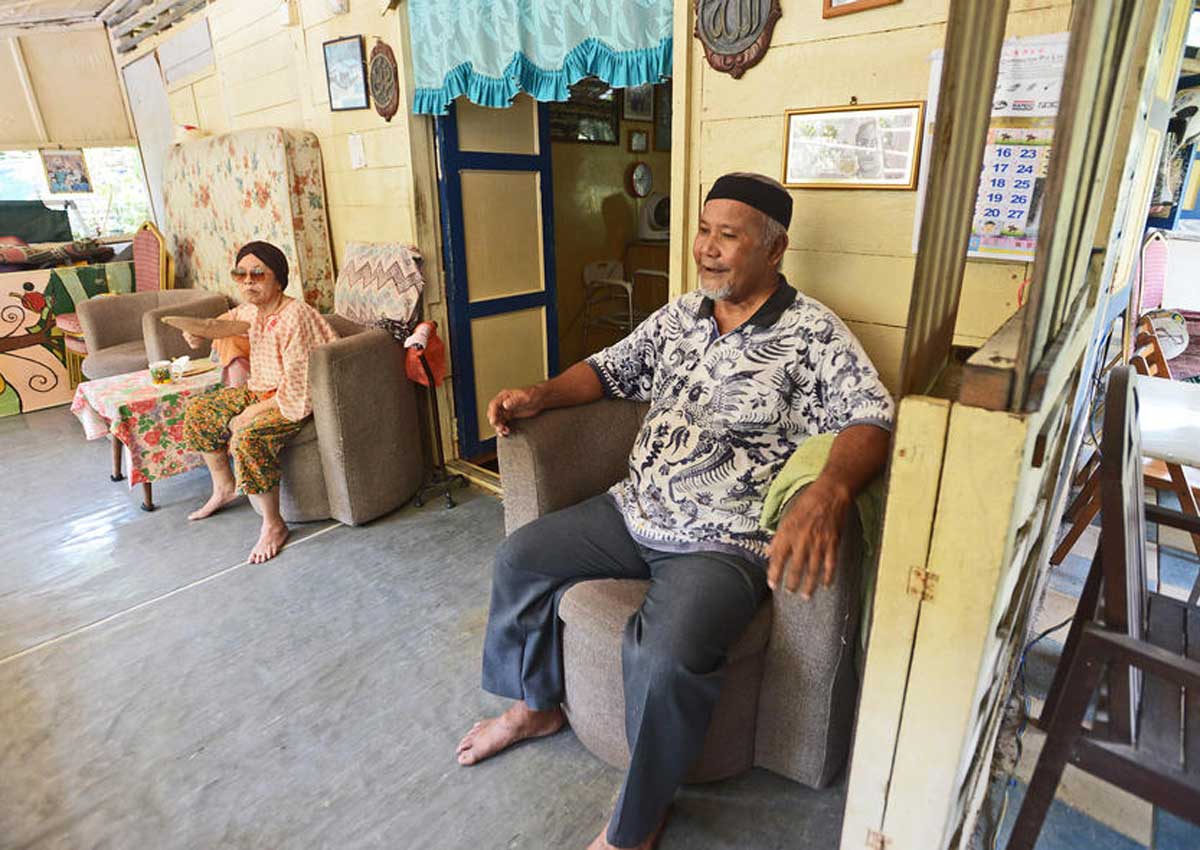
One of the few Singaporeans who know how to build and repair kampung houses and dig wells still resides on Pulau Ubin.

Mr Ahmad Kassim is 80 years old and has been living on the island for 70 of them. He can rattle off the various steps involved in what is usually a two-month process of building a kampung house.

“You go into the forest to collect suitable wood, lay the foundation, build the frame… Eventually, you add the zinc roof,” he said.

“It takes gotong royong (kampung spirit) to complete it.”

His expertise was uncovered and recorded by anthropologist Vivienne Wee and her research team as part of the first comprehensive study of Pulau Ubin’s living heritage.

Dr Wee, managing director of anthropology company Ethnographica, was commissioned by the National Heritage Board (NHB) to map the island’s social history.

Her year-long research, which has just concluded, recorded about 90 structures, including houses, huts and coops, on the 10.2 sq km island, off the north-eastern coast of mainland Singapore.

It also identified other skills of islanders, including the cultivation of indigenous fruits, herbs and spices; fishing and crabbing by line, hook and trap; and having knowledge of wildlife such as hornbills and wild boars.

The study further puts to rest the assumption that the island is a sleepy backwater island in decline.

Previous newspaper reports said there were 38 official residents on the island – down from 2,000 between the 1950s and early 1970s. But Dr Wee’s research has found that there are more than 130 people who live and work on Pulau Ubin.

She has also identified a “kampung-centred social network founded on kinship, neighbourly relations and friendship” on the island.

She said the network is not only thriving but also extending beyond the island’s shores to include non- residents and regular visitors.

Capturing ‘way of life rooted in our history’

Younger Singaporeans are also integrated into the day-to-day affairs of Pulau Ubin. The island gets about 300,000 day trippers annually.

Dr Wee said they are tied to the island through informal apprenticeships, fitness and leisure, or because of their family businesses.

For instance, financial consultant Emily Chia, 26, returns to the island thrice a week to help her father run the family’s bicycle rental shop. “I really love this place, the people and the way of life,” she said.

Dr Wee said the constant flow of non-residents to the island and their induction into the network reflect that it is likely to continue to grow, expand and evolve.

The project also documents different aspects of Ubin’s unique island heritage, including the social history of the island, religious practices and festive events, such as the annual six-day-long Tua Pek Kong Festival, which drew 5,000 people last year.

Dr Wee said the study is significant as it captures “a way of life that is rooted in our history”.

First suggested by the Singapore Heritage Society, the project is one of NHB’s contributions to The Ubin Project, led by the Ministry of National Development.

The ministry is working with the community and other government agencies through its Friends of Ubin Network to gather ideas on how to maintain the island’s rustic charm. Its plans include preserving Pulau Ubin’s nature, biodiversity and heritage.

Mr Alvin Tan, NHB’s assistant chief executive of policy and community, said the project’s findings will help the authorities develop sensitive strategies to retain and enhance the island’s heritage and “ensure its transmission from one generation to another”.

Those interested in learning more about Pulau Ubin can catch the premiere of film-maker Royston Tan’s new documentary on May 14 on the island’s wayang stage as part of this year’s Singapore HeritageFest.

A 25-minute documentary capturing Dr Wee’s research is available on NHB portal Roots.sg.


This article was first published on April 29, 2016.

Get a copy of The Straits Times or go to straitstimes.com for more stories.

Image: 
Category: 
Publication Date: 
Friday, April 29, 2016 – 11:03
Keywords: 
Send to mobile app: 
Source: 


Story Type: 
Others

Source link