Home Blog Page 4056

S. Korea warns of citizens' potential abduction by N. Korea

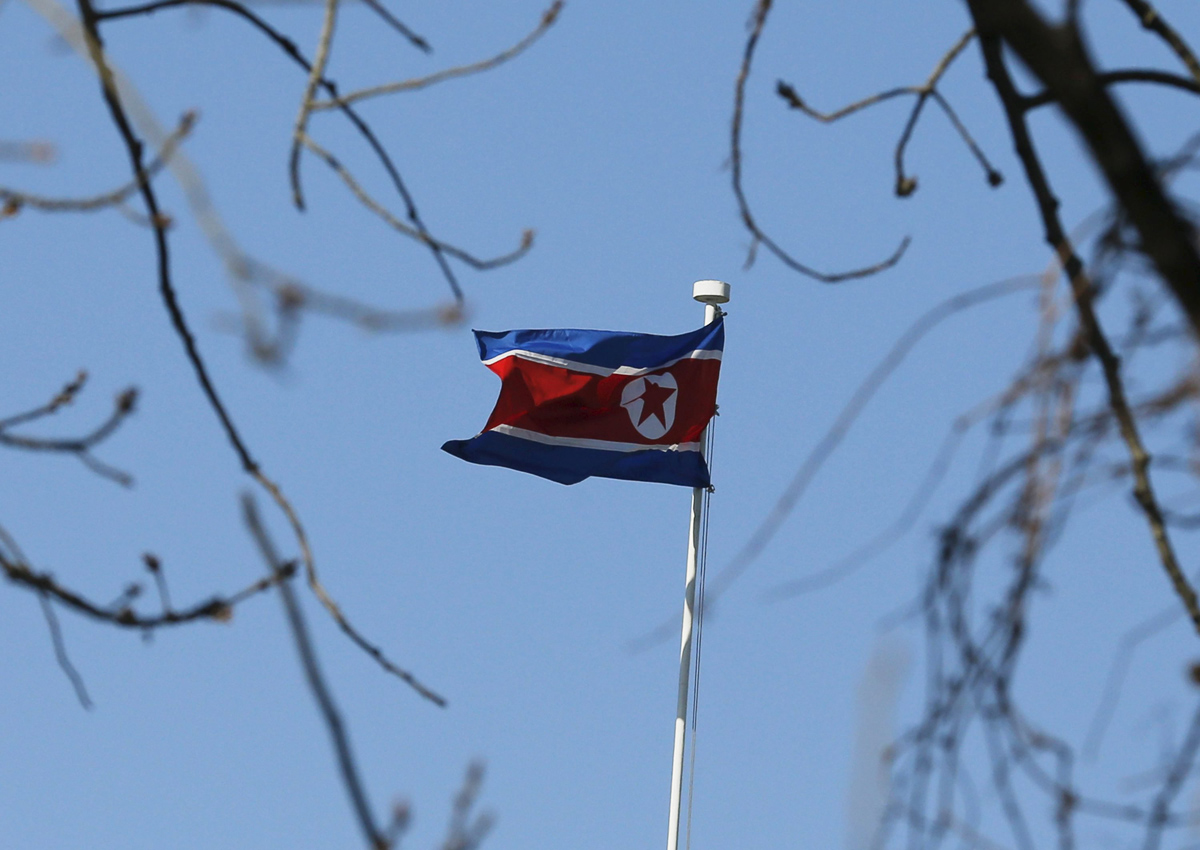
Seoul – South Korea warned Monday there is a risk of its citizens being abducted by Pyongyang in retaliation for the defection of a dozen North Korean staff at a restaurant in China.

Twelve women working at the restaurant in the eastern Chinese city of Ningbo defected to the South with their manager last month.

Seoul said they came voluntarily while the North insists they were tricked into defecting by South Korean spies who effectively “kidnapped” them.

The South’s Unification Ministry, which handles inter-Korea affairs, said overseas missions had been advised to heighten their vigilance.

“We are closely watching out for multiple possibilities, including abduction or terrorism … by the North,” said ministry spokesman Jeong Joon-Hee.

“We are trying to ensure the safety of our nationals,” he told reporters.

Seoul’s Hankook Ilbo daily reported Monday that Pyongyang was plotting to abduct South Koreans to trade for the 13 defectors.

“They set the target of 120 people including expats, soldiers and officials,” the newspaper said, citing an official source familiar with North Korean affairs.

Nearly 30,000 North Koreans have, over the decades, fled poverty and repression at home to settle in the capitalist South.

But group defections are rare, especially by overseas restaurant staff who are generally hand-picked from families that are “loyal” to the regime.

Pyongyang has proposed sending the women’s parents to Seoul to meet their daughters and has released a video of them tearfully demanding their return.

North Korea has a track record when it comes to abductions.

In the most high-profile case, late leader Kim Jong-Il had a famed South Korean film director and his actress wife kidnapped in Hong Kong in 1978, in order to make films in the North.

The couple escaped in 1986.

In 2002, North Korea admitted it had kidnapped 13 Japanese in the 1970s and 1980s to train its spies in Japanese language and customs.

Image: 
Category: 
Publication Date: 
Monday, May 2, 2016 – 13:50
Send to mobile app: 
Source: 


Story Type: 
Others

Source link

DJ in Zouk controversy with Najib's son spins at St James

He had said he would not play at Zouk any more after being asked to let Malaysian PM Najib Razak’s son take over the decks

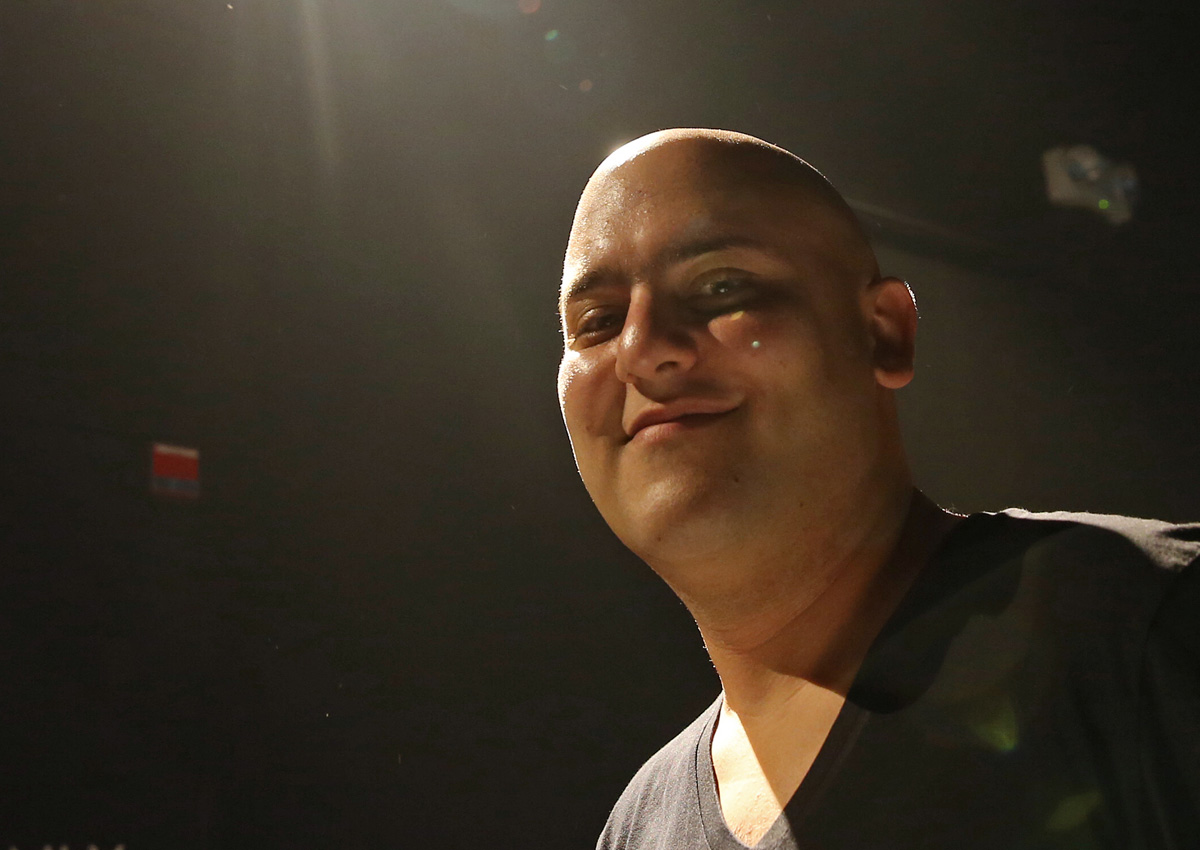
Barely two months after vowing that he would never play at Zouk again, DJ Fila, 35, was back in Singapore, spinning at a different club early Saturday morning.

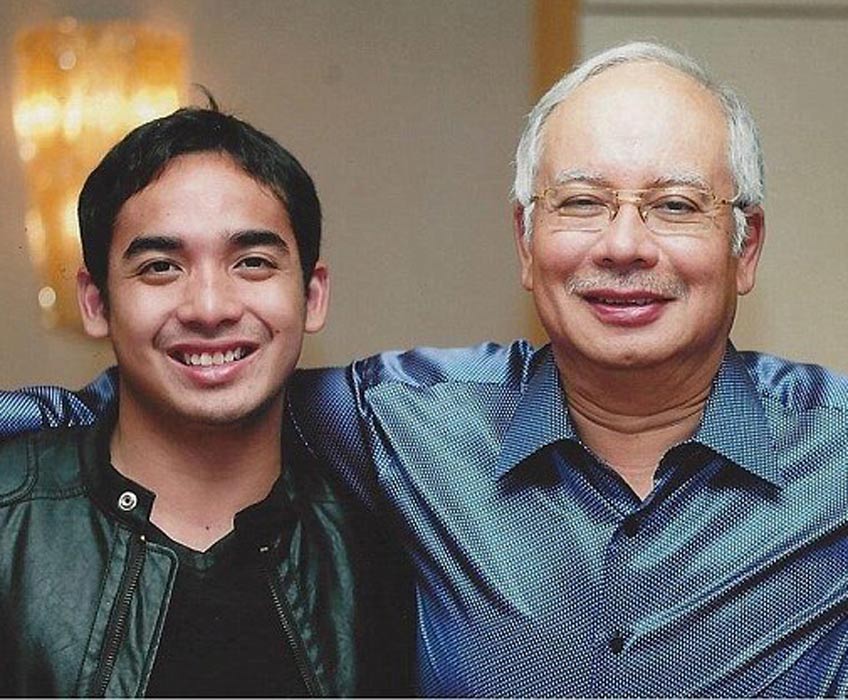
Earlier this year, on March 6 at Zouk, he had been asked to stop playing after his scheduled set time, which was from 1.30am to 3.30am, to let Malaysian Prime Minister Najib Razak’s son, Norashman, take over.

DJ Fila declined to do so, but Zouk’s booking manager returned with the same request after 15 minutes. That was when he addressed the crowd, saying that he would not “play for Zouk any f***ing more” and that he would see them “somewhere in the future”.

Speaking to The Straits Times before his set at Millian club at St James Power Station, DJ Fila, whose real name is Fadi Wassef Naguib, says that his initial surprise morphed into anger when he was asked to stop playing the second time, saying that he felt “disrespected”.

He says: “For me, what happened last time was not acceptable for our fans – they were there to see me and listen to my and Aly’s music.”

But he is not one to be angry for long and he was “fine” after he went back to the hotel and slept.

Related:

Why DJ stopped playing

Najib’s son didn’t force DJ to end set early

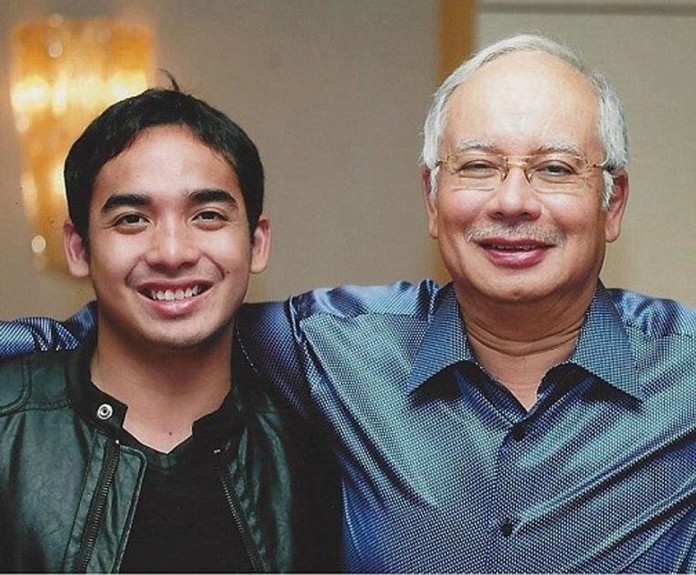
Above: Malaysian Prime Minister Najib Razak and his son, Norashman.

He is one half of Egyptian trance duo Aly & Fila. He started his set at Millian at 1.15am last Saturday and played till the club’s closing time of 5.30am, despite being scheduled to end at 4am.

He had previously played at Zouk a number of times and it is common for guest DJs at the club to play beyond their scheduled set times. He adds that Aly laughed upon hearing the news and was “so surprised that it even happened”.

The duo’s manager, Mr Stuart Roberts, was supportive of DJ Fila’s decision not to play at Zouk in the future, saying that he did the correct thing.

Zouk apologised to the DJ after the incident and he requested a public apology to him, Aly and the fans on the club’s social media accounts.

He says: “They promised us that they would do it, but they didn’t.”

Zouk declined to comment.

DJ Fila usually comes to Singapore once a year, but said that it “made sense to stop by” again so soon after his Zouk performance, as he was playing in Macau and Guangzhou, China, over the weekend.

This time, he was brought in by promotions and productions company Mammoth Collaborative, after he expressed interest to them in coming here to play.

DJ Fila’s fans are just happy that he is back to perform in Singapore, regardless of the venue. The DJ was greeted with enthusiastic cheers from the crowd when he took to the decks at Millian.

Mr Huang Jia Wei, 29, an underwriter in an insurance company, says that he was there “just for DJ Fila”.

“I’m definitely happy that he’s back so soon and I can enjoy his set without having to go all the way to Egypt.”

Mr Clifton Lee, 23, a regular in the Republic of Singapore Navy, agrees. He says: “I’m happy he’s back. I don’t really care where he plays. Wherever he goes, I go.”

alywoo@sph.com.sg


This article was first published on May 2, 2016.
Get a copy of The Straits Times or go to straitstimes.com for more stories.

Read also: US paralympian: Zouk bouncers took away my crutches

Image: 
Category: 
Publication Date: 
Monday, May 2, 2016 – 17:00
Send to mobile app: 
Source: 


Rotator Headline: 
DJ Fila spins at St James following Zouk saga over Najib's son taking over deck
Rotator Image: 
Story Type: 
Others

Source link

$200m boost for NTUC training fund for workers, PM Lee announces at May Day Rally

SINGAPORE – Workers will get a $200 million boost from the labour movement and Government to upgrade their skills.

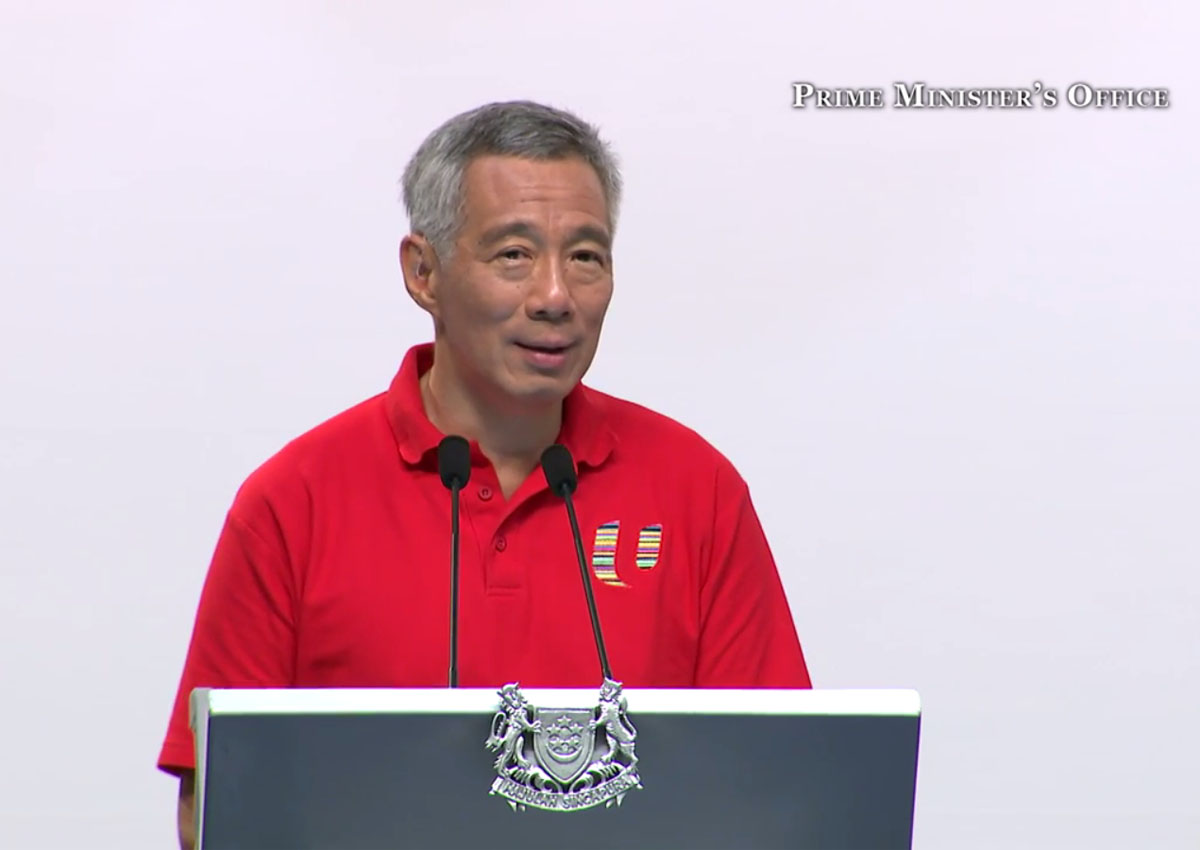
Prime Minister Lee Hsien Loong announced at NTUC’s May Day rally on Sunday (May 1) that the labour movement will raise $50 million for its Education and Training Fund.

The Government will match every dollar with three dollars, contributing another $150 million.

NTUC will start by partnering Nanyang Technological University (NTU) for the training, in its first tie-up with an institute of higher learning.

PM Lee said: “NTUC knows what workers need and how to get workers moving. NTU has the expertise in continuous education and technology enabled learning, and wants to reach out to the working population.”

He added that the venture aims to reach 30,000 people, especially a growing group of professionals, managers, executives and technicians (PMETs), next year.

It will focus on short courses to help working people keep up with technology and industry development.

NTUC plans to expand the programme to more universities in future.

PM Lee said: “Now, with more PMETs, the labour movement needs to adapt to meet new needs and stay relevant.”

Traditionally, NTUC catered to blue collar workers and the rank and file, he said, but it should now focus not just on collective bargaining, but other services as well, such as career counselling, networking, and skills upgrading.

He noted that the unions are trying to negotiate collective agreements to include PMETs, although some employers remain cautious.

“I encourage employers to be bolder,” he urged. “Do not believe that if the labour movement leaves your PMETs alone, you will be able to manage them more directly and easily.”

He remarked that May Day this year was being celebrated in a “cautious mood” as the global slowdown has hit the port and industries such as marine, oil and gas, and electronics.

Some sectors are facing retrenchments. Meanwhile, new business models such as Taobao, Airbnb and Uber are disrupting old ones.

“But we cannot stop this phenomenon nor should we try,” he warned. “What we will do is to make sure that these businesses with new models compete on fair terms with existing ones.”

“And more fundamentally, we are helping our industries and companies to compete better by supporting them as they transform,” he added, citing the $4.5 billion set aside for an industry transformation programme in this year’s Budget.

As for workers displaced by restructuring, he highlighted programmes such as the Ministry of Manpower’s Career Support Programme for PMETs retrenched mid-career.

The programme, which defrays the cost of hiring these workers for a year, has reached out to 200 older PMETs in the last five months, with half securing employment.

These schemes are more effective that introducing unemployment insurance which some MPs have raised in Parliament, said Mr Lee.

For unemployment insurance, the worker has to pay out of his salary to subsidise his own unemployment, he noted. “We have schemes, paid for by the Government, not to help you stay unemployed but to get you employed,” he said. “So please support us and upgrade yourself, make yourself employable.”

The Government has also found effective ways to tackle other concerns, such as rising healthcare and housing costs, saving up for retirement and creating good jobs for the young.

Mr Lee pointed out that these challenges affect not just Singapore, but also other countries. “We are facing a time of change… and workers in many countries are anxious.”

He cited an example: “In almost every city in the world, housing is becoming more expensive and workers are getting priced out.”

“These are also problems which we have but the one difference which is vital in Singapore is we have found effective ways to tackle all of them,” he said.

To address concerns over healthcare cost, the Government has introduced MediShield Life, Medisave top-ups and the Pioneer Generation Scheme, among others. To help the elderly in their retirement years, there are schemes such as CPF Life and the Silver Support scheme. And for lower-income workers, the Government has taken steps to help them earn better pay through schemes like Workfare.

With the Government, the labour movement, employers and workers coming together, Singapore can overcome these challenges.

Said Mr Lee: “If we work together, we can overcome all these problems. The Government is ready, the Labour Movement is ready, the people also need to be ready. And I think the people are ready.”

“You have supported our programmes and you have voted for them and you have voted for the team to work with you,” he noted.

Referring to the general election last year, he said his team has been able to implement programmes rigorously because of the strong mandate handed to the PAP. “That’s why the GE was so important… and that’s why the Bukit Batok by-election matters.”

“To tackle these challenges… we need you to show your support and we need the whole world to see that we have your support. Then we can walk this journey together.”


This article was first published on May 1, 2016.
Get a copy of The Straits Times or go to straitstimes.com for more stories.

Image: 
Category: 
Publication Date: 
Monday, May 2, 2016 – 13:39
Send to mobile app: 
Source: 


Story Type: 
Others

Source link

Bukit Batok by-election: Two venues announced as assembly centres for counting night

Permit applications for the assembly centres must be made in person by a candidate or his election agent at the Police Elections Permits Office (PEPO) between 8.30am and 2.30pm on May 5 or May 6. 

Source link

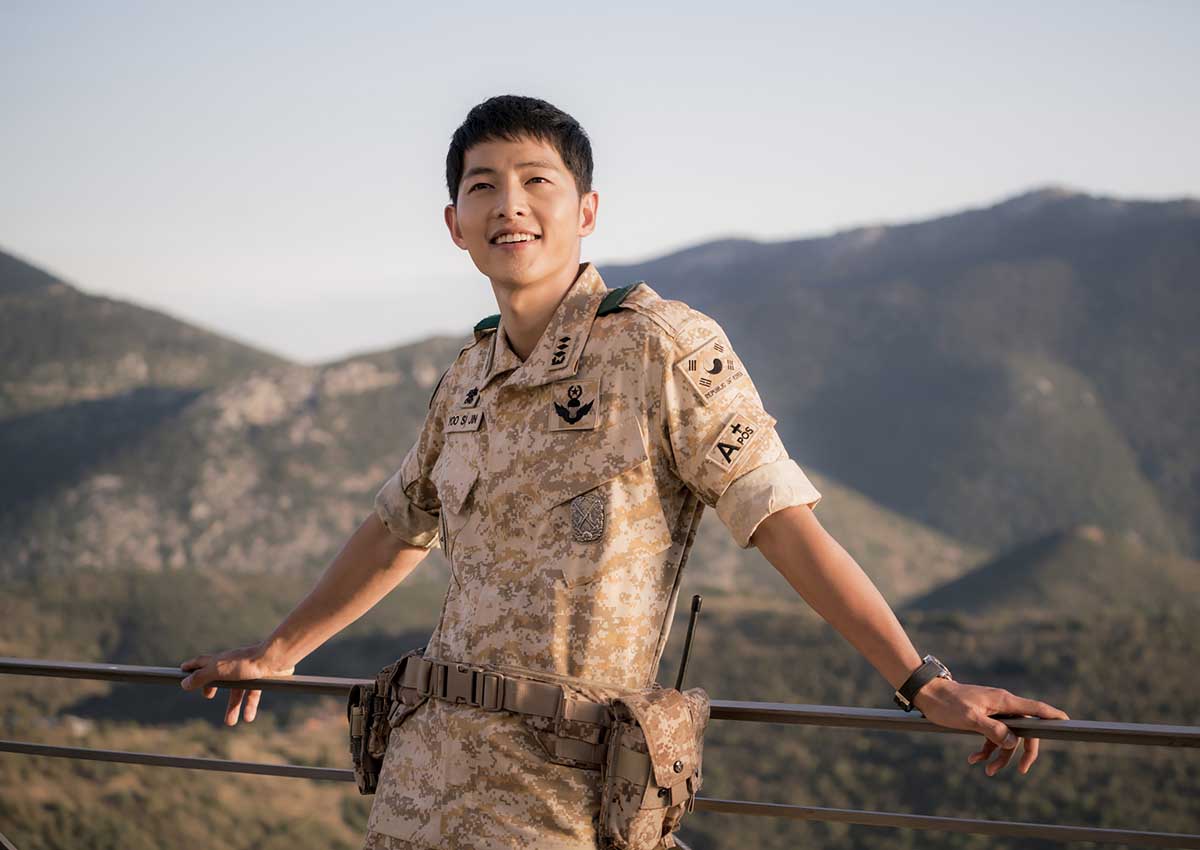
Song Joong-ki's still in spotlight despite end of Descendants of The Sun

The mega-popular South Korean military drama Descendants Of The Sun has ended its run on the small screen, but the popularity of its lead actor Song Joong Ki is far from over.

The 30-year-old was reported last week to have landed a record-breaking endorsement deal with Chinese beauty brand Proya.

Estimated by insiders to be worth $4.7 million, the deal tops those of popular South Korean stars Kim Soo Hyun and Lee Min Ho.

Fans, some of whom call themselves “Mrs Song”, have also jumped at the chance to see their “husband” in the flesh – regardless of the cost, it seems.

Illegal ticket brokers are selling Song’s South Korea fan meet tickets for almost 1 million won (S$1,200). The original price is 22,000 won.

Song kicked off his Asian fan meet tour on April 17 in Seoul.

His fans were also treated to a photo spread of the actor in this month’s issue of fashion magazine Harper’s Bazaar Korea.

Titled “Exclusive, Song Joong-ki’s Very Private Moment”, the spread included a shot of Song bare-chested and wrapped in white bedsheets.

The magazine also later released extra photos on its Facebook page, eliciting frenzied gushing from Song’s online fan base. Song does not have any social media accounts.

But fame comes at a price, with everything connected to Song coming under scrutiny…

THE SISTER

The past will always haunt you – and that applies not just to Song but to his younger sister Seulgi as well.

Fans who could not get enough of the actor started digging into footage of his past TV appearances, including one of Seulgi supporting him at a celebrity athletic event in 2012.

First a victim of comments such as “all the good genes had (gone) to Joong Ki”, Seulgi has since become a talking point after recent photos of her showed a dramatic transformation into a slimmer and more feminine woman, fuelling rumours of her having done plastic surgery.

THE EX-GIRLFRIEND
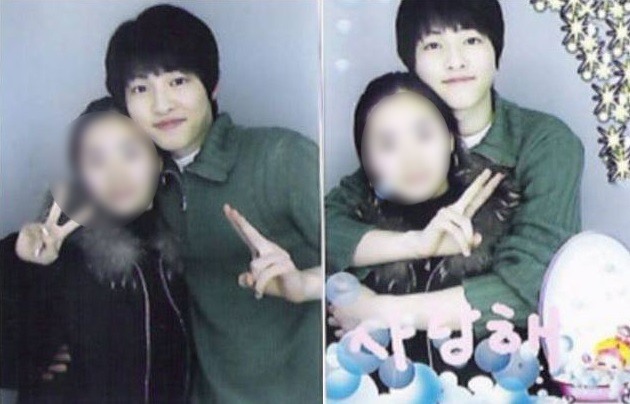
Pictures of Song hugging his ex-girlfriend were leaked last month and fans were quick to critique her looks.

Lamenting his loss of privacy, Song said during an interview: “To be honest, I’m a little upset these days. My family has been exposed to the media. Some people break into our house. My ex-girlfriend’s photos are circulating online.

“To say that these are things I need to endure for the sake of celebrity… that’s sad. I want to respectfully request that my private life remain private.”

THE GRADES

It turns out the A-lister was an A-student, as fans found out after his impressive academic records were revealed online.

The business graduate from Sungkyunkwan University was also a competitive short-track skater during his middle-school days, and was the vice-president of his high school’s student council.

Song received an extremely high score in his college entrance examination and a teacher said of him: “He was definitely a very smart student.

“He had the potential to enter the best university in Korea.”

THE PAL
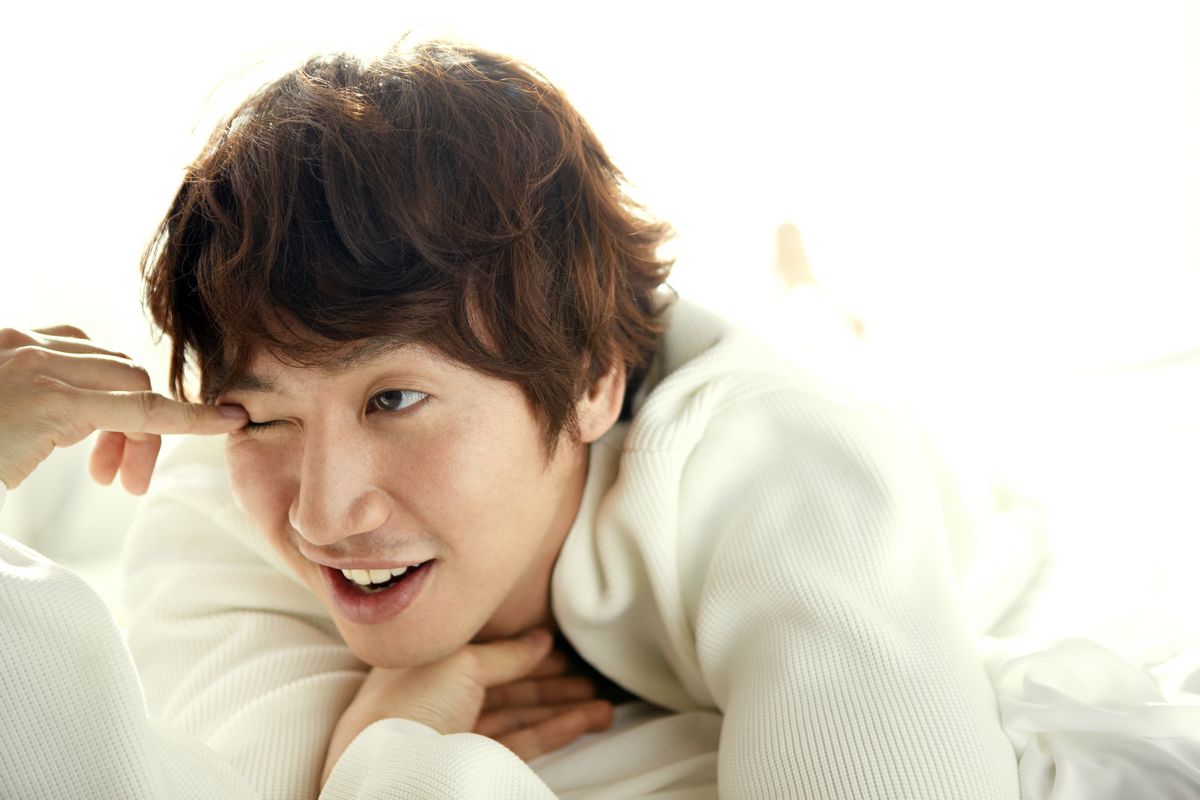
Benefitting from Song’s soaring popularity is fellow actor Lee Kwang Soo, who has been making headlines whenever Song talks about him.

Their “bromance” started when the duo met as cast members for variety show Running Man in 2010. They also co-starred in the 2012 drama The Innocent Man.

Lee was said by Song to be his biggest source of strength while he was in the army.

He also made a cameo appearance in the first episode of the drama.

THE HOME

Termed a “landmark”, the home of Song’s parents has become a tourist attraction after it was rumoured that he visited regularly.

They live in South Korea’s Daejeon city, 140km south of capital Seoul, and it is part of a village housing about 20 families.

Tourists also flock to a tree that he is said to drop by every time he visits his parents.

From dots to dollars

It is estimated that drama Descendants Of The Sun (DOTS) has contributed more than $3.5 billion to the South Korean economy.

Here are the industries benefitting from the craze:

THE TOURS

Thanks to enterprising tour agencies, fans can now visit the drama’s filming sites – from Paju city in South Korea to the Ionian Islands and Navagio beach in Greece.

South Korea’s Taebaek city, where the military barracks in the drama were located, has announced plans to rebuild the set.

It was torn down after shooting ended in November to make way for reforestation plans.

THE CARS

South Korea’s Hyundai motor company has received more inquires from Chinese consumers after its cars appeared in the drama.

Supporting actors Jin Goo and Kim Ji Won shared a kiss in a Genesis sedan while the car continued moving with its lane-keeping and cruise control functions.

Hyundai said in a statement: “It is too early to say the show immediately helped boost our sales, (but) our dealers are getting increasing interest and inquiries about products shown in the soap opera.”

THE COSMETICS

Popular south korean beauty brand laneige strikes gold again, as women rushed to get their hands on make-up products worn by its ambassador, the drama’s female lead Song Hye-kyo.

The number of times the so-called Song Hye Kyo lipstick, Laneige’s Two-tone Lip Bar, was searched on the Internet surged 11 times after the drama started airing. It promptly became a bestseller and was sold out in some stores.

THE HEALTH PRODUCTS

Sales of Cheong Kwan Jang red ginseng extract everytime grew by 176 per cent from a year ago, said company Korea Ginseng.

Its spokesman said an increasing number of Chinese tourists are visiting its retailers and website to order its red ginseng products – all because characters in the drama were seen consuming the extract.

THE ‘MOOLAH’
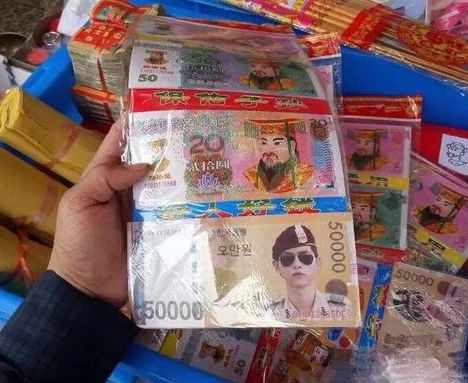
Perhaps capitalising on how Song Joong-ki’s name sounds like “Papers for the Departed” in mandarin, merchants in China have started selling hell notes with Song’s face printed on them.

While the design has been slammed by some as “uncivil”, such gimmicks are no surprise, given that the drama has been watched more than a billion times in China alone. It is fitting, too, that Song is worth top dollar – hell notes with his face are in denominations of 50,000 Korean won (S$59), the highest in South Korea’s paper currency.

krystalc@sph.com.sg


This article was first published on May 2, 2016.
Get The New Paper for more stories.
Image: 
Category: 
Publication Date: 
Monday, May 2, 2016 – 14:00
Send to mobile app: 
Source: 


Rotator Image: 
Story Type: 
Others

Source link

Finance Minister Heng to visit Frankfurt

From May 3 to 5, Mr Heng will attend the 19th ASEAN+3 Finance Ministers’ and Central Bank Governors’ Meeting (AFMGM+3), and the 49th Annual Meeting of the Asian Development Bank (ADB).

Source link

British firm's Korean unit apologises over poison deaths

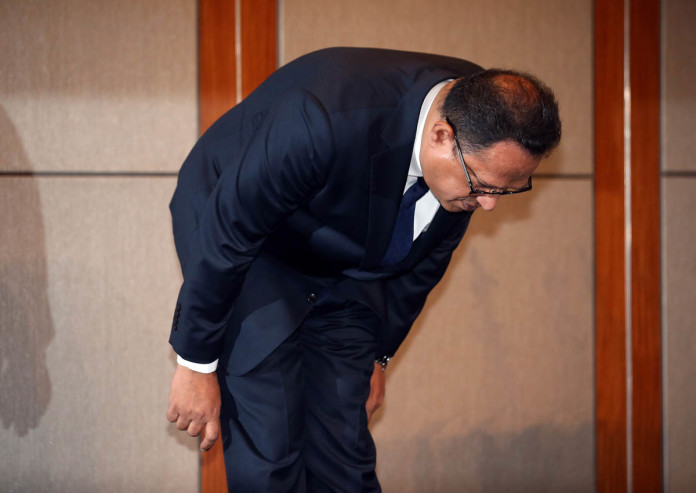
Seoul – The head of a Korean subsidiary of a British consumer goods company was slapped and shouted down Monday as he apologised for his firm’s role in selling a humidifier disinfectant blamed for more than 100 deaths in South Korea.

Shouting “too late” and “cannot forgive” in English, a handful of the victims’ relatives rushed the podium where Atar Safdar, the head of Oxy Reckitt Benckiser Korea, was speaking at a hotel in Seoul.

The executive was slapped and pushed several times as the event descended into chaos.

Safdar was finally able to resume his statement, in which he offered a “heartfelt and sincere apology” to all the victims and said his company was committed to a multi-million dollar compensation plan.

The case came to light after four pregnant women died of lung problems for unknown reasons in 2011.

A subsequent government probe found a “significant association” between lung damage and products used to sterilise domestic humidifiers.

Most of the victims were found to have used Oxy Ssak Ssak, a liquid humidifier disinfectant sold by Reckitt Benckiser in South Korea from 2001, that has been blamed for around 103 deaths – mostly women and children.

“Oxy RB accepts responsibility for the role that Oxy RB products played and the delay in providing adequate remedy,” Safdar said.

He also announced the creation of a five billion won (S$5.9 million) humanitarian fund to “provide assistance to those who have suffered”.

The company had earlier donated a similar amount to a fund set up by the South Korean Environment Ministry.

The company has been sharply criticised in South Korea for taking too long to apologise or accept any responsibility in the case.

Image: 
Category: 
Publication Date: 
Monday, May 2, 2016 – 12:27
Keywords: 
Send to mobile app: 
Source: 


Story Type: 
Others

Source link

Confronting darkness in Cambodia's Khmer Rouge stronghold

Cambodia – Standing next to cages that once housed political prisoners, former Khmer Rouge foot soldier Tho Lon gets a surprisingly sympathetic hearing from a clutch of students, despite his work for a regime that wiped out a quarter of Cambodia’s population.

“All my life I’ve been cheated by politicians,” he told them in Anlong Veng, a dirt poor town where Pol Pot and his henchmen are still venerated.

“My heart is pained, but I pretend not to be hurt,” he adds.

That his complaints get an airing may jar with many Cambodians in a country still piecing together the horrors of the past.

But his testimony is part of a pioneering reconciliation scheme introducing students to former fighters.

Until now, historians, officials and civil society groups helping Cambodia have struggled to decide on how to approach Anlong Veng, which lies on Cambodia’s remote northern border with Thailand.

It was here and among the surrounding Dangrek Mountains that Pol Pot and senior Khmer Rouge leaders lived on long after their murderous regime was toppled by Vietnam in 1979.

Hidden deep in the jungle they launched two decades of guerilla attacks that only ended with the rgeion’s final defeat in 1998.

As the students listened intently, Tho Lon explained why he kept on fighting.

“We were living in the mountains,” he said. “We had lost all contact with others so we believed what we were told, that the Vietnamese would behead us (if we stopped)”.

Tho Lon, 57, paid for his loyalty. He lost his sight in one eye and his right arm below the elbow in a mine blast fighting for a Marxist agrarian utopia that never materialised.

The country paid a bigger price – a grisly legacy for Cambodia’s younger generations.

Along Veng also hosts the dilapidated grave of Pol Pot, the regime’s “Brother Number One”, who died nearly two decades after the Khmer Rouge fell.

“I feel a mixture of excitement and pity,” said Sang Thong, a 25-year-old student from the town of Battambang, as classmates snapped pictures of the grave on their phones.

Some of his relatives died under Pol Pot, he explained.

“But I don’t come here to take revenge against him, I come here to learn more and understand more deeply about his regime.” Ly Sok-Kheang, head of the Anlong Veng Peace Programme, part of the Documentation Centre of Cambodia that researches the country’s genocide, said the meetings “promote historical empathy and understanding.”

But he admits it was no easy sell.

When Cambodia’s long civil war finally ended with the fall of Anlong Veng, he explained, most of the reconciliation work understandably centred on commemorating the Khmer Rouge’s victims.

The country’s killing fields and notorious detention camps like Tuol Seng have become focal points for those efforts, while Anlong Veng has remained an impoverished backwater.

But Ly Sok-Kheang believes the town should also be remembered, precisely because it was the place where Cambodia finally managed to end decades of violence.

“I think Anlong Veng is the perfect place when we talk about peace in Cambodia,” he told AFP.

Ignoring it, some argue, has fed the festering support for Khmer Rouge in the region.

Tho Lon gave his lecture in the grounds of a tumble-down but once grand villa that was owned by Ta Mok, a senior Khmer Rouge leader nicknamed “The Butcher” for the massacres he perpetrated.

He died in 2006 without ever seeing justice.

Ta Mok rose to number three in the Khmer Rouge hierarchy. But he eventually turned on Pol Pot as the remnants of the movement imploded and turned on eachother.

Pol Pot was arrested and tried by Ta Mok’s faction in 1997.

Ta Mok remains celebrated in the town, primarily for irrigation projects and doling out money and favours.

“I would like to stress that living under Ta Mok, both civilians and troops loved him,” said Tho Lon.

Sieng Sok Heng, chief of Anlong Veng’s tourism office – a wooden shack down a dusty road – agreed.

“A lot of the people here were under Ta Mok,” he said, adding they instead “hate the regime and its leaders.” Sieng Sok Heng hopes more tourists will seek out the town. Currently some 2,000 locals and 30 international tourists visit each month.

Many seek out Pol Pot’s grave.

The Khmer Rouge leader died in yet to be fully explained circumstances shortly after his trial by Ta Mok’s henchman.

He was swiftly cremated on a bed of car tyres on a hillside overlooking the town, a stone’s throw from the Thai border.

His grave lies in the shadow of a large, newly constructed casino filled with Thai and Chinese tourists, the only clue to its existence a rusty blue sign.

For Chhoeun Chhay Lin, 18, the grave stood as a warning.

“I feel a little bit scared of him as a leader, whether he’s dead or alive, he still has some power over people,” she said.

“But students should know about history. We must learn never to follow the direction of that dark regime again.”

Image: 
Category: 
Publication Date: 
Monday, May 2, 2016 – 11:48
Keywords: 
Send to mobile app: 
Source: 


Story Type: 
Others

Source link

Painful letters from the past for Taiwan's White Terror families

Taipei – Growing up in Taiwan under martial law, Hsu Hsu-mei knew almost nothing about her father, only that he was executed for being a “thought criminal”.

She was five years old when doctor Hsu Chiang was taken away on espionage charges during the “White Terror” political purge by the ruling Kuomintang (KMT).

Decades later Hsu is finally learning more about his death thanks to a “confession letter” her father wrote just before he was executed.

She is one of many White Terror relatives only now putting together the missing pieces of their loved ones’ lives as official files gradually open up.

The letter was discovered in government archives.

Thousands labelled “anti-government” were tortured and killed between 1949 and 1987 under the rule of nationalist leader Chiang Kai-shek and his son, whose KMT fled to Taiwan after it was defeated by Mao Zedong’s Communist Party.

“My mother never told me any details (about my father). She would only say he was a thought criminal,” says Hsu, now a 71-year-old grandmother.

The letter finally shed light on why he had risked his life for his beliefs by joining a communist organisation.

“It was utterly disappointing to see the oppression of the Taiwanese people…the corrupt, inept ways of officials,” he wrote.

“The large hospitals cater to the wealthy…regular citizens can’t even get seen by a doctor.” Hsu said she learned her father’s greatest wish was simply for a fairer system and to improve lives through medical research.

“He really just wanted justice for society,” she said.

Official records state around 140,000 people were tried by military courts during the White Terror, with between 3,000 and 8,000 executed. Many believe the actual numbers are higher.

Since the end of martial law, Taiwan has evolved into a democracy and a new Democratic Progressive Party (DPP) government will take power on May 20, after the KMT were trounced in presidential and legislative elections.

The DPP has its roots in the political movement that opposed Chiang’s dictatorship.

President-elect Tsai Ing-wen has pledged to bring justice to White Terror victims and fully publicise records from the period.

Since the founding of the National Archives in 2001, there have been steps by previous governments to give access to files from the period, whether to families, historians or the general public.

The National Archives department says it has uncovered nearly 800 pages of personal letters written by 179 victims, and has proactively contacted their relatives.

To date, letters from 106 of the victims have been returned, a spokeswoman told AFP.

But relatives say retrieving documents can still be a lengthy and complex process, while campaigners say there has not been a concerted effort to gather and analyse disparate information from the era.

They want new legislation to coordinate that effort and to release documents to the public, as part of a more complete investigation into the repression.

They also want former nationalist leaders to account for their suppression.

“Taiwan needs to come to a conclusion on what responsibilities Chiang Kai-shek needs to bear and how he should be portrayed in the people’s eyes,” said Huang Cheng-yi, chairman of the Taiwan Association for Truth and Reconciliation (TATR), a civil group that has helped families track down the letters.

There are still memorials to Chiang all over Taiwan, where some still revere him as an anti-communist hero while others revile him as a dictator.

“He doesn’t deserve to be put on a pedestal,” says Hsu, adding memorials named after the former leader should be changed and his statues removed.

Guo Su-jen was less than three years old when police came to her home to arrest her father, elementary school principal Guo Ching.

He had kept his family in the dark about his communist links.

Speaking about him after his death was taboo and her family burned most of his memorabilia for fear of their own safety, Guo says. But she still felt an affection for the father she never really knew.

“I couldn’t admit or accept that my father was a so-called villain,” Guo, 69, told AFP.

Through the help of TATR, she discovered unsent letters he had written right before his execution.

They were brief sentences, but finally gave her the connection she craved.

“One will eventually die, please do not be overly saddened,” he wrote to his wife.

“If possible, I hope you will remarry!” he added.

“When I finally saw the letters, it confirmed that I had a father, and he cared about us,” says Guo.

“They should have been returned to us a long time ago,” she said.

After a battle with the government, who said they were classified, Guo also obtained photos of her father and other rope-bound victims, taken before and after they were executed.

Guo now sees her father as a man standing up to an “inhumane” regime.

“He dreamed of a better society… I believe that’s what he was chasing after,” she said.

Image: 
Category: 
Publication Date: 
Monday, May 2, 2016 – 11:41
Send to mobile app: 
Source: 


Story Type: 
Others

Source link

Four Indonesians charged after allegedly trying to enter Singapore illegally via speedboat

SINGAPORE –Four Indonesian men who allegedly tried to enter Singapore illegally and were caught with duty-unpaid cigarettes were charged in the State Courts on Monday (May 2).
The court heard that the four men, aged between 23 and 39, entered Singapore’s…

Source link