Over Friday and Saturday, about 160 NEA officers, contractors and volunteers inspected more than 500 premises. Most of the 30 breeding areas found were in homes.
Source link
More than 30 mosquito breeding spots found in Watten Estate area: MEWR
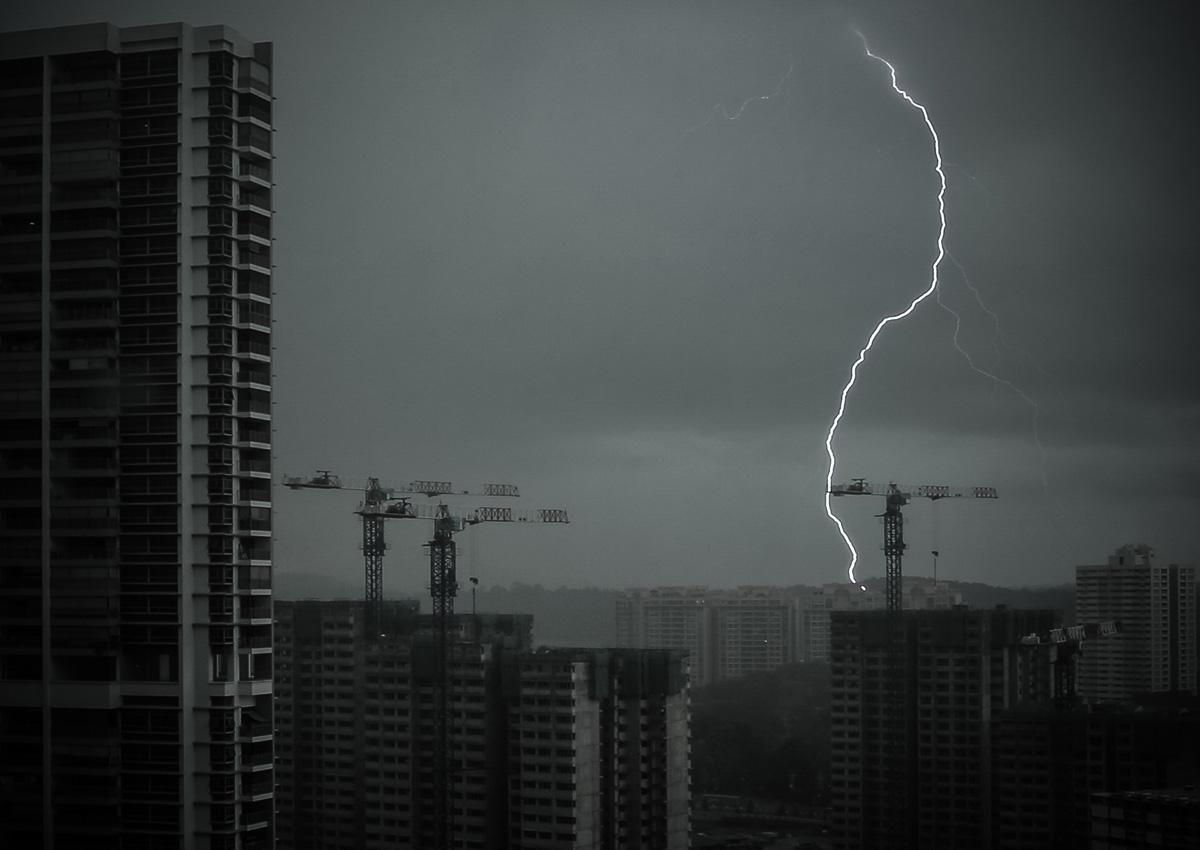
Lightning kills 59 people in three days in Bangladesh: Official

DHAKA – Lightning strikes have killed an unprecedented 59 people in Bangladesh in three days as tropical thunderstorms hit the country before the annual monsoon, an official said Sunday.
Thirty-four people were killed on Thursday in different locations and another 25 over the next two days around the country, disaster management department chief Reaz Ahmed told AFP.
“We’ve not seen such a huge number of deaths due to lightning before,” Ahmed said, adding most of the victims were farmers struck while working in their rice paddy fields.
Lightning in the course of tropical storms usually strikes Bangladesh during the pre-monsoon and the monsoon season, which runs from June to September.
According to the disaster management department, 200 people have died on average every year from lightning strikes since 2011.
Weather expert Shah Alam said deforestation was to blame for the increased number of deaths, especially the cutting down of taller trees like palms that used to attract lightning bolts.
Old man gets up unscathed when struck by lightning
Click on thumbnail to view photos. Source:
Stomp, YouTube screengrabs













Alam, a former head of the Bangladesh Meteorological Department, said farmers and other labourers were also carrying more metal objects such as cellphones than before. Many were also working through the storms rather than traditionally waiting until they had passed.
Authorities said they plan to launch an awareness campaign from Monday on the dangers.
“We’ll ask the people not to work in open spaces such as farmland, avoid the use of electronic gadgets such as mobile phones and not to stand under metal electric poles or big trees during lightning,” Ahmed said.
Ahmed said authorities would also conduct research to determine whether the ferocity of the lightning storms was linked to warmer temperatures from climate change.
The meteorological department has already trained 20,000 school students on preventive measures during lightning.
Storm chaser films himself surviving a lightning strike
Click on thumbnail to view photos. Source:
YouTube screengrabs
















Image:
Publication Date:
Sunday, May 15, 2016 – 19:34
Keywords:
Send to mobile app:
Source:
Hermes ID:
2 293 391
Hermes ID String:
VLLIGHTNING15
Story Type:
Others
Accused Chinese murderer arrested after 25 years on the run

BEIJING – Chinese police have arrested a man who has been on the run since allegedly hacking a family of six to death 25 years ago, state media reported Sunday.
The suspect, identified as Guo, murdered the family with an axe after a dispute “over trivial matters” in March 1991 and has reportedly confessed to the crime, Xinhua news agency quoted local police as saying.
Guo said the killings were an act of revenge after his own wife was sexually harassed by a man from the family, according to the official Life Daily.
He was quoted by the newspaper as saying he “entered the courtyard in the early morning, saw a woman in the bathroom and killed her with an axe before attacking five other people”.
The oldest victim was in his 80s and the youngest was 11, Life Daily added.
According to police, Guo said he “hasn’t had a good night’s sleep in more than 20 years on the run, often waking up with a start with sweaty palms”, Life Daily reported.
Guo, who was convicted of rape before the 1991 murders, fled several thousand kilometres to Shandong province in China’s east after the murders in the northeastern province of Heilongjiang.
He then headed to Xinjiang in the northwest, on the other side of the country, where he worked odd jobs.
Guo was finally arrested in Xinjiang after investigators discovered a mobile phone registered in the area under his wife’s name.
The case is still under investigation, according to Xinhua.
Image:

Publication Date:
Sunday, May 15, 2016 – 19:33
Send to mobile app:
Source:
Hermes ID:
2 293 384
Hermes ID String:
VLMUR15
Story Type:
Others
This week in 'Game of Thrones': New faces and towering questions

New cast members, such as Max von Sydow, have pointed the show in intriguing directions this season
How do you top a resurrection? HBO has managed to keep interest high in the sixth season of “Game of Thrones” by bringing back the beloved Jon Snow (Kit Harington).
The supernatural aside, it also has deftly introduced new characters into the action.
The most prominent is Max von Sydow’s Three-Eyed Raven, an ancient wise man fused with the roots of a tree who serves as a subterranean Yoda to powerful young psychic Bran Stark (Isaac Hempstead-Wright).
The Three-Eyed Raven character has appeared before – fleetingly at the end of season 4, with a different actor in the role – but his importance is much clearer this season, as he guides Bran through scenes from his family’s past.
Looking ahead, viewers have been led to expect more from the Tower of Joy, of which the Raven gave Bran a tantalizing glimpse at a pivotal moment in the history of Westeros last week.
9 beautiful Game of Thrones landscapes you need to visit
Click on thumbnail to view photos. Source:
Skyscanner, Andalucia.org















At the Tower, a younger version of Bran’s father, Ned Stark (Robert Aramayo), defeats famed swordsman Ser Arthur Dayne (Luke Roberts) with the help of an ally, Howland Reed (Leo Woodruff).
Bran is more interested in the screams coming from the tower, but the Raven cuts him off before he can go see for himself.
The cries are likely coming from Lyanna Stark, Bran’s late aunt, and one popular fan theory suggests that it is because she’s giving birth to Jon Snow.
It might be some time before the show’s story either confirms or denies this, though.
Another new character who has made a big impact, despite limited screen time, is Euron Greyjoy (Pilou Asbæk).
Read the full article here
OTHER WSJ.COM STORIES:
– George R.R. Martin Reveals a New Excerpt From ‘The Winds of Winter’
– ‘Game of Thrones’ the Morning After: Welcome to the Tower of Joy
– ‘Game of Thrones’ Recap: Season 6, Episode 3, ‘Oathbreaker’
S’porean Game of Thrones actress won’t strip for camera
Click on thumbnail to view photos. Source:
The New Paper, HBO Asia, Twitter




















Image:
Publication Date:
Sunday, May 15, 2016 – 18:56
Keywords:
Send to mobile app:
Source:
Story Type:
Others
Changes to laws proposed to better protect consumers from unfair trading practices
The proposed amendments to the Consumer Protection (Fair Trading) Act would give SPRING Singapore the power to file timely injunction applications against businesses carrying out unfair trading practices.
Source link
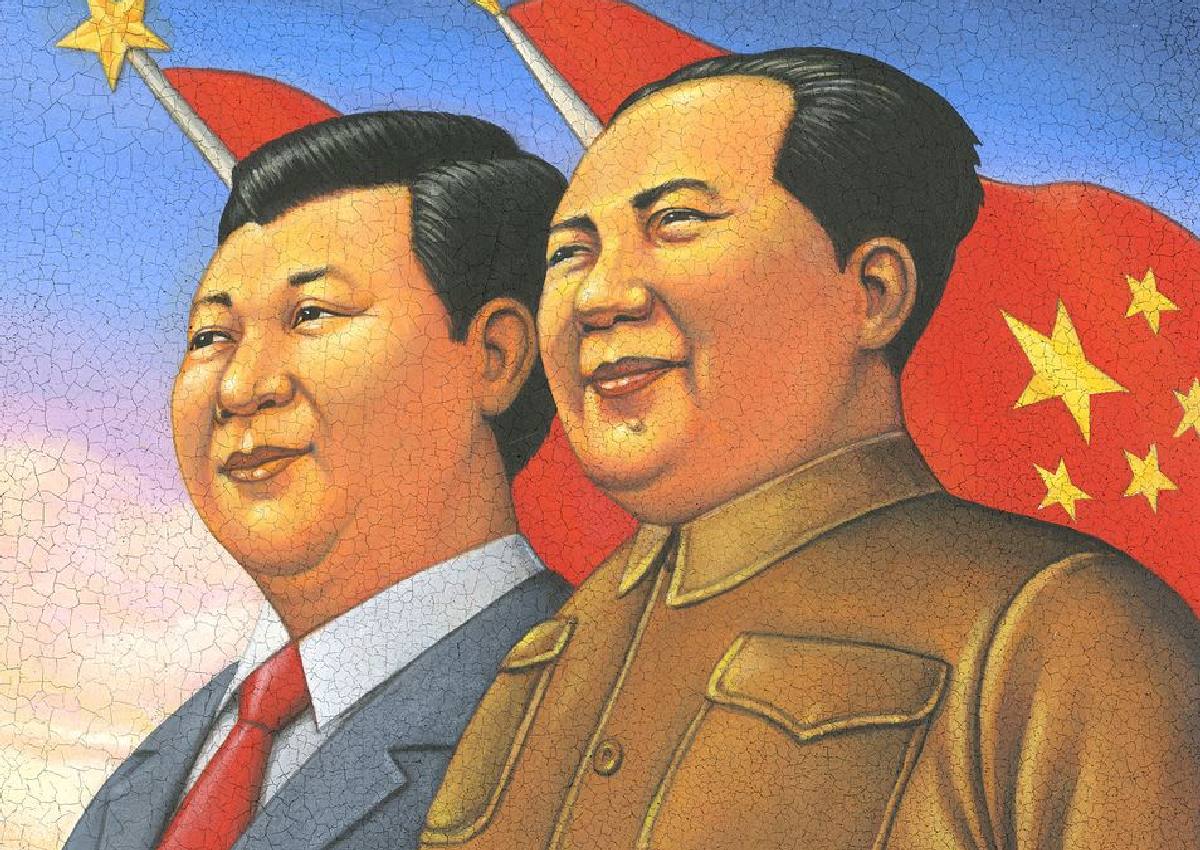
Xi embraces Mao's radical legacy
The Cultural Revolution is no longer just an ugly chapter in China’s past. Its brutal legacy haunts President Xi Jinping’s ‘China dream’
Fifty years ago, on May 16, Mao Zedong unleashed an attack aimed at smashing his own Communist Party apparatus from top to bottom, having concluded that it was going capitalist.
“Bombard the headquarters!” he urged the masses in a famous People’s Daily article. Millions of young zealots responded, becoming Mao’s Red Guards, his fanatical foot-soldiers.
Thus began China’s Great Proletarian Cultural Revolution, a period of murderous insanity that ended only with Mao’s death a decade later, in 1976.
Nothing could be further from the tactics of President Xi Jinping today as he seeks to rid the party of the ills that he fears could lead to its extinction-corruption, moral decay, the loss of will to fight for a cause.
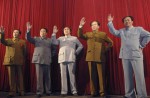
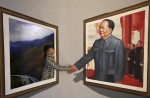
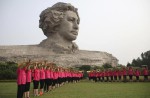
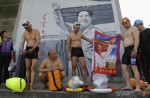
The cult of Mao
Click on thumbnail to view photos. Source:
Reuters



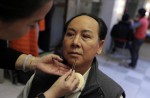

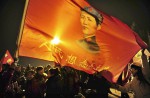
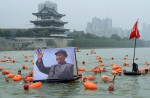

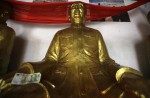
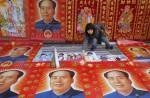

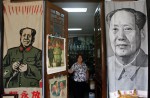

His response has been to impose rigid order from on high, to stifle criticism-party members are forbidden from engaging in “improper discussion”-and to crush organised dissent, no matter how mild. Draconian media censorship has silenced debate on the Internet.
Yet, despite these obvious differences, Mr. Xi has spent his first three years in office resurrecting Mao, borrowing his rhetoric and aping his practices.
He has concentrated power in his own hands and flirted with a personality cult-the most haunting symbol of the Cultural Revolution, in which blind worship of a supreme leader kindled years of convulsive violence.
As many as 1.5 million Chinese were beaten to death, driven to suicide or killed in fighting among Red Guard factions.
Today’s China is nowhere near the point of another Cultural Revolution, and the 50th anniversary of the start of that traumatic era will go unmarked in official circles. Chinese leaders “are frightened of the Cultural Revolution,” says the historian Frank Dikötter. “They think that’s what might happen if you give ordinary people a say.”
Read the full article here
OTHER WSJ.COM STORIES:
– Hard Truths About Race on Campus
– The Next Conservative Movement
The cult of China’s Mao Zedong
Click on thumbnail to view photos. Source:
Internet screengrabs, Reuters, The Straits Times











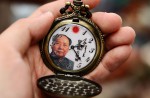
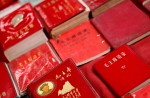
Click on thumbnail to view photos. Source:
AFP, Reuters
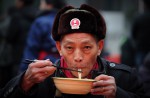
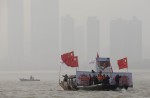
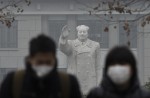

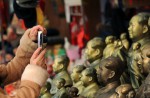
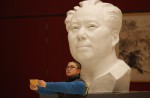
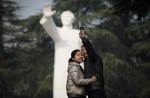
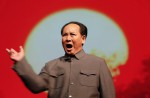


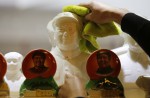

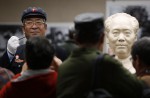

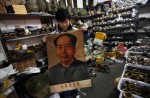
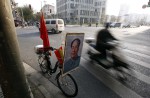
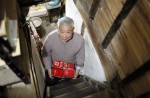
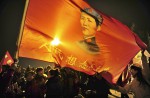
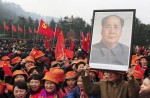
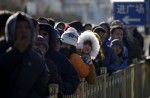

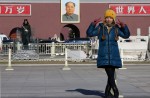
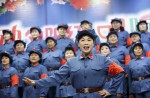
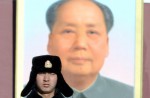



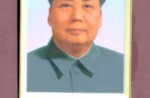


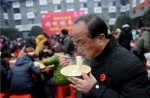

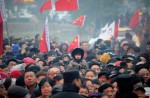

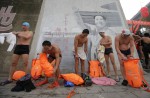

Image:
Publication Date:
Sunday, May 15, 2016 – 18:18
Keywords:
Send to mobile app:
Source:
Story Type:
Others
Athletics: Russia 'ashamed and sorry' over doping scandal
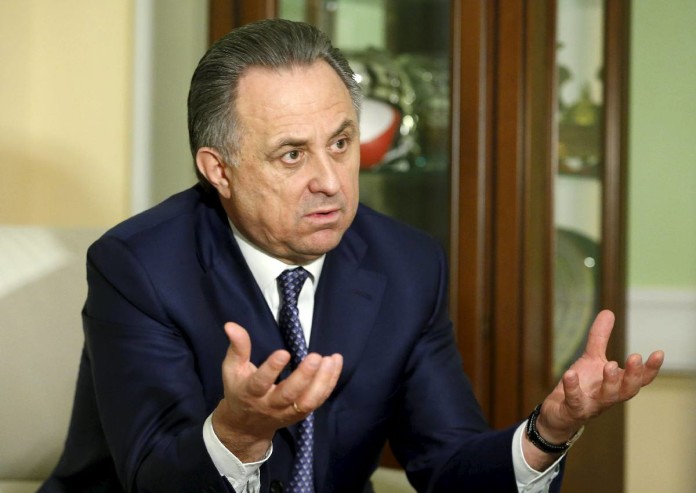
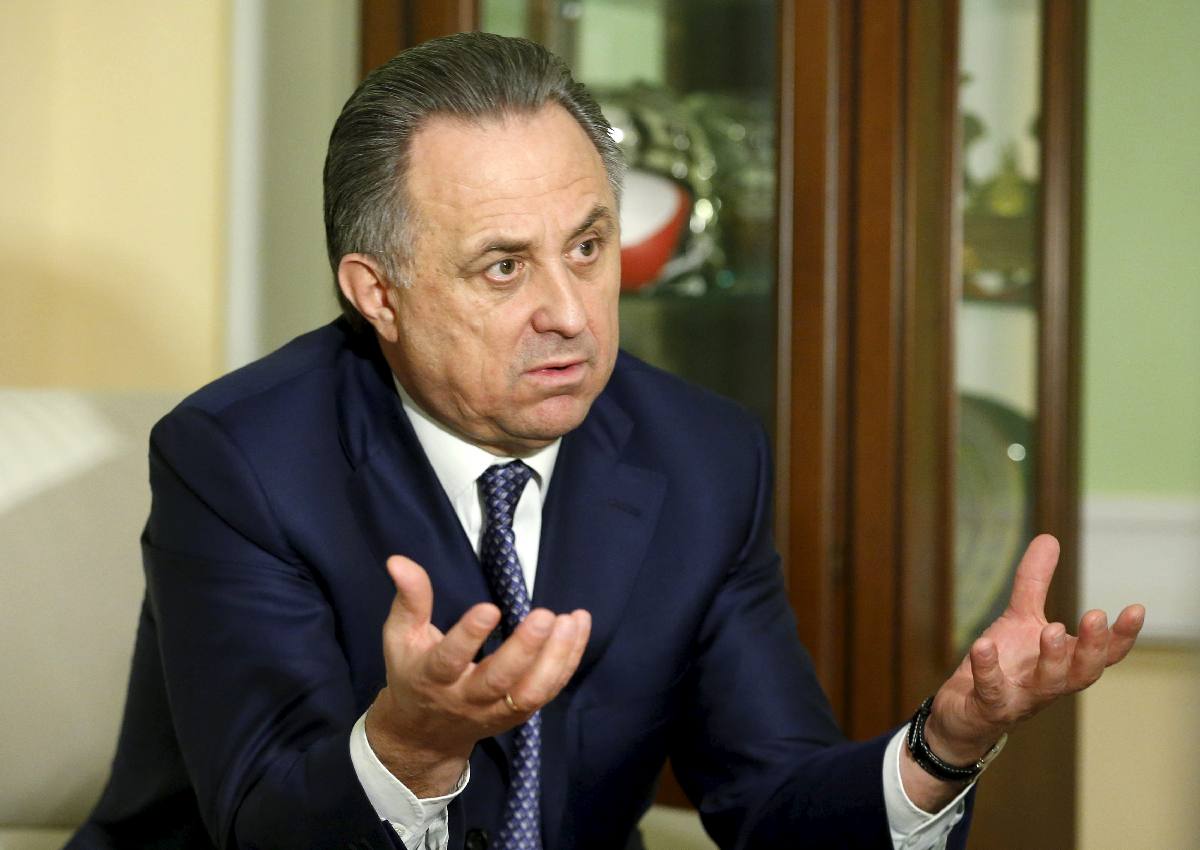
LONDON – Russian sports minister Vitaly Mutko apologised on Sunday for the doping scandal that threatens the athletic superpower’s participation in the Rio Olympics.
Mutko, writing in The Sunday Times, admitted the Russian Athletics Federation and athletes had made “serious mistakes” breaking anti-doping rules.
He said “they had rejected the principle of fair-play so fundamental to sport for immediate benefits.
“Let us be clear. We are ashamed of them.” Mutko’s mea culpa comes just three days after he described as “absurd” allegations that Russian athletes were involved in systematic doping at the 2014 Sochi Olympics.
A report in the New York Times based on information from the former head of Russia’s anti-doping laboratory claimed that dozens of athletes including 15 medallists were involved.
Russian athletics faces a battle to compete at the Olympics in Rio in August.
The sport’s ruling body the IAAF provisionally suspended the Russian athletics federation in November over a bombshell report by a World Anti-Doping Agency (WADA) independent commission alleging state-sponsored doping and mass corruption in the sport.
The International Association of Athletics Federations will examine the issue of Russia’s participation in Rio at an extraordinary Council meeting next month.
Mukto told The Sunday Times: “We are very sorry that athletes who tried to deceive us, and the world, were not caught sooner.
“We are very sorry because Russia is committed to upholding the highest standards in sport and is opposed to anything that threatens the Olympic values.” He insisted that since the scandal emerged Russia was putting her house in order.
“Since Russia was suspended last November, with RUSADA, the Moscow laboratory and the ARAF all losing their WADA status, we have agreed a road-map with WADA aimed at restructuring these organisations, taking a series of steps to demonstrate how committed we are to ensuring that sport in our country is clean and fair.” Mutko listed some of the new measures designed to ensure his country’s appearance in Rio.
“Before the Rio Games begin, our aspiring Olympians will undergo a minimum of three anti-doping controls carried out by the IAAF – in addition to any testing that they receive in all qualifying competitions.
“In addition, two international experts are now based in Moscow to supervise all activities of our anti-doping agency.” He said UK Anti-Doping (UKAD) had been appointed by WADA to take charge of drug-testing in Russia, although UKAD said on Friday it was reviewing its position after the Sochi revelations.
Mutko said “key changes” had been made at the top of the All-Russia Athletics Federations to give the sport “a fresh start”.
“We will do everything humanly possible to ensure our athletes are a part of clean, fair and enthralling Games,” he pleaded ahead of the IAAF’s crunch meeting to determine Russia’s Rio fate on June 17.
Image:
Publication Date:
Sunday, May 15, 2016 – 18:17
Keywords:
Send to mobile app:
Source:
Hermes ID:
2 293 225
Hermes ID String:
VLDOPING15
Story Type:
Others
Starbucks $2 Off Coupon when you do the 30-sec Emoji Quiz from 16 – 20 May 2016 | SINGPromos.com

Starbucks free $2 off beverage coupon when you do their 30-sec quiz
Starbucks $2 Off Coupon when you do the 30-sec Emoji Quiz from 16 – 20 May 2016 | SINGPromos.com
Get a $2-off-your-drink coupon when you do the Starbucks Emoji Quiz and flash the resulting coupon image
Hong Kong residency draws interest from China's elite

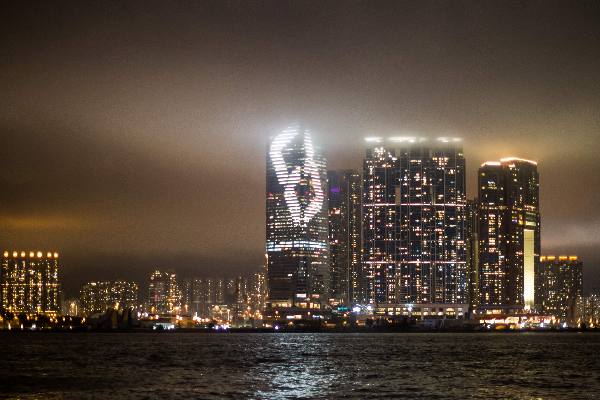
HONG KONG – The massive leak of documents known as the Panama Papers suggests that Hong Kong has played a role of connecting China’s elite with a global network of tax havens.
Top officials in China’s Communist Party are tied to this link via relatives who have established permanent residency in Hong Kong.
Family members of sitting senior party officials have used identification issued by the Hong Kong government to set up investment companies in tax havens such as the British Virgin Islands, newspaper Ming Pao and other media here reported in early May. Those reports are drawn from millions of files from Panamanian law firm Mossack Fonseca leaked to the International Consortium of Investigative Journalists, of which Ming Pao is a collaborator.
The daughter-in-law of Liu Yunshan, a member of the Politburo Standing Committee and fifth-ranking member of the Communist Party, apparently acquired Hong Kong permanent residency in 2008. The daughter and son-in-law of Vice Premier Zhang Gaoli are reported to reside in a luxury property in the city and go by names pronounced in Cantonese. Relatives of former top officials, including Premier Li Peng and the late Deng Xiaoping, have also made Hong Kong their permanent home.
These family members’ reasons for obtaining Hong Kong residency are unclear. One financial industry insider speculated that the comparative ease of doing business in the city could be a driving factor, noting that firmer rule of law in Hong Kong than on the mainland makes real estate investment safer.
Read the full article here
Panama Papers: Secret accounts of the rich and powerful
Click on thumbnail to view photos. Source:
AFP, Reuters, The Star/ANN




















Image:
Publication Date:
Sunday, May 15, 2016 – 17:29
Keywords:
Send to mobile app:
Source:
Story Type:
Others
Changes proposed to better protect consumers from unfair trading practices
The proposed amendments to the Consumer Protection (Fair Trading) Act would give SPRING Singapore the power to file timely injunction applications against businesses carrying out unfair trading practices.
Source link


