Home Blog Page 3877

The future of RSAF?

Welcome to Dallas Fort Worth, where production of what has been labelled the world’s most advanced fighter jet is continuing apace.

The F-35 Joint Strike Fighter can travel at nearly twice the speed of sound, has stealth features that make it tough to detect by enemy planes and radars, and high-tech systems which let it strike the enemy first before being spotted.

But the plane, which Lockheed Martin started developing in 2001, has also become a lightning rod for criticism. It has faced delays, ballooning production costs and a series of production flaws, such as a fuel tank prone to exploding, a vulnerability to lightning strikes and even a faulty ejection seat which could snap a pilot’s neck during ejection.

But that has not stopped 11 countries, including the United States, Britain, Israel, South Korea and Japan, from buying the F-35, with Denmark possibly joining the list after its defence ministry made a pitch to Parliament two weeks ago to opt for fifth-generation aircraft.

Now, Lockheed is looking to sew up a multibillion-dollar deal with Singapore, which is in the final stages of considering if it will also go down the F-35 route and buy both the conventional F-35A and the F-35B, which takes off from shorter runways and can land like a helicopter.

A MATTER OF WHEN

Several sources told The Sunday Times that Singapore looks all but certain to say yes to the F-35s, explaining it is “not a matter of if but when” and that a decision may be expected as early as next year.

That will be when the Pentagon issues a notice to the United States Congress highlighting the possible deal. If Singapore does buy the plane, it will probably receive its first F-35 around 2021 when the warplane is considered “full matured”, said one source.

The Ministry of Defence (Mindef) would only say that the F-35 “is still under evaluation”, citing Defence Minister Ng Eng Hen’s comments to Parliament in 2013 that fifth-generation jets, such as the F-35, are “potential options”.

“As a small country with no strategic depth, Singapore will always need superior air capabilities to protect its interests and borders,” said a Mindef spokesman.
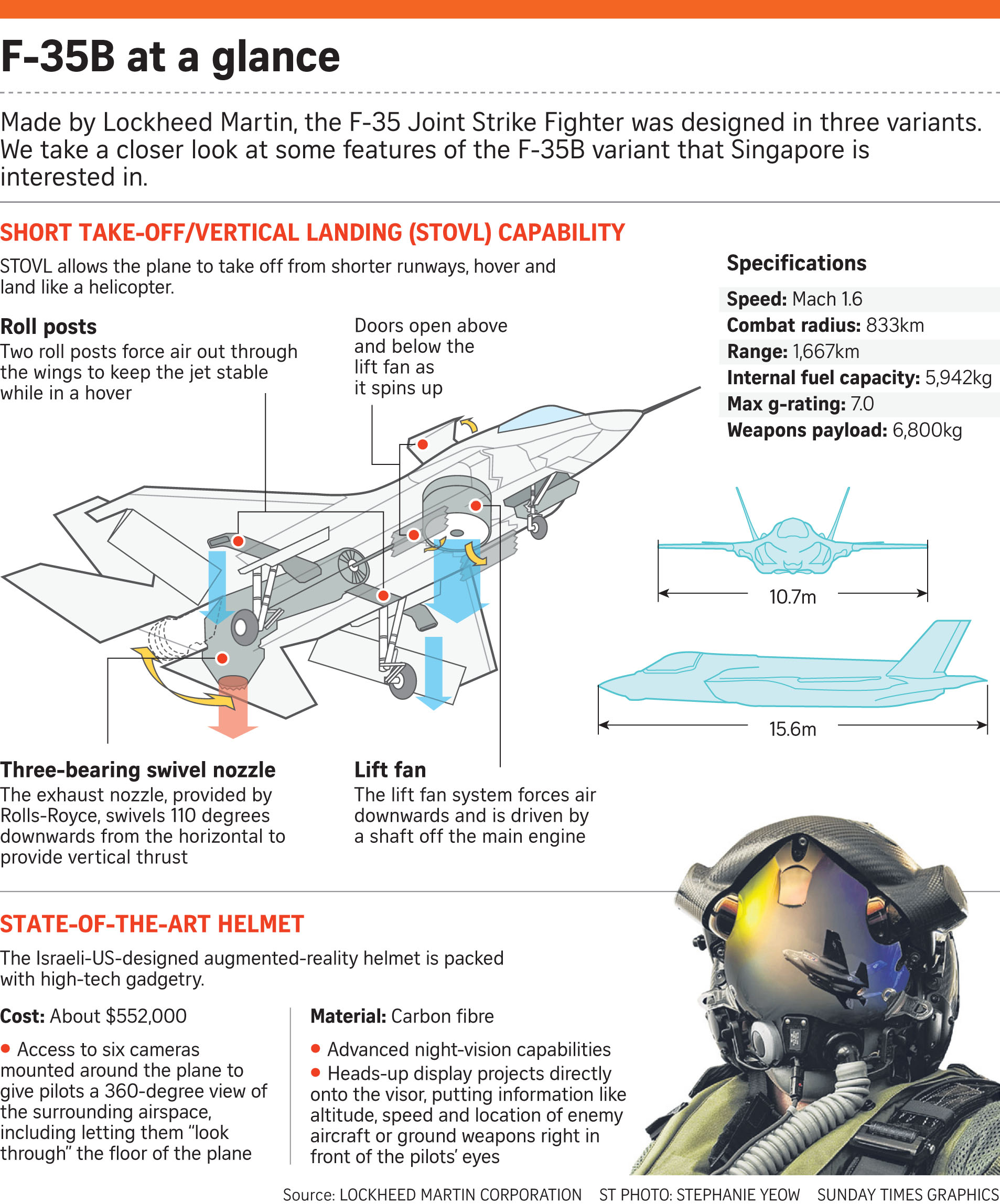
Dr Ng has seen both the F-35A and F-35B jets up close as recently as last December. A Republic of Singapore Air Force (RSAF) evaluation team has also been to Lockheed’s aeronautics headquarters in Dallas Fort Worth at least twice in the last three years to go through their paces in F-35 simulators.

The Pentagon’s F-35 programme chief, Lieutenant-General Christopher Bogdan, paid an unpublicised visit to Singapore in February during the Singapore Airshow, and was said to have made his closing pitch to the country’s military leaders – two years before the F-35’s development is scheduled for completion.

For Singapore to be mulling its options at this stage is unprecedented, said observers. It acquired its F-16s and F-15s years after they were built in the 1970s and battle-tested.

But this also means Singapore needs to be more careful that it will not be buying into a problematic platform. A source said: “This is the first time that we are buying a fighter jet that is fresh off its development phase. We need to make sure that the platform is ready.”

TEETHING PROBLEMS

It has been a bumpy ride for the F-35. In the latest blow, engineers last year uncovered computer glitches that can shut down the plane’s radar, requiring pilots to turn it off and on again.

Such issues have pushed the F-35’s development seven years behind schedule and made it the world’s costliest weapon programme in history. The initial estimate in 2001 had been around US$200 billion. Today, the Pentagon has already spent US$400 billion (S$553 billion).

The F-35 was also reportedly outclassed by a 40-year-old F-16 in a dogfight last year. Last month, US Senator John McCain, a former navy pilot, slammed the F-35’s troubled history, saying it “has been both a scandal and a tragedy with respect to cost, schedule and performance”.

PILOTS GIVE THUMBS UP

Yet, pilots who have flown the F-35 told The Sunday Times that it is a cut above the rest.

Lieutenant-Colonel Gregory J. Summa, who is the commanding officer at the VMFAT-501 squadron which trains the US Marine Corps’ F-35 pilots, said: “The airplane has more power than others and the power is there immediately.

“Because of its low observable design, there is not a lot of drag, so the airplane accelerates very, very fast and does not decelerate. You have to force the airplane to slow down.”

Major Michael Rountree, the squadron’s executive officer, has clocked 400 hours on the F-35. The 38-year-old said the jet was much easier to fly, allowing him to pay more attention to threats.

The information collected by the plane’s many sensors is also put together in one single display, which means the pilot can quickly have a complete picture of what is happening around him, he added.

Lockheed’s F-35 chief test pilot Alan Norman, who has clocked 6,000 flying hours in more than 70 types of aircraft such as the F-22, said the plane is also more survivable and lethal than any other.

He said: “Nobody is going to sneak up behind an F-35 because you know where every adversary is in the battlespace well before they are on your tail.”

Maintenance crew said F-35s take half the time to maintain, given its advanced computer system.

Lockheed’s executives assure that all the glitches will be fixed by 2018.

Mr Steve Over, Lockheed’s F-35 business development director, said the defence manufacturer has “a solution on hand for every one of the technical flaws pointed out”.

“The flaws found are not unlike any weapons programme that is still under development”, added the engineer, who worked on F-16s for 29 years before moving to the F-35.

Defence analyst Kelvin Wong said developmental challenges are par for the course for modern combat aircraft programmes, more so with the F-35 programme’s scale and complexity. Pointing to the F-16 programme, which is one of the most successful with at least 25 countries flying over 4,500 jets, Mr Wong, who is IHS Jane’s Asia-Pacific defence technology reporter and upgrades editor, said the F-16 suffered “subpar performance” for about 10 years.

Lockheed is also optimistic as it has been able to cut production costs by 60 per cent since the first plane rolled off its factory floor in 2010. It said it is on track to shave a further 20 per cent off the current price by 2019. By then, each F-35 will hopefully cost around US$80 million to US$85 million.

The optimism was palpable when The Sunday Times visited Lockheed’s F-35 factory floor.

Visitors were not allowed to take photos or capture videos in the high-security production line, which is about 1.6km long.

The area was a hive of activity, with engineers and technicians working like clockwork to assemble the warplanes. To meet expected higher demand and ramp up production to hit full steam by 2019, Mr Over said Lockheed will increase the number of final assembly stations from 14 to 22. More hands will also be needed, with 1,000 people to be hired by 2020 to add to the current 5,000-strong team.

Mr Jack Crisler, Lockheed’s vice-president of F-35 business development and strategy integration, said the “sweet spot” for countries to lock in their orders would be between next year and 2018, to gain economies of scale.

He expects interest from other countries to grow when Japan and Israel start to take delivery of their warplanes and fly them, putting paid to doubts of a sustainable worldwide F-35 fleet. Mr Crisler said countries will want to be in a growing shortlist that Lockheed and the Pentagon will pick from to set up maintenance and repair warehouses around the world.

DOES SINGAPORE NEED THE F-35?

Beyond the marketing spin, questions still swirl over the need of having the F-35s to protect Singapore’s airspace. Currently, the country has fourth-generation fighters F-16s and F-15s. While the 60 F-16 jets are getting their midlife upgrades to extend their operational lives by another 20 years, the F-15s, which the Republic is believed to have as many as 40 of, are considered the best currently.

Defence observer David Boey, who sits on the Advisory Council on Community Relations in Defence, believes existing fighters are “numerically and technologically superior to that of anyone in the immediate region who may want to pick a quarrel with us”.

He said: “In the absence of the F-35, options include expanding this fighter force with latest variants of these or other warplanes.”

He added that the hefty price of the F-35 is not the chief hurdle.

The F-15s were said to be about US$120 million each when Singapore bought them. He said: “The deal-breaker is convincing ourselves that the F-35 can perform as advertised and serve as a credible deterrent. With enough time and money, any bug can be fixed. We need to ask ourselves if the patience and money will always be there to bankroll this project.”

Defence analyst Richard Bitzinger thinks Singapore is in no hurry as it already has an “overwhelming (air) superiority” over its regional neighbours, although several, including Indonesia and Malaysia, are also eyeing fifth-generation platforms. “I think that Singapore will eventually opt for the F-35, due to its overall technophilia, but it can afford to wait,” said the senior fellow at the S. Rajaratnam School of International Studies.

Other observers said there is also a limit to how much the RSAF can upgrade its existing fourth-generation warplanes to outdo the enemy.

As one put it: “You can only do that much with a Toyota and Suzuki. Given the strategic challenges, we may need to get a sports car to stay ahead.”

jermync@sph.com.sg


This article was first published on May 22, 2016.
Get a copy of The Straits Times or go to straitstimes.com for more stories.

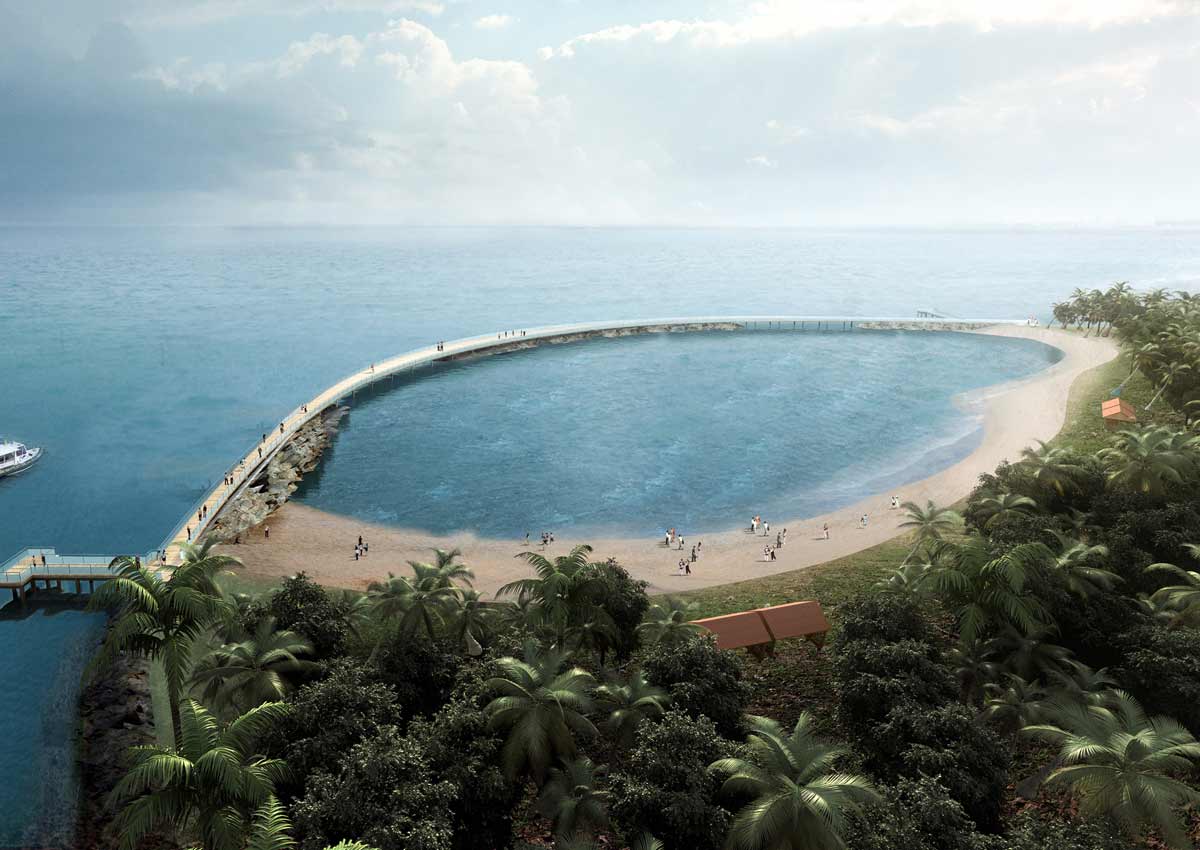
Image: 
Category: 
Blurb: 
The F-35 has been billed as the world's most advanced fighter jet. It flies at nearly twice the speed of sound, has stealth capabilities and is armed with a supercomputer. -ST
Publication Date: 
Sunday, May 22, 2016 – 17:00
Send to mobile app: 
Source: 


Story Type: 
Others

Source link

Sisters' Island to be heart of marine life conservation

From Singapore’s first sea turtle hatchery to a floating pontoon with see-through panels, detailed plans to transform Sisters’ Islands into the heart of the country’s marine life conservation efforts were revealed yesterday.

Announcing these yesterday on St John’s Island, Senior Minister of State for National Development Desmond Lee highlighted how, despite covering less than 1 per cent of the world’s surface, Singapore’s waters are home to over 250 species of hard corals, a third of the world’s total.

“We may be small, but we are large in our marine richness,” he said, as he highlighted the need to ramp up conservation efforts and to raise awareness among Singaporeans of the life in surrounding waters. “The marine park is meant for Singaporeans, and we hope our people will love it, grow it and take ownership of this park.”

The 40ha Sisters’ Islands Marine Park, first announced in 2014 and about the size of 50 football fields, comprises the two Sisters’ Islands – which are a 40-minute boat ride from Marina South Pier – surrounding reefs and the western reefs of nearby St John’s Island and Pulau Tekukor. Its ecosystem supports corals, anemones, seahorses, fish and other marine life.

With the help of a $500,000 donation from HSBC, a turtle hatchery will be set up on Small Sister’s Island by the end of next year.

The island will be a dedicated site for marine conservation and research. It will have a coral nursery where rare corals can be grown before being transplanted onto Reef Enhancement Units (REU) on the reef. Yesterday, HSBC also donated $180,000 for nine REUs under the new Seed-A-Reef programme.

Open to the public, donations of at least $20,000 will pay for an REU – an artificial scaffolding to which corals attach and grow.

To encourage Singaporeans to take ownership of the marine park on the islands, they will be able to also “sponsor” a coral for $200 in the new Plant-A-Coral initiative.

Big Sister’s Island meanwhile will serve as a “gateway to the marine park” for the public, said Mr Lee.

It will have facilities where people can get close to nature, such as a floating pontoon, intertidal pools, a boardwalk and forest trails.

Most of these new facilities will be built by the end of 2018.

Ms Karenne Tun, a director at NParks’ National Biodiversity Centre, said each sponsored coral will be grown in aquariums or a coral nursery in the sea from small fragments before being transplanted.

“We will target key species in Singapore that we feel need a bit of help, (or) those that are rare in Singapore,” she said, adding that it can take six months to two years for corals to be transplanted, depending on how fast the species grows.

If these programmes are done right, they could have an “add-on effect on the natural reef”, said Mr Stephen Beng, who chairs the marine conservation group of the Nature Society (Singapore).

Professor Wong Sek Man, director of the National University of Singapore’s (NUS) Tropical Marine Science Institute, said the upcoming plans on Sisters’ Islands will help educate the young on how to protect the environment. “Kids are very curious… to know what kind of marine organisms can be found in the sea. If they can also touch them, it will be very nice,” he said.

NUS first-year environmental science undergrad Lim Hong Yao, 22, who has been on a guided walk with NParks to the intertidal area on Sisters’ Islands, said the zone is full of wildlife. “Everything is interesting… I’ve seen corals, hermit crabs, octopus and even stingrays.”

Big plans for the two Sisters

ON BIG SISTER’S ISLAND

Early 2018

A floating pontoon will be built adjacent to the jetty. Visitors will also get to observe marine life such as sea fans, sponges and sea anemones through viewing panels on the base of the pontoons.

Mid-2018

Forest trails that cut through the island will allow visitors to explore the island and go bird-watching.

End-2018

A boardwalk along the lagoon will provide sweeping views of the coastline. Visitors can also get up close with coastal flora and fauna.

Intertidal pools will be built along the island’s inner sea walls to create an environment similar to natural rock pools, where marine life can be viewed up close at low tide.

ON SMALL SISTER’S ISLAND

End-2017

The first turtle hatchery here and an outreach facility will be built. The hatchery will be a refuge for rescued turtle eggs, where they can hatch safely.

A coral nursery will be established to safeguard hard corals. The nursery will play an important role in the conservation of coral species, especially in view of rising sea temperatures. Corals undergo bleaching when the temperature of the water gets too high.

ON BOTH ISLANDS

Ongoing now

As part of the Plant-A-Coral and Seed-A-Reef programmes, corals will be transplanted onto reef enhancement units, which are artificial structures placed within the reef to encourage coral growth.

End-2018

Areas will be set aside for coastal plant conservation. These will feature around 30 coastal plant species including critically endangered ones.

The public can visit the coastal plant conservation area on Big Sister’s Island. The area on Small Sister’s Island will be a dedicated site for research and conservation.

dansonc@sph.com.sg


This article was first published on May 22, 2016.
Get a copy of The Straits Times or go to straitstimes.com for more stories.
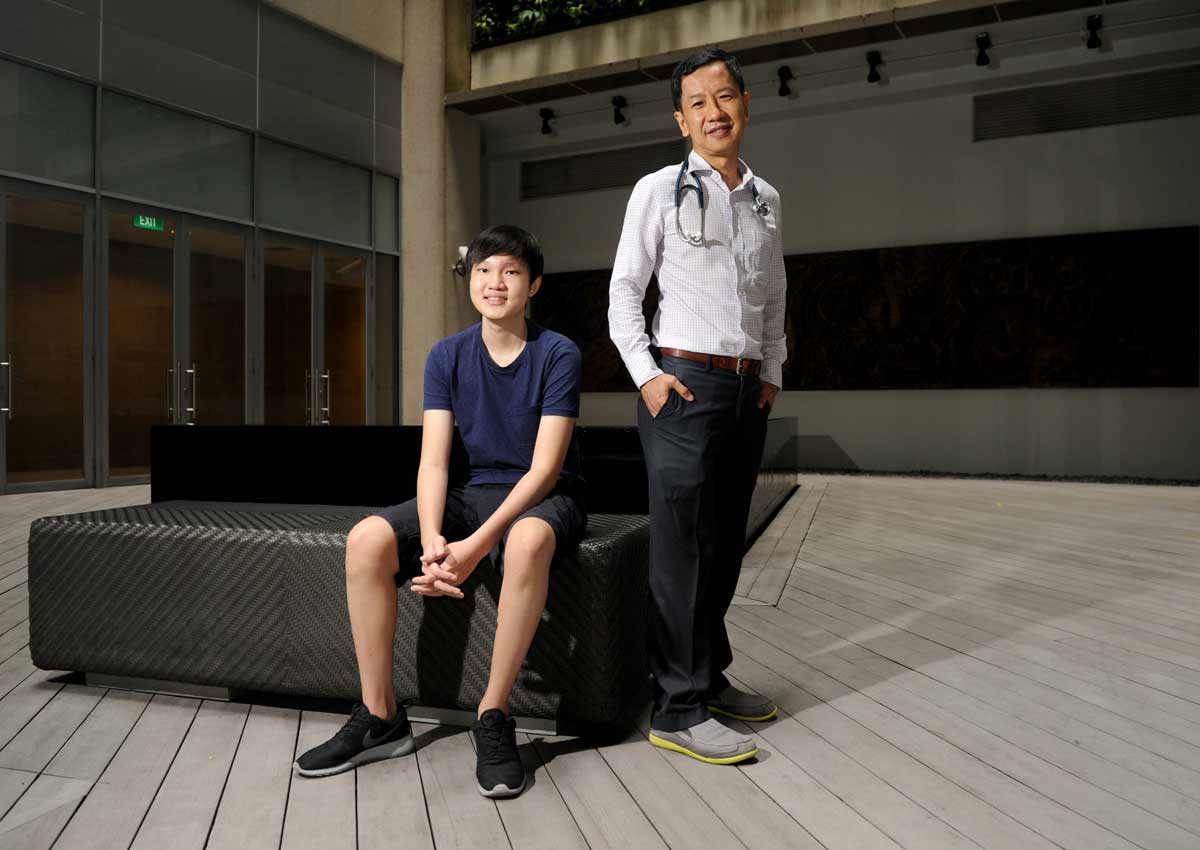
Image: 
Category: 
Blurb: 
Plans include nursery for corals, turtle hatchery and facilities where people can get close to nature. -ST
Publication Date: 
Sunday, May 22, 2016 – 17:00
Send to mobile app: 
Source: 


Story Type: 
Others

Source link

Leukaemia drug for boy costs $150,000

Image: 
Blurb: 
School organises fund-raiser for student who suffers relapse for 4th time. -ST
Publication Date: 
Sunday, May 22, 2016 – 14:00
Keywords: 
Send to mobile app: 
Source: 


Story Type: 
Others

Source link

SMRT reduces evening peak-hour fleet by two

Train operator SMRT has slightly reduced its evening peak train fleet on the North-South and East-West lines in the aftermath of last month’s power incident that crippled the western half of four lines.

The incident was triggered by a trip at the Buona Vista power intake station. It affected as many as 100,000 commuters on the North- South, East-West, and Circle MRT lines, as well as the Bukit Panjang LRT for up to two hours on the evening of April 25.

It is understood that SMRT and the Land Transport Authority (LTA) have reduced the evening peak fleet to a maximum of 116 trains, from 118 previously. The two trains were taken from the East-West Line.

This is to reduce the electrical load on the system, until a full investigation into the unprecedented incident is completed.

The train reduction is estimated to have lengthened intervals between trains to about 2.4 to 3.4 minutes, an increase of up to 20 per cent.

This is consistent with train arrivals clocked by The Sunday Times on Monday and Tuesday, with the average interval hovering just below three minutes.

Commuters did not seem to notice the difference.

Ngee Ann Polytechnic student Wan Liyana, 18, who takes the train from Clementi to Tampines, said she did not detect any change in waiting time or crowd size.

Engineer Jason Lou, 46, who takes the train from Choa Chu Kang to Clementi, said: “I don’t think there has been a change in the past two weeks. It’s the same every day.”

Tech consultant Frankie San, 35, who takes the train from Boon Lay to Buona Vista, said: “Basically everything is the same, unless a train breaks down.”

National University of Singapore transport researcher Lee Der-Horng was not surprised that the train reduction went unnoticed.

He noted that a reduction of two trains translates to a mere 1.7 per cent. “I think the impact should be negligible.

“Passengers have their own threshold for waiting time, and an increase of 0.4 minute is something that is unlikely to cross this threshold,” he said.

SIM University Adjunct Associate Professor Park Byung Joon concurred, saying the impact is “not big enough to be noticed”, especially when waiting time can vary widely.

Meanwhile, the LTA said when a new intake station on the Tuas West Extension is ready by the end of next month, it will help the Buona Vista intake station support the power load in the western region.

christan@sph.com.sg

ckylin@sph.com.sg


This article was first published on May 22, 2016.
Get a copy of The Straits Times or go to straitstimes.com for more stories.
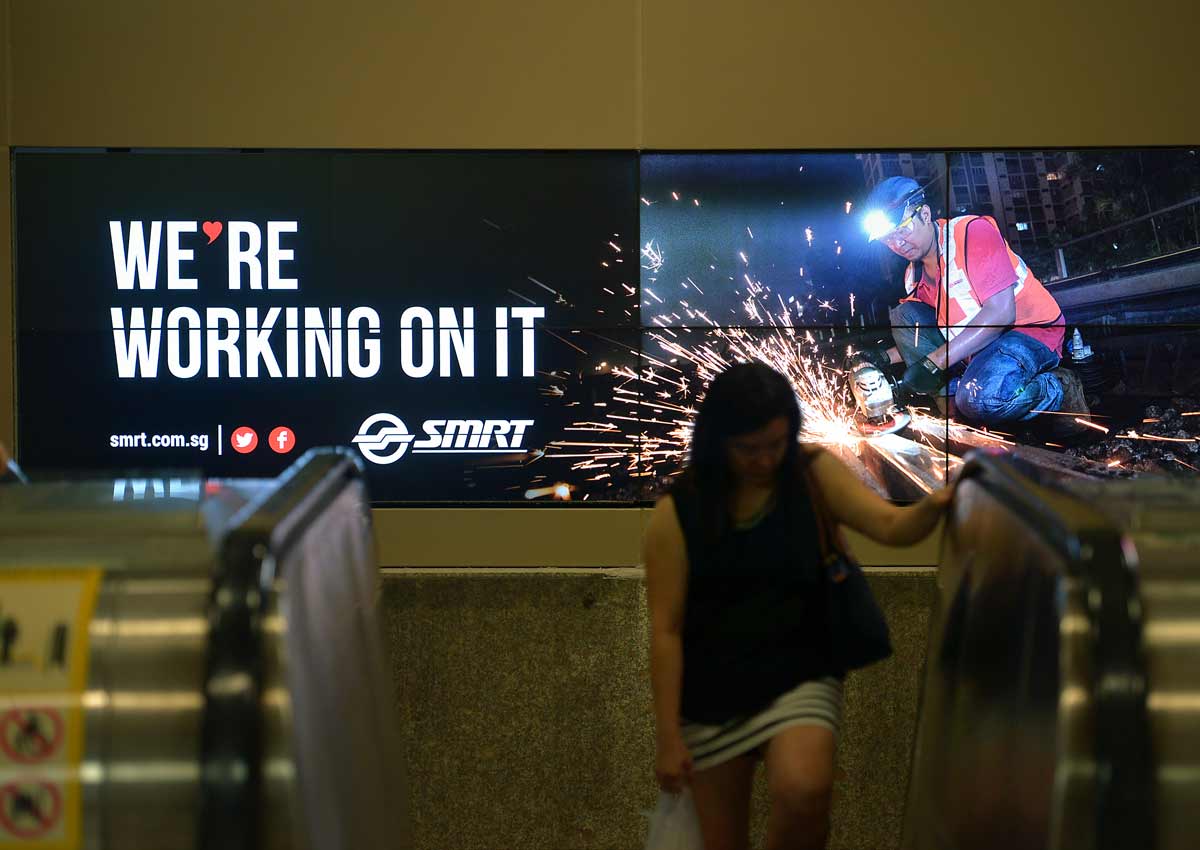
Image: 
Category: 
Blurb: 
Now there will be a maximum of 116 trains, from 118 previously, to ease the electrical load. -ST
Publication Date: 
Sunday, May 22, 2016 – 14:00
Keywords: 
Send to mobile app: 
Source: 


Story Type: 
Others

Source link

Drama groups to help tackle integration issues

Interactive plays will be staged across Singapore from July, to spread values of empathy and patience in a bid to promote integration among new citizens and Singaporeans.

Source link

Black Tidings: The Singapore connection in Olympics probe

A dimly lit stairway leads up to the unit while the smell of incense, as a Taoist medium clad in religious garb leads a ritual in an adjacent apartment, fills the air.

A Housing Board flat in Dakota Crescent is hardly the place one would expect to find a marketing consultancy, let alone one which reportedly played a role in helping Tokyo win the bid to host the 2020 Olympics.

The less-than-impressive unit is the registered address of the now-defunct Singapore-based firm Black Tidings, its appearance and location adding intrigue to a saga of Olympic proportions.

The firm, owned by Singaporean Ian Tan, 34, made headlines when British newspaper The Guardian reported that French authorities were looking into suspicious payments made by the Tokyo bid team, allegedly to influence the vote to decide the 2020 Olympic host. Japan has also launched its own probe into the matter.

They are questioning the US$2 million (S$2.8 million) in consulting fees paid to Black Tidings by the Tokyo bid team in 2013. That year, Tokyo beat Madrid and Istanbul to win the hosting rights to the quadrennial Games.

The transaction raised eyebrows as, just two years ago, German broadcaster ARD/WDR revealed Black Tidings’ alleged ties to an extortion and doping scandal involving Russian athlete Liliya Shobukhova and the International Association of Athletics Federations (IAAF).

When The Sunday Times called Mr Tan, he said he was assisting the Corrupt Practices Investigation Bureau (CPIB) with investigations and declined to comment. The CPIB is helping the French authorities’ Tokyo bid probe.

Asian Athletics Association (AAA) secretary-treasurer Maurice Nicholas, who met Mr Tan in 2014 when the latter was helping the AAA secure sponsorship, said he was surprised by the allegations.

Mr Nicholas, who last saw Mr Tan at last year’s IAAF World Championships, said: “He seemed like a nice chap, a genuine young man coming up in life. I was quite surprised to hear about all these.”

A friend of Mr Tan, who declined to be named, described him as “a nice guy” who seems well-connected in the local music scene. It is understood that he had worked on starting a singing school in the early 2000s.

Mr Tan’s LinkedIn profile has testimonials – from 2007 to 2009 – from former colleagues and clients from his time as a freelance marketeer, a marketing analyst with technology firm Oracle and campaign manager with marketing agency McCorkell & Associates.

But it is his involvement as owner of Black Tidings, which was registered in 2006 and terminated in 2014, which has brought him worldwide attention. Japanese officials claim the US$2 million fee is legitimate payment for consulting services, but the company’s links to the corruption-plagued IAAF have investigators suspecting otherwise.

In 2014, €300,000 (S$465,000) was transferred from Black Tidings’ bank account as a “refund” to Shobukhova, who had been told to cough up the amount to cover up a positive drug test in 2011.

The Singaporean is a known associate of Mr Papa Massata Diack – son of Senegal’s disgraced former IAAF president Lamine Diack, who was put under investigation by French police last November for alleged corruption. He is now free on bail but barred from leaving France. Mr Tan and the younger Mr Diack had met at the 2008 Beijing Olympics.

Mr Diack Jr, a former IAAF marketing consultant, is wanted by Interpol for alleged money laundering and corruption. He is also banned for life by the IAAF ethics committee over corruption and cover-up allegations.

The extent of their friendship is perhaps reflected by the fact that when Mr Tan’s son was born in 2014, he was named Massata.

French investigators said they stumbled on the Olympic transaction as part of their investigations into alleged fraud at the IAAF.

Mr Tan and Black Tidings’ involvement in the Tokyo bid is unusual, said Mr Duncan Mackay, editor of insidethegames, a news website specialising in reporting on major games.

“It is unusual, but not unprecedented for a company with no previous record in bidding, to be employed to work on a campaign. Once they have been employed, however, you would expect to see the company and its individuals attending the many events where bids gather to lobby,” he told The Sunday Times.

“I travelled extensively during the campaign for the 2020 Olympics and Paralympics following the bids, and never once heard anyone mention – let alone introduce me to – Ian Tan Tong Han and Black Tidings.”

The US$2 million, sent in two tranches, before and after the International Olympic Committee vote in 2013, also raises suspicion.

Mr Mackay said: “All the consultancy companies I know that work in the Olympic movement insist on being paid monthly, so they can manage their business (paying their staff and bills) in a professional manner.”

Sources familiar with the Olympic bidding scene also told The Sunday Times that Singapore has had no previous track record in providing expertise to countries seeking to host the Olympics.

While Black Tidings was terminated in 2014, a search of Accounting and Corporate Regulatory Authority (Acra) records found that Mr Tan also owns two other companies, The Sporting Age (Asia Pacific) and Goal Up!, both described as consultancies in their Acra records. The Sporting Age was described in a January World Anti-Doping Agency report as a firm based in Senegal.

Like Black Tidings, both businesses were registered to residential addresses, The Sporting Age in Punggol and Goal Up! in Serangoon Road.

When The Sunday Times visited these two properties, the Punggol address led to a newly renovated flat, while the other was a unit above a coffee shop. No one answered the door at both places.

Lawyer Samuel Sharpe, head of white collar crime practice at Duane Morris & Selvam LLP, said if allegations that the money was paid to influence the Tokyo bid is true, it could constitute criminal offences under Singapore and Japanese anti- corruption laws. It is also possible that other parties could be drawn in – if the allegations are proven true.

He added: “Anti-bribery laws with an international reach, such as the United Kingdom Bribery Act and United States Foreign Corrupt Practices Act, have a wide application when it comes to individuals and organisations involved in international bribery schemes. But it is far too early to draw any conclusions.

“With Black Tidings no longer an operating entity, it may be harder to carry out detailed investigations and prosecute officers linked to it. This will depend in part on how much documentary evidence (such as e-mail records) is still available.”

The key facts What is Black Tidings?

  • A Singapore marketing consultancy incorporated in 2006.
  • It is involved in questionable monetary transactions at the heart of two alleged corruption cases in international sport.
  • Company terminated in 2014.

Who is Ian Tan?

  • Black Tidings’ 34-year-old sole proprietor.
  • Spent several years working in China, where he befriended Papa Massata Diack – son of Senegal’s shamed former IAAF president Lamine Diack – during the 2008 Beijing Olympics.
  • Became close friends with Diack Jr, and Mr Tan himself told investigators that they continued on “ad hoc projects” together.
  • Mr Tan is listed as shareholder and director of The Sporting Age (Asia Pacific), a firm described in a World Anti-Doping Agency report as being headquartered in Dakar, Senegal.
  • Retained as a consultant on IAAF events, including the 2015 Beijing World Championships.
  • Found by investigators to have access to high-level IAAF officials, including Diack Sr, and was a regular attendee at IAAF events.
  • Married with one son – named Massata – born in 2014.

The Black Tidings trail

MARCH 2014

  • Black Tidings transferred €300,000 (S$465,000) via Standard Chartered Bank to Igor Shobukhova, the husband of Russian Liliya Shobukhova, a former winner of the London and Chicago marathons.
  • The couple claimed the money was a refund, after they reportedly paid officials a total of €450,000 in a failed attempt to cover up the marathoner’s positive drug tests in 2011 and to continue competing in the 2012 Olympics.

MAY 2016

  • Britain’s The Guardian reported that a seven-figure sum, believed to be around US$2 million (S$2.8 million), was paid by the Tokyo 2020 bid team to Black Tidings.
  • The newspaper also reported that payments were believed to have been made before and after the bid was awarded in 2013.
  • Diack Sr is now barred from leaving France, pending further probe. He was a member of the International Olympic Committee from 1999 to 2013, and honorary member thereafter until he resigned last November after allegations of receiving more than €1 million in bribes to cover up positive Russian drug tests.
  • Diack Jr is wanted by Interpol for alleged corruption and money laundering.

siangyee@sph.com.sg

maychen@sph.com.sg


This article was first published on May 22, 2016.
Get a copy of The Straits Times or go to straitstimes.com for more stories.

Image: 
Category: 
Blurb: 
Singaporean behind now-defunct firm known in music fraternity rather than in Olympic circles. -ST
Publication Date: 
Sunday, May 22, 2016 – 14:00
Send to mobile app: 
Source: 


Rotator Image: 
Story Type: 
Others

Source link

New coastal boardwalk, otter dens for Ubin

SINGAPORE – Work to restore the shoreline of Pulau Ubin – announced as part of the Ubin Project in 2014 – is set to begin next year, with completion slated for early 2020.
As part of shoreline restoration efforts, a coastal boardwalk, which will span about…

Source link

23 dead, 500,000 flee as Cyclone Roanu hits Bangladesh

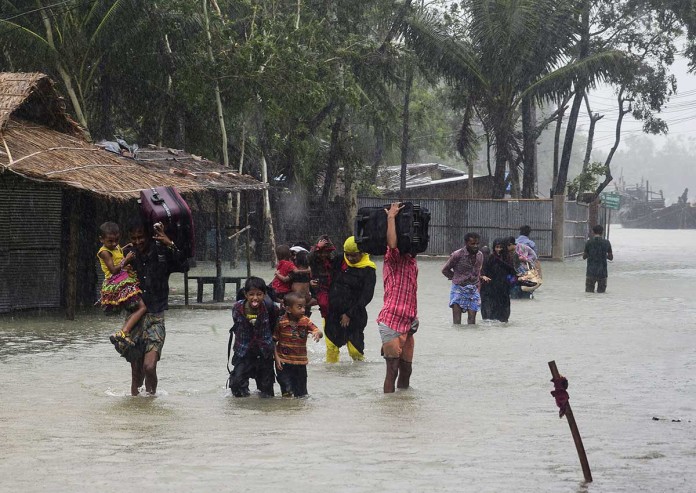
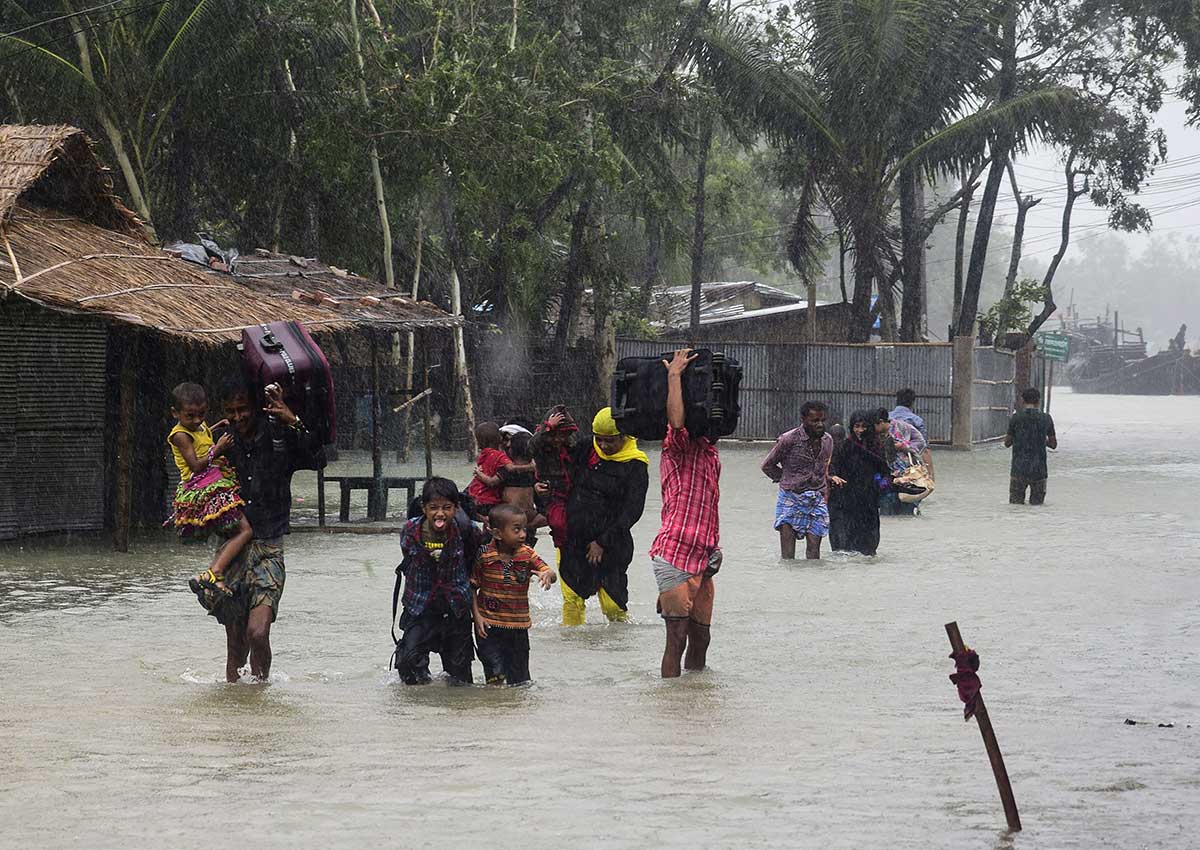
Bangladesh- Cyclone Roanu battered the coast of southern Bangladesh on Saturday (May 21), forcing half a million people to flee their homes and leaving 23 people dead in floods and rain-triggered landslides.

The cyclone damaged tens of thousands of mud-and-tin houses in the impoverished southern districts, with many low-lying villages inundated by a storm surge that swelled up to seven feet (two metres) high.

Authorities took more than 500,000 people into shelters as the cyclone made landfall just after midday local time (0600 GMT), packing winds as strong as 88 kilometres (54 miles) per hour.

At least 23 people are known to have died including 11 who were killed in the Chittagong district, which bore the brunt of the devastation, police and officials said.

“Seven people drowned at Banshkhali after the storm surge breached dykes at two places, inundating coastal villages,” Shah Alam, a police inspector in Chittagong, told AFP.

Some 250,000 people were marooned on the Chittagong coast as sea water ripped through dykes, flooding dozens of villages, government administrator of the district Mesbah Uddin told AFP.

Three people, including a mother and her daughter, drowned on Hatiya island after sea water flooded their village, and another three people died in Kutubdia Island.

By early evening Saturday conditions appeared to be improving, paving the way for people to return to their homes, officials said.

“Up to 20 villages were flooded (in the area),” Hatiya police chief Anisul Haq told AFP.

“The flood water is now receding,” he said.

Peripheral winds and heavy downpours brought on by the impending cyclone struck coastal areas early Saturday morning, causing widespread devastation before the storm had even made landfall.

A mother and her young child were killed after rains triggered a landslide which buried their hillside home at Sitakundu in Chittagong District, a police inspector said.

Others died on Bhola island and in coastal districts of Feni, Laxmipur and Patuakhali, officials said.

“So far we have moved more than 500,000 people to cyclone shelters,” Reaz Ahmed, the head of Bangladesh’s Disaster Management Department, told AFP.

He said a full picture of the damage would be clear on Sunday when authorities send relief officials to remote parts of the coastal region.

Disaster authorities shut down sea and river ports on Saturday and ordered fishing trawlers and other boats not to go out on the water.

The government’s meteorological department has warned of the risk of further landslides in the country’s southeastern hill districts.

Officials told AFP Friday night that they were prepared to move more than two million people to nearly 4,000 cyclone shelters in the country’s south.

It comes as a week of extreme weather wreaked havoc across South Asia with Sri Lanka battered by the heaviest rains in a quarter of a century, triggering severe floods and landslides.

Earlier this month lightning strikes killed an unprecedented 59 people in Bangladesh in three days as tropical thunderstorms hit the country before the annual monsoon, which runs from June to September.

Most of the victims were farmers struck while working in rice paddy fields.

Image: 
Category: 
Publication Date: 
Sunday, May 22, 2016 – 10:21
Send to mobile app: 
Source: 


Hermes ID: 
2 309 853
Hermes ID String: 
SJCYCLONE
Hermes Author: 
SUJINT
Story Type: 
Others

Source link

Counsellor shares final moments with Kho Jabing

MIRI: The late Kho Jabing liked to give tazkirah (short religious talks) to his fellow inmates in the last week before his execution, according to his counsellor.

Ustaz Fadlon Osman was Jabing’s counsellor when the Sarawakian, whose Muslim name was Muhammad Kho Abdullah, was held on death row in Singapore prison.

He said initially during tazkirah sessions, Jabing would only sit quietly and listen to talks by others, but suddenly his attitude changed.

“During his tazkirah, Jabing was also able to quote verses of the Quran and hadith (religious texts) fluently,” he told Bernama when met at the at Ar-Rayyan mosque, Permyjaya here, Saturday.

He said that Jabing was also able to recite the holy Quran fluently.

Fadlon said apart from observing obligatory fasting during Ramadan, the late Jabing, who converted to Islam early last year, had also kept voluntary fasting regularly.

“Jabing had voluntarily expressed his interest in Islam and during his remand period, he had chosen to practise Islam as his way of life.

“He also often recited the Surah Yasin (prayer) before his death,” Fadlon said, adding that Jabing had also asked his friends to perform haj on behalf of him.

Before his execution, Jabing had requested that his remains be buried at his hometown in Miri and prayed that his mother and sister would receive the guidance of Islam.

“I have fulfilled his first request and for the second one, it is up to them because there is no compulsion in Islam,” he said.

Earlier, the remains of Jabing arrived at the Miri Airport at 4pm Saturday and was brought to the Ar-Rayyan Mosque in Permyjaya at 5.10pm.

Before the funeral prayers were performed, Jabing’s mother Lenduk Bading and his sister Jumai Kho, as well as non-Muslim relatives were allowed to pay their last respects.

Jabing’s remains were laid to rest at 6.15pm at the Batu 1 Muslim Cemetery, Jalan Kuala Baram here, after the funeral prayers led by Fadlon were held.

Jabing, 31, who was sentenced to hang six years ago, was executed at around 3.30pm Friday at the Changi Prison Complex.

He failed to secure a stay of execution on his death sentence after the Singapore Court of Appeal rejected his application.

Image: 
Category: 
Publication Date: 
Sunday, May 22, 2016 – 09:47
Send to mobile app: 
Source: 


Story Type: 
Others

Source link

He's a supermarket assistant despite being deaf

Sunflower oil, fishball, plastic fork and sunscreen.

These are words scribbled on Mr Louis Chua’s notepad as he goes from aisle to aisle in the supermarket.

But Mr Chua, 52, does not use his notepad for his shopping…

Source link