Home Blog Page 3876

Olinda Cho wins China Super Vocal Singapore

Singapore Idol alumnus Olinda Cho emerged as champion of the China Super Vocal Singapore audition final last night, bringing the house down with her rendition of Taiwanese rocker Wu Bai’s Lang Ren Qing Ge (Wanderer’s Love Song).

She will be flying to China in late July with the two runners-up, former Campus Superstar champion Ng Chee Yang (first runner-up) and Elizabeth Low (second runner-up), to represent Singapore in the reality talent show.

The event was held at The Coliseum at Hard Rock Hotel in Sentosa, where 12 finalists sang their hearts out in front of about 2,000 fans.

More than 1,700 had auditioned for the Singapore final.

China Super Vocal, which was formerly called The Voice of China, started in China in 2012 and is one of the most popular music reality programmes there.

See also: Singaporeans Olinda Cho, Ng Chee Yang competing for spot on China TV show


This article was first published on May 22, 2016.
Get The New Paper for more stories.

Image: 
Category: 
Publication Date: 
Sunday, May 22, 2016 – 14:00
Send to mobile app: 
Source: 


Story Type: 
Others

Source link

80-90 per cent of animals 'released' on Vesak Day die within a day

The group approached the reservoir with fanfare, carrying drums and pails of fish.

They were performing a tradition called fang sheng (releasing life), a gesture of compassion and repentance for sin during Vesak Day – but the practice is illegal.

Mr Ben Lee, 52, founder of outdoor exploration group Nature Trekker, recounts the incident two years ago at Lower Peirce Reservoir.

Mr Lee tells The New Paper: “I was alone and there were about 20 of them in the group. They wouldn’t listen to my requests to stop.

“They had about 200 fish of different species with them and all the fish were released.”

He was horrified as he knew the act could endanger the ecosystem.

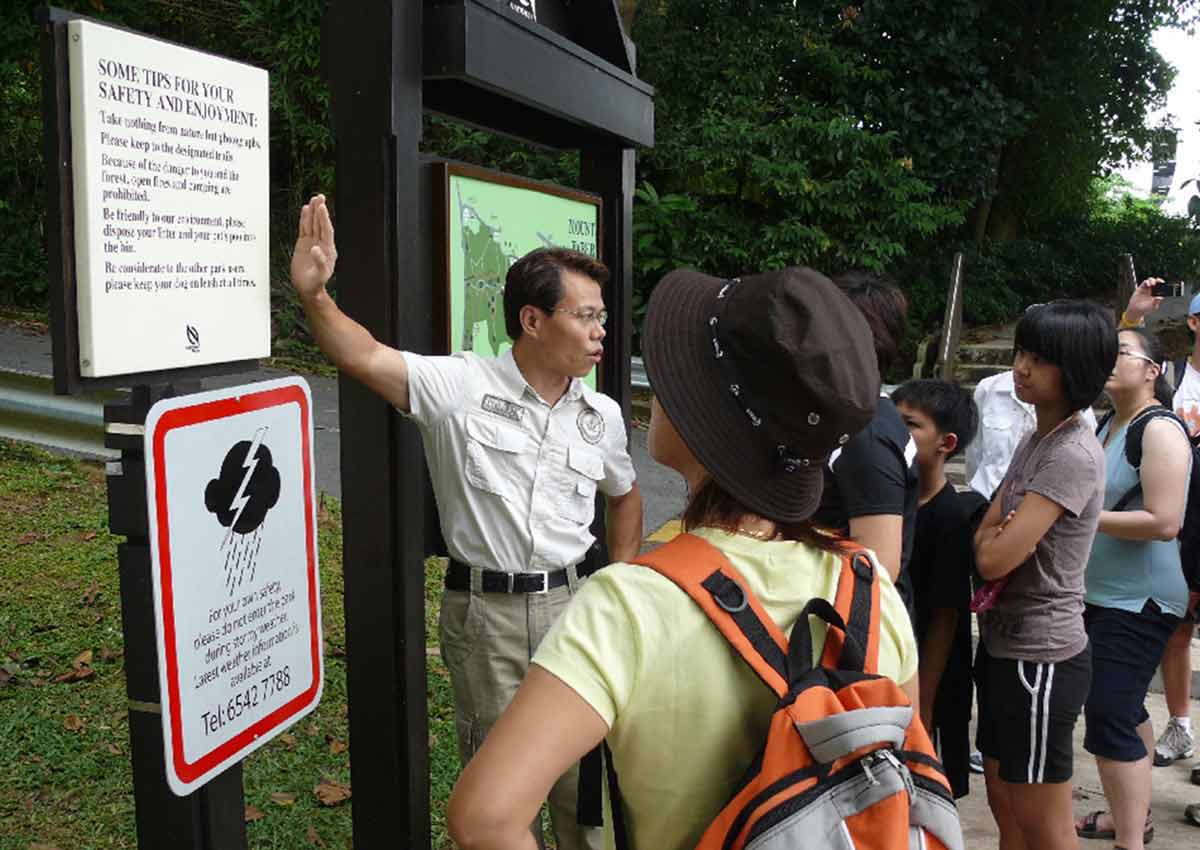
Mr Lee and the Nature Trekker group have been patrolling parks and reservoirs for the last few years, especially around the Vesak Day period.

That is when instances of releasing animals tend to go up.

Though they have no enforcement powers, Mr Lee says they just want to do their part to educate people that the practice can do harm.

“We will come armed with cameras and tell them firmly that releasing these animals would upset the ecological balance of the habitat.”

The group has been doing these patrols since 2007.

Mr Lee says the releases “are on a decline but still a concern.”

The Government launched the annual Operation No Release in 2004 to spread awareness of the dangers of releasing animals into parks, nature reserves and reservoirs.

Over the last two weekends, the National Parks Board and the Public Utilities Board have been patrolling too.

OVERWHELM

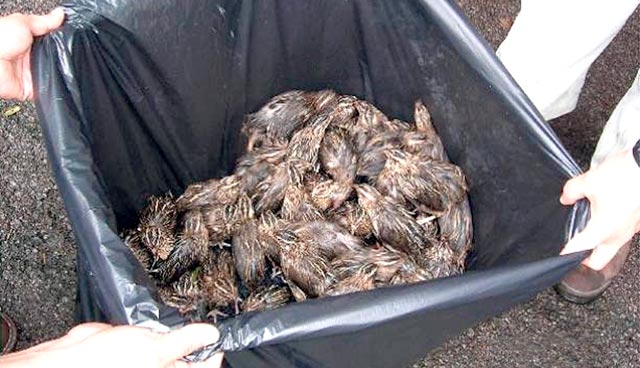
According to a previous NParks advisory, about 80 to 90 per cent of released animals will die within a day.

A week before Vesak Day in 2004, rangers at the Central Catchment Nature Reserve found more than 100 dead quails. PHOTO: NParks

And if they survive, they could overwhelm the local animals.

National University of Singapore (NUS) ichthyologist Tan Heok Hui, who studies the ecology of non-native fish species in Singapore, says there are currently 92 non-native freshwater species recorded in reservoirs, canals and other water bodies.

Dr Tan has recorded 54 non-native fish species in Singapore’s reservoirs. In the 1960s, there were only nine.

Out of the 54 species, 43 may have been introduced into the reservoirs via the release or discarding of unwanted aquarium fish.

The non-native species include the peacock bass and the giant snakehead. They are known to be invasive predators.

Dr Tan warned that these non-native fish could introduce diseases and exert a high degree of competition for resources.

“They could either wipe out the native species, or be eaten by native predators,” he adds.

NUS researcher David Tan, 26, works at the Evolutionary Biology Laboratory and studies bird carcasses here.

He says released birds have a very poor chance of survival: “Most of these birds are captive creatures who have lost their instinct for survival.

NOT COMPASSIONATE

“There are also a variety of predators such as eagles, owls, squirrels and even scavengers like crows, that will prey on them.”

The scaly-breasted munia and Java sparrow are birds often released as part of fang sheng as they are common in the pet bird trade.

These birds are not native to Singapore, and their capture and trade fuels the decline of bird population in the wild, Mr Tan explains.

“It is actually not compassionate to release a captive bird because it is much more likely to have a shorter lifespan in the wild,” Mr Tan says.

Protect, not release, animals

Over the last few years, some temples have become dumping grounds for animals.

One temple in the western part of Singapore has over 20 rabbits, prompting them to put up a sign to warn people that abandoning animals is a crime.

Terrapins released at a temple during a fang sheng ritual more than two decades ago are still alive – which means the temple has had to use resources to care for them.

Enter Mr Chan Chow Wah, 42, who owns a pet supplies store.

Mr Chan, a practising Buddhist who has studied the religion, started a campaign to promote hu sheng (animal protection), an alternative to fang sheng.

He says: “In an urban society like Singapore, releasing captive animals into the wild is not compassionate.

“But Buddhists can consider becoming vegetarian, supporting animal welfare groups or pay for the cremation of abused animals.”

On his website, he encourages devotees to donate money to help the monasteries that care for the creatures.

A donation of $25 can pay for 24 cans of cat food, and $10 can get a bottle of pellets for turtles.

He spends about $2,000 a month on food and medicine for eight temples to support these animals.

ADVOCATE

Mr Chan has also been giving talks at a Bright Hill temple on Vesak Day for the past three years to advocate against fang sheng.

He recently published a photo book titled Buddha And The Monkey, which has pictures of the animal residents in temples to raise awareness.

Proceeds will go to paying for food for the temple animals and cat shelter, Mettacats.

The book is available on his website ahasg.com.

Space invaders

One major threat to Singapore’s native biodiversity is the deliberate introduction of non-native or invasive plants, animals and micro-organisms to new areas outside their native range, says National Parks Board’s Ms Sharon Chan, director of Central Catchment Nature Reserve.

Some examples of invasive animals:

RED-EARED SLIDER

This is a type of terrapin commonly sold in the pet trade.

They are highly productive and can quickly establish a feral population when introduced into water bodies.

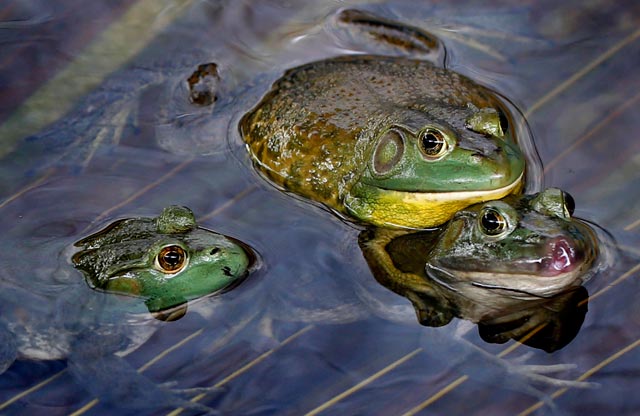
AMERICAN BULLFROG

They are known to breed prolifically and compete with local frogs for food and space. This frog is commonly sold for food, and in the pet trade as pets or bait for other aquatic animals.

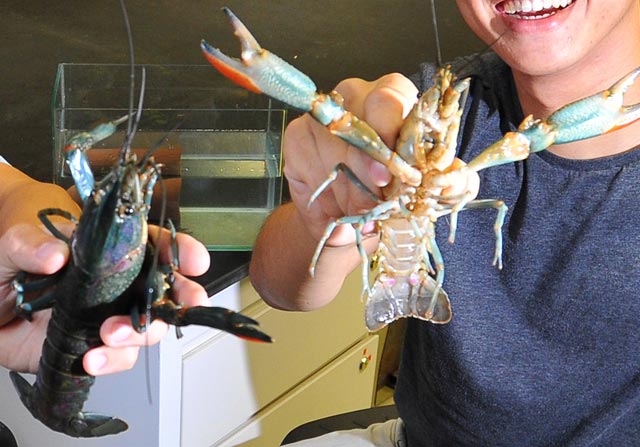
AUSTRALIAN RED-CLAW CRAYFISH

This is a commonly sold ornamental aquarium species that has started to invade our streams. Their impact on the environment is being studied.

First-time offenders caught releasing animals may be charged under the Parks and Trees Act and could be fined up to $50,000, jailed up to six months, or both.

linheng@sph.com.sg


This article was first published on May 22, 2016.
Get The New Paper for more stories.

Image: 
Category: 
Blurb: 
Vesak Day practice of releasing animals into wild is not only illegal, it harms ecosystems. -NP
Publication Date: 
Sunday, May 22, 2016 – 14:00
Send to mobile app: 
Source: 


Story Type: 
Others

Source link

The Editor’s Market $10 ALL Apparel & Footwear from 21 May 2016 | SINGPromos.com

$10 ALL items (apparel & footwear)

The Editor’s Market $10 ALL Apparel & Footwear from 21 May 2016 | SINGPromos.com

The Editor’s Market is having a end-of-season sale featuring $10 ALL apparel and footwear sale for approximately two weeks from 21 May, while stocks last

Source

S’porean helps youth across the Causeway realise varsity dreams

SINGAPORE – Still in university and with no industry experience, Mr Tengku Ahmad Syamil and Mr Syakir Hashim joined competitions and met with potential investors, hoping to raise funds to set up a crowdfunding platform that would link needy undergraduates…

Source link

That's an LTA ad, not one for sanitary pad

The Land Transport Authority (LTA) just can’t seem to catch a break.

Last month, The Straits Times published this headline: “Rise in major breakdowns but MRT gets more reliable: LTA”.

Minds were blown.

It was like saying there were a rise in bedbug bites at the Esplanade, but there were no bedbugs at the Esplanade.

When I first read the headline, I thought I had been zapped to an alternate universe where words have similar but slightly different meaning.

As someone pointed out online, the headline is an “oxymoron to anybody who can understand simple English”.

And “oxymoron” doesn’t mean an imbecile with too much pimple cream on his face.

But taken literally, the headline could just mean that we can now rely on the MRT more than ever to provide us with major breakdowns.

But that would be a rather odd, though self-aware, thing for LTA to announce.

So what was LTA really trying to say?

According to a PDF file titled “Performance of Rail Service Reliability” on its website, what LTA wants you to know is that, yes, the number of service delays lasting more than 30 minutes for the overall MRT network has increased from nine in 2011 to 14 last year.

That’s the “rise in major breakdowns” part of the headline.

But the mean distance travelled between delays lasting more than five minutes has increased from 58,000km in 2011 to 133,000km last year.

I guess that’s the “more reliable” part that LTA wanted to brag about.

A month later, as if to show LTA up, lightning struck somewhere between Yio Chu Kang and Khatib MRT stations, causing a delay on the North-South Line. The affected train was reportedly pushed by another train to a station.

Someone commented online: “Now, even the Lightning God is telling SMRT to wake up their idea.”

Another blamed the Government, the ruling People’s Action Party (PAP) and the Singaporeans who voted for it, saying: “You vote PAP means you vote lightning party. See logo for reference. You voted for the lightning to strike the train. Blame the Government. Blame PAP.”

If the train were struck by a giant hammer, then could we blame the Workers’ Party?

LOSING TO HONG KONG

But even before the MRT was struck by the PAP logo, Transport Minister Khaw Boon Wan had said that in terms of rail reliability, we are “way below” Hong Kong’s much-acclaimed Mass Transit Railway (MTR).

Yah, but has the MTR ever been struck by lightning?

Oh, it has? In 2014? And we’re still losing to them? How can?

“We want to catch up with Hong Kong, and we will,” said Mr Khaw.

Yah, as long as we don’t get hit by any more lightning.

As if the task isn’t hard enough, LTA is promoting a “car-lite” society, and wants more commuters to switch to our already overburdened public transport system.

“Hmmm, the MRT is breaking down more often than before. What should we do? Get more people to take the MRT!”

And even that LTA can’t seem to do right.

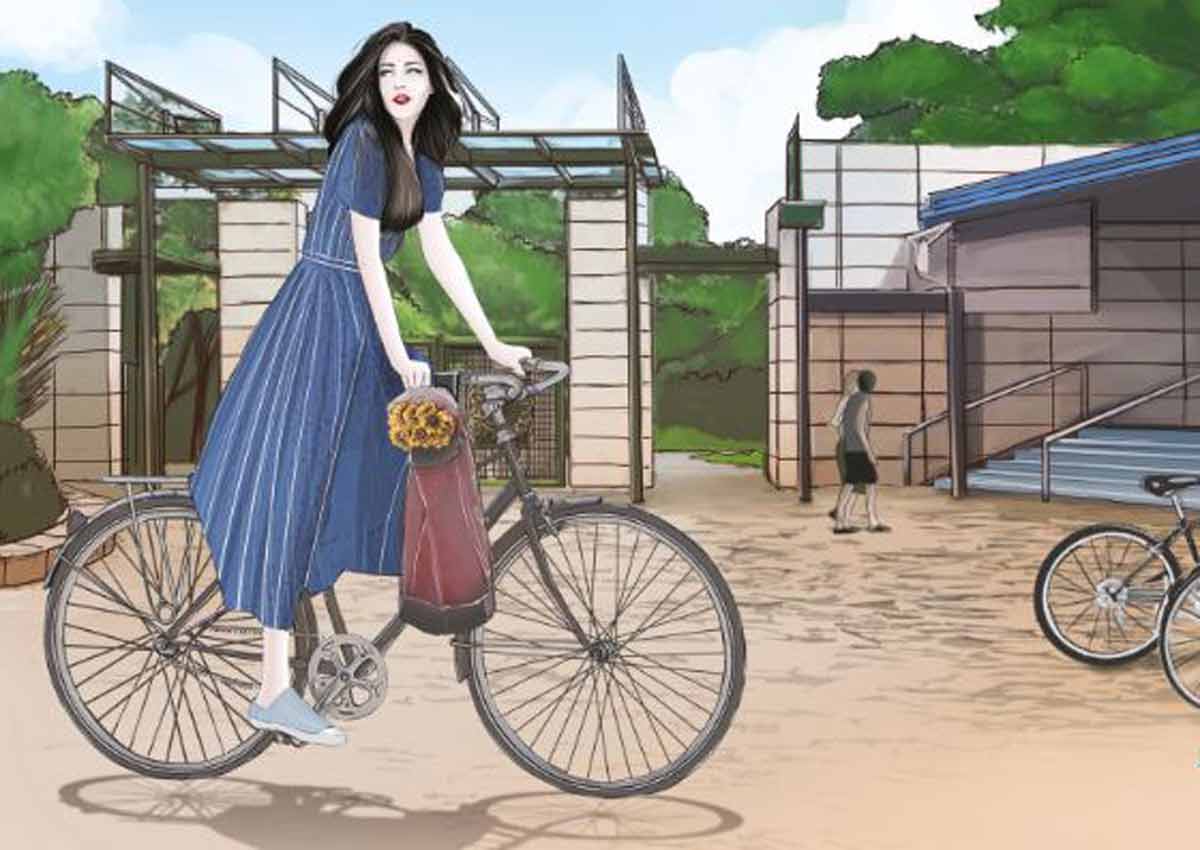
As part of its Walk Cycle Ride campaign, LTA has put up a series of banners with drawings of a woman not driving a car with taglines such as “The only rubber I’m burning is on my shoes”.

One banner showing a woman riding a bicycle with the tagline “Freedom to come and go” has been likened to a sanitary pad advertisement.

Another showing a woman on a bus with the tagline “Someone else is driving, I can daydream” has been criticised by no less a personage than poet and playwright Alfian Sa’at, who co-wrote Hotel, which won Best Original Script and Production Of The Year at the M1-The Straits Times Life Theatre Awards last month.

He posted on Facebook last week: “LTA, why you Fail. So. Hard. Intended meaning: ‘Because someone else is driving, it frees me up to do other things’. Frustrated-by-cost-of-living Singaporeans will read: ‘Some other rich folks are driving their cars, I can only daydream of owning one’.”

The woman is probably daydreaming about placing a $1 Toto QuickPick bet and winning $8 million so that she can afford a car – like all of us.

And this is how LTA’s innocent attempt to encourage people to use public transport turns into class warfare.

The sanitary pad ad doesn’t look so bad now, does it?

LTA needn’t have bothered.

On Thursday, Traffic Police unveiled new speed laser cameras to catch speeding drivers from even farther distances in 44 locations around Singapore day and night.

That should scare off more people from driving than any sanitary pad ad.

SMONG@SPH.COM.SG


This article was first published on May 22, 2016.
Get The New Paper for more stories.

Image: 
Category: 
Blurb: 
LTA wants you to walk, cycle or take public transport – just don't drive. -NP
Publication Date: 
Sunday, May 22, 2016 – 21:00
Send to mobile app: 
Source: 


Story Type: 
Others

Source link

Parents of undergrad addict send him to $19,000-a-month rehab in Thailand

He was 21 and a student at the National University of Singapore.

But he was also hooked on methamphetamine (Ice) and couldn’t kick the habit.

Shawn (not his real name) eventually dropped out and his parents shipped him off to The Cabin.

They feared it was a matter of time before he was arrested for drug use in Singapore.

Treatment there isn’t cheap – it is US$14,000 (S$19,000) a month. On average, a client stays for three months.

Mr Tony Tan, 40, a social science graduate from the Australian College of Applied Psychology, is the only Singaporean therapist at The Cabin.

He says Shawn’s habit started with the clubbing scene.

Shawn was making decent money as a private tutor.

Mr Tan says: “That sudden boost in income was one of the triggers of his addiction, but he didn’t see it because he thought as a grown-up, he knew what he was doing.

“As with the eventual outcome of most addictions, it started getting in the way of his day-to-day life.

“Shawn was forced to drop out because he failed subjects and, subsequently, he failed to progress to the second year.”

Shawn’s parents suspected he was on drugs and the final straw came when he blew all the tuition money they had given him.

They found out when the university sent them a reminder.

His parents then put him on a three-hour flight to Thailand.

When he first got there, Shawn didn’t want to do anything.

“In fact, he didn’t even want to get out of bed,” recalls Mr Tan.

“All he wanted to do was stay in his room and watch TV.”

FEAR

Singaporeans make up about 60 per cent of the Asians who check into The Cabin. Many go there for fear of getting arrested if they were to see a doctor in Singapore.

Singapore law makes it compulsory for doctors to inform the Central Narcotics Bureau if they are treating any person for drug addiction.

Of the 70 Singaporean clients under Mr Tan’s care during his five years at The Cabin, Shawn’s case stood out.

“He was forced to get help there because his parents didn’t want to risk sending him to a treatment centre in Singapore,” says Mr Tan who has been a counsellor at The Cabin since 2011.

“They were worried that he would end up getting charged and jailed.”

At least 2 in 3 drug users are below 30

Recently, a number of celebrities were hauled up for drug use.

They include Ah Boys To Men star Noah Yap, 22, who on March 2 was sentenced to nine months in the Singapore Armed Forces (SAF) detention barracks after he was convicted of consuming cannabis.

Yap, who was in the midst of national service, was charged in the SAF Court Martial Centre for offences he committed during his time at the SAF Music and Drama Company, after enlistment in May 2014.

Separately, local model-club DJ Tenashar and her boyfriend Thorsten Nolte are on the wanted list of the Central Narcotics Bureau (CNB).

DJ Tenashar, whose real name is Debbie Valerie Long, 31, and 42-year-old Nolte, who is radio DJ Jamie Yeo’s ex-husband, were arrested last October for “drug-related offences”, says a CNB spokesman.

The arrests threw the spotlight on yuppies and young offenders.

CNB numbers show that at least two in three new drug abusers are under 30.

PEER INFLUENCE

CNB tells The New Paper on Sunday that it is seeing more cases of contamination among youth, where drug abusers share or introduce their peers to drug abuse.

A CNB spokesman says: “A typical scenario is where a youth comes into contact with drugs and establishes a relationship with the person who can supply him with it.

“This youth would then introduce and influence his friends to consume drugs together.

“The extent of the contamination is dependent on the size of the youth’s social circle.”

LAX ATTITUDE

A study by the Task Force On Youths And Drugs last year found that the younger demographic tends to have lax attitude towards the different substances.

It showed that many young people perceived cannabis as a soft drug, and that the harms and addictiveness of cannabis are less serious than tobacco.

The report added: “Younger people may also hold the misconception that ‘Ice’ and cannabis are less addictive and less harmful than heroin.”

Resilienz Clinic psychiatrist Thomas Lee, an addictions specialist of more than 10 years, says attitudes have changed.

“They perceive drugs as something that’s not as harsh as it actually is.

“They seem to view it in a more recreational manner and that it’s no longer a danger,” he says.

POP CULTURE

The Daily Telegraph reported that hit TV show Breaking Bad may be the cause of a shocking rise in crystal meth usage across the UK and Europe.

The report said parts of the EU are now being flooded with methamphetamine.

MORE MONEY

Dr Lee says he has seen an increase in the number of abusers between 20 and 39.

“The main reason is they can afford the drugs,” he says of the yuppie abusers.

“Most of them justify the abuse by saying it is a means of escape from their stressful lifestyle, demanding jobs and troubled relationships.”

These were three common reasons his patients offered him in the 10 years he has been in the business.

“Most of them don’t know how to handle interpersonal relationships that lead to stress and subsequently to either consuming alcohol or drugs in hopes of escaping,” he adds.

“The stressful lifestyle stems from the competition among peers while having to keep up with rising costs.”

EASILY AVAILABLE

Dr Lee says illicit drugs appear to be more easily available now.

“Drugs are easily available nowadays. You go to any nightclub and you would be able to find it,” he adds.

“Some of my patients were able to make synthetic drugs in their homes.

“Some of them even had theirs delivered to their homes after purchasing it online.”

Counsellors at the Pertapis halfway house say some of their patients were supplied by young expatriates.

A spokesman tells TNPS: “It is assumed by local abusers that the suppliers are expats and travellers from abroad.

“For example, some of the expats and international students bring drugs with them (into Singapore), influencing the young locals.

“We’ve heard that they usually bring in Ice and ecstasy from the Philippines, heroin from Malaysia and marijuana and amphetamine from Indonesia and Thailand.”

By the numbers

LAST YEAR

3,338 drug abusers arrested

40 per cent of them under 30

69 per cent of new drug abusers under 30

TOP 3 DRUGS ABUSED

77 per cent: Methamphetamine

12 per cent: Cannabis

9 per cent: Heroin

2 per cent: Other drugs including ecstasy, ketamine, nimetazepam, cocaine

Addicts include doctors, lawyers, managers

Almost 90 per cent of The Cabin’s Singaporean clients are white-collar workers

In the last five years, The Cabin has seen 253 Singaporeans check into its centre for everything from alcohol to drug and even sex addiction.

A spokesman for The Cabin was vague about the profile of its clients because of confidentiality clauses.

But the spokesman says 89 per cent of Singaporeans with go there are white-collar workers, including 12 per cent in legal and 3 per cent in medical professions.

Forty per cent of them hold middle-management positions while 32 per cent senior management.

The Cabin presently has 14 Singaporeans – all white-collar workers – seeking treatment.

“A lot of them tell me that they come here to get help because they fear being handed over to the authorities,” says therapist Tony Tan.

Another overseas centre, Solace Sabah, also has Singaporeans as patients for different addiction problems.

One in four of its patients are from Singapore and half from Malaysia.

In the first four months of this year, the number of Singaporeans there increased to 29 per cent,” says its spokesman.

Almost all its patients are white-collar workers, including doctors, lawyers, civil servants, accountants and general managers.

“At Solace, we have a youth programme where we have seen Singaporeans as young as 15 who have been admitted for substance abuse,” the spokesman adds.

“The cost for a 28-day programme is US$6,900 (S$10,000) for a quad-sharing room, US$9,990 for twin-sharing and US$13,900 for single.”

On average, patients stay for about two months.

CONFIDENTIALITY

Addictions specialist Munidasa Winslow, a member of The Cabin’s team in Singapore, says parents send young abusers abroad because they don’t trust the confidentiality here.

He adds that some patients feel that confessing a drug habit to a local doctor would lead to an arrest.

The Ministry of Health should be notified but it goes against the grain to have to report to the Central Narcotics Bureau (CNB) or any arresting authority when people come to seek help,” says Dr Winslow.

Singapore law requires doctors to inform CNB if they are treating someone for drug addiction.

CNB can then act on the information to ensure the patient stays off drugs. The patient may also be questioned.

CNB tells The New Paper on Sunday: “We will continue to take action against drug abusers and work with parents and members of the community to educate the public against drug abuse.”

Good food, massage at The Cabin

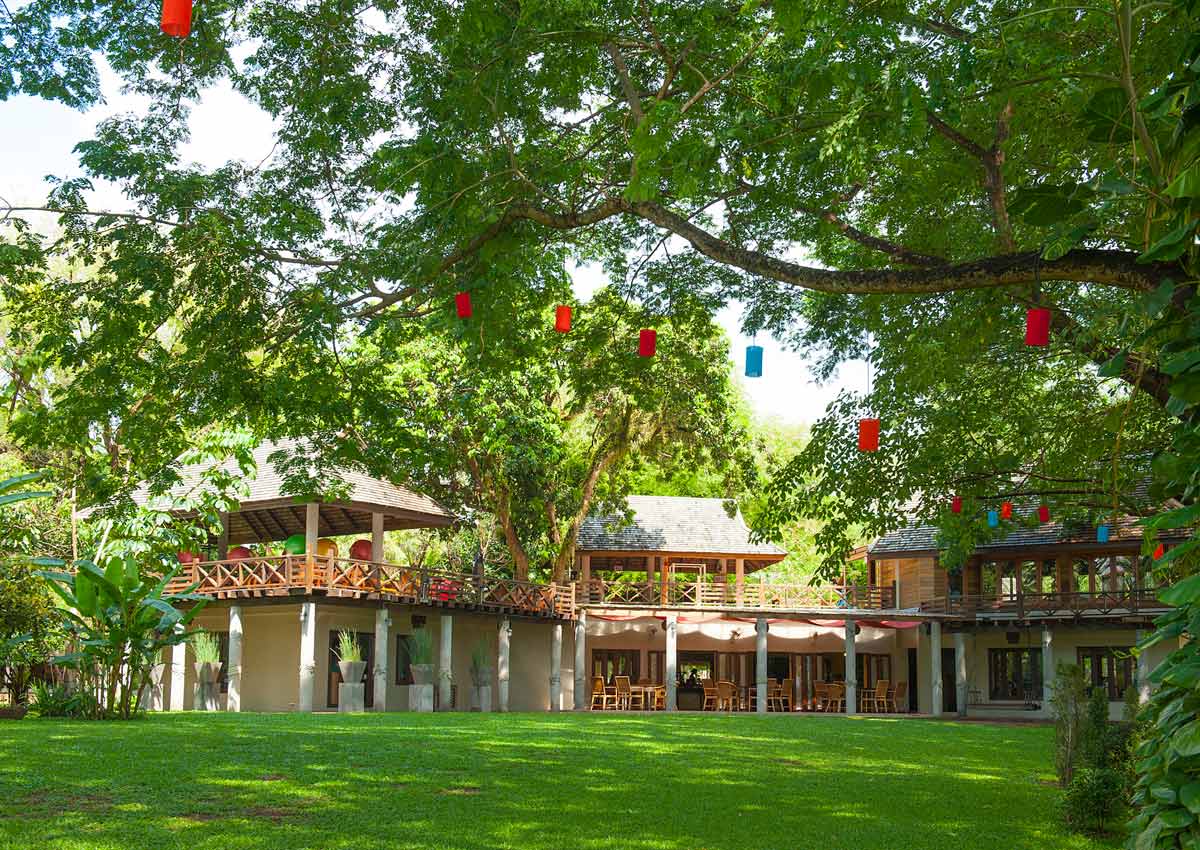
On its website, The Cabin describes its Chiang Mai centre as a luxury resort.

Nestled next to the Ping River, therapists working on the secluded premises say the rehab centre provides “high quality addiction treatment in an environment designed for healing and growing”.

Treatment costs US$14,000 (S$19,000) a month and “six out of 10 of our patients stay the full three months”, says therapist Tony Tan.

A full rehabilitative journey at The Cabin, founded in 2009, lasts over 90 days, a spokesman tells The New Paper on Sunday.

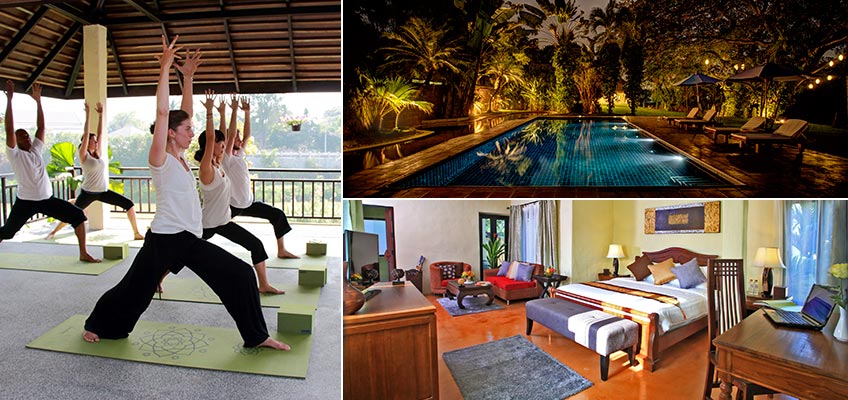
The Chiang Mai centre is equipped with 72 beds, and each patient gets his own room, with a king-size bed, as privacy is imperative, says Mr Tan.

And just like a pricey holiday, clients get to enjoy relaxing activities.

“Part of their rehabilitation includes getting a traditional Thai massage, Pai – said to help release the tension and stress of withdrawal.

“A good rub, a good massage can help release the stress,” Mr Tan adds.

Besides the one-on-one and group therapy sessions – which focuses on changing an addict’s mentality – he says each patient at The Cabin is also allocated a personal trainer tasked to help addicts attain a healthy lifestyle.

“The food served is buffet-style,” he says.

“Breakfast is the standard full English breakfast but lunch and dinner feature different cuisines such as Italian, Mexican and Chinese.”

AFTERCARE

After patients have completed their stint at The Cabin, therapists say most of them continue with after-care to ensure they don’t fall again.

“We offer online counselling services but how often they attend aftercare counselling sessions depends on the clients’ needs,” says Mr Tan.

Group online counselling sessions are free but one-on-one counselling sessions are US$120 each.

“On average, our clients attend sessions twice a week for the first two months and once a week for the following four months,” adds Mr Tan.

In the last five years, The Cabin has seen more than 80 per cent of its clients steer clear of their addictions.

The outpatient rehabilitation centre has 21 other counsellors from the US, UK, Spain, South Africa and the Middle East. Its clientele comprises mostly Australians, Europeans, Middle Easterners and Asians.

It also has 40 support staff (for counselling work), one doctor and 15 addiction nurses. On top of that, The Cabin has 15 personal trainers and 200 miscellaneous workers for cleaning and maintenance.

The Cabin also has outpatient clinics all over the world including Denmark, Sydney and Singapore.

Dr Suresh Joseph, head counsellor of The Cabin Singapore, says: “About 90 to 95 per cent of the clients I work with here tend to be expats. The vast majority of them are alcoholics, aged between early 40s and late 50s.

“The No. 2 addiction is sex. Some of them suffer from both addictions.”

The Singapore branch began its operations last September.

“The Singapore branch is outpatient – clients who have gone through the initial detox continue their aftercare here,” he says.

The Cabin Chiang Mai says on its website that its treatment method is more effective than conventional methods and yields a 96 per cent completion rate.

crobert@sph.com.sg


This article was first published on May 22, 2016.
Get The New Paper for more stories.

Image: 
Category: 
Publication Date: 
Sunday, May 22, 2016 – 21:00
Send to mobile app: 
Source: 


Rotator Headline: 
Singaporean addicts checking in to $19,000-a-month rehab centre in Thailand for fear of getting arrested here
Rotator Image: 
Story Type: 
Others

Source link

Japanese pop star attacked by knife-wielding fan

Tokyo – A Japanese pop star who was repeatedly knifed in a frenzied attack by an obsessive fan was in a critical condition Sunday, police and reports said.

Mayu Tomita, 20, was stabbed dozens of times in the neck and chest as she was waiting to appear at a small concert venue in Tokyo, Jiji Press and other local reports said.

Police arrested Tomohiro Iwazaki, 27, on the spot and seized a blood-covered knife, a spokesman for the Tokyo force said.

Tomita had been working as a pop star and actor while completing her college studies, the reports said.

Before the attack, the singer had complained to police that Iwazaki was posting obsessive comments about her on Twitter and blogging sites, Jiji said.

Iwazaki told police he became angry towards the star when she returned a gift he had sent her, public broadcaster NHK said.

Female Japanese pop stars often cultivate a girl-next-door image, appearing at fan events and performing at smaller venues.

In 2014, two teenage members of Japanese girl group AKB48 were attacked by a man wielding a saw at one of the band’s regular meet-the-fans events.

Image: 
Category: 
Publication Date: 
Sunday, May 22, 2016 – 12:31
Keywords: 
Send to mobile app: 
Source: 


Story Type: 
Others

Source link

The SQ chief flight attendant who scaled the heights of service for a passenger

SINGAPORE – Extraordinary service rendered up in the air has been making headlines recently.
For example, that picture of Singapore Airlines flight attendant Karen Choong cutting apples to assist a diabetic 92-year-old Slovenian lady went viral earlier this…

Source link

Doctor, author, volunteer worker…all rolled into one

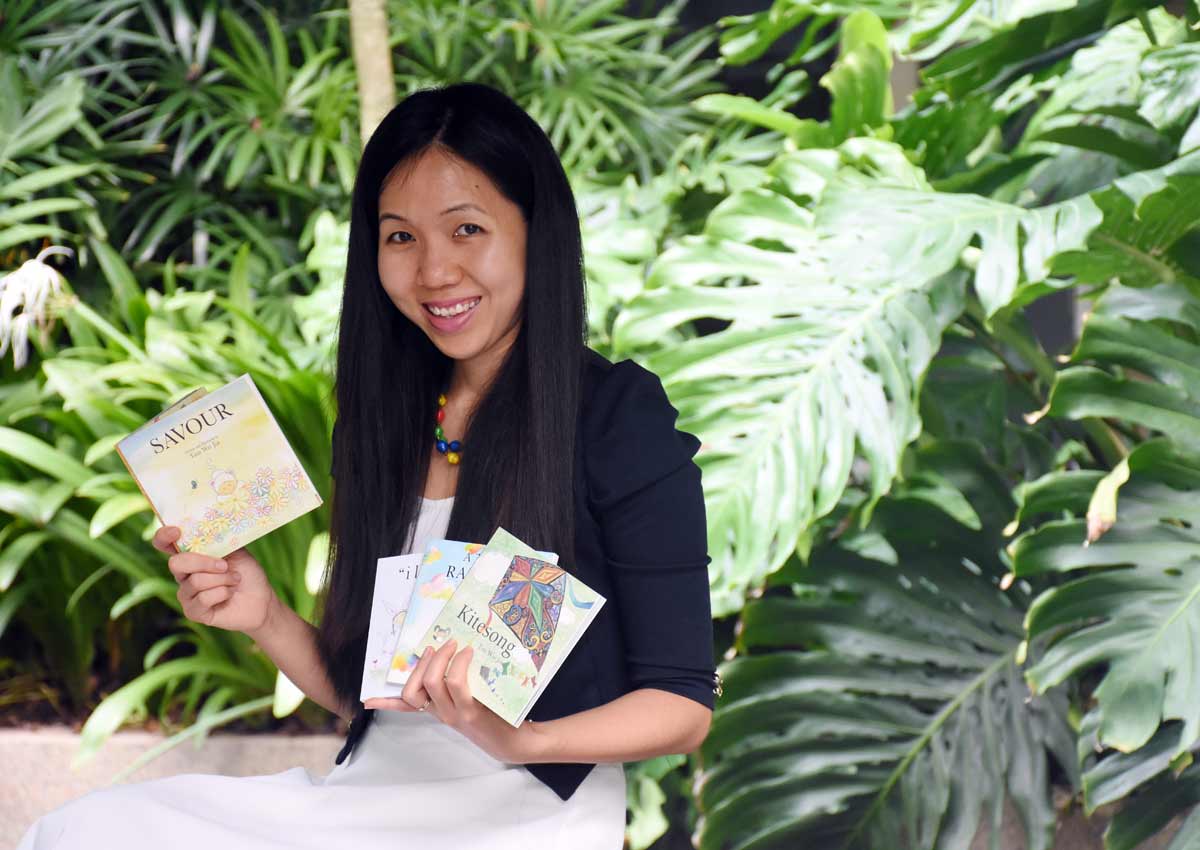
Tam Wai Jia says she felt like an oddball when she attended the Forbes’ Under 30 Summit Asia held at The South Beach hotel last Thursday.

“Everyone was a CEO or founder or businessman. They were asking me what my product/company/out- put was. I told them I have no product and no company. I’m also bad at making money and better at giving it away,” she adds with a laugh.

But a gatecrashing underachiever she is not. Instead she has crammed a lot of life into her 29 years.

Not only is she a promising young doctor, but also she has written four books, gone on at least 20 humanitarian trips around the world, as well as given time, effort and money to a myriad of causes.

She has also battled depression, survived anorexia and, oh, walked down the aisle with a guy she first met on the Internet.

Nursing a chai latte in a cafe at the National University of Singapore where she conducts classes on global health, she says with a grin that she was moulded by the Singapore system.

“I was expected to study hard, get good grades, have high goals and go even higher in life,” she says.

The younger of two daughters of a fund manager father and a remisier mother dutifully fulfilled all those expectations, at least for the first half of her life.

At Tao Nan Primary, Dunman High Secondary and Victoria Junior College, she was a model student, aceing all her subjects and taking up leadership roles in various activities.

A turning point came when she led a team of 20 students on a Youth Expedition Project (YEP) to Cambodia in 2004. For about two weeks, they stayed and helped out in a children’s home.

The poverty she saw made her realise how comfortable her life was.

The following year, her junior college selected her to attend a global young leaders’ conference in New York. “I met student leaders from all over the world – Ghana, Nigeria and Latin America. These young people were my age but they were championing poverty and human rights and learning how to write policies. I felt that I didn’t know anything.”

On the recommendation of the Methodist Missions Society, she decided to head for a children’s home in Nepal while waiting to get into university after finishing her A levels.

Persuading her father took some effort because of clashes at that time between Maoist rebels and Nepali forces in the country. She turned up in Kathmandu alone and stayed at Sophia’s Home which housed about 30 children, aged between three and 12 years.

During her six weeks in the country, she also helped out at a shelter for victims of sex trafficking.

A sobering episode took place three weeks into her trip. The denizens of the children’s home had to move.

“The kids were dismantling beds and packing. I asked the houseparents why. They said they had to move almost every year because as soon as landlords found out they were a children’s home, they would jack up the rent.

“They said the problem could be solved only if they had a permanent home. I cried because it was so heartbreaking,” says Ms Tam who then hit upon the idea of writing and painting a children’s book to raise funds for the home.

Landmark Books liked the concept of Kitesong – a book about the importance of chasing dreams – but publisher Goh Eck Kheng was not too impressed with the initial paintings she showed him.

“I had no art training but he told me to learn water colour painting. So I went to the library, borrowed lots of books and just practised. I would paint from the moment I woke until I went to bed,” she says.

Mr Goh tells The Sunday Times: “Within a very short time, she came back with a completely new set of pictures which were very good. It’s amazing that she taught herself just by reading books.”

He adds: “I just had to help her. She was only 18 and wanted so much to help others. When I was 18, those thoughts were far from my mind.”

Kitesong raised about $125,000 for Sophia’s Home and was released shortly after she became a medical student at the National University of Singapore (NUS).

Her years in medical school, however, were tough ones.

“I didn’t do very well. I was no longer a big fish in a small pond. The other students were brilliant,” says Ms Tam, who started feeling pressure piling on her.

It was not her first encounter with stress and depression.

Trouble at home had led her to see a counsellor when she was in junior college. Her parents were then working through issues in their marriage, and her father’s career was not going smoothly.

Her decision to move out from home and live in a university hostel made the situation worse.

“I developed anorexia. It was quite innocuous at first. I lost my appetite. To make me feel better, I started going for runs,” she says.

Before she knew it, she became obsessed with exercising and eating very little.

“They were the only aspects of my life I could control. I didn’t know what was happening with my family, home or my grades.

“I looked jaundiced. My hair fell out. I had amenorrhoea,” she says, using the medical term to describe the absence of menstrual periods.

Her parents were extremely concerned but did not know what to do. Ms Tam finally sought help after being told to do so by Ms Anita Fam, her publisher’s wife.

“She said I was not well and that I needed help. I was in total denial. But she said, ‘If you are not afraid and there’s really nothing wrong with you, why don’t you just go for that first appointment?'”

Recovery took more than a year with help from professionals at Lifecentre, which treats patients with eating disorders, at the Singapore General Hospital.

“I had to see four therapists every week: a psychiatrist, a dietitian, a family therapist and a counsellor. The family therapist suggested that I should ask my parents along because a lot of anorexia issues are rooted in the family. To my surprise, they agreed to come along,” she says, adding that her folks have worked out their issues and are doing well now.

Despite her problems, she continued to go on humanitarian trips to places including Sichuan in China, Uttar Pradesh in India and Myanmar during her term breaks.

After her recovery, Ms Tam decided to paint and write a second book, A Taste Of Rainbow, to chronicle her struggles with anorexia.

The decision met with stiff resistance from many people who told her that the book might jeopardise her career.

“They said that if people knew I was not well, they would see me differently and stigmatise me… But I felt that if there was a stigma to be removed and if no one was doing it, then I would,” she says.

A Taste Of Rainbow was released in 2011, around the same time she was given the Young Outstanding Singaporean Award.

“The award was given based on my work with Kitesong. The interview panel asked what I had done since then and I told them I recovered from anorexia and had just written a book about it.

“I was thinking to myself: ‘There goes your award.’ But when I received the award, I knew it was validation and affirmation that I had to follow what my heart believes in.”

Shortly after graduating with a medical degree in 2011, she went with Iris Ministries – a missionary NGO – on a three-week trip to Mozambique.

The trip moved her immeasurably because she came into contact with many people who had given up well-paying jobs to serve the poor.

“Day by day, they’d be driving lorries, picking up beans and feeding children and working with people who are in need but who are not necessarily grateful because of their tribal history and culture of hostility,” she says.

“It shook me and made me ask myself: ‘What do I stand for? Am I going out of my comfort zone?’ Am I willing to give more?”

With a laugh, she lets on that finding a partner was not part of her plan then.

“I had resolved to be single. Who would be like me and do all these crazy things?”

Well, she found just such a person, on the Internet.

Having picked up triathlon to combat anorexia, she chanced upon the blog of Cliff Tam, a Canadian liver cancer survivor who went on to become a triathlete. Now 36, Mr Tam had a liver transplant at 10 and completed the gruelling Iron Man competition – which involves a 3.86km swim, a 180.25km bicycle ride and a 42.2km run – when he was 27.

“I left a note which said, ‘Your life is very encouraging’ on his blog,” she says.

That, in turn, led to him discovering her blog. He started to write to her every day telling her how he was inspired by her work and her world view.

“He told me he wanted to marry me. I thought he was some cybersex stalker,” she says with a laugh. “So I told him to stop, and he stopped. And I thought to myself: What a gentleman.”

They started corresponding and Mr Tam, a former IT guy turned church worker, swung by Singapore not long after on his way back from a mission trip to Cambodia.

They tied the knot in October 2012, on the day she launched her third book, I Love You.

The couple donated the $50,000 collected from wedding hongbao to fund the start of a social enterprise in the Indian city of Kolkota, and a guest house in Cambodia, both of which employ rescued sex workers and equip them with livelihood skills.

In 2014, she applied for a year’s leave and the couple left for Uganda on a mission trip.

“I was doing medical healthcare and working on socio-economic projects; he did IT training and Bible teaching,” she says.

They returned to Singapore last June. Last year, she wrote her fourth book, Savour, which challenges conventional ideals of success.

Ms Tam, who will start a training and research stint with the Geriartric Education and Research Institute in July, gives a lot of time to local causes too. For several years now, she has been volunteering at Healthserve, an NGO which provides medical, legal and emotional help to migrant workers in Singapore.

She often gives talks in schools and organisations, including churches, inspiring young Singaporeans to follow their dreams and lead purpose-driven lives.

She and her husband have signed up to become foster parents for children in crisis under a scheme by the Ministry of Social and Family Development.

When she finishes her bond next year, she hopes to study for a Master’s in Public Health and return to helping the poor and needy in developing countries.

She smiles when asked if what she does makes her happy.

“While I’m not happy every single day, there is joy in what I do and I thank God for that. It is painful at times, and there is suffering but ultimately, it is what gives us purpose.”

kimhoh@sph.com.sg


This article was first published on May 22, 2016.
Get a copy of The Straits Times or go to straitstimes.com for more stories.

Image: 
Category: 
Blurb: 
Tam Wai Jia has battled depression, written four books, gone on overseas missions, and is raring to do even more. -ST
Publication Date: 
Sunday, May 22, 2016 – 17:00
Send to mobile app: 
Source: 


Story Type: 
Others

Source link

Can Singapore make room and rules for home-share offerings?

Image: 
Blurb: 
As URA continues to study issue, residents and hospitality players remain divided. -ST
Publication Date: 
Sunday, May 22, 2016 – 17:00
Send to mobile app: 
Source: 


Story Type: 
Others

Source link