Home Blog Page 3788

Tokyo's governor apologises amid public anger over his spending on luxury hotels, pyjamas

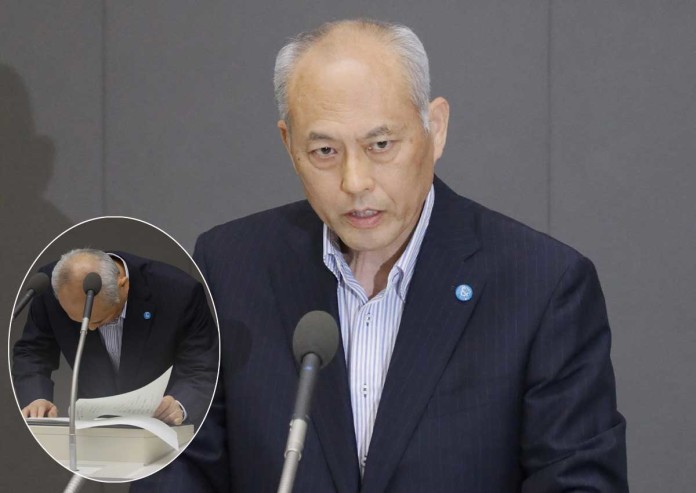
TOKYO – Tokyo’s embattled governor apologised on Wednesday (June 1) in the face of rising public anger over alleged inappropriate spending on everything from luxury hotel suites to children’s pyjamas.

Mr Yoichi Masuzoe has come under intense media grilling over lavish outlays on overseas business trips, online auction purchases and accommodation at high-end hotels and spas.

“I apologise to the people of Tokyo and the metropolitan assembly from the bottom of my heart,” Mr Masuzoe said with a deep bow at the start of his policy speech to the local legislature.

Mr Masuzoe, 67, cited having “caused huge trouble over the cost of foreign trips” as well as the questions over alleged inappropriate use of political funds.

Tokyo is set to host the 2020 Summer Olympics, and while the drama is unlikely to impact the city’s ability to manage the event, Mr Masuzoe’s growing travails are a fresh embarrassment for the scandal-plagued Games.

Organisers were forced to scrap their original main stadium design due to high costs, had to weather plagiarism accusations over the Games’ logo and are now battling the fallout from an investigation by French prosecutors into US$2 million in alleged bribes, which they deny.

Mr Masuzoe took office in February 2014 following an election win to replace Mr Naoki Inose, who abruptly resigned over a personal financial scandal after leading Tokyo’s campaign to win the bid for the 2020 Games.

The telegenic, French-speaking Mr Masuzoe, a former health and labour minister, member of parliament, faculty member at elite Tokyo University and frequent political commentator, pledged an administration free of money scandals.

But trouble started late April when reports emerged that he was using his official car to be driven at the weekends to and from a cottage south of Tokyo.

He denied wrongdoing and while reportedly not technically violating rules on vehicle use, many questioned whether the practice was appropriate.

It subsequently came out that official trips taken to London and Paris with some 20 metropolitan officials last year cost taxpayers a total of 50 million yen, with Mr Masuzoe flying first class and staying in luxury suites.

Mr Masuzoe is also reported to have allegedly used political funds – which include donations from supporters as well as taxpayers’ money provided by the government – to buy a variety of items including men’s undershirts and children’s pyjamas.

Past mandatory political funds reports to the government – including when he served in parliament – show that Mr Masuzoe stayed in luxury hotels during trips to Okinawa and a spa near Tokyo, local media reported.

In January 2014, Mr Masuzoe tweeted: “I’m soaking in a hot spring, looking down on Tokyo Bay with the mega city of Tokyo at my back,” a time his political funds report indicate he was staying in a spa.

Mr Masuzoe, who has faced calls to resign, told a press conference last month that he stayed there with his family and intended to return the money.

He also bought at online auction a letter written by late American artist Keith Haring for 31,000 yen as personal “research material”, according to public broadcaster NHK and other media.

On Wednesday, he vowed to no longer fly first class and curb foreign trip costs, while reiterating that he has asked a lawyer to examine the way his political funds were used.

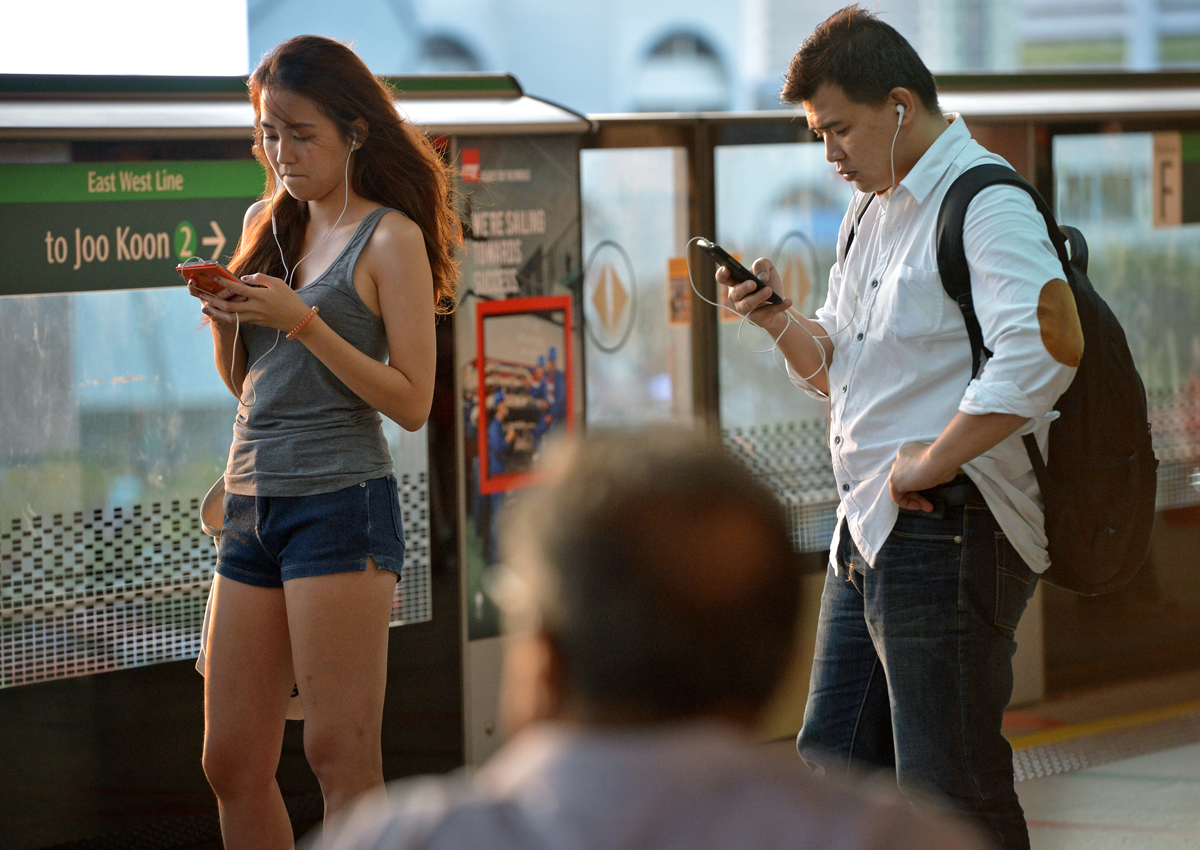
Image: 
Category: 
Publication Date: 
Wednesday, June 1, 2016 – 18:57
Keywords: 
Send to mobile app: 
Source: 


Rotator Headline: 
Tokyo governor apologises amid anger over lavish spending
Story Type: 
Others

Source link

4G networks must cover at least 95 per cent of all outdoor areas from July: IDA

Mobile phone users in Singapore will soon be able to enjoy a better level of experience as they surf the Net while out and about.

The Infocomm Development Authority of Singapore (IDA) announced on Wednesday (June 1) the new 4G Quality of Service (QoS) standards to “enhance users’ experience” while online.

These new standards are imposed on the Mobile Network Operators (MNOs) who are providing 4G services in the country.

In a statement, IDA said MNOs are required to cover 95 per cent of outdoor areas from July 1 and will increase it to at least 99 per cent from July 1, 2017. IDA will also impose similar standards on the fourth new MNO, if any, who will be provided with more lead-time to roll out its network to meet the standards.

It added that the move to implement standards to better protect consumers’ interests is “timely” because 4G enabled phones have become more common and more than half of the total mobile users in Singapore are turning to 4G networks for faster connectivity to meet their usage needs.

More than 75 per cent of households are subscribed on the Nationwide Broadband Network, IDA said.

The 4G QoS standards issued by IDA applies to mobile coverage in Singapore, including outdoor areas, tunnels and within building premises.

The new standards are similar to the 3G QoS standards that were enhanced in 2012. IDA said it will concurrently impose both sets of QoS standards on the MNOs and also gather feedback from the public regarding the quality of experience when using mobile broadband.

As of February this year, IDA said there are approximately 4.2 million mobile users who have subscribed to 4G services.

ssandrea@sph.com.sg

Image: 
Publication Date: 
Wednesday, June 1, 2016 – 18:47
Keywords: 
Send to mobile app: 
Source: 


Story Type: 
Rewritten Story

Source link

More accommodation options on the cards at Mandai nature precinct

To enhance the visitor experience, the expanded nature precinct could have permanent tented structures, cottages and family rooms: Group CEO of MSPH Mike Barclay

Source link

HDB to launch first hackathon

The Housing and Development Board is offering a total of S$20,000 in prizes for winning teams who come up with ideas and applications to improve the quality of life in HDB estates.

Source link

MAS asks banks to reveal Panama Papers’ links: Reuters sources

HONG KONG – Regulators in Hong Kong and Singapore have asked banks doing business there to disclose if they have dealings with entities and individuals named in the leaked ‘Panama Papers’, which contained details on thousands of shell firms, people familiar…

Source link

Singapore does not lay claim to Indonesia's Pulau Manis

A storm whipped up by the Indonesian media over a ‘disputed’ island has puzzled Singapore officials.

It all began when Indonesian news websites such as The Jakarta Post and Metrotvnews.com reported that Singapore had “claimed” Pulau Manis as part of its territory. The news sparked calls by Indonesian officials to protect its sovereignty over the island, which is about 16km south of Singapore.

In a statement issued last night, Singapore’s Ministry of Foreign Affairs (MFA) said it was “deeply puzzled” by the Indonesian reports because the country has never lay claim to the island.

MFA said: “We are deeply puzzled by these reports. Singapore has never disputed Indonesia’s sovereignty over Pulau Manis and does not lay claim to the island.”

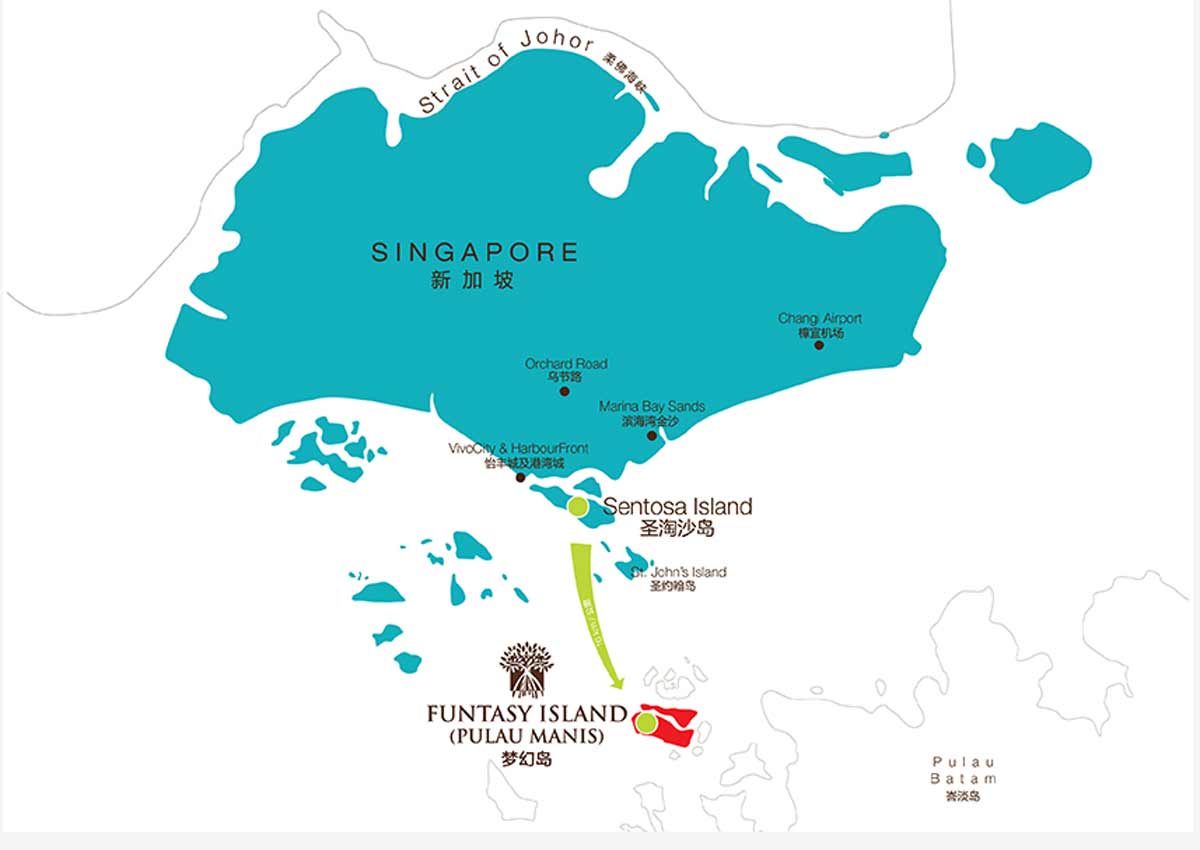
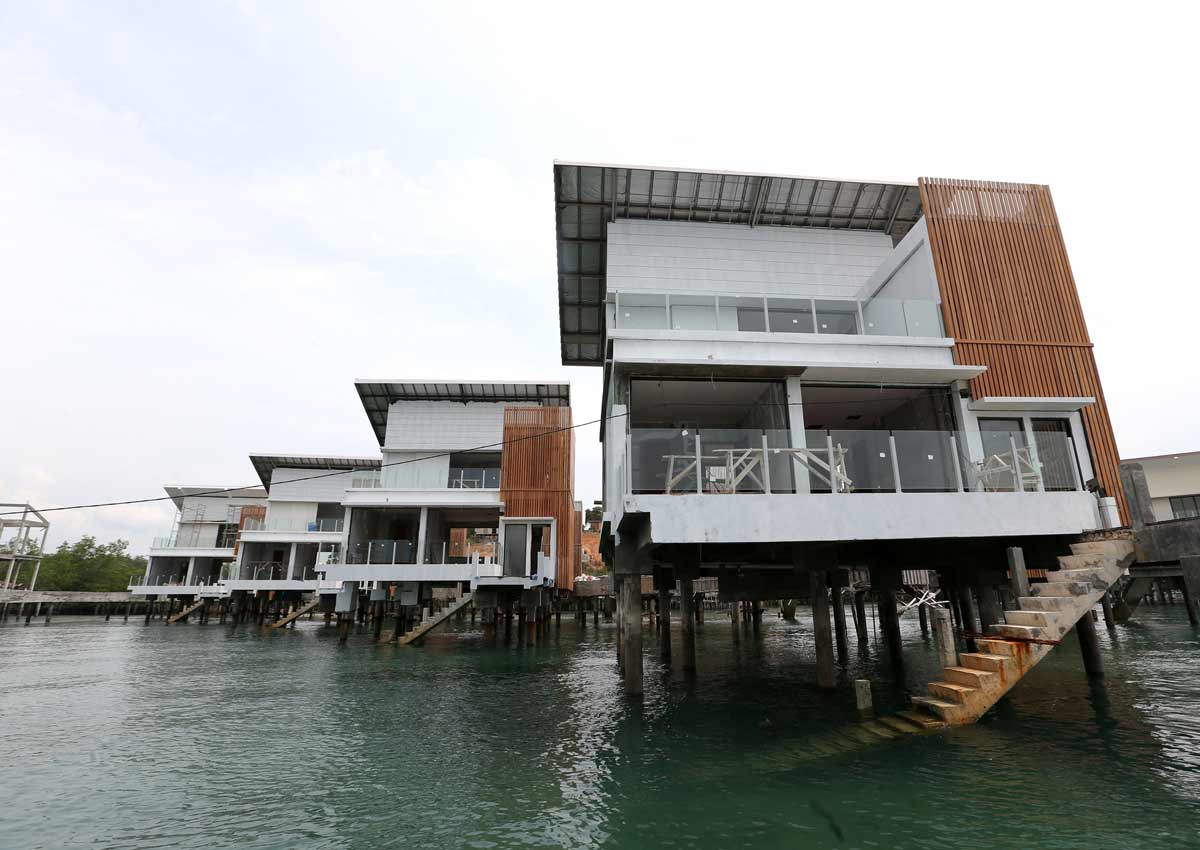
The misunderstanding came about when the island on the map on the website of Funtasy Island, a resort on Pulau Manis, was highlighted in the same colour as Singapore – which probably gave the impression that it was part of the Republic.

Following the brouhaha, the map was edited with the island highlighted in red, and Singapore in turqoise blue. An arrow links Sentosa to Pulau Manis, a connection which takes about a 30-minute boat ride from Harbour Front, according to Funtasy Island.

Image: 
Publication Date: 
Wednesday, June 1, 2016 – 17:15
Keywords: 
Send to mobile app: 
Source: 


Story Type: 
Rewritten Story

Source link

Things to know about Singapore's extended smoking ban on June 1

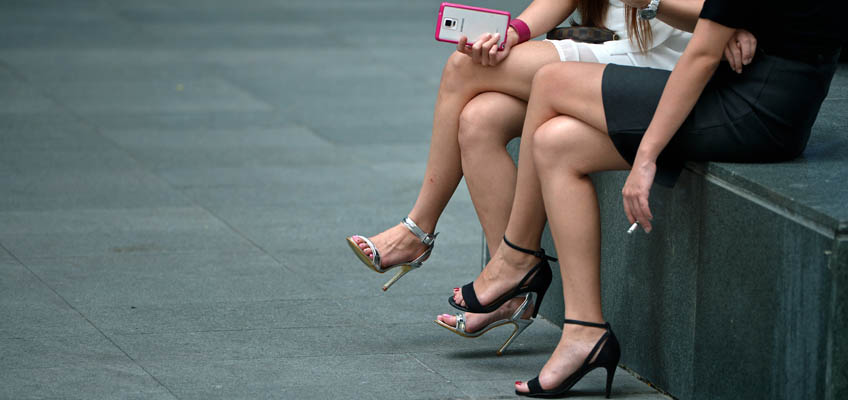
SINGAPORE – Smoking is now prohibited in more public areas, the National Environment Agency (NEA) announced on Wednesday (June 1).

The latest smoking ban applies to reservoirs, parks under JTC Corporation, parks in public housing estates managed by town councils, and parks in private housing estates under NParks.

NEA said that ‘No Smoking’ signages will be installed at the newly prohibited premises while rubbish bins with ashtrays will be moved or replaced with those without ashtrays.

In April, Senior Minister of State for the Environment and Water Resources Amy Khor said in Parliament that this move will help protect the majority of the Singapore population, who are non-smokers, from the harmful effects of secondhand smoke in public areas.

Some of the health risks associated with secondhand smoke include lung cancer, cardiovascular disease, according to Reuters. Passive smokers may also suffer from respiratory problems such as asthma, sinusitis and pneumonia.

Those who are caught smoking in prohibited areas in the first three months of the extension will receive warnings.

According to The Straits Times, an offender found guilty of smoking in NParks’ neighbourhood parks in private housing estates will face a maximum fine of $2,000, or a maximum fine of $1,000 for smoking in other prohibited areas.

minlee@sph.com.sg

Image: 
Publication Date: 
Wednesday, June 1, 2016 – 17:08
Send to mobile app: 
Source: 


Rotator Image: 
Story Type: 
Rewritten Story

Source link

15% pay raise for local SBS Transit bus captains

SINGAPORE – SBS Transit bus captains who are Singaporeans or permanent residents (PRs) will be able to earn about S$3,460 a month under a new salary package, about 15 per cent more than before, the public transport operator and National Transport Workers’…

Source link

Singapore ISPs slash prices in battle for high speed broadband customers

INTERNET service providers (ISPs) in Singapore are engaged in a price war as some 360,000 cable modem users face possible discontinuation of services by the end of next year.

The struggle to offer competitive prices looms as internet users in city-state switches to fiber optic connections from older cable technologies.

A source told the Straits Times that Starhub’s network leasing agreement with Singtel will come to an end in the latter part of 2017. The deal was pivotal to Starhub’s cable broadband and TV services.

StarHub almost halved its monthly subscription rate for its 300Mbps package from SG$49.90 (US$36.20) to SG$29 (US$21) and if it ended the lease with Singtel, the cable services would follow suit, the paper reported.

SEE ALSO: Rivals cash in as Indonesia’s largest ISP blocks Netflix

The price-slashing prompted other ISPs to reduce their prices such as M1 which matched the StarHub deal with its $29 monthly 300Mbps plan.

This meant that its 360,000 users would be targeted by other ISPs looking to increase the number of customers. However, StarHub had yet to make a final decision on the lease.

StarHub chief marketing officer Howie Lau told the paper: “We will ensure a smooth transition for our customers, from cable to our fiber broadband services.”

On the other hand, ViewQwest will offer 350 Mbps fiber optic broadband plan for SG$29 (US$21) a month beginning tomorrow, said its chief executive Vignesa Moorthy.

“This group of users may not need high-speed plans, but they will be looking to switch to a good fiber broadband provider,” Vignesa said.

According to the paper, Association of Telecommunications Industry president Mike Ang said the shift from cable to fibre is inevitable.

“Cable technologies which are capable of surfing speeds of up to around 100Mbps are old and will eventually be retired,” he said.

The post Singapore ISPs slash prices in battle for high speed broadband customers appeared first on Asian Correspondent.

Source link

Dead tiger cubs found in Thai temple amid trafficking fears

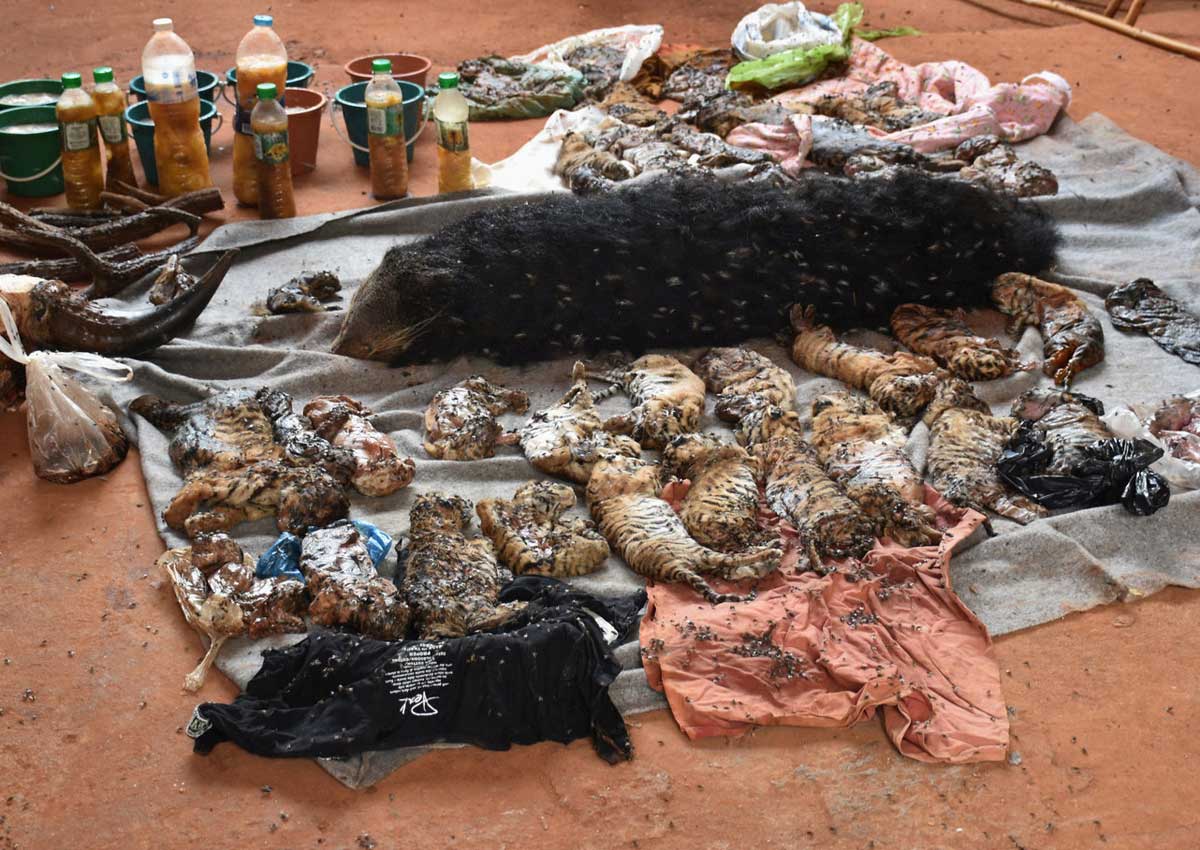
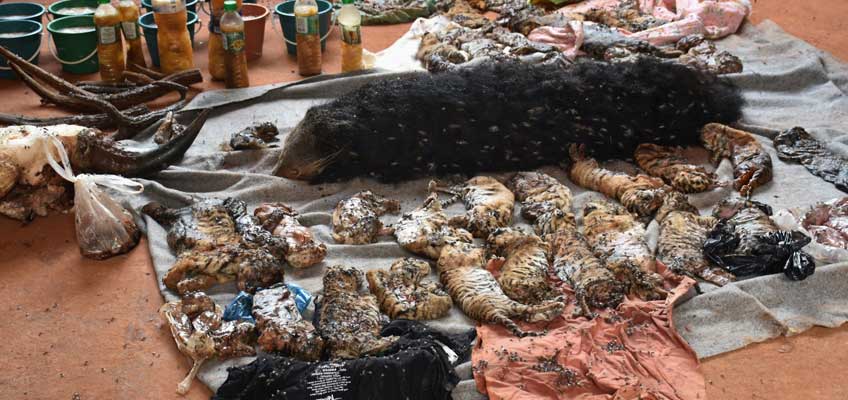
BANGKOK – Thai wildlife authorities found 40 tiger cub carcasses in a freezer in Thailand’s infamous Tiger Temple on Wednesday (June 1) as they removed live animals in response to international pressure over suspected trafficking and abuse.

The Buddhist temple in Kanchanaburi province west of Bangkok had become a tourist destination where visitors snapped selfies with bottle-fed cubs.

But the temple has been investigated for suspected links to wildlife trafficking and abuse.

A raid that began on Monday is the latest move in a tug-of-war since 2001 to bring the tigers under state control. Tiger parts are used in traditional Chinese medicine.

The 40 dead tiger cubs were found in a freezer in a kitchen area, said Adisorn Nuchdamrong, deputy director-general of the Department of National Parks.

“They must be of some value for the temple to keep them,” he said. “But for what is beyond me.”

Officials wearing protective masks displayed the bodies of the cubs to media at the temple. Also on display was the body of a Binturong, a protected species commonly known as a bearcat, which the authorities found with the cub carcasses.

Monks at the temple were not immediately available for comment.

Officials have moved 52 live tigers from the temple since Monday, Adisorn said, leaving 85 still there.

Thailand has long been a hub for the illicit trafficking of wildlife and forest products, including ivory. Exotic birds, mammals and reptiles, some of them endangered species, can often be found on sale in markets.

On Tuesday, the People for the Ethical Treatment of Animals group said the temple was “hell for animals” and called on tourists to stop visiting animal attractions at home and abroad.

Image: 
Category: 
Publication Date: 
Wednesday, June 1, 2016 – 16:47
Send to mobile app: 
Source: 


Rotator Image: 
Story Type: 
Others

Source link