Professor Sahar Amer talks about the “ridiculous” link often made between Muslim women’s dress and terrorism, in the season premiere of interview programme Conversation With.
Source link
First victims of Islamophobia in France are Muslim women: Female scholar
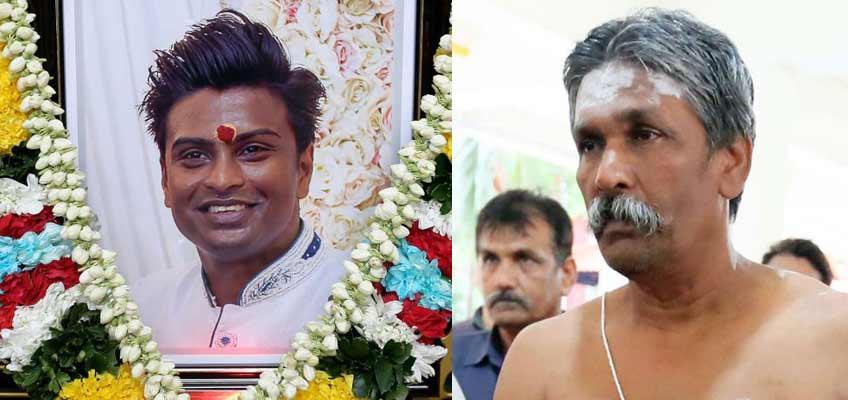
Former S-League player's death: Father flying to Bangkok to seek answers
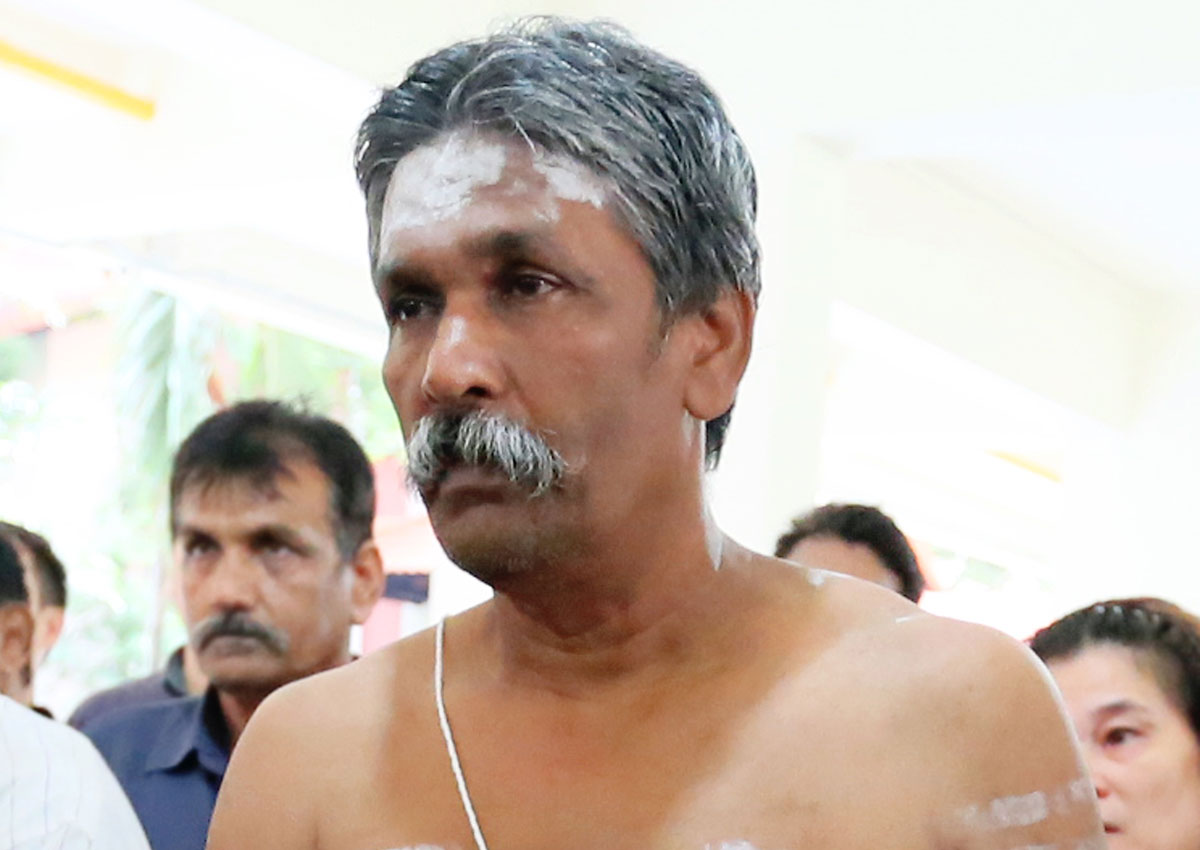
Perplexed by circumstances surrounding his son’s death, the father of former S-League footballer Sivaneswaran Ramalingam, 29, will be back in Bangkok this morning on the first flight to look for answers from the Thai police.
Mr Ramasamy Ramalingam, 60, a private bus driver, will be accompanied by at least four of his son’s childhood friends. The group has a list of questions for the Thai authorities and some grievances about how investigations were handled.
Mr Siva died in Bangkok on Saturday. He and his girlfriend, Ms Sarah Gieghase, had a 3½-year-old son.
Mr Issac Chew, 29, who works in property development and had known Mr Siva for more than 16 years, said: “Where was his son during the incident? Where was Sarah? Who let the assailants into the condominium apartment?”
According to The New Paper (TNP), who spoke to a Thai police officer, police arrived at the apartment at 2.15am on Saturday to find Mr Siva in a chokehold by Mr Kevin Maes, Ms Gieghase’s estranged husband.
The police told TNP that the incident had been sparked by a domestic dispute between Mr Siva and Ms Gieghase, who had been together for five years.
Ms Gieghase, a Belgian national, had called her parents for help and Mr Maes showed up with a friend.
Related: Killed by lover’s ex-husband
Ex-S.League player, Sivaneswaran Ramalingam, killed by lover’s ex-husband
Click on thumbnail to view photos. Source:
The New Paper



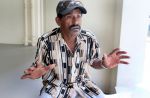


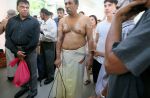

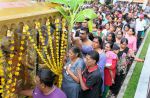
The officer told TNP that Mr Maes intervened by restraining Mr Sivaneswaran in a chokehold but had not meant to kill him, only to subdue him.
According to chat transcripts in Mr Siva’s phone, the two men had met nearby for a drink at midnight before Mr Siva returned home at around 1am. Mr Ramasamy said Ms Gieghase claimed she was not in the apartment during the incident.
Mr Siva was an S-League footballer with Sengkang Punggol (now Hougang United) in 2010. He joined Thai Premier League side Chonburi FC at the end of the season that year.
But from 2011, he started working as a sales manager at IBS Beauty, a Thai beauty products company co-founded by Mr Maes and Ms Gieghase.
Mr Siva was pronounced dead at 2.50am on Saturday. He was cremated on Monday in Singapore, without the attendance of his girlfriend or son.
Related: Father didn’t know he was dating his boss
The Thai police told Mr Ramasamy that Mr Maes had been arrested for allegedly causing grievous hurt and was out on bail.
Among the group’s gripes are that some personal items of Mr Siva’s, which they believe police should have taken for investigations, were missing when Mr Ramasamy arrived in Bangkok on Saturday. He returned to Singapore with his son’s body on Sunday.
“I asked Sarah, where is his handphone, where is his laptop? The charger was in the apartment but the laptop wasn’t,” said Mr Ramasamy. “And 15 hours later, the handphone resurfaced – it was with Kevin’s current girlfriend.”
Friends and family said the couple’s relationship had been rocky since October last year.
The last photograph on Mr Siva’s phone, taken just three hours before he was pronounced dead, showed him standing next to Ms Gieghase, who was crying as she talked on the phone.
Today in Bangkok, the group intends to look to the Singapore embassy for help before speaking to lawyers. They will then meet the Thai police to view closed-circuit television footage from the condominium to determine who was in the apartment during the incident.
Mr Ashley Ow, 30, another childhood friend of Mr Siva who will be in Bangkok with Mr Ramasamy, said: “We want to ensure that a very just and professional investigation is done. It concerns a person’s life – a life is gone.”
Ex-S.League player, Sivaneswaran Ramalingam, killed by lover’s ex-husband
Click on thumbnail to view photos. Source:
The New Paper

This article was first published on Jun 02, 2016.
Get a copy of The Straits Times or go to straitstimes.com for more stories.
Image:
Publication Date:
Thursday, June 2, 2016 – 13:00
Send to mobile app:
Source:
Rotator Image:
Story Type:
Others
When non-slip shoes may have prevented workers' deaths
Four workers died on the job last month – that is one death a week.
In the first five months of this year, there were 32 workplace deaths – six more than in the same period last year, or a 23 per cent increase.
The deaths continued despite the Manpower Ministry (MOM) announcing on May 12 stiffer penalties for workplace safety lapses. Companies found to have safety breaches will now have to stop work for at least three weeks instead of two. They also risk not being able to hire new foreign workers until they fix safety lapses.
A week after the MOM announcement, the Singapore Contractors Association (SCAL) hit back, saying stiffer penalties will worsen the “dire situation” for errant companies and have “serious consequences” for the firms’ viability. It called for a “review” of the approach to construction safety.
But on May 28, SCAL seemed to have a change of heart, pledging to team up with the MOM and other agencies to step up workplace safety awareness.
Still, SCAL’s initial reaction was unsettling, especially since half the deaths this year occurred at construction sites. If the workplace death rate is be stemmed, the authorities, industry associations and companies need to be on the same page.
Yet, workers’ deaths and the authorities’ reaction seem to follow a largely predictable script: the authorities tighten the screws on employers when the deaths spike, and the fatalities may slow but then increase again. That pattern has played out many times before.
Another cause for concern is the lack of transparency. Information on what caused a worker’s death is not always made public. That needs to change.
RELEASE MORE DATA
Consider what we know about the deaths this year. Thirty-two workers died.
But how did they die? A handful of cases were clear-cut – a lorry driver was killed in a traffic accident on May 16 and a worker was crushed by a reversing concrete truck on Jan 29.
Most were vague. For example, a worker was found at the bottom of a cargo tank of a ship undergoing repairs. He later died in hospital on Jan 26.
Also, are foreign workers more at risk than local workers in workplace deaths?
The Straits Times asked the MOM for a year-on-year breakdown of the local and foreign workers killed doing their jobs in the last 10 years. The MOM declined to give the breakdown, saying only: “On average, two-thirds of workers who have died in fatal workplace accidents are foreigners.”
Since foreigners form about one-third of the total workforce, this suggests a disproportionately high percentage of deaths.
There lies the rub – detailed data on workplace deaths is not made public.
But the MOM refutes the suggestion that public data is lacking, saying: “It is not true that MOM does not release details of all workplace accidents.” It points out that coroner’s inquiries are held for every workplace death.
While such inquiries are held in open court, they are still not widely accessible to the public. Also, it is up to the coroner to decide after the inquiry whether the findings are to be released to the public.
The MOM also says it circulates preliminary investigations of accidents and recommended measures to companies in a free e-newsletter and on its website. It adds that it is working with the Singapore Institution of Safety Officers (SISO) to spread the safety message.
What is needed is fine-grained data that could help in preventing such deaths, such as details of each work site, the age, gender and experience level of each worker and the circumstances of each death.
Also, one wonders how effective the website, e-newsletters and coroner’s inquiries are in driving home to companies the urgency of improving workplace safety.
While it is unsurprising that employers and the authorities prefer to avoid the public spotlight on this issue, ignoring or underplaying workplace deaths can lead to public apathy. And if apathy sets in, the drive to reduce the deaths could come to naught.
Releasing public information is something the authorities ought to do more of, and keep doing more of.
The MOM says the causes of workplace deaths are “multi-faceted”. It cites the lack of safety provisions, poor supervision, lack of adequate training of workers and negligence. If the causes are multi-faceted, the measures should follow in the same vein.
Experts suggest two measures that can add to what the MOM and its Workplace Safety and Health Council are already doing in enforcement checks and safety awareness.
TARGET VULNERABLE WORKERS
Mr Michael Heng, a director and consultant at human resource firm PeopleWorldwide, notes that there is a link between the salaries of workers and their vulnerability to injuries and deaths. Manual and low-wage workers are more vulnerable, he said.
“For workers who are lowly paid, employers may value them less and place less emphasis on safety,” says the former unionist and consultant for the International Labour Organisation. “If they do not want to do the jobs, they can be replaced.”
The deaths this year support his view. Besides the usual construction and shipyard workers, among the 32 who died were cleaners and a security guard.
So far, the authorities have mostly targeted industry sectors to reduce workplace deaths. The focus can also shift to vulnerable workers directly by educating them to protect themselves.
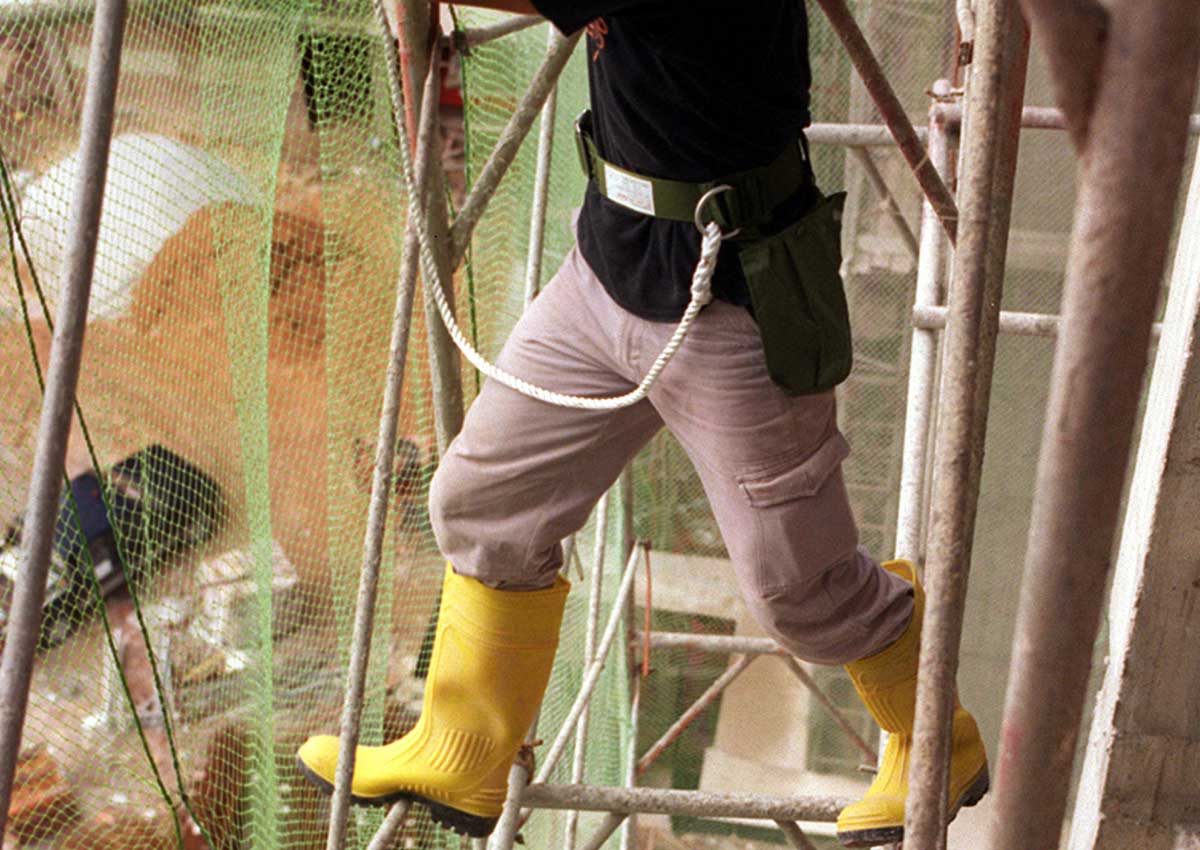
And the protection can include giving these workers safety equipment even though the gear may not be specified by the law.
For example, a security guard died after falling down a flight of stairs on March 25. A cleaner died on Feb 7 after slipping on an unsheltered ramp when it was raining.
Non-slip shoes that cost just $50 a pair are not standard equipment that bosses provide for their guards and cleaners – but one wonders if they would have prevented these two deaths. In some multinational companies, safety and non-slip shoes are standard issue for staff at work sites.
DO MORE FOR FOREIGN WORKERS
More effort needs to be invested in training foreign workers in workplace safety even before they come to Singapore, says Mr Shivasanker S., managing director of Active Synergy Training and Consultancy.
His firm has in the past two years trained about 6,000 foreign construction workers in the mandatory Construction Safety Orientation Course. It is a compulsory course that construction workers attend after they arrive in Singapore and which they have to pass before they are allowed to work.
His view is that safety training can be more effective if the “safety measures are drummed into workers as early as when they are trained outside Singapore”. This is possible because construction workers coming here are already required to be trained, tested and certified by the Building and Construction Authority in their home countries.
Indeed, when I visited four construction training centres in Chennai, India, last week, I saw the trainee workers diligently going about learning the job but wearing completely unsuitable slippers. Worse, several were even barefoot. And some were not wearing safety helmets, either.
If they do not learn good safety practices right from the start, it will be much harder to retrain them to shake off bad habits later.
On the bright side, Singapore’s workplace safety record is not dismal, and it has been improving. Workplace fatality rates have fallen from four per 100,000 workers in 2005 to 1.9 last year. Singapore fares better than the United States, which had 3.3 deaths per 100,000 workers in 2014.
But it is still way behind Britain, which had 0.46 deaths per 100,000 workers from April 2014 to March last year.
The authorities already have robust laws and enforcement measures in place. Industry associations and companies have on their part said they want to work with government agencies to reduce needless deaths.
What is needed is a greater willingness to discuss the issue in public and doggedness in drumming the safety message home to employers and workers.
Some like SISO president Bernard Soh believe the goal should be no less than zero fatalities. That may be impossible to achieve at the workplace but it does not mean Singapore cannot aspire to it.
tohyc@sph.com.sg
This article was first published on June 2, 2016.
Get a copy of The Straits Times or go to straitstimes.com for more stories.
Image:
Category:
Publication Date:
Thursday, June 2, 2016 – 16:00
Keywords:
Send to mobile app:
Source:
Story Type:
Others
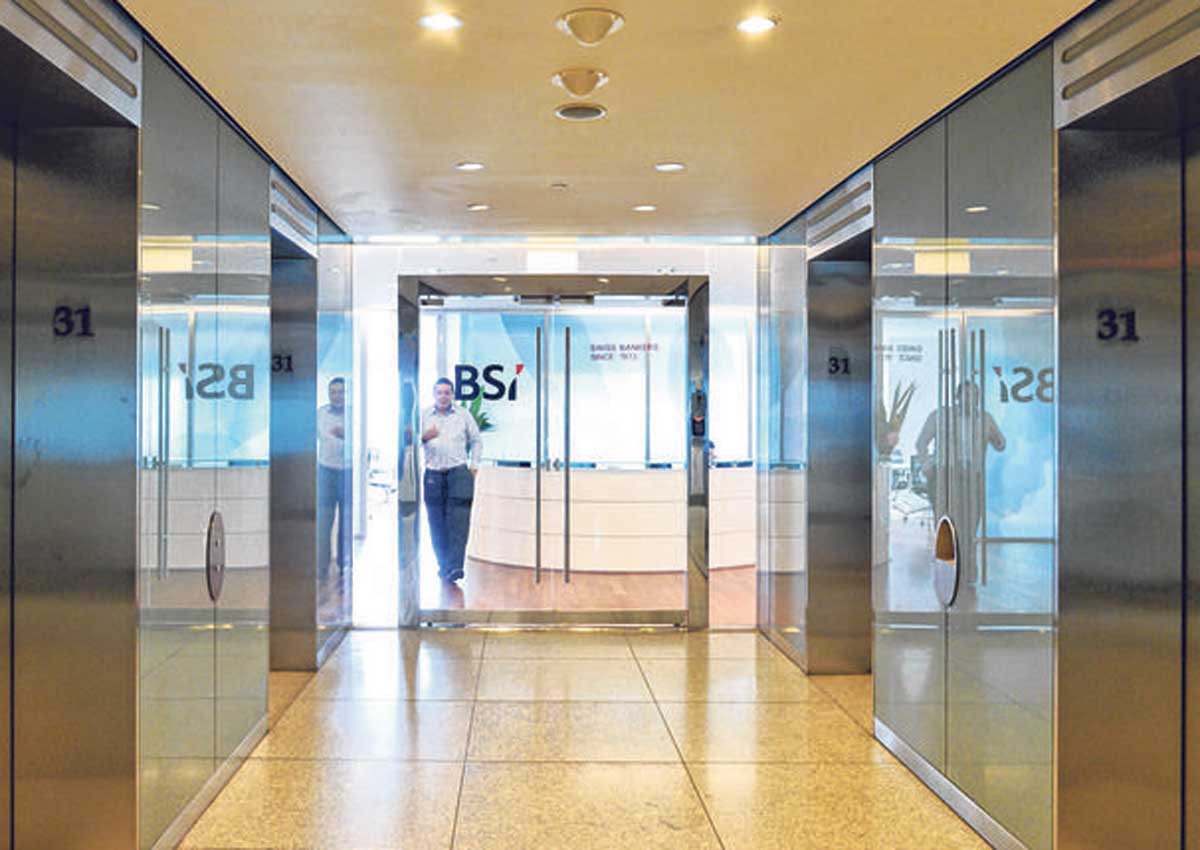
Court sets July 28 for pre-trial conference on ex-BSI banker
Image:
Publication Date:
Thursday, June 2, 2016 – 14:17
Send to mobile app:
Source:
Story Type:
Others
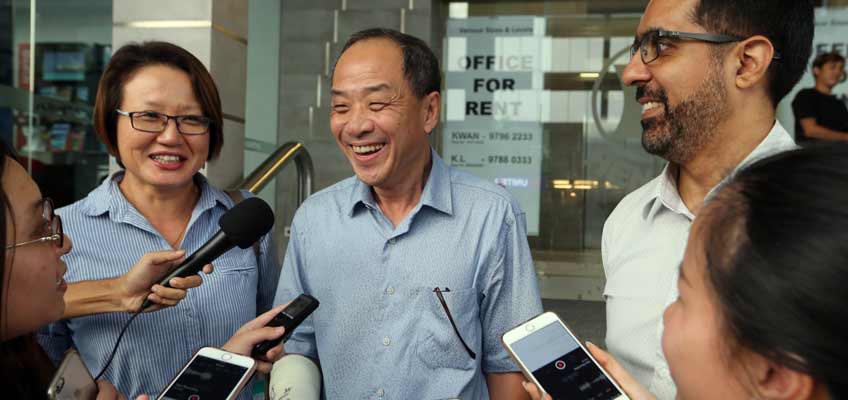
Low Thia Khiang dismisses talk of split, says WP stronger after party election
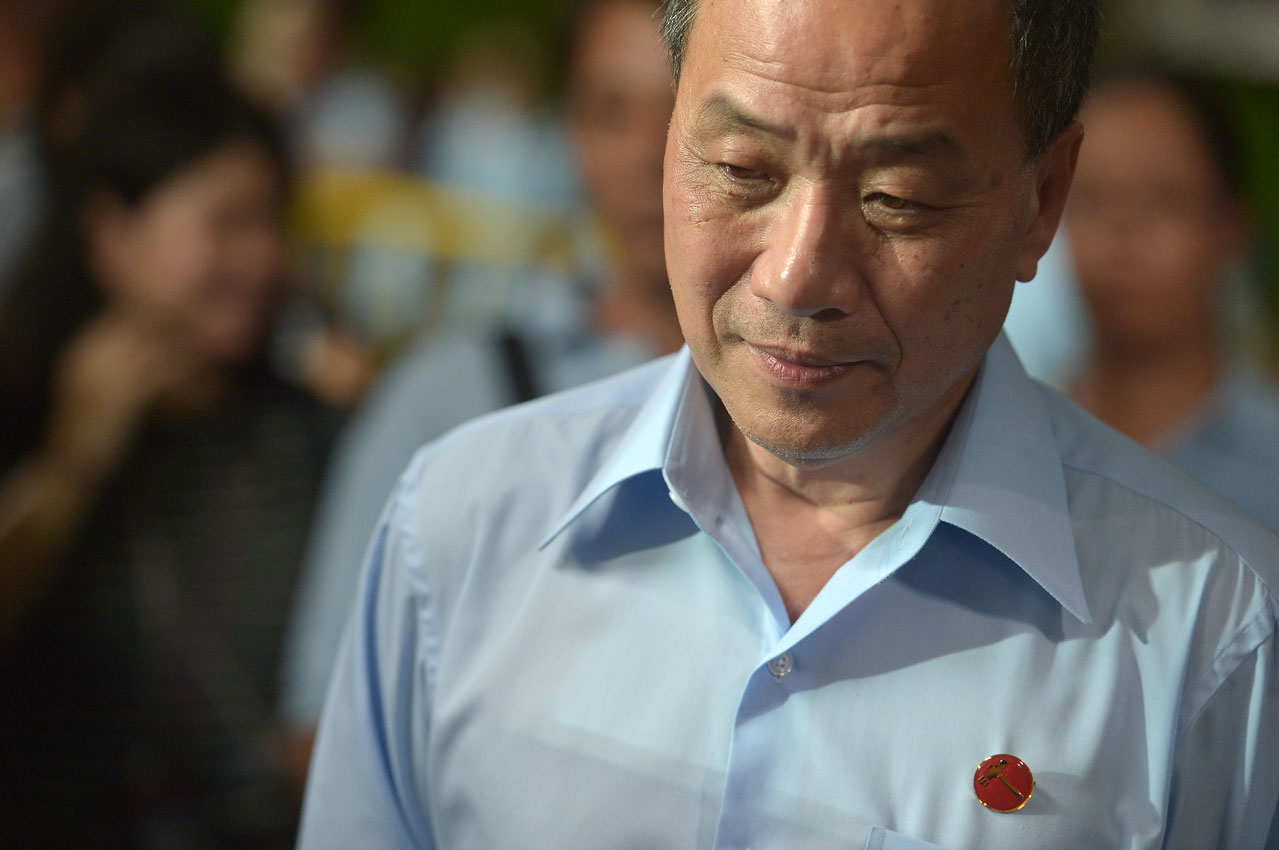
Workers’ Party (WP) chief Low Thia Khiang yesterday dismissed talk of a split in his party following a surprise – but unsuccessful – challenge he faced during the party’s conference on Sunday to elect members to its top decision-making body.
On the contrary, the central executive council (CEC) election results had strengthened the party for the future, he told reporters before his Meet-the-People Session in Hougang.
He stressed repeatedly that it was unproductive to take the results as indicative of dissension in WP.
He also expressed surprise that some WP members had gone public with criticism about his leadership style, saying that his door has always been open to feedback.
On Sunday, Mr Low was challenged for the first time since 2001 at his party’s biennial internal election, when fellow Aljunied GRC MP Chen Show Mao stood against him for the post of secretary-general.
Mr Low won with 61 votes against Mr Chen’s 45.
He said: “Unfortunately, there are people who wish to turn this episode into a negative event… and create a public perception that will affect the confidence of Singaporeans in WP.”
“But if a political party can accept open competition, accept diversity of views and in diversity we move on together as a party, I think Singaporeans should have much more confidence,” he added.
Related: Low Thia Khiang retains sec-gen post after party contest
Workers’ Party new faces
Click on thumbnail to view photos. Source:
The Straits Times, WP Facebook, WP Instagram, Youtube














Mr Chen’s challenge has led to much talk of unhappiness that some say has been simmering among certain members.
A few reportedly blamed Mr Low’s leadership style, pointing to a lack of consultation over decisions such as who to field in last year’s general election. There was also unhappiness with the party’s direction as well as its poorer performance at the polls last year – in terms of vote share – compared with 2011.
Responding last night, Mr Low said there are “proper avenues in the party” for members to raise their concerns. He said some had done so at the party conference and he had responded to them.
“So it is quite a surprise to me that some of them are now saying perhaps there is a lack of avenue for such consultation process or an issue of transparency,” he said.
“I don’t really understand where they are coming from.”
On the issue of electoral candidates, he said: “They have to tell me which specific candidate they’re talking about, so that will allow me to explain my rationale for not fielding a specific person.”
Mr Low said his focus is on party renewal and ensuring WP is ready for the next election. To do so, the party has to ensure it does not have a “generation gap” with voters and that it maintains “a pulse on the society, especially on the younger voters”.
He added that younger members known to voters have been elected into the party’s CEC, and said this “gives (WP) a certain comfort level to move forward”.
As for Mr Chen’s challenge, he said it was part of the party’s democratic decision-making process. If the party decides someone else will make a better secretary-general, he would accept that, he said.
Mr Chen had said separately on Monday that he had merely participated in the party’s election, saying it was not a challenge.
Said Mr Low: “I’m fully aware that I’m not able to satisfy everyone and I cannot meet everyone’s request. My principle is to act on behalf of the party in good faith, with a clear conscience, for the interest of the party and the nation.”
This article was first published on June 2, 2016.
Get a copy of The Straits Times or go to straitstimes.com for more stories.
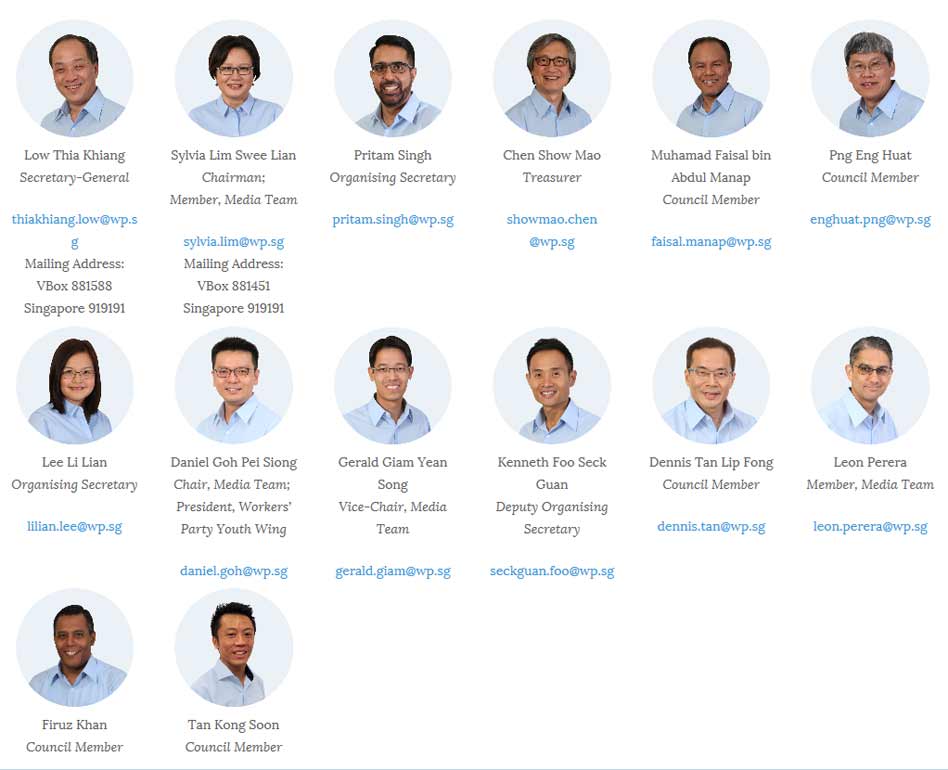
Image:
Publication Date:
Thursday, June 2, 2016 – 14:30
Send to mobile app:
Source:
Rotator Image:
Story Type:
Others
Turning Literature into a best-selling subject
With fewer students taking up Literature, some observers are worried about whether the trend can be reversed and the implications for critical thinking standards. Channel NewsAsia opens the book on how the subject is being taught.
Source link
China national latest worksite fatality
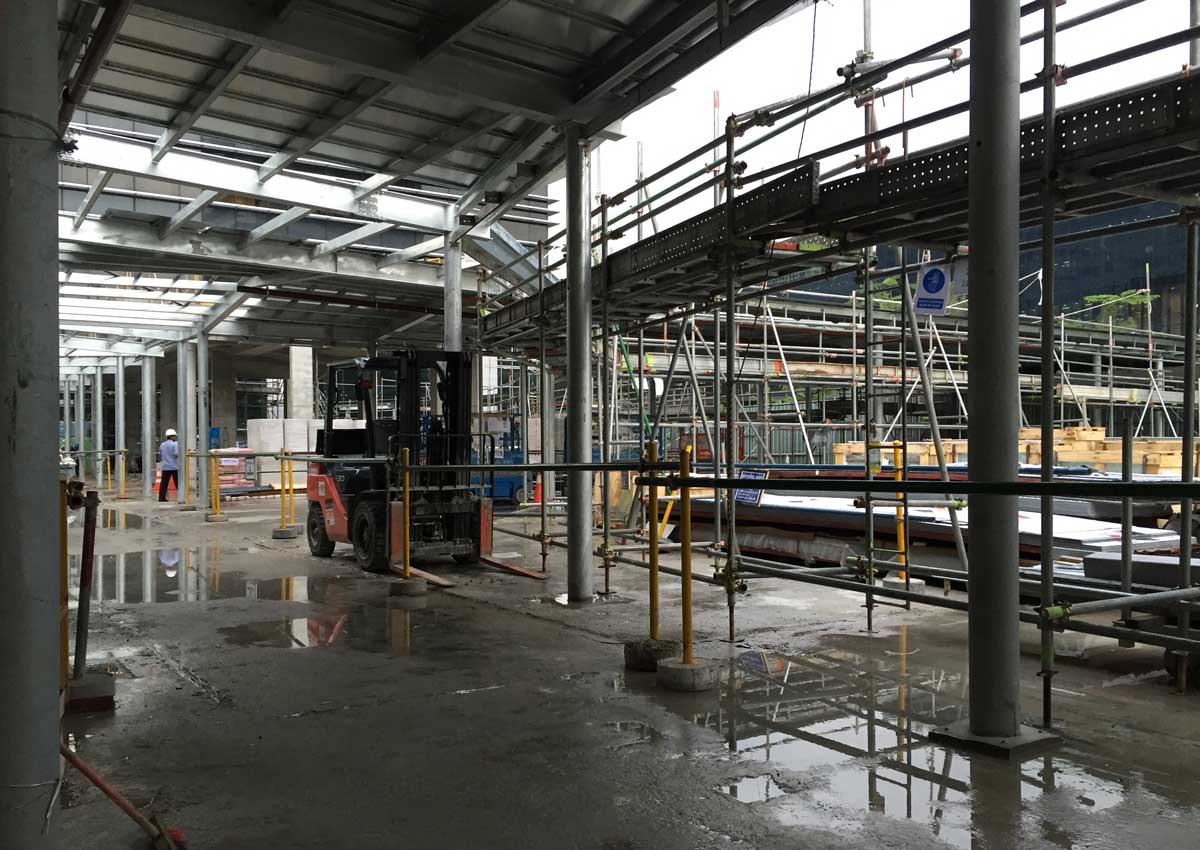
A construction worker was killed yesterday, believed to have been electrocuted as he used a cement mixer.
Mr Liu Cheng Long, 35, was using an electric handheld mixer at Mapletree Business City when he collapsed suddenly.
A colleague working nearby told The Straits Times that he saw Mr Liu, who is from China, trying to operate the machine without success when there was a sudden power surge. He saw Mr Liu shake silently for four to five seconds, then fall backwards.
Conditions had been rainy at the Pasir Panjang site.
The colleague, who wanted to remain anonymous, said: “I ran over and unplugged the machine and called the safety supervisor.”
He fell silent when asked how he felt.
Mr Ong Yong Seng, senior safety manager for the site’s main contractor Shimizu Corporation, said a safety officer was able to revive Mr Liu using CPR and an automatic external defibrillator, though he remained unconscious.
The Singapore Civil Defence Force said it received a call for ambulance assistance at 11.50am, and took Mr Liu to the National University Hospital.
Shimizu and the Ministry of Manpower (MOM) confirmed that Mr Liu died later.
The incident is the second fatality at the site in Alexandra Terrace.
A Bangladeshi worker was killed in January last year after a formwork panel toppled onto him.
Yesterday’s incident is the latest in a string of 33 worksite fatalities so far this year – a figure which has caused concern among the authorities. It also comes less than a month after MOM announced stiffer penalties for companies lacking in workplace health and safety standards.
Work at the site has been stopped, and MOM and the Energy Market Authority are investigating.
Mr Ong said the firm is working with Mr Liu’s employer to contact his next-of-kin “so that we can provide as much help as we can”. This is likely to include financial aid.
He added that there are more than 100 workers at the site doing finishing work on the building, and that if the rain is too heavy, work in external areas is stopped. Mr Liu and other workers were working under shelter.
Mr Liu was a sub-contracted worker who had joined the site only on Tuesday, after around six months in Singapore.
An MOM spokesman said officers from the ministry’s Occupational Safety and Health Inspectorate immediately started investigations.
Companies with repeat offences involving fatalities can be fined up to $1 million under the Workplace Safety and Health Act.
On May 12, MOM raised the minimum length of stop-work orders from two to three weeks.
Companies may also be barred from hiring new foreign workers until they have resolved safety issues.
Conditions for resuming work include conducting refresher training courses, improving site supervision and coordination as well as having a re-audit of the company’s safety and health management system.
joseow@sph.com.sg
This article was first published on June 02, 2016.
Get a copy of The Straits Times or go to straitstimes.com for more stories.
Image:
Publication Date:
Thursday, June 2, 2016 – 15:00
Keywords:
Send to mobile app:
Source:
Story Type:
Others
ELD, police explain Cooling-Off Day probes
The reason the Elections Department (ELD) and the police took action against various persons and websites for their online posts on Cooling-Off Day for the Bukit Batok by-election was set out in a joint statement last night.
It came amid criticism from netizens about the way the police are reportedly conducting the investigations, and a call from the Workers’ Party (WP) for the police to be consistent in their probes.
The statement noted that the rules for Cooling-Off Day, introduced in 2011, have been breached in the various elections.
The approach taken by the ELD has been to give warnings. In some cases, the breaches were found to be unintentional, it added.
However, “we observed what appeared to be deliberate and serious breaches of the rules… during the Bukit Batok by-election”, it said.
This despite the ELD making public past breaches as well as publicising the rules several times, including issuing an advisory before Cooling-Off Day and a subsequent reminder on Cooling-Off Day itself against activities that are deemed election advertising, said the joint statement.
In the Bukit Batok by-election, various persons and sites published online posts in contravention of the rules. It said The Independent Singapore, a socio-political website, continued to post such material even after receiving a specific reminder from the Assistant Returning Officer not to do so.
“Given the blatant disregard of the (rules) in the Bukit Batok by-election, the Assistant Returning Officer decided to make police reports so that the police could investigate.”
It added: “As part of the investigations, the police need to examine for evidentiary purposes electronic devices used to publish the online postings. As such, these devices had to be seized.”
When the investigations are completed, the police will make their recommendations to the Attorney-General’s Chambers, said the statement.
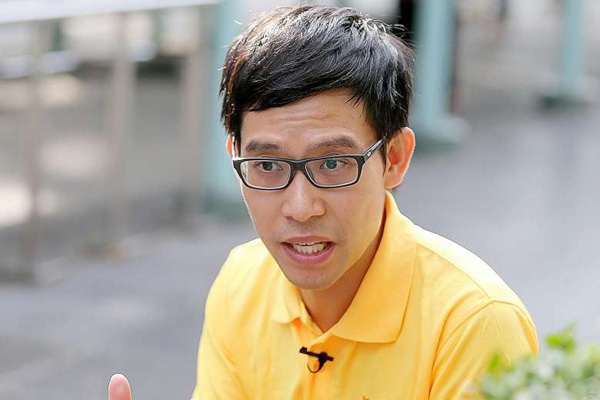
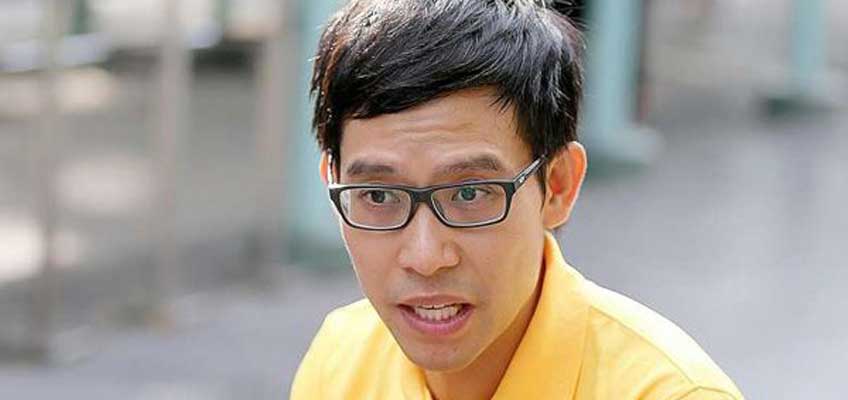
Besides The Independent Singapore, blogger Roy Ngerng and former political detainee Teo Soh Lung are being investigated as both made Cooling-Off Day posts in support of Singapore Democratic Party candidate Chee Soon Juan.
Mr Ngerng and Ms Teo said on social media they were interrogated for long hours by the police on Tuesday and their homes were also “raided”. They added that their phones and computers were confiscated.
The WP urged the authorities to ensure consistency and proportionality are applied to all investigations. It also said others who were reported for similar violations in the past “were not known to have faced the same lengthy interviews, and searches and seizures of personal equipment”.
Asked to elaborate, it told The Straits Times they include two People’s Action Party (PAP) candidates in previous general elections. They were Dr Vivian Balakrishnan last year and Ms Tin Pei Ling in 2011. Both were reminded by the ELD of the election rule, and the posts were removed the same day.
In a Facebook post last night, PAP MP Tan Wu Meng referred to the WP statement and said WP central executive council member and Non-Constituency MP Leon Perera has been linked to The Independent Singapore, and “this was not declared in WP’s statement”.
“Given this, WP should be aware that it could be seen as having an interest in the outcome of the investigation, and that every effort should be made by WP to avoid the impression that WP is trying to interfere with the investigation,” he said.
The Independent Singapore lists Mr Perera as a member of its advisory board. These advisers are not involved in operating the website.
This article was first published on June 2, 2016.
Get a copy of The Straits Times or go to straitstimes.com for more stories.
Image:
Publication Date:
Thursday, June 2, 2016 – 14:30
Send to mobile app:
Source:
Rotator Image:
Story Type:
Others
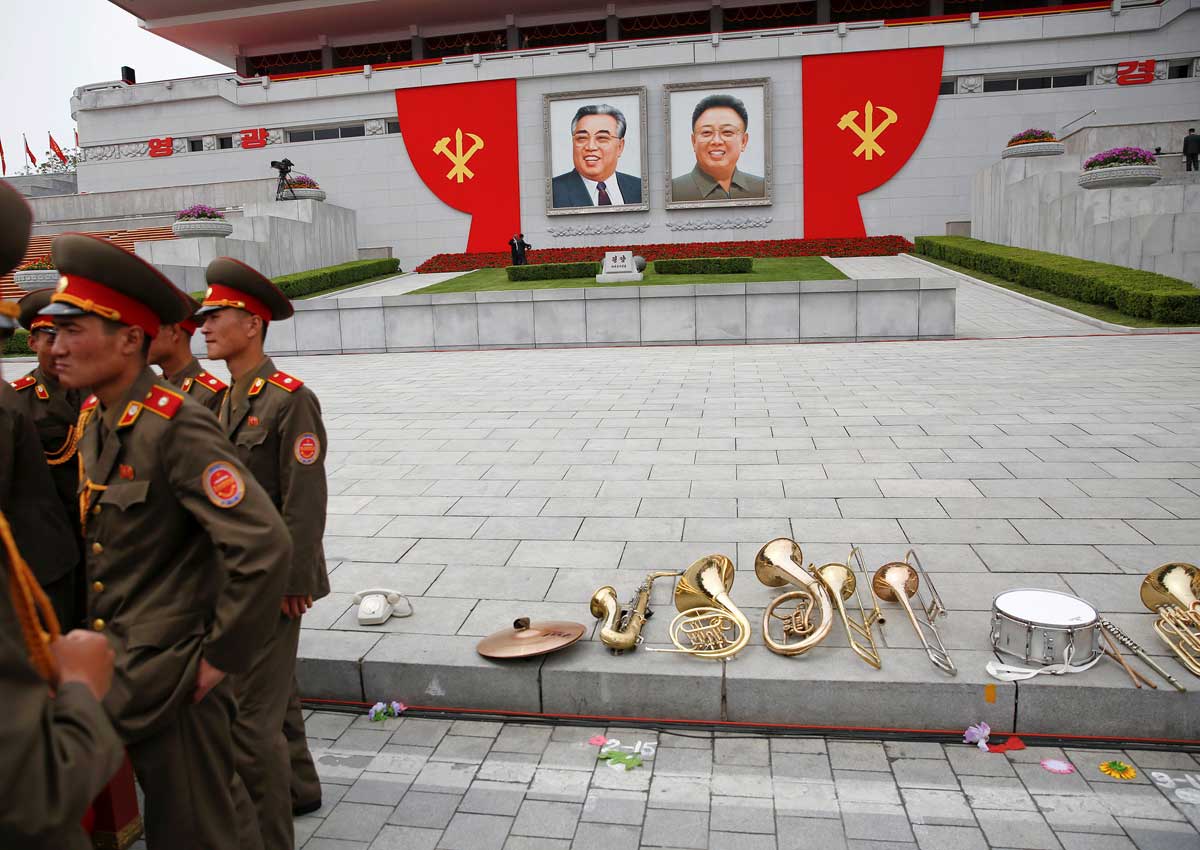
US takes more steps to block N.Korea's access to financial system
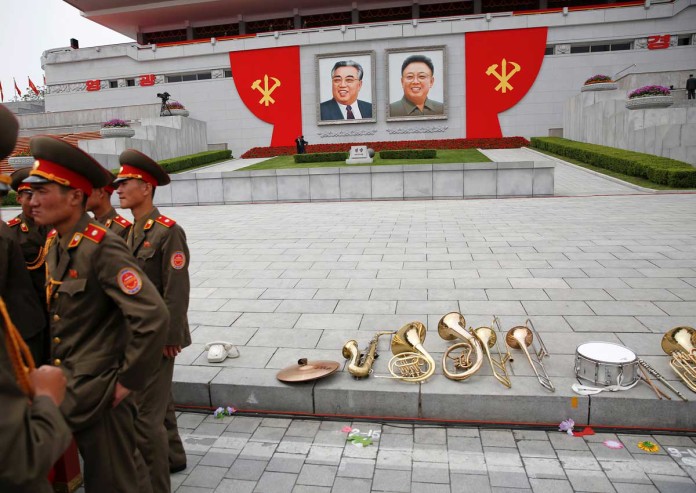
WASHINGTON – The United States on Wednesday declared North Korea a “primary money laundering concern,” and moved to further block its ability to use the US and world financial systems to fund its weapons programs.
The US Treasury Department called for a prohibition on certain US financial institutions opening or maintaining correspondent accounts, which are established to receive deposits from or make payments on behalf of a foreign institution, with North Korean financial institutions.
Crucially, Treasury also prohibited the use of third parties’ US correspondent accounts to process transactions for North Korean financial institutions.
The announcement came days after the latest failed missile launch by the isolated state. Tensions in the region have been high since January when North Korea conducted its fourth nuclear test and then followed that with a satellite launch and test launches of various missiles.
Those efforts have all fueled calls in Washington, and abroad, for a clampdown on Pyongyang.
US law already generally prohibited US financial institutions from engaging in transactions with North Korean institutions, but Treasury’s latest actions would impose additional controls, especially the prohibitions on the use of third-country banks’ US accounts to process transactions for North Korea.
“This is meaningful,” said Victor Cha, Korea Chair at the Center for Strategic and International Studies in Washington. “This is designating the entire country, which means essentially that any entity that is interested in interacting with US financial institutions should no longer have any business with North Korea.”
“Most, if not all, entities, if faced with the choice of having access to the US financial system or doing business with North Korea, are going to make the obvious choice,” Cha added.
South Korea’s foreign ministry on Thursday welcomed the move, which it said in a statement would boost the effectiveness of existing sanctions on the North and have a broader impact than a 2005 US Treasury measure that targeted a bank in the Chinese territory of Macau.
About $24 million (S$33 million) of North Korean funds was frozen at Macau’s Banco Delta Asia (BDA) after the US Treasury accused it of helping to channel earnings from the North’s illicit activities, leading to a frantic attempt by Pyongyang to retrieve the money.
The North has since developed tactics to skirt financial restrictions by resorting to informal means to transfer money, including the use of bulk cash hand-carried by officials.
Adam Szubin, acting under secretary for terrorism and financial intelligence, said Washington expected other governments and financial authorities to make similar moves to prevent Pyongyang from “abusing” global financial institutions to support its development of weapons of mass destruction and ballistic missiles.
“The regime is notoriously deceitful in its financial transactions in order to continue its illicit weapons programs and other destabilizing activities,” Szubin said in a statement.
The Treasury was required to assess North Korea’s status as a money laundering jurisdiction under the “North Korea Sanctions and Policy Enhancement Act,” passed nearly unanimously by the US Congress in February.
A UN Security Council resolution in early March also required member states to sever correspondent banking relationships with North Korean financial institutions within 90 days.
Image:
Publication Date:
Thursday, June 2, 2016 – 13:58
Keywords:
Send to mobile app:
Source:
Story Type:
Others
Centre for membrane separation technologies launched
Technology areas which START will explore include novel membranes and processes that can help lower energy costs and increase higher yields for seawater desalination.
Source link


