 SINGAPORE – The upcoming White House State Dinner for Prime Minister Lee Hsien Loong will be the fourth to be held in honour of a Singapore leader.
The first three were held for late founding Prime Minister Lee Kuan Yew in 1973, 1975 and 1985. President…
Source link
Singapore at the White House State Dinners: A look back
Foreign workers say dorms are 'much better now' after fine
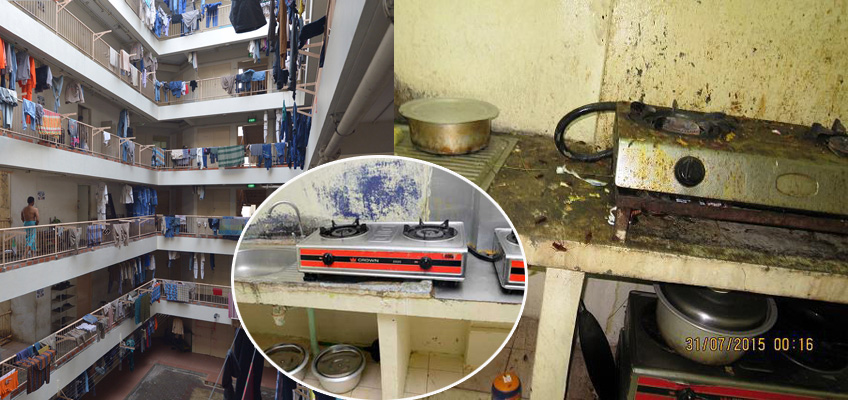
Dirty and cramped sleeping areas with clothes strewn all over, garbage littered over the floor, and cockroaches crawling on table tops.
This was the condition of an overcrowded dormitory in Boon Lay.
On Tuesday, dormitory operator KT Mesdorm was fined the maximum $300,000 for housing foreign workers in overcrowded accommodation at its Blue Stars Dormitory.
Dormitory operator fined $300k for overcrowded, unsanitary worker accommodation
Click on thumbnail to view photos. Source:
Ministry of Manpower, The New Paper, The Straits Times





KT Mesdorm, which pleaded guilty to 30 charges, was the first dormitory operator to be prosecuted and convicted in court under the Employment of Foreign Manpower Act.
The dormitory, which was built in 2001, was packed with more than 500 workers over the allowed limit of 4,500.
The Ministry of Manpower yesterday released photos taken last July of the dormitory’s poor living conditions, which it said severely compromised the health and well-being of the workers living there.
A spokesman for KT Mesdorm told The New Paper yesterday that it immediately took steps to rectify the living conditions.
“KT Mesdorm acknowledges there were lapses, and we immediately took affirmative steps and rectified the situation and living conditions of the workers,” said its spokesman.
He claimed the overcrowding happened because companies had asked it to house their workers on a “temporary basis”. But the dormitory now keeps strictly to the stipulated limit.
He added that pest controllers were hired, and that KT Mesdorm actively educates the workers on proper hygienic practices.
TNP visited the Blue Stars Dormitory yesterday.
The premises consist of seven blocks, each six storeys high with about 10 units on each level.
Each unit had its own cooking and dining area, and toilets.
There was also a basketball court, supermarket and remittance centre in the compound.
Shipyard worker Amirul Islam, 27, who arrived from Bangladesh about 10 months ago – which was around the time the dormitory was found to be overcrowded – said conditions have since improved.
A taste of life in an ‘HDB-style’ dorm for workers
Click on thumbnail to view photos. Source:
The Straits Times





















SHIFTED OUT
“We used to have 16 people in our unit. It was crowded. But now, four people have been shifted out.
“There’s more space for everyone now,” he said.
His roommate and colleague, Mr Chinnarao, 28, an Indian national, agreed.
“It’s much better now. Last time, there even used to be two beds in the dining area. Now, no more,” he said.
The living quarters were a far cry from the photographs taken last July.
For example, the living and cooking areas in each unit had been scrubbed clean since.
There was also no litter accumulating at the rubbish chute area, as seen in the photographs.
Mr Rajib Mohammad, 31, also a shipyard worker from Bangladesh, said the occupants do their best to clean the place from time to time.
When shown last July’s photographs, Mr Rajib shook his head and said: “I am very unhappy.
“This is done by some people, who are stupid.
“Maybe they get drunk and they anyhow throw their rubbish. But this doesn’t happen every day.”
Another shipyard worker, Mr Gahil Abdul, 42, who has been living at the dormitory for four years, said he and his fellow occupants take turns cleaning the premises.
“We also don’t want to live in a dirty place,” he said.
Overcrowded dorms have consequences
Overcrowding in dormitories can have grave consequences for both foreign workers and Singaporeans, two migrant workers advocacy groups told The New Paper.
News of Blue Stars Dormitory’s $300,000 fine did not come as a surprise to organisation Transient Workers Count Too (TWC2).
“Many purpose-built dormitories are run on a commercial basis. If they can make greater profit by cramming in more people, they will try,” said TWC2 treasurer Alex Au.
But it is fortunate that the case came to light, as it signals to other dormitory operators that the Ministry of Manpower (MOM) strongly frowns upon overcrowding, he added.
The advocacy groups do not have figures of dormitory overcrowding cases here, Mr Au said.
“Workers rarely risk their jobs to be whistleblowers. If employers terminate their contracts, they have to pay the agent fees again if they want to look for another job,” he explained.
He said living conditions will improve when dormitory operators open their doors for inspection.
“If they wish to establish a good reputation and brand name, they might want to distinguish themselves by saying, ‘We have nothing to hide and you can take a look inside because we have decent standards’,” said Mr Au.
Although fines and hiring restrictions are appropriate punishments for errant companies, operating costs are still an issue, said Mr Jolovan Wham, a social worker at Humanitarian Organisation for Migration Economics.
“Instead of increasing the foreign worker levy, the Government should consider encouraging employers to channel more funds towards improving the welfare of workers,” he said.
Poor living conditions, such as overcrowding, carry deeper consequences for society as well, the advocacy groups said.
Fun and games part of the package at workers’ dorm
Click on thumbnail to view photos. Source:
The Straits Times











PRODUCTIVITY
“These conditions affect productivity and the mental alertness of workers. They’re closely related to work safety,” said Mr Wham.
Mr Au said: “Overcrowding has life and death consequences, and these are totally invisible to the public.”
Mr Wham said it is usually a case of “out of sight, out of mind” when it comes to overcrowded foreign worker dormitories here.
“There isn’t much awareness about the situation. It’s not something that many people know about because these dormitories are situated in remote parts of Singapore,” he said.
He added that foreign worker rights are important.
“It is a reflection of who we are as a society. Upholding their dignity is the decent thing to do.”
rloh@sph.com.sg
prisang@sph.com.sg

This article was first published on June 2, 2016.
Get The New Paper for more stories.
Image:

Publication Date:
Thursday, June 2, 2016 – 21:00
Keywords:
Send to mobile app:
Source:
Rotator Headline:
Foreign workers say dorms are 'much better now' after $300k fine for unsanitary conditions
Rotator Image:
Story Type:
Others
URA launches online portal for information on land matters
The URA SPACE portal consolidates detailed information such as land use plans, urban design guidelines, property use and approval, car park locations and availability, private residential property transactions, and conservation areas and buildings.
Source link
South Korea hopes to secure KL-S’pore HSR project, offers to share technology

SEOUL – South Korea will be presenting the most suitable project cost and planning in direct talks with the Malaysian government in an effort to secure the Kuala Lumpur-Singapore High Speed Rail (HSR) project.
It will also be offering technology transfer by…
Source link
If only I wasn't sick, I would've stopped him
“Just look at the papers tomorrow.”
Those were his last words to her before he walked out of the shelter that was his home for the past five years.
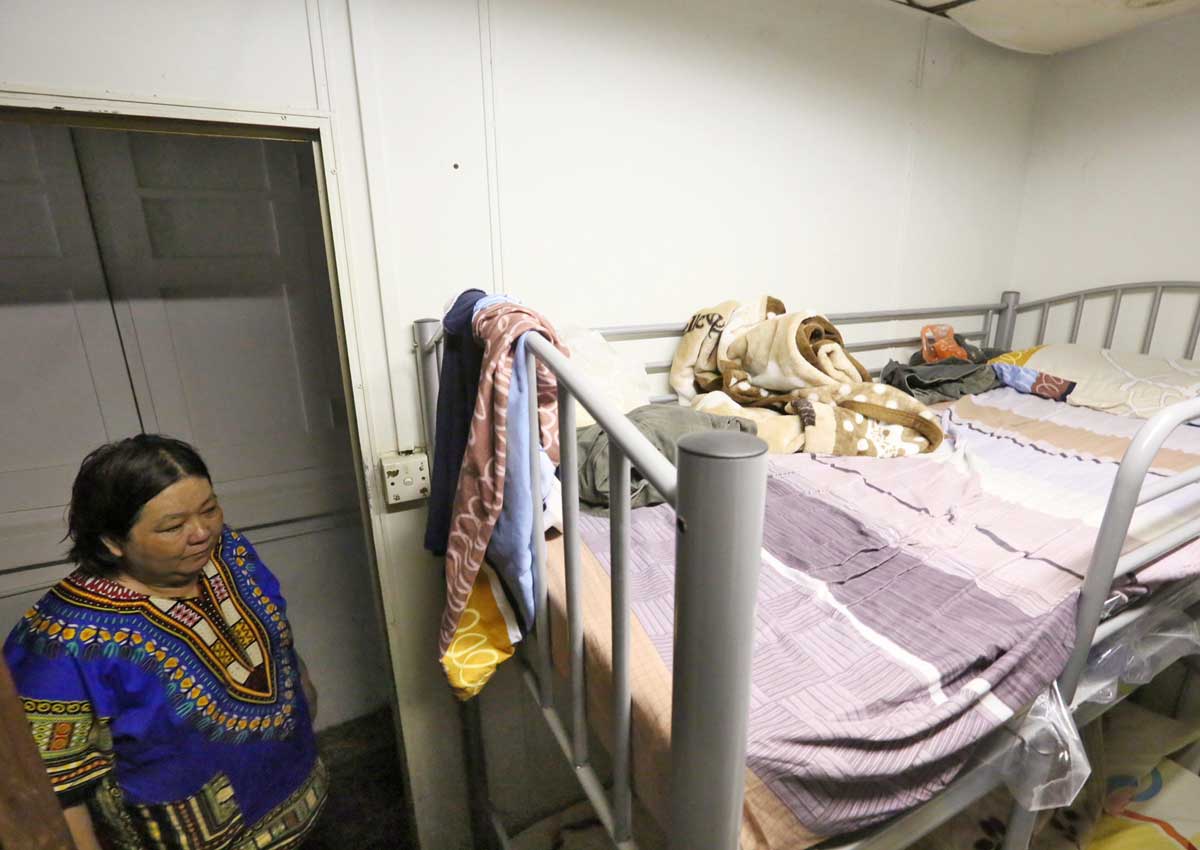
Madam Teo Kin Hong, 60, has been running the Elders Health Care Centre in Lorong Bachok in Geylang for many years. She provided Mr Tan Woon Teck with free food and lodging.
She did not think much of the 70-year-old’s words as she had the flu that day.
“He looked more frustrated than usual and thanked me for taking good care of him,” said Madam Teo.
UNTHINKABLE
“If only I wasn’t feeling sick, I would have stopped him.
“I never imagined that he would do that to himself,” she told The New Paper yesterday.
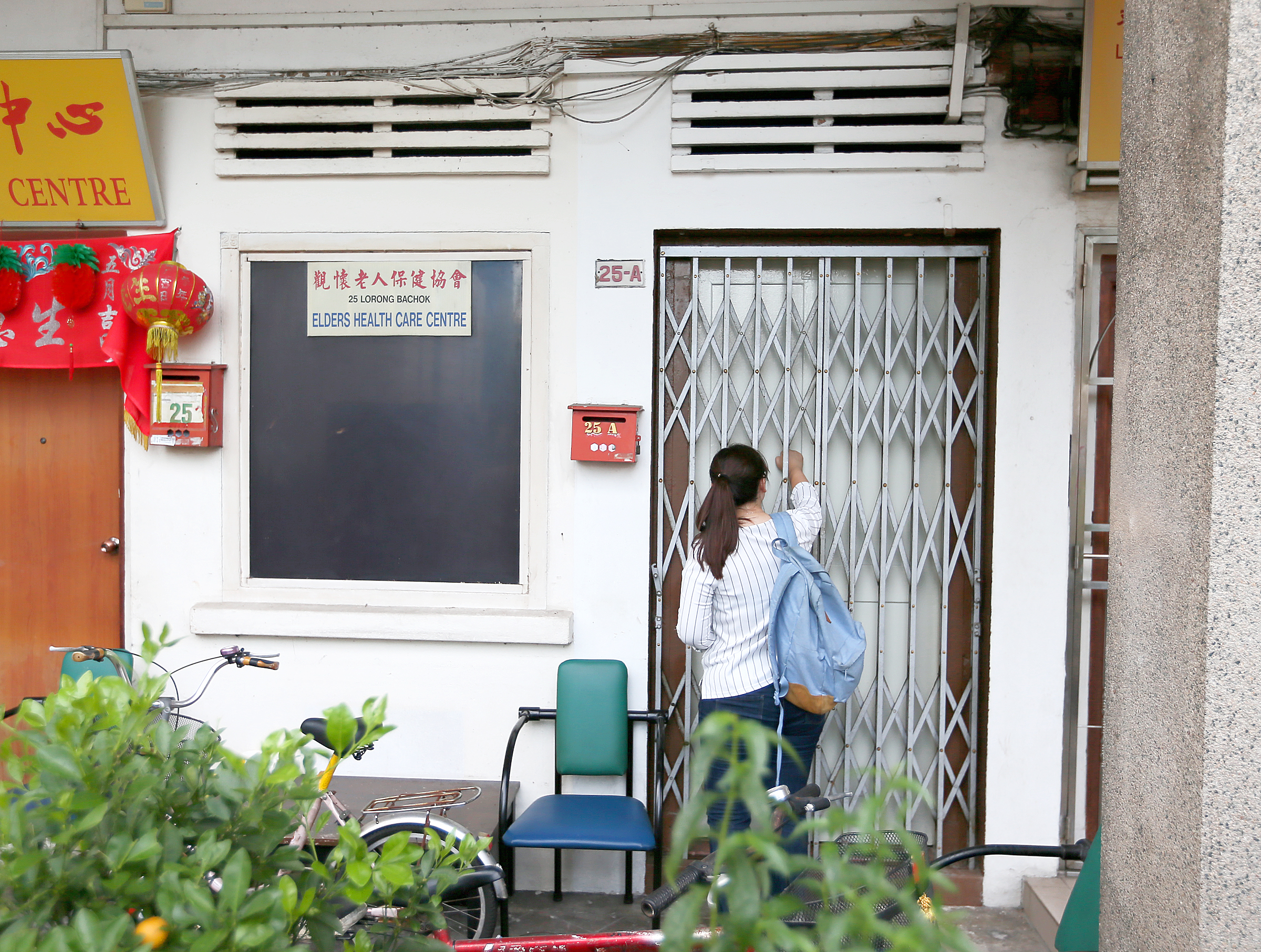
Elders Health Care Centre. Photo: The New Paper
On Tuesday, Mr Tan set himself on fire in an open carpark at the junction of Lorong 19 Geylang and Lorong Bachok.
Witnesses said he leaned on a stationary taxi and set himself on fire with a tin of flammable liquid. They heard a boom before they saw the flames.
Madam Teo said the trouble began when Mr Tan lost his job as a coffee shop assistant on May 11 after an altercation with a female co-worker.
He had helped her get a job as a coffee shop assistant at the Aljunied coffee shop but found her hard to get along with.
He found a new job at a hospital. He was supposed to start work yesterday, the day he died.
However, it was far from Geylang – an area he was comfortable with.
Madam Teo said: “He never really went out of Geylang and was unsure how to go to work.
“He looked distressed when he asked me how to get there but I had no idea.”
He never made it to work. Instead, he was rushed to Tan Tock Seng Hospital. TNP understands he suffered third-degree burns and died at 4am yesterday.
“It’s such a waste that he is gone like that. I did all I could for him,” said Madam Teo.
“I gave him free food and a place to stay, hoping he would just live a good life.”
TNP also spoke to Mr Tan’s former boss, who wanted to be known only as Mr Teo, at the coffee shop.
He declined to comment on why Mr Tan was sacked.
When told of the death, Mr Teo said he does not bother with what his workers did in their private lives.
But he did describe Mr Tan as a hardworking man.
“He came in on time every day and did his job well,” said Mr Teo.
Madam Teo also knew Mr Tan to be a reserved and dedicated man.
“He was a very easy-going man and never gave me any trouble.
“To earn more money, he often worked more than he was required,” she said.
His body was still with the coroner yesterday, pending police investigation and collection from any authorised next-of-kin.
TNP understands that no next-of-kin has come forward to collect the body so far.
Madam Teo is liaising with the police to settle his funeral arrangements.
She has also been in touch with undertaker Roland Tay, who has offered to provide his services for free.
constgoh@sph.com.sg
This article was first published on June 2, 2016.
Get The New Paper for more stories.
Image:
Publication Date:
Thursday, June 2, 2016 – 21:00
Send to mobile app:
Source:
Story Type:
Others
Fireworks spark fire at Shangri-La resort after opening by Sri Lanka president
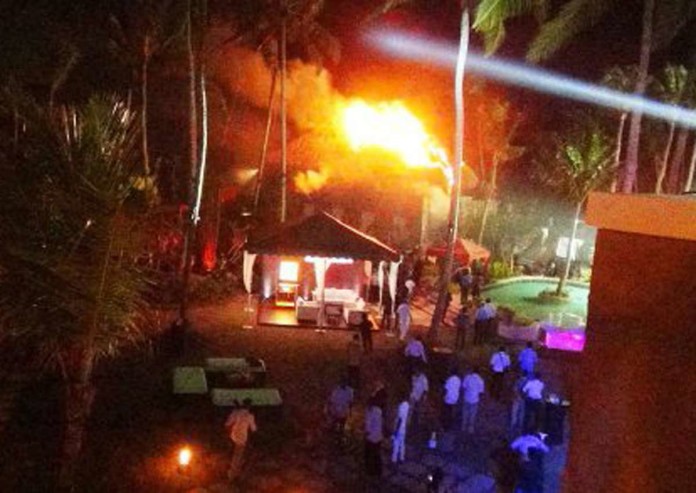
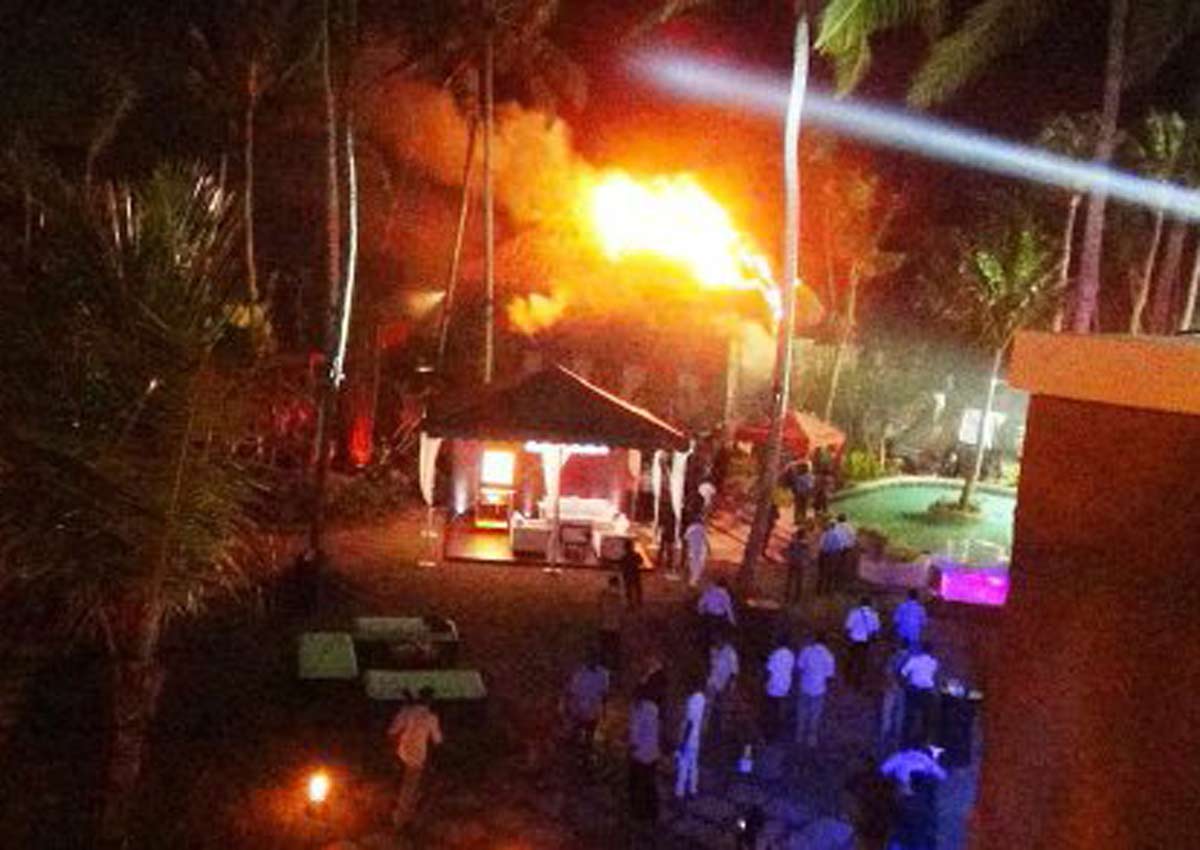
COLOMBO – Fireworks sparked a fire at a luxury beach resort in southern Sri Lanka minutes after it was opened by President Maithripala Sirisena, the hotel and local officials said.
Police have already begun an investigation into Wednesday’s incident at the 300-room Shangri-La at Hambantota, the upmarket hotel operator’s first hotel in the island.
“During the festivities, fireworks sparked a fire on a thatched roof covering a pool installation,” the group’s Hong Kong-based public relations chief Ilona Yim said.
“No one was hurt and we are thankful for the help of the fire brigade, which was onsite and extinguished the fire within 10 minutes.”
The hotel said the president stayed on for a private dinner that was part of the opening at Hambantota, 240 kilometres (150 miles) south of the capital Colombo.
“The president had just walked back to the hotel while the fireworks display was still on,” his spokesman Dharmasri Bandara told AFP.
Initial reports said the president was immediately evacuated, but his security staff confirmed the president had moved to another location at a different part of the sprawling hotel complex and left the premises after dinner.
Local journalist Easwaran Rutnam, who was covering the hotel’s opening, said the president was about 50 metres from the structure that was gutted by the fire.
A local police officer said no one was injured during the incident, but an investigation had been launched.
There had been several breaches of security at functions attended by President Sirisena who came to power in January last year. He has dispensed with much of the tight security accorded to his predecessors.
Image:
Publication Date:
Thursday, June 2, 2016 – 15:17
Keywords:
Send to mobile app:
Source:
Story Type:
Others
Woman hopes to clear all debts with donations after husband dies
Her husband was dead, killed after an argument with another man at a coffee shop.
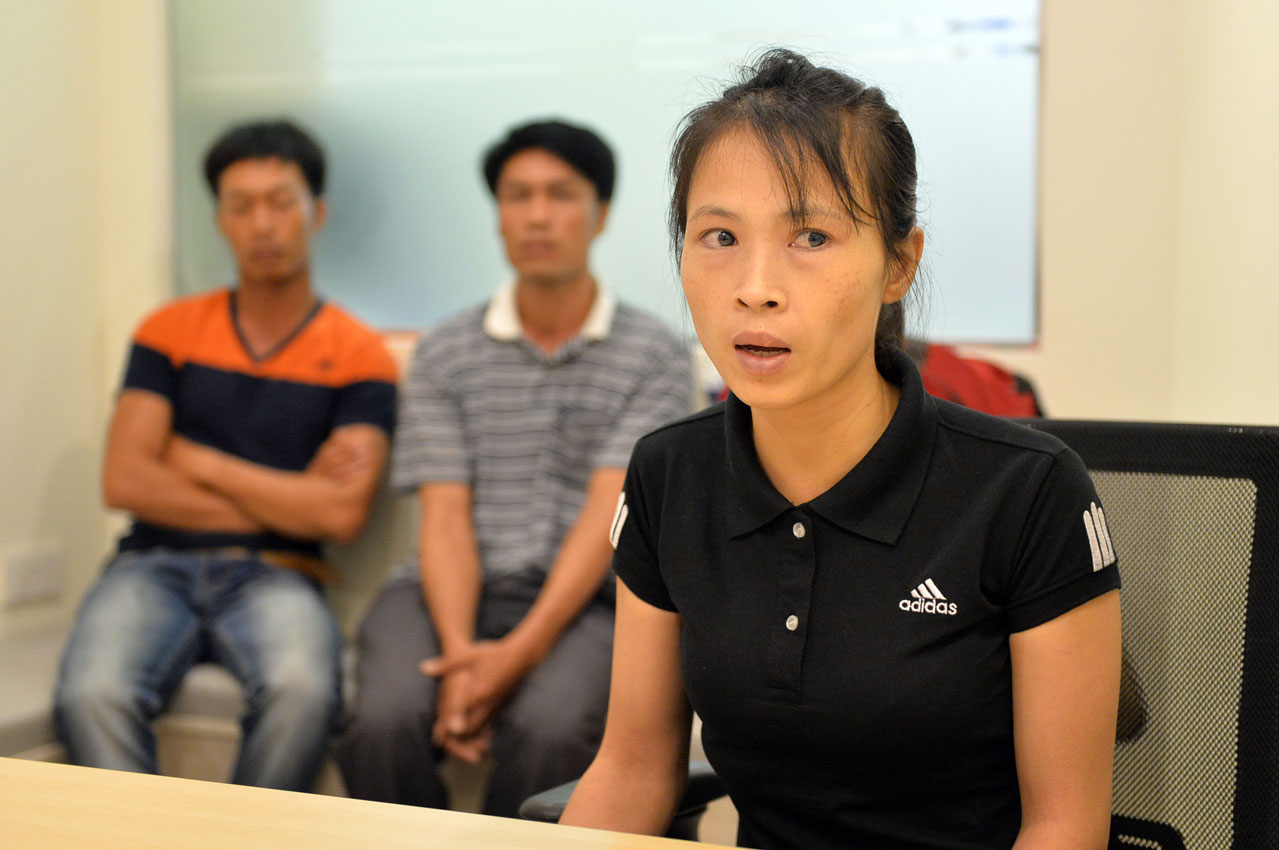
Faced with the mountain of debt Mr Phan Duc Thang had incurred back in Vietnam for coming here to work as a dishwasher, his widow Bui Thi Thu Ha was at a loss about what to do.
Fortunately, the 32-year-old woman’s plight, which was reported on the front page of The New Paper on Monday, had touched many kind-hearted people.
They have donated about $24,000 to help the mother of two, who earns just over $100 a month working in a glove factory in Vietnam.
She flew back home on Tuesday with her husband’s body to rebuild her life with her family all over again.
Mr Phan, 32, the main breadwinner of his family, came to Singapore from Vietnam, hoping to give his family a better life.
He found work as a dishwasher at a coffee shop in Marsiling and would remit $700 of his $1,000 monthly salary to Madam Bui for the upkeep of his family, which included two young sons, seven siblings and an elderly mother.
But on May 21, Mr Phan died of head injuries following an altercation with another man at a coffee shop.
The man in the incident was charged in court on May 23 with voluntarily causing grievous hurt.
Ms Nguyen Hong Thao, 33, and Madam Tran Thi Le Quyen, 26, came to know of the incident after it was shared on a Facebook group for Vietnamese living in Singapore.
“We thought their plight was very pitiful and knew they needed help,” said Madam Tran in Mandarin.
They then contacted Mr Roland Tay, founder of Direct Funeral Services, and appealed for his help.
The two women had worked with Mr Tay previously, when they approached him to help the families of other Vietnamese who died here.
Mr Tay told TNP: “I was very sad when I heard the story and I had to help.”
He paid for the Phans’ plane tickets and accommodation here, and helped to arrange all the funeral rites for free. Madam Bui was accompanied by Mr Phan’s two brothers.
After the news broke on Monday, people from all over Singapore came forward to help the Phans.
Mr Tay said: “After TNP’s story broke, people have been calling me to ask for the number of Madam Bui and how they could help her.”
He recounted how one woman went to his office to donate $5,000 to Madam Bui. Mr Tay said the woman spent about half an hour talking to Madam Bui at his office on Lavender Street, asking about the Phans’ two boys.
The woman gave the Vietnamese widow a hug before she left.
TOUCHING
“It was very touching,” said Mr Tay.
He told Madam Bui that many others had asked how they could help.
Ms Nguyen suggested to Madam Bui that she provide a bank account number for these people to send money to. Alternatively, they could contact her or Mr Tay.
According to Ms Nguyen, most of the money donated to the family would be used to pay off debts back in Vietnam.
Just to come to Singapore, Mr Phan had to borrow about $8,000 to pay the agent, travel and administrative fees.
Ms Nguyen also revealed that the Phans had to mortgage their house in Vietnam for Mr Phan to come here.
Madam Bui told TNP in Mandarin: “I hope to clear all my debts with the bank and use the remaining money to raise my sons well.”
Madam Bui and Mr Phan’s two brothers returned to Vietnam on Tuesday afternoon.
Ms Nguyen and Madam Tran, who were companions and guides to Madam Bui throughout her time in Singapore, were at the airport to see them off.
Ms Nguyen said Madam Bui appeared to be in better spirits.
“I told her not to cry anymore and to be strong as she still needs to look after her kids and her family,” added Ms Nguyen.
“She never thought so many people would come forward to help.”
Madam Bui said: “I am very grateful to everyone in Singapore who has helped me.
“I don’t think I could have got over this difficult time without everyone’s help.”
This article was first published on June 2, 2016.
Get The New Paper for more stories.
Image:
Publication Date:
Friday, June 3, 2016 – 06:30
Send to mobile app:
Source:
Story Type:
Others
Ride-hailing app grabs edge over rivals with better grasp of local markets
RIDE-HAILING app Grab has attributed its success in making commuting in Southeast Asia more accessible and safer to its deeper understanding of local markets compared to its rivals.
Its co-founder Tan Hooi Ling said the understanding had enabled the company to out-maneuver US-based Uber in the region by developing non-cookiecutter solutions, mobileworldlive reported.
Tan claimed Grab is the largest homegrown tech company in the region, crediting the rapid success to “a lot of good luck, a lot of great people and a shared vision”.
“What any company benefits from is a platform it can leverage, with minimal tweaks and nuances, because it’s easy to roll out and maintain. But we do more than this… we focus on segmented, localized and tailored service for what is needed in the region,” she said.
Tan said during a recent event that Southeast Asia is extremely fragmented, owing to the different languages, cultures and religions between countries and cities.
SEE ALSO: Indonesia: Govt makes another U-turn on Uber and GrabCar regulation
“But the market also has underlying similarities. You have to understand and leverage these differences to build something that could be successful across the region,” she said.
Tan said Grab operated in a cash-based market with 95 per cent of individuals using cash. This prompted Grab to develop a payment system that didn’t require cards.
Grab is SEA’s leading ride-booking platform with up to 1.5 million daily bookings across six countries, according to Business Times. It currently has 300,000 drivers across 30 cities in six countries.
Meanwhile, Vulcanpost reported that the app’s users can now enjoy using the service in the U.S. after Grab’s two-way integration with Lyft.
With the new integration, Grab can be used in 200 U.S. cities, while Lyft users will enjoy convenient access to ride-hailing services in 30 cities across six countries in Southeast Asia.
According to the site, this is the first two-way integration to go live as part of the global rideshare agreement between Didi Chuxing, Grab, Lyft and Ola announced in December 2015.
The partnership has a potential reach of nearly 50 percent of the world’s population: billions of travelers across China, Southeast Asia, the U.S. and India.
“This partnership with Lyft is another step to enable seamless international travel, and it combines the strength and reach of our companies to cross-share learning and leverage the best services in each local market for the benefit of our users,” Tan said.
“Southeast Asia is a huge growth market for international visitors and we welcome our American friends and travelers from the U.S. to experience ride-hailing via taxis and cars in our region.”
The post Ride-hailing app grabs edge over rivals with better grasp of local markets appeared first on Asian Correspondent.
New apps for multi-modal route planning coming end-2016
The apps will help commuters pick the best multi-modal public transport routes using all available options, such as trains, buses, walking, cycling and using personal mobility devices, said LTA.
Source link
Oil spill hits two lanes on Jalan Boon Lay
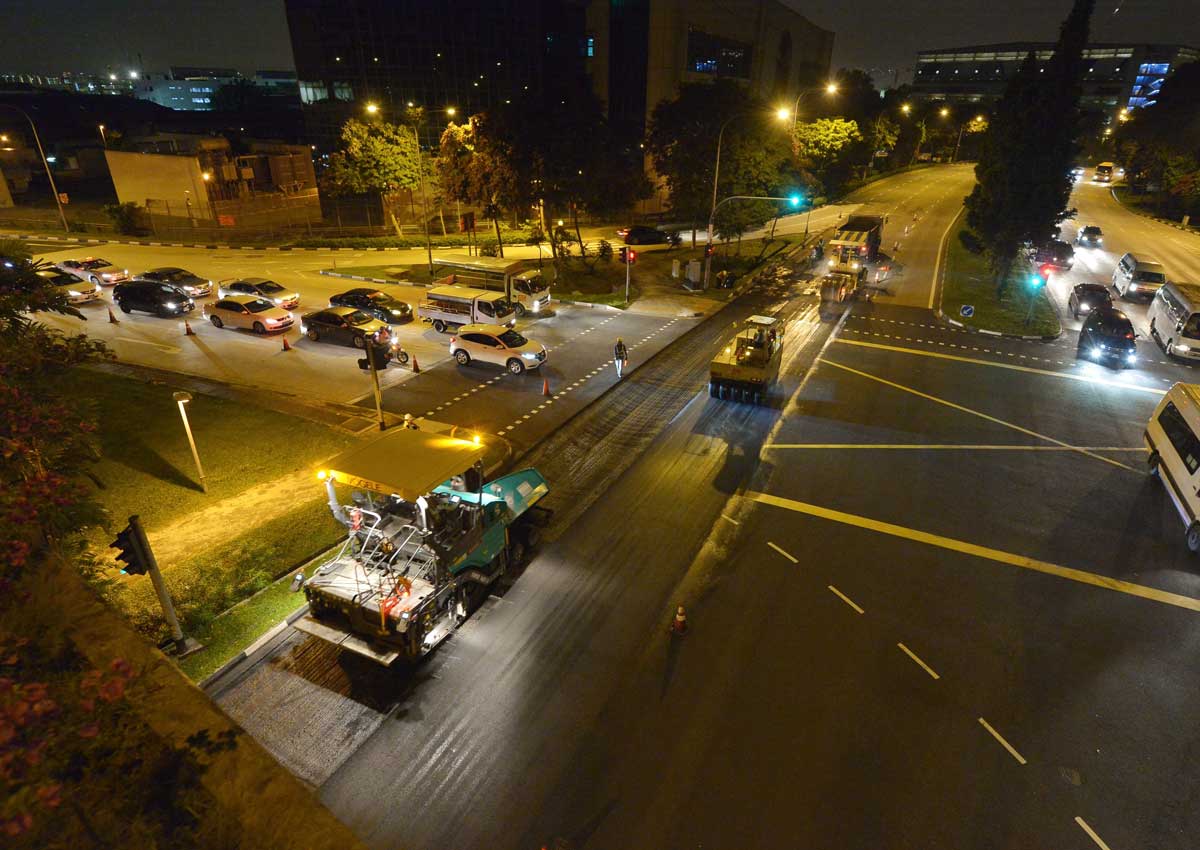
Yet another oil spill has affected traffic, this time on busy Jalan Boon Lay, a major arterial road in the west, during the evening peak period yesterday.
The stretch affected was just before the Ayer Rajah Expressway slip road, in the direction of Jurong Pier Road.
According to the police, the spill was caused by a Malaysian-registered lorry, and it has affected two left lanes for up to 50m.
The remaining two lanes were still passable, but traffic was backed up.
The Land Transport Authority (LTA) said it would resurface the affected stretch.
This is the latest of oil spill incidents affecting traffic flow here in recent months.
Just last Friday, a spill resulting from an accident between a car and lorry held up traffic in the East Coast Expressway. Two lanes on the expressway were closed.
And on April 28, there was an oil spill stretching about 300m along Tampines Avenue 9, in the direction of Tampines Street 44.
In March, Senior Minister of State for Transport Ng Chee Meng said in Parliament that the LTA was considering introducing deterrent penalties on vehicle owners who cause spills.
There were 1,625 oil spills on Singapore’s roads last year, and seven roads had to be resurfaced as a result. In 2014, there were 1,597 spills, and two roads needed to be resurfaced.
There were four major spills between Jan 29 and Feb 16, affecting traffic on the Bukit Timah Expressway, Pan-Island Expressway, Kampong Bahru Road and Lornie Road for hours each.
All four required resurfacing, causing road closures and, in the case of the BKE oil spill, traffic congestion of up to 12 hours.

This article was first published on June 02, 2016.
Get a copy of The Straits Times or go to straitstimes.com for more stories.
Image:
Publication Date:
Thursday, June 2, 2016 – 15:00
Keywords:
Send to mobile app:
Source:
Story Type:
Others


