Home Blog Page 3739

Why the debate on unconditional basic income is relevant for Singapore

On Sunday, the Swiss voted against a proposal to give every citizen a basic income, regardless of their wealth or whether they are working.

The proposal was to give a monthly income of 2,500 Swiss francs (S$3,500) to each adult and 625 Swiss francs to each child. The plan was defeated, with 77 per cent opposed to it and 23 per cent backing it.

Despite its defeat, the significance of the referendum – and the idea of a universal basic income (UBI) for all – reverberated across developed countries.

In fact, the Swiss aren’t the only ones considering such a universal basic income. The Financial Times (FT) reported: “In countries as diverse as Brazil, Canada, Finland, the Netherlands and India, local and national governments are experimenting with the idea of introducing some form of basic income as they struggle to overhaul inefficient welfare states and manage the social disruption caused by technological change.”

The thinking goes like this: Robots and tech disrupters will cause jobs to disappear by the millions. Meanwhile, the number of people lucky enough to get full-time paid work that comes with several weeks of vacation leave and medical benefits is likely to diminish. This is because disintermediation platforms like Uber and Task Rabbit, as well as sites that match labour to jobs, see more employers and workers give up full-time work contracts for short-term work on demand.

The rise of this so-called “Gig Economy” can be said to be good for workers in that it offers more of them more flexible work hours.

But it is terrible from a financial and employment security point of view. Such gigs usually don’t come with medical leave or healthcare benefits, paid vacation leave or retirement plans. Workers will become more vulnerable, exposed to the vagaries of long spells of joblessness, or illness, and could be left financially desolate in old age. It is against the backdrop of such fears that the idea of an unconditional or universal basic income has arisen.

The Economist, The New York Times and the FT have all reported on this in lengthy features in recent weeks, and traced the intellectual arguments underpinning this seemingly radical idea.

One recent advocate is Mr Robert Reich, a labour secretary in the Clinton administration who teaches at the University of California, Berkeley. The FT reported him as saying the digital revolution was increasing economic insecurity and inequality. The development of car-hailing apps, such as Uber and Lyft, had brought great convenience for consumers but was also creating a “spot auction market” for labour.

The FT report continued: “This insecurity was also fuelling a crisis of aggregate demand in the economy…. A more equal division of the fruits of the technological revolution would revive that demand while providing a broader social good. The aim of all rich societies, Mr Reich said, should be to provide a basic level of subsistence, enabling people to do more of what they wanted and less of what they did not want to do. For all these reasons, he said: I think that UBI is inevitable.”

Just as the birth of the industrialised society eventually led governments to create the welfare state, with disability, unemployment and health insurance that protects workers when they can’t work, so the birth of today’s post-industrial society is seeding debate on how social welfare systems need to change.

CHEAPER THAN WELFARE?

UBI is emerging as a possible system to augment or even replace the welfare state.

In Finland, the social insurance body will pilot a scheme next year, giving up to 180,000 Finns a basic income of €500 to €700 (S$770 to S$1,000) a month – less than the average Finnish income of €2,700.

European cities which have generous welfare systems are keen to try out these pilot schemes to see how people respond to a basic income, and to test if it does not need monitoring and might end up cheaper than a complex conditional system that needs constant monitoring.

We may think that giving a UBI will remove the work ethic. But will it? After all, those on conditional welfare may lose their benefits if they work and start to earn above a certain sum, so they may choose to shun work. But someone with UBI who chooses to work gets to keep all his salary, plus his basic income.

So the effect of a UBI on work motivation is unclear.

In the Netherlands, a complex experiment will begin in Utrecht and several other cities to test out these questions. One group of benefit recipients will remain on the old workfare regime, under which people who live alone get €972.70 and couples €1,389.57.

Another group gets the benefits with no conditions. A third group gets an extra bonus if they do volunteer work. Yet another group is allowed to find work and keep the extra income. How people behave under each scheme is what the authorities want to know.

Opponents say such a UBI will be horrendously expensive. Switzerland’s proposed model will cost one-third of GDP, about 13 percentage points more than the 19.4 per cent of GDP it now spends on welfare.

An analysis in The Economist estimates that “a basic income of 15 per cent of average income would require tax revenues of 15 per cent of national income dedicated to it. That is a lot of tax for not much basic income (about US$8,000 in America, in this example).”

HOW ABOUT SINGAPORE?

I read the reports on this issue with great interest, because it signposts the kind of issues we in Singapore will have to grapple with.

To be sure, the idea of a UBI for all citizens sounds rather extreme to me. Most of us who are working don’t need it, and may prefer state funds to be concentrated on those who need the help.

But the impetus behind this whole debate is important for Singapore.

Already, the Gig Economy is upon us. Many people are turning to Uber and similar part-time, freelance, portfolio work, rather than going for full-time employment.

As Singapore restructures its economy and embraces robots, autonomous vehicles, Big Data analytics and any number of tech disrupters, the potential for changes to employment is immense. Many people will find themselves out of jobs.

Yet our social security system remains so dependent on full-time employment.

The Central Provident Fund system assumes you have an employer who pays his share of contributions.

Many medical benefits are given by employers, which means workers lose them when they most need them – when they are middle-aged or old, and lose their jobs.

Even the Workfare Income Supplement for low-wage workers presupposes you have a job before it can augment your wages.

In Singapore, if you are jobless for a month or two, hopefully your savings or family or friends can tide you over. You can also get some short-term assistance.

If you are jobless for a year or two years, there is no real safety net for you, beyond that offered by subsidies for retraining. You’re lucky if you have a working spouse meanwhile; otherwise you may end up having to think about drastic measures like selling your home and downsizing.

While jobless, you can’t get Workfare. Your CPF payments stop. And Singapore has no unemployment benefits.

In Europe, the discussion has advanced to a point where they’re talking about a basic income for everyone regardless of need.

Over here in Singapore, we need to start talking, fast, about how to rework our social security systems to protect workers better from the churn and turn of the Gig Economy.

muihoong@sph.com.sg


This article was first published on June 07, 2016.
Get a copy of The Straits Times or go to straitstimes.com for more stories.
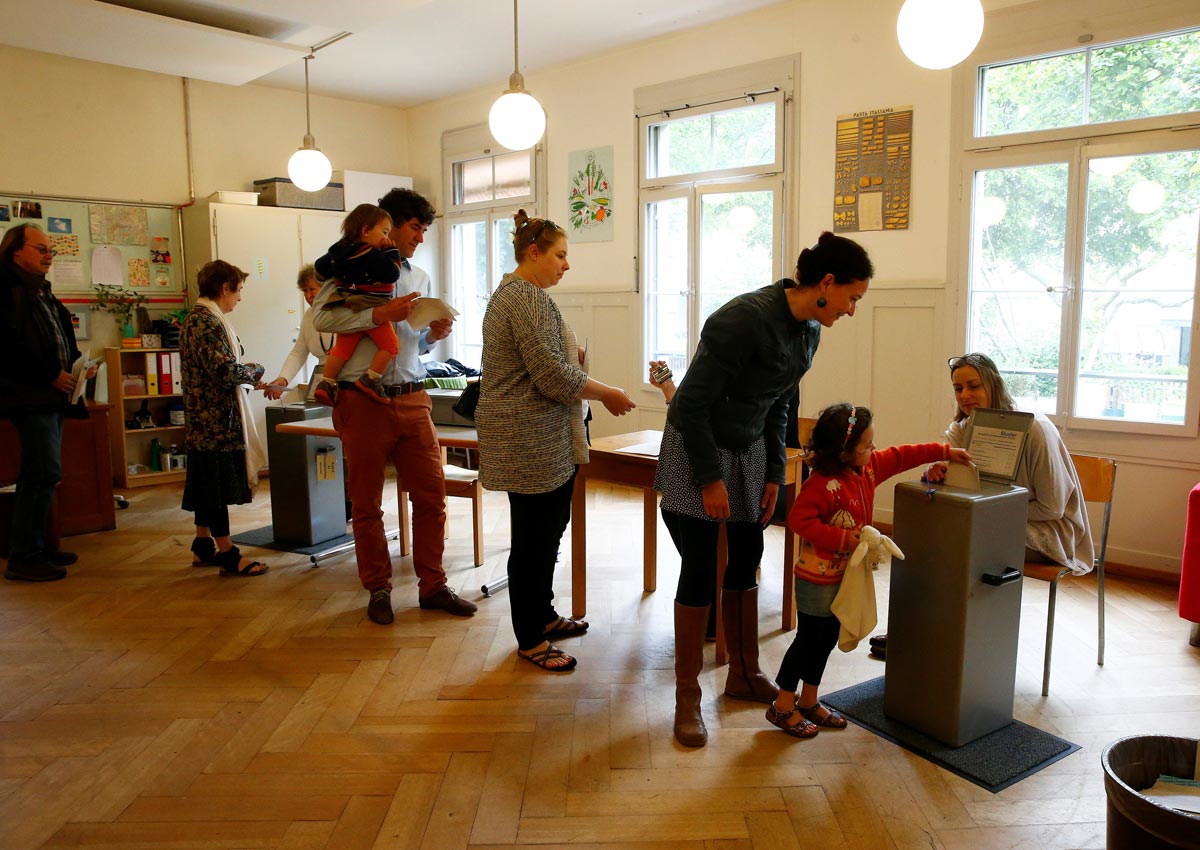
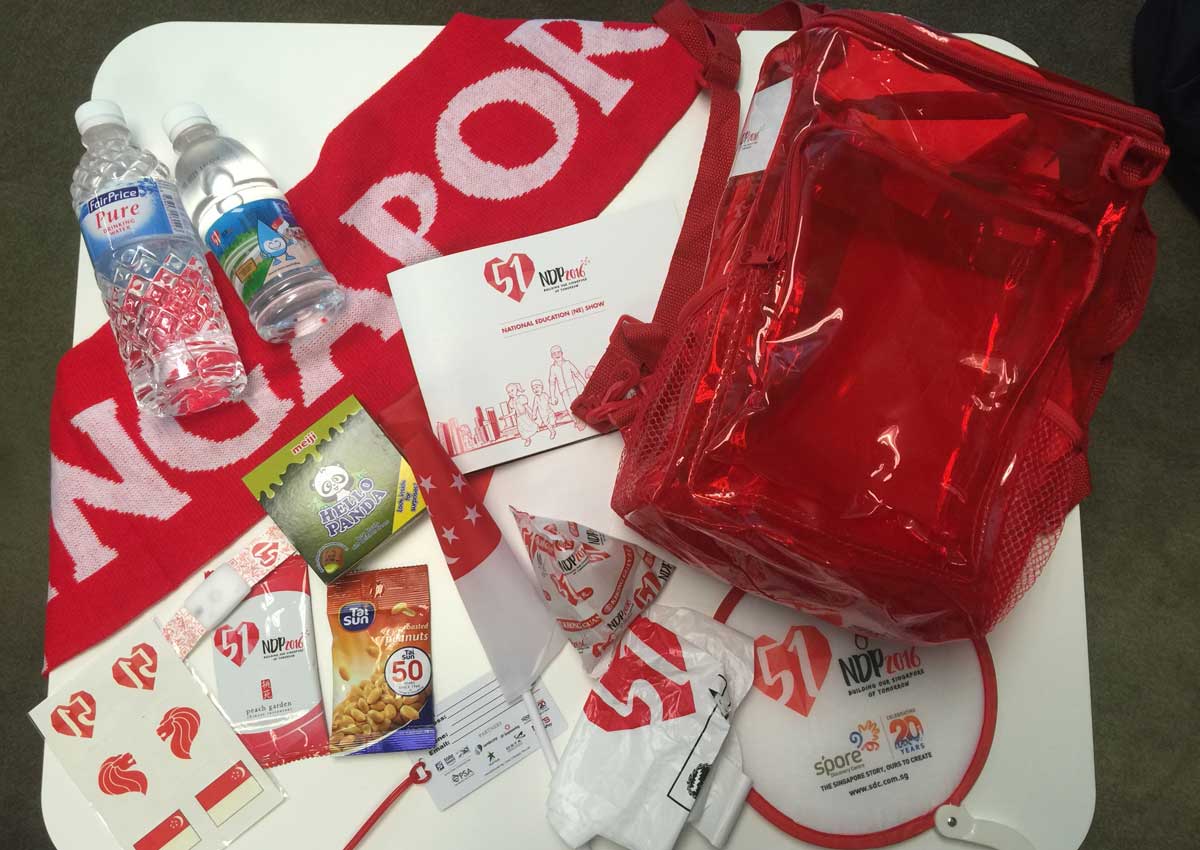
Image: 
Category: 
Publication Date: 
Tuesday, June 7, 2016 – 17:00
Keywords: 
Send to mobile app: 
Source: 


Story Type: 
Others

Source link

2016 National Day Parade's funpack gets digital

SINGAPORE – The funpack for the National Day Parade (NDP) this year is slighter bolder in its design than its predecessors.

It is the first time NDP has had a funpack with translucent plastic skin. The bag comes in two colours, red or white, which are the national colours of Singapore. Over 10 schools were enlisted to collect feedback about the bag’s appearance before finalising on its design.

Contents of the bag include a Singapore flag, a LED wrist band, a souvenir magazine, face tattoos, flip fan, roasted nuts, biscuits, sweets, drinking water, litter bag, wet napkins and Singapore banner.

Upon feedback from past years, the bag has been designed using more lightweight and durable materials. There’s also a privacy cover attached at the bottom which can be lifted to hide the contents in the bag.

The LED wrist band is wirelessly synchronised with the show’s music so that it can emit lights of various intensities of up to 16 different colours with varying shades. This is to allow the spectators to feel connected to the performance and allow them to feel more involved with the audience. The wrist bands are meant to come together to form a massive visual display during the show.

Besides the wrist band, there is also a souvenir magazine embedded with digital content in the bag. Using the NDPeeps App, people attending the parade will be able to access its content through augmented reality. This might include videos and pictures related to the events at the parade.

ryanho@sph.com.sg

Image: 
Category: 
Publication Date: 
Tuesday, June 7, 2016 – 13:22
Keywords: 
Send to mobile app: 
Source: 


Rotator Headline: 
Unboxing the 2016 National Day Parade's funpack
Rotator Image: 
video embed code: 
<div style="display: block; position: relative; max-width: 100%;"><div style="padding-top: 56.25%;"><iframe src="//players.brightcove.net/4802324435001/default_default/index.html?videoId=4929754721001"
allowfullscreen
webkitallowfullscreen
mozallowfullscreen
style="width: 100%; height: 100%; position: absolute; top: 0px; bottom: 0px; right: 0px; left: 0px;"></iframe></div></div>
Video Media: 
Other Video Media
Story Type: 
Assignment

Source link

Hong Kong culls thousands of birds over avian flu scare

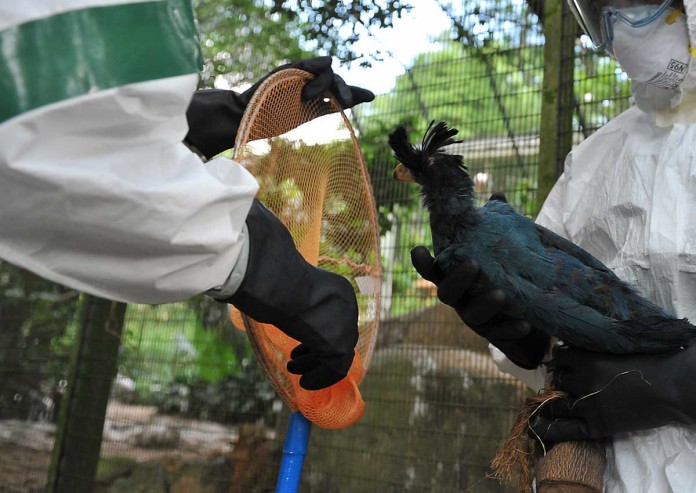
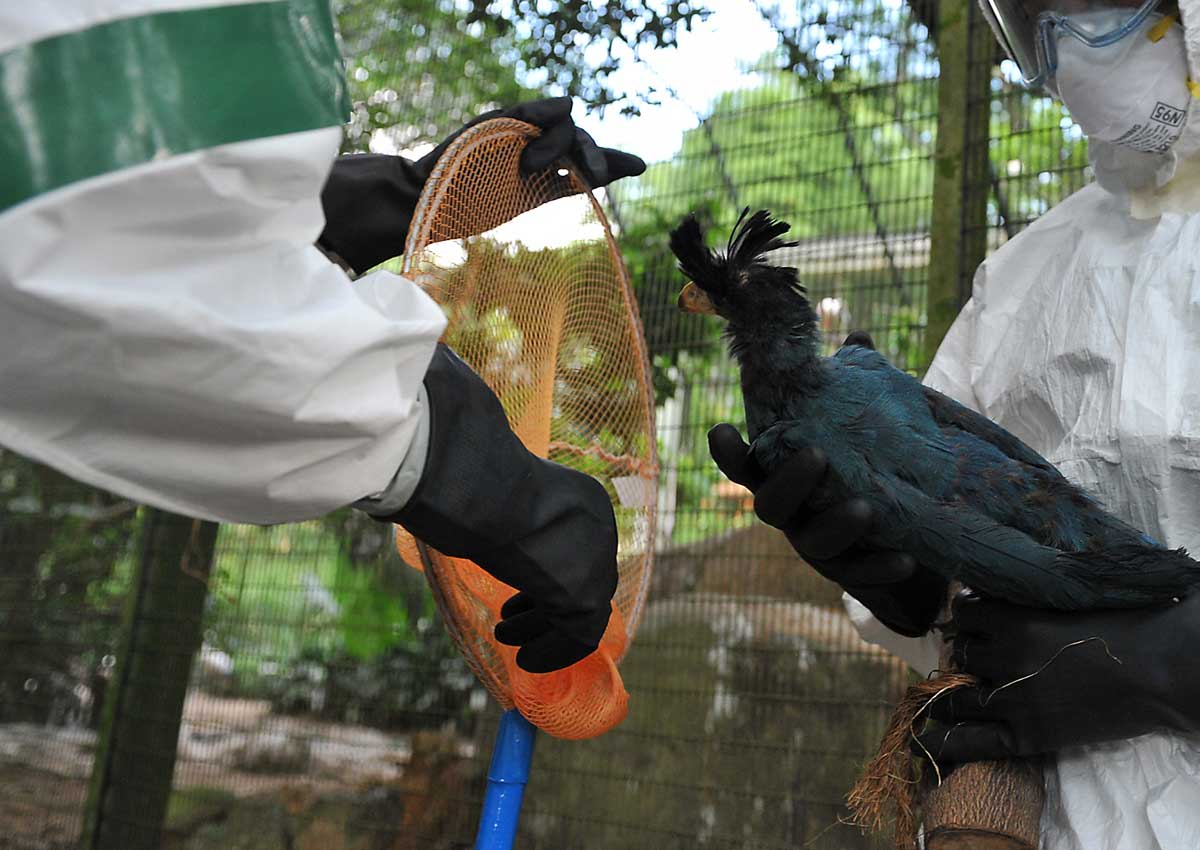
Hong Kong – Hong Kong culled 4,500 birds on Tuesday after the deadly H7N9 bird flu virus was discovered in a chicken at a local market.

Health officials in white hazmat suits and masks dumped the chickens into green plastic bins at a wholesale poultry market in central Hong Kong Tuesday morning.

The bins were then pumped with carbon dioxide to kill the birds.

Hong Kong is particularly alert to the spread of viruses after an outbreak of Severe Acute Respiratory Syndrome (SARS) swept through the city in 2003, killing 299 people and infecting around 1,800.

Bird flu scares in the past two years have seen mass culls of up 20,000 birds in Hong Kong. A spokeswoman for the Agriculture, Fisheries and Conservation Department said the latest cull included chickens and pigeons.

Trade of live poultry has also been suspended after authorities said Saturday the avian flu virus was found in a fecal sample collected from a chicken at a market in the Tuen Mun, a neighbourhood in the west of Hong Kong.

The city’s health minister Ko Wing-man said the city was staying “stringent” against infectious diseases when he announced the cull late Monday.

H7N9 is a particular worry for authorities as it does not kill infected chickens or cause them to develop symptoms, which allows it to spread undetected until contact is made with humans.

The majority of human cases of H7N9 infection have been associated with direct or indirect contact with infected live or dead poultry, according to the World Health Organisation.

Human infections from the H7N9 strain were first reported in China in 2013.

The virus can cause serious respiratory illness and has led to deaths.

Image: 
Category: 
Publication Date: 
Tuesday, June 7, 2016 – 14:26
Send to mobile app: 
Source: 


Hermes ID: 
2 349 593
Hermes ID String: 
07062016_BIRDFLU
Hermes Author: 
STEPHLUO
Story Type: 
Others

Source link

Team makes summit push to honour quake victims

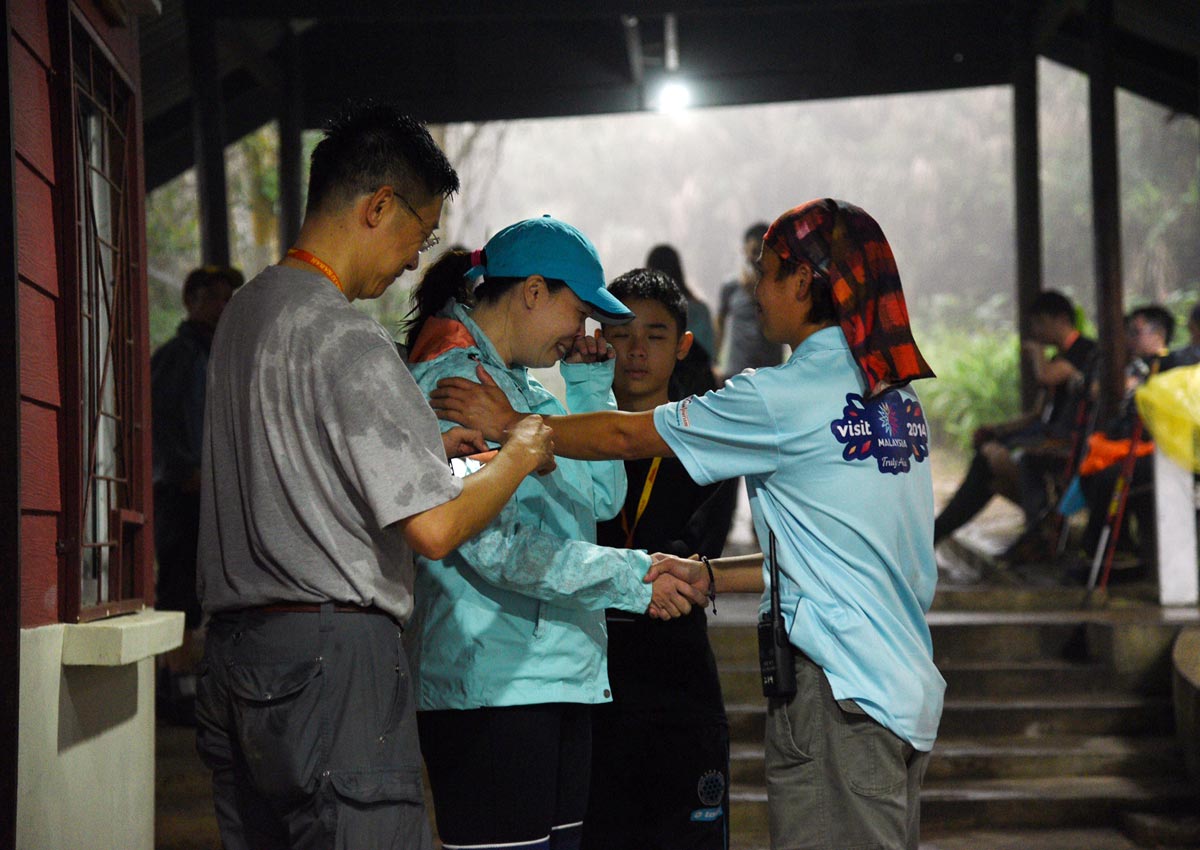
With every step that she took towards the summit of Mount Kinabalu, Ms Mandeep Tamana pictured in her mind the seven Tanjong Katong Primary School (TKPS) pupils who died in a quake on the mountain last year.

The 44-year-old was one of five Singaporeans who reached the summit yesterday – an achievement that eluded the Primary 6 pupils on last year’s trip because of the disaster which killed 18 people in all, including 10 Singaporeans.

Her son Jayden Francis, a former TKPS pupil, survived the Sabah quake, and she decided to join a team that ascended the mountain in memory of the victims.

“It was a gruelling climb,” said Ms Tamana, who started on the road to the summit from Laban Rata – a pit stop where climbers can rest – at about 2.30am. “But just as we were turning around to come back down, we saw this beautiful rainbow. It was very emotional.”

The other four Singaporeans who scaled the summit in time for the sunrise were Dillen Jhala, 16, who lost his sister Sonia in the earthquake, his cousin Karan, 20, Mr Tonny Phuay, 47, and Mr Phuay’s 12-year-old daughter Chantal, a former TKPS pupil who also survived the quake.

“I really feel like I’ve achieved something in life,” said Chantal. “It’s something that I really wanted.”

“Someone said that if I were to go back to Mount Kinabalu again, I would dig my own grave. But I proved them wrong,” she added with a wry smile.

“I’m really proud of Chantal,” said Mr Phuay. “Hopefully, this will be a closure and will make her stronger, more positive, when facing challenges in the future.”

Several people had to turn back during yesterday’s ascent – quake survivor Elliot Quok, 12, his father John, 45, and Dillen’s father Jaidipsinh, 49.

Elliot threw up during the climb and his father stopped the hike, said his mother, Ms Mae Molina, 43. She said: “(Elliot) told me, ‘If I could have vomited and walked, I would have gone on.'”

Mr Jaidipsinh Jhala started feeling unwell 550m into the journey, with more than 2km to go. He told his guide that he would turn back.

“He told me – the spot that you said you wanted to turn back, this is where the kids’ bodies were found,” said Mr Jhala. So there he stayed, at 3.45am, to say a prayer with no one around him but the stars above.

What this trip has achieved is to “prove to everyone that life goes on”, added the safety training programmes company director, who hopes schools will allow students to go on such expeditions again.

Twenty Sabahans, including immediate family members of the two late Mountain Torq trainers who had been guiding the pupils on the Via Ferrata trail, reached the summit on the same morning.

On the final ascent, Ms Jessica Veronica Sikta, 26, carried a picture of her fiance Valerian Joannes, one of the trainers who died.

Speaking to The Straits Times after she descended the mountain, Ms Sikta said she “brought him inside my heart”. “My fiance finished his journey bravely, so I needed to finish this journey with strength.”

Said Ms Molina after trekking down the mountain: “Every year, I will still be thinking of them, feeling sad, tearing up, still crying. Probably every year, on June 5, we will feel it. I’ll always think of the kids. Always.”

The Singaporeans will return home from Sabah today.

byseow@sph.com.sg


This article was first published on June 07, 2016.
Get a copy of The Straits Times or go to straitstimes.com for more stories.
Image: 
Category: 
Publication Date: 
Tuesday, June 7, 2016 – 17:00
Keywords: 
Send to mobile app: 
Source: 


Story Type: 
Others

Source link

Microsoft and Temasek team up to help startups grow

The collaboration sees Temasek, together with six of its portfolio companies, join the Microsoft Accelerator programme as official global network partners.

Source link

Home Team appreciates Muslim officers' commitment during Ramadan: Shanmugam

“Our Muslim trainees go through the day training like everyone else but they are fasting. We make accommodation for it but we want to recognise that they are putting everything they have into this,” said Mr Shanmugam.

Source link

Kimberly-Clark launches new manufacturing lines at Tuas plant

The multi-million dollar investment brings Kimberly-Clark’s total investment in Singapore to S$400 million. 

Source link

Fast facts about Ramadan

“Really? Cannot eat at all?”

It’s a common question by non-Muslims directed at me and my fellow fasting family and friends during Ramadan.

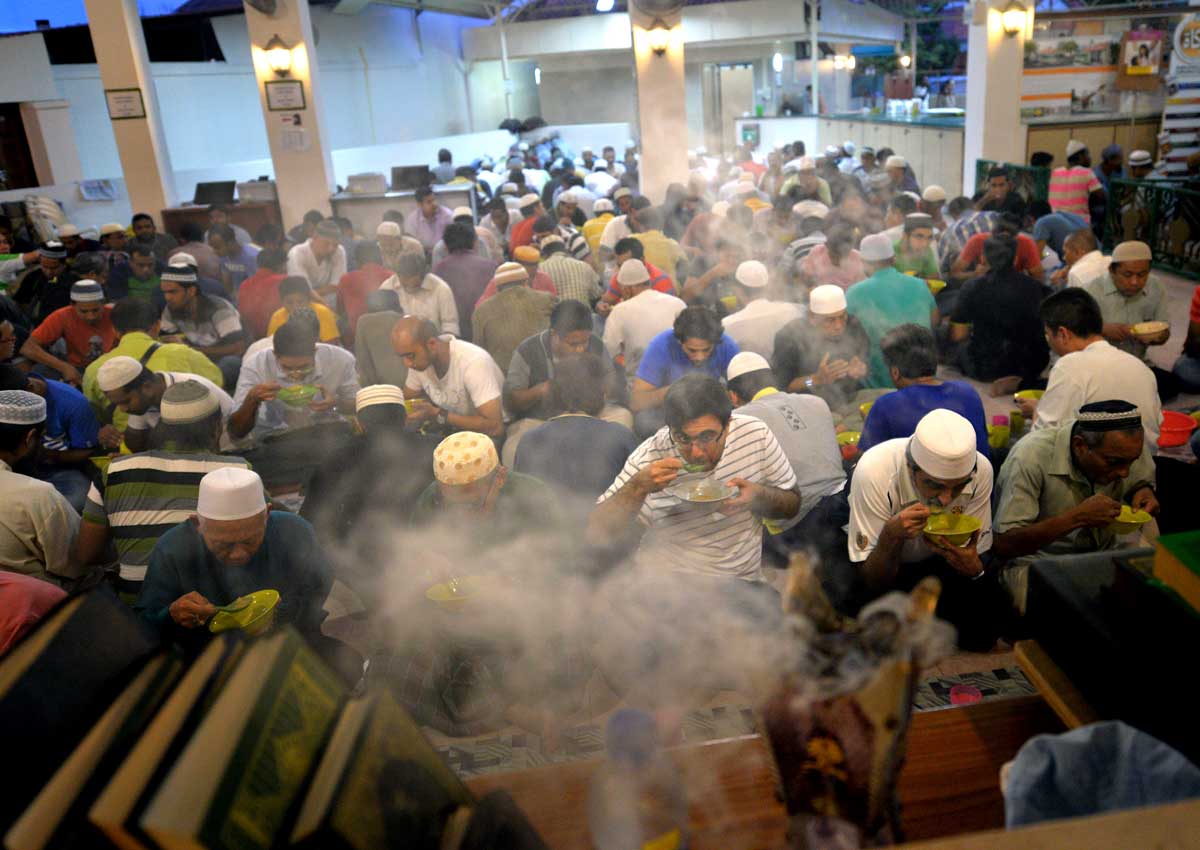
Muslims the world over fast for the whole month of Ramadan, the ninth month in the Islamic calendar.

In Singapore, Ramadan started yesterday.

To clear some doubts, here are answers to some of your questions with regard to Ramadan.

Why do you fast?

Fasting is one of the five pillars of Islam. Anyone who has hit puberty must fast.

Those exempt are the ill or those in a situation which makes it difficult for them to complete their fast, such as strenuous work.

Fasting during the month of Ramadan is not just about abstaining from food and drink from dawn to dusk – it includes abstaining from other things such as smoking and sex.

But water is okay, right?

No, Muslims can’t drink while fasting. Not water, not tea, not milk. Nothing.

Yes, in this weather, it means we can get really thirsty but the idea is to endure till about 7pm when we’re able to eat and drink again during iftar, or breaking fast.

So you can eat in the evening. When does fasting start?

We generally stop eating and drinking at imsak – about 10 minutes before dawn.

We are encouraged to wake up early – around 4am to 5am in Singapore – to eat something before imsak.

This meal is called sahur. For some, it’s a couple of dates, for others, it can be a full meal.

What happens if you accidentally eat or drink something?

This has happened to many people I know. If it’s unintentional, we keep fasting.

What happens if you feel dizzy or ill?

Only those who are well enough to fast should do so. We are permitted to break our fast if we are unwell.

Do you have to “pay back” for the days missed?

Yes, the missed days must be “paid back” before the following Ramadan.

If we are unable to repay or are unable to fast for years, we can make up for the missed days by paying fidyah, a sum of money calculated based on the number of days missed.

The money is donated to the poor.

Should I refrain from eating or drinking in front of you?

That’s entirely up to you!

Food smells are certainly more distracting on an empty stomach, so it would be nice if you didn’t.

But dealing with temptation is a strong theme during Ramadan. Just don’t tempt us on purpose.

You can always join us for iftar, or breaking of fast, which tends to be a communal activity in the evening.

It’s your chance to try some more “exotic” things like dates and dendeng (thinly sliced dried meat, usually barbecued).

So, after Ramadan ends, you celebrate Hari Raya, which is the Muslim New Year, right?

Actually, Hari Raya Puasa, or Aidilfitri, means “festival of breaking of fast” in Arabic. We celebrate it in Syawal, the month after Ramadan.

Muslims are not permitted to fast on Hari Raya Puasa.

The Islamic New Year, which falls on the first day of the Islamic calendar, is called Muharram.

There’s another Hari Raya on my calendar. What’s the difference?

That would be Hari Raya Haji, which marks the end of the annual haj, where millions of Muslims travel to Mecca to perform the pilgrimage.


This article was first published on June 7, 2016.
Get The New Paper for more stories.

Image: 
Category: 
Publication Date: 
Tuesday, June 7, 2016 – 21:00
Keywords: 
Send to mobile app: 
Source: 


Story Type: 
Others

Source link

Manager of deaf cleaner: I have no intention to replace him

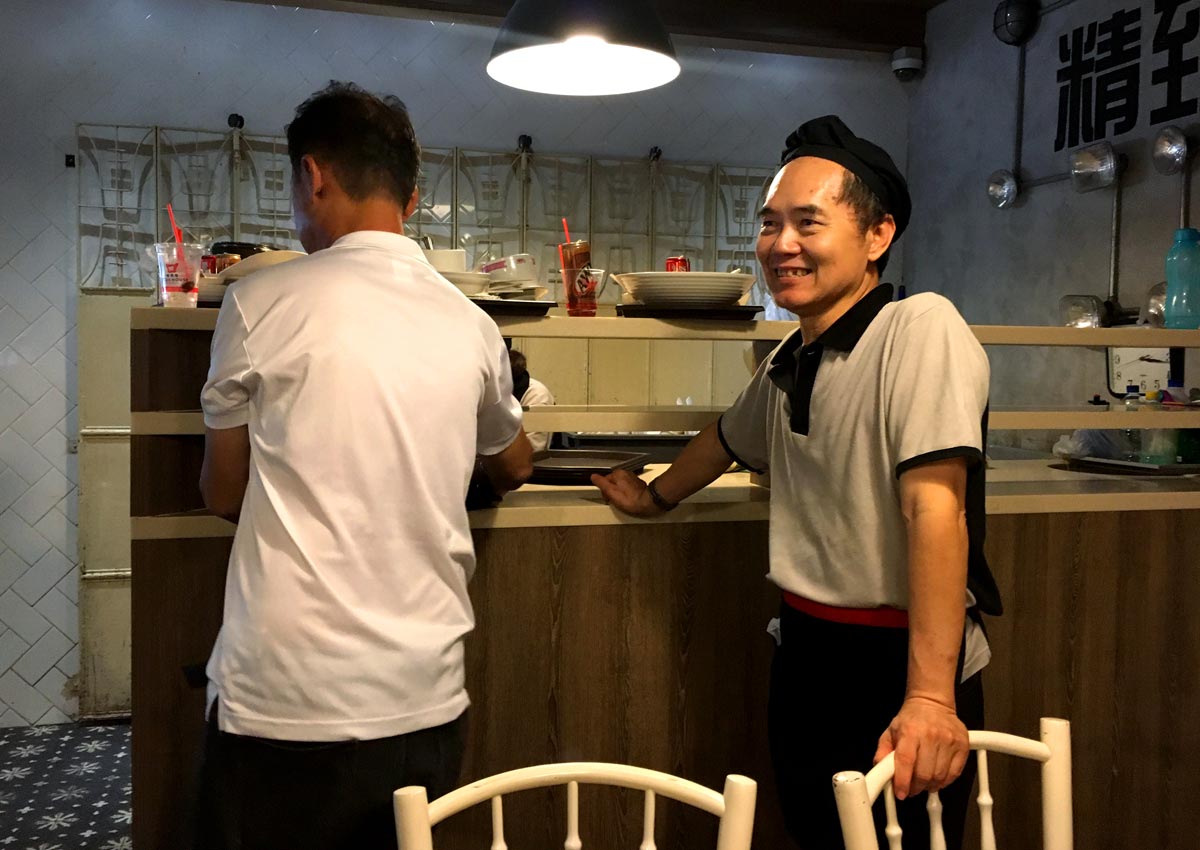
On most days, Mr Png Lye Heng goes about his daily task without anyone taking notice, clearing tables at the food court at Jem shopping mall.

But last Friday, the cleaner, who is deaf, suddenly found himself in the spotlight after news of him being verbally abused by a patron at the food court went viral online.

The patron was Ms Alice Fong, a 37-year-old executive who was at the food court with her husband, and Mr Png became a victim of her tongue-lashing after he accidentally cleared her tray at her table despite her not wanting it cleared.

But days after the incident, the 64-year-old just wants to avoid the media glare, keep a low profile and move on, especially since Ms Fong has apologised, even though she insisted it wasn’t entirely her fault, saying she was sick, and Mr Png had no tag to say he was disabled.

Initially reticent about the brouhaha for fear of more conflict, Mr Png finally relented and told The New Paper: “I’m fine with (the incident). I’ve let it go already.”

Then he broke into a toothy grin.

Through a deaf student versed in sign language, TNP communicated with Mr Png yesterday while he went about clearing bowls and plates. Mr Png, affectionately known as “Ah Heng” to colleagues, said he has been working as a part-time cleaner at the Jem food court for about a year.

Every day, except on Saturdays, he works from morning till 5pm. Then he goes home.

The bachelor lives with his sister and mother.

Misunderstandings like the one he had with Ms Fong last Friday are not new, he conceded.

But he declined to elaborate, shaking his head and waving his hand in between gesturing to TNP that he prefers to keep mum about the misunderstandings.

Mr Png works in an environment where not everyone understands his disability.

RAISED VOICE

As TNP followed him to the back of the food court where dishes are washed, a fellow worker raised his voice at Mr Png, who was blocking the way in the cramped corridor.

He could not hear his colleague and did not budge.

Given the invisibility of disabilities like deafness, some, like Ms Fong, have argued that workers like Mr Png should wear a tag that indicates their disability.

But those who work closely with the disabled pointed out that the tag may become a label that leads to stigma.

Mr Png himself refused to wear a tag that indicates his deafness, said his manager who wanted to be known only as Steven, 51.

The cleaner does not seem to let his disability get in the way of his job.

He walks with a limp, but his gait does not stop him from walking from table to table, clearing bowls and plates in sight.

He may not be able to speak or hear, but he continues to exchange a smile or banter with some of the stall holders, who smile back.

Steven said he was initially worried that Mr Png would be so affected by the incident that he would not return to work.

Patrons have recognised and gestured at the cleaner, he said.

But when Mr Png greeted Steven and proceeded to work on Sunday morning, the cleaning company manager heaved a sigh of relief.

“As long as he doesn’t feel hurt… I have no intention to replace him as I feel he’s still an innocent party.

“I feel that he’s a nice guy. He still does what he’s supposed to,” said the manager.

He added that while he has heard rumours of Mr Png wanting to quit, the cleaner has never approached him about it.

“If he really wanted to resign, he could have told me. He’s a hardworking chap…

“I hope he will stay back and help me,” he said.

Focus on woman’s behaviour: Deaf hawker

When deaf hawker Peter Goh heard about the viral news of a woman hurling insults at a deaf cleaner at the food court at Jem shopping mall, he was curious and wanted to know why the man was scolded.

His son Joshua, a copywriter, told The New Paper: “He thought the focus should be on the woman’s ungracious behaviour, instead of the deaf cleaner.”

Mr Goh, who is in his 60s, has been selling carrot cake for the past 30 years.

He lost his hearing because of a childhood illness and runs a stall at Zion Riverside Food Centre.

When taking orders, he reads the lips of customers and relies on visual cues such as pictures of the food items. He has many regular customers, including those from the deaf community.

Mr Goh is against the idea of putting up a sign to indicate he is deaf.

“He doesn’t want special treatment or to be singled out because he is deaf. Besides, there are many newspaper articles about my dad at the stall, and people will realise that he is deaf after reading them,” said Mr Joshua Goh.

In response to the incident at Jem food court, the Singapore Association for the Deaf thanked the cleaner’s company for giving job opportunities to the deaf.

In a post on Facebook, it wrote: “There are many other well qualified deaf and hard-of-hearing persons working in various industries and contributing to society. More can be done to uplift the lives of (those with) special needs.”

In Singapore, there are several organisations, from social enterprises to major corporations such as KFC, which hire the deaf.

Dignity Kitchen has four deaf workers who sell coffee.

‘BEETHOVEN SCHEME’

Uber Singapore has the Beethoven scheme, which hires drivers who are deaf or hard of hearing.

An Uber spokesman estimates that it has “dozens” of these drivers in Singapore.

One such driver is Mr Roland Goh, 45, who is hard of hearing and has been driving with Uber full-time since February.

In his car, he has a note stating “Hi, I’m hearing impaired. If (you) need to communicate with me, feel free to use the paper provided. Have a nice trip.”

Mr Goh uses a notepad to communicate with his passengers.

Over SMS, he said that he has not met any nasty customers so far. He also faces the same challenges as any driver – locating the pick-up point of passengers.

He said: “Most of the customers are nice. I’ve received some of thank-you notes and kind words.”

‘Name tags stigmatise workers’

Dignity Kitchen founder Koh Seng Choon thought that customers would be more patient when his employees wore badges stating they were deaf.

To his shock, he noticed that some customers would shout orders at the deaf workers, or avoid them completely.

There are four deaf employees who have been selling coffee at Mr Koh’s food court in Serangoon Avenue 3 for the past four years.

Mr Koh said: “There were zero sales when they wore the badges. Some customers had the wrong interpretation that the workers would be able to hear if they spoke louder.”

Mr Koh’s social enterprise hires the disabled and disadvantaged, including the deaf, visually impaired and intellectually disabled.

He thinks that name tags labelling a worker’s disability can be a form of stigma.

“Some people don’t want to be branded (by their disability). They are competent workers but some customers might also be uncomfortable with buying from them.”

MORE EDUCATION

Mr Koh thinks that there should be more education to raise awareness of interacting with the disabled instead.

But Ms Lily Goh, who is deaf and co-founded ExtraOrdinary Horizons, a social enterprise that aims to promote arts and culture among the deaf, thinks that a name tag indicating that a person is deaf might be necessary in a work setting.

“Deafness is a hidden disability. We look like the mainstream society and that’s why we often get misunderstood.

“(Name tags) may reduce misunderstandings and our frustrations because sometimes people may ask us (questions) without knowing that we are deaf.”

But she draws the line against tags that indicate “deaf and mute” or “deaf and dumb”.

“These name tags are an insult to us and very derogatory. Some who are deaf do not speak but this does not mean they are mute or dumb.”

tnp@sph.com.sg


This article was first published on June 07, 2016.
Get The New Paper for more stories.

Image: 
Category: 
Publication Date: 
Tuesday, June 7, 2016 – 14:00
Keywords: 
Send to mobile app: 
Source: 


Rotator Image: 
Story Type: 
Others

Source link

Japanese firm helps hermit crabs facing housing shortage to get new shells

Believe it or not, hermit crabs are facing a housing crisis.

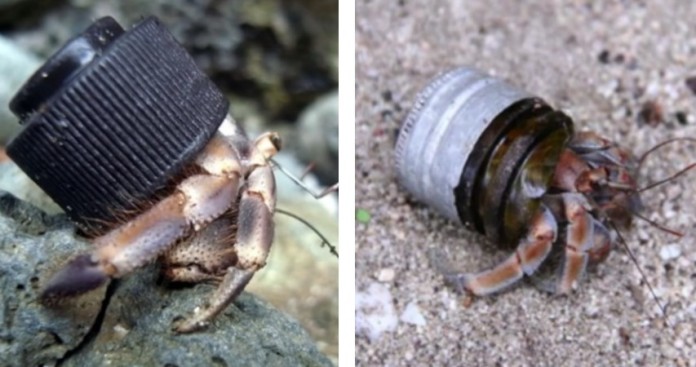
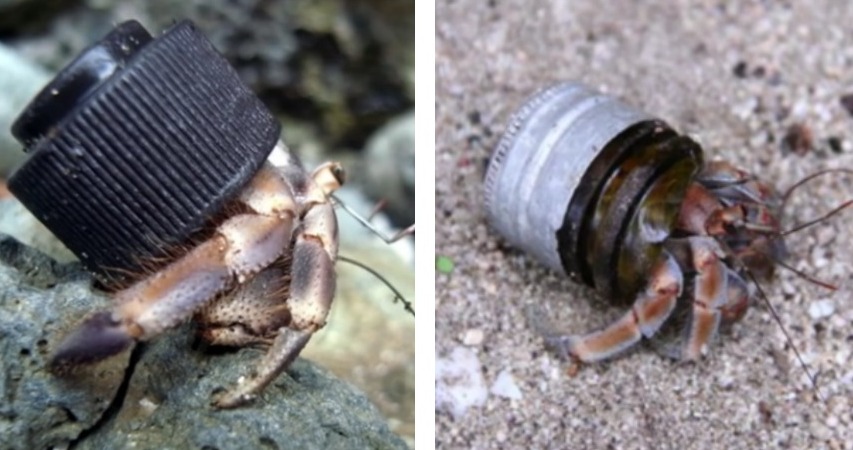
Environmental degradation has caused large numbers of the crustaceans to live inside trash like bottle caps, said Japanese biology professor Katsuyuki Hamasaki, who has been monitoring their situation.

Hamasaki told Japanese art and design website Spoon & Tamago the crabs are “professional house hunters” who are constantly outgrowing and replacing their shells. As a result, they are always short on shells.

An unlikely company has joined him to take up the cudgels for the crabs – Suumo, a Japanese real estate listing company.

They have teamed up with group of students from the Tokyo University of Marine Science and Technology to produce artificial shells using potato starch, which would not have an adverse impact on the environment or hurt the creatures.

Environmental degradation has led to a shortage of shells, so the hermit crabs have resorted to occupying bottle caps.
Artificial shells are designed with a smooth and comfortable interior so that the crabs could slip into it easily.
The two men have teamed up with group of students from the Tokyo University of Marine Science and Technology to produce artificial shells using potato starch, which would not have an adverse impact on the environment or hurt the creatures.

Boldly painted in green, the shells come in different sizes but are light and comfortable for the crustaceans to inhabit, according to the project team. And yes, each shell had the company’s logo on it as well.

Hermit crab get Sumumo homes

The project team went to a beach and planted the shells of different sizes on the sand. Lo and behold, the hermit crabs began moving in.

Spoon & Tamago thought it was a brilliant marketing ploy for Suumo since it served a real environmental purpose.


Next: No sandcastles for hermit crabs: They get crystalline buildings and cities instead

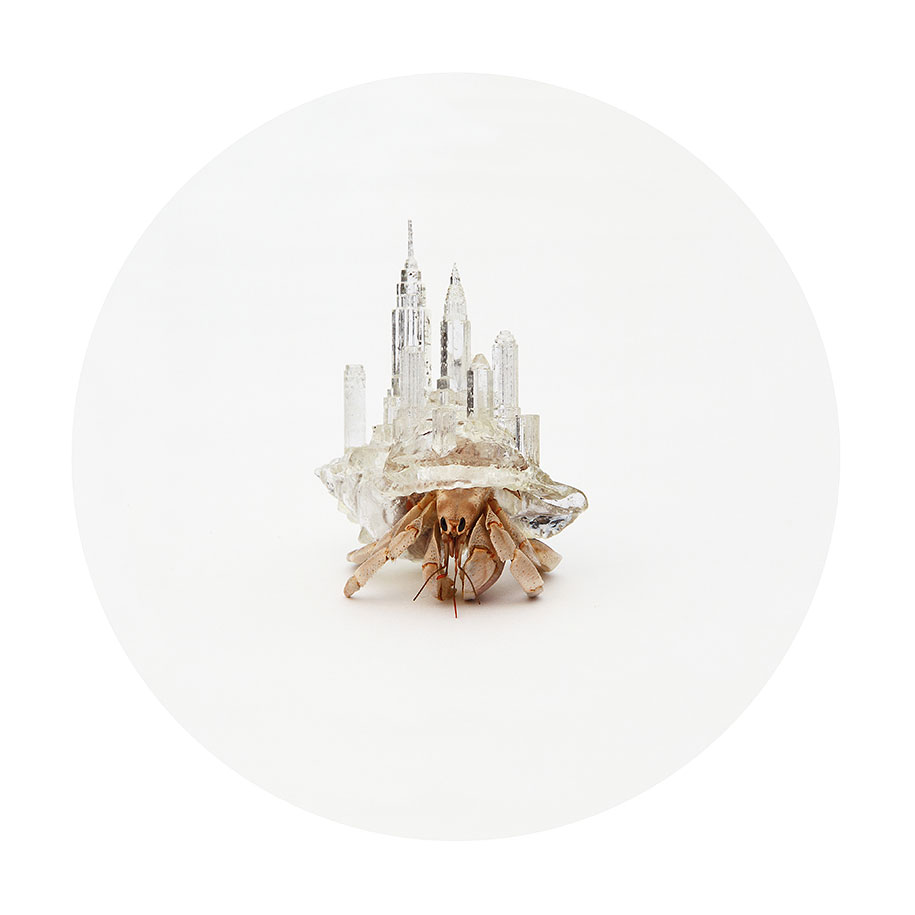
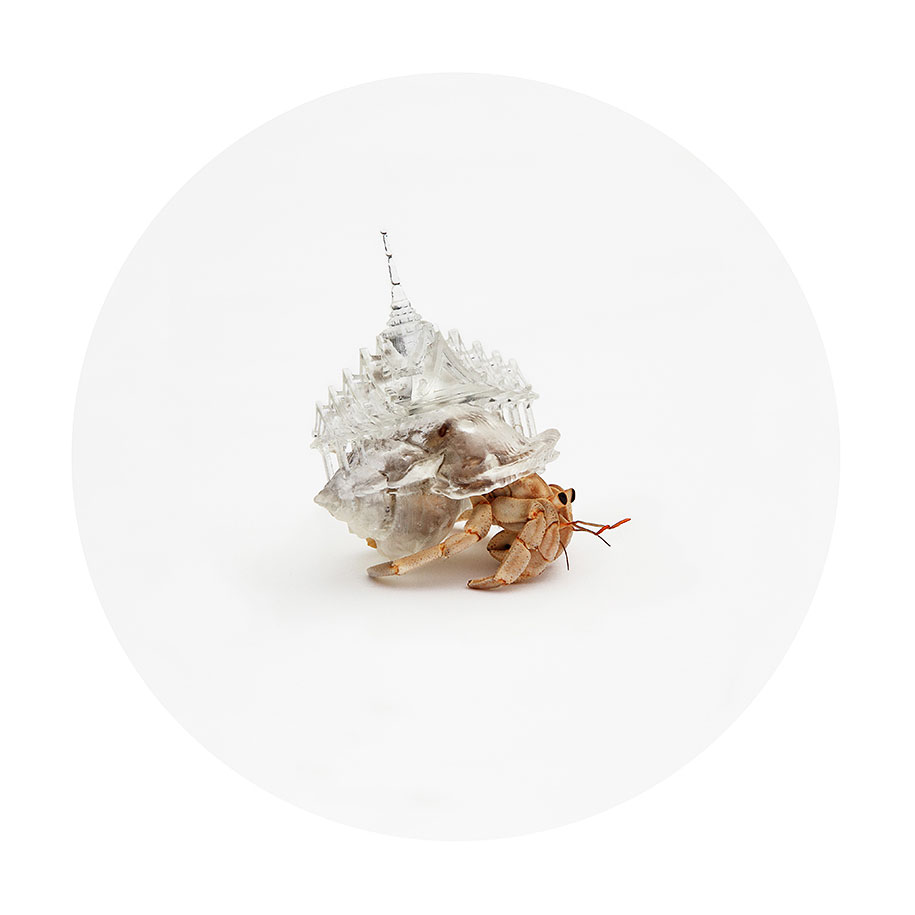
Hermit crabs strut in designer 3-D printed homes

If you bake long enough on a beach and keep still without disturbing the hermit crabs scuttling around you, you may discover that they too queue up to get what they want.

They line up according to their size to exchange and upgrade their shells. They also are known to nudge aside recycled shells, rock and wood chips or even last year’s trash to upgrade themselves to ‘designer’ shelters to call home.

And now humans too are able to play a part in providing them with new fancy homes.

Japanese artist Aki Inomata (above) has been combining cutting-edge 3D printing technology and architecture designs to sculpt non-toxic crystalline shells in the shape of miniature representations of iconic landscape of places around the world.
The artist, who runs a gallery in Tokyo, was inspired to come up with the unique idea after noting the peaceful exchange of ownership of a piece of land where the French embassy sits on in Japan.

The piece of land in Tokyo was given back to Japan to use for the next 50 years, and after which, it would be returned to France under an agreement.

“The same piece of land is peacefully transferred from one country to the other…These kinds of things take place without our being aware of it. These kinds of things take place without our being aware of it,” Inomata wrote.

The artist used detailed scanning to capture the interior of a discarded shell so that the soft-shelled crustaceans could fit into her creations snugly.

Bespoke homes for the crabs

Inomata’s vision might seem surreal but gives hermit crabs the chance to ‘go places’.

So if you’re lazing in the sun in Krabi, you might want to bestow the Grand Palace of Bangkok on your favourite hermit crab. Or how about the City of Manhattan if it prefers the Big Apple?

Better still, drop a clutch of the designer shells and catch the rare house-hunting activity on the sand, followed by the fashion show.

chenj@sph.com.sg

Read also: Sisters’ Island to be the heart of Singapore’s marine conservation

Image: 
Publication Date: 
Tuesday, June 7, 2016 – 12:49
Send to mobile app: 
Source: 


Rotator Headline: 
Housing crisis for hermit crabs: Property firm joins Japan team to create eco-friendly artificial shells
Rotator Image: 
Story Type: 
Rewritten Story

Source link