Image:
Publication Date:
Tuesday, June 14, 2016 – 12:37
External URL:
Send to mobile app:
Source:
Story Type:
Rewritten Story
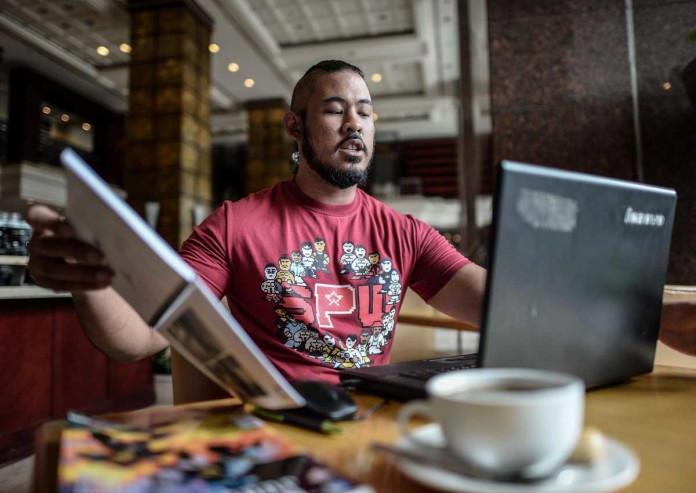
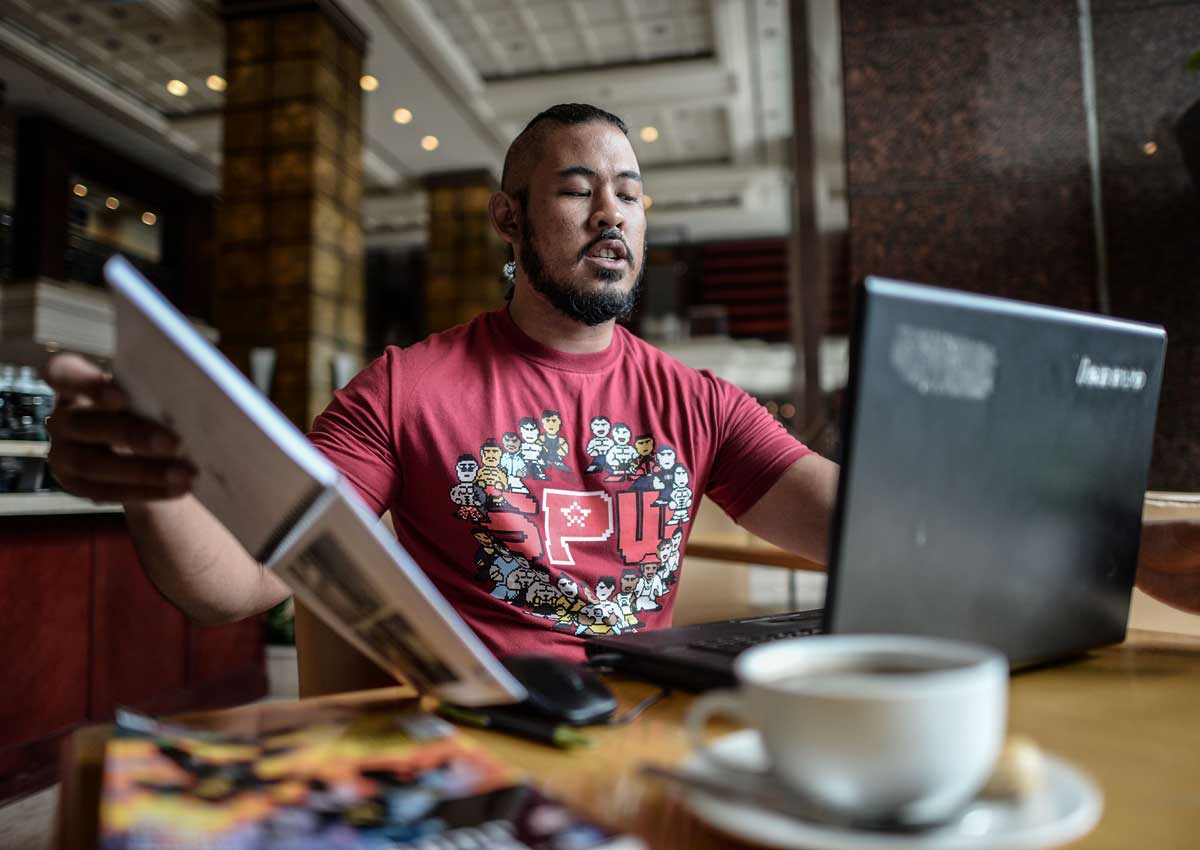
KUALA LUMPUR – Kenneth Thexeira is a mild-mannered writer for an interior-design magazine by day, but on certain nights his alter ego bursts forth in golden tights and a baby-blue cape: enter “The Eurasian Dragon.”
The 27-year-old Singaporean is part of a small but growing community of Southeast Asians who drop-kicks and body-slams in hopes of building a “pro wrestling” scene similar to the pretend battles of the US’s World Wrestling Entertainment (WWE).
“To me, it is one of the most challenging mediums of live entertainment,” said Thexeira, who got hooked as a kid in Singapore watching broadcasts of stars like “The Rock” – known today as Hollywood actor Dwayne Johnson.
“The pressure, the high standards of fitness and showmanship required – it is an absolute rush. I love the rush. I love entertaining the fans,” he adds.
The American WWE spectacles, with their pre-determined outcomes, tongue-in-cheek “hero-vs-villain” storylines and acrobatic smackdowns, have had a modest Southeast Asian fan base since the 1980s.
While Mixed Martial Arts (MMA) and other true combat sports have taken off worldwide, including in Asia, WWE-style wrestling entertainment has largely failed to gain a regional foothold aside from an established circuit in Japan.
But over the last four years, fledgling wrestling schools, national federations and amateurish tournaments have mushroomed, mainly in Singapore, Malaysia and Thailand, allowing fans like Thexeira to leap from the bleachers and into the ring.
Thexeira, whose nickname references his Portuguese-Chinese roots, is a jovial character who packs a beefy 98 kg (216 lbs) onto his 179-cm (5-foot, 10-inch) frame.
One of the “good guys”, he burst into a small Kuala Lumpur arena during a regional event last month with a wide grin and his trademark high-fives around the audience, as lights flashed and music blared.
His scheduled bout soon degenerated into a rehearsed WWE-style free-for-all, in which Thexeira and some allies exchanged jarring smackdowns with adversaries including “King Michael” and “Bitman”, drawing cheers and jeers from the small yet vocal audience of about 130 fans.
Attendance at locally-organised events is typically sparse.
But a handful of recently formed associations in the region have begun cooperating on international tournaments like the Malaysia gathering, which also brought a few pro wrestlers from as far as Russia and the United States.
Attendance has climbed into the hundreds at some of these events, say wrestlers, who hope more international gatherings can generate greater exposure.
“A lot of people in Malaysia don’t know there’s professional wrestling in Malaysia, they don’t know where to go,” said Ayez Shaukat Fonseka, a wrestler who in 2014 founded Malaysia Pro Wrestling, the country’s association.
Wrestlers and organisers, often one and the same under the movement’s DIY ethic, hope to eventually land the big prize of a television broadcast deal, though none is yet in sight.
“If everybody plays their cards right and there are people behind the scenes that really know what they’re doing, the next big territory in pro wrestling is going to be Southeast Asia,” said Sonjay Dutt, an Indian-American professional US wrestler who calls himself “The Playa from Himalaya.” But much work remains, said Vadim Koryagin, a Russian who co-founded Singapore Pro Wrestling four years ago.
“Even ‘The Rock’ wasn’t ‘The Rock’ immediately. It took some time for him to really develop and produce his talent,” he said.
A few women in the region also are getting into the act.
Malaysia’s Alydia Abdul Wahab, whose ring name is “Scarlet Lyd”, interrupted one of the Kuala Lumpur matches between two male competitors only to be lifted off her feet and slammed head-first into the mat.
A local media company employee, she dreams of stardom in the WWE.
“Wrestling is different. It’s like a performance unlike other sports, and I wanted to do something a normal girl wouldn’t do,” she said.
Insiders said established Asian wrestlers can make between $100-$500 (S$136-$678) per match.
But many do it largely to live out their ring fantasies, performing for little or no pay. Injuries are not uncommon despite the choreographed sequences.
Organisers and wrestlers are harnessing social media to reach fans by uploading videos of matches, the over-the-top trash talk, and “good vs bad” shtick, which sometimes bear a uniquely Southeast Asian flavour.
Thexeira once shoved a durian – the pungent fruit popular in the region and which is encased in a painfully spiky shell – into an opponent’s backside.
“This is Southeast Asian wrestling. We all have our local spins on it,” he said with a grin.
The National Environment Agency (NEA) will be suspending the licences of four food shops at Serangoon and Tampines for cockcroach infestation offences.
Source link
A man who wrote on Facebook that he’d “open fire” is being investigated by the police.
On June 4, Mr Bryan Lim posted on the Facebook page We Are Against Pinkdot In Singapore: “I am a Singaporean. I am a NSman. I am a father. And I swore to protect my nation.
“Give me the permission to open fire. I would like to see these £@€$^*s die for their causes.”
He made the comment in response to a post that expressed discontent against multi-national corporations supporting Pink Dot, an annual event in support of the lesbian, gay, bisexual, and transgender (LGBT) cause.
Another Facebook user, Mr Kenneth Tan, later flagged Mr Lim’s comments on the Singapore Police Force’s Facebook page. Yesterday, the police confirmed the report and said investigations were ongoing.
We Are Against Pinkdot In Singapore is a public group where its 7,500-plus members discuss the Pink Dot movement.
It is unclear if Mr Lim was targeting the LGBT community or its supporters.
But coming on the heels of Sunday’s deadly attack on a gay nightclub in Orlando, Florida, where at least 49 people were killed in what is believed to be the worst mass shooting in US history, news of his post took on added significance.
DISCRIMINATION
Pink Dot spokesman Paerin Choa said in a statement yesterday: “Recent horrific acts of hate underscore the discrimination that continues to be directed at the LGBT community.
“The presence of individuals who harbour such thoughts and publicly perpetuate intolerance deeply saddens and concerns us.
“This clearly shows we should never take what we have for granted and continue to seek dialogue and opportunities to highlight the dangers of discrimination and intolerance.”
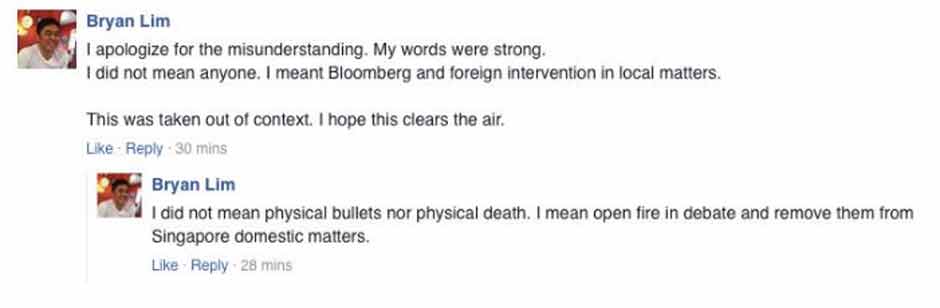
Responding to a report by online news site Mothership yesterday, Mr Lim apologised for the “misunderstanding”: “I did not mean anyone. I meant Bloomberg and foreign intervention in local matters.
“This was taken out of context. I hope this clears the air.
“I did not mean physical bullets nor physical death. I mean open fire in debate and remove them from Singapore domestic matters.”
Mr Lim’s employer Canon Singapore, said yesterday that it does “not condone violence in any form” and would be “looking into this matter”.
harizbah@sph.com.sg

This article was first published on June 14, 2016.
Get The New Paper for more stories.
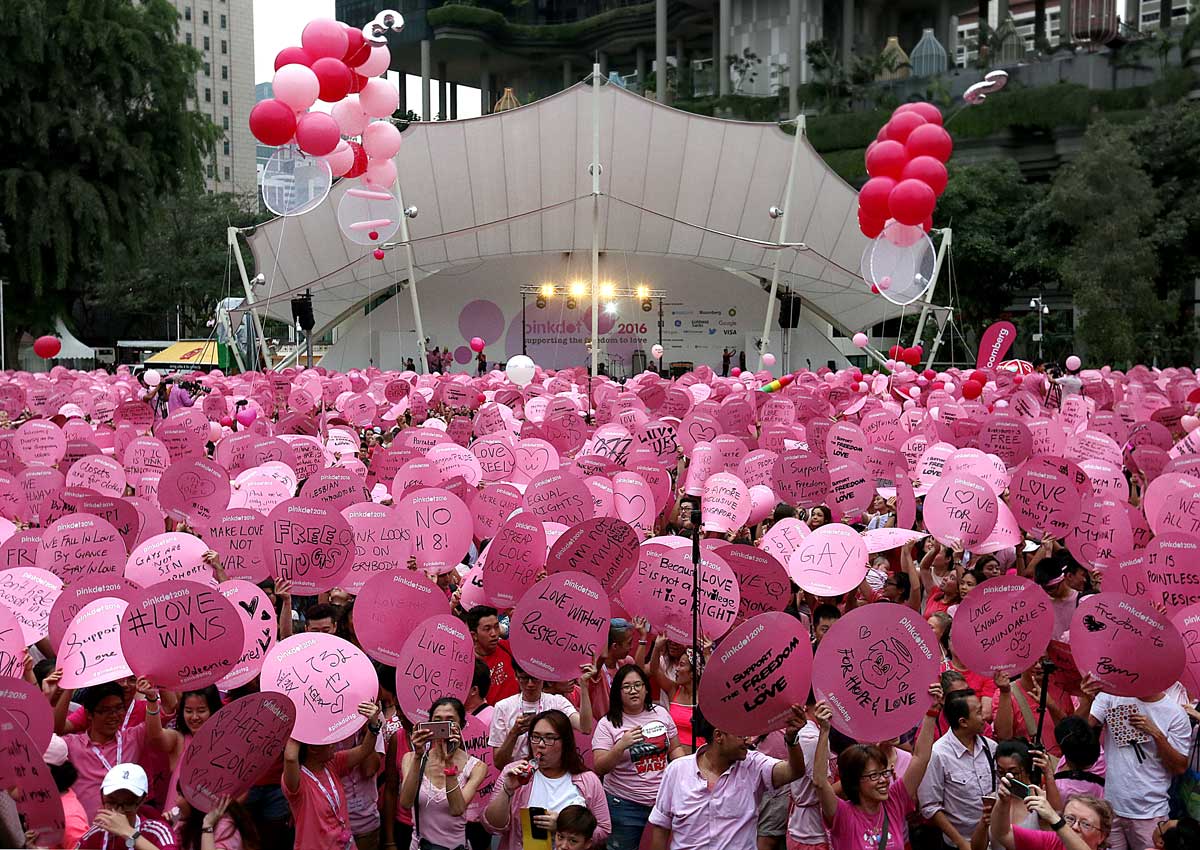
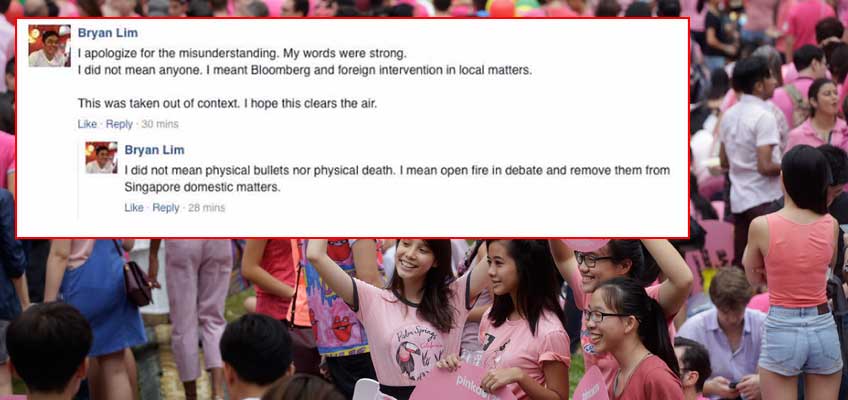
In a Facebook comment, “Bryan Lim” said he wanted to seek permission to “open fire” and “protect his nation” in reply to a post on foreign funding of the annual Pink Dot event at Hong Lim Park.
Source link
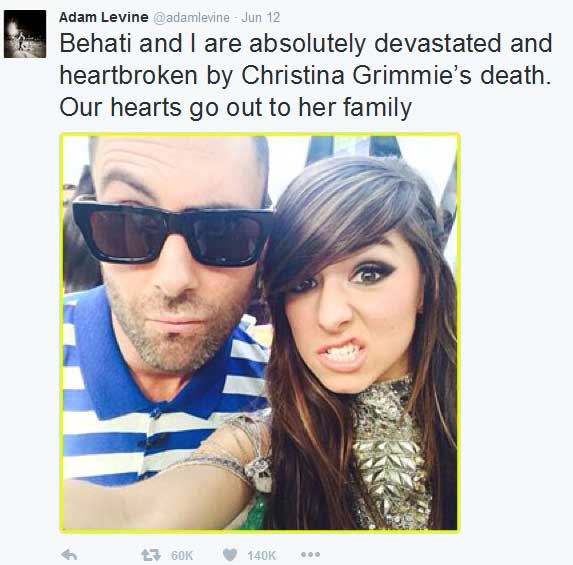
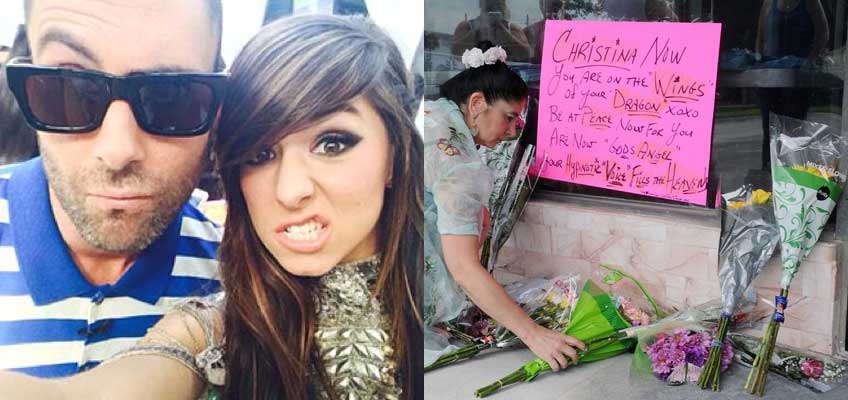
Maroon 5 lead singer Adam Levine has offered to pay for the funeral of singer Christina Grimmie, who was murdered while meeting fans after a concert on Friday (June 10).
The singer’s brother, Marcus Grimmie, revealed in a Facebook post on Monday (June 13) that Levine personally contacted the siblings’ mother and said that he would pay for the funeral and also fund her travel expenses.
“I found out this morning that Adam Levine personally called my mother and said he will pay for the funeral and her plane flight, and I was blown away,” he wrote.
Levine had been the 22-year-old singer’s coach when she appeared on reality entertainment show “The Voice” in 2014.
He had earlier posted a picture of him and Grimmie on Twitter, and said that he was “absolutely devastated and heartbroken” by news of her death.
Grimmie had been signing autographs after a concert in Orlando, Florida, when she was shot in the head by a 27-year-old man who was later identified as Kevin James Loibl.
NBC News reported that Marcus had tackled the gunman after the shooting, but was unable to stop Loibl from shooting himself.
Grimmie was rushed to hospital, but later died of her injuries.
Marcus also wrote on Facebook that his sister’s manager, Mr Brian Teefey, had set up a page on crowdfunding site GoFundMe to help the family move out of their current house and take care of the funeral expenses.
On the page, where close to US$140,000 (S$189,650) had been raised in two days, Teefey wrote that Grimmie had been like a second daugher to him.
“All I wanted to do was assist her in achieving her musical dreams while protecting her from the pitfalls associated with the business. I never could have imagined this horrific event being one of the pitfalls needing to be avoided,” he added.
Meanwhile, some fans have also started a petition on change.org calling for a character in the next Legend of Zelda game, Grimmie’s favourite game, to be named after her. It has so far attracted more than 21,000 supporters.










seanyap@sph.com.sg

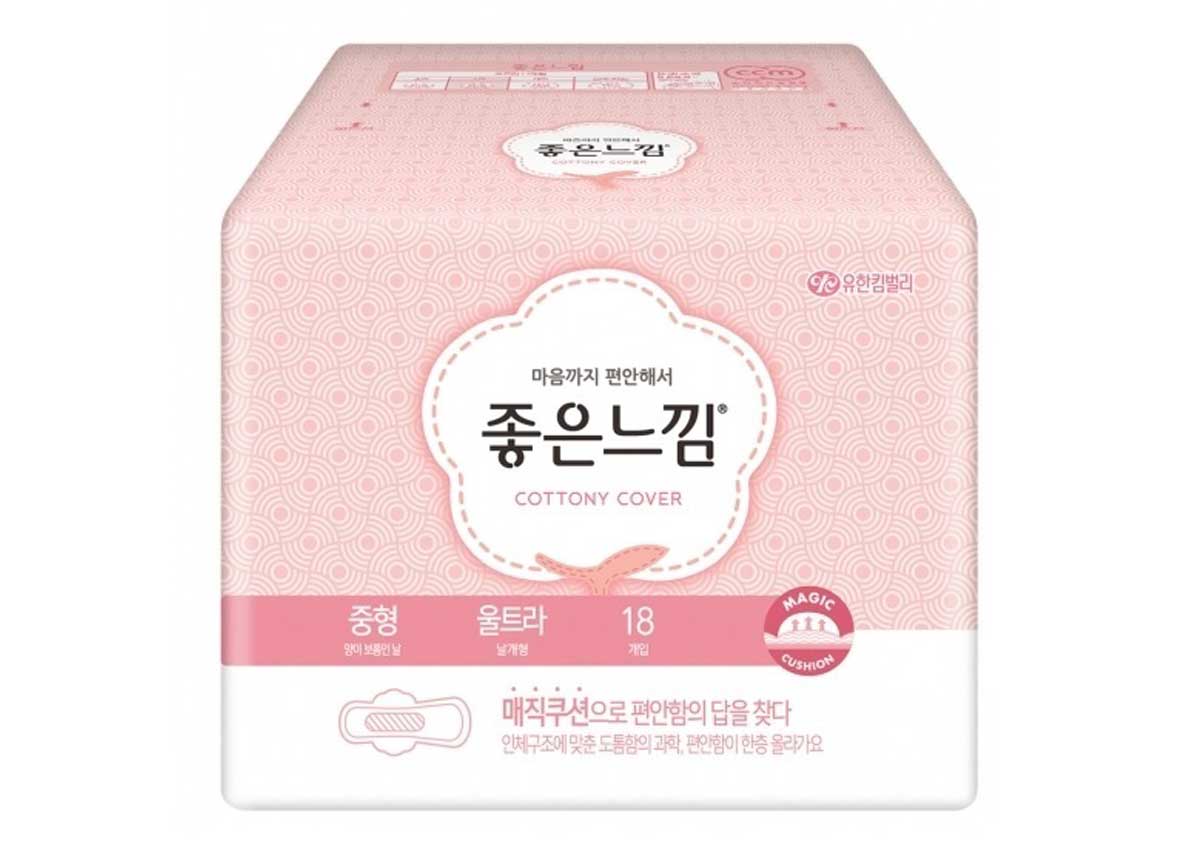
A South Korean sanitary pad maker’s decision to raise prices has sparked anger, as stories of low-income teenagers resorting to using shoe insoles and toilet paper circulated on social media.
Yuhan-Kimberly, the country’s leading manufacturer of diapers, tissues and feminine hygiene products, recently released a new, more expensive premium line of sanitary pads, seemingly contrary to its previous decision to freeze prices on the products.
Last month, the firm also announced plans to raise prices on its sanitary pads by up to 20 per cent, starting from June 1. The notice immediately garnered backlash from local consumers and advocacy groups against the company, which accounts for roughly 55 per cent of the local sanitary pads market.
A public discussion erupted over the rising price of sanitary pads in South Korea, including stories of low-income teenagers using shoe insoles and toilet paper as cheap alternatives for actual sanitary pads.
The Korea Times reported a Twitter user as saying: “My teacher said she found out one of her students was absent for a week because she had no choice but to stay home during her period as she couldn’t buy sanitary pads.”
“I had a friend who grew up in a poor family without a mom. Feeling uncomfortable to ask her father to give her money to buy the pads, she used a shoe insole as a substitute,” wrote another user, according to The Korea Times.
Faced with mounting criticism, Yuhan-Kimberly cancelled its general price hike agenda earlier this month. Yet days later, it released a more expensive, premium version of its flagship sanitary pad brand Good Feel.
The newly launched Good Feel Magic Cushion, which is priced 7.5 per cent higher than the original product, is specially designed to be more absorbent and comfortable for the wearer, the firm said, explaining the price hike.
To mitigate the resulting public fury, Yuhan-Kimberly further pledged on June 3 to “develop and release a lower-priced sanitary pad product by the end of this year” and to “immediately start distributing 1.5 million pads to students from low-income families.”
“We believe it is very unfortunate that some teenagers cannot easily afford sanitary pads. Therefore, we decided to establish a practical plan to help them,” Yuhan-Kimberly said in a statement.
“The new lower-priced pads will offer wider purchase options to teens in financially difficult situations,” it said.
However, controversy over sanitary pad prices continues to linger. According to the Korea National Council of Consumer Organisations, the local price of sanitary pads does not reflect the falling price of the source materials.
While the average price of sanitary pads rose by around 25.6 per cent from 2010 to April 2016, the import price of pulp and felt dropped by 29.6 per cent and 7.6 per cent, respectively, during the same period, according to the consumer organisation.
“It is wrong for women to have to bear the cost burden of sanitary pads, while manufacturers hide the production costs,” Chung Seul-ah, director of health at women’s advocacy group Korean Womenlink, was quoted as telling local newspaper Kyunghyang Shinmun.
“The Korean government needs to actively devise a solution for the continually rising price of sanitary pads,” Chung said.
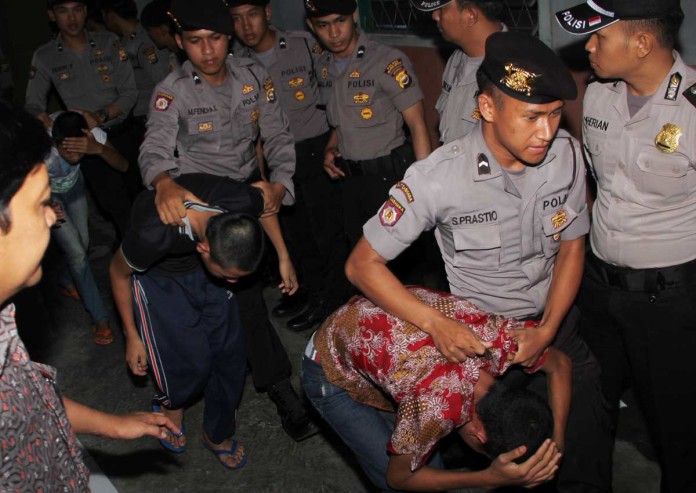
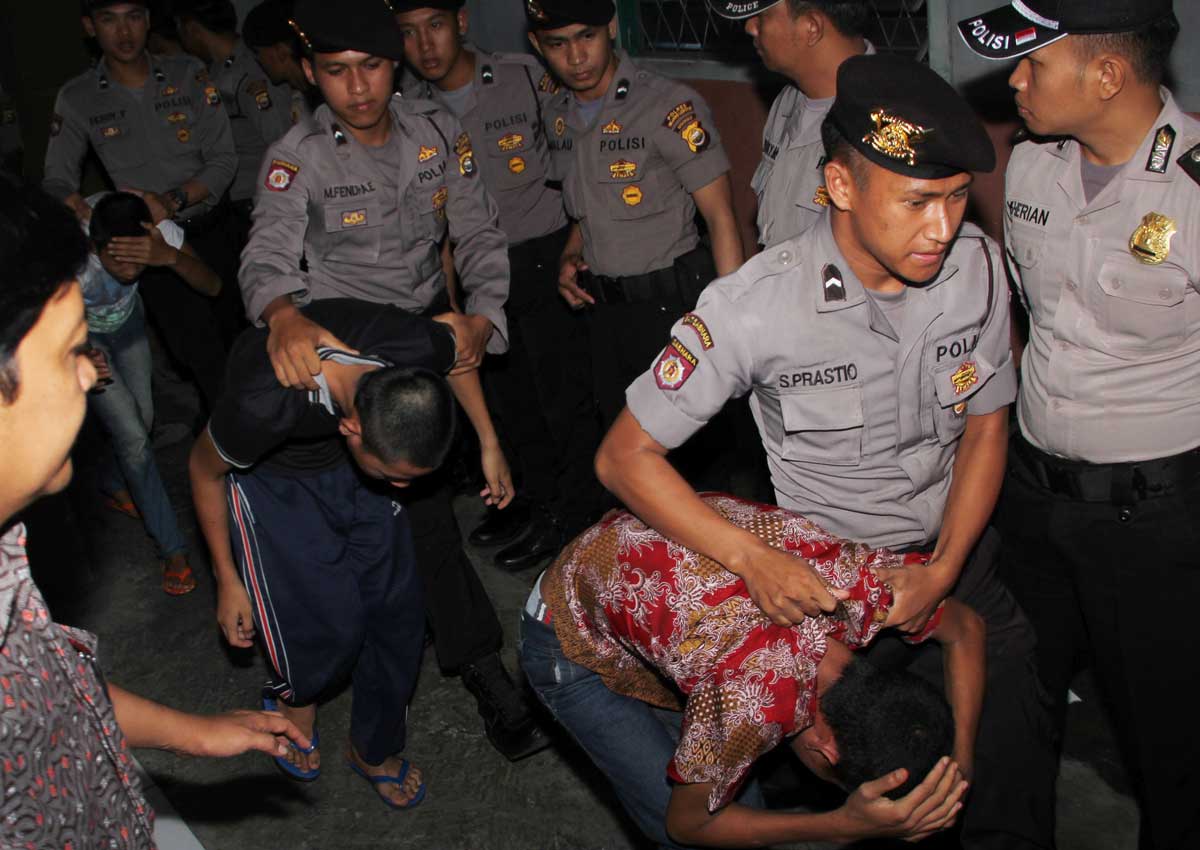
JAKARTA – Indonesia’s doctors’ association refused to be involved in the castration procedure, citing that there was no scientific proof that chemical castration could guarantee reduction in sexual desire.
The Indonesian government will not back down from its plan to castrate child rapists despite the country’s doctors’ association refusing to conduct the procedure.
In its official statement, the Indonesian Doctors Association (IDI) stated that it would refuse to implement the punishment, which has been stipulated in a regulation in lieu of law (Perppu), because it violates the country’s medical ethics.
The association argued that there was no scientific proof that chemical castration could guarantee a loss or even reduction of sexual desire among perpetrators.
Attorney General Muhammad Prasetyo slammed the IDI for “blindly emphasising arguments surrounding the rights of rapists and forgetting the gruesome impact of [the crime on] their victims”.
“How shall we best respond to the brutal rape case [in Bengkulu], for example?” said Prasetyo.
He was referring to the gang rape and murder, by 14 males including seven minors, of a 14-year-old schoolgirl in a remote village in Bengkulu earlier this year. The case eventually raised national awareness of the prevalence of sex crimes as a result of campaigns on social media.
To respond to the perceived increase in sexual assaults, particularly against children, in the country, President Joko “Jokowi” Widodo signed Perppu No. 1/2016 on sexual violence against children last month.
The Perppu included provisions stipulating more severe punishments for perpetrators, ranging from a maximum of 20 years to life in prison and the death penalty to chemical castration.
While expressing sympathy for victims, human rights activists as well as the doctors’ association have found themselves in a dilemma regarding the idea of castration as they have cast doubt on the government’s capacity to carry out the punishment, which would be used for the first time in the country.
Anti-rape advocates have suggested the government replace it with a more “humane” punishment.
The activists reiterated their stance following the IDI’s rejection, highlighting that it once again proved that the decision had been made without comprehensive discussion with relevant stakeholders.
“There has been a lack of discussion between the government and related parties in deliberating the regulation,” National Commission on Violence against Women (Komnas Perempuan) chairwoman, Azriana said.
Azriana said excluding such voices in the decision-making process had led the government to rush into issuing the controversial regulation.
“Opposition voices, including that of the IDI, to chemical castration would not have emerged after the president signed the regulation if the government had consulted with the medical association in the first place,” Azriana said. “Hence, we must respect the IDI’s decision because it has scrutinised the policy from a medical perspective.”
Vice President Jusuf Kalla said the government respected the association’s decision, but the government would press on with the penalty. “We respect the IDI’s decision. [The association] has the right to refuse to carry it out. We still have doctors who serve in police and military facilities,” Kalla said.
Meanwhile, Prasetyo warned the IDI to comply with the existing law.
The Institute for Criminal Justice Reform (ICJR) said the government should learn from other countries before implementing the punishment.
ICJR executive director Supriyadi Widodo Eddyono cited India as an example of how such a punishment had little deterrent effect.
“India is unique. They impose severe punishments such as the death penalty and chemical castration for rapists. But, you can see that it has failed to reduce the number of sexual offences in the country,” he said.
According to the 2014 state-run National Crime Records Bureau of India, rape cases in the country increased to 36,735 in 2014 from 33,707 the previous year. This figure has convinced the ICJR that chemical castration will not reduce sexual offences in Indonesia.
Supriyadi said the government should also consider measures to avoid allegations of human rights abuse in implementing the punishment. In Germany, Switzerland and the UK, chemical castration is only imposed with the consent of the perpetrators.
“Those countries use a voluntary system, which means it is done only if the perpetrators agree to it. Therefore, doctors don’t need to worry, but I don’t think it will happen here, ” he said.
This comes after IRONMAN agreed to acquire Spectrum Worldwide, which has organised the Standard Chartered Marathon Singapore since 2013.
Source link
There are now 44 active dengue clusters in Singapore, including six classified as high-risk.
Source link


