The agency has set aside more than S$10 million to sponsor training awards for those committed to a career in the early childhood sector.
Source link
ECDA boosts support for early childhood education diploma courses
Inclusive community toy library opens in Pasir Ris
While most children would be thrilled to go to a big indoor playground with lots of new toys, six-year-old Quazza Ilhandyl is sometimes overwhelmed.
He has autism and delayed speech development, and his mother, Ms Intan Armelia, 34, said Quazza finds it hard to play with peers because they cannot understand him.
“Sometimes when we go out as a family, it’s hard to get all four children to have fun at the same time,” said the freelance dance instructor.
So she was happy to discover a new toy library in her neighbourhood where her three sons and daughter, aged 10 months to six years, can have fun together with other children.
The North East Community Toy Library @ Pasir Ris Elias Community Club was opened officially yesterday by Deputy Prime Minister and Pasir Ris-Punggol GRC MP Teo Chee Hean.
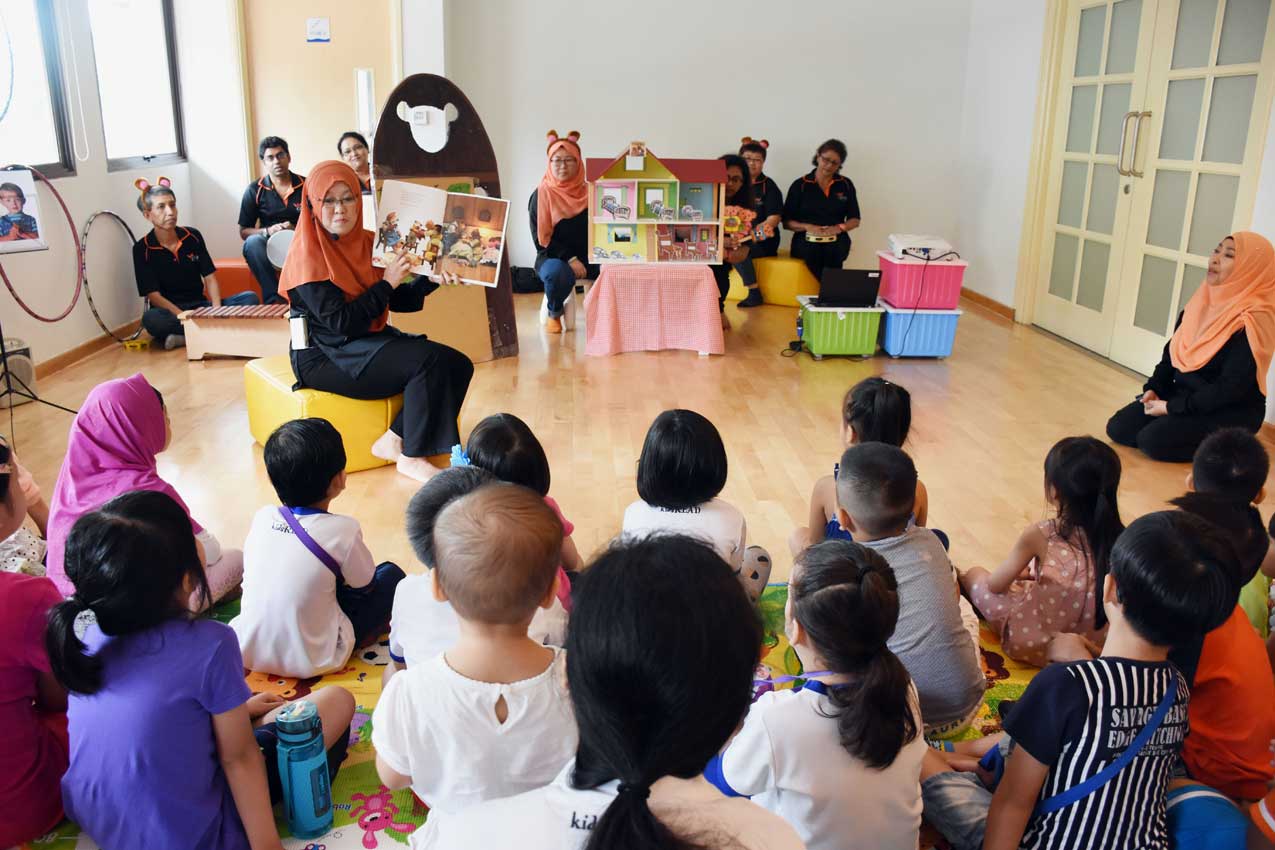
It is meant to be an inclusive space where children with special needs can play alongside mainstream school children with toys specially adapted to their needs.
There are more than 50 toys in a room on the second floor of the club. It has space for about 30 children and their caregivers, and is open daily from 10am to 9pm.
The playroom, set up by the North East Community Development Council (CDC) and Cerebral Palsy Alliance Singapore (CPAS), is believed to be the first integrated toy library in Singapore, and is the fourth toy library in the district.
North East District Mayor and Minister of State for Manpower Teo Ser Luck said he hopes to see 20 toy libraries in the district – at least one per constituency – by the end of the year, and that there will eventually be as many as 90 to match the number of book kiosks in the district.
“I want to thank the community for donating. Residents themselves are filling up the libraries with books and toys,” said Mr Teo.
The toys in the new library include motor cars with remote controls that have larger buttons, developed by non-profit organisation Engineering Good and engineering firm Arup to cater to children with fine motor skills challenges. Children will be able to use the toys in the playroom, and there may be a loan programme when more toys are available, said the CDC.
Starting next month, CPAS will organise weekly activity sessions in the room on Mondays for pre-school children from special needs and mainstream schools.
CPAS executive director and North East CDC’s district councillor Jessie Holmberg said barriers between children may be reduced when they start playing together at a young age.
“Children will learn to care for each other beyond their own needs when they see their peers needing help,” she added.
A recent survey of over 1,000 people found that only half of parents polled were comfortable with a special needs child sitting next to their child in class, and only one in 10 Singaporeans was confident of interacting with special needs children.
Safety manager John Ong, 38, who visited the new toy library yesterday with his wife and four daughters, said it is a good place for children to learn to share and socialise.
“I hope they will become more understanding of other kids with different needs, so that future generations can be closer together,” he said.

This article was first published on Jun 20, 2016.
Get a copy of The Straits Times or go to straitstimes.com for more stories.
Image:
Category:
Blurb:
Publication Date:
Monday, June 20, 2016 – 17:00
Keywords:
Send to mobile app:
Source:
Story Type:
Others
Chow Yun Fat, Aaron Kwok headed to Singapore to promote Cold War 2
Three of the stars from the upcoming Hong Kong police thriller will be in town to promote their new film.
Source link
Silkair fr $169 Promo Fares to over 40 destinations from 20 Jun – 13 Jul 2016

Silkair fr $169 promo fares to over 40 destinations. No min 2-to-go, travel from 1 Aug to 18 Nov 2016 ✈?
Silkair fr $169 Promo Fares to over 40 destinations from 20 Jun – 13 Jul 2016
Fly to over 40 destinations on Silkair with up to 61% savings. No min 2-to-go is required, travel from 1 August to 18 November 2016
Woodlands Block 302A residents stranded for 4 hours after all lifts break down
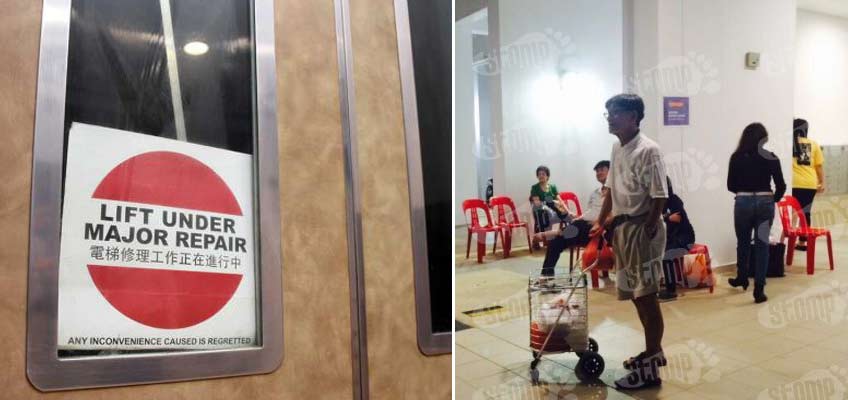
Residents from Woodlands Block 302A were left stranded for four hours yesterday evening (June 19) at the void deck after all three lifts broke down.
A witness shared his experience with Stomp over the phone.
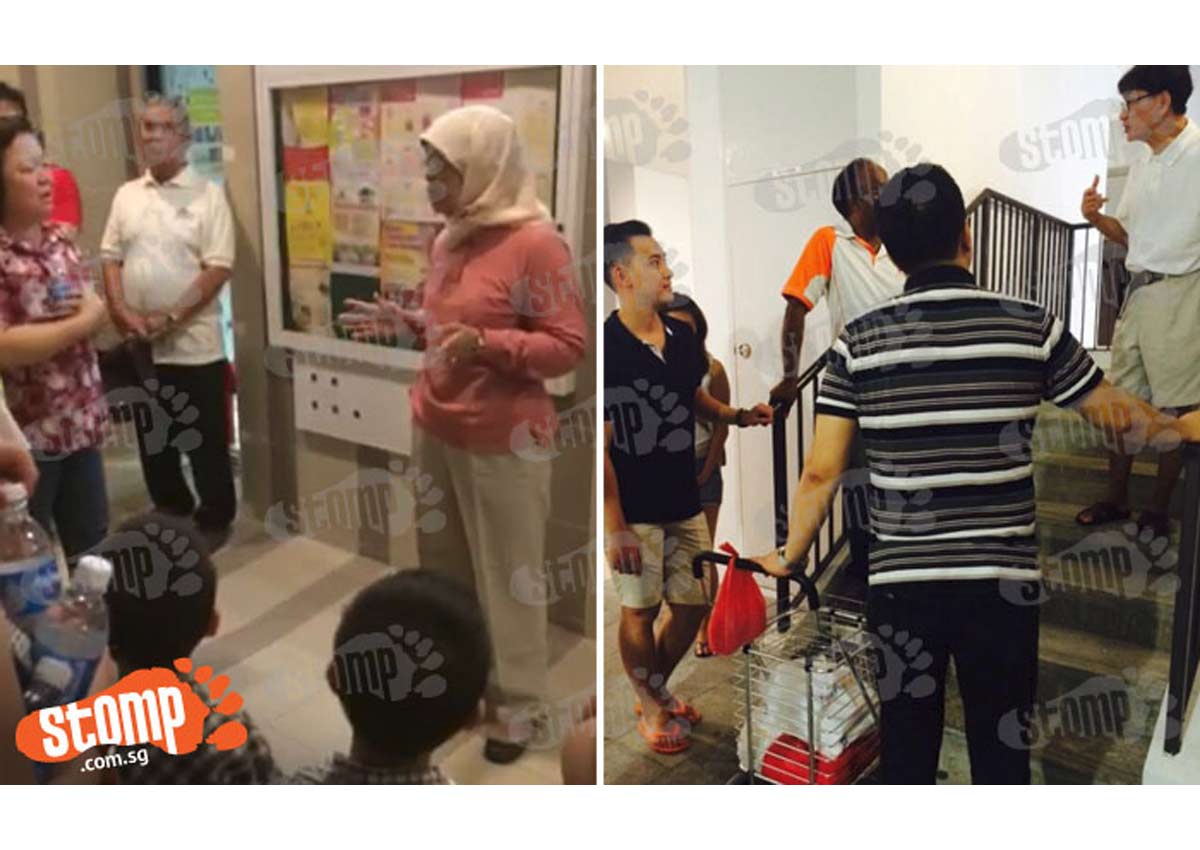
He said that residents were stuck at the void deck from 6pm to 10pm. It was only after 10pm when the lifts finally started working again.
Elderly residents in wheelchairs and people living on higher floors in the block were said to be the most affected.
Woodlands residents stranded for 4 hours after all 3 lifts break down
Click on thumbnail to view photos. Source:
Stomp


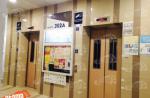
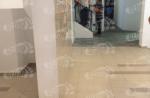
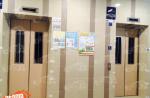


The Stomp contributor himself lives on the 32nd floor.
He said: “One elderly man with a pacemaker was so frustrated he decided to climb the stairs to his apartment on the 21st floor.”
“He had gone shopping and his frozen salmon had defrosted while he was waiting for the lifts to start working again. Several neighbours and town council members offered to help him. I think they reached the eighth storey before the man got tired.”
The Stomp contributor added that the town council had provided chairs for the residents and some water while they waited.
They were unable to do much else except wait for the technicians to fix the problem.
The Stomp contributor also said that in the morning, two of the lifts were already down due to a power outage but residents were still able to use one lift to go up and down — till it broke down in the evening.
MP Halimah Yacob also came down to talk to the residents at around 9pm.
The Stomp contributor noted that while there were several neighbours who were frustrated and unhappy at the situation, most of the residents were okay with sitting and chatting with one another as they waited.

Visit STOMP for more stories.
Image:
Publication Date:
Monday, June 20, 2016 – 14:01
Send to mobile app:
Source:
Rotator Image:
Story Type:
Others
Parents petition for return of exam scripts
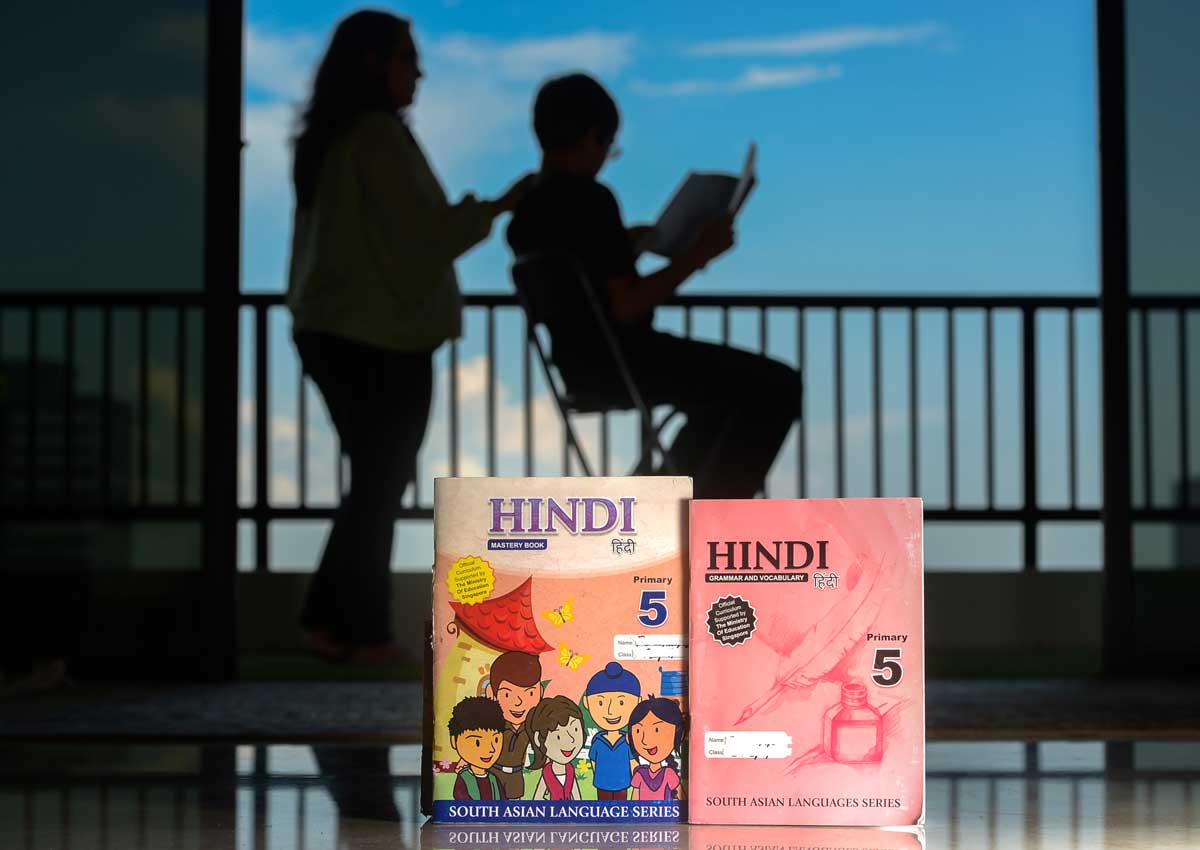
An examination board’s policy of not returning exam answer sheets has come under scrutiny, with close to 1,200 people signing an online petition calling for this practice to be reviewed.
Housewife Sreevidya Kompella, 43, started the petition to the Board for Teaching and Testing of South Asian Languages (BTTSAL) about a month ago.
Set up in 2003, it standardises the teaching and testing of five non-Tamil Indian languages: Bengali, Hindi, Gujarati, Punjabi and Urdu. It also conducts the semestral examinations for these languages for students from Primary 3 to junior college, but does not oversee national exams.
The languages are recognised by the Education Ministry here as mother tongue languages. There are about 8,900 students enrolled in these language classes, taught by about 420 teachers.
While students can usually bring home exam answer sheets for subjects such as English, maths and science after their papers have been marked – unless they are for national examinations like the O levels – they are unable to do so for these language subjects, the petition stated.
Ms Kompella, whose Primary 5 son is taking Hindi as a mother tongue at Telok Kurau Primary School, said this prevents students and parents from getting comprehensive feedback on their performance in the subject.
“It is not an issue about challenging the marks awarded to students, but about helping them to do better next time. For example, some of my son’s science answers were marked partially wrong and it was only after reviewing them and discussing with his teacher that we understood the level of precision and correct usage of technical terms that the school was looking for,” said Ms Kompella, who first approached the board about this issue last October.
Mr Mohammed Shahidul Islam, who has two children aged 11 and 15 studying Bengali, agreed.
“We need to see the exam papers to be able to catch their mistakes,” said the 48-year-old, who owns an engineering business.
BTTSAL works with seven community groups, including the Hindi Society (Singapore) and the Urdu Development Society (Singapore). The groups are responsible for the hiring, training and remuneration of their teachers. It was reported in 2009 that the BTTSAL receives an annual grant of $1.5 million from the Government.
In response to queries from The Straits Times, the board said it has a policy of not returning the examination scripts because of the “short turnaround time” for marking and reviewing the scripts, and processing the marks. But it did not say why the papers could not be returned after the marks have been processed.
Currently, students can review their marked exam scripts at six exam centres during a two-hour session. The board said: “At this session, students’ queries are addressed in detail and marking errors rectified, if any.”
It added that students are given a fair chance to learn from their mistakes as the board gives a “detailed” performance summary, which provides information on students’ performance in every component of the paper, to parents and teachers.
But parents said the summaries and feedback sessions are inadequate.
Training manager Anita Uppal, 39, whose two sons take Hindi as a mother tongue at St Stephen’s School, said: “My child said that during the feedback session, he adds up the marks to make sure they are correct, and that the teacher goes through some, but not all, of the questions.
“He would prefer to bring the paper home so that we could go through it with him at his pace.”
The board has contacted Ms Kompella and said it will meet her for a discussion soon. She hopes the board can consider alternatives.
“I understand that there are logistical challenges, but there are some solutions that can be worked out, such as using technology.”
This article was first published on Jun 20, 2016.
Get a copy of The Straits Times or go to straitstimes.com for more stories.
Image:
Publication Date:
Monday, June 20, 2016 – 16:30
Keywords:
Send to mobile app:
Source:
Story Type:
Others
19-year-old suspect arrested over Universal Studios ticket scam
Since Jun 14, police had received several reports regarding victims being cheated after making online purchases for attraction tickets to Universal Studios Singapore.
Source link
Underwater World a regular target of marine park critics
A persistent conundrum in nature conservation is finding a balance between breeding animals in captivity to prevent extinction and enhance public awareness, and channelling resources to protect them within their natural habitats.
The issue has been thrust into the spotlight again with the closure this coming Sunday of the 25-year-old Underwater World Singapore (UWS). The lease on its premises nears expiry and it faces stiff competition from the Marine Life Park and Dolphin Island at Resorts World Sentosa. UWS was the largest tropical fish oceanarium in Asia when it opened in 1991.
Conservation and animal welfare groups have criticised it for catching dolphins in the wild instead of sourcing ones bred in captivity, keeping animals in bad condition and forcing them to perform unnatural acts.
But UWS managers said in 2009 that their successful breeding of dolphins and other species indicated that the animals were well taken care of and helped to maintain a diverse gene pool for the viability of the species.
An Indo-Pacific humpbacked dolphin, or pink dolphin, was born UWS in 2002, which the attraction said was the world’s first recorded captive birth of the species.
The oceanarium has also successfully bred about 15 species of fish, including sharks, some of which had not been bred elsewhere.
Then curatorial director Bruce Mackay said in 2001 that captive breeding saves these species from being taken from the wild for commercial trade.
In 2010, UWS released 18 critically endangered hawksbill turtles, eight of them with satellite tracking devices to study their migratory behaviour in collaboration with organisations in Japan and the United States.
However, photojournalist and activist Debby Ng, who founded local marine protection group Hantu Blog in 2003, said: “Success in captive breeding and release alone are not conclusive measures of conservation success.” She added that long-term monitoring and management are necessary to determine whether the efforts have helped wild populations persist.
“Zoos and oceanariums can provide a crucial service if they teach respect for nature and foster endearment of the wild.”
Outreach activities are part of the mix at UWS, such as holiday programmes in which children attend educational talks about marine life and spend the night in UWS’ underwater tunnel sleeping with the fish.
UWS has also given stranded wildlife a home. Gracie the dugong was taken in in 1998 after its mother drowned off Pulau Ubin. Gracie lived at UWS until 2014, when it died of an acute digestive disorder.
But UWS still faced controversies. In 2004, the Animal Concerns Research and Education Society discovered that the oceanarium’s six dolphins had been originally caught in the wild rather than bred in captivity as previously recorded, and called for them to be set free.
The Agri-Food and Veterinary Authority (AVA), however, clarified that as the dolphins had already been in captivity for at least three years in a Thai marine park prior to coming to Singapore, UWS could legally keep them.
In 2014, animal welfare and conservation groups Wildlife Watcher (Singapore) and Sea Shepherd Conservation Society reported that the dolphins were kept in rusty enclosures, had skin diseases, were made to perform unnatural acts and were exposed to loud music.
But an inspection by the AVA found the dolphins to be in a “satisfactory” condition. A pink dolphin was born there that year.
Mr Stephen Beng, chairman of the marine conservation group of the Nature Society (Singapore), said that the question remains of the “moral acceptability of keeping animals in captivity, especially those with larger ranges and complex social structures” such as dolphins.
Ms Ng noted that people can admire such animals in their natural habitats, even in Singapore.
In fact, there have been several recent sightings of wild pink dolphins in Singapore waters.
She added that some aquariums in the United States actually offer field trips to observe animals in the wild.
Underwater World Singapore says goodbye after 25 years
Click on thumbnail to view photos. Source:
Underwater World Singapore, The Straits Times, The New Paper, Berita Harian
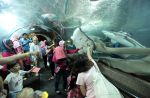
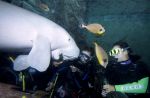
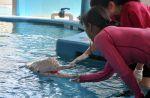

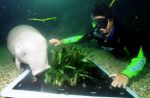

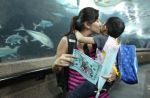
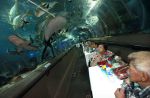

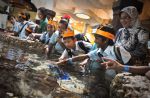






This article was first published on Jun 20, 2016.
Get a copy of The Straits Times or go to straitstimes.com for more stories.
Image:

Publication Date:
Monday, June 20, 2016 – 15:30
Keywords:
Send to mobile app:
Source:
Story Type:
Others
1.54 million Singaporeans to get $890 million of GST vouchers and Medisave top-ups
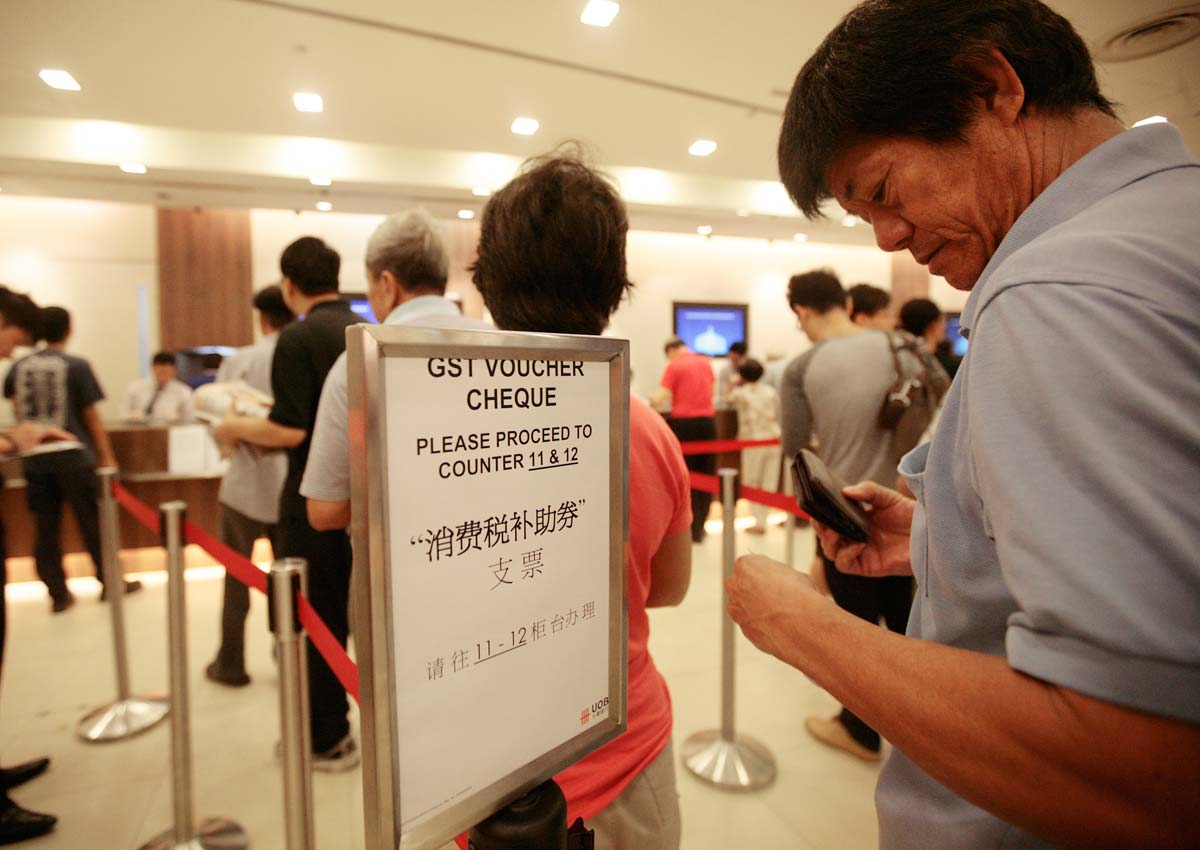
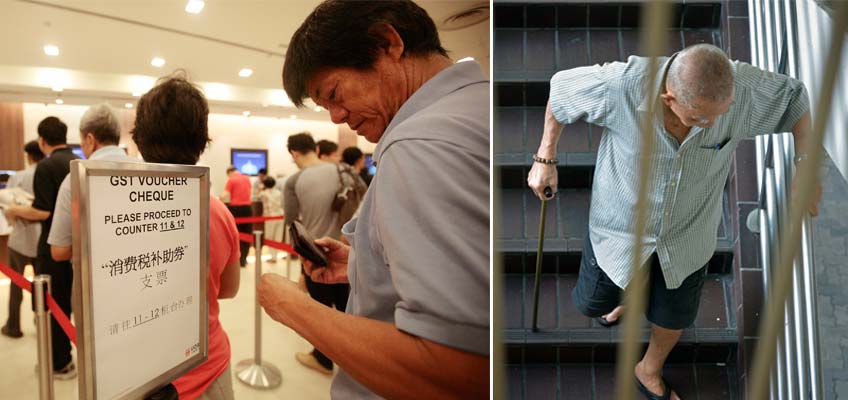
SINGAPORE – 1.54 million Singaporeans will receive GST Vouchers (GSTV), Medisave top-ups among other benefits as part of the Budget announced by the Ministry of Finance (MOF) today (June 20).
About 1.3 million Singaporeans will receive up to $300 of GSTV in cash, while an additional $200 will be given to households as a one-off GSTV cash payment – a total of $500, which will disbursed in two payments in August and November this year.
425,000 Singaporeans aged 65 and above will also receive a GSTV payment of up to $450 in their Medisave accounts. Additionally, Singaporeans born on or before December 31, 1959, who do not receive Pioneer Generation (PG) benefits, will receive a Medisave top-up of up to $200 each year till 2018.
The Pioneer Generation (PG) will also receive their Medisave top-ups of $200 to $800 this year.
Eligible Singaporeans will receive a letter informing them of their benefits by July 1. Citizens are encouraged to sign for SMS notifications at the GSTV website.
For more information, visit the Singapore Budget website.
prabukm@sph.com.sg
Image:
Publication Date:
Monday, June 20, 2016 – 12:52
Send to mobile app:
Source:
Rotator Image:
Story Type:
Rewritten Story
Screening ends at block where TB cases were found
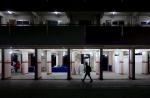
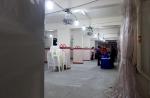
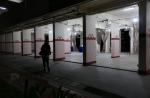
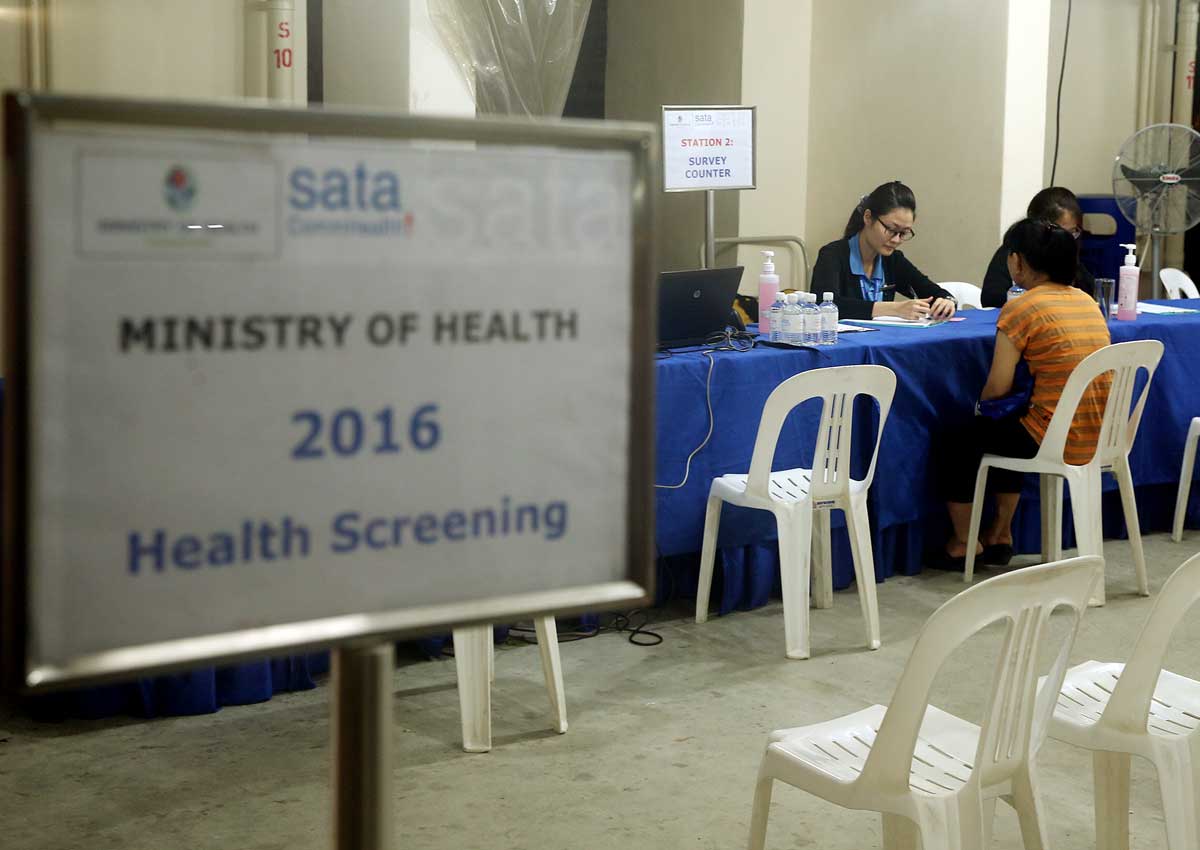
About 230 people have been screened for tuberculosis at an Ang Mo Kio block where a cluster of multi-drug-resistant TB cases was identified recently.
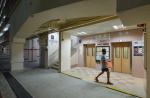
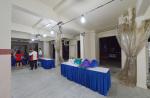
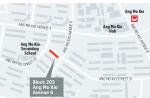
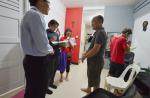
The Ministry of Health (MOH), giving an update at the end of its on-site TB screening at the void deck, said that the residents and former residents had been tested at Block 203, in Ang Mo Kio Avenue 3, since screening started last Thursday.
Of these, nine said they had a cough for more than three weeks, and were referred to Tan Tock Seng Hospital’s TB Control Unit for further tests. Another 13 aged five and below were given screening appointments at the unit as the tests are different for young children.
About 350 people live in the block.
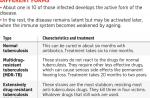
MOH said that it expects to detect some cases of latent TB – when a person has TB bacteria in his body but there are no symptoms, as such infections are not uncommon in the general population.
These may not be related to the cluster.
In what the ministry said was a “highly unusual occurrence”, six residents in the block were diagnosed with the same strain of multi-drug-resistant TB over a four-year period.
MOH added that its officers and grassroots volunteers had reached out to more than 80 per cent of households in the 160-unit block by going door to door. Those tested will get their screening results within two weeks.
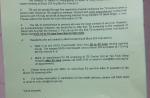
The ministry added that it has made arrangements for residents and former residents who lived in the block from July 2011 to be screened free of charge at any Sata CommHealth clinic until the end of the month. After June 30, they may make an appointment to be screened at the Tan Tock Seng Hospital’s TB Control Unit.
Click on thumbnail to view photos. Source:
The Straits Times, The New Paper




This article was first published on Jun 20, 2016.
Get a copy of The Straits Times or go to straitstimes.com for more stories.
Image:
Category:
Publication Date:
Monday, June 20, 2016 – 14:30
Keywords:
Send to mobile app:
Source:
Story Type:
Others


