Home Blog Page 3501

School registration for returning Singaporeans starts July 5

SINGAPORE – If you are living overseas but want to send your children back to Singapore for education, here’s how you can apply. 

The 2016 School Placement Exercise for Returning Singaporeans (SPERS) is open for registration from July 5.

This exercise is applicable to Singaporean children who are returning from overseas and wish to join local secondary schools, junior colleges (JC) or Millennia Institute (MI) at the start of academic year 2017.

Important dates to take note of:

– For admission to Secondary 1-3 in 2017, applicants are to sit for the SPERS-Sec tests on Sept 23, 2016.

– For admission to Pre-University (Pre-U) 1, applicants are to sit for SPERS-JC/MI tests on Nov 17, 2016.

Note that as Sec 4 and Pre-U 2 are national examination years, the Ministry of Education (MOE) has advised that returning students do not re-join at these levels.

Applicants will receive their school placement results in December 2016 and will be able to join secondary schools and JC/MI at the start of the school term in early 2017.

For those who are unable to return in time to take the SPERS-Sec tests in September 2016, MOE said in a statement today (July 4) that it will also conduct a Supplementary Placement Exercise in December 2016.

The tests for the Supplementary Placement Exercise will be held in mid-December 2016.

Applicants will receive their school placement results in early February 2017 for school admissions from February 2017.

Registration for the Supplementary Placement Exercise will open in October 2016.

While returning students can choose to take part in either the SPERS-Sec or the Supplementary Placement Exercise, parents are advised to register for SPERS-Sec if they are able to return in September as their children would benefit from starting the 2017 academic year in January together with their peers.

For more information, visit https://www.moe.gov.sg/admissions/returning-singaporeans/

maryanns@sph.com.sg
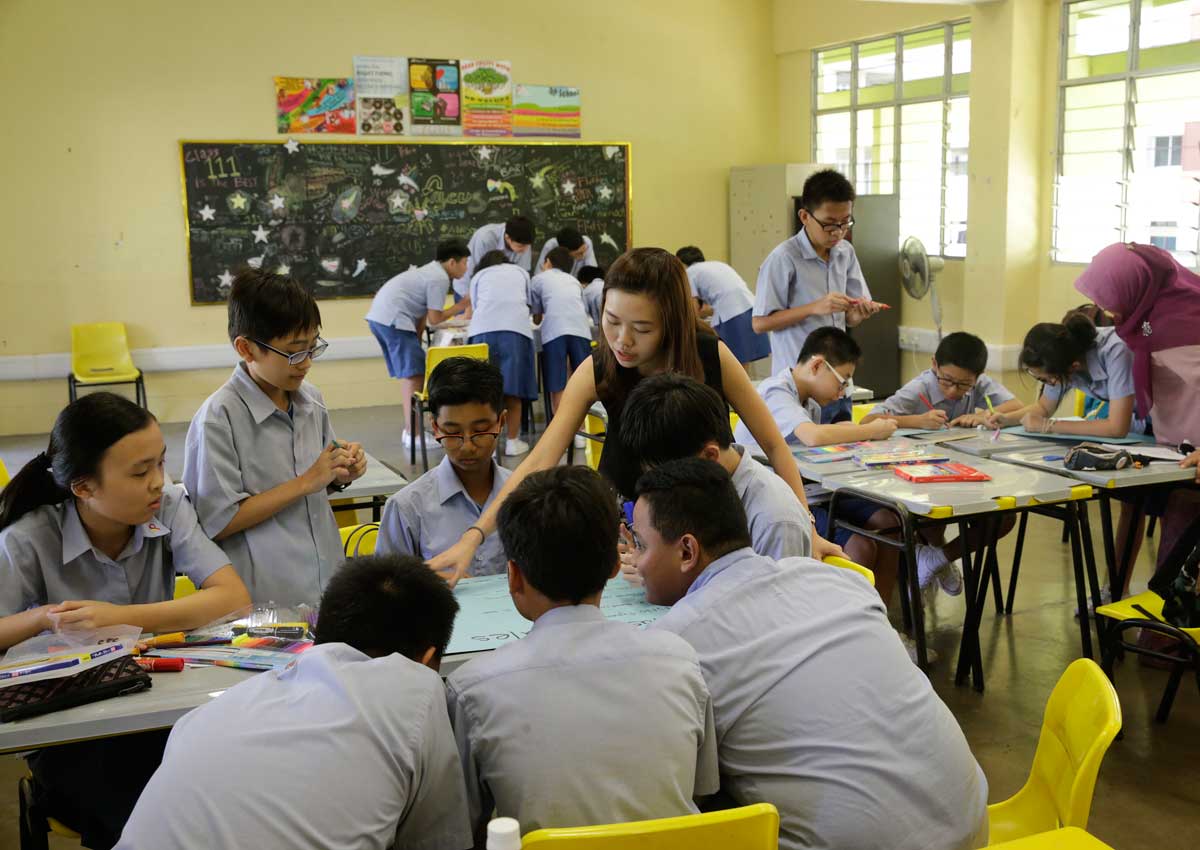
Image: 
Category: 
Publication Date: 
Monday, July 4, 2016 – 12:56
Send to mobile app: 
Source: 


Story Type: 
Rewritten Story

Source link

Fewer beggars, better business for shopkeepers during Ramadan

Every year during Ramadan, areas such as Geylang Serai and Arab Street usually see an influx of beggars.

But this year, the situation seems to have improved. Shopkeepers, mosques and shoppers have noticed a significant drop in the number of beggars.

“These beggars sometimes scare my customers away,” said a vendor at the Ramadan bazaar in Geylang Serai, who wanted to be known only as Madam Faridah.

Another vendor, Mr Hanafi Jaffar, said that during Ramadan a few years ago, beggars would constantly go up to him and ask for “zakat money”.

“Three or four years ago, it was quite bad. Then some of them got caught by officers,” said the 61-year-old, who has been doing business in Geylang Serai since the late 70s.

He added that he has noticed a difference this year.

Madam Nur Farizan, 28, visits Geylang Serai every year to do her Hari Raya Puasa shopping and she agreed that the beggar situation is much better this year.

The housewife said: “Either people who beg in the streets have been getting the help they need, or they have found somewhere else to loiter.”

The Straits Times reported last year that as many as 50 or 60 beggars could be seen around Sultan Mosque during Ramadan. The numbers swell to more than 100 in the days leading up to Hari Raya.

FOREIGN

Previous reports also noted that many of these beggars seemed to be from Malaysia, Indonesia and India.

When TNP visited the area twice this week, there was one man in a wheelchair who planted himself near the stairs at Geylang Serai Market.

He was there throughout the morning, but did not actively ask for donations.

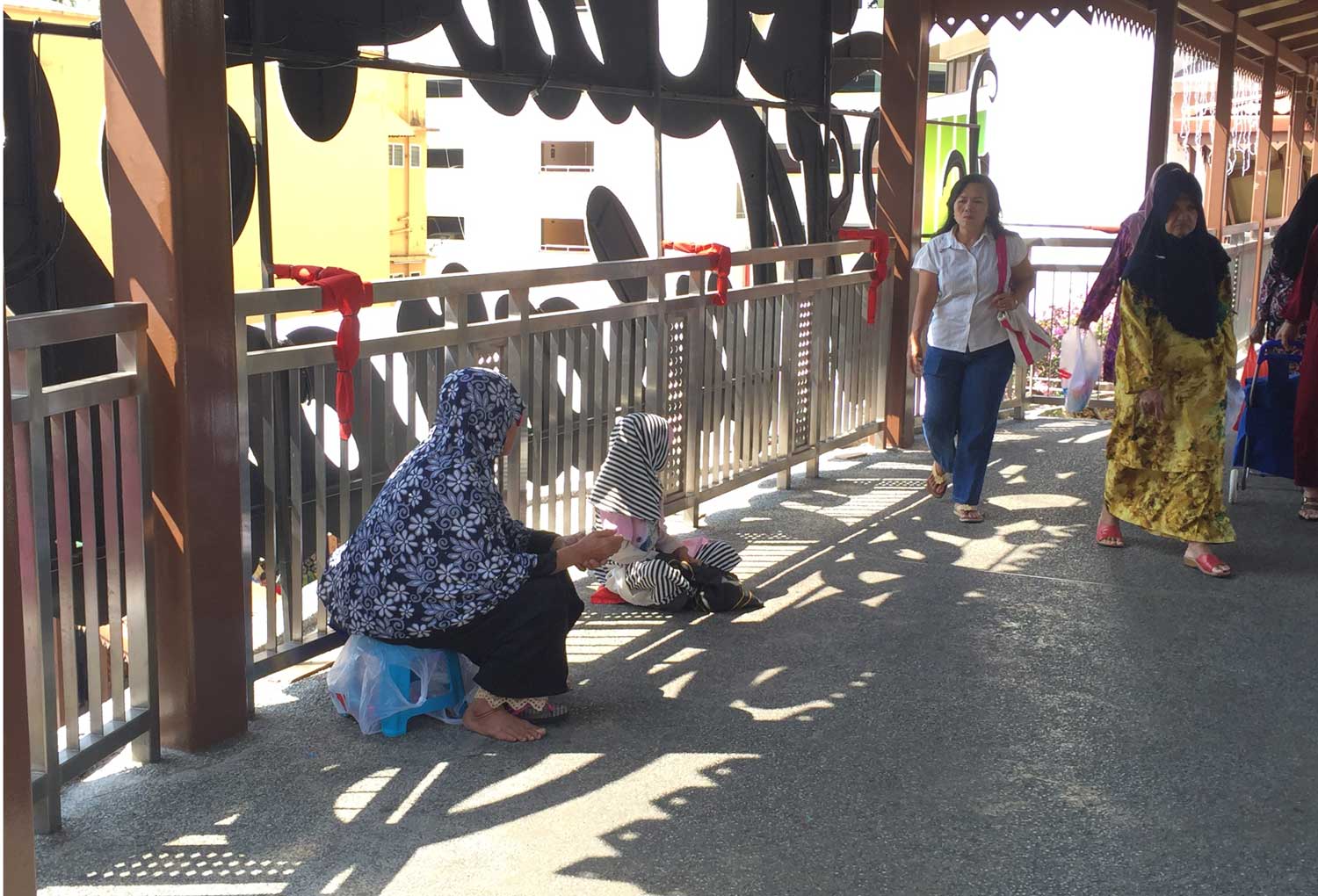
Two more beggars, a woman and her child, turned up at the overhead bridge connecting Geylang Serai Market and Joo Chiat Complex at around noon. The combined efforts of authorities in the affected areas seem to have made an impact.

Mr Alla’udin Mohamed, chairman of Khalid Mosque on Joo Chiat Road, said there used to be beggars on every corner in Geylang Serai.

“But in my experience this year, the number (of beggars) is very low,” said the 63-year-old, who has been the mosque’s chairman for more than 10 years.

“Last year, we had throngs of Indonesian and Malaysian ladies, especially on Fridays,” he said.

“There are one or two cases of foreign beggars this year, but they are very discreet.”

He said that previously, the mosque put up signs to remind people not to loiter around, but they were ineffective.

“Now we have people standing near the gates and we remind our congregation not to loiter around,” he said.

Mr Zainal Abidin Omar, mosque manager of Sultan Mosque, said they had similar measures on Arab Street to keep the number of beggars down.

The 47-year-old said: “We can’t eradicate the problem completely, but we can do our part to lessen the numbers.

“If the beggars come into the prayer hall and disturb the congregation, we will take action and call the Ministry of Social and Family Development (MSF).”

Said Mr Zainal: “We don’t encourage people to ask for donations in the street because there is always a proper channel for people to go through if they need help.”

A spokesman for the MSF said it conducts regular patrols with the help of auxiliary police officers, based on public feedback.

MSF also noted that there have been fewer beggars picked up in the Geylang Serai area so far, compared with last year.

“I’m glad there are fewer beggars in the area now,” said Madam Faridah. “It’s better for my business and it’s better for the area as well.”


This article was first published on July 4, 2016.
Get The New Paper for more stories.

Image: 
Category: 
Publication Date: 
Monday, July 4, 2016 – 21:00
Keywords: 
Send to mobile app: 
Source: 


Story Type: 
Others

Source link

More support, greater inclusion of special needs children needed: Lien Foundation survey

Parents of children with special needs also faced challenges in the education system and society, and said more needs to be done to remove such obstacles.

Source link

Brother of man whose 2-year-old was abused 'wants to clear his name'

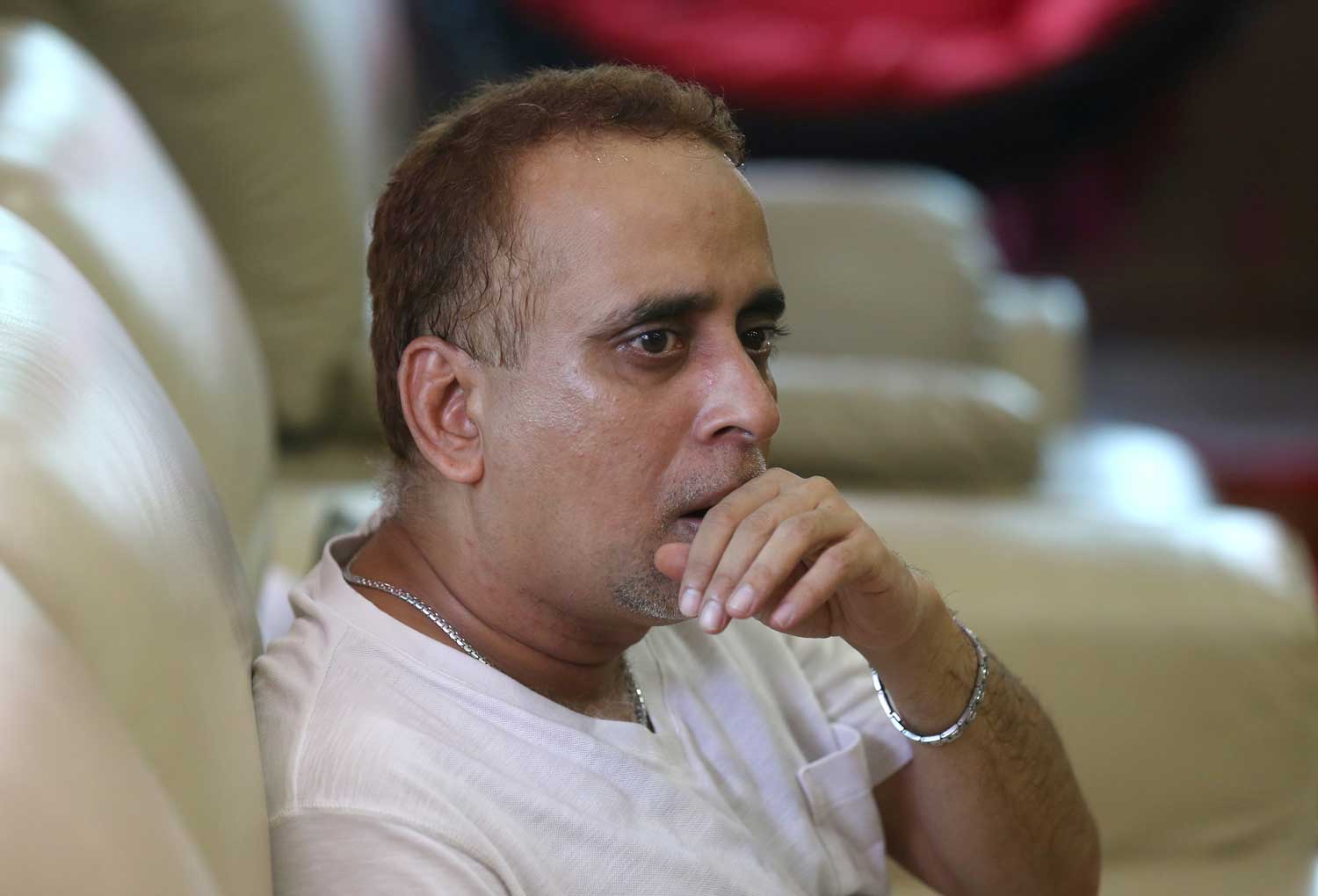
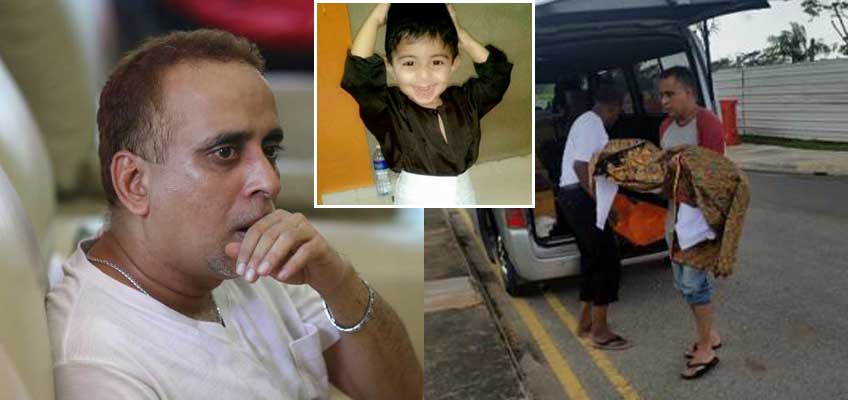
Mr Abdu Manaf Al Ansari only had one thing in mind: to clear his brother’s name.

Facebook users had criticised Mr Mohamad Nasser Abdul Gani, 41, after it was reported that Mr Nasser’s son had died after being abused by his wife and her boyfriend.

Many blamed Mr Nasser, with one user saying: “Why didn’t you hold your son when he was still alive?”

It convinced Mr Manaf to call The New Paper.

Mr Manaf’s voice broke as he told TNP: “A lot of people have been blaming my brother. I just want to clear his name.”

Mr Nasser had been jailed for drug-related offences after his wife told him about her pregnancy.

After serving time behind bars, he tried looking for his son, Mohamad Daniel Mohamad Nasser, without success.

The only time he got to hold Daniel was when he was about to bury him.
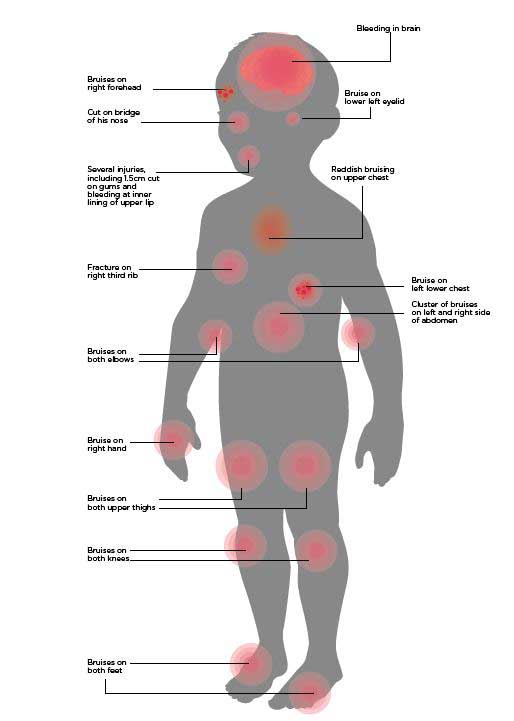
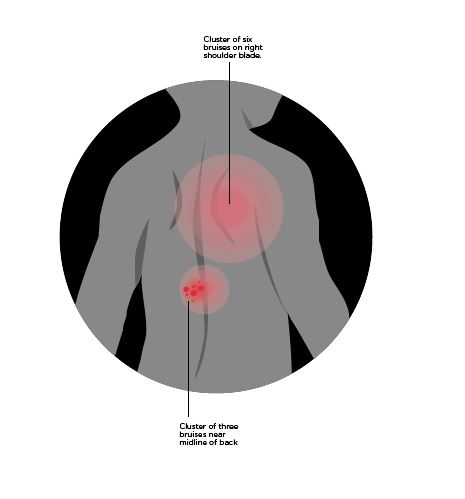
His son died on Nov 23 last year, about a month before his third birthday, after 25 days of sustained abuse by his mother, Zaidah, 41, and her live-in boyfriend, Zaini Jamari, 46. They are expected to be sentenced tomorrow.

After the article about Mr Manaf’s search for Daniel was published on June 28, there was an outpouring of sympathy online.

Mr Manaf said: “I am relieved. It is very important for people to get the facts right.”

He has been a loyal TNP reader for over 20 years and said “The New Paper was the only one that I called.”

Another reader, who wanted to be known only as Mr Liew, 31, called TNP’s hotline after the central refuse chute near Block 817A at Keat Hong Link in Choa Chu Kang was choked up to the eighth storey.

After waiting for a reply from the town council for two months, he decided to call TNP.

“Since there was no concrete action on their side, I called the TNP hotline to bring more attention to the problem,” said Mr Liew, who has been reading TNP for over 10 years.

Another reader who wanted to be known only as Mr Phua, 33, was at the Geylang Serai Bazaar when he witnessed a collision between a Traffic Police car and a BMW.

The police car was involved in a high-speed car chase with another car when it collided into the BMW.

Following the accident, a 28-year-old was arrested by the police.

Mr Phua notified TNP and the story was published on June 28.

For sharing their stories, each hotline caller will receive a $100 KFC voucher.

We value and appreciate your calls and e-mails, so keep them coming.

You can call us at 1800-733-4455, SMS or MMS 9477-8899 or e-mail us at tnp@sph.com.sg.

Read also:

Boy, 2, dies after daily abuse for a month by mum and her boyfriend

Toddler who died after being abused: Nobody heard him

Boy killed by mum, boyfriend: I never got to see him alive, says father


This article was first published on July 04, 2016.
Get The New Paper for more stories.

Image: 
Category: 
Publication Date: 
Monday, July 4, 2016 – 21:00
Keywords: 
Send to mobile app: 
Source: 


Rotator Headline: 
Brother of man whose 2-year-old son was abused by mum & boyfriend 'wants to clear his name'
Rotator Image: 
Story Type: 
Others

Source link

No reason not to return your trays at this food centre

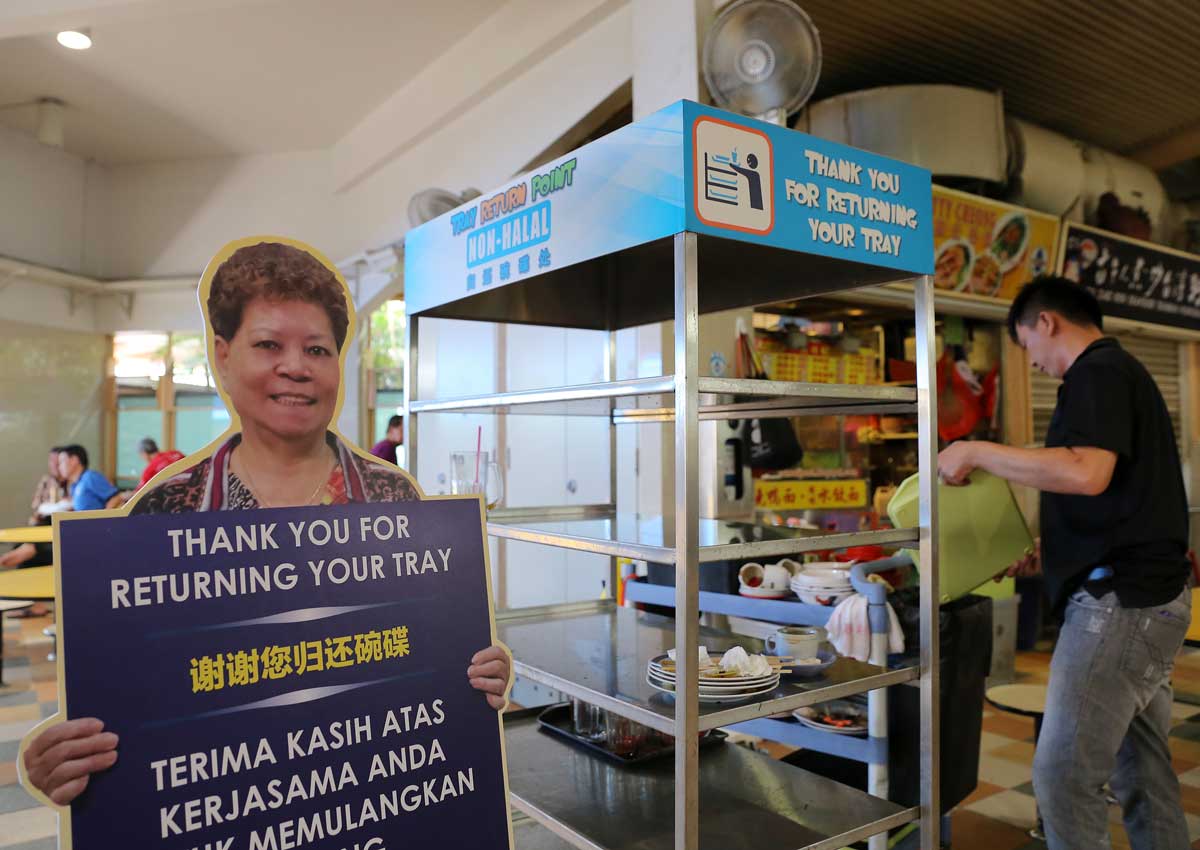
More tray return stations, repositioned dining tables, murals and video messages – these are among the new features at the recently revamped ABC Brickworks Market and Food Centre in Bukit Merah.

They were introduced by a task force set up by the Queenstown Citizens’ Consultative Committee in July last year, which looked at best practices and took in comments from residents.

By encouraging diners to return their trays and crockery after their meal, other people would be able to find clean tables more easily.

The revamped market and food centre, which was closed from June 20 to 29, was launched by Dr Chia Shi-Lu, an MP for Tanjong Pagar GRC, yesterday.

“This is just the start of the programme. The other thing that we want to do is to keep this going,” said Dr Chia at the opening.

In time to come, he hopes to roll out such initiatives at the food centres in Tanglin Halt and Alexandra Village, all in Tanjong Pagar GRC.

At ABC Brickworks Market and Food Centre, four tray return stations have been added to the existing eight.

Two stations have been moved to more prominent locations, and four tables removed, making way for tray return points.

Dr Chia said younger diners tend to be more receptive to tray return initiatives, but older ones may not be used to it yet.

Besides making it more convenient for them to return trays, the new measures include constant reminders to do so.

Six murals painted by students, video messages aired on three television screens as well as standees placed around the area all aim to drive home the message of tray return and hygiene.

In addition, residents, stall owners and students will be mobilised during monthly tray return and litter-picking exercises to inculcate good social etiquette and responsible community habits.

The revamp cost around $13,000 and was co-funded by the Tanjong Pagar Town Council, National Environment Agency and corporate sponsors, among others.

Said Madam Heng Siu Eng, 62, a customer at the food centre: “The improvements will encourage people to return their own trays, and it will be less messy.”

A worker at Leng Kee BBQ, Ms Jane Wan, who is in her 40s, said: “I hope everyone can cooperate, so that it will be cleaner here and there will not be birds picking at leftovers.”

She added: “Habits will take some time to change. But this is a good start.”

Since 2013, tray return stations have been installed at hawker centres.

Close to 700 food outlets, such as foodcourts, have joined a Tray Return Partnership.

While all hawker centres have some form of tray return facility, there is room for improvement, said Mr Edward D’Silva, chairman of the Public Hygiene Council.

“Because of space constraints, (hawker centres) have put in trolleys that are not necessarily in the best spots.”

Dr William Wan, general secretary of the Singapore Kindness Movement, believes the tray return initiative has “not been very successful” because it has not been implemented consistently, with different practices across different food centres.

But he added that food establishments are making it easier for people to return their trays by providing more prominent return points and having cleaners collect trays and crockery only if patrons have left without returning them.

It is a matter of getting people accustomed to the habit of returning trays, he added.

On the new initiatives at ABC Brickworks, Dr Wan said: “These are helping us to be reminded and understand that returning trays is a good thing, and not to be shy to do it.”

byseow@sph.com.sg


This article was first published on July 4, 2016.
Get a copy of The Straits Times or go to straitstimes.com for more stories.

Image: 
Category: 
Publication Date: 
Monday, July 4, 2016 – 15:00
Keywords: 
Send to mobile app: 
Source: 


Story Type: 
Others

Source link

Kit Chan releases new album

After 12 years, home-grown singer Kit Chan is finally releasing a new record of original material, The Edge Of Paradise. The album hits stores tomorrow.

Her last album of original songs, East Towards Saturn, was released in 2004.

The launch of the new disc was held yesterday afternoon at the Eslite Spectrum auditorium in Xinyi, Taipei.

On the long break, Chan, 43, says at the launch: “I’ve been hard at work living my life.”

Looking happy and relaxed in an off-shoulder, flowy pale blue dress, she talks about the album title. “I’ve learnt about the beauty of imperfection. My paradise is not that everything is hunky-dory, but you’re at the edge, you see the light and perfection, but you’re not there yet. That yearning and hope are most beautiful.”

The album features songs in a variety of genres, from the jazzy Don’t Ask Me Why I Love You to the emotive ballad People Who Are Separated By Wind. Of the mix, she says: “It’s varied, but not in a way that is cluttered.”

Her collaborators include veterans such as songwriter Pan Hsieh-ching, composer-producer Hsu Chang-de and singer-songwriters Kay Huang and Jimmy Ye.

In between the two albums, she took a break from show business, worked in public relations for 19 months and tied the knot with her long-time Singaporean banker boyfriend in 2012.

But she was not quite done with music. She released an album of covers, Re-interpreting Kit Chan, in 2011 and undertook her first regional concert tour last year.

A high-profile stint on the Chinese reality television contest I Am A Singer early last year led to a contract with a major China record company, Taihe Music Group.

Asked how she continues to look good, she says: “I think the heavens are fair. No one thought I was beautiful when I was younger.

“If you’re beautiful when you’re young, it just goes downhill. But if you’re okay-looking, then your character gets (to shine through) with time.”


This article was first published on July 04, 2016.
Get a copy of The Straits Times or go to straitstimes.com for more stories.

Image: 
Category: 
Publication Date: 
Monday, July 4, 2016 – 14:00
Keywords: 
Send to mobile app: 
Source: 


Story Type: 
Others

Source link

Passengers, belt up quickly, or else…

A cab passenger who was fastening her seat belt as the vehicle was moving off will share the blame for the serious injuries she suffered when the taxi and another vehicle were involved in a collision just 20 seconds into the ride.

Dr Ishkawa Natsuko, 38, suffered skull, spinal and facial fractures and was taken to the Singapore General Hospital after the March 2012 accident. She stayed there for two weeks. The Singaporean is seeking compensation for medical expenses and treatment, loss of earnings and other items.

She accepted 15 per cent liability in a negligence suit she filed in the High Court against cabby Goh Peng Choon and the driver of the other vehicle. Vehicle insurers initially resisted her claims, saying she was to blame wholly or partly for not fastening the seat belt before setting off.

The novel case would help to settle the issue of when the liability to ensure seat belt use kicks in – when the car is stationary or when it is in motion.

Under the Road Traffic (Motor Vehicles, Wearing of Seat Belts) Rules 2011, the driver of a car has to ensure that every passenger is belted up, with some exceptions, such as medical cases.

All three witnesses testified on the first day of the trial earlier this year before Judicial Commissioner Foo Tuat Yien ended it the next day, when the parties agreed between themselves that they would apportion blame by mutual consent.

Dr Natsuko was fastening her seat belt after settling her things in the back seat when the collision took place, her lawyer Renuka Chettiar said in court papers.

It is understood that the parties inspected the route taken by the cab driver after picking up Dr Natsuko from Leonie Hill and making a right turn into River Valley Road, where the collision occurred.

Given that the cab did not speed off after picking her up and was slowed by the turn it made, it is believed there would have been time for Dr Natsuko to fasten the seat belt while the vehicle was moving, and this would have been factored into the deliberations.

Lawyer Anthony Wee, who defended Mr Goh on behalf of the vehicle insurers, said the other motorist had contributed to the collision by failing to keep a proper lookout.

Mr Christopher Fernandez, who represented the second defendant, Mr Low Ka Hoe, countered that the cabby was to blame for failing to give way when coming out of a minor road onto a major road.

As there were no local precedents in this area, it is understood that cases from abroad – which suggested a 10 per cent to 20 per cent contributory blame on the injured party – were considered.

In a 1975 English case, Lord Justice Alfred Denning ruled that if the injuries could be prevented altogether by the use of a seat belt, then the damages payable should be reduced by 25 per cent. If the failure to wear a seat belt made a considerable difference, then the damages should be cut by 15 per cent.

But if the injuries would have been the same if a seat belt had been worn, then the damages payable should not be reduced at all.

That case has been cited, with modifications, as a standard reference in several Commonwealth countries such as Australia and Canada. According to the judgment order issued by the judicial commissioner, both defendants agreed to bear 85 per cent of the damages payable to Dr Natsuko.

Of this 85 per cent liability, Mr Goh would bear 85 per cent of the share, while Mr Low would bear 15 per cent.

The case has now proceeded to assess the amount of damages payable to Dr Natsuko, who is seeking more than $300,000.

A High Court case-management conference was held last month.


This article was first published on July 04, 2016.
Get a copy of The Straits Times or go to straitstimes.com for more stories.

Image: 
Category: 
Publication Date: 
Monday, July 4, 2016 – 14:00
Keywords: 
Send to mobile app: 
Source: 


Story Type: 
Others

Source link

'No pain, no gain': Teen inspired by mum's belief

On Hari Raya Aidilfitri, which falls on Wednesday, 13-year-old Nurul Amanda will be visiting relatives and enjoying her favourite dishes like rendang and sambal udang with her mother and three sisters.

It is a stark contrast to a year ago, when Amanda was failing mathematics and science in school, as the year-end Primary School Leaving Examination (PSLE) loomed.

“I kept doing badly in the first semester, and during the June holidays I decided that I couldn’t do that badly for the PSLE,” she recalled.

Amanda studied hard and scored an A-Star for Mother Tongue, As for English and mathematics, and a B for Science.

Her T-Score was 239.

She was also among 10 beneficiaries of The Straits Times School Pocket Money Fund (STSPMF) who received cash prizes from HSBC bank earlier this year for good PSLE results.

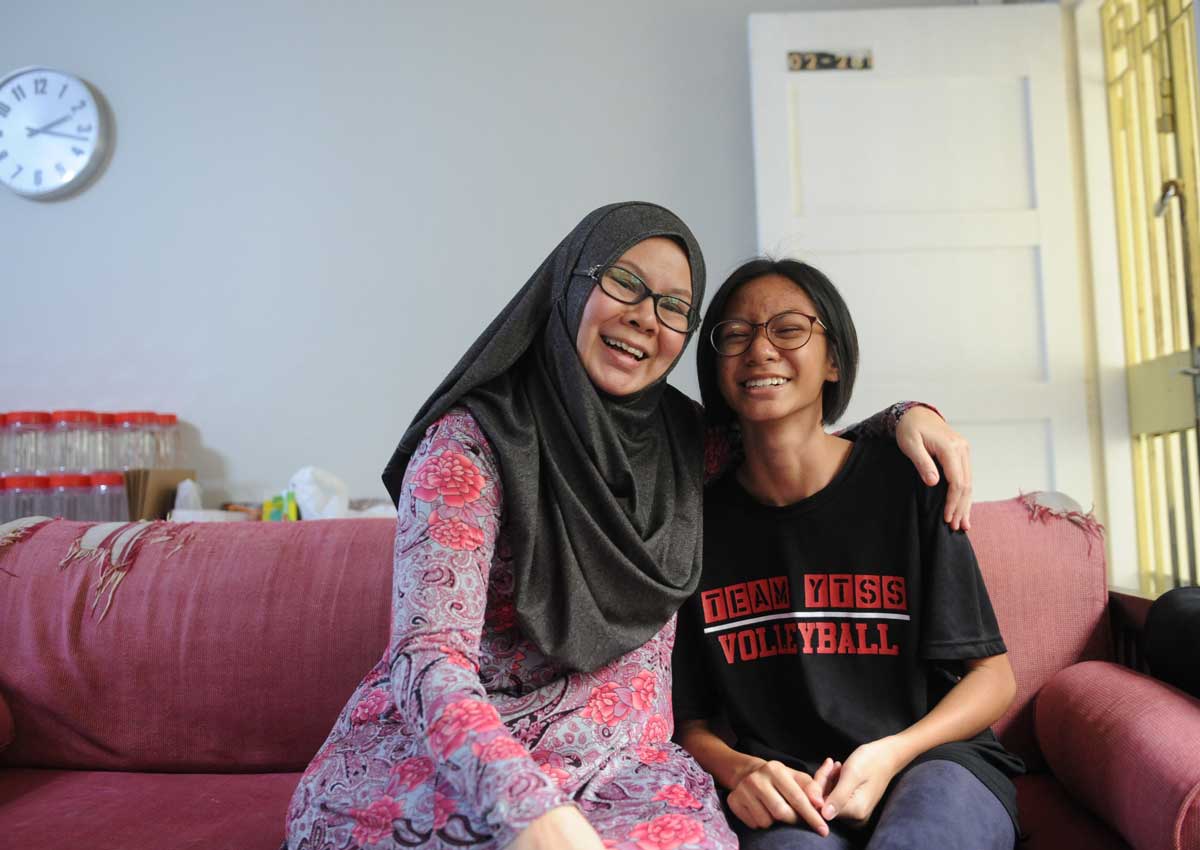
The person who inspired her to do well, said Amanda, was her mother, Madam Juliana Hassan, 42, a school canteen stall assistant. She has been the family’s sole breadwinner since her divorce in 2012.

A fervent believer in the saying “no pain, no gain”, the mother of four, constantly pushes her four daughters – aged 18, 16, 13 and nine – to always achieve their best.

“The way I love them is not to pamper them with things that they want. Whatever they want, they need to work hard for them, because nothing comes easy in life,” she said.

Inspired by her mother’s belief, Amanda aimed to obtain a PSLE T-score of at least 220.

She studied at a library every day after school until 5.30pm, and had free tuition in English and mathematics from self-help group Yayasan Mendaki during the weekends.

On her daughter’s PSLE results, Madam Juliana said: “She didn’t expect to get such results…we were overjoyed.”

Amanda received a monthly allowance of $55 provided by the STSPMF, which she used for her meals during recess in school and lunch before she headed to the library.

Lunch was usually simple fare of mee rebus or mee siam.

“The money helped a lot with these expenses,” said Madam Juliana.

The STSPMF provides pocket money to children from low-income families.

They can use the money for school-related expenses, such as buying meals during recess.

Amanda and her family mostly have homecooked meals for dinner.

They eat out at hawker centres only once a month.

Madam Juliana earns $50 an hour as a school canteen stall assistant.

During the June and December school holidays when the canteen is closed, she has to look for other jobs to supplement her income.

Last month, she baked and sold cakes and cookies during the Hari Raya festive season.

Amanda, now a Secondary 1 student at Yishun Town Secondary School, continues to do well in her studies.

She scored As and Bs in the last semester.

racheloh@sph.com.sg


This article was first published on July 4, 2016.
Get a copy of The Straits Times or go to straitstimes.com for more stories.

Image: 
Category: 
Publication Date: 
Monday, July 4, 2016 – 15:00
Send to mobile app: 
Source: 


Story Type: 
Others

Source link

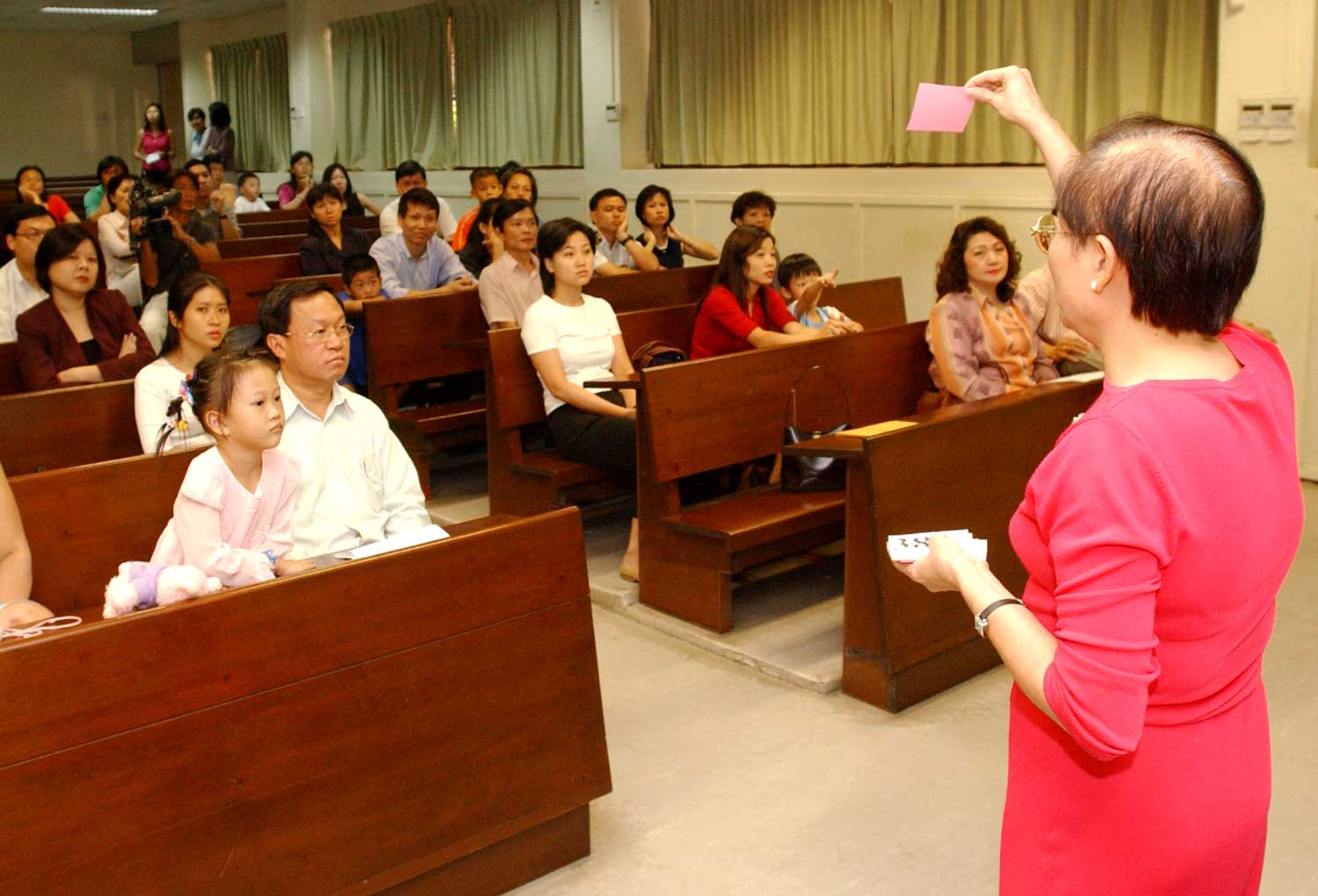
Ask Sandra: Your burning Primary 1 registration questions answered

Q My child was born on Jan 2, 2011. Can I register her for Primary 1 this year?

A No. The Ministry of Education’s (MOE) policy is that children entering Primary 1 next year must be at least six years old on Jan 1 in the year of admission to Primary 1.

Q Can I register my child in more than one school?

A No. You can register your child in only one school in any particular phase. MOE’s computer system will be able to detect duplicate registrations. You must withdraw your application in order to register at another school.

Q I have two homes. Which address should I use for registering my child for Primary 1?

A The address should be the official residential address on the parents’ NRIC. This address will be used to determine the home-school distance category.

Q How long do we need to live at the address used to register our child for Primary 1?

A According to MOE, priority for those living nearby is given, with the expectation that the family will remain at the address for the duration of the child’s primary school studies, as it is for the convenience and interest of the child.

If a child gains priority admission into a school because of distance, he is then required to reside at the address used for registration for at least 30 months from the commencement of the Primary 1 Registration Exercise on June 30, 2016.

If this condition is not met, MOE reserves the right to transfer the child to another school.

Q I recently moved to a new flat in Punggol. How do I find out which schools are within 1 km and 2km of my home?

A You can view the list of primary schools in Punggol on the Ministry of Education’s Primary 1 registration website.

Parents can also check the home-school distance category from the OneMap SchoolQuery Service managed by the Singapore Land Authority, or check with the schools directly.

Q Is it true that all schools, including popular ones, will have to reserve places for Phase 2C for those without any connections?

A MOE will reserve 40 places in every primary school for Phase 2B and 2C to ensure continued open access to all primary schools.

The 40 reserved places will be split equally between Phase 2B, which involves, among others, children of parents who volunteer at the school, and Phase 2C, which is for those with no links to schools.

At the end of Phase 2A(2) – for children whose parent or sibling has studied at the school – 50 per cent of the remaining places, including the 40 reserved places, will be allocated for Phase 2B and the other 50 per cent for Phase 2C.

If there are vacancies left at the end of Phase 2B, the remaining vacancies will be carried forward to Phase 2C.

Q I am not sure if my son is ready for Primary 1. If I register him but find out later that he may have difficulty coping, will MOE hold the school place for him and let him start a year later?

A Holding of Primary 1 places is not allowed. If you wish to defer your child’s entry into Primary 1, you would have to write in to the Compulsory Education Unit for approval. Once you have gained approval, you have to withdraw the child’s registration from the school.

Q I am divorced. Do I need to produce my divorce certificate and child custody order when I register my child for Primary 1?

A Yes. You will need to produce the relevant child custody and divorce papers. You should approach the primary school that you are registering your child in for advice on any additional documents required.


This article was first published on July 04, 2016.
Get a copy of The Straits Times or go to straitstimes.com for more stories.

Image: 
Category: 
Publication Date: 
Monday, July 4, 2016 – 14:00
Send to mobile app: 
Source: 


Story Type: 
Others

Source link

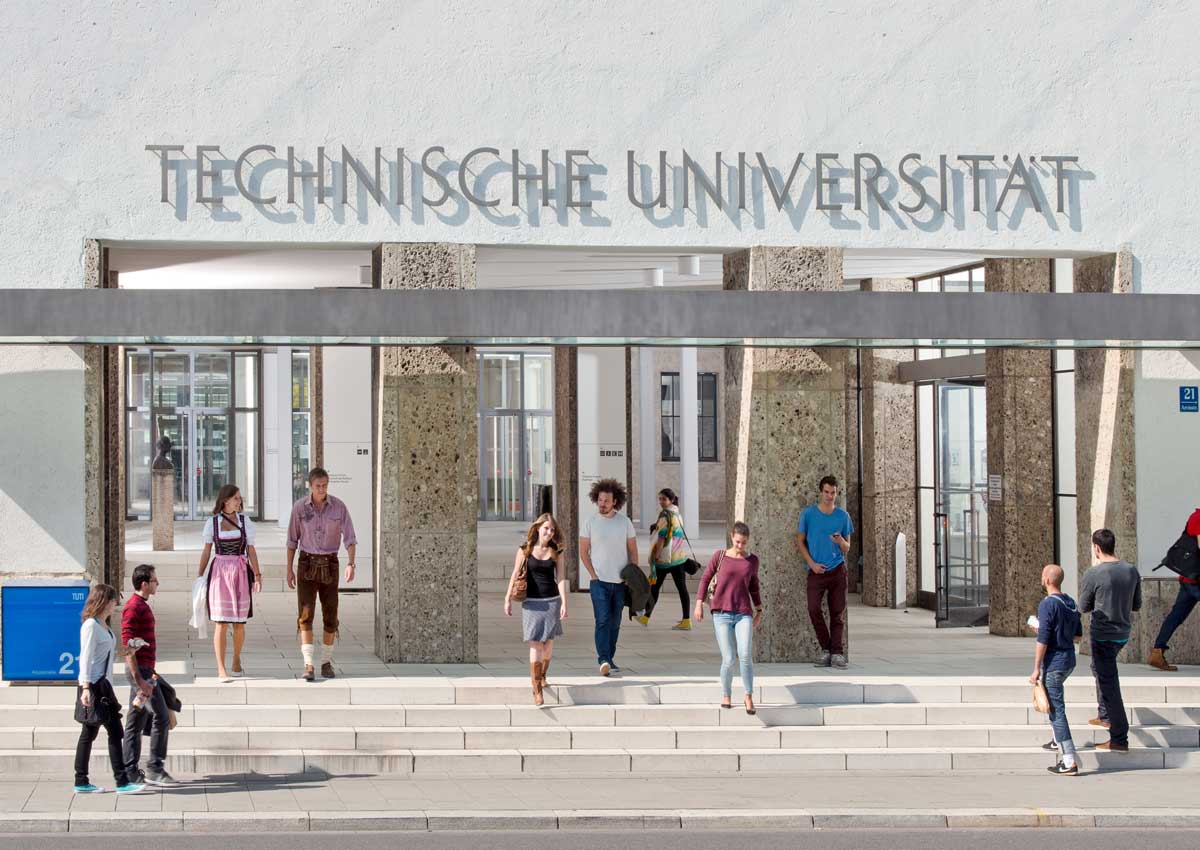
NUS' new varsity tie-up is in Munich

A National University of Singapore (NUS) overseas college programme to nurture entrepreneurs is going to Munich, Germany.

There, students will gain engineering knowledge by working in “deep tech” start-ups based on scientific discoveries and technological innovations.

Since 2001, NUS has set up seven overseas colleges – in Silicon Valley, Stockholm, New York, Beijing, Shanghai, Israel and Switzerland – to which it sends students to take up courses in partner universities and to work in start-ups.

This month, it will set up its eighth overseas college at the Technical University of Munich (TUM), ranked the fifth most innovative university in Europe by Reuters.

With the addition of TUM, about 350 NUS students will go every year to the eight colleges.

NUS president Tan Chorh Chuan said TUM, which has produced 13 Nobel Prize winners since 1927, is known for its cutting-edge research in various engineering and science-related fields.

He said the German overseas college will have a different emphasis from the others.

“We want students to gain practical engineering knowledge to be able to start or work in deep technology start-ups. These are start-ups that are founded on a technological innovation or scientific discovery.”

TUM president Wolfgang Herrmann said his university, like NUS, emphasises the development of the entrepreneurial mindset in its students and faculty.

“It’s not neccesarily about getting students to set up companies, but about developing the entrepreneurial mindset – being innovative and able to recognise opportunities and seize them.

“When they have that mindset, business ideas will come naturally,” he said, adding that in the past 20 years, TUM professors and students have created over 700 spin-off companies.

Referring to Carl von Linde, a TUM professor who, in 1876, discovered the process of liquefying gas – which is now part of basic refrigeration technology – he said: “Entrepreneurship is in TUM’s DNA.”

Unlike NUS’ other overseas colleges, which receive only undergraduate students, the colleges in Germany and Switzerland receive postgraduate students, too.

Another difference is that TUM students will also come to NUS on an exchange programme.

Highlighting how the alumni of the NUS overseas colleges have gone on to create about 200 companies, Professor Tan said the programme “underpins” the development of a growing start-up community in Singapore.

He said that while Singapore continues to attract companies from abroad, it has to develop its own home-grown firms. “NUS, through its overseas college programme, aims to be a key driver of the entrepreneurial scene in Singapore.”

NUS student Chng Hui Yie, 21, will be among the first to go to TUM this year. She is keen to work at a start-up called Navvis, a TUM spin-off which develops products and technologies for mapping, navigating, and virtual interaction in indoor spaces. Ms Chng, who is studying computer science, likens Navvis’ technology to Google Maps and Google Street View, except it is for indoor spaces.

She said: “I am excited to be working in Navvis, described by many as one of the most promising start-ups to watch out for in Europe.”


This article was first published on Jul 04, 2016.
Get a copy of The Straits Times or go to straitstimes.com for more stories.

Image: 
Category: 
Blurb: 
Publication Date: 
Monday, July 4, 2016 – 17:00
Send to mobile app: 
Source: 


Story Type: 
Others

Source link