 SINGAPORE – FactWire, the Hong Kong news agency that first broke news of the hairline cracks found on 26 China-made SMRT trains, has defended its reporting amid suggestions that its articles are politically motivated.
The agency, in an open letter to…
Source link
FactWire defends reporting, takes issue with Khaw’s comments on SMRT train defects
Teens get pilot licence even before they can drive
At an age when most teenagers are obsessed with pop culture and sports stars, Matthew Chia has something else to be excited about.
The 17-year-old has a Private Pilot Licence (PPL) that qualifies him to fly an aircraft – even before he can legally drive a car.
“I thought it was cool that I was actually flying a plane the first time I went up in the air. The more I flew, the more I loved flying,” said the aeronautical engineering student from Singapore Polytechnic who got his licence to fly this March.
Matthew is one of 6,000 students from the Singapore Youth Flying Club (SYFC) who have learnt to fly at the only flight school in Singapore that caters solely to students since the school started in 1971.
Like Matthew, slightly more than a thousand of these students have gone on to get their PPL.
The club, funded mainly by the Ministry of Defence, marks its 45th anniversary this year.
Almost five decades on, the club’s mission to promote interest in aviation among youth and groom them for a potential career in the airforce remains unchanged.
The club’s acting general manager Daniel Tan, 48, said: “Teenagers dream of being pilots. But for many, it remains just that – a lofty dream that is unachievable.
“SYFC provides a platform to help these students achieve that,” he said.
About 180 students are taken under the wings of the club’s flight training programme each year. Around 20 are female trainees.
Apart from a nominal registration fee, the course is free of charge.
Young high fliers
Click on thumbnail to view photos. Source:
The Straits Times








Mr Tan, a former pilot with the Republic of Singapore Air Force (RSAF) himself, said most club students go on to apply for a career in the RSAF and about 60 to 70 per cent of them get accepted.
Flight training is open only to tertiary students but the club also runs an aeromodelling programme for 800 secondary school students. Both programmes are officially recognised as co-curricular activities (CCA) in many local schools.
While the flying programme might be a CCA, the selection process, which involves interviews and medical checks, is as rigorous as those for RSAF recruits.
Applicants have to have their limbs measured to make sure they fit the cockpit of the four-seater plane, and go through a hypobaric chamber test to simulate low pressure conditions at 10,000 feet.
Only one in three students passes the stringent medical checks.
Students who make the cut go on to flight theory and simulator training before taking to the skies, closely guided by an instructor, in one of of 13 Diamond DA40 four-seater, single-engine aircraft.
“The learning curve is very steep because we have to learn and memorise radio calls, safety checks and emergency drills,” said Temasek Polytechnic student Lee Jiajun, 19.
After about 16 hours of training in a plane, students get to go on their first solo flight.
Aspiring pilots have to complete about 40 hours of flight time, including 10 hours of solo flight, before they land the coveted PPL – all while juggling schoolwork.
Some students drop out. But the efforts are well worth it for students bent on a flying career.
Mr Lee, who flew solo for the first time last month, said: “Every time I fly, I get mesmerised when I see the space below from a different perspective.
“And I’m amazed how much I can still learn and improve.”

This article was first published on July 14, 2016.
Get a copy of The Straits Times or go to straitstimes.com for more stories.
Image:

Publication Date:
Thursday, July 14, 2016 – 17:00
Keywords:
Send to mobile app:
Source:
Story Type:
Others
Brexit not deterring UK race fans from Singapore
Despite Brexit, the United Kingdom is expected to be one of the biggest source markets for race fans in this year’s Singapore Grand Prix from Sept 16-18, according to a report by travel data marketing firm Sojern.
“There is continued interest from the UK to travel to Singapore for the event,” said Russell Young, managing director (Asia Pacific) of Sojern. “In terms of outbound travel from the UK, we have noted a 41 per cent week-on-week increase for travel to Singapore for the week leading up to the Singapore Grand Prix.”
On the other hand, Brexit has fuelled general travel interest to the UK, with interest spiking from various parts of the world, including the Asia Pacific, he noted.
The report showed that the number of Singapore Grand Prix race-goers from the Middle East is expected to drop by 63 per cent during race week compared to the previous week as more travellers will be coming in early September during Eid al-Adha (The Festival of Sacrifice).
Other regions which will clock a jump in travel to Singapore during race week vis-a-vis the week before include East Asia (104 per cent), Western Europe (19 per cent) and Oceania (46 per cent).
Countries likely to register a decline in visitors to Singapore vis-a-vis the week prior include Indonesia (-33 per cent) and India (-13 per cent).
“Marketing to Grand Prix tourists means knowing how their behaviour differs,” Sojern highlighted in the report, suggesting the travel industry focus ad spend on the UK. It added: “Consider offering more ‘fifth night free’ deals in order to capitalise on travellers looking for a long weekend.”
For instance, 65 per cent more travellers are expected in Singapore for four- to five-day trips during race week compared to the week prior. The most popular date of arrival is September 15.
The Singapore Grand Prix heads into its ninth year this year, while the city-state is presently slated to remain a host venue until 2017.
The Singapore Tourism Board estimates that incremental tourism receipts from race weekend typically hits some S$150 million annually, with over 40 per cent of travellers coming from overseas.

This article was first published on July 14, 2016.
Get The Business Times for more stories.
Image:

Publication Date:
Thursday, July 14, 2016 – 16:00
Keywords:
Send to mobile app:
Source:
Story Type:
Others
S'pore's future: Be flexible or be first?
The Tyrannosaurus rex (T-rex) was a well-muscled predator with large teeth, but it is extinct today. In contrast, the little cockroach is still around.
Economist Sanjeev Sanyal made this comparison at a conference yesterday to make the point that being nimble might be better for Singapore than always staying ahead.
“It is the cockroach you should be following, not the T-rex,” he said. “Your historical strength is flexibility, not innovation. It’s okay not to be the first guy to do something.”
He was among industry experts and academics who spoke on the second day of a conference on the future economy by the Institute of Policy Studies and the Committee on the Future Economy (CFE) attended by some 500 participants.
Going against the tide of calls for urgent innovation, Mr Sanyal said Singapore ought instead to build up “second-mover advantage”.
Because of its size and constraints, it should hold back on locking in new technology until others have tested it successfully, then take it and do it better. He said: “Picking winners in a state of radical uncertainty is not an option.”
Other speakers disagreed with him. Said Ms Janet Ang, Asia-Pacific vice-president of US tech giant IBM: “When you see it, you jump on it. That’s what leadership is about. Innovate early, fail fast – nothing is a complete success all the time.”
Since the CFE began work on charting strategies for Singapore’s next phase of growth this year, some economists and industry players have warned that the policy of “picking winners”, or focusing support on selected clusters for economic growth, could drive out other firms and work against the push to create an innovation ecosystem.
But the Government’s approach to industry transformation is better described as “informed economic strategy” than simply “picking winners”, Minister for Trade and Industry (Industry) S. Iswaran said.
“Business models are changing very fast,” said Mr Iswaran, who co-chairs the CFE. “So governments are not in the position to identify specific areas of shifts and movements.”
Instead, the role of the Government is to find the right intersect between important initiatives and sectors that are “most ripe for activity”, and optimise resources by training its sights there, he added.
“We would agree, for example, that robotics is important, but robotics in what space?” he asked. Precision engineering could be a good bet, going by the depth of Singapore’s expertise over the decades.
“I wouldn’t call that picking a winner, I would call that optimising a strategy,” he said. “I have limited resources and I want to develop the capability of the economy… I want to do it in an area where I know there is a strong private sector motivation and interest already.”
Speakers yesterday discussed how technology is shaping future employment, ramping up productivity through innovation but cutting other jobs through automation.
It has never been easier for small firms to thrive, Google vice-president of product management Caesar Sengupta said.
“The Internet disproportionately helps smaller companies, because it helps them target their users better, it helps them reach users very far away from themselves,” he said.
“SMEs don’t need to change their business to adopt digital. They just need to think about how to use the digital technologies to take their services and grow across the region.”
Mr Iswaran agreed: “The thinking has been if you have a small domestic market, you have to internationalise. This has always been a constraint for us. But now, because of all the digital connectivity, businesses literally can be more global.”
People affected by new technologies have a role in charting their future too. Human Capital Leadership Institute chief executive Wong Su-Yen painted a scenario of a sharing economy where commuters carpool in driverless vehicles, universities crowd-source education, and fixed work gives way to freelancing.
Even as policies can change, people need to embrace entrepreneurship and take ownership of their future, she said: “Be accountable for crafting your career over your lifetime.”
This article was first published on July 14, 2016.
Get a copy of The Straits Times or go to straitstimes.com for more stories.
Image:
Publication Date:
Thursday, July 14, 2016 – 16:00
Keywords:
Send to mobile app:
Source:
Story Type:
Others
Gelare: 50% OFF Regular Waffles on Weekdays from 14 – 22 Jul 2016

Enjoy 50% off waffles at Gelare till 22 July (weekdays, before 5pm)
Gelare: 50% OFF Regular Waffles on Weekdays from 14 – 22 Jul 2016
Enjoy 50% off all regular waffles at Gelare from 14 July to 22 July 2016, weekdays only before 5pm. If you haven’t heard, Geláre has also been certified Halal by MUIS
Consumers mostly satisfied with local media services: MDA
Consumers in the city-state were mostly satisfied with local media services, with a satisfaction level of 76.6 per cent in a study by the Media Development Authority (MDA). This is up from 75.7 per cent in 2014.
Source link
Don't get in a tizzy over SIA's lower airline ranking
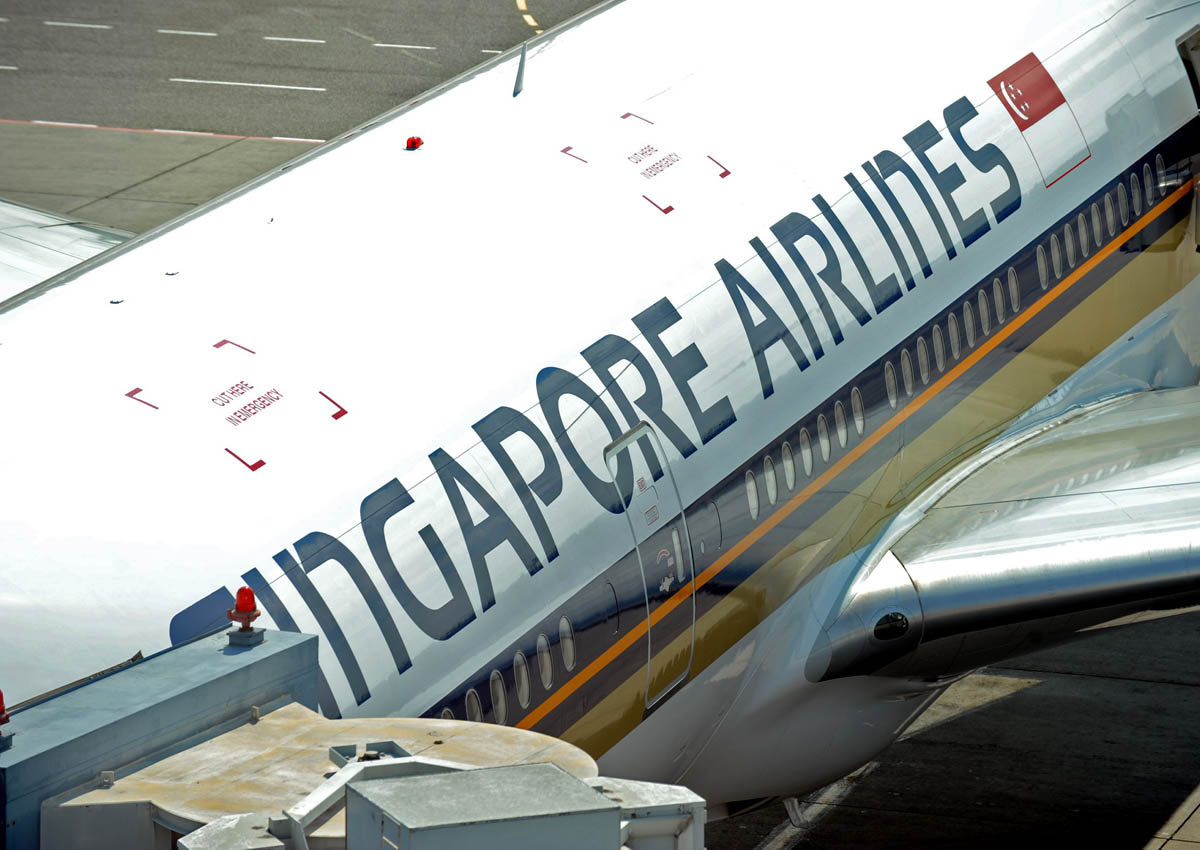
Singapore Airlines (SIA) dropped from second to third place in what is touted as the world’s largest annual survey of travellers. So what?
Emirates is first and Qatar Airways, second.
As expected, the results announced by London research firm Skytrax, which says it garnered views of 19.2 million respondents from more than 104 countries, prompted a flurry of comments from netizens.
The views were mixed, with some saying SIA has indeed lost its edge to rivals while others insist the Singapore carrier is still a great way to fly.
The question is, should we even be paying attention to such rankings and surveys? And so what if SIA slipped by one spot?
Airline surveys and polls are a dime a dozen, conducted mainly by research houses and travel magazines using different methods and targeted at different groups.
Some involve face-to-face interviews with travellers but many are typically based on collation of online submission of feedback and answers to questionnaires.
This means there is little if any control over who the respondents are, which must surely affect the reliability of the findings.
Some surveys boast a large pool of interviewees. But soliciting the views of a select group of well-travelled individuals may be a more fruitful exercise than talking to different passengers randomly.
And really, there is nothing to stop an airline from actively encouraging employees and travellers to submit feedback, either by handing out survey forms itself, or by providing the relevant links on its website.
The bottom line is, there is no perfect survey or ranking method, so let’s not read too much into the different findings.
In fact, in 2012, Skytrax got into a bit of a fix with the UK Advertising Standards Authority for allegedly making misleading claims.
This was after Britain-based Kwikchex, which takes on the task of verifying critical ad information, lodged a complaint.
The authority eventually ruled that Skytrax could not fully back up all its claims, including one that stated its rankings were based on “checked and trusted” reviews by “real travellers with real opinions”.
Surveys are useful insofar as they help airlines gauge their performance levels but moving a notch or two either way does not make one better or worse, said assistant professor of marketing Anirban Mukherjee of the Singapore Management University.
What is more important is for airlines to monitor the frequency and nature of complaints from actual and targeted customers, and to fix problems when they occur.
The aim is not to please everyone, but those who matter.
This article was first published on July 14, 2016.
Get a copy of The Straits Times or go to straitstimes.com for more stories.
Image:
Category:
Publication Date:
Thursday, July 14, 2016 – 15:00
Keywords:
Send to mobile app:
Source:
Story Type:
Others
GP jailed 9 months over death certificates
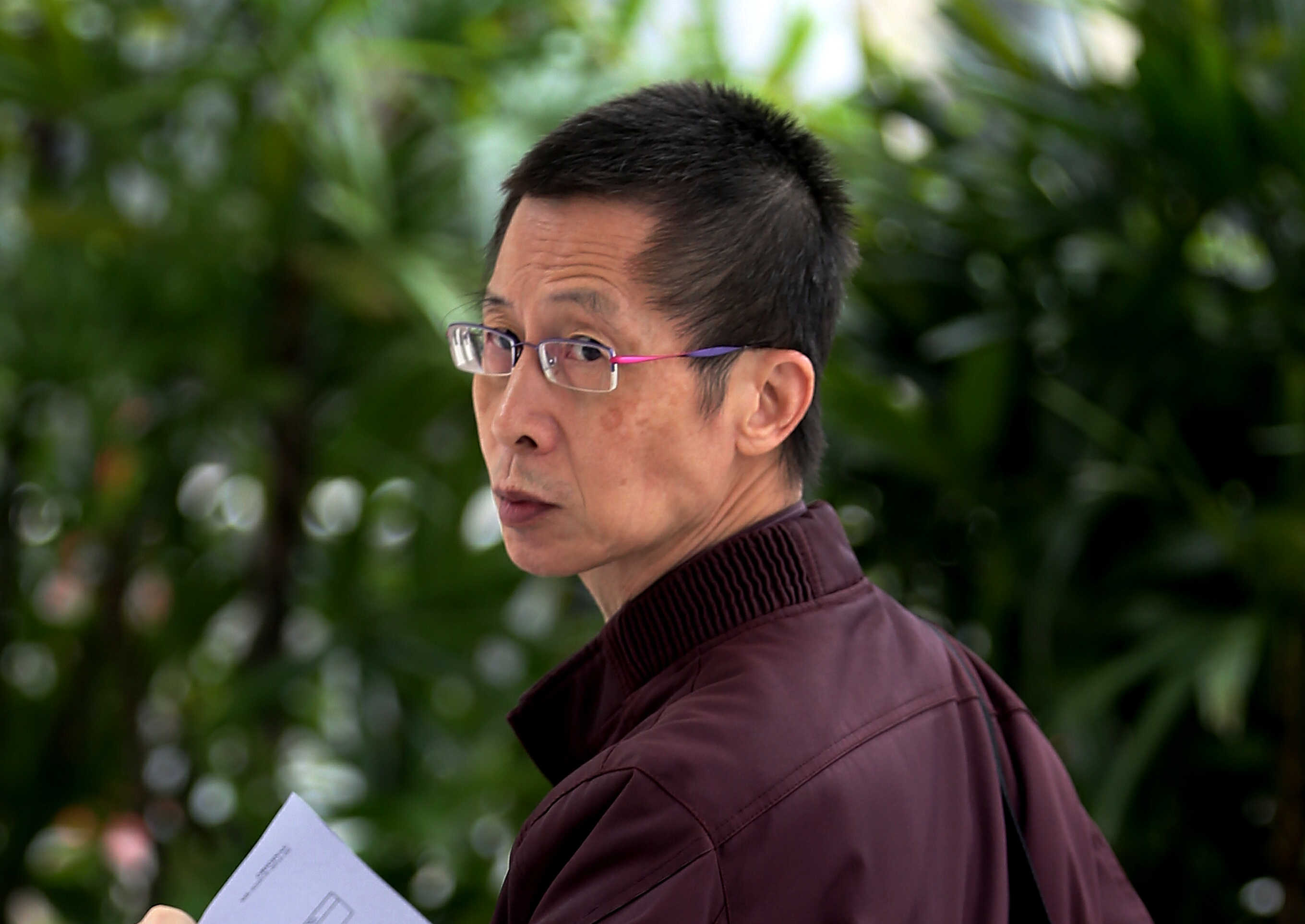
A doctor who was barred from practice for wrongly stating the causes of death for two patients was yesterday jailed for nine months.
Kwan Kah Yee, 65, a general practitioner, had pleaded guilty in April to three criminal charges: signing a false death certificate, fabricating evidence for a Singapore Medical Council (SMC) probe, and furnishing false information to the police.
Two other similar charges were taken into account in sentencing.
District Judge Salina Ishak said: “The offences committed by (Kwan) are against public institutions as they relate to false or fabricated evidence to be placed before multiple public agencies… The offences involve a clear breach of professional integrity…
“(Kwan’s) actions had a broader impact of causing the erosion of public trust in the medical profession… (and) the potential to undermine public health and safety. The present case would have caused public disquiet… (and) such false certifications of death are extremely hard to detect.”
No reason was given as to why he wrongly stated the causes of death.
On March 29, 2011, Kwan went to Ms Siti Mariam Mohd Salleh’s home in Teck Whye Lane at the request of a casket company, after it was informed of her death by her husband Sariffudin Mazlan, the court heard.
Kwan, then practising at Superbcity Hospice in Peninsula Plaza, was paid about $250 for each death certificate he issued.
He issued one to state that Ms Siti, 32, died of “ischaemic heart disease”, when there was no evidence of this.
On Dec 10 that year, after the SMC started investigating a complaint about him from Ms Siti’s foster sister, Kwan asked Mr Sariffudin to sign a letter, to be used for the probe. Among other things, the letter said Ms Siti had been treated for ischaemic heart disease since May 2007, and Mr Sariffudin wanted the probe to end to prevent her confidential information from being disclosed.
Mr Sariffudin signed it as he trusted Kwan, the court heard.
In October 2014, the SMC’s disciplinary tribunal suspended Kwan for three months, after he pleaded guilty to two charges of professional negligence relating to the wrong death certificates for Ms Siti and Mr Gareth Tan Soon Poh, 26.
Kwan had issued a death certificate in Mr Tan’s Dublin Road home on March 29, 2010, stating his causes of death as “bronchiectasis” and “chronic obstructive airway disease”, without any proof of this.
The SMC appealed to the Court of Three Judges, which in July last year raised Kwan’s suspension to three years. He was ordered to pay $6,000 in legal costs to the SMC.
The three judges – Chief Justice Sundaresh Menon, and Judges of Appeal Chao Hick Tin and Andrew Phang – said they were “deeply disturbed” by the case and in a rare move had asked the Attorney-General to consider investigating it.
Police began investigations last July and asked Kwan to produce his medical records and case notes. But he gave false case notes which recorded, among other things, that Mr Sariffudin had shown him Ms Siti’s ECG reports and abnormal blood test results. He also falsely recorded Mr Sariffudin as saying Ms Siti had complained of chest pain in 2007, and that she had been treated in hospital several times.
In an earlier case, Kwan had been suspended for three months, fined $5,000 and censured by the SMC for wrongly stating a patient’s cause of death in 2009.
This article was first published on July 14, 2016.
Get a copy of The Straits Times or go to straitstimes.com for more stories.
Image:
Publication Date:
Thursday, July 14, 2016 – 16:15
Keywords:
Send to mobile app:
Source:
Story Type:
Others
Singapore hawker favourites named in Michelin Guide’s Bib Gourmand list
From chicken rice and beef noodles to biryani and laksa, some of Singapore’s most famous hawker stalls have been awarded a “Bib Gourmand” by the first edition of the Singapore Michelin Guide.
Source link
Psychologists developing new visitor questionnaire to counter border risks
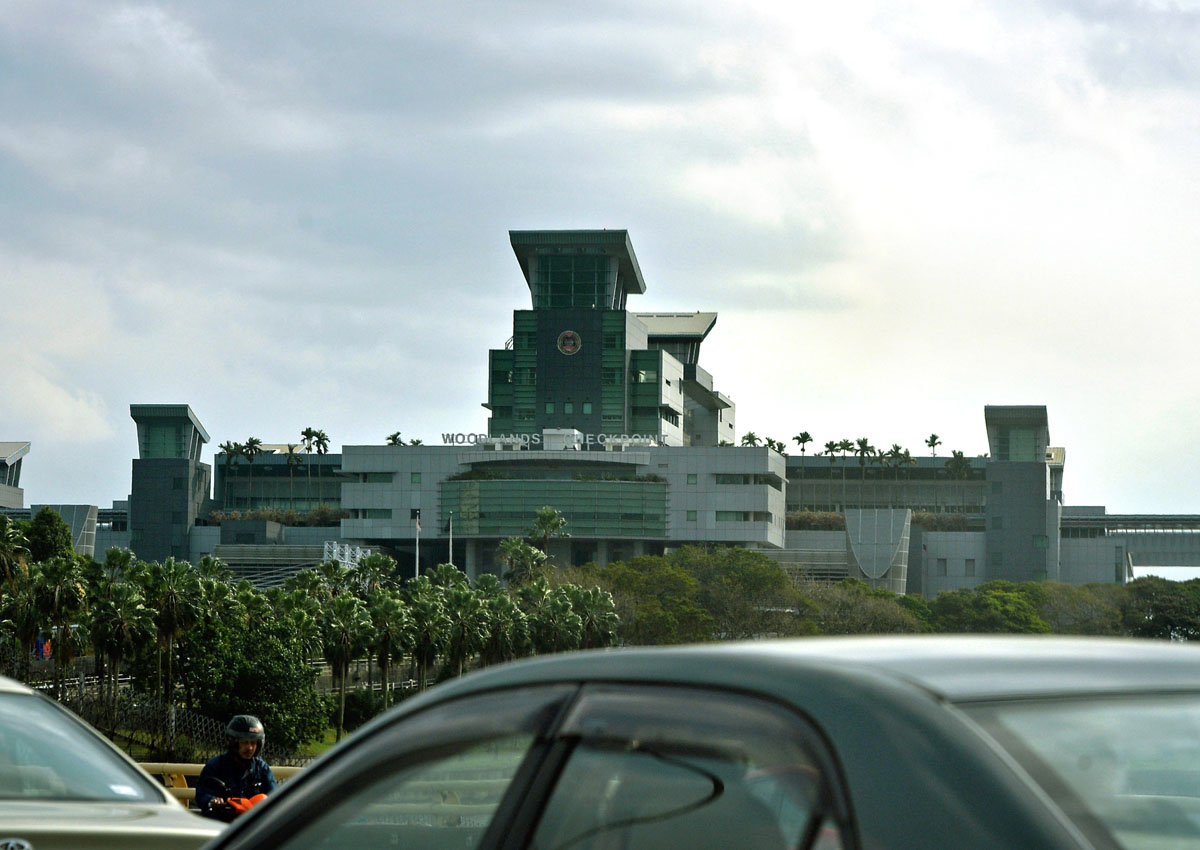
Officers at Singapore’s border checkpoints will have an enhanced set of questions to interview visitors, in an effort to better detect those who pose a risk to the country and, if needed, prevent them from entering the island.
This Security Screening Questionnaire is being developed by psychologists from the Home Team Behavioural Sciences Centre working with the Immigration and Checkpoints Authority and academics from the Portsmouth University in Britain.
The questionnaire was announced by Senior Minister of State for Home Affairs Desmond Lee at the opening of the third Asian Conference of Criminal and Operations Psychology yesterday.
It is one of two new measures drawing on knowledge of human behaviour to detect and address threats to Singapore early.
The other is an Online Violent Extremism Screening Tool, being worked on by Home Team psychologists.
This tool includes a checklist to help officers identify those who engage in violent radical activity online, and intervene early before they do harm.
No further details were available on the two initiatives.
The Home Affairs Ministry said they are still in the early stages and more details will be revealed in future.
Professor Rohan Gunaratna, head of the International Centre for Political Violence and Terrorism Research, Nanyang Technological University, believes they are necessary.
“It is essential to develop tools to detect radicalisation and militarisation by tracking those visiting extremist and terrorist sites,” he said.
In a speech, Mr Lee said the terror threat has made the work of frontline officers more complex and challenging, and officers must be given the right tools to do their job well.
Law enforcement agencies have been seeking to better understand how potential offenders and their own officers think, behave and act.
Said Mr Lee: “This has helped us in the profiling of persons and the early detection of threats to Singapore.”
The announcements come as terror groups like the Islamic State in Iraq and Syria (ISIS) continue to inspire violent attacks across the globe.
Over the past year, a number of foreigners seeking to join ISIS have been detected at Singapore’s borders and deported.
Others who are radicalised, many online, have been detected and detained.
On Tuesday, four Bangladeshi workers were sentenced to two to five years in jail for raising funds to finance terror back home, and last month, ISIS launched its first Malay language newsletter online in a bid to grow its support in the region.
Said Mr Lee: “We are living in dangerous times. To keep our people secure, our security and law enforcement agencies have to maintain a constant high state of vigilance.
“Applying psychology and behavioural science principles can optimise our security and law enforcement operations, and maximise our scarce resources,” he added.
Psychological tools are also used to train and support Home Team officers, and help prepare the wider public to respond to a terror attack.
Said Mr Lee: “Law enforcement and security agencies are unable to respond and deal with terrorist attacks alone. We need the community to play a part.”
This article was first published on July 14, 2016.
Get a copy of The Straits Times or go to straitstimes.com for more stories.
Image:
Publication Date:
Thursday, July 14, 2016 – 15:00
Keywords:
Send to mobile app:
Source:
Story Type:
Others


