Home Blog Page 3409

Singapore Airlines: Early Bird Fares fr $158 to over 55 Destinations till 30 Sep 2016

0

SIA: Promo fares fr $158 when you book 30 to 90 days in advance. No two-to-go required

Singapore Airlines: Early Bird Fares fr $158 to over 55 Destinations till 30 Sep 2016

Book early with Singapore Airlines at up to 90 days before travel and save on over 55 destinations. Kuala Lumpur S$158, Ho Chi Minh City S$188, Jakarta S$198, Surabaya S$208 and many more

Source

Asean to keep mum on South China Sea ruling: Diplomats

0

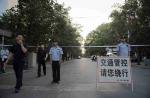
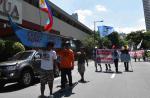
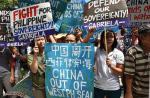
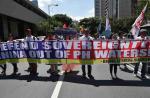
KUALA LUMPUR- Southeast Asia will not issue a statement on the rejection of Chinese territorial claims in the South China Sea by an international tribunal, regional diplomats said Thursday, blaming the no-comment on pressure by Beijing.

The Association of Southeast Asian Nations (ASEAN) had weighed whether to speak out on Tuesday’s ruling by the Permanent Court of Arbitration in The Hague, said Southeast Asian diplomats with knowledge of the matter.

But 10-member ASEAN, whose unity has been increasingly strained in the face of Chinese expansionism, could not find common ground, they said. 

“ASEAN officials had prepared a draft text but there was no agreement to release a joint statement,” said a Southeast Asian diplomat, adding that China was believed to have leaned on its ASEAN allies Laos and Cambodia to prevent a statement in the highly charged affair.

“Some ASEAN countries are definitely not happy. Beijing’s action can be seen as interference in ASEAN’s centrality,” the source said.

Another senior Southeast Asian diplomat said China has “succeeded in splitting ASEAN through its allies on the South China Sea issue,” referring to Laos and Cambodia.

Chinese pressure was blamed last month for a startling diplomatic U-turn by ASEAN, which swiftly disowned a joint statement released by Malaysia after an ASEAN-China meeting.

That statement had expressed alarm over Beijing’s activities in the South China Sea. The fiasco highlighted the bloc’s inability to maintain a united front on the issue.

China claims nearly all of the strategic sea – home to some of the world’s most important shipping routes – and has steadily strengthened its toehold by converting reefs and sandbars into islands.

The Philippines brought an international arbitration case over China’s growing assertiveness, resulting in this week’s thorough repudiation of Beijing by the Hague tribunal, which said Chinese claims had no legal basis.

China has in turn rejected the ruling and reiterated its positions.

ASEAN members the Philippines, Vietnam, Malaysia and Brunei, as well as Taiwan, have competing claims to parts of the resource-rich sea.

While the Philippines and Vietnam have been particularly critical of China, Laos and Cambodia are generally regarded as preferring to side with their giant neighbour and benefactor.

Laos holds ASEAN’s chair this year.

Asked about the lack of an ASEAN statement, Philippine foreign affairs department spokesman Charles Jose said Thursday: “Kindly direct your query to the chairman, Laos, because it is the one consolidating views and positions, being the chair.” Cambodia had said before this week’s ruling that it would not back any ASEAN comment, effectively ruling out a statement since the bloc doesn’t speak without full consensus.

ASEAN has in recent years released joint statements expressing increasing alarm over South China Sea island-building, while taking care not to single out China.

But those days may be over given the issue’s potential to divide ASEAN, said former Philippine UN representative Lauro Baja.

“We should no longer expect in the future that there will be an ASEAN statement on China,” Baja said.

Image: 
Category: 
Publication Date: 
Thursday, July 14, 2016 – 16:50
Send to mobile app: 
Source: 


Hermes ID: 
2 442 741
Hermes ID String: 
PKASEAN14
Hermes Author: 
PRABUKM
Story Type: 
Others

Source link

SGX halts trading in securities market

0

Orders can be put in, taken out or amended during the time when the market is closed, but will be matched only when the market reopens, the bourse says.

Source link

Singaporean, Malaysian travellers to face stricter airport screenings in Indonesia

0

To prevent drug smuggling into Indonesia, travellers from Singapore and Malaysia will soon face stricter screenings when entering the archipelago through airports.

State-owned airport operator PT Angkasa Pura II president director Budi Karya Sumadi told Bernama on Saturday that drug smuggling in relation to Singapore and Malaysian citizens had been brought up in a discussion with the Transportation Ministry.

“The ministry agreed that more random checks would be conducted on Malaysians and Singaporeans entering Indonesia,” he said.

Although no further information has been provided with regard to the implementation, Budi explained that among the random checks might be inspections by plainclothes officers.

Singaporean Mohammad Noh Bin Abdul Salam was arrested recently at Ngurah Rai International Airport in Bali for the alleged possession of 10 ecstasy pills.

Image: 
Publication Date: 
Thursday, July 14, 2016 – 16:07
Send to mobile app: 
Source: 


Regions: 
Country: 
Interest: 
Story Type: 
Others

Source link

StanChart robber looks 'relaxed', healthy at Thai detention centre: Officials

0

David James Roach, 27, is free to walk around in a confined area, watch television and has access to gym facilities, said Superintendent of Suan Plu Immigration Detention Centre Wallop Kangtaratip. 

Source link

Indonesian authorities to enforce stricter screenings on Malaysians, Singaporeans

0

INDONESIAN authorities are planning to enforce stricter screening measures on Malaysians and Singaporeans flying in to the country in a bid to thwart drug smuggling attempts.

The new screening procedures would have plainclothes enforcement officers making rounds at airports and allow them to perform full checks on those deemed suspicious.

SEE ALSO: Indonesian president defends death penalty for drug offenses

State-owned airport operator PT Angkasa Pura II said that in recent discussions with the Transport Ministry, the issue of prohibited items being brought in by travelers from the two countries was becoming more prevalent.

Its managing director Budi Karya Sumadi said drug smuggling cases in particular mostly involved citizens from the neighboring countries.

“The ministry agreed that more random checks will be done on Malaysians and Singaporeans coming into Indonesia,” he said in a statement, as quoted by Malaysian national news service Bernama.

He added that the company had yet to implement the additional measures, as it was still waiting for official notification.

SEE ALSO: Indonesian academics call on Jokowi to end death penalty for drugs crimes

In response to the news, Malaysian ambassador to Indonesia, Zahrain Mohamed Hashim, told Bernama that Malaysians need not panic over the tighter monitoring and more comprehensive inspections on Malaysians and Singaporeans.

He said that the measures were merely normal security procedures.

Besides drug trafficking concerns, local authorities have been on high alert following recent attacks carried out by Islamic State militants in the Javanese city of Solo and Malaysian capital Kuala Lumpur.

Last week, flyers warning of imminent bombings targeting travelers from Malaysia and Singapore were being distributed in the Riau archipelago.

The post Indonesian authorities to enforce stricter screenings on Malaysians, Singaporeans appeared first on Asian Correspondent.

Source link

Bumboats adhere 'strictly' to safety regulations: Singapore River Cruise

0

After one of its river taxis caught fire on Tuesday evening, boat operator Singapore River Cruise says its bumboats undergo annual checks and have safety measures onboard. 

Source link

Lessons in love: Chinese university teaches seduction

0

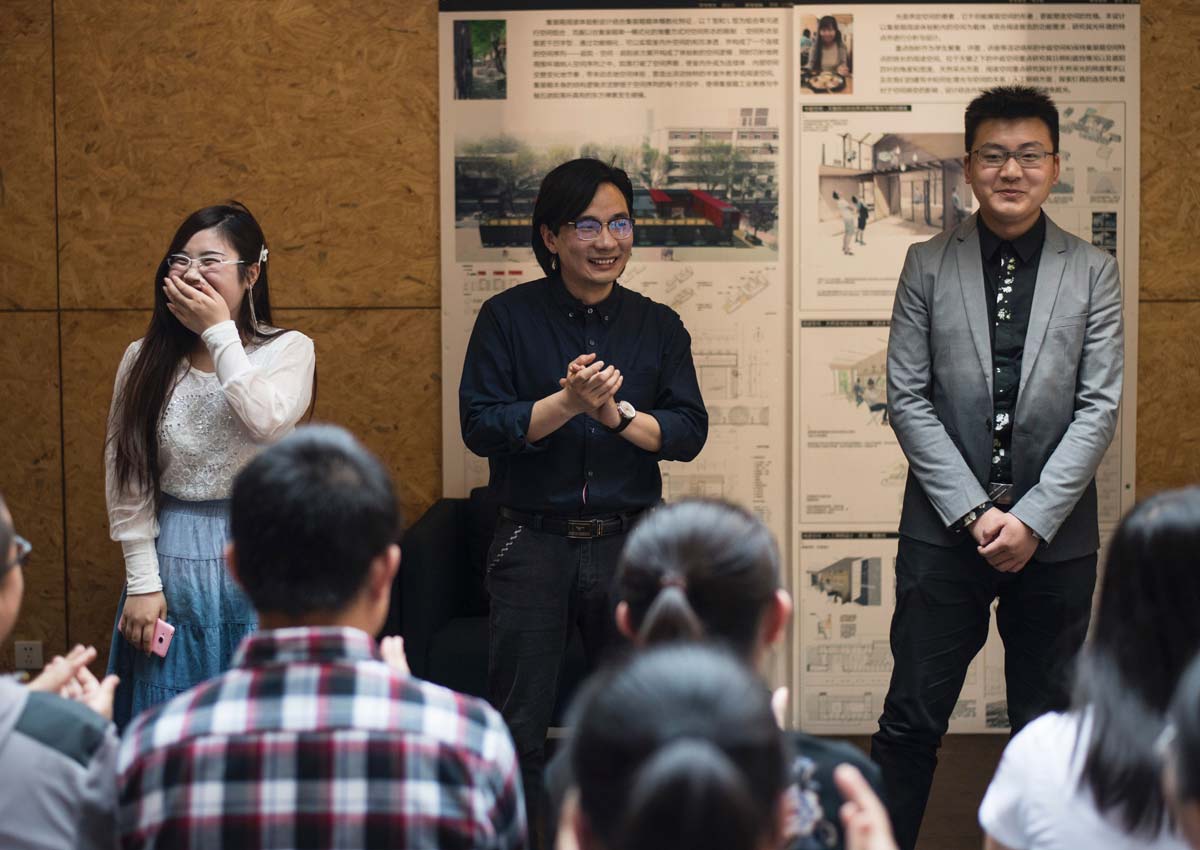
CHINA – Chinese university tutor Xie Shu’s core subject is Communist ideology, but he has diversified from the dry annals of political doctrine for a more hands-on subject: seduction.

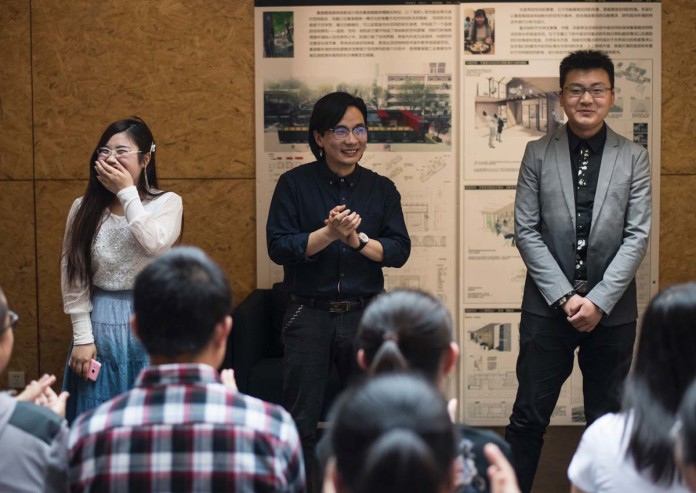
His “Theory and Practice of Romantic Relations” course at Tianjin University includes lectures on pick-up techniques, self-presentation and how to entice the opposite sex.

“How should you react when you’ve been rejected?” Xie asked his young charges at one lecture, in a cafe on the campus in the northern port city. “Clearly, don’t throw the roses that you bought the girl at her – keep calm.”

Tianjin is China’s first university to integrate such a course into its curriculum, giving students credit towards their degrees for attending – an indication of slowly loosening social norms in China after decades of more straight-laced traditionalism.

It also demonstrates officials’ increasing concern over the social acumen of the country’s youth – many of whom grew up as pampered “Little Emperors” without brothers or sisters as a result of China’s one-child policy.

“The generation of only children lack relationships with people their own age,” China’s most prominent sexologist Li Yinhe told AFP, adding: “A boy who has a sister might have a better understanding of how to interact with a girl.” At the cafe Xie flipped through Powerpoint slides, showing the boys how to “upgrade their look” by avoiding “tank tops and long shorts”, and urging them not to “ask girls questions like it’s a police investigation”.

“Be courteous. Serve the girl before yourself. But don’t go overboard, either,” he advised.

His female charges, he suggested, should run their hands through their hair and “look the boy in the eye even if they feel intimidated”.

Sitting towards the back of the pack, Zijun Qian, 23, who has never had a relationship, diligently typed up the teacher’s advice on her laptop.

“When I learned that a class like this existed, I thought it was incredible,” she said.

Xie occupies a particularly Chinese academic role as a fudaoyuan, who instructs students in Marxism-Leninism-Mao Zedong Thought as well as social counselling, but his authority on the issue of relationships is open to question.

He is single, he admitted sheepishly. “I don’t have a wife or a girlfriend,” he laughed, “which is a bit embarrassing”.

Many young Chinese entering university have little practical experience in matters of the heart.

Conservative attitudes are widespread and most simply have not had time to date in high school, due to the intensive study necessary to pass the dreaded “gaokao” exam, which determines college placement and is seen as a key to one’s future.

Parents generally frown upon relationships that might distract their children from their all-important studies.

As soon as students graduate from university, however, the opposite becomes true: families often push for them to marry quite quickly – preferably before 27 for girls and before 30 for boys – prolonged singledom can prompt taunts, concerns, and unrelenting pressure.

Even as China’s economy boomed between 2000 and 2015, transforming material wealth, the average age for first time sexual intercourse declined only fractionally, from 22.7 years to 22 years, according to a study from the Renmin University Institute of Sexology.

“The Chinese are reserved. This is why when students begin a relationship, they’re certainly enthusiastic, but they’re especially clueless,” said Cang Jingnuan, an author who writes on gender relations.

“Often, their parents married more for social convention than for love, and are unable to advise their children when it comes to matters of seduction,” she added.

For many parents, the ideal son-in-law is one capable of providing material comfort to their daughter, particularly in the form of an apartment.

“Thanks to its high-speed development of the past 30 years, China is not only in a state of economic transition, but also a romantic one,” said Pan Xingzhi, a high-profile Chinese relationship counsellor.

“Girls, in particular, often don’t know how to balance their feelings and outside expectations.” The Tianjin programme is the brainchild of Wang Rui, 23, the co-founder of a student social club at the university.

“Some students are desperate to have an experience while in university, at any cost, no matter with whom,” she said. “But we teach a correct take on love.” Other than flirtation, the course includes seven other sessions on topics ranging from the psychological to the pragmatic, with titles such as “Before You Love Others, You Must Love Yourself” and “The Legal Problems of Romantic Relationships”.

But sex is not on the curriculum. The country’s traditionalism means only a minority of its schools have sex education and Xie explained: “We don’t teach the students to kiss; just how to break the ice and communicate with the opposite sex.” Even so student Wang Huan, 22, welcomed Xie’s classes. “Before I went to university, my parents refused to allow me to have a boyfriend,” she explained.

“When you have no experience, the main source of information about love is South Korean TV dramas.”


Image: 
Category: 
Publication Date: 
Thursday, July 14, 2016 – 15:49
Keywords: 
Send to mobile app: 
Source: 


Hermes ID: 
2 442 483
Hermes ID String: 
PKCHINA14
Hermes Author: 
PRABUKM
Story Type: 
Others

Source link

Online survey promising $500 in supermarket vouchers a scam: NTUC FairPrice

0

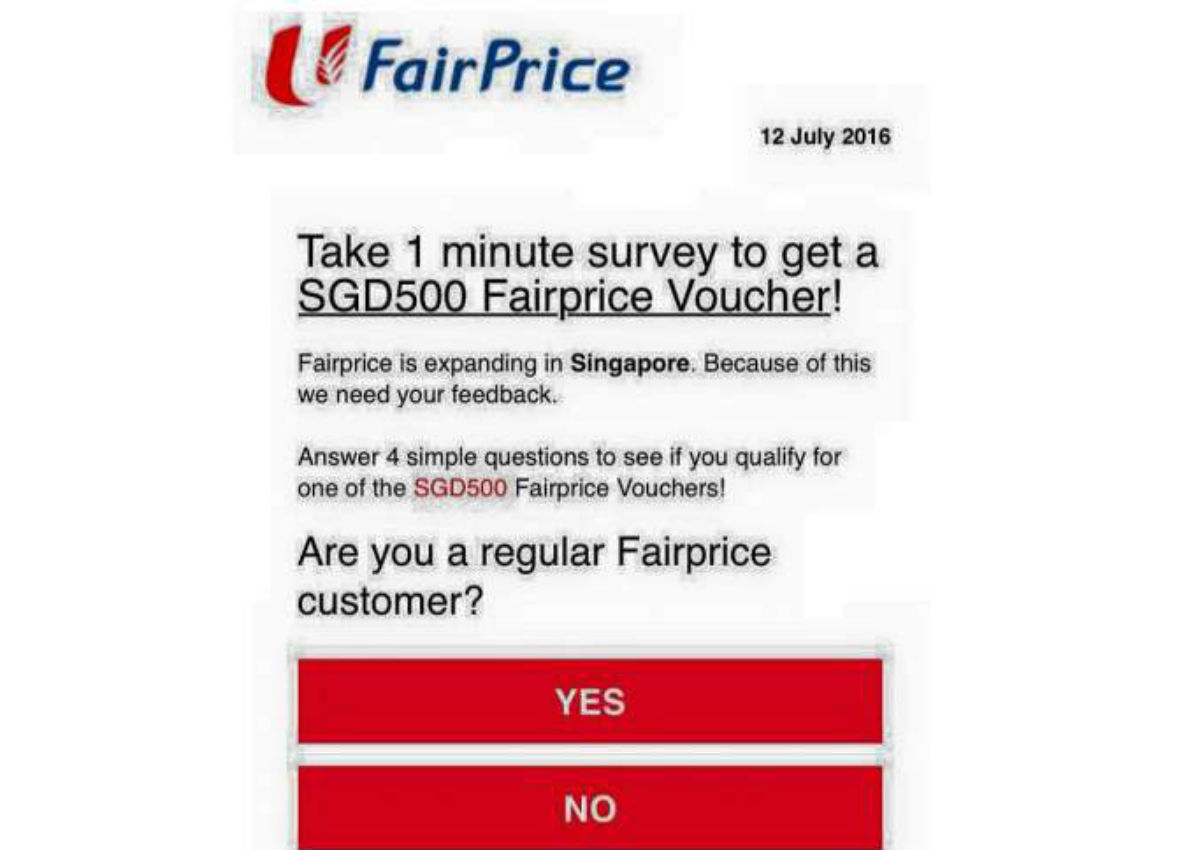
SINGAPORE – NTUC FairPrice has warned of a phishing scam that promises to give away $500 in vouchers to consumers who fill in an online survey.

The online survey, which uses NTUC FairPrice’s logo, tells participants that they will get $500 of FairPrice shopping vouchers if they answer questions about their shopping habits then forward the link to 10 other contacts.

They are then asked to fill in their personal details. It has been circulating online and on WhatsApp.

“Please note that this is not created or endorsed by FairPrice and we advise our customers to be wary of such campaigns,” NTUC said in a Facebook post on Tuesday (July 12).

Similar scams have been seen in the past, with one promising $500 in Ikea vouchers last year.

For more information, customers can call FairPrice’s customer relations hotline on 6552-2722.

on Facebook

Dear customers,

You may have received a link to participate in this online survey (in the image below) for a chance to…

Posted by NTUC FairPrice on Tuesday, 12 July 2016


This article was first published on July 13, 2016.
Get a copy of The Straits Times or go to straitstimes.com for more stories.

Image: 
Category: 
Publication Date: 
Thursday, July 14, 2016 – 15:14
Send to mobile app: 
Source: 


Story Type: 
Others

Source link

More children used social media in 2015: MDA

0

According to MDA, 65 per cent of children surveyed used social media in 2015, compared to 49.8 per cent in 2014. 

Source link