In Parliament last Monday, Bukit Batok Member of Parliament Murali Pillai said in his adjournment motion that more should be done to promote better understanding of special needs children and the challenges they faced.
Mr…
Source link
INCLUSIVE EDUCATION IN OTHER COUNTRIES
AUSTRALIA
The Disability Standards for Education ensures that students with disabilities are provided the same opportunities as other students. It applies to both government and non-government education…
Source link
We're not trained to deal with them: Teacher
Looking after children with special education needs (SEN) in a mainstream school is no easy job, said a pre-school teacher who declined to be named.
The teacher told The New Paper that she is often at a loss when a child with…
Source link
S’poreans must use hearts and minds to counter terror: DPM

 SINGAPORE – Short of locking down society and preventing people from living as normally as possible, it is impossible to stop every possible way of executing a terror attack, Deputy Prime Minister Teo Chee Hean said yesterday, three days after a terrorist…
Source link
Yayasan Mendaki to tap technology for wider reach, says Yaacob

 SINGAPORE – To navigate the changing volunteering landscape, Yayasan Mendaki will be looking at various ways to reach out to its beneficiaries, such as by harnessing smartphone apps and tapping the expertise of senior volunteers.
The use of apps will help the…
Source link
Market forces will decide on success of fourth telco

 As the auction of airwaves for the Republic’s fourth mobile operator approaches, Minister for Communications and Information Yaacob Ibrahim has said the authorities will “leave it to the market to decide” if there is a successful bid.
Asked if Sept 1 might…
Source link
Plotters must be heavily punished: Turks in S’pore

 SINGAPORE – In the wake of the failed coup in Turkey, members of the Turkish community in Singapore said those behind the plot to wrest power from their government should be heavily punished to deter any future coup attempts.
Turks who spoke to TODAY also…
Source link
TODAY's brief, Monday, July 18

 Australian PM to unveil new Cabinet
Australian Prime Minister Malcolm Turnbull will unveil his new Cabinet today after his centre-right Liberal party won knife edge polls held on July 2. He has said that there will be no “large scale changes”. Observers…
Source link
Focus on similarities not differences: DPM Teo
Mr Teo’s comments come days after the deadly attack in Nice and other recent terror strikes around the world.
Source link
Getting away with murder in Pakistan
.jpg "honorkilling2.jpg")
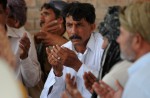
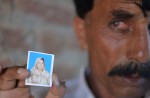
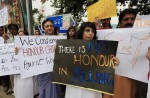
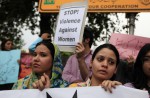
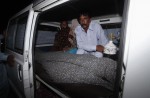
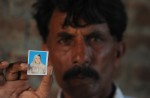
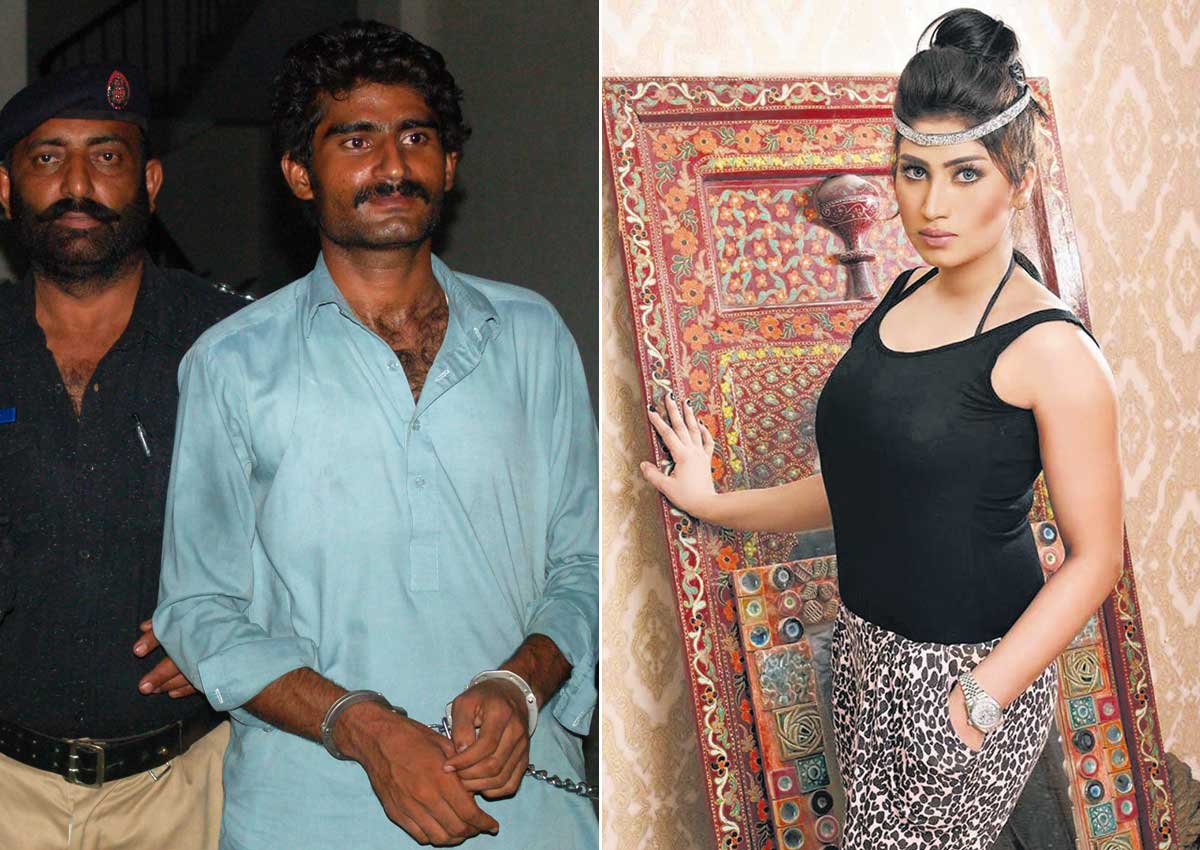
ISLAMABAD – The strangling of Pakistani social media starlet Qandeel Baloch by her brother has once again cast a spotlight on the custom of “honour killings”, which claims around a thousand lives in Pakistan every year.
So-called honour killings are understood to mean the murder of a relative by another for bringing the family dishonour.
The pattern of crime has its roots in tribal social norms that remain prevalent across South Asia, and the victims are overwhelmingly women.
There were 933 honour killing cases in 2015, according to Pakistan’s Federal Ministry of Law, but these may only represent a fraction of the true number.
The apparent rise in killings in recent years is largely linked to Pakistan’s criminal code, which is a mixture of British-inherited law and Islamic custom based on Sharia introduced by military ruler Zia-ul-Haq.
In 1990, two years after Zia’s death, government introduced the Qisas (blood money) and Diyat (retribution) law, allowing murderers to avoid jail by seeking forgiveness from a victim’s relatives – a convenient means of escape particularly in honour cases.
In his book, “The Application of Islamic Criminal Law in Pakistan: Sharia in Practice”, legal scholar Tahir Wasti compared the decade 1981-1990, before the law, to 1991-2000.
He found that the number of murder victims increased by more than a third in districts around the city of Multan, near where Baloch was killed – well above the population growth rate of around three percent in the area.
More startling still, the law “brought about a particularly visible change in the rate of cancellation of cases” – from six percent to 12 percent – as police encouraged parties to enter blood-money compromises.
Wasti said the laws had a “disconcerting” effect on the number of killings within families, “especially the honour killings of women”.
Baloch, whose real name was Fauzia Azeem, was from the conservative working class, making her decision to openly embrace her sexuality in defiance of the prevailing patriarchy all the more bold.
She unapologetically tackled what she saw as religious hypocrisy, posing for selfies with a senior government cleric who she said had sought a meeting despite publicly criticising her.
“I thought I would expose him as he is in reality,” she told AFP at the time.
In one of her last posts, she wrote: “As women we must stand up for ourselves… I LOVE THE WAY I AM.” Activists told AFP that in a country where violence against women is all too common, she had put a “face” to honour killings, and progressives fear her death will embolden would-be murderers.
Pakistan amended its criminal code in 2005 to prevent men who kill female relatives pardoning themselves as an “heir” of the victim.
But punishment is left to a judge’s discretion when other relatives of the victim forgive the killer – a loophole which critics say remains exploited.
In February, Prime Minister Sharif promised to amend the criminal code further, but no action has been taken since.
Opposition senator Sherry Rehman, a prominent women’s rights activist, has been trying to amend the bill but requires the votes of Sharif’s ruling party.
“I think they are pandering to the religious parties,” she told AFP last month, referring to Pakistan’s influential Islamist opposition.
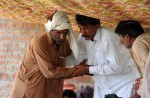
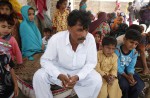
In Baloch’s case, at least, it seems unlikely the killers will go unpunished: her brother Muhammad Wasim had admitted to the crime, is in police custody, and his parents appear to want him to face justice.