
Had it not been for all that, Gigih Rahmat Dewa’s…
Source link
Online chats foil Marina Bay rocket attack plan
SAFRA Punggol the venue for this year's National Day Message
Prime Minister Lee Hsien Loong will deliver this year’s National Day Message at SAFRA Punggol, he announced on Sunday (Aug 7) on his facebook page.
Source link
Thais vote for junta-crafted constitution: Early results
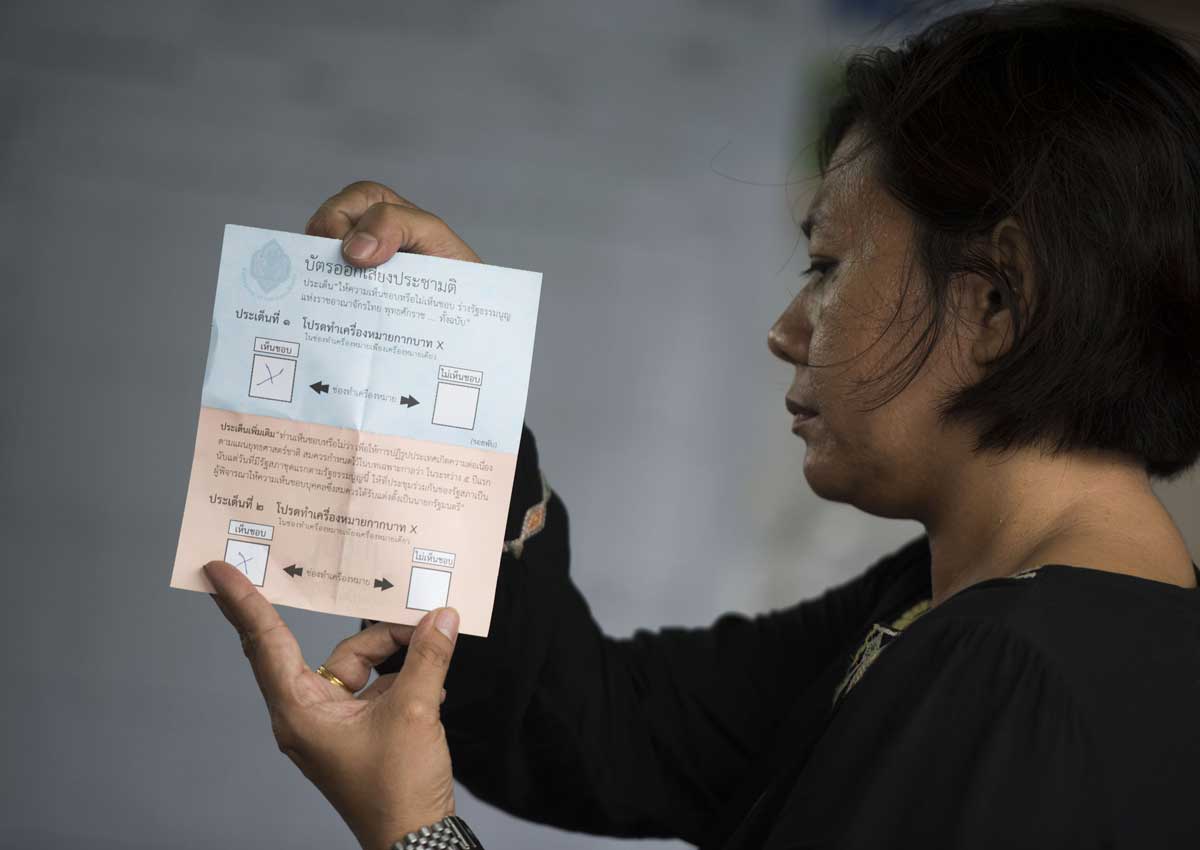
Bangkok – Thailand voted for a new constitution drawn up by the ruling junta, preliminary results showed on Sunday, despite claims by opponents it will entrench the military’s power and deepen divisions.
A running tally from the Election Commission showed 62 per cent had voted in favour of the charter with 86 per cent of votes counted.
Turnout appeared subdued, with the number of counted ballots so far making up 24 million people in a country where more than 50 million are registered to vote.
Sunday’s referendum was the first time Thais have been able to go to the polls since the generals toppled the elected government of Yingluck Shinawatra in 2014.
The military banned independent campaigning and open debate in the run-up to the vote.
The military says the new constitution will curb endemic political corruption and bring stability after the dizzying merry-go-round of recent years.
Critics say it aims to neuter civilian politicians and tighten the grip of the military – and its allies in the royalist elite – over the country.
The kingdom is split after a decade of political turmoil that has dented growth, seen democracy shunted aside and left scores dead in rival street protests.
The preliminary results starkly illustrate the kingdom’s bitter geographic divide.
Only the impoverished and rural northeast – a region that has voted in droves for successive governments turfed out by the army – voted against the charter.
Click on thumbnail to view photos. Source:
AFP, Reuters














Image:
Publication Date:
Sunday, August 7, 2016 – 21:12
Keywords:
Send to mobile app:
Source:
Story Type:
Others
Remain united and resilient to tackle "serious threat of terrorism": DPM Teo
In light of recent arrests and terrorist attacks in the region and around the world, DPM Teo Chee Hean said: “We will do our best to prevent such attacks, to respond to such attacks, and make sure that the terrorists don’t win.”
Source link
Social media chatter foils Singapore rocket attack plan
BATAM, Indonesia – It was social media chatter that gave him away. Changing his profile picture on the LINE messaging app to a banner pledging “Indonesian support and solidarity for ISIS” probably didn’t help.
Had it not been for all that, Gigih Rahmat Dewa’s plot to launch a rocket attack on the city-state of Singapore from a nearby Indonesian island might never have been uncovered.
Gigih, 31, and five accomplices were arrested on Batam island on Friday after an investigation that showed how much Indonesia’s Islamist militants now rely on social media, including with a Syria-based Islamic State jihadi who allegedly directed them to stage attacks.
It also underlined how militants in the world’s most populous Muslim nation, once tight-knit under the Jemaah Islamiah group and internally focused, are splintering into smaller gangs loosely linked to Islamic State with increasingly regional ambitions.
“The men in Batam seem to have been radicalised over social media, specifically using Facebook, rather than directly,” said police spokesman Boy Rafli Amar.
“They have been in communication with Bahrum Naim in Syria. It looks like he sent funds and instructions to them,” he added, referring to the suspected mastermind of the Singapore plot who left Indonesia in 2015 to join the frontlines of Islamic State.
ONLINE JIHADISM
Multi-ethnic Singapore, sandwiched between two large, Muslim-majority nations, has never seen a successful attack by Islamist militants. But the government of the wealthy island state has said repeatedly it is only a matter of time.
According to police, Gigih and his group had been instructed by their mentor in Syria to fire a rocket at Singapore’s Marina Bay, a glitzy downtown waterfront area that hosts a Formula One Grand Prix and is home to a casino resort and office blocks.
Residents of Batam, 15km south of Singapore, said they were dismayed to learn that the six local men, five of whom were local factory workers, were extremists.
Gigih, his wife and infant daughter lived in a modest one-storey house in a row of many just like it. His Facebook account showed that he enjoyed cycling and hiking.
“We are shocked that a completely ordinary person like him can be like that, can be suspected of being involved in radicalism,” said neighbour Rubiyati, who goes by one name.
Monalisa, a 23-year-old who attended Batam’s state polytechnic institute at the same time as Gigih, described the IT student she knew until 2014 as a normal guy who was”positive, cheerful, humble and friendly with everyone”.
She was, however, surprised in March of that year when Gigih changed his LINE group chat picture to a photo of a group of people holding up an Islamic State banner.
There was no preaching by hardline Islamists on campus and so it is unlikely he was radicalised there, she said. “But what people do off campus or online is another matter.”
See also: Militants ‘looking at various ways to attack Singapore’
FACEBOOK POSTS
Jakarta-based security analyst Sidney Jones said Naim, the Syria-based militant, appeared to be using virtually every available form of social media to reach as wide an audience as possible, making it difficult for counter-terrorist forces to track his followers. “They may have gotten one cluster but there are probably many other clusters out there,” she said.
In a blog post after the coordinated attacks on Paris last November, Naim urged his Indonesian audience to learn from that assault and explained how it was easy to move jihad from”guerrilla warfare” in Indonesia’s equatorial jungles to a city.
Just last month Indonesian security forces killed their most-wanted militant, Santoso, who had been hiding in a jungle. But analysts say he posed a far smaller threat than the cells of Islamists quietly growing in urban areas of the main island, Java.
Kasiman, chief of the neighbourhood association where Gigih lives in Batam, told Reuters the house had been under surveillance for about five months before Friday’s raid.
Experts say a rocket attack on Singapore from a nearby island is feasible, but police found only a stash of bomb-making material, firearms and arrows during their search of the ringleader’s home.
It could be that Indonesia’s would-be jihadis are no more capable of sophisticated strikes than they were in January when a gun and bomb attack by four militants in the heart of the capital, Jakarta, was quickly snuffed out.
Last month a suicide bomber on a motorcycle tried to attack a police station in the city of Solo on Java island, but managed to kill only himself and wound a police officer.
According to police spokesman Amar, investigators had drawn connections between January’s attack in Jakarta and the botched suicide bombing in Solo.
He said the Batam group had been acting as an agent for Indonesians who wanted to go and fight with Islamic State in Syria and Iraq, and for militants from China’s ethnic Uighur Muslim minority who wanted to enter Indonesia.
But it was Facebook posts that gave them the breakthrough on the plot to hit Singapore.
“Their terrorist action plans were in Facebook,” he said, without giving detail. “They didn’t announce it but they were discussing it – communicating on social media between all the members.”
Image:

Publication Date:
Sunday, August 7, 2016 – 20:06
Keywords:
Send to mobile app:
Source:
Story Type:
Others
Social media chatter foil Singapore rocket attack plan
BATAM, Indonesia – It was social media chatter that gave him away. Changing his profile picture on the LINE messaging app to a banner pledging “Indonesian support and solidarity for ISIS” probably didn’t help.
Had it not been for all that, Gigih Rahmat Dewa’s plot to launch a rocket attack on the city-state of Singapore from a nearby Indonesian island might never have been uncovered.
Gigih, 31, and five accomplices were arrested on Batam island on Friday after an investigation that showed how much Indonesia’s Islamist militants now rely on social media, including with a Syria-based Islamic State jihadi who allegedly directed them to stage attacks.
It also underlined how militants in the world’s most populous Muslim nation, once tight-knit under the Jemaah Islamiah group and internally focused, are splintering into smaller gangs loosely linked to Islamic State with increasingly regional ambitions.
“The men in Batam seem to have been radicalised over social media, specifically using Facebook, rather than directly,” said police spokesman Boy Rafli Amar.
“They have been in communication with Bahrum Naim in Syria. It looks like he sent funds and instructions to them,” he added, referring to the suspected mastermind of the Singapore plot who left Indonesia in 2015 to join the frontlines of Islamic State.
ONLINE JIHADISM
Multi-ethnic Singapore, sandwiched between two large, Muslim-majority nations, has never seen a successful attack by Islamist militants. But the government of the wealthy island state has said repeatedly it is only a matter of time.
According to police, Gigih and his group had been instructed by their mentor in Syria to fire a rocket at Singapore’s Marina Bay, a glitzy downtown waterfront area that hosts a Formula One Grand Prix and is home to a casino resort and office blocks.
Residents of Batam, 15km south of Singapore, said they were dismayed to learn that the six local men, five of whom were local factory workers, were extremists.
Gigih, his wife and infant daughter lived in a modest one-storey house in a row of many just like it. His Facebook account showed that he enjoyed cycling and hiking.
“We are shocked that a completely ordinary person like him can be like that, can be suspected of being involved in radicalism,” said neighbour Rubiyati, who goes by one name.
Monalisa, a 23-year-old who attended Batam’s state polytechnic institute at the same time as Gigih, described the IT student she knew until 2014 as a normal guy who was”positive, cheerful, humble and friendly with everyone”.
She was, however, surprised in March of that year when Gigih changed his LINE group chat picture to a photo of a group of people holding up an Islamic State banner.
There was no preaching by hardline Islamists on campus and so it is unlikely he was radicalised there, she said. “But what people do off campus or online is another matter.”
See also: Militants ‘looking at various ways to attack Singapore’
FACEBOOK POSTS
Jakarta-based security analyst Sidney Jones said Naim, the Syria-based militant, appeared to be using virtually every available form of social media to reach as wide an audience as possible, making it difficult for counter-terrorist forces to track his followers. “They may have gotten one cluster but there are probably many other clusters out there,” she said.
In a blog post after the coordinated attacks on Paris last November, Naim urged his Indonesian audience to learn from that assault and explained how it was easy to move jihad from”guerrilla warfare” in Indonesia’s equatorial jungles to a city.
Just last month Indonesian security forces killed their most-wanted militant, Santoso, who had been hiding in a jungle. But analysts say he posed a far smaller threat than the cells of Islamists quietly growing in urban areas of the main island, Java.
Kasiman, chief of the neighbourhood association where Gigih lives in Batam, told Reuters the house had been under surveillance for about five months before Friday’s raid.
Experts say a rocket attack on Singapore from a nearby island is feasible, but police found only a stash of bomb-making material, firearms and arrows during their search of the ringleader’s home.
It could be that Indonesia’s would-be jihadis are no more capable of sophisticated strikes than they were in January when a gun and bomb attack by four militants in the heart of the capital, Jakarta, was quickly snuffed out.
Last month a suicide bomber on a motorcycle tried to attack a police station in the city of Solo on Java island, but managed to kill only himself and wound a police officer.
According to police spokesman Amar, investigators had drawn connections between January’s attack in Jakarta and the botched suicide bombing in Solo.
He said the Batam group had been acting as an agent for Indonesians who wanted to go and fight with Islamic State in Syria and Iraq, and for militants from China’s ethnic Uighur Muslim minority who wanted to enter Indonesia.
But it was Facebook posts that gave them the breakthrough on the plot to hit Singapore.
“Their terrorist action plans were in Facebook,” he said, without giving detail. “They didn’t announce it but they were discussing it – communicating on social media between all the members.”
Image:
Publication Date:
Sunday, August 7, 2016 – 20:06
Keywords:
Send to mobile app:
Source:
Story Type:
Others
Our Tampines Hub will create 900 jobs: Masagos
The facility, touted as Singapore’s first integrated community and lifestyle hub, will be opened in three phases starting from November.
Source link
How 13 Thais cheated MBS of $1.37 million
SINGAPORE – Thirteen Thai nationals have been convicted of cheating Marina Bay Sands (MBS) casino of $1.37 million, and were sentenced to jail sentences of between 12.75 months and 17.25 months.
Details of how they cheated the casino were revealed in a report by The Straits Times on Sunday. The judge reportedly called the case “unparalleled both in terms of sophistication and sum cheated”.
The group of nine men and four women, aged 24 to 53, had collaborated to steal a playing-card carrier from a cabinet in the casino on May 6, 2013.
They then took the carrier back to a hotel room, laid out the cards and photographed them. The cards were then packed back up without disturbing the sequence, and the carrier returned to the same cabinet.
When the carrier and cards were used in a baccarat game at a table in the casino the next day, six members of the group took part in the game – armed with the knowledge of the sequence of cards.
The newspaper report said that the group won $1,372,300 in three hours of play from about 3am on May 7, 2013.
The group did not win every hand they played, prosecutors said. Instead, they played by winning and losing, “so as not to show a pattern”, the report said.
It was also revealed that the group had visited the casino weeks before the theft to test a key used to open the cabinet.
sinsh@sph.com.sg
Image:

Publication Date:
Sunday, August 7, 2016 – 18:37
Keywords:
Send to mobile app:
Source:
Story Type:
Rewritten Story
New hawker centre's prices easy to digest
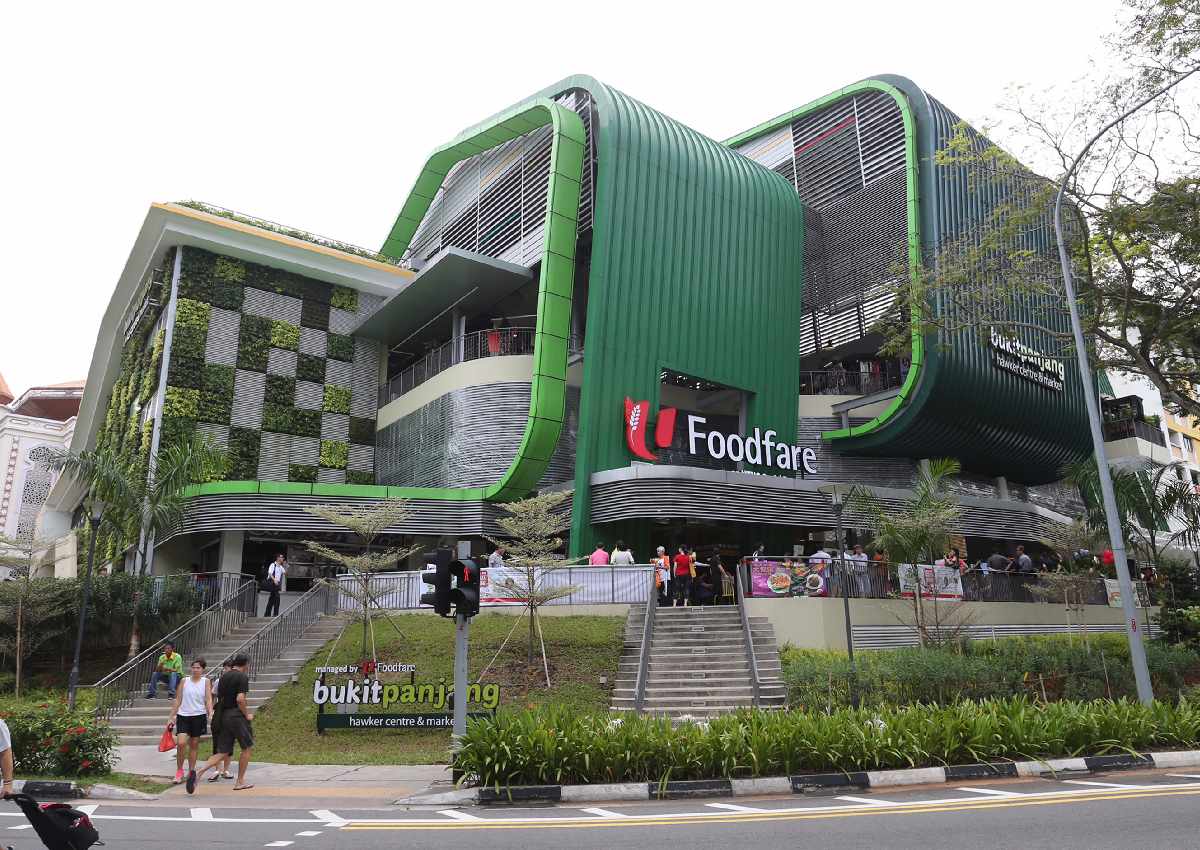
A hawker centre that has price caps on some basic dishes in a bid to keep them affordable has generally been welcomed by customers and stall owners. There are also plans to share a similar model across Singapore, if it works out well.
Bukit Panjang Hawker Centre and Market, which was officially opened yesterday, is managed by NTUC Foodfare and is among the first new centres, totalling 20, that the Government said it would build by 2027.
According to a survey conducted with almost 500 nearby households in March by the National Trades Union Congress’ social enterprise, residents visit the Bukit Panjang hawker centre “regularly”, with 43 per cent going daily.
NTUC Foodfare sets price ceilings for at least two basic dishes at each food stall at the centre, with other prices subject to moderation.
In setting caps for stalls, it referred to Consumers Association of Singapore (Case) surveys of more than 500 hawker stalls around the island. It also had its own survey of eateries in the centre’s vicinity.
For example, NTUC Foodfare proposed a $2.50 price cap for a plate of chicken rice after finding out that the dish sold for between $2.50 and $3 near the centre, and between $2 and $4 based on a 2014 Case survey.
NTUC secretary-general Chan Chun Sing said at the Bukit Panjang hawker centre’s official opening yesterday: “If this works out well, I think we will go forth and be prepared to take on a greater responsibility to share the same model across the whole of Singapore.”
He added that NTUC Foodfare is “building a central kitchen to provide even more affordable, accessible and quality food”.
“By putting in place price moderation practices, NTUC Foodfare is able to ensure that good and tasty food is affordable to Singaporeans,” he said of the Bukit Panjang hawker centre, which he hopes will become a community hub for residents.
Housewife Lim Siok Hauy, 61, has breakfast there daily with her family and finds the food affordable and the service good.
The stalls are open at least six days a week and 12 hours a day to ensure that there are enough food options for residents in the area.
Besides NTUC Foodfare, a Fei Siong Food Management subsidiary had also been appointed by the National Environment Agency to run Ci Yuan Hawker Centre in Hougang. It is also among the 20 new centres.
Out of the 28 stalls in the Bukit Panjang hawker centre, two are operated by NTUC Foodfare.
They are the drinks stall and food stall Rice Garden, where ComCare cardholders may have a rice meal comprising two vegetable dishes and one meat dish for $1.50.
There are 27 Rice Garden stalls in Singapore, and NTUC Foodfare aims to raise this number to 40 by the end of this year.
Stallholders such as Mr Eric Chiam, 53, owner of NTP Western and Grill, supported the moderation of prices.
Besides benefiting the public, he said, it does not affect his business much and is reasonable, as the price caps are imposed on just two basic dishes.
Others, such as stall assistant Valerie Lee of Beauty World Hakka Handmade Yong Tau Fu, find the concept meaningful.
However, the 44-year-old added: “If rental could be adjusted as well, the burden on stallholders would be lighter.”

This article was first published on Aug 7, 2016.
Get a copy of The Straits Times or go to straitstimes.com for more stories.
Image:
Publication Date:
Sunday, August 7, 2016 – 18:20
Keywords:
External URL:
Send to mobile app:
Source:
Story Type:
Others
As it happens: 2016 Rio Olympics Day 2, Aug 7
Channel NewsAsia brings you live updates of the 2016 Summer Games in Rio de Janeiro, Brazil.
Source link


