Home Blog Page 3139

Pistorius put on suicide watch after wrist injuries

0

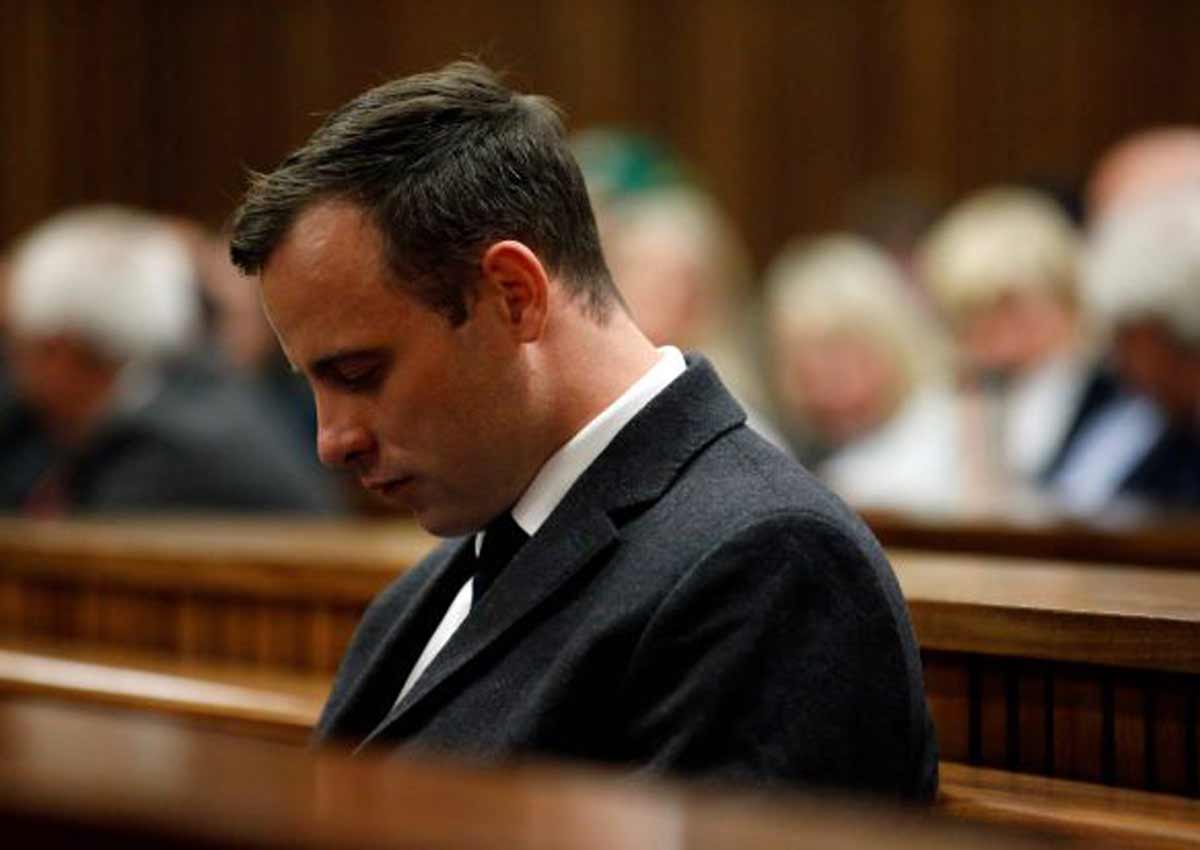
JOHANNESBURG: Jailed murderer Oscar Pistorius has been put on suicide watch following mysterious wrist injuries that landed him in hospital earlier this month, media reported on Sunday.

Prison officials told City Press newspaper that the athlete who is serving a six- year sentence for murdering his girlfriend was under 24-hour monitoring, with increased cell visits by warders.

Some inside sources told the paper that razor blades were found in the disgraced athlete’s cell last Saturday afternoon, and that his wrist injuries, described as “severe”, were self-inflicted.

Prison authorities have launched a probe into the incident.

“Our internal investigation is at an advanced stage,” said Correctional Services spokesman Singabakho Nxumalo.

The 29-year-old double-amputee, who is being held at the Kgosi Mampuru II Prison in Pretoria, had told prison officials he sustained the injuries falling off his bed.

According to the newspaper, the injury occurred soon after he had an altercation with prison officials over medication prescribed by state doctors. The Paralympian had refused to take the medication, saying it was “toxic” and demanded to be given medication prescribed by his private doctor.

He alleged that the prison official wanted to kill him and demanded to be transferred to another jail.

Warders also raided his cell and found a pair a scissors, prescription drugs and “toxic pills”.

Pistorius’s family has rubbished reports that the “Blade Runner” who made history by being the first disabled person to compete with able-bodied athletes in the 2012 London Olympics had tried to kill himself.

Pistorius initially escaped a murder conviction for shooting his girlfriend Reeva Steenkamp through a locked bathroom door three years ago.

An appeal by prosecutors saw his manslaughter conviction upgraded to murder, and in July he was sentenced to a six-year jail term.

But prosecutors have said they would push for a longer sentence, saying six years was “shockingly lenient”. 

Image: 
Category: 
Publication Date: 
Sunday, August 14, 2016 – 19:19
Keywords: 
Send to mobile app: 
Source: 


Story Type: 
Others

Source link

Lee Wei Ling apologises for attacking Bill on contempt of court

0

In a Facebook post, Dr Lee Wei Ling criticised the Bill, which makes contempt of court a criminal offence, but apologised two hours later saying she had been wrong in her assumptions.

Source link

Lee Wei Ling apologises after attacking Bill detailing contempt of court laws

0

SINGAPORE – Barely an hour after she launched an attack on a Bill detailing contempt of court laws and restarted an online feud between her and the government, Dr Lee Wei Ling admitted that she had been wrong in her assumptions and apologised publicly.
Dr…

Source link

"I expect it to be something crazy": Schooling heads home for the big welcome

0

Since leaving Rio for Singapore on Saturday (Aug 13) afternoon – a journey that involves stopovers in São Paulo and Barcelona, Schooling has been recognised by fellow travellers at every point as the swimmer who beat three butterfly greats: Michael Phelps, Chad le Clos and Laszlo Cseh.

Source link

Private schools need MOE permission to admit S'porean children

0

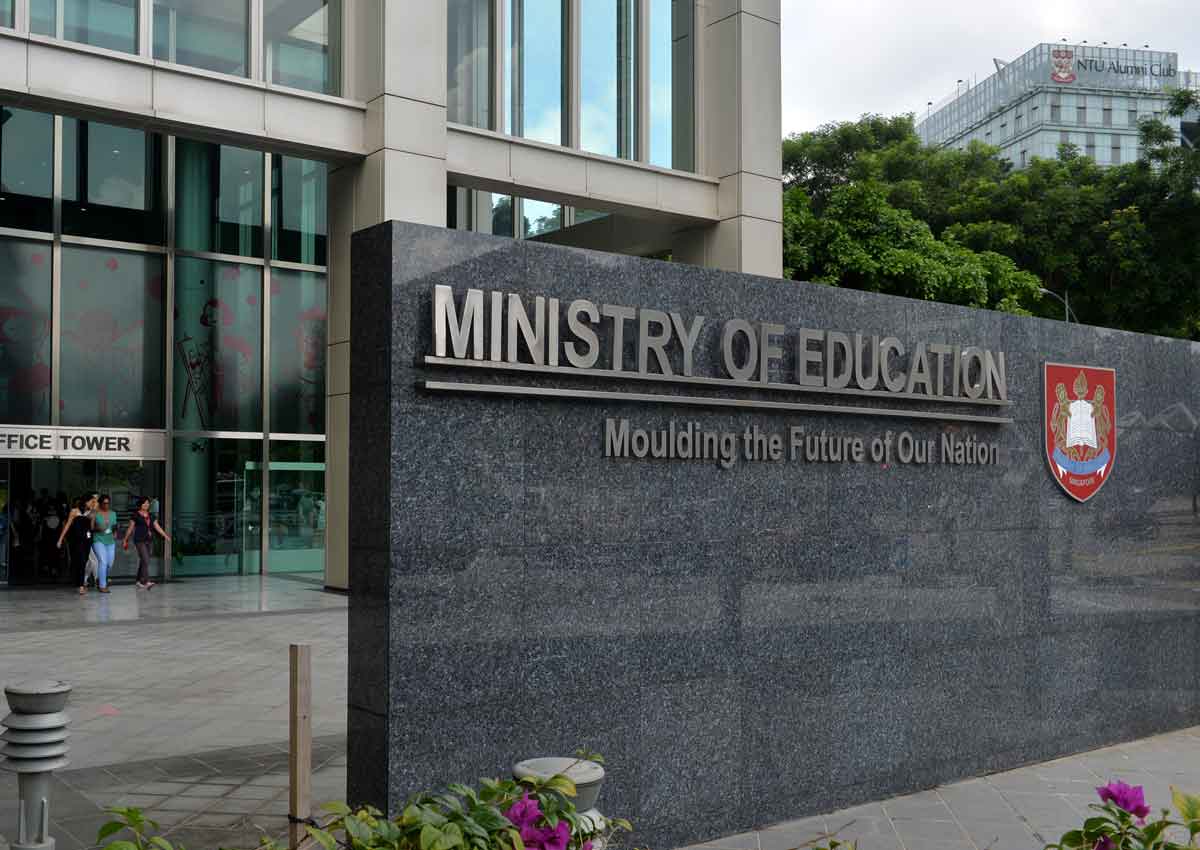
The Ministry of Education (MOE) is keeping a closer watch on children who are not part of the mainstream school system.

Previously, permission from MOE was needed only for Singaporean children who wished to be homeschooled or attend Foreign System Schools such as the Singapore American School.

But smaller, full-time private schools, some of which base their programmes on overseas education models, will also now need to get permission from MOE if they wish to admit Singapore citizens at the primary and secondary levels.

The Sunday Times understands that at least six private schools here are affected by the new rule.

These include Victory Life Christian School (VLCS), Heritage Academy and TLS Academy, all private schools offering the Accelerated Christian Education (ACE) curriculum widely adopted in the US.

All are registered with the Council for Private Education, and admit a mix of local and foreign students.

Asked about the new rule, MOE would say only that it “would like all Singaporean children to attend our mainstream schools to acquire a common set of core values, knowledge and skills”.

Mrs Jan Boey, 62, VLCS’ founder, said she worried about the new rule at first but now welcomes it after seeing that Singapore students who do not fit the mainstream can still be admitted to the school.

“MOE wants national education for all Singapore citizens. It is good for the ministry to know which are the students who pull out from the mainstream, and that there is a place where students who cannot fit into the system can turn to,” she said.

Under the Compulsory Education Act, a child must attend a national primary school. Only those with special needs or attending designated religious schools – the six madrasahs for primary school-going children and San Yu Adventist School – may be exempted.

The period of compulsory education is limited to Primary 6. On average, there have been about 50 homeschooled children per cohort in the past five years, the MOE said.

VLCS, located in Balestier Point, has grown from having only 17 students in 2002 to about 130 now.

There are currently 42 Singaporean students enrolled in grades seven to 12. They earn an American high school diploma based on their school credits and can take the Scholastic Aptitude Test.

Mrs Boey said: “Some parents feel that their children need a safer environment that teaches values alongside religious education.

“Other children were bullied in school, and did not like going to school, and their parents had to look for an alternative.”

Last month, three Singaporean siblings who relocated here after growing up in Japan were given the nod by the MOE to join VLCS.

Mrs Candy Yim, a missionary in her 40s, said she decided to send her three children, aged 12 to 15, to VLCS even though they had considered public schools.

“The standards of English in Singapore are very high, compared to Japan, and my son would have entered the Normal (Technical) stream if he joined a public school.

“Under the ACE curriculum, the students can get school credit for Japanese, and the Christian environment is also good for them.”

Heritage Academy in Yishun will welcome its first students soon. Most students are foreigners from regional countries, though a few Singaporean parents have asked about its secondary curriculum.

Said education policy expert Jason Tan of the National Institute of Education: “Mainstream education is seen as a prime means of socialising young people and preparing them for adulthood. The authorities want to regularly monitor students who are not part of the mainstream system. Even one child who slips through the cracks could be one child too many.”

yuensin@sph.com.sg


This article was first published on August 14, 2016.
Get a copy of The Straits Times or go to straitstimes.com for more stories.

Image: 
Category: 
Publication Date: 
Sunday, August 14, 2016 – 16:15
Send to mobile app: 
Source: 


Story Type: 
Others

Source link

Jakarta plans tax haven on two islands near Singapore

0

Indonesia has earmarked two islands near Singapore as its own tax havens to prevent taxpayers from keeping their assets offshore – in Singapore, for example – a senior Cabinet minister has said.

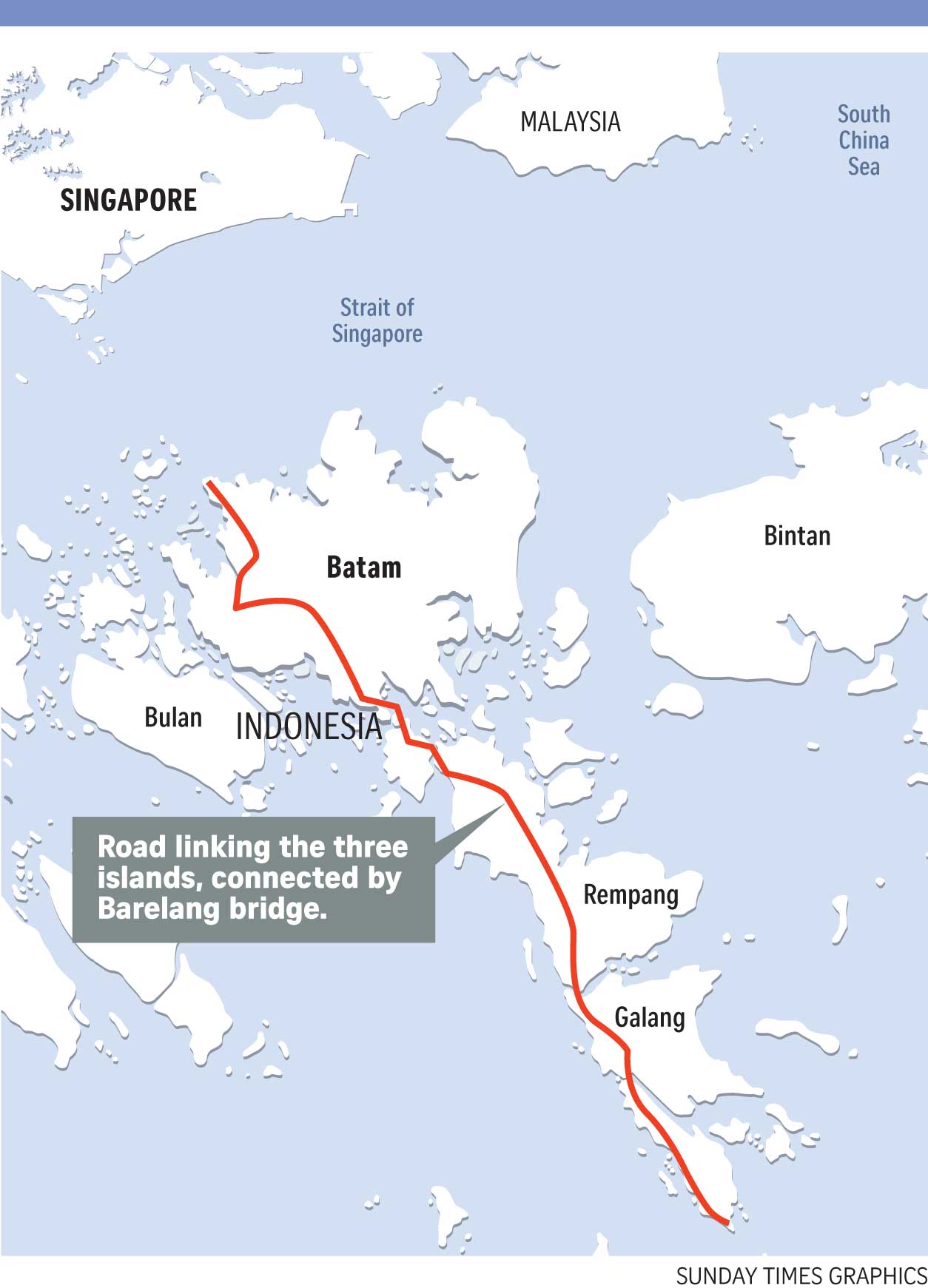
The two islands being looked at are Bintan and Rempang, Coordinating Maritime Minister Luhut Panjaitan said on Friday, as reported by jakartaglobe.com news site.

Both islands are located next to Batam and are about an hour’s ferry ride away from Singapore.

“This is actually a good idea for Indonesia, particularly with the tax amnesty programme already under way,” Mr Luhut said.

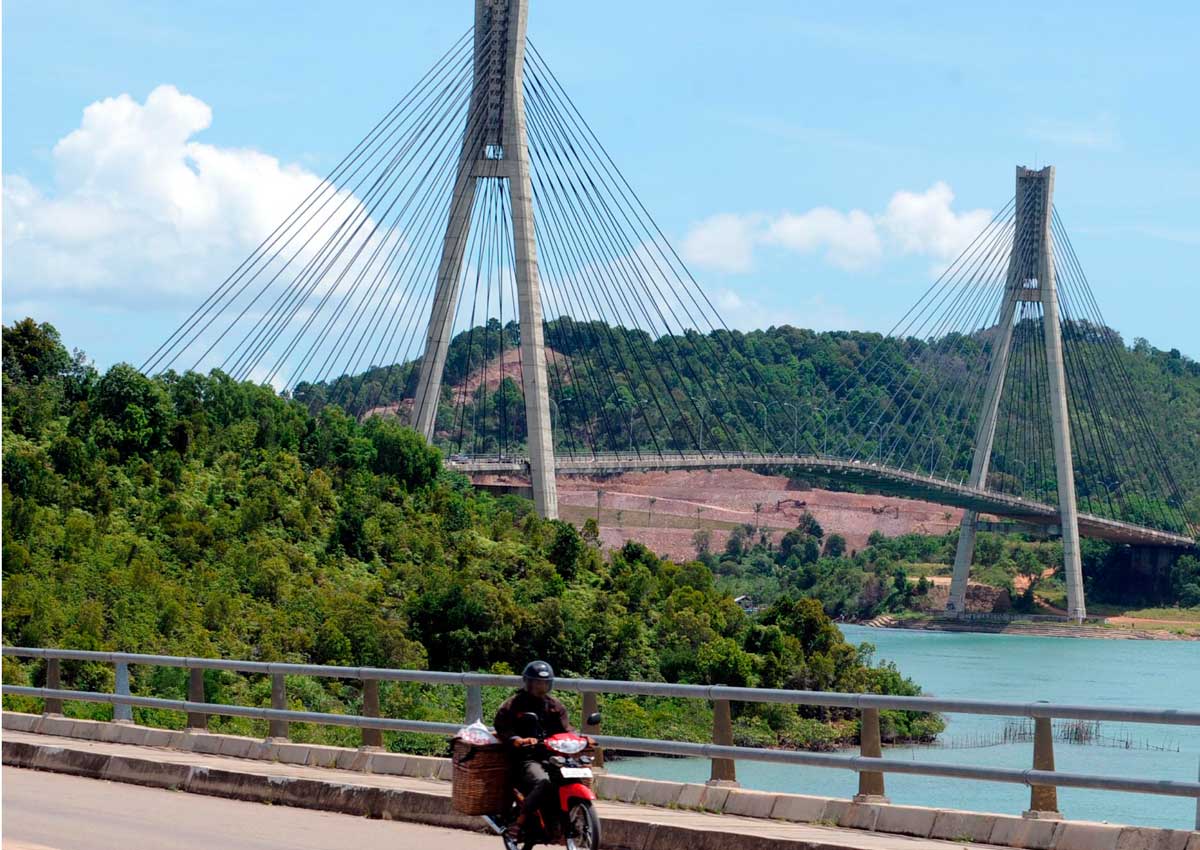
Rempang is linked to Batam by a road bridge. Bintan, like Batam, is popular with Singapore holidaymakers.

If the plan comes to fruition, Indonesian and foreign businesses can set up shell companies there to keep their offshore investments, with low taxes to lure them, Mr Luhut said.

Having Indonesia tax havens will be useful for the country’s ongoing tax amnesty scheme, with billions of dollars expected by officials to be repatriated home.

But there is some concern that these funds may leave the country again when the obligatory three years of keeping the monies onshore expired, he was quoted as saying.

Indonesia introduced the tax amnesty last month, hoping to see the repatriation of some 1,000 trillion rupiah (S$103.5 billion).

Under the scheme, individuals will enjoy preferential tax rates, ranging from 2 per cent to 10 per cent, depending on how soon one declares previously untaxed assets and whether the funds are repatriated from overseas.

These rates are well below current personal income tax rates in Indonesia, which range from 5 per cent to as high as 30 per cent.

President Joko Widodo aims to use the monies repatriated to pay for an ambitious infrastructure agenda and boost economic growth.

Malaysia has a tax haven on Labuan island, off Sabah, offering corporate tax rates as low as 3 per cent and attracting both foreign and local businessmen to set up shell companies, jakartaglobe.com said.

Labuan was set up as an international offshore financial and banking centre 26 years ago.

The Indonesia government does not have a deadline to set up the proposed tax havens, Mr Luhut said.

The government will need to revise the existing tax code, prepare the necessary infrastructure and eliminate red tape to ease business activities in the area, the news site quoted him as saying.


This article was first published on August 14, 2016.
Get a copy of The Straits Times or go to straitstimes.com for more stories.

Image: 
Category: 
Publication Date: 
Sunday, August 14, 2016 – 15:57
Keywords: 
Send to mobile app: 
Source: 


Story Type: 
Others

Source link

Man arrested for Yishun Ring Road murder

0

Police said they found a 29-year-old woman with injuries at Blk 342B Yishun Ring Road on Saturday (Aug 13) after receiving a call that evening. 

Source link

IT guy who plotted terror from Batam

0

When several radicals from Indonesia began travelling to Syria to fight over the past two years, militant leaders turned to a low-key IT expert to help make arrangements for them.

From his home in Batam, minutes from Batam Centre Ferry Terminal where ferries travel to Singapore and Johor Baru, Gigih Rahmat Dewa planned their route, say regional intelligence officials.

The IT support worker in an electronics factory, now 31, was in regular contact with militant Bahrun Naim, one of the pioneer radicals who made their way to territory held by terror group Islamic State in Iraq and Syria (ISIS).

Through Facebook chats and e-mail, they discussed travel plans for aspiring fighters – Indonesians heading to ISIS-held areas, but also Uighur hardliners who wanted to join fighters in eastern Indonesia.

Gigih also became the “amir”, or leader, of a terror cell that he called Katibah GR – or “GR cell”.

They held meetings to reaffirm their beliefs and trained with airsoft guns in open fields, moving around so as not to raise suspicions. Over time, these plans turned to plots for attacks nearer home.

One target was clearly visible from a hilly area in Batam: Marina Bay in Singapore.

Indonesian officials detected that Gigih and Bahrun were discussing plans to launch a rocket from Batam, and notified their counterparts in Singapore earlier this year.

But they needed more evidence to build a case against the group. Gigih and members of his group were placed under surveillance.

When a suicide bomber attacked a police station in Solo, Central Java, on July 5, investigators found the bomber – Nur Rohman – was linked to Gigih and had been in contact with the Batam group, Riau Islands police chief Sam Budigusdian said.

Satisfied that they had enough information of their involvement in terrorist activity, members of Indonesia’s elite counter-terrorism unit Detachment 88 began planning a raid on the cell members.

On Aug 5, Gigih left the house with his wife and daughter on his motorcycle early in the morning. He dropped off the girl at his in-laws’ home and took his wife to her workplace near Batam Centre.

The officers had been tailing him all along and when he was riding to work alone, they stopped his bike and placed him under arrest.

Since then, Gigih’s neighbours have been speaking to the media about him. He and four other group members arrested that morning – field commander Trio Syafrido, 46, a bank officer, and cell members Eka Saputra, 35, Tarmidzi, 21, and Hadi Gusti Yanda, 20, all factory workers – were flown to Jakarta last week.

A sixth man, Tegar Sucianto, 19, was released as he was not found to be a part of the group.

All five suspects are now held at a police facility in Depok, West Java, where they are being interrogated by counter-terrorism officials.

It will be some weeks before more information on the group’s involvement in terror is revealed, and a while before they go on trial.

Several questions remain unanswered. How did Gigih and his group get radicalised? How regularly did they travel in the region?

Meanwhile, friends, family members and neighbours have differing accounts of what Gigih was like.

What is clear is that he was a family man, but some found him to be a neighbour who sounded like he had something to hide.

SENSITIVE FAMILY MAN?

Gigih was born in Pemalang, Central Java, in 1985, the third of four siblings. His parents were teachers and when they died while he was young, he moved to Solo to live with an aunt and attended high school there. He reportedly spent some time trying to further his studies in Malaysia too.

His older sister Intan Hapsari, 40, told The Sunday Times over the phone that he had studied economics at a university in Semarang but dropped out.

He moved to Batam several years ago to live with his older brother and completed a diploma course in information technology at a local polytechnic there.

Two years ago, he married his wife in Batam. They have a young daughter and are expecting their second child, due in two months.

Ms Intan said her brother told her: “I am not a radical, what more to bomb or rocket. No such thing”.

She added of Gigih: “He’s no troublemaker and wouldn’t do weird things. He is my diamond.”

Gigih’s family members and friends told The Sunday Times they could not have imagined he was a “terrorist”.

He was clean-shaven and always dressed casually in T-shirt, jeans and boots. He loved the outdoors, went hiking, and had been to Malaysia and Singapore for holidays with his wife.

He was also friendly, helpful and studious, they added.

Gigih’s wife, who wanted to be identified only by her initial I, told The Sunday Times she learnt of his arrest from news websites. She had not seen him since then, but they spoke on the phone.

“I was shocked and very sad,” she said. “My husband is a private person. He is friendly with everybody and likes to help people.

“My biggest hope is for him to be released as soon as possible. My husband did not and has not been proven to have committed acts that would threaten security in the community or country,” she added.

His sister, Ms Intan, said his friends told her about his arrest. She cried “until my eyes swelled and my eyelids couldn’t open”, she added.

She said Gigih would be the first to step up to help if a family member was in trouble.

He bought a laptop as a wedding present for her although he had little cash. He was also a “sensitive soul” who loved animals and kept a pet fish.

“He couldn’t stand to see anybody suffering. He talked to his fish, called it “sayang” (love) and cried when it died. After that, he wrote poems about the dead fish.”

TRACK RECORD IN TECH

However, police sources said Gigih and his gang had mechanical skills and got “online training” over e-mail and Facebook messaging.

These conversations with Bahrun went beyond travel plans for fighters and touched on how they could assemble firearms, make explosives and even “build that rocket”.

Bahrun was convicted by the Indonesian authorities in 2011 for illegal possession of ammunition and served 21/2 years in jail.

Police confiscated hundreds of bullets from his home but did not find sufficient evidence to pursue terror charges that would have landed him a longer prison term.

In raiding Gigih’s Batam home, police seized a bow-and-arrow set, several bank books, over 2.5 million rupiah (S$260) in cash, a camera, notes and personal documents.

Ms Intan claimed Gigih was not a “programming expert”, but did technical support for IT-related work and had handled general affairs and workplace safety at the electronics company he worked for in Batam.

She also said the bow- and-arrow set belonged to his wife, who “used it for exercise”.

He had complained to her about being busy with work, she said, adding: “How could he find time to do weird things if he’s that busy?”

Gigih’s classmate at the Batam Polytechnic, Mr Tofaneo Dean, 24, told The Sunday Times Gigih was like an older brother as he was five years older than other students.

“He was always motivating us, telling us to come on time, that we must focus and that we must have a spirit for life,” he said.

Gigih was often among the top students, skilled at Web programming, and would be studying or building a website during breaks.

He also liked cooking and eating, and would share food photos on Facebook, where he also shared photos of outdoor trips. He was not overly religious and would not chastise those who skipped prayers.

After his arrest, friends begun to search for indications that he might have turned extremist.

Mr Tofaneo recalls that Gigih never dated his wife. “He chatted with her via SMS and straightaway went to see her parents to ask for her hand in marriage. When we were busy trying to settle graduation matters, he was busy getting married,” he said.

And when police announced that the cell was also called Katibah Gonggong Rebus, or Boiled Snails Cell, after a local seafood dish, his friends got the chills. Gigih loved naming class project groups after traditional local dishes, like “gonggong rebus” and “ikan arsik”, a spicy fish dish, he said.

“We were shocked. We began to wonder, maybe it’s really him who gave the name,” Mr Tofaneo said.

“If we see him again, we want to ask him, why did you go astray?”

SOMETHING TO HIDE?

To Gigih’s neighbours in the middle-class housing estate he lived in, however, his family was quite unusual.

They kept to themselves and never invited the neighbours over.

The lights at home were dimmed, even at night. And his wife used to wear a veil, although she no longer does so.

It was the parcels they would get every day, addressed to Gigih’s wife, that made many suspicious.

Meatball seller Rohan, 42, who lives a few units away, told The Sunday Times that Gigih would turn his face away from people passing by his home.

He had also seen small groups of people visit at night, but could not recognise them as “the house was always so dark”.

“No idea who they are or whether their face is round or long,” he said with a laugh.

“I always thought something was amiss. This family seemed to be quite well-off, but why would they stint on electricity and not turn on the lights? Why are they both so stingy with their smiles? Boxes were delivered to them every day. After the arrest, I now know why they didn’t want anyone meddling in their affairs,” Mr Rohan added.

Another neighbour, housewife Sinar, 42, told The Sunday Times she was curious about the many parcels the couple kept getting.

“They received as many as two deliveries a day, every day. I pressed one package. It felt soft, like fabric. I thought, “Wow, they must be rich to be buying new clothes every day”. But they seemed to be wearing the same clothes,” she said.

Her husband, Mr Rifky Wahhab, 38, said the visitors would come by every two weeks and were all men.

One time, his wife helped keep the package when Gigih and his wife were not in, so it would not get stolen.

“We heard that when Gigih found out, he was very angry and called the company to ask them to deliver the boxes only when he or his wife were at home,” he recalled.

WHAT INVESTIGATORS FOUND

In the week since the members of Katibah GR were arrested, police investigators have established that Gigih’s cell had a command structure and conducted weapons training. Members also learnt to handle airsoft guns in open fields in Batam’s Nongsa district.

Gigih’s No. 2 was Trio Syafrido, 46, a bank officer whose Facebook postings showed clear evidence of radical leanings, including a hatred towards Shi’ite Muslims and followers of other religious groups.

Riau Islands police chief Sam Budigusdian told The Sunday Times in an interview that investigators are also exploring the possibility that the cell might have links to radicalised individuals outside Batam.

Indonesian police are also trying to establish “what rocket really meant”.

“If there is a leader from such a network (Bahrun Naim) giving an order to the local commander to “go rocket Singapore”, that’s something we cannot take lightly,” he said.

“It’s all being examined. It’s not possible to attack a country without having their people inside that country,” he added.

“Rocket is only a phrase. It could be a real rocket, but could also simply refer to attacks by (this) katibah,” he said.

Gigih had travelled to Singapore several times in previous years, but not since the cell was detected.

Brigadier-General Budigusdian added that Gigih and his cell members had become radicalised over the Internet, some only recently. Given that they work in high-tech companies, they might also have the mechanical skills to build a rocket, he added.

Police are also exploring links to militants elsewhere in Indonesia, including those in Poso in Sulawesi, Solo, and individuals such as convicted radical ideologue Aman Abdurrahman.

Investigators are also on the hunt for “pengantin”, or “bridegroom”, the euphemism for suicide bombers, he said.

Nur Rohman, the bomber who attacked a police station in Solo last month, was actively communicating with the group, he added.

The group also helped smuggle Uighur militants into Indonesia.

Batam district police chief Helmy Santika has clarified that the Uighur radical known as Doni, who was deported to China after entering Batam illegally, did not pass through Singapore – which he had earlier been reported as saying – but through other points in the region.

Batam’s porous borders make it an easy hub for aspiring militants to pass through. But the authorities say they cannot let their guard down as ISIS poses a graver threat and threatens to attack anyone who does not subscribe to its blinkered worldview.

Senior Commissioner Helmy said a new breed of terrorists appears to have adopted new techniques to avoid detection – living as ordinary persons and calling their groups names like Katibah GR that bear no hint of links to established terror groups.

But they pose a just-as-great or greater danger to this region and its people than older networks like Al-Qaeda or Jemaah Islamiah did.

Said Mr Budigusdian: “What we don’t want is for them to use Southeast Asia as a base to the point where a war like the one in Syria breaks out.”

aarlina@sph.com.sg


This article was first published on August 14, 2016.
Get a copy of The Straits Times or go to straitstimes.com for more stories.


Image: 
Category: 
Publication Date: 
Sunday, August 14, 2016 – 15:04
Keywords: 
Send to mobile app: 
Source: 


Story Type: 
Others

Source link

Olympics: We'll never see another Phelps, says coach

0

Rio de Janeiro – Michael Phelps is said to have surpassed the deeds of Leonidas of Rhodes at the ancient Olympics and the American’s coach believes we will never see his likes again.

“Absolutely not, I’m not even looking,” Bob Bowman said after Saturday’s final swimming races which left Phelps with 23 Olympic gold medals.

“He’s too special. It’s not even once in a generation – it may be once in 10 generations that someone like Michael comes along.

“He just had so many things going for him: he had the physical skills, the mental outlook, the family that supported swimming. He has an emotional ability to get up for big races and actually perform better under pressure.”

Phelps bowed out with his fifth gold of the Rio Games in his fifth and final Olympics after powering the United States to victory in the men’s 4x100m medley relay.

“I don’t think you’re going to see another Michael,” added Bowman. “But you’re going to be seeing a lot of other wonderful people. You’re going to be seeing Katie Ledeckys and Ryan Murphys, and hopefully I’ll find some of those.”

Phelps, watched by fiancee Nicole and baby son Boomer, ended his career with no regrets after flirting with retirement coming away from the London Games four years ago.

“It definitely was a lot more emotional than I was in 2012,” said the 31-year-old.

“I think that’s a good thing. Being able to look back at my career and say we’ve been able to accomplish everything we wanted. I couldn’t be happier with how things ended.”

Phelps declined to reveal where he kept all his Olympic medals but said he might let Boomer take a medal to school one day to show his buddies.

“I might let him take one for ‘show and tell’,” he laughed.

“I’m sure he’ll eventually take them over when I pass but that’s a long time.

“I’d probably give him one to take to show and tell – I might have to go with him and take every step with him when he goes and shows it.”

Phelps added: “The other night when I was on Face Time, I was kind of moving the medal around and his eyes just locked on it. He’s already eyeing them.”

Image: 
Category: 
Publication Date: 
Sunday, August 14, 2016 – 14:48
Send to mobile app: 
Source: 


Story Type: 
Others

Source link

Phone that triggered Thai bomb 'linked to Malaysia'

0

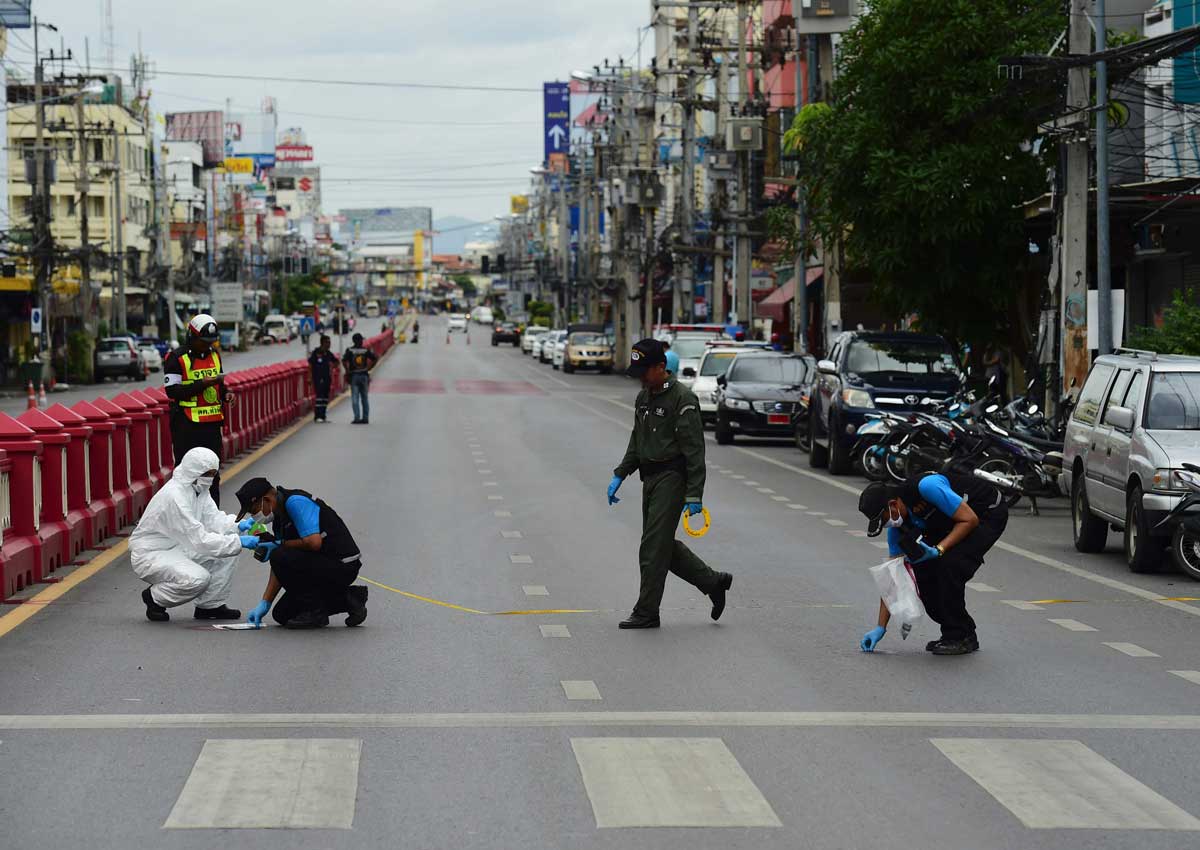
Thai police are reported to be seeking Malaysian help to identify the source of a mobile phone used in one of the bombings that struck the southern provinces last week.

A portion of a mobile phone used to trigger an explosion in Phuket on Friday contained a Malaysian Communications and Multimedia Commission serial number, according to Bernama news agency.

Thai police, who have not confirmed the report, have gathered closed-circuit television footage and DNA samples from blast sites, and say they expect to make progress in investigations soon.

“Police in region eight have said they might have good news in the next one or two days,” deputy national police chief Pongsapat Pongcharoen said yesterday. Region eight refers to the police division overseeing some southern provinces.

Major tourist hot spots as well as central areas in Phuket, Phangnga, Surat Thani, Prachuap Khiri Khan and Trang provinces were hit by a string of explosions over Thursday and Friday.

There were separate arson attacks in Nakhon Si Thammarat and Krabi. Four people were killed and over 30 others, including foreigners, injured.

The toll would have been higher if not for the discovery of two home-made bombs in Phuket on Wednesday which were defused.

General Pongsapat told reporters that the bomb and arson materials in all the sites were similar. “We believe they were done by members of the same group.”

The attacks took place on a national holiday to mark the 84th birthday of Queen Sirikit and came barely a week after a controversial draft Constitution was endorsed in a nationwide referendum. Critics had warned beforehand that the draft charter, which expands the power of unelected bodies over elected representatives – and which they argue would entrench military rule – would deepen conflict in the politically riven kingdom.

In a special televison appearance late on Friday night, Prime Minister Prayut Chan-o-cha said the attacks “will serve as a constant reminder to the Thai people that there are some malicious people in our society and in Thailand, who have perpetrated these acts since before our referendum day and now on one of the most important days for our nation”.

No one has claimed responsibility for the attacks so far, but suspicion has fallen on the separatist insurgents who are fighting a war against the state in the southern border provinces of Pattani, Yala and Narathiwat, as well as a section of Songkhla.

The long-running conflict in the Malay Muslim-dominated area has killed over 6,000 people so far.

While the insurgents have largely confined their armed campaign to their home provinces, Dr Srisompob Jitpiromsri, a founder of the Deep South Watch which analyses the conflict, said the insurgent network was the only group within Thailand with the organisational capacity to carry out the latest attacks.

Voters in Pattani, Yala and Narathiwat, who have been living under the yoke of military control even before the 2014 coup, rejected the draft Constitution in the referendum, he noted.

The attacks could be a way for the insurgents to demonstrate their support for local sentiments, he told The Sunday Times.

Yesterday, some blast sites were cleaned up and reopened to the public, while many shops and restaurants in Hua Hin – the upscale seaside district struck by multiple bombings that killed two people – reopened for business.

S’poreans going ahead with Thailand travel plans

Mr Julian Chia, 28, is heading to Bangkok at the end of this month. The tattoo artist and his girlfriend are among Singaporeans who have not cancelled or postponed trips to Thailand despite the string of bombings last week.

He said: “We have already booked the trip and it’ll be quite wasteful to cancel. We’ll try to stay safe, register with the Ministry of Foreign Affairs (MFA) and hope that nothing happens.”

Popular tourist spots in Thailand, such as the seaside resort town of Hua Hin and Phuket island, were among those hit by explosions on Thursday night and Friday morning.

Four Thai people were killed and more than 30 others, including foreigners, wounded.

No one has claimed responsibility for what is being seen as coordinated attacks, but police have ruled out international terrorism.

“Luckily, the long weekend is over, so most of our customers are back in Singapore,” said Ms Alicia Seah, Dynasty Travel’s director of marketing communications.

Her agency now has fewer than 10 Singaporeans in Phuket, Chiangmai and Bangkok, compared with 130 over the National Day weekend.

The 200 Singaporeans booked with Dynasty Travel for trips to Thailand at the end of this month have also not called to postpone or cancel.

Thai Tourism Minister Kobkarn Wattanavrangkul remains confident that the attacks would not affect the tourism industry, which accounts for at least 10 per cent of the nation’s economy.

“The confidence in tourism will return. Thailand solves problems very quickly and always bounces back,” the French news agency, Agence France-Presse, quoted her as saying yesterday.

Last August’s bombing at a Bangkok shrine – killing 20 people, mostly tourists – hardly made a dent on the industry as Thailand welcomed a record 30 million travellers in 2015.

Singapore’s Ministry of Foreign Affairs said on Friday it had contacted most of the registered Singaporeans in the affected areas and verified that they are safe.

“Singaporeans in Thailand are advised to exercise vigilance and monitor the local news and instructions of the Thai authorities,” said the ministry.

Some 20 foreign embassies in Bangkok have issued similar advisories to their citizens, The Nation daily reported.

tanhy@sph.com.sg

Additional reporting by Koh Xing Hui


This article was first published on August 14, 2016.
Get a copy of The Straits Times or go to straitstimes.com for more stories.

Image: 
Category: 
Publication Date: 
Sunday, August 14, 2016 – 15:00
Keywords: 
Send to mobile app: 
Source: 


Story Type: 
Others

Source link