Prime Minister Lee Hsien Loong took ill during the National Day Rally on Sunday. His tests at the Singapore General Hospital have all come back normal, Foreign Affairs Minister Vivian Balakrishnan says.
Source link
PM Lee’s tests at SGH ‘were all normal’: Vivian Balakrishnan
When Mongolian wrestling coaches get angry, they get naked

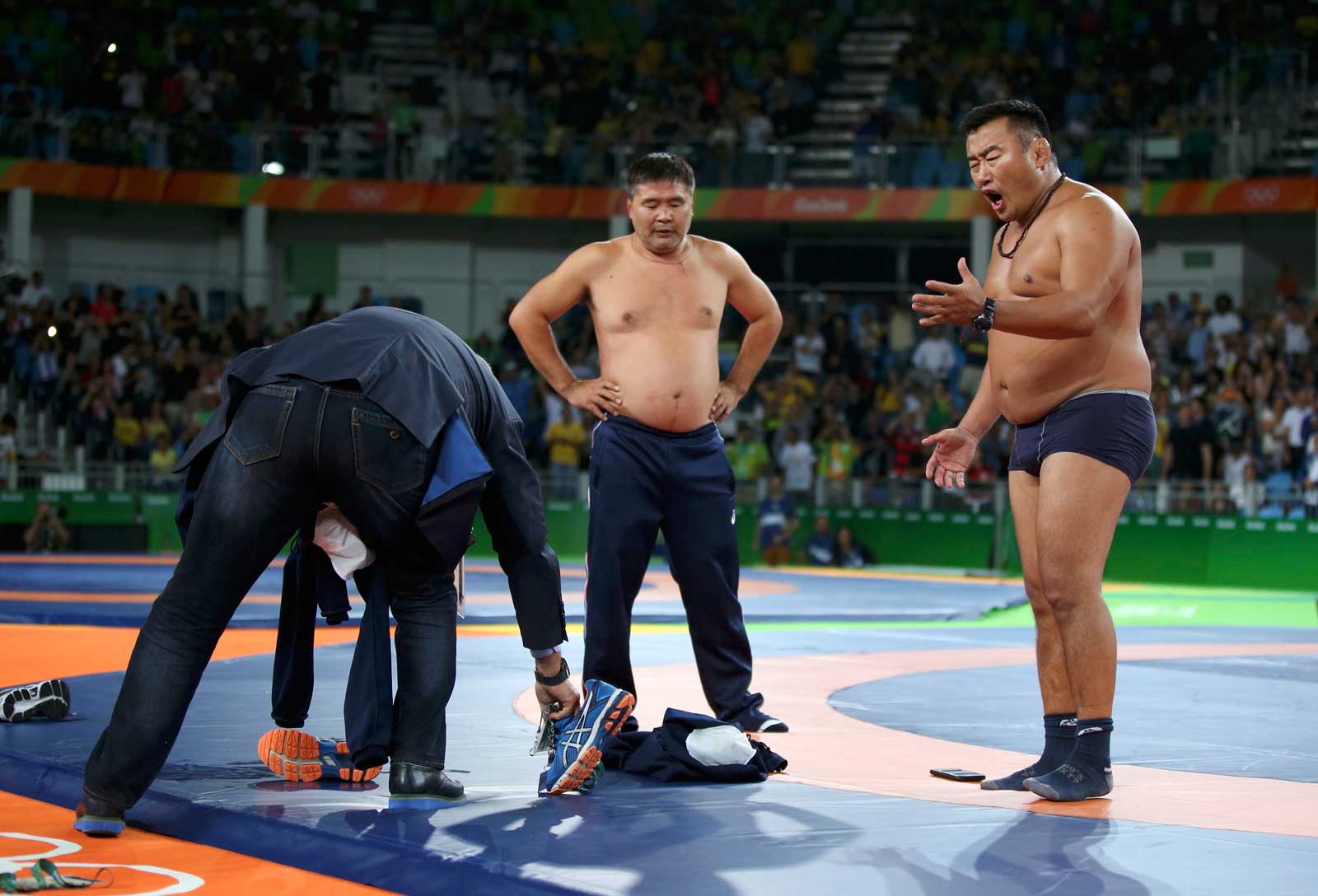
The Rio games, officially the Olympics of Undress, began with a shirtless Tongan flag-bearer two weeks ago and ended on Sunday with a pair of angry naked Mongolian wrestling coaches.
Only the latter was an unplanned performance. In fact, it was a protest strip.
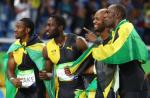
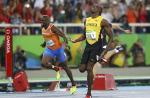
Highlights from Olympics 2016
Click on thumbnail to view photos. Source:
AFP, Reuters, The Straits Times



































































6.jpg)














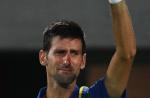






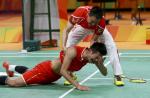
After Mongolia’s Mandakhnaran Ganzorig lost the bronze medal in the 65-kilogram freestyle wrestling to Ikhtiyor Navruzov of Uzbekistan, two of Ganzorig’s coaches blamed the defeat on a refereeing decision that saw the Mongolian hit with a late penalty. They immediately lost their minds and their shirts.
Byambarenchin Bayaraa ripped off his top and flung it on the mat while railing at the referees’ table. Another coach exploding next to him went even further. After the shirt came off, so did the track pants, which he spiked harder than a football.
“The referees were not good. They only supported the Uzbek,” Bayaraa said. “After the challenge for five seconds we win, and we are very happy for this medal…Three million people in Mongolia waited for this bronze medal and now we have no medal.”
For those of you keeping score at home, the two hefty Mongolians’ physiques had nothing on Pita Taufatofua, the sculpted Tongan flag-bearer.
A stunned crowd inside the Carioca 2 Arena wasn’t sure what to make of it. But to the two angry Mongolians, there was only one interpretation.
“A 100 per cent of the stadium supported us,” Bayaraa said.
Rio Olympics 2016 Closing Ceremony
Click on thumbnail to view photos. Source:
Reuters, AFP











































Read the full article here.
OTHER WSJ.COM STORIES:
– Rio 2016: Why Team USA Exceeded All Expectations
– Tonga Flag Bearer Finally Competes—in a Shirt
– Surprise Olympic Collapse Hits Wrestler Jordan Burroughs Hard
Image:
Publication Date:
Monday, August 22, 2016 – 11:14
Keywords:
Send to mobile app:
Source:
Story Type:
Others
Olympics: Rainy Rio wraps up challenging Games on upbeat tropical note
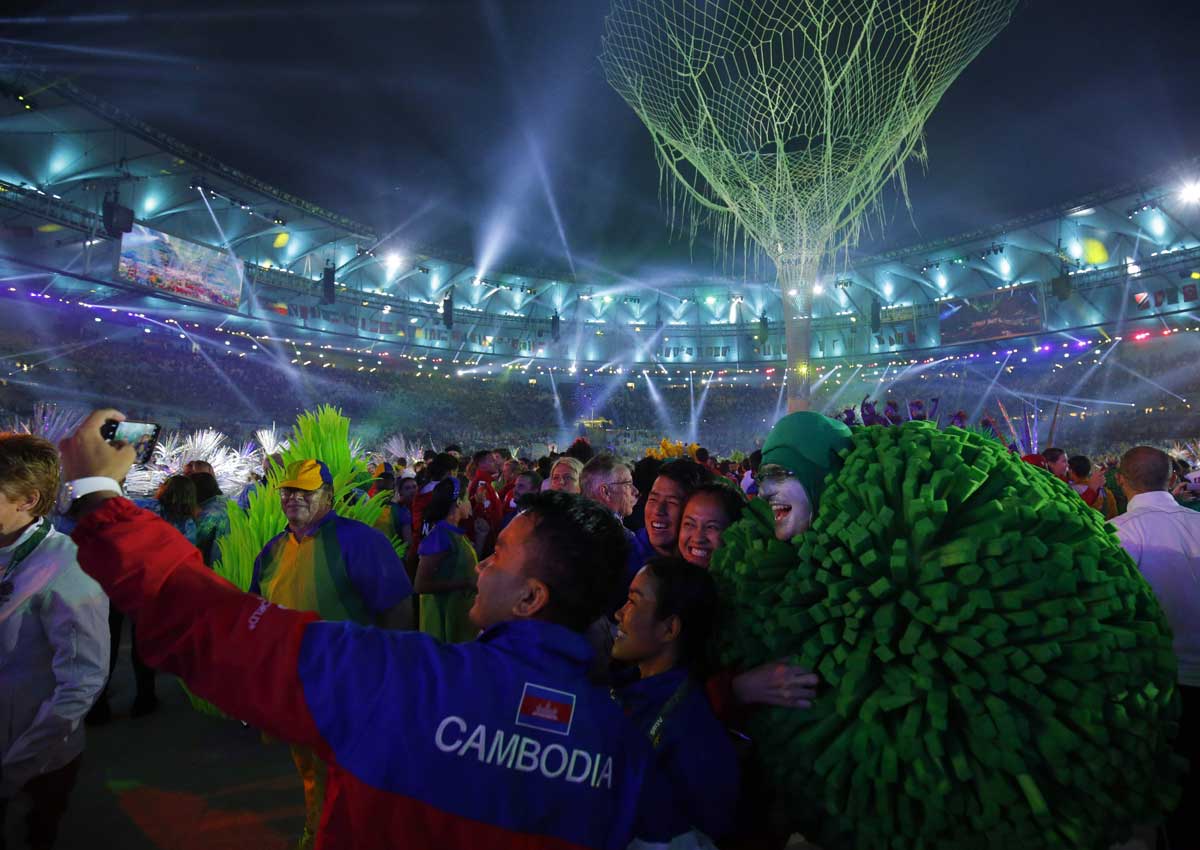
RIO DE JANEIRO – A blustery storm, a touch of melancholy and a sense of pride converged at the closing ceremony of the 2016 Olympics on Sunday as Brazil breathed a collective sigh of relief at having pulled off South America’s first Games.
After a gruelling 17 days, Rio de Janeiro cast aside early struggles with empty venues, security scares and a mysterious green diving pool to throw a huge Carnival-like party.
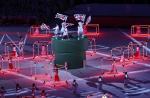
Samba dancers, singers, drummers and a giant plumed macaw float mixed with hundreds of athletes in the storied Maracana stadium while a final volley of fireworks lit up the night sky.
Brazilians came to the closing ceremony happy, many wearing the canary yellow jersey of the nation’s sports teams, having won two late gold medals in their two favourite sports, men’s football and volleyball.
But Sunday served up tough weather conditions for such a big party. High winds buffeted the Maracana, power briefly went out in the upper part of the stadium, and rain drenched performers and athletes as they entered the ceremony, many with medals hanging around their necks.
To the beat of traditional Brazilian music, Olympians danced and waved their countries’ flags to celebrate their place on the world’s premier sporting stage.
Rio Olympics 2016 Closing Ceremony
Click on thumbnail to view photos. Source:
Reuters, AFP
In the last of 306 medal ceremonies, International Olympic Committee President Thomas Bach draped the gold around the neck of Kenya’s Eliud Kipchoge, winner of the men’s marathon earlier in the day.
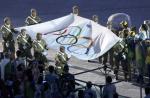
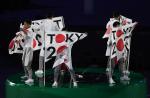
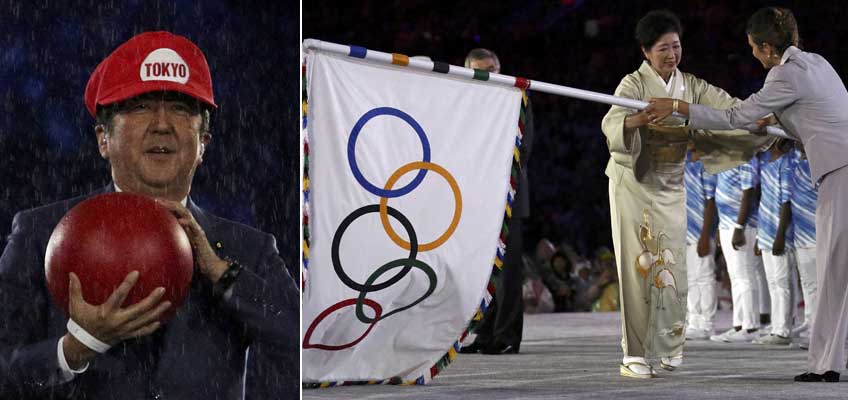
The city handed over the Olympic flag to Tokyo, site of the 2020 Summer Games, and Japanese Prime Minister Shinzo Abe appeared in the stadium dressed as popular video game character Mario, tunnelling from Tokyo to Rio.
Bach declared the Rio Games closed and expressed hope that they had left a lasting mark on the metropolitan area of 12 million people.
“These Olympic Games are leaving a unique legacy for generations to come,” he said. “History will talk about a Rio de Janeiro before and a much better Rio de Janeiro after the Olympic Games.”
In a final symbolic act, the Olympic flame that had burned since Aug 5 was then extinguished in a downpour of artificial rain.
Highlights from Olympics 2016
Click on thumbnail to view photos. Source:
AFP, Reuters, The Straits Times














TAPPING NATURAL TALENT
In the midst of it worst economic recession since the 1930s, Brazil’s opening and closing ceremonies relied more on the country’s unique talents and natural beauty and less on expensive technology.
On Sunday, there was an ode to the white-clad lacemaking ladies and the forro music of the Northeast that sparked waves of pride among Brazilians.
One of the more stunning moments of the ceremony focused on the ancient art found in the Serra da Capivara National Park – a UNESCO World Heritage site in northeastern Brazil featuring cave paintings, some more than 25,000 years old.
Click on thumbnail to view photos. Source:
Reuters













But the beauty was betrayed by Brazil’s tough times.
Just this week, the foundation that maintains the park said it could no longer do so because of a lack of funding.
For all the troubles before and during the Games, Rio will surely be remembered for great sporting moments.
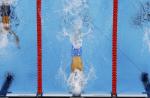
There was the remarkable comeback of American swimmer Michael Phelps, who won five golds to reinforce his distinction as the most decorated Olympian of all time.
Click on thumbnail to view photos. Source:
The Straits Times, Reuters, AFP












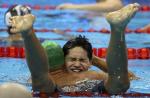































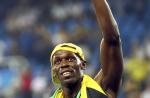
Jamaica’s Usain Bolt drew down the curtain on his brilliant Olympic career by securing a sweep of the sprint titles for a third successive Games. And American gymnast Simone Biles, the US flag bearer in the closing ceremony, kicked off her Olympic run by tying the record of four gold medals in a single Games.
But at times it was hard to focus on the sporting triumphs taking place across the sprawling city.
A low point for Rio came when Ryan Lochte, one of America’s most decorated swimmers, said he was robbed at gunpoint. That ignited further security concerns after a series of assaults against government ministers, athletes and tourists.
But Lochte’s story quickly unravelled, enraging Brazilians and Americans alike.
Click on thumbnail to view photos. Source:
Reuters, AFP














Brazilians could nevertheless take heart in the fact that there were no major mishaps or breaches after deadly attacks in Europe and the United States had prompted the biggest security operation in Brazil’s history with 85,000 troops.
‘DIFFICULT MOMENT’
“Even with all our problems we pulled off a good Olympics. Nothing too bad happened and I’d say it was better than expected,” said Nivea Araujo, a Rio resident attending the closing ceremony.
For many in the football-mad nation, the best Olympic moments happened in the Maracana, where Brazil defeated Germany in football on Saturday and pieced together a widely hailed opening ceremony despite the tight budget.
Rio won the right to host the Games in 2009, when the economy was booming and millions were pushing into the middle class. “We are in a difficult moment as a country right now, we can’t hide that, but the Games were scheduled and I’m glad we could enjoy them,” said Alessandro Freitas, also from Rio.
One of the major concerns for Brazilians is what will be the final cost of the Games for a country and how much they actually helped improve the city’s infrastructure. Many Rio residents could not afford tickets to events, leaving them feeling on the sidelines of the city’s biggest undertaking.
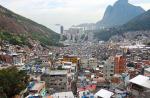
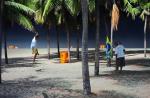
Rio, a city of great beaches and spectacular slums
Click on thumbnail to view photos. Source:
The Star/ANN
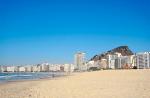
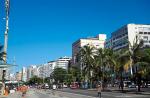
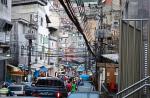

And come Monday, with the Games no longer a distraction, Brazil gets back to its dour reality of duelling political and economic crises. An impeachment vote in coming days could lead to the permanent ouster of suspended President Dilma Rousseff.
Interim President Michel Temer, who was booed at the opening ceremony, decided not to attend the closing event.
Rio Olympics 2016: Opening Ceremony Highlights
Click on thumbnail to view photos. Source:
Reuters, AFP









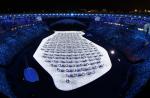

















Image:
Publication Date:
Monday, August 22, 2016 – 11:13
Keywords:
Send to mobile app:
Source:
Rotator Headline:
Japan PM Abe 'cosplays' as Mario at Rio Olympics closing ceremony
Rotator Image:
Story Type:
Others
PM Lee back to 'usual jovial self', medical tests at SGH 'all normal'

SINGAPORE – Prime Minister Lee Hsien Loong is back to his “usual jovial self” and results of his medical tests at the Singapore General Hospital on Monday morning (Aug 22) were “all normal”, President Tony Tan and Foreign Minister Vivian Balakrishnan…
Source link
Lou Pearlman, Backstreet Boys founder, dies in prison

Washington – Lou Pearlman, the producer who launched the hit 1990s boy band groups Backstreet Boys and NSYNC, has died in prison while serving a 25-year sentence for bilking investors of US$300 million (S$405 million).
The Federal Bureau of Prisons said the disgraced businessman died on Friday, providing no other details. He was 62.
Inspired by the success of the boy band New Kids on the Block, Pearlman recruited a group of unknowns to form the Backstreet Boys, which soared to stardom in 1996, becoming one of the best-selling boy bands of all-time.
The group sold more than 130 million records, its website says.
Some members of Pearlman’s other bands, including Justin Timberlake of NSYNC and Britney Spears, went on to achieve major stardom with solo careers.
But Pearlman was convicted in 2008 of fraud and cheating investors – including friends and family – out of more than $300 million through Ponzi and bank-fraud schemes that lasted two decades.
He had been serving his sentence at the Federal Correctional Institution in Texarkana, Texas.
Timberlake tweeted Sunday that he hoped Pearlman had “found some peace”. Lance Bass, another former NSYNC member, tweeted, “He might not have been a stand up businessman, but I wouldn’t be doing what I love today (without) his influence. RIP Lou.”
Image:

Publication Date:
Monday, August 22, 2016 – 10:50
Keywords:
Send to mobile app:
Source:
Story Type:
Others
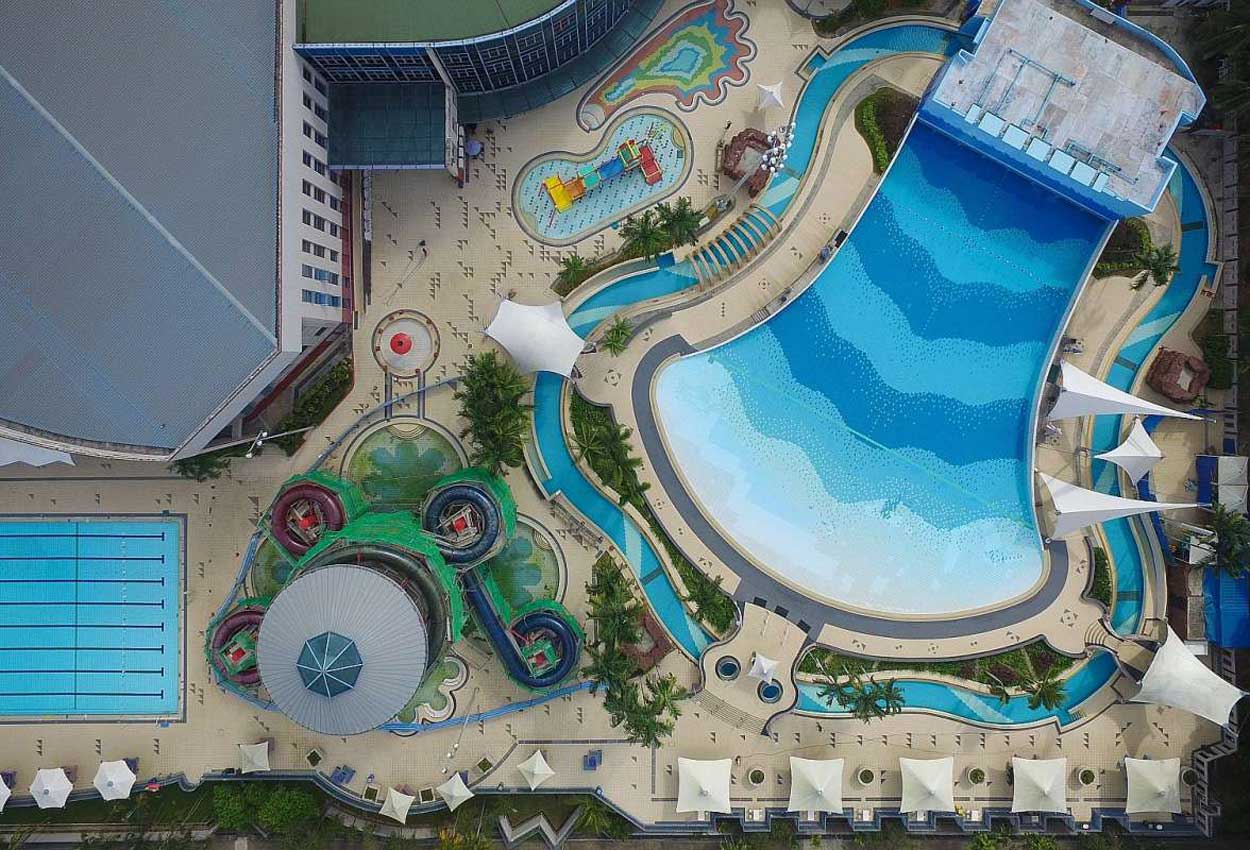
Singapore from above: Photographs taken with help from a drone
Bukit Batok Driving Centre, one of Singapore’s oldest driving test centres, is a peculiar sight from above.
Little cars make loops and turns, manoeuvring through an obstacle course which is harder than it looks. The facility has three years left on its lease and the Urban Redevelopment Authority has said that it will have to make way for housing within the next 15 to 20 years.
The unusual view of the centre may make one smile, though for many Singaporeans it may also hold stressful memories.
Click on thumbnail to view photos. Source:
Yeo Kai Wen for The Straits Times









With Singapore’s vibrant economy paving the way for some of the most innovative architecture in the world – take the durian-shaped Esplanade theatres for instance – amazing geometries are hidden in many places.
For example, the wave pool at Jurong East Swimming Complex looks like a giant nose from above, while the Bishan Home for the Intellectually Disabled looks like a human brain.
The newly opened Ng Teng Fong Hospital looks like an anatomical model of the human circulatory and digestive system.
It is not known, however, if the layouts of these places were designed with such shapes in mind.
It is usually difficult to know what you will find until you are up in the air, but advances in technology have made that a lot simpler and safer.
A Phantom 4 drone from Shenzhen-based tech company DJI costs about $1,700, and comes with an in-built 4K camera that takes crisp images.
I picked up aerial videography in 2014, using drones to document melting sea ice at the Arctic’s edge in Manitoba, Canada.
Since then, this same technology has allowed me to investigate how illegal farming in the Cameron Highlands led to increased flooding disasters in Malaysia.
This led to a documentary titled The Disappearing Hills, which will make its debut this weekend at the Freedom Film Festival, Malaysia’s annual human rights film festival.
Around the world, the environment is constantly being shaped and reshaped by development. This is even more so in Singapore.
Taking aerial photos is a tedious process, requiring careful planning of shots and time taken off work to curate the images.
But this is the least I can do to show my gratitude to the land that has given me so much.
•Yeo Kai Wen’s aerial shots are currently on display at the Singapore Botanic Gardens till Sept 3.

This article was first published on August 18, 2016.
Get a copy of The Straits Times or go to straitstimes.com for more stories.
Image:
Publication Date:
Monday, August 22, 2016 – 09:06
Keywords:
Send to mobile app:
Source:
Story Type:
Others
Klipsch: 1-for-1 Selected Products from 22 – 23 Aug 2016

KLIPSCH: 1-for-1 selected products at Adelphi showroom till 23 Aug
Klipsch: 1-for-1 Selected Products from 22 – 23 Aug 2016
Klipsch is having a 1-for-1 promotion on selected products at their showroom from 22 August to 23 August. Products under the promotion include X7i, X10i, X11i, KMC3 and many more
Minimal risk of BPA leaching into canned food sold in Singapore: CASE
The Consumers Association of Singapore tested 30 different canned food products sold in Singapore for bisphenol-A, and the majority of these had no detectable amounts of the chemical.
Source link
Dear PM Lee, rest more and get well soon, say well-wishers
A prolonged pause, a collective gasp and an uncomfortable silence in the auditorium – this was the moment that left those watching the National Day Rally on Sunday night (Aug 21) in shock.
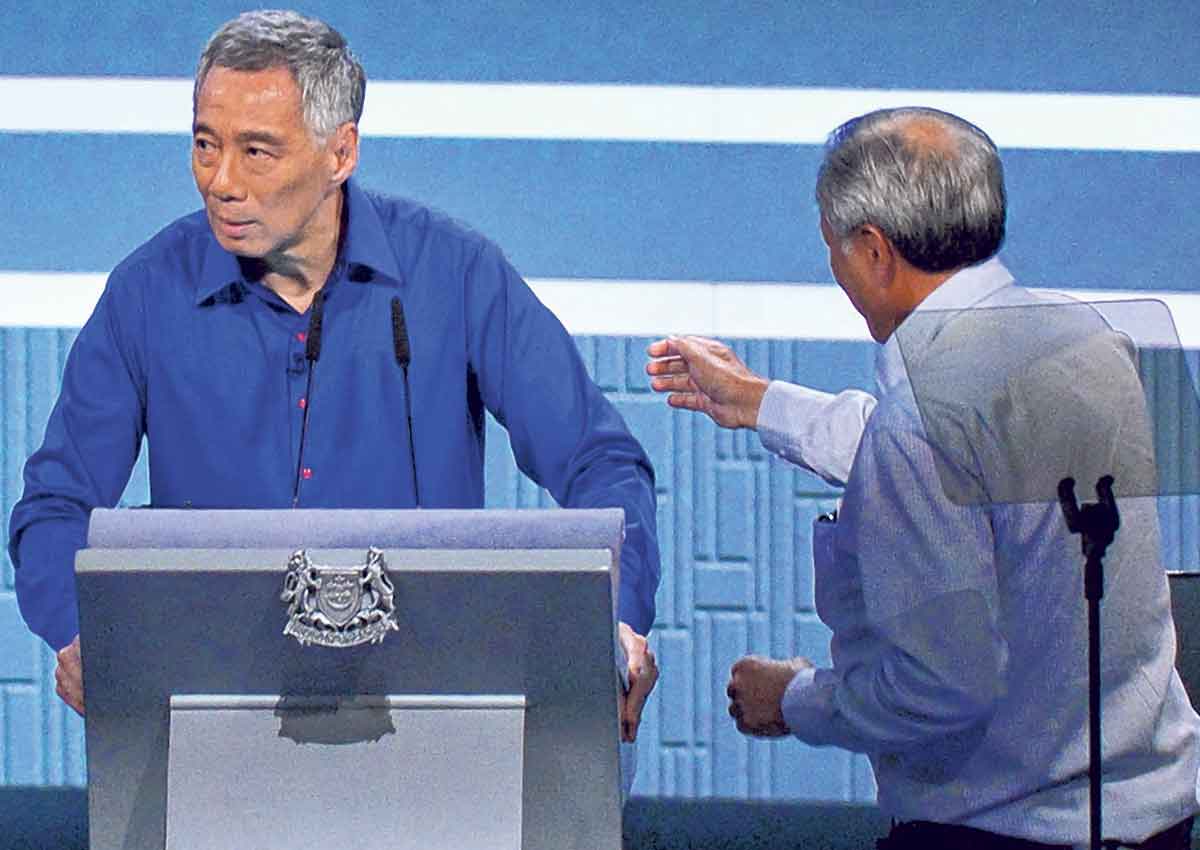
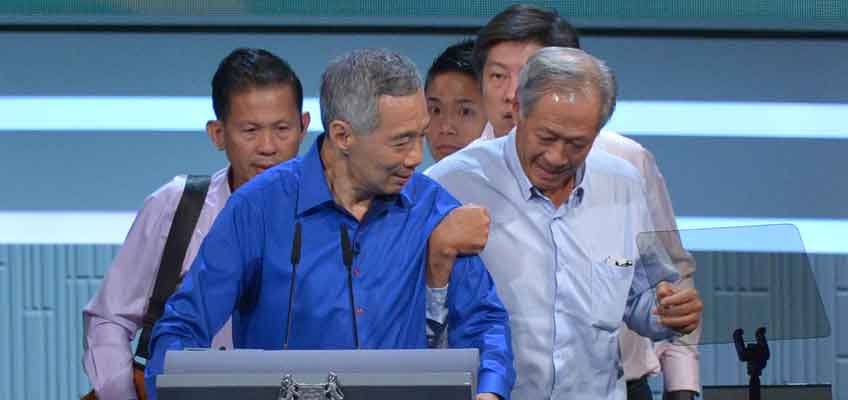
For the first time, Prime Minister Lee Hsien Loong, 64, stumbled during a live broadcast of his rally speech and had to be supported by several ministers. Deputy Prime Minister Teo Chee Hean, Defence Minister Ng Eng Hen and Acting Minister for Education (Schools) Ng Chee Meng, who were seated in the first row, rushed to Mr Lee’s aid on stage.
During the 30-minute suspension of his speech, the Prime Minister’s Office (PMO) confirmed at 10.28pm on Sunday that Mr Lee did not have a stroke and that he was just dehydrated from standing too long.
On social media, a flurry of well-wishers for Mr Lee began to pour in after many quickly expressed their concern on Facebook and Twitter.
Facebook user Raymond Lim said: “To rest is to prepare for a longer journey ahead. Hope our medical team can fix the blip.”
Dear PM @leehsienloong, none of us would mind if you just went home to rest and posted your #NDRsg speech online. Your health is important.
— Mr Miyagi (@miyagi) August 21, 2016
On Twitter, user mezza001 posted a video with a message to Mr Lee to “get well and healthy”.
A message for PM Lee Hsien Loong – get well & healthy https://t.co/smGxQylvpQ
— Mezza (@mezza001) August 22, 2016
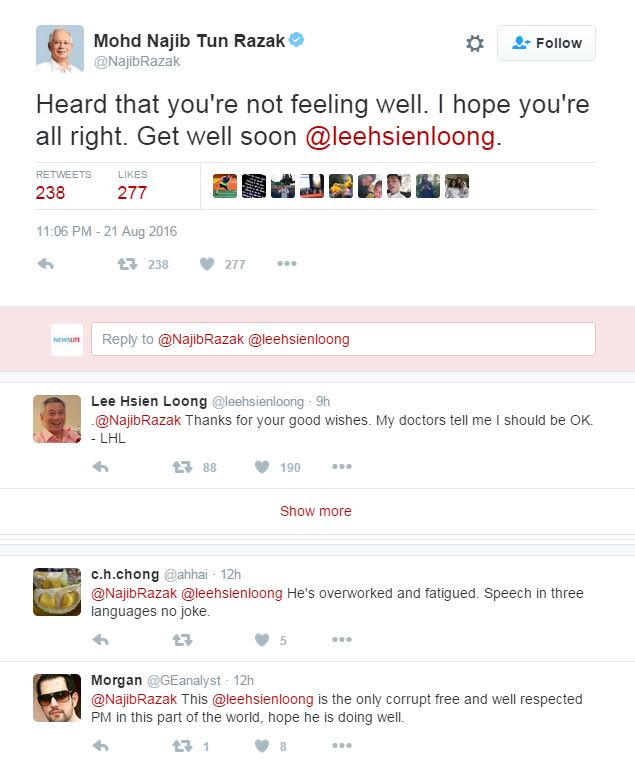
Malaysia’s Prime Minister, Najib Tun Razak, also posted a tweet to Mr Lee after the incident. He said: “Heard that you’re not feeling well. I hope you’re all right. Get well soon.”
Mr Lee subsequently replied to his tweet on Monday morning (Aug 22) saying: “Thanks for your good wishes. My doctors tell me I should be OK. – LHL”
Mr Lee’s wife, Ho Ching, responded to well-wishers by thanking them in a Facebook post update. She said: “Thank you all for your good wishes and kind prayers. Wishing all of you good health too.”
Singapore’s ministers also wrote well-wishers to Mr Lee.
Deputy Prime Minister Tharman Shanmugaratnam said on his Facebook page: “PM gave everyone a scare this evening and had to take a break… but he eventually cameback to a standing ovation, looking good, and ended his speech on an uplifting note on our future as Singaporeans. He’s got real mental strength.”
Finance Minister Heng Swee Keat, whose ministerial duties will resume as announced last night, also said on Facebook: “I hope PM will take some rest. He has been checking up on me in the last few weeks, advising me to take care after my stroke. My sincerest hope is that he will also be kind to himself when it comes to his health.”
Workers’ Party member and former non-constituency Member of Parliament Gerald Giam told The Straits Times: “My wife, children and I said a prayer together for him minutes after his speech was disrupted. I am relieved to know from a PMO update that his condition is “not serious”.”
When the rally resumed at 10.40pm, the audience at the ITE College Central auditorium and those watching at home could finally heave a sigh of relief after Mr Lee returned smiling one hour after the scare.
PM Lee speaks at National Day Rally 2016
Click on thumbnail to view photos. Source:
The Straits Times, Twitter screengrabs










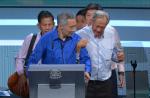



























Mr Lee, who received a standing ovation before addressing the audience, even jokingly said: “The last time I did this, I was on the parade square in Safti (the military’s officer training institute) and fainted.
“I’ve never had so many doctors look at me all at once. They think I’m all right, but I’m going to have a full check-up after this.”
On Monday, Foreign Minister Vivian Balakrishnan announced in a Facebook post that all was normal after Mr Lee went to SGH for more tests.
“We then went to SGH for more tests – which were all normal before calling it a night around 1:30 AM,” he wrote.
Timeline of events
8pm: PM Lee begins his English speech.
9.18pm: He takes ill. Defence Minister Ng Eng Hen rushes to his aid, along with Acting Minister for Education (Schools) Ng Chee Meng and Deputy Prime Minister Teo Chee Hean. Mr Lee is led backstage. He waves to the audience as he leaves.
9.22pm: The National Day Rally is suspended.
9.30pm: The Prime Minister’s Office (PMO) announces a 30-minute break on Mr Lee’s Twitter. On Mr Lee’s Facebook, PMO says Mr Lee took ill while speaking. A medical team attending to him has assessed that his condition is not serious.
9.51pm: DPM Teo announces that Mr Lee will resume his speech.”PM Lee says please enjoy the reception,”he adds.
10.19pm: Guests are asked to take their seats.
10.22pm: PMO issues another statement saying Mr Lee was unsteady because of “prolonged standing, heat and dehydration”. It adds that his heart is fine and he did not have a stroke.
10:40pm: Mr Lee reappears to a standing ovation.
stephluo@sph.com.sg
Image:
Publication Date:
Monday, August 22, 2016 – 12:46
Keywords:
Send to mobile app:
Source:
Rotator Image:
Story Type:
Rewritten Story
TL;DR:
Well-wishers for PM Lee have poured in since Sunday night (Aug 21), after he stumbled during his National Day Rally speech. While PM Lee has been actively checking up on Finance Minister Heng Swee Keat after his stroke in May this year, Mr Heng now wishes for Mr Lee to be "kind to himself when it comes to his health".
Office workers in Taiwan 'spend 1.3 hours a day catching Pokemon'

TAIPEI – Office workers spend an average of 1.3 hours a day playing Pokemon Go, according to survey results released by 1111 Job Bank.
Noticed a decline in your company’s productivity? This might explain why.
Office workers spend an average of 1.3 hours a day playing Pokemon Go, according to survey results released Thursday by 1111 Job Bank.
The survey found that most players were aged 21-25 (27.08 per cent), followed by those aged 26-30 (18.95 per cent).
Read also: Don’t get caught playing Pokemon GO in the office
Employees in the information technology sector had the highest percentage of Pokemon catchers, with 22.78 per cent of IT workers playing the augmented reality game, while the business service industry had the second highest rate at 13.91 per cent.
The positive effect of playing Pokemon Go most commonly cited by the survey respondents was socialization (52.71 per cent) followed by deepening friendships or other relationships (30.43 per cent) and going outside more often (18.14 per cent).
They also identified negative effects, the most widely cited of which were physical ailments such as neck and shoulder stiffness (10.57 per cent) as well as eyesight damage (10 per cent).
When asked why they choose to play Pokemon Go, the most common reason given was “to relive my childhood memories of playing Pokemon.”
Pokemon Go fever
Click on thumbnail to view photos. Source:
Reuters, AFP






















































Diversion or distraction?
1111 Job Bank associate general manager Henry Ho said most employees enjoyed playing such games that were entertaining, inexpensive and a convenient way to help relieve workplace stress.
However, Ho cautioned office workers to indulge in moderation, warning that the activity could easily go from occasional diversion to serious distraction.
“Even though most employees do not tend to play the game during office hours, according to the survey, at least 33 per cent do so,” Ho said.
He added that the line between personal and office work had become blurred because of the omnipresence of technology in both arenas, and as such it was difficult for companies to restrict their employees from sneaking in breaks to catch some Charmander.
Read also: Top 5 excuses employees can give to play Pokemon Go at work, and get away with it
Sixty-six per cent of the respondents said they tended to play the game only near their home, whereas 37.86 per cent said they played at any chance they got.
Moreover, 33 per cent of the respondents said they were willing to spend money — on average NT$762 (S$32.52) — on the game, such as by planning outings dedicated to finding area-specific Pokemon or purchasing a power bank to keep their smartphones charged while catching ’em all.
The survey was conducted via email from August 8 to 17 and received 1,071 responses. It has a margin of error of 2.99 per cent.
Image:

Publication Date:
Monday, August 22, 2016 – 09:24
Keywords:
Send to mobile app:
Source:
Story Type:
Others


