Home Blog Page 3053

KFC: New $5 Fill Up Value Meals, Spicy Sambal Rice Bucket & Crispy Tenders Burger from 24 Aug 2016

0

KFC: New Spicy Sambal Rice Bucket, Crispy Tenders Burger & $5 Fill Up Value Meals

KFC: New $5 Fill Up Value Meals, Spicy Sambal Rice Bucket & Crispy Tenders Burger from 24 Aug 2016

Hungry and tight on budget? Get the KFC $5 Fill Up Value Meals! New Spicy Sambal Rice Bucket with mouth-watering sambal sauce

Source

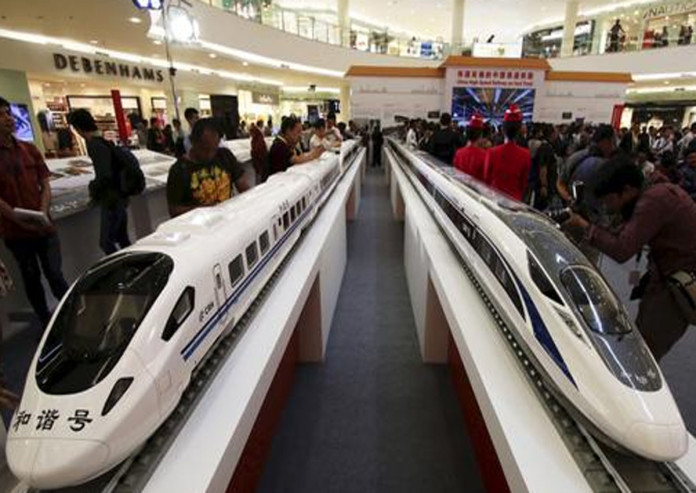
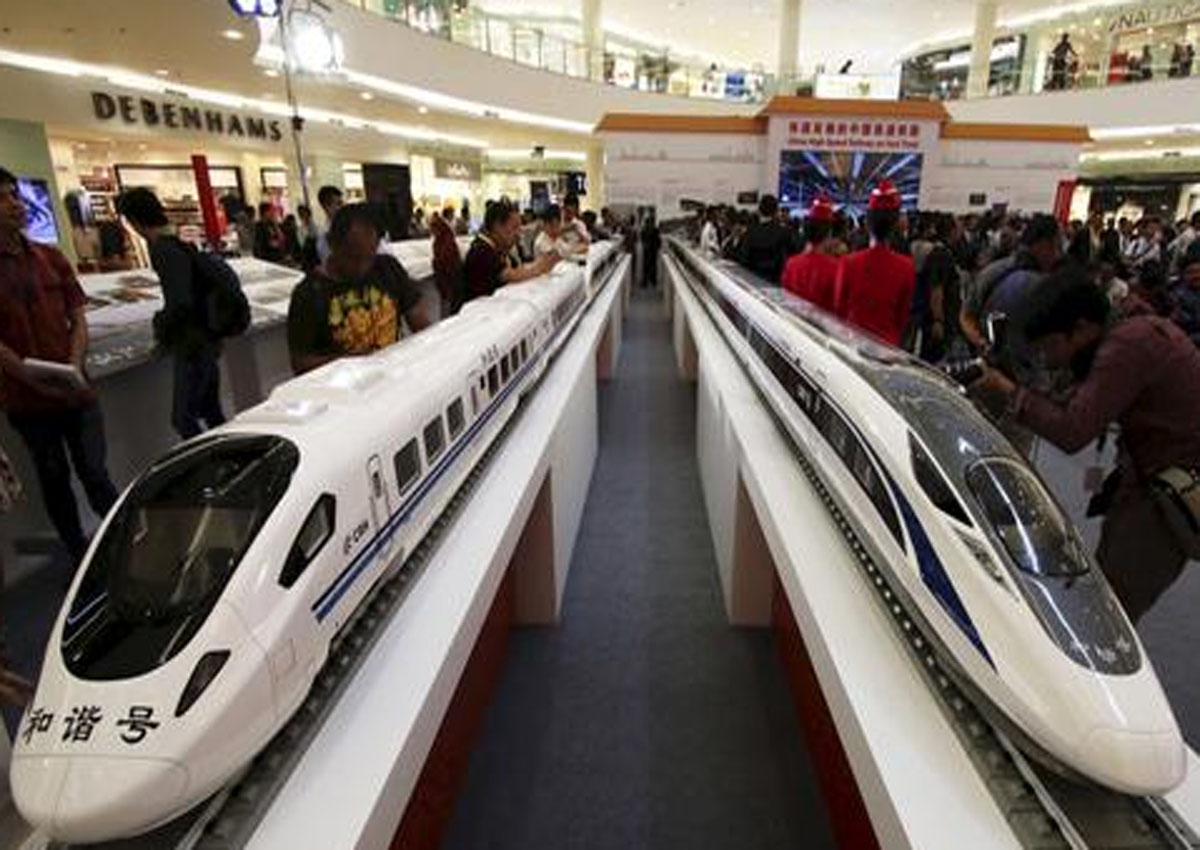
Sino-Thai high-speed railway now on track

0

BANGKOK – The long-delayed Sino-Thai high-speed railroad scheme looks set to shift into gear by year-end with Thailand funding all of the civil engineering work.

After a long delay, the Sino-Thai high-speed railroad scheme looks set to shift into gear by year-end with Thailand funding all of the civil engineering work.

The Cabinet yesterday gave the nod to a framework of co-operation between the Thai and Chinese governments to develop high-speed railways from Map Ta Phut to Nong Khai and Bangkok to Kaeng Khoi.

“We came up with latest conclusion that the county will invest in all of the project’s construction,” said Kobsak Phutrakul, a vice minister at the PM’s Office.

The Bangkok-Nakhon Ratchasima route would be developed in the first phase and its extension in the future.

The railway project will feature dual 1.435-metre gauge tracks and span 837 kilometres in total.

Bangkok and Beijing had set a timeframe to sign the agreement of co-operation on development of the project by yesterday or today.

The Bangkok-Kaeng Khoi route will run about 250km and require about 170 billion-190 billion baht (US$4.8 – 5.4 million) of investment.

Under the agreement, Thailand would retain ownership rights for the entire project.

This would help accelerate the commencement of construction by the end of this year.

The Chinese side would be responsible for surveying the project’s proprietary and designing the project.

The Thai side would be responsible for conducting environmental impact assessments, expropriating land and executing contracts.

The contracts will be divided into two parts.

One will cover civil engineering work and procurement and the other the electric system, rolling stock and track installation, which both sides would join in.

The resource capital for the project would come from the government’s expense budget and domestic loans plus other sources such as China’s import-export bank.

Other areas of co-operation are human resource development, technology transfer and training.

The prime minister also instructed authorities to expedite the project so that construction would start this year, as this would be the first ever high-speed railway in Thailand connecting the capital with other cities, he added.

Image: 
Category: 
Publication Date: 
Wednesday, August 24, 2016 – 12:04
Send to mobile app: 
Source: 


Story Type: 
Others

Source link

Singapore-Africa trade relations set to deepen with new agreements

0

Trade relations between Singapore and Africa are set to deepen, with several agreements signed on Wednesday (Aug 24) at the fourth edition of the Africa Singapore Business Forum.

Source link

222 new dengue cases reported, upward trend expected: NEA

0

SINGAPORE – The number of dengue cases reported is spotting an increasing trend which is expected to continue in the coming months, says National Environment Agency (NEA).

According to NEA’s dengue website, 222 new cases were reported last week ending Saturday (Aug 20). This is an increase of 24 new cases from the previous week.

In April this year, NEA reported that there was a steady increase in the Aedes mosquito population and it remained high.

To prevent the breeding of more mosquitoes, the agency said that it will keep up its efforts in eradicating breeding habitats and spraying of insecticides.

Those who are going on vacations are urged by NEA to mosquito-proof their homes.

People infected with dengue should also apply repellent more regularly to prevent mosquitoes from biting them and transmitting the virus to those who are not infected.

stephluo@sph.com.sg

Image: 
Category: 
Publication Date: 
Wednesday, August 24, 2016 – 12:43
Keywords: 
Send to mobile app: 
Source: 


Story Type: 
Others

Source link

Money, culture and Asia's chase for Olympic gold

0

Among Asian nations competing in the Games, China and Japan have been traditionally the strong contenders in gymnastics and swimming.

After two weeks of intense competitions among the world’s finest athletes, the Rio Games has ended.

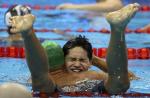
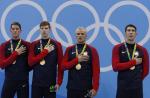
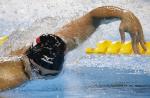
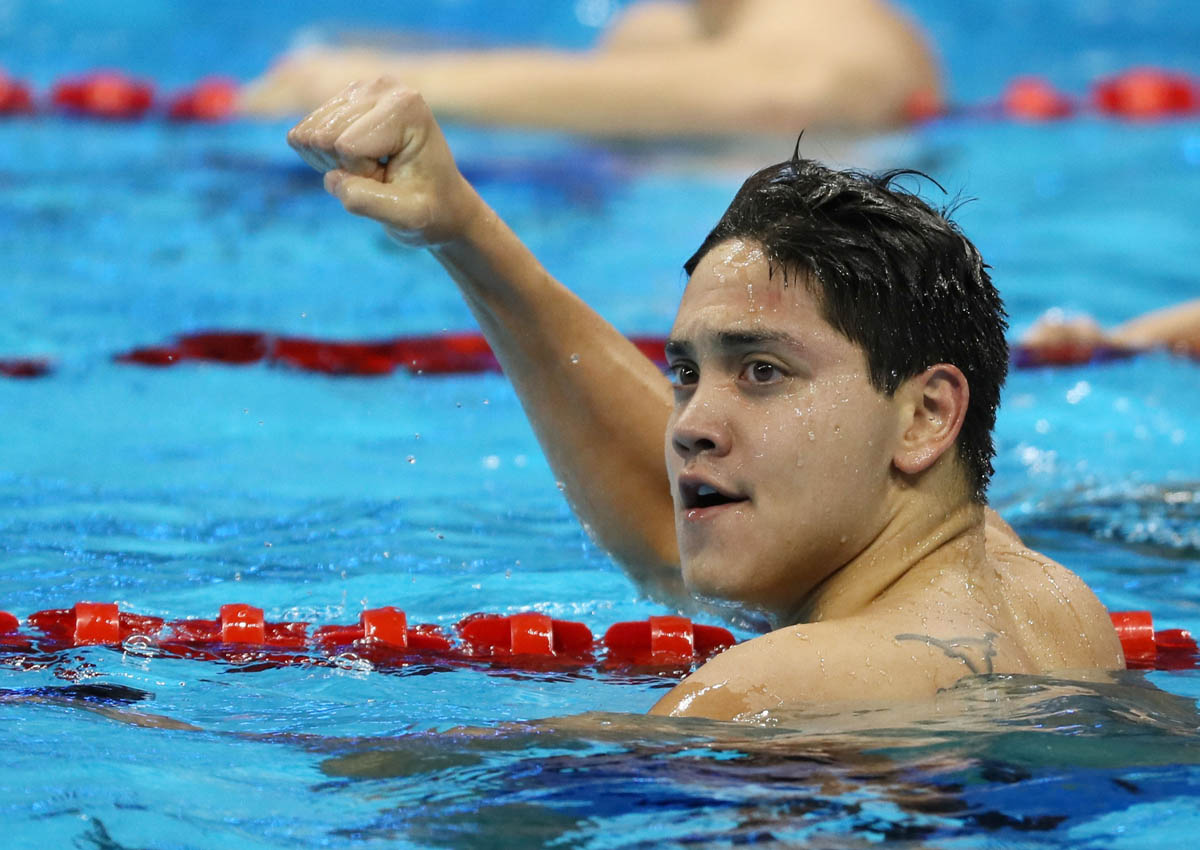
New records were set and new heroes were born, among them, Singapore’s young swimmer Joseph Schooling who staged one of the greatest upsets of the Olympics.

As defined by Daniel Goffenberg of CBC Sports, for a great upset to happen, “You need an overwhelming favourite, a gutsy underdog, and a stage big enough for the outcome to matter.”

Schooling’s victory over Michael Phelps fit the bill perfectly. He was the underdog from a tiny country that had never won an Olympic gold while Phelps was the mightiest, most decorated Olympian in history with 23 gold medals. Not only that, Schooling set an impressive new record of 50.39secs for the 100m butterfly event.

When news of Singapore’s first gold medal broke, it quickly overtook other stories emanating from Rio, eclipsing its ASEAN neighbours’ own Olympic gold successes: Vietnam’s shooter Hoang Xuan Vinh in the 10m air pistol competition and Thailand’s weightlifters Sopita Tanasan and Sukanya Srisurat in their individual weight classes.

It certainly overtook Malaysian diving duo Pandelela Rinong and Cheong Jun Hoong’s silver in the women’s synchronised 10m platform diving.

All are no small feats but there is a total of 28 sports in the Games, not counting those with multiple disciplines, and the most popular ones for a global audience are gymnastics, track & field and swimming, according to topendsports.com.

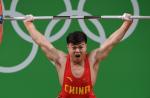
Among Asian nations competing in the Games, China and Japan have been traditionally the strong contenders in gymnastics and swimming. For most other Asian competitors, the sports they excel in tend to be the ones with less mass appeal like archery, shooting, judo, badminton and for some strange reason, women’s weightlifting.

Apart from the Thais, Taiwanese, Filipina and Indonesian female weightlifters have also won medals for their countries. In the glamorous track & field events, however, there doesn’t seem to be any Asian athlete who can challenge the likes of Usain Bolt.

China remains the sporting powerhouse of Asia, sending its largest delegation of 416 athletes to Rio. But this Olympics has been a disappointment to the Chinese; their medal haul, although ranked third, after the United States and Britain, is far below what they got at 2012 London Games.

Meanwhile, the other Asian powerhouse, India, with the second largest population in the world, has never done well at the Olympics which has been the subject of intense debate among Indian and foreign sports pundits.

Sadly, its fortunes didn’t change, despite sending its biggest ever contingent of 118 sportsmen and women to Rio. Its one silver and one bronze fall very short of the hoped for 10-14 medals, as reported by The Statesman newspaper.

Winning an Olympic gold medal is the Holy Grail of sports.

The pomp that surrounds the Games gives the gold medallists unparalleled honour and prestige. And the nations they represent go into collective convulsions of ecstasy and nationalistic joy, which make their governments equally happy and proud.

That’s why many governments pour millions into sports programmes to nurture and train promising talents and offer great financial rewards to successful Olympians.

Schooling will get S$1 million from the Singapore Government for his gold medal. Vietnam’s Hoang reportedly will receive US$100,000, a figure, according to AFP, that is nearly 50 times greater than the country’s average national income, of around US$2,100.

Malaysia, too, rewards its successful athletes handsomely under its National Sports Council incentive scheme. An Olympic gold medal winner will receive 1 million ringgit and a monthly pension of 5,000 ringgit; a silver medallist, 300,000 ringgit, a 3,000 ringgit pension while a bronze winner gets 100,000 ringgit and a 2,000 ringgit pension.

Taiwan, India, Indonesia, Philippines, South Korea and Thailand have similar monetary reward schemes. North Korea uses a carrot and stick scheme: huge rewards for medal winners and hard labour for the failed ones.

Several western countries have the same financial bait, including the United States, France, Russia and Germany but at a lower rate.

Does it work?

The Technology Policy Institute looked for a co-relation and was mindful of variables like country size and income, “since those are surely the biggest predictor of how many medals a country will win: more populous countries are more likely to have that rare human who is physically built and mentally able to become an Olympic athlete, while richer countries are more likely to be able to invest in training those people.”

The researchers found no correlation between monetary payments and medals and said it was not surprising in some countries. In the United States, for example, a US$25,000 cash award would be dwarfed by million-dollar endorsements the sportsperson could get.

The researcher also set out to see if the results be different for countries with lower opportunities for endorsements. Their conclusion: “overall the evidence suggests that these payments don’t increase the medal count” either.

Rather, countries that do well are those with a longstanding sporting culture that values and nurtures their athletes long before they qualify for the Olympics.

That is evident in Western societies where sportsmen, even at the college level, are feted and idolised. In Asia, however, the emphasis is more on book-learning and earning prestigious degrees.

The BBC quotes Indian Olympic Association head Narayana Ramachandran as saying India’s sorry performance is more than just a shortage of cash or organisation.

“Sport has always taken a back seat vis-a-vis education. Most Indian families would prefer their children became dentists or accountants than Olympians, he says.

That attitude, however, is surely changing as more Asian sportsmen and women go professional and are able to make a good living.

Filipino boxing legend Manny Pacquiao, hailed as the greatest Asian fighter of all time, is so successful he is able to cross over to acting and even politics. In Malaysia, its most popular sportsman, badminton star Lee Chong Wei who unfortunately couldn’t deliver the Olympic gold, is a multi-millionaire with a number of endorsements under his belt.

For now, it is still the Western countries that dominate the Olympic medal tally table. But it’s only a matter of time before more Asian nations, once no-hopers at the Games, rise up the charts.

It has already started. The Rio Games will go down in history as a watershed for ASEAN, with two member states – Singapore and Vietnam – winning their first gold medals.

For Malaysia, even though this was its most successful Olympic outing with three silver and one bronze, the gold medal remained painfully elusive.

So it didn’t happen for her athletes at Rio but it can in Tokyo in the 2020 Games. After all, the Little Red Dot has shown the wildest dream can be a reality.

Image: 
Category: 
Publication Date: 
Wednesday, August 24, 2016 – 11:36
Send to mobile app: 
Source: 


Story Type: 
Others

Source link

Children being screened for TB at Little Greenhouse preschool

0

A school spokesperson said a teacher called in sick last Thursday (Aug 18) and reported that she had been diagnosed with tuberculosis the next day. 

Source link

Fisherman kept possibly world's largest pearl worth $135m for 10 years under his bed

0

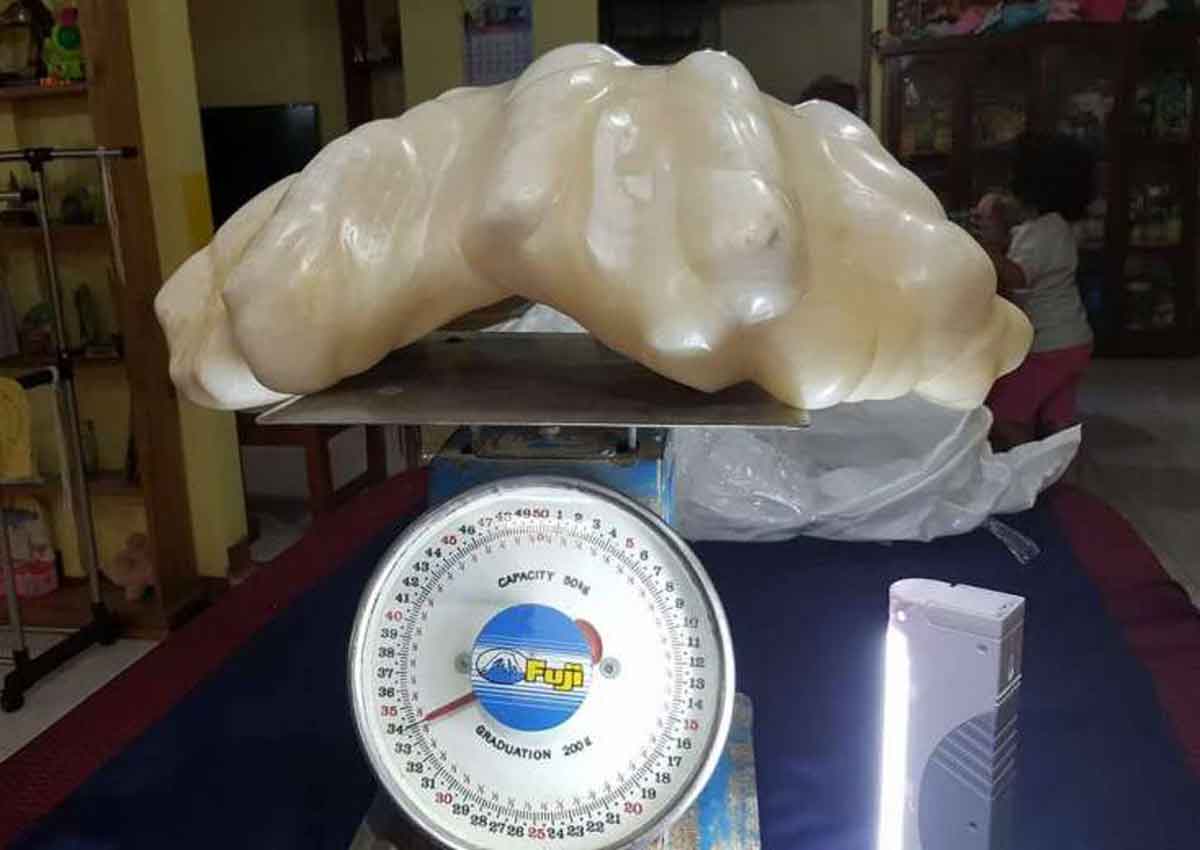
An unidentified fisherman in the Philippines kept a giant pearl that might just be the biggest ever under his bed for the last 10 years.

The gem measuring around 30cm wide and 67cm long is heavier and larger than the current record holder Pearl of Lao Tzu, also known as the Pearl of Allah, by over five times.

It was revealed to the public on Monday (Aug 22) after the fisherman showed it to a local tourism officer in city of Puerto Princesca on Palawan Island in western Philippines.

He had not been aware of the massive pearl’s value and kept it for a decade as a good luck charm, until a fire forced him to move out of his wooden shack.

According to the Daily Mail, tourism officer Aileen Cynthia Amurao said the pearl, found off the coast of Palawan, had been formed inside a giant clam.

She said: “The fisherman threw the anchor down and it got stuck on a rock during a storm. He noticed that it was lodged on a shell and swam down to pull up the anchor, and also brought the shell with him. This was a decade ago and he kept it at home.”

The fisherman’s find, which weighs 34kg, is estimated to be worth US$100 million (S$135 million). The Pearl of Lao Tzu, also found in the Palawan sea, weighs 6.4kg and is worth US$35 million.

She added: “We were amazed when he brought it to us. We now need help from gemologists to fully certify it.We’re waiting for authentication from Gemologist Institute and other international authorities.

“But we believe Puerto Princesca is likely to earn another prestigious title and a record breaker for having the world’s biggest natural giant pearl from a giant clam.”

She said the pearl would remain in the Philippines and hopefully help attract more tourists to Puerto Princesca.


This article was first published on August 23, 2016.
Get a copy of The Straits Times or go to straitstimes.com for more stories.

Image: 
Category: 
Publication Date: 
Wednesday, August 24, 2016 – 11:24
Keywords: 
Send to mobile app: 
Source: 


Rotator Headline: 
Filippino kept possibly world's largest pearl worth $135m for 10 years under bed
Story Type: 
Others

Source link

Costa Coffee: 1-for-1 Creamilicious Frostinos All-Day from 24 – 31 Aug 2016

0

COSTA COFFEE: 1-for-1 Creamilicious Frostinos ALL-day at ALL outlets

Costa Coffee: 1-for-1 Creamilicious Frostinos All-Day from 24 – 31 Aug 2016

Are you still feeling the heat? Costa Coffee is topping up the 1-FOR-1s with the creamilicious Frostinos available at ALL Costa stores

Source

Team Singapore sailors back home after Rio games

0

They were welcomed at Changi Airport Terminal 3 by parents, members of the Singapore National Olympic Council’s Athletes’ Commission, and Ministers Tan Chuan-Jin and Grace Fu.

Source link

Malaysians express condolences over Nathan's death


0

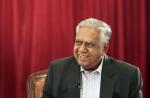
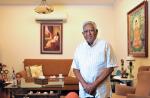
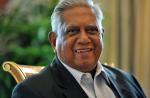
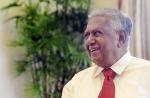
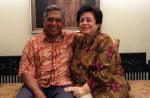
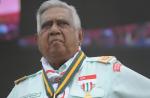
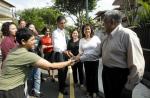
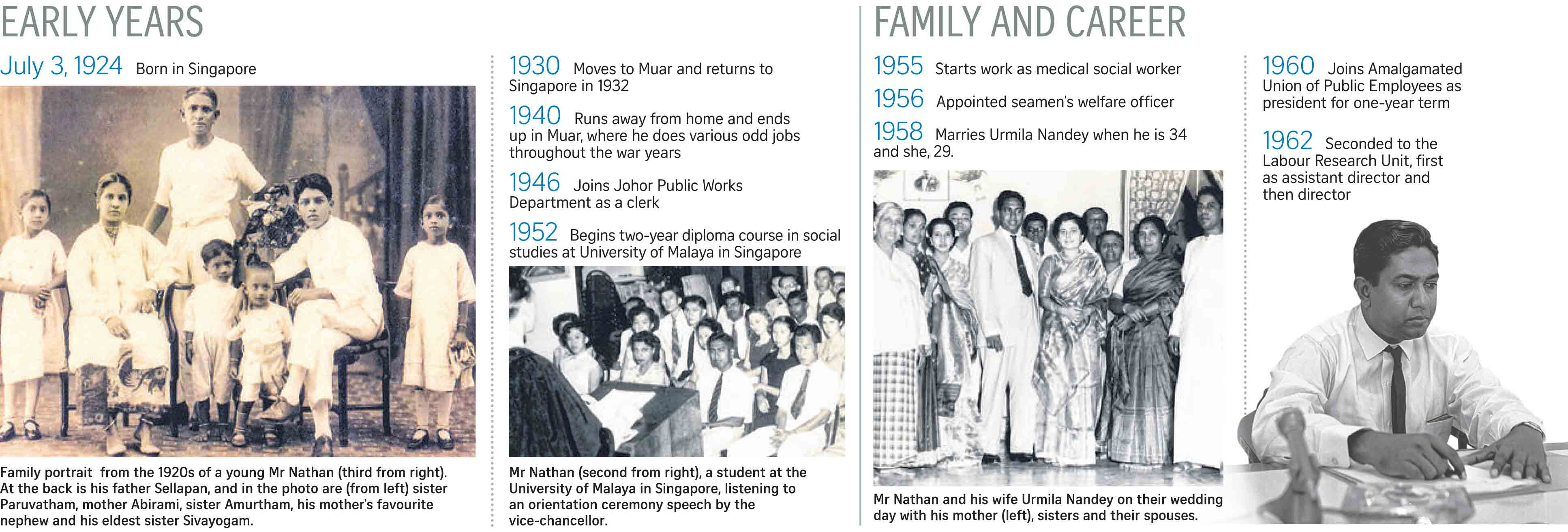
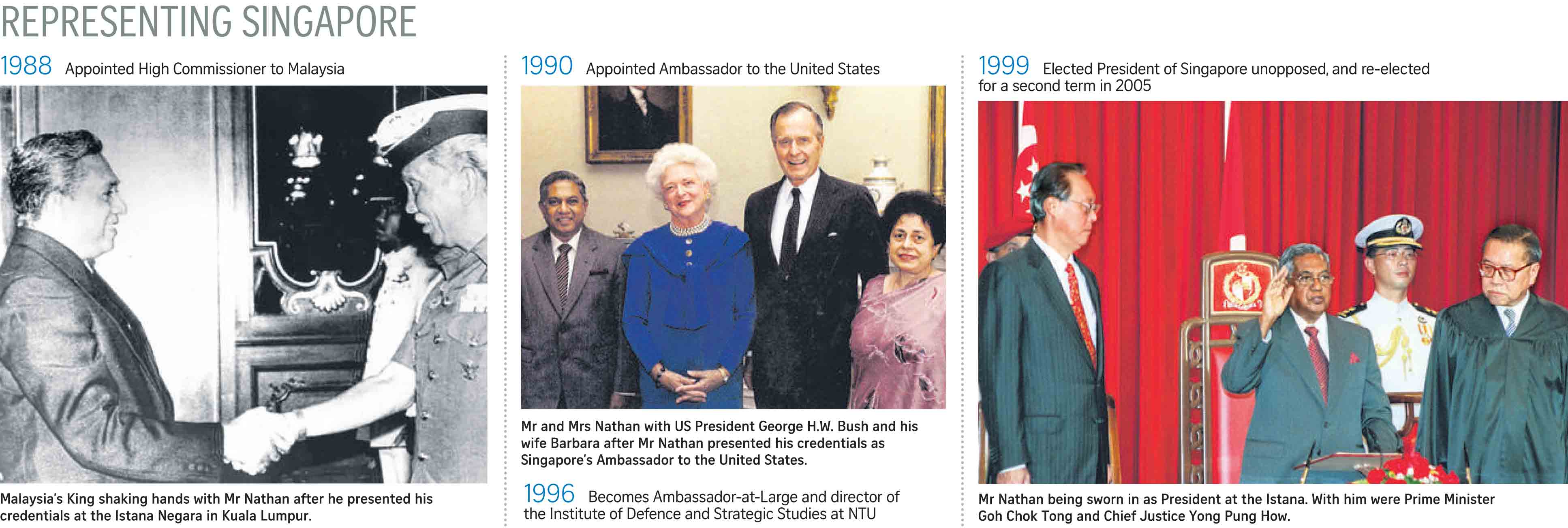
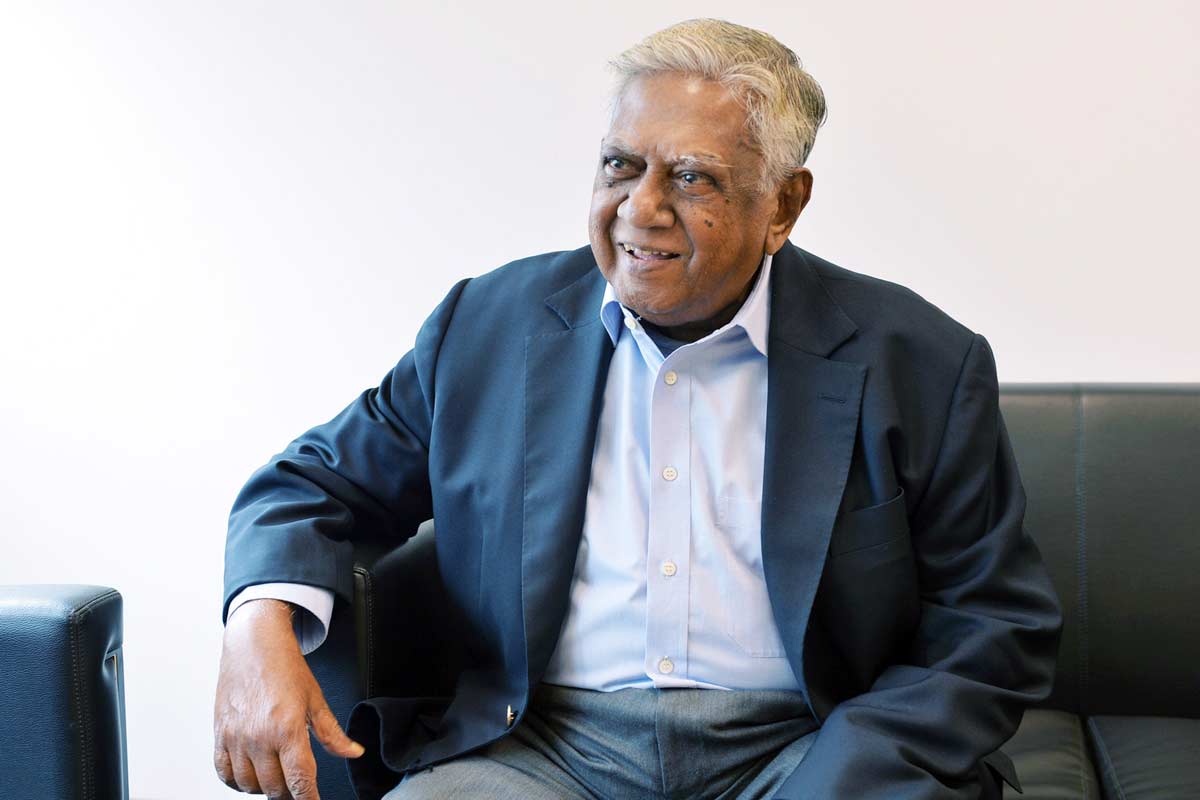
PETALING JAYA – Malaysian leaders and the people have expressed their condolences at the passing of S. R. Nathan.

“My deepest condolences to the family of former Singapore president S. R. Nathan and the people of Singapore,” said Prime Minister Datuk Seri Najib Tun Razak in a message posted on his Twitter account yesterday.

Health Minister Datuk Seri Dr S. Subramaniam expressed his sadness at the death of Nathan, whom he called “a good friend”.

“We had many good discussions on the common history which binds Malaysia and Singapore together.

“He had many Malaysian friends and relatives and held those relationships very close to his heart. We have lost a great leader,” he said.

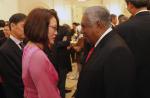
The Singapore High Commission in Kuala Lumpur and the Singapore Consulate General’s office in Johor Baru have opened a condolence book from yesterday until Friday to Singaporeans and Malaysians wishing to express their condolences to Nathan and his family.

At the Singapore Consulate General’s office in Jalan Wong Ah Fook, Johor Baru, many people have been coming in to sign the condolence book.

Among them was Johor Baru City Square shopping mall general ma­­nager and chief finance officer Catherine Quek.

“I came to know about the news of his passing on television, so the management team and I decided to pay our last respects after learning that a condolence book would be set up at the consulate.

“I never met him in person but he always came across as an admirable man who always looked out for the people of Singapore,” she added.

Singaporean G. Arron, 43, a sub-contractor for a local oil-and-gas company, described Nathan as a humble and kind-hearted man.

“I saw him once at a Eurasian restaurant along Ceylon Road a few years ago and he seemed like a down-to-earth person,” he said.

Image: 
Category: 
Publication Date: 
Wednesday, August 24, 2016 – 09:12
Keywords: 
Send to mobile app: 
Source: 


Story Type: 
Others

Source link