Singtel debuted its new mobile data add-on, DataX3, at its exclusive iPhone 7 launch event at Marina Bay Sands Convention Centre, today. With DataX3, customers will enjoy triple the mobile data allowance on their plans, for just S$9.90 a month.
The film, about a young man who is asked to perhaps take over as the country’s state executioner, had its world premiere at the Cannes film festival May this year.
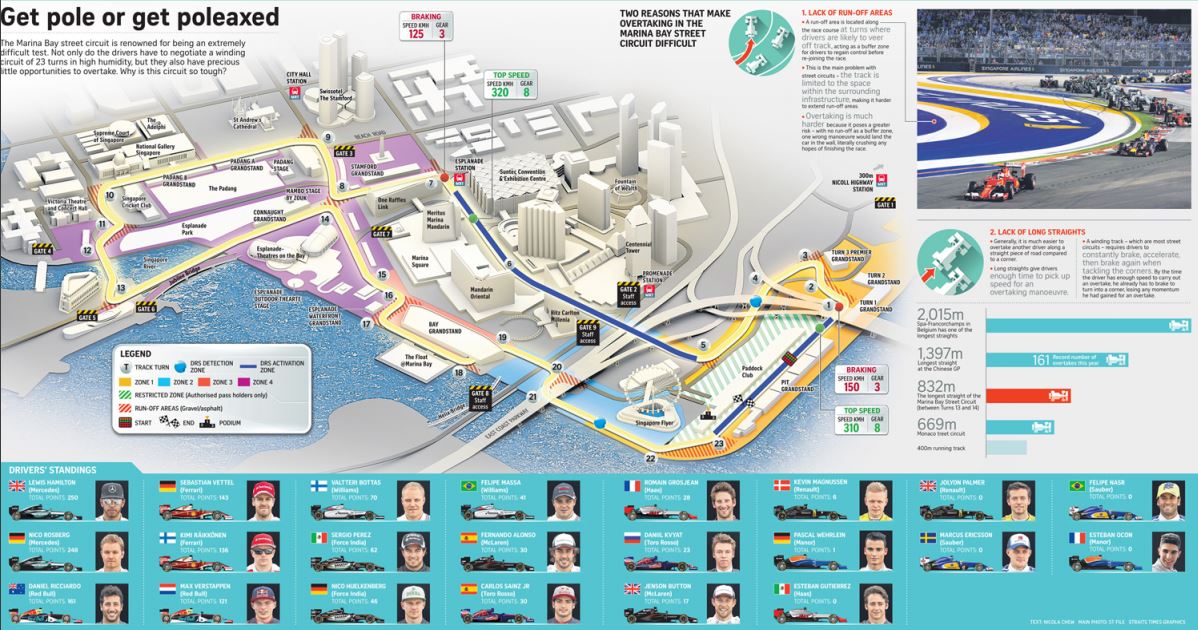
Over 61 laps of Sunday’s Formula 1 Singapore Airlines Singapore Grand Prix, the winding, 23-turn Marina Bay street circuit will no doubt claim the cars of inexperienced and foolhardy drivers – not to mention their egos.
Some of them have openly expressed their dread and disdain for the brutal driving conditions.
Not the youngest driver on the grid, though. Call it the exuberance of youth, but 18-year-old Max Verstappen absolutely loves this punishing circuit.
Speaking to the media outside the Pit Building, he expressed confidence that he can will his Red Bull race car to tame the track.
“I’m just very happy to have a competitive car,” he said.
“We are definitely confident. But Mercedes and Ferrari will be strong again. We always try to do the best possible job. I’m just very happy that we have a chance to be more competitive here than in Monza (where Verstappen finished seventh).”
The Dutchman’s faith in his ability stems from his first appearance in the Singapore Grand Prix last year. On a track that gives drivers precious few chances for overtaking, he executed more than enough outstripping manoeuvres to fill a video compilation.
Graphics: The Straits Times
Although he stalled on the grid at the start of the race and was lapped by the leaders, Verstappen – then driving for Toro Rosso – went for maximum attack and finished in eighth place.
He said: “On a street circuit, it’s all about positioning yourself. The downforce is not that much of a problem. So you just have to position yourself well out in the corners before you make the overtake.
“We (the Red Bulls) are always pretty strong in low-speed corners but we still have to wait and see. Definitely we can do a good job here but Ferrari and Mercedes will be there as well. It will be an interesting weekend.”
Still, he recognises that the Singapore Grand Prix, won only by three men in its eight-year history – Sebastian Vettel (four times), Fernando Alonso and Lewis Hamilton (twice each), is a formidable technical and physical challenge.
“It’s quite a big step. The humidity is very high here. Then you have a lot of corners and you don’t have a lot of resting phases through the lap so I think these three things combine to make things a lot harder,” he said.
“(The sweat) doesn’t really affect you, you just feel a little more sweaty while driving. It’s (the Marina Bay Street Circuit) nice with the lights, it’s great to drive and it’s definitely one of my favourites.
“Last year I had a lot of fun. Definitely now, with a better car, maybe we can challenge for better results.”
In fact, so relaxed was the driver that he was seen playing Pokemon Go in the Marina Bay area on Wednesday night.
Feeling sheepish, the teenager replied: “I gave it to my sister. She catch(es) a lot of good Pokemons.”
While he is tipped to be a future world champion, Verstappen’s relentless pursuit of opponents and daring moves have seen him being accused of reckless driving.
Addressing The Straits Times’ question, Verstappen was calm and maintained eye contact.
He replied: “You know things have been said. I don’t have to go into that.
“I’m just doing my thing. I don’t think there should be any changes (to my driving style).”
This article was first published on September 16, 2016. Get a copy of The Straits Times or go to straitstimes.com for more stories.
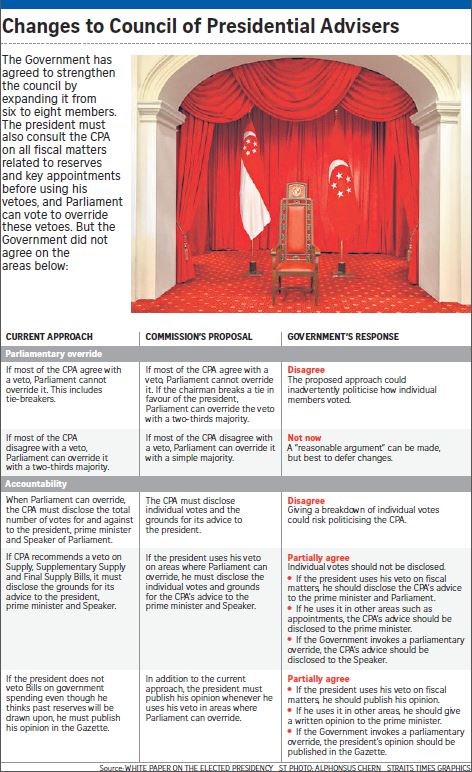
The Council of Presidential Advisers (CPA) will be given a stronger voice as the president will have to consult it on more issues and its size will be increased from six to eight members.
But the Government has rejected a proposal that the CPA’s degree of support for a president’s veto should affect how easy it is for Parliament to override the veto.
It set out its position on these recommendations of a Constitutional Commission in a White Paper released yesterday.
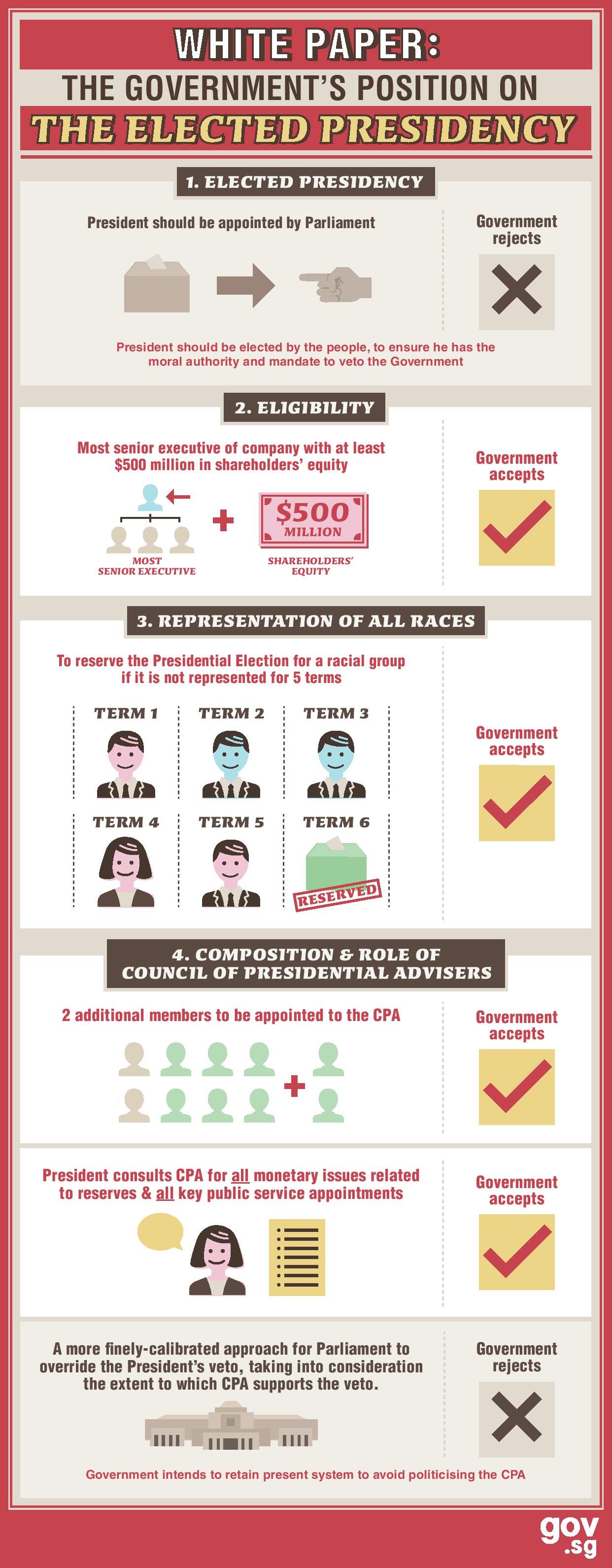
The commission’s proposals last week included some related to the president’s custodial powers. It suggested that in all fiscal matters relating to the national reserves and public service appointments, the president must consult the CPA before exercising his veto.
Currently, the president needs to do it only for some, not all, of these matters. The Government accepted the change.
It also gave the nod to the proposal that when the CPA disagrees with a presidential veto, Parliament should be able to override the veto on all such issues – not just some.
But it rejected another idea: that the stronger the CPA’s support for a veto, the harder it should be for Parliament to override it.
Currently, if a majority of CPA members agree with a presidential veto, Parliament cannot override it.
This includes cases where the chairman casts a tie-breaking vote. The panel proposed that in such tie- breakers, Parliament can override the veto with a two-thirds majority.
If a majority of CPA members disagree with a veto, Parliament should be able to override it more easily: with a simple majority, not the current two-thirds majority.
The Government said this “provides a more finely calibrated approach”, but still rejected the idea.
“The calibrated approach may unintentionally emphasise or even politicise how individual members of the council, particularly its chairman, have voted, instead of the collective judgment of the council as a whole,” it said.
As for letting Parliament override a veto with a simple majority if the CPA disagrees with the president, the Government said “a reasonable argument can be made” for this.
But as the law is being changed to allow parliamentary overrides on more issues, further changes on the required majority are best deferred to a future review, it added.
As the proposed changes will increase the CPA’s scope of work, the commission suggested expanding it from six to eight members.
The Government accepted this, as well as proposals to set guidelines in appointing members and make both new terms and reappointments last for six years.
On proposals to make the CPA’s decision-making more transparent, the Government agreed with some but not all the suggestions.
The proposals concerned when and what information has to be disclosed to the president, prime minister and Speaker of Parliament, and when the president’s opinion should be made public.
On whether the individual votes of CPA members should be made known, the Government said it prefers the current system of revealing only the total number for and against. Giving a breakdown of individual votes “could risk politicising the council, and consequently undermine its stature and independence”, it said.
As for conveying the council’s advice to the prime minister and Speaker, the Government agreed this should be done when the president is vetoing Supply Bills, Supplementary Supply Bills or Final Supply Bills – which are Bills related to government spending. In these situations, the president will also have to publish his opinion in the Gazette.
But for other veto areas – like key appointments – a balance must be struck between accountability and “protecting potentially sensitive and confidential information”, said the Government, setting out “a more calibrated approach to publication”.
What if the president neither assents to a Bill nor vetoes it?
Currently, he is deemed to have consented after 30 days have passed, in the case of certain Bills.
The commission suggested making such a deadline apply to all situations in which a parliamentary override can be invoked, and extending the wait period to six weeks.
The Government agreed and went further, applying a deadline to not just Bills but also the president’s powers in areas like detention orders under the Internal Security Act.
It decided to keep the 30-day deadline for time-sensitive matters like Supply Bills, and to shorten this to 15 days in “exceptional cases” on urgent matters, though it did not specify what these might be.
janiceh@sph.com.sg
This article was first published on September 16, 2016. Get a copy of The Straits Times or go to straitstimes.com for more stories.
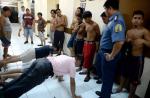
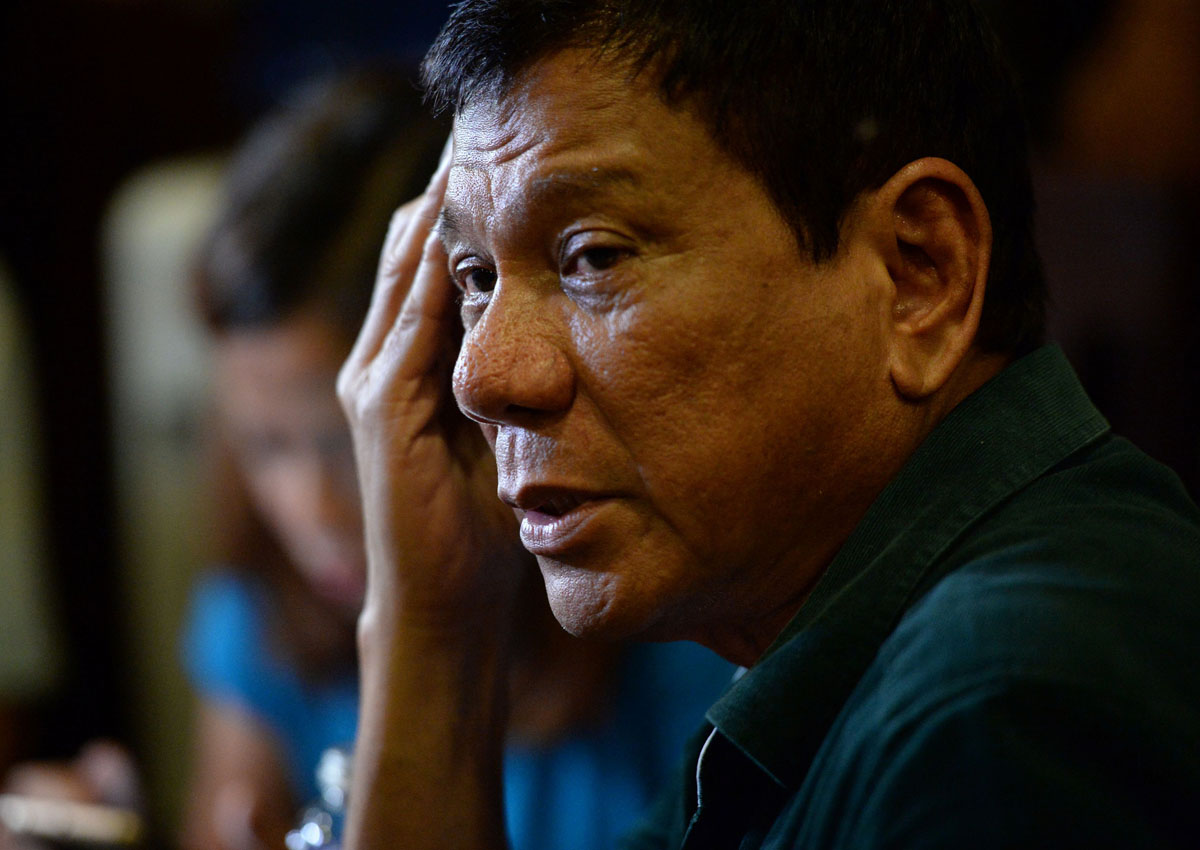
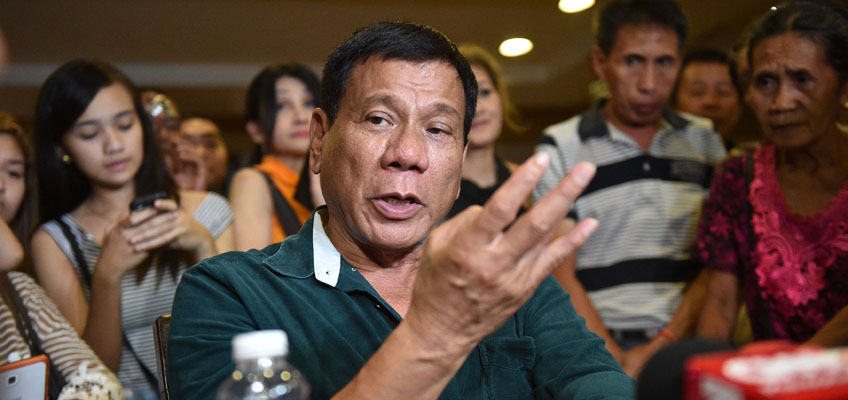
The hitman told a Senate inquiry on Thursday that he and a group of policemen killed some 1,000 people in Davao city on Duterte’s orders from 1988-2013, with the politician himself shooting dead one of the victims.
“These are serious allegations and we take them seriously, we look into them,” said US State Department deputy spokesperson Mark Toner.
Anti-crime blitz sweeps Philippines as Duterte comes into power
Click on thumbnail to view photos. Source:
AFP, Reuters
Critics say the alleged killings in Davao, where Duterte was mayor for more than 20 years, established a pattern that has spread nationwide under the new presidency.
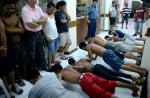
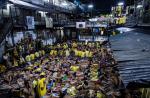
The allegations surfaced as the Senate investigated alleged extra-judicial killings in an ongoing anti-drug crackdown that has led to more than 3,000 deaths in Duterte’s first 72 days in office.
US-based watchdog Human Rights Watch urged Manila to let United Nations investigators probe the claims.
“President Duterte can’t be expected to investigate himself, so it is crucial that the United Nations is called in to lead such an effort,” the monitor’s Asia director Brad Adams said in a statement.
Duterte had on various occasions admitted or denied involvement in the death squads during the campaign for May elections, which he won by landslide on a pledge to kill tens of thousands of criminals.
Duterte has so far ignored the latest allegations while his senior aides dismissed them, with Justice Secretary Vitaliano Aguirre branding them “lies and fabrications”.
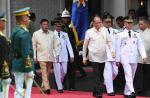
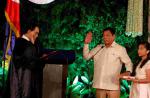
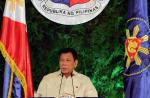
Duterte sworn in as Philippines’ 16th president
Click on thumbnail to view photos. Source:
AFP, Reuters
Wilnor Papa, a campaign officer for the Manila office of Amnesty International, said the problem of impunity was coming to a head partly due to the failure of previous governments, which failed to prosecute Duterte.
“We are now seeing riding-in-tandem (motorcycle-borne assassins) like those that prowled the Davao streets in the late 1990s, The targets are not only drug syndicates. Even purse snatchers use them and they can target basically anyone,” he told AFP.
House of Representatives member Edcel Lagman urged Duterte Friday to name an independent fact-finding commission made up of retired judges to “determine the identities of the principals and perpetrators as well as of the victims”.
The fate of the former death squad member, Edgar Matobato, was uncertain on Friday as the Senate president, Duterte ally Aquilino Pimentel, refused to take him into protective custody.
His testimony was not related to the drug war killings being investigated, Pimentel told AFP, adding: “There’s even no showing that his life or safety is threatened.”
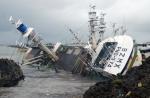
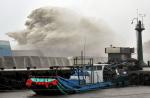
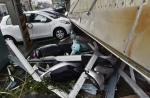
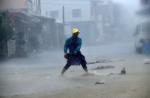
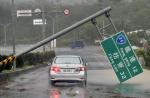
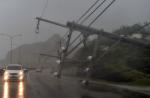
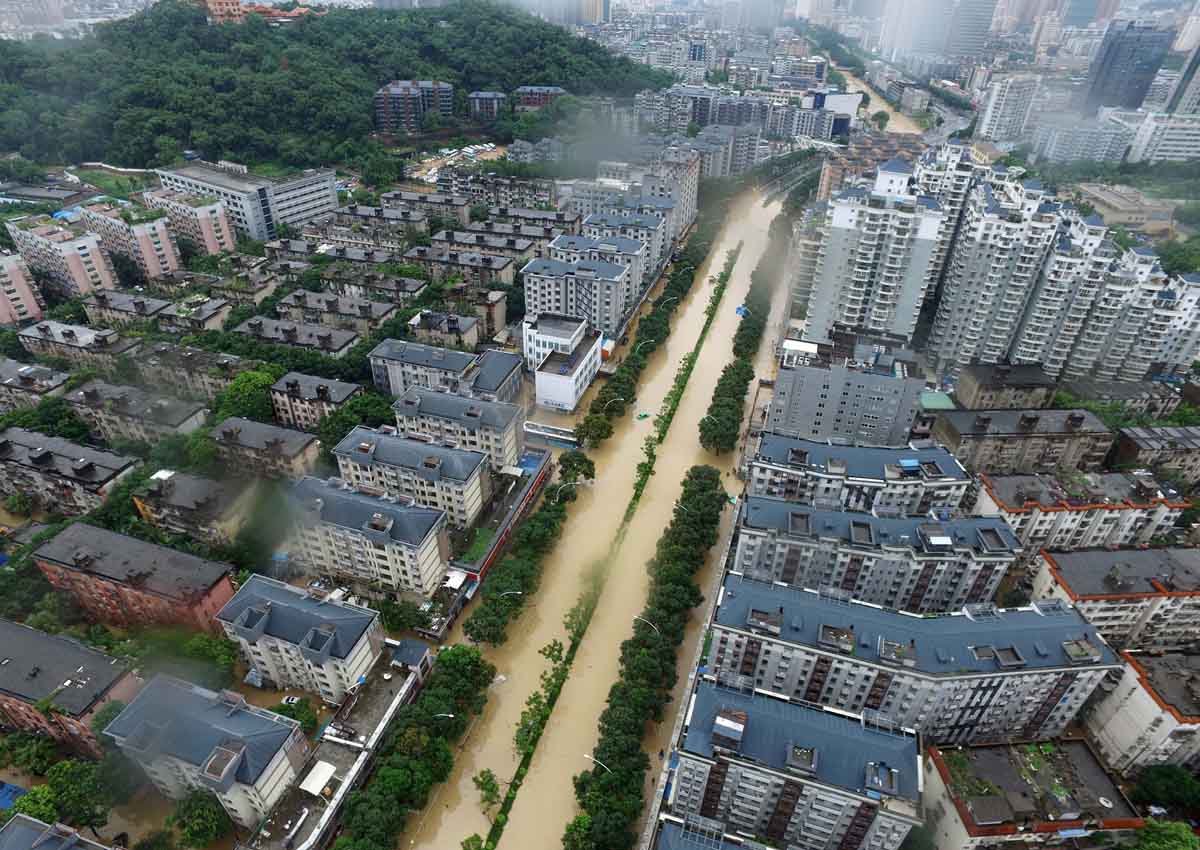
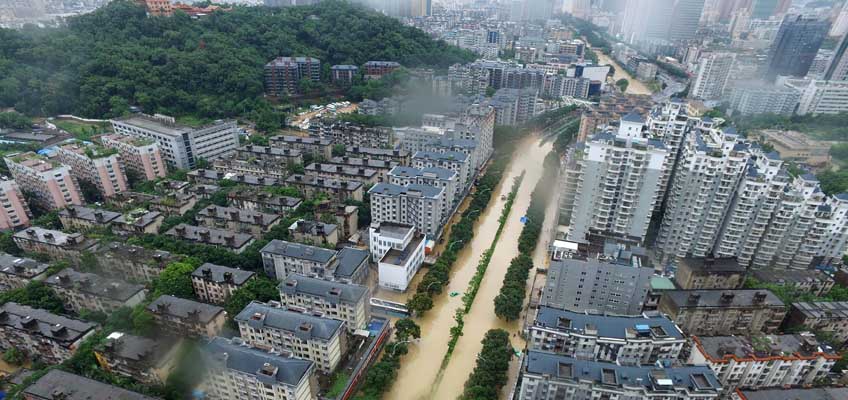
Beijing – Typhoon Meranti has left at least 16 people dead or missing in China and an ancient bridge destroyed as it wreaked havoc on the country’s eastern coast, the government said Friday.
The storm, described by the official Xinhua news agency as the world’s strongest typhoon this year and the worst to hit Fujian province since records began in 1949, had killed seven people by Friday morning, the civil affairs ministry said in a statement.
Another nine people were missing and more than 330,000 residents had been relocated, it added.
Strongest typhoon of the year Meranti
Click on thumbnail to view photos. Source:
AFP, Reuters
The typhoon, which had earlier skirted the southern tip of Taiwan, made landfall in Xiamen early Thursday packing winds of around 170 kilometres per hour and bringing downpours across the province, said the statement.
Flooding destroyed an 871-year-old bridge that was a protected heritage site in Yongchun county, Xinhua reported Friday.
At one point more than 3.2 million homes had their electricity cut off and water supplies for many communities in Xiamen were disrupted, it added.
The storm had weakened to a tropical depression on Friday.
The eligibility criteria for presidential candidates will be made more stringent, but they will not be tightened to the extent proposed by the Constitutional Commission.
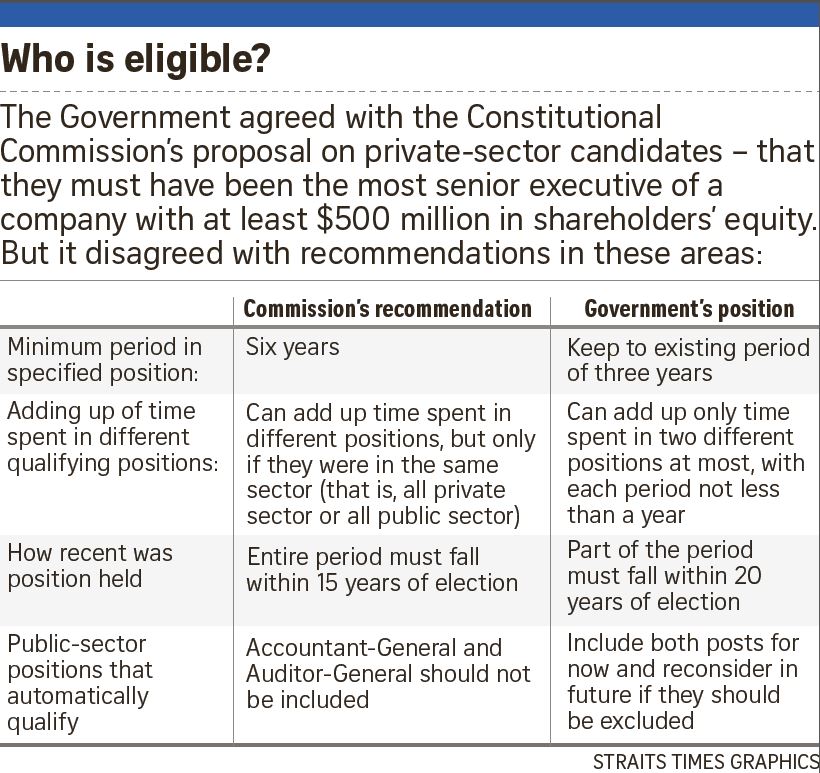
One key suggestion that the Government accepted in its White Paper yesterday will require potential private-sector candidates to have had experience running large, complex companies that have $500 million in shareholders’ equity.
The current criterion – set 25 years ago – puts the amount at $100 million in paid-up capital, but the commission had said that shareholders’ equity is a better reflection of a company’s size and complexity.
The Government agreed that in terms of requiring that the company be listed on the Singapore Exchange, this need not be introduced at present.
The Government also agreed with the commission that only the person holding the most senior executive position in a company should qualify to run for president.
Current rules allow the chairman or chief executive of a qualifying company to stand, but the commission had noted that a non-executive chairman not actively running a company would not have the necessary expertise.
Also, a profitability requirement will be adopted to show that a potential candidate performed acceptably while helming a company.
Under this requirement, the firm should have recorded a net profit during the candidate’s time heading it. It must also not go into liquidation or insolvency within three years of the candidate’s departure.
QUESTION OF BALANCE
But the Government rejected another significant recommendation, that potential candidates must have served six years – double the current requirement of three years – in a public- or private-sector position which qualifies them to stand for election.
While it recognised the importance of applicants spending adequate time in a qualifying office, the Government said the minimum duration was ultimately a question of balance.
“Given the concurrent changes to other aspects of the eligibility criteria, the Government prefers to adopt a cautious approach, and retain the qualifying tenure at three years at this time,” it said.
Similarly, the Government preferred to “proceed cautiously” on a recommendation that the entire period of the candidate’s qualifying tenure must be within 15 years before Nomination Day.
While it agreed that a candidate’s experience must remain sufficiently relevant, it said: “As long as an applicant’s qualifying tenure falls wholly or partly within 20 years of the relevant presidential election, his experience may be considered suitably current.”
The commission had also proposed that should a candidate have held two or more qualifying positions, the time spent in those offices can be added up to meet the required length of tenure, which the commission had suggested be set at six years.
But the time spent in private-sector qualifying offices cannot be added with public-sector ones as the commission felt that “the experience derived from one route is likely to be different in nature from that derived from the other”.
The Government agreed with this proposal. But in the light of its position to retain the current requirement of three years, it said there should be a maximum of two separate periods during which a candidate has held qualifying offices. Each qualifying period of office should also not be less than one year.
On the proposal that the Accountant-General and Auditor-General be removed from the list of key public service appointments that automatically qualify, the Government said it will need to consider such a move more carefully.
The commission had said that both offices do not deal with the pressures of government decision- making, and “play an indispensable but ultimately ancillary (and comparatively narrow) role” in public service.
The Government responded that these were valid points, but added: “The Government will retain the existing position for now, and reconsider whether the two offices should be removed at a future point in time.”
ziliang@sph.com.sg
This article was first published on September 16, 2016. Get a copy of The Straits Times or go to straitstimes.com for more stories.
More than 80 participating brands and up to 90% off electrical and IT products will be offered at the Electronics & Tech Expo fair at Singapore Expo Hall 6B from 16 – 18 Sep 2016