31.4 C
Singapore, SG
Thursday, September 17, 2026
Home Blog Page 2832

Raising swim champs: Yip Pin Xiu

0

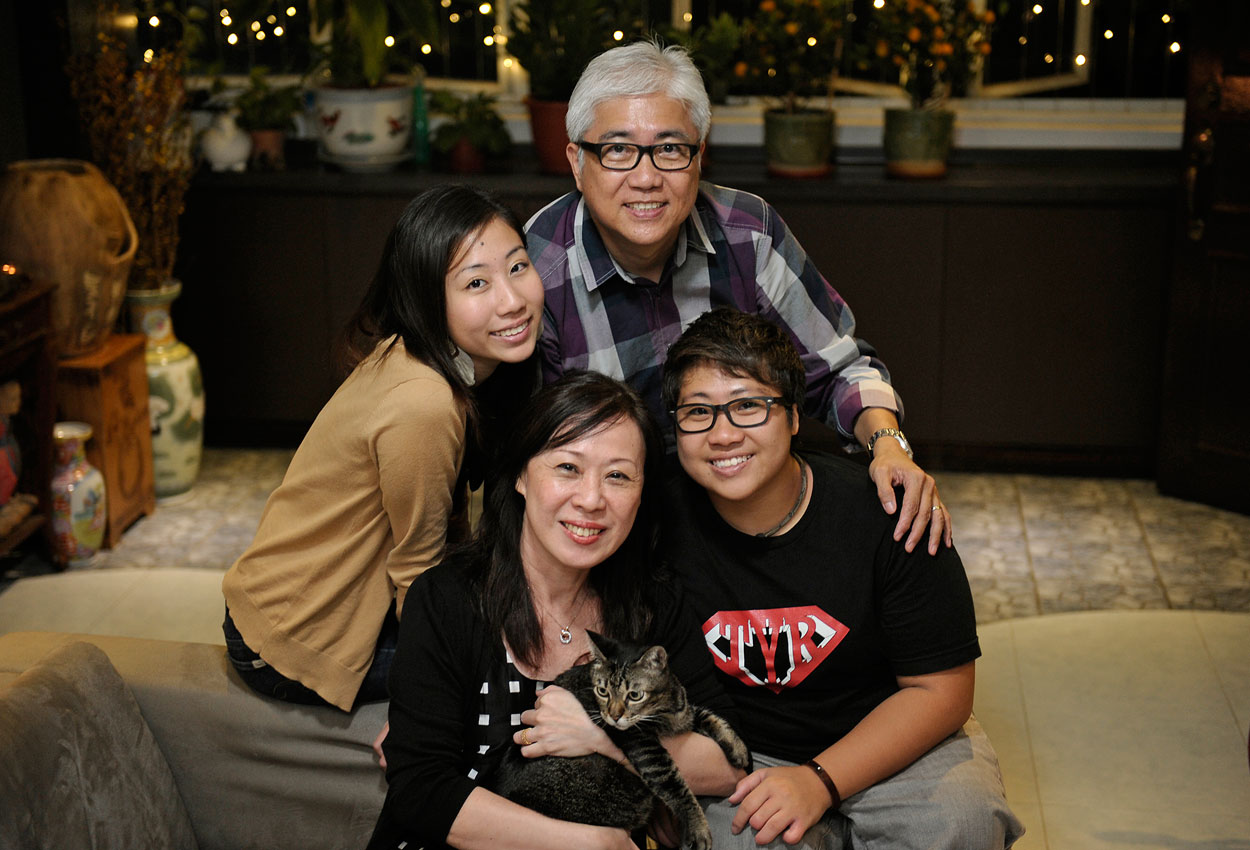
Para-swimmer Yip Pin Xiu’s parents were 15 minutes late for the interview.

Apologising, Margaret Chong said she and her husband, Yip Chee Khiong, had been picking out Havaianas flip-flops from a shopping mall in Rio.

They were bringing home the popular Brazilian footwear brand for family members, though not for their only daughter, 24-year-old Pin Xiu.

The couple both 61, were in Rio where they watched her compete in last Thursday’s (Friday morning, Singapore time) 50m backstroke S2 event, where she became the first Singaporean to win multiple gold medals at the same Games.

Dad, a businessman, recalled how it was Pin Xiu’s inability to keep a pair of flip-flops on her feet that was the first hint something was amiss. At two, the toddler was unable to grip the straps with her toes or flex her foot fully.

Pin Xiu was taken to a doctor, and had surgery to release what were thought to be tight tendons, but the doctor noticed that her muscles did not seem to be growing even after the cast had been removed.

Medical tests confirmed she had muscular dystrophy, a genetic muscle-wasting illness, and that there was no cure.

Tears still well up in Mum’s eyes now as she recalls how upset she was when they were told the news.

“I was worried about her future and about things such as whether people would want to make friends with her,” she said.

“The doctor advised us to let her be active to remain mobile for as long as possible.”

Looking back now, their fears were unfounded, said Margaret, a senior officer with Singapore Airlines.

Pin Xiu has a group of close friends who are athletes and she is as independent as any able-bodied person, even as her condition continues to deteriorate.

Perhaps the water called to her as a kinder place than land. In any case, at age five, she asked for lessons after watching her two older brothers learn their strokes in the pool. Alvin, 31, now works in finance and Augustus, 29, is an engineer.

Alvin said his sister is “extremely thoughtful”, recalling how she made time to accompany his pregnant wife to hospital daily in June when he was overseas.

“We knew she was tired from her training twice a day, but she still went anyway, which helped put my wife at ease,” he said.

“I rushed from the airport to visit my wife and newborn and saw that Pin Xiu was still there even though she had morning training in a few hours’ time.”

Sunday mornings became about family time at the pool at the Kallang Bahru Swimming Complex. It was here that the future champion first tasted failure – she could not complete a swim test, at half the distance done by others, in the stipulated time. Disappointed, she wept.

But still, she pressed on. When the complex was closed for renovation, she continued lessons at Jalan Besar, where a sports volunteer spotted her talent. A few months later, she was entered in the national junior para championships, where she won gold in all of her six events.

By then, Pin Xiu was swimming two hours every night on weekdays. Dad would drive her there and back, and she would have dinner in the car.

But as Pin Xiu became faster in the pool, she grew weaker on land.

At four, she needed an ankle-foot orthotic brace to assist her with walking. By 12, she had to hold on to the wall or a friend’s shoulder to steady herself while walking with the brace.

By the time she enrolled in Bendemeer Secondary School, she was in a wheelchair.

The family is grateful that she was well taken care of in school, with teachers giving her access to a staff toilet that was bigger and could accommodate her wheelchair.

The reigning Straits Times’ Athlete of the Year has said in past interviews that she was bullied in school, but her mother could only remember the kindness of classmates who helped carry her and her wheelchair up the stairs to class.

The Yips never thought as far ahead as the Paralympics. But they knew she had something special.

When Pin Xiu won the 100m backstroke S2 on Sept 9, she set two world records in the process.

She had also won the nation’s first Paralympic gold in 2008 in Beijing in the 50m back S3, as well as a silver in the 50m freestyle S3.

Four years later, she finished fourth in both events in London.

Yet, even as their daughter grew from strength to strength in the pool, the Yips had their own Olympic-sized quest.

Margaret said their greatest challenge was the ceaseless quest to find someone who could cure her or help her live as full a life as possible.

For Pin Xiu, trips to clinics and hospitals were almost as routine as time in the pool. The Yips sought help from mainstream treatment to traditional cures and Pin Xiu obediently downed bitter concoctions and allowed herself to have almost-daily leg massages.

She took it all in her stride.

“She will just do whatever you say can help her legs,” said Mum.

It was Pin Xiu’s medical bills, and not her swim training and competition expenses – most of which are paid for by the Singapore Disability Sports Council – which have been the greatest burden on their finances, one they bear willingly.

Mindful of their daughter’s happiness, the Yips were never stressed about how training could affect Pin Xiu’s studies. Swimming took precedence over school in 2008, the year she sat her O levels.

Margaret said: “I told her if she didn’t do well, she could just repeat the exam.”

She did well enough to become a sports and health student at Republic Polytechnic.

This year, she deferred her final-year studies at the Singapore Management University to concentrate on preparing for the Rio Games. Mum said she would have graduated in July otherwise.

By giving their talented and single-minded child the space to think and make choices for herself, Pin Xiu’s parents have encouraged her independence. In fact, the soft-spoken pair are hard-pressed to think of instances when she needs help around the house.

Margaret finally thinks of something: Sometimes Pin Xiu needs items in her wardrobe she cannot reach. “She may tell me in advance what clothes she’ll like to wear the next day and where these are exactly, so I can get them for her.”

She also needs help getting into her tricky competition swimsuits, which her close friend and fellow swimmer, Theresa Goh, lends a hand with. Her waist-length hair is tucked into her swim cap by coach Mick Massey, who also holds her hands before the start of a race because she cannot hold the bar on her own.

But she gets around on her own by cab, is an expert at texting with her thumb and knuckles, and opens bottle caps using her palms.

A few months ago, she cooked her own meal and proudly sent pictures to her parents and brothers.

And she has done what most people never would, in reaching the pinnacle of her chosen sport.

Her parents, who were present at the Olympic Aquatics Stadium for Pin Xiu’s second final, say they could not have wished for more.

Said Mum: “Seeing my children so independent, I always tell them that I can close my eyes now and go.”


This article was first published on September 18, 2016.
Get a copy of The Straits Times or go to straitstimes.com for more stories.
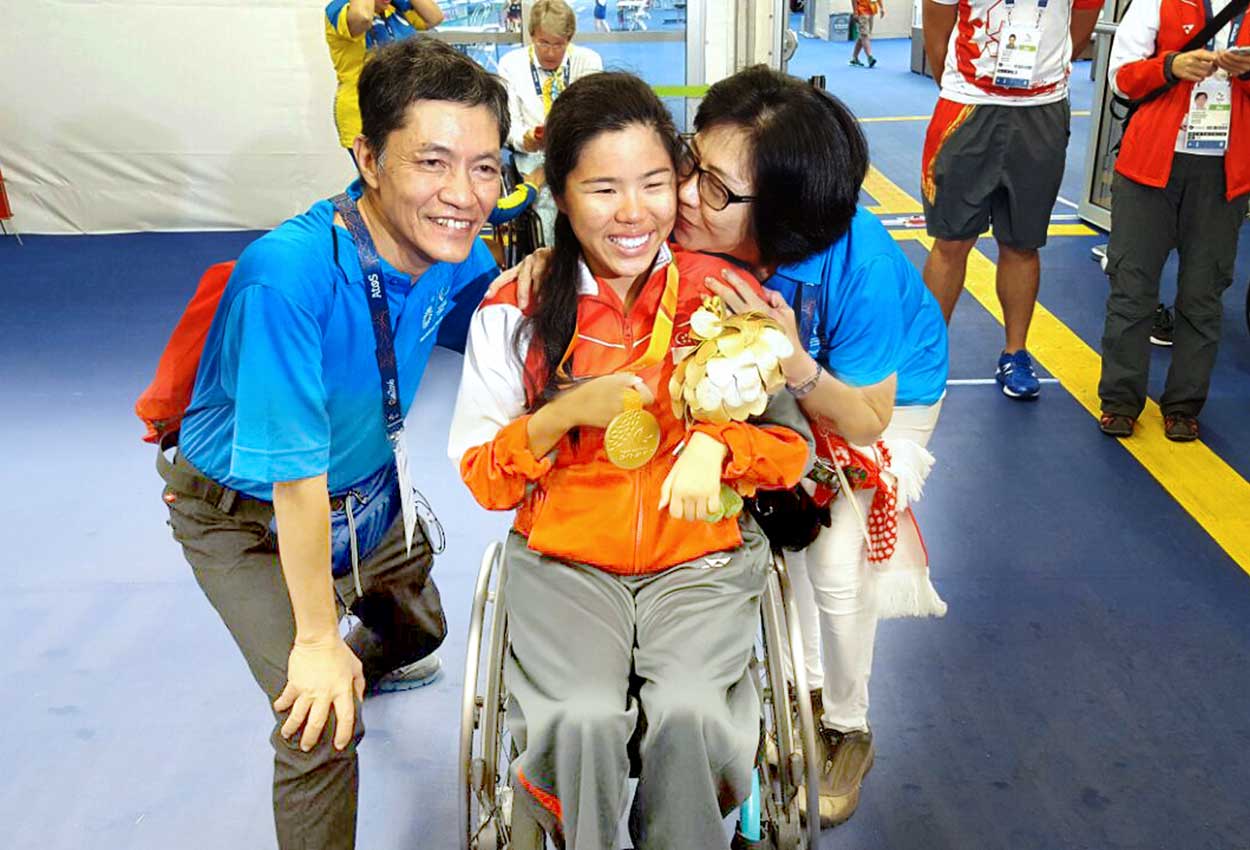
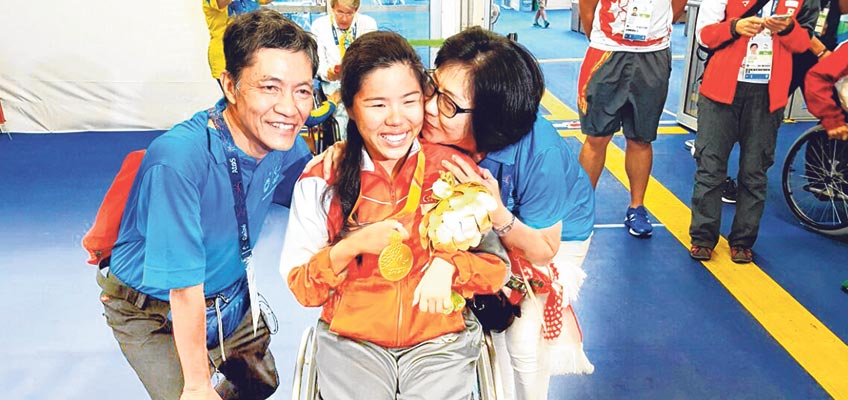
Image: 
Category: 
Publication Date: 
Sunday, September 18, 2016 – 16:00
Send to mobile app: 
Source: 


Rotator Headline: 
"Seeing my children so independent, I always tell them that I can close my eyes now and go," says Yip Pin Xiu's mom
Rotator Image: 
Story Type: 
Others

Source link

Raising swim champs: Theresa Goh

0

It was what the doctors could not say about the infant, rather than what they could say, that caused her anxious parents far more anguish than anything else in the emerging crisis.

The baby girl, born two months premature, had been diagnosed with spina bifida, a neural tube defect in which the backbone protecting the spinal cord does not close as it should, causing a range of physical limitations.

Those were the harrowing moments that confronted Bernard Goh and his wife, Rose Mok, after the arrival of their first-born, Theresa, back in 1987.

There were the questions that had no immediate definitive answers for the couple: How severe was the physical disability? Would there be any allied intellectual hurdles? Could the nerve tissue be repaired? Would she need surgery? And what were the baby’s long-term prospects?

Recalled Bernard: “We were shocked and didn’t know where to turn to in order to learn about spina bifida, since there was no Internet then.”

His wife teared up when this topic was raised, and turned away to compose herself.

The first-time parents’ heartbreak was compounded because, they said, doctors were not keen to take up Theresa’s case, and she was transferred from one hospital to another.

The family finally found a neurosurgeon who operated on the baby when she was four months old, closing the opening in her back, which had not fused as normal. However, defining the full extent of her medical condition was slow and – literally and metaphorically – extremely painful.

When she was about four, she was asleep in her cot in the living room when both parents heard a loud snapping sound. They realised that she had broken her thigh bone after her leg became caught between the railings of her cot.

By the time Theresa was seven, she had already endured 10 orthopaedic operations, some to correct the alignment of both club feet as well as to alleviate webbed fingers.

“Every bout of surgery she had was difficult for her, and for us. It was difficult for her to get used to injections,” recalled Bernard at the Windsor Barra Hotel in Rio de Janeiro during the Paralympics.

Defining the course of their daughter’s life was, in no small measure, her indomitable will. Despite being paralysed from the waist down and suffering from urinary and bowel dysfunction, she placed no limitations on her physical boundaries and – crucially – her parents supported her all the way.

When she was nine and wearing leg braces, Theresa asked her parents for permission to climb up a playground structure about three metres high. They did not have the heart to say no, but watched her like a hawk as she made her way up on her own, fuelled by raw courage.

“It is this freedom we gave her,” said Bernard, “that boosted her confidence over the years.”

The family grew, with the arrival of a sister and brother for Theresa. And despite frequent hospital trips for their eldest child, the parents made sure she was not spared punishment when she misbehaved.

“We tried not to differentiate between the three of them (in our parenting style). We helped her, but did not give in to her just because of her disability,” Rose said firmly.

Like most children, Theresa loved being put in the water, observed her mother. There was also the realisation that she needed to work on her upper body strength to compensate for her lower limbs.

When she was five, her father taught her a simple approach to the breaststroke which, not surprisingly, is her pet event. She began competing at 12 after being spotted by a sports volunteer at a public pool.

Theresa learnt the rules of competition the hard way when she was disqualified at a local swim meet after failing to touch the wall with both hands at both ends of the pool, recalled Bernard.

He and his wife firmly advocate the value of sport, especially for children with special needs. Bernard said: “Every child, able-bodied or disabled, has his or her unique strengths.

“With sports, (special-needs children) get more opportunities to meet up with friends and keep themselves busy. It really helps them socially, emotionally and mentally.”

While Theresa dabbled in other sports like wheelchair racing, archery and powerlifting over the years, no environment felt more like home to her than the swimming pool.

She set her first world record at 15 and another at 19. The three-time Singapore Disability Sports Council’s Sportswoman of the Year is also the country’s most decorated ASEAN Para Games athlete with 27 golds.

Theresa also became the first swimmer from Singapore to compete at the Paralympics, in Athens in 2004.

In 2007, deciding she could not juggle her polytechnic course and swim training, she dropped out to focus on training full-time for the Beijing Paralympics.

It was a fraught decision, said her mother, revealing that it was ” very difficult” for them, as parents, to agree to. They eventually relented, and let her quit school to concentrate on Beijing, where she came agonisingly close to a podium finish in the 100m breaststroke SB4 event, only to miss the bronze by 0.74sec.

Her anguish was clear to her parents, who were in Beijing, witnessed the race and then took her out of the Athletes’ Village for dinner that evening, where they could sense her devastation.

Bernard said: “We avoided the topic altogether and she put up a brave front for us. We knew she felt she had let everybody down, but we were not disappointed with her.”

After that, Theresa laid off swimming for a year before returning to the pool. It was a wise decision, vindicated by her bronze medal in the same event in Rio last weekend.

No words were needed when Rose embraced her daughter after the victory ceremony at the Olympic Aquatics Stadium in Brazil, said the proud mother. “We just hugged, we didn’t have to say anything.”

No surprise, then, that the 29-year-old woman whose physical limitations are imposed by a faulty spinal column has proved that she has a backbone beyond compare.


This article was first published on September 18, 2016.
Get a copy of The Straits Times or go to straitstimes.com for more stories.

Image: 
Category: 
Publication Date: 
Sunday, September 18, 2016 – 16:00
Keywords: 
Send to mobile app: 
Source: 


Rotator Headline: 
Theresa Goh's parents heartbroken when doctors did not want to take up her case
Rotator Image: 
Story Type: 
Others

Source link

Backpackers lie and steal to get into Marina Bay Sand's infinity pool

0

Some backpackers touring Singapore have found a new “challenge” and “adventure”, and they are sharing their experiences online.

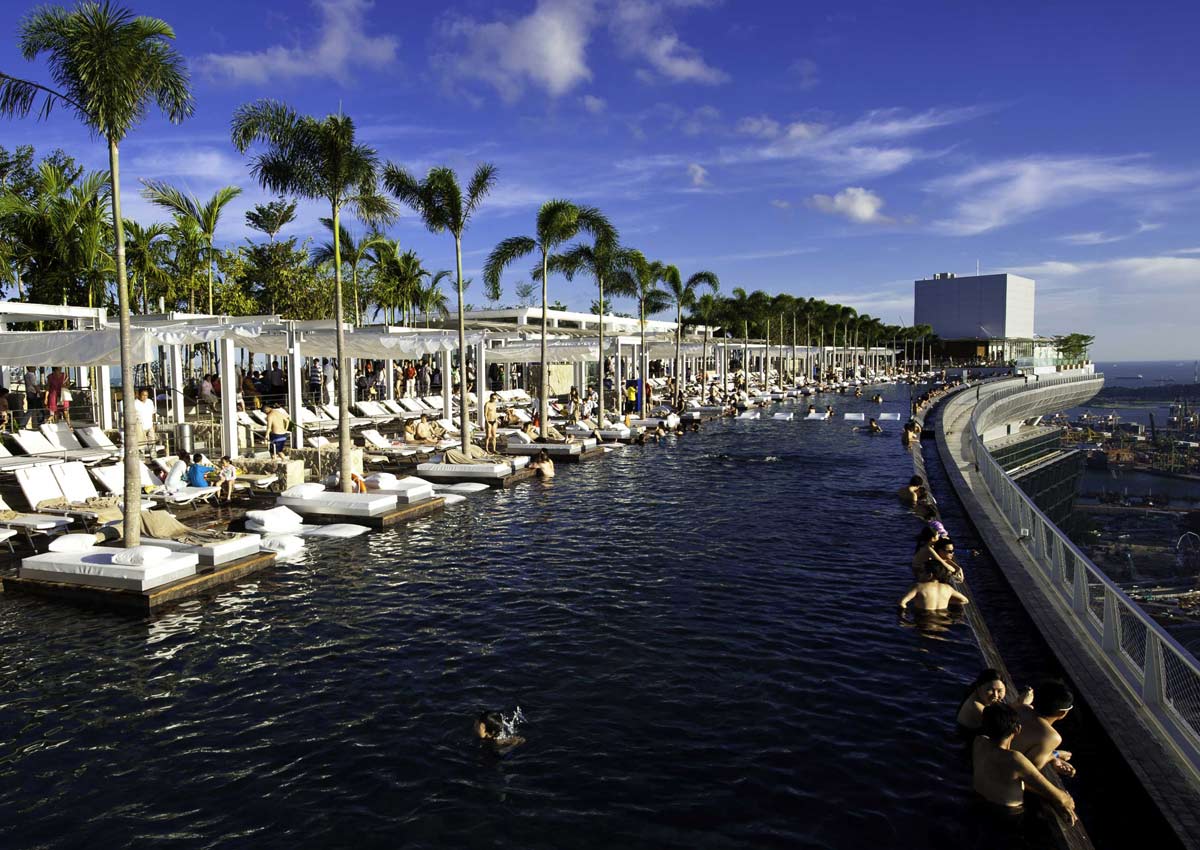
These backpackers sneak into Marina Bay Sands (MBS) with one aim in mind – to get to the iconic infinity pool at the hotel’s Sands SkyPark.

But what they are doing, which has been going on for several months now, could be illegal, lawyers tell The New Paper on Sunday.

Located on the 57th storey, the infinity pool is the highest and largest in the world.

It is featured in travel brochures and websites as well as social media platforms such as Pinterest. But it is accessible only to hotel guests, according to the hotel’s policy.

This reporter spoke to two tourists who managed to sneak into the pool this year by pretending to be hotel guests.

They did so on separate occasions, and their modus operandi included taking bathrobes from unattended housekeeping carts and fooling the hotel staff at the pool’s entrances.

To prevent copycats, TNPS will not be providing full details of their misdeeds.

Miss Kimberly Connor, 24, who travelled here in February, admits she knew she would be breaking a few laws and that the idea “terrified” her.

The US citizen says: “Scenes flashed through my head – going to a Singapore jail, having to pay a fine heftier than the price of a room, or any of a million other things.

“But I am quite the daredevil, and I enjoy getting into mischief like this.”

DETERMINED

Miss Connor could not afford a room at MBS, which starts from $500 for a night.

Instead, she stayed at a hostel, which cost $30 a night.

But she was determined to swim in the infinity pool.

She says: “I did feel bad (for lying to the staff ). But I thought that one little me being added to the entire pool deck of hundreds of white robe-laden guests would not make that much of a difference.”

Her blog post is not the only one detailing the process of sneaking in.

A Google search revealed several videos and forum discussions about sneaking into the pool.

Last month, Canadian Emma Balmforth, 27, managed to sneak into the pool twice after she was “inspired” by Miss Connor’s blog post.

Miss Balmforth says she had come to Singapore primarily to carry out her plan of swimming in the pool without paying for a room.

The travel writer says: “I was concerned that I could get into trouble because I did not know what kind of trespassing laws Singapore has.

“Then I overheard two girls at my hostel planning the same thing and decided that it must be quite common for people to try.”

The two girls were unsuccessful in their attempts, Miss Balmforth recounts.

“One told me she was escorted into a room and interrogated by a police officer,” she says.

“I did not think wanting to swim in the world’s most beautiful pool was a crime. That was why I went for it.”

But the hotel disagrees.

An MBS spokesman says the hotel “will not hesitate to take appropriate measures” against individuals who are caught trying to trespass.

The spokesman says: “These may include reporting and handing such persons to the police, as well as barring them from the property.

“We would like to remind all visitors that access to the infinity pool is strictly for hotel guests and remains an exclusive privilege for guests staying on-property.”


This article was first published on Sept 18, 2016.
Get The New Paper for more stories.

Image: 
Category: 
Publication Date: 
Sunday, September 18, 2016 – 14:00
Keywords: 
Send to mobile app: 
Source: 


Rotator Image: 
Story Type: 
Others

Source link

Longest-serving principal of S'pore Poly dies, aged 80

0

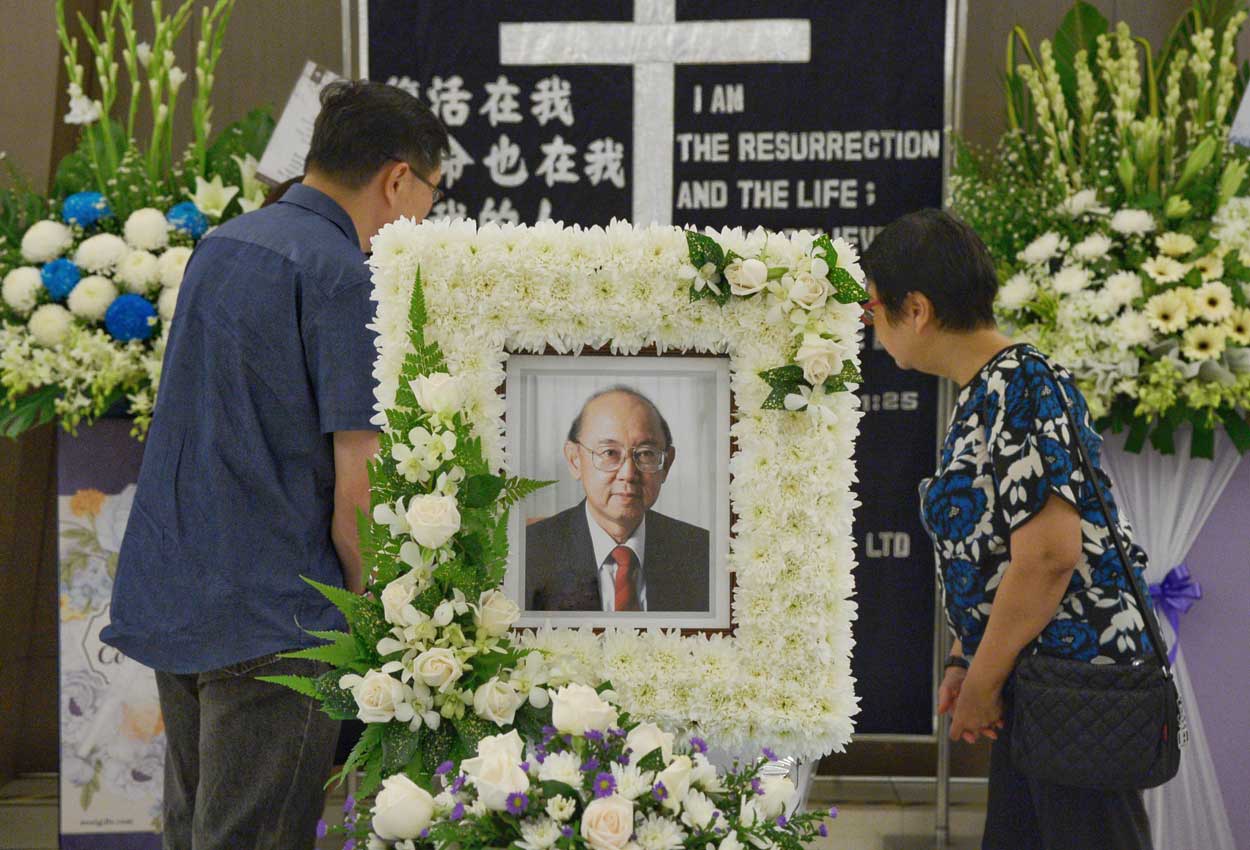
Singapore Polytechnic’s longest-serving principal Khoo Kay Chai has died at the age of 80.

Former students and colleagues who attended his wake at Mount Vernon Sanctuary yesterday remembered him as a caring leader who continued to develop Singapore Polytechnic (SP), even long after he had stepped down.

“He would always make time to come back for our events,” said Mr Bill Chang, 49, chief executive of Singtel Group Enterprise, who was an SP student from 1983 to 1985 and is now chairman of its board of governors. “He was always asking if we are doing enough for the students, even after he stopped being principal.”

Businessman and Singapore Polytechnic Graduates’ Guild president Jimmy Lim, 57, added: “He was like a father to all the alumni, and a wonderful, supportive friend.”

Mr Lim noted that Dr Khoo, who died on Thursday, was crucial in reviving the polytechnic’s alumni guild in the mid-1980s and developing its first clubhouse.

Dr Khoo served as principal of SP from 1976 to 1995. He supervised the campus’ move from Prince Edward Road to its present Dover Road location. The move allowed the campus and enrolment to expand.

He also introduced advanced diploma courses, arranged degree transfers with the then University of Singapore in 1969 and set up a department of industry services to maintain links with the industry.

Mr Tan Peng Ann, 58, senior director (administration cluster) at SP, who worked with Dr Khoo in the 1980s and 1990s, said: “Even though he was your boss, he related to you more as a friend. He was open to listening to ideas.

“He saw the need for students to have pastoral care and to know that they have a mentor to talk to about relationship issues, adjustment, family problems, in an informal setting.”

Dr Khoo also had the foresight to start overseas exchange stints for students in places like Japan in the 1980s, as well as provide career guidance, at a time when these initiatives were not common.

His wife Maggie said her husband had been suffering from kidney failure for many years.

“He was a quiet man of few words and would always give in to me,” said Mrs Khoo, who is in her 70s. “Deep down, I know he really cared for me.”


This article was first published on September 18, 2016.
Get a copy of The Straits Times or go to straitstimes.com for more stories.

Image: 
Category: 
Publication Date: 
Sunday, September 18, 2016 – 15:00
Send to mobile app: 
Source: 


Story Type: 
Others

Source link

1 in 5 complaints against docs due to poor communication

0

Complaints against doctors have been creeping up over the past decade – about one in five that the Singapore Medical Council (SMC) finished investigating last year boiled down to poor communication between doctor and patient, says Dr Tan Chi Chiu.

In updating the council’s guidelines on medical ethics, he hopes to reverse the trend – giving patients a better idea of what to expect from treatment by making sure that doctors go through all the important issues with them.

“In the complaints that the Complaints Committee has received, many of them have to do with either poor communication or a misunderstanding of the ethical obligations,” said Dr Tan, a gastroenterologist in private practice who chaired the working committee reviewing the guidelines.

When people complain after procedures go wrong, for example, investigations often throw up a similar issue: Patients felt they were not told enough to make an informed decision.

“Sometimes, what is discovered is that the consent-taking was not a thorough process,” Dr Tan explained. “Information which ought to have been given – regarding the potential for side effects, adverse outcomes, risks and so on – was not clearly explained.”

The SMC received 141 complaints last year – its lowest in six years, although the figure has generally been on an upward trend.

Its updated ethical code and guidelines were announced on Wednesday. This is the first time that these guidelines have been revised since 2002.

Unlike the old set of rules, the new guidelines are more specific on the dos and don’ts. They include detailed advice on issues such as complementary medicine, caring for minors and the appropriate charging of doctors’ fees.

This was intentional, said Dr Tan, as the environment that medical professionals work in is an increasingly complex one.

“We believe that doctors can be better educated and guided on their ethical obligations if guidelines are comprehensive, rather than general and vague,” he said.

The new guidelines also address issues such as fees and appropriate advertising – a necessary addition, said Dr Tan, in an era where medical services have become more commercialised.

Rather than listing the fees which doctors should charge – a measure that was scrapped in 2010 when the Competition Commission of Singapore ruled that doing so was anti-competitive – the guidelines specify the principles doctors should abide by when making commercial decisions.

For example, fees must be “fair and reasonable and commensurate with the work actually done”, while advertising must not “exploit patients’ vulnerabilities, fears or lack of knowledge”.

Cardiologist Kenneth Ng, who is from the Novena Heart Centre, said that the guidelines help doctors to “know where the boundaries are, so that we operate within the allowed confines”.

Meanwhile, general practitioner Yik Keng Yeong said that he makes sure he and his patients are on the same page by explaining the potential effects of treatment.

“For example, if you’re doing a little operation to remove a lump, you’ve got to forewarn the patient that it might cause a scar,” said Dr Yik, who carries out small surgical procedures under local anaesthetic. “You must let them know these things and manage their expectations.”

Added Dr Chua Jun Jin of JJ Chua Rejuvenative Cosmetic and Laser Surgery: “To me as a practising physician, the most important principle that I follow is to do everything we can in the interests of our patients.”


This article was first published on September 18, 2016.
Get a copy of The Straits Times or go to straitstimes.com for more stories.

Image: 
Publication Date: 
Sunday, September 18, 2016 – 15:00
Send to mobile app: 
Source: 


Story Type: 
Others

Source link

Wanted: More bone marrow donors from minority races

0

More Malays and Indians have signed up to become bone marrow donors, though the numbers still fall short of what is needed.

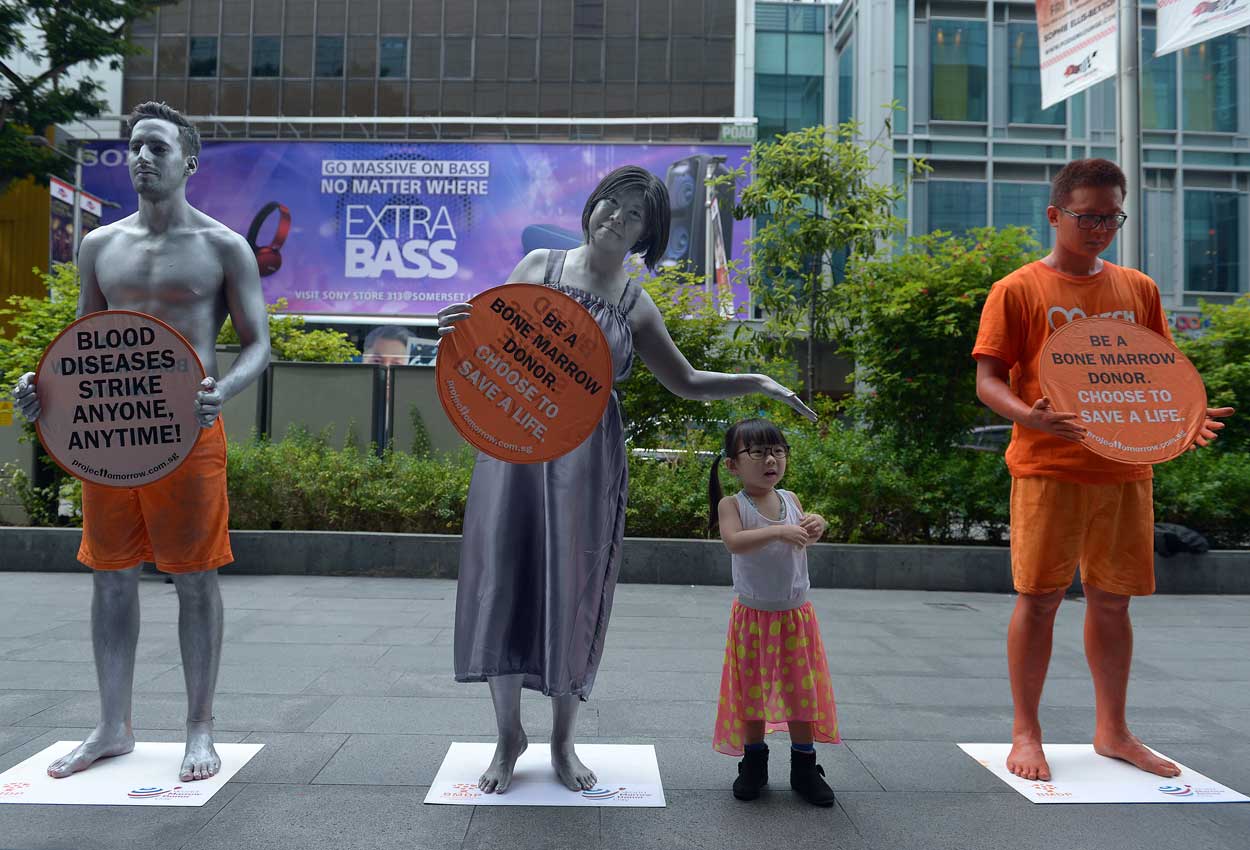
The Bone Marrow Donor Programme (BMDP), which has been trying to recruit more donors from minority races, said that the percentage of Malays who put their names on the donor registry had increased from 6 per cent to 9 per cent, while the figure for Indians went up from 7 per cent to 8 per cent, from last year to July this year.

As the non-profit group marked the second World Marrow Donor Day yesterday, with performances near 313@Somerset mall in Orchard Road, chief executive Jane Prior said that the programme will continue to appeal for more donors.

“We have seen a very slight uptick, but (it is) not significant and we would really like more (donors)… In Singapore, we have good hospital facilities and highly trained doctors,” she said. “Yet if a patient has a blood disease and needs a transplant, all the medicine and doctors in the world are not going to save them.”

“I tell people it’s a little bit like starving to death while standing outside the supermarket because you haven’t got the key,” she added.

The BMDP is dedicated to expanding and managing Singapore’s only register of volunteer bone marrow donors. Bone marrow, which contains stem cells capable of producing red and white blood cells and platelets, helps treat many blood-related diseases such as leukaemia and lymphoma.

The chance of a bone marrow match with unrelated persons is around one in 20,000, and is greatly influenced by ethnicity. About 80 per cent of donors on the registry are Chinese.

Yesterday, Minister for Social and Family Development Tan Chuan- Jin, the guest of honour, signed up as a bone marrow donor. The process involved taking a cheek swab, which enables a DNA sample of a potential donor to be captured before his details are entered into the database.

“The process of signing up is very simple and takes just about two minutes. I suspect that a lot of people wouldn’t mind taking a step forward, but it’s just an issue of awareness and inertia… It really does make a difference and saves lives,” he said.

The BMDP currently has about 65,000 donors in its local register, and hopes to recruit 50,000 more by the end of 2018. This year, over 13,000 donors have been recruited, and the group has helped facilitate 35 transplants here, 15 of which involved local donors.

At any one time, there are 50 patients waiting for a matching donor.

An exhibition at the central court of 313@Somerset, chronicling the stories of patients and bone marrow donors, ends today. Visitors can sign up as donors there, or at bmdp.org.


This article was first published on September 18, 2016.
Get a copy of The Straits Times or go to straitstimes.com for more stories.

Image: 
Publication Date: 
Sunday, September 18, 2016 – 15:00
Send to mobile app: 
Source: 


Story Type: 
Others

Source link

Woman who attempted suicide: Life is worth living, I am proof

0

About 15 years ago, Miss Serene Ho, 41, tried to end it all after going through a bad bout of depression. Thankfully, someone was there to save her.

Now, the part-time Chinese tutor is on a mission to save others from doing the same.

“I want to get the message across that these feelings of depression and loss of confidence are temporary,” says Miss Ho, who is a volunteer with suicide prevention centre Samaritans of Singapore (SOS).

Having read the news of the teen suicides in The New Paper last Sunday and reports of the debate on the topic in Parliament, Miss Ho decided to write to the media.

She talked about how she believes that the suicide law can deter survivors from trying to kill themselves again.

She also shared how her guilt and depression led her to try to take her own life.

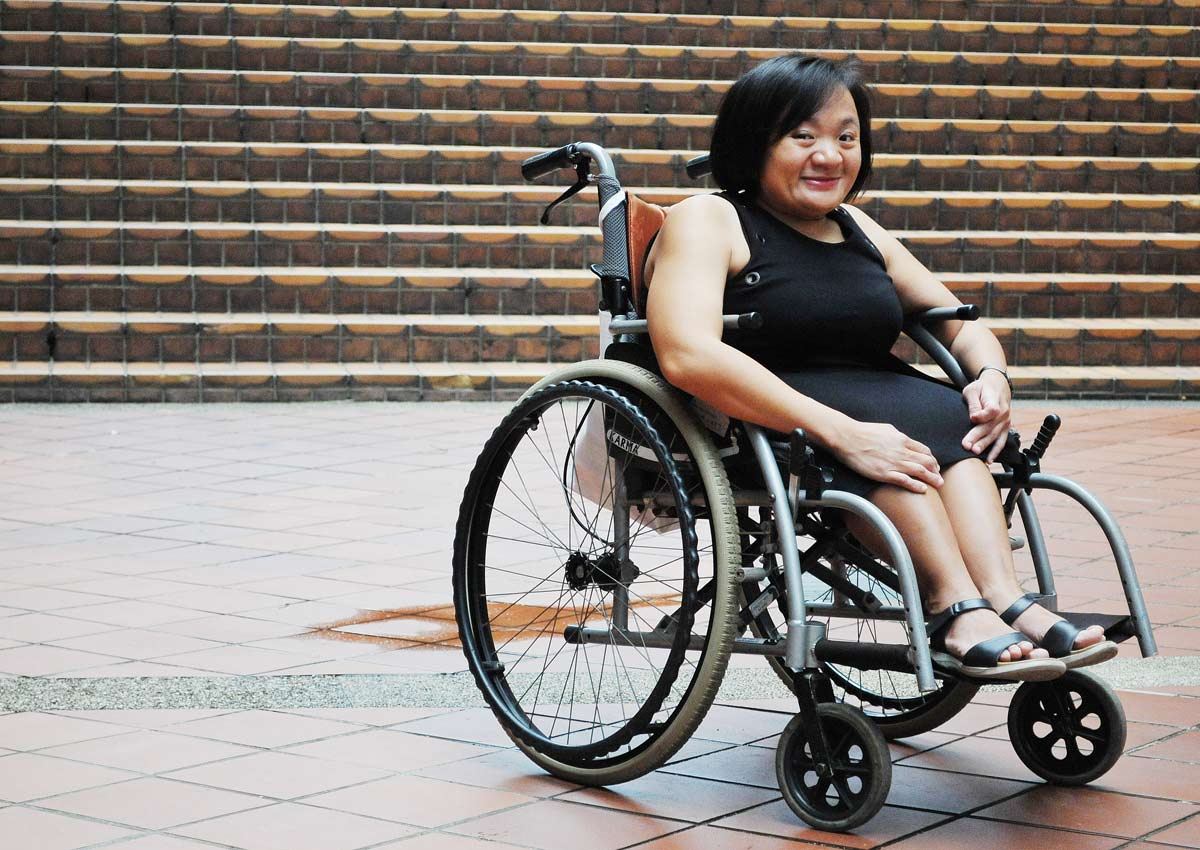
Miss Ho suffers from brittle bone disease, in which a person has fragile bones that break easily.

The disease made it difficult for Miss Ho to live at home, so she spent most of her childhood at St. Andrew’s Orthopaedic Hospital for Children.

Not close

Miss Ho, who is the youngest in a family of four girls and a boy, tells The New Paper on Sunday: “You can understand why I am not close to my siblings or my father.

“My mother, who took care of most of my needs, became my best friend and confidante.”

Her mother’s kidney cancer was kept from her and she found out only after her mother’s death, when she was 19.

“She was in and out of the hospital, and I thought her illness was not serious.

The day after I visited her, she died. To think that day, I didn’t stay long and even went for a movie after that.

“I was wracked with guilt,” she recalls.

A few years later, she tried to be a social worker with the National Council of Social Service but did not make it.

“I failed the probation period twice, and they had to let me go. I became depressed and lost my self-esteem,” she says.

“My relationship with my family was breaking down, and I had nowhere to turn. That was when I thought life was not worth living and tried to end it all.

“I could not sleep at night, and I had no one to talk to, so I would call SOS every night and tell them my sob story.

“Even with my training in social work at university, I missed all the signs that I was suicidal,” she adds.

She decided to take action.

“I had depression then. There was no more meaning to my life,” she says.

She remembers rolling her wheelchair to the side of the road “somewhere in Tampines”, waiting for traffic to build up so she could throw herself at oncoming cars.

She waited for about half an hour for the right moment.

“I don’t know why I picked that location then. There were hardly any cars,” she says, laughing now.

Still determined to end her pain, Miss Ho returned to her flat, which she shared with her older brother, and downed half the bottle of pills prescribed by a psychiatrist for her depression.

She says: “Instead of killing me, the pills made me very sick. I vomited, and my stomach hurt so much that I sought help from my brother’s girlfriend.

“The amazing thing was we went to Tan Tock Seng Hospital by public bus.” There, she had her stomach pumped and was in the intensive care unit (ICU) for a few days.

Miss Ho says: “It was after I had been moved from the ICU to the general ward that police officers visited. They told me that attempting suicide is a crime. They were not stern. Instead they were gentle and encouraged me to seek counselling.

“The tears I saw in my sisters’ eyes also showed me that killing myself may end my misery but would cause pain to (my) family and friends.

“That was when I realised that suicide is a selfish act. The determination had limited my ability to see the big picture.

I would have ended my pain if I were to die, but my act would have (caused) pain to others.”

Religion also played a part in her recovery.

Her friend from university, Mrs Abigail Lim, 41, took her to church.

Acceptance

Mrs Lim says: “Not only did she come to terms with her mother’s death then, she also accepted her physical condition and became more understanding.”

Miss Ho now tutors primary school pupils and secondary school students in Chinese and volunteers at SOS on an ad hoc basis.

She shares her story with others at events, some of which are organised by SOS.

She was involved in its latest campaign to distribute black plasters as part of its World Suicide Prevention Week campaign to raise awareness of youth suicide.

She says: “I want young people to know that once when you can get over the bad times, then life is worth living. I am proof.

“I tried to kill myself once and I failed.

Now I am here to stop others from attempting to end their lives.”

MOE looking into ways to prevent teen suicides

The Ministry of Education (MOE) announced in Parliament on Tuesday that it was reviewing ways to prevent teen suicides.

Minister of State for Education Janil Puthucheary, said there are often no warning signs, “so we need to find out the other stressors that were not picked up by the existing system and processes that we have”.

This was in response to Mr Lim Biow Chuan, the MP for Mountbatten, who highlighted cases of student suicides that were reported by the media.

A week earlier, The New Paper had reported that two students from a top junior college took their lives within 10 days of each other in August.

Mr Lim asked if these students showed any distress signs before the suicides and why were the warnings not detected.

Special hotline

The topic of teen suicides was also raised by Mr Lim Wee Kiak, the MP for Sembawang, and Mr Saktiandi Supaat, the MP for Bishan-Toa Payoh.

They wondered if a special hotline for teenagers, manned by other teens trained in counselling could be set up, but Minister for Social and Family Development Tan Chuan-Jin said it was not reasonable.

He said: “Counselling such persons requires relevant training, skills, emotional maturity and understanding of life’s challenges.

“I think it would not be reasonable to expect teenagers to possess all these pre-requisites.”

According to figures recently released by the Samaritans of Singapore, 27 young people, aged between 10 and 19, ended their lives last year – a record for the age group in 15 years.


HELPLINES
Samaritans of Singapore (SOS):1800-2214444
Singapore Association for Mental Health:1800-2837019
Sage Counselling Centre:1800-5555555
Care Corner Mandarin Counselling:1800-3535800


This article was first published on Sept 18, 2016.
Get The New Paper for more stories.

Image: 
Category: 
Publication Date: 
Sunday, September 18, 2016 – 14:00
Send to mobile app: 
Source: 


Story Type: 
Others

Source link

Rosberg expresses dislike for Singapore GP track

0

Mercedes driver Nico Rosberg, never one to mince his words, has called the Singapore Grand Prix one of the toughest races of the year and has spoken openly about his dislike for the winding track.

Yet, the Marina Bay Street Circuit could well be the venue where the German turns the tables on team-mate and title rival Lewis Hamilton, whom he last month labelled a “safety freak” and who is only two points ahead of him in the driver standings with 250.

Yesterday, amid a qualifying session which saw a crash and surprise dropouts, Rosberg secured pole position in a record time of 1min 42.584sec in qualifying.

The previous mark of 1:42.841 was set by Sebastian Vettel in 2013.

The circuit’s narrow track limits overtaking opportunities, a reason why winners in six of the eight years started at the top of the grid.

Hamilton, the reigning world champion, will start in third place, behind Daniel Ricciardo, last year’s runner-up in Singapore.

Rosberg, who finished fourth last year, is clearly optimistic about his chances of taking the chequered flag. He said: “I think it might be time to change (the fact that the Singapore GP has been won only by world champions – Hamilton, Vettel and Fernando Alonso).

“I will give it everything tomorrow but I was surprised to hear that actually only three people have ever won the Singapore Grand Prix all these years. But anyway, I’m feeling good for tomorrow and of course, I have a good chance.”

Hamilton, who retired after 32 laps last year, said: “I have been on the back foot all year long, so it’s not really different to me.

“I’ll give it my best shot from there and try to fight my way through this. It’s a very hard track to overtake, there are safety cars in this race so lots can happen.”

Overall, it was a good night for Mercedes, especially considering their dismal showing here last year.

The same cannot be said for Ferrari’s Vettel, a four-time winner here but who will start from the back of the grid after suffering mechanical failure in qualifying.

Haas’ Romain Grosjean also had a night to forget, after his car crashed at Turn 10 during the second qualifying session.

Vettel, a four-time world champion said: “Obviously I was a bit annoyed because first we decided to go for another lap but it wasn’t really any quicker. Then we decided to pit to try and fix it but there was no time to do it.”


This article was first published on September 18, 2016.
Get a copy of The Straits Times or go to straitstimes.com for more stories.

Image: 
Category: 
Publication Date: 
Sunday, September 18, 2016 – 14:30
Keywords: 
Send to mobile app: 
Source: 


Story Type: 
Others

Source link

More single women freezing their eggs overseas

0

A small but growing number of single Singaporean women are heading to Malaysia, Thailand and Australia to preserve their fertility, in the hope of having children when they finally marry Mr Right.

These women – professionals in their mid-30s to early 40s – are getting their eggs frozen abroad as the procedure is not allowed here, except on medical grounds.

Only women with medical needs, such as cancer patients who have to undergo chemotherapy that will adversely affect their fertility, are allowed to freeze their eggs.

Dr Helena Lim of the KL Fertility Centre in Kuala Lumpur sees one to two women from Singapore each month who want to freeze their eggs – compared with none five years ago.

“It’s not that these women do not want to settle down. But they have no Mr Right on the horizon and are not willing to settle for less when it comes to marriage, ” she said.

Egg freezing was raised in Parliament last week when Tampines GRC Member of Parliament Cheng Li Hui asked if the Health Ministry would consider allowing healthy women to freeze their eggs so they have a better chance of having children later, given that more women are marrying and starting families at an older age.

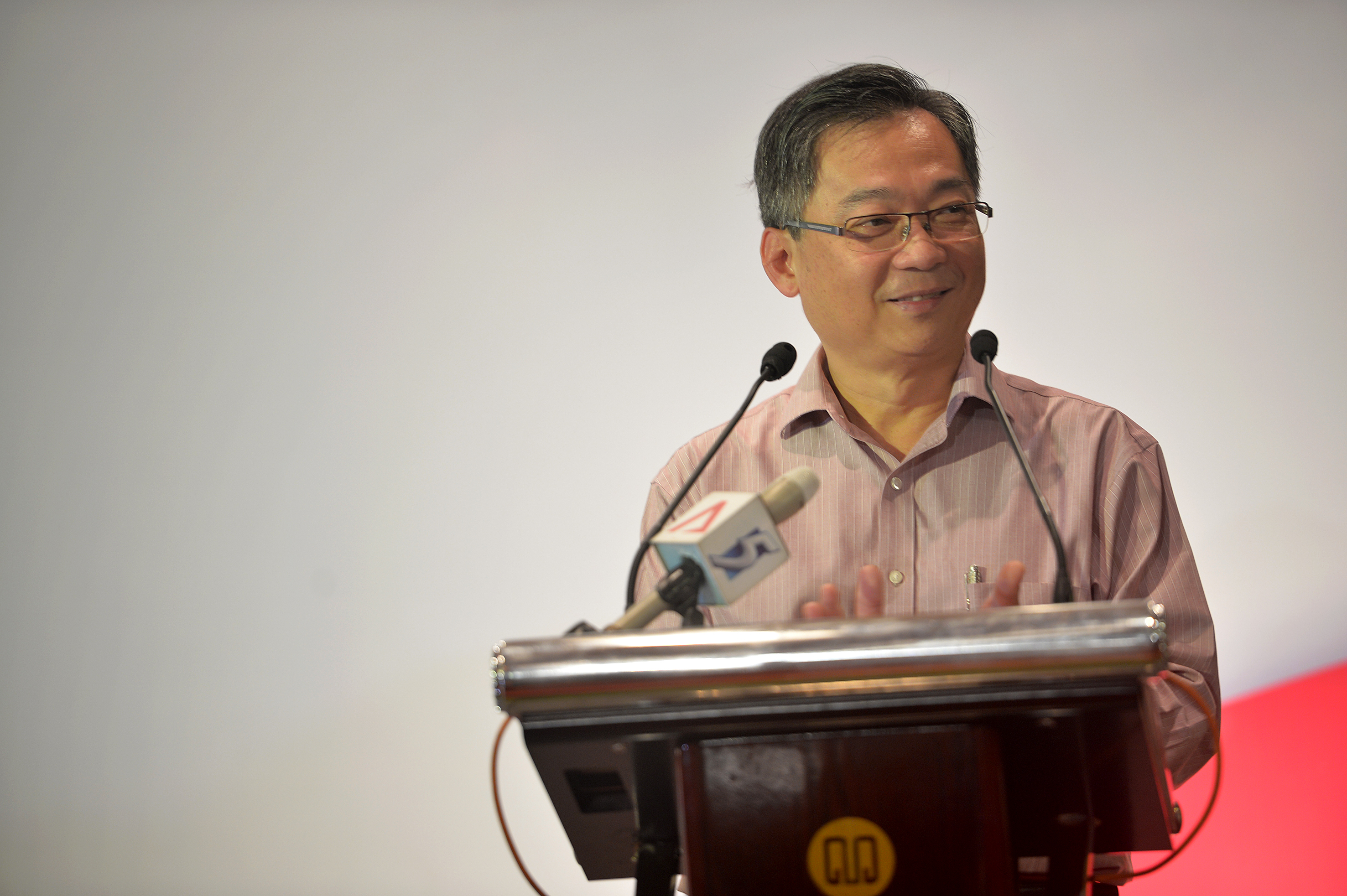
In a written reply, Health Minister Gan Kim Yong said that besides the risk of complications from the procedure and risks associated with pregnancy at an older age, there are social and ethical implications to be considered as well.

“The expectation that egg freezing guarantees fertility preservation might not be met, thus resulting in greater disappointment for couples who delay marriage and parenthood and yet are later not able to conceive using this method,” he said. “They will be left with few alternatives then.”

Miss Cheng told The Sunday Times she raised the question as she felt women should have the choice to freeze their eggs. She also wanted to get an update from the ministry, which said in 2012 that it was reviewing the medical, scientific and ethical implications of egg freezing.

Mr Gan said the ministry will continue to monitor international developments in the field and review its position by taking into account the medical and social implications of egg freezing, as well as the prevailing societal norms and values.

Separately, a ministry spokesman told The Sunday Times that licensed institutions and medical practitioners here found providing such services “without appropriate medical indications” can be prosecuted.

If convicted under the Private Hospitals and Medical Clinics Act, they may face fines “and possibly suspension or termination of the Assisted Reproduction services”.

Medical practitioners will also be referred to the Singapore Medical Council for disciplinary review.

Fertility centres in the region such as the KL Fertility Centre and Sunfert International Fertility Centre in Kuala Lumpur, Safe Fertility Centre in Bangkok and Virtus Health in Australia say they are seeing more Singaporean women.

Virtus Health, which runs the Melbourne IVF and other fertility centres in Australia, sees several Singaporeans a month now at its centres, compared with five years ago when it saw a few Singaporeans each year. Sunfert sees one to two Singaporeans a month now, compared with five years ago when it was just a few each year.

The Sunday Times understands that some women even go to the United States for the procedure.

Dr Wong Pak Seng of Sunfert said one reason for the growing demand is that a newer method called vitrification has boosted the success rate of the freezing procedure.

In 2012, the American Society for Reproductive Medicine removed the “experimental” label from egg freezing. It found that advances in techniques led to pregnancy rates comparable to in vitro fertilisation (IVF) cycles that use fresh eggs.

Doctors note that a woman is born with a finite number of eggs, with the number and quality of eggs declining as she ages. By age 40, she has only 3 per cent of the up to two million eggs that she was born with, says a study by the University of St Andrews and the University of Edinburgh.

Hence, freezing the eggs at a younger age preserves her fertility. When she has found Mr Right and is ready for children, the eggs are thawed and fertilised with her husband’s sperm. The resulting embryo is implanted in her womb.

Most of the Singaporean women who had their eggs frozen are unattached or have a boyfriend, but are not ready to marry for various reasons.

A minority are married. A common reason for egg freezing in such cases is that the women, or their husbands, are undecided about having children just yet.

Egg freezing is a costly procedure.

In Malaysia, centres contacted by The Sunday Times charge between RM15,000 (S$5,000) and RM20,000. Storage fees are an additional RM1,000 or more a year.

It costs about A$11,000 (S$11,300) for one cycle of egg freezing at Virtus Health in Australia, excluding the A$500 annual storage fee.

Doctors cautioned that egg freezing does not guarantee a baby. Whether a woman gets pregnant depends on various factors, including at what age she froze her egg, its quality and the quality of the sperm.

Said Dr Ann Tan of the Women Fertility and Fetal Centre: “Egg freezing is a form of biological insurance. You may not use the eggs you froze or you may not get pregnant when you decide to use them. Women should be adequately counselled about the procedure and its pitfalls.”

An option to have children in future

Women are getting their eggs frozen as an option to have children in future without rushing into marriage. Photo: The New Paper

Bank executive Jenny, 39, would like very much to have children.

But she will not rush into marrying her boyfriend – despite her biological clock ticking away – just for the sake of marriage and children. Jenny (not her real name) said: “We are not ready to take the next step yet.”

Earlier this year, two months before her 39th birthday, she flew to a fertility centre in Melbourne, Australia, to get her eggs frozen.

“It’s buying the option to have children in the future,” she said. “I would rather freeze my eggs first and make sure it is the right person before I marry.”

Egg freezing had been on her mind for a couple of years. But she had put it off as the procedure may not be undertaken here for non-medical reasons, she says.

However, she decided to act this year as she knows her fertility will be on a sharp decline now she has reached her late 30s.

It is a big decision – and a costly one too. She paid about $15,000 for the procedure.

That aside, she had to give herself hormonal injections, up to three times a day for 10 days, to stimulate the production of more eggs.

Following that, said Dr Manuela Toledo, a fertility specialist at Melbourne IVF where Jenny went to, the eggs were collected from her ovaries using an ultrasound-guided probe.

In the laboratory, the eggs were frozen through an ultra-fast process called vitrification.

In Australia, Jenny’s eggs can be stored for up to 10 years.

Jenny says her family and boyfriend were supportive of her decision and her mother accompanied her to Melbourne for the procedure.

But whether she will use her frozen eggs remains to be seen, as she will not have children if she does not get married, she says.

“I’m more afraid of marrying the wrong person than not having kids,” she said.

Social, ethical implications to consider

Health Minister Gan Kim Yong said the issue of egg freezing for non-medical needs cannot be decided by medical considerations alone. Photo: The Straits Times

Health Minister Gan Kim Yong said the issue of egg freezing for non- medical needs cannot be decided by medical considerations alone.

Its social and ethical implications have to be carefully considered too.

In a written reply last week to Tampines GRC MP Cheng Li Hui, who had asked in Parliament if the Health Ministry would consider allowing healthy women to freeze their eggs, Mr Gan said: “Egg freezing, like all other assisted reproduction techniques, is not a guaranteed solution or panacea to delayed marriages and parenthood.

There is also the question of the treatment of unused eggs, such as whether they can be used for other purposes.

The process of stimulating the production and collection of eggs for freezing can result in complications such as over-stimulation of the ovaries, bleeding and infection.

The risk of developing age-related complications during older mothers’ pregnancies is also not mitigated by egg freezing, Mr Gan added.

The risk of a pregnant woman above the age of 40 developing pregnancy-related diabetes, for example, is up to 74 per cent higher than a mother under 30.

Such diseases affect the growth and development of the unborn child.

“There is limited information on the long-term outcomes of children born from eggs that were frozen for extended periods,” Mr Gan said.

And while the medical concerns can be addressed by regulation, public education and counselling for potential users, there are also social and ethical implications.

For example, couples may delay having children, thinking they have frozen eggs stored, but may later find they cannot conceive using this method.

Licensed assisted reproduction centres here are allowed to carry out egg freezing only for women with medical conditions, such as cancer patients who have to undergo chemotherapy, which adversely affects their fertility.

But doctors interviewed said egg freezing, like in-vitro fertilisation (IVF) procedures, is a safe and very low-risk procedure.


This article was first published on September 18, 2016.
Get a copy of The Straits Times or go to straitstimes.com for more stories.

According to Dr Manuela Toledo, a fertility specialist at Melbourne IVF in Australia, the risk of a surgical complication, such as bleeding or infection, is one in 1,000.

Image: 
Category: 
Publication Date: 
Sunday, September 18, 2016 – 14:45
Keywords: 
Send to mobile app: 
Source: 


Story Type: 
Others

Source link

China unveils new hotel in drive to get more tourists to visit Tibet

0

NYINGCHI, China – China has unveiled a sparkling new hotel as part of its drive to get tens of millions more tourists to visit Tibet, even as critics say the push is slowly eroding the local culture.

With a presidential suite that costs US$1,000 (S$1,368) a night and views over the snow-capped mountains of the Himalayas, the luxury Artel hotel is a potent symbol of Chinese plans for the autonomous territory.

Tourism officials are hoping to see visitor numbers increase by nearly 50 percent in the next four years, said Wang Songping, deputy director of the Tibet Tourism Development Commission.

“Tibet attracted four million Chinese tourists in 2005. We hope we’ll get 24 million this year and 35 million by 2020,” he said.

Critics say the influx will lead to more of China’s dominant Han ethnic group settling in Tibet and eroding native Tibetan ways of life, and argue the majority of economic benefits of mass tourism will not go to locals.

Official figures say that Tibetans currently make up 90 percent of the local population, but groups opposed to Chinese rule say the real figure is significantly lower.

Beijing says it “peacefully liberated” Tibet in 1951 and insists it has brought development to a previously backward region where serfs were exploited.

But many Tibetans accuse Beijing of repressing their religion, diluting their culture and exploiting natural resources to benefit the Han at the expense of locals and the environment.

The 103-room Artel opened in mid-August in Lulang, a picturesque village situated at 3,700 metres (12,100 feet) in a southeastern forested area in the autonomous region of Tibet.

It is part of a tourist complex built in an old part of town previously occupied mostly by government buildings and restaurants, that now boasts its own shopping street, a lake and an arts centre.

Nicknamed the “Switzerland of the East”, the village is seen by authorities as a flagship project for its ambitious plans for Tibet’s tourist sector.

Transport links are being developed to cater for the influx, including a motorway opening next year, and a high-speed rail line from the capital Lhasa, expected to open in 2021.

Another high-speed rail line to Chengdu, capital of neighbouring Sichuan province, home to more than 80 million people, should be completed in 2022.

Wang said the number of Chinese tourists, who currently make up 95 percent of visitors to Tibet, has increased by an average of 20 percent each year since the 2006 opening of the first railway linking Tibet to the rest of China.

But while outside visitors can boost the local economy, mass tourism has down sides, said Tibet expert Francoise Robin.

“Cultural performances shown to visitors are either favourable reinterpretations of Chinese history or Chinese versions of songs or dances,” she said.

“Tibetans themselves end up picking up these distorted versions.” And while some Tibetans were developing responsible tourism initiatives and eco-tourism, such businesses could often not be developed on a large scale, she said.

The influx of tourists is expected to bring in billions of dollars but many are concerned that not everyone will benefit from the windfall.

“Travel agents and other people who work in the tourism industry are mostly Han Chinese”, said Robin. “The Tibetans… are among the last in line to benefit.” At the Artel hotel, Baima Cicuo, a 17-year-old local trainee who works as a housekeeper, said she was happy in her job – at least in front of her boss.

“Before, I depended on my farmer parents. But now I earn 1,000 yuan a month and I learn a lot of things,” she said in fluent Mandarin.

The hotel, owned by Poly, a Chinese state-owned group, has invested 280 million yuan ($42 million) in the project, says commercial director Ray Peng.

It currently has 40 employees, 15 of whom are Tibetan.

Its guests are likely to be overwhelmingly Chinese. Less than five percent of visitors to Tibet are foreign tourists, who need to obtain an “entry letter” as well as a Chinese visa when travelling to the region, where they must join an authorised tour group.

Despite the widespread perception that the restrictions are meant to stop the outside world from learning too much about the tensions between ethnic Tibetans and Han, officials insist that is not the case.

“These restrictions are in place because we can’t yet provide world class services for tourists”, said Bianba Zhaxi, deputy governor of Tibet.

“We will be open to tourists from across the world in a few years,” he added.

But Acharya Yeshi Phuntsok, deputy speaker of Tibet’s parliament in exile, said the restrictions serve to hide the truth about Tibet from the outside world.

“If foreign tourists and media are able to travel freely in Tibet, without organised tours, and can collect the views of people, then I think tourism can have a good impact.

“Otherwise, nobody will speak and share the problems of the Tibetan people.”


Image: 
Publication Date: 
Sunday, September 18, 2016 – 12:39
Send to mobile app: 
Source: 


Regions: 
Country: 
Interest: 
Story Type: 
Others

Source link