Home Blog Page 2716

PLA defence adviser criticises Singapore

0

Beijing should make Singapore “pay the price for seriously damaging China’s interest”, said a Chinese defence adviser days after a spat erupted between a Chinese newspaper and a Singapore envoy.

Professor Jin Yinan, a director at a defence university run by the People’s Liberation Army, told state-owned China National Radio on Thursday that Singapore has actively pushed to make the South China Sea issue an international affair.

The Republic has provoked confrontations between China and the United States to show its relevance, he said.

“China’s retaliation against Singapore is inevitable, not just in the public opinion sphere… We should take some actions, to strike back or impose sanctions, to show our displeasure,” Prof Jin was quoted as saying.

His remarks followed an exchange of letters last week between Singapore Ambassador to China Stanley Loh and the Global Times over the words and actions of Singapore officials at a multilateral summit.

In a Sept 21 report, the Chinese newspaper had singled out Singapore for raising the South China Sea issue and the July arbitral tribunal ruling ata recent world summit.

Experts told The Sunday Times that Prof Jin’s view reflects an increasing frustration among a certain growing quarter in China.

“Beijing accepts that Singapore can have different opinions, but it doesn’t want to see Singapore rushing to the fore,” said Sino-ASEAN expert Xu Liping from the Chinese Academy of Social Science, referring to the South China Sea issue.

Jinan University analyst Zhang Mingliang said this public spat has drawn an “unprecedented wave” of negative criticism against Singapore, especially among netizens.

Yet, he views this as a superficialepisode that will blow over soon. “It’s not likely to have any substantial impact on bilateral ties,” he added.

Singapore’s Defence Minister Ng Eng Hen yesterday reiterated a call to step up co-operation in the South China Sea at a maritime co-operation roundtable in Hawaii.

Referencing the Declaration on the Conduct of Parties (DOC), he said in his speech that “all claimant states and the overall situation in the South China Sea have fallen short of the hopes and standards set by the DOC”.

The DOC is a key agreement to guide peaceful resolution of disputes and cooperative behaviour in the South China Sea signed by ASEAN and Chinese leaders in 2002. “We need to address this problem quickly before it escalates,” he added.

In an interview yesterday, Dr Ng noted that the July arbitral tribunal ruling is legally binding under the United Nations Convention on the Law of the Sea.

But other than legal claims, there are also practical concerns to deal with in this key waterway, such as accidents by non-military ships, he said.

He added: “For Singapore as a non-claimant state, our main interest is whether with or without the ruling, how do you make sure that the region is still stable and that you have mechanisms to prevent any escalations.”

kohping@sph.com.sg
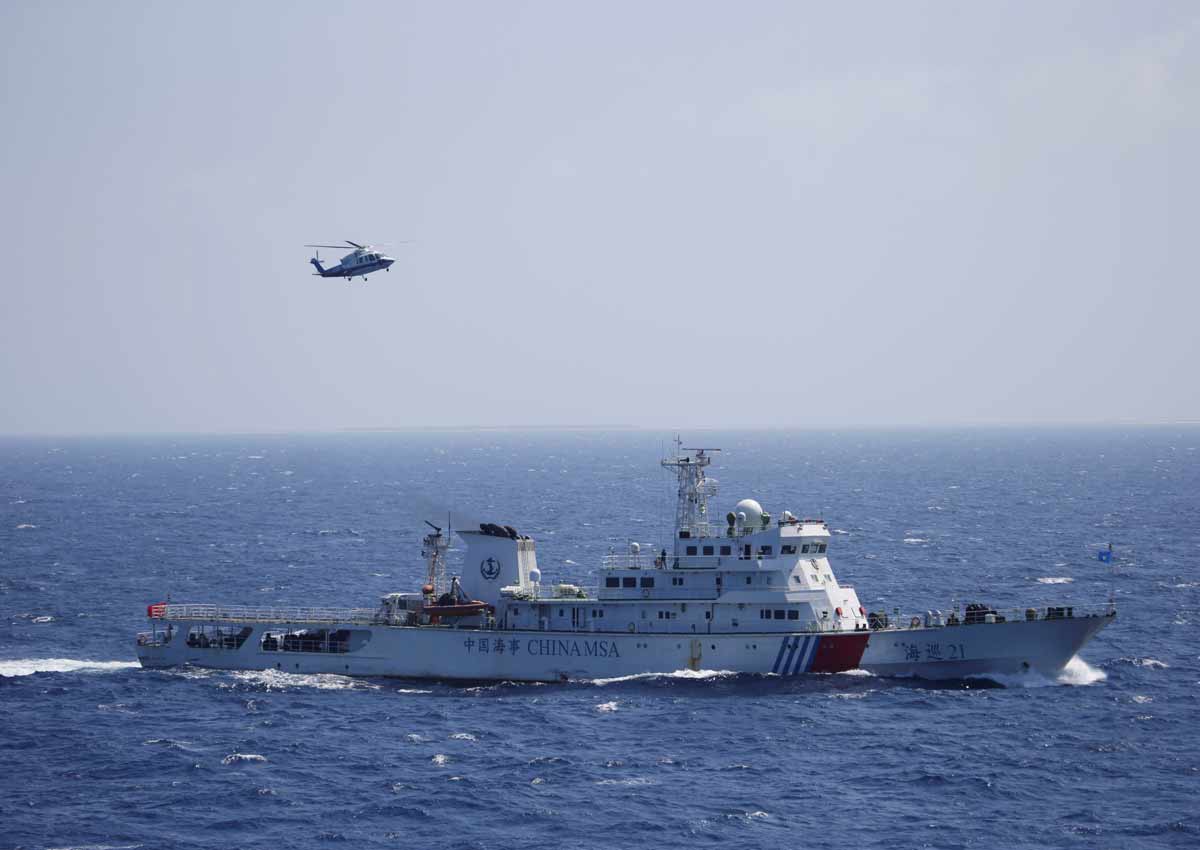
Image: 
Category: 
Publication Date: 
Sunday, October 2, 2016 – 14:00
Keywords: 
Send to mobile app: 
Source: 


Rotator Headline: 
Chinese defence adviser criticises Singapore over South China Sea issue
Story Type: 
Others

Source link

Andy Lau denies reports that his wife has given birth to their second child

0

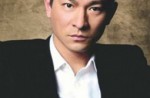
Andy Lau has been trying to keep his family life away from media scrutiny.

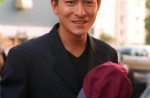
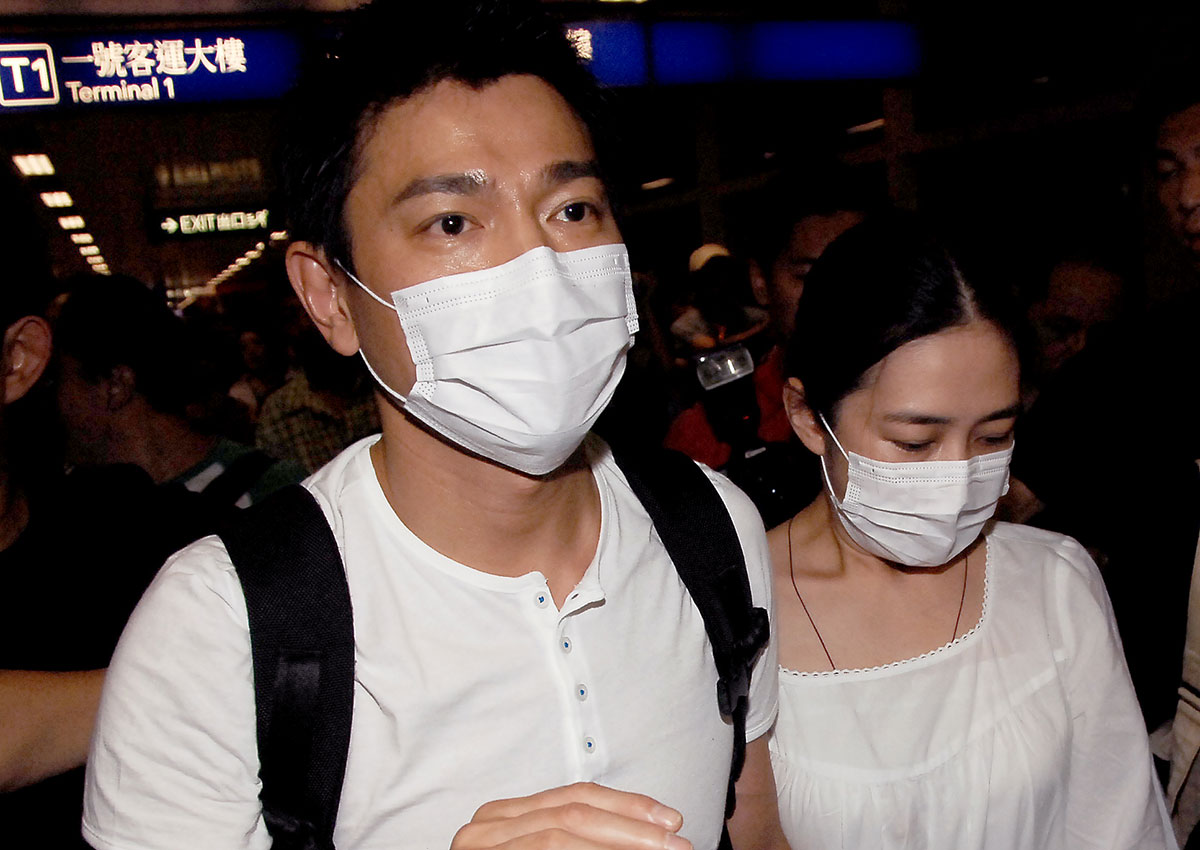
It was recently reported that his wife had given birth to the couple’s second child but the 55-year-old has come out to deny these rumours.

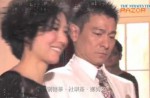
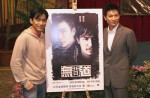
At a blessing ceremony for the film Chasing the Dragon on Wednesday, Andy denied having a second child.

“No!” he said. “Not at all.” Andy said he is aware that this rumour has been going on for some time, and denied it one more time, reports Jayne Stars.

It is unclear whether he is telling the truth or if this is another tactic to get the media spotlight away from his family.


Go to Lollipop for more stories.

Image: 
Category: 
Publication Date: 
Sunday, October 2, 2016 – 13:19
Keywords: 
Send to mobile app: 
Source: 


Story Type: 
Others

Source link

Call for pre-school teachers to get day off

0

Give all pre-school educators a day off on Teachers’ Day, so they get more respect and recognition.

That call was made yesterday by Minister for Social and Family Development Tan Chuan-Jin, even as new moves to help more people join the pre-school sector and develop their careers were announced.

While there have been other efforts to appreciate teachers, Mr Tan said: “I think there is more we can and should do to acknowledge our teachers for the important and hard work they do.”

Speaking at the Early Childhood Conference held at Suntec Singapore and attended by over 1,500 educators, Mr Tan said the day off on Teachers’ Day “is long overdue”.

Kindergartens, which follow the primary school calendar, give teachers the day off on Teachers’ Day. But it is up to childcare operators to decide if they want to close on Teachers’ Day, which falls on the first Friday in September.

Many childcare centres already do so, but to support more centres to follow suit, the Early Childhood Development Agency (ECDA) will from next year let them close for an additional half-day, on top of the five and a half days currently.

“I believe this is an important signal,” said Mr Tan. “Many of you teachers are parents yourselves and I hope this will give you more time to spend with your own children. I also urge employers to exercise some flexibility to allow parents with pre-schoolers to take leave or time off on Teachers’ Day.”

Many educators and parents welcomed Mr Tan’s call.

Ms Wendy Tan, 50, principal of MacPherson Sheng Hong Childcare Centre, said: “We give our teachers the day off on Teachers’ Day, but with this announcement, I think childcare teachers are affirmed of their role, commitment and passion.”

Ms Intan Ismail, 36, who cares for infants at a My First Skool centre which closes on Teachers’ Day, said: “The day off… gives a signal that teachers are appreciated.”

More than nine in 10 of the 1,000 parents polled by ECDA in March had also “strongly supported” closing centres that day.

“It is a small recognition of the efforts of pre-school teachers,” said MP for Ang Mo Kio GRC Ang Hin Kee, executive secretary of the Education Services Union which represents pre-school teachers. “We welcome it nonetheless,” he said.

One principal of a childcare centre in Sembawang, who did not want to be named, said what is more important are ongoing efforts to appreciate teachers. “It’s just like how we don’t appreciate mothers only on Mother’s Day.”

The move to let centres close for an extra half-day is part of several initiatives in a new manpower plan for the sector unveiled yesterday. With this plan, the Government hopes to attract 4,000 more educators by 2020, up from 16,000 today.

This comes at a time when the sector has been expanding, with 1,700 pre-schools last year, up from 1,200 in 2008. The sector is expected to grow further, due to rising demand for pre-school services.

To give people more opportunities to join the sector and develop their careers, two new skills-focused initiatives were launched.

One is the Skills Framework for Early Childhood Care and Education – the second of about 30 that will be rolled out for different sectors over the next few years as part of the SkillsFuture movement.

It is a structured guide to help educators chart their career progression, spelling out career pathways and the skills required for job roles.

Also, admission criteria for training courses will be more flexible. An educator with prior learning and working experience could still be admitted, even if he does not have the required qualifications.

These alternative admission criteria will be piloted at two training institutes from April next year.

ECDA said quality will not be compromised as there are still requirements for people who enter these courses via alternative ways – candidates must have relevant work experience and go through an interview. Selected candidates will also need to pass pre-requisite modules.

Ms Intan, who has worked at the centre for six years, stands to benefit from the more flexible criteria.

She has N-level qualifications, but not the required O-level qualifications for a course to train people in working with older children.

She said: “I didn’t think of pursuing certain courses because I didn’t meet the criteria.

“I’m glad my prior work experience would be recognised in future as that allows me to advance further in my career.”

goyshiyi@sph.com.sg


This article was first published on October 02, 2016.
Get a copy of The Straits Times or go to straitstimes.com for more stories.

Image: 
Publication Date: 
Sunday, October 2, 2016 – 14:00
Send to mobile app: 
Source: 


Story Type: 
Others

Source link

Government considers expanding eye screening for diabetics


0

To raise awareness on the importance of eye-screening for diabetics, the Government is looking at expanding screening programmes beyond community clubs.

Source link

OCBC Cycle draws 6,400 on second day of event

0

About 6,400 turned up at the crack of dawn for the second day of the OCBC Cycle Singapore 2016, held at the Singapore Sports Hub on Sunday (Oct 2).

Source link

Man charged with having brass knuckles: Other scheduled and prohibited weapons in Singapore

0

SINGAPORE – A man who allegedly held a two-year-old boy hostage in a Sembawang flat for 17 hours was charged on Friday (Sept 30) with having knuckle dusters without permission.

Also known as brass knuckles, the metal covering that fits over one’s fingers are considered scheduled weapons under the Corrosive and Explosive Substances and Offensive Weapons Act.

The punishment for unlawful possession of a scheduled weapon is a jail term of up to five years, with at least six strokes of the cane, for a first conviction. The penalty for the crime for subsequent convictions is a jail term of between two and eight years, with at least six strokes of the cane.

Read also: 12 things you might not know you could be punished for in Singapore

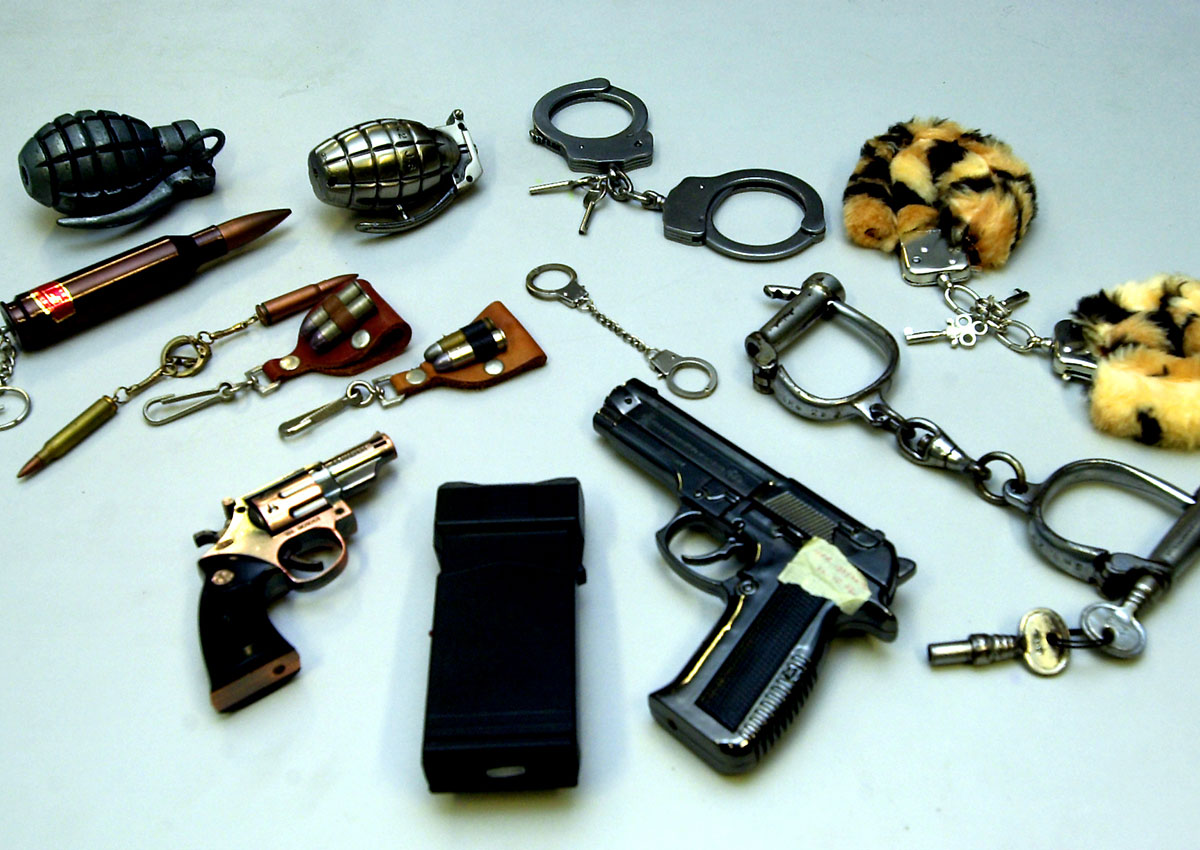
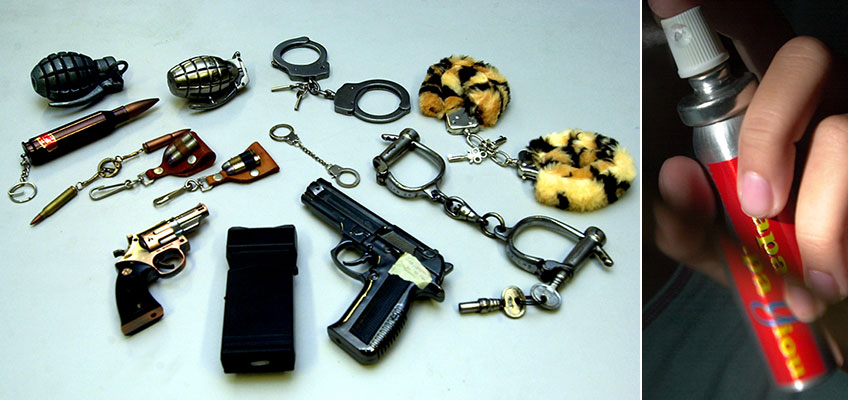
While some small but easily concealed items are prohibited in Singapore, you can import guns and stun guns with a permit from the police. But lighters shaped like a gun cannot be brought in.

Read on to find out which weapons are allowed and which are not allowed in Singapore.

1. SCHEDULED WEAPONS AND SUBSTANCES

Under the Act, there are two schedules of items, one lists corrosive substances and the other weapons.

Besides knuckle dusters, other scheduled weapons include:

Flick knives and gravity knives, which have a blade which is released from the handle or sheath by the force of gravity or by centrifugal force,

Any whip manufactured from bicycle, motorcycle or similar chains,

Any sword, machete or parang, axe, sickle, bearing scraper, spear, bayonet, iron rod, or nanchaku,

Wasp knives, which can inject a ball of compressed gas that freezes both human and animal tissues and organs where injected.

Corrosive substances are mainly acids. In the list are sulphuric acid, nitric acid, hydrochloric acid,formic acid, acetic acid, phenols, ammonia, potassium hydroxide and sodium hydroxide.

Pepper spray is also on this list as it contains corrosive phenols.

2. OTHER PROHIBITED ITEMS

Other prohibited items, which are banned from being imported into or taken out of Singapore are:

– Concealed weapons, for example a blade disguised as a cane,

– Lighters in the shape of a gun or pistol,

– Firecrackers and all types of fireworks, including tube-sparklers and “pop-pop”,

– Throwing knives, Ninja stars or Shurikens,

– Catapults or slingshots,

– Crossbows.

3. PERMITTED WEAPONS AND TOOLS

Knives for hunting, outdoor survival, diving are permitted, according to the police website.

Machetes, sickles and parangs for agriculture and for carpentry are also allowed.

Other permissible “weapons” include blow pipes, axes, leather or rope whips, and bows and arrows.

4. CONTROLLED ITEMS

These can be imported into or taken out of Singapore with prior approval from the police licensing department. Controlled items include:

– All types of firearms, air guns,

– Ammunition and explosives,

– Airsoft and paintball guns,

– Taser and stun guns,

– Spear guns,

– Swords, spears, spearhead, daggers and bayonets,

– Signal flares,

– Tear gas sprays,

– Bulletproof vests,

– Steel helmets,

– Toy guns, including pistols and revolvers,

– Handcuffs,

– Truncheons or batons,

– Night vision / infra-red goggles and binoculars.


This article was first published on October 1, 2016.
Get a copy of The Straits Times or go to straitstimes.com for more stories.

Image: 
Category: 
Publication Date: 
Sunday, October 2, 2016 – 11:42
Send to mobile app: 
Source: 


Rotator Image: 
Story Type: 
Others

Source link

Istana Heritage Gallery to open on Oct 8

0

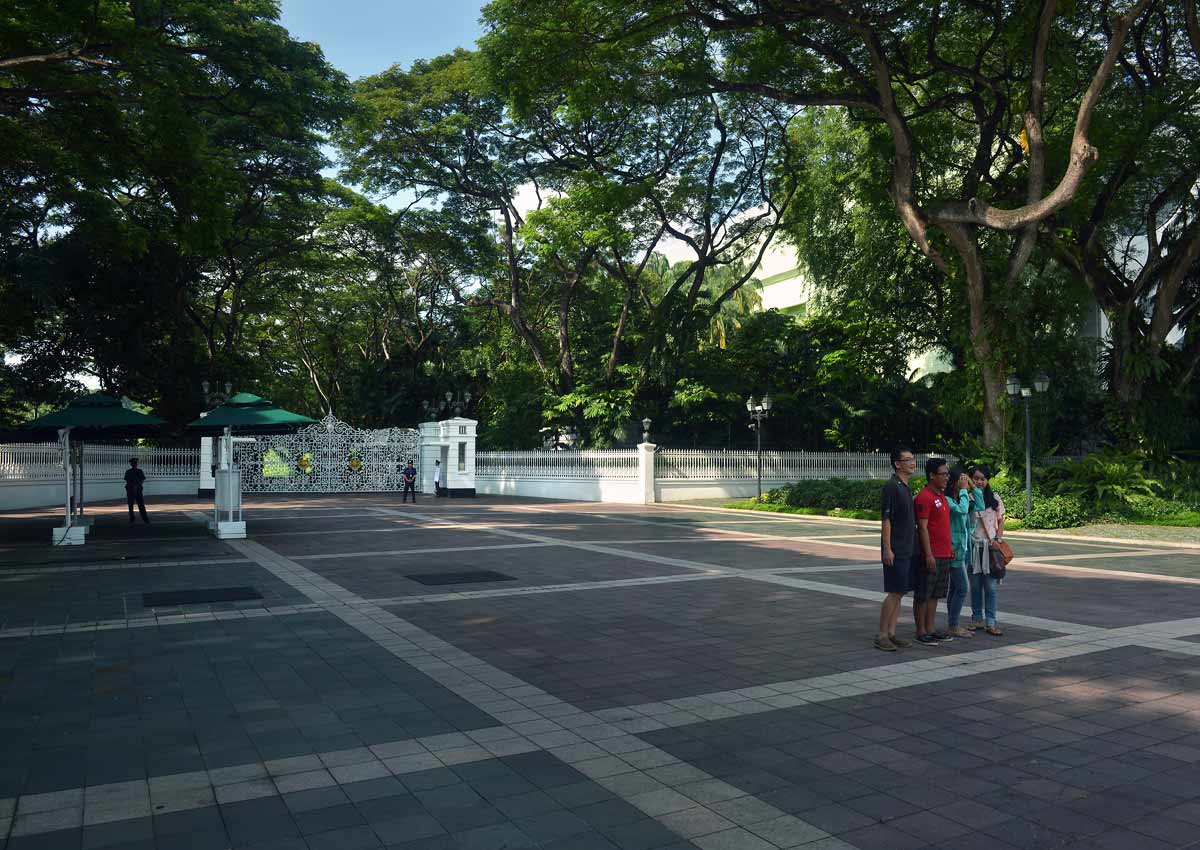
SINGAPORE – Once hailed as the finest building of its kind in the Far East, the stately Istana in Orchard Road, built in the late 1860s, is usually open to the public only five times a year.

But from Oct 8, visitors can take a more frequent look at some of its treasures, including its art collection, state artefacts and state gifts from the President’s official residence, at a new heritage gallery at the Istana Park, which fronts the main Istana gate.

The gallery will be open to the public throughout the week except on Wednesdays.

The gallery, which took about nine months to build, is the size of three four-room Housing Board flats. Renovations cost about $900,000.

The showcase, which is expected to draw 120,000 visitors each year, is a collaboration between the President’s Office, National Parks Board, the National Library Board and the National Heritage Board’s (NHB’s) Preservation of Sites and Monuments division.

The gallery was initiated by President Tony Tan Keng Yam and part of efforts to educate the public on the history and heritage of the Istana, a national monument.

The Istana said the aim is to complement its open houses with an additional platform for the public to learn about its rich history and heritage, and its role in Singapore’s development as a nation.

Ms Jean Wee, director of NHB’s Preservation of Sites and Monuments division, said most Singaporeans know the Istana as the official residence of the President, but not the many stories it has to offer.

She said the gallery focuses on the history of the Istana – a building that has witnessed and played a key role in Singapore’s development.

“The gallery also explores the role and significance of this important national monument, which parallels in many ways the changing dynamics of Singapore’s journey from a colony to sovereign state,” Ms Wee added.

The gallery, which offers free admission, is divided into six sections.

The first details the neighbouring 1869 Sri Temasek building on the the Istana grounds which, together with the Istana, was preserved as a national monument in 1992. Sri Temasek was originally the house of the colonial secretary.

The second section traces the early years of the Istana, when it was constructed between 1867 and 1869 on a piece of land that used to be a nutmeg plantation.

The third recounts the effects of World War II on the Istana and its occupants.

The fourth chronicles its transformation from the Government House into the Istana and the replacement of the colonial symbols with the state crest, Presidential Standard and Presidential Crest, after Singapore attained full internal self-government status in 1959.

Sir Harry St George Ord, the first governor of the Straits Settlements, had initiated the Istana’s construction. He had intended the building to be the governor’s residence.

The fifth section details the Istana’s flora and fauna, while the last describes the functions of the Istana, which includes hosting visits by foreign dignitaries.

Some of the objects that visitors to the gallery will be able to see include a bust of Singapore’s first president Yusof Ishak and a selection of state gifts from countries such as Brunei, China and Malaysia.


This article was first published on October 02, 2016.
Get a copy of The Straits Times or go to straitstimes.com for more stories.

Image: 
Category: 
Publication Date: 
Sunday, October 2, 2016 – 10:49
Send to mobile app: 
Source: 


Story Type: 
Others

Source link

Key witness emerges in Bangkok body-in-freezer case

0

Police have spoken to a key female witness about the case in which a dismembered body was found in the freezer at a Bangkok building and are confident they will have significant evidence this week.

Police raided the building used by an alleged American passport-forging gang in Phra Khanong district last Friday and found the body of a foreign male in the freezer.

They interrogated the alleged leader of the gang, who was eventually identified as Herbert Gery Lefron, 63, of Baltimore, Maryland, for 16 hours on Friday to try and establish who killed the man. Lefron had previously used another alias.

However, Lefron insisted he was not the murderer and that he only dismembered the body of Hungarian national Charles Edward Ditlefsen to fit in the freezer. He claimed the killer was his friend, who had since died of cancer.


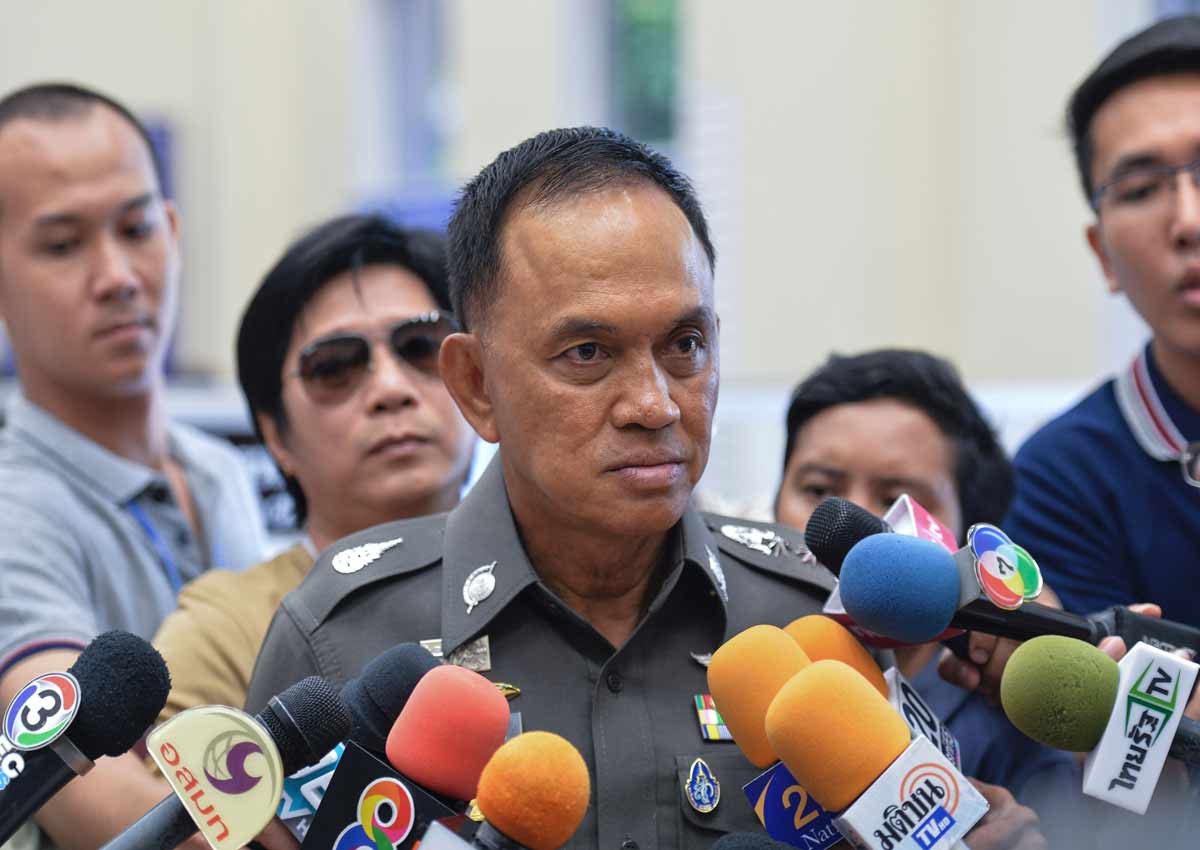
Police do not believe his story, and Bangkok police chief Lt-General Sanit Mahathaworn said that Lefron’s claim contradicted the evidence.

He said the “important” female witness was close to Lefron and could be the key to the case.

“This unidentified witness will be interrogated to link the connection to other witnesses’ claims, evidence, and the forensic examination, which will make everything become clear,” Sanit said.

“I am now satisfied with the evidence and the witnesses we have. However, it will take time for the officers to investigate carefully every aspect and everything should be clear by next week [this week].

“It should be noted that if we want to understand who Lefron really is, we have to ask the persons close to him.”

He promised that police would bring the killer to justice.

After being interrogated, Lefron was taken to Police General Hospital early yesterday morning for rest.

Lefron told police that Ditlefsen was killed because of a US$60,000 (S$81 million) debt.

Police described Lefron as bad-tempered and sadistic, based on information they had received.

“He did not speak clearly and police still do not believe him,” Sanit said. “However, he already has his lawyer to defend himself as per international justice standards.”

Sanit also revealed that the investigation team aimed to learn how Lefron used a fake passport to enter the country and find if more than one person was involved in the murder.

Read also: Police say 2 held in Bangkok frozen body case are American

Image: 
Category: 
Publication Date: 
Sunday, October 2, 2016 – 10:06
Keywords: 
Send to mobile app: 
Source: 


Story Type: 
Others

Source link

44 tourists yet to return from Lombok's Mt Rinjani after sub-volcano eruption

0

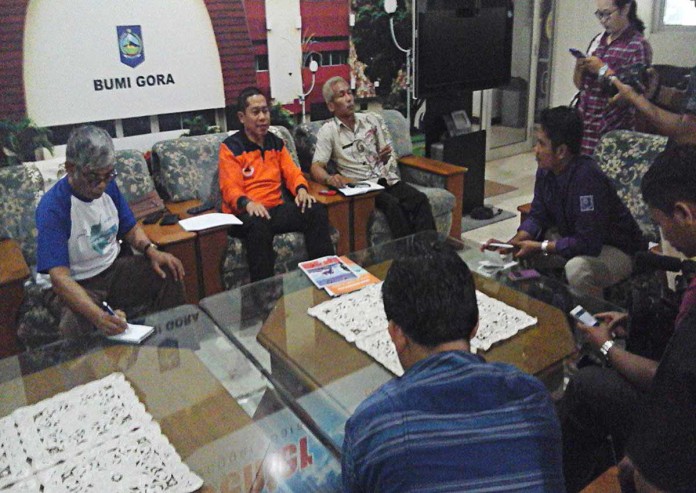
The West Nusa Tenggara Disaster Mitigation Agency (BPBD NTB) has called on representatives of foreign countries in Indonesia to file a report with authorities if they have citizens still missing in the climbing area of Mount Rinjani in Lombok, NTB.

The agency made such a request following reports that 44 tourists climbing Mt Rinjani had not yet returned after its sub-volcano, Mt Barujari, erupted on Sept.27.

“We ask all foreign embassies to file a report if there is any citizen still reported missing. We will follow it up,” BPBD NTB head Muhammad Rum told journalists on Friday.

He said the result of the latest data collection, jointly commissioned by the BPBD and the Mt Rinjani National Park (TNGR), revealed the number of trekkers and tourists registered entering Rinjani climbing trails from Senaru in North Lombok and Sembalun in East Lombok reached 464 people from Sept.25 to 27. They comprised 408 foreigners and 58 local tourists.

As of Thursday evening, only 420 people were recorded to have returned through those two entrance points.

“So, 44 people have not yet been registered descending from Mt Rinjani,” Rum said.

He said it was possible that the climbers had returned, but had not yet been recorded. “It is also probable that they have returned through small routes so their returns were not recorded at those two official entrances.”

When Mt Barujari erupted on Tuesday, it was recorded that 140 tourists, comprising 132 foreign citizens and eight local tourists, were climbing Mt.Rinjani.

They are mostly from European countries, such as Bulgaria, France, Germany, the Netherlands and the UK, and others are from India.

Image: 
Category: 
Publication Date: 
Sunday, October 2, 2016 – 09:45
Send to mobile app: 
Source: 


Story Type: 
Others

Source link

Ailing Thai king's lung infection eases, kidneys still failing: Palace

0

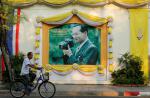
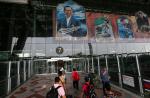
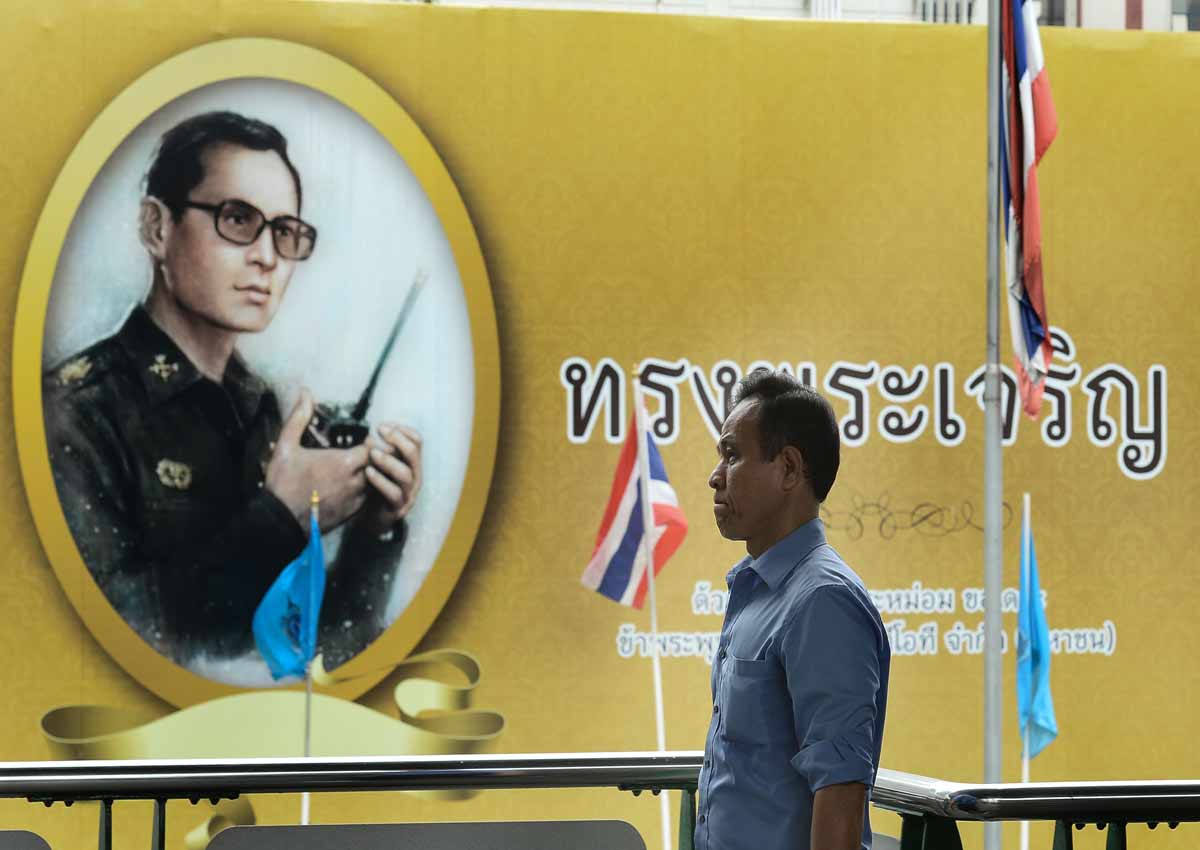
BANGKOK – Thailand’s hospital-bound King Bhumibol Adulyadej is still being treated for kidney failure although an infection in his lung has eased, the palace said Saturday, in the latest update on the 88-year-old’s ailing health.

Bhumibol is the world’s longest-reigning monarch and beloved by many in Thailand.

However he has not been seen in public for nearly a year as he battles a series of ailments in a Bangkok hospital.

The palace tightly controls news about his health and it is difficult to ascertain his overall condition.

The latest statement issued by the Royal Household Bureau on Saturday night said he was recovering from a respiratory infection in his left lung after being treated with antibiotics.

However it said he continues to receive renal replacement therapy, a treatment for acute kidney failure.

“Today he has no fever and his breathing is normal…a blood test showed that the infection has reduced but he still has a small amount of urine, therefore doctors continue to give him CRRT,” the statement said, referring to continuous renal replacement therapy.

Bhumibol has been treated for a variety of health complications over the past two years, including bacterial infections, breathing difficulties, heart problems and hydrocephalus – a build-up of cerebrospinal fluid often referred to as “water on the brain”.

His reign has spanned seven tumultuous decades and his frail health is a cause of great public concern for Thais, most of whom have never known life under another king.

He is also shielded by one of the world’s harshest royal defamation laws, which has been used to jail scores of Thais for criticising the monarchy.

Analysts say anxiety over the end of Bhumibol’s reign has aggravated the past decade of political conflict in Thailand, with elites jostling for influence.

But open discussion of his legacy and the future of the institution is all but impossible because of the lese majeste law.

Use of the law has surged under the ultra-royalist generals that seized power in a 2014 coup.

Image: 
Category: 
Publication Date: 
Sunday, October 2, 2016 – 09:36
Send to mobile app: 
Source: 


Story Type: 
Others

Source link