28.7 C
Singapore, SG
Wednesday, September 23, 2026
Home Blog Page 2669

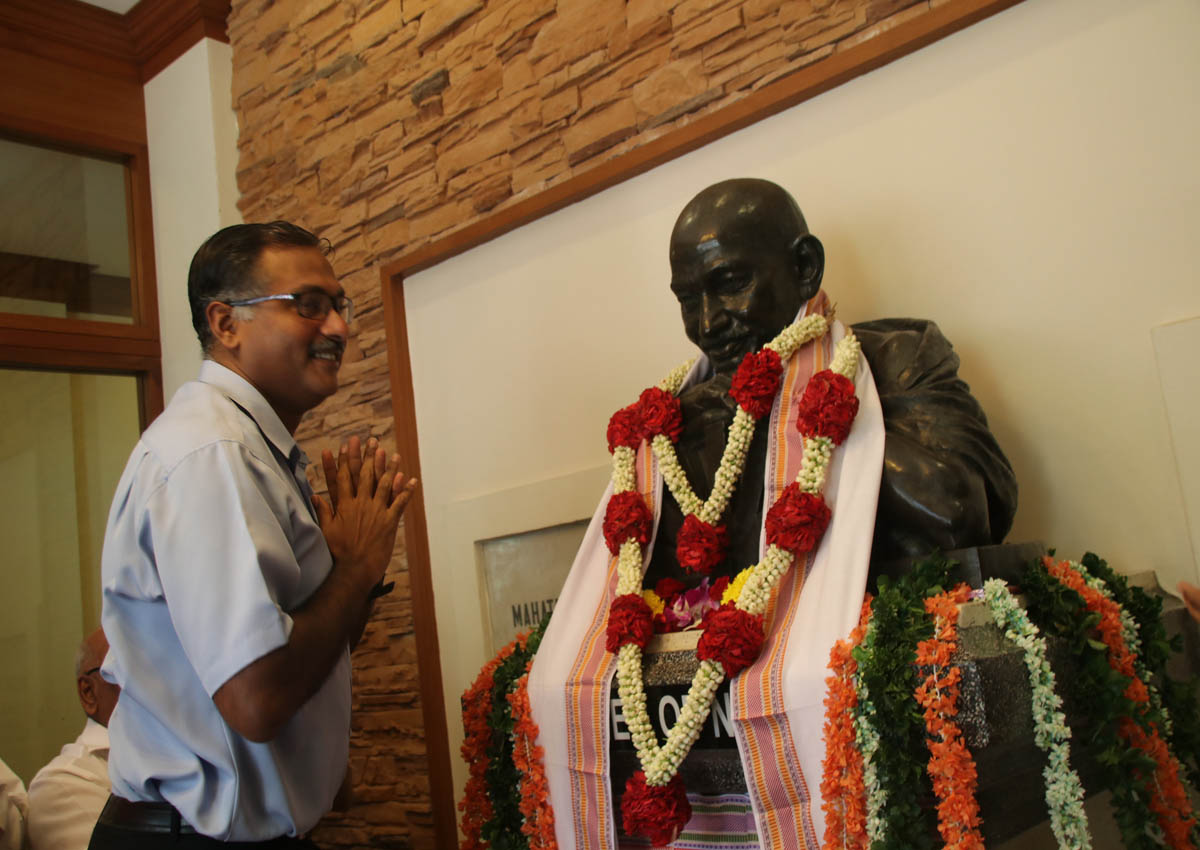
Remembering a great soul

0

In Singapore’s multi-racial and multi-religious society, commonalities among the various communities must be emphasised.

In that way, Mahatma Gandhi’s principles help to reach out to all members of the community, as well as enabling everyone to embrace love in order to help humanity, said MP for Bukit Batok SMC Murali Pillai.

“We have to observe what is happening around us. Terrorist threats and attacks are undermining world peace and stability. Even in developed nations, racial and communal conflicts are not uncommon.

Swami ji garlands. Photo: Hindi Society

But we have to note that such tensions did exist during Gandhi’s era,” he said at an event commemorating the 147th birth anniversary of the great Indian leader.

“Gandhi was a man focused in actions. He relied on the pillars of truth and non-violence. It is the personal connection that he had with the hearts and minds of millions of people that moved them,” said Mr Murali in his speech at the Gandhi Memorial Hall at Race Course Lane on Oct 2.

“When we flip through history, we would be surprised by his simplicity. And we can learn from him that one can solve many problems with love and peace,” he added.

The Choir from GIIS sang Sarva Dharma Prayer on the occasion to mark International Day of Non-violence. Photo: GIIS

President of Ramakrishna Mission (Singapore), Swami Vimokshananda recalled how the title ‘Mahatma’ was coined, combining the words ‘Mahan’ and ‘Atma’ (Great Soul).

The event was jointly organised by Singapore Indian Association, Hindi Society (Singapore), Singapore Gujarati Society, Mahatma Gandhi Memorial Trust and Global Organisation for People of Indian Origin.

Mohamed Fairoze


Get a copy of tabla! for more stories.

Image: 
Category: 
Publication Date: 
Friday, October 7, 2016 – 13:40
Keywords: 
Send to mobile app: 
Source: 


Story Type: 
Others

Source link

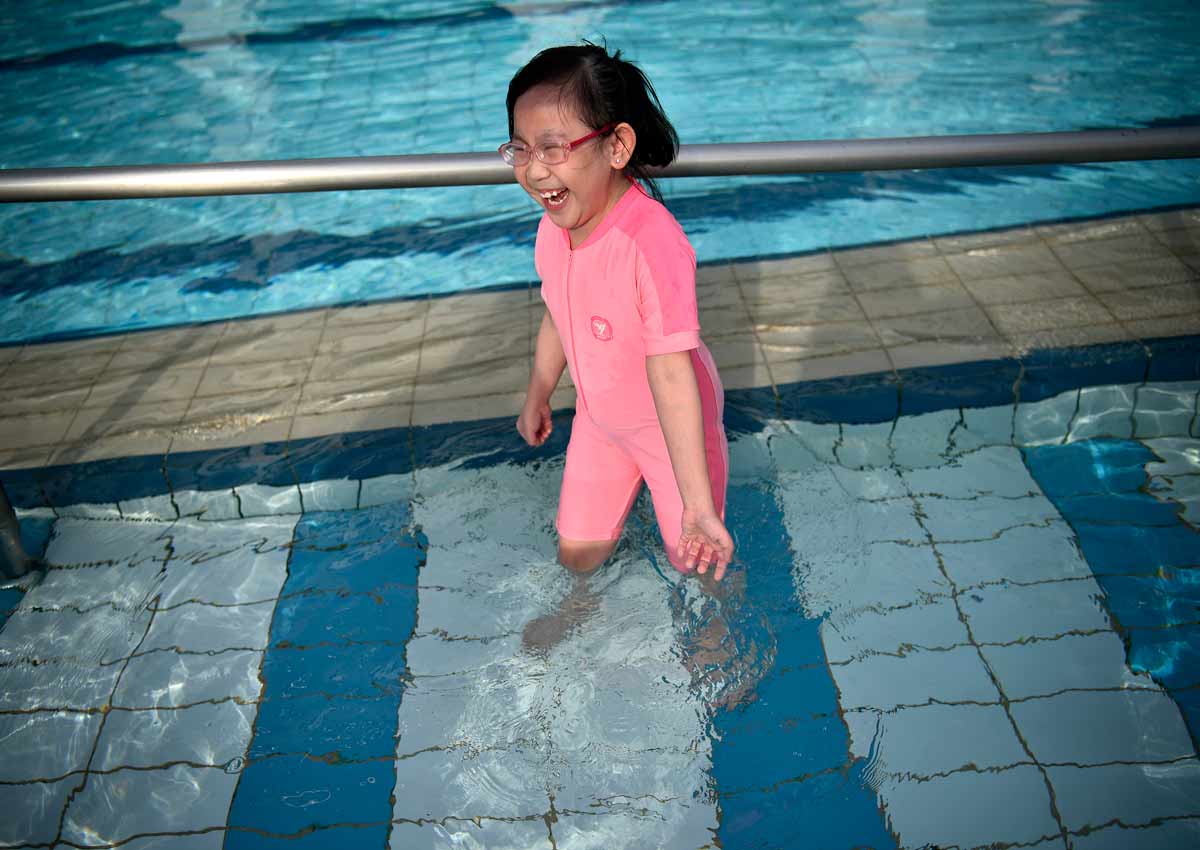
A phobia of water, yet she makes being a mermaid her business

0

This young entrepreneur earns as much as S$600 an hour appearing as a mermaid, in a career that fulfils her childhood fantasies, she tells On The Red Dot.

Source link

Income launches usage-based motor insurance

0

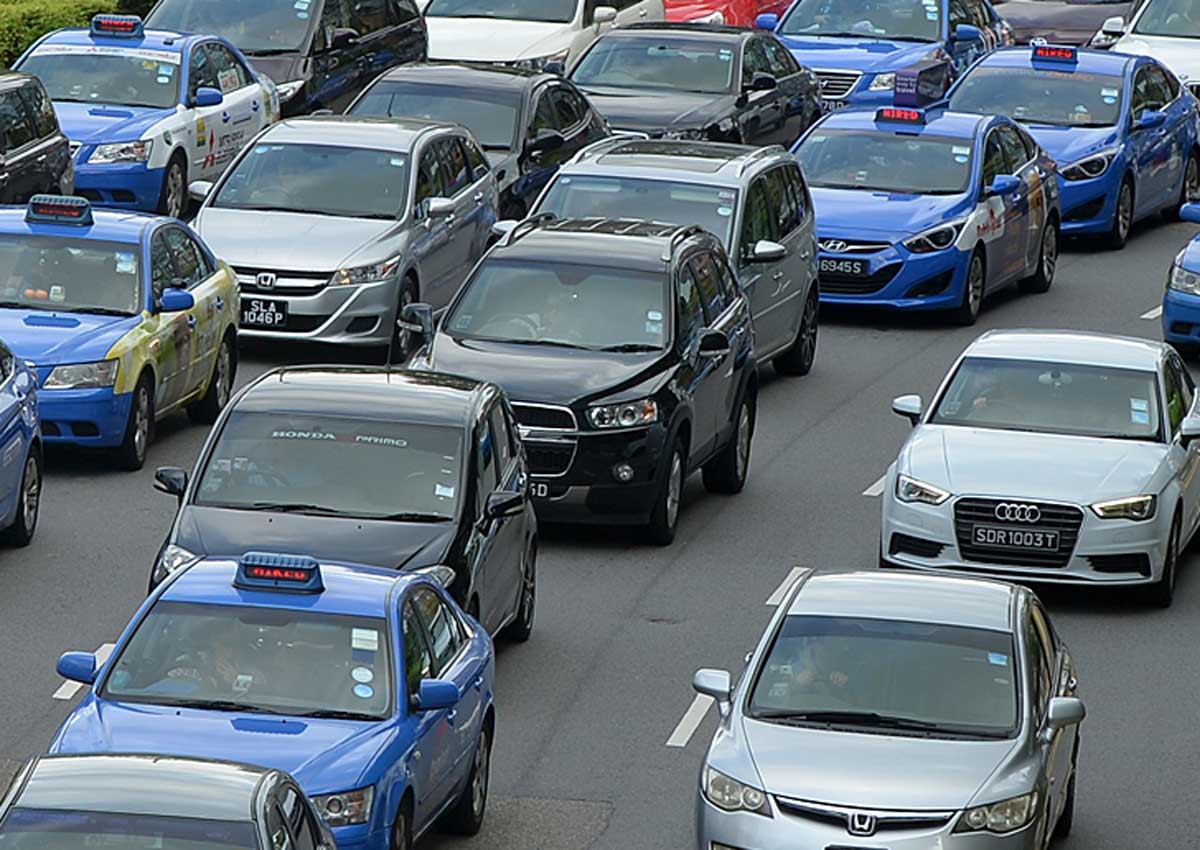
Motor insurance giant NTUC Income has launched two schemes offering discounts to motorists if they drive well or drive less.

Income’s Drive Master is a smartphone-based app that tracks what time of day a motorist is on the road, the distance he clocks, whether he keeps to speed limits and if he accelerates or brakes hard.

Based on scores accumulated for the four components over a minimum of 5,000km, a driver stands to get discounts of between 5 per cent and 20 per cent on his insurance premium.

The other scheme – FlexiMileage – uses a black box device plugged into the car to track distance travelled in a year. Drivers who clock no more than 9,000km stand to save 20 per cent, while those who clock less than 5,000km could get a 35 per cent discount.

Income vice-president of motor insurance Bill O’Connell said Drive Master “allows drivers to be more aware of their driving behaviour, ultimately giving them the ability to influence their insurance premiums”.

He said the system – developed by Russia’s Raxel Telematics – will be able to work in tunnels and Malaysia. “It also knows if you are on the MRT or a bus,” he said, Over time, it will learn the policyholder’s driving style and does not record if another person is driving.

But the system is unable to detect other behaviours such as aggressive cornering, illegal U-turns or turning without signalling.

Asked if Income would turn over evidence to the Traffic Police, he said: “I doubt Traffic Police will come to us for evidence, but if we are required by law, we will comply.”

Motorist Vincent Tan said the Income scheme “is not a bad idea”. The 39-year-old financial controller said having the company track his whereabouts “is not a major issue”.

Such insurance schemes have been applied in Europe and the United States. A few other insurers here have made tentative steps towards introducing similar schemes.

In January, MSIG Singapore launched a trial to reward safe drivers with discounts of up to 20 per cent by tracking their driving behaviour via a device installed in the car.

In May, AXA launched a similar plan, but only for private-hire drivers. Its pay-as-you-drive policy for Grab drivers varies premiums based on mileage clocked.

Last month, Liberty Insurance launched a search for the safest driver. Through its DriveWell phone app, drivers will be judged on five key components: braking, acceleration, cornering, speed and phone use.


This article was first published on Oct 07, 2016.
Get a copy of The Straits Times or go to straitstimes.com for more stories.

Image: 
Category: 
Blurb: 
<p>Motor insurance giant NTUC Income has launched two schemes offering discounts to motorists if they drive well or drive less.</p>
Publication Date: 
Friday, October 7, 2016 – 16:00
Send to mobile app: 
Source: 


Story Type: 
Others

Source link

Scientists in S’pore have uncovered 'super-enhancers' of stomach cancer

0

SINGAPORE – A team of scientists has uncovered a new class of “master control elements” in stomach cancer called “super-enhancers”, which control critical cancer genes and proteins required for stomach tumours to survive and grow.
Published in scientific…

Source link

End of the road for Park & Ride scheme?

0

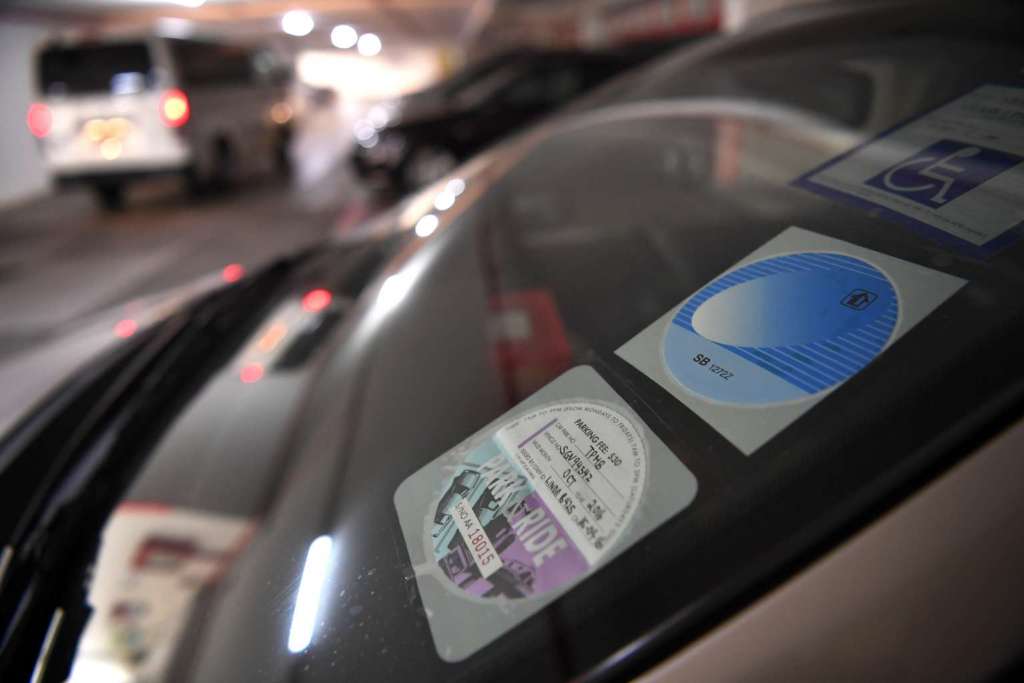
The Park & Ride scheme, which was introduced in 1990 to reduce traffic congestion in the city area, is being reviewed and could be on the chopping block.

The scheme to encourage motorists to park their cars outside the Central Business District and take a bus or train to their offices has had a low take-up rate.

When asked if Park & Ride would be scrapped, the Land Transport Authority (LTA) said only that it is reviewing the scheme and “more details will be announced soon”.

There are 42 Park & Ride carparks with a total of about 4,700 parking spaces across Singapore. But only about 40 per cent, or fewer than 2,000 of the spaces, are taken up each month – which the LTA has called “consistently low” for the past few years.

Motorists under the scheme pay $70 every month – $30 for a season parking ticket at a Park & Ride carpark of their choice and $40 for a travel card for use on the MRT and buses. The season parking ticket allows them to park between 7am and 9pm on weekdays.

The LTA said that only about half of the scheme’s users take public transport immediately after parking their cars. “In other words, there are some motorists who have likely been using the Park & Ride scheme as a cheap form of parking, which defeats the purpose of the scheme,” said an LTA spokesman.

  • 42 

    Number of Park & Ride carparks, with a total of about 4,700 parking spaces across Singapore. 

    40%

    Percentage of Park & Ride carpark spaces taken up monthly – which the LTA has called “consistently low” for the past few years. 

There is no penalty for doing so.

The misuse occurs at carparks near commercial hubs, such as at Block 842A, Tampines Street 82, and Block 156A, Toa Payoh Lorong 1.

When The Straits Times visited Toa Payoh earlier this week, it found at least two cases.

A 32-year-old civil servant, who wanted to be known only as Ms Lee, said she works nearby, so she passes the travel card to a friend, who reimburses her for the $40 value. “So I pay just $30 for parking. It’s cheaper than normal season parking, which is around $70 to $90,” she said.

SIM University senior lecturer Park Byung Joon said Park & Ride may become less relevant in Singapore as the island’s rail system doubles to 360km in length by 2030.

The network will be “quite comprehensive” and commuters will have better access to an MRT line to take them to the city area, he said.

According to the LTA, by 2030, eight in 10 households will be within a 10-minute walk of a rail station.

Dr Park said: “Park and ride schemes work well in places such as the United States and Europe, where people commute from the suburbs to the main city. For example, in Chicago, they have some form of metro connectivity, but it’s not so widespread.”

He said the Government’s ongoing $1.1 billion Bus Service Enhancement Programme, which will add 1,000 buses to the roads by next year, has also given commuters more travel options.

Still, for some commuters, Park & Ride has been beneficial. Mr Tan Wee Sheng, 41, a hospital executive, has been using the scheme for about 1½ years. Every morning, he drives from Tampines to Toa Payoh, leaves his car at a carpark there and takes the train to Novena. He said: “The scheme helps me save a lot. If I park at my office, it’s $20 a day. But Park & Ride is $70 for the whole month.”

He has considered taking public transport for the entire journey to the office, but said: “Since I already own a car, I can’t just be parking it at home all day.”


This article was first published on Oct 07, 2016.
Get a copy of The Straits Times or go to straitstimes.com for more stories.

Image: 
Blurb: 
<p>The Park &amp; Ride scheme, which was introduced in 1990 to reduce traffic congestion in the city area, is being reviewed and could be on the chopping block.</p>
Publication Date: 
Friday, October 7, 2016 – 16:00
Keywords: 
Send to mobile app: 
Source: 


Story Type: 
Others

Source link

S'pore student to make opening remarks at next US presidential debate

0

When United States presidential candidates Donald Trump and Hillary Clinton have their rematch in St Louis, Missouri, on Sunday, there will be a Singapore presence as well.

Mr Kenneth Sng, a Public Service Commission scholarship holder, will be delivering opening remarks at the event as the Student Union president of Washington University in St Louis, which is hosting the event.

His remarks are expected to be broadcast on American cable channel C-Span ahead of the clash between the two candidates.

Previous student leaders at presidential debates have also been given the opportunity to meet the nominees.

The Office of International Students and Scholars at Washington University said in its official newsletter that the role of Mr Sng – who is the first international student to serve as the Student Union’s president – in the event holds special significance.

Even more so “considering how issues surrounding immigration policy have become so prominent in this election”, it said.

The 24-year-old attended Jurong Junior College from 2009 to 2010, and the school said yesterday that it is proud of its student.

“We are extremely happy for him and very proud of him being the first international student to be elected president of Washington University’s Student Union, and being accorded this rare opportunity to deliver the opening remarks at the upcoming second US presidential debate,” it said.

According to interviews with the university’s student newspaper, Mr Sng said he ran to be president of the Student Union because he thought the university’s financial allocation process was not transparent or streamlined enough when he tried to start a Singapore students’ association.

The final-year student in economics and mathematics added that he intends to bring his approach to campus life back to the civil service when he graduates.

“If I have that sense of purpose and meaning in a career in civil service, I’ll definitely continue for as long as I can.”

Over 80 million people tuned in to watch the first debate between Mr Trump and Mrs Clinton, and another large audience is expected for the rematch.

The debate begins next Monday at 9am (Singapore time).


This article was first published on Oct 07, 2016.
Get a copy of The Straits Times or go to straitstimes.com for more stories.

Image: 
Category: 
Blurb: 
<p>When United States presidential candidates Donald Trump and Hillary Clinton have their rematch in St Louis, Missouri, on Sunday, there will be a Singapore presence as well.</p>
Publication Date: 
Friday, October 7, 2016 – 14:00
Send to mobile app: 
Source: 


Story Type: 
Others

Source link

Swimmers Joseph Schooling, Theresa Goh to receive National Day Awards

0

The Ministry of Culture, Community and Youth says Joseph Schooling will receive the Meritorious Service Medal (Pingat Jasa Gemilang) while Theresa Goh is to be presented the Public Service Star (Bintang Bakti Masyarakat).

Source link

Schools to offer 7 new hands-on subjects

0

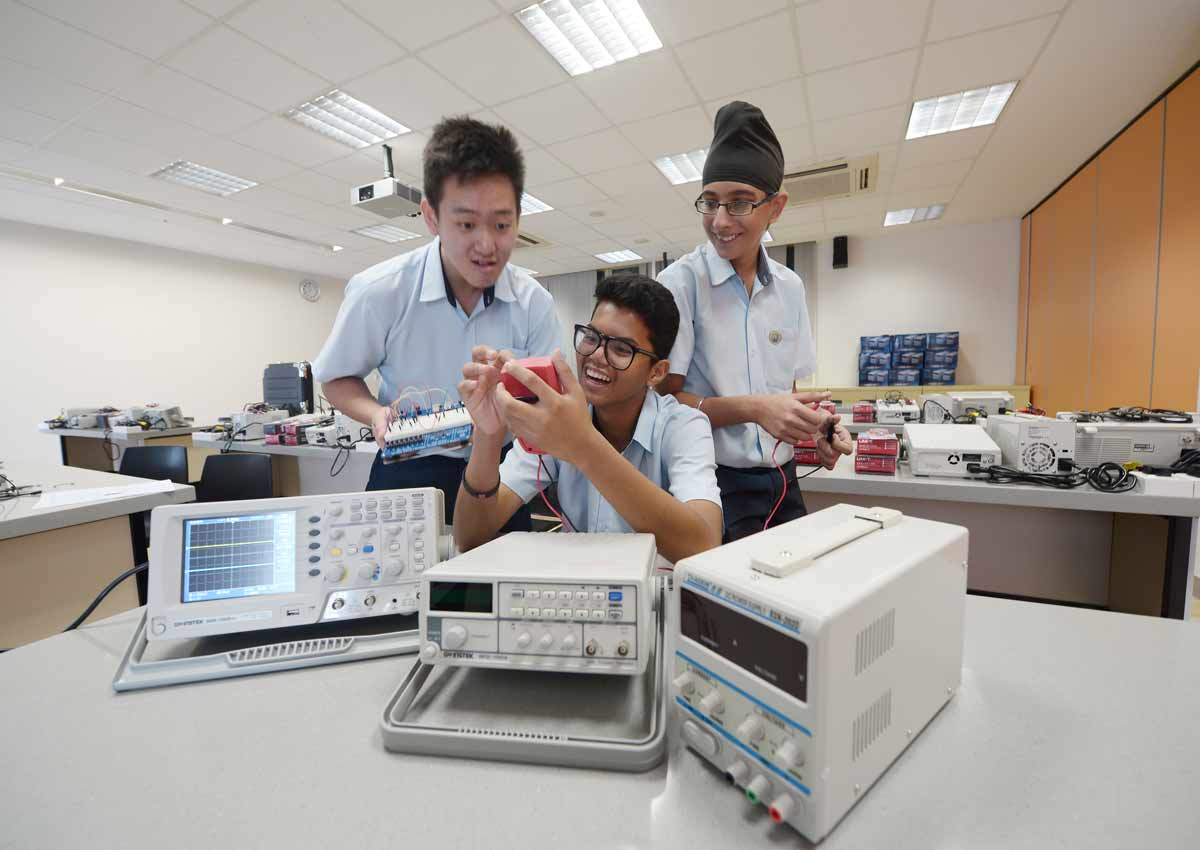
A set of new applied subjects to be introduced in schools will give young people a head start in figuring out their interests, beyond traditional academic disciplines, said parents and teachers.

Seven new subjects will be offered over the next two years.

Electronics and computing for O-level students will start next year, along with three Normal (Technical) level subjects – smart electrical technology, mobile robotics and retail operations. In 2018, drama, as well as exercise and sports science, will be offered at O level.

Mr Billy Ng, 54, who owns an IT consultancy, said his Secondary 1 son would enjoy electronics and computing. “Since primary school, he’s been into gadgets, technology and programming.”

National Institute of Education (NIE) don Jason Tan said the new subjects are in line with the SkillsFuture movement to encourage students to discover their interests, especially in applied learning.

“The range of subjects sounds in tune with some of the polytechnic and Institute of Technical Education (ITE) courses, and these will give students a head start in preparing for post-secondary education,” said Associate Professor Tan.

He also said it is good that some subjects cater to Normal (Technical) students. “It will be helpful for them in deciding which courses to take in future.”

Mr Ravintharan Palanisamy, who will teach mobile robotics next year at Woodlands Ring Secondary School, said: “We hope to make the subject come alive so that students will be enthused and pursue related courses later on.”

Secondary 2 student Zikry Izzaniq Azizan from Hong Kah Secondary, who hopes to take electronics next year, said: “In primary school, I took part in a robotics workshop and started to like electronics.”

The 14-year-old, who wants to study engineering at a polytechnic, said: “Hands-on learning gives more focus than just reading textbooks.”

In addition, secondary schools work with post-secondary institutions to offer shorter courses in applied topics.

For instance, more than 6,000 students have taken advanced elective modules (AEMs) – offered by the polytechnics to give Express and Normal (Academic) students a glimpse at practical training through laboratory sessions and workshops by poly lecturers.

The AEMs began in 2006 with about 200 students. Now, there are about 150 modules to choose from, in areas such as hospitality, aerospace and digital animation.

Since 2007, about 5,400 Normal stream students have also taken up elective modules offered by schools together with the ITE.

There are now 31 such courses in areas related to science, technology, engineering and mathematics.

The modules can count towards credit requirements when students join the ITE.


This article was first published on Oct 07, 2016.
Get a copy of The Straits Times or go to straitstimes.com for more stories.

Image: 
Publication Date: 
Friday, October 7, 2016 – 14:00
Send to mobile app: 
Source: 


Story Type: 
Others

Source link

Doraemon under attack as a bad influence on children in India, Pakistan

0

NEW DELHI – Beloved Japanese manga character Doraemon might seem to be an unlikely source of serious controversy.

But in India and Pakistan, the chubby blue robotic cat has become a target of bitter criticism from some politicians and social activists. They are campaigning to ban the popular character from television.

In late July, Ashish Chaturvedi, 26, a prominent social activist in central Madhya Pradesh state, sent a letter to various organisations in India urging a ban on the Doraemon anime series. The recipients of the letter included the central government, the state government, a self-censorship organisation for entertainment programs, and two broadcasters airing the Doraemon series, including Disney India.

The letter enumerates examples of bad influences the TV series is having on children in India. It claims, for instance, that many children have acquired some of the bad traits of one of the central characters, Nobita, a silly and unmotivated pre-teen boy. Doraemon is continually having to help the hapless Nobita get out of various scrapes. In the letter, Chaturvedi alleges that children emulating Nobita have started refusing to do their homework and speaking to their parents and teachers impolitely. He also criticises Nobita for openly saying to a girl in his class, “I like you very much.”

This is no laughing matter in the conservative country. In an interview with The Nikkei, Chaturvedi said a recent major scandal prompted him to launch the campaign to banish the cartoon cat.

Read the full article here.

Image: 
Category: 
Publication Date: 
Friday, October 7, 2016 – 12:58
Send to mobile app: 
Source: 


Story Type: 
Others

Source link

9-year-old has successful kidney transplant with help from NKF

0

It is Children’s Day today. For the first time, nine-year-old Lim En Xuan could let go and feast happily on fishballs and cotton candy at her school’s annual celebration carnival yesterday.

En Xuan used to have end-stage kidney disease and had to watch her diet strictly. Last year, she vomited after having an “overdose” of the pink cotton floss.

“The worst part about my kidneys not working is not being able to eat a lot of snacks, such as my favourite cashew nuts and Oreo biscuits,” said En Xuan.

She had a successful kidney transplant in April and is the youngest cadaveric kidney transplant patient helped by the National Kidney Foundation (NKF) so far.

The youngest such patient at the National University Hospital (NUH), which runs the national kidney transplant programme for children, is six years old.

Professor Yap Hui Kim, who heads the Division of Paediatric Nephrology at NUH, said the earlier transplantation is done, the better.

“Research has shown that (children) grow better in terms of height and they do better in school, so it affects their lifespan and quality of life,” said Prof Yap.

Those on long-term dialysis are at risk of developing heart disease by the time they are 30 to 40 years old.

However, she said the average waiting time for a kidney for the children is six to 10 years because of the lack of donated kidneys.

Every year, about two to four children get kidney transplants from dead donors. More than half of the children with end-stage kidney disease get their kidneys from living donors, usually their parents.

But sometimes, their parents cannot donate because of an underlying medical condition or a mismatch in blood group.

About a third of children with end-stage kidney disease end up waiting.

Read also: 60% rise in kids being treated at NUH for kidney disease

Unlike Singapore, many developed countries let the children jump ahead of the queue in getting a kidney transplant because they tend to have better outcomes and the young ones are able to enjoy a better quality of life earlier.

En Xuan was born with kidney disease, and both of her kidneys stopped working when she was in Primary 1.

Every night for the last three years, she has had to go to bed by 8pm to be hooked up to a dialysis machine for 10 to 12 hours at home. The machine filters waste products from her blood.

That arrangement tired her out as she could not sleep well.

She used to cover her head with a pillow to block out the noise that the machine makes. In class, she often daydreamed or fell asleep.

As she often fell sick or was hospitalised because of her lower immunity, she missed up to one or two months of school each year.

“In my diary, I would write that I was sad and lonely as I missed my friends and I was scared that I couldn’t catch up with my studies,” she said.

During her operation in April, there were some complications and she needed to take two doses of a drug that costs over $21,000, which the family could ill afford. NKF stepped in and paid for it through donations.

En Xuan was discharged in May and has since put on 8kg.

“Soon, I won’t be able to fit into the pail in the toilet,” she said, referring to the pail she uses at home to create a bubble bath as she could not go near a pool in the past owing to fears of infection.

Now that she has a new kidney, learning to swim is at the top of her to-do list.


This article was first published on Oct 07, 2016.
Get a copy of The Straits Times or go to straitstimes.com for more stories.
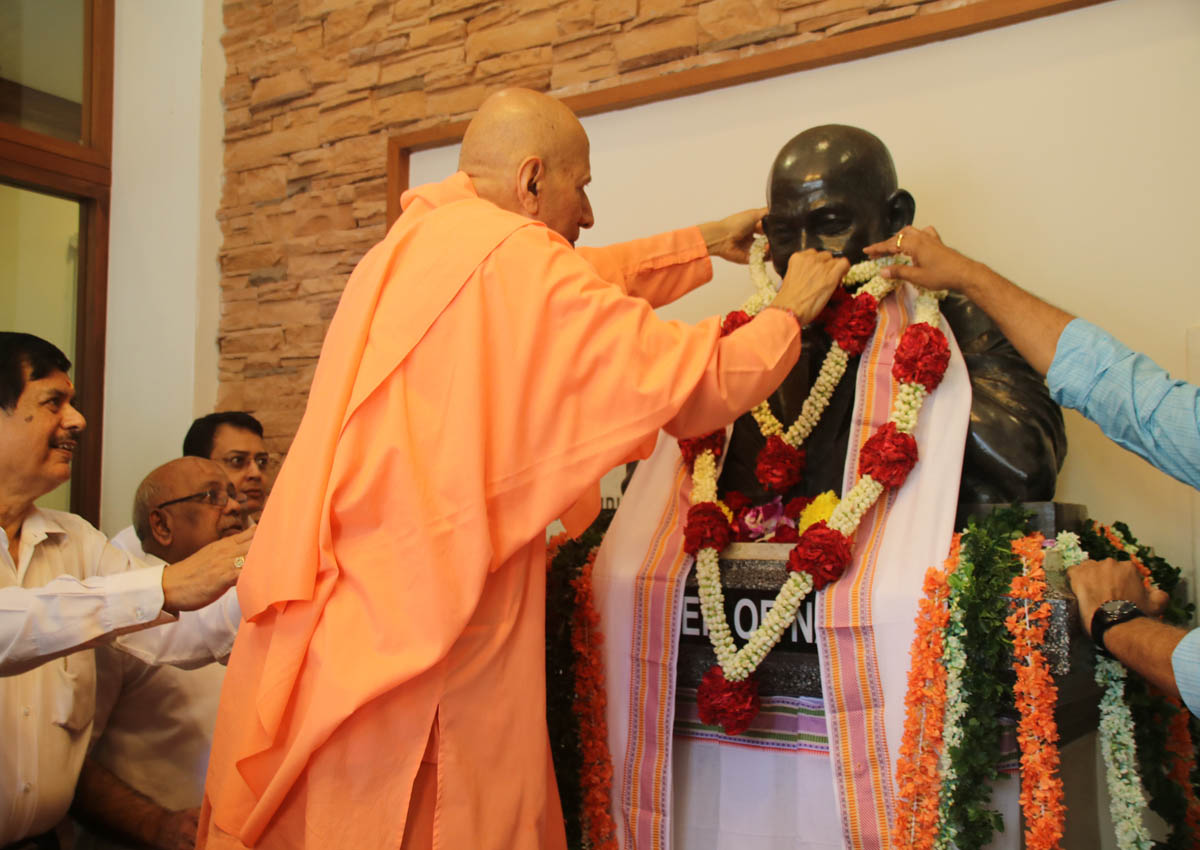
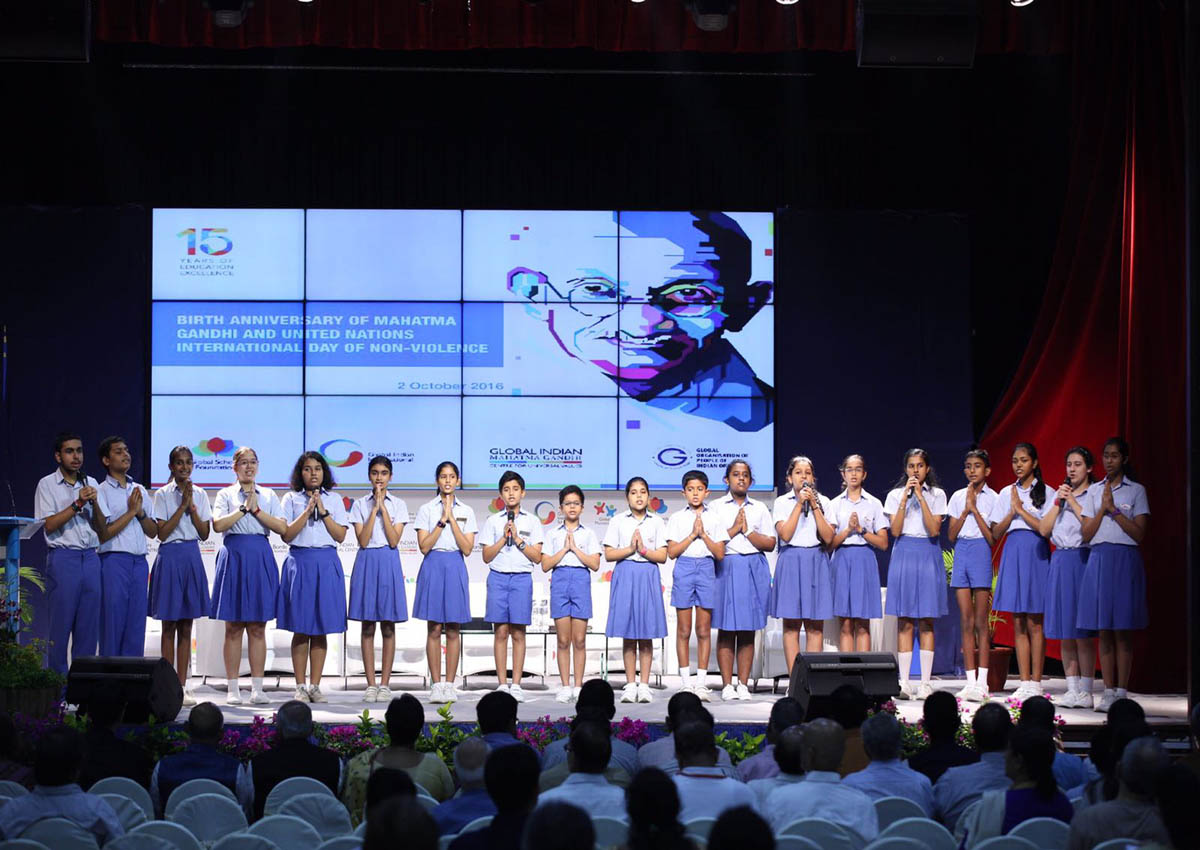
Image: 
Publication Date: 
Friday, October 7, 2016 – 14:00
Send to mobile app: 
Source: 


Rotator Headline: 
9-year-old has successful kidney transplant
Story Type: 
Others

Source link